Last week, Eagle Corner FES and ChinaJoy were the two major destinations in Shanghai that continued to draw crowds even in the height of summer.
The ChinaJoy (CJ) expo, which brings together the gaming community, has become a platform for industry professionals to exchange ideas and network—and as such, it may offer the best vantage point for observing changes in the gaming industry. In contrast, the visitor profile for Eagle角 FES is much simpler; on the surface, Eagle角 FES is an expo dedicated solely to gamers.
Although the two have very different atmospheres,after visiting Yingjiao FES on August 2, I realized that just as the game industry can be observed through the ChinaJoy (CJ) event, Yingjiao FES also offers a glimpse into the changes in Yingjiao’s product strategy following the launch of *Arknights: The End of the World* (hereinafter referred to as *The End of the World*), as well as the company’s unwavering commitment to organizing offline events.
01
One IP, Two Centers
China’s urban planning incorporates the concept of a “dual-core city,” and many first- and second-tier cities across the country are now adopting this approach.Simply put, this involves consciously fostering two urban centers with complementary functions and differentiated development, rather than allowing the city to sprawl indiscriminately around the central core, thereby creating a healthier “dual-core driven” spatial pattern.
This is what is known as the “one city, two centers” model. This model offers many benefits, the most significant of which is alleviating congestion and resource overload in a single central area, thereby promoting balanced and multidirectional urban development.
From a product perspective, the model Eagle Corner has currently established closely resembles this approach, which I call the “One IP, Two Centers” concept.
This year's Yingjiao FES is a manifestation of this philosophy.
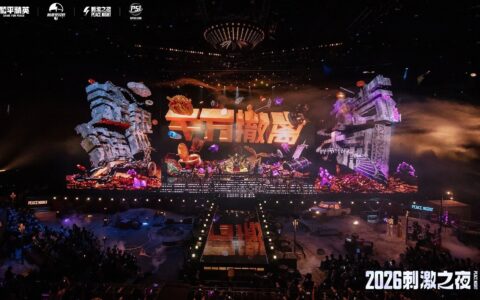
For this FES, Yingjiao utilized four venues at the Shanghai National Exhibition and Convention Center.
Aside from Hall NH, which serves as the entrance, Hall 4.1H is the Arknights-themed hall, Hall 3H is the Apocalypse-themed hall, and Hall 2.1H, the general-purpose hall, houses the main stage, demo areas for *From the Stardust* and *Pompom*, as well as dining and rest areas.
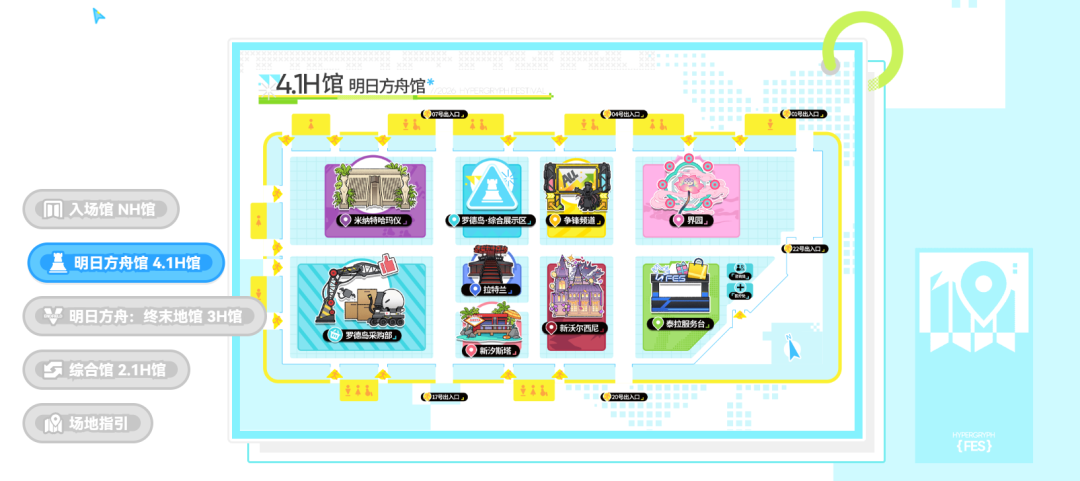
As some of you may already know from various sources, this is the first-ever Yingjiao FES. Previous events were all called the “Arknights Carnival.” As the name suggests, the first two Carnivals were primarily focused on a single game, and Yingjiao’s approach to organizing offline events has largely been rooted in the *Arknights* universe.
For example, in 2024, the main pavilion of the Ark Carnival was organized according to the nations and regions of Terra, featuring exhibition areas such as Victoria’s Steam Knights, the Throne of Letania, the Cathedral of Latran, and the Silverheart Lake Train of Shelag;Meanwhile, the auxiliary pavilions housed the Chronicle Corridor, the Main Stage, and the Freedom Stage, serving as hubs for community culture.
It’s safe to say that, prior to the launch of *End of the World*, Eagle角’s offline exhibitions will primarily focus on showcasing different facets of the *Arknights* universe. Design elements—such as the layout and visitor flow—will revolve around this central theme.
This year, however, is completely different—the focus of the exhibition space layout has shifted to “the relationships between products.”
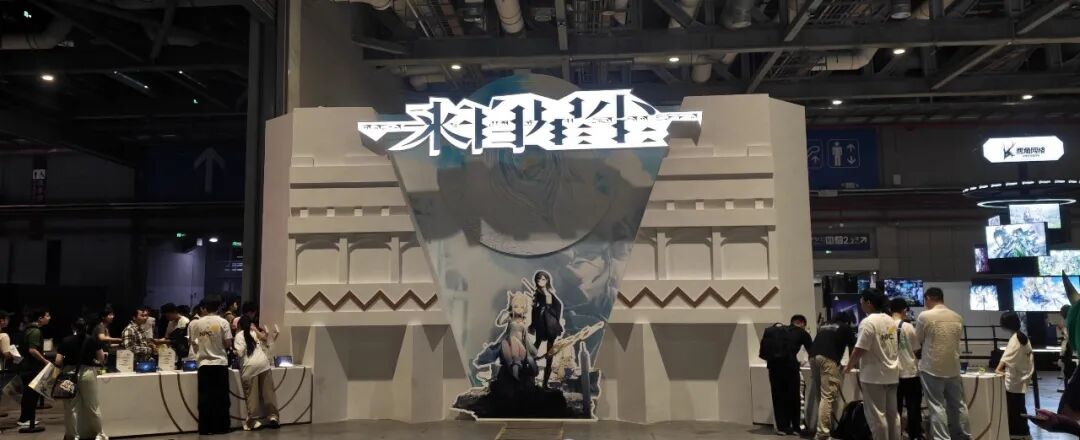
Let’s start with the two major themed exhibition halls:*Arknights* and *Arknights: The End of the World*—these two product-themed pavilions each occupy one leaf of the National Exhibition and Convention Center’s “four-leaf clover” layout, enjoying equal status. In fact, exhibition management theory clearly states that, for trade shows, pavilions are on the same hierarchical level, while the zones within each pavilion are subordinate to one another.
Space doesn't lie. Essentially, the layout of Eagle Corner's FES pavilion conveys the message that these two products are currently the two core pillars of the Arknights IP.
Building on this, just as the two centers in the “One City, Two Centers” concept are characterized by their “distinct qualities,” the interior zones of these two themed pavilions also possess their own distinct atmospheres. If we were to distinguish them in terms of dynamism and stillness, the “Still” zone would be the ultimate destination, featuring predominantly landscaped areas such as Wuling Commercial Street and Qingbo Village.
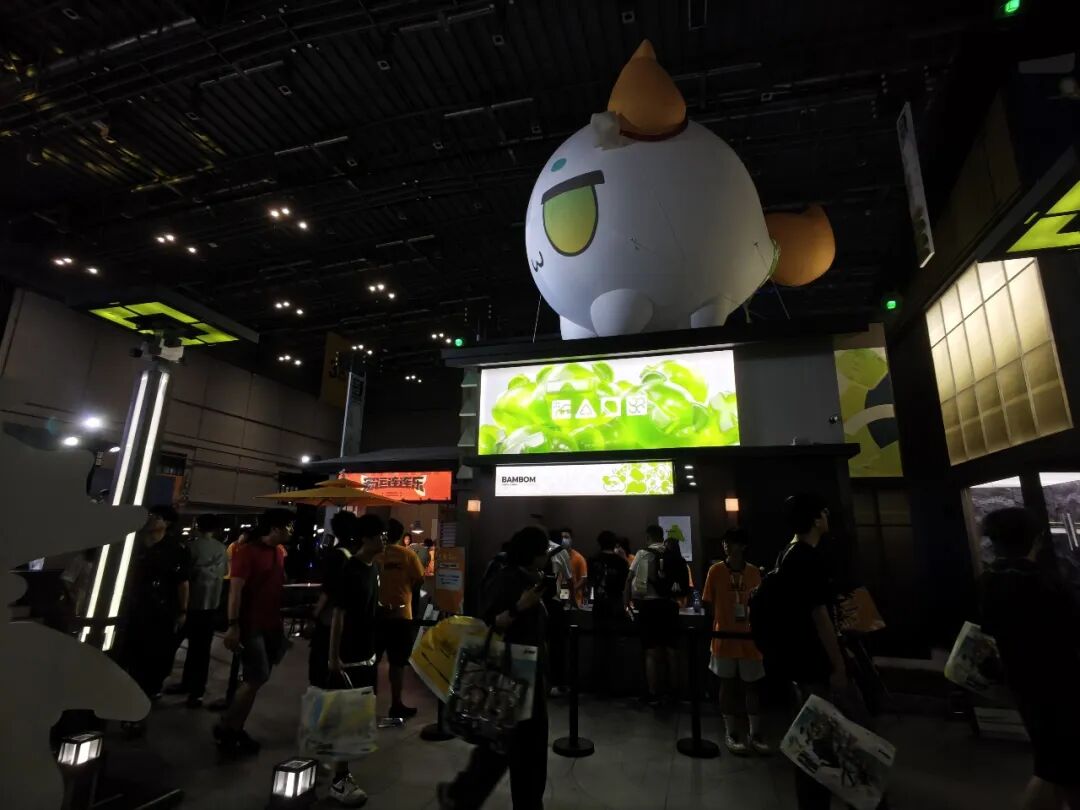
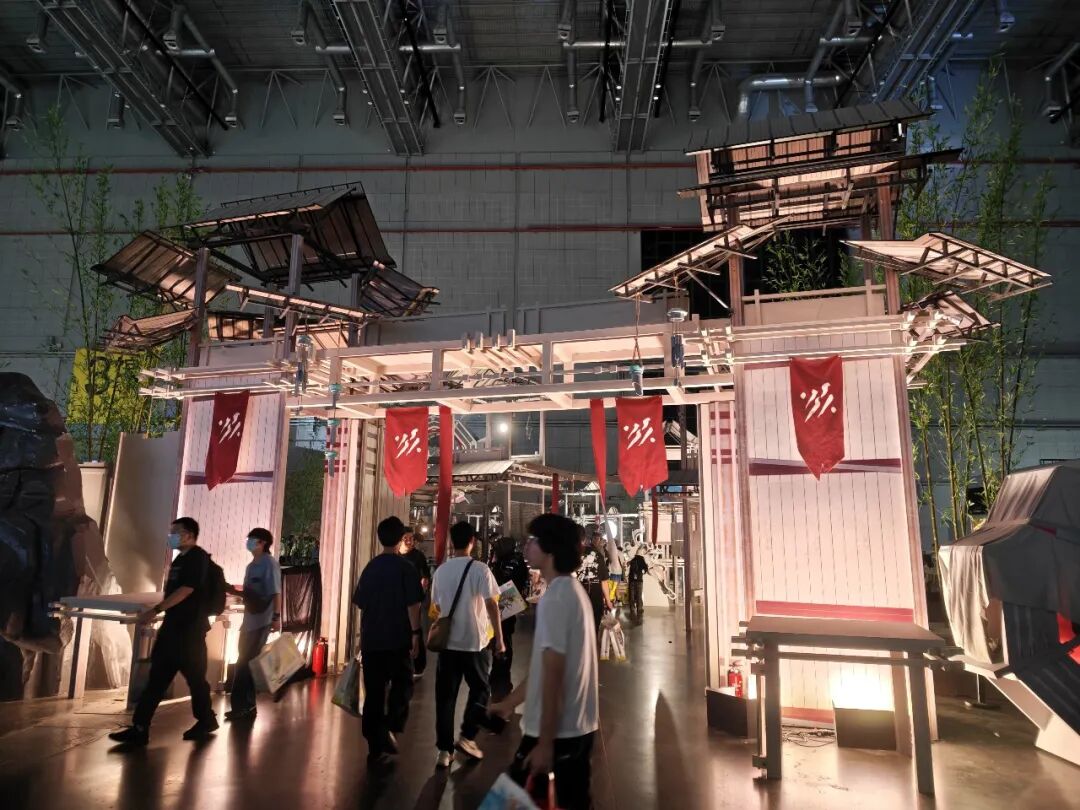
There is also the Tawei II Ecology Exhibition, which rivals a “museum-quality” art exhibition.
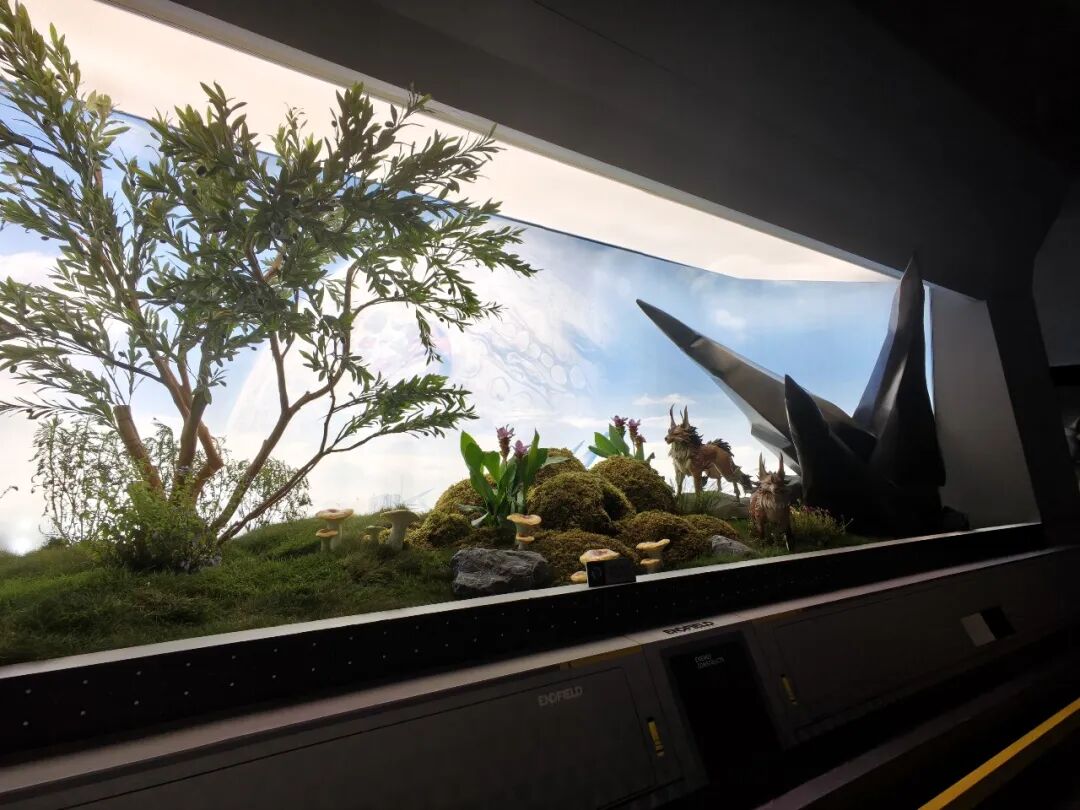
Overall, the Endland exhibition hall shares the same style as the game itself, featuring a distinct industrial aesthetic centered on visual presentation. This approach is quite understandable,Since "The End" has only been live for half a year and building up content takes time, prioritizing the realistic portrayal of the world—showcasing the scale of the Dijang and the ecology of Tower Guard II, among other aesthetic designs—is undoubtedly a more solid choice.
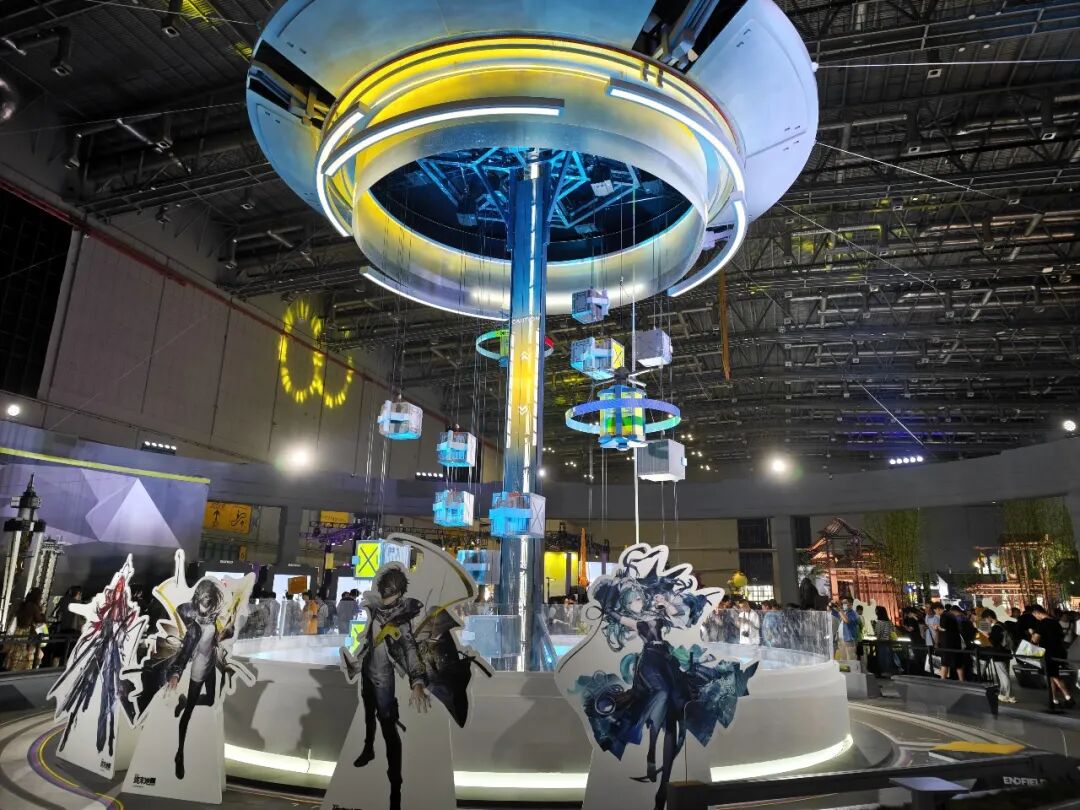
As for *Arknights*, it leans more toward "dynamic" gameplay and places greater emphasis on the stage and interactive experiences.
These two concepts are exemplified by two exhibits at the Arknights Pavilion: the Syracuse New Valsini Stage and the Clash Channel.
The stage performances at New Wolcini essentially brought to life players’ imaginings of scenes from the 2024 SideStory game “The Unveillers”—the dance of the twin wolves, the carnival floats, and so on. With 45-minute shows running nonstop all day, the booth was packed shoulder to shoulder the entire time; I, for one, couldn’t even squeeze in.
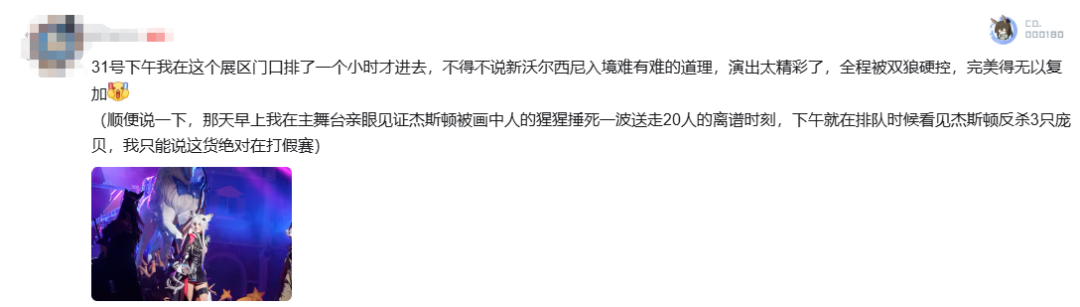
Players' withdrawal symptoms are particularly severe as well
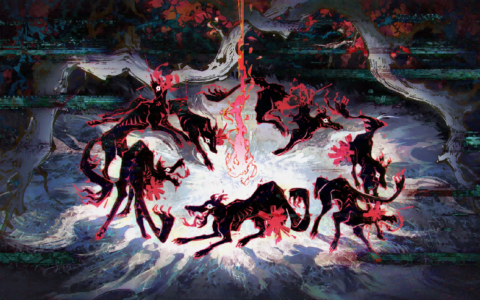
As one of the platform’s most entertaining features, the “Showdown Channel”—unlike the “queue-and-check-in” design common to many offline interactive mini-games—saw Eagle角 FES carry over the in-game “choose a side” mechanic to its Showdown Channel booth.
The ample space allows for a level of engagement far surpassing that of other venues, bringing the in-game experience of “ALL ALL” cheering fully into the real world. You’ll often see hordes of monsters on the big screen suddenly stage a comeback against all odds, triggering cheers so loud they seem to shake the roof in one section of the arena,while on the other side, a chorus of disappointed sighs rises—the two emotions colliding in the air.
The cheers of players echoed throughout the Arknights exhibition hall, making this in-person "electronic cricket-fighting" area the liveliest spot in the entire Arknights pavilion—without a doubt.
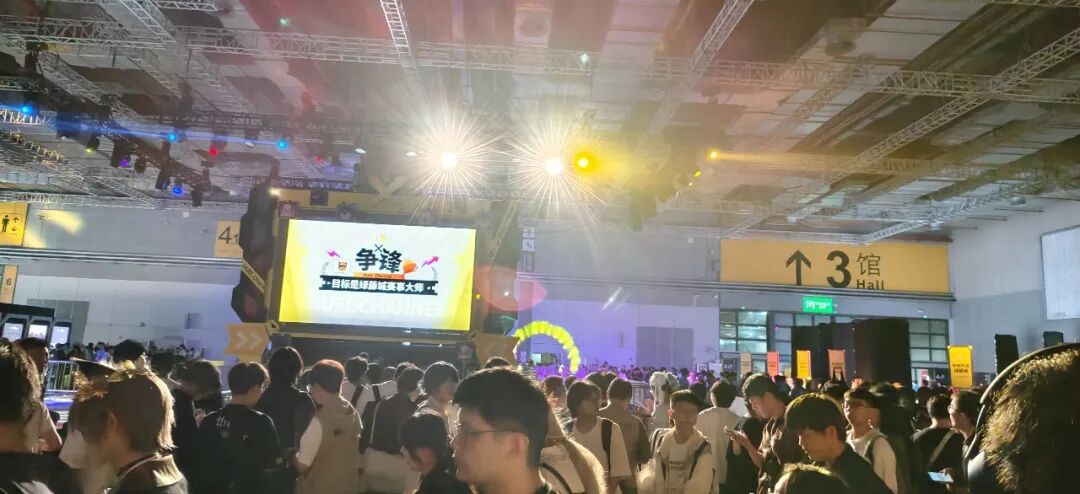
As I mentioned in my previous review of *The End of the World*, this effect is achieved precisely because *Arknights* has a long-standing player base,the player community has cultivated a deep shared sense of nostalgia. Booth designs that are more dynamic and place greater emphasis on recreating the game’s “visual spectacle” and “gameplay” are better able to engage participants. Essentially, this serves to re-create the emotions experienced in the game in the real world.
One reinforces aesthetic perception, while the other taps into deep-seated memories.
This is what makes the "dual-hub" concept at this year’s Eagle Corner FES so significant; this contrast also creates a state of flow during the event experience—especially for players trying out both games simultaneously, as the dynamic and tranquil elements complement each other, creating a perfect balance of tension and relaxation.
Of course, just because the Ark Pavilion is more dynamic doesn’t mean its set design is a weak point; similarly, the Endlands also feature interactive games with dynamic elements, such as the “Stacking Bamboo Tubes” game, which has a Wuling-style theme.
My body was exhausted from running around at the Eagle's Corner FES all day, but mentally I wasn't tired—and this is partly why.

So, aside from the dynamic and the static, what about the 2.1H multi-purpose hall?
Let’s take this urban development analogy a step further. For a city, in addition to its two main centers, there must of course be “supporting facilities”—and that’s exactly the role the Multipurpose Hall plays: it features a main stage, dining options, and rest areas, plus demo zones for *From Stardust* and *Pompompom*.
At first, I thought these two Eagle Corner products were placed in the General Hall mainly for ranking purposes, but after browsing through the section, I realized there were more practical considerations at play.
The first level is foot traffic. 2.1H is where all visitors eat, rest, or watch the stage performances; it serves as a transfer point during the tour, and people tend to stay there for a relatively long time.
Placing these two lighter-weight products along this customer flow path means maximizing exposure with minimal floor space—a strategy very similar to that used in subway retail.
The second level involves matching the product formats.For *Arknights* and *Arknights: The End of the World*, the offline experience requires a massive recreation of the game’s content, which can only be achieved through a full-scale exhibition spanning an entire hall; whereas for *From Stardust* and *Pump Pump*, the core experience lies in the gameplay itself, so a hands-on demo area is already the most efficient format for these two products.
So, as you can see, the design of the Eagle Corner FES venues is actually quite industrial in nature. The four venues housing the respective products each serve a specific purpose and are interconnected: the Endpoint Pavilion is for static viewing, the Ark Pavilion is for interactive experiences, and the Comprehensive Pavilion serves as a balanced complement. In fact, it even has a touch of integrated industrial design.Players move along a conveyor belt, flowing between the three pavilions.
Looking back at this structure, you’ll notice that when Eagle角 first showcased four products side by side, the trade show serving as the platform also underwent a substantial upgrade.This is why the “Arknights Carnival” was renamed “Yingjiao FES”—only by elevating it to a company-wide event could it equally accommodate multiple product lines. Behind the scenes, this was actually a supporting measure following changes to Yingjiao’s product structure.
That’s why I say that Yingjiao FES is an iteration of Arknights FES, rather than a sequel; its release signals, to some extent, that Yingjiao has now completed the development of its product portfolio and will continue to expand it.
02
Stay True to Our Original Aspirations
Now that we’ve covered “patterns,” we should, of course, briefly discuss the “capacity” that underpins these patterns.
Many related reports have highlighted the high standards of Eagle Corner’s FES—such as realistic vegetation and the level of detail in the environments—and while this is indeed true, it’s actually just more of the same from Eagle Corner.
As early as the first in-person carnival in 2023, Eagle角 introduced the Sargon Rainforest—composed of real vegetation—and the Rod Island flagship—built with a focus on material realism—to ensure the on-site experience was as immersive as possible. All of this was documented in the behind-the-scenes production record of the 2023 Arknights Carnival.

So to simply say “this year’s FES was top-notch,”to be honest, that’s an oversimplification. The fact that we were willing to make many of the difficult decisions mentioned in the behind-the-scenes documentation back in 2023 shows that this “meticulous” standard has been Eagle’s approach since the very first edition. It’s just that, due to objective constraints, the scale of what we could actually deliver at the time was limited,and the production logic for many scenes was closer to “set design,” with a greater focus on their visual appeal.
But at least the concept has been established. I think Eagle Corner is aiming to bring the game world to players with as little compromise as possible.
Later, Eagle Corner’s in-person events gradually began to expand the scope of the installations beyond mere “viewing”; a prime example was the 25th-anniversary Integrated Mapping Exhibition,At that time, nearly every zone incorporated interactive elements, such as the AR interaction in the Sakaz “Rogue-like” themed zone and the path-selection mechanics in the *Shadow Puppets and the Scarlet Solitaire* themed zone.
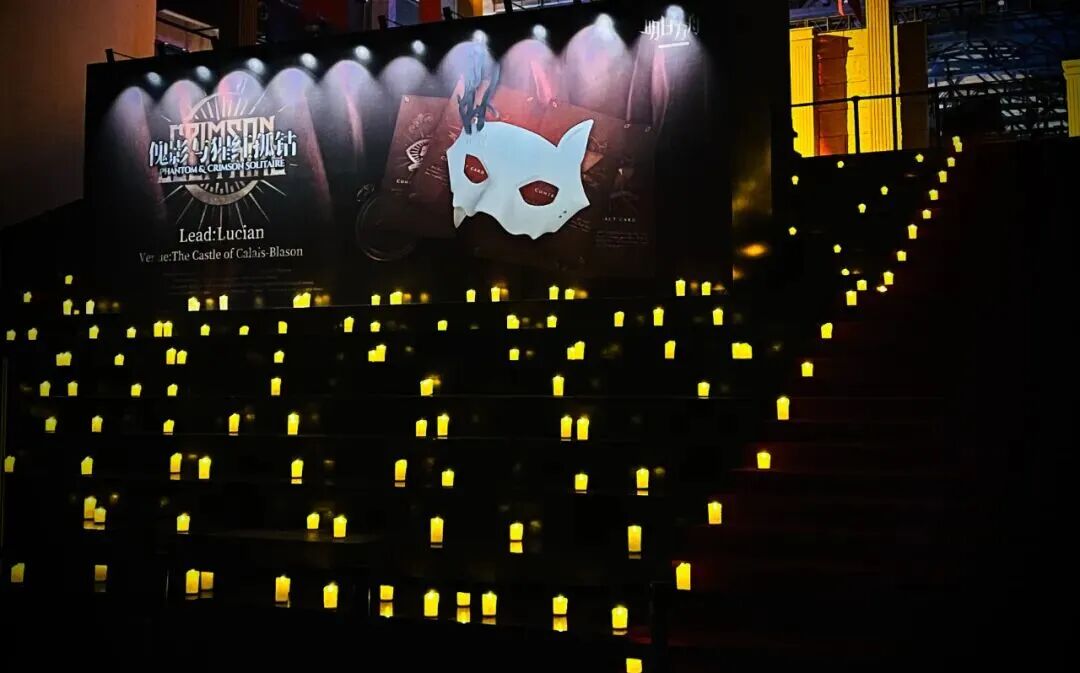
Counting from 23, today’s Eagle’s Corner FES marks the third edition of the carnival. You’ll notice that the changes continue to revolve around the concept of “iteration”—the coverage of real vegetation has expanded, and there are now more application scenarios.For example, the Ark Pavilion aims to make the “Garden of Realms” feel more authentic, so it features a large number of horticultural plants; in the Minat Hamay area, palm trees have been planted around the perimeter to create a desert atmosphere;The End-World Pavilion aims to showcase the rich ecology of Titan II, so plants appear not only in display windows but also on the ground along the paths in the Wuling scene, with an even greater variety of species.
The meticulous attention to materials is also evident in the End-World Pavilion. For example, in the preparation of specimens of the Tower Guardian II creatures, the exoskeletons of the Stone Worms and the fur of the Armored Cracked Beasts were not simply painted props; instead, distinct materials were used to simulate the varying textures of the creatures’ surfaces.The carapace aims to capture the cold, hard sheen of mineral crystals, while the fur is designed to convey the fluffiness and layered texture of animal fibers.
This distinction may not be obvious when viewing the photos alone, but when you’re there in person and look closely, the sense of life enhances the realism, and combined with the depth of field, it actually gives all the ecological display windows a dynamic, pseudo-3D quality.
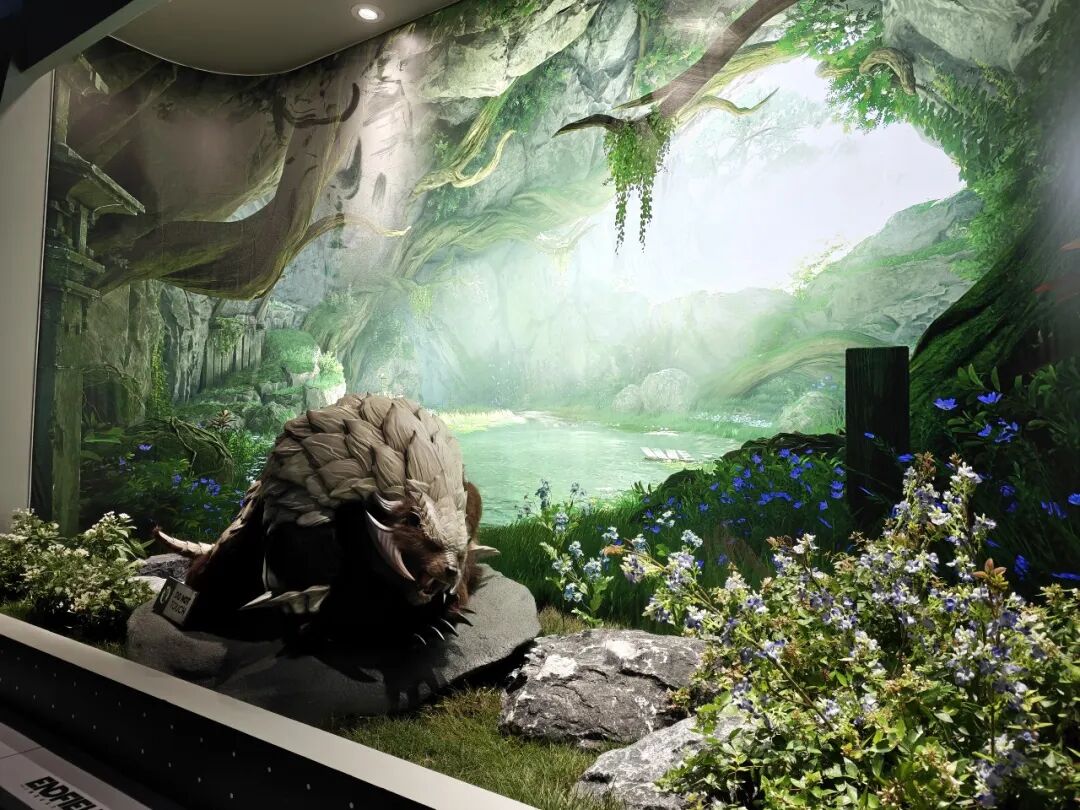
This is actually the best demonstration of Eagle Corner’s philosophy of lossless restoration—restoration is not just about sculpting form, but also about capturing a sense of vitality.
As for the Arknights Pavilion, the direction of its evolution is more evident in the depth of its interactive experience. If the Integrated Mapping Exhibition marked the first systematic introduction of interactive mechanisms, then this year’s Arknights Pavilion at FES has taken interaction a step further—from the mechanical level to the emotional level.
As I mentioned earlier regarding the “Clash Channel,” it is not, in essence, an interactive device. People take sides, cheer, and collectively cheer or groan as the battle unfolds on the big screen; the medium of interaction is not buttons or screens, but rather “the people present.”
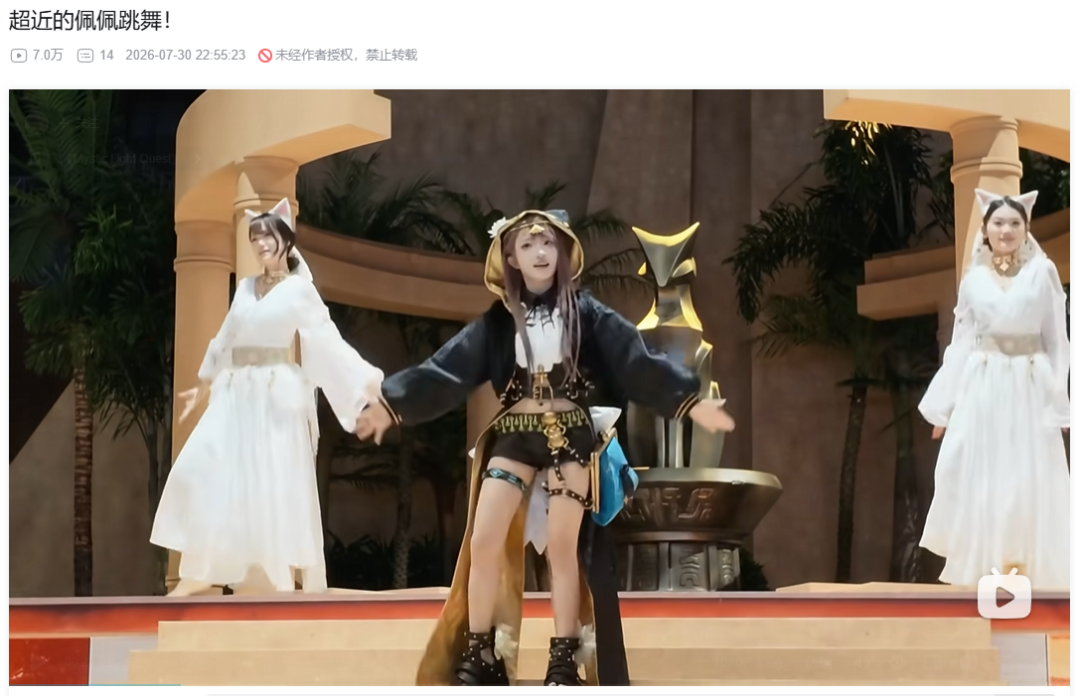
Just as Minat Hamay stands directly opposite the New Wolcini Stage,“Pepe and Bingbing” was the most viral community phenomenon at the time. Like the “Two Wolves” stage, its recreation tapped into the shared memories that had taken deepest root and spread most widely among the player community, then reactivated them through physical spaces and the density of the crowd.
The stage design logic of Eagle Corner FES is actually very consistent, including the “Boundary Garden” within the same venue. As a gameplay experience,the core impression it leaves on players is that of a Chinese-style, mysterious atmosphere reminiscent of winding paths and secluded courtyards—filled with lush greenery, meandering corridors, rockeries and pavilions, and a lingering, subtle sense of Chinese-style horror.
And what Eagle Corner recreates in its offline events is precisely this atmosphere itself.
The Jieyuan exhibition area on-site featured abundant real vegetation combined with dry ice fog, with eerie purple and green lighting enveloping the entire space; hidden deep within was even an entire floor of inner chambers that players could walk into,The entire structure, from the inside out, was designed in the style of traditional timber architecture, with everything—from the solid-wood coffee table to the sturdy printing blocks—made of authentic materials.
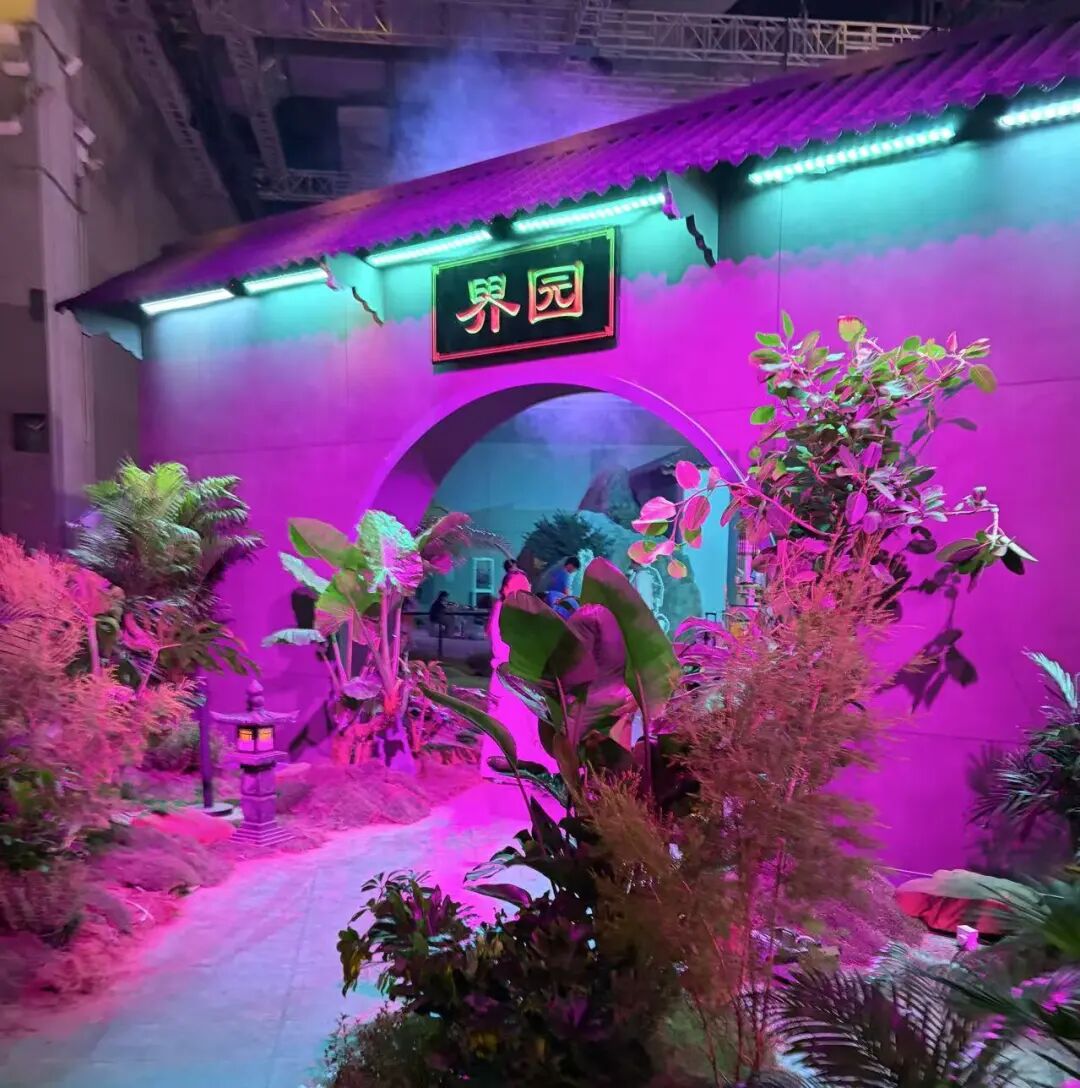
All three transform players’ “shared experiences” into a sense of presence; the only difference lies in their approach—or, more specifically, in how the content is presented. New Wolskin focuses on narrative highlights, Minat Hamay focuses on community events, and Jieyuan focuses on scene perception.
So, if we were to map out the evolution of Eagle Corner’s offline events over the past few years, it would roughly look like this: from watching, to playing, to shared experiences. This three-step journey is, at its core, the same commitment to excellence manifested in different ways under varying circumstances—the methods may change, but the direction remains constant.
From 2023 to the present, Eagle Corner has continuously raised the bar for engineering precision at each of its carnivals. This improvement isn’t simply about increasing the size of the venue or the number of booths; rather, it represents a higher standard of execution for the same concept.
The cumulative effect of these standards over the years naturally requires ongoing investment in costs and the experience our team has accumulated over the years, as well as sufficiently strong product revenue performance to underpin the confidence in our decision-making. But ultimately, whether or not we are willing to continue doing this is a matter of attitude, not capability.
Eagle Corner FES has proven that Eagle Corner has remained true to its commitment for three years, day in and day out.
Moreover, this traceable “iteration” is, in and of itself, a concrete manifestation of industrial capabilities.
It’s worth saying a few more words here about the term “industrialization.”
When people in the industry talk about industrialization, they usually refer to the R&D pipeline—for example, the standardization of art assets or the scheduling of production capacity across multiple projects. But Eagle角 FES made me realize that industrialization actually has another aspect that isn’t discussed as much: the industrialization of offline delivery.
What is meant by "industrialized offline delivery"?
Simply put, this means that even as the scale of the exhibition expands or as part of the annual cycle, a consistent standard can still be maintained.
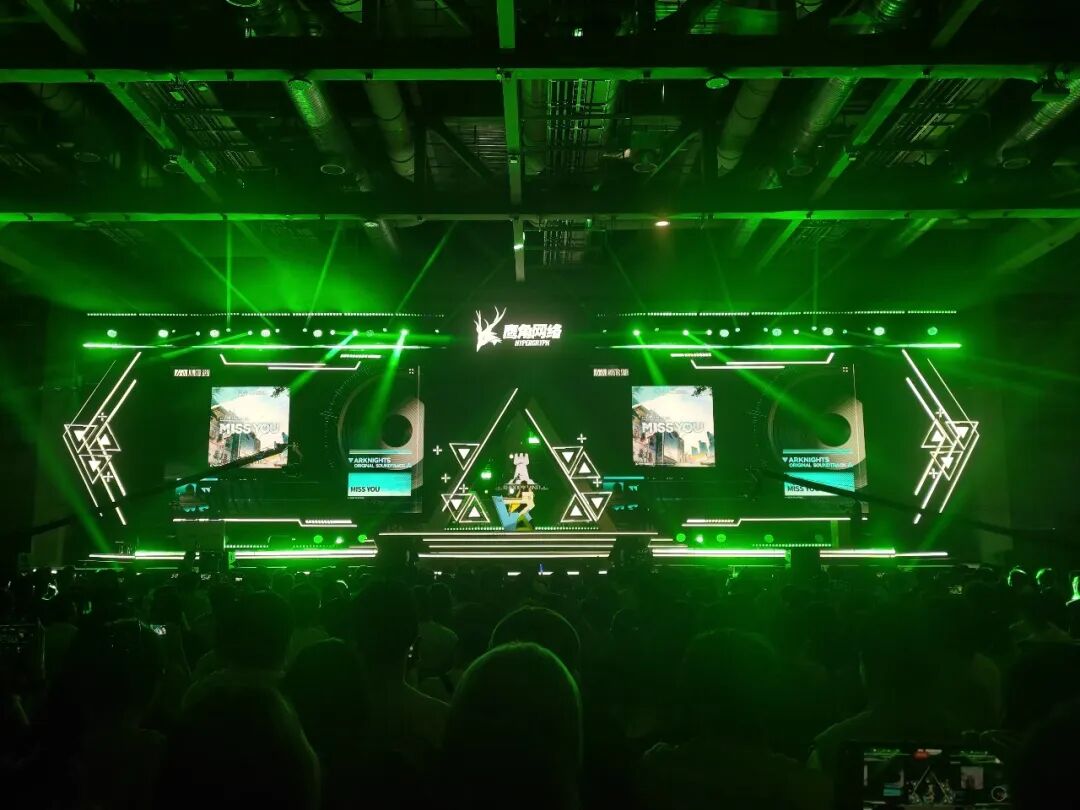
Just like the Eagle Corner Carnival, which has gradually expanded to its current scale—with four exhibition halls, a growing number of exhibitors, and a wider range of activities—it still manages to ensure the high quality and thoroughness of every event.
It’s important to note that for trade shows, each edition features a different theme, varying exhibits, and distinct venue conditions. Combined with the unique challenges of trade show setup, each in-person event presents new challenges. As a result, Eagle Corner faces a situation where its in-person exhibition space expands every year, its product offerings grow, and it cannot lower its standards.
The key point is that, judging by this year’s FES, Yingjiao has truly pulled it off. This year’s FES was on a larger scale, with the amount of content on display nearly doubling, but based on the on-site experience, there was no sign of a decline in quality.
Behind this achievement must lie a well-established methodology—such as a classification system for the design logic to be applied to different types of exhibition areas (scenic, interactive, atmospheric), decision-making criteria for material selection, lighting design, and visitor flow planning, as well as project capabilities in supplier management and schedule control.
In other words, doubling the scale without sacrificing precision—and the sheer awesomeness that players experience on-site—all stem from an invisible set of industrial methodologies.
So, as you can see, Eagle角’s offline journey over the past three years hasn’t simply been a matter of “getting better every year.” It’s more like a flywheel: the lessons learned from each event—in terms of investment and returns—build the capacity needed for the next event’s expansion; and each expansion, in turn, compels the team to make more tacit knowledge explicit and formalize it into processes.
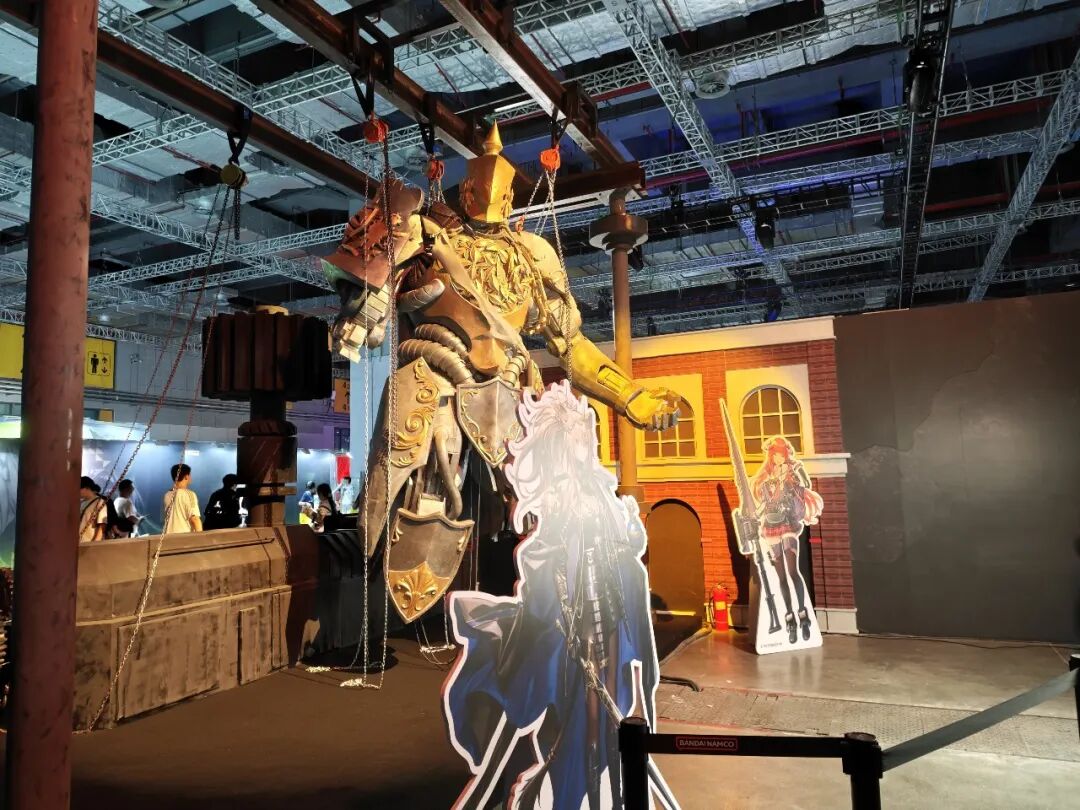
As this flywheel completes its third rotation, the outward manifestation is exactly what you see here: a coordinated effort across multiple venues, four tracks operating simultaneously, and precision that not only holds steady but actually improves.
Returning to the topic of “staying true to our original aspirations,” I’d like to say that while our original aspirations are certainly important, they alone are not enough.
Our original aspirations provide direction, but it is our capabilities that serve as the foundation for putting that direction into practice and sustaining it.
What makes Eagle Corner so remarkable is that it hasn’t sacrificed rigor in the pursuit of efficiency, nor has it rejected systematization in the pursuit of rigor.
The Eagle Corner FES that players ultimately experience is the result of the combined efforts of these two forces: the warmth players feel stems from our original vision, while the consistent quality comes from industrial production.
Conclusion
Let's go back to that analogy from the beginning.
CJ offers a snapshot of the entire gaming industry, while Eagle角 FES provides a snapshot of Eagle角 as a company. This year’s FES happened to highlight both what has changed and what has remained the same at Eagle角.
The change has occurred on the product side. Moving from a single-title focus on *Arknights* to a dual-title structure featuring both *Arknights* and *Arknights: Endland*, Yingjiao has completed a structural upgrade from a single-hub model to a matrix-based one—this is the “second main storyline” that is plain for all to see.
What remains unchanged, however, is our original commitment to in-person events.No matter how many products we’ve added, how much we’ve expanded our venues, or how the name has evolved from “Arknights Carnival” to “Eagle角 FES,” that commitment to delivering the world to players intact has remained unchanged—from the first carnival in 2023 to today, or rather, since 2019.
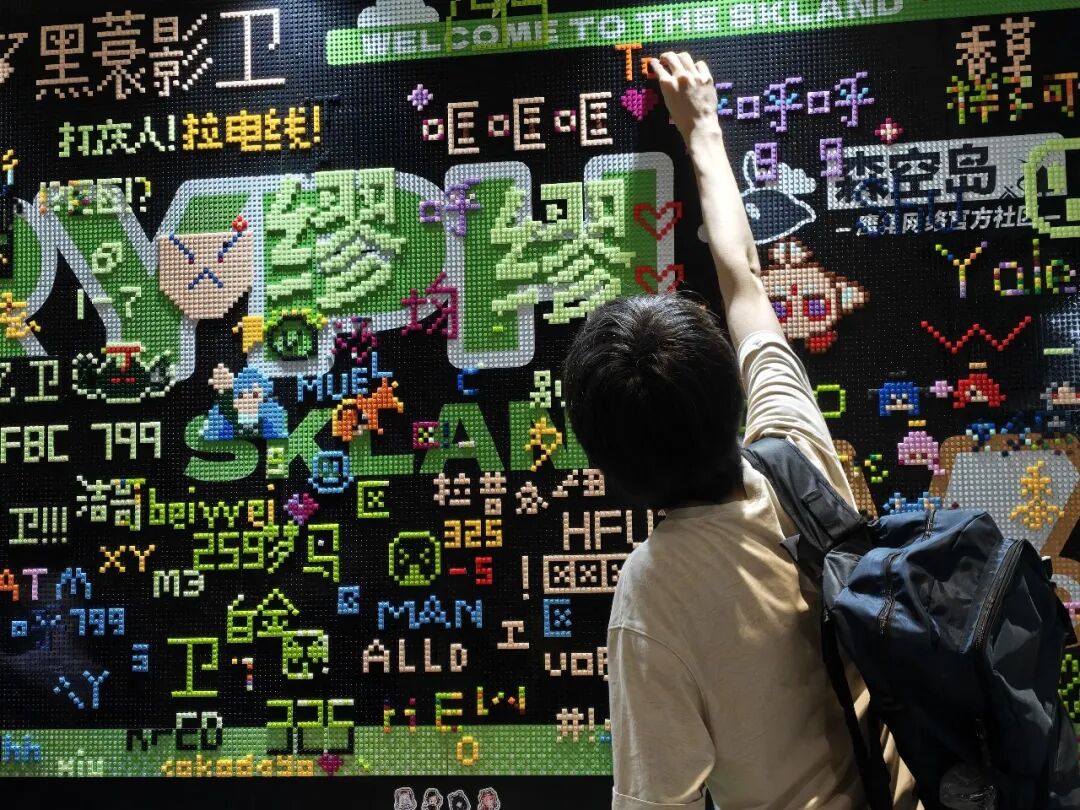
This original vision, which has remained constant throughout every in-person event and has never changed despite product iterations, may well be the true core thread that runs through all of Eagle Corner’s products.
Products evolve, trade shows evolve, but this core theme remains constant.
That’s probably why, in the height of summer in Shanghai, the Eagle Corner FES is the kind of event that makes people willing to make a special trip just to attend.
原创文章,作者:游茶妹儿,禁止转载:https://youxichaguan.com/en/archives/208828