At 4 a.m. local time, the opening night of the Cologne Game Show officially came to a close. It was bound to be a sleepless night; as I walked out of the venue after the event ended, the cheers from just moments ago still seemed to echo in my ears.
Compared to the opening ceremony for the entire expo, Opening Night felt more like the halftime whistle signaling the start of the second half. Prior to this, gamescom dev—dedicated to developers—had already been running for three days.The official schedule was packed with over 390 speakers and more than 220 sessions, and thousands of developers from around the world had already arrived in Cologne ahead of time. When the sun rises tomorrow and the Cologne Exhibition Center opens its doors fully to industry professionals and gamers, this week-long gathering of the gaming industry will truly reach its climax.
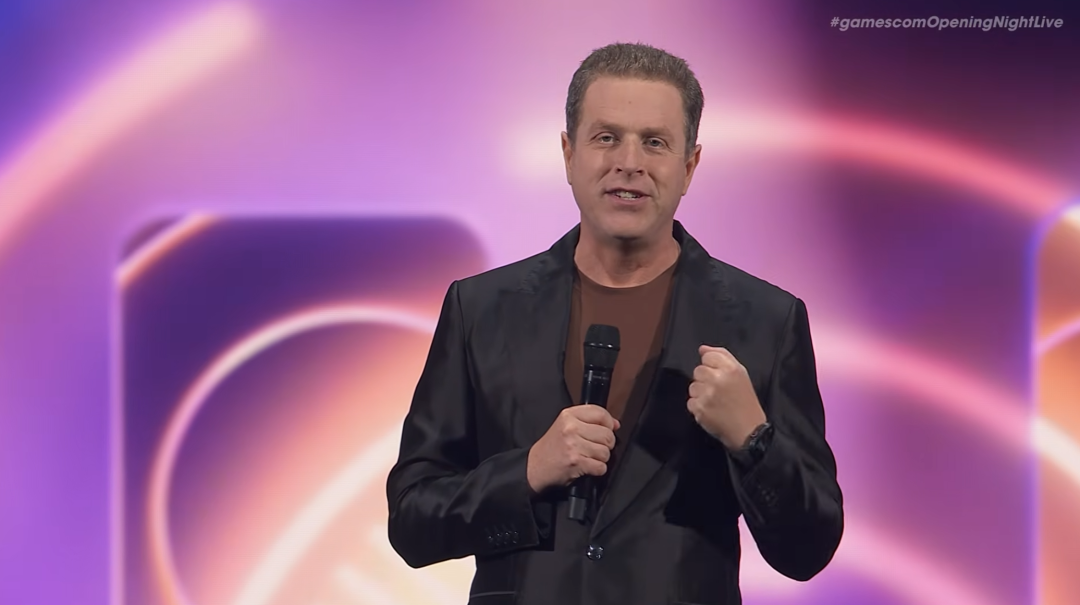
At the start of the opening night, Geoff Keighley—an old friend who looked a little heavier than in previous years—grabbed the microphone and exclaimed excitedly: “Games from China, Japan, Canada, France, Sweden… from all over the world—you’ll be able to see them all here in Cologne this year.”
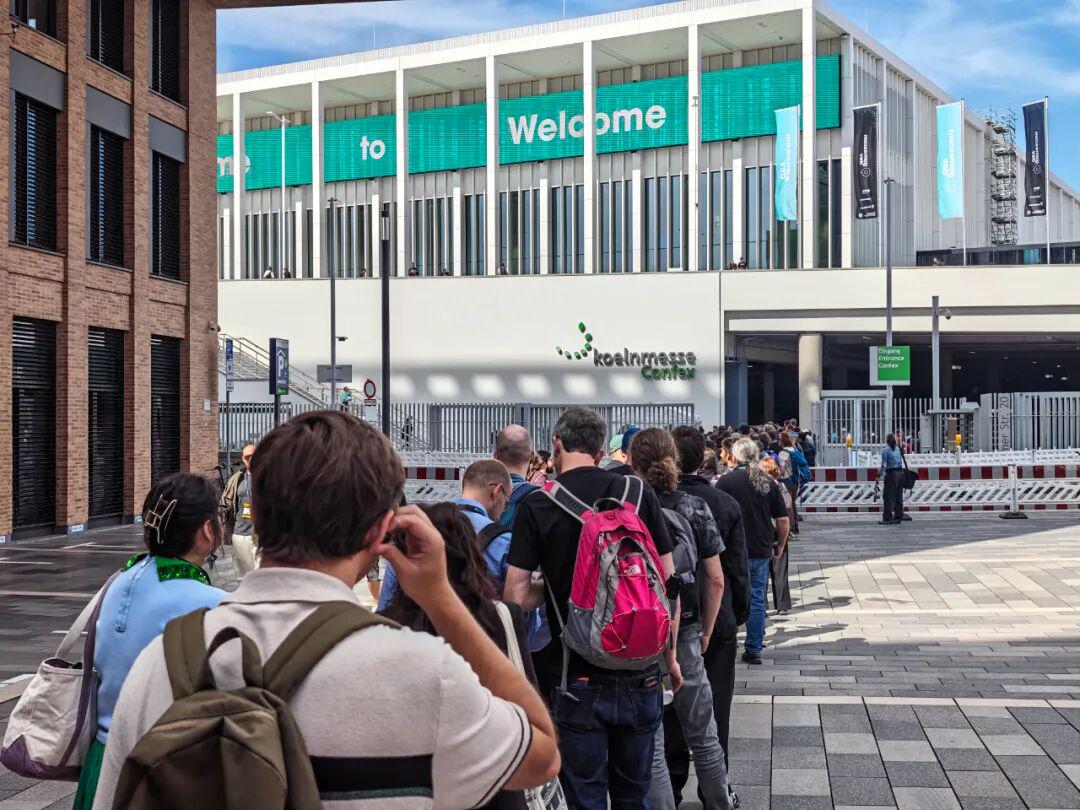
This statement also sums up the state of this year’s gamescom to some extent. More than 1,600 exhibitors from 67 countries are participating, 70% of whom are from outside Germany; for the first time, the entire 233,000-square-meter exhibition space is fully booked, with nearly 50 countries setting up national pavilions, and approximately 350,000 visitors are expected to attend this year.By comparison, when gamescom first moved to Cologne in 2009, there were only 458 exhibitors and 120,000 square meters of exhibition space. Seventeen years later, the number of exhibitors has grown to at least 3.5 times that of 2009, and the exhibition area has nearly doubled.
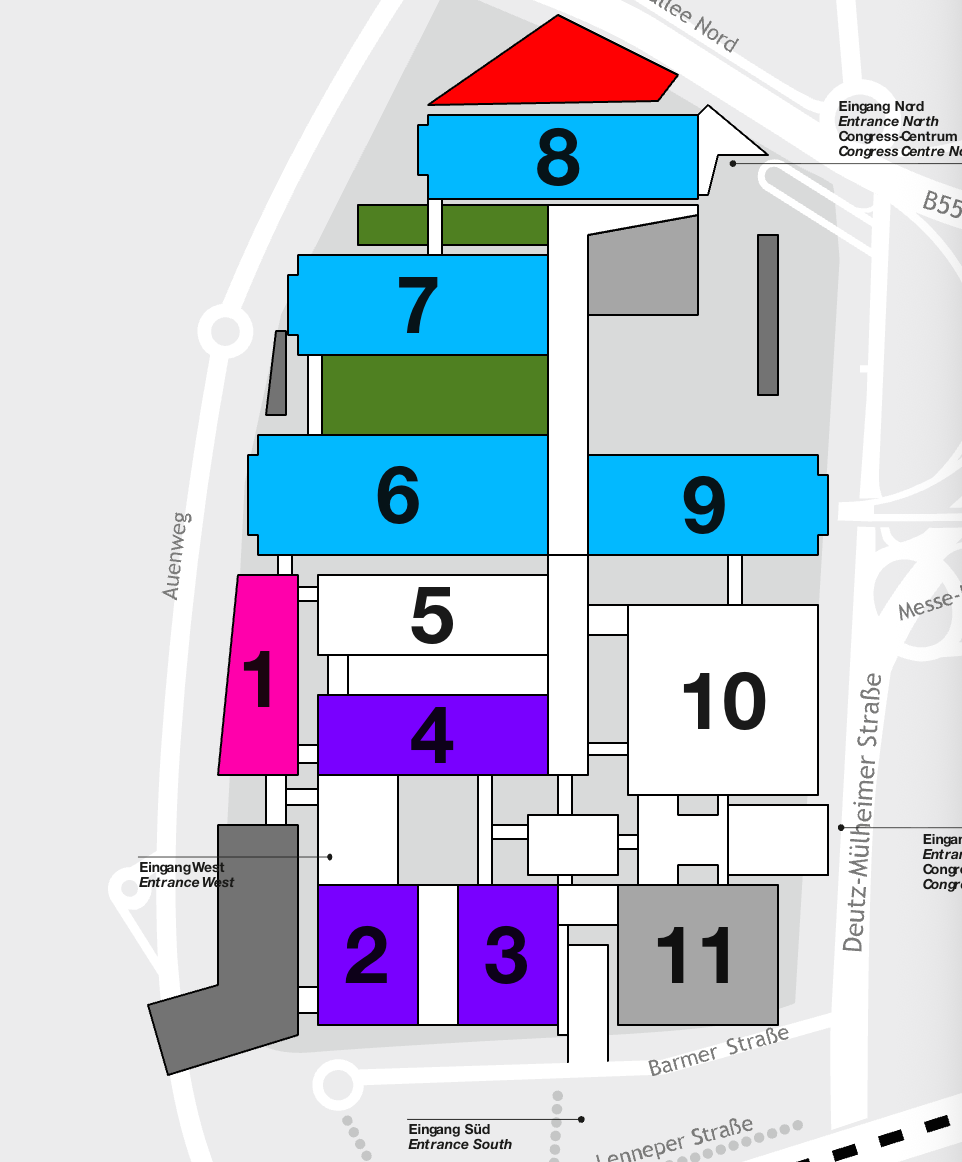
From every angle, gamescom has become the largest gaming expo on the planet. According to industry insiders, every European and American gaming company sends at least one or two decision-makers to the event in Cologne. People you can’t usually reach via email or find on LinkedIn are likely right next door in the conference room during these few days.
Players come here to find the next game they want to play; developers come here to explore new technologies; and publishers and investors come here to seek out their next business opportunity. Products that attract attention here are also more likely to take center stage in the global market in the coming years.
In this narrative, Chinese developers have taken center stage—this year, more than 50 Chinese game developers made an appearance, including four major players: Tencent, NetEase, Mi, and Didi.We’ve also summarized all the highlights of this year’s gamescom so far: from gamescom dev to the opening night, and now as the main gamescom exhibition is about to officially open, Chinese developers have been front and center almost every step of the way.
Starting around 2022, Chinese manufacturers began making a concerted push into international trade shows; it has been only four years since then, yet the strides they have made are already quite evident.
Let's start by talking about the products featured on opening night.
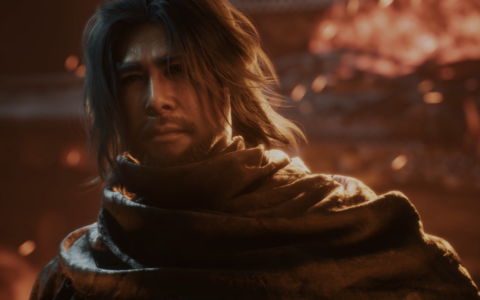
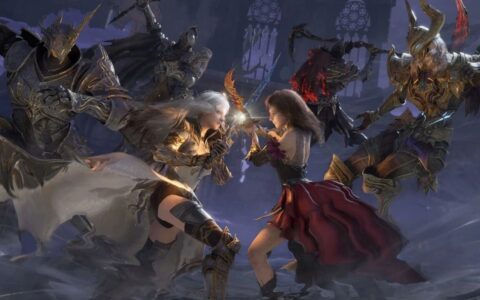
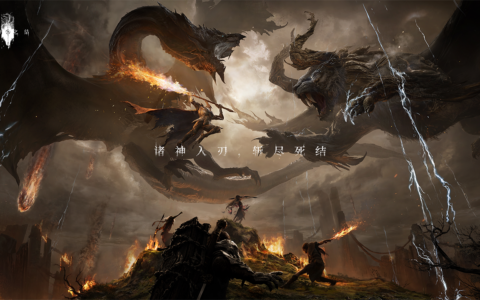
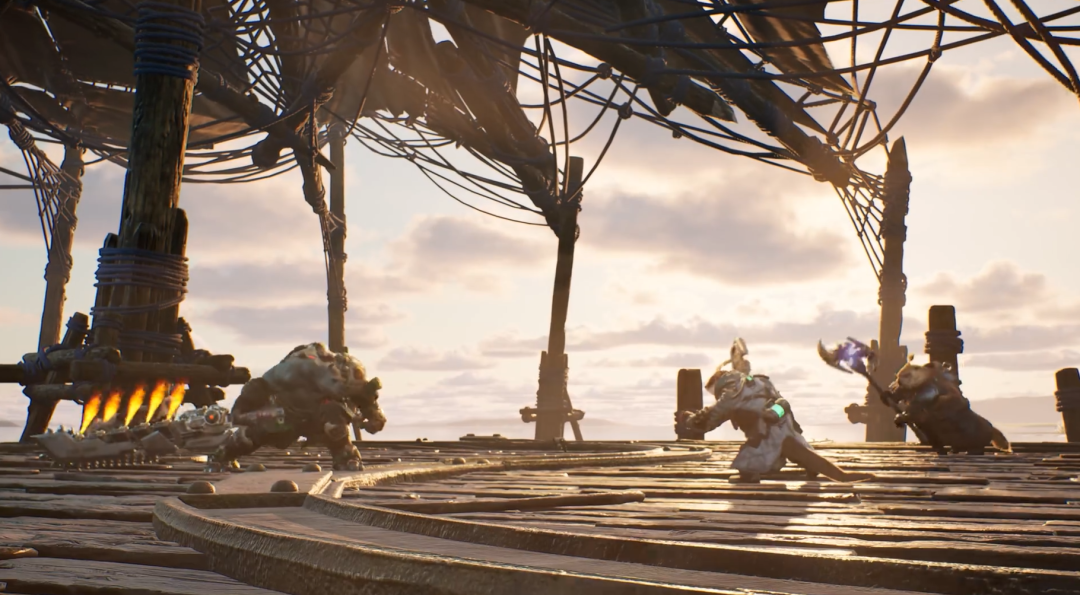
HoYoverse’s *The Knot of Origin* delivered the undisputed highlight of the evening—as the first title presented during the entire ONL event, the appearance of the Hoyoverse logo sparked the first noticeable cheer from the audience.Especially for a studio that has historically been known primarily for its indie games, the combination of Unreal Engine 5, high realism, high-concept design, and a Western fantasy aesthetic creates a striking contrast.Based on the gameplay shown so far, *The Primordial Knot* aligns with the keywords revealed in previous recruitment posts, featuring ARPG co-op gameplay centered on multiplayer teams taking on massive bosses.

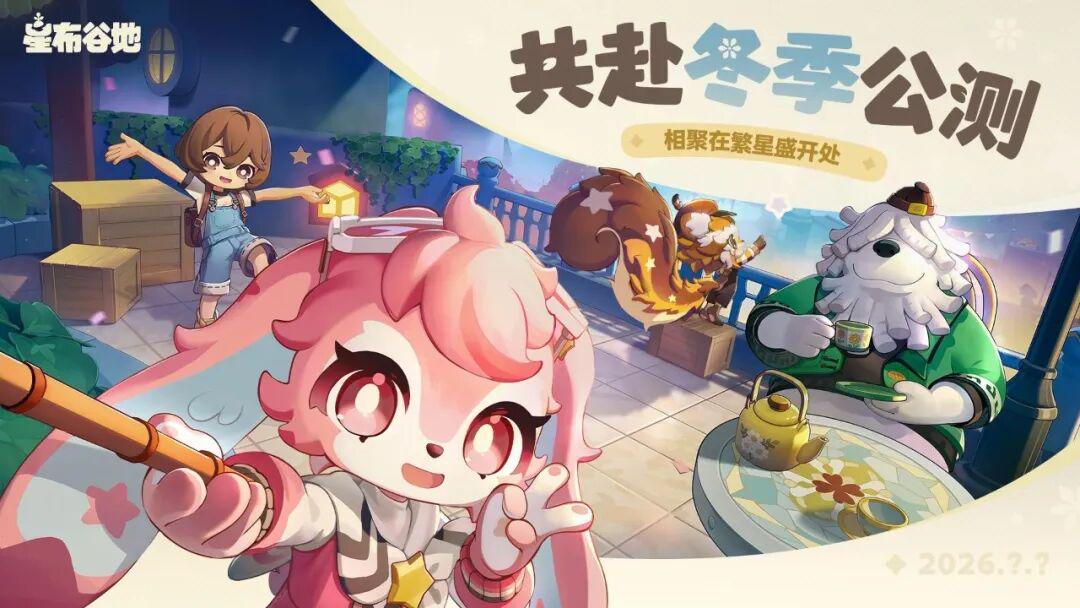
This may be miHoYo’s boldest step yet beyond its traditional comfort zone. The competitive landscape it faces is also entirely different: as the game shifts toward realistic fantasy and large-scale boss battles, players will naturally compare it to the most established action games from the West and Japan.That same evening, *Star Cuckoo Valley* also released a new trailer and confirmed that it will launch in the winter of 2026, with the final beta test set to begin soon.
At this year’s ONL, Tencent once again demonstrated its multi-pronged approach—combining in-house development, investments, and publishing—a hallmark of the company over the years. *Monster Hunter: Traveler*, co-developed by Tencent’s TiMi Studio and Capcom, made its debut; Magic Cube Studio’s *Lock Kingdom: World* unveiled a new trailer and confirmed the launch of a new round of overseas testing.
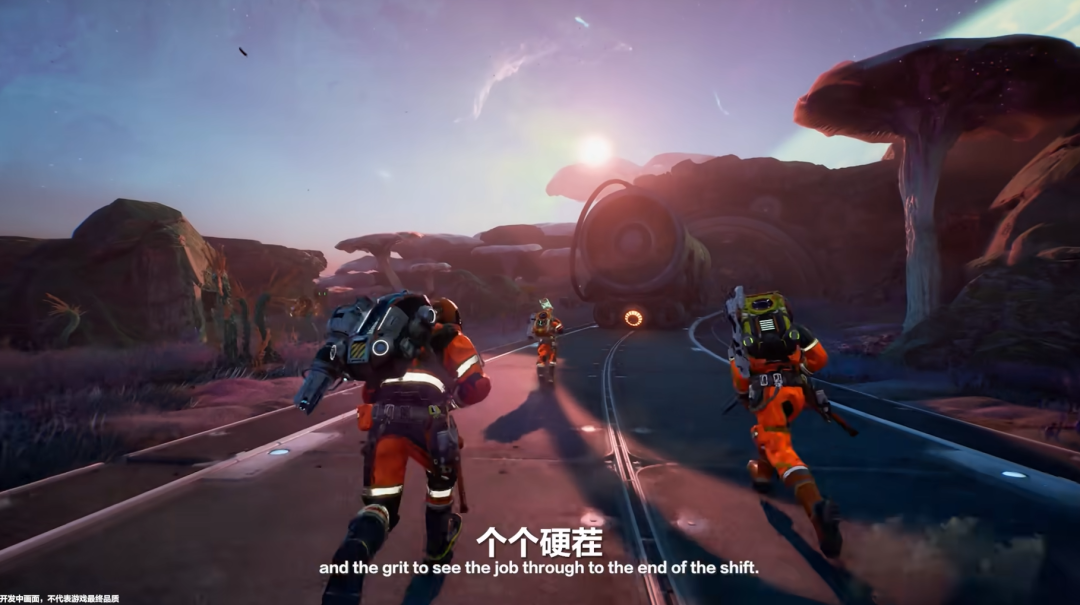
In addition, the new game *Exterminauts*, developed by Canada’s Behaviour Interactive and published by Level Infinite, made its global debut at ONL. It’s a third-person PvE co-op shooter where players form three-person squads to explore, work, and earn money across the cosmos.Both the art style and gameplay look quite fresh.
Chengdu-based Eclipse Edge Studio, backed by Tencent, unveiled a new trailer for *Tide of Oblivion*.For the first time, the trailer focuses on London in the aftermath of an apocalyptic interdimensional invasion, and for the first time, it gives players a clear look at the starting point of Gwendolyn’s adventure. The solid visual quality and action sequences drew audible cheers from the audience.
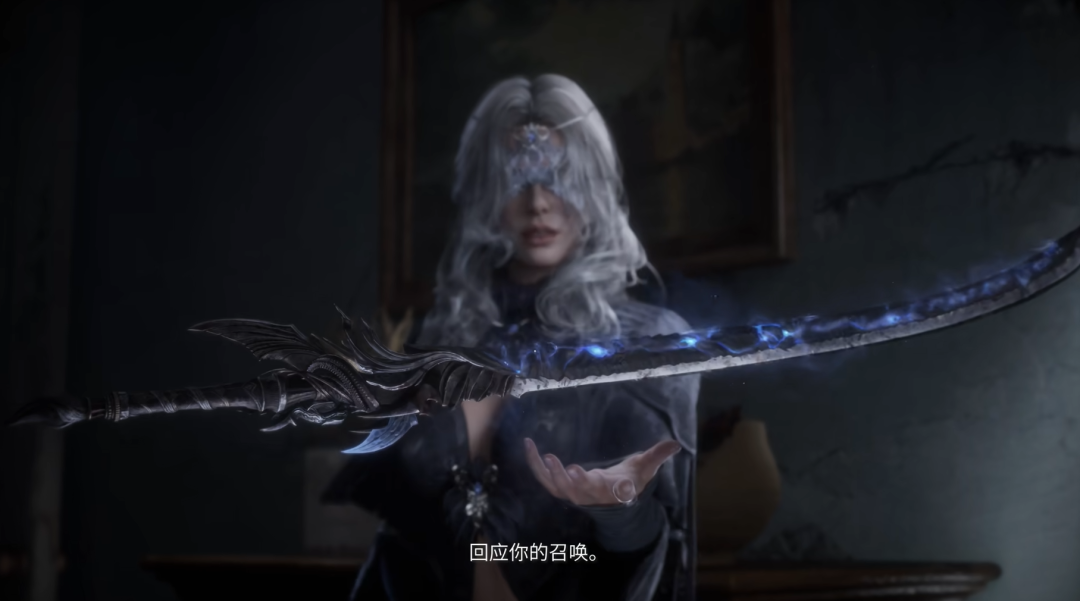
Compared to previous titles, which placed greater emphasis on combat and world-building, the narrative thread in this game has become much clearer. *Animal Punk* is somewhat similar. Unveiling these games at global events like Gamescom signals that Chinese development teams are attempting to expand their influence in the established PC and console action game markets.
NetEase’s *Infinite* was another major highlight that set the Cologne venue ablaze that evening. The three-minute trailer was packed with information.The trailer confirmed for the first time that the game’s story will unfold across the two regions of Xinqi and Chongxiao in Lingyun, and officially announced a launch date of January 15 next year—bypassing the standard public beta testing process and proceeding at a faster pace than most people anticipated. This may also reflect a sense of confidence in the game’s content.
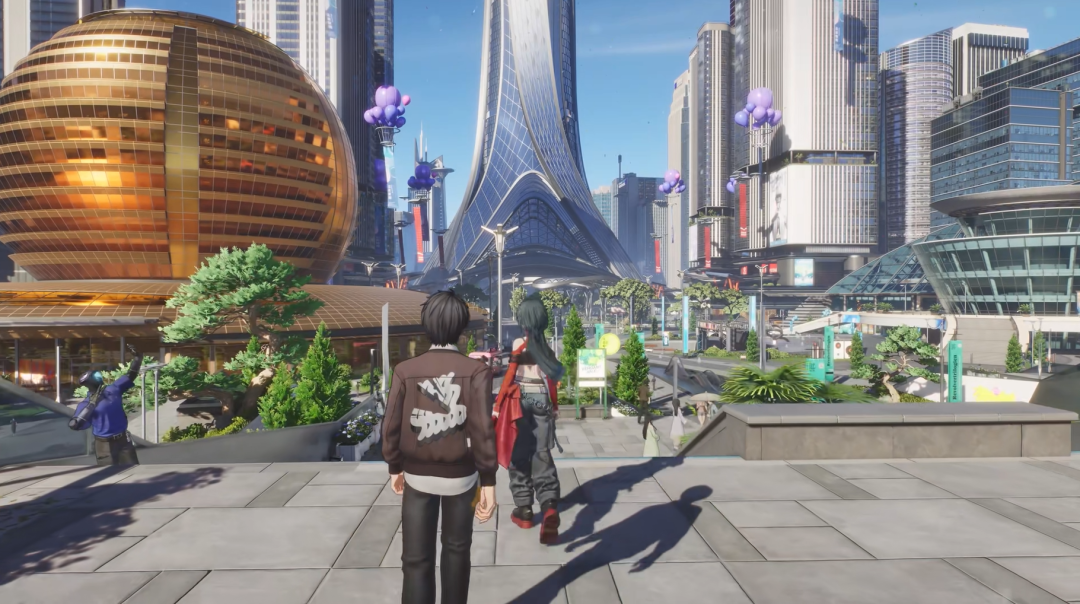
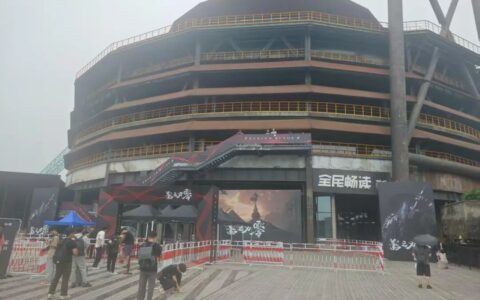
The Shanghai landmarks featured in the latest PV for *Infinity* have sparked a lot of discussion
Overseas players have always been known for their sharp-tongued comments, but during the screening of *Infinite*, many began flooding the chat with “GTA 7” and “Anime GTA.” While this certainly isn’t a rigorous critique, it’s still a fairly direct form of praise.*Sea of Forgetfulness*, also from NetEase, unveiled a new trailer and officially announced that its large-scale closed beta test is scheduled for December of this year; meanwhile, *Seven Days World* used ONL to announce the official launch of its PS5 and Xbox Series versions, further expanding its presence on console platforms.
In addition, there are quite a few Chinese teams that have rarely appeared on the global stage in the past.
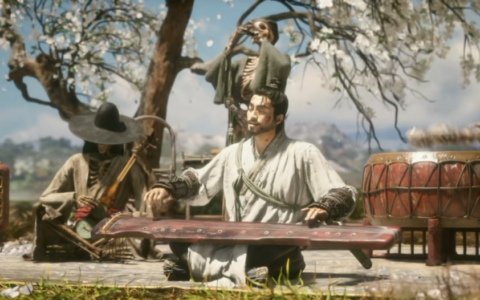
"City of Silver" by Silver Studio, a subsidiary of Le Element, made its debut at ONL; "Showa American Story" by Lingkong Games finally released new gameplay footage after a long hiatus; and "The Resisters" by Hangzhou Haotang Technology took the rare step of bringing a game based on China’s War of Resistance to a global launch event like ONL.
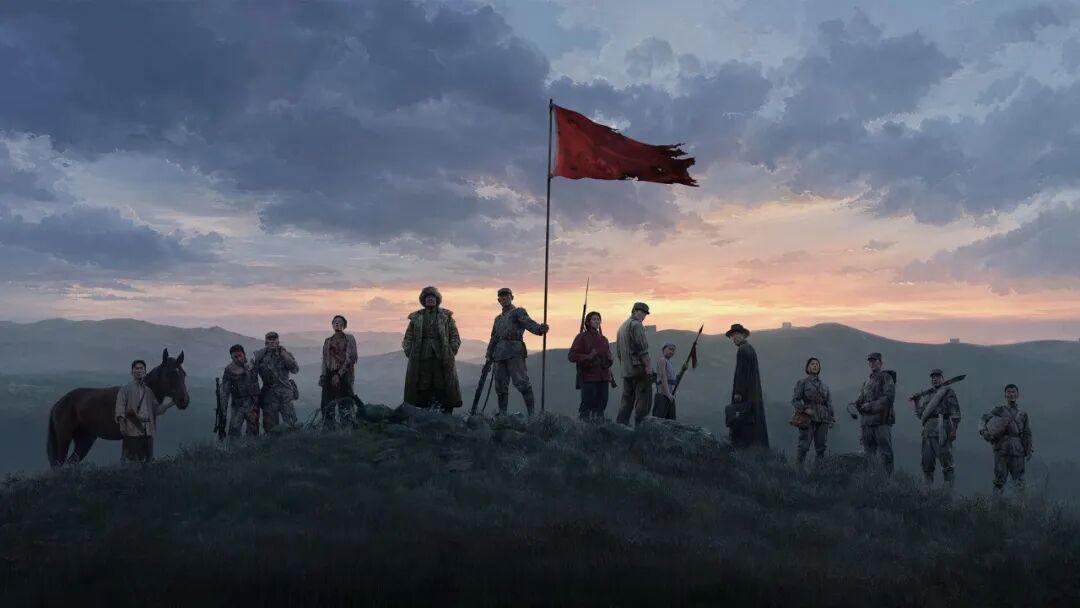
Resistance Fighter
Add to that *Imo* and *GENIGODS: Nezha*, which made their debut during the preview segment, and the range of Chinese game genres represented that evening was already quite extensive: life simulation, pet-catching, anime-style open-world, realistic fantasy co-op, console action, PvE shooters, open-world survival, and single-player games set during the War of Resistance…
Overall, the profile of Chinese games at this year’s Gamescom can broadly be viewed as two parallel trajectories. One consists of anime-style games and long-term operation titles that have already proven themselves in the global market. With a solid user base in place, the focus now is on continuing to expand the boundaries of these IPs and deepening their presence in existing markets.
Another trend is more recent and more daring: Chinese teams are beginning to make a significant inroads into the high-end PC and console markets, where developers from Europe, the U.S., and Japan have traditionally held a clear advantage. Some are creating realistic fantasy games, others are developing hardcore action titles, some are building open-world games, and still others are telling historical stories deeply rooted in Chinese culture.
Here, you’ll find both high-investment projects launched by major companies using capital, talent, and global IP, as well as bottom-up initiatives by mid-sized teams that have made their way from the domestic market to the global stage. This path is more challenging, but the ceiling is also higher.
Beyond the opening night, if we look forward or backward along the current timeline, there are still a few things worth discussing.
For example, the gamescom Game Awards officially announced its list of nominees today, with eight Chinese games receiving nominations this year.
The five nominations for Best Mobile Game were all swept by Chinese titles: *Arknights: Endland*, *City of Silver*, *Sixteen Sounds of Yan Yun*, *Genshin Impact*, and *Zero Zone*.Chengdu-based Edge of Eclipse Studio’s single-player action game *Tide of Oblivion* received two nominations: “Most Epic Game” and “Best PlayStation Game”;Taiwan-based studio SIGONO’s *OPUS: Heart of the Mountain* received three nominations; *Escape from Yakov* is poised to compete for the “Most Entertaining Game” award. The full list of winners will be officially announced on the 28th.
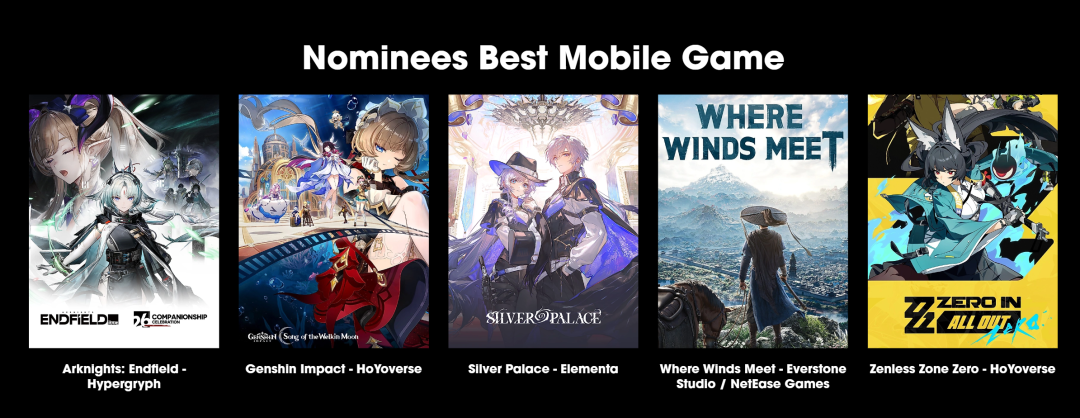
Earlier, gamescom dev also announced its awards, which primarily focused on indie games and industry figures selected by developers; as a result, they received slightly less attention and featured fewer Chinese participants.
However, Amir Satvat, currently the Director of Business Development for Tencent Games North America, received the Ambassador Award, as selected by dev speakers. Amid the wave of layoffs in the European and American gaming industries that began in 2022, he founded an industry nonprofit organization that has continuously compiled information on job openings and layoffs and provided free job-search support, helping thousands of industry professionals find new employment.He also delivered the keynote address titled “The Game Industry Reset: What Happened, and What’s Next?” at this year’s gamescom dev event, where he systematically discussed the challenges currently facing the global gaming industry and received a very positive response.
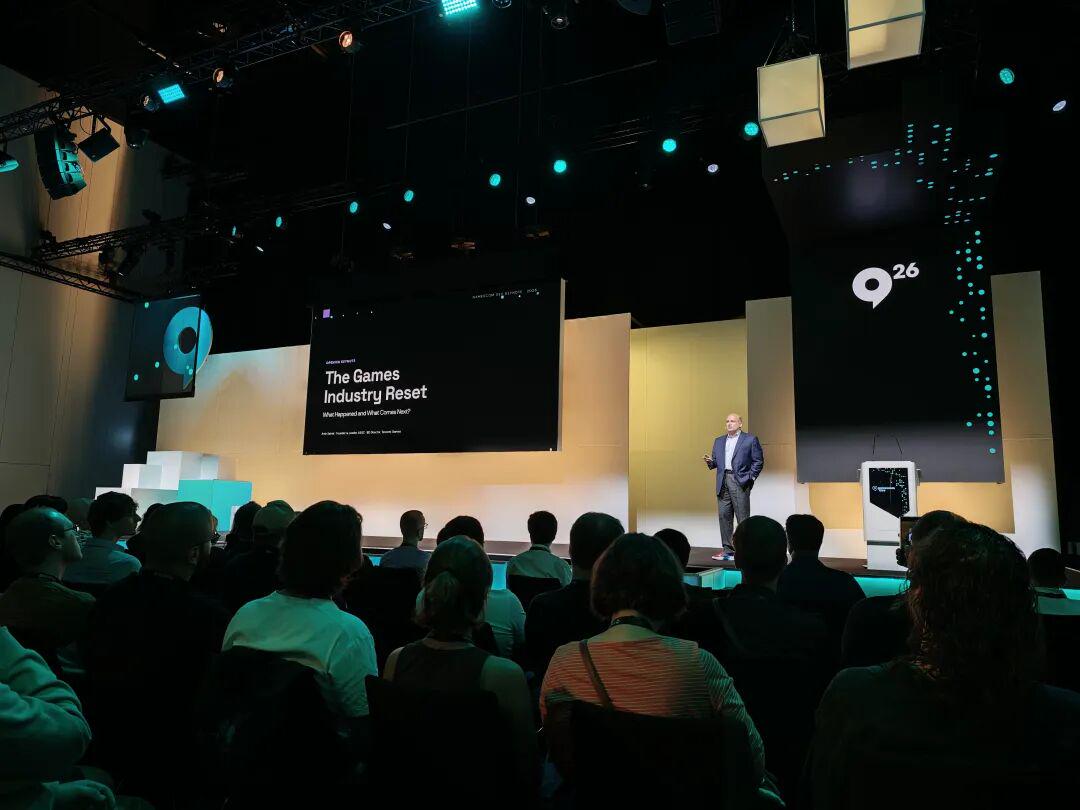
At the gamescom dev event, Chinese developers also occupied a prominent position.
In the center of the Confex exhibition hall, Tencent’s Public Technology Division made its first unified appearance this year under the Tencent Games Central Tech brand.
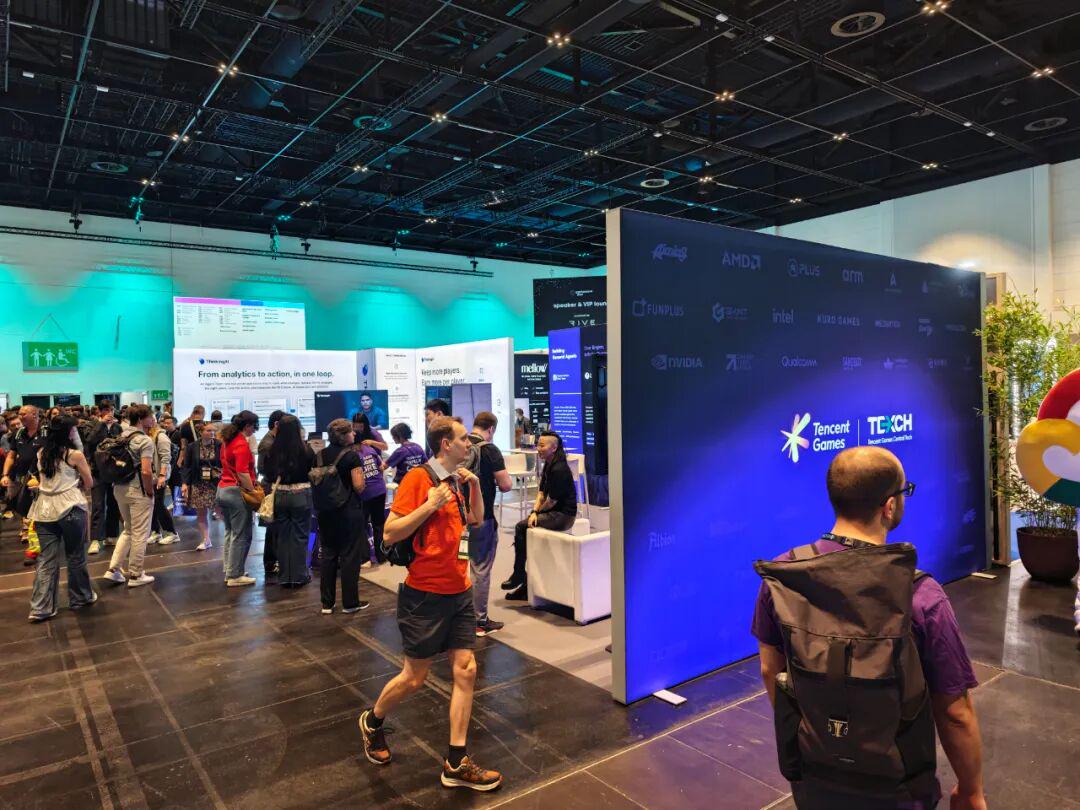
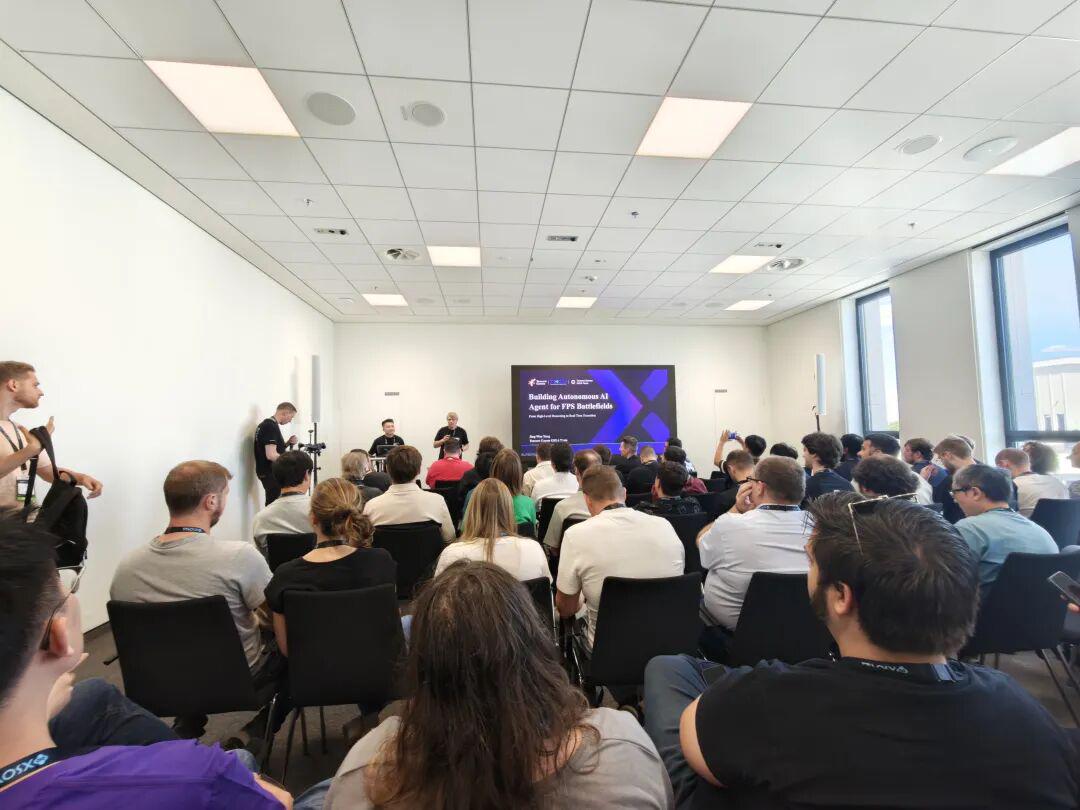
The Tencent team also presented a series of technical sessions, including a generative AI-driven 3D character animation pipeline and AI agents capable of making autonomous decisions on the FPS battlefield.Chinese developers began taking the stage to share their “journeys so far” and future plans, while developers from Europe and the U.S. listened with great interest, filling the conference rooms to capacity. The development team behind Paper Games’ *Infinite Warm Warm* was also featured on the official gamescom dev agenda, sharing their experiences in mobile audio development.
Of course, once all the setup work was completed, the most visible presence of Chinese manufacturers this year was ultimately found inside the exhibition halls.
Before we continue, we have to take a moment to cover the biggest news from this year’s gamescom:
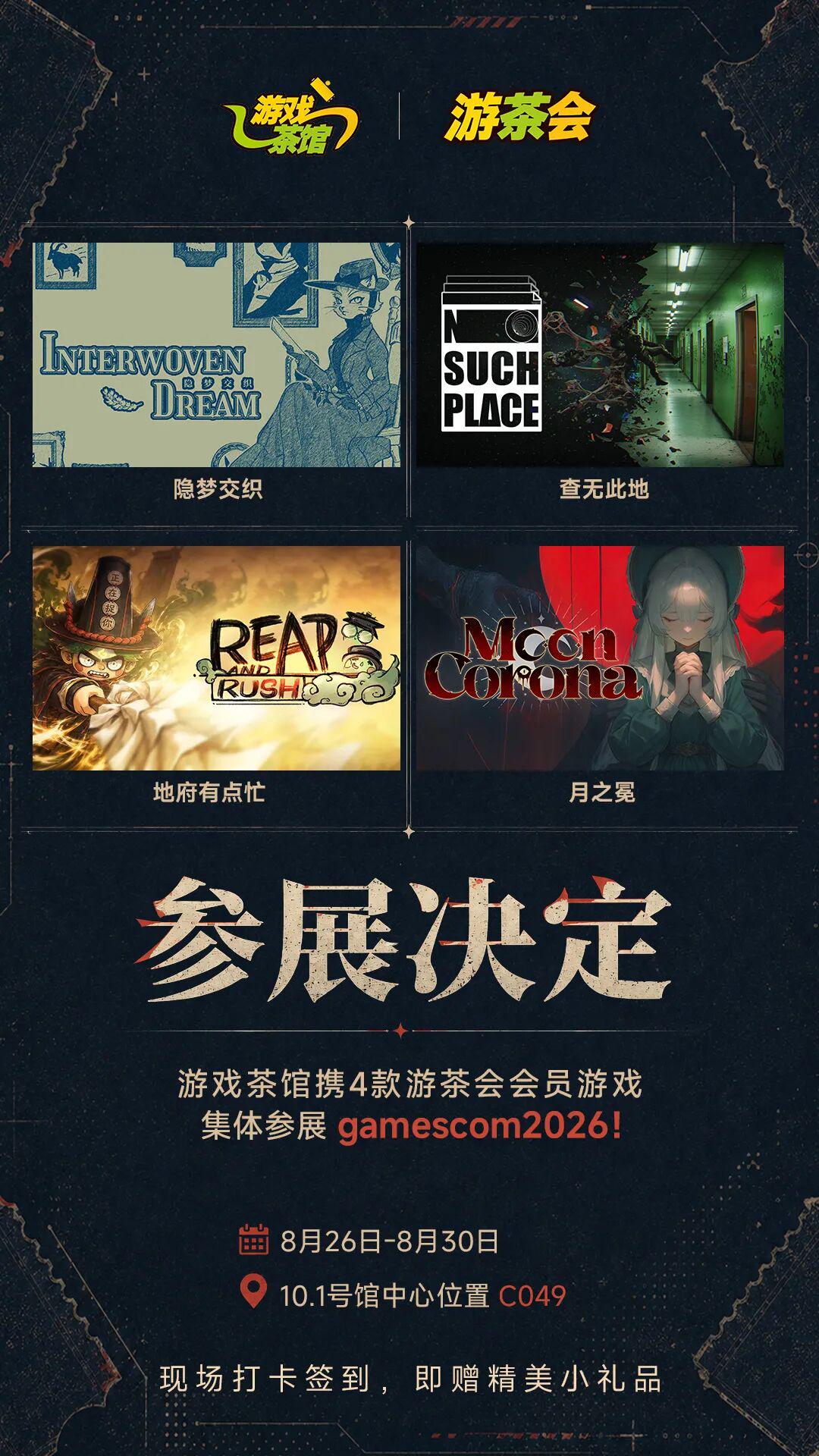
This year, Game Teahouse will be exhibiting four games from its "Game Teahouse" membership program at gamescom. Our booth is located at C049 in the center of Hall 10.1. We welcome you to visit us at the convention center and check in.
While the exhibitors were setting up their booths, we also went inside the venue to get a sneak peek at tomorrow’s atmosphere—this year will be the strongest showing yet for Chinese games at Gamescom.
miHoYo secured a booth of approximately 660 square meters in Hall 6.1, showcasing multiple titles—including *Genshin Impact*, *Honkai: Star Rail*, *Zero Zone*, as well as *Star Cuckoo Valley* and *Honkai: Fate Spirits*—in a rare “all-in-one” exhibition format.Yingjiao also made a significant showing this year, with a massive boss statue from *Arknights: The End of the World* and large-scale LED displays that were particularly eye-catching. NetEase’s *Marvel Clash*, *Sixteen Sounds of Yan Yun*, and *The Forgotten Sea* each occupied their own dedicated areas.
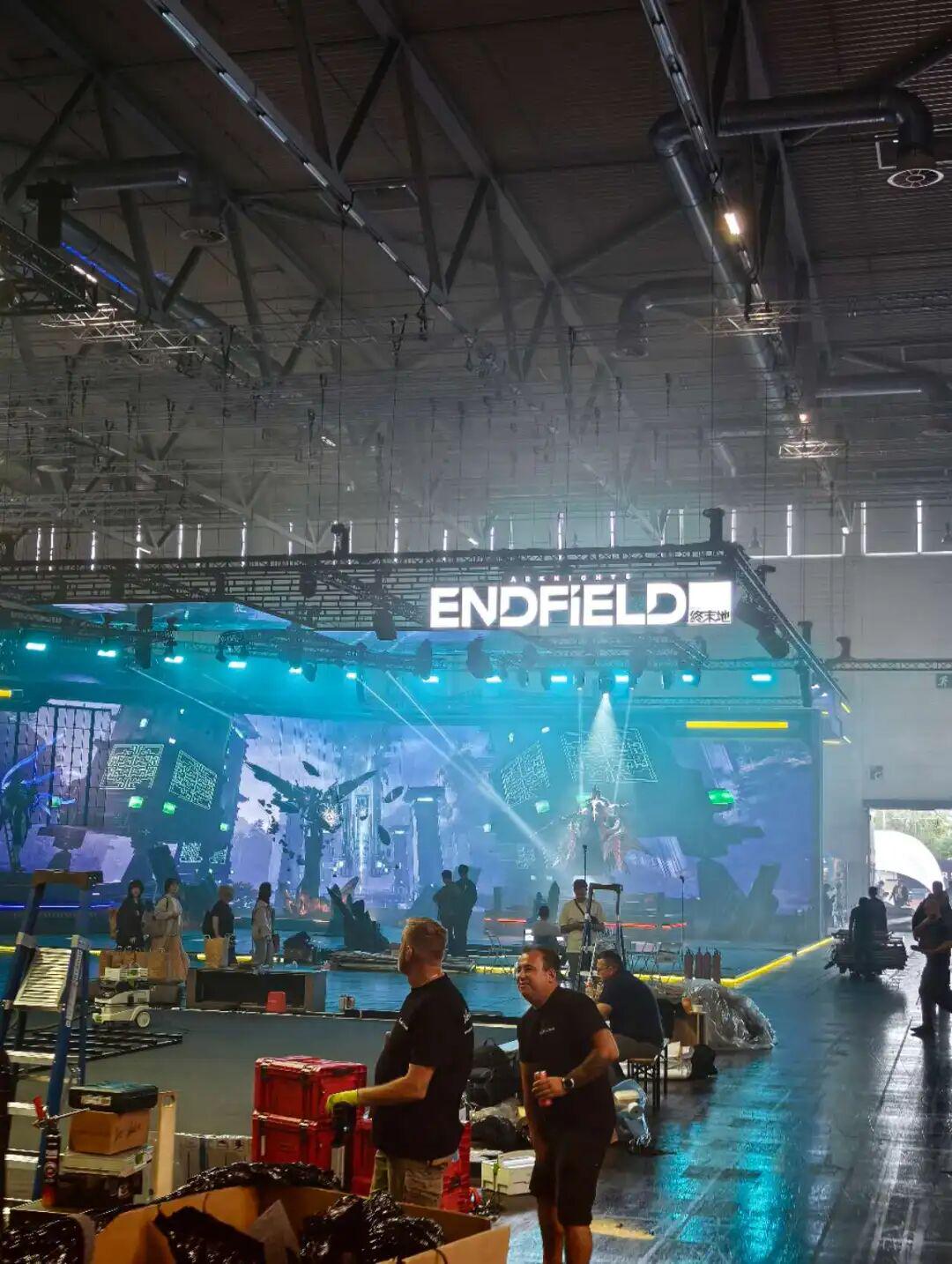
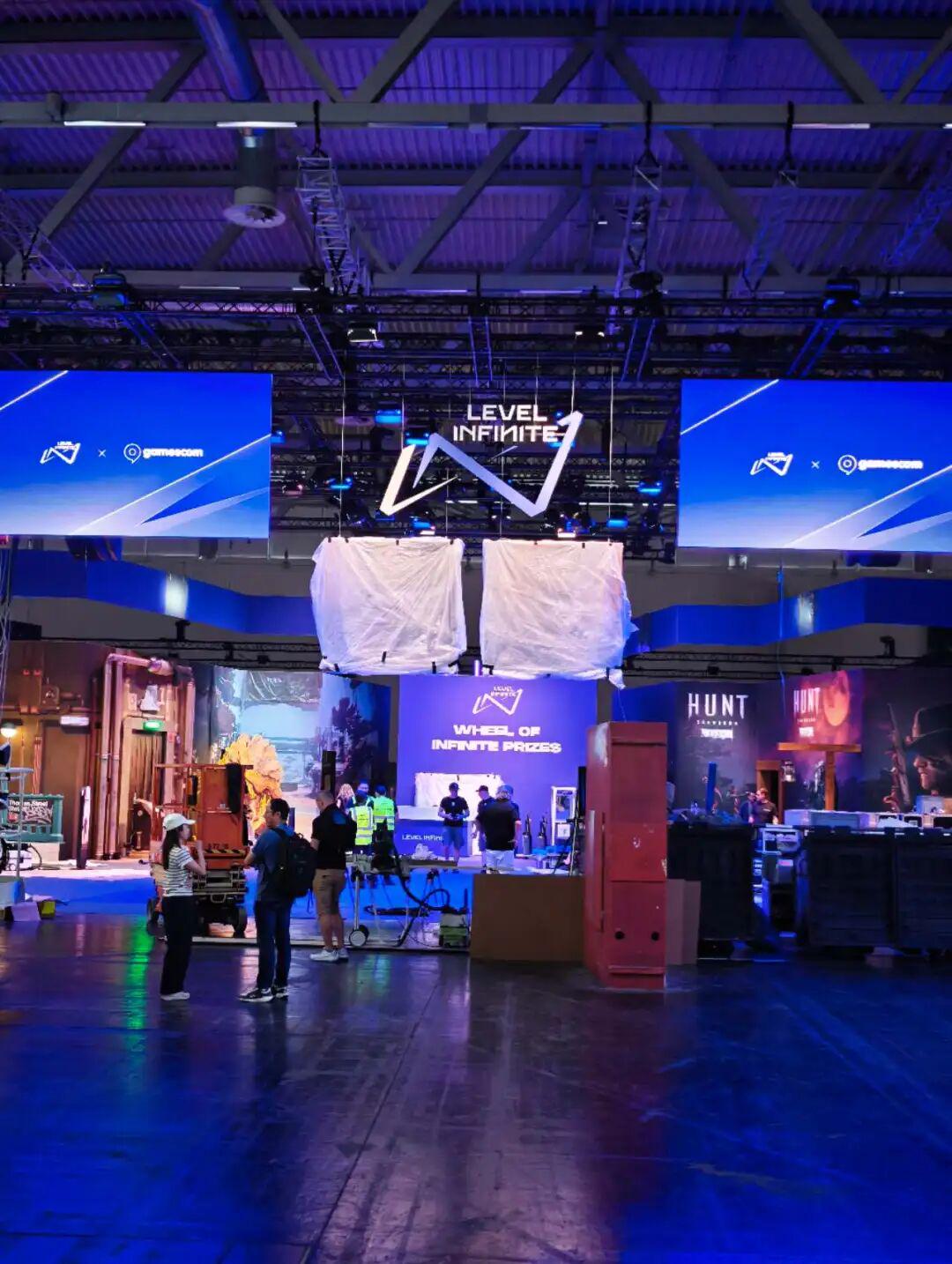
Other Chinese developers were scattered across various exhibition halls: DiDi, Kulo, Bilibili, FunPlus, and LeYuZhu, as well as domestic single-player titles such as *Tide of Oblivion*, *Showa: A Tale of America*, and *The Resisters*, all found their place at the event.
Tencent had the most impressive presence of all. They occupied the largest space in the consumer-facing (To C) exhibition area, and their business-to-business (To B) booth, spanning over 700 square meters, was located in the very heart of Hall 4.
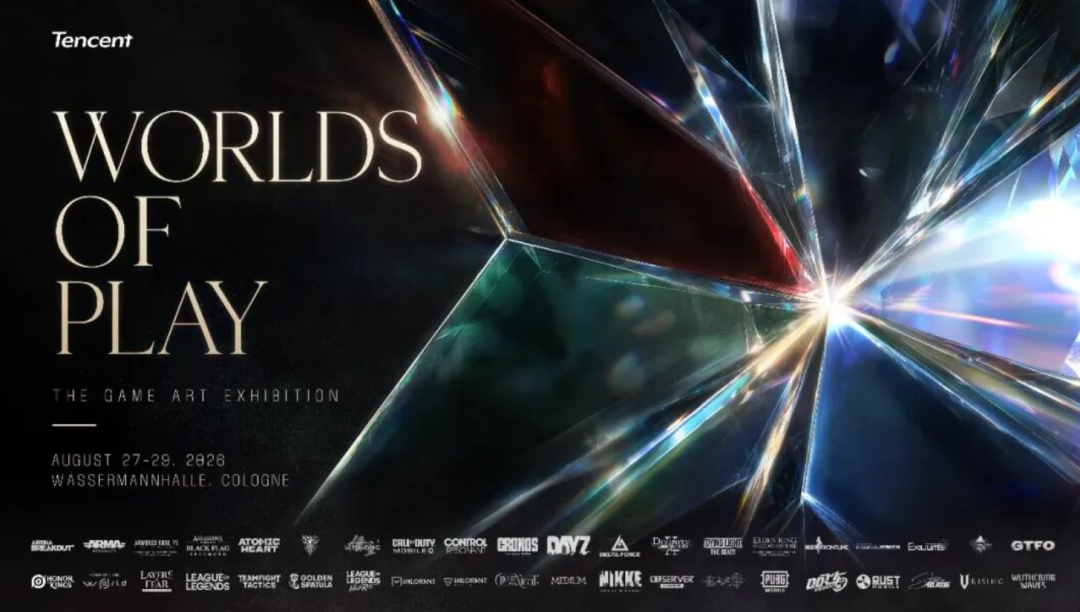
Even more interesting is Tencent’s “Worlds of Play” game art exhibition, which will be held in Cologne: 40 games from more than 20 studios will be showcased across five themed spaces. The lineup includes titles such as *Assassin’s Creed*, *Baldur’s Gate 3*, and *League of Legends*, as well as Chinese titles like *Black Myth: Wukong*, *Blade & Soul Zero*, *Mingchao*, and *Honor of Kings*. Original game concept art, sculptures, installations, and collectible-grade artworks will be showcased here as part of global gaming culture.
As we wait for the sun to rise, once the exhibition hall opens tomorrow, the applause will give way to lines, hands-on demos, and orders. The lights are still on in Cologne at this early hour, and more and more names from China have already been added to the giant screen. The real answer will come only after these lights go out—when it remains on the screens of gamers around the world.
原创文章,作者:游茶妹儿,禁止转载:https://youxichaguan.com/en/archives/219728