In late July of last year, at the Beijing Shougang Park, I participated in an in-person hands-on demo of *Shadow Blade Zero*.
Due to a rushed itinerary and the exhaustion from traveling, I didn’t arrive at the hotel until 3 a.m. After sleeping for only a few hours, I got up and rushed to the venue. Although my condition and the weather that day weren’t ideal, I still clearly remember the shouts of the foreign players at the venue, as well as one of the most memorable gaming experiences I’ve had in recent years.

After that, I became an unofficial advocate for the game, mentioning and recommending it from time to time during my daily gaming sessions and when hanging out with friends. The reason I like this game is simple: aside from that stunning hands-on experience, it gave me a new option in the ARPG genre—one other than *Souls-like* games.
As most people in the industry say: Combat is the one area where *Shadow Blade Zero* has the least to prove.
As Liang Qiwei wrote in his lengthy post titled “Rationality and Madness” on his personal Weibo account yesterday (October 28): You’ve probably seen plenty of reviews of *Shadow Blade Zero*, but in reality, you may not need to read too many of them.When you log into the game tomorrow (October 29), you’ll find that all the gameplay mechanics feel natural, simple, and familiar—but we’ve reimagined these familiar elements and woven them together into a brand-new whole.
This statement actually sums up my impressions of the combat experience in *Shadow Blade Zero* perfectly: natural, simple, familiar—yet unique. So this time, I’d like to approach the topic from a different angle—simply as a player—and discuss the combat experience in *Shadow Blade Zero* based on my own experiences and understanding.
01
The player himself is a martial arts prodigy.
In some action games, players are often challenged to hone their skills. As they engage in battles with enemies, they gradually become familiar with their opponents’ moves, eventually learning to counter each attack and defeat one powerful foe after another. This process is also a time for players to adapt to their characters.
For this reason, in some action games (such as the *Souls-like* genre), characters’ initial stats are set very low—even approaching those of ordinary humans in the real world.The progression process places greater emphasis on exploring the map, familiarizing oneself with the behavior patterns of different enemies, and devising countermeasures (such as using items, making character progression choices, and responding to enemy behavior patterns), ultimately allowing a mortal to defeat gods and achieve seemingly impossible feats within the game.
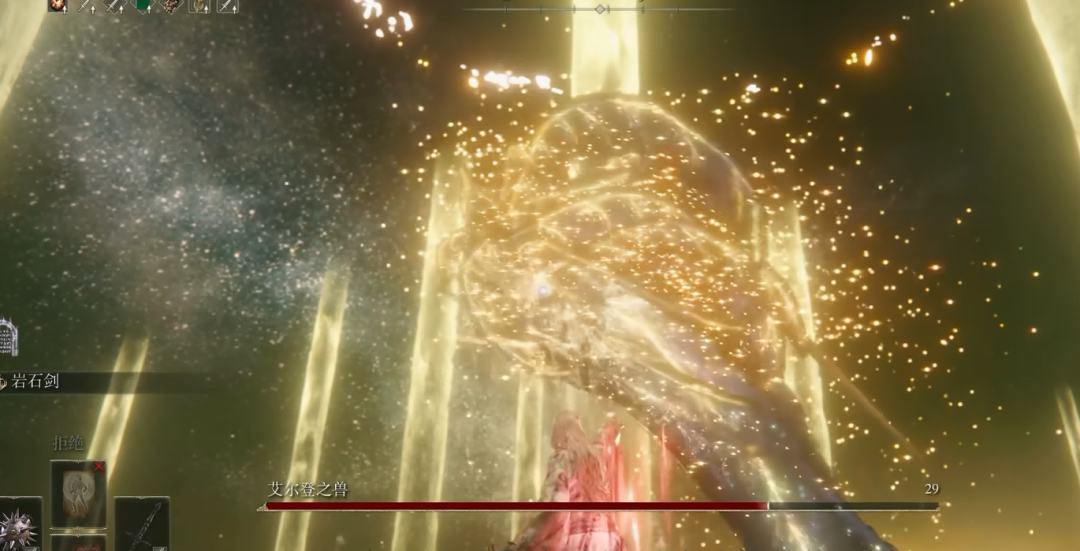
For example, the final boss battle in *Elden Ring* conveys a very strong sense of “mortals slaying gods.”
For players, the advantage of this mode is the immense sense of accomplishment that comes from defeating powerful enemies; however, the downside is that it requires a higher cost to play (in terms of time, effort, etc.) and relies more heavily on the player’s own experience with the game.If a player gives up partway through, the cost of returning to continue the challenge isn’t limited to the “new material” in subsequent levels—they’ll also need to “brush up” on the skills and experience they’ve already acquired.
Another action game genre—high-speed action (such as the *Devil May Cry* series)—follows a different model. The characters themselves possess powerful abilities and versatility, and as players cut through enemies like they’re slicing through watermelons and defeat powerful foes along the way, they’re actually gradually adapting to the characters, exploring, and unleashing their full potential.
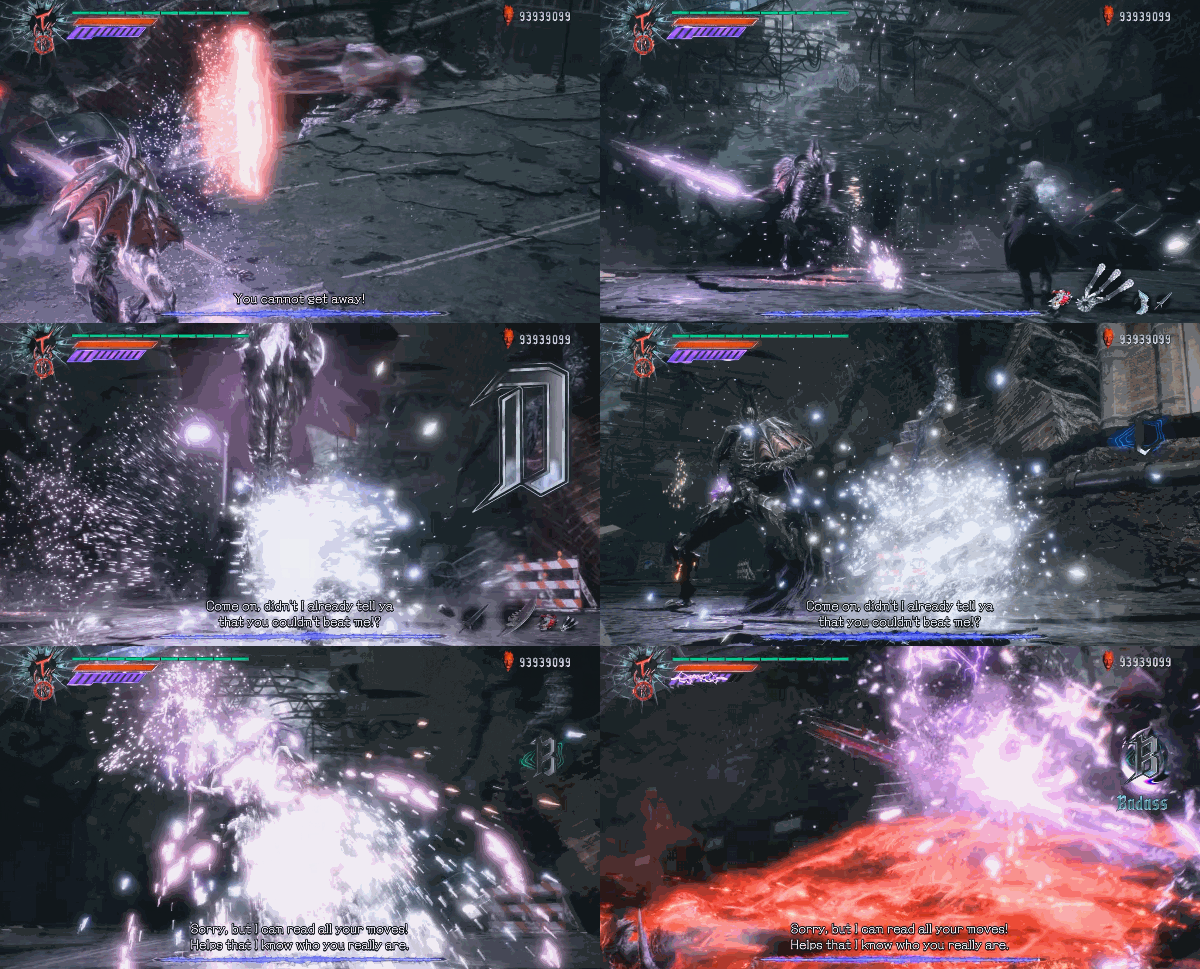
Even complete beginners can pull off some flashy combos in a short time, but this also creates a sense of being out of control—the controls for combos are highly precise, so even with the same input pattern, one combo might trigger one sequence, while the next might trigger a completely different one.Controlling a character you can’t fully master while taking on powerful foes leaves you with a somewhat clumsy feeling, even when you manage to defeat them.
There are two types: one in which the player character adapts to the enemy’s behavior patterns (which I refer to as “learning” mode), and the other in which the enemy’s behavior patterns adapt to the player character (which I refer to as “rehabilitation” mode). Although many action games attempt to address their respective shortcomings by combining these approaches, very few are able to truly strike a balance between the two.
In my opinion, what makes *Shadow Blade Zero* such a stunning experience is that it strikes a balance between these two aspects.
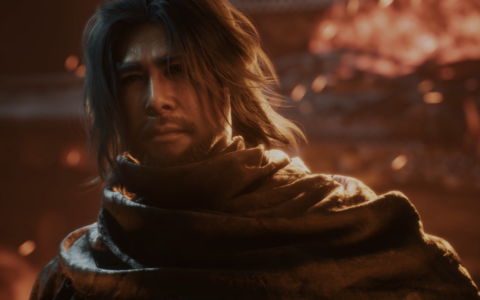
First of all, the protagonist, “Hun,” is a top-tier martial arts master in his own right. Not only is he proficient in the use of various weapons, but he also possesses formidable combat abilities, allowing him to take on multiple opponents at once. We can see this demonstrated both in offline hands-on demos and in various online gameplay videos.
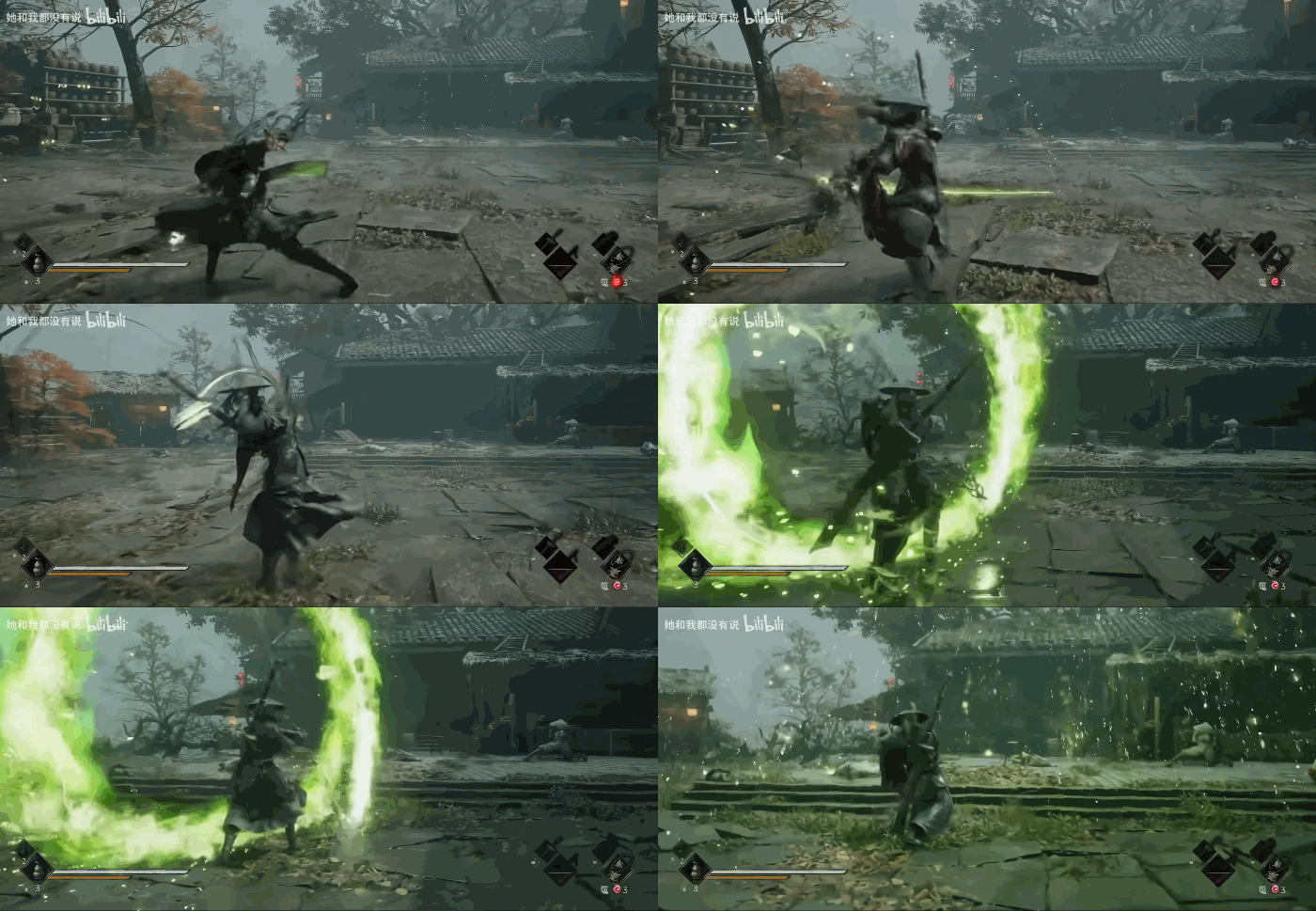
This setup may sound similar to fast-paced combat games like *Devil May Cry*, where the protagonist also possesses formidable abilities and players must explore ways to unlock their full potential during battles against numerous powerful foes. However, *Shadow Blade Zero* has significantly simplified and streamlined its combat mechanics.
In many action games, a single button corresponds to a single simple action, and to pull off a series of fluid moves, the game practically expects you to press every button on the controller.In *Shadow Blade Zero*, however, a single button press often corresponds to an entire martial arts sequence—even the game’s most spectacular combos can be executed with just two or three buttons.
To give a simple example, the incredibly cool “Killer Combo” requires nothing more than a “light attack” followed by a “heavy attack,” while the finishing move “Execution” is simply a QTE, and so on.
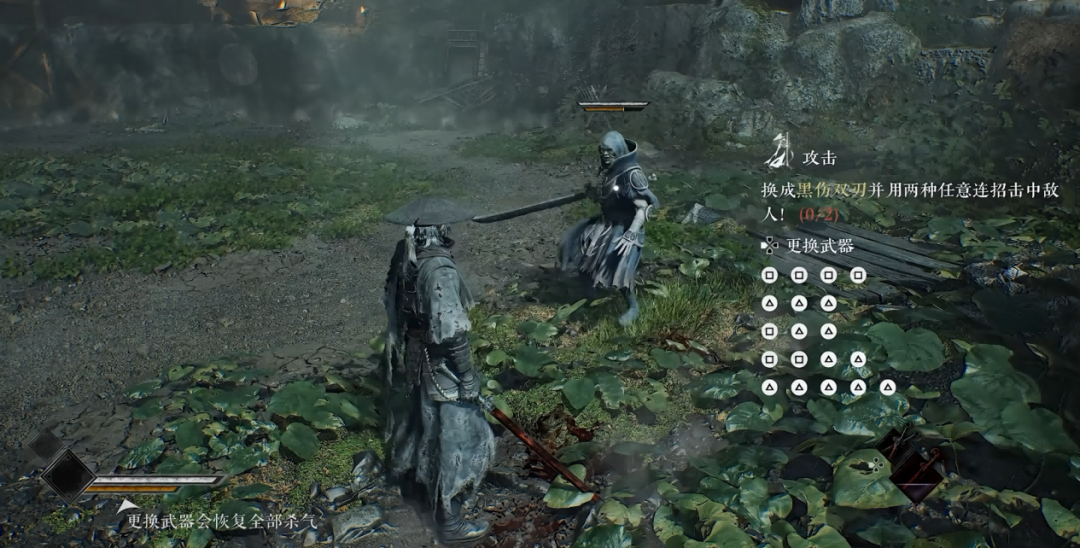
This is also something many people have pointed out: the combat in *Shadow Blade Zero* has a somewhat “showy” quality to it, since players don’t need to perform particularly complex controls to pull off a series of flashy combos.
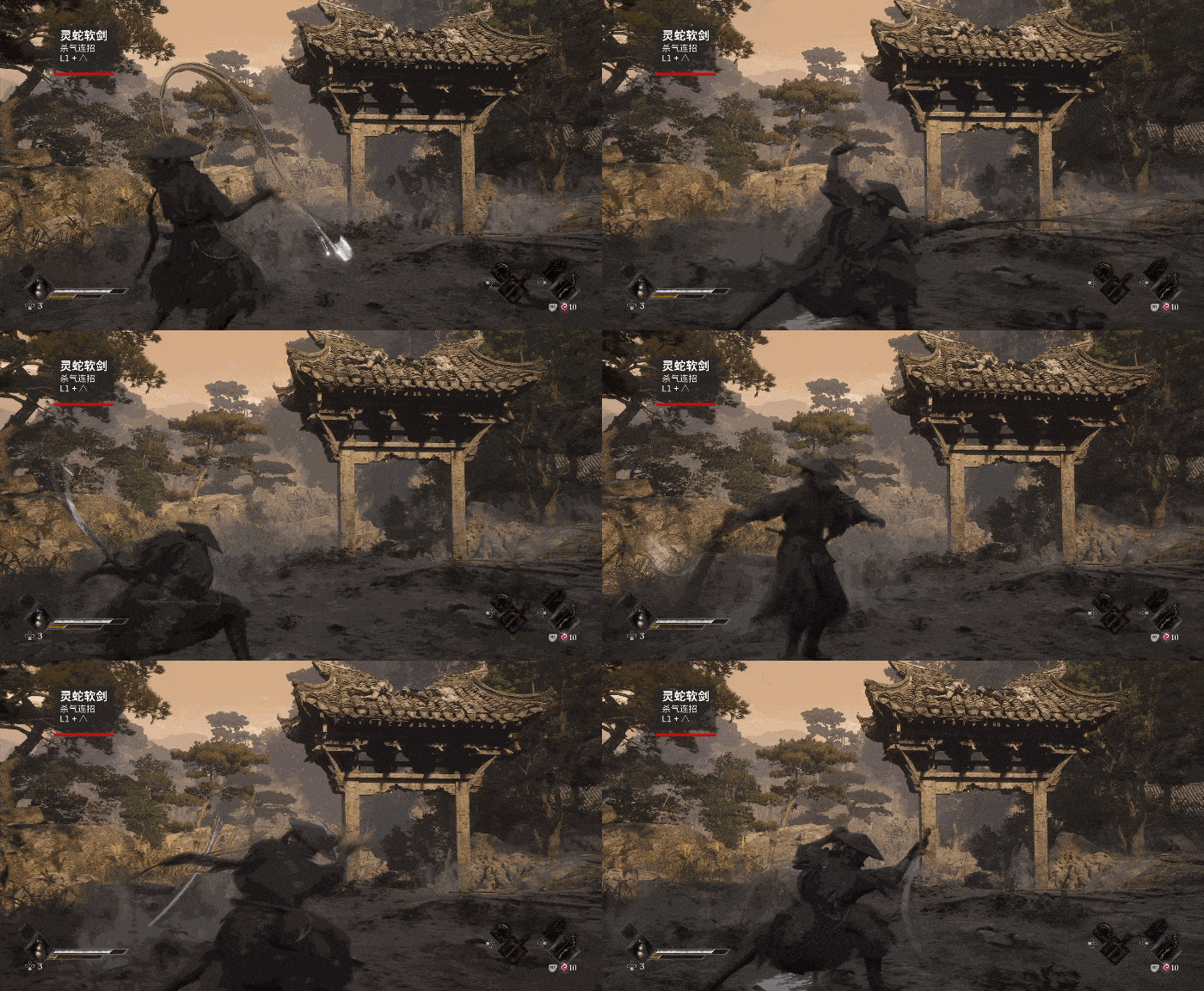
With just a few simple key combinations, you can perform a highly spectacular martial arts routine.
Especially in fast-paced combat games like *Shadow Blade Zero*, simplifying the controls does more than just reduce the player’s workload; its primary purpose is to lower the learning curve—allowing players to clearly understand the function of every button and every key combination.
This approach naturally has its pros and cons. Compared to other games, the action in *Shadow Blade Zero* may seem a bit flashy, but its execution is incredibly clever, as its action mechanics are firmly rooted in Chinese martial arts—with the “Zhen Family Troupe” serving as action consultants.In the game, we can see the ruthless intensity of “Kung Fu is a killing art” from *A Man’s Martial Arts World*, the sweeping, wide-ranging mixed martial arts moves from *Kill Zone*, and the martial arts philosophy from *Ip Man*.
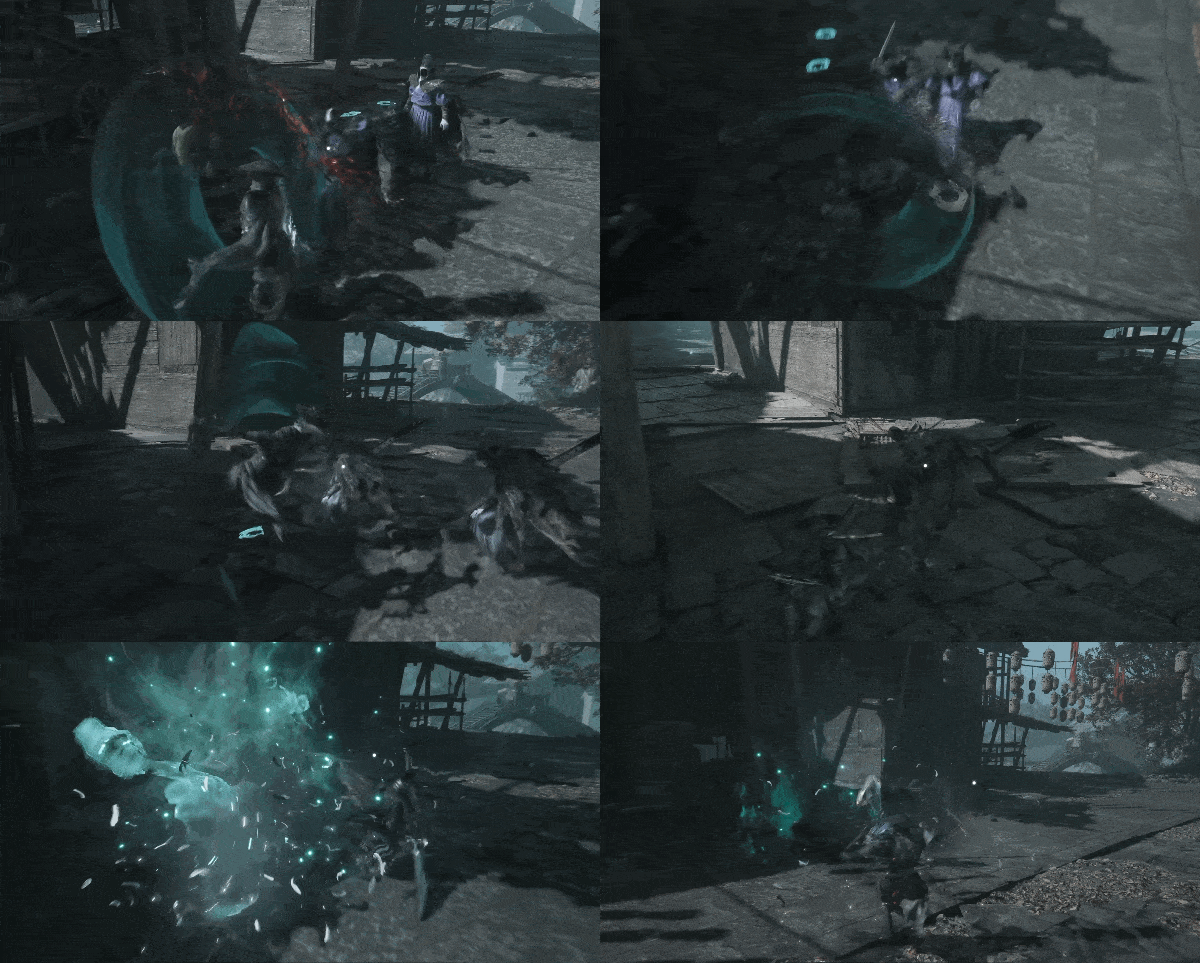
What’s even more impressive is that even these flashy combos, executed with simple controls, adapt differently depending on the combat situation. For example, when facing multiple grunts, the same combo might hit two enemies at once, whereas when facing multiple powerful foes, the combo will feature a different animation sequence.
This also means that even though the game’s controls are simple, these unique action sequences ensure that the combat never feels monotonous; on the contrary, the excitement builds as the battle scenarios change.
The combination of “simplified input controls” and “realistic and varied action sequences” allows players to perform a wide variety of spectacular moves with a limited set of controls. By understanding the purpose of each button press, players naturally feel as though they are the “martial arts prodigy” sought after by countless martial artists in the game.
02
You’re strong, but the enemies you’re facing are even more sinister.
This is just the first step that *Shadow Blade Zero* has achieved: making it easier for players to master the high-performance protagonist and quickly “get back into the swing of things.” What amazed me most about *Shadow Blade Zero* is that, building on this foundation, the game features a wide variety of challenging enemies that naturally guide players into a gradual “learning” process.
In the world of *Shadow Blade*, “killer intent” is the source of power that drives all martial arts techniques within the “Shadow Realm.”According to the lore, “Killer Qi” is primarily used in three ways: first, to enhance physical prowess and sword techniques; second, to power various mystical arts, including “sword energy,” “magic,” “witchcraft,” and so on; and third, to operate mechanical devices.
As the martial arts world evolved, the applications of “killing intent” became increasingly diverse. In addition to even more ruthless killing intent techniques, there were also killing intent spells capable of controlling corpses and transforming them into “ghostly enforcers,” as well as enhancement technologies that provided a constant supply of killing intent, and so on.
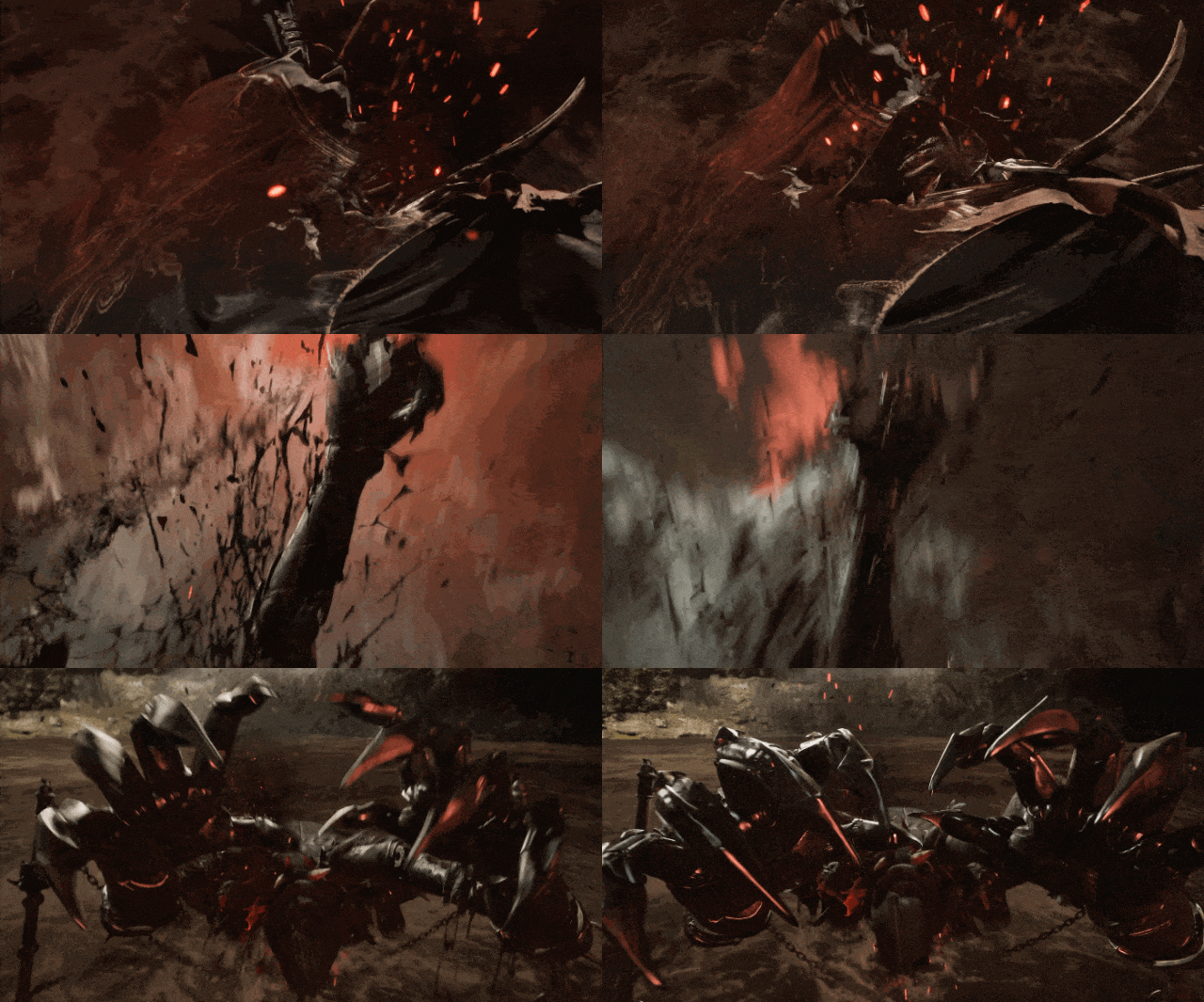
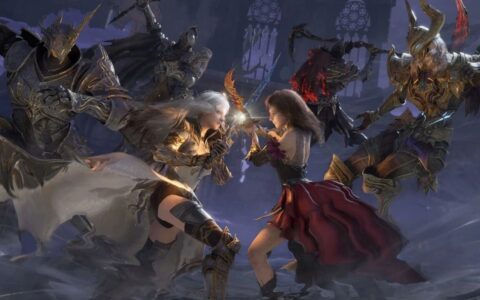
In this worldview driven by a “killing intent,” the battles players encounter are naturally not limited to swords and blades. Mystical arts, traps, and even cyborgs—monsters that appear inhuman—will become the norm.
Although this worldview may seem quite “dark”—and even somewhat unsettling—it also influences the combat in *Shadow Blade Zero*, making it more than just a clash of swords and introducing many “cruel and devious moves” that most players have never seen before.
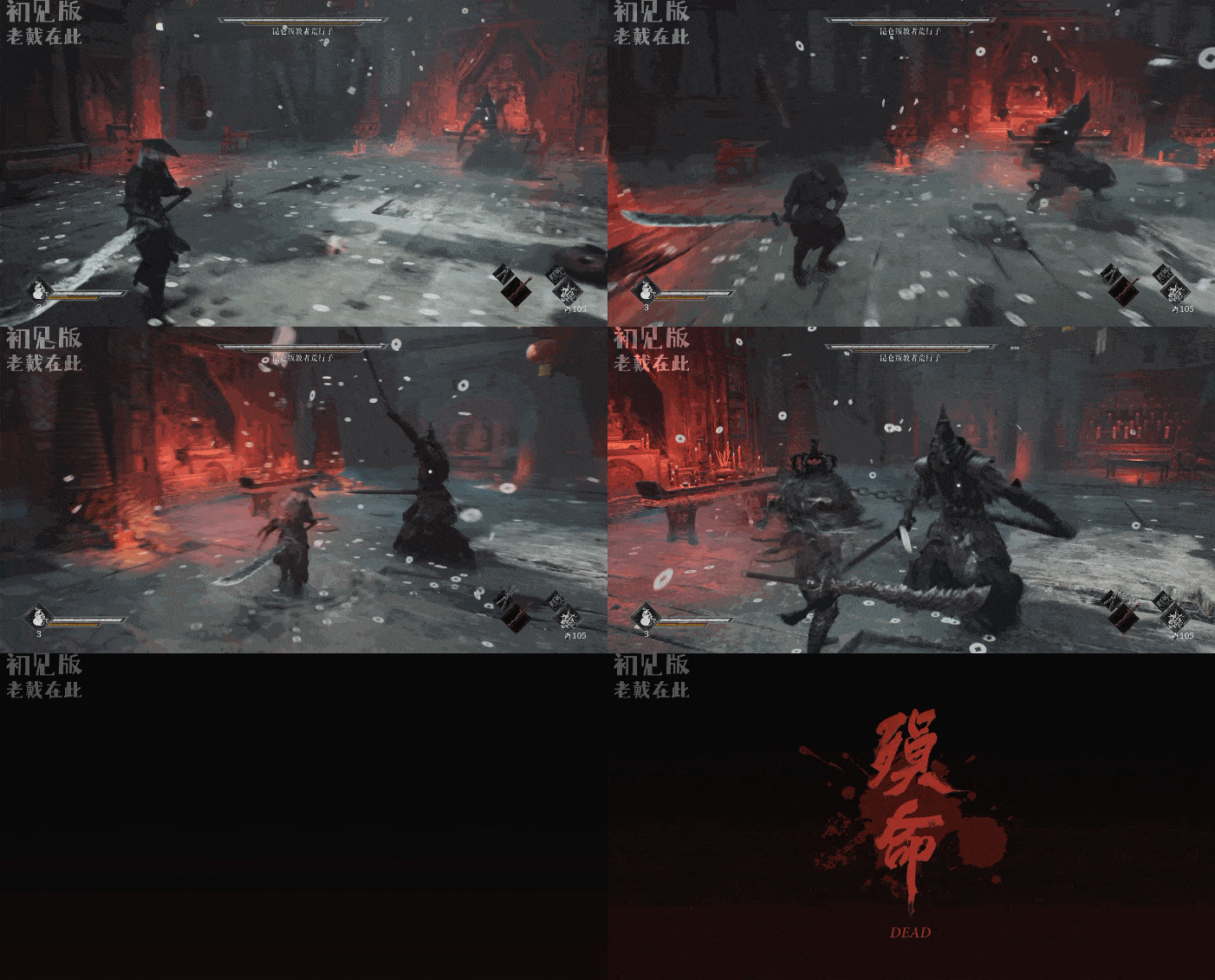
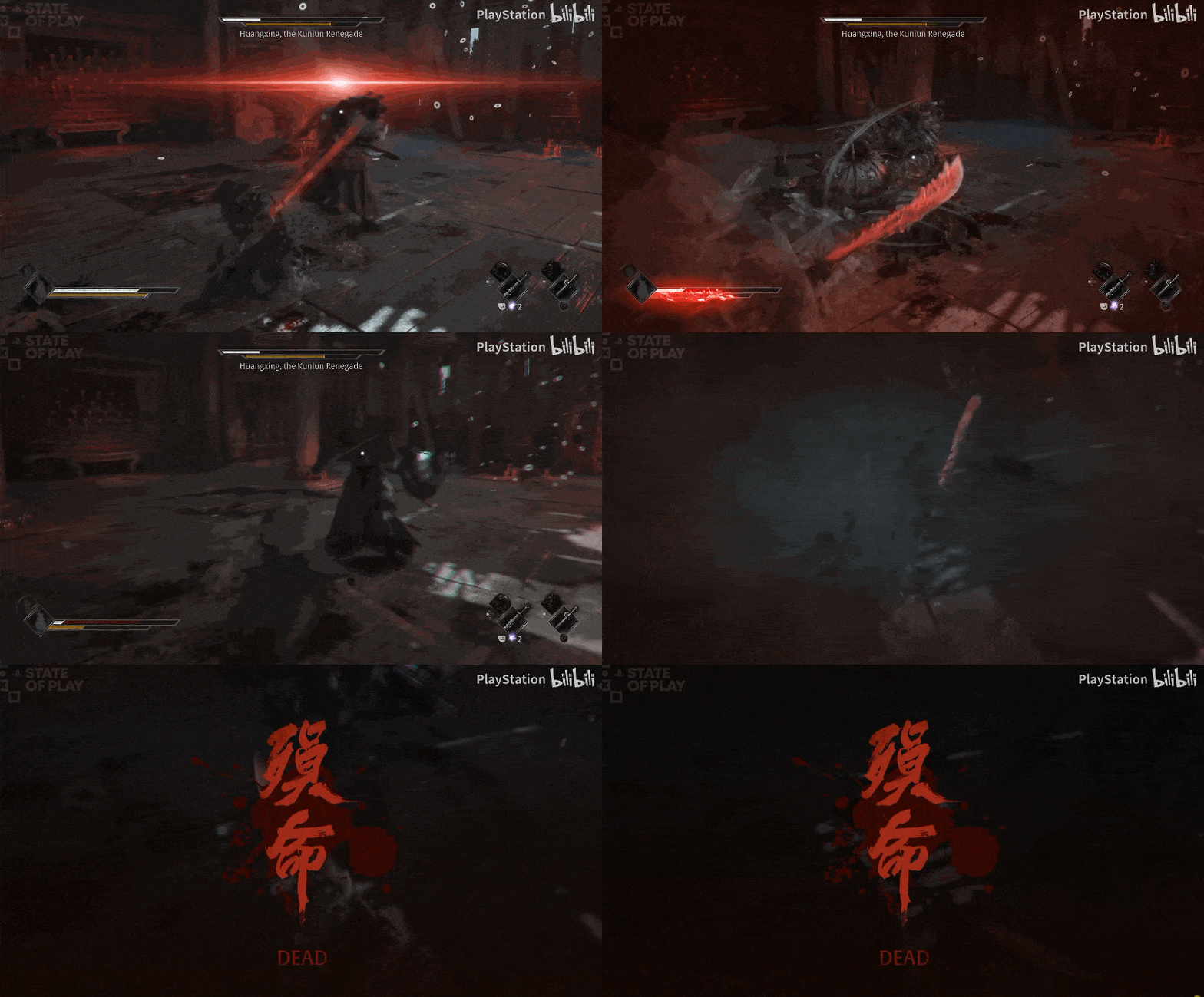
For example, in the early gameplay footage of *Shadow Blade Zero*, a powerful enemy wielding a “blood drop” decapitated the protagonist with a single strike, clearly demonstrating the ruthlessness of this type of foe.
Another example is during the early stages of the game, when players encounter one of the regional bosses, the “Captain of the Ghostly Enforcers,” in Pang Town. After defeating the first phase of the battle, the Captain of the Ghostly Enforcers uses his “Killing Qi” spell to instantly transform into a headless specter.This transformation isn’t just meant to intimidate the player; the severed neck also spews out “Kill Qi” magic, launching surprise attacks against the player during combat.
Therefore, in Phase Two, players will face a style of attack that is even more frenzied and defies biological instincts; even martial arts prodigies are likely to suffer a setback when first encountering such a bizarre enemy.
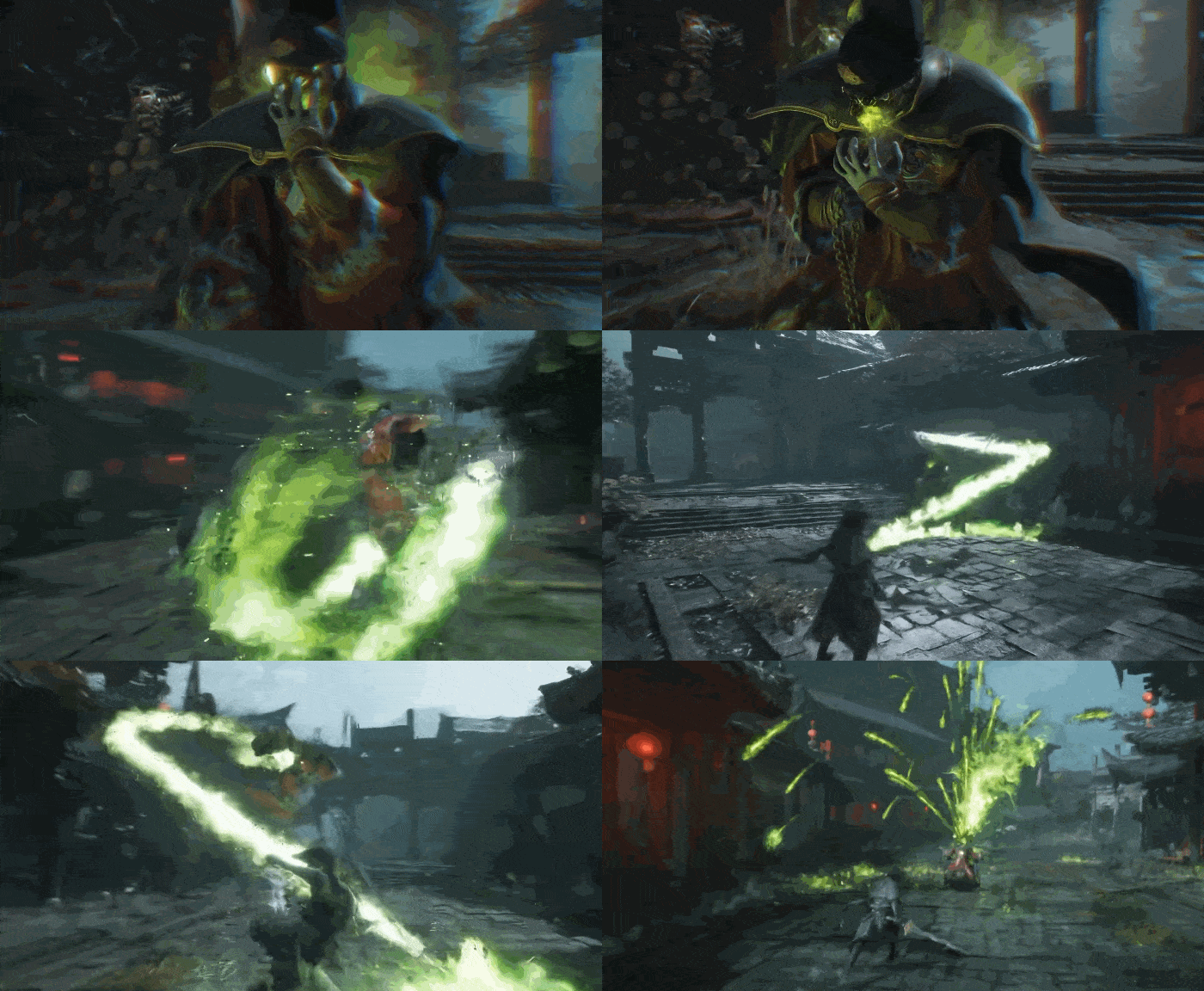
And this is how *Shadow Blade Zero* uses its brutal world to tell players: you’re strong, but many of the enemies you face will also fight “dirty.” Players will find it difficult to rely on their experience from other games to sweep through all enemies; instead, they’ll need to closely observe enemy behavior patterns and figure out how to counter them.
At this point, a hidden theme in the combat of *Shadow Blade Zero* comes to light: “Overcoming the Enemy.” These seemingly mysterious foes often have specific vulnerabilities.Here’s a very clear example: in the “Seven-Star Sword Formation” featured in the game’s Year of the Snake celebratory gameplay footage, players must defeat seven enemies one by one. If you use the “Soft Sword” at this point and take advantage of its agile area-of-effect attacks, you can achieve remarkable results.Another example: when players defeat a boss wielding a “Giant Shield,” the “Giant Shield” they obtain will most likely prove useful in the subsequent stages of the game…
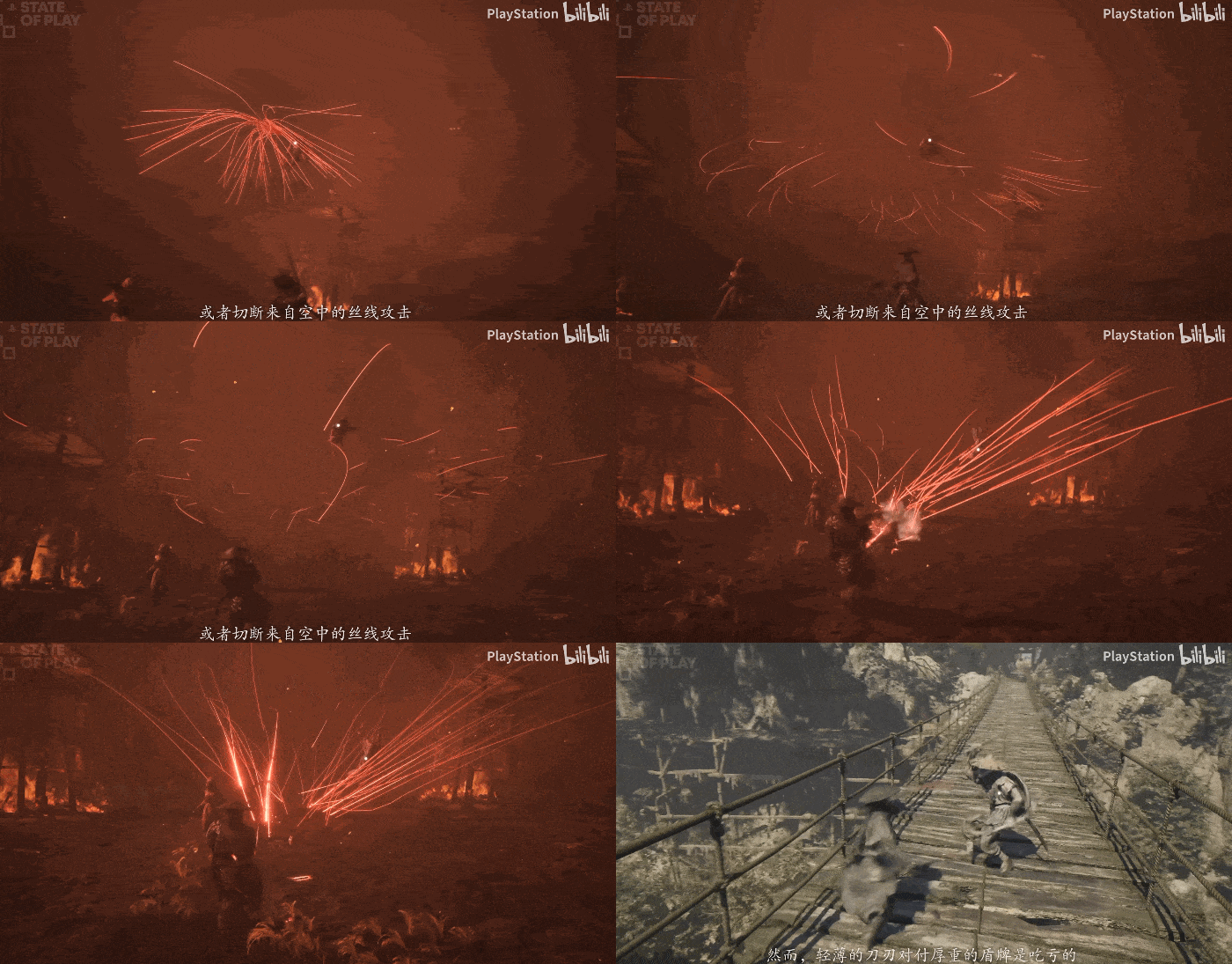
The game offers 30 primary weapons and 25 secondary weapons. While not every weapon may be the perfect choice for defeating every enemy, players will at least have a variety of strategies to choose from when facing different powerful foes.
In fact, this combat progression system relies heavily on the “fairness” of the game’s mechanics—specifically, a design that ensures parity between the player and the enemy. In boss battles, the player’s core combat resource is “Kill Energy,” a system that balances offense and defense. Kill Energy can be used not only to execute Kill Energy combos and quickly deal higher damage but also to sustain blocks and seek opportunities to counterattack.Enemies operate in the same way, using “Kill Energy” to block the protagonist’s attacks or unleash powerful Kill Energy skills.
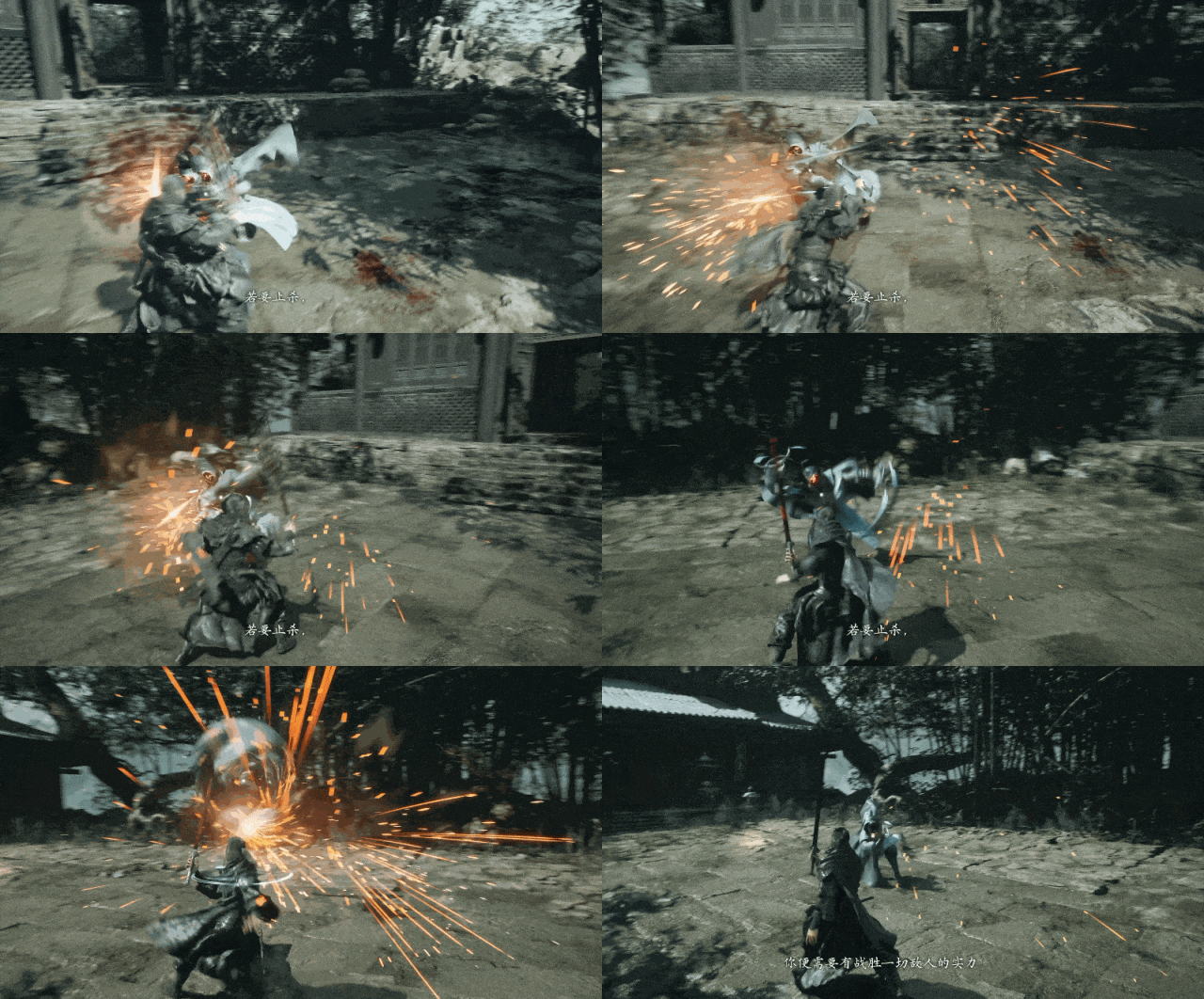
Therefore, depending on how well players know their enemies and their own skill level, they can adopt two completely different combat styles. The first style leverages the “Kill Energy” system’s ability to combine offense and defense, using sustained blocks to read the enemy’s moves. When the enemy emits a “blue glow” or“red light” skills and an opening appears, you can execute precise blocks and dodges to rapidly deplete the enemy’s “Kill Energy,” then capitalize on your Kill Energy advantage to unleash a burst of damage, repeating this cycle. This combat style is particularly suitable for the first few battles when you’re still unfamiliar with the enemy’s tactics.
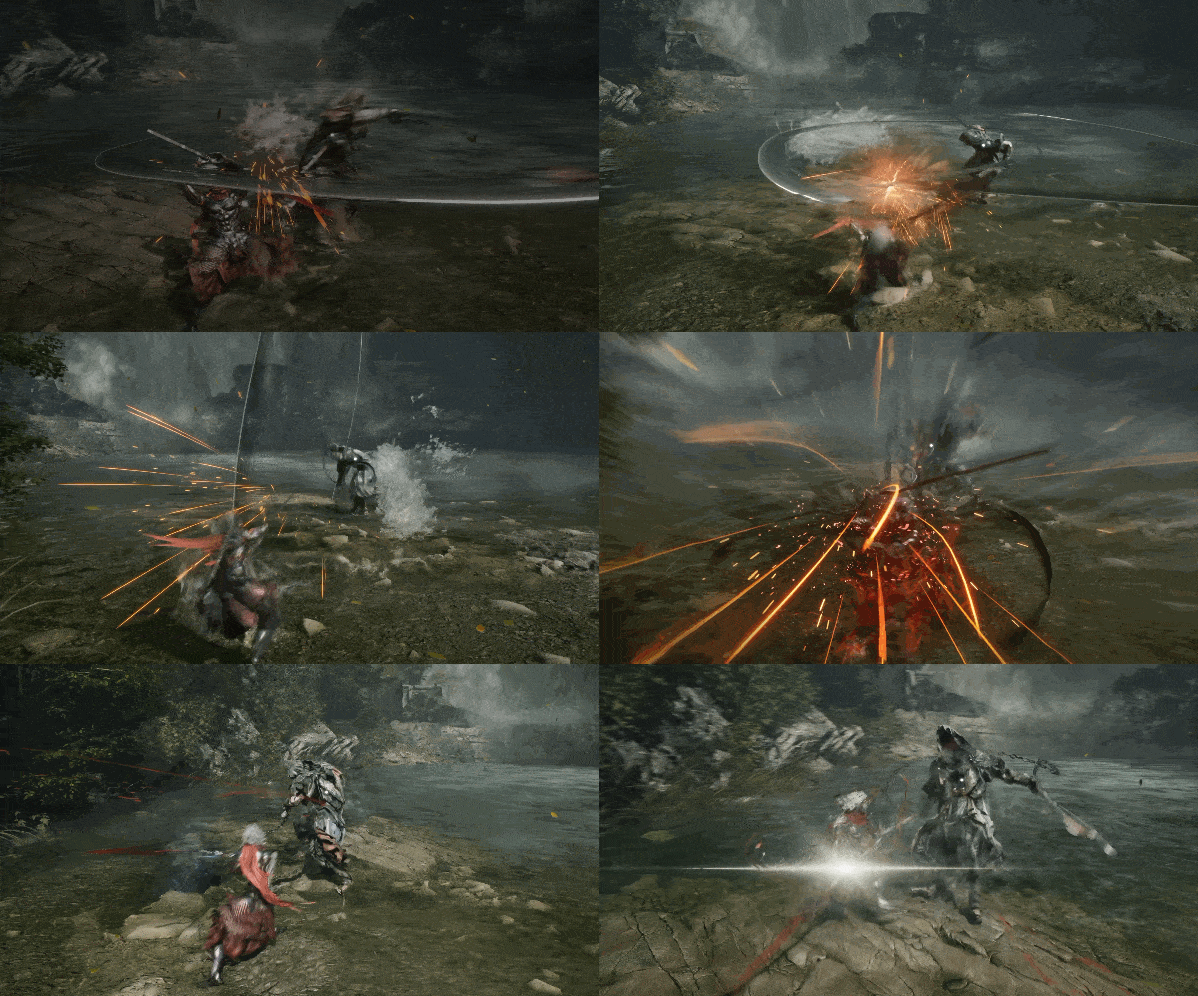
Once players become familiar with their enemies’ tactics, they can fully leverage their weapon advantages to launch sustained attacks, thereby suppressing the enemies’ kill meter and gaining a decisive upper hand.Of course, for players seeking an even greater challenge, the game also offers the “Defier” and “66 Days” difficulty modes—enemies will behave even more unpredictably, actively exploiting weaknesses in the player’s strategies, and the one-trick approach of continuously suppressing the enemy’s “Kill Meter” will no longer work.Players must not only find ways to counter them but also engage in intense positional battles and precise counterattacks, resulting in an experience akin to hardcore fighting games.
03
Getting Started, Learning, and the Path to Becoming a Martial Arts Master
Let’s go back to the original question—what exactly impressed me so much about *Shadow Blade Zero*? The reason is actually quite simple: it integrates “rehab” and “learning” into the same battle, and the transition between the two feels almost seamless.
The first impression players get is definitely “I’m really strong.” With a large number of grunts and relatively conservative enemy design in the early game, it makes you feel like a seasoned fighter within just a few minutes.Plus, the thirty primary weapons each have their own unique characteristics: light swords are fast, heavy swords are powerful, and flexible swords can wrap around opponents and sweep them aside. Switching weapons completely changes the feel of combat, yet the controls themselves remain simple. Even better, switching weapons replenishes your Rage meter, so by alternating between two primary weapons, combos flow naturally—no need to memorize a long list of command sequences.
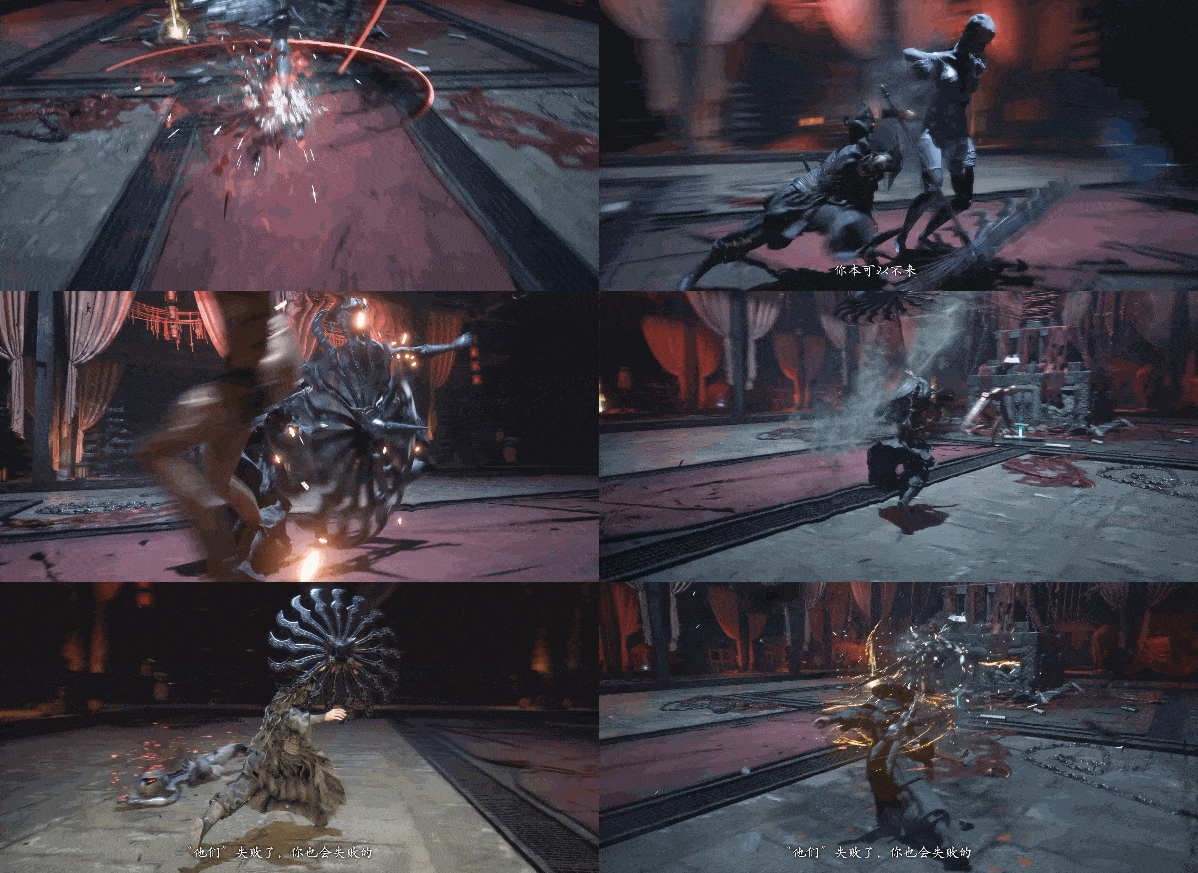
But the enemies won’t let you have it easy forever. Later on, many of the game’s bosses and elite monsters have playstyles that you can’t overcome just by relying on “my character is overpowered.”The developers have designed the game to prioritize aggressive play; you’ll need to maintain the offensive to chip away at about 70 percent of a boss’s health—relying purely on defense and waiting for openings is actually quite inefficient. This forces you to step out of your “rehab” comfort zone and pay close attention to what your opponent is actually doing.
What’s more, many enemies don’t just rely on swords and blades—they also use traps, magic, and hybrid human-weapon combinations. Trying to hack at a heavy shield with a light sword is just asking for trouble; switch to a heavy weapon or pull out the appropriate secondary weapon, and the situation changes immediately.The arsenal itself becomes your “learning” toolkit—if you can’t win, change your approach instead of stubbornly sticking to a single combo.
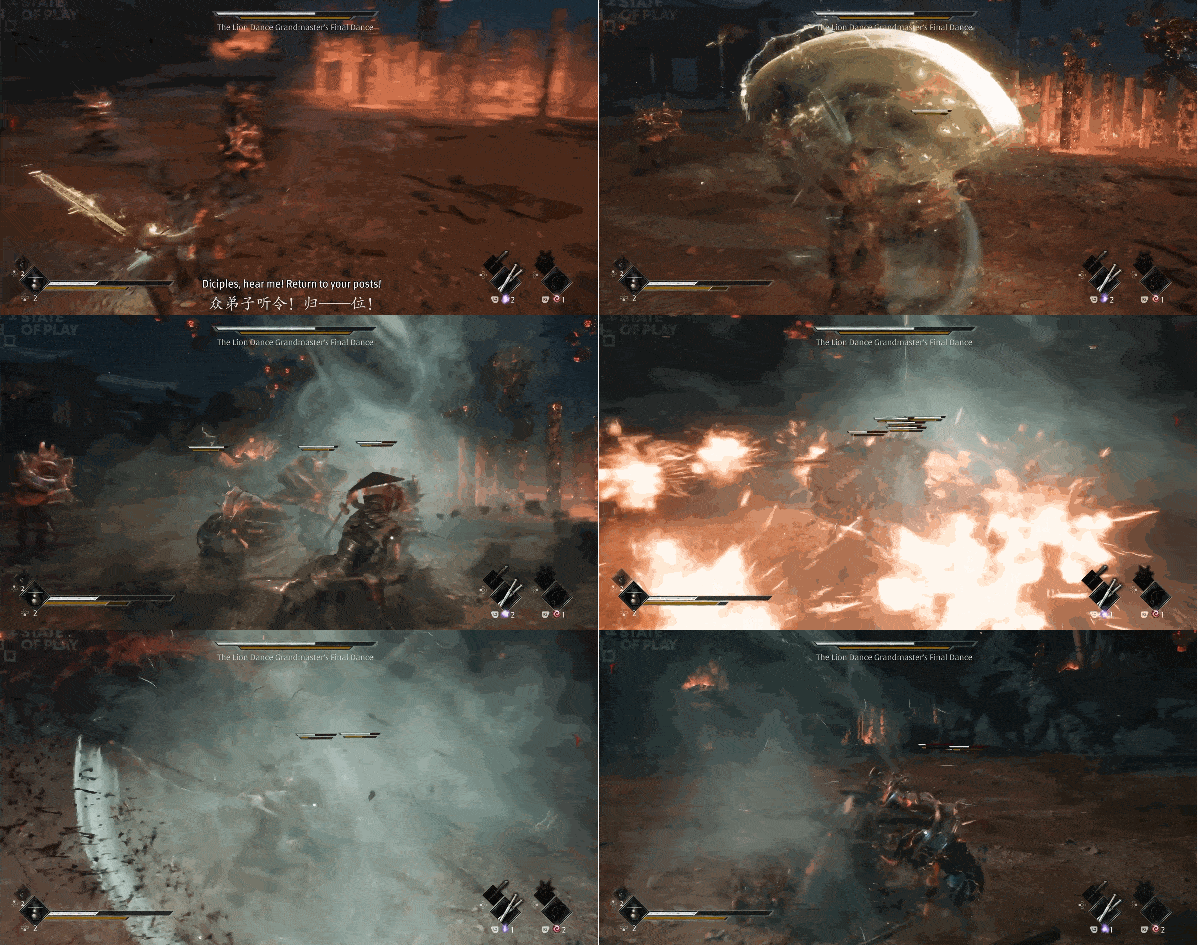
Once you reach the “Defier” difficulty level, enemy AI changes, and bosses will adjust their next moves based on the outcome of your previous encounter. No matter how well you’ve memorized the patterns, they might not follow the script.At this point, the muscle memory and weapon understanding you’ve built up through “rehab” are still there, but you must truly shift into “learning” mode—reading your opponent, making judgments, and fighting for position.Fortunately, the game keeps the cost of trial and error very low: the respawn point is right at the boss’s entrance, and if you lose a multi-stage battle, you simply restart from the current stage—no need to traverse the map or grind for levels.
At this point, I’m even more convinced of one thing: *Shadow Blade Zero* offers action gamers not just another “Souls-like” or “Devil May Cry-like” alternative, but a truly new option.It doesn’t force you to choose between “suffering” and “mowing down enemies”; instead, it first lets you execute martial arts combos with just a few buttons, making you feel like a martial arts prodigy—only to have ferocious enemies teach you the harsh realities of the martial arts world, forcing you to read their moves, switch weapons, and fight for position.
Natural, simple, familiar—yet unique. When applied to the combat in *Shadow Blade Zero*, this isn’t just a platitude. The game doesn’t force players to choose between “simplicity” and “depth”; instead, it lets them step through the door naturally and discover the depth within.
For an action game player, this is probably why I’m willing to be an “unpaid advocate,” and it’s also the most genuine meaning behind the phrase “new choice.”
原创文章,作者:游茶妹儿,禁止转载:https://youxichaguan.com/en/archives/220313