I rarely use the word “stunning” to describe a demo for a game that hasn’t been released yet, but *Tide of Oblivion* truly deserves such high praise from me.
In fact, I had previously expressed deep skepticism about several gameplay demos they had released. Would a Chinese-developed AAA title based on British mythology really fail to catch on in the domestic market?Would the excessive amount of showy sequences in the gameplay footage detract from the game’s playability and pacing? And with such a low-key approach and virtually no marketing, was this yet another instance of the “trailer hype” tactic?
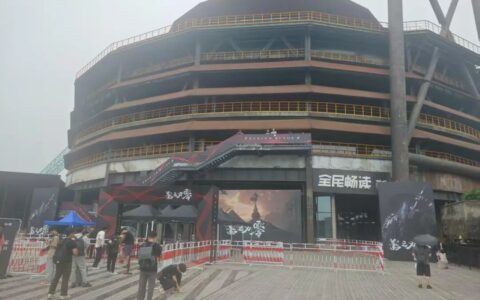
Just this past weekend, an in-person demo put all my doubts to rest. So much so that after returning from the demo, my mind was filled with recurring “aftereffects”—like the red circle parry, the yellow circle big jump, “Close the gate, let the knight through,” and “WTF.”That’s right—just like many other players who’ve tried it out, “I feel restless if I don’t play Annihilation for a day.”
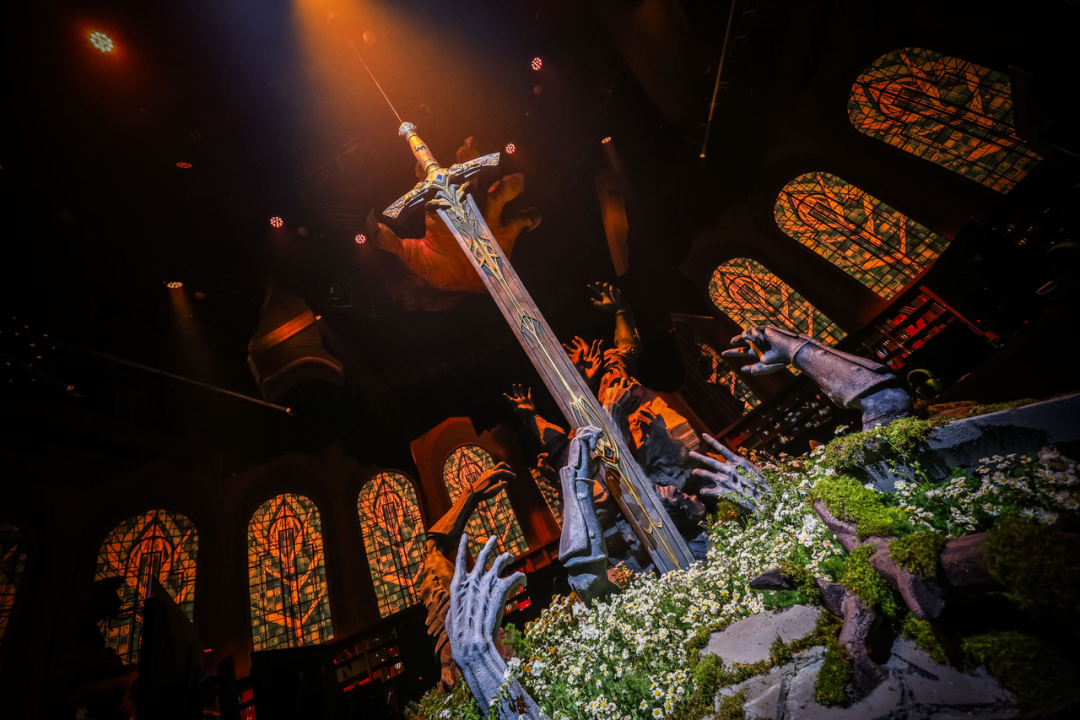
After trying out the game, I also had a good chat with Fu Kun, the producer of *Tide of Oblivion*. In his view, the point of making a game is to keep players engaged so they can play through to the end; if players can’t stick with it, then the producer is the one who ends up feeling terrible.
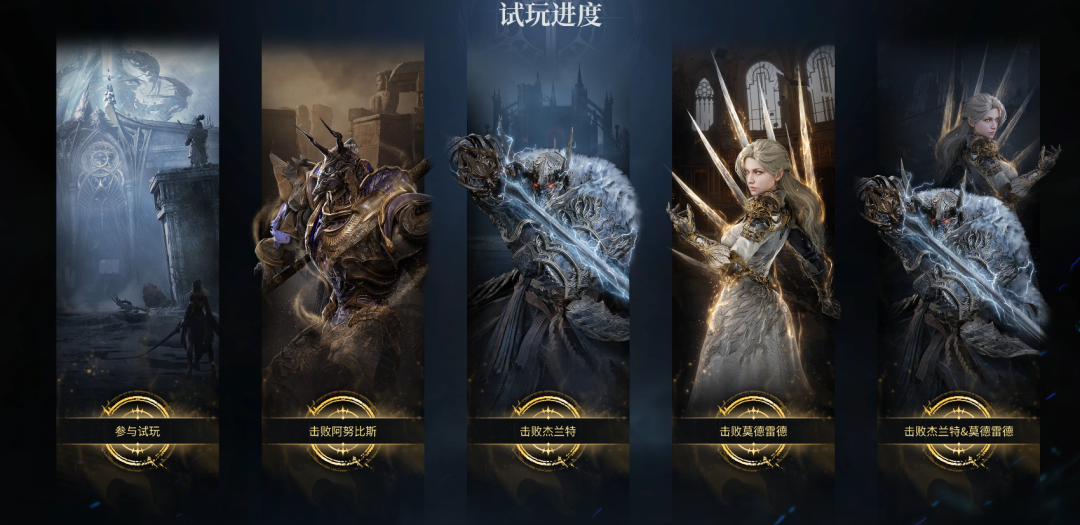
Prior to this, *Tide of Annihilation* had maintained a low profile since its announcement, and one of the reasons it has attracted such significant attention within the industry is Tencent’s substantial investment.According to reports, Tencent holds a 95% stake in Ophiuchus, the game’s developer. Many of the team’s core members come from leading international studios such as Ubisoft and Sega, and producer Fu Kun has also spent many years working on the development of major overseas single-player titles.From the team’s formation to technical support and financial investment, Tencent has handled virtually everything on its own.
In the past, many players might have hesitated and conducted their own “background checks” beforehand, but judging by the comments on Xiaohuihe and Bilibili over the past couple of days, most players have given the game consistently positive reviews, with some even going so far as to say, “You can always trust Tencent’s investment judgment.”
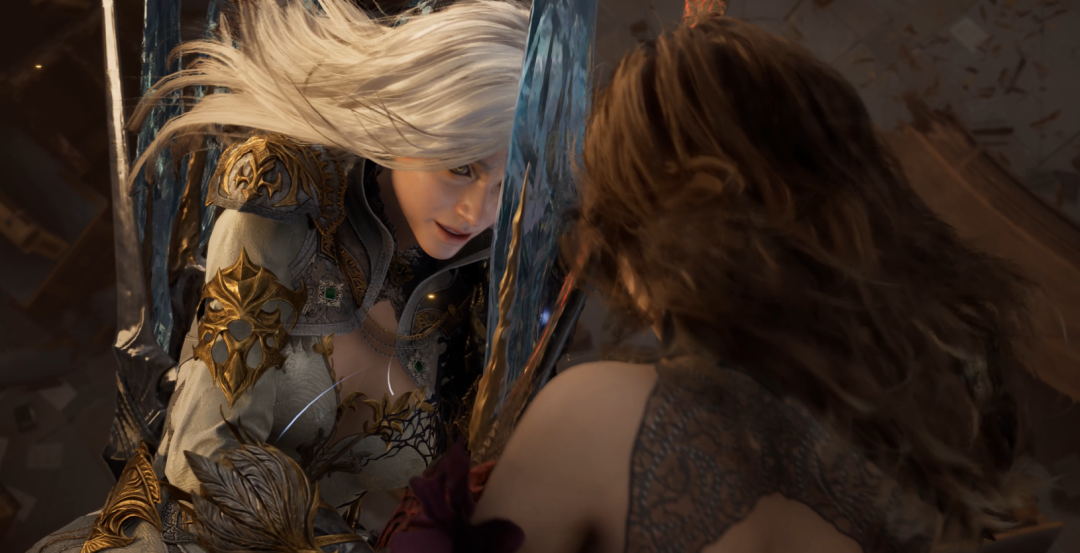
Fu Kun told me, “Our development philosophy is to focus on getting the work done first and then listen to player feedback at the right time, so we have complete autonomy and independence on this project. Currently, the entire team consists of around 150+ people. As our investor, Tencent has been very accommodating toward us, providing us with a great deal of material and technical support.”
Based on my personal experience, if I had to sum up the core experience of *Tide of Oblivion* in one sentence, I’d say the most important thing is that, even though it’s a fairly common action-adventure game, it manages to carve out its own unique identity—and it’s the kind that really has something special going for it.
In part, beneath the veneer of British mythology, you can clearly sense a Chinese narrative logic—it doesn’t forcefully impose highly traditional Chinese cultural elements. Producer Fu Kun told me that by combining the game’s world-building, the relationships between characters, and the overall framework, the development team was able to incorporate Chinese culture into the game very naturally.
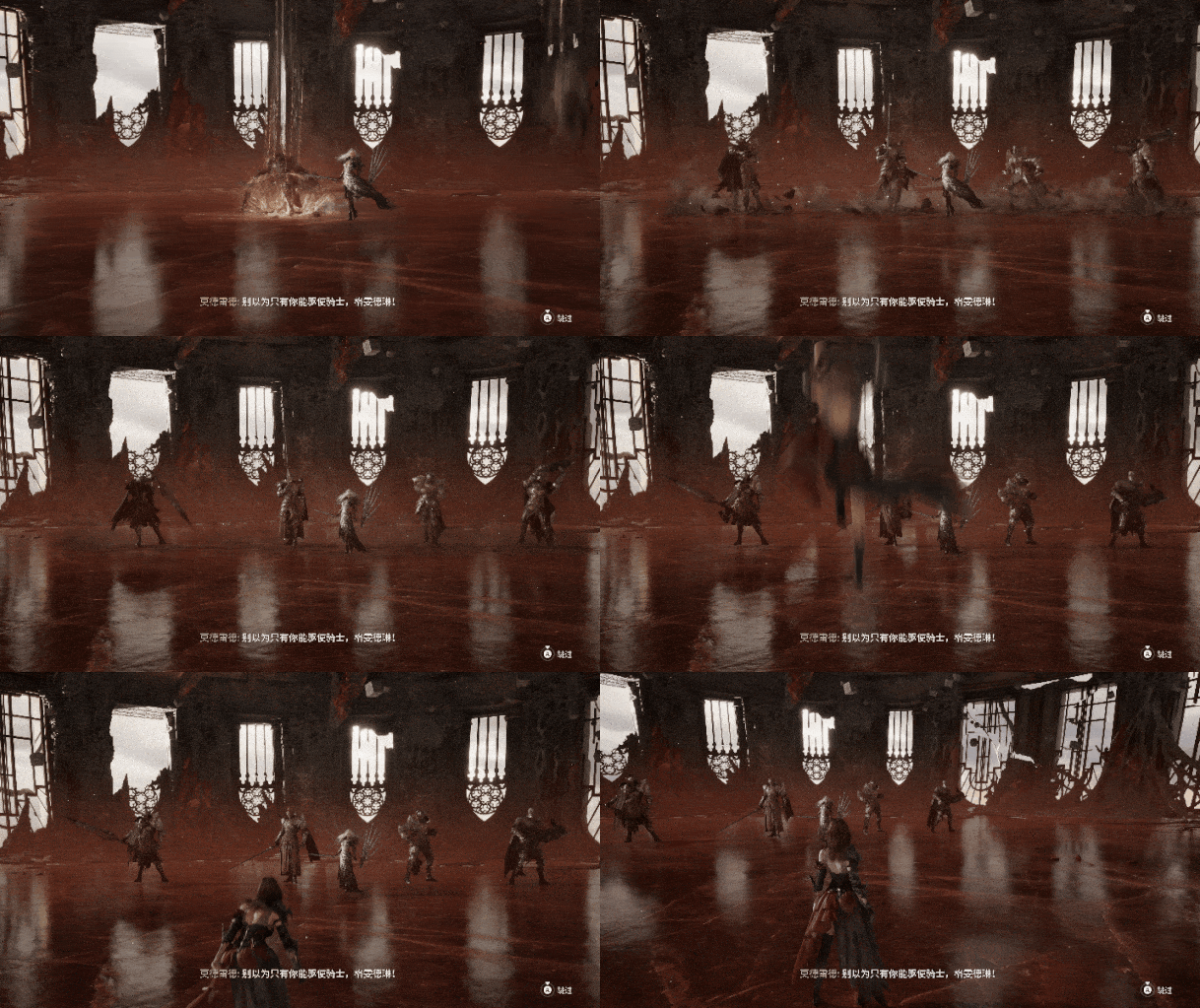
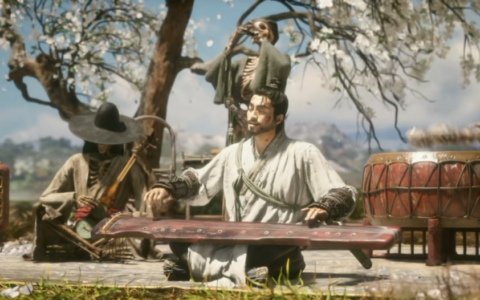
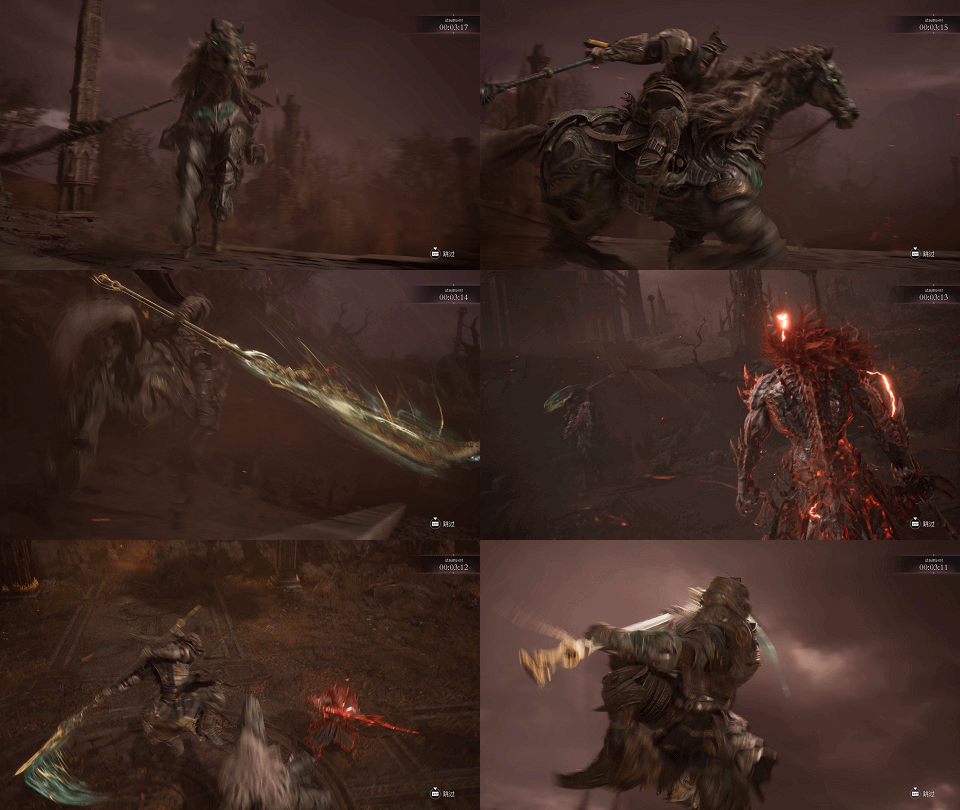
To give a very simple example, the protagonist’s teacher is “Second Lord Guan,” the Martial Saint known to every household in China. Within the game’s original mythological framework, this character design feels quite natural.So much so that during the later boss battle against a Japanese samurai, when Guan Er Ye rides in on his red horse at the climax—with a Chinese yellow dragon trampling a Japanese dragon beneath its hooves—and Guan Er Ye cuts the samurai down from his horse with a single stroke, the profound sense of awe it evokes is beyond words.
“As long as it’s told by a Chinese person, it’s a Chinese story.”
Another reason is that *Tide of Annihilation* doesn’t force itself into the pure action-adventure genre; building on its core of fast-paced combat, it innovatively introduces a knight system—one that even gave me, a veteran of action games, a long-lost sense of inexplicable freshness.
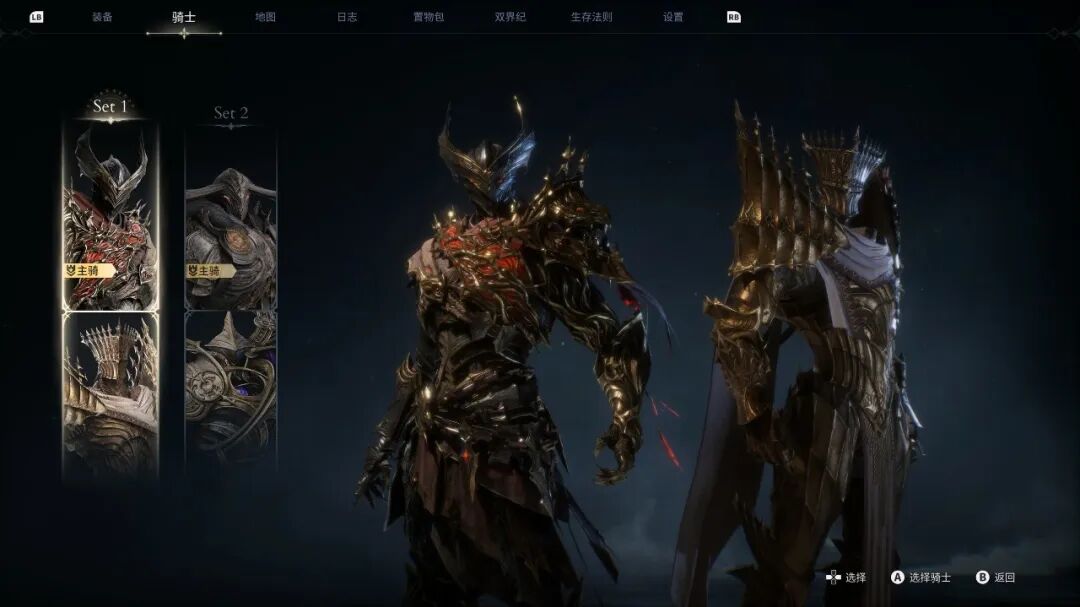
Although the Knight System looks complex, it’s not as difficult to master as it might seem. By doing away with the textbook-style combo inputs found in series like *Devil May Cry* and *Ninja Gaiden*, *Tide of Annihilation* features a relatively straightforward control scheme,and thanks to each Knight’s unique traits and skills, the combat becomes incredibly dynamic through multi-stage controls and a wide variety of combinations.
You can still take advantage of a particular knight’s powerful skill to rush through a level with mindless, all-out attacks, or you can control all four knights at once to pull off a dazzling “Ace Air Combat” maneuver.
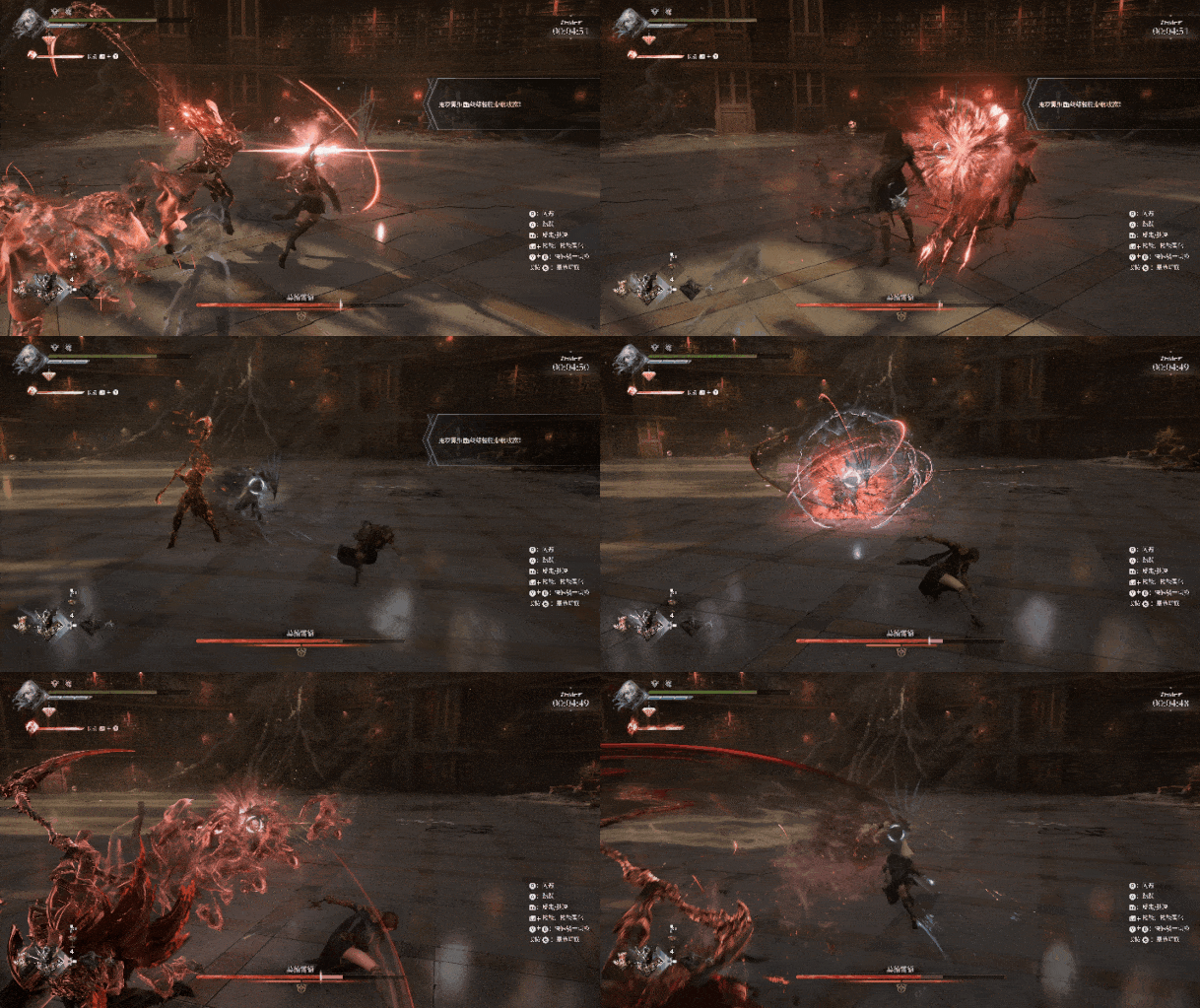
The game’s range of play—from the most advanced to the most casual—is particularly pronounced and depends entirely on the player’s personal preferences. Aside from the combat system, the ARPG progression system is another key pillar of the game.Although the equipment system is simple, each piece of gear has its own unique affix. By utilizing badge passives—which consume points—players can easily build various builds, such as “Vampirism” or “Ace Combat,” and enjoy the thrill of taking down bosses with a flurry of attacks.
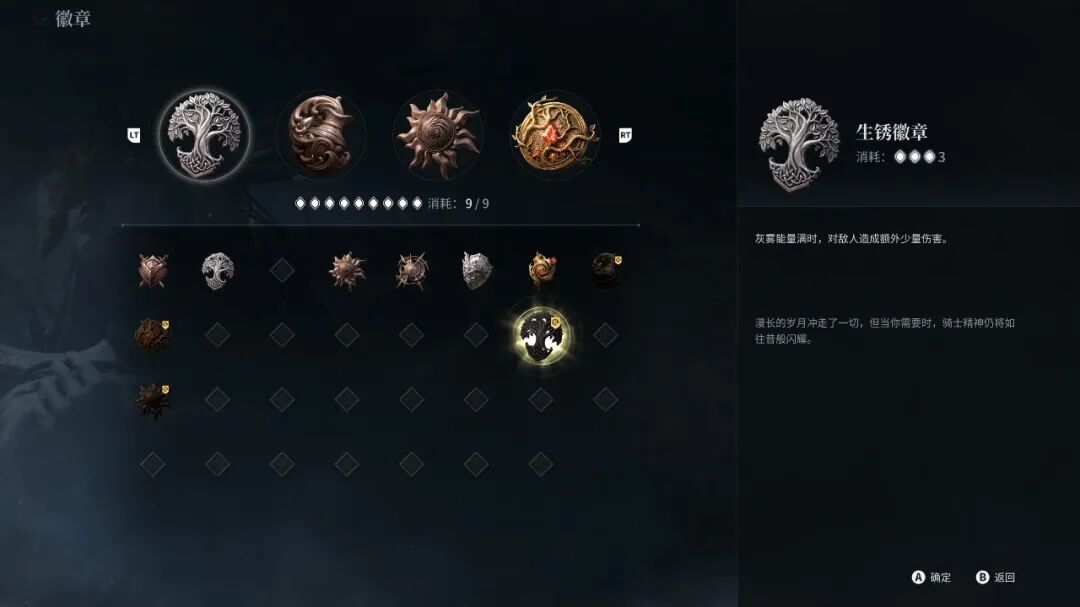
Because it has its own unique elements, even though *Tide of Annihilation* bears some resemblance to other games, the overall experience clearly showcases its visual distinctiveness and fresh approach to action—two qualities that allow *Tide of Annihilation* to stand out among a host of major titles.
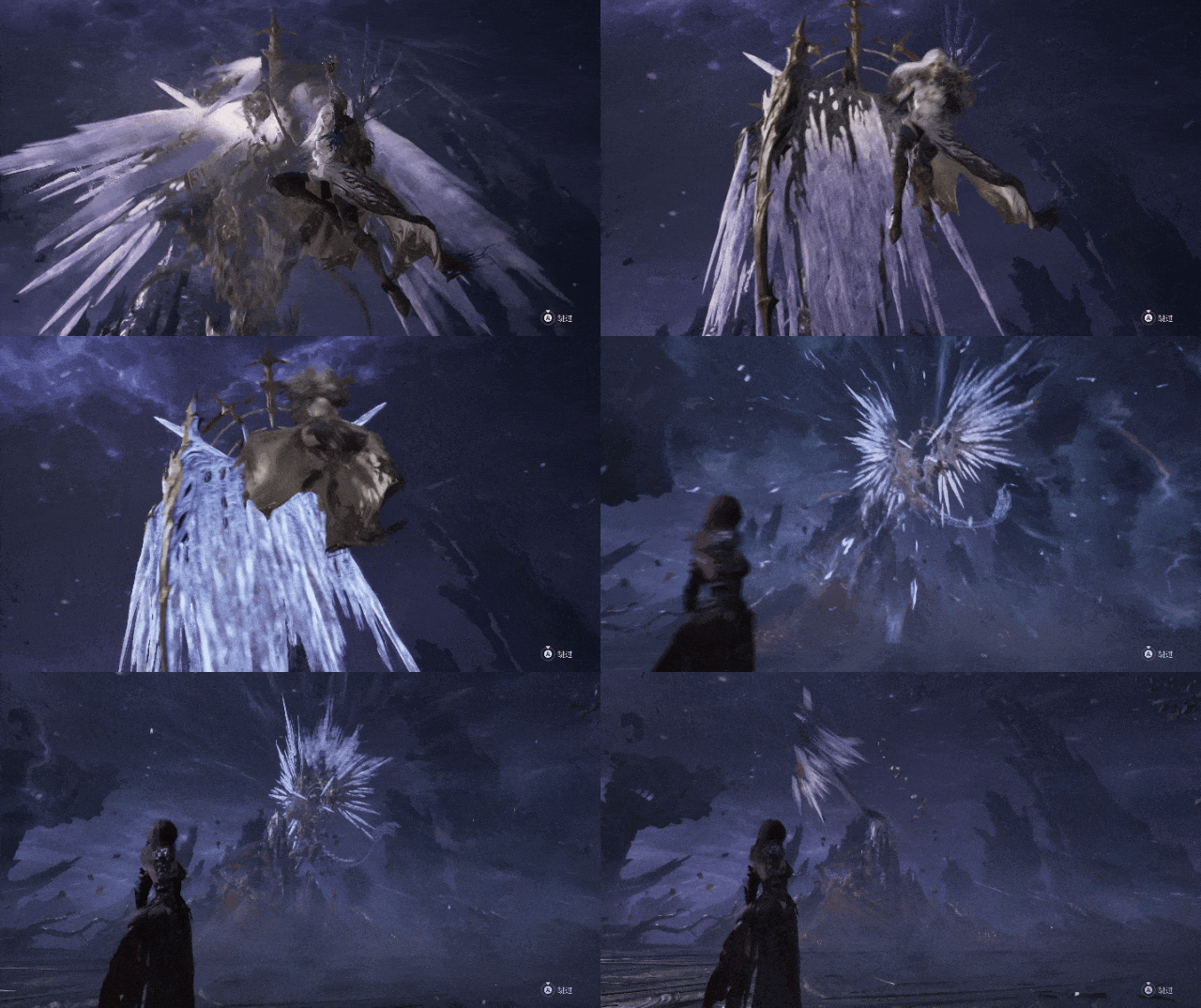
In Fu Kun’s view, *Tide of Annihilation* was released at a very fortunate time. Excellent titles like *Black Myth* and *Shadow Blade Zero* have raised players’ expectations and awareness of what games should be, and for developers, this serves as an encouragement to do their utmost to create even better products—ones that live up to players’ expectations and, above all, do justice to themselves.
(The following is a transcript of the interview, which has been edited for readability.)
01
The best of times—when everything falls into place naturally
Teahouse: Back when you decided to strike out on your own and develop a large-scale domestic single-player game, the market wasn’t as thriving as it is today. There weren’t many developers who truly wanted to make single-player games, and opportunities were scarce. Why did you make that decision?
Fu Kun: I think we were just lucky enough to be in the right place at the right time. With *Black Myth: Wukong* having paved the way and stimulated demand in the domestic market, we simply went with the flow—it wasn’t as if we made any special decision. Our team has always been big fans of action-adventure games, so when the opportunity arose, why not go for it?
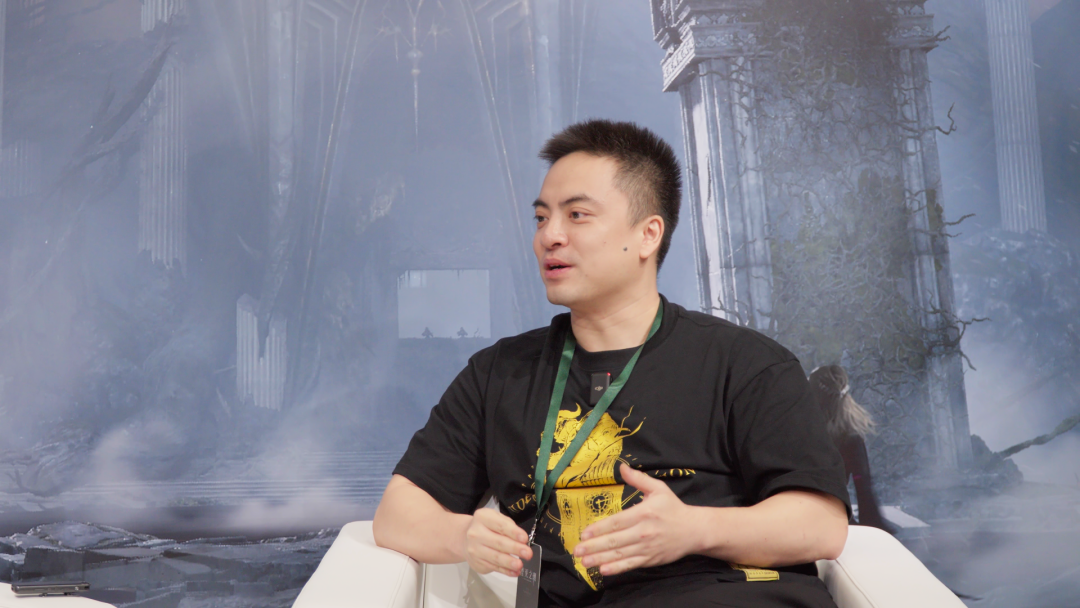
Fu Kun, Producer of *Tide of Oblivion*
Teahouse: When you launched the project in 2011, the concept of a “domestic AAA game” didn’t exist yet. How did you convince investors to back it? As the main investor, what role did Tencent play?
Fu Kun: Let me clarify something—we actually didn’t officially launch the project until early 2023. Before that, it was just a series of small tasks the company was handling; we gradually built up the team and evolved into a game development company, taking it one step at a time.Our investor, Tencent, has been very accommodating toward us; we have complete autonomy over the project. Tencent has provided us with a great deal of material and technical support, as we’ve discussed before.
Teahouse: You once said that the team consists of creators in their “Zhongdeng years,” and that their core goal is to do things that are worthwhile within a limited amount of time. So what exactly counts as “worthwhile”?
Fu Kun: “Worth it”—for developers, the definition is relatively simpler and more straightforward. After all, as we get older, all we want to do is make the games we love; we just want to do what we’re passionate about as much as possible. If we don’t have that passion, by the time our years are up, all that will be left is regret.Of course, even without passion, you can still support your family—but you won’t have the same passion and drive you have now to take a chance and make the games you love.
Teahouse: *Tide of Oblivion* isn’t set in China. How do you tell a story with a Chinese core in a game framed by a foreign culture?
Fu Kun: To be honest, we didn’t really think too much about using cultural elements as a gimmick at the time. The whole project started out as an action-adventure game; action was the primary focus, and combat was at its core.Our main goal was to see if we could add some flair to the combat and incorporate a bit of our own vision. So we kept exploring in that direction, and eventually developed the Knights’ Combat System.
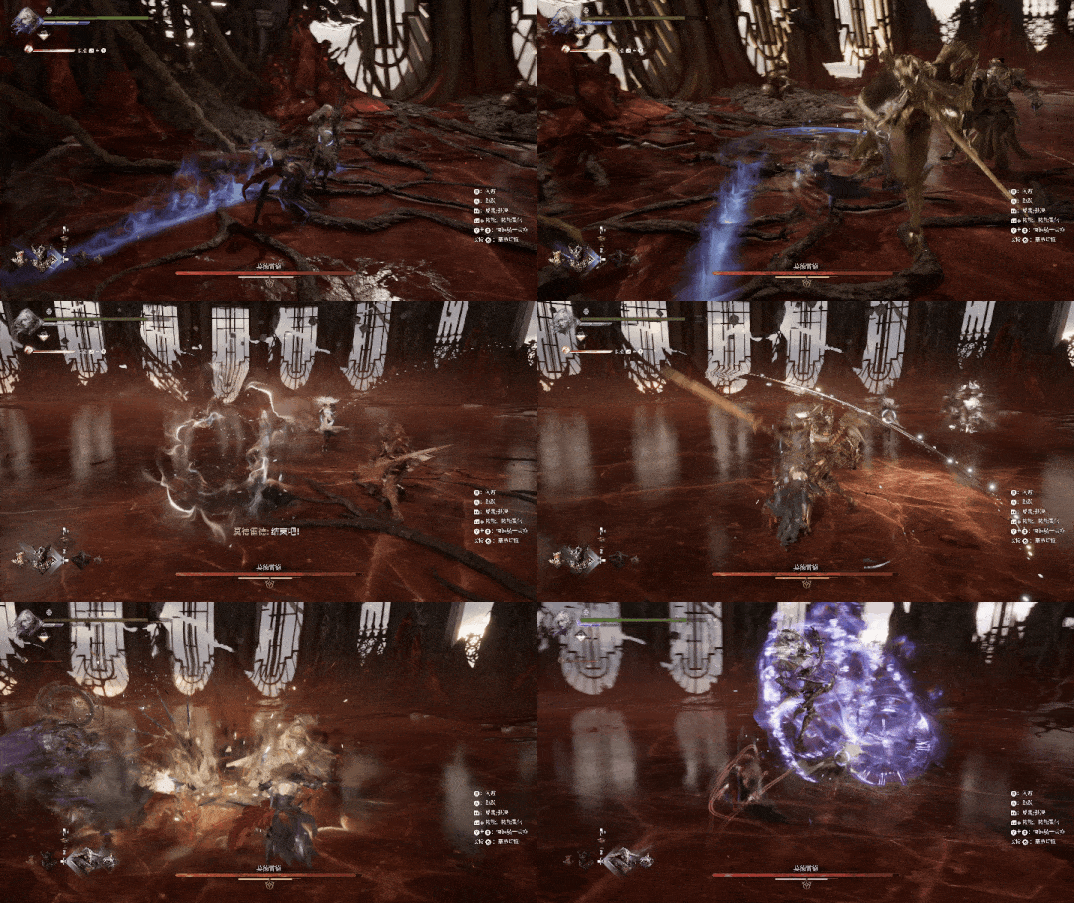
Our idea was this: as the protagonist battles, other characters would accompany the player through the challenges, eventually forming a group of knights surrounding the protagonist as the central figure. With this concept in place, we asked ourselves what was most closely associated with knights, and ultimately traced it back to the origins of knighthood—the most elegant of which is the myth of the Knights of the Round Table.Whether it’s London or Britain as a whole, it is, after all, the birthplace of the Knights of the Round Table, so the two concepts came together quite naturally. This was our starting point; we never intended to use that culture merely as a veneer—it simply fit perfectly on its own.
Teahouse: It’s like first considering the core combat system, and then developing a suitable theme or backstory around it. As it happens, knights are quite similar to the chivalric culture of Europe, particularly Northern Europe.
Fu Kun: Right. Actually, we didn't draw on any specific cultural elements; we just felt that the myth of King Arthur was better suited to shaping and portraying the image of a knight.
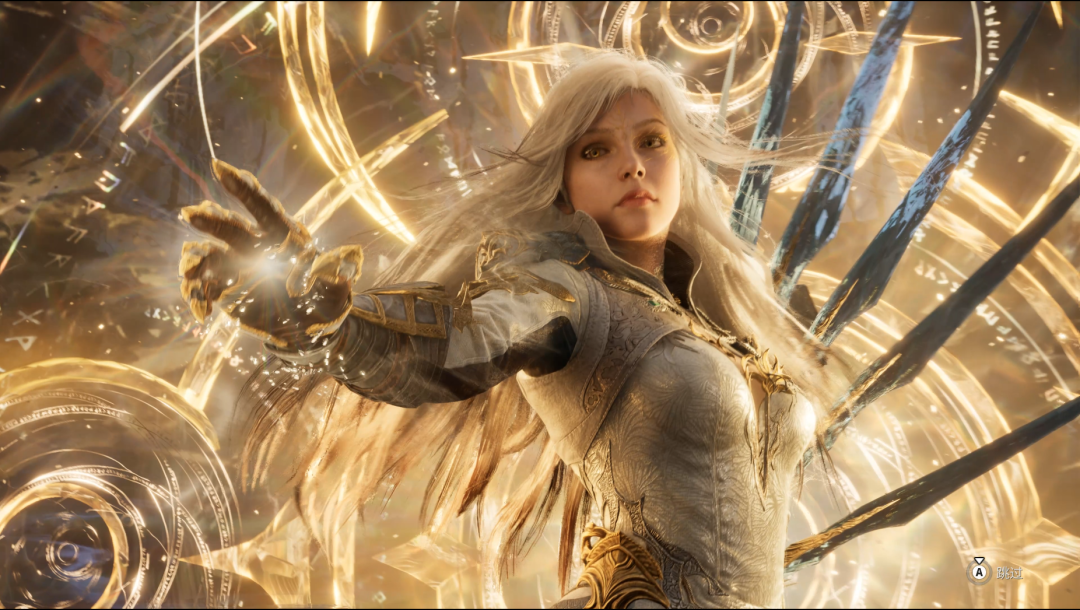
Teahouse: You once quoted Feng Ji, the producer of *Black Myth*, who said, “As long as it’s told by a Chinese person, it’s a Chinese story.” How should we interpret this statement?
Fu Kun: This is how I see it: Our culture stems from our education. We are a generation that grew up under a purely Chinese cultural education system, so the content we present is inevitably influenced by that education, and our stories will certainly differ from how people in Europe and America understand them.We aim to incorporate action sequences typical of the action-adventure genre—such as challenging mighty deities and fighting alongside orders of knights. Therefore, our game is essentially a Chinese team’s interpretation of the King Arthur myth; it is not a direct representation of the original culture.
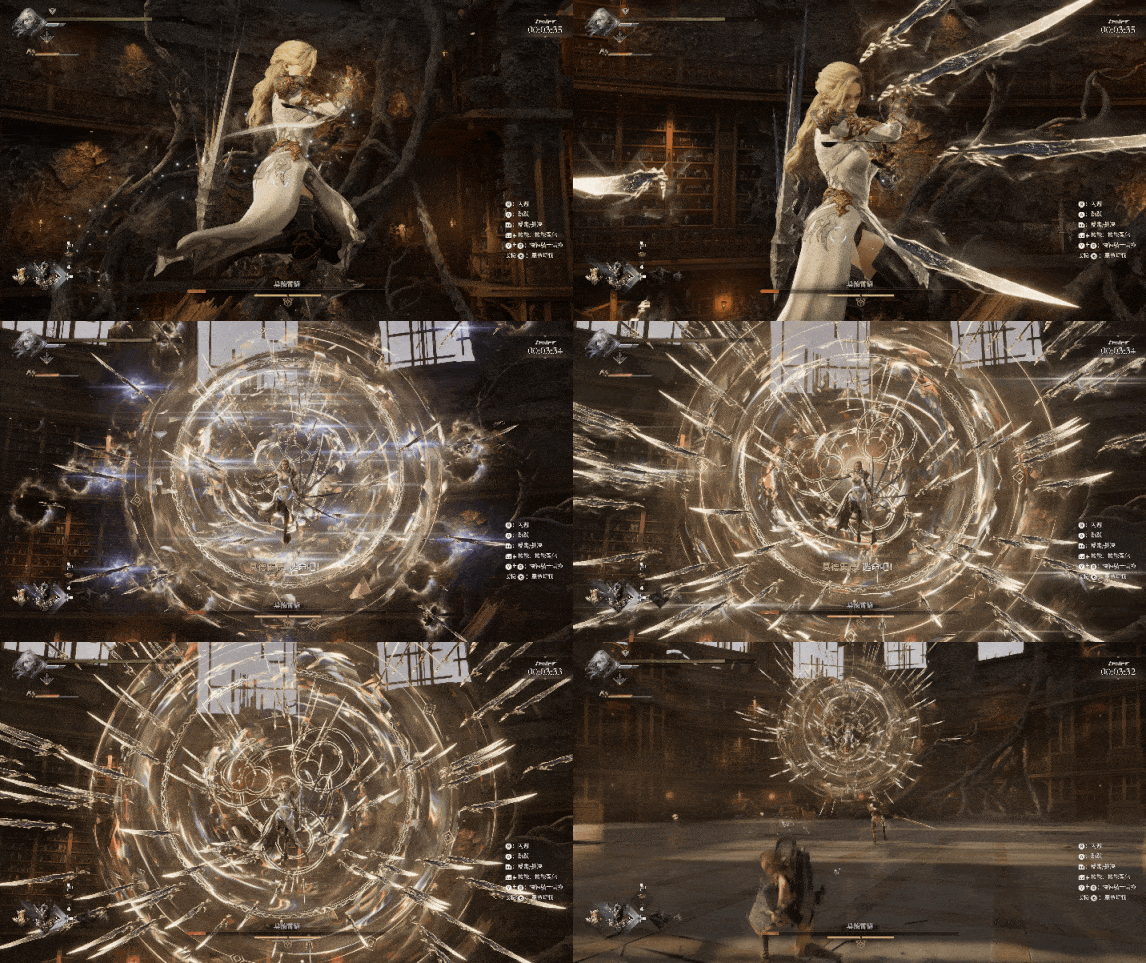
Teahouse: I’ve noticed that your character designs aren’t quite as Western-influenced as they used to be. So, in what ways do you incorporate elements that better suit Eastern aesthetics?
Fu Kun: You could say that the Eastern cultural interpretations we’ve incorporated are actually everywhere.First, take character design: our top priority was to create an aesthetic that would be appealing to both Eastern and Western audiences, so we blended the two in a comprehensive way. Beyond that, there are elements that our team finds particularly honorable in Chinese culture—such as the Martial Saint, a symbol of Eastern chivalry or a representative of traditional Chinese culture. Characters like this are naturally presented to the audience as Gwen’s mentor.
Teahouse: The topic of “Lord Guan Beating a Japanese Samurai” has been all the rage on Xiao Hei Hei these past couple of days. At first, everyone was complaining about how they gave a dragon to a Japanese character, but it turned out that the Martial Saint subdued him with a single Azure Dragon.
Fu Kun: The Chinese dragon used in *Wusheng* is an authentic Yellow Dragon. The dragon imagery in Japanese characters differs from our Eastern dragons, and we want to subtly convey this distinction.
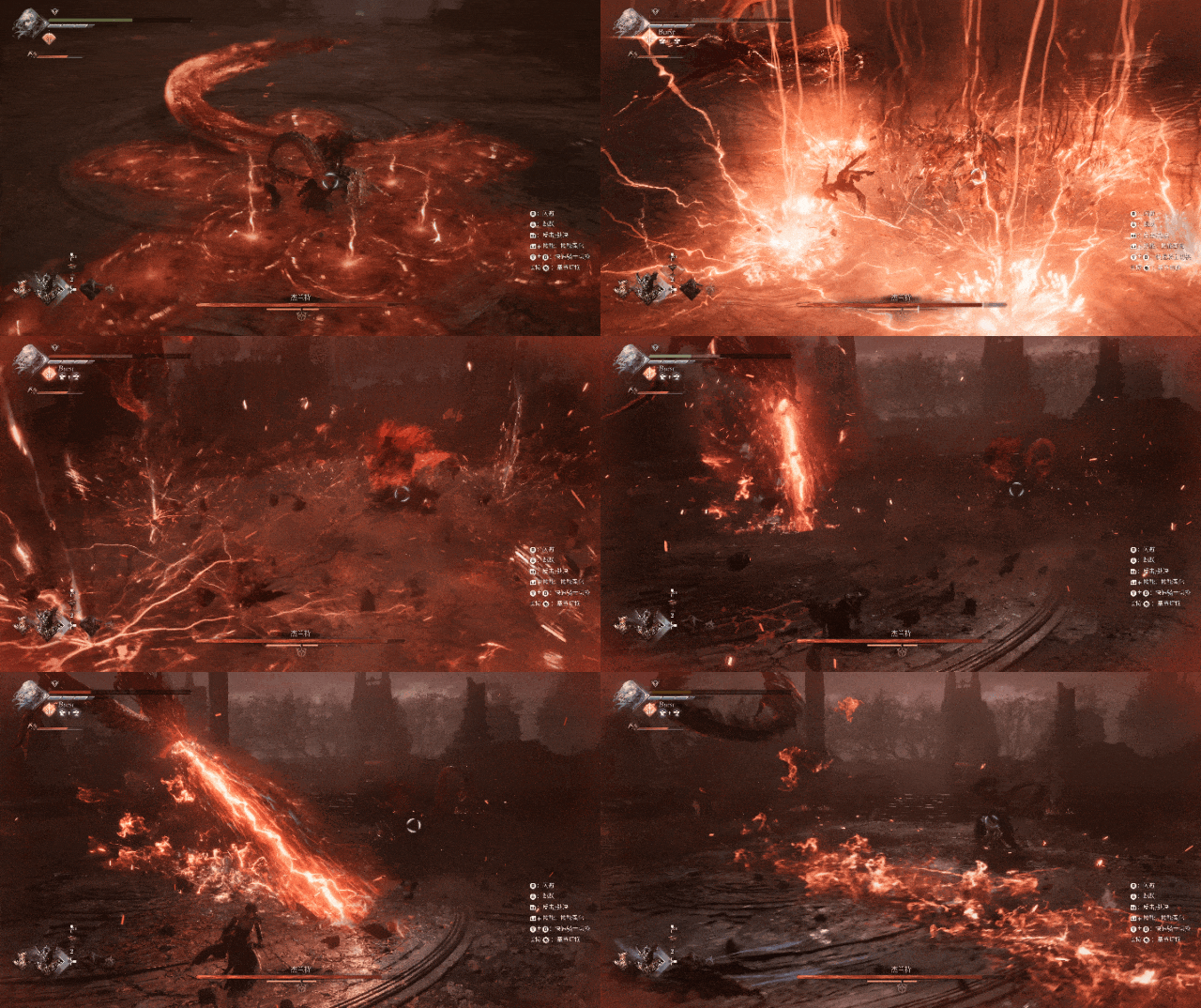
Teahouse: I noticed that the China Pavilion appeared in the demo’s side quest. How will Chinese culture be represented in the game going forward?
Fu Kun: That’s right. The character of the Martial Saint is closely tied to the protagonist. As for the connection between the Martial Saint and the China Gallery, since the British Museum itself embodies the fusion of Eastern and Western cultures, we thought it was a perfect fit to incorporate the Martial Saint there.We hope that within the game, this character fits seamlessly into the levels and the game’s world. By approaching it in this organic way, we can ensure that future elements of Chinese culture will be integrated naturally into our levels and world—rather than forcing in various elements of traditional Chinese culture in a contrived manner.
02
From “Clumsy Hands” to the Knights’ Order System: Refinement Built on the Shoulders of Giants
Teahouse: Why an action-adventure game? *Tide of Annihilation* leans toward action-adventure while also featuring ARPG progression elements, but I think the market for this genre isn’t very big, and there’s a learning curve.
Fu Kun: Our concept is relatively simple—action-adventure was the tone we set from the very beginning. As a pure action game, I’m not the best at games myself, so I found the difficulty a bit high, which is why I created the Knights system.
The Knight Order combat system was designed to help players perform more spectacularly and reduce the pressure they feel by allowing them to use strategy. Whether it’s RPG character development or action-game controls, the goal is to let players fully experience the joy of action games through the interactive fun of action-adventure gameplay.We may not have delved as deeply into the realm of pure action games, which is likely due to my own personal limitations.
Teahouse: The game’s core innovation is the knight combat system, which allows players to command multiple knights. Where did the inspiration for this system come from?
Fu Kun: Many anime and video games have provided us with inspiration. When it comes to action games, iconic titles like the original *God of War* and *Devil May Cry*—which stand as towering examples—are objects of our admiration; and as for anime,*JoJo’s Bizarre Adventure* embodies a different kind of spirit, and the image of King Arthur from *Fate* has also influenced us. I feel like we’re standing on the shoulders of giants, moving forward step by step.
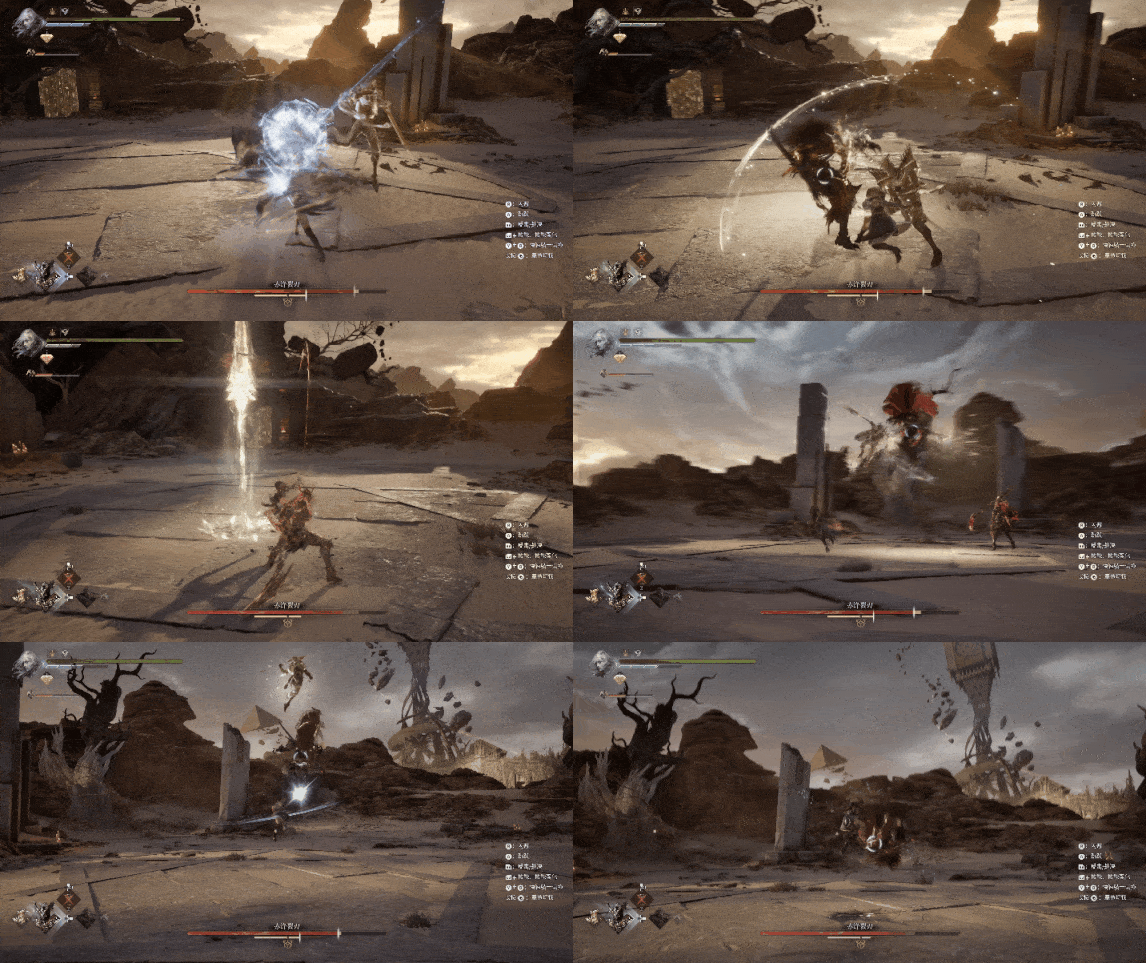
Teahouse: Will it be difficult to implement this very complex combat system?
Fu Kun: In my opinion, the main challenge lies in the fact that each Knight’s design has its own distinct playstyle. Take the Scythe Knight Bedewell, for example—he’s a ground-based attacker with a wide variety of ground combos and a large attack range, so he feels very comfortable in ground combat.The Time Knight, on the other hand, likely focuses on immobilizing and incapacitating enemies to give players more room to deal damage.
Paramides has two distinct playstyles: as a secondary knight, he can throw his weapon and perform counterattacks while doing so; as a primary knight, he can charge attacks and also perform counterattacks, so counterattacks and charging are his core mechanics.We want each Knight to offer unique gameplay, giving players a distinct experience. Players can build their builds based on their preferences and playstyle, and combine them with our Emblem System to execute more visually impressive combos.
Teahouse: This combat system was designated as the core of the project from the very beginning. Was it ever scrapped during development?
Fu Kun: There aren’t any major issues, but there are certainly many small details that need to be tweaked. For example, with each new version or when test feedback isn’t very positive, we have to repeatedly refine and improve the product.
Teahouse: In what areas has the feedback been particularly negative?
Fu Kun: For example, the controls might not feel comfortable enough, the game mechanics might be unbalanced, or the transitions between skills might not flow smoothly—all sorts of small details like that. Polishing a game is a crucial step, so most of the time we’re fine-tuning it over and over again, always striving to deliver the best possible experience to players.
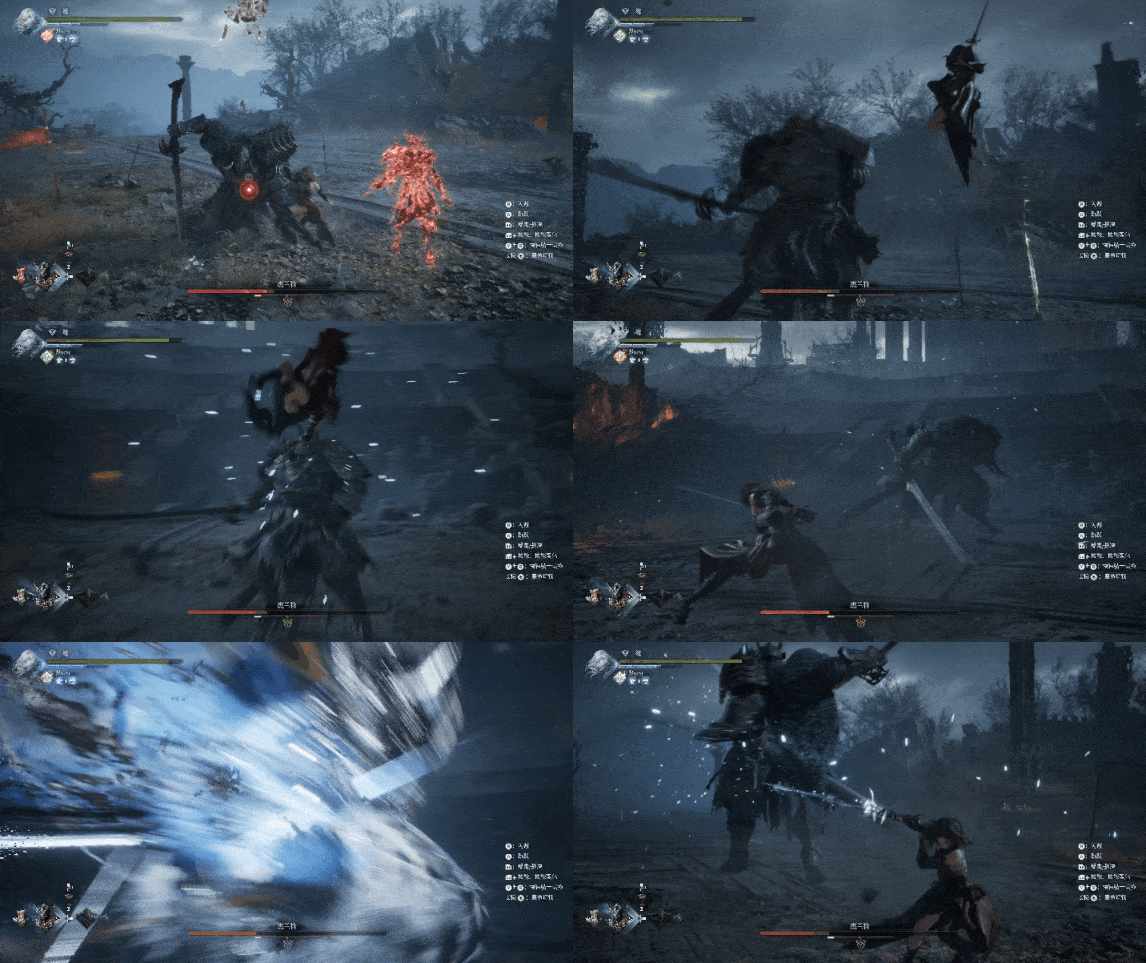
Teahouse: You mentioned earlier that boss battles should “emphasize rewards over punishment.” This philosophy isn’t actually very common in action games. Why did you decide to take this approach?
Fu Kun: The "emphasis on rewards over punishment" approach I mentioned earlier is primarily aimed at bosses in the main story. We believe that in the main story, we want as many players as possible to play as much as they can and complete the game, because that’s the only way to justify the time and money they’ve invested.
As for hardcore action challenges, you’ll see that we’ve made some efforts in this area: we’ve included some fairly tough bosses in the side quests to satisfy players looking for a challenge. We’ve also designed different difficulty levels, all of which will be clearly distinguishable in the actual gameplay experience.
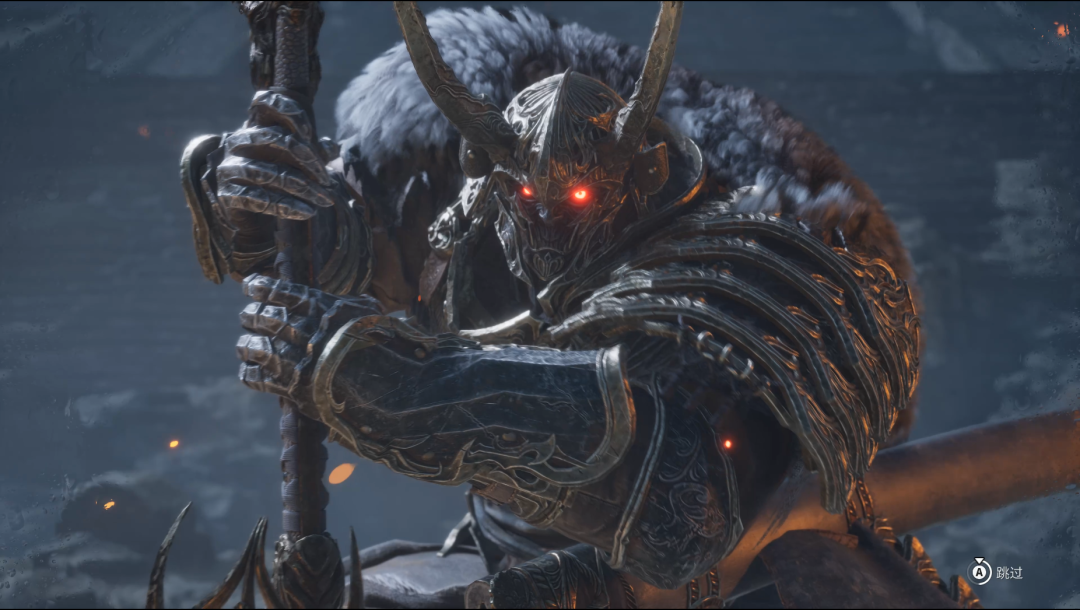
Teahouse: Compared to the in-game demo released last year, the UI, combat, and level design in this playable demo have all undergone significant changes. Why were so many adjustments made in just one year?
Fu Kun: Actually, this has always been a work-in-progress, and our main focus has been on continuously refining the project. What we released previously was just a snapshot of a specific stage, reflecting the development progress at that time. So in this demo, you’ll see that we’ve added a lot of content that’s more polished and features better visual effects—all with the goal of delivering a higher-quality gaming experience to players.
To be honest, we actually take players’ expectations and hopes very seriously. The final products we create are delivered to the players—they are the true users. When it comes to our products, I hope they have a say in the matter. If we can’t meet their expectations, then the creators are simply indulging themselves, which isn’t good for the product.
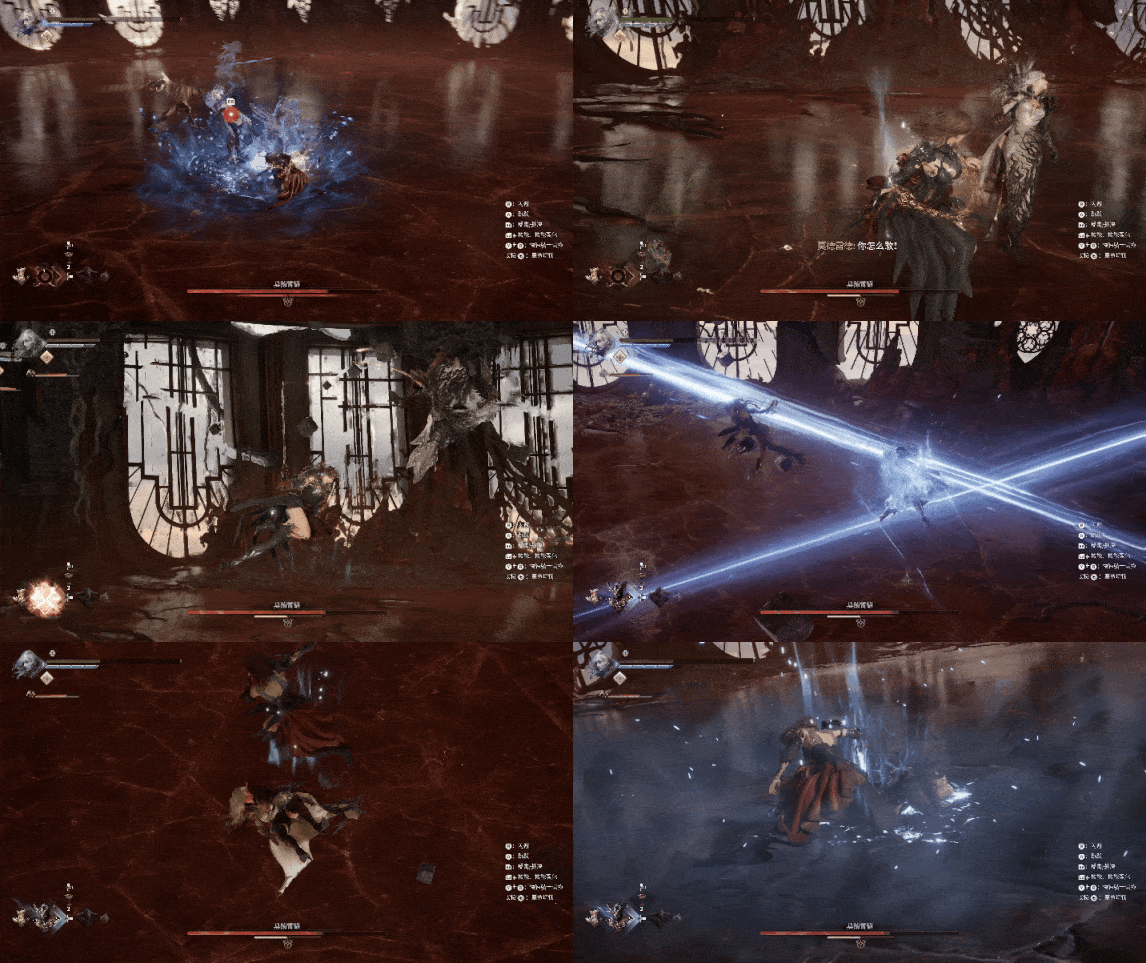
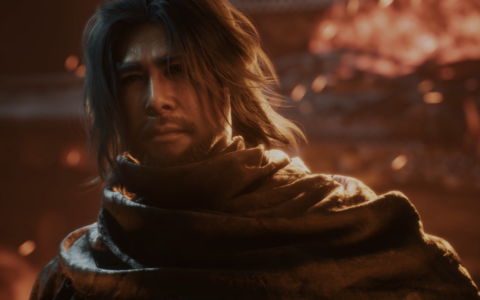
Teahouse: Right now, the topic players are discussing the most is that the protagonist’s face looks a bit off. Is that because they used CG before, but this time they’re using real-time rendering?
Fu Kun: Actually, the previous PV also used real-time rendering.The female protagonist’s facial features are consistent between the latest PV and the current demo; however, because we’re optimizing the lighting to make it run more smoothly, there may be some differences and imperfections in the facial rendering. Of course, this version may have been rushed a bit, so we’ll further optimize the facial rendering under lighting conditions in the future.
Teahouse: Action games generally have short playtimes. How do you plan to address this issue?
Fu Kun: As for the content, we can’t say for sure just yet how much we’ll be able to include. However, we still hope to add as much content as possible within the constraints of the development process and meet players’ needs with a substantial volume of content.
Also, personally, I don’t really like just reusing the same gameplay mechanic over and over and then presenting it to players as-is. I’d much rather incorporate more varied content into the game so that players can experience as many interesting gameplay elements as possible.
03
A team of over 150 people in Chengdu where “it’s okay to speak your mind”
Teahouse: How many people are currently on the team?
Fu Kun: Our team currently consists of about 150+ people.
Teahouse: It doesn't seem to have changed much from before.
Fu Kun: Right, there haven't been any major changes. Actually, the team's structure has become fairly stable, so what we need to do is pretty straightforward: just work harder to create more content.
Teahouse: Is there any problem you find particularly difficult to solve?
Fu Kun: It probably stems more from my own tendency to “nitpick”—for example, if I don’t quite understand how a system works, or if a knight doesn’t seem to be performing as well as it should—these things can be a major source of frustration for me.
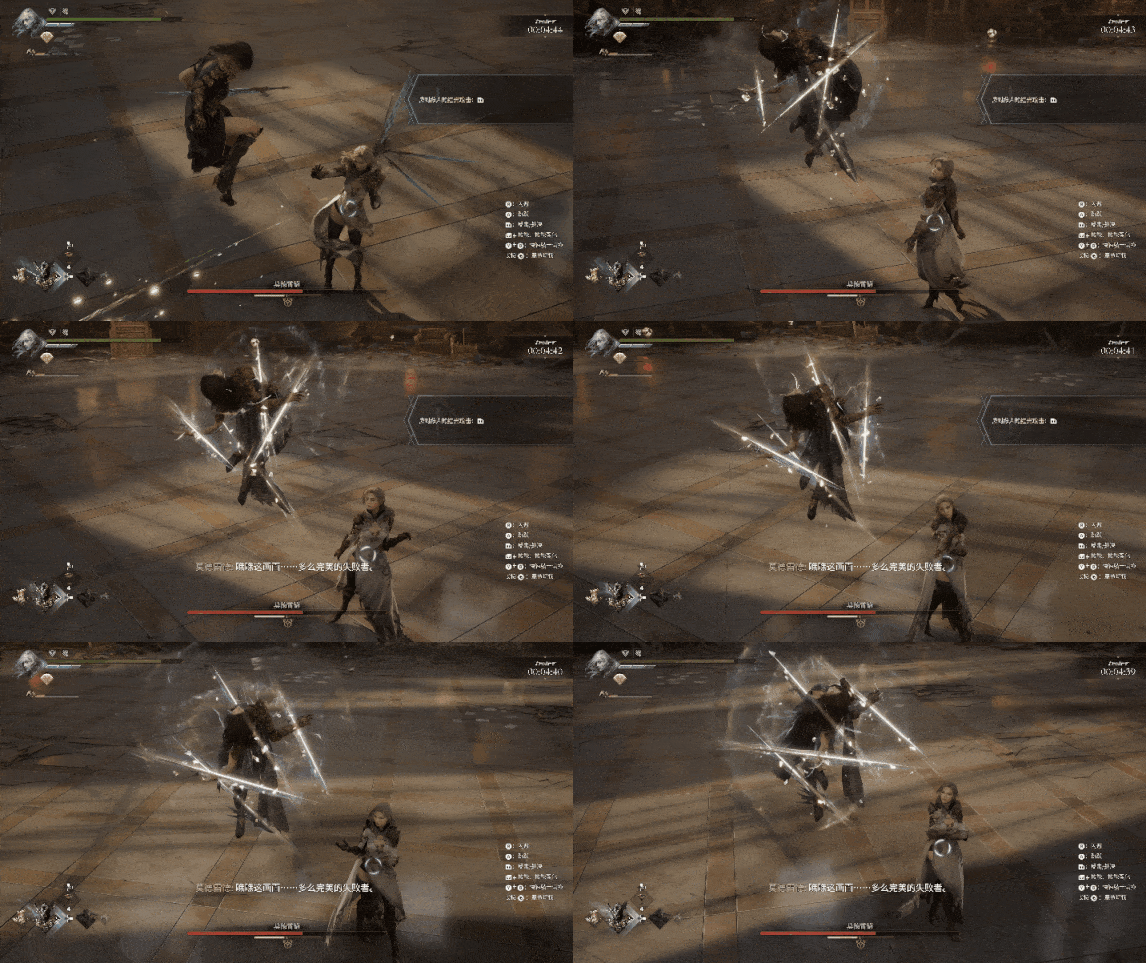
Teahouse: I understand that many of the team’s core members have experience working on major international titles such as *Yakuza* and *Assassin’s Creed*. So, what management challenges does this combination of “international experience and local creativity” present?
Fu Kun: I think for a team like ours, the most important thing is to reach a consensus and establish development processes that are broadly accepted. These processes are based on our past experience, so we can quickly align our understanding.
Then we might make some process optimizations based on the issues we encountered during this development cycle. These mainly involve relationships between people and across teams, or how to make upstream and downstream processes run more efficiently—all very detailed matters. I think every team faces these challenges; there’s no “one-size-fits-all” process—only the process that best suits the team’s members.
Teahouse: How Can We Use Overseas Experience to Address Weaknesses in Domestic Development?
Fu Kun: Overseas companies do indeed have a head start over us in terms of accumulated experience, and they’ve been at it for much longer. But we Chinese developers actually possess superior qualities—our diligence and our ability to learn from experience and mistakes have led to truly outstanding results.
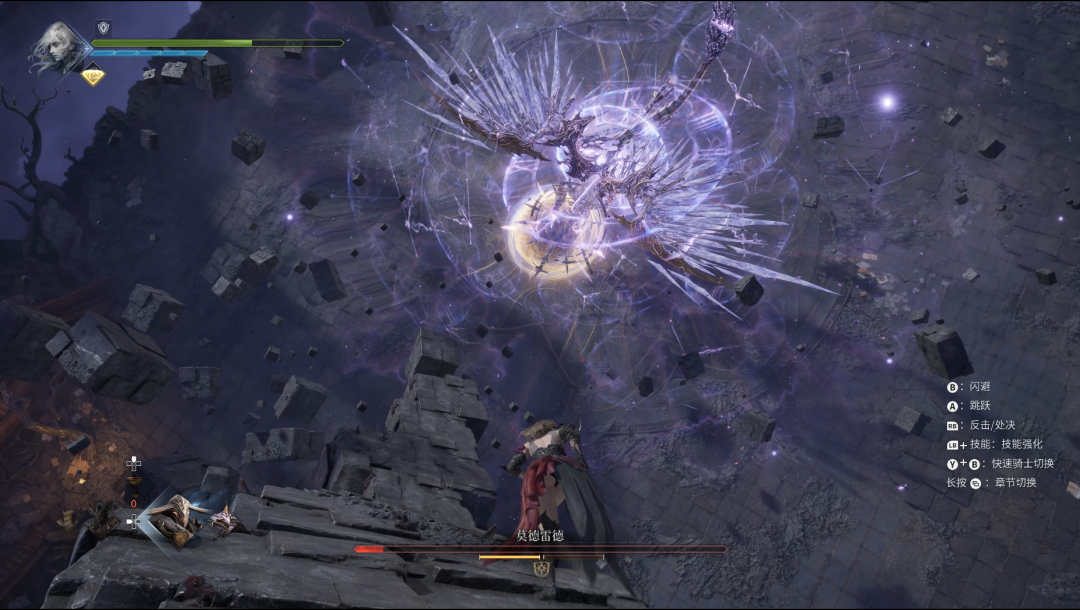
Teahouse: You once said that team culture is about “equality for all, like the Knights of the Round Table,” but the gaming industry is highly specialized. How can equality be put into practice? Who makes the final decision when there are major disagreements?
Fu Kun: We all respect each other’s opinions, and we get along pretty well. If the producer is right, we just go with what’s right—everyone agrees on that.If the producer is wrong, then they’re wrong—we’re allowed to call each other out within our team (laughs), and that’s totally fine. After all, what we’re ultimately aiming for is a result we all agree on, not to establish an authority figure in the development process—the producer cannot speak for the entire team and serve as the sole standard for project development.
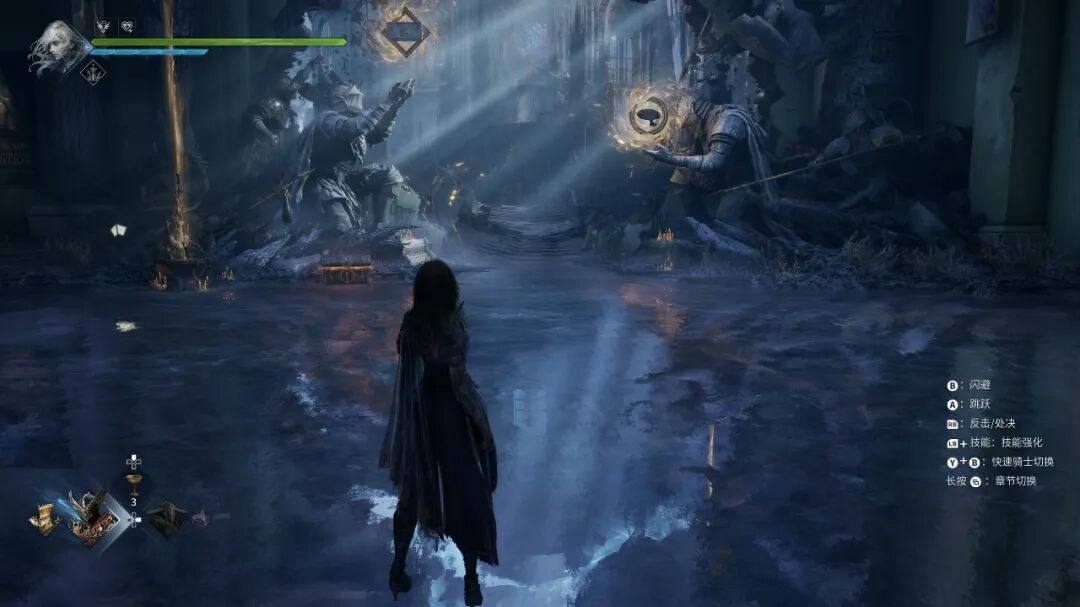
Teahouse: I’m a little curious—Chengdu isn’t as teeming with talent as Beijing, Shanghai, Guangzhou, and Shenzhen. Why did you decide to set up shop in Chengdu back then?
Fu Kun: It’s simple—I’m from Chengdu. Plus, I think every city in our country has a lot of outstanding developers. I’ve been very fortunate to find many like-minded colleagues, and there are also many classmates willing to come to Chengdu, so I feel really lucky.
Teahouse: So, are you having trouble hiring people right now?
Fu Kun: I think recruitment is going okay. Look, the headcount has remained so stable—that’s pretty good.
Teahouse: Between Tencent’s investment track record and developing AAA single-player games, which of these two factors is more attractive to talent?
Fu Kun: I haven't really compared them.
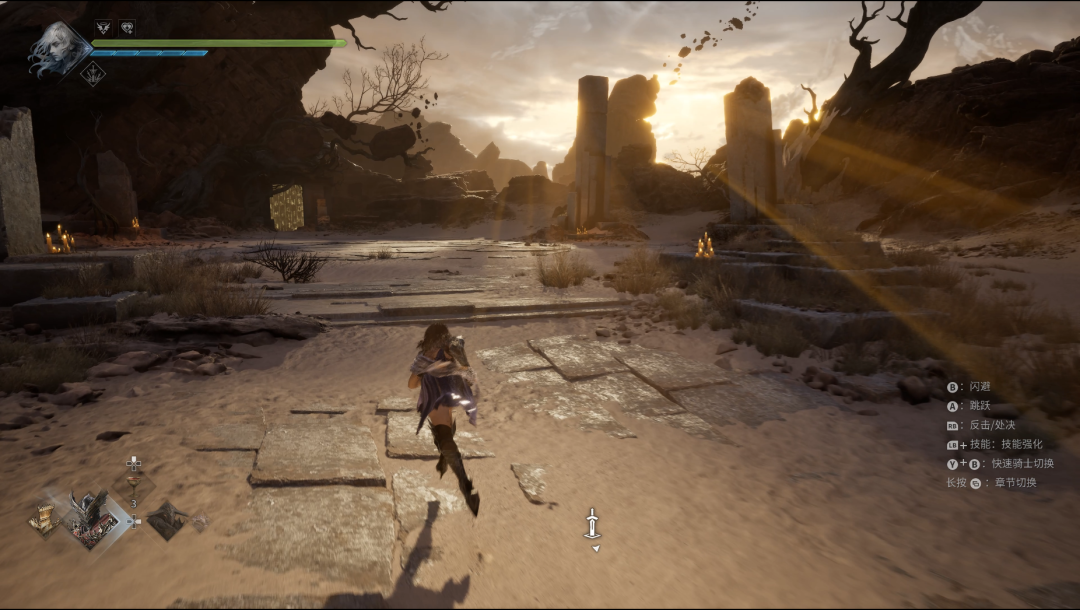
Teahouse: But generally speaking, I feel we might give more consideration to AAA single-player games, since there aren’t that many opportunities like that in China.
Fu Kun: That’s right. Since we operate largely independently, our focus—and that of our team members—remains on our own project: whether we truly share the same vision for what we’re doing.Most of our conversations with others revolve around our project itself; if we can’t fully commit to the project, it will be very difficult to move forward later on. Given the generous grace period the investors have granted us, our primary focus right now is on completing the product.
04
“Results are earned through exams”—we’ll do right by the players and by ourselves.
Teahouse: Since its announcement, *Tide of Oblivion* has been the most low-key Chinese AAA title I’ve ever seen. Why is it so low-key?
Fu Kun: I think this is just a normal R&D process. First, we focus on getting the work done. Then, at a certain point, we need to gather feedback from players, so we do our best to organize an event—whether it’s an exhibition or a playtest—that players will find worthwhile. Our guiding principle is this: if we’re going to do something, we’ll do our best to make sure players feel it’s worth their time.
Teahouse: We’ve had a lot of international guests and media representatives visit us this time. You’ve also exhibited your products at major trade shows overseas in the past. Is the overseas market one that you place a high priority on?
Fu Kun: We’re probably focusing more on overseas players. From the very beginning, we’ve approached our work with a global perspective, and we hope that all players will be able to enjoy our games. Whether as Chinese developers or simply as game developers, we want as many players as possible to experience our games.We’ve played games from various countries, and we’d very much like more overseas players to experience our Chinese titles—which is only natural.
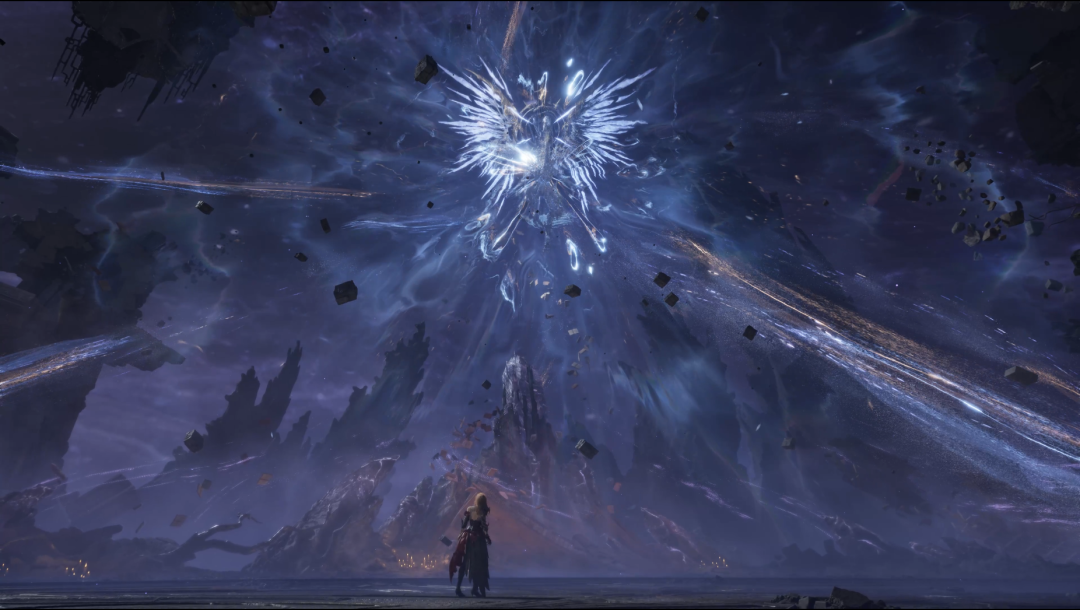
Teahouse: As the first major domestic single-player game you’ve led the development of, do you feel any pressure?
Fu Kun: There’s definitely pressure. But I’m fortunate to have a team working alongside me on this—I’m not fighting this battle alone. Just like our Knights system, this is the result of a team effort. So even though I feel the pressure, I still believe it provides me and our team with endless motivation.Whether it’s players’ requests or expectations, they ultimately inspire us to create even more great content.
Teahouse: Where does this pressure come from? Is it from other players, or from your own high expectations?
Fu Kun: Players don’t put pressure on us; rather, they have expectations of us—they expect us to do better, without demanding that we meet specific KPIs or fulfill any onerous conditions. So we simply want to do our best to meet their expectations. Even if those expectations require us to stand on tiptoe, we’ll do our best to take that extra step.
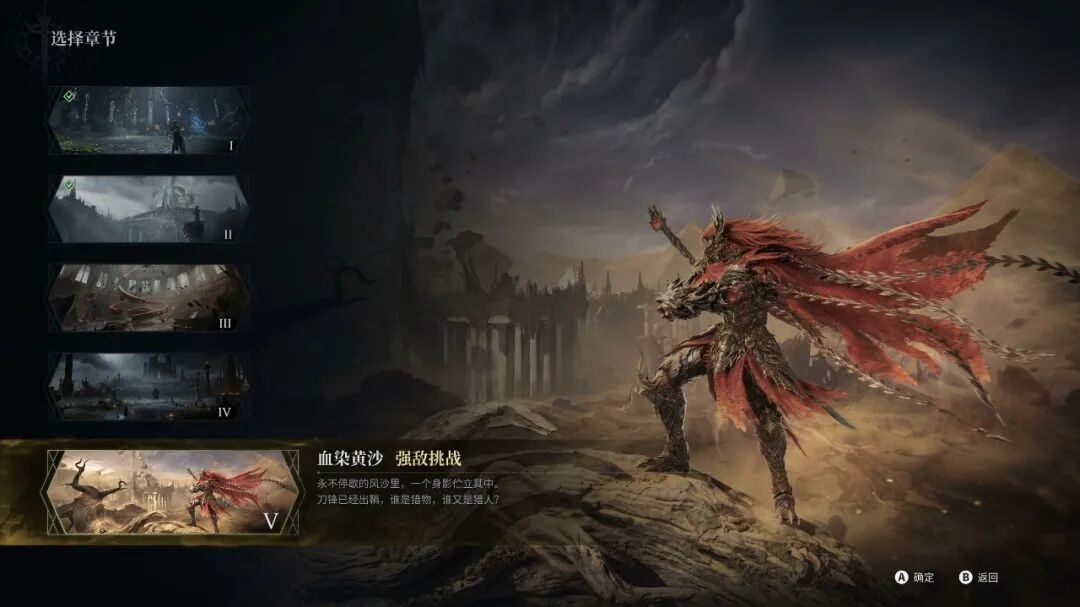
Teahouse: With landmark titles like *Black Myth: Wukong* already out there, and *Shadow Blade Zero* set to be released soon, do you think these outstanding titles will have an impact on you?
Fu Kun: I see this as a form of encouragement. Outstanding titles like *Black Myth* and *Shadow Blade Zero* have raised players’ expectations and awareness of what games should be. For us developers, these high standards serve as an incentive—we should strive to do better and avoid creating games that we ourselves don’t approve of. So I view this as a form of encouragement, motivating us to challenge ourselves to achieve even higher quality.
Teahouse: Large-scale domestic single-player games are high-risk, high-reward ventures. During development, is there ever a moment—or even a period of time—when you suddenly wonder what would happen if the game failed? Do you go all in, or take a more gradual approach through iterative updates?
Fu Kun: When making games, we spend most of our time on development. As for what failure would look like—we haven’t really thought about that yet. If we don’t give it our all, we’re bound to fail; we just need to do our best.
Teahouse: At the very least, don’t let yourself have any regrets—give it your all.
Fu Kun: Ensuring that the entire team has no regrets—that is our development philosophy.
Teahouse: What are your internal expectations or hopes for *Tide of Oblivion* right now? What kind of game do you hope it will ultimately be?
Fu Kun: I hope it will be a high-quality action-adventure game. Actually, my expectations aren’t as defined as one might imagine; what I hope for most is to complete it and refine it as much as possible—that’s our starting point. As for what kind of results we can expect—results are determined by performance; they’re the outcome of the product and are judged by the players.We need to work hard to prepare for the “exam” ourselves, and then aim to achieve a good result—we’ll do our best to get a good result.
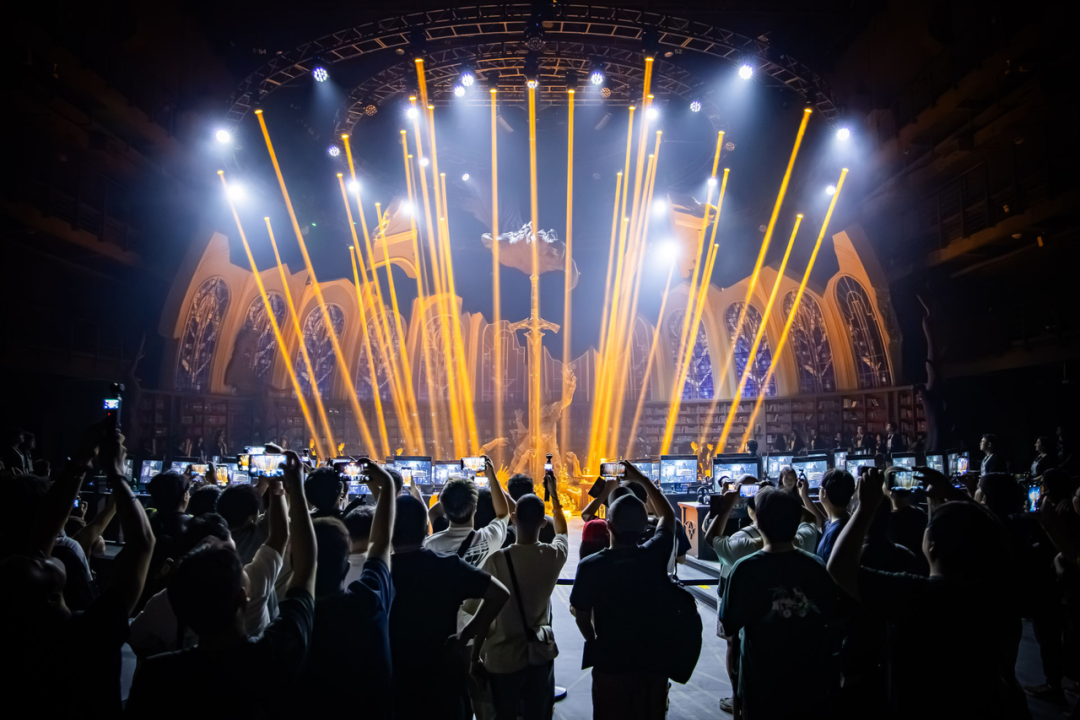
Teahouse: What are your thoughts on the current domestic single-player game market and development environment?
Fu Kun: I can only say I’ve been very lucky—I really happened to be in the right place at the right time. It’s so wonderful to see such a diverse and vibrant scene today, with so many players supporting it and so much attention—something I never would have dared to imagine before.
Teahouse: For you, does the completion of *Tide of Oblivion* represent the fulfillment of a dream, a milestone in your career, or a project that still needs to be driven forward?
Fu Kun: Both my work and my dreams are the most important parts of my life. I feel that they have left an indelible mark on the past few years of my life, and I want to work hard to make that mark even better. More than anything, I hope that the games I’m working on now will live up to the expectations of our players and my team—that is what I should prioritize above all else right now.
原创文章,作者:游茶妹儿,禁止转载:https://youxichaguan.com/en/archives/219488