Today (August 20), Game Science released the first in-game gameplay trailer for *Black Myth: Zhong Kui*. The 15-minute-long trailer was a real treat for gamers.
Although several key creators had repeatedly claimed they weren’t prepared, the fact that the video was released right on schedule gave the impression that their actions spoke louder than their words.As of now, the video has surpassed 4.7 million views on Bilibili, with nearly 500,000 likes. Consequently, the special date of August 20 has been playfully dubbed “Game Science Day” by many gamers.
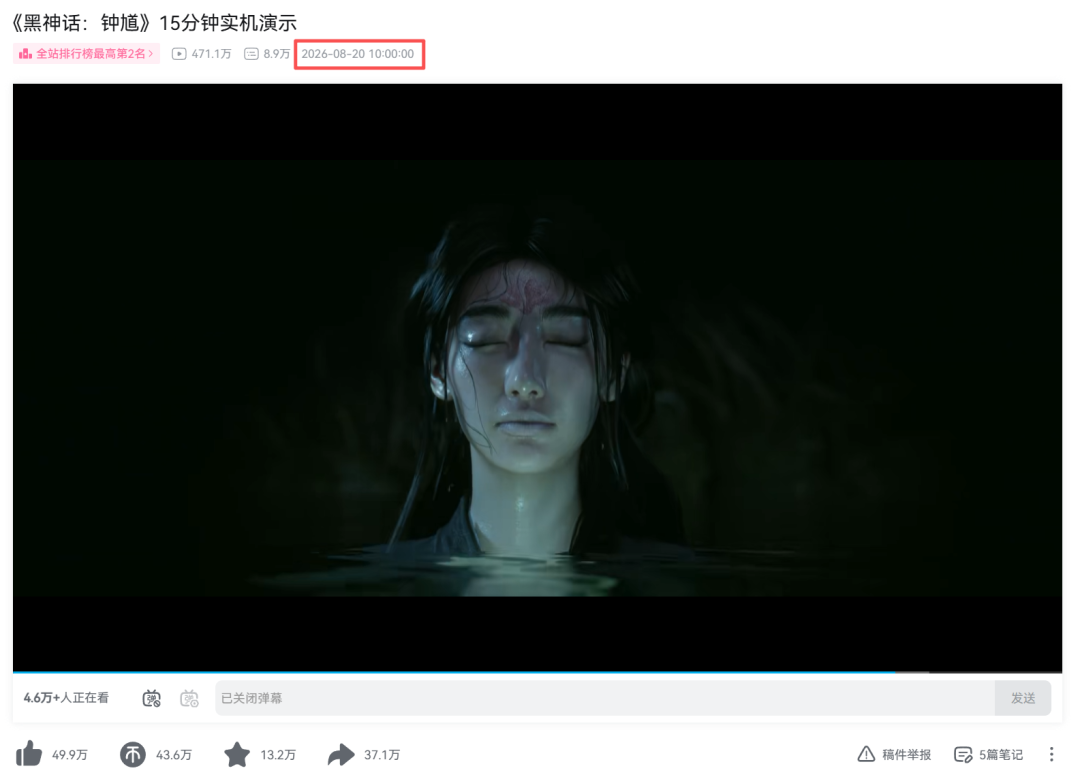
Although the 15-minute runtime may not seem long, it’s packed with an overwhelming amount of content. The video opens with a real-time rendered sequence that rivals the quality of CGI. After the protagonist (presumably) encounters an old man, he sets off on an adventure. The middle section features numerous combat scenes and some level exploration, culminating in a boss battle.
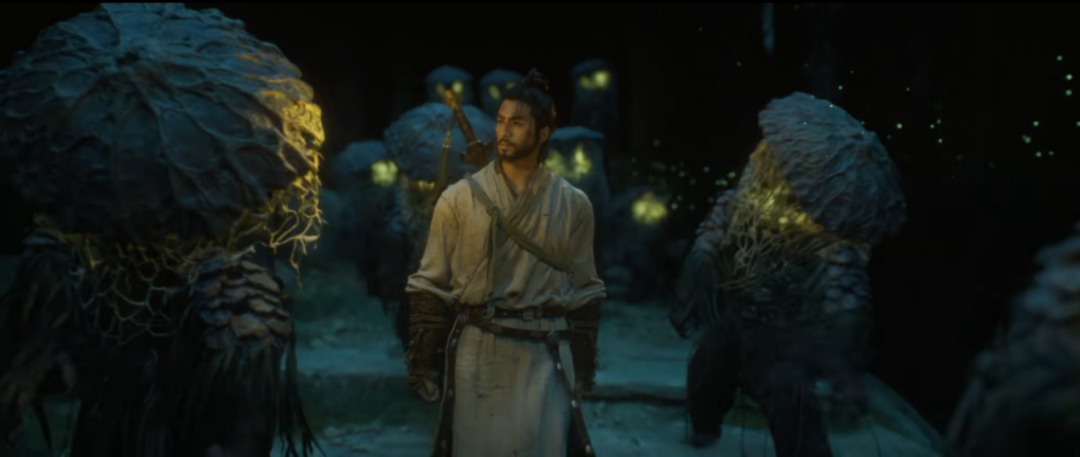
Compared to Black Monkey’s first in-game demo, which was more of a show-off,this Zhong Kui trailer, on the other hand, gives me a sense of extreme restraint and profound mystery. You can feel that Youke’s technical expertise and experience accumulated over the past few years are poised to explode in this video, yet the studio has chosen to first take a step back, sitting quietly and then unfolding the story calmly and methodically.It’s worth noting that this video uses a 21:9 aspect ratio, which gives the entire viewing experience a very strong cinematic feel.
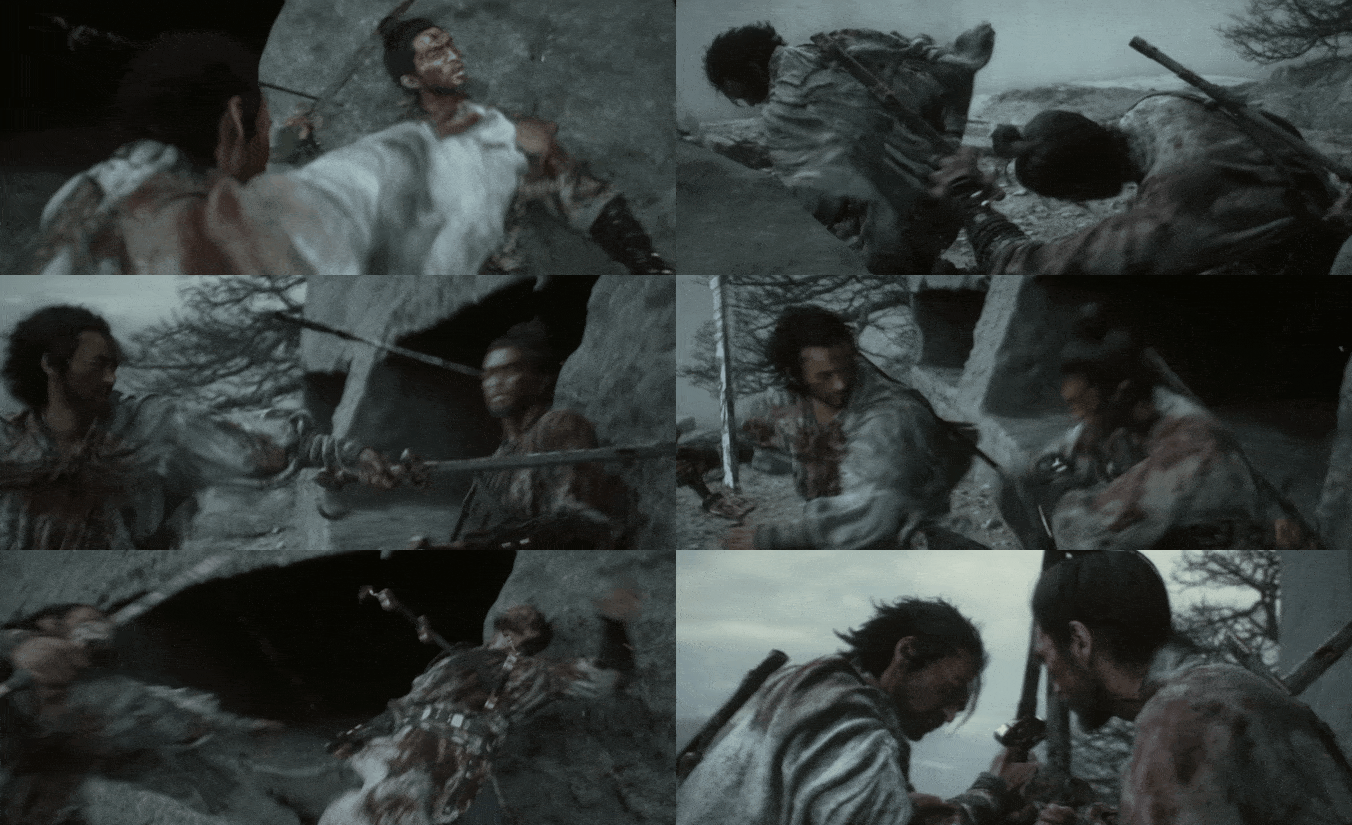
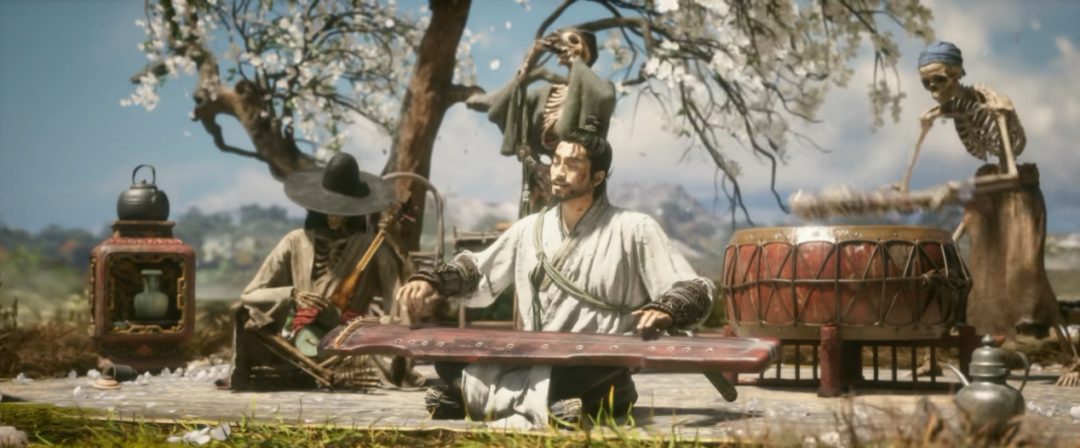
The entire live-action demo opens with a man in white—and there are actually two highlights here. For one thing, Youke’s visuals are now so realistic that it’s hard to tell what’s real and what’s not; the reeds swaying in the wind look incredibly natural, and the scene where a swarm of insects flies by is remarkably lifelike.the man in white pushes aside the grass and moves through it with virtually no signs of clipping. He then falls and rolls, sending pebbles flying—the camera work and seamless transitions between actions are simply breathtaking. It’s hard to believe this is a live-action demo for a Chinese-developed game; behind every detail lies a solid foundation of technical expertise.

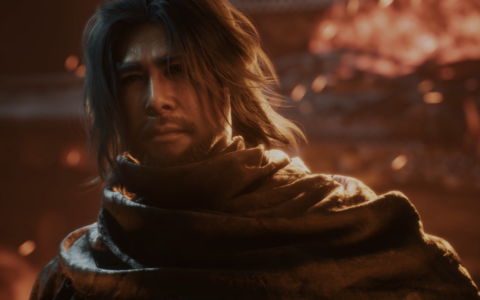
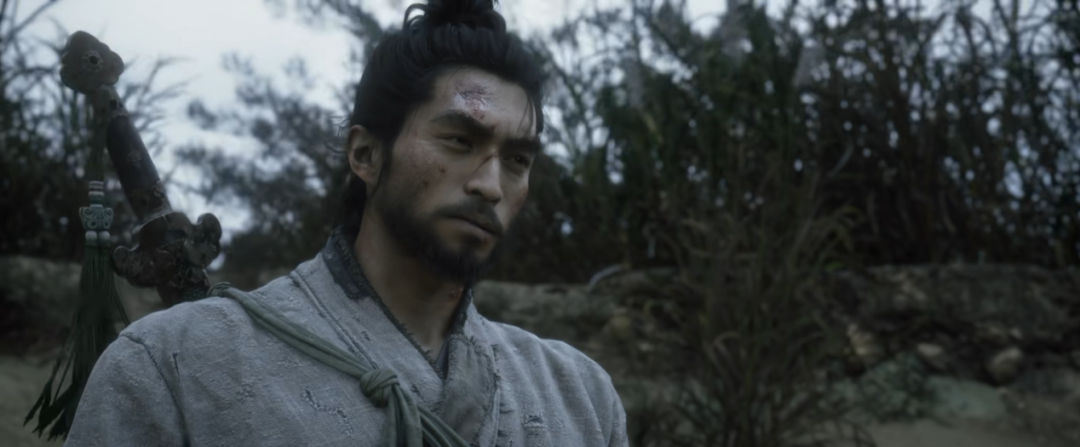
On the other hand, the protagonist’s modeling is quite realistic; the bloodstains and scars on his face, as well as the rendering of some subtle facial expressions, are truly stunning. Compared to world-class standards, I can only say it’s just as good—if not better.
Furthermore, the identity of the main character in this story remains unclear for now. There are currently many lines of debate on this matter. Some players believe that the man in white is a younger version of Zhong Kui. There is one particularly obvious piece of evidence: the man has a bruise on his forehead. Legend has it that Zhong Kui died by crashing into a pillar, so this is likely a foreshadowing left by You Ke.
However, some players have pointed out that he seems more like a die-hard fan of Zhong Kui—especially at the end of the video, when Zhong Kui appears riding a tiger; the two are completely different in both appearance and demeanor.
However, I noticed an interesting design detail: both the protagonist in white and Zhong Kui are carrying a long, blue sword on their backs. According to historical records, Zhong Kui’s primary magical weapon is the Yin-Yang Sword, also known as the Seven-Star Blue Blade. Based on what we’ve seen so far, this must be the one, suggesting a very close connection between the two characters.Furthermore, upon closer inspection, you’ll notice that the sword carried by the man in white is rusty, while Zhong Kui’s sword hilt appears brand-new. This suggests that some foreshadowing regarding the timeline may have been planted long ago.
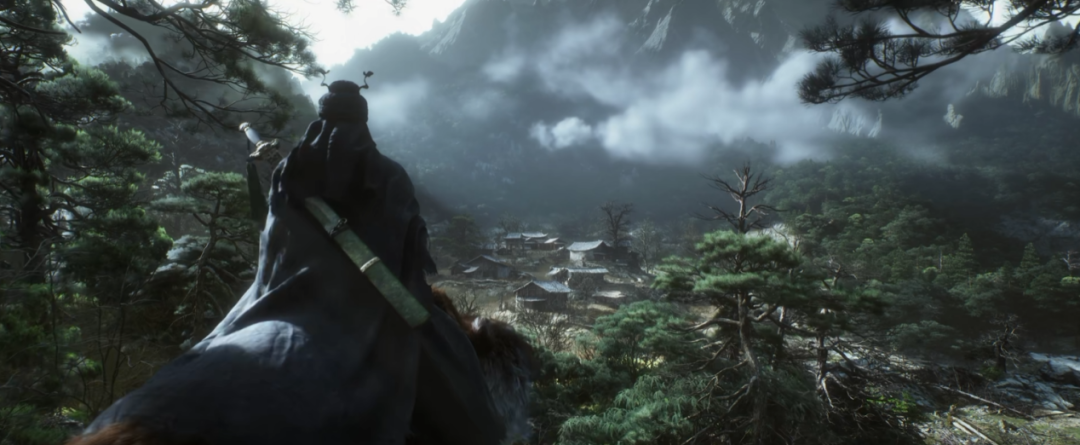
It’s particularly worth noting that the overall style of this video is rather somber and oppressive, as most of the scenes were shot on overcast days. Lead Artist Yang Qi shared on Weibo: “This time, we’re aiming to get the overcast look just right.”Overcast skies create the most immersive narrative atmosphere, but due to some rendering challenges with global illumination, it’s difficult to accurately convey the true visual experience of objects; the images can easily appear flat, and color distribution can become distorted.”
That’s why “Black Monkey” often uses bright sunlight to mask problems; even when depicting a oppressive atmosphere, the only option is to set the main light source to a sunset or cool tones—the goal is still to heighten the contrast first and distract the viewer.While this method is certainly effective, it ultimately reduces the image’s credibility and leaves some “unresolved issues” from the auto-exposure.
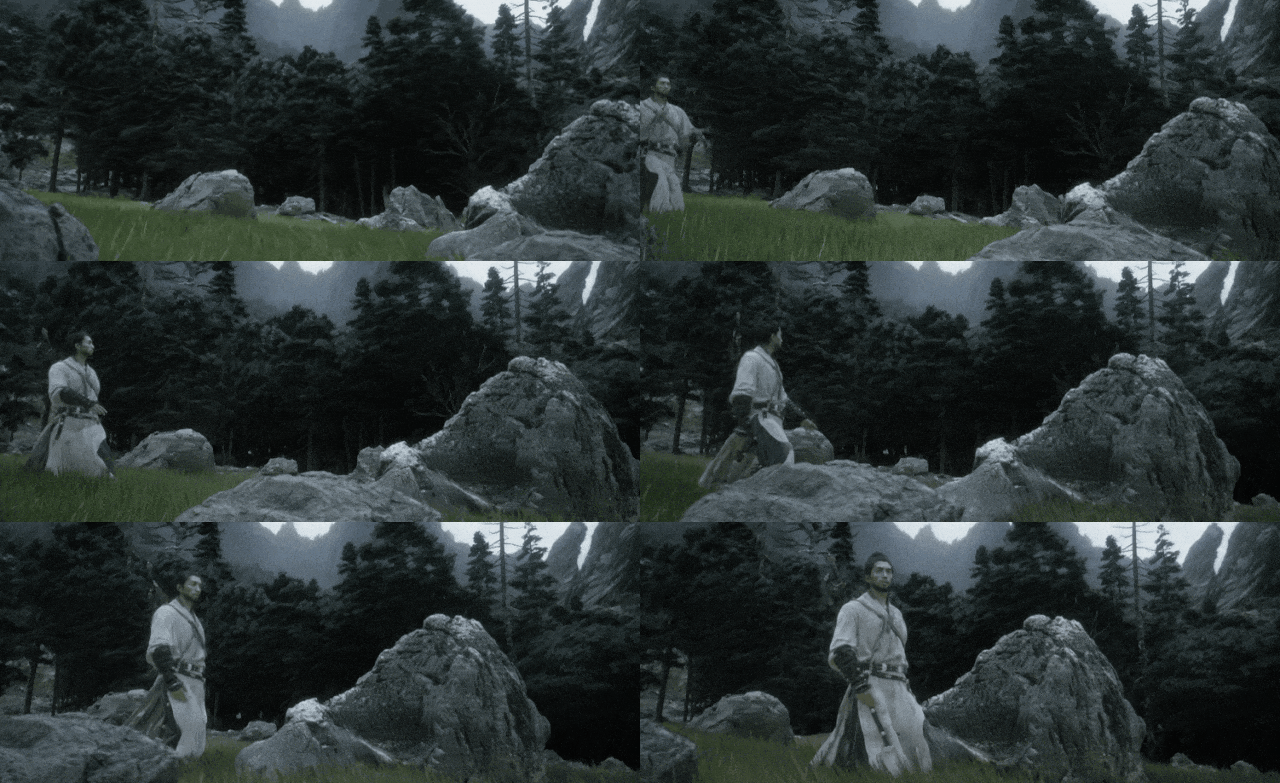
In fact, this clearly shows that while it’s billed as a live demonstration, it’s really a showcase of technical prowess—only this time, the demonstration highlights not just the obvious performance aspects, but also the technical expertise behind the scenes.
This was followed by the “familiar and much-anticipated” combat demonstration. Given Youke’s track record, it’s highly likely that the truly exciting parts were kept under wraps, but we could still get a sense of the basic framework from the combat.
For example, Zhong Kui’s combat mechanics aren’t as straightforward as the Black Monkey’s ability to grow larger; they involve at least two separate skill systems. Basic attacks deplete the stamina bar and accumulate skill points on the right (divided into three levels), while casting skills consumes skill points.
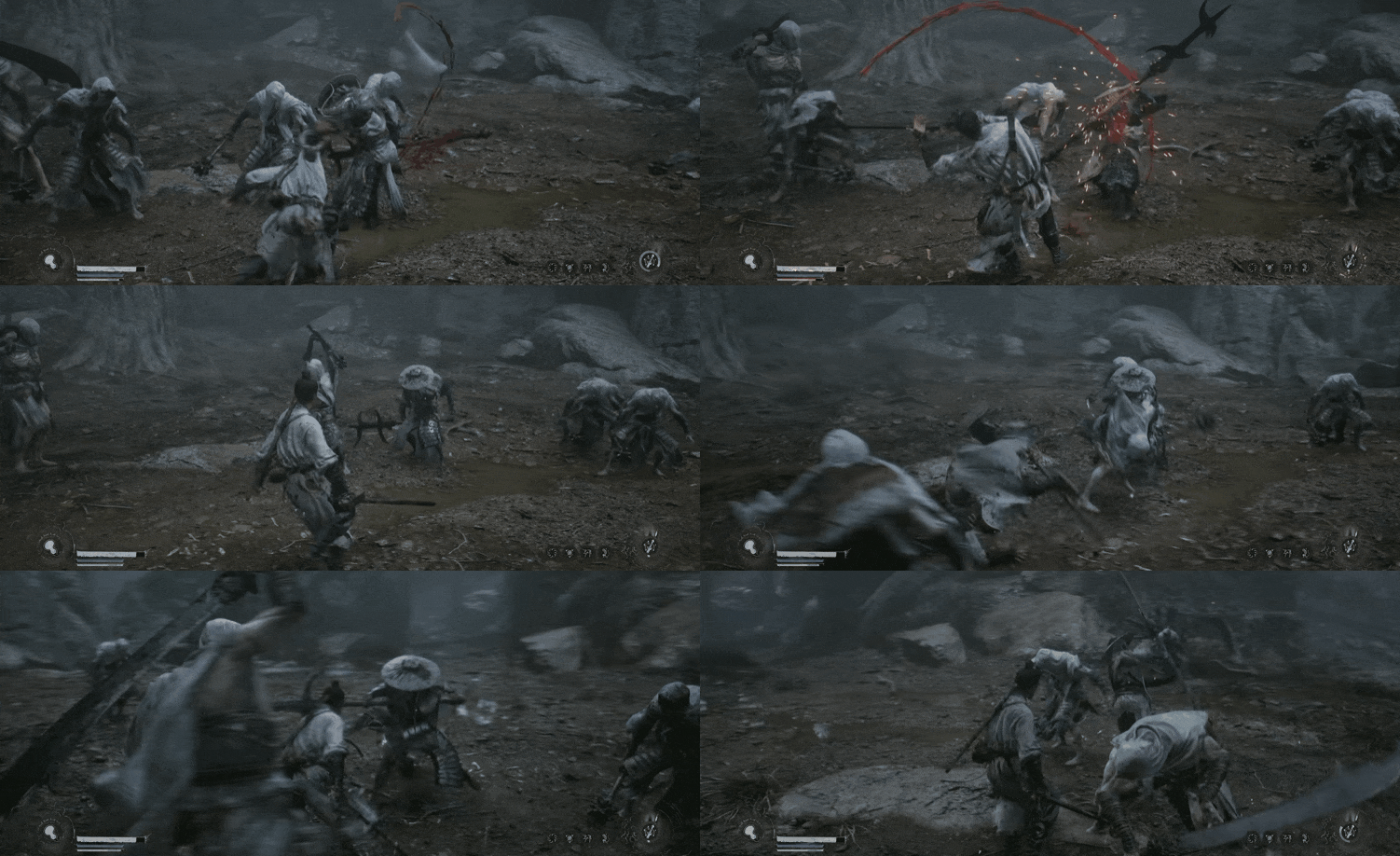
In one particularly striking sequence, after the protagonist assumes a fighting stance, the blade turns red; he parries the opponent’s attack and unleashes a spinning slash, consuming three skill points in the process. This demonstrates that the design—where different skills consume different amounts of skill points—remains intact.
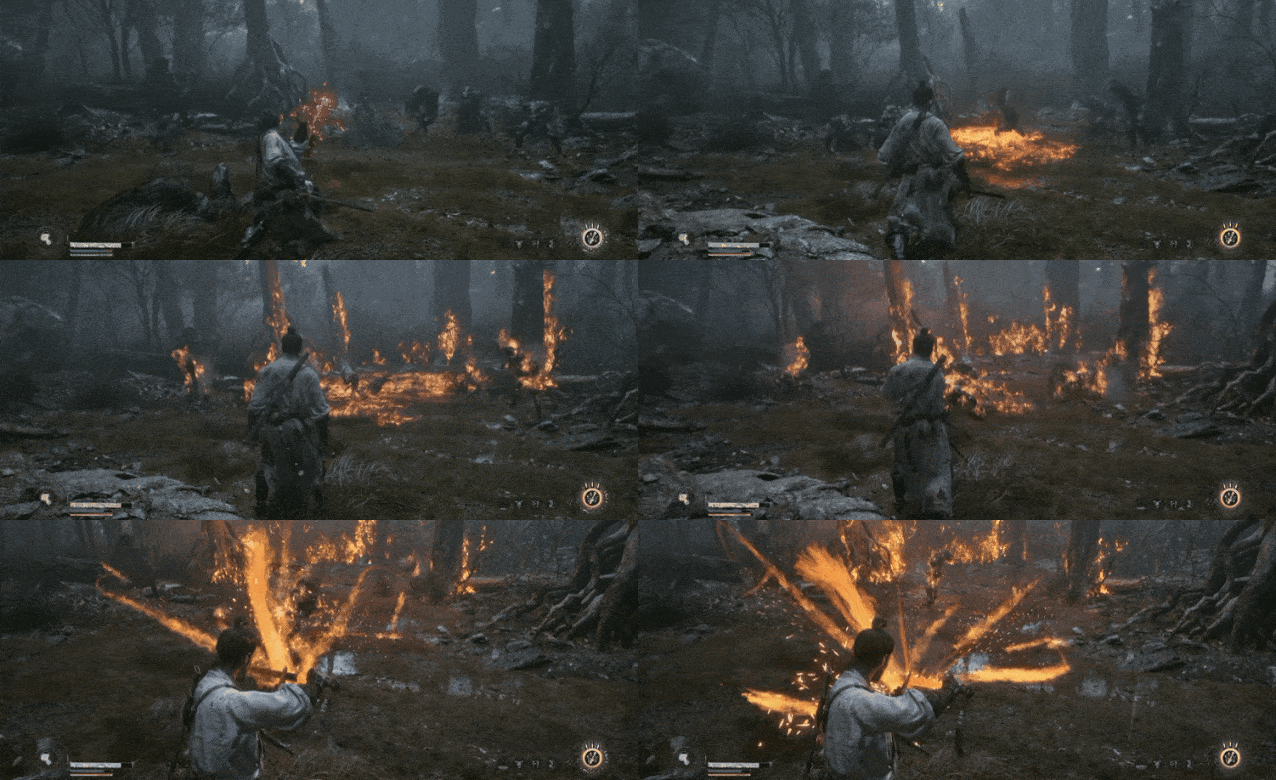
Another feature is a spell system, with four spell slots listed to the left of the skill bar.The first is a fire spell. In the demo, the protagonist hurled a fireball that instantly wiped out a large group of monsters, then channeled fire into his sword—the entire sequence was quite spectacular (essentially an AoE attack combined with a fire enchantment).
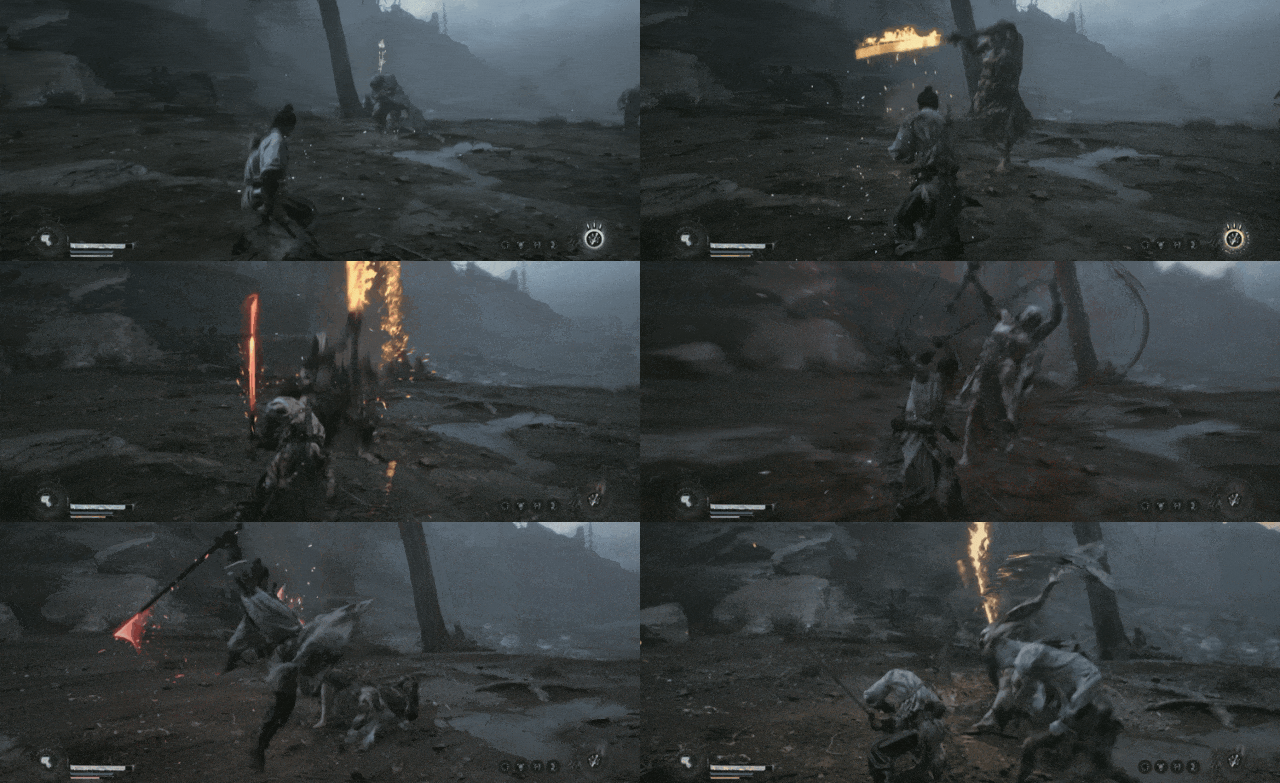
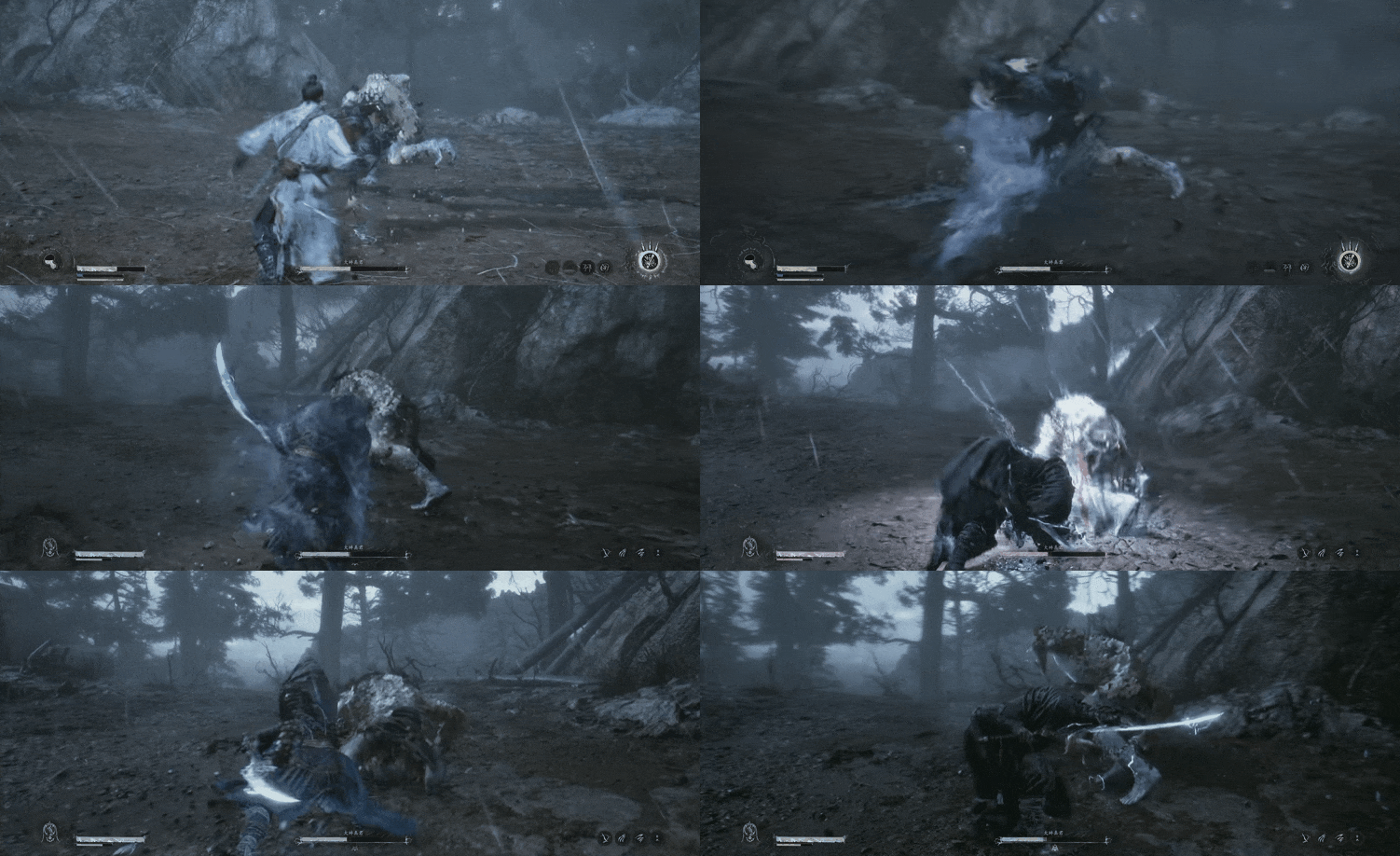
The second one was demonstrated in a later boss battle: after the protagonist wiped the blade with a talisman, it was imbued with lightning effects. It’s currently unclear whether it has other effects similar to the fire spell, but it’s certain that elemental attributes will play a significant role in this game.It’s clearly evident from the demo that the water-elemental Great Clam Immortal is notably vulnerable to electricity.
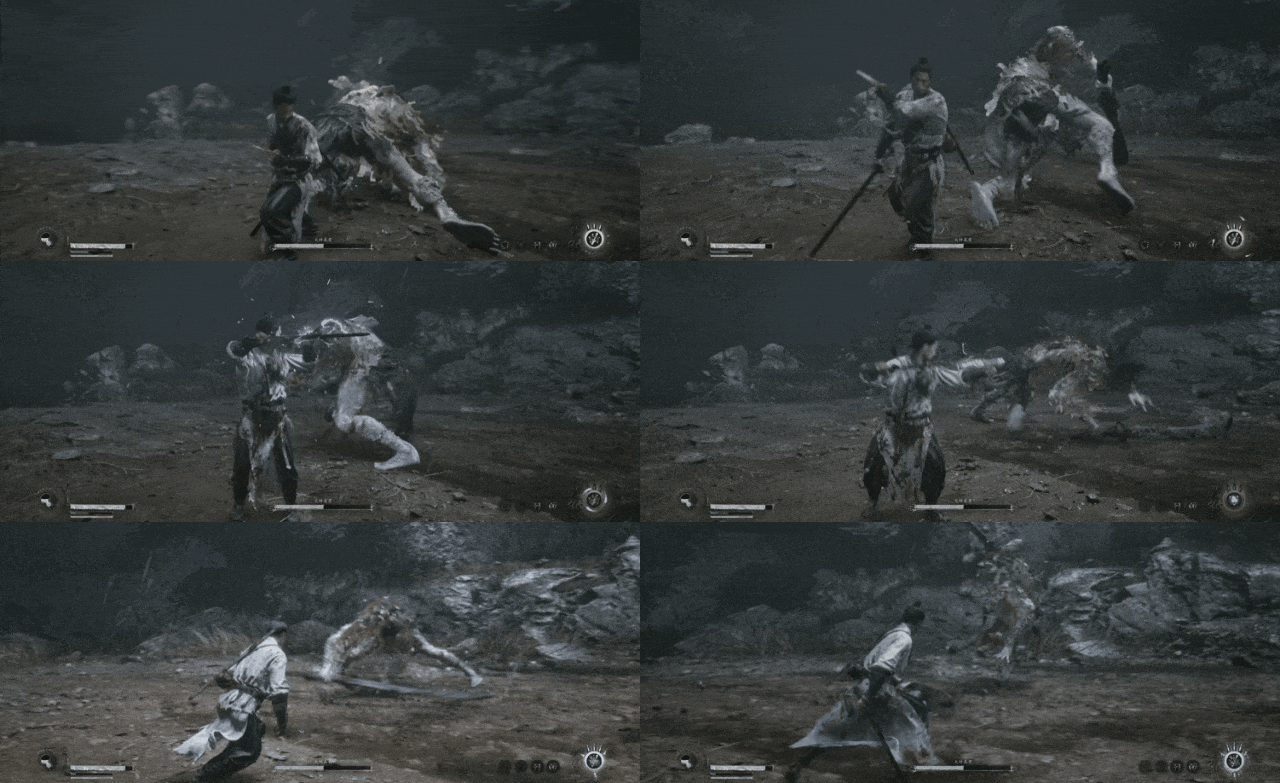
The third spell was not shown in this demo, while the fourth is the summoning system, which allows the protagonist to summon “henchmen” to assist in battle. There was a particularly interesting demonstration: when the boss attacked, the protagonist cast the summoning spell, and the summoned creature suddenly appeared in front of them to block the blow.
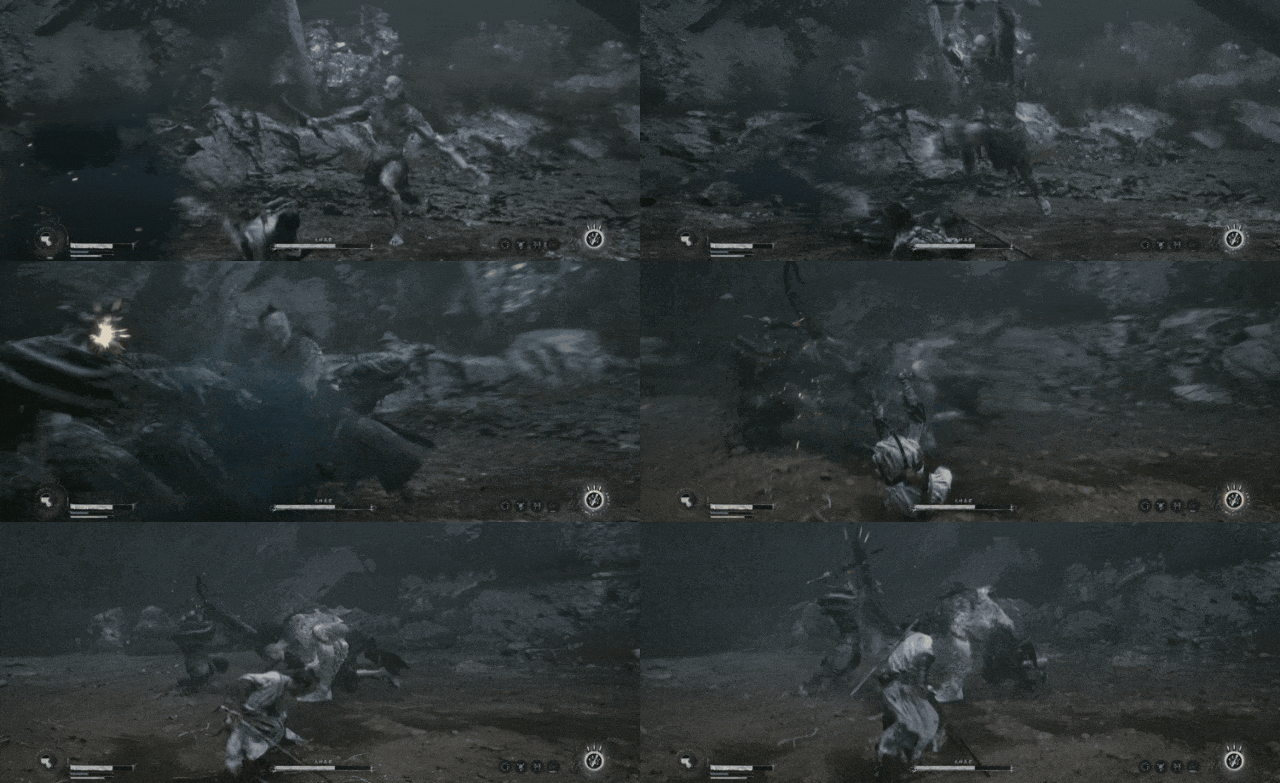
In addition to teaming up for group brawls, the protagonist can also project their soul into a summoned creature (similar to the Black Monkey transformation) at the end of the battle, taking direct control of it. Not only does this provide an additional set of basic movement animations, but it even introduces a whole new set of skills.The entire combat scene is incredibly spectacular, with grand, sweeping movements that finally give it the feel of a “battle of the gods.”
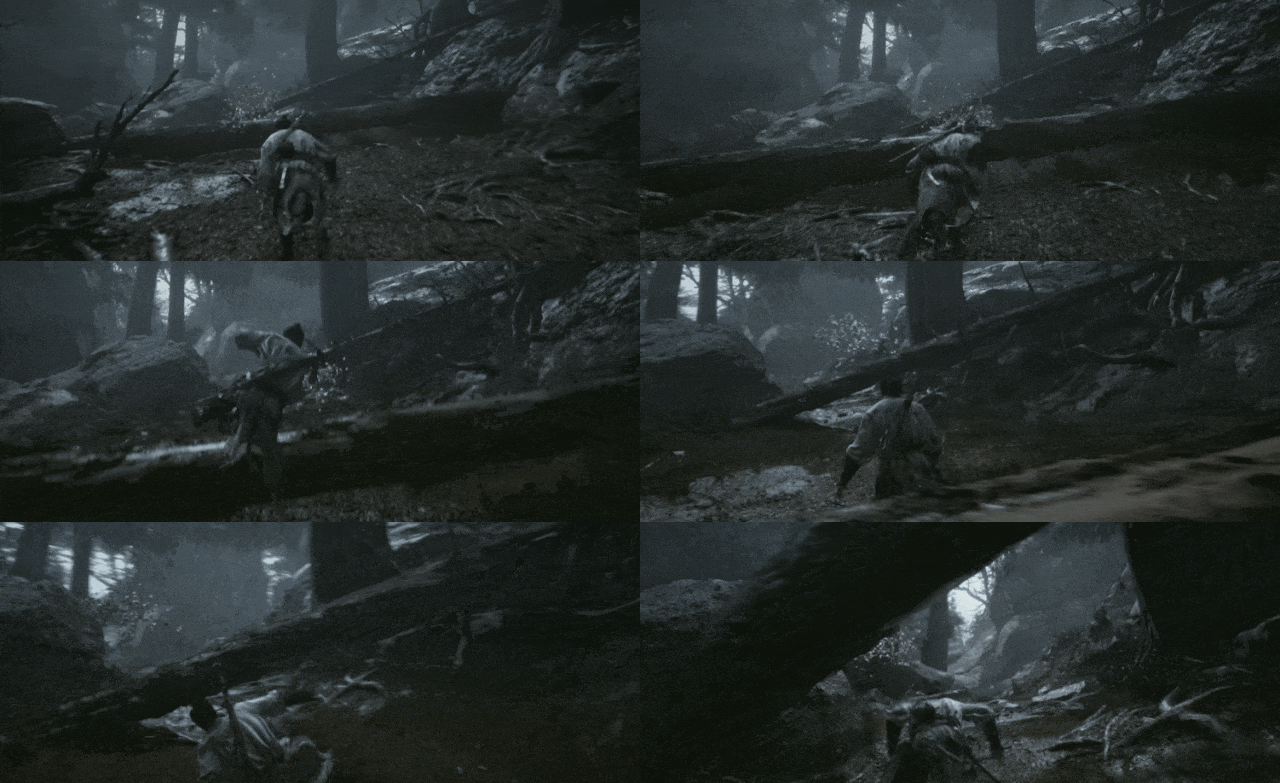
Of course, the “invisible walls”—which many players had come to detest in *Black Monkey*—were also “showcased” multiple times in this video. As you can see, the protagonist repeatedly climbs up the steep rocks from the base of the mountain, executing a series of fluid, seamless movements—which certainly served as a satisfying way to “get even.”
After the video was released, producer Feng Ji posted a lengthy article on Weibo outlining Game Science’s ten working principles, which has already been widely reposted by the media.However, I noticed that Lead Artist Yang Qi also published a lengthy post regarding technical validation. In his view: “To put it simply, those old tricks and sleight-of-hand techniques no longer work. If we’re going to tackle the Journey to the West theme again, we need to start from scratch and first build a solid foundation.”

So as you can see, this PV delivers the best possible showcase and response in terms of how lighting is handled on overcast days, combat interactions and feedback, the return to a simple, unadorned design style, the rich yet understated storytelling, and the “air walls”—a feature that’s been repeatedly criticized.
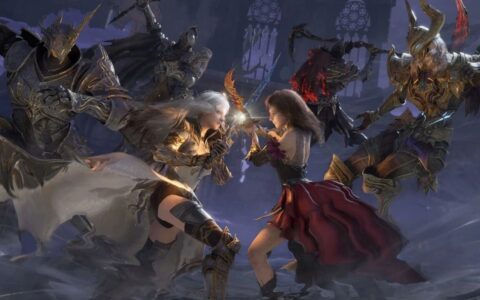
In my view, domestically produced AAA games are still in their infancy. The release of *Black Myth: Wukong* has opened the door to this industry. With an unimaginably large player base and a commercial model that has been validated for the very first time, it has successfully attracted capital that had previously been hesitant to enter the market. For developers with both the capability and vision, this is the best of times.
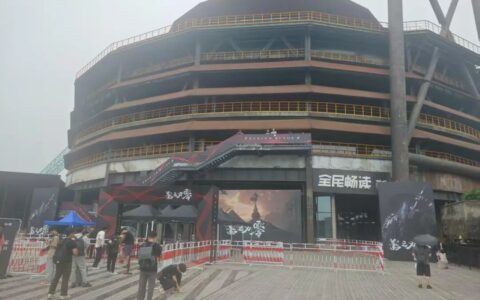
As you can see, true AAA titles like *Shadow Blade Zero*, *Tide of Annihilation*, and *Return to Tang* are springing up like mushrooms after rain, creating a vibrant and diverse landscape—no longer just fleeting phenomena.Domestic gamers are also getting into the festive spirit early through one reveal after another and at offline exhibitions.
So what's next?
While “building something from scratch” is certainly difficult, “taking it from good to great” is even harder. Right now, Youke aims to overcome this major hurdle through technology, truly reaching the pinnacle of global production standards and competing on equal footing with top-tier developers.According to conventional industry logic, once an IP becomes a hit, the studio should continuously release sequels and DLC. However, Youke has taken the opposite approach: it has revived an IP that had lost much of its momentum, starting from scratch—all under the guise of “honing the fundamentals.”
While most domestic developers are still stuck in the dilemma of “how to make games,” Game Science has already set out to tackle some of the most critical and fundamental technical challenges, aiming to be a pioneer and truly “create great games.” Against the backdrop of promoting traditional Chinese culture, I see a level of boldness that Chinese game developers would find hard to imagine.
From this perspective, *Black Myth: Zhong Kui* is the best showcase of Youke’s fundamental skills—not merely a display of technical prowess, but also a foundation for the company to move forward more steadily and successfully in the future.
原创文章,作者:游茶妹儿,禁止转载:https://youxichaguan.com/en/archives/219560