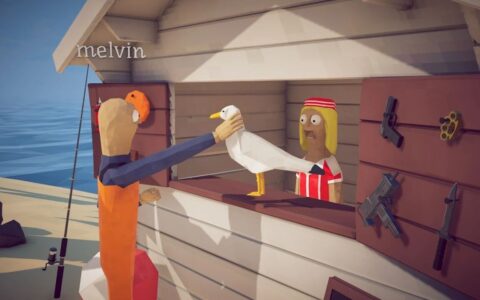
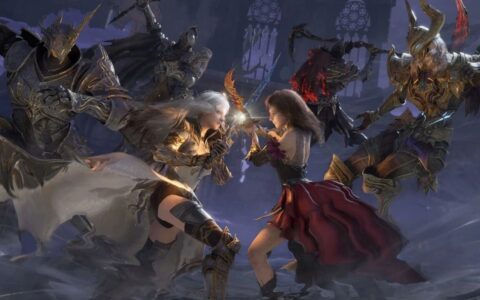
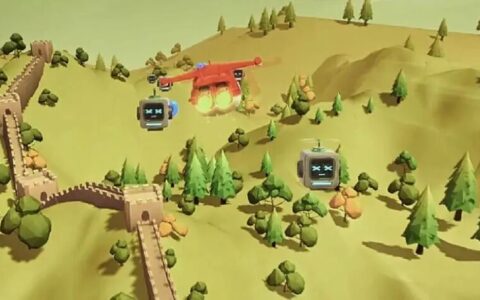
In early July, Loka attended the Shenzhen Nuclear Fusion Game Expo. The game he brought was titled *Sound of Mystery*; the demo version featured only two standalone levels, had no main storyline, and didn’t even include the opening sequence that establishes the game’s world. He was waiting for players to point out its flaws.
The person trying it out took off their headphones and said, "It's just like the real thing."
This is exactly the kind of feedback Loka wanted to hear. In the eyes of both the developers and players, *Sound of Suspicion* is the spiritual successor to *Tracking the Sound*. *Tracking the Sound*, released in March 2019, is an audio-based mystery game developed by NExT Studios, and Loka served as the game’s lead designer.
This puzzle game—featuring only sound, floor plans, and light circles—gained viral popularity in 2019, a year when indie games were far from scarce. Without a traditional art style or large-scale user acquisition campaigns, it relied purely on word of mouth and livestreams to achieve viral success, selling over 1 million copies on Steam.

Selected Award Statistics for *Tracking the Sound of a Mystery*
After playing it, many gamers have said it’s the most unique mystery game they’ve ever played—one that’s even hard to categorize by genre. Some content creators have also noted that after finishing the DLC, they felt like they’d gone insane along with the characters in the story.
Seven years have passed, yet this game still has a large number of live streams and commentary videos on Bilibili, and the danmu comments are still scrolling by.
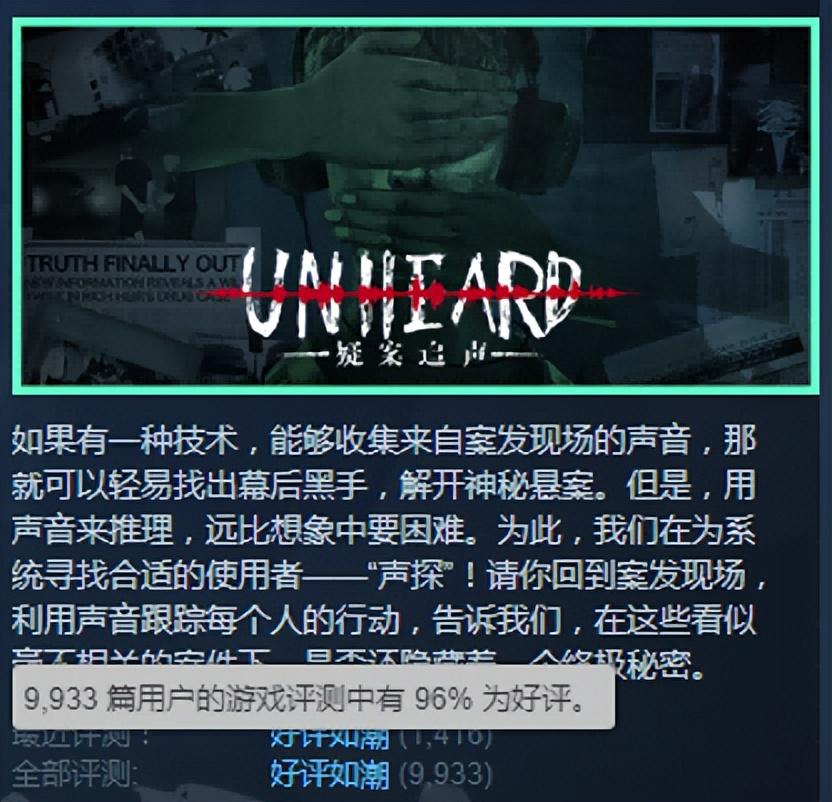
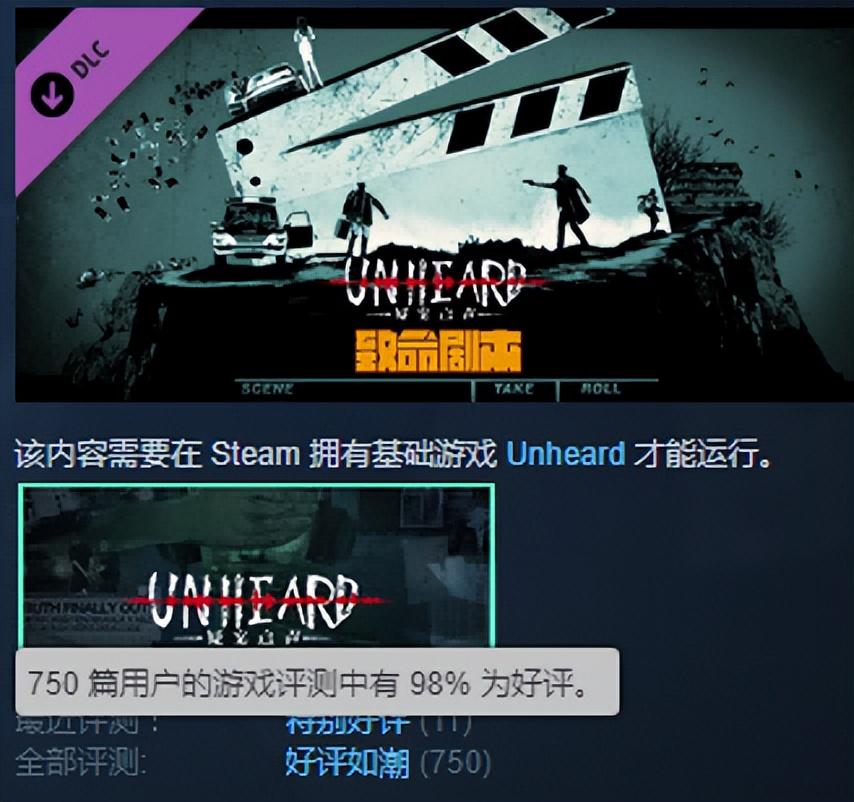
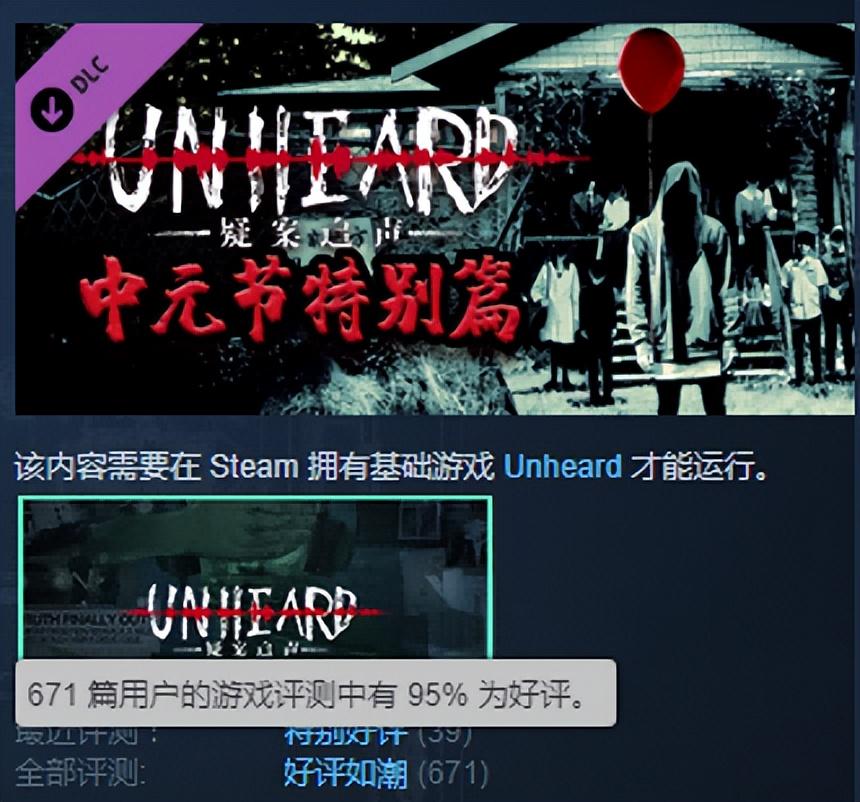
In the year of its release, both the base game and its DLC received a steady stream of rave reviews.
Loka left this project six years ago. He told Game Teahouse that during all these years since the project was put on hold, he’s consistently seen new Bilibili creators uploading live-play videos of *Mystery: Chase the Sound*;No matter what year it was, whenever he clicked on the videos, he would always see new user comments and bullet comments—some were fans revisiting the story, others were new players experiencing the game’s unique narrative charm for the first time, and there were also many voices curiously asking about a sequel.
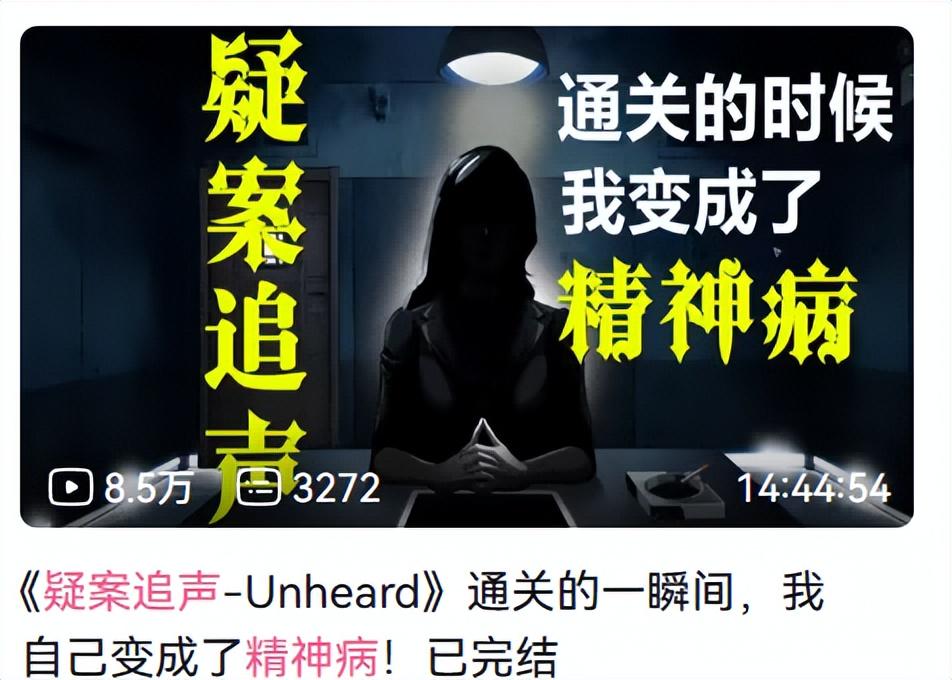
Loka said that whenever he feels frustrated working on other projects, he comes back to watch these videos.
The players' eagerness for an update, the puzzles left unfinished when the previous game was canceled, and the creative drive that has remained unquenchable over the past six years—these are the reasons why he returned to work on *Sound Detective: The Mystery*.
In early 2025, he quit his job at a major tech company, founded Suspense Games on his own, and decided to continue the *Sound of Suspicion* series—and thus *Sound Detective: A Cloud of Suspicion* was born.
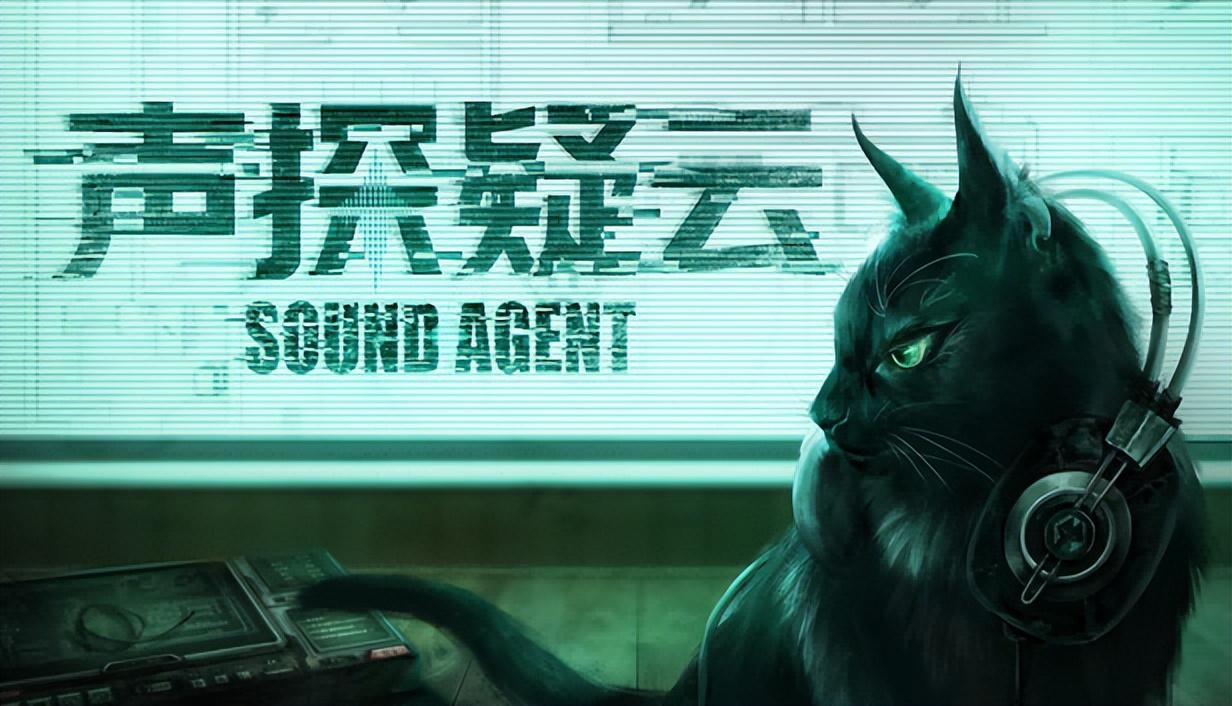
Screenshot of the "Sound of Suspicion" Steam store page
Over the course of six years, the industry underwent turbulent changes, much like the tides, and NExT Studios—the studio behind *Tracking the Sound of a Mystery*—was dissolved in 2023.
Even after it disappeared, the game's reputation among players continued to grow, and to this day, it remains NExT's most highly regarded title—one that was reborn in a different form after the company disbanded.
01
Listen
The gameplay in *Tracking the Sound of a Mystery* isn't complicated.
The screen displays a top-down floor plan of a building, with several circles moving around inside it; each circle represents a character. Players can follow whichever character they want to hear the story of.
No props, no puzzle mini-games, no inventory. There’s only one thing players can do: listen, and then answer the question in the lower-right corner.
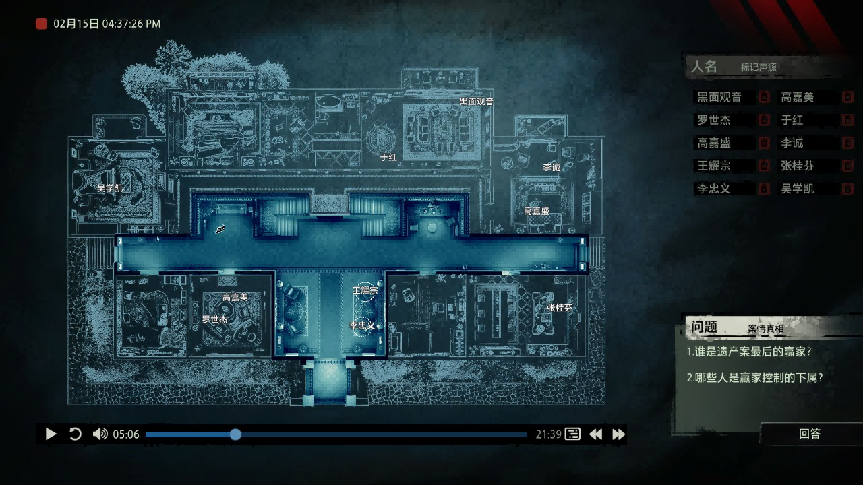
Screenshots from the game *Tracking the Sound of a Mystery*
But when you actually play it, it’s not monotonous at all. That’s because the characters on screen are only aware of what’s happening right in front of them, while the player can hear everyone’s secrets.
For example, at the beginning of the game, the player sees a man in a café serving coffee and bringing out dishes; he’s attentive and polite to everyone. After following him for ten minutes, the player thinks he’s a good person; but when the story switches to another character’s storyline, the player discovers that the coffee has been poisoned; then, switching to yet another storyline, the player finds out that he isn’t even a waiter.
The dialogue also differs from typical linear storytelling; it follows a triple-layered structure: first, the character’s own narration, in the form of casual, everyday conversation; second, behind the character’s words, there are often actions and tasks that are only partially revealed; and finally, other characters’ assessments of him—each character is, to a greater or lesser extent, prone to misjudgments and the player’s misinterpretations.
As several clues interlock layer by layer, players realize they have just witnessed a murder—and that the killer left clues in every statement, though no one heard all of them at the same time.
If you’re a fan of mystery games, you’ll likely notice that *Tracking the Sound of Suspicion* is actually quite different from traditional mystery games. It rarely focuses on the difficulty of puzzle design; rather than emphasizing intellect and logic, it prefers to guide players to repeatedly cross-check their lines of observation, with each new dialogue segment adding a fresh layer of meaning to the information overheard previously;In terms of the story, you’ll rarely see a meticulously calculated, step-by-step plot by the perpetrator; instead, the game is filled with surprises, misunderstandings, and a makeshift brand of dark humor.
At the same time, however, the game features an extremely meticulously crafted narrative, so that all the pieces ultimately come together perfectly, giving players the satisfying feeling of a revelation.
Even setting all that aside, the dialogue design alone is entertaining enough. Not only do the characters each have their own distinct personalities and temperaments, but the banter, procrastination, and insincerity in their exchanges really spark the player’s curiosity and provide a sense of satisfaction.
In other words, it can definitely be viewed as a comedy packed with one punchline after another.

This diverse range of experiences gradually reveals the game’s greatest appeal. On social media, a significant number of players firmly believe that *Sound of Suspicion* is one-of-a-kind.
The reason the creative concept is so unique is that, during production, Loka drew inspiration from works in several vastly different genres, including video games, movies, plays, and crosstalk.
The first is a game with a fragmented narrative.
A prime example is the 2015 game *Her Story* by British developer Sam Barlow:Players interact with a database on an old-fashioned computer, entering keywords to retrieve segments of police interrogation videos. The game consists of over 200 video clips, which are fragmented and presented to the player. Like a film editor of yesteryear, the player must piece the story together bit by bit.
In Loka’s view, the game’s strength lies in its ability to immediately captivate players: the first video reveals a murder, instantly hooking the player. Once hooked, a feedback loop takes over: search, obtain a new video, discover a new keyword, and search again. Every step yields a reward, and players keep repeating this cycle until the videotapes piece the story together.

(“Her Story” features a media style reminiscent of psychological horror. Set in 1994, it tells the story of a woman being questioned at a police station regarding her husband’s disappearance, as she gradually reveals the dark depths of her soul amid lies and guilt.)
Loka drew inspiration from this mechanic but replaced its core: in his game, rather than piecing together videotapes as in *Her Story*, players find themselves physically present at the crime scene—both in time and space—and piece together fragments of sound.
The second type of film Loka draws inspiration from is the multi-plot narrative film; a classic example is Ning Hao’s 2006 film *Crazy Stone*.
Loka said that during his years in advertising, he got into the habit of putting on this movie before bed—not watching it from the beginning, but just skipping to a random point and watching from there.That’s one of the film’s strengths: with no clear chronological structure, any segment lets you see how these bumbling thieves’ storylines intertwine. Each character is full of themselves and struggling to make ends meet, which makes for a particularly lively watch.

(A story about a wealthy businessman, a security guard, a hipster, a bumbling thief, and an international master thief who play pranks on one another, giving rise to countless hilarious jokes)
Unlike other films with a clear beginning, middle, and end—where it’s immediately obvious which scene sets the stage, which builds to the climax, and which unravels the mystery—*Crazy Stone* employs a multi-threaded, fragmented narrative. Each character pursues their own mission, while the capricious twists of fate ingeniously and wildly weave them all into a single thread.
The narrative structure of this film draws heavily from Guy Ritchie’s two feature films, *Lock, Stock, and Two Smoking Barrels* and *Snatch*—multiple groups of characters each scrambling to carry out their own foolish schemes, unaware of one another’s existence, yet converging precisely at several locations throughout the city.The director employs a cross-cutting montage: multiple storylines progress in parallel, converging at several key points.
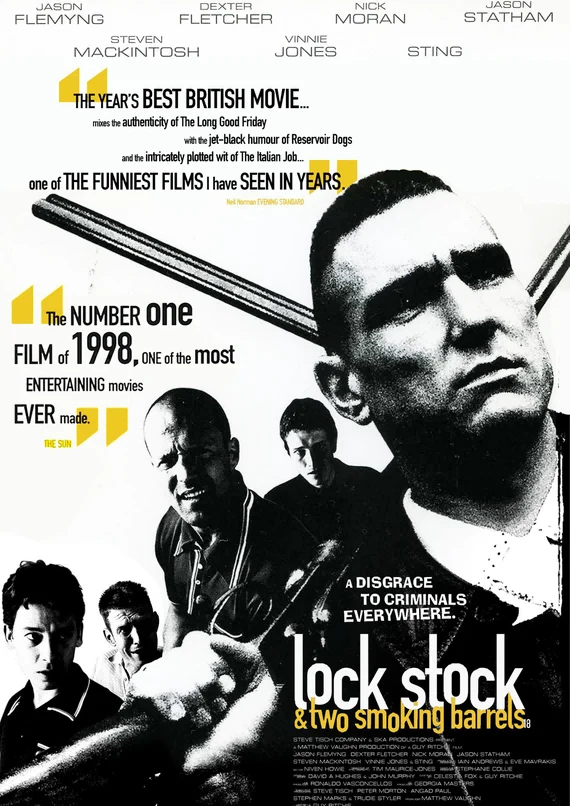
"The Two Smokers"
Loka incorporated this technique into the game. The difference is this: in a movie, the director decides which storyline the audience sees first; in a game, that decision rests with the player. In Loka’s cross-cutting montage, each character moves freely along their own timeline, and every “coincidence” must be precisely timed in the Unity Timeline.
The third is the immersive theater production *A Sleepless Night*. In *A Sleepless Night*, the actors have no lines—only dance—and multiple actors perform simultaneously in different rooms. Backstage, there is a director at a control console who uses cameras to manage the progress of each scene.
If players follow just one storyline, they won’t get the full story; only by following several storylines and piecing them together can they understand the whole picture.
Creator Felix Barrett once compared his play to a game: “The breakthrough of *Stardew Valley* lies in the fact that, without any instructions, people figure out how to create something meaningful through their own exploration, thereby gaining a sense of fulfillment.Our performance is the same. During the first hour, the audience might run around aimlessly, but then they’ll gradually realize that by following a single performer, the story will unfold on its own.”
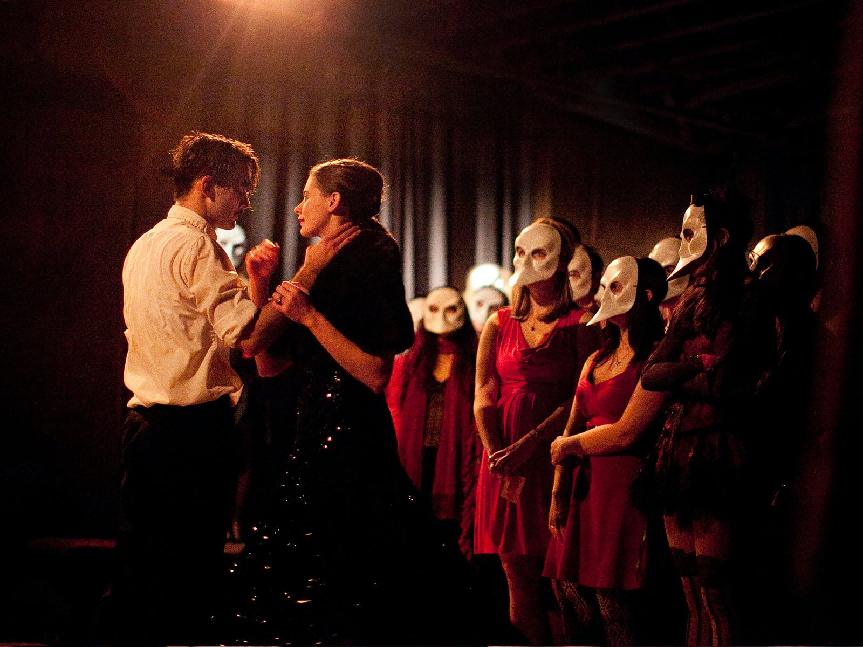
(Coincidentally, the story of *Sleep No More* was actually inspired by various narrative games that eschew a linear plot—it’s essentially a case of recycling the original concept.)
To turn these ideas into tangible gameplay, Loka adopted an unconventional creative process.
He told the tea house that, compared to a game designer, Loka is more like a director—a director sitting in front of a screen, controlling all the actors. These actors aren’t on a film set; instead, they exist within the Unity timeline, where they can be freely positioned, dragged, and voiced.Each actor has its own movement path, voice lines, and sound effects; when multiple actors are combined, they form a stage play.
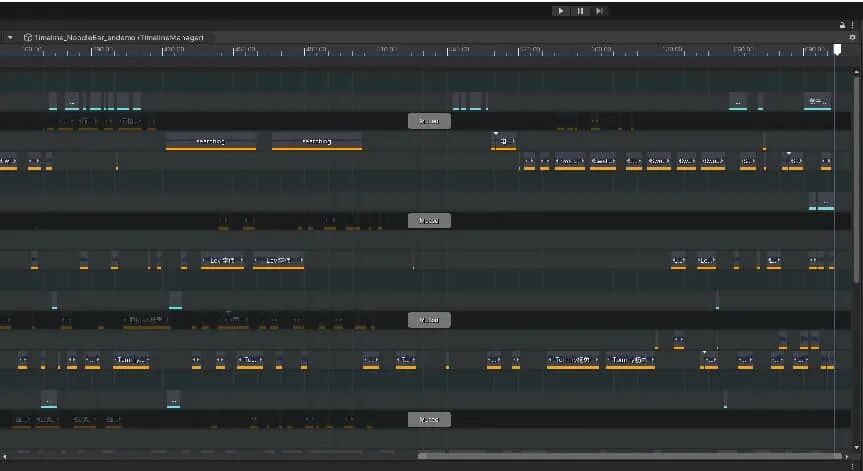
The timeline configuration interface for the demo level of *Sound of Mystery*
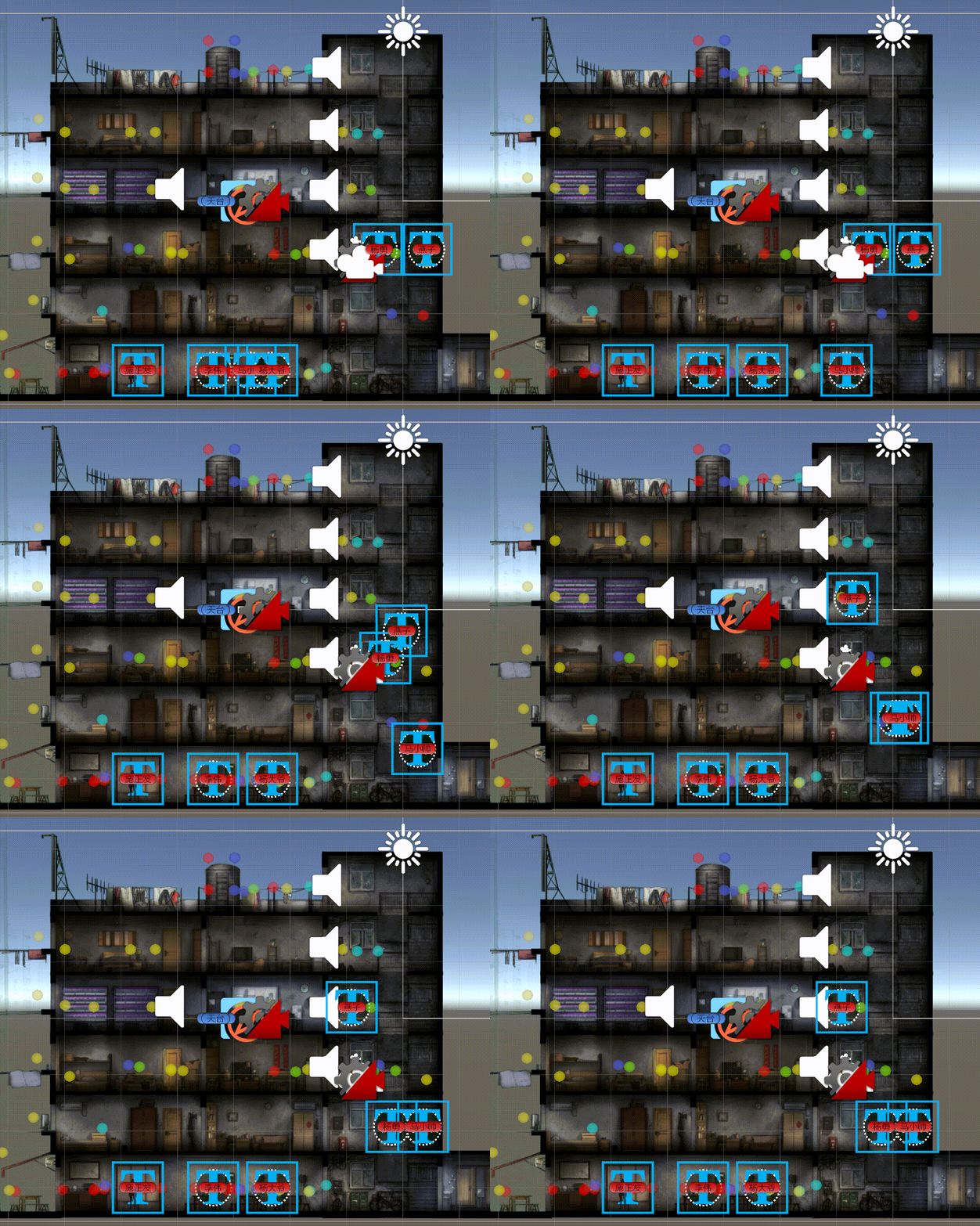
Timeline animation effects for the demo level of *Sound of Mystery*
As for creating comedic effects through dialogue, he learned that from the master of crosstalk, Liu Baorui.
During the interview, he described Liu Baorui’s stand-up routine “Promoted Three Ranks” with great enthusiasm: An uneducated, spoiled rich young master hears from a fortune-teller that he is destined for a successful career in government, takes it at face value, and heads to the capital to take the imperial examinations.He causes a misunderstanding outside Wei Zhongxian’s mansion; Wei Zhongxian assumes the young man is of high standing and, on a whim, sends him into the examination hall;

The two chief examiners had already locked themselves in to grade the exams. When they received this last-minute candidate late at night, they wanted to turn him away, but upon seeing that he had been sent by the “Ninth Thousand,” they dared not do so;When they asked him to take the exam, he couldn’t write a single word. The examiners couldn’t fathom what Wei Zhongxian was up to, so they had no choice but to write the exam paper for him—and as a result, he passed with flying colors;
After Wei Zhongxian’s downfall, the imperial court launched an investigation into his accomplices. Because this wealthy young master was illiterate and had never actually committed any wrongdoing, he was instead regarded as an upright official who had not been tainted by corruption, and was promoted three ranks in one go.
What Loka takes away from this sketch is, first, that within the work itself, the comedic effect often stems from a misalignment of information: each character makes perfectly correct judgments from their own perspective, but when three parties come together, everything gets twisted—and this also forms the basic structure of every case in *Tracking the Sound of Suspicion*.
Ultimately, *Tracking the Sound of a Mystery* achieved what almost only a video game can: the piecing-together of elements creates room for imagination and the joy of exploration; the nonlinear narrative allows players to revisit events over time, distilling the story layer by layer through repetition; and the freedom to move around the environment ensures that the way the story is experienced is anything but monotonous.
When it comes to the game’s text, it’s especially unique and entertaining. Loka says that interviewers always ask him how many copies of the game he needs to sell to feel a sense of accomplishment. “Actually, none of that matters—making people laugh is what gives me a sense of accomplishment,” he says.
After the game was released, many players classified it as a mystery game. Loka didn’t correct them, but in his own words, the game is a multi-threaded narrative puzzle from start to finish.
02
Director
Before *Tracking the Sound of Suspicion* was incubated, Loka and Zhang Zhechuan had actually spent a long time experimenting with different gameplay mechanics, but they were never quite satisfied. When the two got together to review their progress, they came to one conclusion: the bottleneck wasn’t that the concept wasn’t ambitious enough or that the technology wasn’t advanced enough—it was simply that the game wasn’t fun.
The two hit it off immediately and decided to start over, aiming to produce a demo within a week. Even once the project got off the ground, the team consisted of only five people: one artist, two programmers, and two game designers.
Then, the main game *Tracking the Sound of Suspicion* became an instant hit upon release, with its Steam approval rating soaring to 96%, making it the highest-rated game not only among Tencent’s titles but also among all domestic games at the time.
This was followed by three DLCs—*Mid-Autumn Festival*, *Deadly Script*, and *The Black-Faced Guanyin*—which gradually expanded the gameplay.The first game featured only one way to answer questions—selecting character names; *Deadly Script* introduced sequencing puzzles, requiring players to figure out the order in which chips were passed around; *Black-Faced Guanyin* set the answer target as a character who had never appeared in that level, existing only through others’ accounts.
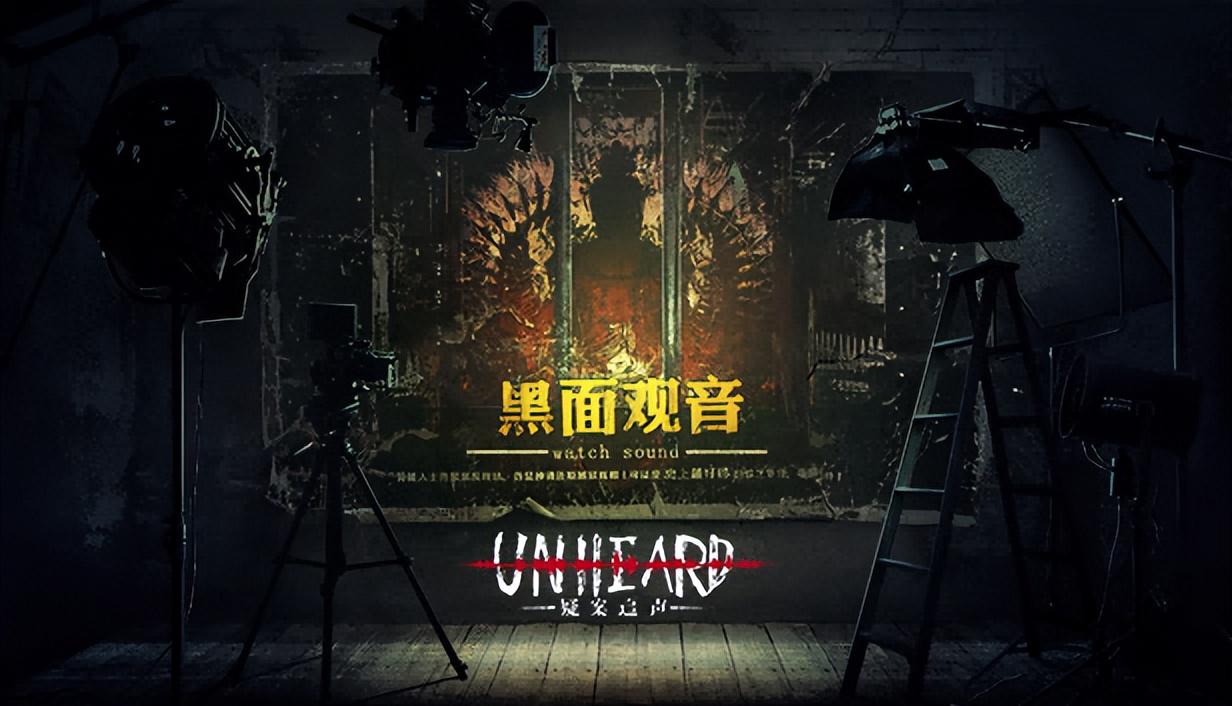
It’s fair to say that, at the time, with every update, *Tracking the Sound of a Mystery* pushed the boundaries of this “sound-tracking” detective gameplay.
However, starting in 2020, NExT’s role within Tencent underwent a realignment, which led to changes in its staff. Loka left NExT during this period; he initially moved between various departments before leaving Tencent in 2023.
After he left, neither the game's sales nor subsequent updates had anything to do with him.
But on Bilibili and other social media platforms, players’ updates and discussions kept drawing him in; in other projects, he never felt that same sense of excitement he had when working on *The Sound of Suspicion*.
He later concluded that when working at a large tech company, one must first submit to the collective will of the company, which often leaves one with little control over creative direction and approaches.
Furthermore, the typical workflow at major studios involves launching large-scale projects where entire teams of directors join the project—including motion designers, visual effects artists, 3D modelers, level designers, combat designers, level designers, and systems designers—with each functional area having its own start schedule, even though the core gameplay hasn’t been finalized yet.One art team is exploring a realistic style, while another is experimenting with sci-fi or fairy-tale aesthetics; they end up holding each other back, causing the gameplay to be pulled in different directions. In the end, the only conclusion is that “nothing will go to waste”—but in reality, it’s all a waste.
At work, he often encountered similar problems. On one occasion, the concept art for an FPS game was brought over from overseas, which made the gangster storyline he had written difficult to reconcile—after all, they couldn’t very well have a shootout on the streets of China;On another occasion, his superiors demanded that they follow the trends of the time by adding online multiplayer features and cramming in a massive amount of content, but in Loka’s view, such an approach did not align with the true appeal of game design.
In early 2025, he finally left his job, determined to revive that approach—one that no one in the market had ever followed through on.
In addition, NExT has left a legacy that has carried over into the new project: publishing partner Infini Fun originated from NExT and was also the lead publisher for *Mystery: The Sound of Suspicion* at the time. He said, “As long as you make it, the quality is guaranteed.”
His partner, who was also a former colleague at NExT, was treated as nothing more than a programmer at their subsequent company. When Loka invited him to join the firm, he said, “You don’t have to just be a programmer—the two of us can work together on the script.”
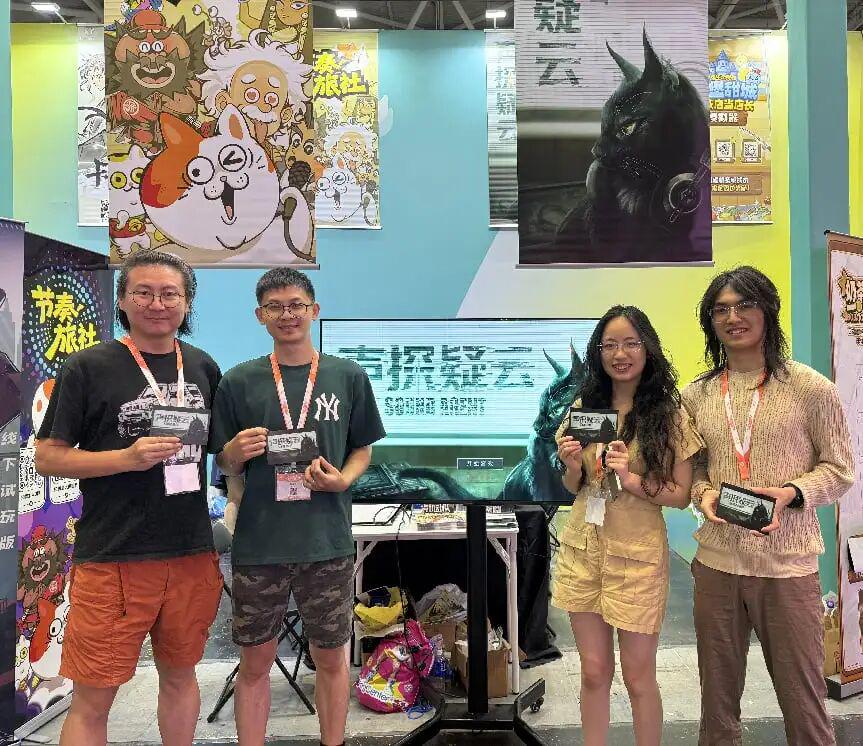
The development team behind *Sound of Mystery* at Nuclear Fusion 2026
03
The Joys of Everyday Life
For players, one of the core attractions of *Sound of Suspicion* lies in the voice acting—and this is precisely what Loka values most.
However, unusually, not all of the game's voice acting was performed by professional voice actors.
During the demo phase of the previous game, the voice acting was provided by colleagues on the same floor—since there were no recognizable characters on screen, players could only identify them by their voices.
In this process, the decorative aspect of the voice is actually unimportant; therefore, Loka does not simply seek out beautiful voices, but places greater emphasis on whether they sound like ordinary people around us.
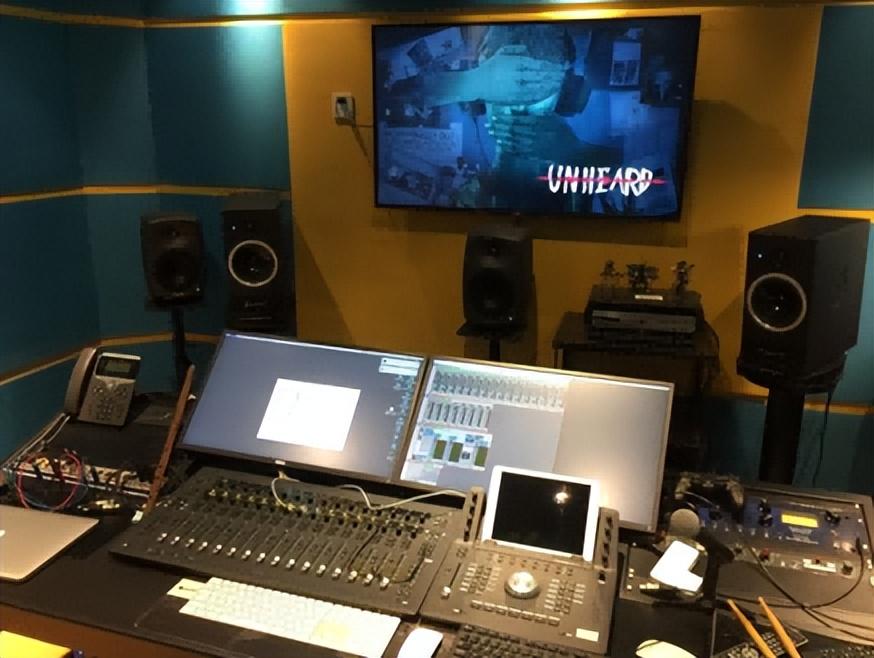
Voice Recording Session
In *Deadly Script*, Loka himself voiced a character who was a freeloader living off the Gao family’s daughter, and who was bossed around by the other characters from start to finish. From the time he finished recording until the game’s release, no one recognized his voice—and he was very pleased with that, as it meant his voice had truly become one with the character.
When it comes to voice-acting techniques, he describes himself as a “method actor,” or as following the Bresson approach—striving to draw from actors not what they display, but what they conceal, which is also the most magical and unique aspect of who they are: their personality.

In practice, Loka works like this: the actor isn’t told whether the character is good or bad; they’re only told what the character’s current state is.
In the mental hospital level, he had the actor playing the reporter speak in a news anchor’s tone from start to finish. The actor asked, “I feel like speaking this way makes me sound a little crazy.” He replied, “Don’t worry about it—just keep it up. The players will figure it out on their own.”
Back when the "Mid-Autumn Festival" DLC was being recorded, Loka hired a streamer to provide voice acting. This streamer didn’t even know the full story when they went live on the day the game launched, and halfway through the game, they asked the ultimate question: “Could I be the killer?”
The viewers in the livestream thought she was putting on an act: “You dubbed that yourself—you’re definitely acting. Your acting is so good—you’re still putting on a show for us right now.”
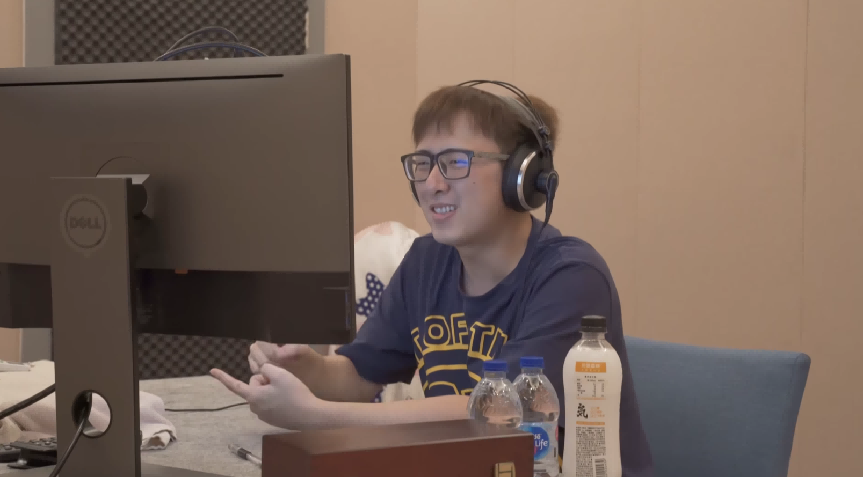
(Behind-the-Scenes Footage of the Voice Acting for the Zhongyuan Festival DLC)
What Loka truly values is the “state” of vocal performance—the actor’s tone of voice, as well as the emotions and events that subconsciously emerge from the way the actor speaks.
What a character says is driven by their circumstances, motivations, and personality, rather than being entirely dictated by the author.
This methodology stems from Loka’s own life experiences: Starting in the early 2000s, Loka worked in real estate advertising for many years, traveling to Qingdao, Hefei, Dongguan, Zhongshan, Shenzhen, and Kunming for various projects, staying near construction shanties and listening to conversations over drinks.
For example, if someone wants to get something done through the owner of a real estate company, they’ll first treat the owner’s subordinates to a meal. At the table, the other party makes excuses, saying, “I haven’t had a chance to eat—I’m so busy,” while the host has already slipped a card across the table under the table;The recipient feigns surprise, and the host must first give them a way out—essentially allowing the recipient to excuse the host’s actions—before one says, “How about doing this or that next month?” and the other replies, “Let’s make an exception just this once”—and the matter is settled in just a few sentences.
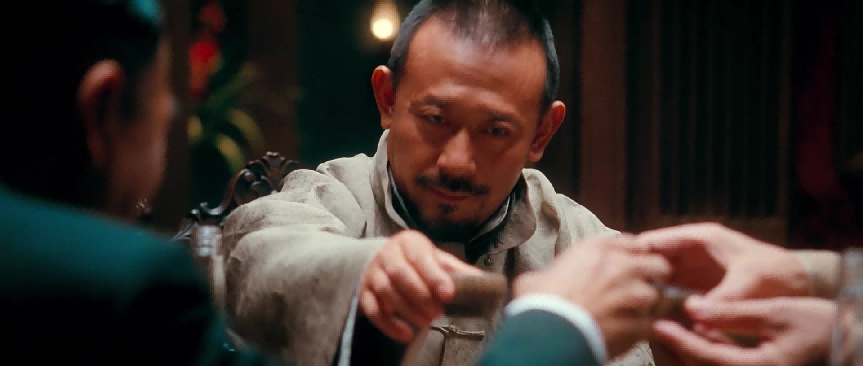
Loka knew that these words would lose their flavor when written down: the punch and substance of a conversation lie in the pauses, the emphasis, and the intonation; once put into writing, the subtext hidden in the gaps between the words is lost.
If you listen closely, the “ah” in “This is a one-time exception” has a specific intonation, and where the stress falls in “What do you mean?” is also a kind of unspoken understanding and nuance. The tone, inflection, and intonation of speech are often more important than the actual content of the words.
The things that are hard to convey in these texts are precisely what he needs in his games, so when he writes, the first question he asks is, “What is this person pretending to be right now?”
Of course, these requirements for voice acting also raise other issues.
One of the game's standout features is the variety of Mandarin accents with regional dialects.
Dialects can quickly establish a character’s identity; someone speaking Mandarin with a Cantonese accent and someone speaking with a Northeastern accent naturally convey regional and personality traits that players can recognize immediately.
However, once production on the game officially began, this actually became an obstacle—voice actors are rarely asked to perform in a dialect, and even fewer are able to do so.
That said, while dialects can add a lively, authentic feel to the game, not all players are comfortable with their use.
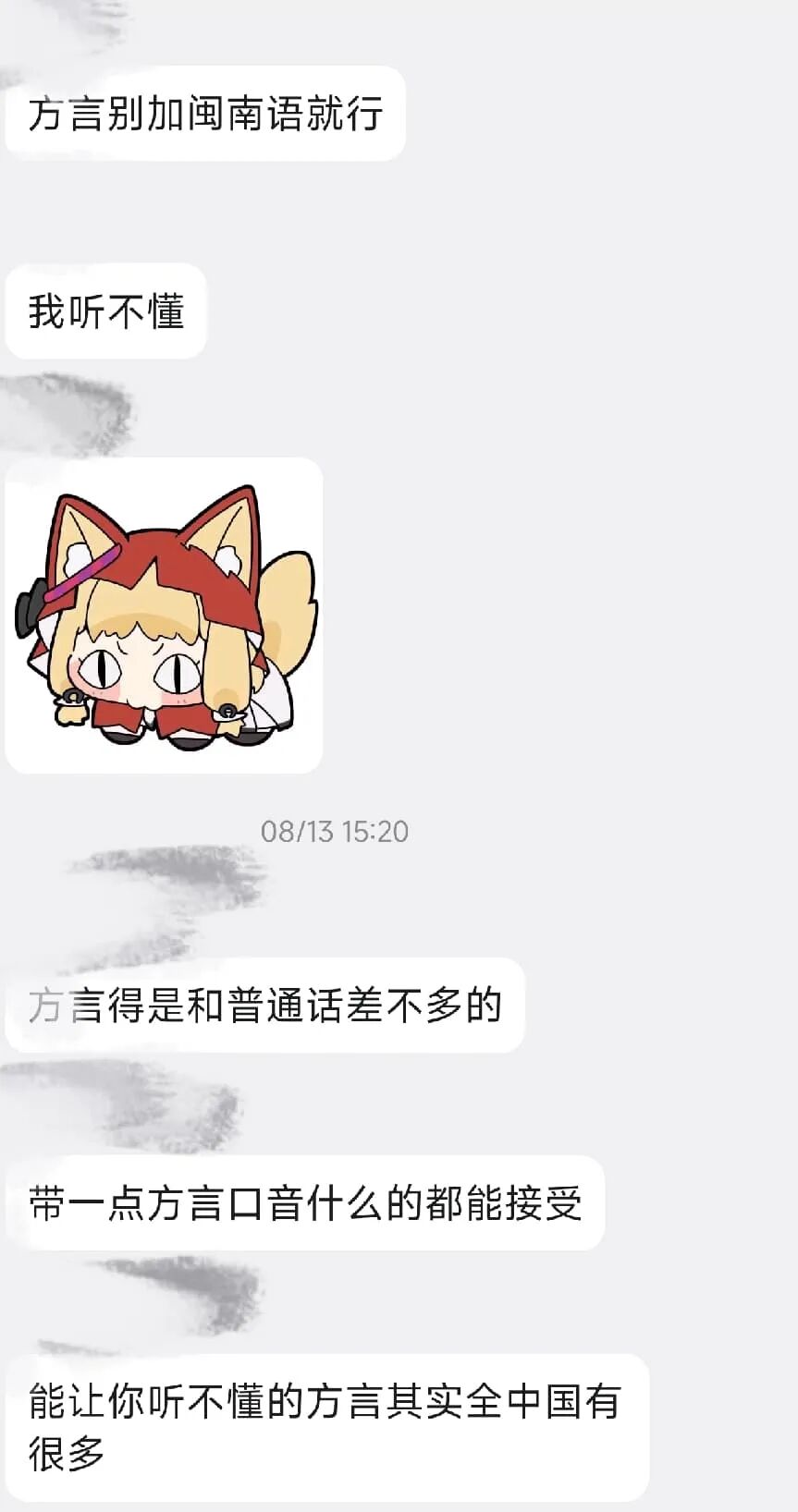
(In the game's official fan group, I often see discussions about the dialect experience.)
Loka is from Shanxi and has traveled all over the country while working in advertising, so he has a deep understanding of where the boundaries of dialects lie. For example, Mandarin with a slight Shanxi accent is understandable to people from other regions; however, the vocabulary and intonation vary greatly between Southern, Central, and Northern Shanxi—even between neighboring counties, the differences are like night and day.
A version of *Deadly Script* was originally recorded with Hubei dialect voice acting. Several voice actors in the recording studio said they could understand it, but during the closed beta, players reported that some people couldn’t understand it, so the entire segment was scrapped and re-recorded.
Loka concluded that Cantonese, Hakka, Chaoshan, and Min Nan are rarely understood or used outside their respective regions; while Mandarin sounds like everyone understands it, as soon as words like “撒丫子” or “瞜一眼” are thrown into the mix, people from the south are completely lost.
What he wants is that level just above the threshold: someone with a Guangdong accent trying their best to speak Mandarin—that’s enough.
The game’s approach to language is just one aspect; behind these efforts lies Loka’s commitment to capturing the realism and everyday charm of the game world.
He set a rule for the game: it shouldn’t test players’ knowledge.Someone once suggested that, as a sound-based puzzle game, it should incorporate Morse code, but he flatly rejected the idea—designing puzzles using Morse code means that those who have studied it can solve them, while those who haven’t never will. That’s exactly how relying on prior knowledge stifles the gameplay experience.
In his view, life experiences and observations are at the heart of humor—just like with Liu Baorui and Ning Hao—in good comedy, the moments that make us laugh stem from observations of everyday life.
At the time, another screenwriter came up with a plot device common in detective novels: a "murder swap," in which two strangers help each other kill their enemies. Since they have no social connections, the police are unable to trace the crimes.
Loka shot down this plan, arguing: “Two strangers—how can we make sure the other person actually does the job? After all, if you give me 500 yuan, I’d still worry whether it’s counterfeit; why should I trust you to kill someone for me? I’d definitely want to be the one who takes the money and doesn’t follow through.”
In detective novels, this concept can be taken for granted, giving way to ingenious puzzles. But in the world of Dongshan TV, people cannot trust one another so easily.
After all, during his years in advertising, that’s just how people were in real life: for 500 yuan, they’d call each other “brother,” commit petty theft, or go through the motions of politeness—but if you asked them to kill someone for 500 yuan, they wouldn’t have the guts to do it.
He summed it up himself: “Conan has its own brand of realism, and so does Higashiyama. Police officers, thieves, real estate agents, and ordinary citizens all live side by side, engaging in wits and squabbles over petty gains—that’s what makes it down-to-earth.”
04
Bottleneck
Since the launch of *Sound of Suspicion*, the question players ask most often is when it will be released.
Loka responded by saying that the bottleneck in developing this gameplay feature lies in the script—not the art, nor the programming, but the script.
Unlike traditional games, the script testing for *Sound of Suspicion* and *Tracking the Sound of Suspicion* faces a practical problem: Loka can’t test them on its own.
When writing a story, he knows all the ins and outs of the plot and is aware of the truth, so he can’t predict how players will interpret it. He has no choice but to ask others to test it: he thinks the hints in the dialogue are obvious enough, but players—who don’t have an omniscient perspective—simply can’t pick up on them; or, conversely, players might figure out who the killer is after just two conversations, making the rest of the content a complete waste.
If I can't solve it, I have to change it; if it's too easy to solve, I have to go back and fine-tune the puzzle's difficulty.
Now that the script for all the levels has been completed, we’ll need to re-evaluate and refine it during the voice-over process to see how it actually turns out.
In particular, after actually hearing the actors' performances, players may gain a completely different understanding of the plot, and their interpretation of the level puzzles may even change; therefore, further hands-on level testing is necessary.
In fact, the Chinese and English versions may lead to completely different misunderstandings, which need to be addressed separately. To optimize the level experience, we may need to reset the level and re-record the voiceovers, with each round of refinement requiring at least a month of iterative work.
So, when it comes to the speed of the launch, Loka isn't particularly optimistic.
That’s how Loka refined their voice acting during the production of *Tracking the Sound of Suspicion*; the difference is that now they have to bear the costs of scrapping and restarting the project themselves.
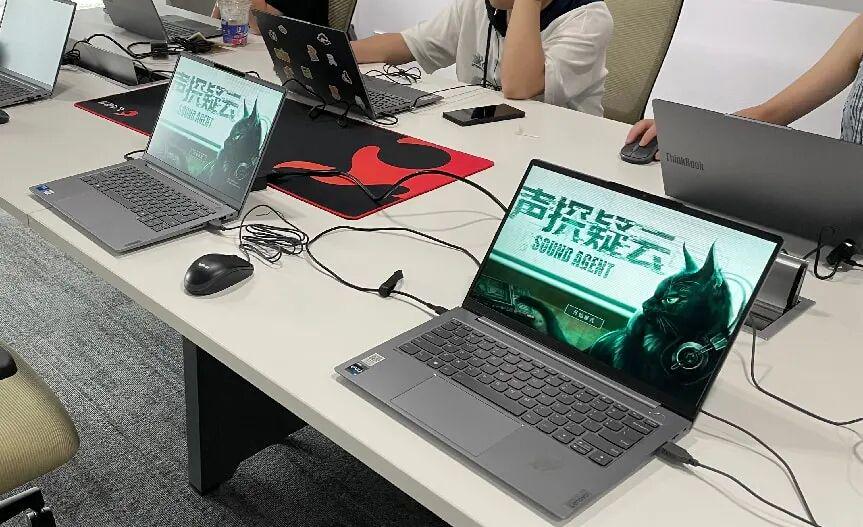
"Sound of Suspicion" is currently in player testing.
Another factor contributing to the delay is the main story content outside of the levels; this installment aims to be more comprehensive than its predecessor.
When asked by Game Teahouse what specific elements these included, Loka said they mainly consisted of three aspects: world-building, branching endings, and the connection between the main storyline and the player.

"Sound of Mystery" Signed Producer Invitation Letter Sent to Players at the "Nuclear Fusion 2026" Event
For example, in the previous installment, people have been debating for years whether the "psychosis" ending was real or not, as well as the origins and history of sonic detection technology, and even today, there are still people creating videos to address these questions.
In this installment, these settings will give rise to a new, complete story.
Fortunately, there is some news during this waiting period that can ease players’ anxiety. In early October, *Sound Detective: The Mystery* will showcase a live-action detective experience at RedLand in Shanghai. Instead of using a mouse, players will step into a real-life room, listen to the sounds in each space, and decide for themselves where to go and whom to follow.
Just as each DLC previously explored new boundaries in gameplay, this one does the same—only this time, the boundary being pushed is the computer itself.
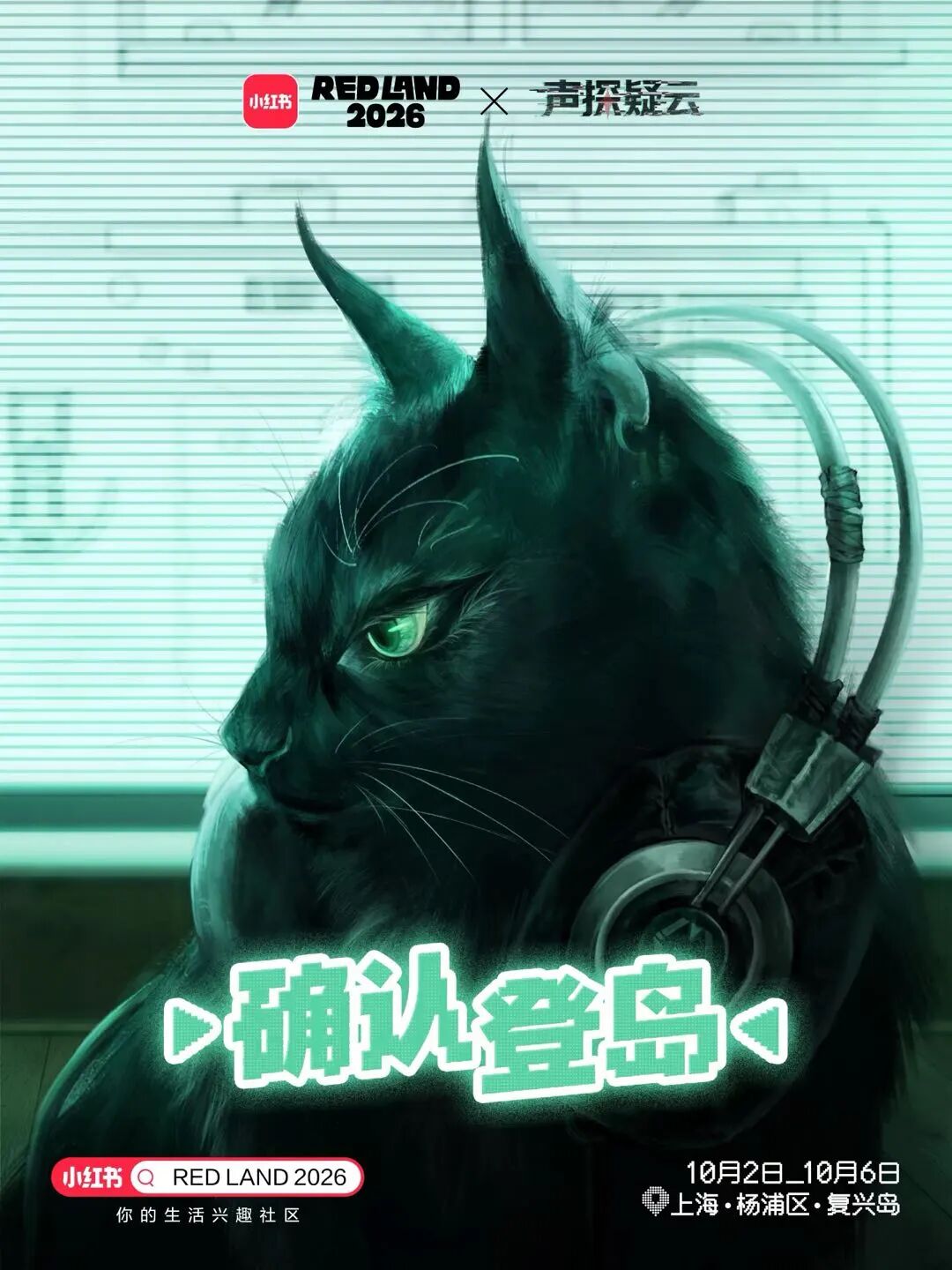
Following RedLand, *Sound Detective: The Mystery* will also release a free demo on Steam featuring the first two levels to be completed.
As for the commercial success of this title, Loka isn't really sure either.
After all, it’s been seven years since the last installment, and during that time, the market has changed rapidly—far beyond anyone’s expectations. According to SteamSpy statistics, approximately 16,000 new games were released on Steam in the first half of 2026;In 2019, when *Sound of Suspicion* was released, that figure stood at 8,000 for the entire year. Supply has more than quadrupled over the past five years. At the same time, the extreme volatility in the market has led to a higher failure rate for indie games, with most new releases failing to generate revenue.
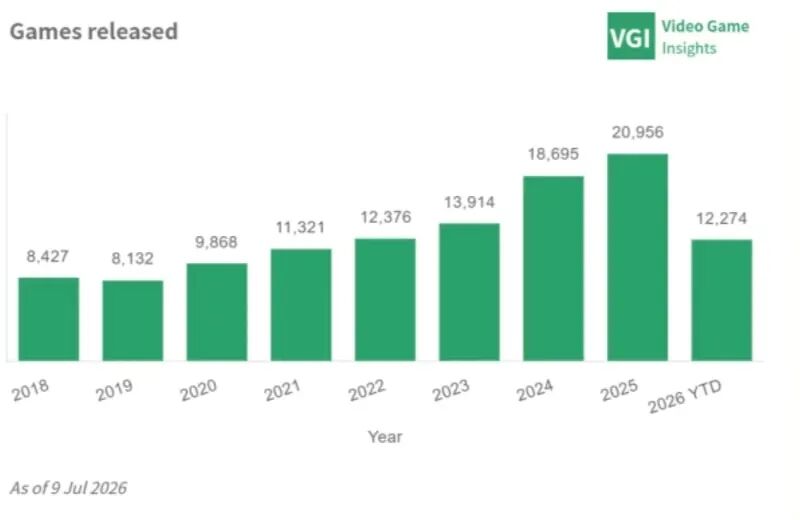
According to GameDiscoverCo's estimates based on its tracking of Steam sales, the median revenue for newly released games has long been below the level needed to cover the costs of small development teams.
In addition to the vast array of games, *Sound of Suspicion* also has to compete with other emerging forms of entertainment for players’ free time—back when *Sound of Suspicion* was all the rage, scrolling through short videos hadn’t yet permeated every aspect of daily life the way it has today.
A sense of anxiety over uncertainty pervades the entire industry. One publisher once told Teahouse that almost all indie games today can find gameplay benchmarks in successful titles; at a glance, the landscape is a sea of “likes,” and the developer’s unique voice has become a luxury.
Even so, in a more complex market environment and faced with a higher probability of failure, *The Mystery of the Sound Probe* did not show any additional anxiety, but continued to move forward and refine the project steadily.
The game also didn’t seek outside funding, relying entirely on Loka’s personal savings—for a very practical reason: creating games that rely on a strong script and creativity requires, above all, time and control over the content.For indie games, commercial success is almost like a gamble—the odds of a single title turning a profit are slim. What he wants to build is a brand: only by sticking with it over the long term and gaining player recognition will the brand generate sustainable revenue.
After all, beyond being a product, a game is first and foremost an art form that creates joy. The creator’s unique touch—manifested in language, style, and creativity—which cannot be captured by financial metrics, is precisely what Loka has always sought to preserve in its games.
原创文章,作者:游茶妹儿,禁止转载:https://youxichaguan.com/en/archives/219680