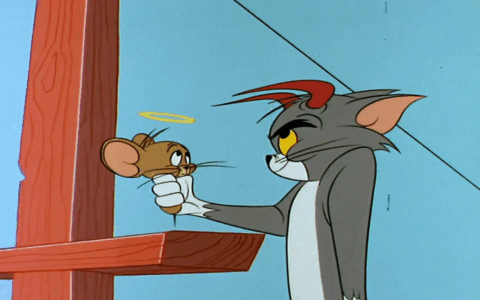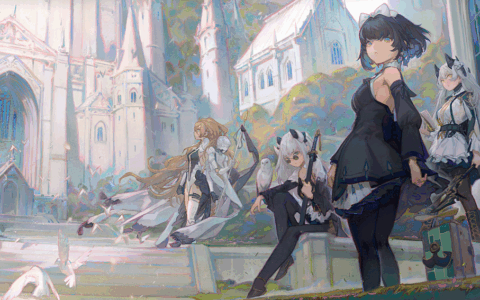
The various spirits in the world are described as “mysterious” creatures, and the game’s “Guru Balls” are therefore interpreted as a means of forming contracts rather than tools for capturing them.(The process of forming a contract involves throwing the contract at these creatures—and it appears to be thrown with considerable force.) It is evident that, on a narrative level, the developers did not intend to portray the relationship between players and spirits as a one-sided act of domestication or possession, but rather as the forging of a bond.While this shift in phrasing aims to soften the controlling nature of the interaction—making the relationship between players and spirits appear more like a partnership—the actual gameplay mechanics still retain a very direct logic of conquest.
In this game, the creatures’ ecology is also a topic of great interest among players. Aside from the stats used in battle, identical creatures may have different appearances—such as variant or shimmering forms—and features like creature hatching. These additional gameplay elements add even more fun to the process of raising creatures.Since the game does not rely on paid gacha mechanics, cosmetic purchases have become one of its primary revenue streams. Certain special Gulu Balls grant Pokémon unique appearances, special Pokémon may randomly spawn in the wild, and limited-time Gulu Balls are offered during each season to provide exclusive Pokémon skins.With these aesthetic layers built upon one another, the Pokémon ecosystem has been further expanded. Players who enjoy combat can share their team compositions and Pokémon stats with others to discuss battle strategies, while players who appreciate the game’s visual appeal have a vast array of Pokémon appearances to collect and discover.
While exploring how the world interacts with spirits, the Teahouse Guy discovered an option in the Spirit Tree that allows you to ride Miao Miao. However, the result was similar to the two-headed ogre in a certain game: it picked Miao Miao up, and the player ended up on its back.Later on, when it grows into a big, fat cat, it will tuck the player under its armpit.This feature offers a variety of interactive experiences between different spirits and adds a certain narrative depth. For example, in some quests, players use the spirits’ unique traits to find clues; as my friend at the Teahouse mentioned, certain spirits are even designed to interact with the player’s movements.Those flat-design spirits from our childhood now have more three-dimensional appearances and are even interactive; for veteran players, the sense of belonging this brings further deepens their attachment to the game.The meticulous design of each spirit gives them substantial depth. Combined with the development team’s stated intention to foster relationships between players and spirits, as mentioned earlier, it’s clear they want each spirit to possess a vitality that transcends mere numerical stats.
 |  |
 |  |
The stamina bar is primarily used for climbing mountains, flying, and fast travel via spirits. Upon arriving at an unattended magical camp, the protagonist naturally begins to use the facilities there.Yes, video game protagonists generally have an overly strong sense of self-importance, and this title is certainly no exception. In the Alchemy Cauldron feature, players learn that they can use universal currency and materials to increase Stamina and Magic points, as well as restore the number of uses for recovery potions.As for how to obtain the universal currency, common methods include acquiring it through exploration, or crafting alchemical items via alchemy—such as Gulu Balls, home furnishings, and the various elemental powders used to raise transformation spirits. It’s a fairly classic blend of light gathering and character growth.
  |   |
At this stage, the game offers rich gameplay and a relatively dense array of content; even after completing the main story, players will still have plenty to do and many systems to explore.In addition to the Pokémon egg hatching mentioned earlier in the Pokémon-raising section, the game also features a Home System, where players can place their favorite Pokémon inside their house to raise them, while the adjacent plantation offers farming gameplay.On the world map, players can enjoy not only wild boss battles but also Rare Beast Seeds that enable group battles, Starlight Duels against random opponents, and hidden dungeons—all adding to the fun of exploration.In designing this world, the development team did not simply recreate the original but made visible efforts and thoughtful considerations to breathe new life into it.The PC version on WeGame also provides players with access to tools such as a team-building assistant, a trading hall, and a resource center, bringing community support directly to the platform. This reduces the effort required for players to organize and lowers the cost for the operations team to build their own tool sites.
 |  |
 |  |
 |  |
 |  |
 |  |
 |  |
Let’s nitpick a bit. In the game’s performance segments, text cutscenes appear a bit too frequently. This inevitably raises the question of whether the game itself lacks sufficient organizational capacity to handle certain narrative elements—which should ideally be conveyed through action, scene direction, or character interaction—and thus resorts to text cutscenes to fill the gap.Generally speaking, story sequences serve as a temporary suspension of the player’s control and action, naturally transporting the player into the world being depicted. This allows for the delivery of plot and character development while simultaneously managing pacing and conveying information.Used at the right moments, they are certainly effective; however, frequent text-based narrative cutscenes can actually disrupt the continuity the player has established with the game. Admittedly, perhaps we shouldn’t hold *Lock Kingdom: World* to overly strict narrative standards, but this subtle imbalance between cutscenes and interaction is indeed palpable.
 |  |
 |  |
02
Digital Retirement Trends in the Era of Existing Assets
The original web-based version of “Lock Kingdom,” built on Flash, created an online multiplayer community for Chinese children aged 7 to 14. In an era centered on prepaid card items and virtual communities, it achieved remarkable figures, including 44 million quarterly concurrent users and a peak of 800,000 concurrent users.In just five years, its registered user base surpassed 200 million.
In the “2026 State of the Video Game Industry Report” released this past February, Epyllion CEO Matthew Ball noted that China is dominating the video game industry.As of 2025, the mobile internet as a whole has entered a phase of deepening penetration of the existing user base, with monthly active users across the entire network reaching 1.276 billion and average daily usage time per person at approximately 8 hours.However, behind these staggering figures, what we see are faces etched with exhaustion—an exhaustion born of aversion to never-ending daily tasks and compulsive labor.
A 2026 study by PwC shows that both Gen Z and Gen A—who are largely digital natives and proficient in using digital tools such as computers and AI—are prone to feeling isolated in real-life social interactions.Due to their nature, mobile games have consistently maintained high average usage times. Against this backdrop, players’ anxiety about what they should do each day, what they’ll gain by doing it, and what they’ll lose by missing out is easily amplified.A trend known as “Digital Retirement” is spreading in this environment. In the eyes of these young players, many games with intense social interaction and fierce numerical competition have become a form of emotionally draining labor.
Among Gen A gamers, 87% own internet-enabled devices, and 91.3% access the internet via mobile phones. Of these, 62.8% play mobile games, significantly higher than the 24.0% who play PC games (2023).This means that for them, mobile games are virtually the primary gateway to the world of video games; it also implies that they have lower tolerance for barriers to entry, playtime, and information density on the interface.In its new “830” regulations, the National Press and Publication Administration stipulates that online game companies may only provide one hour of service to minors daily from 8:00 p.m. to 9:00 p.m. on Fridays, Saturdays, Sundays, and statutory holidays, and requires mandatory real-name registration for access to anti-addiction systems.For Gen A players, this leaves only three hours of gaming time per week. Meanwhile, another report indicates that the monthly spending of most Gen A players is less than 100 yuan.
 |  |
The user base of traditional browser games is no longer sufficient to support long-term growth; in contrast, players are seeking more exploratory and immersive experiences.Moreover, established mobile games such as *Genshin Impact* and *Honkai: Star Rail* stand in the way, while strong competitors like NetEase’s *Infinite* and Paper Games’ *A Thousand Faces*—as well as *Honor of Kings: World*, scheduled for release on April 10—loom on the flanks.Given this context, it will be challenging to maintain sustained attention in the current competitive landscape without incorporating a more multidimensional structure and adjusting the game’s overall strategy.
The pet-catching genre has expanded rapidly since the release of *Phantom Beasts: Paru* in 2024, and the market has already demonstrated players’ demand for a creature ecosystem. In today’s open-world pet-catching space, the differences between various titles are not primarily reflected in mechanical aspects such as scale or technology, but rather in how they present the core gameplay experience.*Phantom Beasts: Paru* offers an industrialized model, integrating survival and building mechanics into the creature-catching system. Within this framework, creatures function as a component of the production system, reduced to purely biological consumables. The gameplay dynamics stem from resource scarcity and efficiency optimization, and players’ enjoyment leans more toward a continuous problem-solving process.In the short term, this utilitarian design does hold considerable appeal, but its interpretation of the relationship between players and creatures is very superficial, as players do not need to form deep bonds with them—keeping the system running is the top priority.While the *Pokémon* series retains the fun and depth of collecting creatures, its core structure revolves around the competitive goals of collecting, training, and battling. The value of Pokémon is often reflected in their performance within the battle system, and their social interactions center on trading and battling.
03
Encourage players to move from passing through to staying
Game spaces feature two modes of habitation: the Hermes-style, which leans toward going out, exploring, and moving; and the Hestia-style, which leans toward staying put, returning, and being at home. Many games on the market have long emphasized the former while neglecting the latter. Most open-world games are essentially Hermes-style, emphasizing constant movement, traversal, and exploration.The player is a wanderer perpetually on the road—a messenger, a conqueror. This model satisfies the open world’s yearning for freedom, but over time, the lack of a stable hub to return to leads to the creation of tedious daily quests designed to artificially sustain daily active users.
The strategy behind *Kingdom of Lock: World* is to strike a balance between casual social interaction and creature collection and battle mechanics. On one hand, it aims to match the daily engagement found in life simulation games; on the other, it preserves the depth of exploration inherent in collection and combat. Its creature ecosystem can essentially be seen as a return to the joy of collecting, focusing on rarity and aesthetic pleasure.Players don’t have to enslave creatures just to survive; instead, they can simply observe, wait, and interact with them purely for the joy of it. In the face of intense competition, the game attracts players who are weary of forced labor by offering a sense of relaxation.
An open-world game is defined not only by its vast explorable world, intricate architectural complexes, ecological systems, and diverse playstyles, but also by its cohesive interactive narrative, consistent rules, and a robust core gameplay system that lends logical coherence to its Points of Interest (POIs).In this regard, *Lock Kingdom: World* does not dilute its unique characteristics by recklessly cramming the game with seemingly diverse but fragmented gameplay branches; instead, it centers on the spirit-based core mechanic to engage players and keep them motivated. Judging by the creator content across various platforms, this approach has already yielded positive results.
This title has reworked the original gameplay structure by rebalancing the design priorities for spirits, world interactions, and other elements, creating logical branching paths. With the depth of open-world exploration serving as the primary driving force, it achieves a non-coercive, low-intensity social experience while maintaining the IP’s signature laid-back pace.Loosely structured social interactions are better suited for family-friendly titles than tightly bound communities, as they allow players to participate at their own pace.The game also provides players with ample shareable content—such as egg-hatching results and team compositions in group chats—allowing them to share their virtual lifestyles using various materials, which in turn fosters natural social interactions.
In a market environment where games generally rely on gacha mechanics to obtain core characters and drive revenue—and where the GaaS model offers nothing but endless daily quests after most players have grown tired of gacha mechanics and storylines—a new industry trend has emerged: developers are beginning to announce that their games will no longer include elements such as loot boxes or gacha mechanics.At this juncture, *Lock Kingdom: World* has chosen to abandon this mechanism. First, by making all 400+ creatures freely available, the game ensures that acquiring and raising them relies entirely on players’ time and effort. This fairness provides a solid foundation for attracting a large number of players who have fled due to competitive pressure.The primary revenue streams now come from seasonal battle passes, character outfits, and various gift packs. This model clearly draws on proven strategies from other game genres, generating revenue by selling assets that do not directly impact in-game stats while maintaining a high daily active user (DAU) base.The development team’s “Three No’s” policy not only reduces players’ anxiety about getting started but also facilitates veteran players in bringing in newcomers. While this sacrifices some short-term revenue growth, it builds a more sustainable user ecosystem. This serves as a valuable reference for any IP product aiming for long-term operation.
04
IP Products in the Era of Long-Term Operations
The overall size of China’s gaming market is growing, but this growth is increasingly driven by long-term operations, cross-platform compatibility, and blockbuster new releases.In 2024, the domestic gaming market’s actual sales revenue reached 325.783 billion yuan, with a user base of 674 million; in 2025, revenue is projected to reach 350.789 billion yuan, with a user base of 683 million.These macroeconomic figures explain why Tencent-affiliated products place greater emphasis on cross-platform interoperability and long-term operation strategies; incremental growth increasingly appears to be squeezed out of expanding player reach and increasing the lifetime value per user, rather than relying on one-time, explosive windfalls.
As a title with a very clearly defined target audience, the series of decisions made by Tencent’s Magic Cube Studio Group has been somewhat aggressive. It trades clear commercial boundaries for trust, uses that trust to drive DAU and organic social sharing, and then converts that into revenue through aesthetic in-game purchases such as Battle Passes and cosmetic items.Due to the inherent niche appeal of this nostalgic IP, competitors have found it difficult to replicate its success. *Lock Kingdom: World* took nearly six years from its initial reveal to its official launch, during which time it underwent a complete overhaul and multiple delays. In the fast-paced world of gaming, falling behind even slightly can often mean failing to keep up with change.However, Tencent’s Magic Cube Studio Group relied on forward-thinking decisions to use this time to modernize the core of the IP.
In *Minecraft*, the compass needle always points toward the player’s bed, while in *Lock Kingdom: World*, it points toward memories of the past and simple joys. Those memories are like ruins—though shattered, they retain all the information needed for the imagination to reconstruct them.For me—someone who has never played *Lock Kingdom*—it’s probably difficult to form the same deep emotional connection as longtime players. So my experience with *Lock Kingdom: World* feels more like watching this reunion unfold from the sidelines.People return to a place they once called home, rediscovering things they once took for granted but later found impossible to recapture.As a fundamental condition of human existence in the world, video games typically offer players a Hermetic form of dwelling. When IPs from childhood make a comeback, the sentiment of “I’ve seen this before” transforms into “I once lived here”—much like nomads returning to the grasslands of their past.For those who once played the browser game *Rock Kingdom*, they may be able to catch a glimpse of that past—whether near or far—in the familiar elements of the game.
In today’s cultural climate, there’s a common saying about Gen Z: they’re described as “nostalgic for the present.” Even though those things haven’t been gone for very long, we still quickly develop an attachment to them—precisely because we once invested our emotions in them.Economic and employment uncertainties intensify people’s tendency toward nostalgia, and this sentiment has even become a collective language on social media. This compounding of emotion makes players more inclined to stay in these “old homes” imbued with the warmth of memories rather than face other competitors.As “old haunts,” some of them aren’t even particularly grand—they’re special simply because we once spent time there and created memories. Memories of the past always seem to have a warm hue, accompanied by a sense of hope that we didn’t realize at the time but find difficult to recapture later.Summer, the chirping of cicadas, rainy days—or some other corner of the past that haunts our dreams, or a sudden whiff of the past that catches our nose.
Conclusion
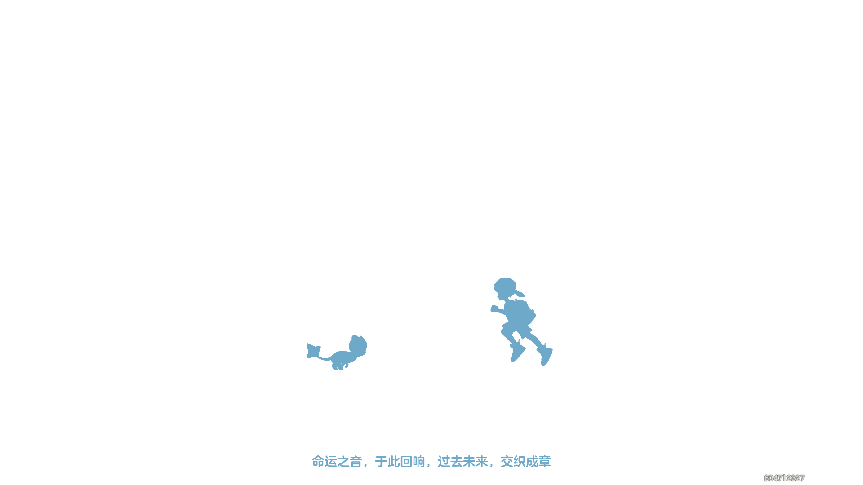
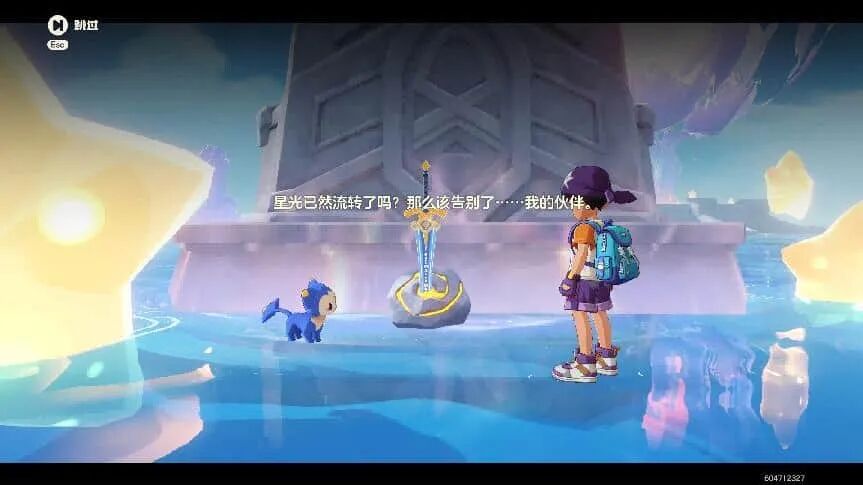
There’s a scene in *Lock Kingdom: World* that goes like this: the text reads, “The voice of destiny echoes here; past and future intertwine to form a chapter.” In the center of the screen, Dimo and Little Lock rush toward each other, and at this moment, the gap between the two generations of the game closes and collapses.In this writer’s view, *Lock Kingdom: World* does not exploit its nostalgic appeal to craft a purely commercial product. Yes, it is certainly a commercial endeavor, and it inevitably involves structural compromises made by Tencent in pursuit of its beloved GaaS model—yet the possibilities it reveals are so ambiguously alluring.It carefully presents something that remains engaging to this day, reminding children and adults alike that fantasies and dreams can still soar without touching the ground; that we can still journey alongside companions who are diverse—even strikingly different—from us; and that the world can still begin with curiosity and goodwill, rather than with competition, anxiety, and efficiency.
Rather than deliberately capitalizing on players’ sentimental attachment to the past, it leverages modern technology to create a world that can be reignited by the next generation of players. It allows those who have grown up to briefly reconnect with the world they once believed in, and gives those who haven’t yet grown up a place they may one day find worth revisiting time and again.Players ultimately chose this honest work that respects both their childhood and their time.
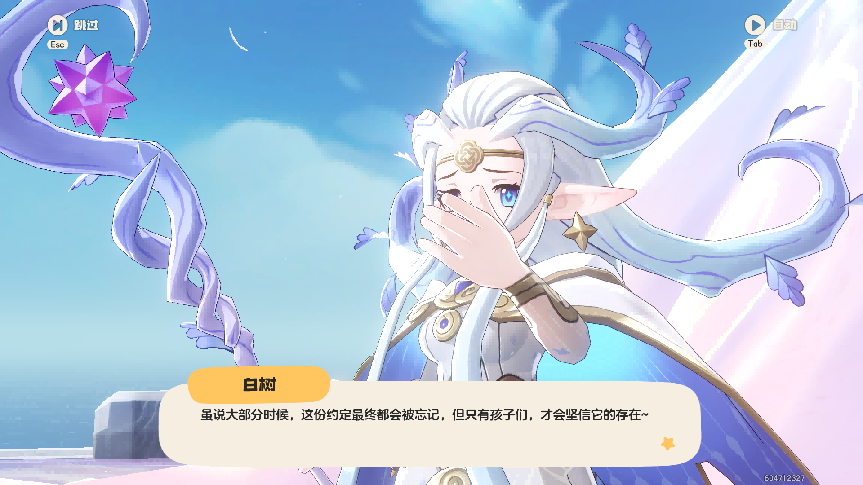
In 2026, as technology and AI increasingly dominate the development process and the “catch-a-pet” genre continues to gain momentum, the true core competitive advantage remains the ability to provide players with a place to call home—emphasizing their sense of belonging within that world and transforming the game into a vessel for their “second life.”Classic IPs can drive significant player traffic, but they also amplify the cost of every decision. The more developers emphasize so-called “nostalgia,” the more players will compare the game to their memories and demand that developers stay true to their promises. Once subsequent operations waver on the boundaries of monetization or in content quality, the backlash will come all the faster.GaaS has long-term potential only when players are willing to return to the same place, and we cannot overlook the importance of user-generated content (UGC) for a GaaS game. In the future landscape of GaaS, success will likely belong to creators who know how to make players linger—rather than merely pass through.
原创文章,作者:游茶妹儿,禁止转载:https://youxichaguan.com/en/archives/216108