Yingjiao's ability to handle cultural themes has always been one of the company's most distinctive hallmarks.
This capability was demonstrated quite early on by *Arknights*,The regions featured in the game’s setting—such as Usas, Syracuse, and Da Yan—all possess distinct cultural characteristics. What’s even more remarkable is that its treatment of multicultural aesthetics carries a distinct “Zhou-style” flair; it can be said that while attempting to showcase the essence of these cultures, it still maintains an expression unique to Eagle角.
This is what is meant by “culture serves the narrative, and the medium serves the essence.”
Turning to *Arknights: The End of the World* (hereinafter referred to as *The End of the World*), in the currently available version, it’s clear that Yingjiao has continued to demonstrate this strength. The modern Chinese aesthetic of the Wuling map and its accompanying narrative tone represent Yingjiao’s concentrated expression of Eastern themes in 3D games, and the execution is highly polished.
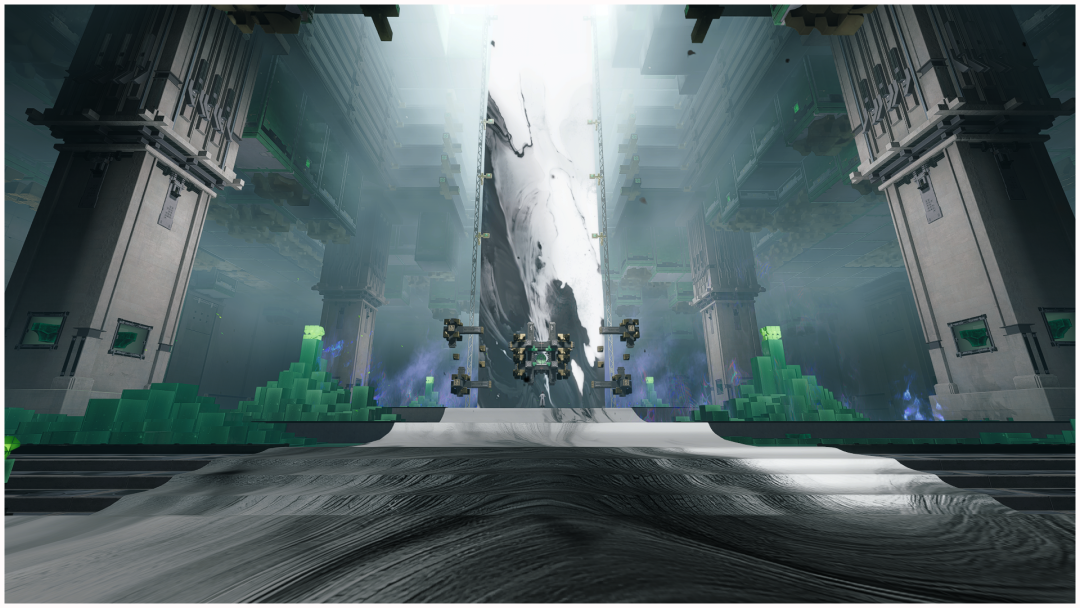
Of course, there is also a significant amount of cultural content with other characteristics. For example, Alekrius, the final boss in the “Toward the Abyss” version, embodies classic Greek aesthetic features, and his classical style contrasts narratively with the post-apocalyptic sci-fi aesthetic of the Endland faction represented by the Administrator.
Of course, *The Endlands* has only been live for half a year and is still in the content-building phase, so “traditional Chinese style” infused with modern elements is currently the most frequently appearing cultural element.
As the game continues to be updated, we’re seeing a wider variety of narrative themes; for example, the recently released “Frosty Dream” update represents a brand-new thematic exploration.
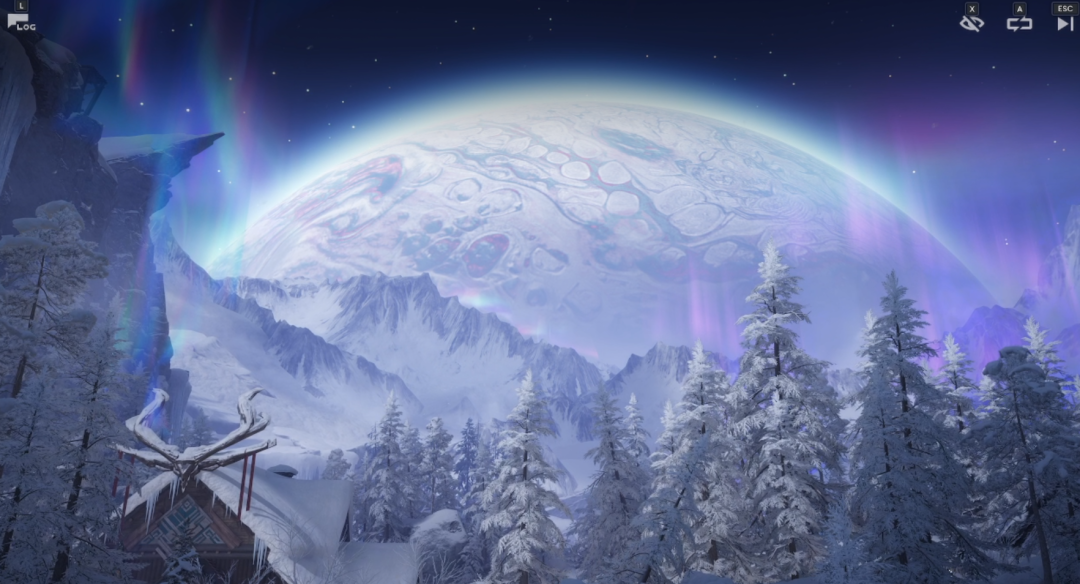
The first half of “Snow-Frosted Dream” temporarily departs from Wuling’s “modern Chinese-style” context. The main stage features a mist-shrouded cedar forest, a snow-covered northern forest, and mysterious dreamscapes; even the narrative structure and visual language bear the imprint of Sami animism and Celtic culture.
So, if we break away from the national style, will we ultimately be able to maintain our grip?
01
The Continuation of a Dream
The story of “A Silent Dream in the Snow-Covered Forest” is actually quite straightforward: the Administrator, in search of the missing Old Man Andre, enters a snow-covered pine forest beyond Yinglong Pass, where he meets a new companion, Tiflos, and together they uncover a small part of the secrets surrounding dreams and the Snow Ritual hidden within the forest.
However, what really makes me want to delve deeper into this version is Tiflos, as well as the narrative framework centered on Sami animism and Norse culture that Eagle’s Horn has built around this Traveler.
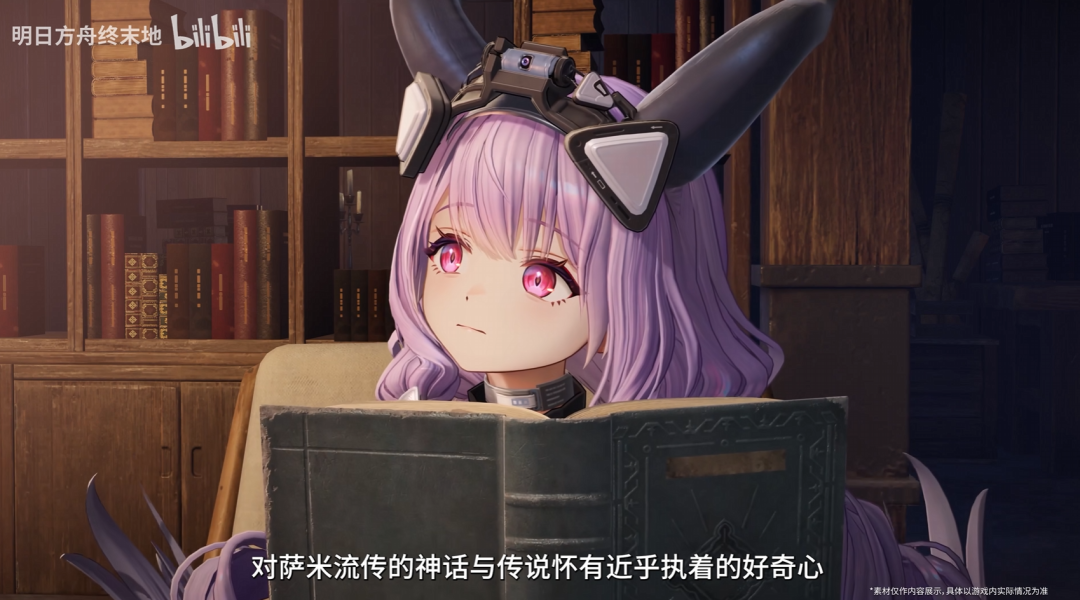
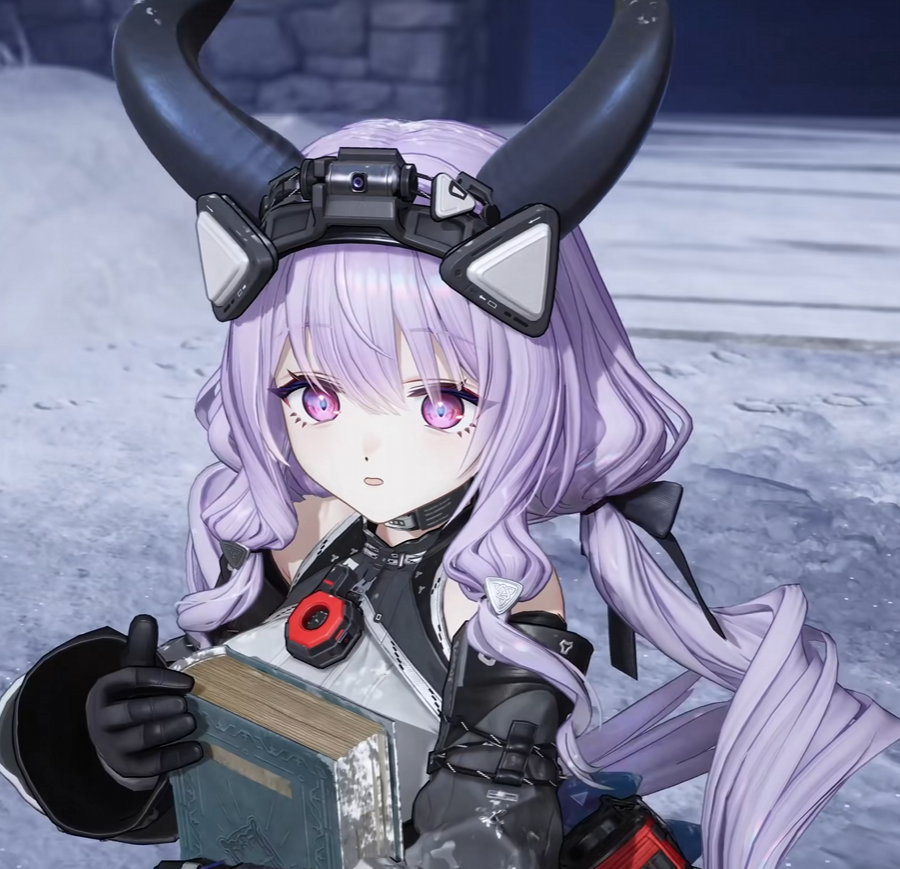
Tiflos has one defining personal trait that runs throughout her story: she records her own experiences. Every now and then, she pulls out her notebook to jot down what’s happening in the moment.At the same time, she shares her experiences with her companions—such as the Administrator. The Sami people’s shared belief in “Anma,” the Deer Lord, is her way of understanding the world, but it is her own experiences and judgments that serve as the foundation for this faith.
What Eagle Corner portrays here is a good child who draws strength from faith, yet whose path is always determined by his own strength.
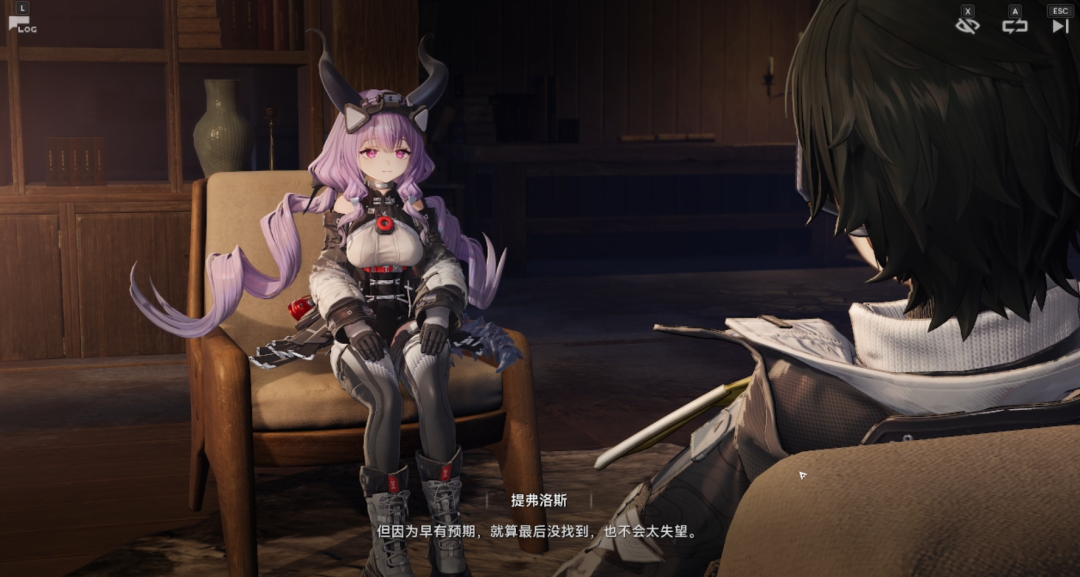
Therefore, Tiflos is precisely the best entry point for exploring this version’s cultural layer.
In a log cabin adorned with the iconic Sami reindeer head, Tiflos told this story: At the Iron Oath Fortress, she had obtained three beautiful snowflakes, and though a merchant offered a high price for them, she refused.Later, while passing through a battlefield, she erected a tombstone for the fallen soldiers, embedded the three snowflakes into it, and fell asleep leaning against the stone. The next morning, three twigs caught the hem of her garment. Tiflos believed this was a gift from Anma, so she fashioned the twigs into arrows.
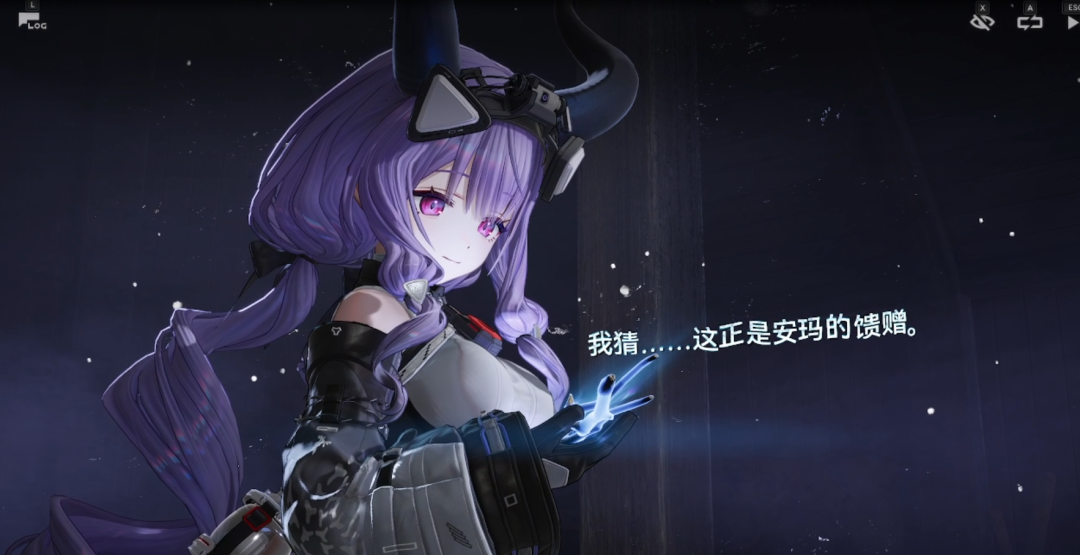
Although this passage is brief, it not only reveals Tiflos’s character traits—the three arrows—but also serves as a “Chekhov’s gun” later on, tying the story together.
This reminds me of Sámi animism—that is, authentic Sámi culture.
The Sami people are one of Europe’s oldest indigenous groups, living in Norway, Sweden, Finland, and the Kola Peninsula in Russia.
In his book *The End of the Age of Drums*, Swedish religious scholar Håkan Rydén outlined the structure of the Sami animistic belief system: all significant natural phenomena possess souls and are capable of perceiving their surroundings.
The snowflakes falling on her shoulders, the tree branches catching the hem of her garment, and Tiflos’s understanding of Anma in this version of the story are, at their core, consistent with this tradition.
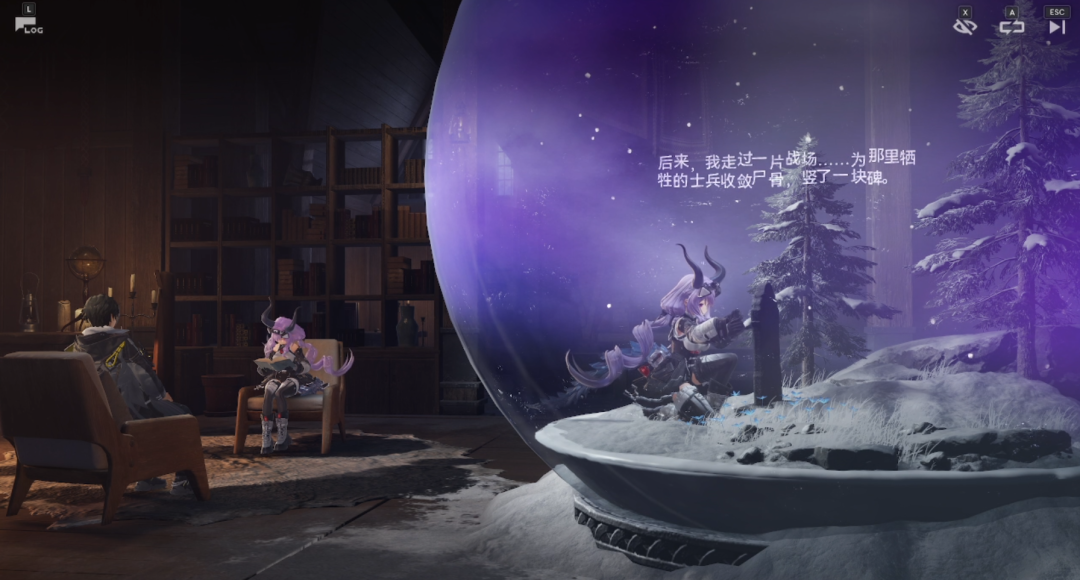
Moreover, refusing to sell the snowflake is actually in line with a concept in traditional Sami culture—namely, that humans have only temporary custodianship over natural objects, and gifts must be reciprocated with respect. By responding with a twig, Anma completed a cycle of spiritual reciprocity.
From the characters’ perspective, this story reveals another layer of meaning. It was Tiflos herself who turned away the merchant; it was she who walked across the battlefield to erect a monument for the dead; and it was she who recognized the branch and fashioned it into an arrow. Every choice stemmed from personal judgment and goodwill, while Anma provided the confirmation of meaning.
The action came first, and the meaning followed; she acted according to her own will first, and only then did Anma have a reason to respond.
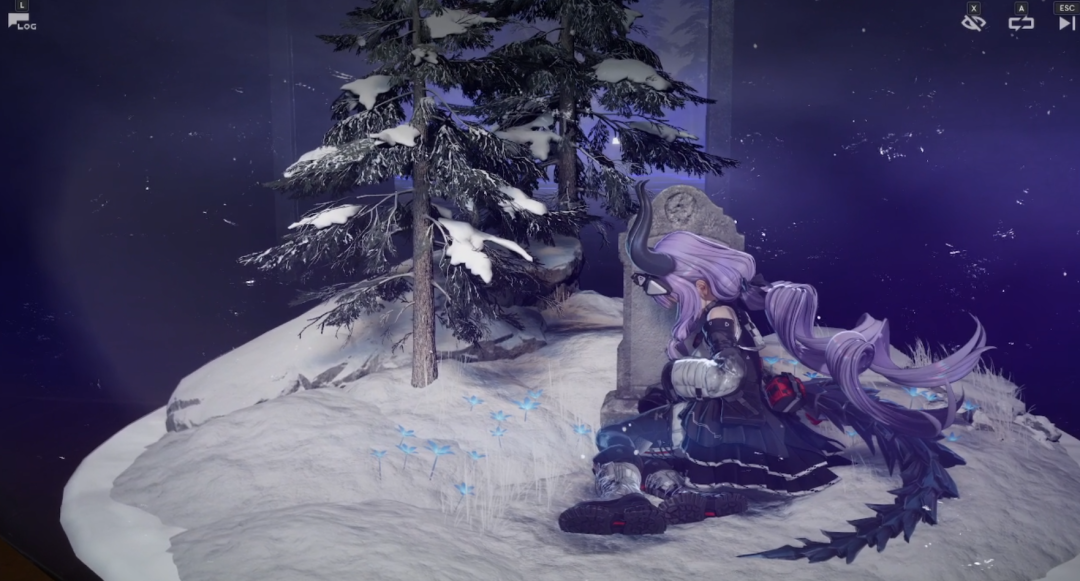
Following this minor incident, these key points were further developed as the narrative reached its climax.
The story of this version revolves around the search for Andre. To bring back the soul lost in the dream realm, the ritual runes left behind by Old Xuesi must be broken, and the key to completing the rescue mission lies in the three arrows from long ago.
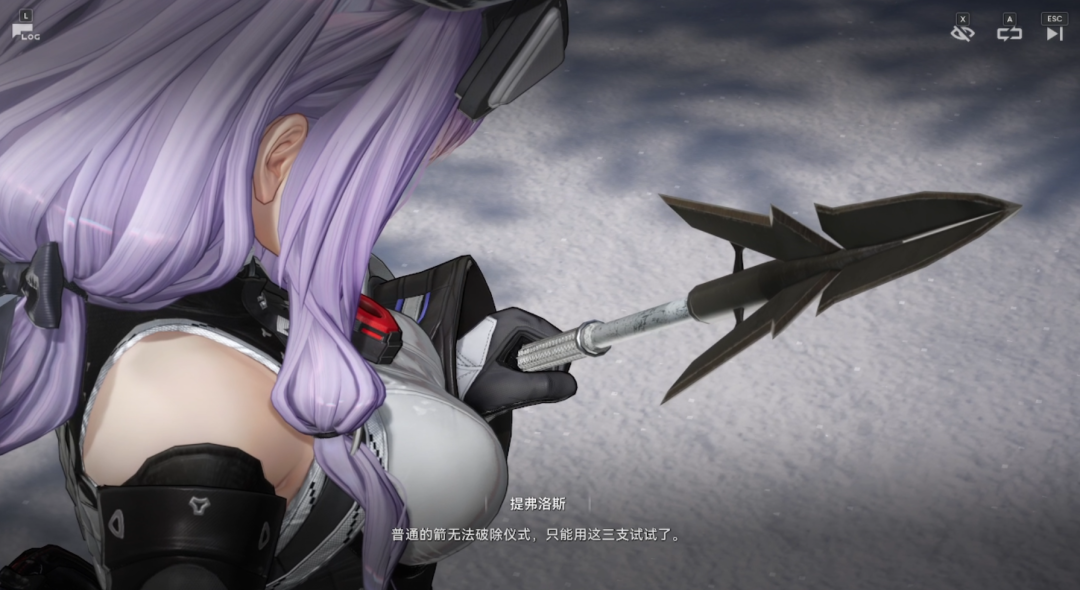
Those seemingly unrelated, offhand actions Tiflos had taken many years ago now seemed like an inevitable twist of fate. The snowflake on his shoulder, the gravestone on the battlefield, the tree branch at dawn—these acts, which at the time had no ulterior motive, converged before the altar in the pine forest to become the key to breaking the deadlock.
This twist accurately reflects the concept of fate in Norse and Celtic cultures.The *Edda*, the oldest surviving collection of Norse poetry, mentions that the three Norns dwell by the Well of Fate at the roots of the World Tree, weaving the unalterable threads of fate; yet every thread woven into this web is made from the very actions of the individuals themselves.
A simple act of kindness in everyday life becomes the key to saving a soul in the distant future. This narrative approach—where “one’s true nature is one’s destiny”—not only imbues the story with the sense of intertwined fate found in traditional Norse mythology but also effectively shapes the character of Tiflos along the way.
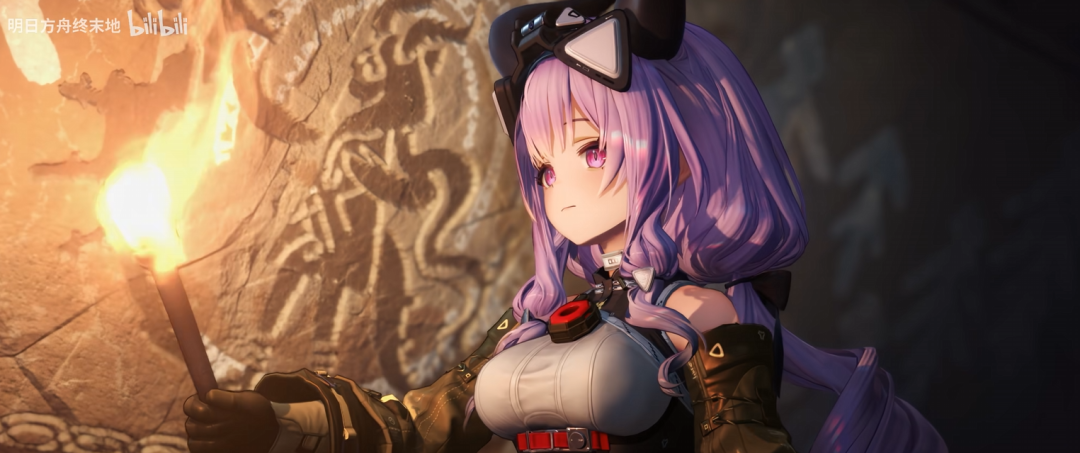
In terms of atmosphere, a mysterious female voiceover accompanies the player from the very beginning, tying together all the scenes and sequences from start to finish. As the story unfolds, the voice narrates the events in a gentle, unhurried manner.
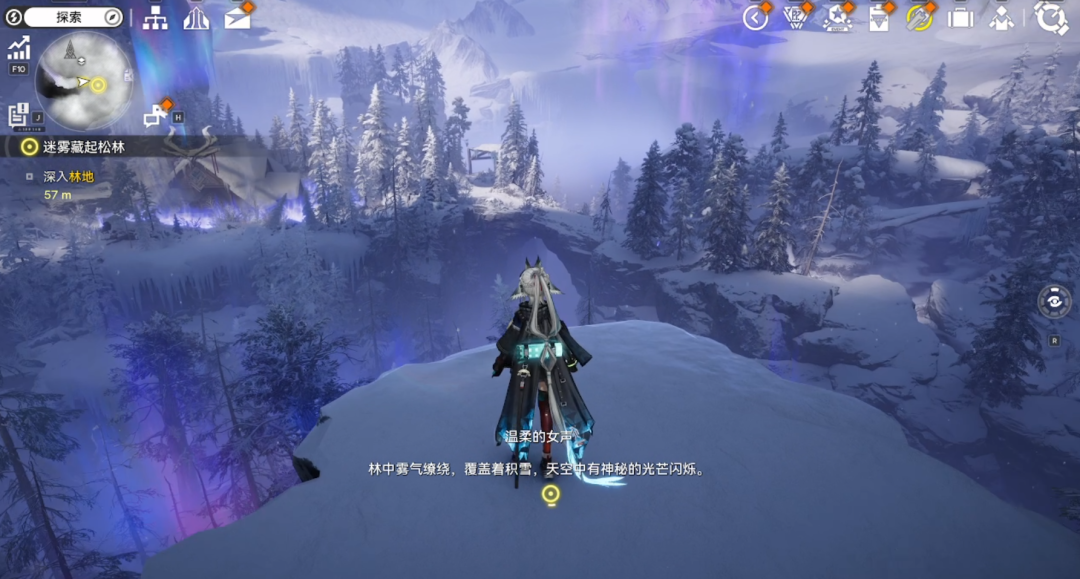
Yingjiao never revealed her identity from start to finish; she could be the late Lao Xuesi. This ties back to the belief in real-life Sami culture that the souls of deceased shamans remain at the site where they performed their rituals as protective forces, watching over those who come after them.
At the same time, she could also be Anma herself; in Sami animism, spiritual forces never take on a fixed form, and a voice diffusing through space fits perfectly with the spirit of this belief system.
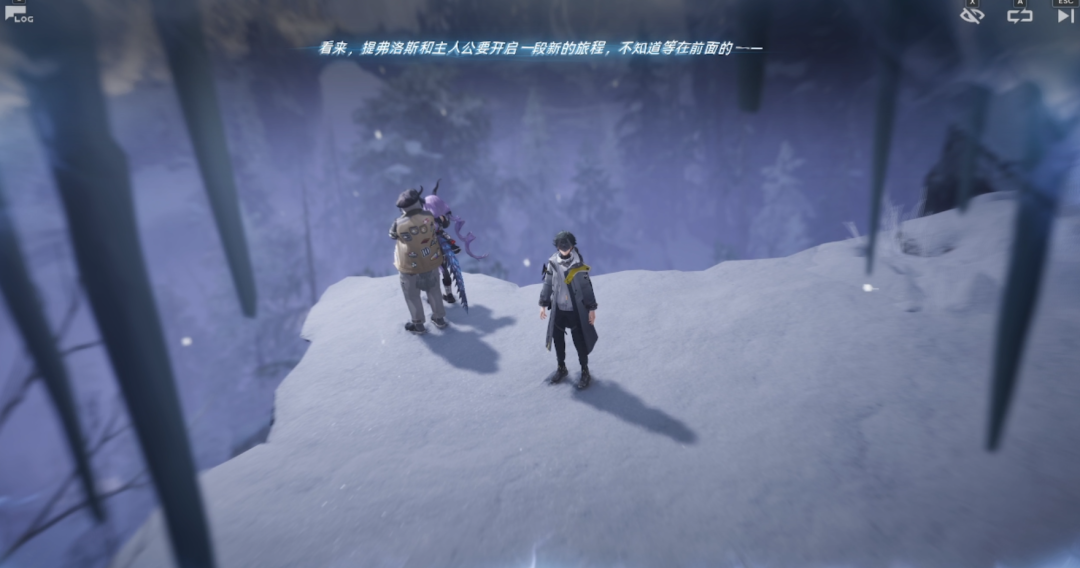
This “storytelling” narration is, in fact, a narrative device in *Snow Frost’s Dream*; the voice, speaking from a perspective that transcends the timeline, supplements the inner thoughts of the Administrator and Tiflos, while also serving to evoke the player’s emotions. Essentially, it grants the player a “second identity,”The player is both the Administrator within the story and an “audience member” outside of it.
This dual-layered immersive experience—being “both within and outside the story”—is, on the whole, quite novel.
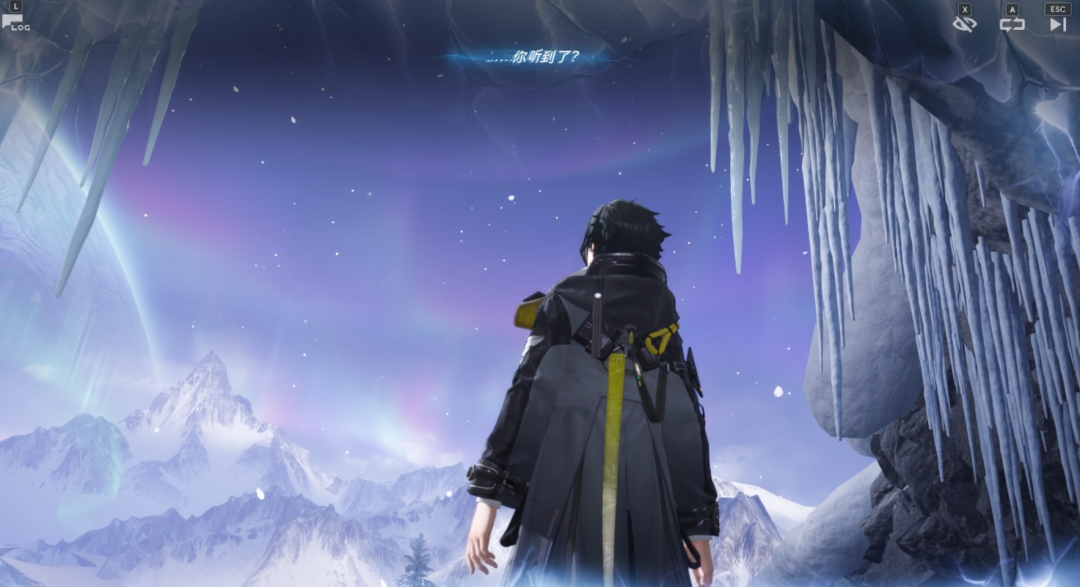
Interestingly, this narrative position—in which “the listener is the participant”—has its roots in the Norse oral tradition. Similarly, in the opening section of the *Edda*, “The Prophecy of the Seeress,” the Norse seeress Volva recounts the origin and end of the world from a timeless perspective,her audience consists not only of Odin within the story but also of the people of the world outside it.
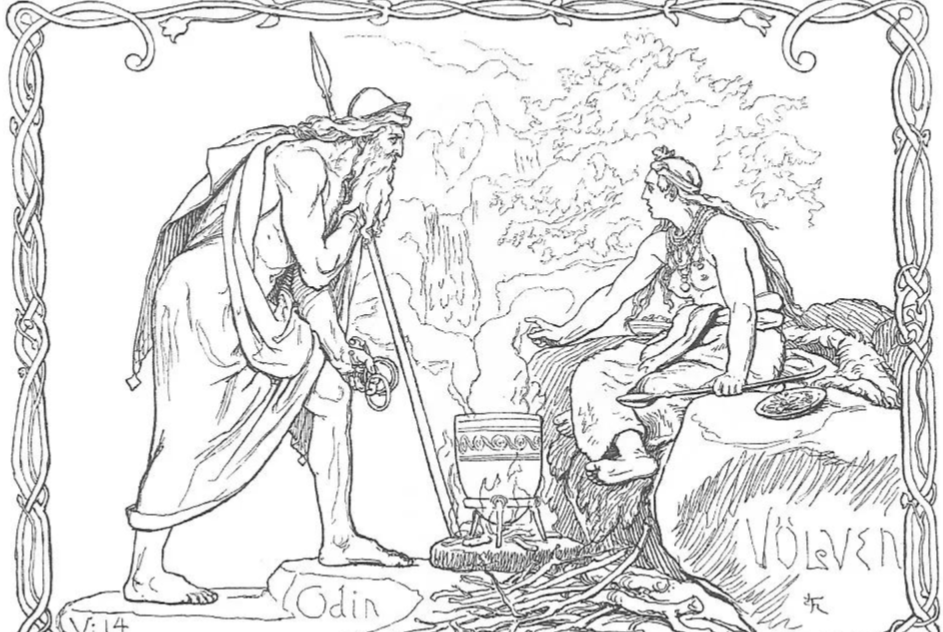
The narration in the Endland “Snowfrost’s Dream” serves a similar function, imbuing the game’s interactions with a cultural undertone. In a sense, this narration serves to enhance the game’s “Norse epic” atmosphere.
The story revolves around the quest to recover André’s soul, which has been lost in a dream. Elements such as otherworldly dreams and the use of a part of a person’s body as a conduit to the dream world all reminded me of the most central practice in the Sami shamanic tradition: soul travel.
According to legend, Sami shamans enter a trance-like state by beating a shamanic drum, allowing their free spirits to leave their bodies and travel to the spirit world, where their most crucial mission is to retrieve souls lost in the spiritual realm.
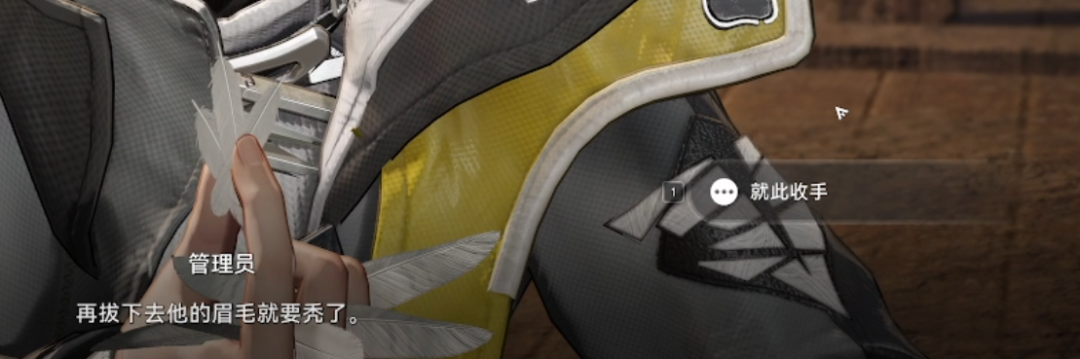
That old man has had it so rough.
Eagle's Corner not only weaves Sami animism and the Norse concept of fate into its narrative structure, but also ensures that these elements are not reduced to mere superficial symbols. In other words, despite its limited length, *The End of the World* uses a relatively concise narrative framework to convey a remarkably dense array of cultural content.
Not only in terms of the performance and storytelling, but also through the set design of the entire cedar forest—with its snow-capped mountains, floating runes, ubiquitous auroras, murals, Nordic forest cabins with steeply pitched roofs, and warm fireplaces—and the Celtic-style music echoing in the ears—all further enrich the Sami-style story “Rime Dream” with a rich northern atmosphere through a multisensory blend of visual and auditory elements.
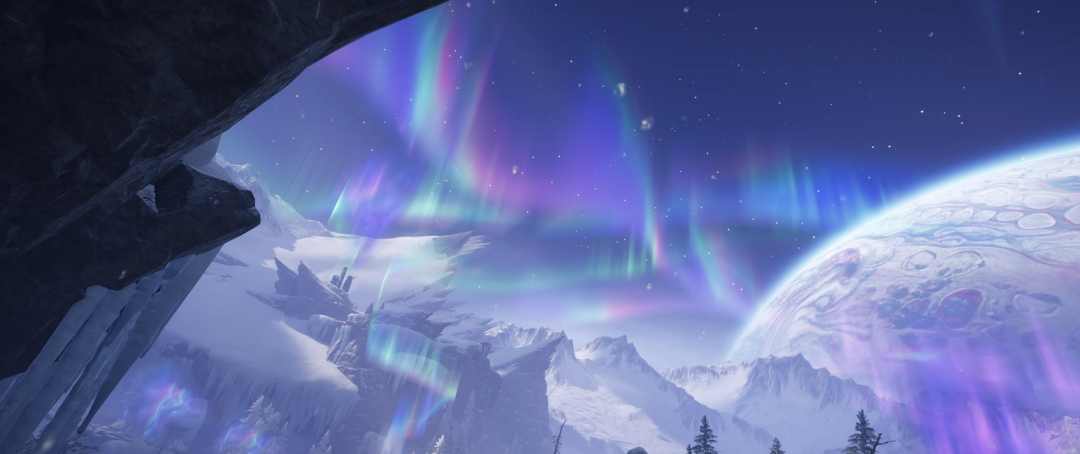
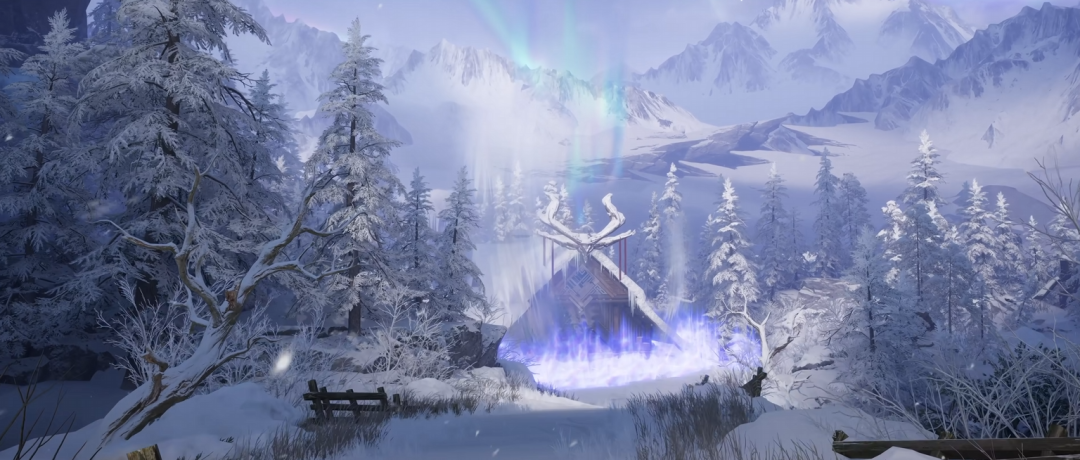
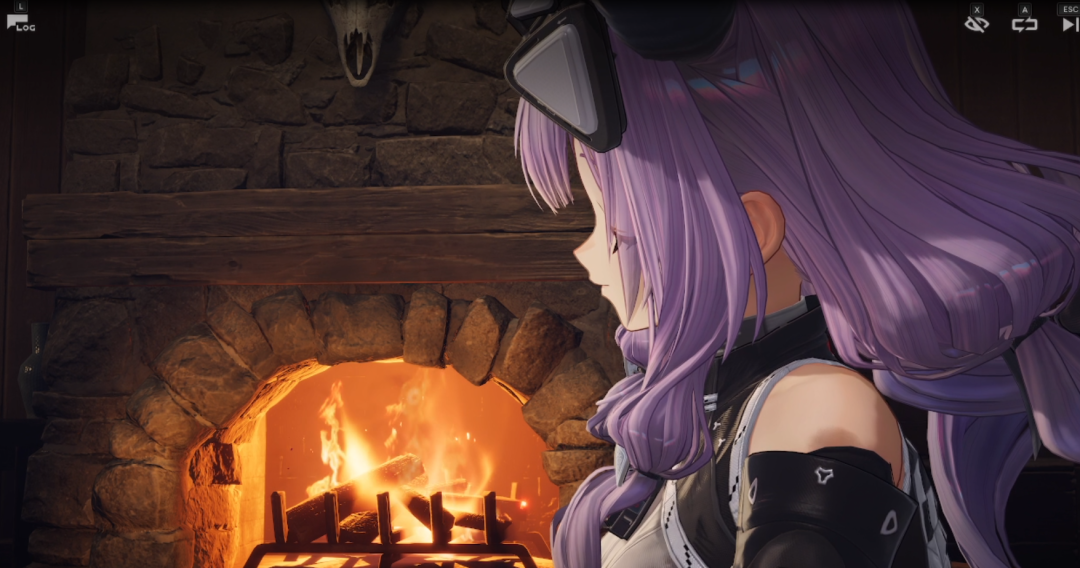
By bringing the cultural elements of a story to such a high level of intensity—from the setting and narrative to the music—I believe the “Snow Rime: A Secret Dream” version truly demonstrates that Eagle角’s ability to assimilate and adapt cultural themes remains solid even within the context of 3D games.
This is also a sign that Zhongmo Di not only aims to create a modern Chinese-style aesthetic with its own unique character, but will also explore developing more diverse types of cultural spaces in the future.
02
The Consciousness of Interludes
From a product perspective, the “Snow Frost and Dream” update actually reflects, to some extent, the overall operational philosophy of Endland.
This version doesn't contain a great deal of content; it is not a core chapter version, and the content is more experimental and transitional in nature.
The need for a transition between major versions is probably nothing new in today’s industry. This is the inevitable result of production capacity management in the context of frequent major releases for many anime and manga-related products—it’s a matter of pooling resources to accomplish major tasks.
However, when it comes to handling these standard versions, different companies take varying approaches. For anime-style products that prioritize a consistent user experience, long-term operations naturally present a challenge: limited production capacity may require putting the main storyline on hold, yet the supply of content must not be interrupted, and quality standards must not be compromised.
So how to get the standard version right is actually a very key issue.
As for "Snow Rime: A Secret Dream," I believe that, for Endland, a relatively clear approach has been established: treating non-core chapter versions as a testing ground for content with a clearly defined quality baseline.
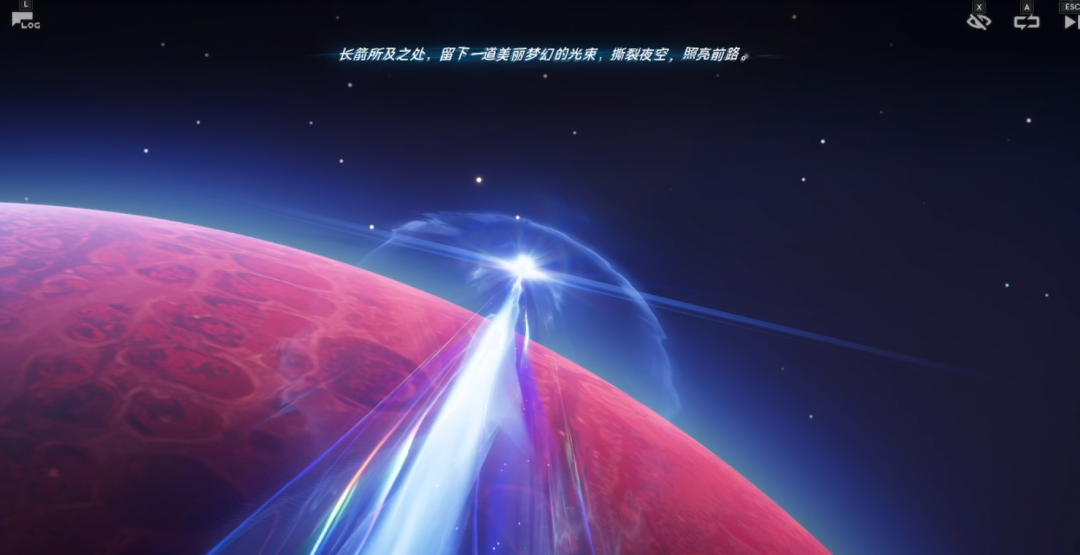
Let’s start with the baseline quality. Take this version, for example: the first and second halves each feature new maps. Players can now experience the Cedar Forest map in the first half, which delivers guaranteed quality in terms of content volume, the density of cinematic sequences, and the emotional depth of Typhlos’s personal storyline. The multi-layered narrative structure, where dreams and reality intertwine, also brings a certain sense of freshness.
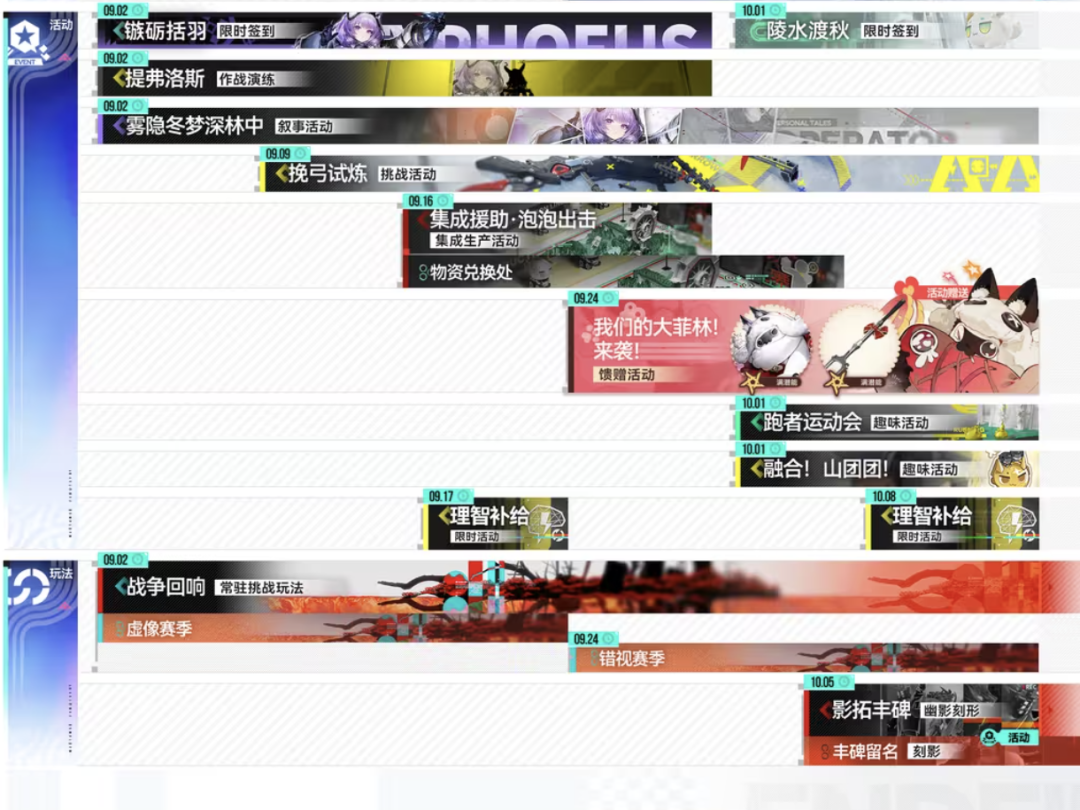
You can also get a sense of the game's content depth from the event calendar.
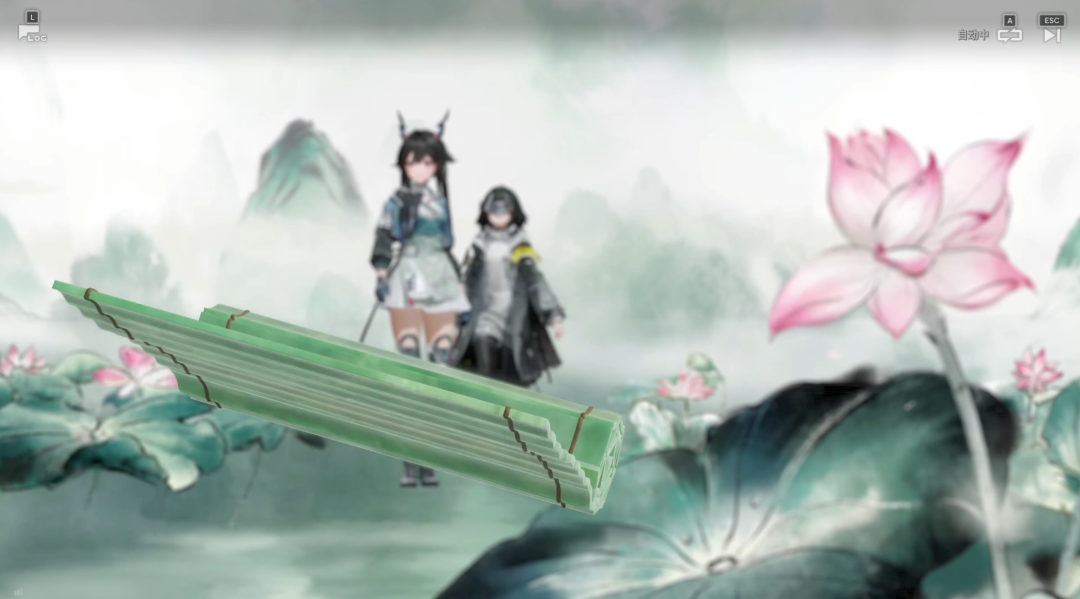
However, the narrative themes will be lighter, and we may explore a wider variety of genres—such as the Sami-inspired atmosphere in the first half of “Snow Rime: A Dream” and the wuxia-style storytelling in “Notes on a Quest for Lost Relics.”
In terms of gameplay, this positioning as an “experimental window” is reflected in even more concrete ways.
The exploration design of the Cedar Forest map introduces a new puzzle-solving mechanic: players must destroy the floating, moving runes to find their way forward.
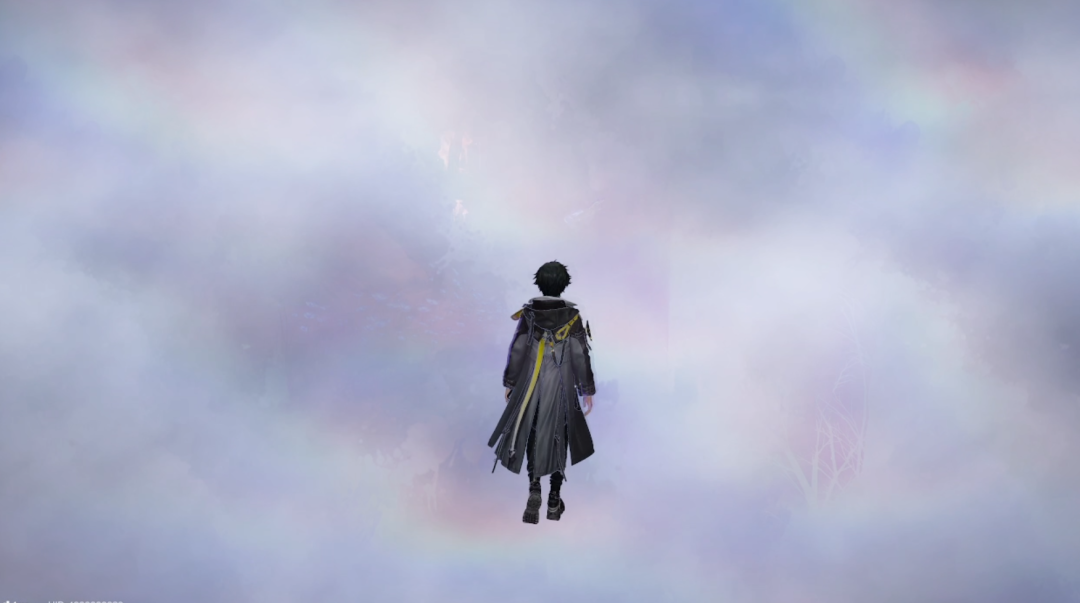
A maze formed by gathering white mist lies within the mountains and forests; unless the runes are deciphered, the administrator will be unable to proceed and will be teleported back to the starting point amidst the white mist.From a narrative and world-building perspective, this environment—which evokes the Sami snow rituals and blurs the lines between dream and reality—first and foremost aligns with the cultural theme of “Frosty Dream.” At the same time, the bow-and-arrow abilities of the new character, Tiflos, have also been integrated into the map interactions.
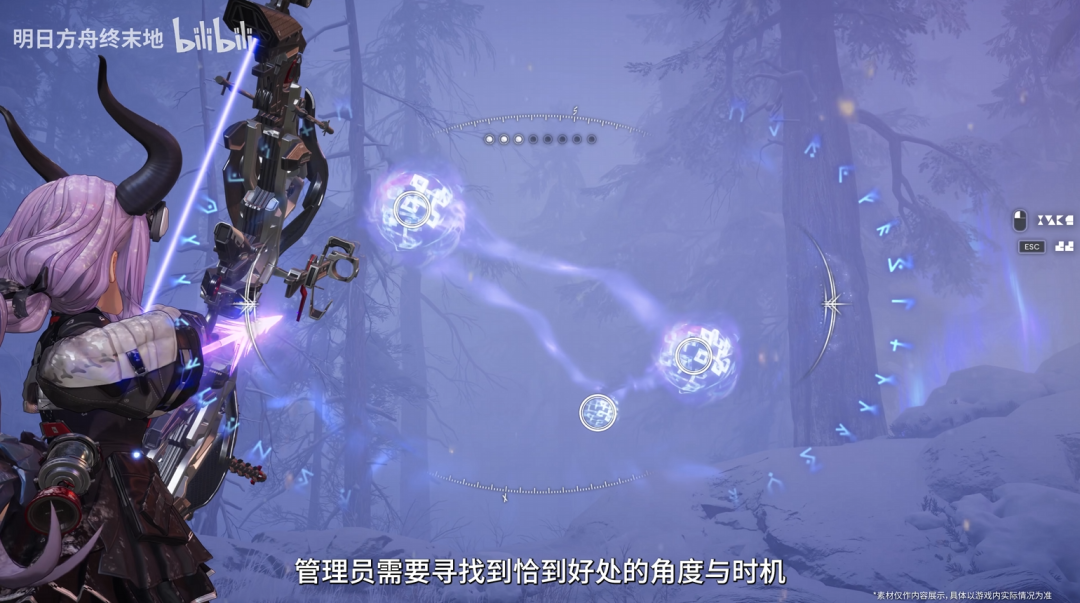
Whether you want to dispel the fog, activate massive floating boulders to create a path, or dodge rune attacks, you’ll need Tiflos’s arrows. It’s fair to say that the map gains a new dimension of interactivity thanks to the characters’ abilities, while the characters’ abilities, in turn, find a setting in which to shine because of the map.
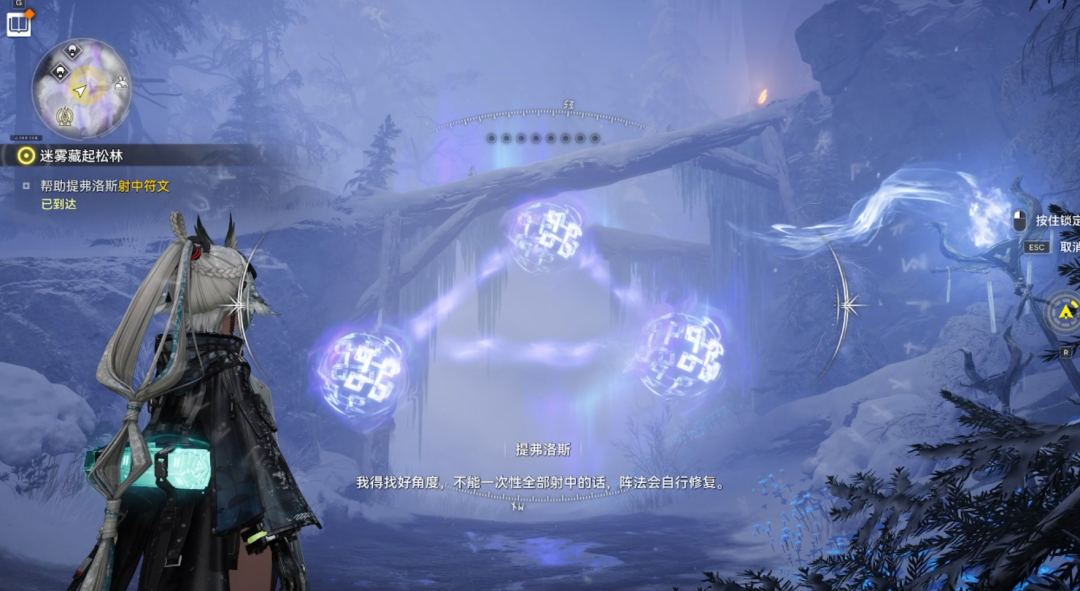
This coupling between characters and scenes is becoming increasingly tight. For example, the ink-wash bridge in the “Xiang Yuanxing” version is linked to the “Sacrifice” ability, which is another example of a scene interacting with a character.
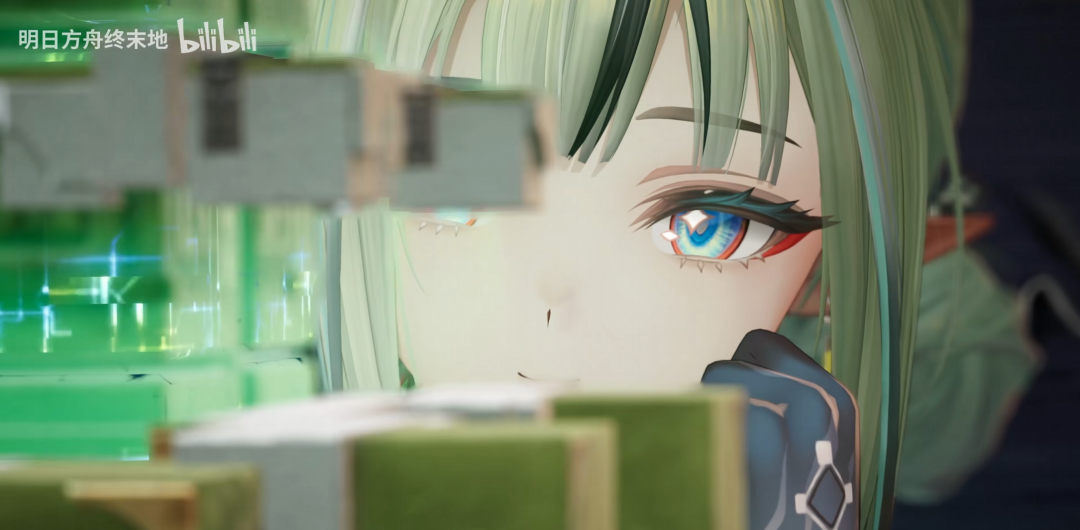
This also means the game has adopted a new, clear design direction; character abilities can also serve as a design focus for map interaction, and there can be a more dynamic relationship between character identity and the exploration experience.
In addition to participating in combat, characters will also have more diverse interactive capabilities. This will enhance character distinctiveness and map playability, which will provide a significant boost to future versions of "The End."
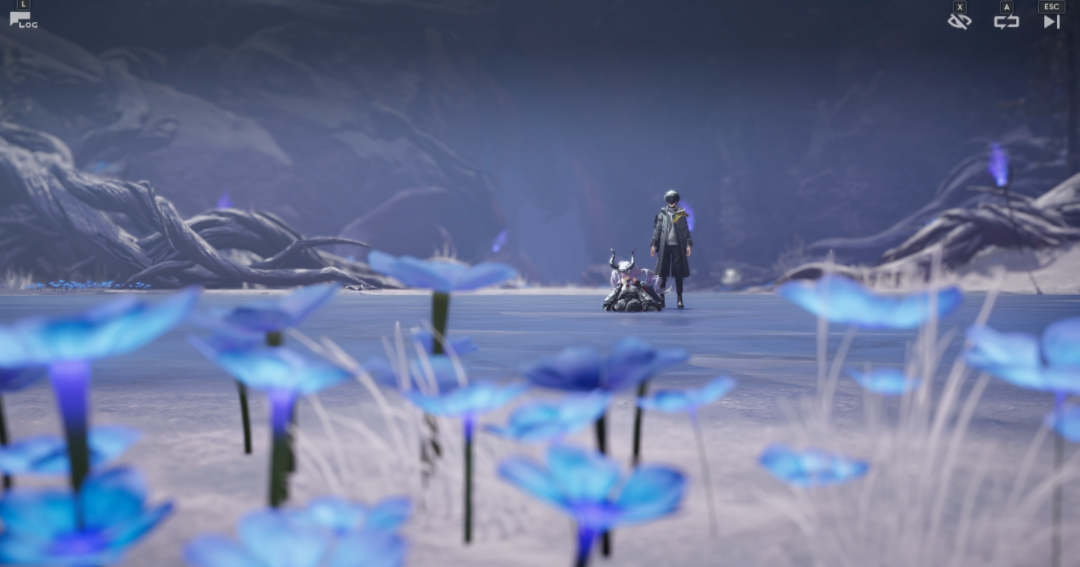
In my previous article sharing my experience with the “Journey to the Abyss” update, I mentioned that the cutscenes in the End have shown a steady trajectory of improvement since their launch, with both the scale and density of the visuals continuously increasing. By the “Frost-Covered Dream” update, the direction had become noticeably more refined.
Based on my personal experience, in the earliest versions, the cutscenes in The End primarily served an informational purpose—to ensure players kept up with the pace of the story or to create emotional climaxes. Today, however, these cutscenes have taken on a more complex role: building emotional resonance and shaping the cultural atmosphere.
The rhythmic coordination between the female narrator’s voice and the visuals is a prime example, with the timing of the voice, the rhythm of the pauses, and the visual content all working in harmony;From the flashbacks depicting Tiflos telling the story of the three snowflakes to the small, intimate interactions—such as Tiflos gently pinching the administrator’s sleeping face by the fireplace—the performance builds from the grand to the intimate, creating a sense of narrative depth.
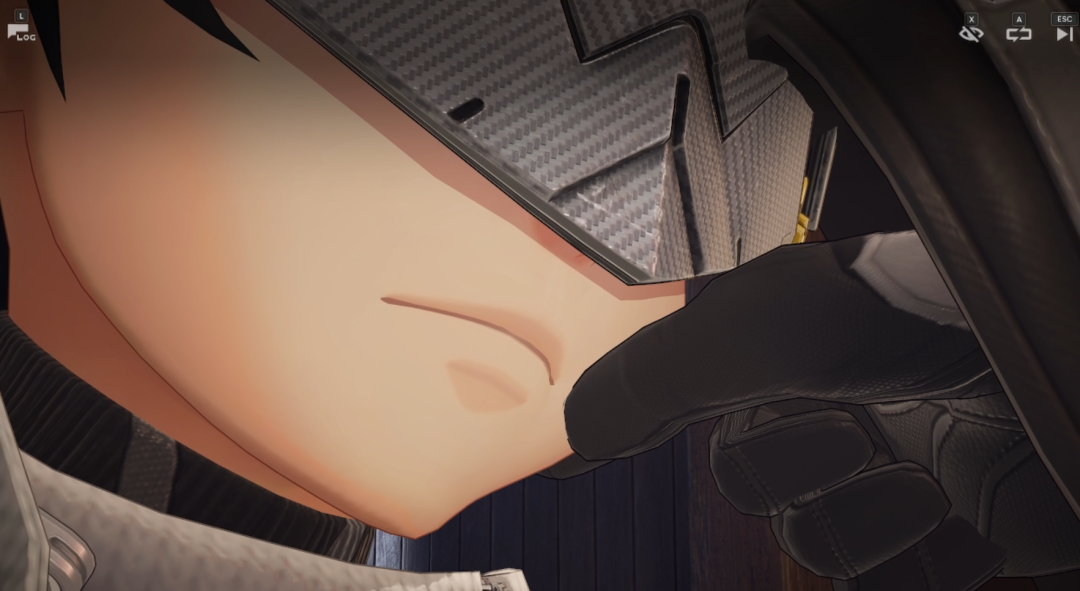
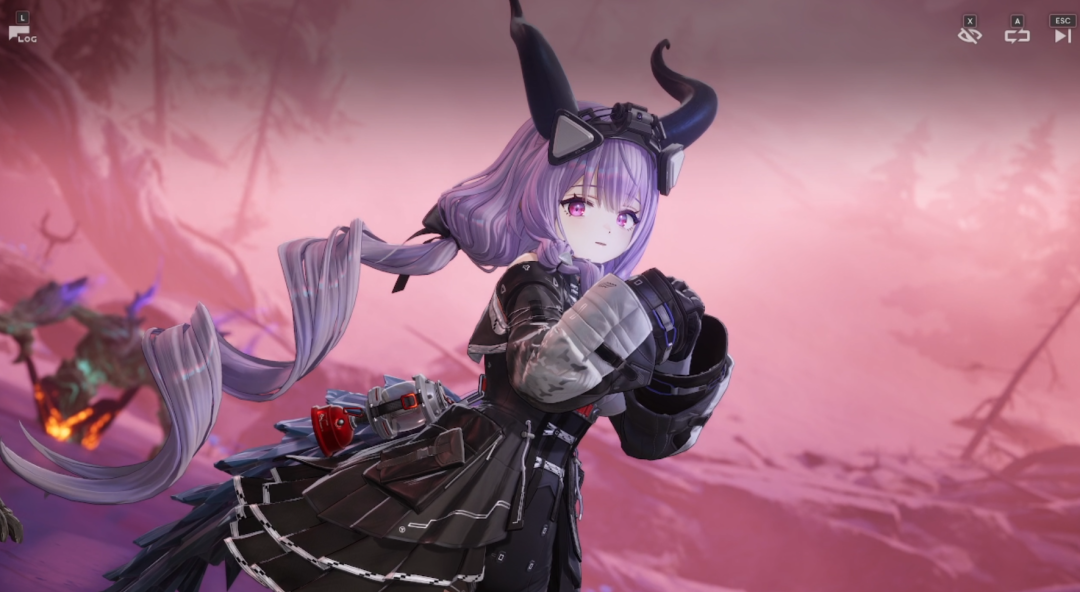
The visual style shifts in the dream sequences are handled quite cleanly; the transitions between reality and dreams highlight the difference in atmosphere while maintaining the clarity of the narrative. The blood-red sky and the eerie purple aurora together create the visual language of a nightmare.
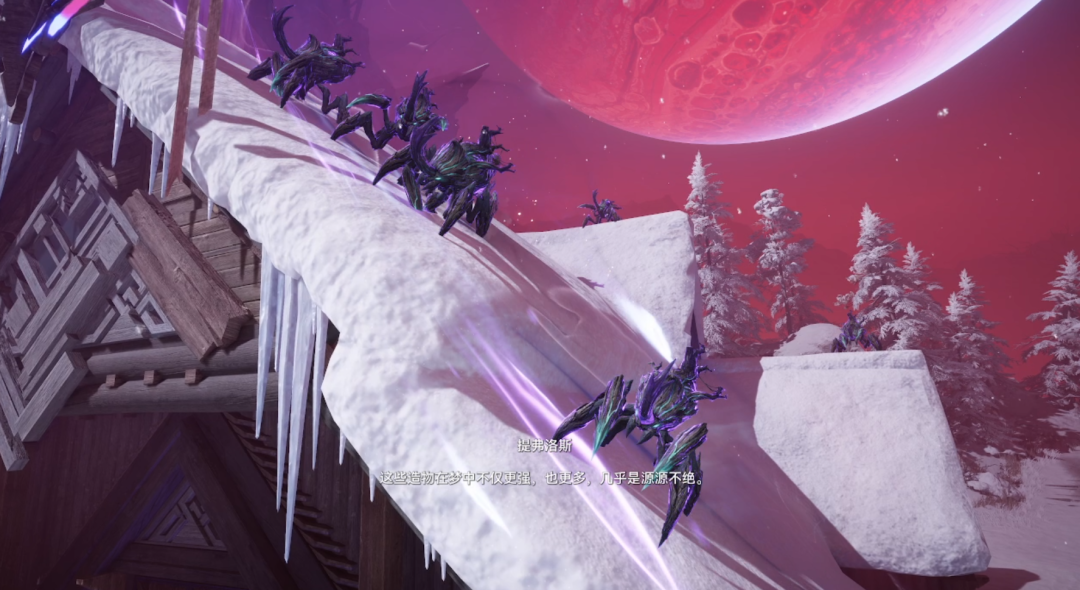
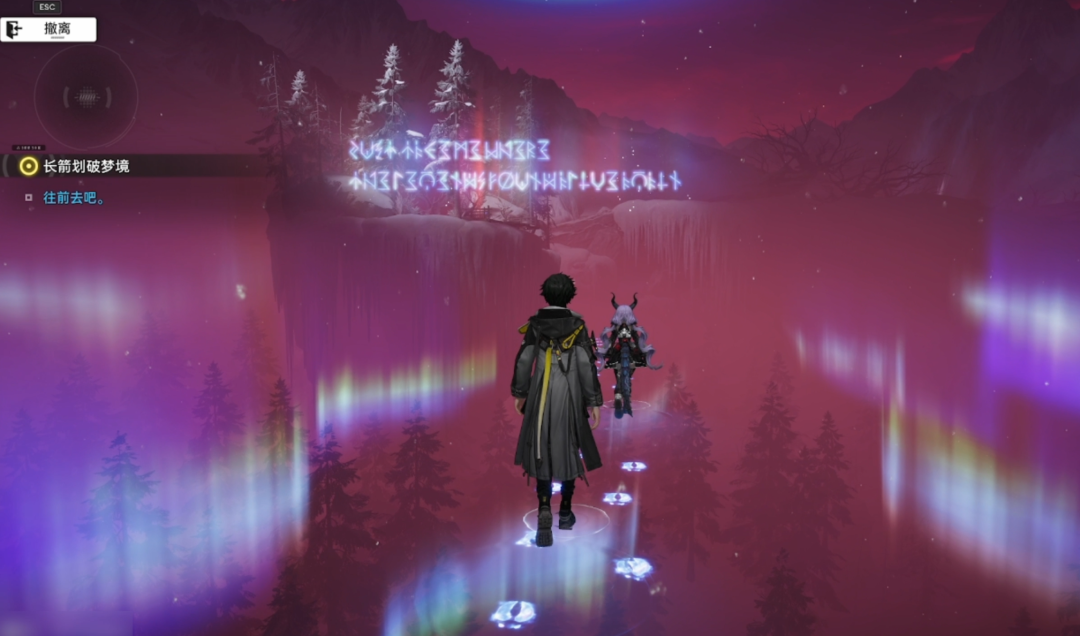
Improvements in the quality of a production typically indicate that the team’s collaborative efficiency and aesthetic judgment are developing in tandem across various aspects, including animation, storyboarding, and audio synchronization.
Therefore, when viewed from a broader operational perspective, Endland may be developing a model in which “core chapter versions drive production output, while non-core chapter versions serve as experimental platforms.”
Core chapter versions focus on advancing the main storyline and expanding the game world, requiring the allocation of the greatest amount of development resources; other versions, on the other hand, experiment with new mechanics, explore new cultural themes, and try out more diverse presentation styles within a smaller narrative scope.
The first half of “Snow Rime: A Dream” serves as a prime example of this approach. Without disrupting the flow of the main storyline, it successfully unfolds the narrative of Sami culture, introduces archery as a new puzzle-solving mechanic, and experiments with a narration-driven storytelling style.
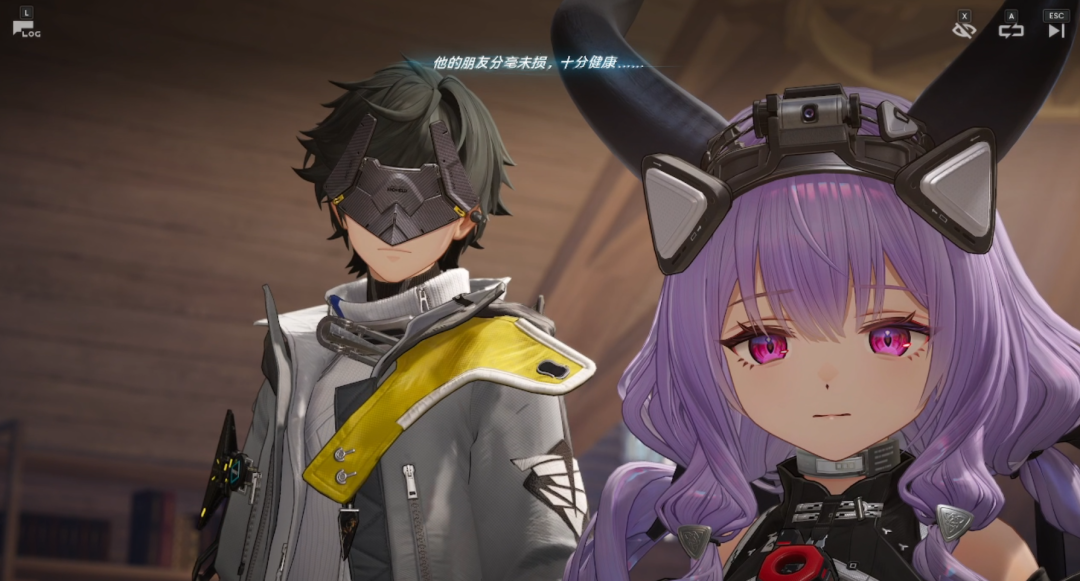
To some extent, this two-track approach gives the version updates for The End a sense of breathing room.
The core chapters are released in phases, with flexible testing of intermediate versions in between; these two paces alternate, allowing the product to maintain a continuous flow of content while also providing room for ongoing experimentation and continuous evolution. This is a smart choice that also ensures a well-balanced pace in the development process.
It can be said that for a GaaS-type product requiring long-term operation, establishing a sustainable content iteration mechanism is just as important as the performance of any single version’s content. Now, six months after launch, the operational status of *The End* is signaling that this mechanism is gradually taking shape.
Conclusion
Going back to the original question: If we stray from the traditional Chinese style, can we still maintain control over the Endlands?
Based on my experience with the first half of “Snow Rime: A Secret Dream,” the answer is yes.
But I think what’s actually more worth paying attention to is what lies behind this question.
"Endland" is a product that requires long-term operation. Long-term operation means that content must be delivered continuously, and its seamless open-world design requires the creation of a sufficient number of environmental assets for each new map. Creative themes must also constantly offer something fresh, and sooner or later, "Endland" will face the challenge of crafting content within diverse cultural contexts.
As I mentioned earlier, the most significant aspect of “Snow Rime: A Mysterious Dream” is that it demonstrates the continuity of Eagle’s Corner’s ability to handle content themes. On the other hand, the level of detail in the content presentation also serves as a microcosm of the progress made since the launch of “The Endlands.”
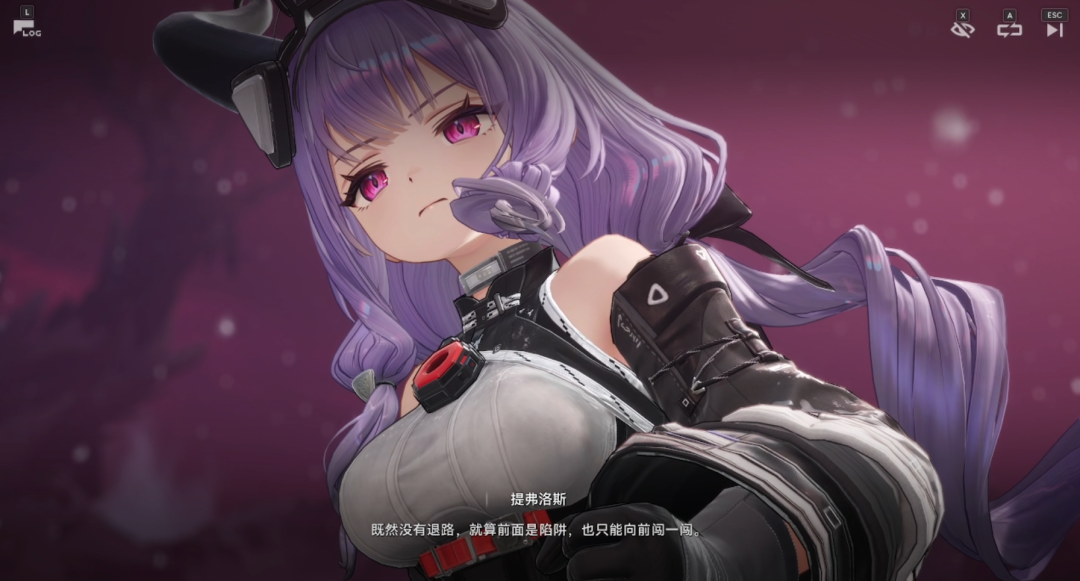
I've always been curious about what drives Eagle Corner to constantly improve itself.
At the recently concluded Gamescom, Ryan, co-founder of Eagle角 Network, gave an interview to foreign media. The interview wasn’t very long, but when asked what he wanted to say to both new and existing players, he said:
“Whether you’re a player setting foot on Tau Ceti II for the first time or one who’s been exploring it for half a year, I hope you’ll always have new things to discover, new joys to enjoy, and a fresh experience every time you play.”
Perhaps this philosophy is the reason why the Endlands continue to move forward.
原创文章,作者:游茶妹儿,禁止转载:https://youxichaguan.com/en/archives/220664