If I hadn't been there myself, I might never have been able to imagine a scene like this:
At a Thai restaurant on the west bank of the Rhine, an Italian girl living in East Berlin told two Chinese men she had never met before how a Chinese video game had changed her life.
The girl’s name is Layla. When we met, she had just taken a 7-hour train ride from Berlin to Cologne to attend the Gamescom and a player meetup for *Yan Yun Shiliu Sheng*.The train ride was supposed to take only four hours, but a drunk man caused a disturbance that alerted the police, forcing the entire train to be stopped—a delay of nearly three hours.
Around 8:00 p.m., a staff member from Yan Yun and I arrived near the hotel where she was staying and met Layla, her mother, and their puppy at a Thai restaurant.Layla arrived in a wheelchair. They had just finished dinner when we met, and they seemed a little shy because they hadn’t waited for us to eat together. Layla’s mother said, “She’s so tired—you know, it’s been such a long journey.”
The staff at Yan Yun apologized for the inadequate hospitality, explaining that the restaurant they’d chosen wasn’t particularly upscale, but that they’d specifically picked a nearby one because they knew she’d had a tiring trip. They then handed her a small gift—a shoulder bag featuring the Yan Yun goose logo.
After a few pleasantries, Layla said, “This game is amazing—your game—it’s changed my life, really.”
01
Companionship That Spans Mountains and Seas
Layla was born in Rome, Italy, but she didn’t like it there, so she later moved to East Berlin, Germany. She is a photographer; her mother worked as a journalist in Italy for over 40 years, writing for newspapers in Italy and Denmark.Over dinner, they described to us where Denmark was, and that Germany lay further north, in Scandinavia—the northernmost part of Europe—which, on a map, looks like a lion.
Layla told us that because of her interest in Taoism and Buddhism, she had studied a little Chinese before playing *Yan Yun*, but Chinese was too difficult, so she remembered very little and could only say simple phrases like “hello” and “thank you.” She also practiced calligraphy, learning to write sutras from Buddhism and Taoism.
Last year, she went through a very difficult period in her life: her best friend passed away from cancer, and the man she deeply loved had long been married but had kept it a secret from her. She said that during that time, she experienced a great deal of grief and loss and felt she had no support at all; Buddhism and Taoism provided her with a great deal of comfort.“It’s hard to pay homage to a deity before establishing a connection, but in Buddhism, Guanyin doesn’t require offerings—she helps you whether you worship her or not.”
Another thing that helped her get through that time was *The Sixteen Sounds of Yan Yun*.Her ex-boyfriend had been playing the game first; they were friends on Steam, and she saw that he’d added it to his wishlist. On the day it launched, she read a few reviews, thought she might as well give it a try, and downloaded the game. Later, she said, “It was the best decision I’ve ever made.”
It was winter in Germany. There were only four or five hours of daylight each day; sometimes the sun would set as early as 3:00 p.m., and it was minus twenty degrees outside. During those months, she spent almost all her time in the basement, except for the occasional walk with her dog. “At times like that, when you feel lonely, there’s nothing you can do.The game unfolded before my eyes as another world, the complete opposite of the cold, gloomy reality with its long nights and short days. I don’t know how to describe that experience—it was so vast.”

Her love for this game is reflected in a series of specific details.
In the Hexi chapter, set in Liangzhou, there are two characters who find a deep connection amid the chaos of war. While playing through this quest line, she met a girl. At the time, the girl was living in Lebanon; her home had been destroyed by shelling, and she had managed to escape.The two first started chatting about this mission in the game; they both thought it was well-written, and that’s how they got to know each other. They’ve stayed in touch ever since. The girl is now in Saudi Arabia. Layla says, “It’s actually not safe there either. I’ve told her to be careful, and she knows she can count on me anytime.”
At the dinner table, she pulled out a photo to show everyone—it was a picture of their two in-game characters together. She said, “That’s another reason I love this game—even though we’re so far apart, we can still keep each other company here.”
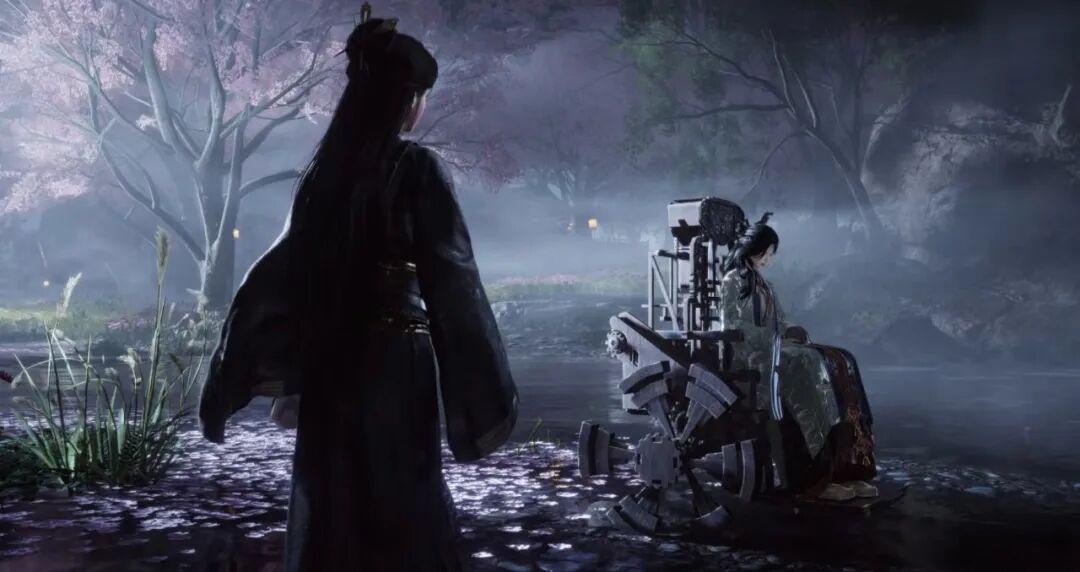
We also talked about the “Invisible Mountain” version, which had recently been released overseas. Because she uses a wheelchair, she could really relate to Yan, the Grand Master of the Ink Sect, and when she reached that part of the quest, she couldn’t stop crying.She said that aside from being in a wheelchair, Grand Master Yan is also a relatively introverted character who doesn’t enjoy socializing, and who thinks about the world and analyzes many things in an extremely rational way. She feels that she is like that, too.
The light in the room was a little harsh, so Layla took a pair of sunglasses out of her bag and put them on. Through the reddish-brown lenses, you could see tears welling up in her eyes.
“Yan Yun isn’t all happy stories; there are also many sad ones.”
Layla says that when you see something sad in a work of art, you’re actually better able to process it. It’s like a form of catharsis, like a mirror image of your emotions—when it aligns perfectly with how you feel, and you see it portrayed on the screen, it heals you to some extent.You might cry, but it’s an emotional roller coaster ride.
“Games are like the books you encounter in life—they always seem to appear right when you need them most,” she said.
02
A Journey into the Global Market, Feeling Our Way Forward
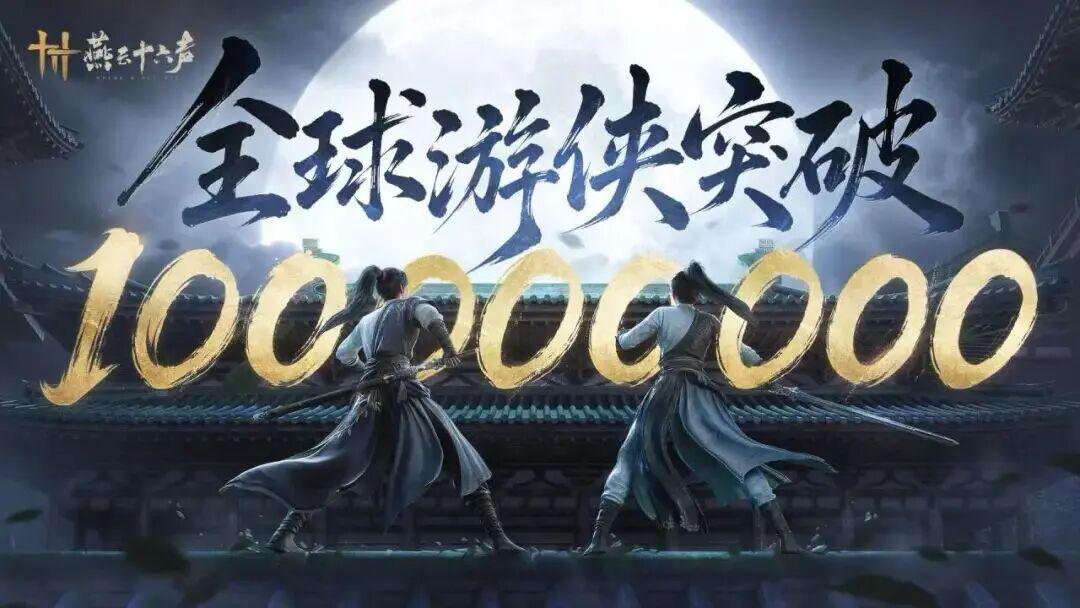
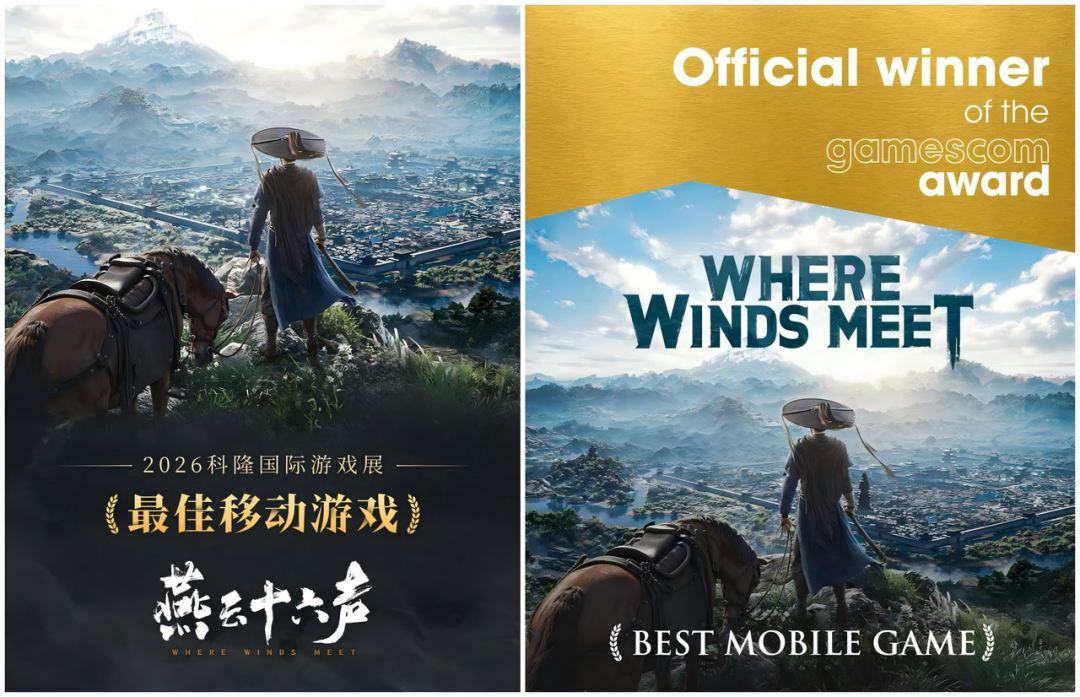
At the recently concluded Gamescom, *Sixteen Sounds of Yan Yun* announced two pieces of good news: its total number of players worldwide has surpassed 100 million, and it won the Best Mobile Game award at this year’s Gamescom.
Many people were surprised by the global success of *Sixteen Sounds of Yan Yun*, a Chinese wuxia-themed game set against the backdrop of the Five Dynasties and Ten Kingdoms period. How did it manage to win the hearts of domestic players while also achieving tremendous success overseas?
100 million is such a huge number that it’s hard to grasp concretely, but after talking with a player as vivid and relatable as Layla, I finally gained a real sense of why *Yan Yun* has won the hearts of players around the world—beneath its Chinese wuxia packaging, it actually has a cultural core that players everywhere can understand, relate to, and be moved by.
A student in charge of Yan Yun’s overseas distribution told me that she believes 70 to 80 percent of the game’s success abroad is due to its exceptional quality, while the remaining 20 to 30 percent is attributable to the distribution efforts.I know this isn’t just modesty, but it must be acknowledged that Yan Yun’s overseas distribution has been quite impressive in bringing a wuxia game to the attention of players worldwide.
After speaking with Yan Yun’s head of publishing and several members of the overseas publishing team, I discovered that Yan Yun’s overseas publishing efforts have also taken an unconventional path:Rather than following a pre-planned methodology for global expansion, they have largely figured things out step by step based on their limited resources—Yanyun’s key pivots in its global expansion were almost never decided in advance in a conference room, but rather emerged from identifying and validating needs through repeated, concrete interactions with players and creators, which then shaped their strategies.
To understand why Yan Yun Chuhai chose this path, we must first understand its origins: it was not the result of a high-profile, large-scale initiative; on the contrary, the project initially had very limited resources at its disposal.
Yan Yun’s head of publishing told me that when the overseas launch began in early 2025, many industry peers were skeptical—a combination of wuxia and the Five Dynasties and Ten Kingdoms period, with revenue generated primarily through the sale of in-game fashion, had almost no proven track record of success. Most of the truly successful overseas titles at that time were anime-style games with gacha mechanics, which appealed to a global aesthetic.Also, because the “wuxia + purely cosmetic microtransactions” model had not yet been proven overseas, the project team’s available resources were relatively limited at the outset: the overseas publishing team started with only six or seven people, mostly recent college graduates, who relied solely on their passion to keep going when they were overwhelmed with work.
Given the limited resources at our disposal, we couldn’t afford to cast a wide net and make large-scale purchases of promotional resources; therefore, building genuine connections became the simplest—and virtually the only—feasible approach.The project team carefully studied precedents set by major companies in their procurement of Western KOLs and drew two observations: First, when a streamer does not genuinely endorse a game, viewers can clearly sense the difference between when they stream Game A versus Game B.Second, overseas platforms require sponsored content to be labeled as “sponsored.” When a KOL recommends a game with the “sponsored” tag, many viewers assume they aren’t being honest.
Spending money doesn’t always guarantee good results, and with limited resources, they decided to take a path that required more time but less money: building relationships with KOLs and KOCs through email after email and meeting after meeting.
By analyzing data, they identified the contact information of hundreds of streamers and video bloggers with relevant tags. Acting like salespeople, they reached out to these creators one-on-one to introduce themselves, explain what they were doing, and invite them to participate in testing. Since then, whenever a new version is released, the project team has sent update letters to the creators they’ve built relationships with—a practice that continues to this day.
In addition to email correspondence, player meetups are also crucial. This tradition dates back to before the launch of the Yan Yun Chinese server; meetups are held once a month for about twenty people, rotating among multiple cities such as Hangzhou, Shanghai, and Shijiazhuang.
The head of publishing told me that he still remembers a player meet-and-greet during the beta testing phase, where they showed the then-unrevealed boss, Black God of Wealth, to the attendees. The moment it transformed into its second form, everyone let out a collective “Wow.”“We knew right then that we were on the right track. Many teams conduct player research, but it often ends up as nothing more than surveys and reports. However, as a content-driven product, beyond metrics like how long players spend playing, what matters most are those authentic voices that numbers can’t capture.”
This approach was carried over to the game’s international release.Before launch, the project team met with hundreds of players and creators in Hangzhou, Cologne, Tokyo, and Seoul, conducting 87 one-on-one in-depth interviews. Although referred to as “one-on-one,” these were actually “many-to-one” sessions, with several members of the core creative team discussing the game with a single influencer during each session, which lasted between half an hour and forty minutes.
This system of meet-and-greets and in-depth interviews serves two purposes. Externally, it acts as a channel for building trust; internally, it functions as a radar for gathering insights. Not only did they gain a significant amount of organic support through this approach, but the insights gathered via this “radar” also helped them identify the most effective selling points for their subsequent overseas release.
To establish an image of Yan Yun among overseas players, the game’s marketing efforts needed to center on one or two keywords. Striking a balance between appeal and brand recognition was a significant challenge; initially, the project team tested several keywords, but the results were less than ideal.The key turning point came a month or two before launch, stemming from a recurring pattern: at multiple player meet-and-greets, the project team found that more than 80 percent of attendees asked the same question first: “Is this game free-to-play? Then how does the monetization model work?”
“When overseas creators first see it, their initial reaction is often that the product is really cool. Based on that impression, they automatically assume it’s a one-time purchase single-player game and ask about the price.When they hear it’s free, their eyes usually widen in shock, and they start asking, ‘Is it pay-to-win? Is it a gacha game?’ Then, upon learning that only cosmetic items are sold, the standard reaction is, ‘Really? Has this actually been proven to be profitable?’”
At this point, the project team was actually quite confident: the same model had already been running on the Chinese server for a year, with excellent revenue performance.“Free, high-quality” was a proven concept in China that was now being promoted overseas. Given the widespread attention from influencers and players, the project team astutely identified this as a key selling point. Last fall, the overseas launch event officially announced a free, high-quality wuxia game. Since then, Google Trends has been on the rise, and pre-registrations have multiplied several times over.
After the game’s international version officially launched, it generated quite a bit of buzz. Yan Yun’s head of publishing told me that the initial community-building efforts and effective communication led to a lot of organic content sharing; paid KOLs accounted for only a small portion of their efforts, and most KOLs and KOCs provided free promotion as a result of the early community-building. However, this organic buzz had a multiplier effect.
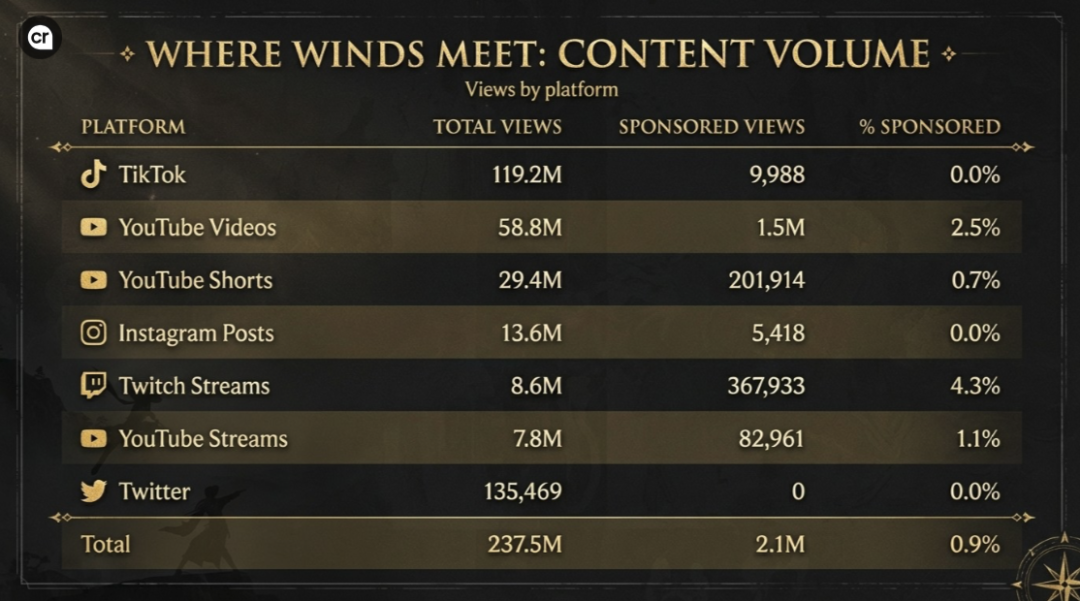
A third-party analysis report on *Yan Yun*’s overseas marketing also indirectly corroborates this claim.According to estimates in the Streamforge report, *Yan Yun* allocated approximately $319,000 to KOL marketing in the week leading up to and following the launch of its international server. Leveraging this investment, the game garnered 237.5 million views across all platforms during the same period, with paid content accounting for only 0.9%—one of the lowest figures ever recorded by the report’s authors.
03
From a 10-square-meter venue to 100 million players
At this year’s Gamescom, Yan Yun had its first-ever B2C booth. The head of publishing told me that this year’s Gamescom was both a gift to overseas gamers and the fulfillment of a promise they had made.
Four years ago in August, Yan Yun released its first trailer at the opening night in Cologne.In the years that followed, the company returned to Cologne several times to participate in B2B trade shows, renting a small booth—about ten square meters—shared with other game companies. Half of the space was a demo area, set up with two or three computers and a PlayStation; the other half featured a sofa for casual conversations.
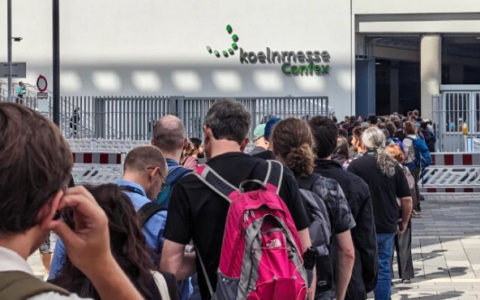
Due to space constraints and the B2B nature of the event, exhibitors from previous years were not allowed entry; only manufacturers, media representatives, and invited KOLs were permitted.Staff members arrived early every morning to set up equipment, then spent the rest of the day meeting with people nonstop until the venue closed at 6 or 7 p.m., leaving them completely exhausted by the end of each day. Many of our collaborations with media outlets and KOLs were secured during those conversations.
The head of distribution told me that many of those scenes are still vivid in his memory. “Some veteran journalists from Japanese and South Korean media outlets, with gray hair, would solemnly take their business cards out of their suit inner pockets before an interview and present them with both hands.”
The two things that left the deepest impression on him at last year’s Gamescom still came from players. One afternoon, around 4:00 p.m., he slipped out during a break in his hosting duties to stand in line for a demo of another game, but was stopped by a player on the way. The player recognized the Yan Yun T-shirt he was wearing and asked if he was a staff member or a fan who had bought merchandise.He hesitated for a moment before saying he was a staff member helping the Yan Yun project team. The player explained that he had traveled all the way from France specifically for the event; he’d entered the venue at noon and spent three hours walking around, but still hadn’t been able to find the Yan Yun booth. “As he said this, I could tell his eyes were getting red.”
He explained the rules of the B2B expo to the players; that year, there wasn’t a booth specifically for players. But he promised: “Once we go live, we’ll definitely be there next year.”
Another player appeared that evening. He and a few colleagues were eating at a Chinese noodle restaurant near the Cologne train station when two Chinese men at the next table recognized the Yan Yun logo on their shirts and approached to ask about it.They explained that they had established a “Yan Yun Chinese Alliance” (a guild in the game) in Germany. He originally didn’t have many friends there, but thanks to this alliance, he had made many Chinese friends. At that time, the international server hadn’t launched yet, so they were playing the Chinese server despite the high latency. After taking a group photo, as they were leaving, he told the staff twice: “You must succeed.You absolutely must succeed.”
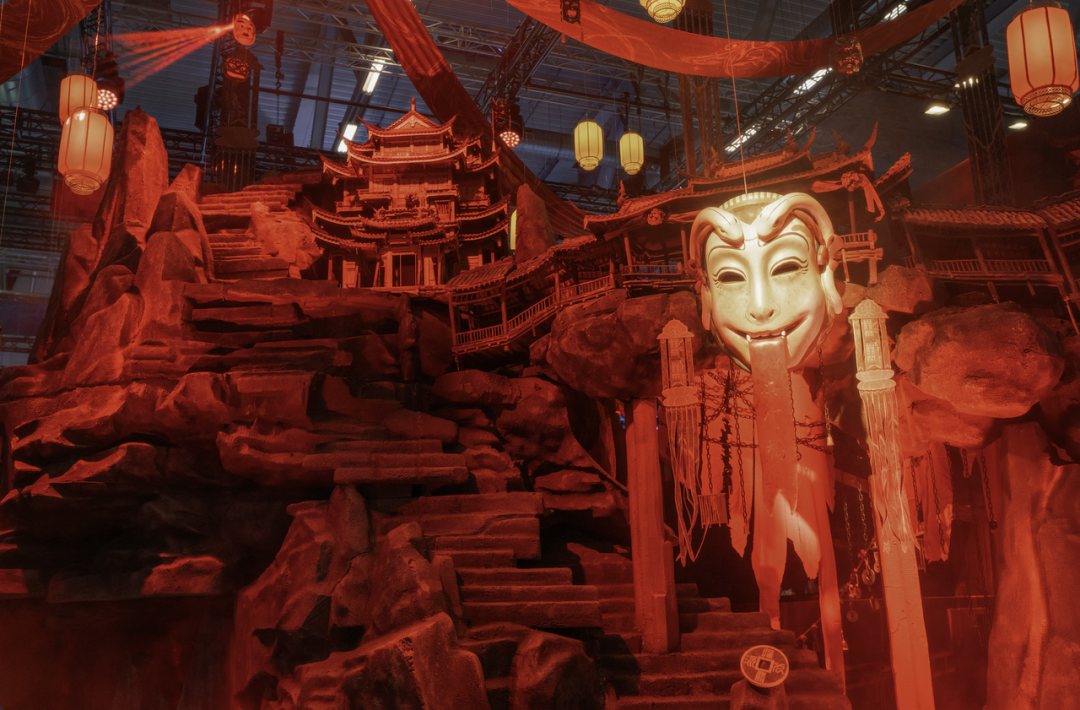
On this trip to Cologne, they lived up to that promise. The booth recreated the game’s Mid-Autumn Festival Ghost Lantern Night Market in real life, displaying every single lantern seen in the game.Every time a cosplayer took the stage, a crowd would gather around them. There were even people dressed as robots standing alongside the cosplayers, which struck passing players as quite a novelty.
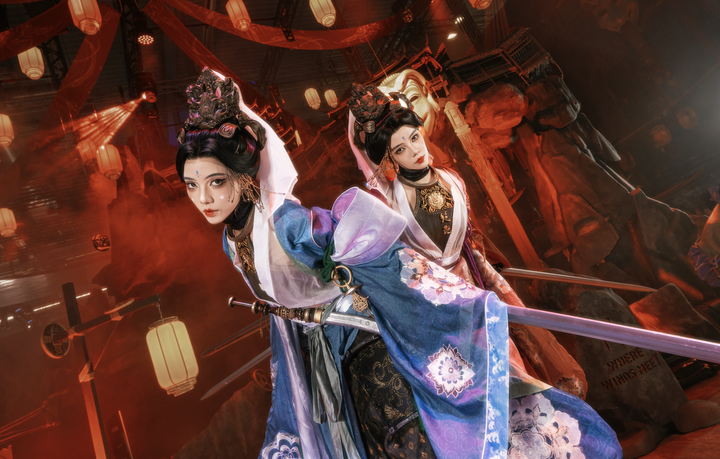
Layla was also invited to visit the exhibition hall.
On August 31, during the Cologne Expo, they held another meet-and-greet for European players. It was a small gathering—only about a dozen or twenty people—so small that everyone had a chance to get to know one another. Earlier this year, during GDC, they had held a meet-and-greet for North American players in San Francisco and another in Taipei; now it was finally Europe’s turn.
The meet-and-greet wasn’t like an official presentation; it was more like a get-together: Each player first put on a name tag, introduced themselves, shared what they liked most about Yan Yun, and briefly talked about their current life situation; then there was a tea break with cake, followed by casual conversation. One of the players was celebrating her birthday that day, and the project team had prepared a surprise for her in advance.
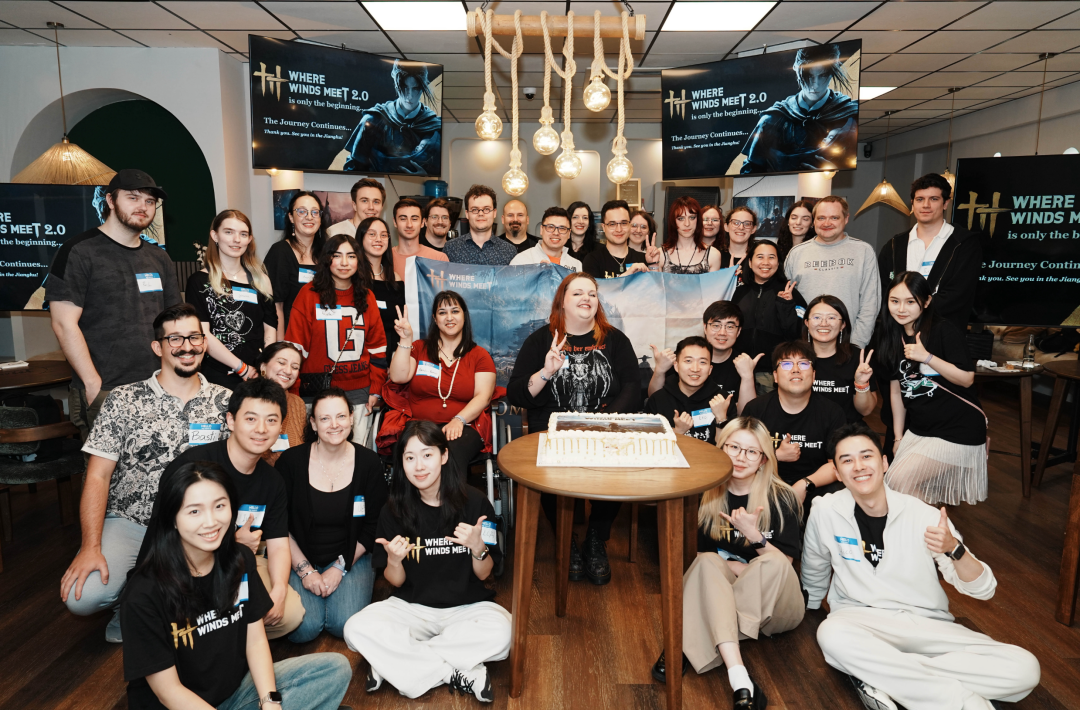
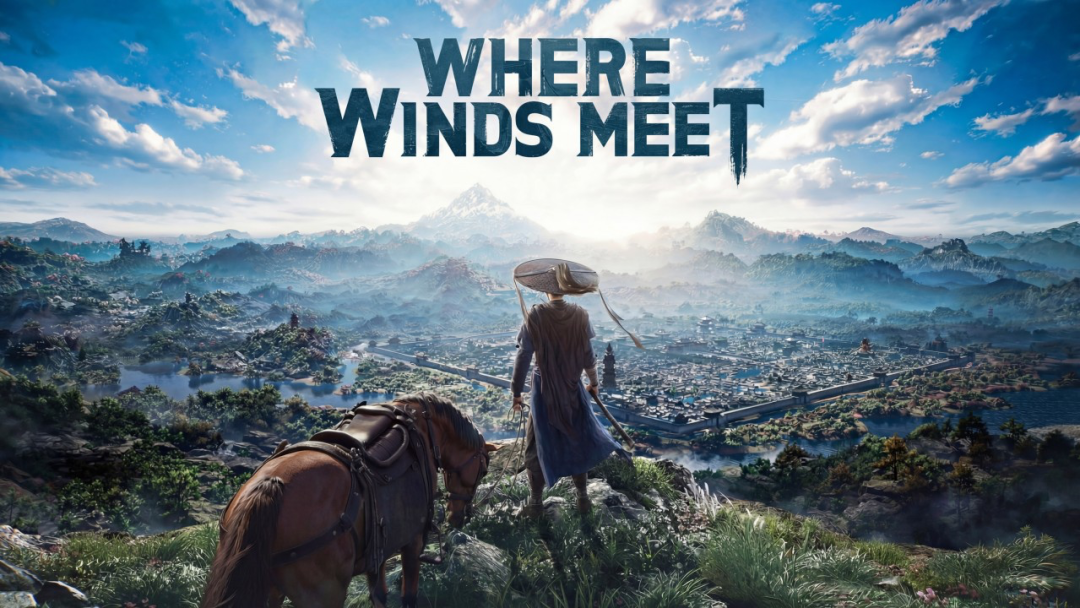
Image source: Where Winds Meet Official X
Conclusion
The day after we met Layla, she sent the staff a long message.
She said that if it weren’t for this game, she would never have learned about the Khitan people or understood the famines that plagued ancient China. The ending of the Kaifeng chapter made her think of her own life in Europe: some people, even if they work themselves to the bone, are still pushed to the very bottom;in some places, food is already spoiled by the time it reaches the shelves; her mother worked tirelessly for forty years in Italy, yet her monthly pension is only 600 euros, while rent is nearly 800; and a person with a physical disability, even if fully qualified, can hardly find a job.
Everyone has their own reasons for falling in love with video games. But on many long, lonely nights, a video game becomes the only light in the room—a place where they can be seen and taken seriously.
That girl fled from Lebanon to Saudi Arabia and met Layla in the game; ever since, they’ve kept each other company across mountains and seas. Among the Chinese community in Germany, those who originally had few friends found a sense of belonging through a single guild;A player who made a special trip from France and nearly shed tears when they couldn’t find the booth; a player who was secretly treated to a birthday surprise at the meet-and-greet. They come from different countries, speak different languages, and lead completely different lives, yet when faced with the same thing, they all share the same look on their faces.
At the dinner table, Layla said she felt many values in Yan Yun that had been lost in the West.When Hongxian died, the protagonist said, “I really wish I’d bought her that piece of candy back then”; the last thing Yi Dao did before dying was to throw his sword to save the protagonist… These are things we haven’t seen in real life for a long time, yet they’ve been rediscovered in a Chinese wuxia game.
This may be part of the reason why *Yan Yun* has reached 100 million players. Beneath its wuxia façade, the game has always explored themes that resonate universally—people who are willing to go through fire and water for you, people who help you without asking for anything in return, and people who, in the coldest winter, bring you a ray of light from another world.
It is precisely these elements that have allowed a Chinese game set against the backdrop of the Five Dynasties and Ten Kingdoms period to transcend the boundaries of language, culture, and geography, finding its way into the hearts of a group of strangers and becoming a source of shared comfort.
Layla says that games are like books you encounter in life—they always seem to appear just when you need them most. One hundred million players is an abstract number, but perhaps every player behind that figure has truly experienced such moments in their own lives.
原创文章,作者:游茶妹儿,禁止转载:https://youxichaguan.com/en/archives/220562