Before we know it, another year is drawing to a close.
In 2026, China’s gaming industry underwent a number of noteworthy changes: leading domestic games achieved success at international exhibitions; the gaming divisions of major internet companies were frequently involved in capital transactions; AI technology began to be integrated into specific aspects of game development and cultural content production; and local governments also increased their support for the gaming industry…
At the same time, the industry ecosystem itself is undergoing changes: the number of new games is exploding, and from developer networking and industry incubation to overseas market expansion, an increasing number of industry service platforms are beginning to provide practical support to game companies.
Overall, this has been a year marked by recurring glimmers of hope for the industry, as well as frequent reminders of the urgency facing its professionals. Drawing on insights spanning products, capital, technology, and the industry ecosystem, our editorial team has compiled the following ten developments, which together offer a noteworthy snapshot of the Chinese gaming industry in 2026.
01
“Shadow Blade Zero” Released
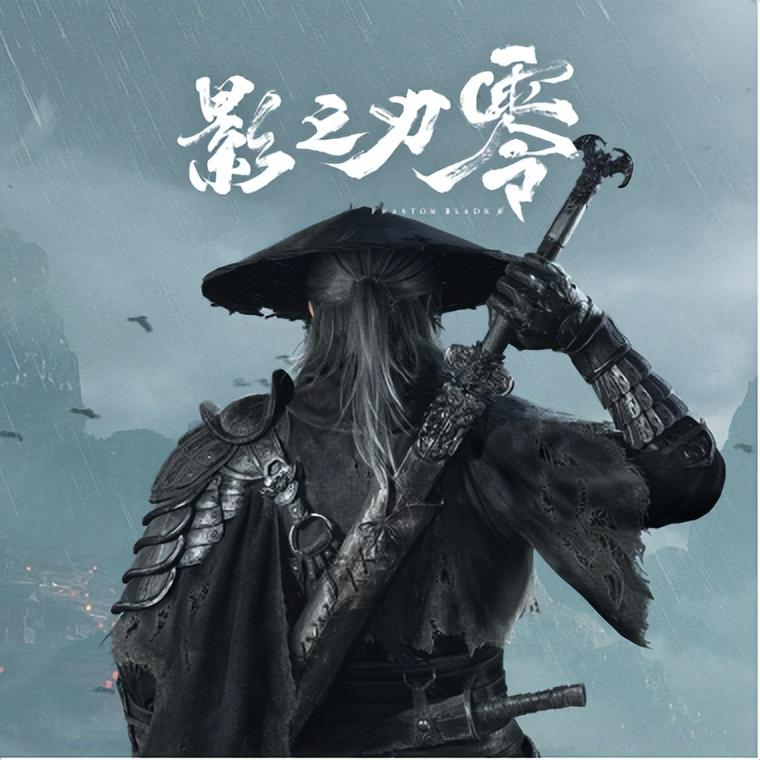
On October 29, *Shadow Blade Zero*, a Chinese martial arts action game developed by Lingyoufang (S-GAME), officially launched on PC and PS5—an event that can be described as one of the most highly anticipated in the Chinese gaming industry in 2026.
As a major Chinese single-player title that has garnered global attention following *Black Myth: Wukong*, anticipation for the game’s release has already reached impressive levels. Even before pre-orders began, *Shadow Blade Zero* had surpassed 1.62 million wishes on Steam, with overseas players accounting for approximately 70% of that total.Critical reception has also been outstanding: the PC version holds an average score of 88 on Metacritic, while the PS5 version scores 86; on OpenCritic, the average score reached 91, with the recommendation rate peaking at 100%.
It continues the creative legacy of the team’s own *Shadow Blade* series, blending traditional Chinese martial arts, Hong Kong-style kung fu, and cyberpunk aesthetics within an original wuxia universe. Less than an hour after its official release, the game’s concurrent player count on Steam surpassed 300,000;According to SteamDB, the game reached a peak of 723,876 concurrent players on its first day, October 29, and topped the Steam Global Best-Sellers chart.
“Shadow Blade Zero” marks a significant debut for a Chinese single-player game on the global market. This title demonstrates that Chinese development teams are capable of competing in the mainstream global market with original concepts and high-quality production values. It sets the stage for Chinese games in 2026 in a way that warrants attention.
02
“China Moment” at the Gamescom
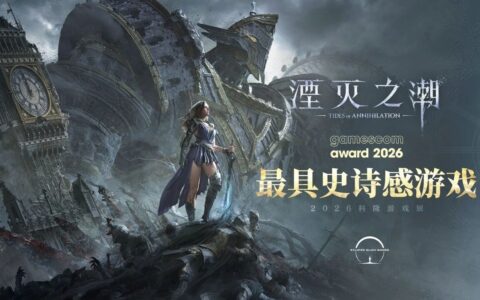
On the opening night of the 2026 Gamescom in August, more than 50 games were unveiled within two hours, 13 of which were from China.Even more noteworthy is that all five nominees for the Best Mobile Game award were from Chinese developers: *Arknights: End of the World*, *Genshin Impact*, *City of Silver*, *Sixteen Sounds of Yan Yun*, and *Zero Zone*.
In the end, *The Sixteen Sounds of Yan Yun* won the Best Mobile Game award, while *Tide of Annihilation* won the “Most Epic Game” award.
From the number of titles showcased at trade shows to award nominations, Chinese games have further strengthened their presence on the international stage.

03
Online Games in the 15th Five-Year Plan
On October 29, 2025, the “Proposal of the Central Committee of the Communist Party of China on Formulating the 15th Five-Year Plan for National Economic and Social Development” was released, calling for “guiding and regulating the healthy development of online literature, online games, and online audiovisual content.”
The year 2026 marks the start of the 15th Five-Year Plan. On March 13, the “Outline of the 15th Five-Year Plan for National Economic and Social Development of the People’s Republic of China” was officially released. It calls for “guiding and regulating the healthy development of online games” and explicitly encourages high-quality online games to expand into overseas markets while strengthening the development of national cultural export bases.
While the 14th Five-Year Plan encouraged the overseas expansion of games as digital cultural products, the 15th Five-Year Plan further clarifies the role of online games in the development of the cultural industry and international cultural dissemination.
In September of this year, the Ministry of Culture and Tourism released the “15th Five-Year Plan for the Development of the Cultural Industry,” further refining the focus of support to specific segments of the industry chain: promoting the integration of AI into content creation, dissemination, and consumer experiences; supporting the development of small, medium, and micro cultural enterprises as well as original content producers; and encouraging financial institutions, venture capital firms, and long-term capital to participate in the cultural industry.The “National Informationization 15th Five-Year Plan,” released in October, proposed initiatives to facilitate the overseas development of internet and information technology enterprises and the cross-border flow of data.
From the global expansion of video games to AI production, and on to corporate financing and cross-border operations, the focus of government policies is shifting from encouraging the development of digital cultural products to building industrial chains and ecosystems. For the video game industry, this not only opens up new opportunities for growth but also places higher demands on product quality, technological innovation, and international operations.
04
ByteDance Sells Mutong; Alibaba Sells Lingxi
In 2026, major internet companies made a series of adjustments to their gaming assets.
On March 20, ByteDance signed an agreement with Savvy Games Group, a subsidiary of the Saudi Public Investment Fund, to sell Mooton Technology. According to media reports, the transaction is valued at more than $6 billion.
On August 17, Alibaba reached a transaction agreement with Xincheng Capital to sell all of its shares in Lingxi Interactive Entertainment. Media reports, citing sources familiar with the matter, stated that the transaction was valued at over $1.5 billion, though neither party has officially disclosed the final transaction amount.
Neither company is just an ordinary game developer lacking notable titles; both transactions involve game assets with established products and a solid foundation in overseas markets.
MuTong has amassed over 110 million monthly active users in Southeast Asia with *Mobile Legends: Bang Bang* (released in 2016) and has established a mature global esports tournament system; Lingxi, meanwhile, has built a long-term revenue base with *Three Kingdoms: Strategy Edition* and also owns*Romance of the Three Kingdoms: Fantasy Continent*, *Like a Kite*, and *Land of the Wind*, and operates platforms such as 9Game and Jiaoyimao.
These two deals reflect how major internet companies are reassessing the investment and returns of their gaming businesses: ByteDance is further scaling back its gaming operations, while Alibaba is focusing more resources on AI and cloud computing. At the same time, overseas sovereign wealth funds and private equity firms have begun acquiring mature domestic gaming assets; the value of gaming companies is no longer determined solely by the ecosystem of internet platforms but has also become a focus for professional investors.
05
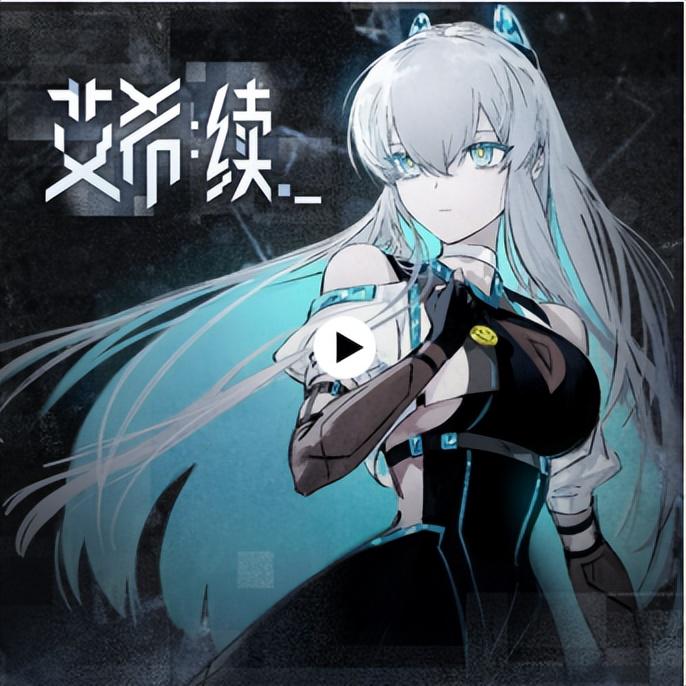
“Ash: The Sequel” Crowdfunding Campaign
On October 1, *Ash: The Sequel*, the official sequel to *Ash*, launched a crowdfunding campaign on Modian with an initial goal of just 10,000 yuan. The project surpassed 1 million yuan within about 10 minutes of going live and exceeded 20 million yuan in three days.As of October 30, the crowdfunding total had reached 38.987 million yuan, with over 240,000 backers, and there is still some time remaining before the campaign ends.
This achievement demonstrates the emotional attachment players have developed toward the original *Ashi* and the IP’s appeal. A great game has been recognized and rewarded once again a decade later. However, the higher the crowdfunding total, the higher players’ expectations for the sequel’s quality and final delivery.
“Ash: The Sequel” demonstrates how the emotional attachment that a player community has built up over time toward a game can translate into tangible commercial support. It has also prompted the industry to rethink how indie games are funded and distributed: beyond simply raising funds, crowdfunding can also serve as a channel for developers to connect with players and validate market demand.
Of course, how to turn player trust into long-term word-of-mouth and deliver on the resulting development and release commitments is another challenge this crowdfunding campaign poses for the industry.
06
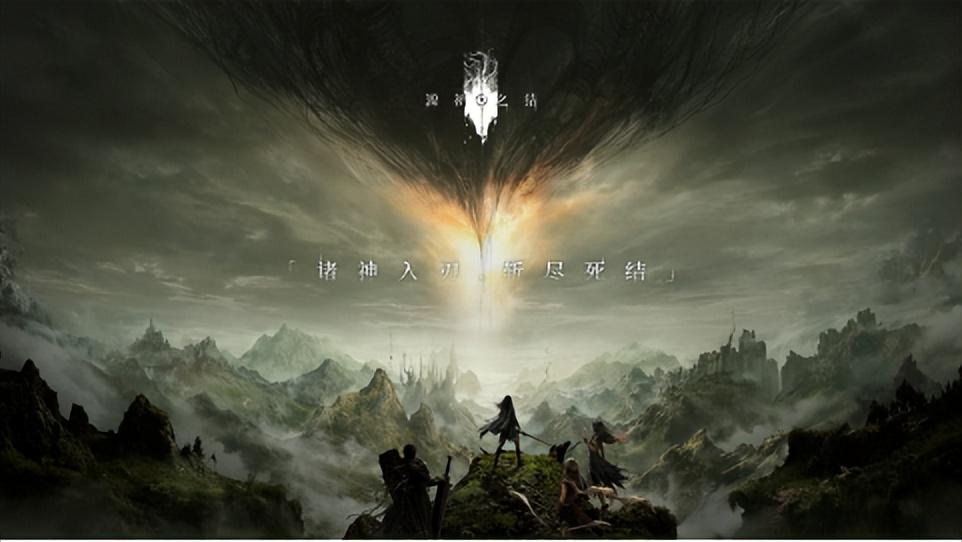
miHoYo Announces “The Knot of Origin”
On August 26, miHoYo unveiled the first trailer for its new game, *Nodus Fall*, during the opening night of Gamescom. It was also the first new title showcased during that evening’s opening ceremony. The game features a realistic fantasy art style and is positioned as a co-op action title, marking a departure from miHoYo’s previously well-known lineup of anime-style titles.
On September 29, *The Primordial Knot* received publishing licenses for both mobile and PC versions.
From its theme and visual style to its gameplay direction, *The Primordial Knot* showcases miHoYo’s exploration of different markets and genres.
For the domestic gaming industry, this represents not only an attempt by leading developers to expand the boundaries of their product offerings, but also provides a new case study for the gameplay design and monetization models of action games. Of course, whether it can tap into new markets beyond its existing user base remains to be seen, depending on the performance of future titles.
07
Apple Lowers App Store Commission Rates
On March 12, Apple announced adjustments to its App Store commission policy for mainland China, effective March 15.The commission rate for standard paid apps and in-app purchases will be reduced from 30% to 25%; for eligible apps under the App Store Small Business Program and Mini Apps Partner Program, the commission rate for in-app purchases will be reduced from 15% to 12%.
This does not mean that all mini-games are automatically eligible for a 12% commission rate; eligibility still depends on whether the developer meets the qualification requirements for the corresponding program.
This adjustment has reduced distribution costs for some developers, particularly benefiting eligible participants in the Mini Program ecosystem, and has once again brought the Apple App Store’s distribution policies into the spotlight in the gaming industry.
08
Tencent SPARK 2026 and AI Applications
On May 27, Tencent Games’ annual SPARK 2026 conference announced 45 product updates and new content. Among them, “Digital Jingdezhen: Little Artisans of the Porcelain Capital” showcased the application of AI technology in the digitization of cultural content and gaming experiences.
This project was developed by Tencent Games and Tencent SSV Digital Culture Lab in collaboration with the Jingdezhen Municipal Bureau of Culture and Tourism, the Imperial Kiln Museum, and the World Heritage Nomination Office. Drawing on the “Jingdezhen Porcelain Cultural Heritage” multimodal AI dataset and utilizing technologies such as AI avatars and AI-generated 3D models, the project integrates traditional porcelain-making techniques into a simulated business management experience.
From AI avatars to 3D content generation, the case studies presented by Tencent have shown the industry that AI is gradually moving beyond conceptual discussions toward concrete content production and cultural digitization projects. However, individual case studies alone are not enough to demonstrate that AI has completely transformed the game development process.
09
“Gossip Harbor” Tops the Overseas Revenue Chart
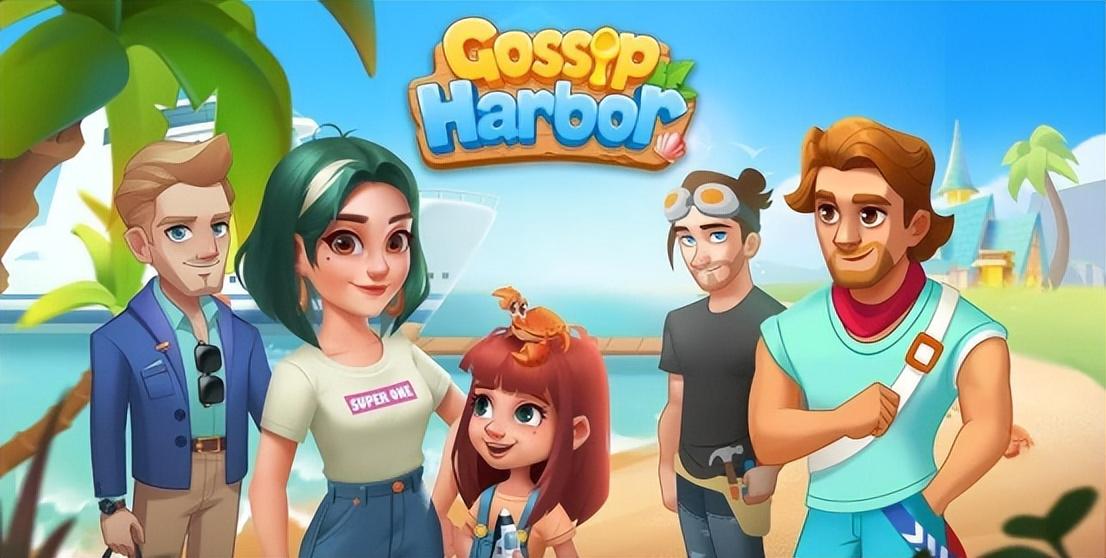
In January 2026, Lemon Microfun’s mobile game *Gossip Harbor* topped China’s monthly revenue chart for overseas mobile games for the first time, surpassing *Whiteout Survival* from DianDian Interactive.
According to estimates based on AppMagic data, *Gossip Harbor* generated over $79 million in overseas revenue that month after revenue sharing, setting a new monthly revenue record. A ranking released by Sensor Tower during the same period also showed that the game topped the list of Chinese mobile games by overseas revenue.
The success of *Gossip Harbor* demonstrates that Chinese developers have already created competitive products in the simulation game genre, making this subcategory an important source of growth for the overseas market.
10
Local Policies to Support the Gaming Industry
In 2026, cities such as Shanghai, Guangzhou, and Chengdu successively introduced or advanced supportive policies related to video games, esports, and digital cultural and creative industries, as local governments further refined their support for the video game industry.
Shanghai has released the “Shanghai Ten Measures for the Gaming Industry,” which aims to support the development of the gaming and esports industries through industrial funds, talent recruitment, cultural heritage preservation, technology-driven innovation, and overseas expansion services. The initial Shanghai Gaming Industry Investment Fund is expected to total 500 million yuan.
Guangzhou has introduced the “18 Measures for the Gaming and Esports Industry,” covering areas such as original R&D, game operations, global expansion, esports tournaments, and the development of clubs and venues. Each company is eligible to receive up to 10 million yuan in related support funds annually.
Chengdu’s “Ten Measures for Nezha” are primarily aimed at talent in the digital cultural and creative industries and are not policies specifically targeted at the gaming industry. Under these measures, funding for Category A talent can reach up to 5 million yuan per year for three consecutive years; lead creative teams behind works that have won prestigious awards in six major sectors—including gaming and esports—are eligible for a one-time reward of up to 1 million yuan.
While the target beneficiaries and specific priorities of the policies in these three regions differ, they all reflect how local governments are striving to attract resources for the gaming and digital cultural and creative industries through funding, talent, and industrial support systems.
Industry Ecosystem: Game Teahouse’s Annual Initiatives
The industry’s growth is not limited to game products and capital markets; it also depends on the connections between developers, publishers, investment firms, and various service platforms.
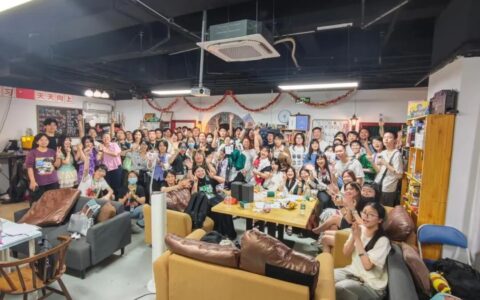
In 2026, Game Teahouse continued to advance a series of ecosystem-building initiatives focused on industry networking, developer services, project incubation, and international expansion.
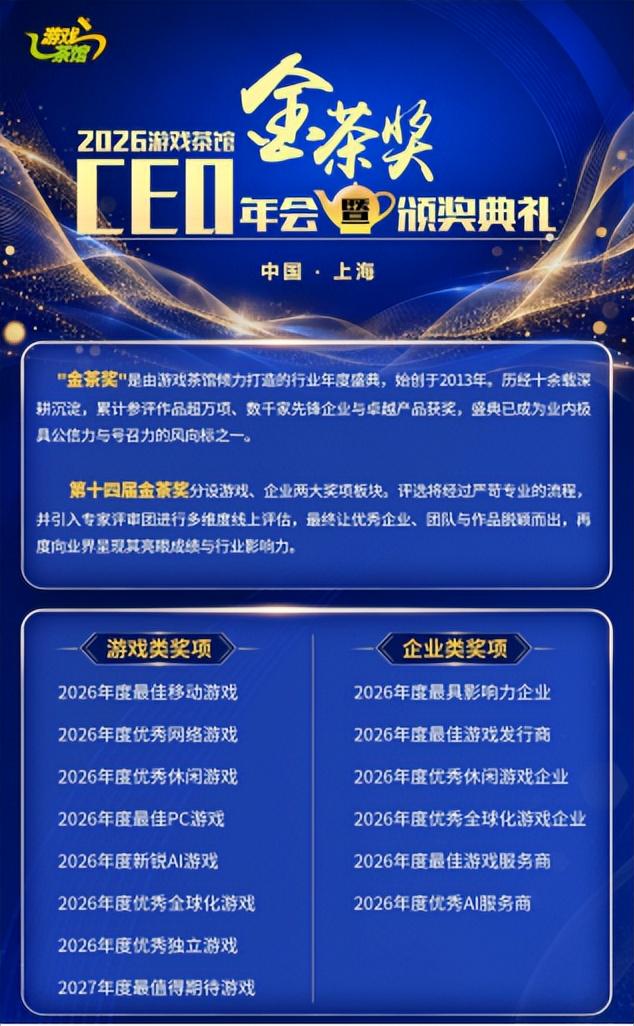
The annual conference, centered around the “Golden Tea Award,” serves as a key platform for Game Teahouse to connect industry resources.
The 14th Golden Tea Awards will be held on December 16, 2026, at the Caohejing Conference Center in Shanghai.Registration for this year’s event is now open. The awards cover two major categories: game products and companies. The game category includes awards such as “Outstanding Mobile Game of the Year,” “Best PC Game of the Year,” “Outstanding Indie Game of the Year,” and “Outstanding Global Game of the Year.” The company category features awards such as “Best Game Publisher of the Year” and “Outstanding Game Company of the Year,” with a focus on AI-enabled games, high-quality single-player titles, global expansion, and indie innovation.
As of October 20, the number of projects and companies participating in the competition has exceeded 300, and the deadline for self-nomination is November 20. Meanwhile, the Youcha Society community has surpassed 300 members, and Youcha Teahouse continues to expand its connections with game companies, development teams, and industry partners.
In terms of developer services and project incubation, Game Teahouse’s Chengdu incubator has expanded to 3,500 square meters, and a new incubator has been established in Tianjin, further expanding the scope of services provided to game development teams across different regions.
In terms of overseas expansion, Game Teahouse participated in the PAX gaming expo in the U.S. for the first time with its members, helping domestic teams connect with overseas gamers and industry resources.
Content and startup services are also advancing in tandem. Game Teahouse has launched a video podcast series called “Check the Ingredients,” which aims to discuss game products and industry topics in a more casual and interactive manner; meanwhile, the launch of the WiseGames Startup Incubator has further expanded services to support the growth of game startup teams and the development of their projects.
From annual conferences to social networks, from local incubators to international trade shows, and on to content series and startup camps—all these initiatives point in the same direction: industry services should not stop at publishing news and organizing events; they must also continuously connect resources, support team growth, and create more opportunities for game projects to move from concept to market.
Conclusion
Looking back at 2026, we documented the new milestones achieved by Chinese-developed games in the global market; we also witnessed independent teams dedicating years to a single project, players showing their passion through tangible support, and an increasing number of industry partners striving to create new opportunities for developers.
The gaming industry is never just about the numbers on bestseller lists and transactions in the capital markets; it also encompasses the perseverance of countless creators, the expectations of players, and the connections that are constantly being forged between people.
The gaming industry continues to face competition and uncertainty, but fortunately, new titles are still being created, new teams are still growing, and new possibilities are constantly emerging. Whether it’s crafting a game with care or building a bridge for a team to reach the market, these seemingly small efforts are all driving the industry forward.Here’s hoping that in the coming year, we’ll continue to see more great games, and that more dedicated game developers will be discovered and supported.
原创文章,作者:游茶妹儿,禁止转载:https://youxichaguan.com/en/archives/220688