A great wind begins with a slight ripple on the water.
Recently, Tea House Guy reviewed thousands of job descriptions from several companies, including Tengwangmi, in an attempt to answer a question that has frequently come up in conversations with industry professionals over dinner: What do you think will be the next big trend in the gaming industry?
I can sense that many of my friends who’ve been in the gaming industry for years are feeling quite lost right now. The gaming industry typically goes through a cycle every five or six years, and each cycle is even harder to predict than the last. In contrast, the direction of the previous industry cycle was somewhat clearer—at least there were some shared goals that everyone could explore together.
For example, around 2020, the launch of *Genshin Impact* and the first reveal of *Black Myth: Wukong* shifted the industry’s focus toward high-quality content; the concept of “evergreen games” also emerged.Everyone rushed headlong into industrial-scale production, chasing the mobile gaming trend, tackling open-world challenges, developing content-driven games, and competing in long-term operations… Top-tier game designers and artists knew exactly what to learn to improve their skills; HR professionals knew what kind of talent to recruit; and producers knew which project directions would best convince their bosses.
But now, things seem to have become much more chaotic across the board. While viral hits still pop up from time to time, no new paradigm has yet emerged that can help the industry reach a similar consensus again.Various new ideas are still in their nascent stages, awaiting validation. Not to mention the variable of AI, which seems to hang over our heads like the Sword of Damocles at any moment. With these several forces of change converging, it’s truly impossible to see clearly what path the future will take.
So, we try to pick up on clues that can predict the future of the industry, and job descriptions are one of them—on a macro level, it’s still not easy to bypass the three- to five-year development cycles of high-profile projects, and most of the new games set to launch in the coming years are already in the process of assembling their teams.Looking at each specific position, to ensure a good fit for candidates, many job descriptions include keywords related to game genres, tech stacks, and gameplay mechanics. By cross-referencing these, one can piece together a general picture of the project to a greater or lesser extent.
Add to that the catalytic effect of time. Every project announcement offers a glimpse into the industry’s future.
01
Eight companies are hiring for nearly 6,000 positions—how many projects are hidden beneath the surface?
Following this line of thinking, Tea House has compiled a list of unreleased products from the recruitment websites of Tencent, NetEase, miHoYo, Paper Games, Kuro,Yingjiao, Lilith, and Leyou—including newly revealed titles or those with official names, as well as projects that haven’t been publicly disclosed yet and are still in the preliminary research phase but have already begun recruiting externally.With a total of 5,900 job descriptions and 104 projects, piecing the clues together does indeed reveal some patterns.
First, a disclaimer: The correspondence between project codes varies widely across different projects, and even with thorough cross-referencing, it’s difficult to reconstruct the relationships perfectly. Don’t get too caught up in the details; focus instead on the broader trends.
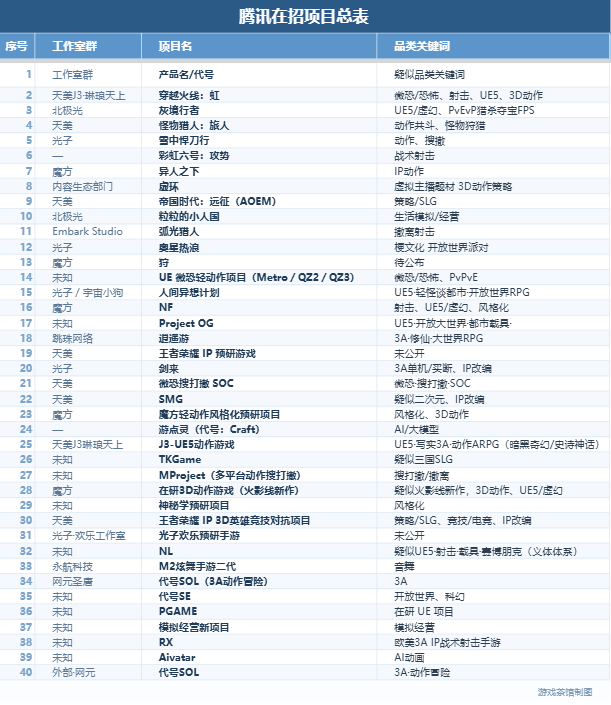
Let’s start by looking at each company individually. As expected, Tencent has the most extensive R&D pipeline in this round of samples, accounting for half of the total. Among these, 13 titles have already been publicly unveiled or officially named. The genres span FPS, strategy, open-world, action, and even AAA single-player games.Tencent’s overall approach to project development is quite clear: social, high-investment, multi-platform projects dominate, targeting genre markets with long-term potential, and a large number of products utilize the UE5 engine.
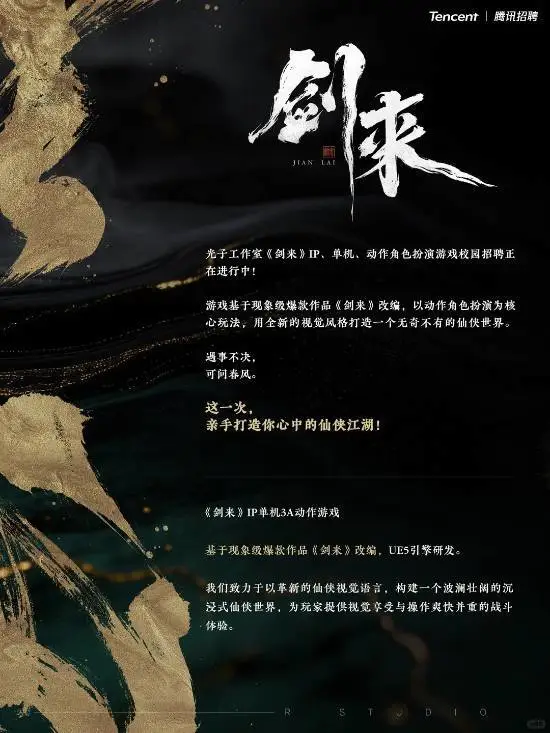
Building on this foundation, each studio group has explored slightly different paths based on its own unique strengths. For example, Photon Studios is focusing primarily on thematic differentiation in this wave.They’ve employed both “conventional strategies”—such as new games based on licensed IPs like *Sword of the Sword* and *The Fierce Blade in the Snow*—and “unconventional strategies” like *Project Human Fantasia* and *Aoxing Heatwave*, which revolve around urban legends and meme culture. While their thematic choices vary, they are all collectively pushing toward high-caliber projects such as AAA titles and open-world games.
Cube, which has been quite active in recent years, is currently exploring two established paths in its R&D efforts: “FPS” and “action games based on major IPs.”Job postings indicate that, in addition to the previously leaked titles *Under the Strange* and *The Hunt*, Magic Cube is reportedly developing a stylized UE5 shooter codenamed “NF,” as well as a project labeled “light action stylized” that is currently in the preliminary research phase.
Tencent TiMi also has plenty to offer. In addition to *CrossFire: Rainbow*, TiMi’s J3 Linglang Tian Shang Studio—known for its in-house FPS titles—is reportedly “hiding” a dark fantasy-style third-person action game built on Unreal Engine 5; job postings for animation designers mention character animations for large bosses and elite monsters.Additionally, TiMi is developing another in-house anime-style IP codenamed “SMG,” a “search-and-destroy” game incorporating SOC elements, and an unannounced pre-development title based on the *Honor of Kings* IP.

There are also some projects that haven’t been assigned to specific studio groups or officially unveiled yet, but it seems likely they’ll be “pulling a rabbit out of a hat” before long.For example, a project team called OG is currently recruiting for positions such as open-world traffic planners, vehicle designers, and narrative designers. They mention creating a sense of a “living city” through unexpected events like traffic jams and accidents, which clearly points to a GTA-style urban open world.Another project, codenamed NL, features keywords like “cyberpunk style” and “open world” in its job descriptions—a combination of theme and gameplay that certainly warrants attention.
Projects like these, which carry an air of mystery, could all become “deep-water bombs” that surface at some point in the future.Taken as a whole, Tencent’s current strategic moves show a clear sense of continuity: on the one hand, the company continues to leverage its strengths in multiplayer gameplay and social ecosystems, focusing on growth opportunities in games with high DAU; on the other hand, it is also exploring new opportunities beyond its existing strengths by diversifying in terms of themes and scale.
Let’s now turn our attention to NetEase.
This year, NetEase finds itself in a somewhat awkward position, caught between the product cycles of its old and new titles, having launched only one game: *The Forgotten Sea*. However, judging by its hiring activity, the pipeline of games currently in development actually shows considerable promise.Aside from *Infinite*, which is nearing launch, titles such as *Extreme Battlefield*, *Beneath the Mist Sea*, *Hidden Shadows*, and *Return to Tang* have all received quite positive responses during testing and their initial reveals.
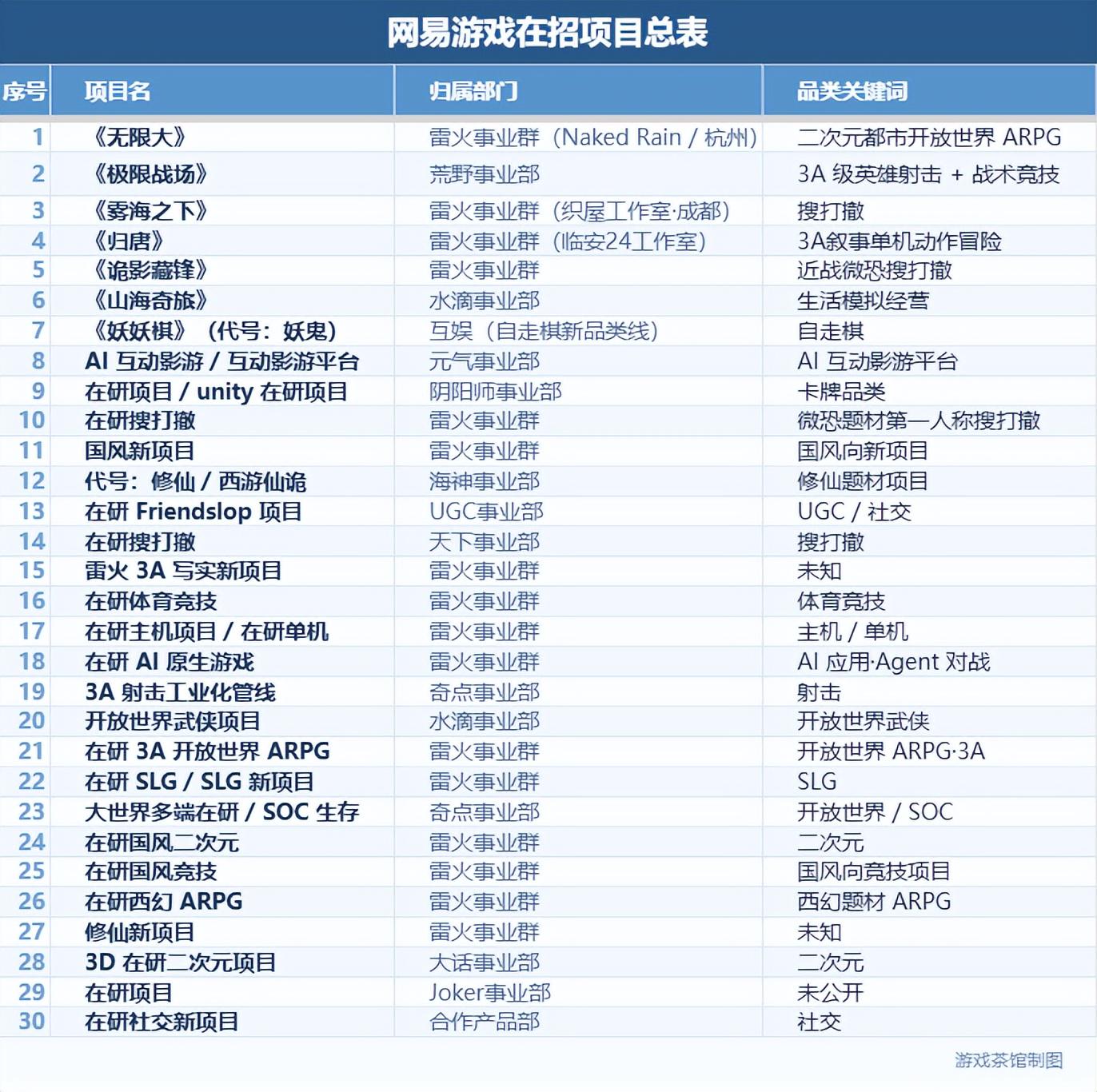
Aside from these products, there are more unannounced signs of upcoming developments. For example, at NetEase Interactive Entertainment, the Tianxia Business Division is reportedly developing a “search-fight-retreat” game and is currently recruiting for positions such as combat and level designers.The Singularity Division, which previously developed *LifeAfter*, is reportedly working on a large-world, multi-platform SOC survival project and is recruiting talent for its AAA shooter industrial pipeline.The Haishen Division, home to the *Fantasy Westward Journey* mobile game, has opened multiple positions for a project codenamed *Xiu Xian*. The job descriptions mention building social gameplay around elements such as caves, cultivation, tribulations, magical artifacts, spirit pets, and secret realms;Meanwhile, a *Journey to the West*-themed project titled *Xiyou Xian gui* is recruiting a lead copywriter. The Joker Business Unit, home to *The Forgotten Sea*, is also reportedly developing a new project, though few job openings have been posted.

The job descriptions published by NetEase Leihuo are relatively brief, but based on the relevant keywords, it’s clear that the company is simultaneously advancing projects in multiple genres, including search-and-battle, traditional Chinese-style anime, traditional Chinese-style competitive games, Western fantasy ARPGs, xianxia, open-world ARPGs, SLGs, realistic AAA titles, and sports games.
A job posting for a game designer on an “AI-native game currently in development” caught my eye. According to the job description, it is an “AI-native multiplayer strategy game with AI agents at the core of its gameplay.” Players train their own agents to compete against other agents, and the outcome depends on both strategic design and the agents’ actual performance.
With AI trends changing every few days, this project may still undergo significant adjustments as it moves toward market launch.JD also noted that this is a field without established precedents, and they hope to work with candidates to define the boundaries of what’s possible. But even if the final form changes, this job posting remains one of the very few instances where a major tech company has articulated its approach to AI. Additionally, the Genki Business Division—which oversees products like Lofter—is also recruiting talent for AI-powered interactive films and games, as well as the corresponding platforms.
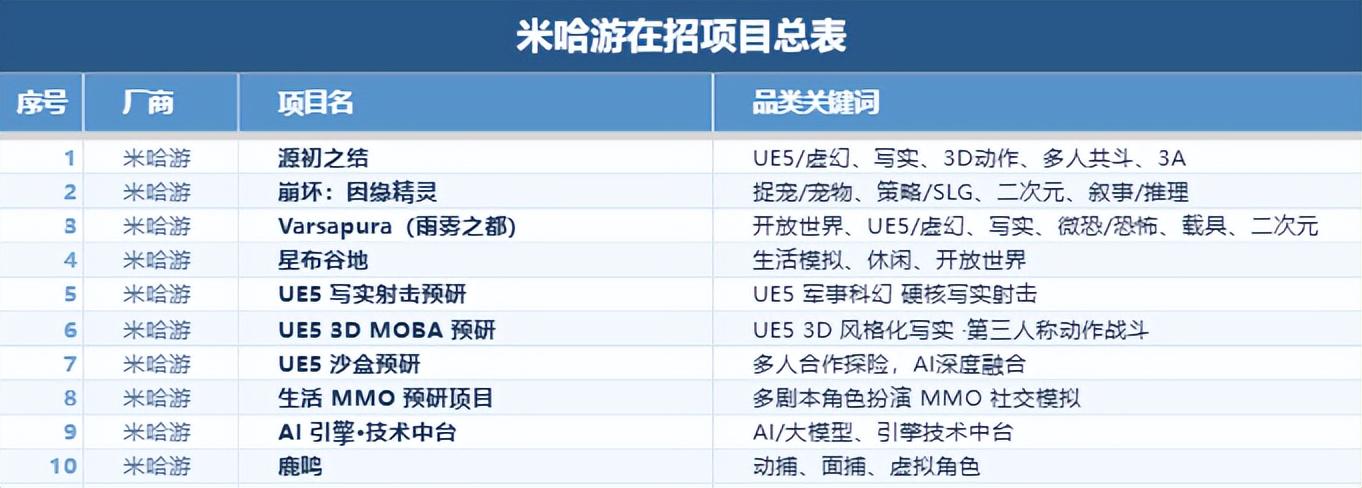
Mihoyo’s job postings lay bare the transformation this major Shanghai-based studio is undergoing: a UE5 3D MOBA, a UE5 sandbox game, a lifestyle MMO, and even a UE5 realistic shooter centered on hardcore military sci-fi. A few years ago, you wouldn’t have imagined this as Mihoyo’s pipeline of upcoming titles.Whether viewed through the lens of their tech stack, thematic tone, or the emphasis on multiplayer gameplay, these projects demonstrate that miHoYo is actively stepping outside its comfort zone of single-player-like experiences and anime-style aesthetics. Only the job postings related to AI-native engines serve as a slight reminder of miHoYo’s identity as a “tech-focused” studio.
Teahouse has interviewed several Mihoyo employees. Many of them mentioned that Mihoyo is currently exploring ways to diversify beyond the anime and manga (2D) genre.This involves moving beyond established genres at the project planning stage, as well as attempting to break free from the well-established “three-part formula” (character and constellation gacha, artifact-based gear progression, and signature weapons)—a path that has been thoroughly validated—at the project planning stage. This requires the resolve to make bold, decisive changes.
*Honkai: Fate Spirits* is a recent example. During its second closed beta in July of this year, the game showcased gacha and constellation mechanics, but a Mihoyo representative told Teahouse that this system is currently being overhauled internally and “won’t make it to launch.”

Image source: Bilibili streamer “Dai Dai the Polar Bear”
Whether this claim is true remains to be seen, pending further testing. But at the very least, it reflects the team’s reevaluation of existing approaches. As for products like MOBA and PvP-oriented shooters, it’s also difficult to directly replicate past monetization models.Overall, for miHoYo, this batch of projects represents both a strategic move to lay the groundwork for the future and an effort to explore new boundaries of capability through trial and error.
Beyond the “Teng-Wang-Mi” trio, there’s no shortage of surprises from other major tech companies either.
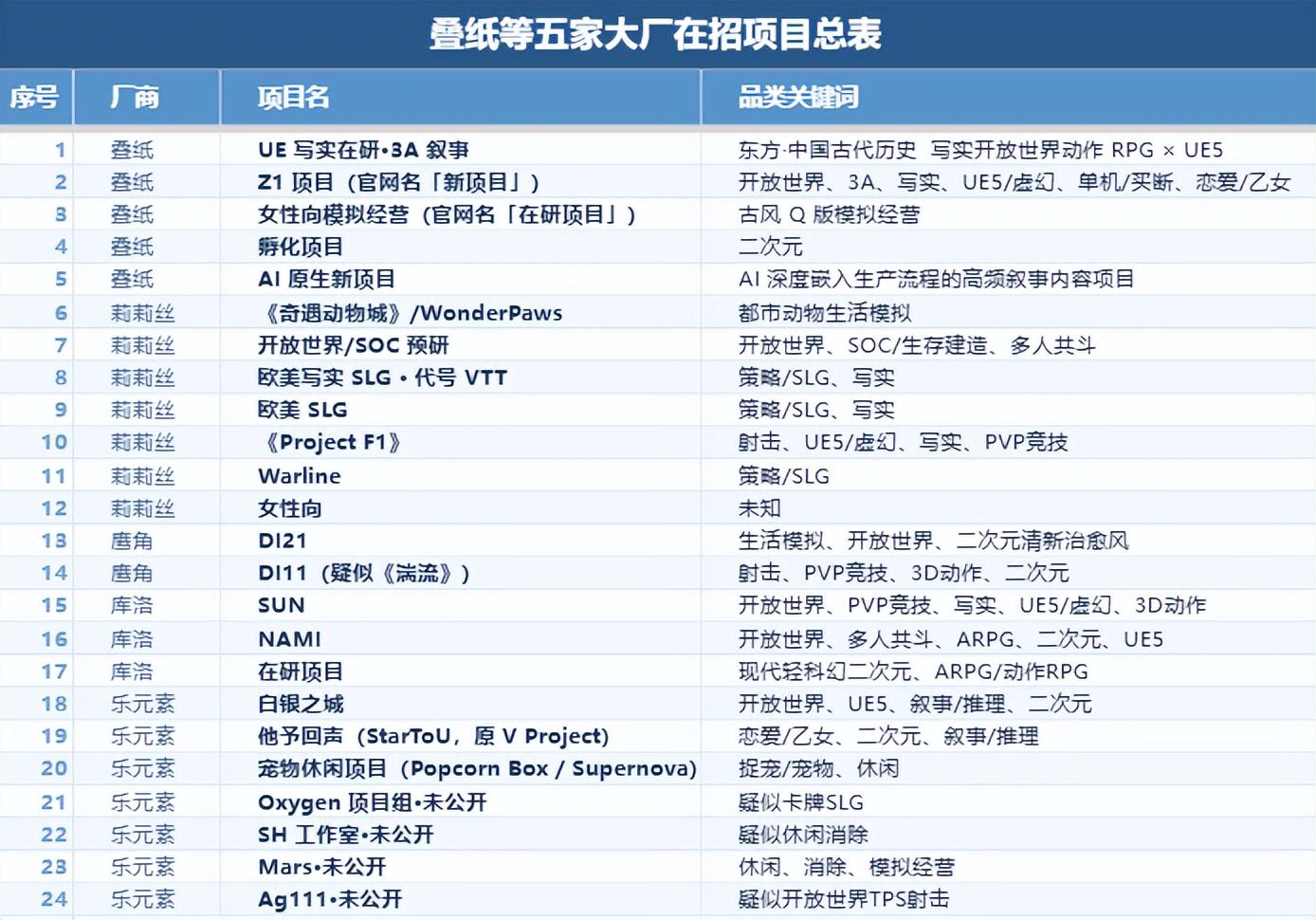
Currently, the DiDi Paper official website lists several projects labeled as “UE Realism in Development,” “UE in Development,” and “UE5 in Development,” but it is not yet clear whether these refer to the same product.Among these, some job postings include phrases such as “Eastern·Ancient Chinese History” and “Realistic Open-World Action,” which closely align with the previously disclosed direction of *A Thousand Faces*, though this cannot yet be confirmed definitively.Another project, codenamed Z1, is described in the job description as a hyper-realistic, cinematic open-world action RPG that emphasizes emotional and romantic storytelling. Additionally, DiDi Paper is recruiting for a simulation management game aimed at female audiences, as well as a narrative-driven, AI-native game.
Kulo has only three active recruitment projects, but the overall product roadmap is quite clear. Among them, the project codenamed SUN is reportedly led personally by Kulo CEO Li Songlun and is set to be the company’s next-generation flagship product; related job postings include keywords such as “realistic art style,” “AAA-level open-world action,” and “multiplayer competitive gameplay.”The project codenamed “NAMI” is described as an original UE5 IP action MMO RPG targeting a global audience across all platforms, with some job listings hinting at a co-op gameplay experience. The official website also lists another project labeled as “in development,” which may be a modern, light sci-fi, anime-style open-world urban game.

On Eagle Corner’s official website, there are currently two new project lines worth noting. Among them, the job description for the project codenamed DI11 closely matches details previously leaked about the action-adventure game *Turbulence* (formerly titled *Black Cocoon*).Another project, codenamed DI21, includes keywords such as “social,” “life simulation,” “management simulation,” and “open world.” An industry insider previously told Teahouse that this may be a *Light: Encounter*-style title. Based on the current job postings, it appears that Eagle角 is fully committing its future to social and multiplayer gameplay.
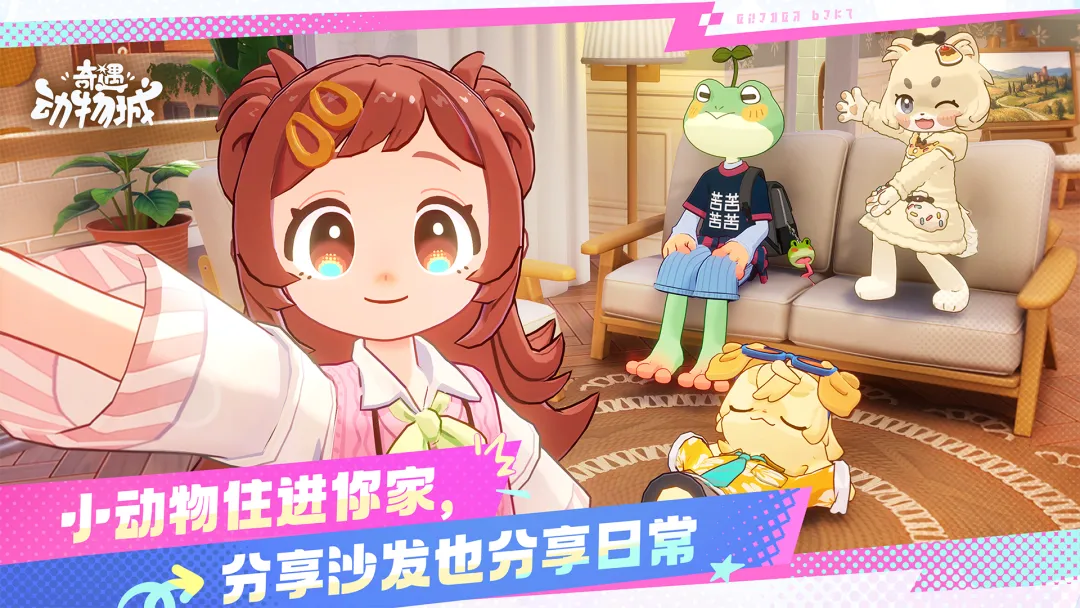
Lilith’s products are relatively complex. Last month, its Cat Claw Latte Studio unveiled “Zootopia: A Life Sim,” a simulation game set in the world of *Zootopia*;At the same time, job postings reveal that the company is already recruiting for an open-world SOC project starting in 2024, a UE5 shooter in the vein of *Far Light 84*, and a Western-style SLG titled “Code Name VTT” that better reflects Lilith’s early roots. These initiatives are all moving forward simultaneously.
As for Le Element, it was probably the company that surprised Tea House Guy the most during this round of research. Among the job postings collected, the mention of a project codenamed “AG111” stood out in particular—a third-person shooter (TPS) that requires candidates to help build the core “3C” gameplay feel for the game’s open world.Currently, there are few job openings, and recruitment for related positions began in September, suggesting the project may still be in a very early pre-research phase. However, compared to Le Element’s other products—which typically feature a casual, cozy atmosphere—the art style of this mysterious “AG111” has drawn particular attention to its future.
02
A Silent Disappearance
After reading all this, one immediate impression is: The second-tier games that were all the rage during the last industry cycle seem to have quietly disappeared from the next round of hiring plans?
Just a couple of years ago, we’d see new indie game trailers flooding platforms like Bilibili almost every week;Now, with the previous wave of titles—such as Manjiao’s *Blue Starfield: Travel Ballad*, NetEase’s *Infinite*, and Leyou’s *City of Silver*—set to launch one after another before early next year, you might suddenly realize—has the second-tier game market suddenly dried up?
To be more precise, the once-strong link between mobile games and “open worlds,” high-investment industrialization, and character gacha mechanics has weakened significantly during this industry cycle.The “narrowly defined anime-style games”—which rely on character and weapon gacha pools for monetization, provide a steady stream of content through major updates, and prioritize a single-player core experience—have appeared much less frequently in this round of hiring.Mihoyo and Eagle角 are the most obvious examples. Although major studios like Tencent and NetEase have also greenlit anime-style games, there appears to be no sign of the next “anime flagship.”
In Tea House Jun’s view, this reflects two distinct trends worth examining. One is the “drift of the anime/manga subculture away from the mainstream”: With top-tier titles like *Genshin Impact* and *Tidehunter* having successfully secured their positions at the top, it’s becoming increasingly costly for latecomers to compete for the time and attention of the same user base.Teams focusing primarily on the anime/manga genre continue to engage in a race toward industrialization, yet the visible returns are on the decline. Conversely, combining anime-style art with MMOs, PvP, or cooperative gameplay might still open up new paths forward.
A producer working on an anime-themed project at a major company told our reporter this year that he believes it’s “unnecessary” for anime-themed games to “build a vast world.”Returning to relatively low-investment genres like card games might be a viable way to break through: by capturing the core “emotional value” of anime-style games, reducing R&D investments unrelated to that value, and delivering similar emotional experiences at more manageable costs. With lower production demands and a clearly defined core audience, this represents an opportunity to “achieve big results with small investments.”Titles like *FGO* and *Azur Lane* have long demonstrated the long-term viability of this approach. There are also numerous examples of products—including those targeting overseas markets through user acquisition and even Japanese companies like G123 that focus on anime IP licensing—that have quietly made a fortune. These are all opportunities to “make a big impact with a small investment.”

G123, a Japanese browser game platform, generated more than $90 million in revenue last year.
Another trend is that “the mainstream gaming world is moving away from anime-style content.” You’ll find that nearly every one of the eight major studios has greenlit a major open-world title, though they may no longer be betting their future on anime-style content.However, the capabilities accumulated during the previous round of competition in the anime-style open-world space haven’t disappeared; they still exist in these projects in a different form—such as version management expertise exemplified by 42-day update cycles, cross-platform optimization, large-scale asset production, and the ability to consistently produce high-quality content.Projects may shift genres or business models, but these fundamental industrial capabilities will continue to play a role. It’s just that the anime genre may no longer be the preferred packaging for launching a “major project.”
Themes such as “new ghost stories,” “occultism,” “cyberpunk,” and “mild horror”—as well as those blending urban life and meme culture—recurred frequently in this round of recruitment samples. Developers have begun to more actively seek out new aesthetic identities.In the past, developers vied to prove their ability to create vast worlds; now, they’re seeking increasingly radical reasons to draw players into those worlds.

Perhaps the only legacy that hasn’t endured is the monetization of gacha systems—major titles such as *Infinity* and *The Primordial Knot* have both publicly stated that they will not feature gacha mechanics upon launch. This may indicate that non-random paid content—such as cosmetic items and season passes—will become the preferred monetization model for future games with high DAU.
However, for small- and medium-sized titles that fall outside the scope of this review—as well as games that still revolve around character collection and progression—the proven monetization potential of gacha systems remains highly appealing.
03
After Changing Tactics, Different Paths Lead to the Same Goal
Every company is changing its strategy, and amid these changes, a certain degree of consensus can be discerned. Reading through this roundup, quite a few aspects seem “counterintuitive”—Eagle角 is exploring social and lifestyle gameplay, Le Element has hinted at a shooter project, miHoYo is “escaping the 2D world,” and Kuro is also focusing on multiplayer development.While the specific genres they’re targeting vary, social and multiplayer elements represent an extremely clear direction for transformation. Approximately 40% of the projects explicitly identify themselves as multiplayer genres such as “search-and-fight,” SOC, or party games. Compared to a few years ago, when everyone was talking about “content-driven games,” it feels like a world of difference.
This has also given rise to a set of contradictions—many projects from Tencent and NetEase can make relatively minor “adjustments.” Whether it’s TiMi, Magic Cube, or many of NetEase’s business units, they’ve already accumulated years of experience in the shooting or social gaming sectors and simply need to take one more step forward.However, for teams like miHoYo, Leyou, and Kuro—which have historically focused on content and character-driven experiences—the leap into multiplayer competitive gaming is far greater. It’s almost as if “a change of field is like crossing a mountain range”—combat balance, matchmaking, network performance, and even community management all require extensive catch-up, and the likelihood of stumbling along the way is quite high.
Yet nearly all major companies are taking this step despite the risks, sending a clear signal: trends come in cycles. After “content” dominated the scene for four or five years, the value of gameplay and social interaction has once again come to the forefront.A story arc or a map will eventually be exhausted by players; however, a well-designed multiplayer system can generate new experiences time and again as opponents, teammates, and the situation change. This, of course, requires ongoing investment, but for teams aiming for long-term operation, it offers another way to maintain player engagement and retention.
In their current pipeline of titles, Tencent has five to six “search-shoot-retreat” games, while NetEase has four—which is, to a large extent, an “inevitability”: “search-shoot-retreat” itself represents a highly social evolution of the FPS genre. For development teams, this is at least a direction that has already been recognized by the market and still offers various approaches worth exploring.As for the next mainstream gameplay trend in the shooter genre, it’s still too early to say there’s a universally accepted answer.
There may still be room for growth in the market. In an exclusive interview in 2025, Ma Xiaoyi, Senior Vice President of Tencent, offered the following assessment: According to Tencent’s internal estimates, shooter games account for approximately 35 percent of the global gaming market and about 20 percent of the Chinese market. Based on these estimates, the domestic shooter market still has significant room for growth.
However, just because there is room for growth in the category as a whole doesn’t mean every new product will benefit from that growth. This is especially true in the social gaming arena, where the battle extends beyond in-app purchases. These games often rely more heavily on players’ sustained time investment and are highly exclusive.If players are expected to juggle several different games simultaneously—maintaining multiple fixed teams and social networks all in one evening—it’s simply impossible to allocate their energy effectively.
The same is true outside the game: a product requires ongoing live streams, videos, and community discussions to continuously build the ecosystem’s ability to engage players. However, the energy of streamers and content creators—as well as the attention of each player—are limited resources.
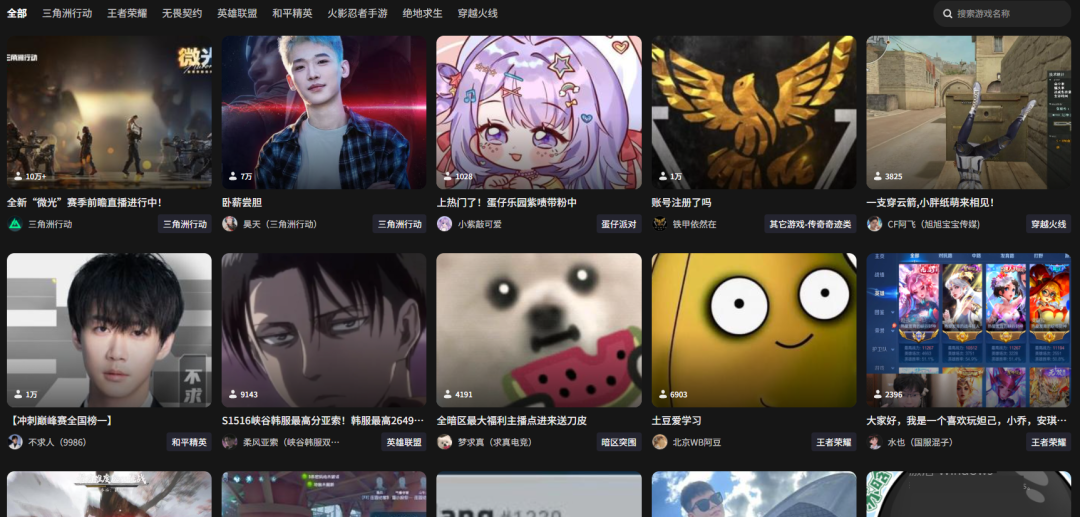
Furthermore, existing long-standing PVP and social games aren’t going to disappear anytime soon. They boast mature content ecosystems, stable social networks, and brand recognition built up over many years.Convincing someone to try a new game—let alone persuading them to bring their friends along and make a long-term switch—is as difficult as climbing Mount Everest. Even if a new game offers technical and visual improvements, players may not necessarily abandon the games they’re familiar with—*CrossFire* and *Fantasy Westward Journey*, which have remained popular since the turn of the millennium, are the most direct examples.
So, it’s hard to imagine just how intense the competition for players and creators—as well as the battle for ad spend on social media—will ultimately become once this wave of products gradually completes development and enters the market.By then, the “talent scramble” currently taking place on recruitment pages to build teams may well turn into another “talent scramble” to win over players in the marketplace—a social media battle that draws everyone in.
04
Unknown Main Theme
Over the next two to four years, we may gradually see this pipeline of games come to the forefront.Some are already in relatively mature stages of development, while others are still in the preliminary research and validation phase. However, conducting this review does not imply that we can make 100 percent certain predictions. Public job postings allow us to see the directions in which companies are proactively recruiting and positioning themselves, but black swan events can occur at any time without warning.
AI is the visible variable in this cycle, and adjustments midway through R&D, unexpected hit products, and new demands that haven’t yet caught the attention of major companies could all change this landscape at any moment.For example, during the previous industry cycle, even though there was repeated discussion about “the decline of user acquisition and the rise of content,” overseas SLG games and mini-games still achieved “major success” in the global market.
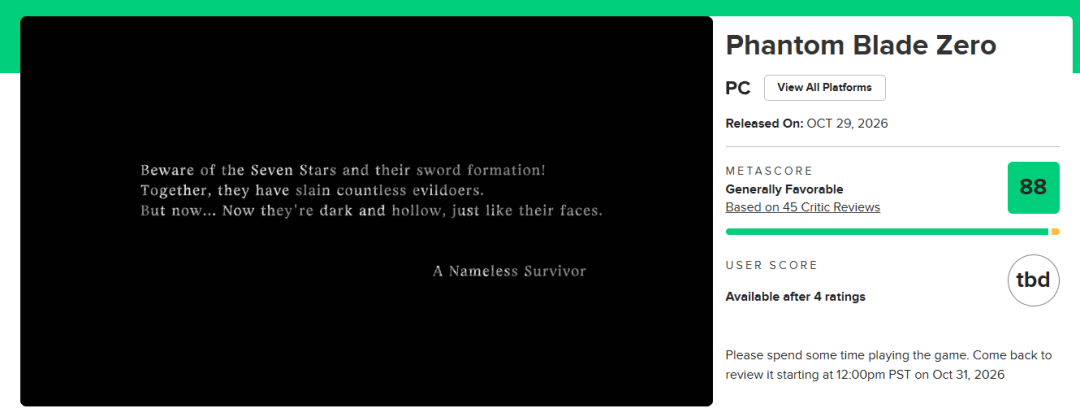
Then there’s the single-player game sector—it doesn’t fall within the scope of recruitment at major studios. But following *Black Myth: Wukong*, titles like *Blade & Soul Zero* are continuing to raise the global profile of Chinese single-player games. As college students from rural areas gradually find “employment,” their life stories are just beginning—and the future promises to be even more exciting.
In Amazon’s 2025 Annual Letter to Shareholders released this year, one sentence left a deep impression on Tea House: “Straight Line Was a Lie.”” Andy Jassy used this phrase to reflect on the detours he and Amazon have taken: Long-term endeavors rarely follow a straight path upward; changes in technology, business models, and the external environment can all force one to pause, change course, or even start over.
This feeling is particularly strong in the gaming industry. Players’ interests, platform rules, and the tools developers use to create experiences are undergoing massive changes every year. For those working in the industry, reading these job descriptions might offer some additional perspective: see which new areas are in demand for your experience, which familiar skills you can bring to the table, and which foundational skills are worth continuing to build upon.
But only by staying true to one’s original aspirations can one always find the right place for oneself amid every wave of change.
原创文章,作者:游茶妹儿,禁止转载:https://youxichaguan.com/en/archives/220762