On the first day of this year’s Gamescom Developer Forum, Tea House found Amir Satvat, who had just finished hosting the opening keynote, and spoke with him about Chinese games going global.
Unexpectedly, our conversation led to a somewhat sobering conclusion: given the current quality of Chinese games, our influence in the global industry may not have had time to catch up yet.
You may have come across the name Amir several times in recent reports about Cologne. He is the Director of Business Development at Tencent Games, and over the past few years, he has also spent his spare time helping thousands of European and American game industry professionals find new jobs amid a wave of layoffs; the TGA even awarded him the “Industry Disruptor” prize.During this year’s opening keynote, he used a series of statistics to illustrate the dramatic changes the global gaming industry is undergoing, repeatedly highlighting the growth of the Chinese gaming market in recent years. Having traveled frequently to China on business over the past three years, he is familiar with the European and American gaming industries and possesses a deep understanding of the Chinese gaming market.
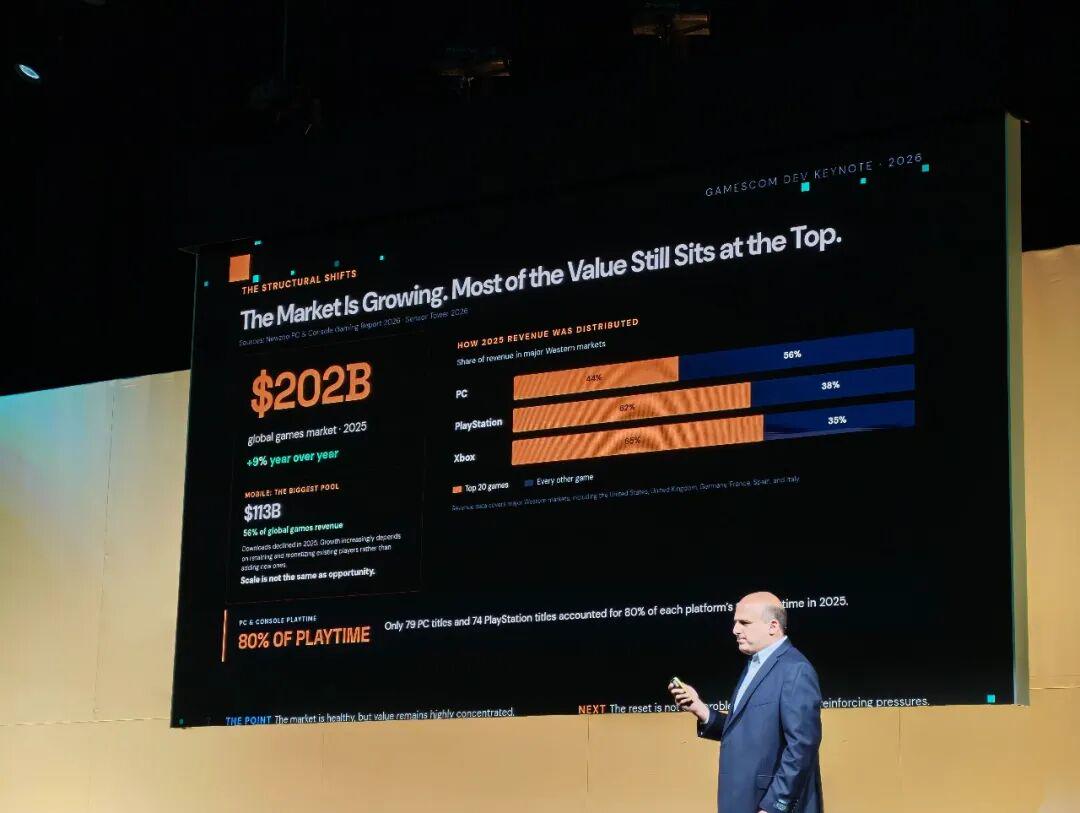
Amir Satvat's Opening Address in Cologne
I asked him to offer some advice to Chinese developers looking to enter overseas markets. His answer was simple: communicate more. Attend events like GDC, Gamescom, and DICE, and build connections with your overseas peers.
He raised the point very earnestly, and after hearing it, I was stunned for half a second—isn’t that exactly what Chinese companies have been focusing on in recent years?
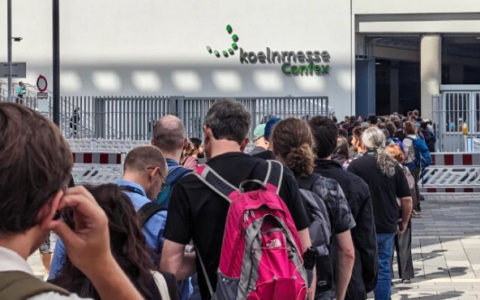
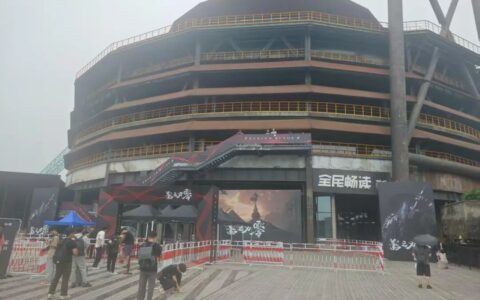
As everyone knows, since last year, several leading Chinese companies have secured the largest booths in prime locations at Gamescom.Compared to the situation before 2023, when Chinese games were hard to find, domestic titles have taken just three years to reach center stage at this world’s premier gaming expo. On opening night, major Chinese titles began to emerge one after another, winning global acclaim—isn’t this explosive growth in exposure enough? It wasn’t until later that I realized he was referring to an entirely different aspect of the matter.
Over the next week, as I made my way around Cologne in search of story angles, I watched as events that seemed to have happened exactly this time last year played out all over again in industry coverage—headlines like “Chinese Games Dominate Cologne” bombarded me one after another,People once again pulled out their lists, tallying how many Chinese games appeared at ONL, how many Chinese developers attended, and how long the lines were at the Chinese game booths.The tearful moments were much the same, and the celebratory narratives were virtually identical—only the booths were slightly larger than last year’s. Even I, the Teahouse Editor, couldn’t help but get swept up in the atmosphere.
But I gradually began to feel a sense of unease: it’s not that participating in more exhibitions isn’t important, but if we want to achieve significant results, we shouldn’t be content with just these “small joys.”
01
Discrepancies Hidden in the Details
Especially now that Chinese games have firmly established their presence at major global trade shows, the question of “how many are exhibiting” is no longer the most pressing one. Exposure is only one aspect of influence; what matters more is what role Chinese games will play in the long term and how they will connect with the gaming industry in Cologne and around the world.
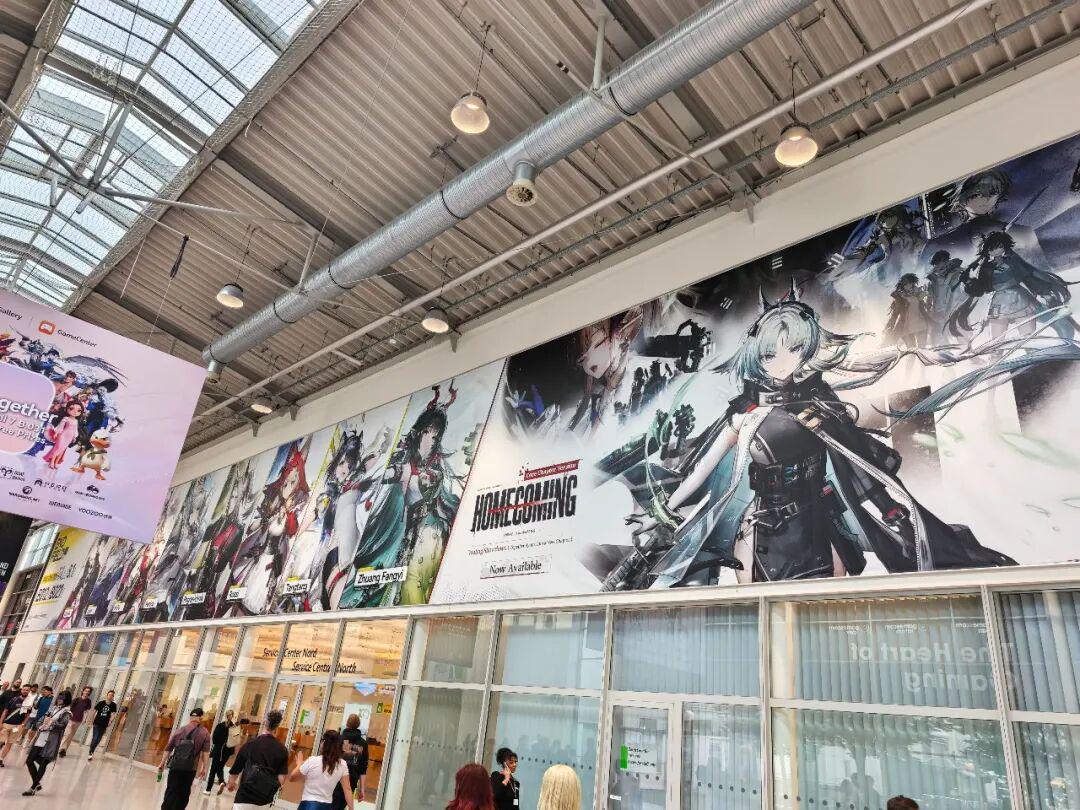
From this perspective, many of my colleagues in the industry have shared the same sentiment this year: You can indeed see Chinese games in every nook and cranny of Cologne—the giant billboards are still up, and the exhibition space for Chinese companies in the ToC hall has generally doubled, with booths in even more prime locations—but there’s always a strange sense of “being present yet detached.”
This mismatch can be examined from two perspectives: the industry and the players.
Let’s start with the industry. Chinese companies are heavily represented on the “surface” of the expo—at booths, press conferences, and developer presentations—they’re everywhere. However, their presence is significantly weaker in the “underwater” portion, which is equally crucial in determining the information density of an overseas industry expo. This “underwater” refers to business networking—a term commonly used in the overseas gaming industry.
The gaming industry in Europe and the U.S. has developed a fairly mature system for networking at trade shows. LinkedIn, MeetToMatch, and even the official apps for Gamescom and this year’s GDC all feature built-in social platforms.On these platforms, you can directly view a person’s company, job title, area of expertise, and availability, and you can even book a meeting slot right away. All interactions are transparent, simple, and efficient—there’s hardly any need for icebreakers—effectively creating a massive industry directory.
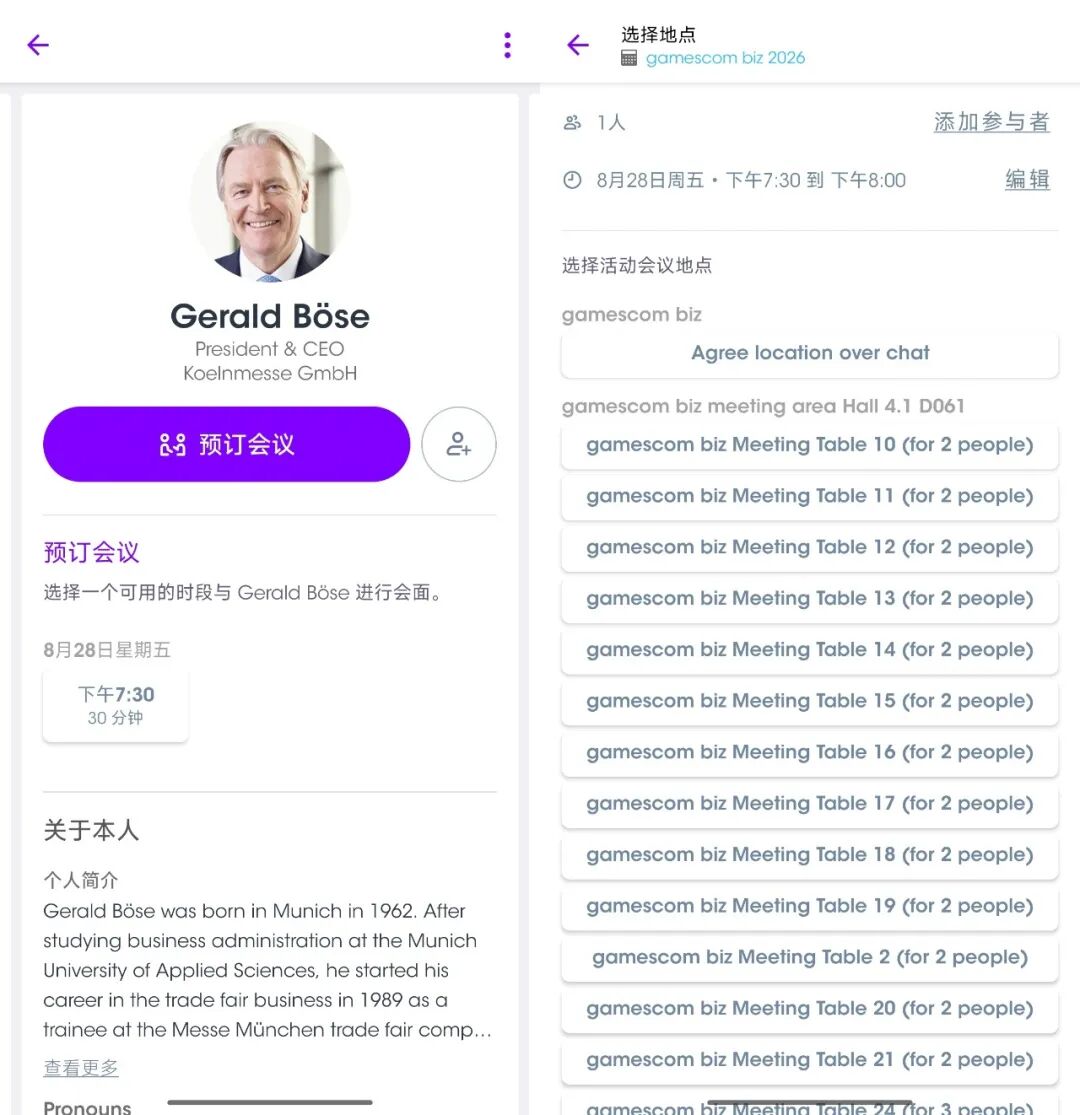
Take the CEO of the Cologne Exhibition Center as an example
For example, if you want to understand the market conditions in a particular country, you can simply reach out to a professional there, send an invitation, and wrap things up neatly in half an hour.At both Gamescom and GDC, you’ll see rows of long tables set up in the venues, taking up even more space than the game booths themselves. These aren’t meant for visitors to rest their feet after a long day of walking—they’re there so people can find a place to sit down and negotiate at any time, anywhere.Outside the convention center, there are also numerous post-show business events. They may not look very “serious,” but tens of thousands of such conversations likely take place every day—and many publishing opportunities, media connections, and long-term business partnerships are forged this way.
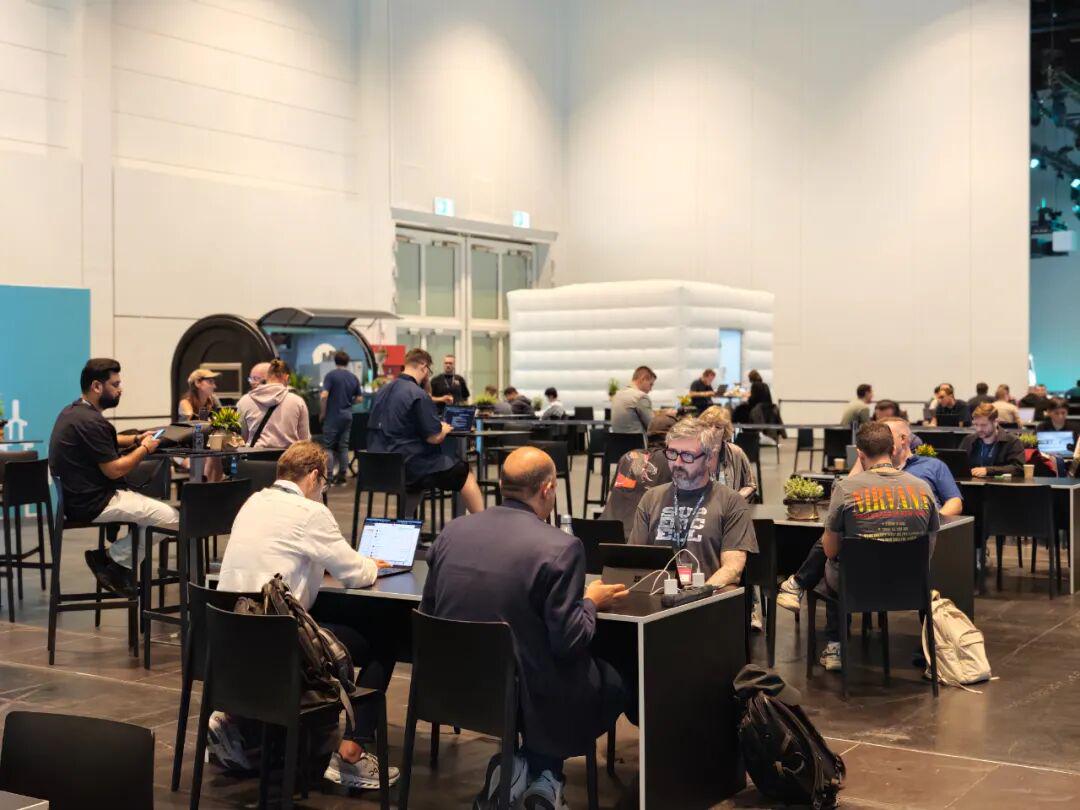
I filtered through the tags on the Cologne Games Expo app: this “contact list” contains thousands of people; among them, I could directly reach nearly 500 CXOs and decision-makers from companies of all sizes around the world, while the total number of Chinese people combined was only in the dozens.Among the clusters of people holding business discussions on the sidelines, Chinese faces were equally rare—perhaps due to unfamiliarity with the process, or perhaps because of differences in understanding social etiquette. But regardless of the reason, being absent from such events means missing out on the most valuable information these international trade shows have to offer.
What’s even more unfortunate is that we missed the opportunity to share the story of Chinese games with overseas developers. In recent years, overseas developers have shown tremendous interest in Chinese games.
Amir said that among the many overseas companies he knows, the document they’re most eager to see is “How to Understand the Chinese Market.” Friends in international business have also told me that the number of foreigners visiting China for this year’s ChinaJoy was unprecedented, with more than 200 overseas companies registering on MeetToMatch;Even while walking around the trade show in Cologne, I could hear foreigners nearby discussing their experiences at ChinaJoy in July. However, they also mentioned that when they actually came to China, they often struggled to find ways to build connections with Chinese companies, which aren’t very accustomed to proactive networking.
So what Amir really meant was: For Chinese companies to expand their influence in the industry, they need to focus on more than just high-profile appearances—the culture of collaboration among overseas companies extends beyond major players to include small and medium-sized companies at all levels, as well as more day-to-day exchanges between various projects.A prime spot in the exhibition hall proves that Chinese games have arrived; but to truly “make their presence felt,” more needs to be done.
02
We must export not only products but also culture.
The situation is much the same for gamers: Although Chinese games are everywhere, sometimes the products arrive without the necessary “context.”
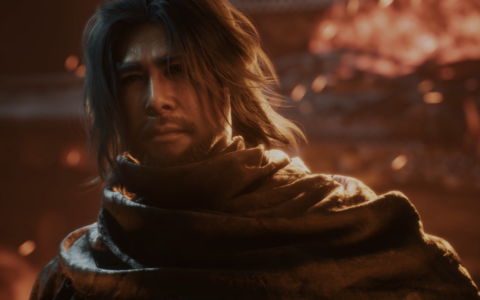
This feeling was particularly strong at the *Resisters* booth. While waiting in line to try the game, I chatted with the players in front of and behind me—one was from the UK, and the other was a local from Germany. They found the trailer intriguing, but since it didn’t go into detail about the historical background and the in-booth materials didn’t elaborate on it either, they could only speculate about the game’s content.The groundbreaking nature of this title may be remembered for many years to come—it was the first to bring the historical subject of the War of Resistance Against Japan to the forefront of global gamers’ attention. If the game can accurately align with the historical context, it could further amplify the resonance it creates with overseas players.

The "Resisters" Booth at the Cologne Fair
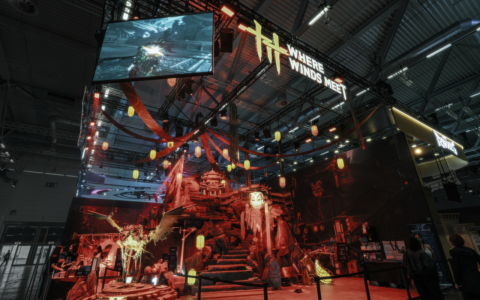
Products from major studios tend to take a more sophisticated approach. Take NetEase’s *Sixteen Sounds of Yan Yun*, for example: while the game also presents a cultural barrier to overseas players, the studio chose to bring an entire set of Chinese-style stage decorations to an offline event, allowing overseas players to immerse themselves in the game’s cultural atmosphere.Tencent’s *Grain’s Little People Kingdom* featured a giant “Wupa” at its booth, making the game’s Little People Kingdom setting and its soft, soothing cartoon aesthetic immediately apparent. These experiences in creating context have been gradually honed over the past few years through organizing offline exhibitions in China.
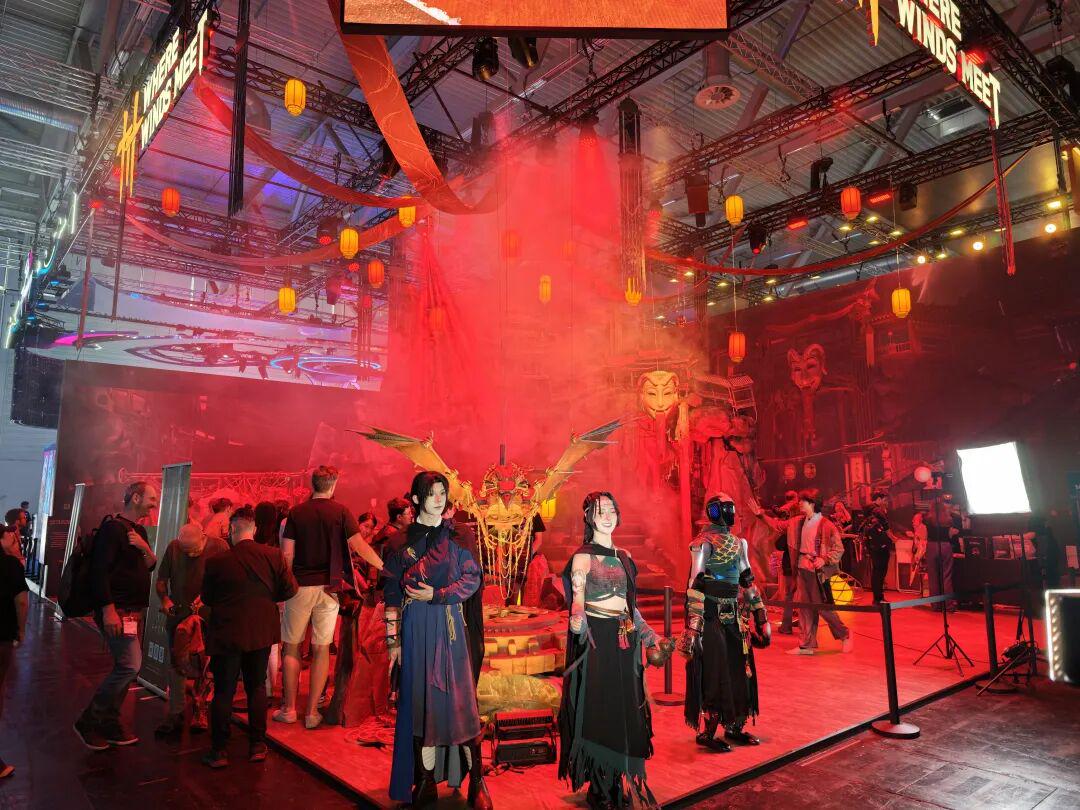
"The Sixteen Sounds of Yan Yun"
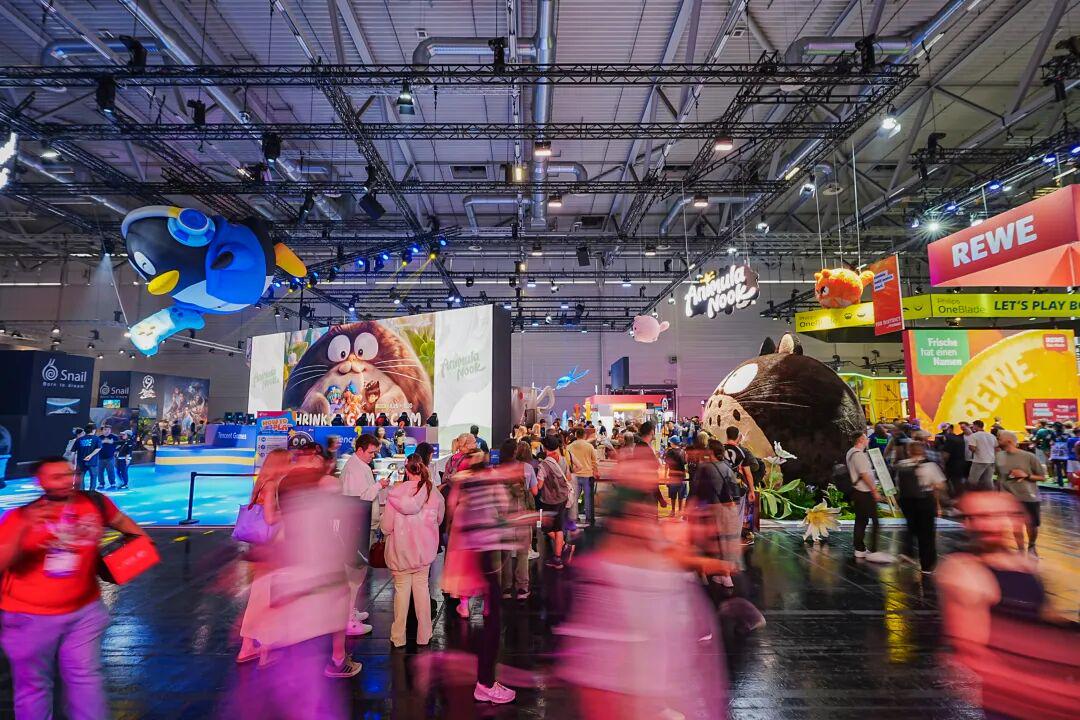
"The Little People of Grain"
Helping overseas players understand the game’s “context” comes half from shared historical and cultural memories; the other half—which is especially important for overseas players who are just getting to know your game from scratch—must be gradually built through ongoing publishing and marketing efforts.
On my first day in Cologne, I ran into an employee at a shawarma restaurant wearing a *Blade & Soul Zero* T-shirt. He said he’d received it as a gift at last year’s Gamescom; he really likes the game, has been keeping up with all the latest news, and even watched the special *State of Play* event Sony hosted for it.However, the more casual gamers around him rarely see any news about the game outside of that one week at Gamescom.
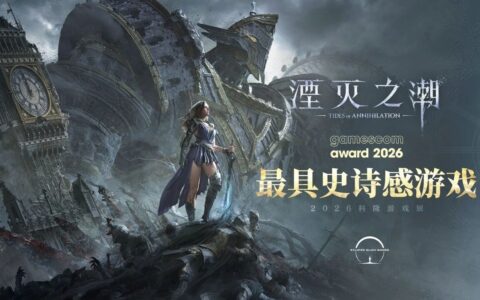
In the domestic gaming scene, we naturally come across interviews and statements from industry figures like Liang Qiwei and Feng Ji, and we can easily spotthe latest updates on titles like *Tide of Oblivion* and *Animal Punk*—but when it comes to the international market, publishers actually need to take a more proactive approach to ensure these voices and developments reach players; otherwise, it’s just a case of “making a brief appearance at Gamescom, then disappearing completely the rest of the time.”Rapidly building initial exposure is just the first step; follow-up events like in-person demos and media releases are the key to turning casual overseas fans into die-hard fans.
This also echoes a frequently discussed—yet still lacking in concrete examples—theme in the narrative of Chinese games going global: how to truly integrate Chinese games into the daily lives of overseas players, turning them into memes and part of pop culture, which in turn boosts sales. Or, to use a term everyone is more familiar with, how to achieve “cultural export.”
This feeling was particularly strong at the ONL opening night in Cologne: when some Chinese games that we considered major titles took the stage, the applause was relatively sparse; but when the closing act—the *The Witcher 3* DLC—made its appearance, the people around me erupted in a thunderous cheer—even though it’s a game that’s over a decade old.By comparison, it felt a bit bleak.
In this regard, there are actually already some precedents to draw on, such as indie game developers like miHoYo, Kuro, and Eagle角, which prioritize their overseas communities by building player communities, organizing offline events, and reaching every corner of the community; orcompetitive titles like *CrossFire* and *Honor of Kings*, which host global tournaments overseas—success is built up bit by bit through daily efforts.
Of course, the past few years have not been wasted. We’ve identified many reasons why our products weren’t well-received and have made significant progress: we’ve raised the quality and creativity of our games to a level where they can compete with those from developers around the world; and we’ve explored themes—such as *Journey to the West*, wuxia, supernatural tales, and even the War of Resistance Against Japan—that truly embody Chinese cultural expression.
Many products have already made a name for themselves. The next challenge is how to use distribution to help the game become more deeply ingrained in the culture of overseas players.
03
Be Someone Who Speaks Clearly and Directly
Ultimately, whether it’s the “invisible absence” from the industry or from the player base, the underlying reason is the same: when Chinese companies expand overseas, they are not yet very adept at doing the kind of work that involves “getting their hands dirty”—truly connecting with players and developers.These are precisely the skills we’ve mastered to perfection in the domestic market; we simply haven’t yet found a way to implement them overseas.
It’s not that Chinese companies have to “fit into foreign circles.” What I’m trying to say is: Chinese companies and Chinese products are simply amazing right now. The European and American industries are undergoing structural shifts and massive layoffs; traditional development models are gradually breaking down, and the entire industry is searching for a new direction.We have proprietary technologies and unique methodologies we’ve pioneered ourselves. If we don’t share these with the world, isn’t that like wearing fine clothes at night but walking in the dark?
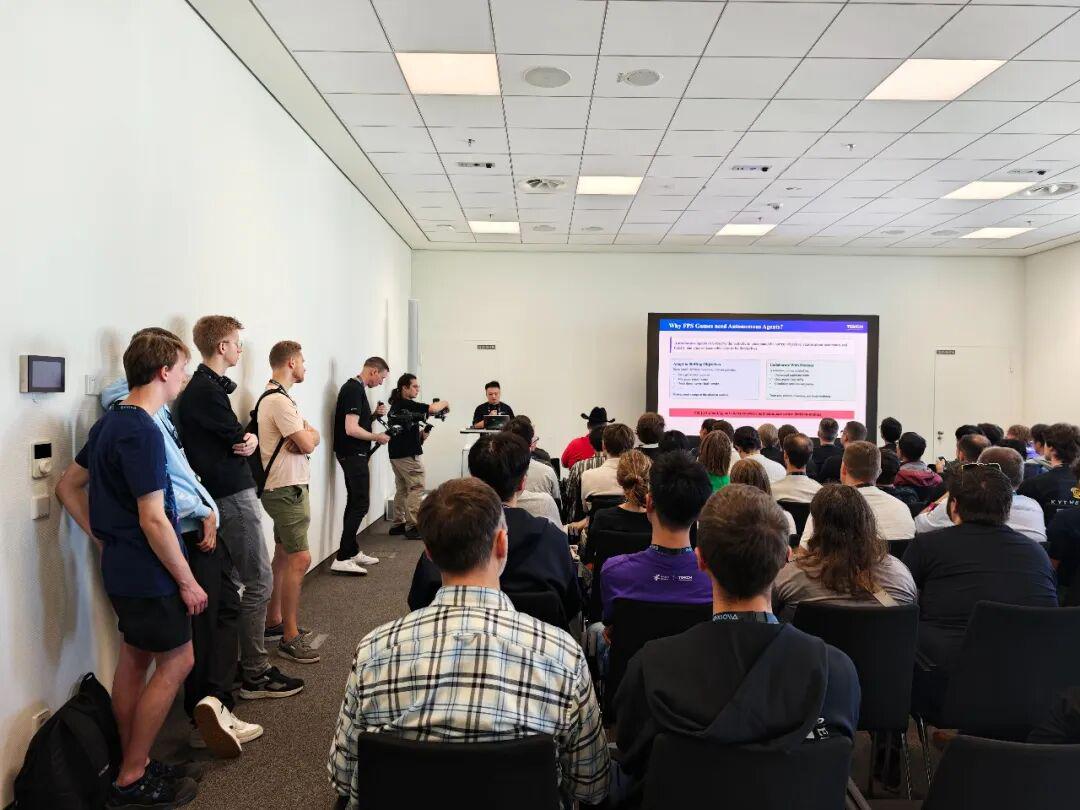
For example, at this year’s gamescom dev forum, one of the best-received presentations came from Tencent Games’ Public Technology Division. The young man giving the presentation looked quite young and seemed a bit nervous at the start, saying, “My English isn’t very good, but I’ll do my best.”But what he shared was really cool—Tencent Games presented GIGA, a general-purpose game agent developed through research into FPS games. By adopting a “dual-brain architecture” consisting of an action system and a decision-making system, the agent can understand the situation and assess its state in complex game environments, and collaborate with players to complete a variety of tasks.
The venue was packed to capacity, with overseas developers sitting on the floor or even standing throughout the entire one-hour presentation.People in the audience kept raising their phones to take photos of the slides, and there was a lively Q&A session at the end. Seeing this scene was quite heartening. The opening statement, however, was actually unnecessary; it actually weakened the energy—good technology speaks for itself, regardless of accent or delivery.
Other presentations by Tencent showcased additional AI applications:Automatic bone binding and skinning, which were showcased in stages last year, have been upgraded this year into a complete 3D character production AI pipeline called Motus AI. It includes character binding, skinning, multimodal motion generation, and motion refinement. It has also overcome the extremely challenging task of clothing animation, reducing a task that previously took three to four days of manual work to just a few hours—an efficiency improvement of more than eightfold;Additionally, there was the high-performance global illumination solution used in *Lock Kingdom: World*, as well as AI-agent-driven automated testing, among other innovations.
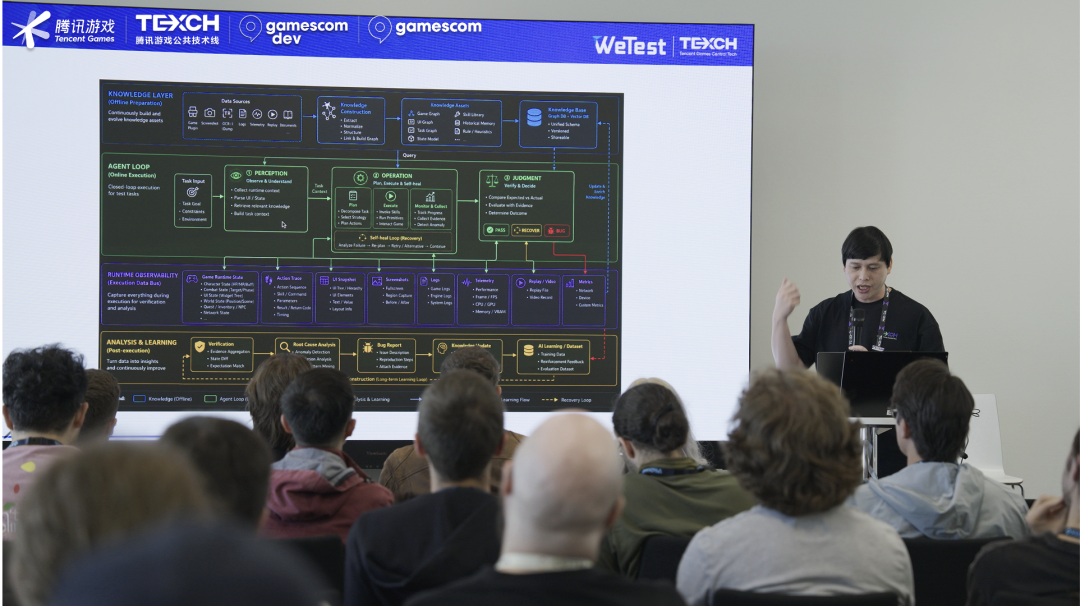
Tommy, the head of the AI track for the gamescom dev competition, spoke highly of the event. He felt that Tencent Games’ presentation enhanced the industry’s understanding of AI developments in other countries—many of the AI technologies and applications were “truly eye-opening” to international attendees.
As wonderful as these presentations were, they always left us wanting more. Perhaps it’s the modesty and reserve inherent in the Chinese character—a fear that what they present might not be “substantial” enough—but at this year’s GDC and Gamescom, Chinese developers’ presentations focused more on “hardcore” technical solutions like AI.
But the areas where Chinese companies also excel—such as long-term operations, game marketing, user research, and project data analysis—are actually all impressive assets that can “amaze” overseas developers once they’re brought to light. Many of the topics discussed at industry events should really be presented by Chinese companies.
For example, in Cologne, we saw the team behind *Subnautica 2* discuss their methodology for building a long-term IP through a sequel, and we also saw a little-known browser game discuss long-term operations—but if we were to replace these long-term case studies with *Peacekeeper Elite* or *League of Legends*, the weight of the discussion would immediately be different.Only by sharing these experiences do we have a chance to gradually turn them into global industry consensus and best practices—that’s how the appeal of a topic is established.
In some of the presentations, Chinese companies were even described as a “shadowy presence”—the methodologies of Chinese manufacturers have, in fact, become standard procedures for many companies, though there was no one to explicitly point out this trend.For example, Juha Vainio, executive producer of *Control: Resonance*, mentioned in his presentation that they conducted more than twenty rounds of user testing during development, compared to just two rounds for the previous installment. At first, I was surprised: When did overseas AAA developers start adopting rapid user feedback iterations, just like Chinese mobile game developers?
It wasn’t until I spoke with Scott Junior, Funcom’s CPO, that I realized Tencent Games has a dedicated research team within its system that helps second-party developers organize player testing and analyze user data.Funcom’s own *Dune: Awakening* has benefited greatly from this support, and the company believes it has introduced unprecedented infrastructure to the console industry, making high-quality content more readily available. This should rightfully become part of the global standard for AAA game development in the future.
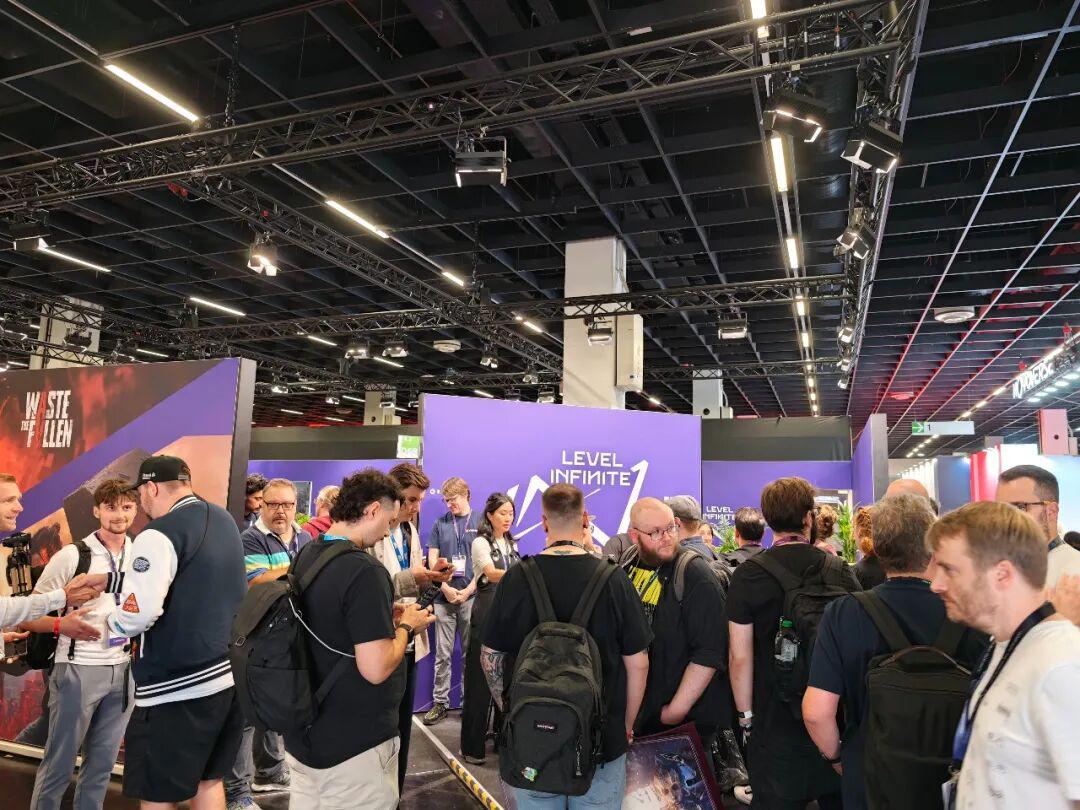
I’ve also spoken with Level Infinite, Tencent’s international gaming brand. They’ve now built a global collaborative network connecting numerous game studios worldwide and spanning various regions.With local representatives stationed in dozens of countries worldwide, the system offers a wide range of support services—including content creation, publishing technology, market research, and regional insights. This enables them to help third-party developers worldwide optimize their official website landing pages using AI technology, as well as connect developers with market resources such as KOLs and player communities in specific countries.
Please forgive me for talking so much about Tencent. But here in Cologne, Tencent is indeed one of the Chinese companies that has put the most effort into the B2B sector this year: in the ToB exhibition area of Hall 4, Tencent Games and Level Infinite secured the two largest booths, which were packed with business visitors almost every moment of the day.A network capable of truly connecting companies of all sizes around the world and bridging the entire industry chain is taking shape right here.
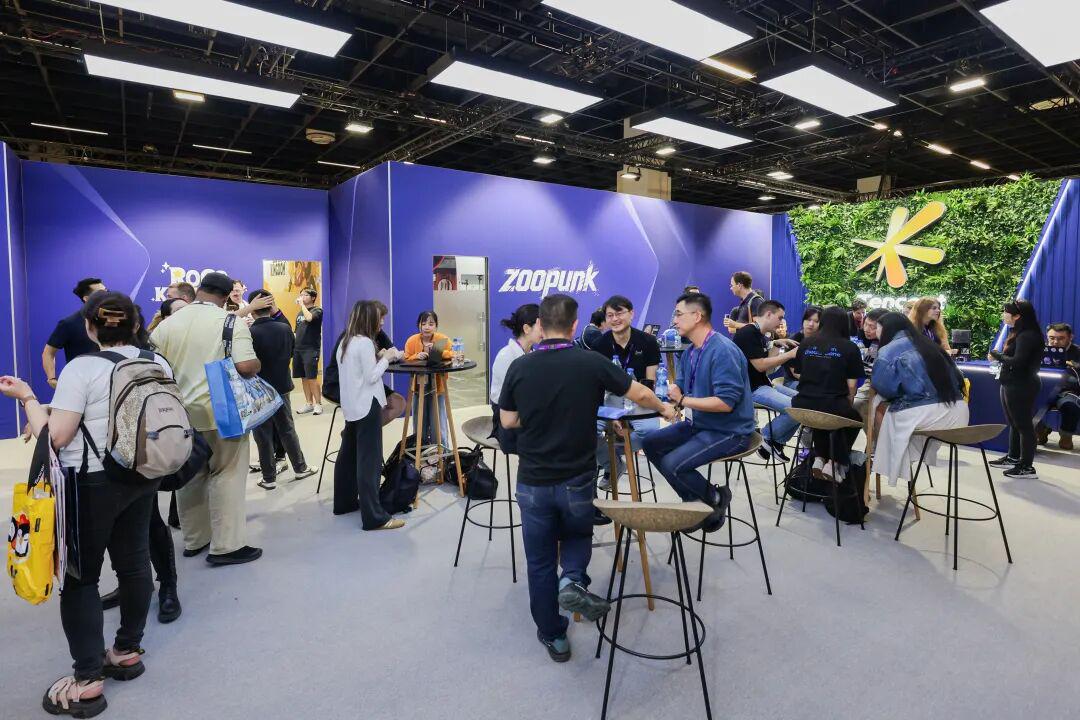
Tencent is leading the way, but this trend extends far beyond any single company: Chinese companies looking to do business overseas and expand their global influence still have plenty of room to grow.
04
Don't treat yourself like an outsider
Ultimately, I titled this article “The Last Mile” because most of the observations I’ve shared so far aren’t about insurmountable obstacles or difficult challenges—they’re more about mindset. By overcoming shyness, shedding the burden of cultural barriers, and taking the initiative, we can carve out even more opportunities.In this era—when the Chinese gaming industry is at its most dynamic and the global market is at its most unpredictable—we must do more to establish our influence.
We’ve all felt it: Due to past market conditions, China’s gaming industry was stifled for many years. From players to industry professionals, there was a strong longing for—and even a sense of awe toward—the overseas market. But times are changing.
Over the past three to five years, the Chinese gaming industry has actually overcome its greatest challenges: it has met high quality standards at the product level; in terms of long-term operations and player communities, it has developed numerous techniques and strategies that are virtually unprecedented overseas; and it has had the courage to bring its games to the forefront and embrace global attention.
We no longer need to view overseas markets as a mountain to conquer, but rather as the next frontier to explore. We can even see ourselves as “locals” there and take a more level-headed approach to the various cultural and linguistic differences.The major arteries leading to the global market have already been opened; what we need to build now are the capillaries—they are the key to truly invigorating the entire system.
New initiatives are already underway. Tencent’s “Worlds of Play” art exhibition, held during this year’s Gamescom, featured 41 games from more than 20 studios worldwide—including *Black Myth: Wukong*, *Operation Delta*,*Blade & Soul Zero*, *Assassin’s Creed*, and *Elden Ring*—were showcased at the event, which was open to players free of charge.
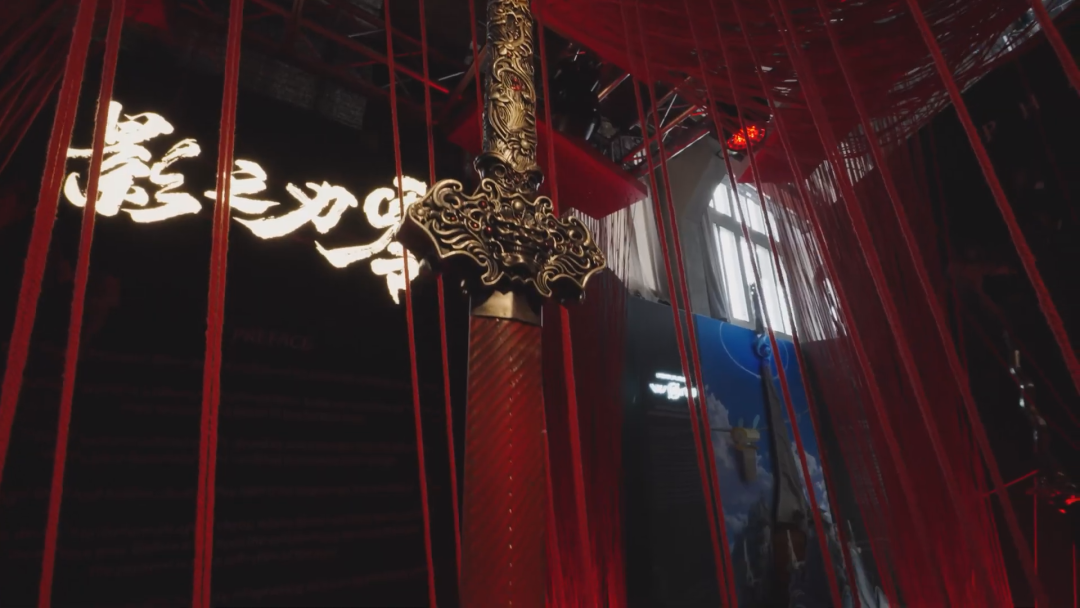
Unlike some of the game art exhibitions we’ve seen, this one isn’t designed to promote new games. Instead, it invites visitors to slow down and appreciate the art at a leisurely pace, using these creative works to glimpse the industry “context” that Tencent Games and its global partners have spent years building together.On the surface, these products appear diverse in terms of gameplay, business models, culture, and region, but at their core, they embody a highly consistent set of Tencent-style values—a commitment to long-term dedication to a single direction, a willingness to challenge established assumptions, the ability to continuously deliver fresh experiences to players, and the resilience to weather challenging periods in the industry.
In this space, games are not ranked based on platform or cultural background, but rather reclassified and presented through the lens of Chinese gaming. The international visitors who made a special trip to this venue—located some distance from the Cologne Exhibition Center—were almost exclusively hardcore gamers; this exhibition offered them a glimpse of a more open approach to presenting the art of video games.At this year’s Gamescom, Chinese developers set up even more exquisite booths. Relying on product strength honed over many years, they charged forward with new releases, one after another, earning well-deserved applause from players. Meanwhile, behind the scenes, Tencent’s gaming ecosystem continues to reshape the narrative of Chinese gaming.
In the foreseeable future, *The Knot of Origin*—which made its debut at this year’s Gamescom—shows us that even a developer like miHoYo, which already has strong brand recognition, is actively adjusting its direction, expanding its repertoire, and venturing into the territory where major overseas titles excel to take them on head-on.
Xu Guang, General Manager of Tencent Interactive Entertainment’s K1 Partnership Department, recently made a similar statement, saying that the goal is to use the “CrossFire” franchise—a national IP—to connect with the world through AAA-tier games in the future and create products that are “natively globalized.”
The way these major studios are developing their next-generation blockbusters has reached a new level compared to the past, and the results of these efforts will gradually come to fruition over the next few years.
So next year, I sincerely hope to see more variety in the coverage of events like Gamescom, the TGA, and GDC: instead of focusing on how many Chinese games are there, we should be talking about how much they’ve impressed foreign audiences and how much they’ve influenced the industry as a whole.
Even without resorting to grand narratives like “seizing the power to define,” we can still forge connections and exert influence, injecting more China-led changes into this global gaming market that appears to be gradually “settling into a fixed pattern.”
This is the direction I'd prefer to see.
原创文章,作者:游茶妹儿,禁止转载:https://youxichaguan.com/en/archives/220412