"Golden Shovel Battle" is turning five.
At the beginning of the month, I first visited the limited-edition museum celebrating the fifth anniversary of the McDonald’s collaboration. Seeing the exquisite shovels crafted by players on display in the showcases,I thought at the time that the “Shovel-for-Shovel” event had already sparked enough enthusiasm among players—until I walked into the birthday party at Shenzhen Bay MixC on August 29, when I realized I had still underestimated it.
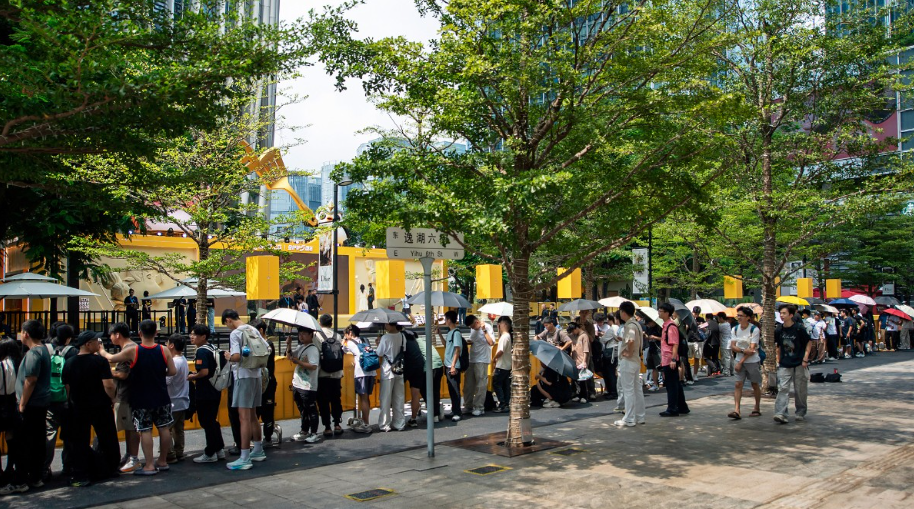
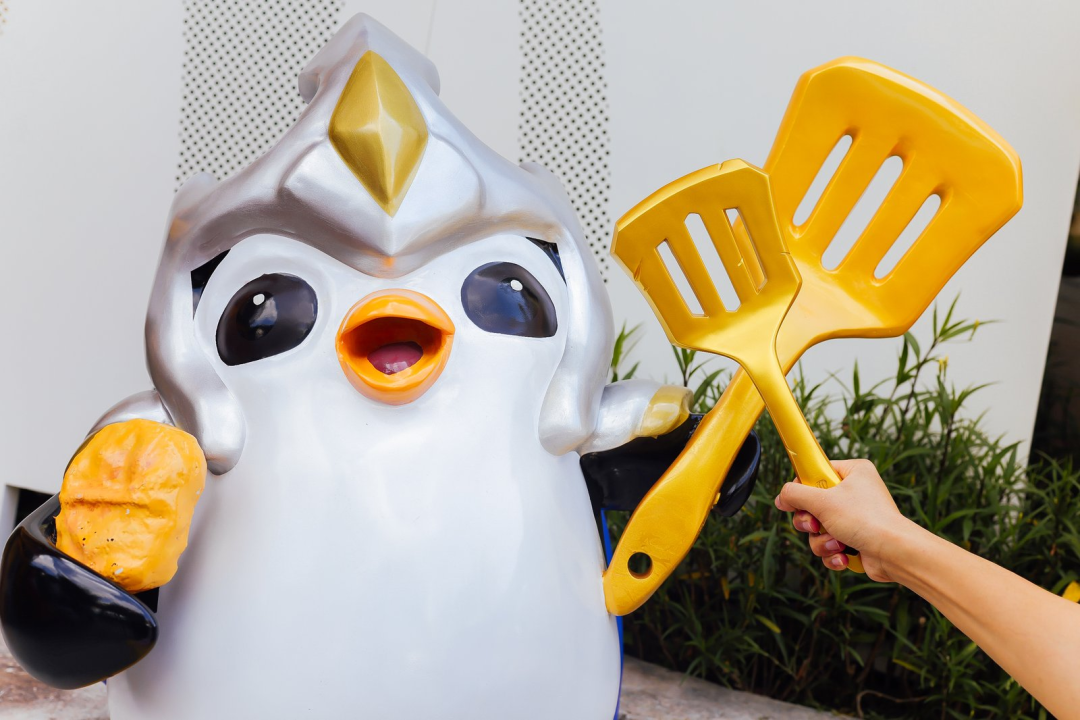
The party took place on the Chunsun Lawn at MixC Shenzhen Bay, where a giant Chubby Dragon and a Feathered Knight held aloft two golden shovels to welcome the players.Long lines formed at the cosplay photo area; some players wandered around holding DIY shovels they’d made themselves, while others had traveled from out of town specifically for the event. The exhibition area was packed with people—it felt less like a gaming event and more like a gathering of old friends.To think that a five-year-old auto-battler game could still draw such a large crowd—in that moment, it dawned on me that this game’s five years weren’t just five years on the calendar, but five years of genuine dedication and passion from its players.
Just a few days before the party, “Force of Nature” had just launched; as the latest season, it continues to innovate in gameplay. This is a microcosm of *Golden Shovel Battle*’s five-year evolution: even though it has clearly established itself as a leader in its genre, it has not settled into the industry’s typical state of complacency,Seasonal gameplay continues to evolve and innovate, offline events have expanded from tournaments to collaborative parties, and even creations from the player community have been gradually adopted by the developers and amplified into official content.
It’s the industry’s standard path for mature products to transition into stable operation, but *Golden Shovel* chose not to follow that path. Over the past five years, it has continuously evolved across three key areas—gameplay, player community, and IP value—which has left me wondering: How exactly has it managed to constantly push its own boundaries, turning every update into a reason for players to “jump back in”?
01
What never changes about Chanchan is that it’s always changing.
5 years, 14 full seasons, with a major update roughly every 4 months.
If you lay out all these seasons, you’ll see a very clear pattern: Golden Shovel has never viewed Auto Chess as a game with a fixed set of rules.
From the early days of Light Equipment and Hextech Enhancements to later additions like Serendipity, the Random Staff, and hero unlocks, many of these designs were quite bold at the time. Some eventually became long-term mechanics, while others faded away at the end of the season, but what they all had in common was a constant effort to change the way players make decisions.
But what deserves even more attention isn’t “how much has been changed in Golden Shovel,” but rather how it handles these changes. Good design isn’t wasted—it becomes the starting point for the next innovation; and problems that have been identified serve as the basis for future adjustments.
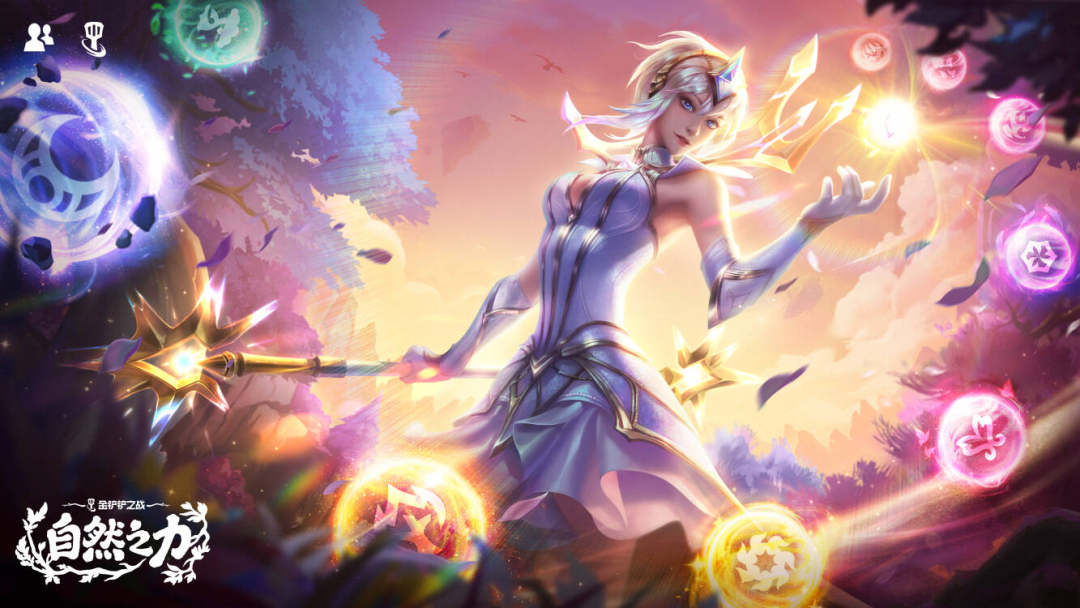
This is particularly evident in the latest "Power of Nature" season. This season isn't a brand-new game mode that appeared out of thin air, but rather a continuation that builds on previous experience.
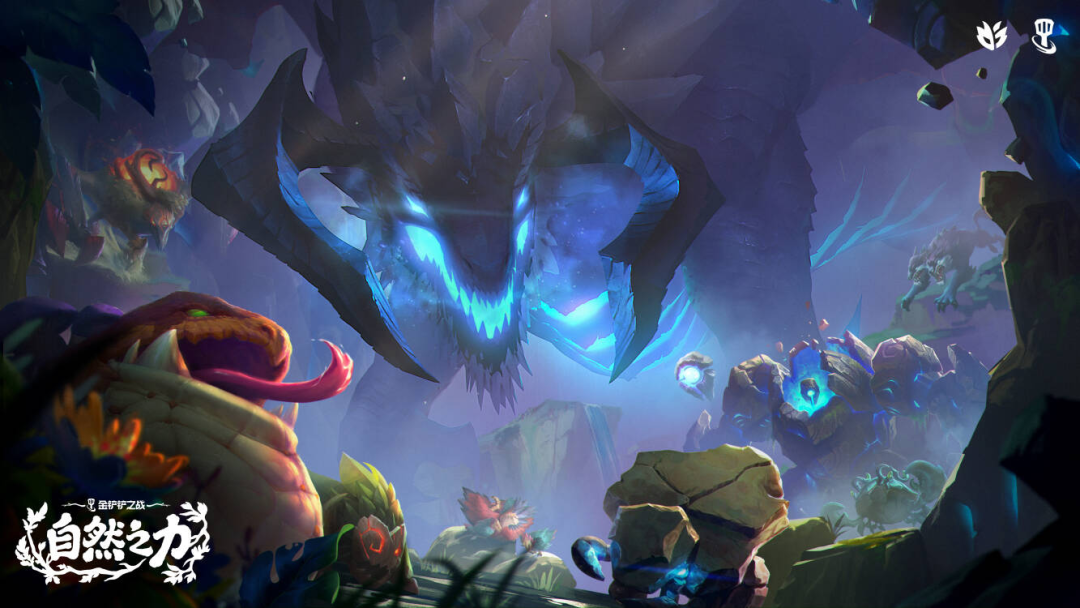
For example, the previous Magic Brawl season featured a random staff mechanic. In the Forces of Nature season, this design experience was revisited and further integrated into the new season’s Nature Spirits gameplay system.There are over 200 different “Nature Spirits” in the game, covering seven major effect categories. They interact deeply with synergies on the board and create even more opportunities for last-minute comebacks.
This is actually a very interesting change. If the goal were simply innovation, there would be no need to bring back a mechanic that had already been discarded. However, Golden Shovel doesn’t view innovation as an end in itself; instead, it reevaluates based on player feedback—determining what should be retained, what should be adjusted, and what is worth trying again—ensuring that past experiences continually inform future designs.
Change is about finding better ways to play. What remains constant, however, is our ongoing exploration of the player experience.
Centered around the theme of “The Power of Nature,” this season marks the first attempt at the “Summoner’s Rift Jungle” synergy, bringing classic jungle monsters from Summoner’s Rift onto the board to form a massive vertical synergy comprising up to 10 units.In the past, they existed in Summoner’s Rift and were a familiar part of players’ memories. Now, they can truly take the board and join the battle.This isn’t simply a matter of bringing an IP element into the game; it’s about breathing new life into familiar content through the rules of Auto Chess. This perfectly encapsulates the logic behind five years of innovation in Golden Shovel: the core fun remains unchanged, but the way it’s expressed is constantly evolving.

Even the boundaries of “which screen to play on” have now been broken.On August 31, *Golden Shovel Battle* received a PC version license, and cross-platform play between PC and mobile will be enabled in the future. Players now have yet another reason to jump into the game—whether they want to pull out their phones for a quick match anytime, anywhere, or sit down at their computers for a more immersive experience.
So the only thing that hasn’t changed about *Golden Shovel Battle* is that it’s constantly changing. The primary driving force behind the game’s evolution has always been the continuous pushing of the boundaries of its gameplay, rather than clinging to its existing culture. And it is precisely this dedication to design that ensures, no matter which season you’re in or what mindset you have, you’ll always find a reason to play.
02
From Audience Member to Co-Creator
If product innovation addresses the question of why players keep playing, then the player ecosystem addresses why they’re willing to stay after they’ve finished playing. The answer provided at the fifth-anniversary party was more vivid than any data could convey.
Visitors to the Spring Bamboo Lawn at MixC Shenzhen Bay don’t just sit in the venue and watch an event.They brought their own handmade shovels to the venue, searched for familiar creations in the “Shovel Collection Room,” continued their creative work in the “Ingenious Shovels” area, and met up with other players in the Shovel Buddies Lounge, the Crown Igloo, andthe Golden Shovel Wonder House. Some players traveled from out of town; others weaved through the crowd holding shovels they’d spent countless hours crafting; and still others were attending such an in-person event for the very first time.
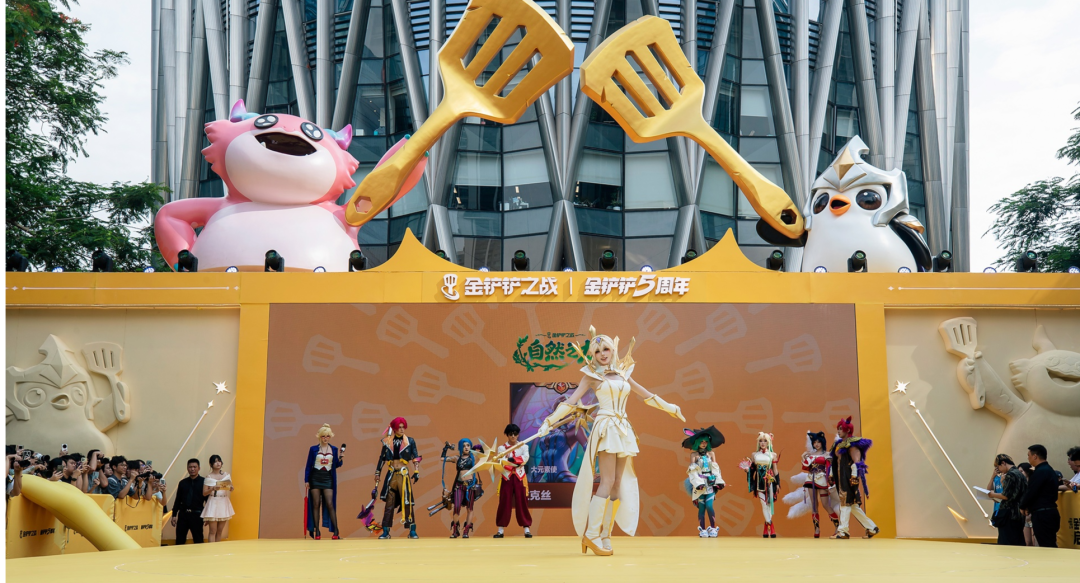
Over the past five years, the relationship between players and the game has actually undergone many changes. At first, the connection between players and *Golden Shovel Battle* was simple: open the game, enter the board, and start a match. But five years later, that simple act of “launching” the game has begun to lead to much more.
Some people launch the game in their livestreams after hearing the phrase “Golden Shovel, let’s go!”; others post on social media looking for a “shovel buddy”; and still others start crafting their own shovels to participate in a “shovel swap”;and still others, inspired by an anniversary celebration, made the leap from the virtual game board to a real-life player gathering for the very first time.
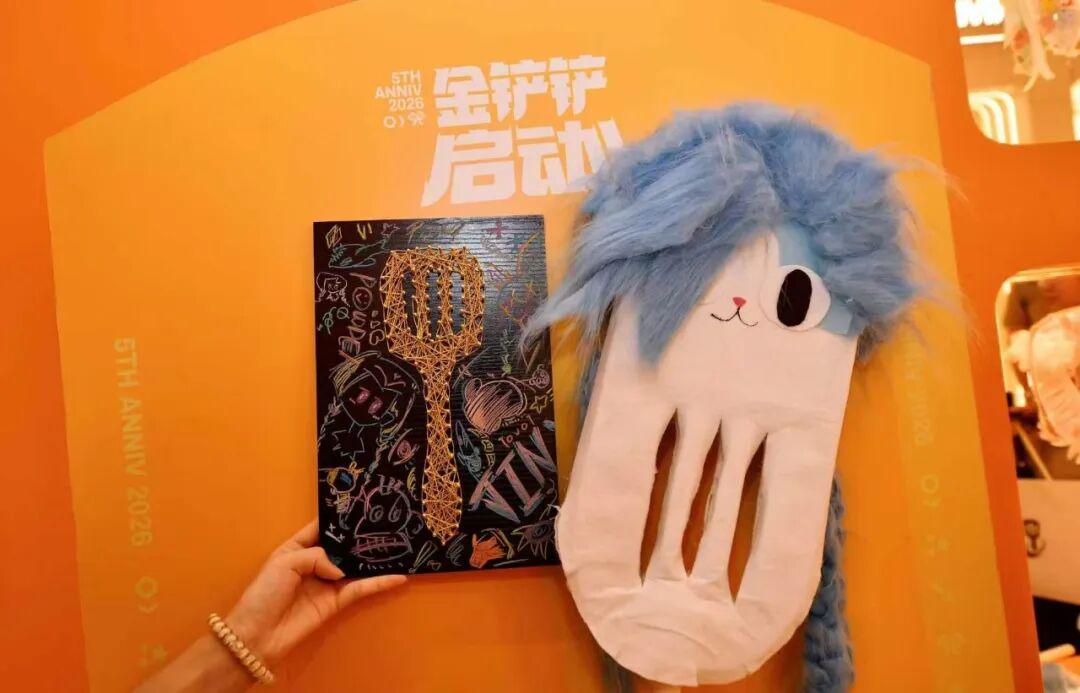
Games draw people out from behind their screens, and offline experiences allow players to become part of the "Chan Chan" culture. "Trading Shovels for Shovels" is the most vivid example of this shift. This event wasn’t originally conceived out of thin air by the developers.
In 2024, McDonald’s launched a promotion where customers could bring any shovel to the restaurant and exchange it for a free Grilled Chicken Burger. Among the players lining up with all kinds of shovels, a special, homemade golden shovel unexpectedly went viral.Capitalizing on the behavior that had already taken hold among players, the official team transformed the “shovel”—the game’s most recognizable symbol—into an interactive experience that truly belonged to the players. As a result, “Shovel for Shovel” evolved from a spontaneous prank initiated by players into one of the most iconic activities in *Golden Shovel*’s offline events.
By its fifth anniversary, the event had evolved even further. Some attendees brought bead-art shovels, while others crafted shovels from seashells, cardboard, and recycled materials; still others carried a giant artwork assembled from countless miniature “Golden Shovel” figurines.What had originally been merely a hobby and creative outlet for players suddenly gained value—the value of being seen, praised, and collected—once brought into the real world.
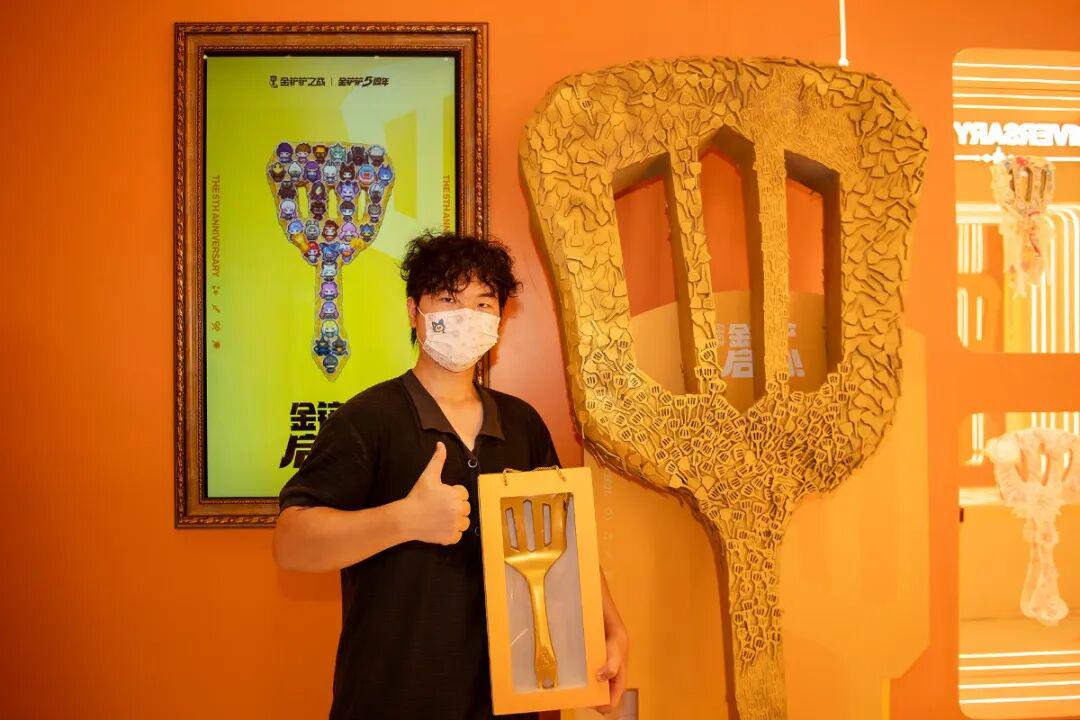
The launch of the “Shovel Collection” has transformed this player-created content into more than just an interactive activity on the day of the event. A variety of player-crafted shovels are now officially displayed in showcases—some as exquisite as works of art, others filled with personal memories, and still others blending game characters, city landmarks, and the creators’ own ideas into their designs.
Even without preparing artwork in advance, players can use the “Creative Shovel” to draw their own shovels on the spot. Once finished, they can scan their designs onto the wall, turning a spontaneous creation into part of the 5th-anniversary event.
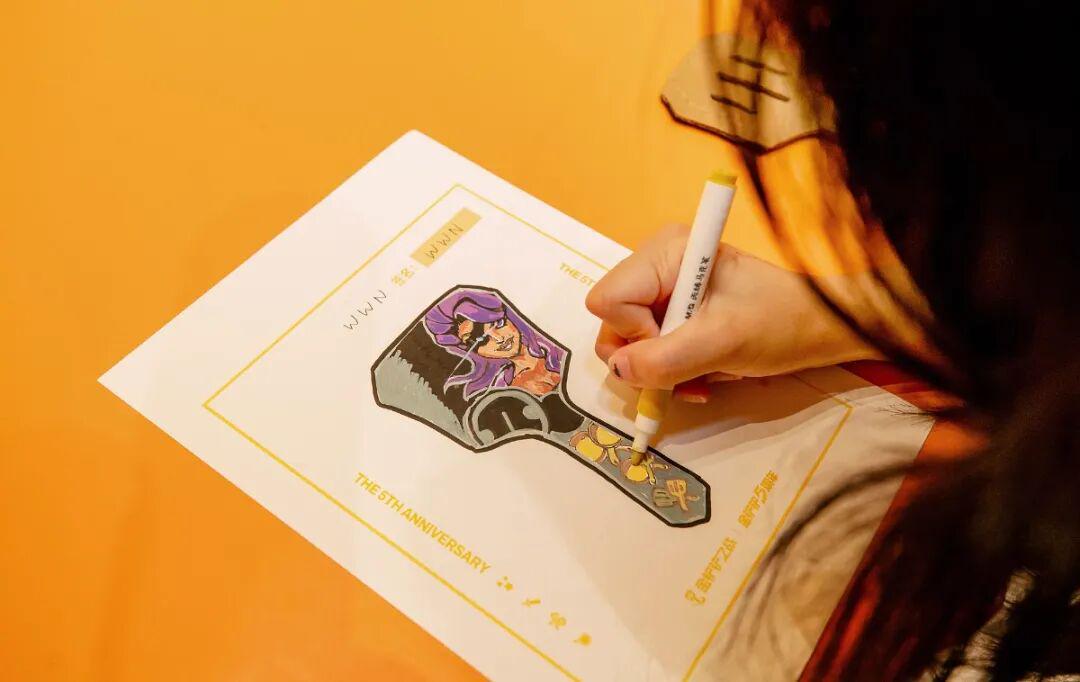
From “I played a game” to “I crafted a shovel,” and then to “My shovel appeared at the Golden Shovel’s 5th-anniversary event,” the ways players engage with the game are constantly extending beyond the screen.
What’s even more interesting is that these experiences didn’t stop at offline events.Players take photos of the shovels they’ve crafted and post them on social media; they share photos from the anniversary party; they discuss which shovel is the most creative; and they incorporate game-specific slang like “Golden Shovel Launch” and “Shovel Buddy” into their everyday speech.
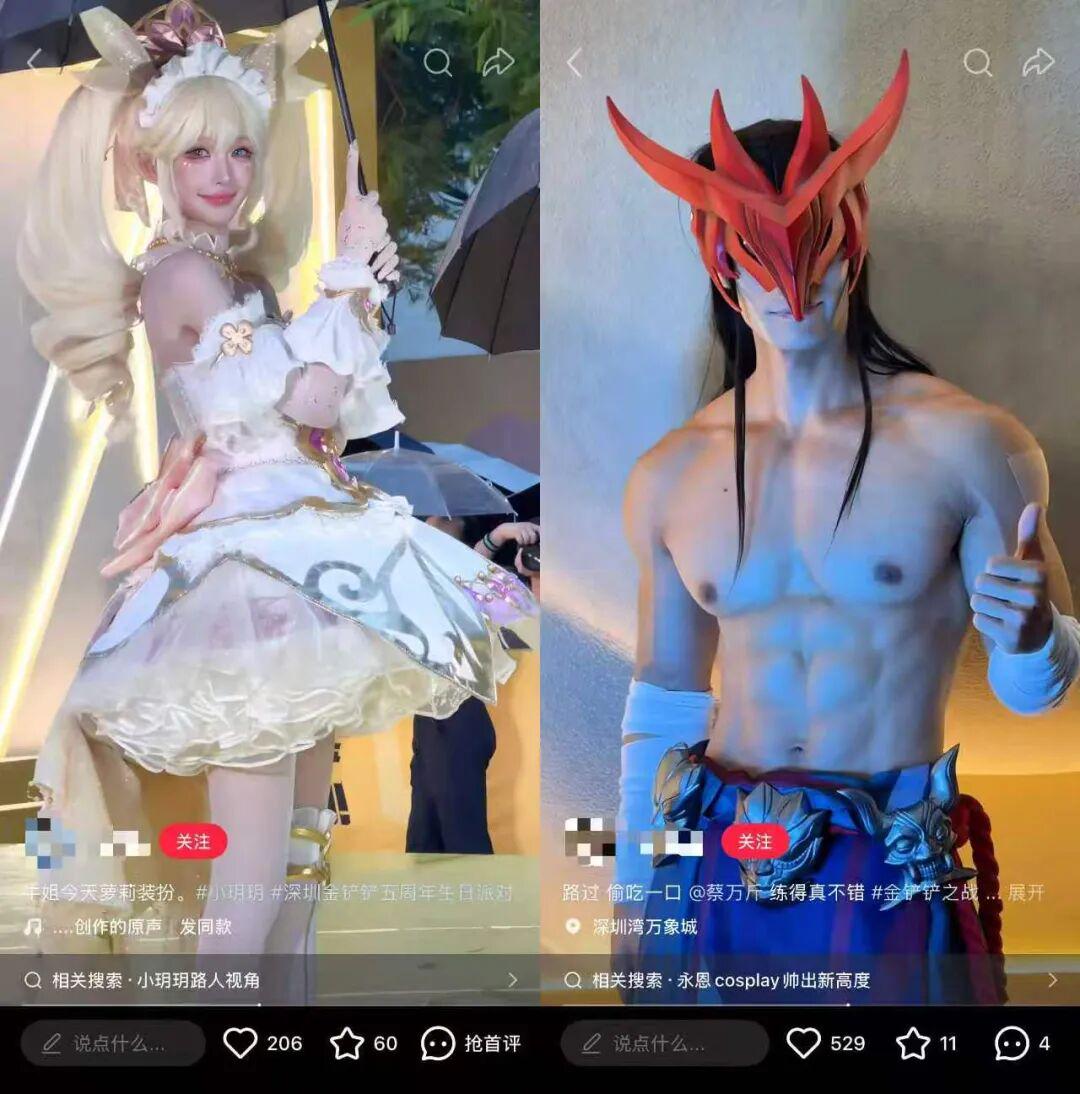
Thus, a complete cycle gradually took shape: the “launch” within the game drew players into the offline world; the offline experiences, in turn, became content that players were eager to post and share; and this content found its way back online, serving as a gateway for more people to discover and engage with *Golden Shovel Battle*.
Whether it’s McDonald’s “Scoop for Scoop” campaign or collaborations with brands like Haidilao and LeKe in everyday settings, these initiatives essentially take the gaming language and cultural symbols that players are already familiar with and place them in the very places where players actually spend their time.
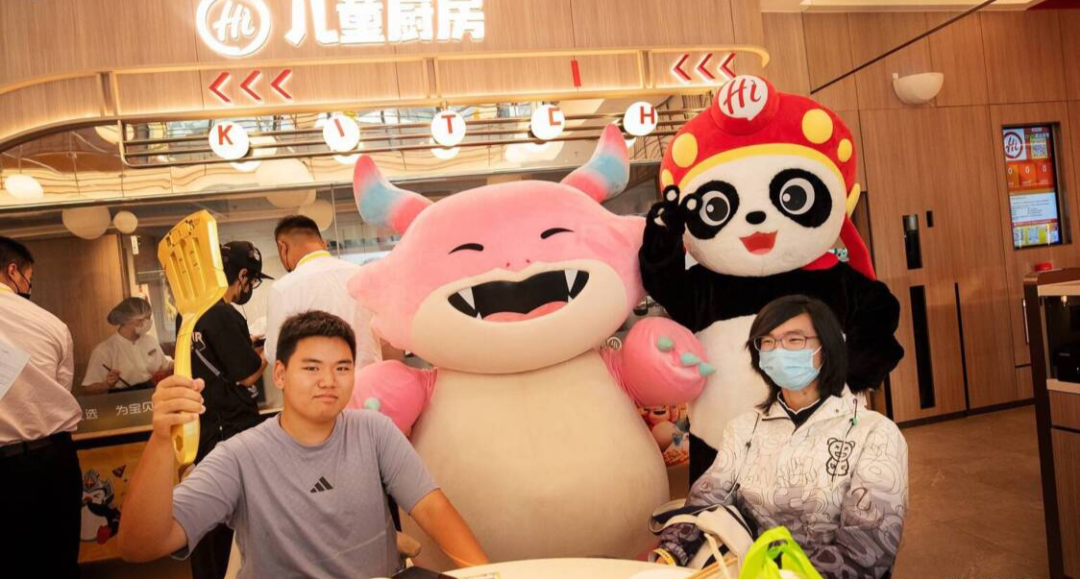
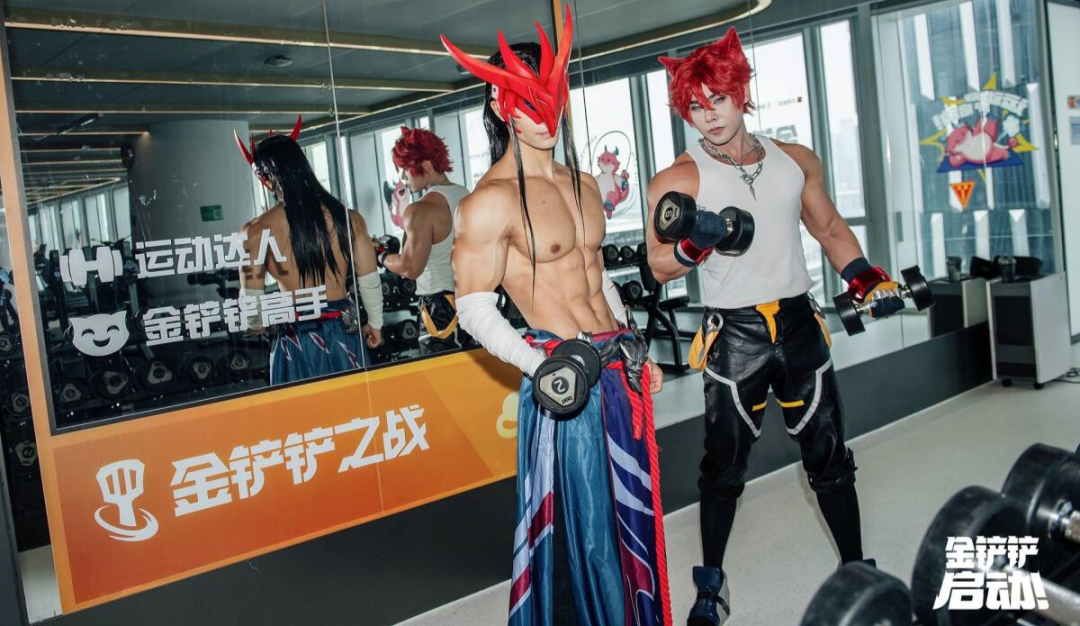
When eating hot pot at Haidilao, you can say, “I’ll have a ‘shovel partner’”; when working out at LeKe, you can launch a game and play a round; and when you spot a unique shovel, you’ll want to snap a photo and post it on social media.
The game doesn’t require players to be glued to the board at all times; it extends beyond the board. This is actually a sign that the player community is maturing: players are no longer merely consumers of game content, but are beginning to become disseminators and co-creators of game culture.
This shift has also taken place within the tournament system.Over the past five years, *Golden Shovel Battle* tournaments have evolved from early events centered on streamers and top players to gradually incorporating various categories—such as open tournaments, college tournaments, and women’s tournaments—giving more casual players the opportunity to participate and take the stage. Ultimately, these tournaments have transformed from purely competitive events into a way to connect different player communities.
At the 2024 summer JOC5 tournament, an ordinary junior college student named Qi Yuan won the championship and a 1 million prize on his very first appearance in the main event, proving that ordinary people truly have a chance to reach the top. What’s even more interesting is that winning the championship isn’t the main point of this story.Today, he has grown into a popular streamer in the Golden Shovel community and appeared as a guest on the 5th-anniversary “Shovel Everything” All-Star Weekend livestream, transforming from a player into a content creator who remains actively engaged in the Golden Shovel ecosystem.
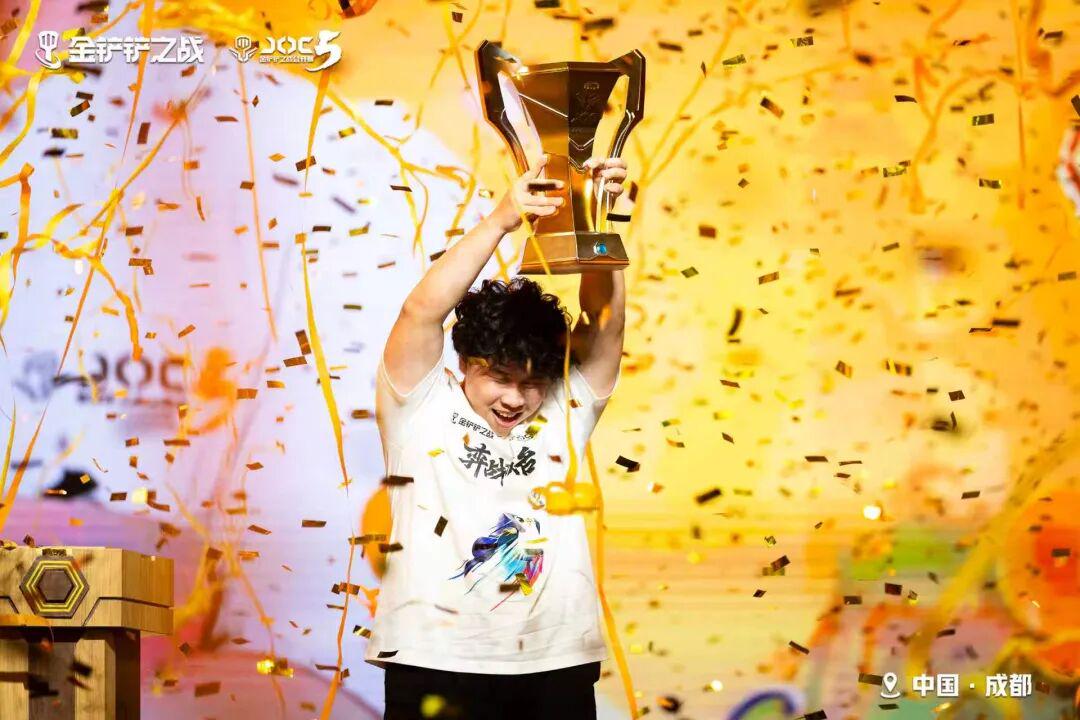
From this perspective, "Golden Shovel" esports is not merely the result of five years of tournament upgrades, but rather a microcosm of the ever-expanding player ecosystem.Whether it’s tournaments, anniversary parties, or player-created shovels, they all ultimately point to the same goal: giving more people the opportunity to transition from being Golden Shovel players to becoming part of the Golden Shovel culture.
Five years ago, when players launched the game, they were simply opening a game board. Five years later, “Launching Golden Shovel” is no longer just a game. It can be an in-person meetup, a player-created project, a code phrase that only players understand, or even a post on social media.Games, in-person events, and social media—three spaces that were originally distinct—have been woven together by the players’ own participation.
And this may be the most noteworthy change of the fifth anniversary: *Golden Shovel Battle* isn’t just continuing to give players a reason to “launch” the game—it’s also making what happens after each launch a reason to launch it again.
03
The Heart of Connection
When evaluating the IP value of a game, people generally look at how much new content the developers can release each year. However, the fifth year of *Golden Shovel Battle* offers a somewhat different example: a significant portion of the content first emerged organically from the player community before being picked up and amplified by the developers.
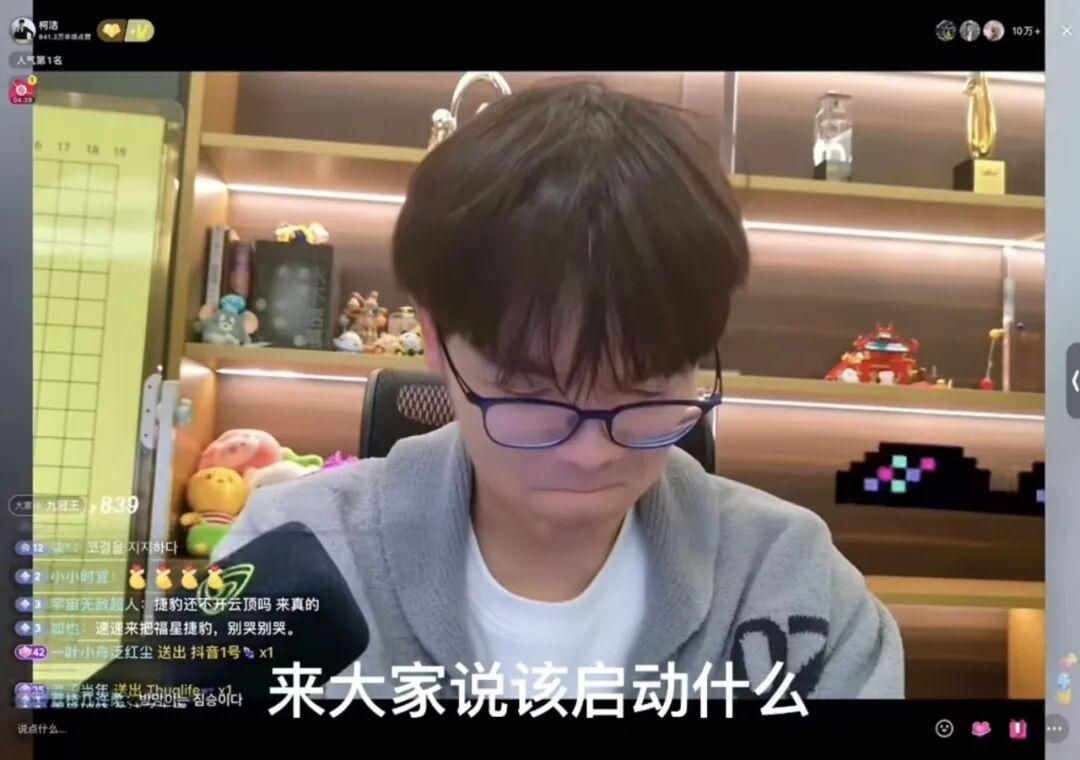
On January 26, 2025, a scene unfolded during Ke Jie’s livestream that took everyone by surprise. One moment, he was solemnly declaring, “Ke Jie, never compromise,” and the next, he suddenly blurted out, “Golden Shovel, activate!" and opened the game he had previously uninstalled to focus on his Go training. Viewers in the livestream were momentarily at a loss for how to react; due to the stark contrast in Ke Jie’s mood, the phrase “Golden Shovel, activate!” itself became a famous running gag in his livestream.That same night, the official *Golden Shovel Battle* account rushed into the stream to send a large number of “Carnival” gifts, propelling itself to the top of the donor rankings and adding even more legendary flair to the meme.
In fact, the official connection with Ke Jie predates the meme; as early as the “Lucky Star” online livestream event in January 2022, Ke Jie had already appeared as a guest in an exhibition match.Two days after that livestream, on January 28, Ke Jie returned to China at the organizers’ request to livestream the “Lucky Star” mode of Golden Shovel. On August 30 of the same year, he was also invited to attend the Golden Shovel 4th Anniversary Celebrity Cup in person.
By now, “Golden Shovel Launch” has long since transcended Ke Jie himself and has become one of the game’s promotional slogans.By the time of the fifth-anniversary party, this slogan had taken over the venue. Whether it was the official organizers inviting the “Demon King” Faker to deliver a speech and offer his blessings, or players spontaneously using it to replace the traditional “eggplant” signal when arranging matches or taking photos, you could hear people shouting “Golden Shovel, Activate!”—and these are the kinds of things the developers simply can’t buy with advertising budgets.They simply did a great job of taking a meme created by players and seamlessly integrating it into their promotional system—without distorting its essence and in a way that aligns with the players’ preferences.
When scrolling through social media, you sometimes see posts from people looking for "shovel buddies." Just like "Golden Shovel Launch," these are terms coined by the player community to find partners to play "Shovel Shovel" with. Because they fit the game’s theme so well and are concise and effective, they’ve remained in use to this day.For terms like these that have become permanent fixtures in player conversations, the official stance is to adopt them—and use them even more formally than the players do.
In the February 2026 update for the "Chosen Lucky Star" mode, the 【Ring the Bell to Find a Partner】 event was launched. It uses voice matching to help players find partners who are on the same wavelength, with the tagline ""No More Lonely Digging During the Spring Festival," even naming the rewards using player-friendly terms like the "Digging Buddy Avatar Selection Gift Box." In terms of gameplay, the game also introduced a new team-based ranked mode where teammates do not compete against each other; instead, they share the highest rank at the end of the match, and all team members earn points.
As part of this Haidilao collaboration marking the fifth anniversary, if you say the code phrase “I’ll have a ‘Shovel Buddy’” to a server upon entering the restaurant, you’ll receive a dining companion standee—so even if you’re eating hot pot alone, you won’t feel lonely.The term “Chan Dazi” has been officially incorporated into game events, game modes, and offline collaborations. This “formal recognition” of player slang is, in itself, a statement of the company’s attitude toward player culture.
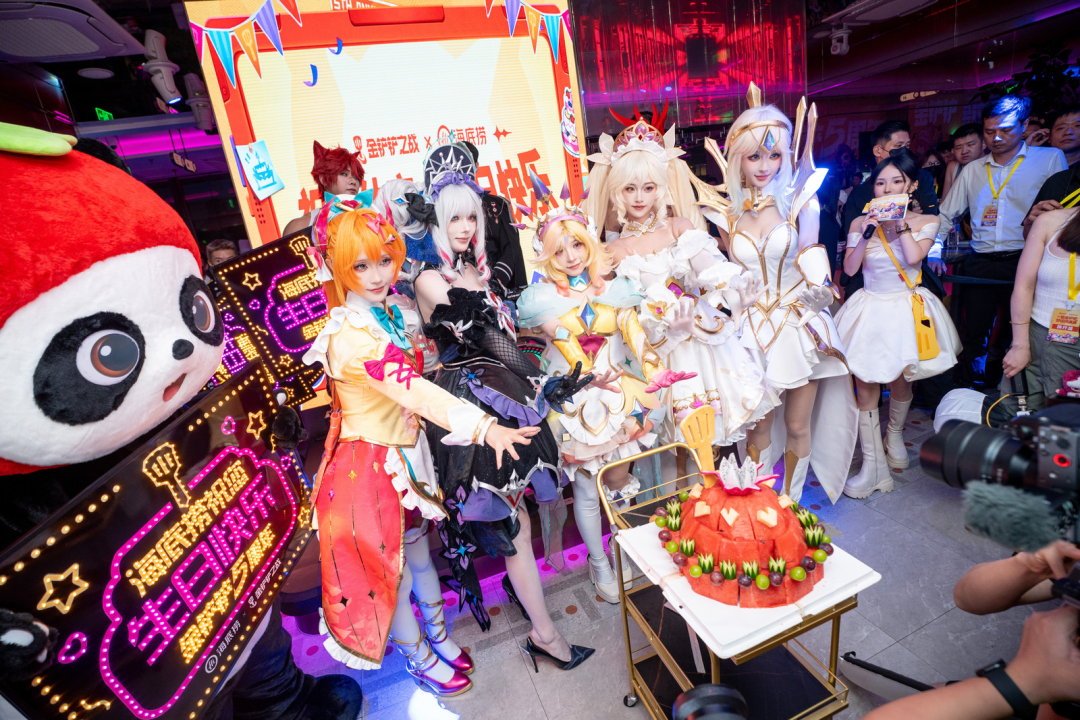
As mentioned earlier, the “Shovel for Shovel” event originated as a player-driven initiative where users exchanged Golden Shovels for burgers at McDonald’s; by the fifth anniversary, the official team had formally adopted the concept.In May of this year, the first collaboration with McDonald’s took place at a single restaurant within Tencent’s headquarters campus under the theme “Trade Shovels for Infinity.” The restaurant featured check-in stations,popular cosplayers like “Rabbit Girl” were invited to interact with players, friendly matches were held where players could exchange food for their in-game performance, and those who crafted their own shovels had the chance to trade them for a giant golden shovel or a shovel keychain paired with ice cream—all of which garnered overwhelmingly positive feedback from players.
In August, Shenzhen also launched a special "MaiMai Museum" store to coincide with the fifth-anniversary celebration. The store was filled with "Golden Shovel" themed decorations and featured a showcase of outstanding homemade shovels from past "Shovel-for-Shovel" events, displaying the memories players had created with their shovels in display cases.
This is the true meaning of being “caught up in the moment”: players spontaneously create content for the game, and the developers use their best resources to give players a bigger stage. Players’ creations transform from a one-time source of fun into a part of the game’s history. At that moment, the IP no longer belongs solely to the developers—it also belongs to everyone who has ever crafted a shovel.
So, the five-year evolution of *Golden Shovel Battle* has also been a process of upgrading the way players and the developers connect.
Initially, the connection stemmed from the game’s content itself: the developers would release updates featuring events, and players would participate and spend money on that content. Later, linguistic and cultural connections emerged—players created memes, which the developers embraced—and players evolved from mere consumers of content into co-creators.Finally, the connection lies in real-life scenarios and activities. The game has become part of daily routines—such as eating, working out, and commuting. *Golden Shovel Battle* has evolved from a game into a cultural icon, allowing players to find enjoyment in their daily lives without even having to open the game.
And every update ultimately becomes a reason for players to launch the game again. The sense of novelty provided by content updates, the sense of belonging fostered by a shared language, and the reason to attend offered by offline events—when combined, these elements form a continuous source of motivation for players, seamlessly woven into their daily lives.
Trending gaming memes, player slang, and handcrafted in-game items are all cultural assets that players have spontaneously built up for the IP; they keep players engaged with the IP even after they stop playing the game.This is precisely why McDonald’s, Haidilao, and LeKe are eager to line up for collaborations on the occasion of the game’s fifth anniversary. Collaborations are no longer just about trading traffic for exposure; they also allow brands to capitalize on the sense of belonging to the IP that players have already developed.
Conclusion
Looking back at the fifth-anniversary party, the game continues to be updated, and there will be countless new seasons and new content to come. Players keep joining in, and while the ways they participate are constantly evolving, they’ve never stopped coming. The memes, shovels, and secret codes they create are consistently embraced by the developers, who are steadily expanding the game’s ecosystem.
For a mature product that has already established itself as a market leader, the true test lies in creating a reason for players to open the game again. *Golden Shovel Battle* has chosen to continually push its own boundaries, transforming product upgrades into authentic experiences that players can help create, and turning the results of these breakthroughs into a spark ignited jointly by the developers and the players.
The fact that the phrase “Golden Shovel, Activate!” has evolved from a moment of emotional release in a livestream into the slogan for an official celebration is the simplest way to describe the relationship between this game and its players.
Five years is a long time. What’s truly commendable isn’t that Golden Shovel remains at the top, but that even after five years, players are still willing to say, “Golden Shovel, activate!”
原创文章,作者:游茶妹儿,禁止转载:https://youxichaguan.com/en/archives/220676