The viral meme “Chinese people can fly” finds a very intuitive interpretation in *Counter-Strike: Future*.
In the S4 New Moon Season, which launches on September 22, players will leave the ground behind, enter the wreckage of a mothership, pilot mechs through space, and battle waves of mutated insects on the lunar surface.We originally thought that “Reverse War players can fly” was just a joke among players, but it turns out this time it’s become a real part of the gameplay.
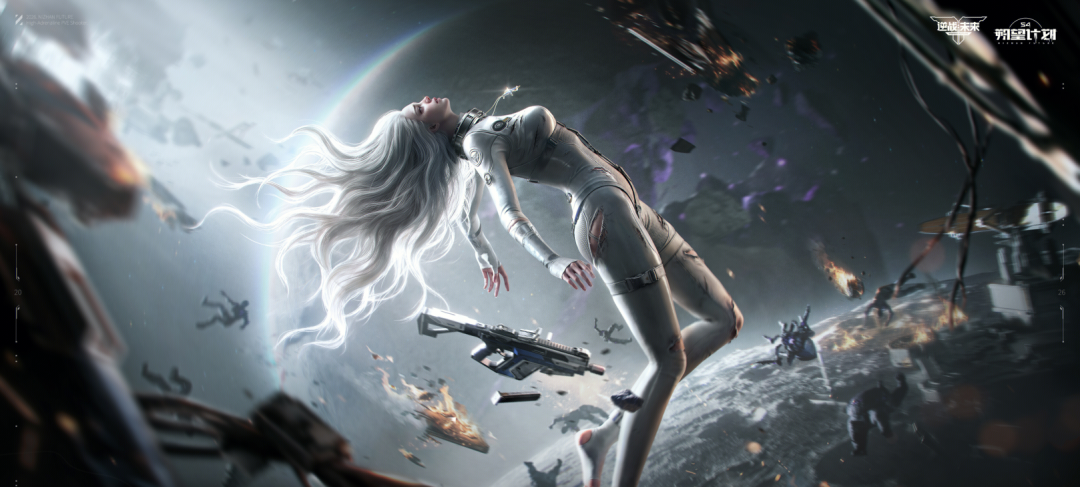
In fact, as early as the special preview episode aired at the beginning of the month, Season 4 content was already highly anticipated. While players scrolled through the trending meme comments like “Reverse War characters can fly,” they were also hoping Season 4 would launch soon. One player commented: “The developers are so creative and know how to pull off a good stunt—hurry up and release Season 4 already.”” Others focused on Yue, the character seen being held by the throat in the CG: “Compani Soldier: Am I going to make it out of this alive? Is she going to turn into the ‘Cherry Blossom of the End’ and chop me up any minute now?”

Judging by the fact that it ranked in the top 9 on the best-seller list on the very day Season 4 launched, it wasn’t just the players who “took off”—the season also featured all sorts of unexpected content.

From the QQ penguin floating and spinning in space to piloting a mech to stroll through space and gaze down at Earth, and from the aesthetically pleasing yet wild “Magnetic and Electric Duo” to the domineering and majestic ultimate villain, the Executor—Season 4 gives off a strong sci-fi vibe and is packed with heartfelt creativity.
01
Back to the Roots of Science Fiction: Entering the Space “High-Speed Zone”
The shooting game market is no stranger to space-themed content—just swap out the cockpit scenery, add a few floating effects, throw in some spacecraft, and you’ve got a “space season” that’s good enough to get by.However, after experiencing Season 4 of *Counter-Strike: Future*, I’ve come to deeply appreciate that a sci-fi space theme isn’t something you can just slap on as a skin—in terms of storyline, art, gameplay, and design, you can really tell the development team has “what it takes.”
In terms of the storyline, “Project Shuowang” takes the conflict between the Human Alliance and Kompani into space, allowing *Counter-Strike: Future* to refocus on its core sci-fi narrative.Interestingly, when *Reverse War: Future* was first announced, its solid sci-fi foundation—"Go Back in Time, Reverse the Future"—attracted a large number of players. This was particularly evident in the Season 4 CG, where the Earth battlefield fell,humanity faced a crisis, and ultimately, the entire Human Alliance rallied, chanting a call to launch a full-scale assault into space—a scene that instantly sent players’ excitement and anticipation through the roof.

Someone once said, “The pinnacle of human science fiction lies in our boundless imagination of the universe.” The plot provides the framework, while the art brings it to life. When it comes to *Counter-Strike: Future*, you can always count on its aesthetic sensibility.
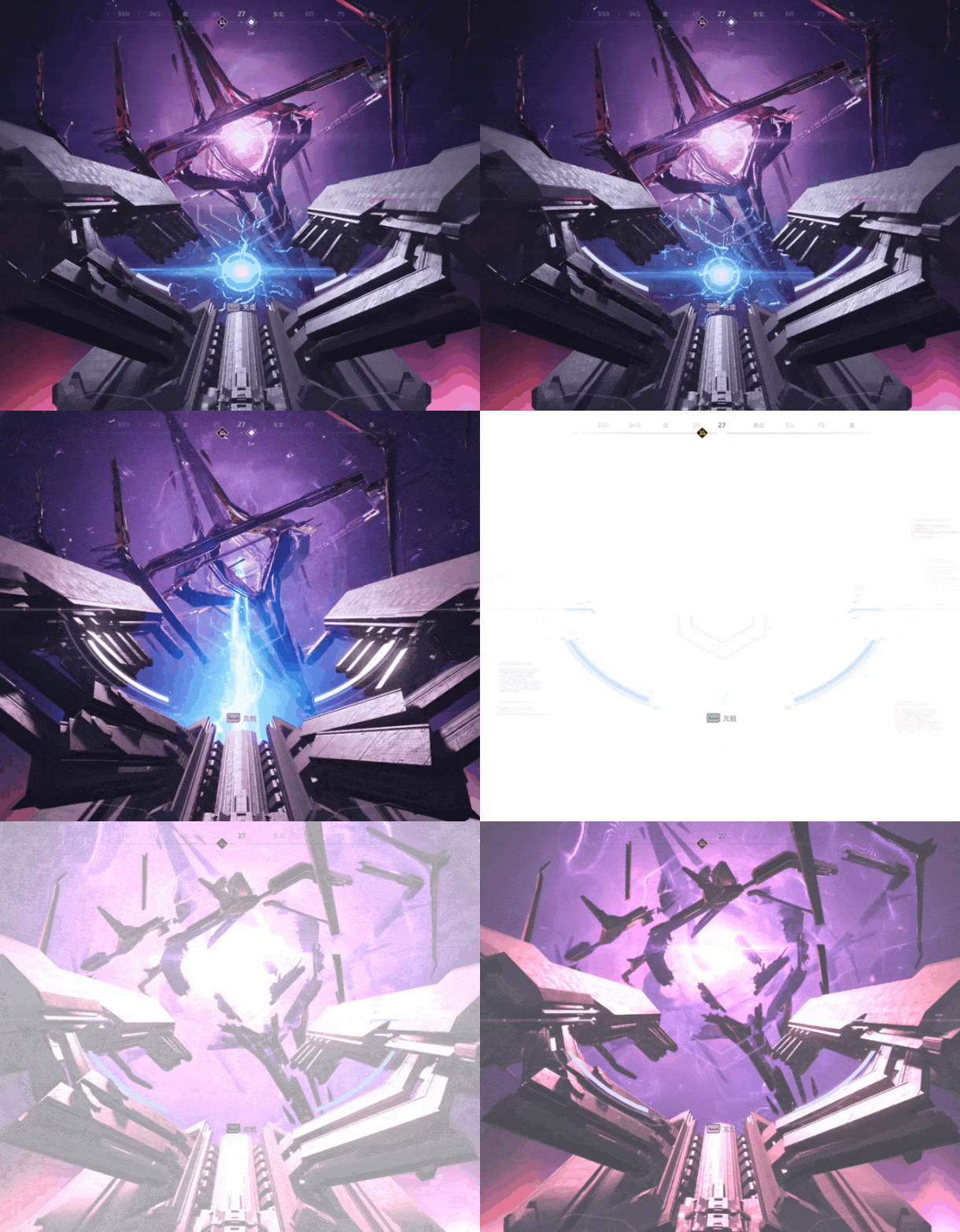
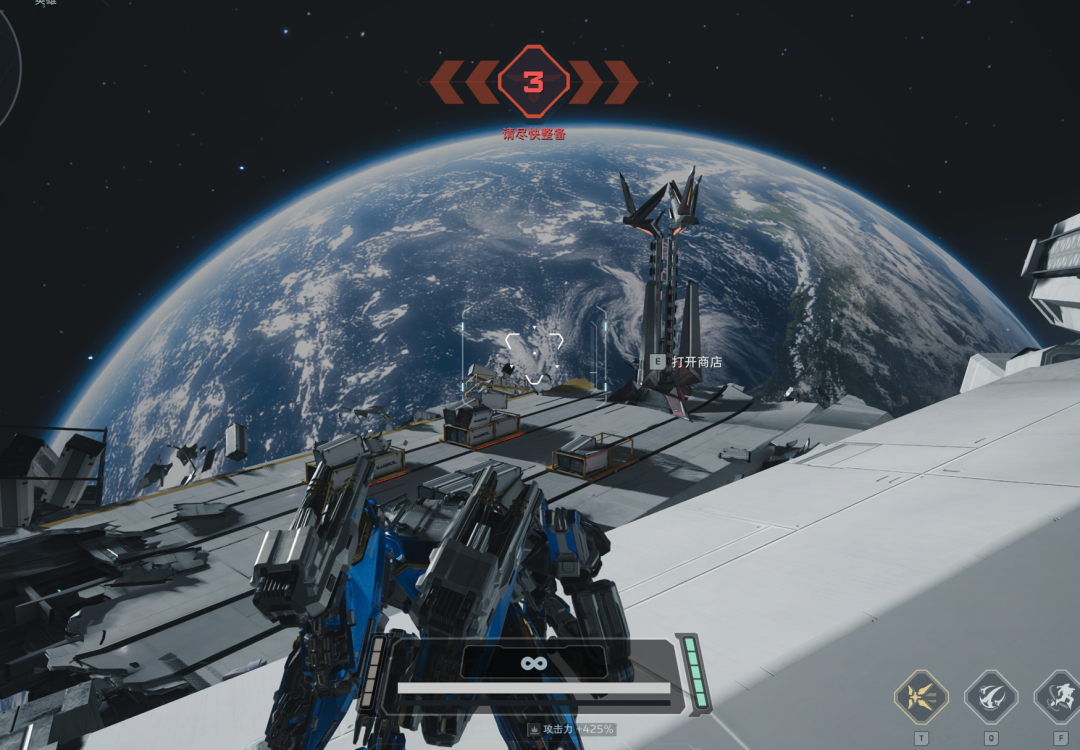
The first impression of the game’s flagship core hunting ground, the “Shuowang Project,” is the epic sense of the vast, boundless expanse of space—whether gazing at the azure Earth from aboard a super warship, seeing the wreckage of a disintegrated warship drifting in space, or looking up at the massive purple spherical structure hovering overhead,humanity’s insignificance is vividly brought to life in that moment.
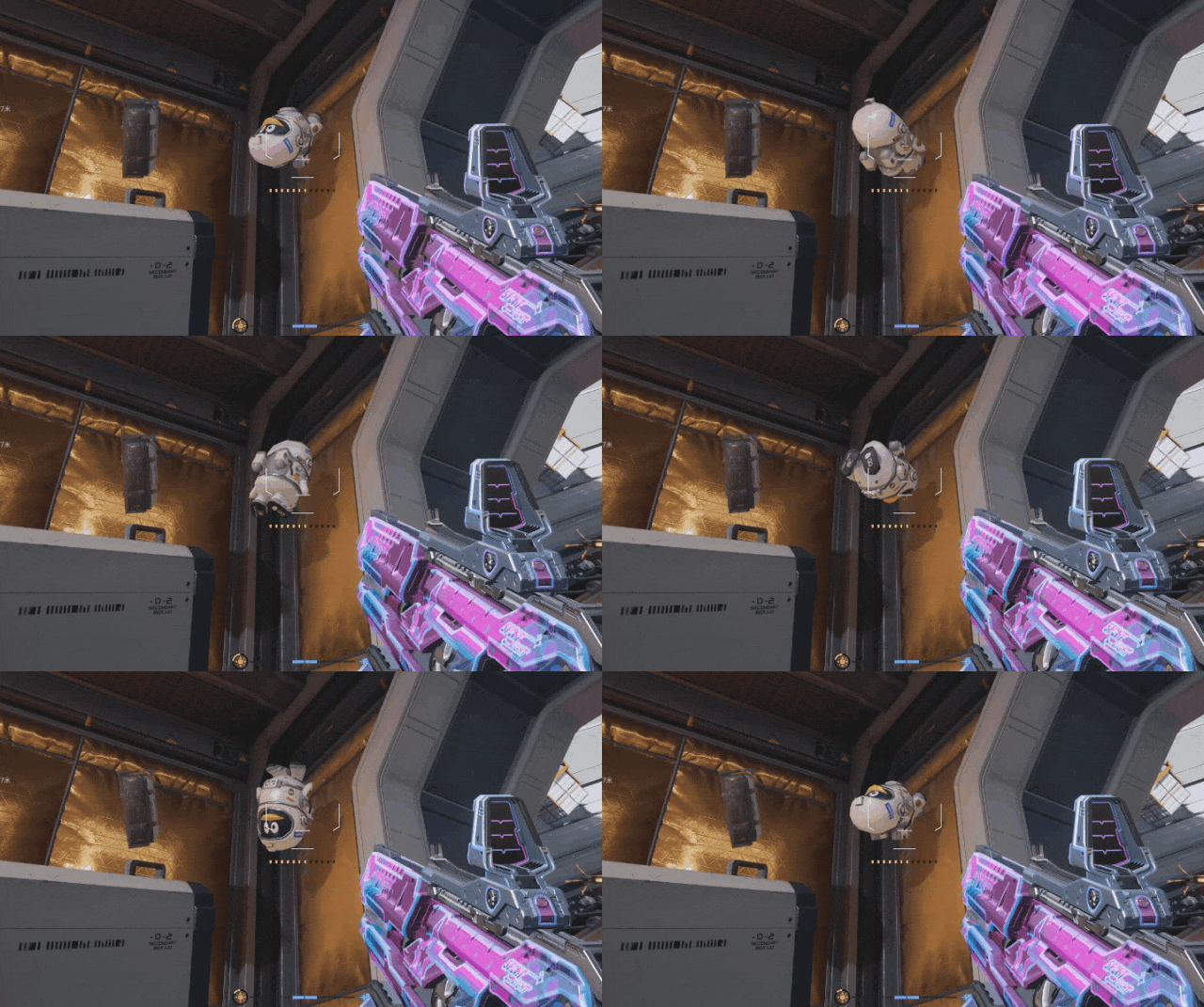
However, what left the deepest impression on me was actually the QQ Penguin mascot floating in the air right as I walked in at the start. This delightful surprise brought an inexplicable smile to my face—it was as if “Tencent” had taken the penguin all the way to outer space.
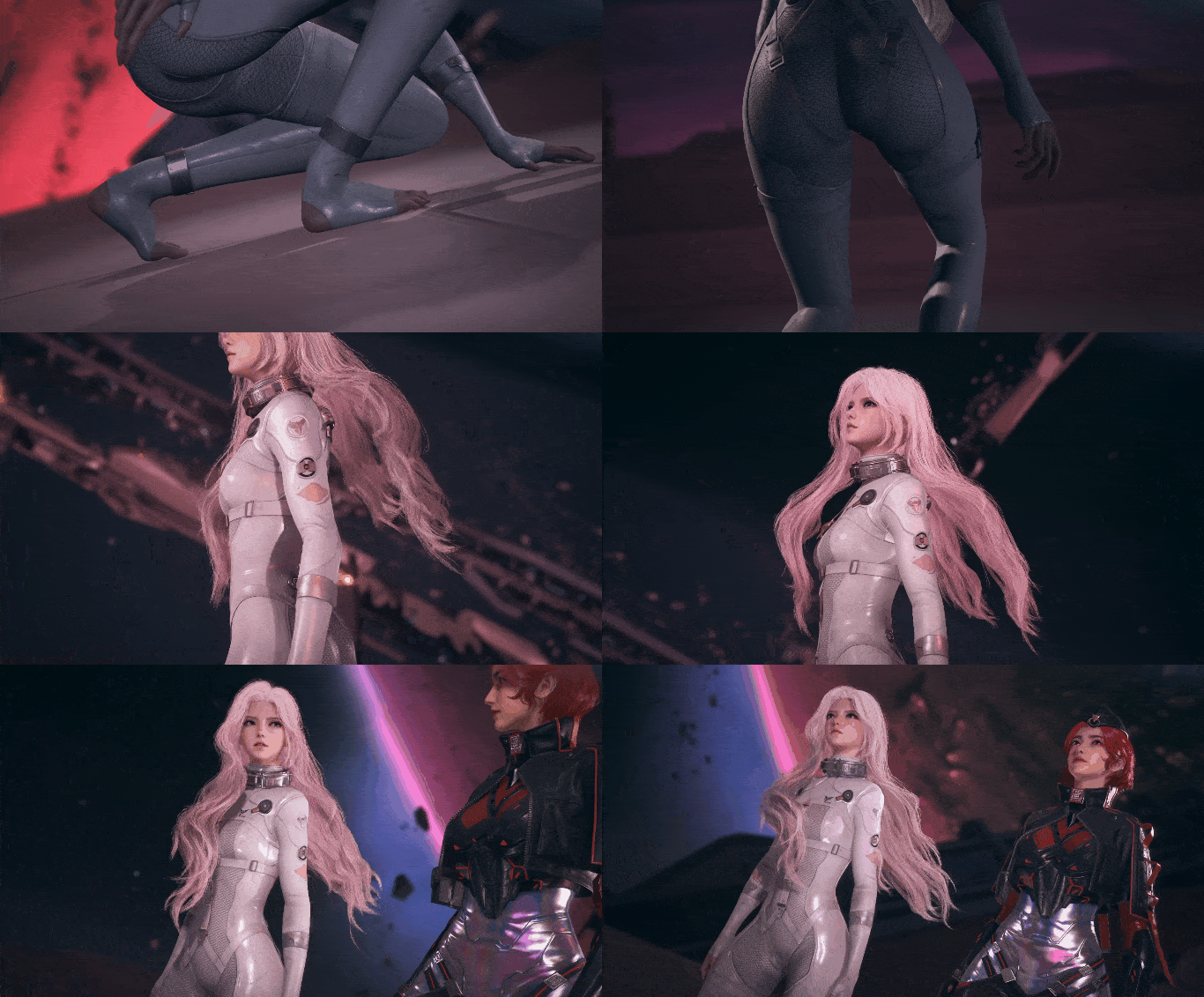
In addition to the space-themed scenes, the new NPC “T0,” who makes her debut in this storyline, has also stolen the show. With her white hair, “older sister” persona, and a form-fitting spacesuit-style bodysuit, she received unanimous praise from players as soon as she was revealed.As a defector from Compani, the new character “T0” has a complex background, yet she has chosen to side with the player and assist them in their various missions.
Of course, the storyline and art are only there to draw players in; what truly keeps them coming back is, inevitably, the gameplay.
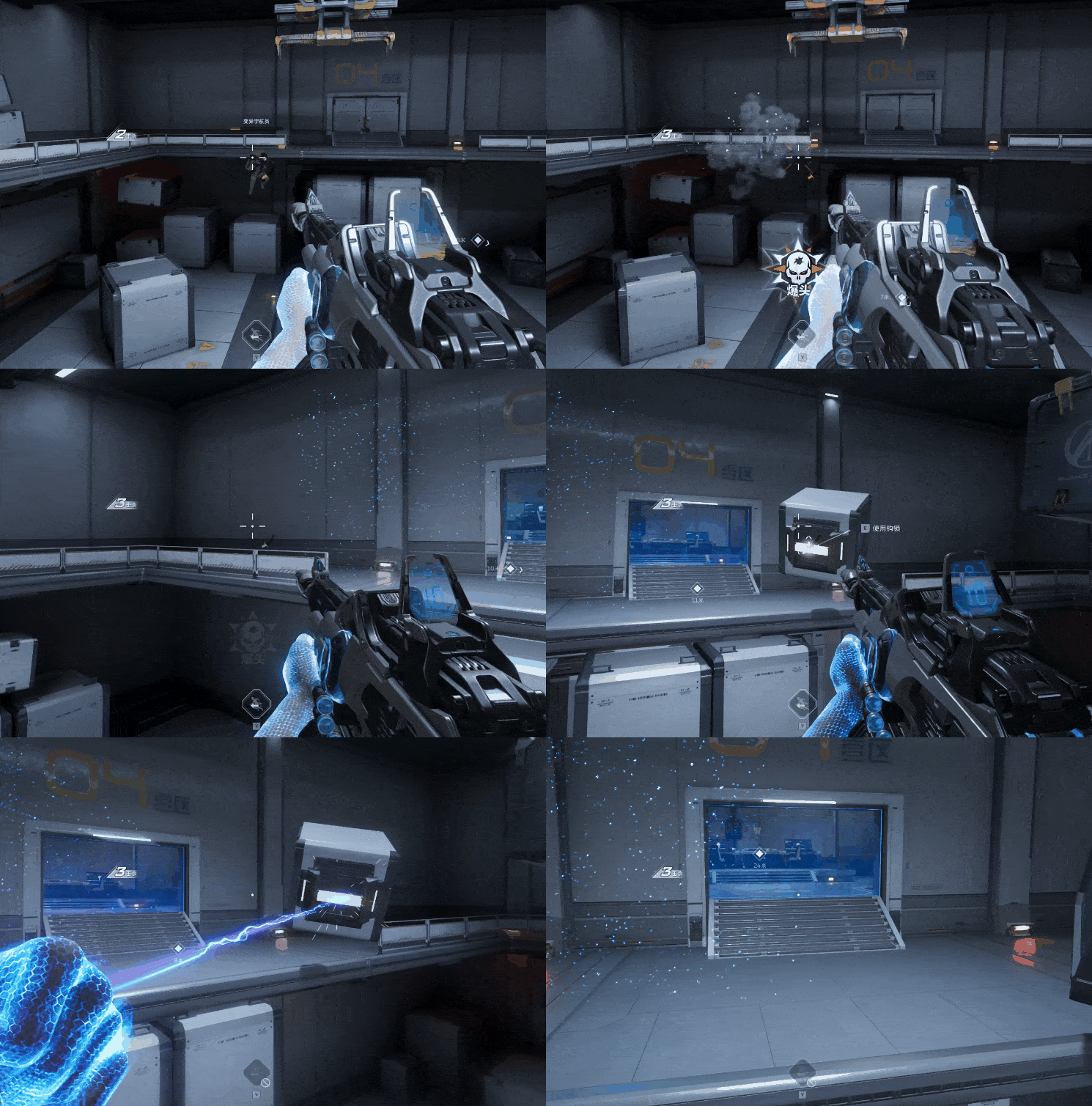
Since this is a space battle, floating while shooting in zero gravity is naturally a must. The “Shuowang Project” hunting ground features numerous levels specifically designed for floating combat, and there’s even a section where players must step out of their spacesuits for a stroll in outer space.Compared to the agile movement on the ground, players must also factor in vertical displacement and inertia in zero gravity. This not only tests their skills but also delivers an extraordinary and enjoyable experience.
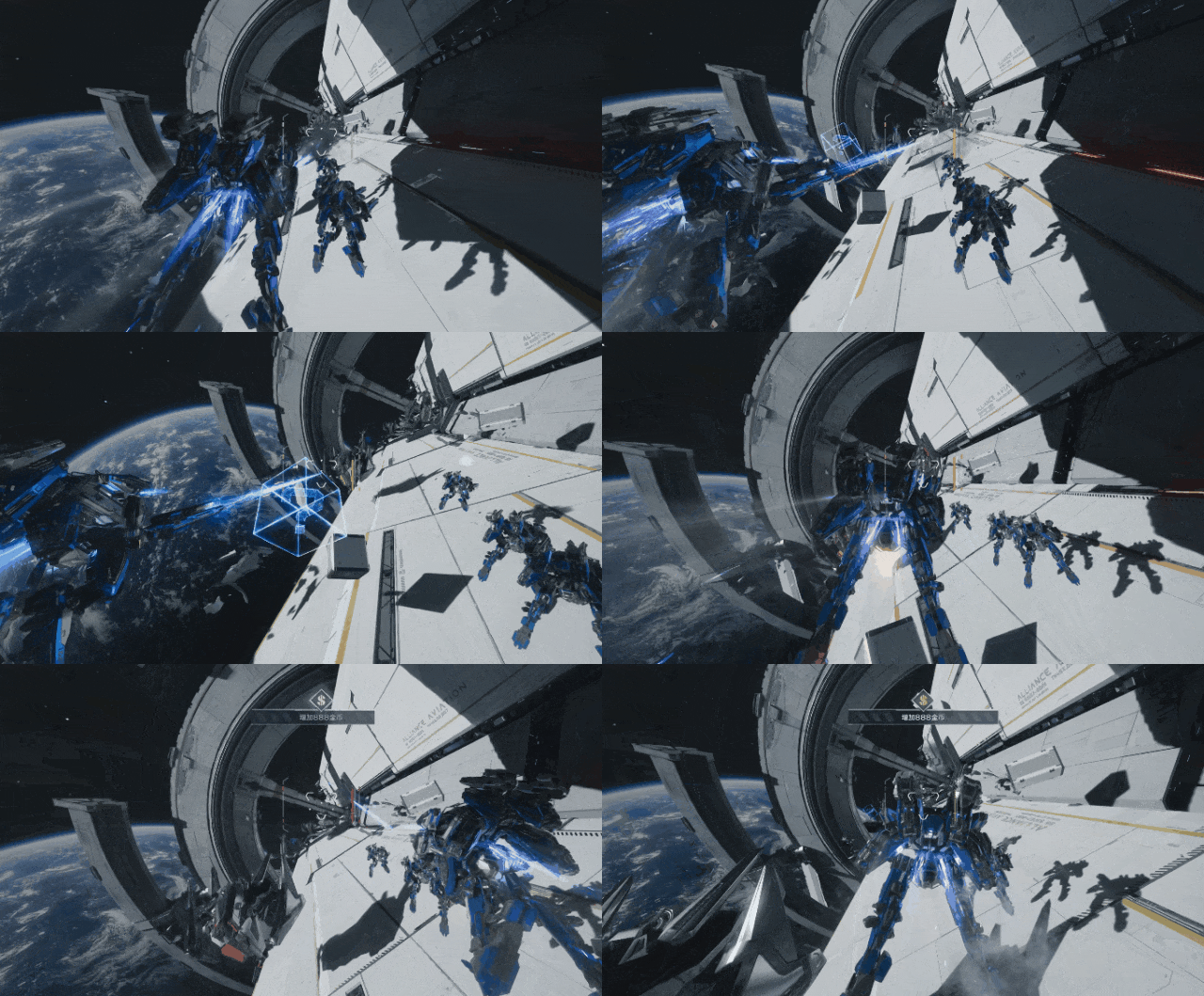
In addition, the thrilling mech gameplay experience has always been the core differentiator of *Reverse War: Future*. This update not only introduces mech pursuit battles that require high-speed dodging and shooting but also allows players to personally pilot mechs in the latter half of the game, experiencing defensive battles aboard space vessels.The new mech, the “Sky Cavalry,” is sure to appeal to many players just based on its appearance alone, and it comes fully equipped with a wide array of skills, including long-range lasers, hover cannons, area-of-effect bombardments, and melee elbow strikes. As the saying goes, mechs embody the romance of science fiction—and that romance is never in short supply.
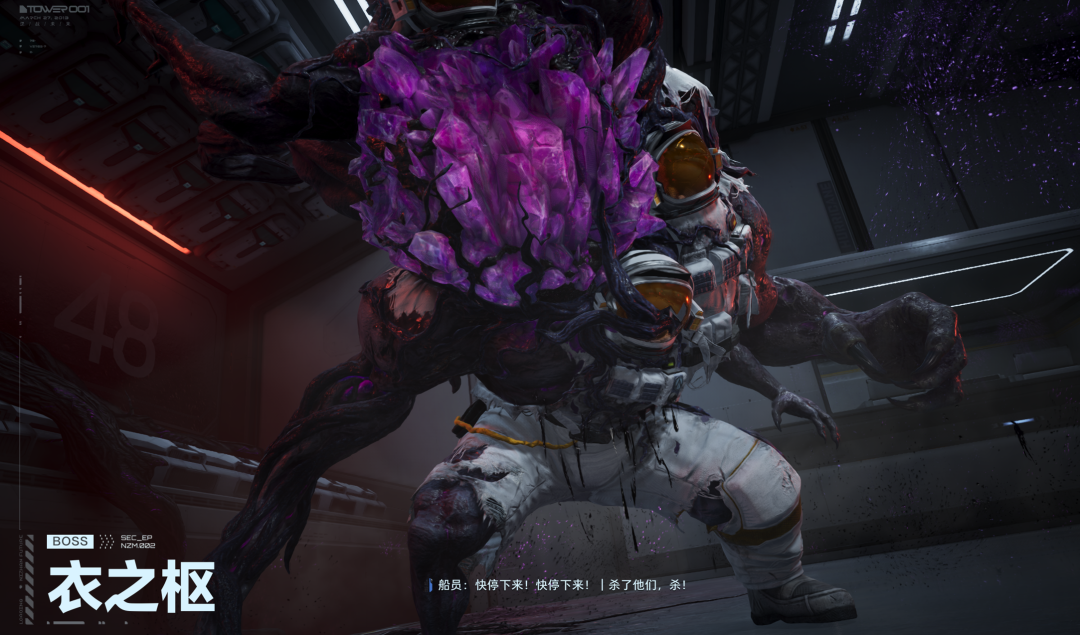
The bosses in the three levels each have their own highlights. For example, "Clothing Pivot" has a very Cthulhu-esque design—its form, in which multiple astronauts' bodies are twisted and entangled with Sghemin stones, perfectly captures the feel of Space Cthulhu.
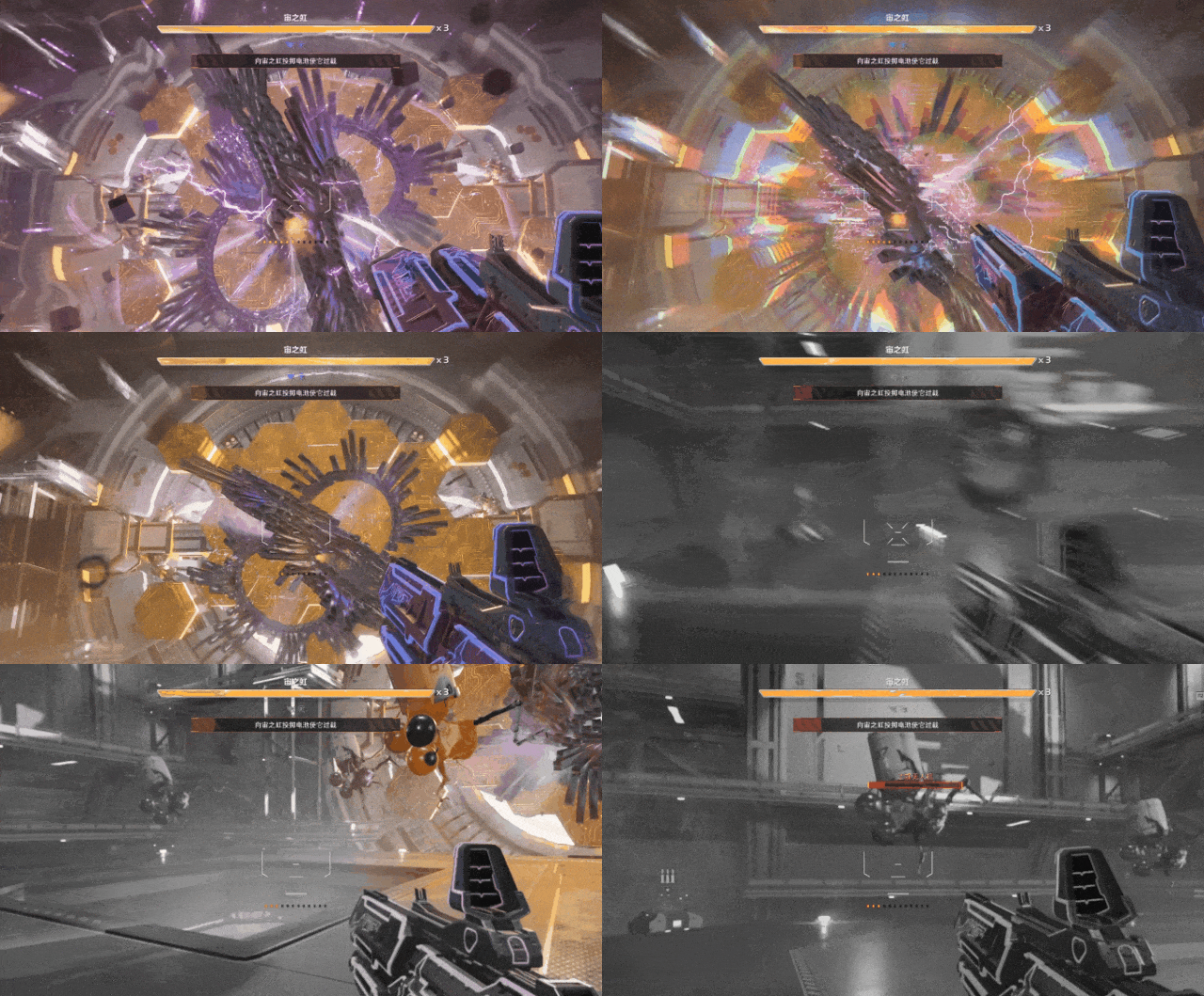
"Rainbow of the Cosmos" also pays homage to the classic "Star Colors" from the K-series, especially when the ultimate ability absorbs colors and part of the screen turns black and white—it was actually quite impressive the first time I saw it. The gameplay mechanic involving collecting batteries to unlock features also tests players' teamwork and aim.

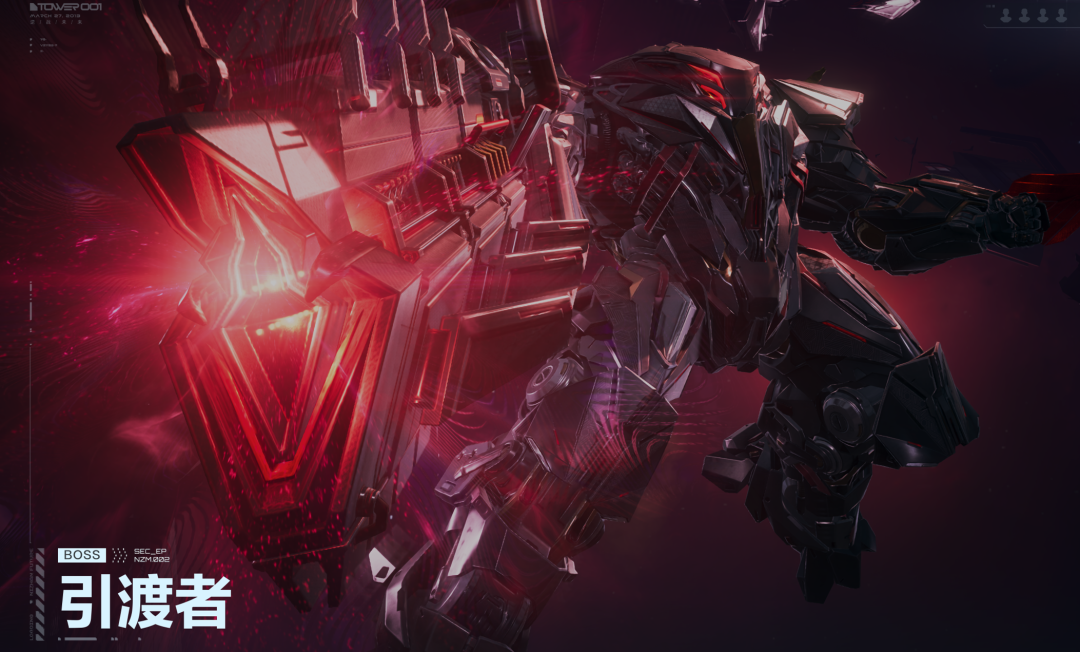
The final boss, the Executor, pioneered the “weak melee” playstyle; after Phase 2, players even receive a buff that increases attack speed, allowing them to charge in with melee weapons and give the boss a “pedicure.” However, compared to the boss’s difficulty,what interests most players is: “As an ultra-cool new mech design, when will it be available for players to add to their collections?”
It’s clear that the true strength of *Counter-Strike: Future* Season 4’s return to science fiction lies in the fact that the genre isn’t limited to just terminology, art, and storyline—it offers a wealth of gameplay content that aligns with it, allowing players to not only experience it but also become fully immersed in it.
02
A rich variety of gameplay serves as the foundation, while improved quality sets the bar
PvE games have always been a major drain on content resources. In today’s fiercely competitive gaming market, player expectations are constantly rising—shifting from simply asking, “Is there anything to play?” to focusing more on “Is it fun?” The shift from quantity to quality is equally evident.
In addition to the “Shuowang Project”—which focuses on space combat—Season 4 also introduces a variety of new gameplay features. “Content is king” has always been a long-standing goal for *Counter-Strike: Future*, and it is precisely this emphasis on “novelty” that continuously elevates the game’s quality, collectively propelling it to the pinnacle of the PVE shooter genre.
On the one hand, the return of the "Island of the Banished" map in its remastered form has stirred up shared memories among veteran players—so much so that when the developers first teased it, even just a single image of a welded iron gate garnered unanimous praise from countless players. One player joked, “Even if a god were to come here, he’d have to work as a welder.”

But in my opinion, compared to the nostalgia factor, the new content added in the remake is actually what I’m most looking forward to.For example, the game’s visual environments have received a comprehensive upgrade—from the opening cutscene where a helicopter tears through the sky to breach the restricted zone, to the eerie, dimly lit prison that exudes a sense of impending danger at every turn, and on to the deep,massive, deep rotating blades—the enhanced lighting and shadow effects, combined with the refined visual detail, deliver a massive boost to immersion. This level of quality clearly lives up to the remaster’s billing, rather than being a simple HD upgrade with just a high-definition veneer.
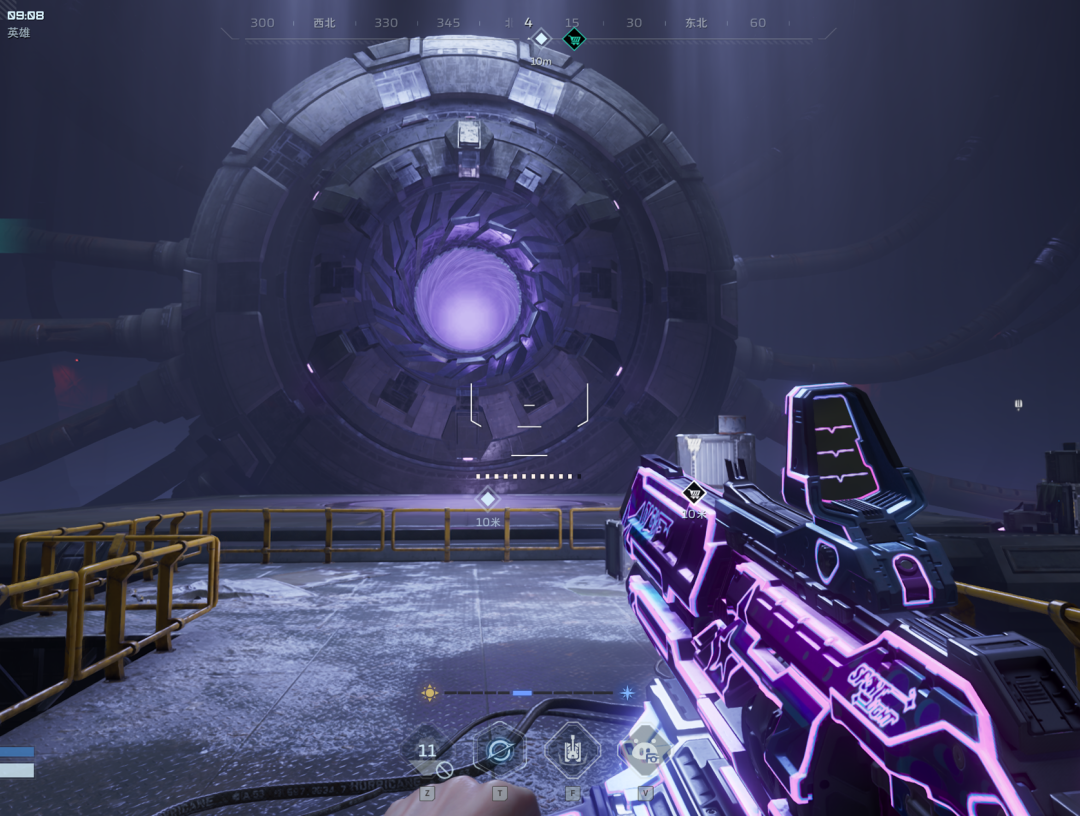
Beyond the visuals, changes to the game’s design and gameplay are particularly noticeable, and it’s clear that the development team has gone to great lengths to integrate the space sci-fi setting. The most obvious change is that the gameplay—which previously involved piloting a mech to clear out enemies—has shifted to clearing massive Sgmin Stones, and the root cause of everything has become an infection stemming from the Sgmin Stones.

Most notably, the “Magnetic and Electric Duo” bosses—revered as classics by countless veteran players—have received an epic buff. Not only do they feature high-definition visuals and spectacular animations, but they’ll also clamp players between their thighs and fling them away if they fail a QTE. This unique “punishment” has left many players eager to try it out, with some saying, “‘I know what the reward is—so what’s the punishment?’”
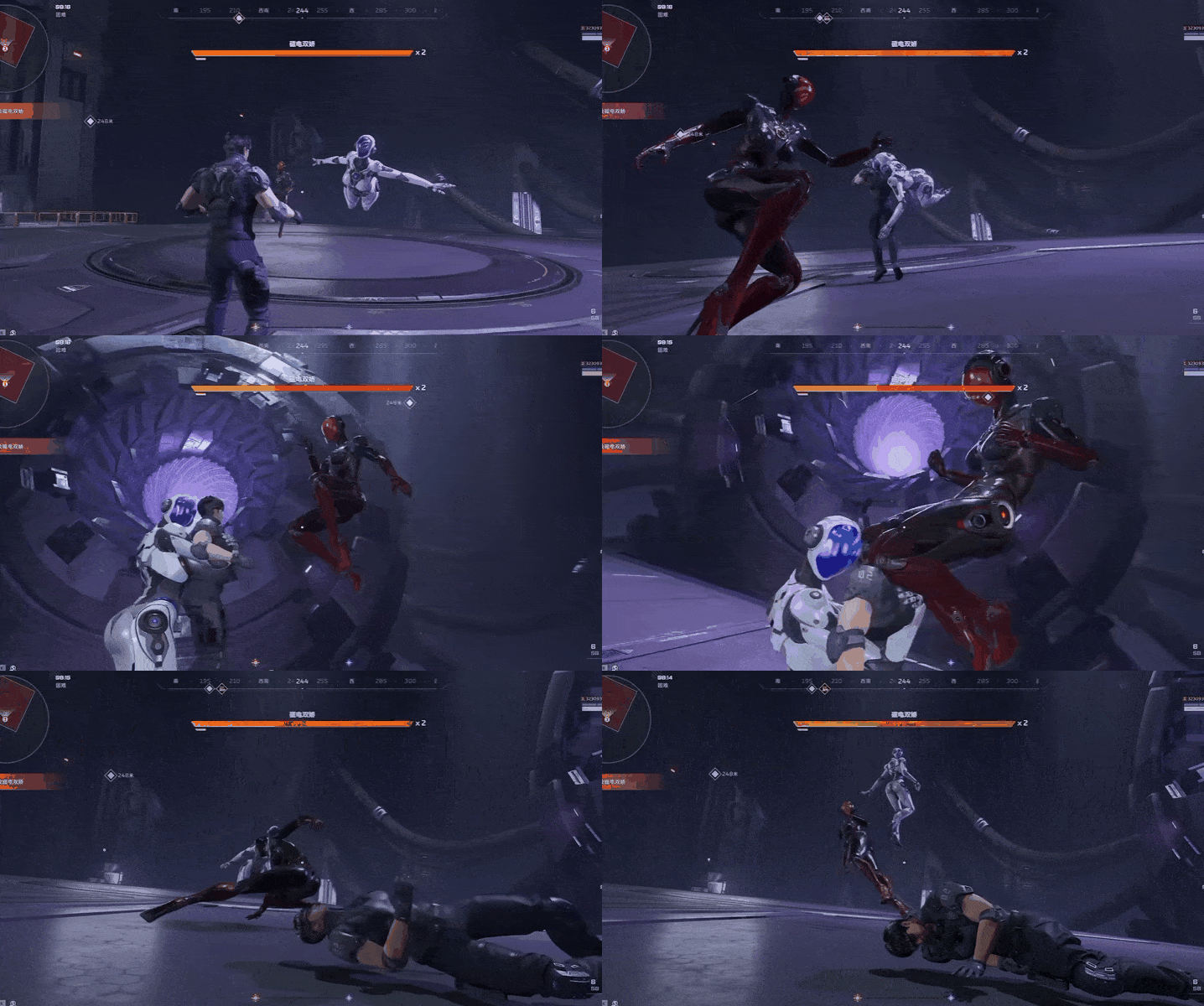
Combined with Season 4 talents like “Black Hole,” “Binary,” and “Matrix Symbiosis,” a variety of new build strategies have breathed new life into an old map. This clearly demonstrates one thing: remastering maps isn’t simply about capitalizing on nostalgia; rather, it’s about creating new enjoyment by blending fresh gameplay mechanics with a reimagining of classic content.
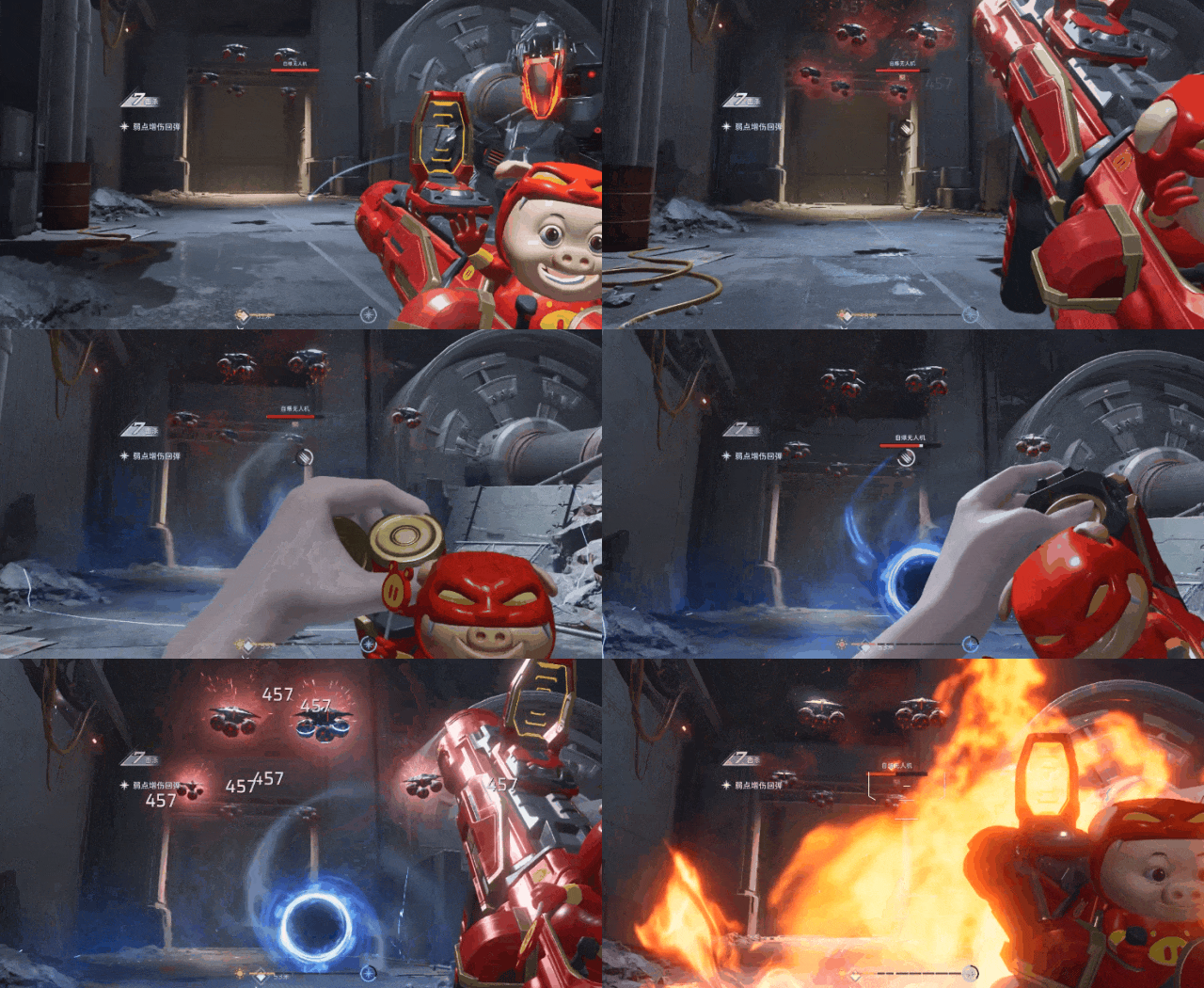
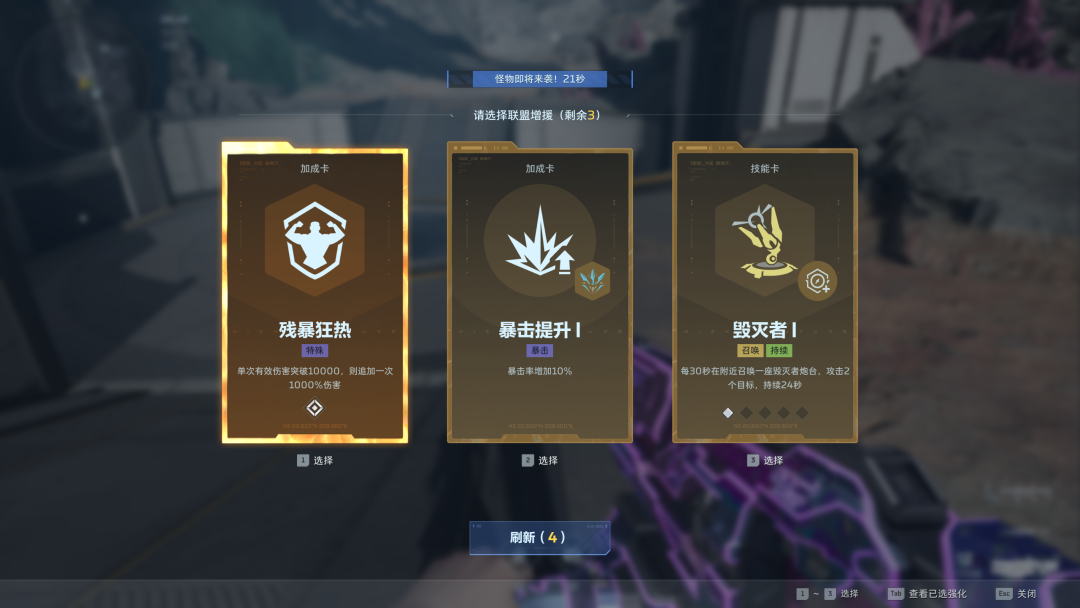
On the other hand, two all-new “Meat Dove” game modes bring an ultimate sense of random, satisfying carnage to *Counter-Strike: Future*.Among them, the new “Survival Battle” mode emphasizes playstyle variety and progression. Players earn skill points by eliminating swarms of lunar insects attacking in dense waves, then choose from three available skills to build diverse build combinations. When selecting skills of the same attribute multiple times, powerful affix skills may randomly appear, maximizing the sense of surprise.
Origin Hunting Grounds focuses on “zero-cost, pure fun”—players can enjoy the thrill of roguelike action without needing to bring any mods or weapons. All content can be selected within the game, and each map is completely randomized; one moment you might be in Cherry Blossom City, and the next, you could be teleported to Dark Easter.After each playthrough, players can also enhance their talents outside of the game to ensure a guaranteed boost in damage output.
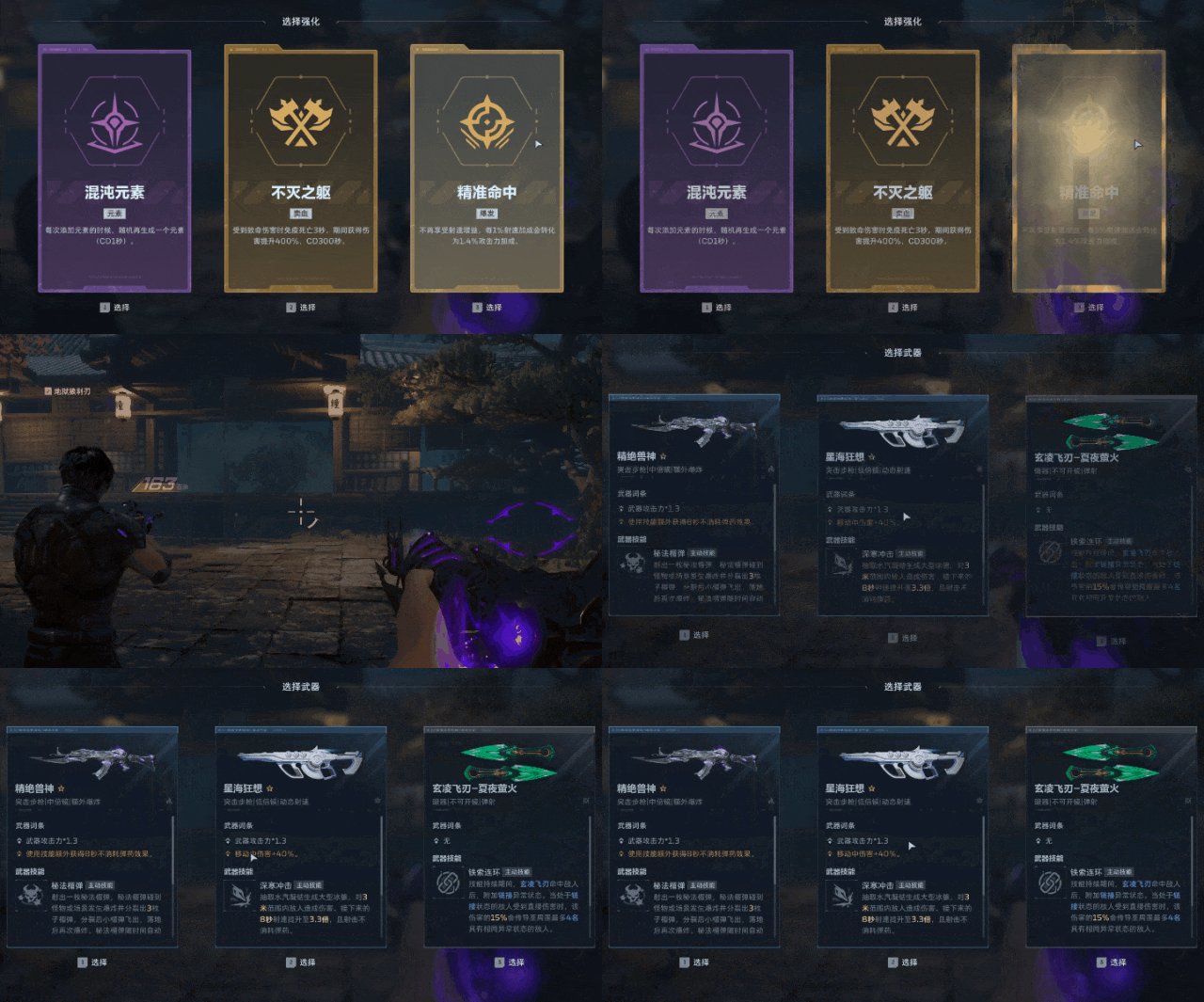
Of course, to have fun mowing down enemies, powerful weapons are a must.This season’s three exclusive weapons are all about simplicity and brute force, offering powerful effects such as area-of-effect attacks, automatic target acquisition, and team-wide damage boosts. Paired with three seasonal talents, they form a complete seasonal loop of “space mechanics + exclusive talents + themed weapons,” delivering gameplay depth and replayability that far exceed previous versions.
From this perspective, by prioritizing content as the foundation to deliver an engaging gameplay experience and using high-quality gameplay to establish competitive barriers—while pursuing both quality and quantity—*Counter-Strike: Future* has ultimately risen to become the gold standard in the PVE shooter genre.
03
Attract new members and retain existing ones
In today’s world, where even the finest wine struggles to be discovered if it’s hidden away, high-quality content is merely the most fundamental foundation; attracting new players and retaining existing ones remains an equally challenging problem for developers. In this regard, *Counter-Strike: Future* offers the purest solution: collaborating with high-quality IPs and listening to player feedback.
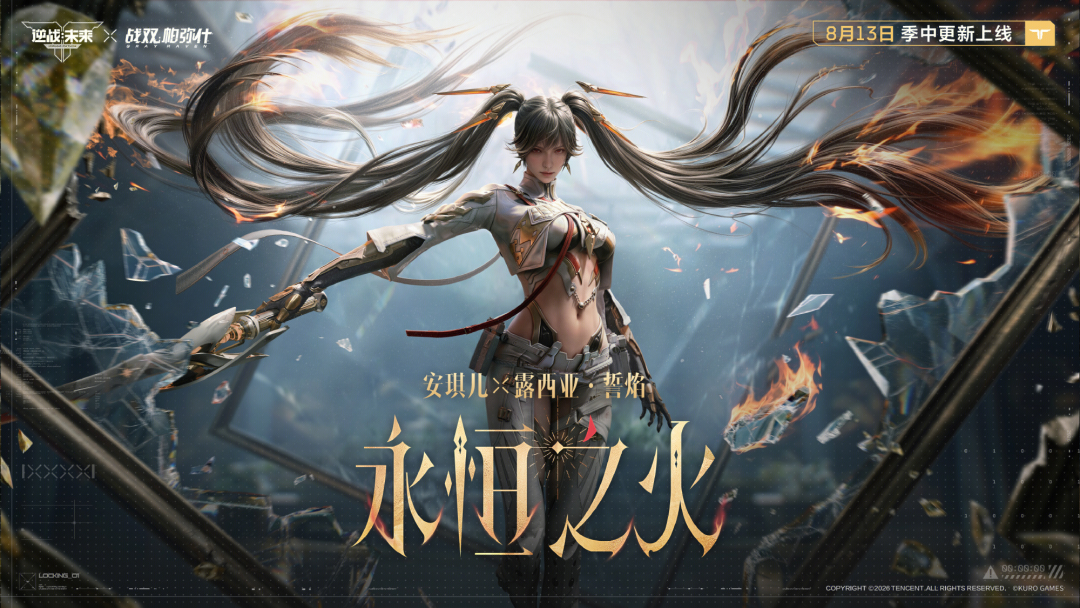
If you keep an eye on the best-seller charts, you’ll notice that every time a new IP collaboration launches, it’s a highlight for *Reverse War: Future*. For example, when the first set of characters from the *War Dual: Paramesh* collaboration went live in Season 3 last season, *Reverse War: Future* surged into the top 8 on the best-seller charts.


As for the second collaboration event, “Yue: The Purity Oath,” it was hailed by countless players as a “new girlfriend” even before its release, and the development team has been playfully dubbed by players as “the shooter game that’s best at modeling female characters.”

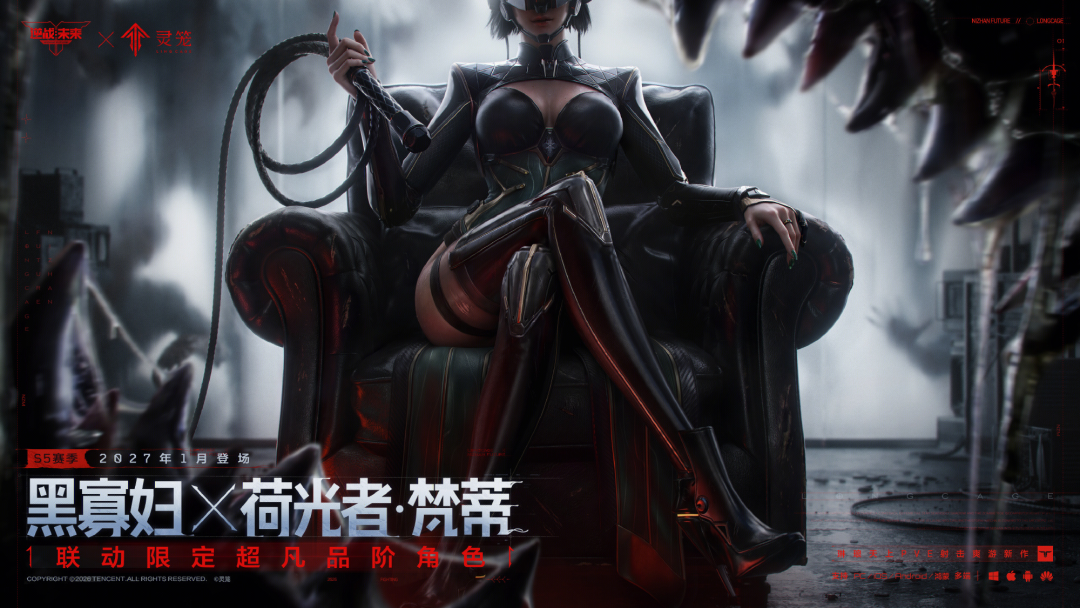
In contrast, the officially announced IP collaboration with *Spirit Cage*—even though it hasn’t launched yet—has already generated a huge buzz among players. On the one hand, *Spirit Cage*’s post-apocalyptic sci-fi setting complements *Counter-Strike: Future* perfectly, and the two titles’ appeal to players is virtually seamless.

According to leaked information, the Metropolis map will be transformed into a ruin overrun by vines, spores, and Devourers. In addition to various types of Devourers, players will also have to face the spine-chilling boss from the original game, the Calyx Beast.
In addition, the Human Alliance forces will join forces with the survivors of the Lighthouse to resist the advancing horde of beasts and defend the Lighthouse, humanity’s last refuge.

On the other hand, when it comes to character modeling, *Counter-Strike: Future* has been quietly stepping up its game. The first character revealed—Mr. Bai—can be said to perfectly capture the character’s essence, while the subsequent reveal of the Lightbringer, clad in a leather bodysuit and wielding a long whip, left players marveling at how truly “picture-perfect” she is.I can only say that when it comes to creating female characters, *Counter-Strike: Future* is truly in a league of its own.

The goal of IP collaboration is to attract potential players from various demographics, and when it comes to retaining players, *Revolution: Future* focuses on “taking advice.”
First, the highly acclaimed *Beyond the Limits* is getting an epic update, with multiple maps—including Cherry Blossom City, Cherry Blossom Abyss, Project New Moon, and Magic-Banned Island—being added to the rotation, so that all players can enjoy the game anytime, anywhere.
Second, addressing the core pain points faced by players in previous seasons—such as the difficulty of farming mods, high progression costs, and the disconnect between new and veteran players—Season 4 introduces inclusive progression features to reduce the burden:By directly granting a large number of legendary mods, expanding mod drop access across all difficulty levels, and offering exclusive weapon mod selections in the Season Store, S4 lowers the entry barrier at its root—returning players don’t have to grind from scratch, and new players can start the game fully equipped.The drop rates for transformation materials for the Wanxiang Weapons have also been increased, and new acquisition channels have been added, yielding outstanding results among many player communities.

The purpose of streamlining gameplay is to provide players with a clear, predictable path to follow, rather than forcing them into passive progression through excessive grinding. This establishes a more balanced relationship between effort and reward, allowing players to focus more of their energy on enjoying the experience.
Finally, the Season 4 update will also include a series of refined gameplay improvements, such as smoother sword-switching animations during Sprint, more natural overall character movements, the addition of three levels of aim assist for mobile devices to address the issue of difficult-to-drag crosshairs, and the long-awaited one-tap re-swing feature, which is also being introduced in this update.
When viewed as a whole, the user acquisition and retention strategies for *Counter-Strike: Future* are not two separate, independent approaches.The attention generated by cross-promotions must be supported by solid content, as well as lower progression barriers and more intuitive controls, to keep players engaged. Especially for a PVE shooter that receives regular updates, a new season shouldn’t merely be an extension of existing players’ progress; it should also serve as an ideal opportunity for new players to join and for veteran players to return.
Conclusion
“People Can Fly in Counter-Strike” is a catchy opening line, but what’s really worth discussing about Season 4 is what happens after they take flight.
From the "Space Hunting Grounds" to the "Forbidden Magic Island" remake, and from plugin-based workload reduction to gameplay enhancements, this update sends a clear message: *Reverse War: Future* aims to take a comprehensive leap forward—from its theme and gameplay to its overall experience and optimization.
It may take time to see whether this ultimately leads to better retention and business performance. But at least in terms of design philosophy, *Counter-Strike: Future* doesn’t simply equate “long-term” with keeping players grinding for longer.
A more appealing goal is to ensure that returning players have new content to enjoy, that new players don’t have to go through a lengthy catch-up process when they join, that those willing to dive deeper have something to strive for, and that those who just want to have a few fun matches aren’t left disappointed.
Looking at the updates for Season 4, it’s easy to understand the development team’s operational strategy: by adopting a refined operational approach to optimize production planning, they have largely resolved the issue of content being consumed too quickly;Features such as the Space Hunt, remastered classic maps, the roguelike-style Survival Battle, and the Origin Hunt are designed to meet the diverse demands of players in terms of gameplay and themes; collaborations with high-quality IPs extend player anticipation and attract potential users, while streamlining gameplay and continuous optimization further enhance the player experience and lower the barrier to entry.
As the old saying goes, what players care about most is always whether the game is fun to play. Space may expand the battlefield to vast distances, but what truly determines how far this game can go is whether players want to play another round after finishing the current one.
原创文章,作者:游茶妹儿,禁止转载:https://youxichaguan.com/en/archives/221042