Two months after its launch, *King of Chess* has produced two striking sets of data.
First, the game generated 70 million pre-registrations across all platforms prior to launch and remained high on the iOS Free Chart throughout its first month, peaking at No. 5 on the Top Grossing Chart. Achieving these figures in the strategy genre clearly demonstrates the combined impact of both the IP’s appeal and the game’s own quality.
Second, the limited-edition S1 game board “Chang’an Dance Pavilion: Ink and Brush” (No. 888) recently sold for over 1 million in-game coins in an in-game auction. The willingness to pay a premium for such items indicates that players’ appreciation for the game is gradually growing.
Under the spotlight of a nationally renowned IP, the criteria for evaluating *King of Chess: The Universe* are more complex than those for typical new releases. As a strategy game, it must prove its competitiveness through gameplay; as an IP spin-off, it also bears the responsibility of meeting the expectations of existing users and expanding the boundaries of the IP.
After playing the game and talking with players, I came to understand that its core concept is “lightness.” However, this “lightness” goes beyond the frequently mentioned “lowering the learning curve and reducing strategic complexity”; rather, it refers to a “lighthearted” overall gaming experience, encompassing design decisions across gameplay, social interaction, and visual style.
At the same time, “lightness” is merely one key to breaking new ground; for the game’s business model, the smoother the transition along the “from light to heavy” experience curve, the more critical the challenge will be. If this methodology proves valid, it should be of great significance to the broader issue of “IP value development.”
01
All-Around “Lightweight” Design
"Easy to pick up" is pretty much the biggest consensus among the community regarding this game. What's more, this impression comes from all kinds of players, regardless of whether they've played similar games before.
Several factors have contributed to this outcome, the first of which is, of course, the simplification of the rules. *Wanxiang Chess*’s minimalist economic system eliminates traditional “interest” and “winning/losing streak bonuses,” instead distributing a fixed amount of energy directly each turn. The single-currency mechanism reduces the burden of calculation and planning.
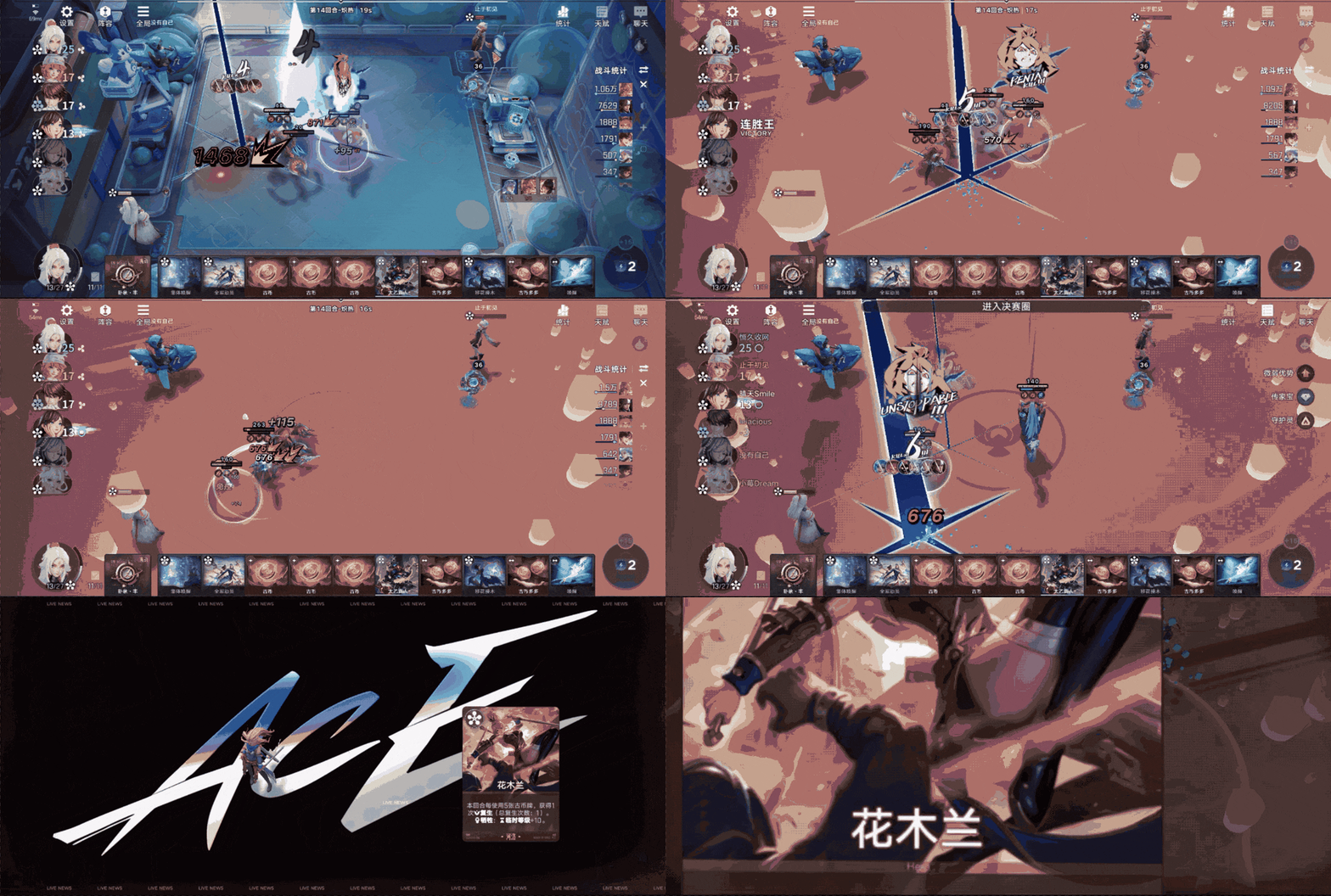
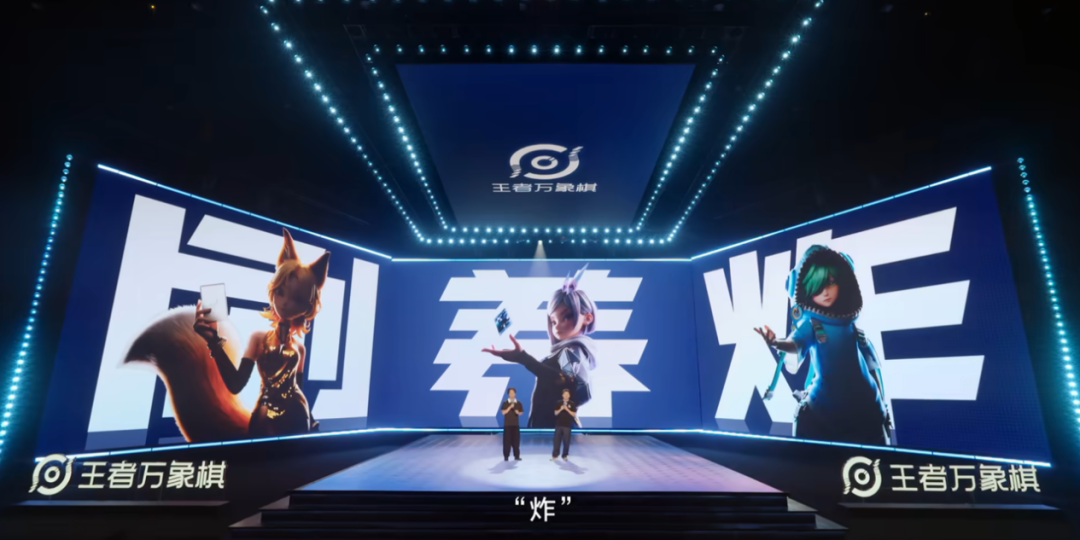
Hero development has also been simplified; there are no “three-in-one star upgrades” or similar mechanics. Instead, you directly increase a hero’s level by fusing cards with the same name. “Level” is the key to becoming stronger.At the three milestone levels—Level 10, Level 40, and Level 100—heroes not only receive numerical stat boosts but also undergo a qualitative transformation in their skills. The developers have summarized the core gameplay philosophy in a three-step mantra: “First, farm; second, level up; third, dominate the battlefield.”
Source: Bilibili @King's Chess
When you actually play it, you’ll find that the gameplay of *Wanxiang Chess* is actually more similar to card games. You target a specific card with the goal of quickly building layers, thinking about whether that card can synergize with the cards you already hold in your hand, so that levels and cards work together to create a snowball effect.
On the other hand, since the game features the Lingbao AI Assistant, you can essentially outsource the entire decision-making process.The AI provides real-time recommendations on card purchases, positioning, and upgrades based on your current lineup—all you have to do is “follow its prompts.” Plus, since the vast majority of players who’ve been referred to the game have a “foundational understanding from Honor of Kings,” hero roles and skill effects are largely interchangeable.
To sum up my impressions of the gameplay in a single sentence: the gameplay is straightforward, the pace is fast, and the sense of satisfaction comes quickly. As a result, the social experience in *Wanxiang Chess* is also relatively “relaxed.”
K, a player who has competed in *Honor of Kings* for several seasons and has now switched to playing *Wanxiang Chess* “full-time,” says frankly that *Wanxiang Chess* isn’t like MOBA games, where you have to stay on high alert every single moment.It’s still competitive, but while playing, you can easily take a moment to drink some water, do something else, or chat casually with your teammates.
Wanxiang Chess’s ranked mode features a “Shared Scoring” mechanism: in three-player teams, each player’s score is calculated based on the final score of the highest-ranked player on the team. As long as one player achieves the highest score, the other two players can add that score to their own.Additionally, features such as the “Spectator Seats” and the “Private Coaching System” (which allows players to invite others to watch their games in real time and receive gameplay guidance) have greatly expanded the game’s social capabilities.
“You know, in *Honor of Kings*, if you’re not very good—or if your teammates think you’re not very good—the atmosphere gets really tense.” That’s the experience of Player K, who’s been playing in a fixed team in *Honor of Kings* for many years, but *Wanxiang Chess* isn’t quite as high-pressure: “You can also help your teammates earn some points.”
In addition, the aesthetic style of *Ten Thousand Chess* is lighter and more airy.For example, the UI features a silver liquid-metal texture throughout, paired with clean geometric cuts and animations, giving it a hint of acid-style design. The game’s environments frequently incorporate elements of modern urban settings—such as intersections, bus stops, and escalators—while the character models and costume designs are more in line with contemporary aesthetics.

Visually, the interface clearly reflects an intent to “lighten the visual load.” The interactions on the main screen are kept minimal, and the common “red dot notification” has been replaced with a “gold dot,” with adjustments made to its prominence as well. (Of course, some players feel this design sacrifices intuitive understanding and ease of use.)
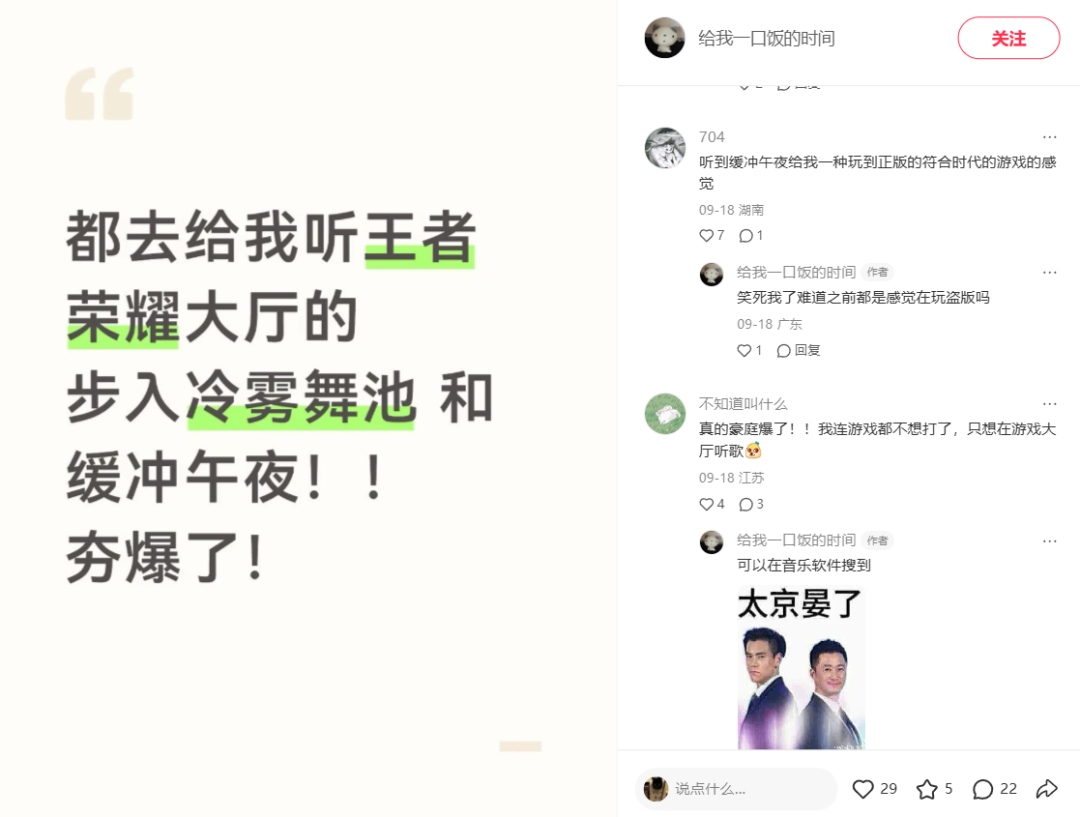
This stands in stark contrast to the 3D "thick-painting" style found on the same IP. This includes the music—the tracks listed in the lobby’s BGM selection are mostly catchy house music. Simple, stylish, and in step with current trends—that’s the atmosphere the game strives to create.
Source: Xiaohongshu @GiveMeTimeForABiteOfFood
Simpler rules, more relaxed social interactions, and a lighter visual and emotional experience—this “lightness” motivates players to enjoy a “seamless transition.” First, it allows players with no prior experience in this genre to quickly get into the game; second, as an IP spin-off, Wanxiang Chess offers a gameplay experience distinct from the original.
For spin-off games, attempting to replicate the original’s positioning and experience is likely to be a thankless task. After all, the original game has essentially saturated its corresponding niche market. In 2025, the domestic gaming market had 683 million users, representing a year-over-year growth of just 1.35%.With the overall user base nearing saturation, competition for players’ attention is fierce. A strategy game that’s easy to pick up and offers a more relaxed experience would undoubtedly be better positioned to fill a gap in player demand.
Therefore, when it comes to *Ten Thousand Chess*’s current performance, aside from its standout product design, accurately carving out its niche may be even more crucial. After all, the ideal state for an IP-based game is to feel both “familiar” and “refreshingly new.”
02
How to Achieve a “Gradual Approach from Light to Heavy”
“Mild” certainly doesn’t mean abandoning the cap—after all, *Wanxiang Chess*’s business model relies on gameplay for support.As we all know, mature cosmetic monetization models typically rely on a large DAU base and capitalize on two key pillars: “decoupling payment from fairness” and “high-frequency social display.” *Wanxiang Chess*, which also anchors its monetization on cosmetic items, must prove that it is a game with sufficient long-term appeal.
As hardcore players who both earned the "Champion" title in *Wanxiang Chess* within less than half a month of starting to play, H and G have different perspectives on this issue.
H places greater emphasis on balance. He believes that the disparity in player strength is still quite evident, and this significantly affects the gaming experience.
For example, Ta believes there are two types of players: those who use relatively simple, “auto-play” strategies; and those who employ more complex strategies, such as the “card-swapping” style represented by Mark and Yuhuan.Mechanics like Yang Yuhuan’s require you to constantly play cards while calculating how to trigger the corresponding effects. In practice, you have to pay attention to many details—for example, effects triggered by cards of the same faction and rarity differ, and there are time limits on your actions. Some players believe that to reach her full potential, a character like Yuhuan needs to be controlled on a computer using a keyboard and mouse.
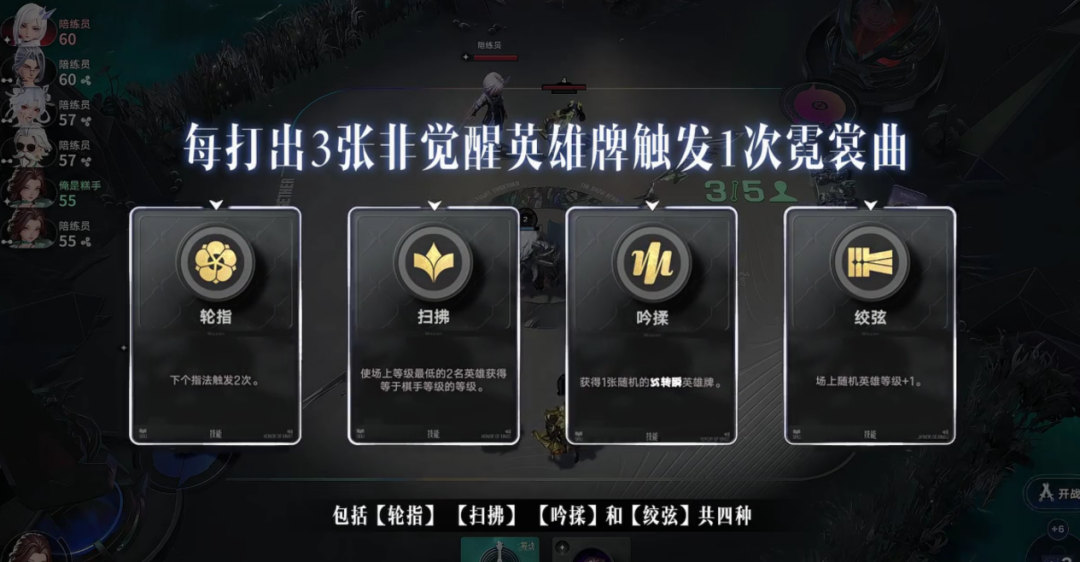
Ideally, the more complex the gameplay, the higher the upper limit—but also the lower the lower limit—which would motivate players to delve deeper into the game. However, in H’s view, in the current gaming environment, some “auto-play” players have very simple gameplay but are a bit too strong.
This is the perspective of a veteran player who has played many games in this genre. In fact, game balance is a recurring topic in this genre. A change in the strength of a single unit can affect the win rates of several team compositions—and even the viability of other playstyles—not to mention that players always manage to come up with strategies in actual matches that the designers never anticipated.
Therefore, addressing balance issues is often not something that can be achieved overnight; it can also be viewed as part of long-term game operations. Currently, Wanxiang Chess undergoes frequent updates, typically once a week. H also noted that in several other similar games he’s played, “the balance is just so-so—it depends on the situation in each season.”
G, on the other hand, feels that the game’s playable content actually runs out a bit too quickly. G hasn’t played any other games in the same genre; they downloaded *Honor of Kings* purely because they were drawn in by the rewards and quickly got hooked.
To climb the ranks, G looked up a lot of online guides. They summarized the core idea of these guides as follows: in Wanxiang Chess, you need to plan the entire game first and then work your way through it step by step, because the game doesn’t really support making major lineup changes late in the game.Therefore, it’s best to decide on your lineup from the start; consider whether anyone on the board might steal your cards, making it difficult to complete your composition; and when selecting early-game units, assess whether you can secure a winning streak and maintain a steady rhythm in the early stages.
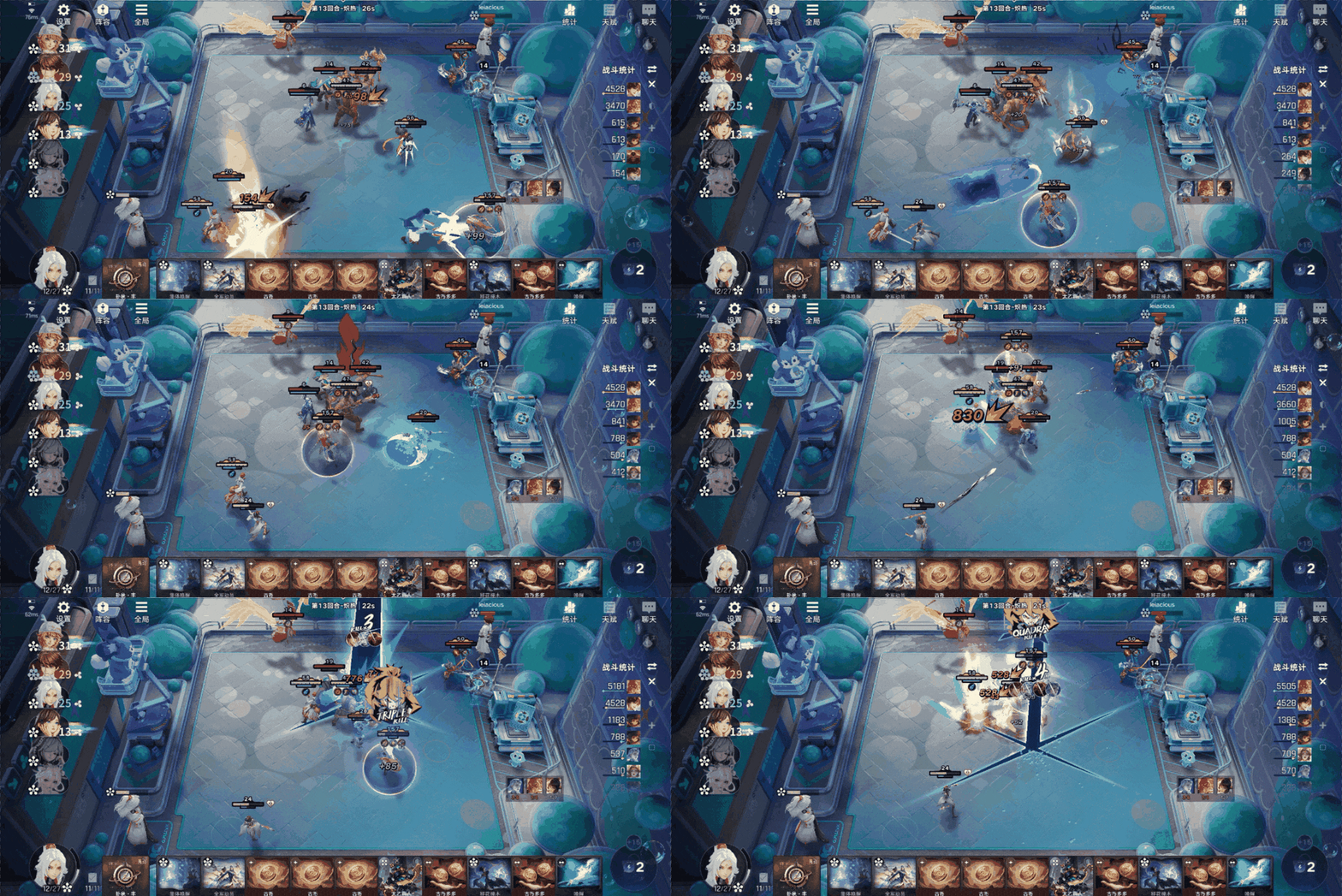
“Having played this long, I’m actually getting a little tired of it. That’s because there are really only a few specific players and strategies that are particularly effective.” For G, there are some lineups you know are powerful, but you don’t feel motivated to explore them in depth.They feel there isn’t much left to explore strategically; their current goal is to improve their proficiency, and they think the game might need some new factions or champions to keep things fresh.
The perspectives of both sides actually point to the same issue: whether the strategic depth currently offered by the game can sustain players’ repeated engagement and ongoing exploration.
An ideal product strategy involves using lightweight features to expand user acquisition, while leveraging in-depth gameplay mechanics to extend the user lifecycle and create conditions for sustained monetization. The prerequisite for users to pay for value-added services—such as cosmetic items—is that they maintain a sufficiently sustained interest in the game itself. Only when players are willing to make a long-term commitment do in-game collections, displays, and forms of self-expression open up greater commercial potential.
03
What role does IP play?
Returning to the context of IPs, typical IPs are usually narrative-driven, with their core asset being a relatively complete fictional world that includes a world-building framework, central characters, and their development arcs. Players’ identification with an IP may be based on their emotional investment in the story and characters—much like “character fans” in mobile games.
What makes *Honor of Kings* “atypical” is that it functions more as a collection of symbols; its recognizable elements include numerous well-known heroes, skill mechanics, visual symbols, and player culture. At least in the eyes of players and the general public, delivering a particularly coherent narrative is not its primary focus.
This leads to an interesting observation: “Honor of Kings” players tend to be particularly “practical.”A fan artist once told me that they had created a large number of illustrations for a certain hero in the game, but in reality, they didn’t actually play that hero very often—they had other heroes they were better at and practiced every day. In other words, players’ love for and identification with the IP are largely tied to the gaming experience itself.
Consequently, we can draw at least two insightful lessons from *Ten Thousand Phenomena Chess*. The first is how to better align product positioning with the IP.
As part of the content industry, the gaming sector inevitably draws inspiration from the film and television industries when it comes to IP spin-offs—that is, expanding the narrative, creating “multiverses,” and then developing corresponding gameplay frameworks. However, Wanxiang Chess takes a different approach: it inherits the iconic elements and reimagines the experience.In other words, it inherits the hero designs, skill mechanics, and user base from *Honor of Kings* while meeting player needs through a differentiated experience.
Second, social features remain a “jack-of-all-trades.” The core gameplay of “Wanxiang Chess” itself falls within a relatively standardized genre: “recruiting” pieces, building a team, managing resources, and evaluating decisions. Games in this genre share a common set of core mechanics; while there are certainly differences in the quality of specific product designs and operations, the experience is relatively easy to transfer from one game to another.
The key factor is that social interaction gives the game an extra layer of appeal—or, rather, a sense of irreplaceability—which has always been Tencent Games’ secret weapon. In conversations with various *Wanxiang Chess* players, they frequently mentioned the importance of social interaction: the main motivation is playing with friends, chatting on voice chat, and sharing their feelings—an atmosphere that’s simply irreplaceable.H also stated frankly that the main reason he stopped playing several previous hit games of this genre was that his friends had stopped playing them.
Of course, the limits of social interaction are also closely intertwined with the depth of gameplay. Just as a game can truly become a form of “social currency” for today’s youth, it must be based on the game itself offering sufficiently rich, repeatable shared activities.
Overall, this is a challenge common to the entire industry: While an IP can lower the customer acquisition cost for a new game, it cannot replace the product’s inherent competitiveness. Therefore, games based on IPs must not only allow players to recognize their origins but also convince them that they are worthy of standing on their own.
Given the many IP-based derivative works currently on the market, perhaps we should give the latter a slightly higher priority.
原创文章,作者:游茶妹儿,禁止转载:https://youxichaguan.com/en/archives/222750