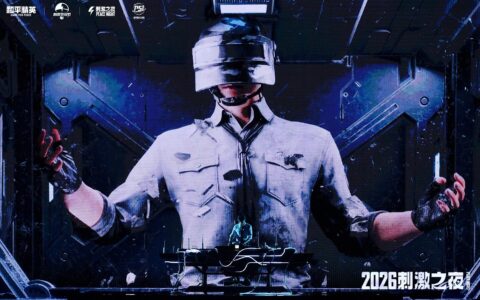
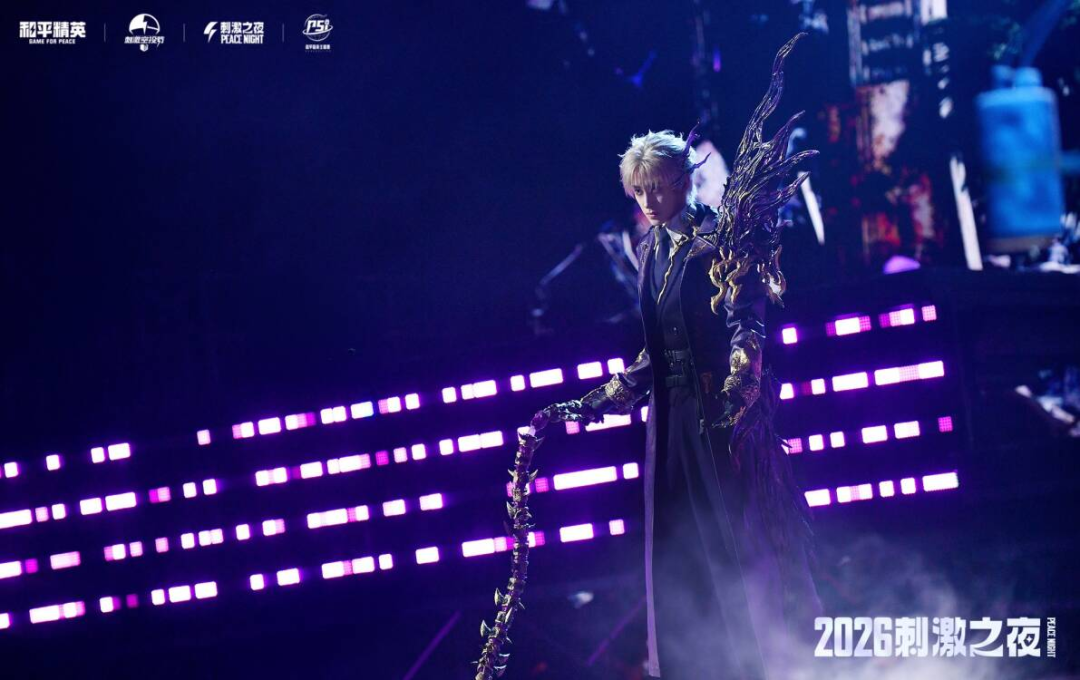
On August 8, at the Peace Elite “Night of Thrills” Annual Show, as the song “Suriname Doesn’t Believe in Tears” began to play,on stage, a player scoured the ground and discovered a golden toilet. While evacuating, they encountered Valen, played by Ao Ruipeng. The player faction and the subway boss faction then engaged in a group dance-off. Combined with the song’s meme-filled lyrics, the screen was instantly flooded with comments.
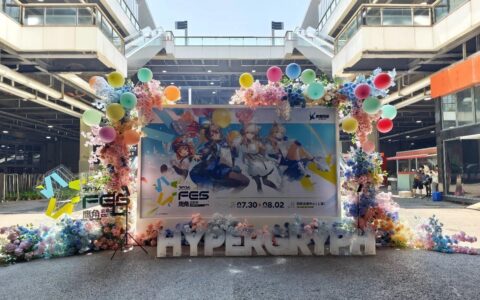
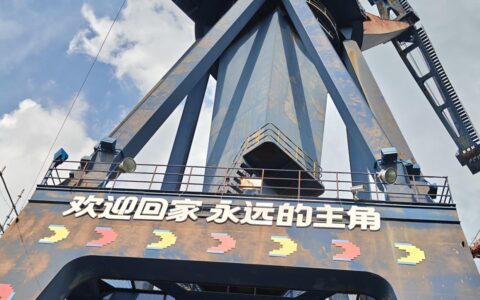
A few days ago, "Subway Escape" also hosted a "Big Win" party, where Exit A of the Sea World subway station was transformed into an immersive game scene, with all-star characters holding large gold items to welcome players in the station concourse.The most crowded spot on-site was an evacuation challenge installation shaped like a golden toilet, where a large number of users spontaneously posted videos and discussed the new “Big Gold” items, treasure maps, and various Easter egg features introduced in the 2nd-anniversary update.
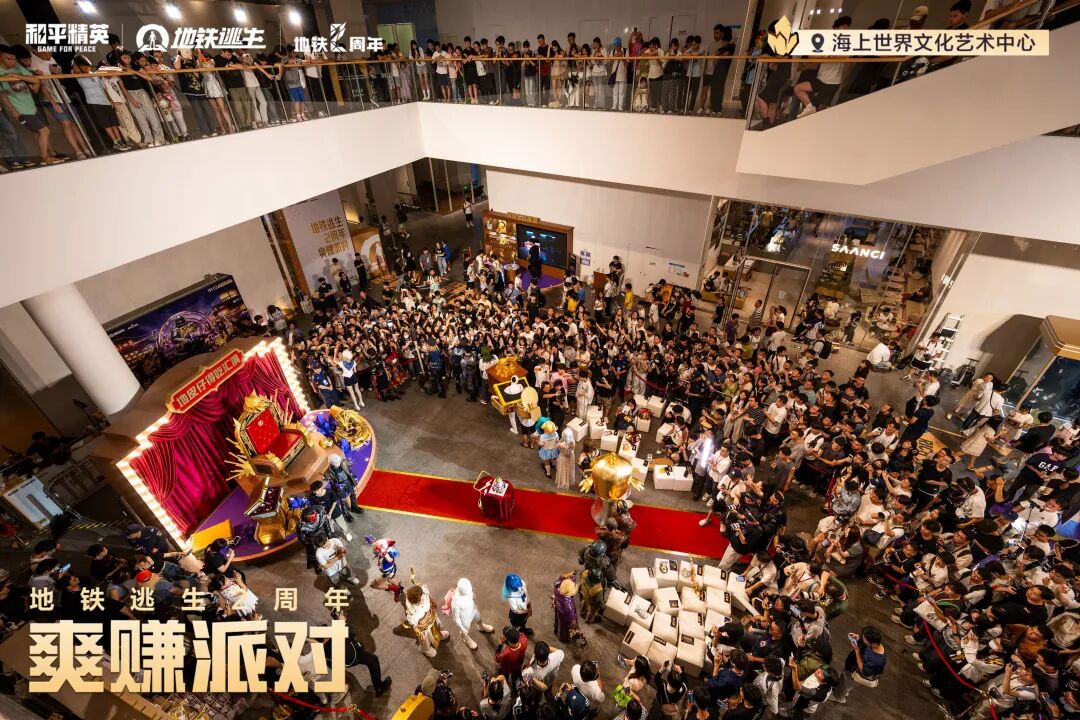
The bustling scene at the "Earn Big" party
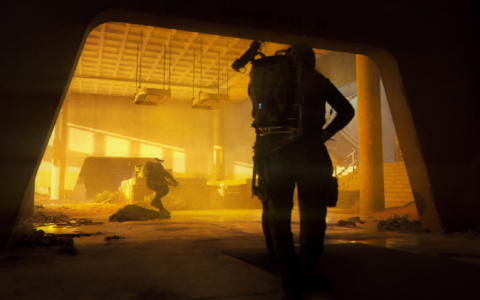
Of course, the game is also bustling with activity. In the same round of “Subway Escape,” “Seven-Set Guy,” decked out in top-tier armor, is clearing the map in the radiation zone, while a “Shu Shu” player with average skills is using Undercover Mode to loot chests in the above-ground housing area,while others hadn’t even joined the game—they were just hanging out in the livestream, flooding the chat with “Gotta eat” messages, watching the streamer pull off that iconic moment where “tears soak the pork-foot rice.” Everyone shares the same gaming ecosystem, coexisting without interfering with one another, each finding their own joy.
In the “search, attack, and retreat” gameplay style, Subway Escape has achieved a rare level of universality; players with different preferences can all find their place within this system, and this sense of belonging, in turn, fosters a vibrant and laid-back player culture.To understand where this laid-back atmosphere comes from, we must first take a look at who exactly is riding this subway train.
01
Food, Rats, and Pork Knuckle Rice
Players of "Subway Escape" have divided themselves into different playstyles and given each one a name.
The "All-Out Assault" playstyle involves head-on confrontations and typically uses the game’s most expensive Tier 7 set as standard gear; those who take looting to the extreme are called "Scavengers" and are nicknamed "Scroungers"; the "Rat-Style" playstyle treats surviving at all costs as victory; and the "Treasure Hunter" is a gold-magnet blessed with incredible luck;The “Bolt Style,” named after the sprinter, focuses on lightning-fast looting and rapid withdrawal; and there are those who lie in wait at evacuation points and submarine routes to collect “tolls,” known as the “Blockade Style.” None of these names were officially designated; they all stem from players’ own exploration, sharing, and mutual recognition.
A whole set of slang terms has developed around this scene. Finding high-value loot is called “getting a meal”; returning with a full haul is called “making a big escape”; and losing everything is called “tears soaking the pork-foot rice,” meaning you’ll have to settle for a cheap boxed meal tonight to console yourself.
What’s most interesting is the evolution of the term “Shu Shu.” It originally was a self-deprecating term used by players with poor skills to describe a survival-focused playstyle—running away from anyone they encountered and opening every crate they came across—but it gradually became a term of endearment and a sense of identity.
On the one-year anniversary, the developers went with the flow by referring to players as “Mice,” launched the “Subway Mouse Behavior Guide,” and released a server-wide treasure-hunting report:Over the past year, each “Rat” earned an average annual salary of 71.95 million in-game assets, completed 53.22 million “10-million-withdrawals,” and 287 hardcore players unlocked the “Subway Tycoon” achievement.The entry “Officially Diagnosed as a Subway Rat” subsequently appeared in multiple meme encyclopedias, and players shared their annual financial reports on Bilibili, Douyin, and Weibo, completing the journey from self-deprecating humor to official recognition.
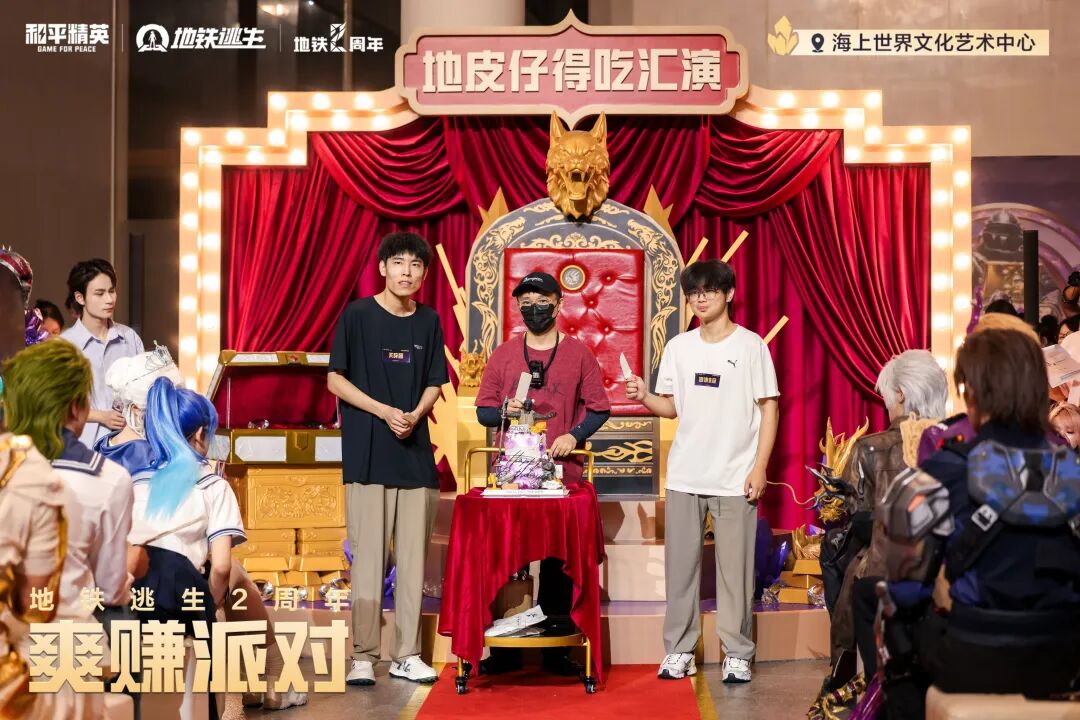
Real Street Kids Have to Eat Live
For this kind of culture to flourish, the game must genuinely accommodate these players through its mechanics. The core design challenge in the "search, attack, and retreat" genre lies in the emotional cost of equipment loss: players must feel a genuine sense of heartbreak with every loss for the game to have tension, but if the pain becomes too intense, players will simply quit the game.
After a hands-on trial, one gaming media outlet gave a widely circulated review, stating that *Peace Elite* is the most mouse-friendly game among all the “search, shoot, and retreat” titles they’ve ever played."Mouse" players can enter a match as an infiltrator; while the gear provided by the system makes it nearly impossible to defeat opponents, the infiltrator can maintain the appearance of being an AI. When AI allies in the same team attack other players, it indirectly alerts them to impending danger, allowing "mouse" players to loot chests safely.The safe mechanism ensures that players can take a guaranteed portion of loot with them even if they are eliminated, creating a positive feedback loop for those who aren’t skilled at direct firefights.
For players who prefer aggressive gameplay, the game offers something entirely different. The Surnan Conflict mode features a high readiness threshold; entry costs are high, risks are high, but so are the rewards.The equipment system, consisting of Tier 7 sets, provides hardcore players with a clear goal to pursue. Legendary gear, which has a chance to drop upon defeating special bosses, can be carried over between seasons, satisfying these players’ dual needs for real-world loss and strategic depth.
“As a gameplay mechanic matures, segmentation of the player base is an inevitable outcome,” said Yang Yiqing, Director of Game Design for Peace Elite, in an interview with Game Teahouse. “The key is for us to recognize these player segments in a timely manner and, through a matrix-style update approach, meet the evolving needs of different users as much as possible.”
There is a clear methodology behind this layered design.
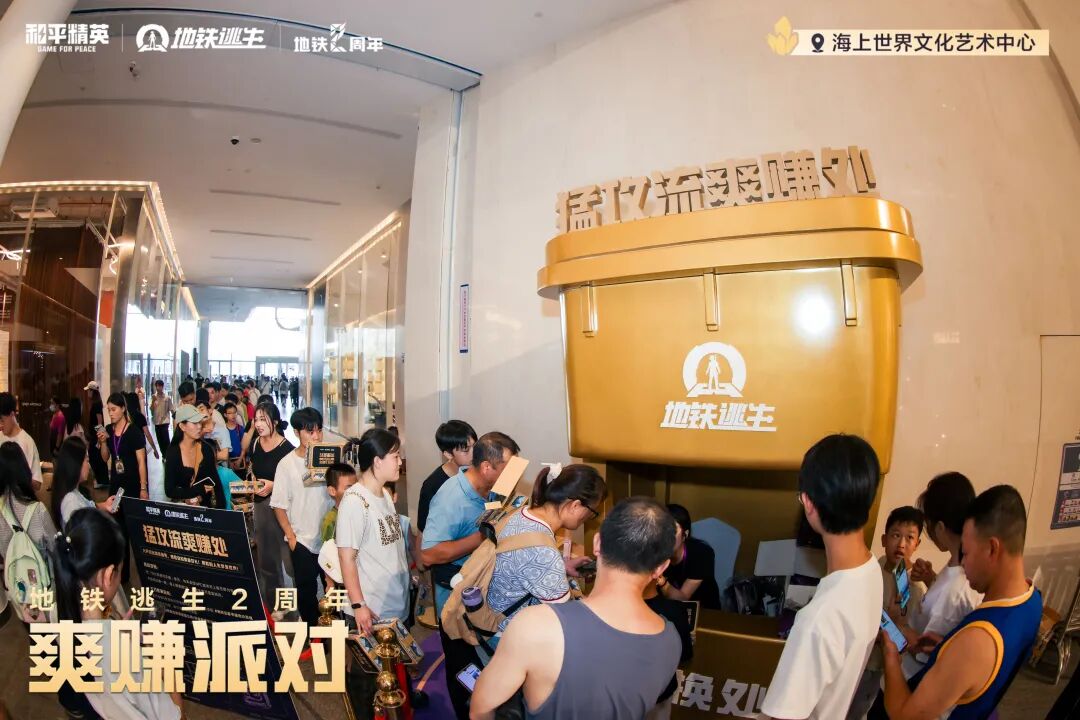
The "Easy Money Party"—a gathering place for fans of aggressive, high-tempo gunplay
Simply put, offer more intense sub-modes to top-tier players who enjoy high-stakes gunfights, amplifying the thrill through higher stakes, risks, and rewards;For players who enjoy looting and opening crates, we’ll create more tradable items and exploration mechanics; for lone wolves, we’ll ensure low barriers to entry; and for users seeking novelty, each update will introduce new modes and items—such as a gameplay mode where players take on the role of a boss battling mechs.
The value of this approach as a reference for similar products lies in the fact that it does not attempt to please everyone with a single set of rules, nor does it segregate players with different preferences into unrelated servers; instead, it keeps everyone within the same ecosystem, where each can find what they need.
02
Treat the subway as if it were an indie game
"Subway Escape" started out as just a game mode in *Peacekeeper Elite*. When it launched in June 2024, the "search, shoot, and retreat" genre was just gaining traction; two years later, it has evolved into something entirely different.
During the May Day holiday in 2025, the daily active users for this mode surpassed 37 million, and the cumulative views for related Douyin topics exceeded 42 billion.An exclusive interview with Yang Yiqing published by a media outlet in August of that year documented a key shift: as the user base grew and competition intensified, the team began treating “Subway Escape” as a standalone game within *Peace Elite*.
Yang Yiqing described the model’s positioning as follows: “It’s not a supplement; rather, it’s driven by multiple distinct engines. We hope to foster a ‘blooming in diversity’ approach, transforming Peace Elite into a thriving, multi-gameplay platform that meets players’ needs.”When discussing Metro Escape itself, he was even more direct: “We have already established Metro as a standalone game format and are developing it as such.”
The term “independent game” comes with a series of observable caveats.
At the recent 2026 Night of Thrills event, “Subway Escape” featured its own full-length segment, with Ao Ruipeng transforming into the subway boss Valen, leading the Iron Claw Militia, Black Eagle Group,Xuanyuan Heavy Industries—and went head-to-head in a dance battle against players from the five major factions, competing for the iconic Golden Toilet.It is rare in the industry for a new mode incubated within an established product to feature its own standalone narrative at the annual showcase. This marks the second time *Subway Escape* has launched an exclusive segment; at the 2025 *Night of Thrills*, the game debuted an 8-minute special titled “This Round: Evacuate Immediately.”
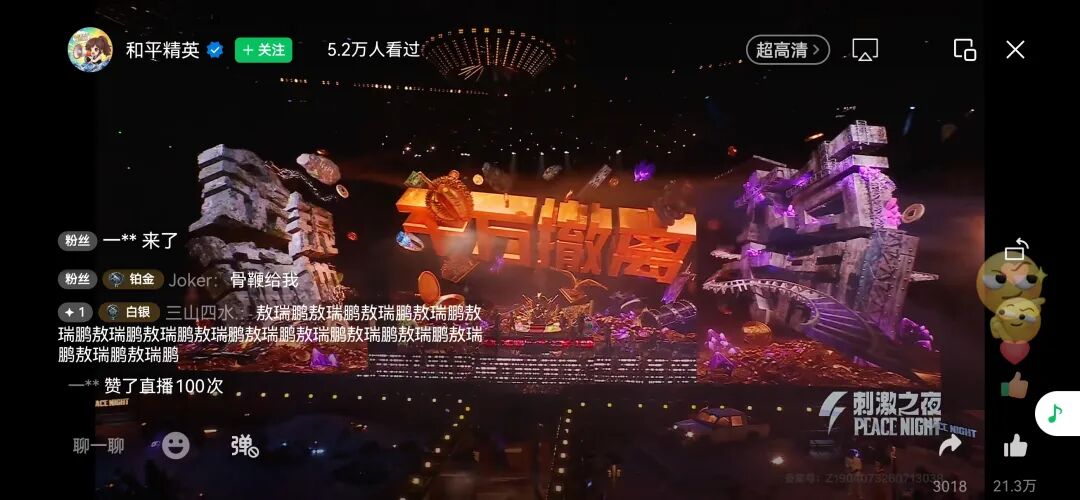
The 2026 "Night of Excitement" program, "Surnam Doesn't Believe in Tears"
Tournaments serve as another line of evidence supporting the game’s independence. Also in August 2025, the official team launched the “Mo Jin Cup,” a tournament brand exclusive to Subway Escape. Season 1 kicked off in September, with the annual finals held in December, and the tournament was integrated into the qualification pathway for the PSI International Streamer Championship.By 2026, the Mojin Cup had been further upgraded into a regular year-round tournament system consisting of five seasons, and brand sponsorships were introduced. From player registration and points accumulation to the annual Grand Finals, casual players now have a complete pathway to the professional stage.
Offline events are also being rolled out simultaneously. By the end of 2024, a “Subway Escape: Get Rich Quick” theme park spanning over 3,000 square meters had opened in the core area of Harbin Ice and Snow World,where players could crack safes and retrieve gold bars in a physical subway black market. In a subsequent collaboration at the end of 2025, the “Subway Escape: Get Rich Quick” throne ice sculpture became a must-visit photo spot in the park.
Why is “independence” so important? The answer lies in the release cycle.
The "Search, Fight, Escape" category has its own operational logic. The seasonal system is essentially a highly efficient way to release new content; each season resets the economy and introduces new objectives, creating a synergy between existing and new content. If updates for "Subway Escape" were tied to the release schedule of Classic Mode, this seasonal strategy would have to adapt to the pace of a different gameplay style.
An independent content pipeline ensures that the game can evolve according to the inherent logic of “search, attack, and retreat.” In an interview, Yang Yiqing revealed that the Metro Escape team has built a complete narrative universe for each season’s theme,where players take on the role of survivors on the continent of Surnan. Each season’s new story gives rise to new conflicts, which in turn create new objectives. There is a continuous evolutionary trajectory spanning from season to season, with iconic bosses, legendary gear, and Surnan Diamonds all evolving along this path.
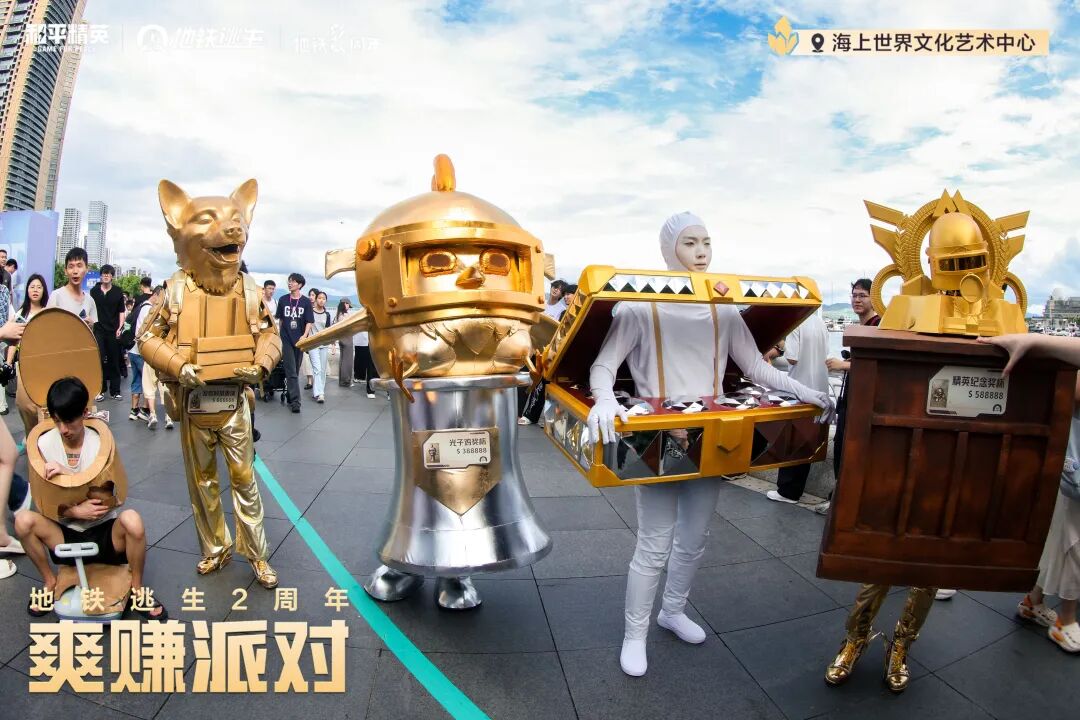
Another thing that's constantly changing is the players' favorite, Da Jin.
Of course, constantly releasing new content also means the development team must always strike the right balance. If content updates cater only to a specific type of player, other player segments will drift away. As we mark our second anniversary, the truly difficult question is how to ensure that all types of players continue to have new things to play.When asked if he was concerned that content production might not keep up with player consumption, Yang Yiqing’s response reflected the confidence of a developer: “Good game content inherently offers an infinitely emergent experience. Our goal is to create updates that, once released, will sustain themselves over the long term.”
Reflecting on the specific path of content iteration, he candidly noted that over the past year or two, the team had made various breakthroughs in the “search, display, and removal” framework—some successful, others not—and that feedback on some of these attempts fell short of expectations.
His strategy involves pursuing two parallel tracks: on one hand, focusing on evolving the main gameplay loop of “search, fight, and retreat”; on the other hand, injecting new content into classic maps to expand the world of the Surnan Continent.The “Anomalous Invasion” update for the game’s second anniversary is a product of this approach. Anomalous energy has invaded the Surna region—a place players have long been familiar with—causing drastic ecological changes in the dense forests and giving rise to new stories in familiar settings.
“If you prefer the pure ‘search, attack, and retreat’ gameplay of Metro, you can enjoy the classic content; if you want to experience something bold and groundbreaking, you can try out our latest game modes,” said Yang Yiqing. “If these new possibilities prove particularly successful, we’ll consider making them a ‘universal feature.’”
Using small-scale experiments to safeguard the core user experience and employing a tiered design to accommodate our ambitions—this is how we’ve refined our approach over the past two years.
03
Fast-paced searching and combat—pure treasure hunting
At the end of a season, when the inventory is cleared out, this is a risky move in any game. Hardcore players crave the thrill of real losses, casual players want the security of knowing they won’t lose money, and social players seek the satisfaction of showing off their collections. These three types of players have completely different emotional attachments to their in-game assets—so how can a single economic system effectively cater to all of them?
The solution to the subway escape is a soft reset combined with selective data retention.
In an interview, Yang Yiqing explained the principles behind this system’s design: “Each season, we want to reset resources, gear, and stats so that players can start the seasonal progression cycle anew. However, we want players’ personal achievements, social interactions, and Glory Assets to be preserved over the long term.”
The "Legendary Gear" and "Museum" systems are concrete manifestations of this principle; the former allows rare drops to be carried over between seasons, while the latter provides collection-oriented players with a long-term space to display their items. The safe's loss protection mechanism sets a minimum threshold for potential losses, allowing players to experience risk without ever "losing their entire investment."
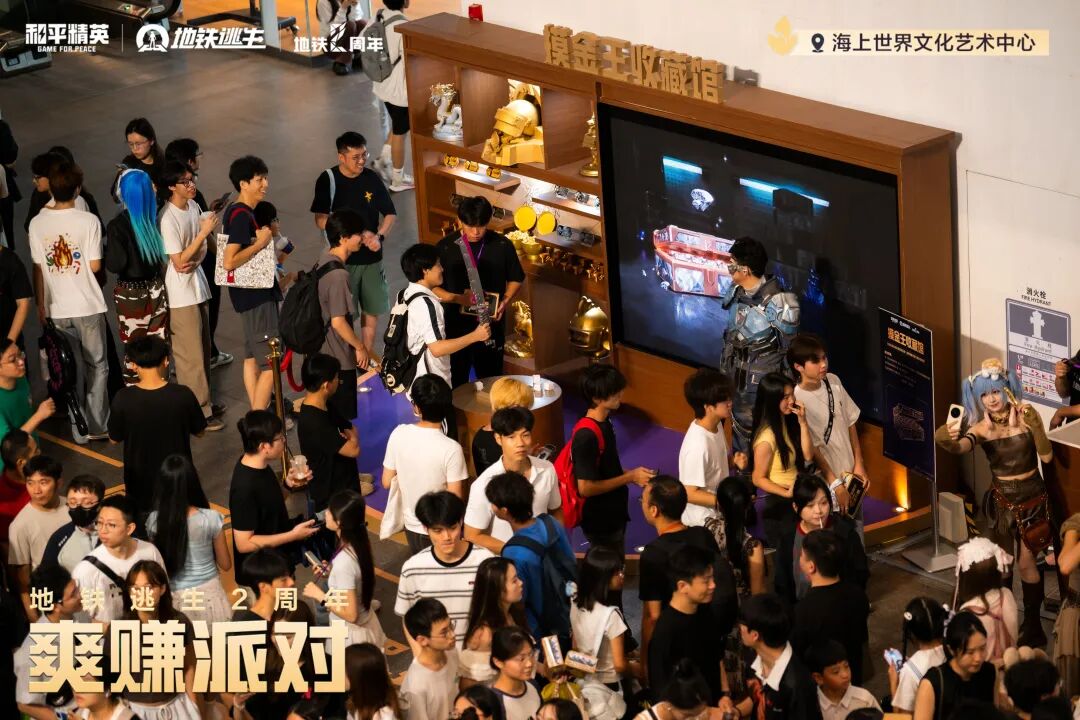
The In-Person “Collectibles Gallery” at the Shuangzhuan Party
In psychology, there is a concept called “loss aversion,” which refers to the fact that people experience far greater distress from loss than joy from gain.In the game design of the subway escape game, the seasonal reset creates a periodic sense of anxiety about starting from scratch, while the safety net and progression retention mechanisms keep that anxiety within manageable limits. Players may feel a twinge of disappointment, but they’ll soon look forward to new content—so the reset won’t leave them heartbroken.
Yang Yiqing offered another explanation for the data-wipe system: “Subway will be positioned as a lighter, purer, and more straightforward game. Whether they’re new players or returning players, as long as they open Subway, they can jump right into the game anytime, anywhere.“We hope to preserve this aspect forever.” This statement, in turn, explains another function of the reset: it not only addresses the emotional needs of veteran players but also keeps the door open to newcomers.
The reset cycle also requires a steady stream of thrills, and randomly generated items fill that role—while players' creativity has taken them in directions beyond what was outlined in the design documents.
The Golden Durian, introduced in Season 8 in September 2025, is the prime example. It was the game’s first item with a random resale value, categorized into three types based on the size of its flesh: Golden Durian Candy, Premium Golden Durian, and Gratitude Golden Durian. While they look nearly identical, their market prices differ by nearly a million.Since it can only be obtained in the “Submarine Raid” mode on the Mist-Shrouded Deserted Island, players quickly developed various strategies to deal with it. Some rush straight to the submarine to set up an ambush at the start of the game, filling their pockets by collecting “toll fees” from passing players—a tactic known as the “ship-blocking” strategy, dubbed “Peace Elite Economics.”Others have uploaded images of durians to AI tools to analyze the flesh, attempting to use technical methods to select the “Gratitude” durians.
These gameplay styles didn’t originate from official design documents; they’re variations that spontaneously emerged within the player community in response to new game mechanics. It’s fair to say that Subway Surfers players are known for turning every aspect of the game into internet memes, and every time a new update is released, the community erupts in celebration.
Players come up with memes, and the official team picks up on them—this dynamic has become increasingly seamless over the past two years.
On the game’s second anniversary, Yang Yiqing was asked how he would define “Search, Fight, and Retreat” in *Subway Escape*. He replied, “It’s a pure treasure-hunting experience with incredibly satisfying search and combat mechanics—this has been the cornerstone of *Subway Escape*’s popularity since its launch, and it’s what has kept it thriving to this day.”
If we break down this “thrill,” there are four key elements: “Players can enter the game at a very low cost, engage in intense firefights with great excitement, enjoy a cash-out experience full of surprises, and, finally, employ high-risk, high-reward strategies.”
As a "search-and-escape" game, the most frequently used terms in the *Subway Escape* community are "food," "mice," and "a sense of relaxation," and the game places greater emphasis on players' emotional experiences.
Aggressive players gain strategic depth; cautious players gain a sense of security; and viewers gain access to live streams and fan-created content they can enjoy without having to participate themselves. These three parallel paths of emotional reward mean that the same map takes on completely different meanings for different people.
Two years: a language system created by players and officially recognized by the developers; a live-action short film currently in production; and seven different groups—Ge, Shu Shu, and the audience—all enjoying themselves within the same ecosystem. This is what “Subway Escape” has to offer on its second anniversary.
原创文章,作者:游茶妹儿,禁止转载:https://youxichaguan.com/en/archives/208830