"Idol" is probably one of the most resonant terms in modern pop culture.
Since the emergence of Momoe Yamaguchi—the first true commercial idol—in the 1970s, the concept has permeated modern life in many ways, becoming a rare cultural phenomenon in the mass entertainment industry that has retained its vitality for decades.
Perhaps because they both belong to pop culture and share a common pursuit of the “idealized human” at their core, the concept of idols is equally prominent in anime and manga culture, where it takes on various forms.for example, the space divas in works like *Macross* and even the all-girl band in *Mygo* all fall within the category of idols.
Furthermore, in recent years, idols have frequently appeared as content elements or themes in anime-style games, demonstrating significant commercial impact in the East Asian market. Games adapted from classic IPs such as *LoveLive!* and *The Idolmaster* have consistently been top-tier titles in the anime-style gaming genre.
As for domestic anime and manga products, while few were initially conceived with idols as their core concept, most have incorporated idol elements as they’ve been in operation longer. It can be said that there has always been a mutual attraction between the idol and anime/manga worlds.
 |  |
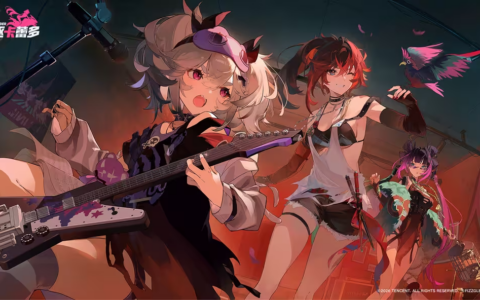
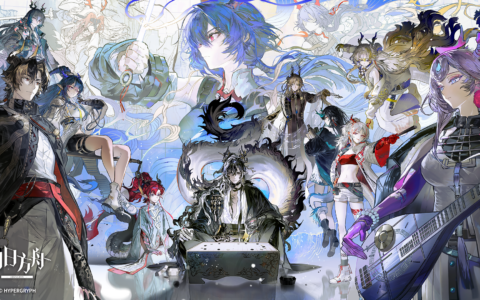
Yao and Kong from *Arknights*
However, as the concept of “idol” has become more widespread, it has also become increasingly blurred. For example, these days, most people sometimes think that “idols” and “celebrities” are one and the same, while at other times they simply view the increasingly popular underground idols as “idols who haven’t made it big yet.”
But in reality, the terms “idol,” “celebrity,” and even “local celebrity” are not entirely interchangeable; they refer to three distinct identities, each of which corresponds to a completely different relationship with its audience.
Moreover, today’s idol industry—or, rather, the star-making industry—has reached full maturity. As public figures, idols have indeed become commodified, and behind the scenes lies an entire set of commercial operations.
So, creating good idol content is by no means simply a matter of crafting a cookie-cutter character who wears flimsy clothes and sings casually. In fact, there’s a lot of depth to this topic. To discuss it, let’s first clarify the “essence” of idols.
01
Authentic Idol
To define the essence of an identity, it may be easier to understand it in terms of “what it is not” rather than “what it is.”
First of all, idols are not celebrities.
To a certain extent, the status of a celebrity is a result; when it emerges, there is an inherent “sense of distance,” creating a relationship of admiration and being admired between the audience and the celebrity;Underground idols, on the other hand, are the exact opposite. They offer a physical proximity—visible just a stone’s throw away at LiveHose—and the opportunity to shake hands and chat after the show. Together, these elements form the unique, shared experience of the underground idol audience, centered on intimacy and a sense of presence.
From a business perspective, celebrities represent the concentrated form of the star-making industry, while underground idols represent an organic state that has not yet been fully incorporated into the industrial system; one could say this is similar to the relationship between 3A and independent developers.
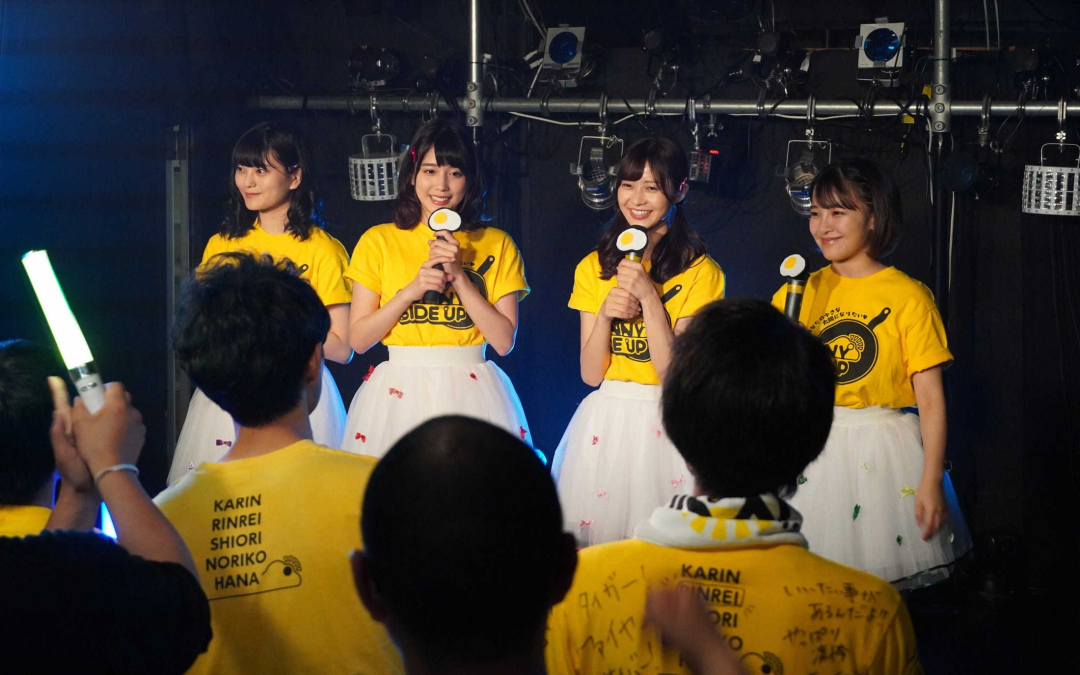
Idols, on the other hand, are more like a hybrid of the two—a relatively complex phenomenon.
In 1989, Japanese media scholar Tatsuo Inamasu wrote a book titled *Idol Engineering*; the term “engineering” in the title refers to the product-like nature of idols. In the true sense of the word, an idol is both manufactured and packaged by the entertainment industry while being required to reveal a certain degree of individual will within that framework.
Idols must possess the kind of stage presence and charisma that stars have, while also maintaining the coming-of-age narrative and emotional connection with fans characteristic of underground idols. In other words, idols are beings who are constantly oscillating between a carefully crafted public persona and their true selves.
This very tension—the struggle between the system and the individual, and the struggle between commodification and subjectivity—is precisely the most fundamental source of drama in idol narratives.
In *Akimoto Yasushi’s Planning Brain*, Yasushi Akimoto—known as the “Father of Idols”—explains that the core of an idol’s appeal essentially boils down to this: he believes that the essence of an idol is not perfection, but rather the very process of growth itself,Audiences are never consuming a performer who has already been polished to perfection; rather, they are consuming the dynamic process of an individual growing and transforming as they navigate the tension between the system and their true self.
Looking at specific individuals, the first generation of idols—including Momoe Yamaguchi—emerged during the pioneering phase of the idol industry and were able to express their individuality relatively freely. In her autobiography, *At the Twilight Hour*, she recounts numerous instances of asserting her personal will, such as choosing to retire on her own terms and refusing to be overly commodified. Today, scholars generally regard her as a representative of “pre-institutionalized” idols.

Yoko Maki
But by 1980, when Seiko Matsuda made her debut, the control exerted by the talent agency system had reached its peak. Her agency, Sun Music, was known for its strict image management; everything—from her hairstyle and romantic relationships to her every word and action in public—was tightly controlled by the company.
Yet it was precisely in this suffocating environment that Seiko Matsuda established her sense of self through sheer willpower; not only did she boldly demand that her agency allow her to take control of her own musical creativity, but she also responded in her own way to the outside world’s prying into her private life.
Akina Nakamori, a contemporary of hers, also distanced herself from the star-making industry in a more overt manner. For example, while idols at the time typically embraced an innocent, pure-hearted image, Nakamori adopted a more glamorous and alluring style. Although their paths were vastly different, their core approaches were essentially the same as those described above.
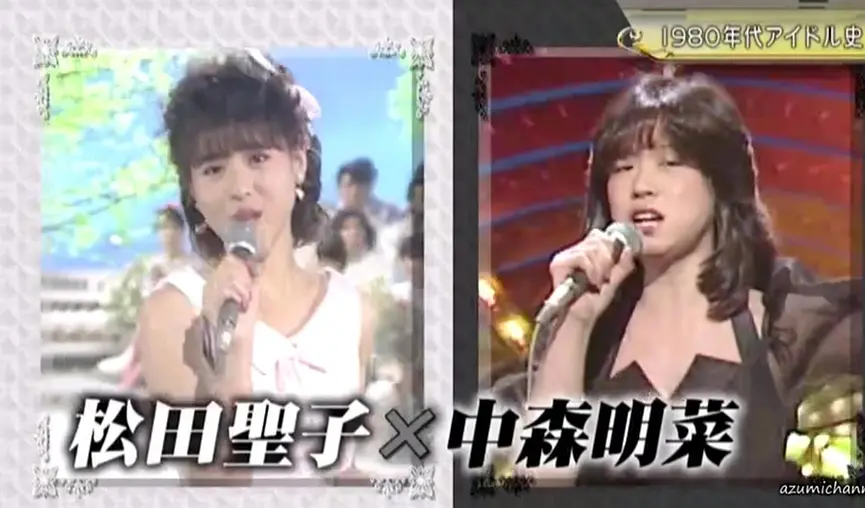
This narrative thread runs throughout the history of idols. Before the 1990s, idols generally operated on the same level as mainstream singers and actors; it wasn’t until the 1990s that idols truly shifted to the “training system” model.
This shift is quite significant because it reflects how the same central theme is expressed at different times: Seiko Matsuda’s struggles were rooted more in the artist’s fight for autonomy within the commercial system, whereas the struggles of later idols were more about the individual’s efforts to maintain a distinct identity within a highly assembly-line-style production system.
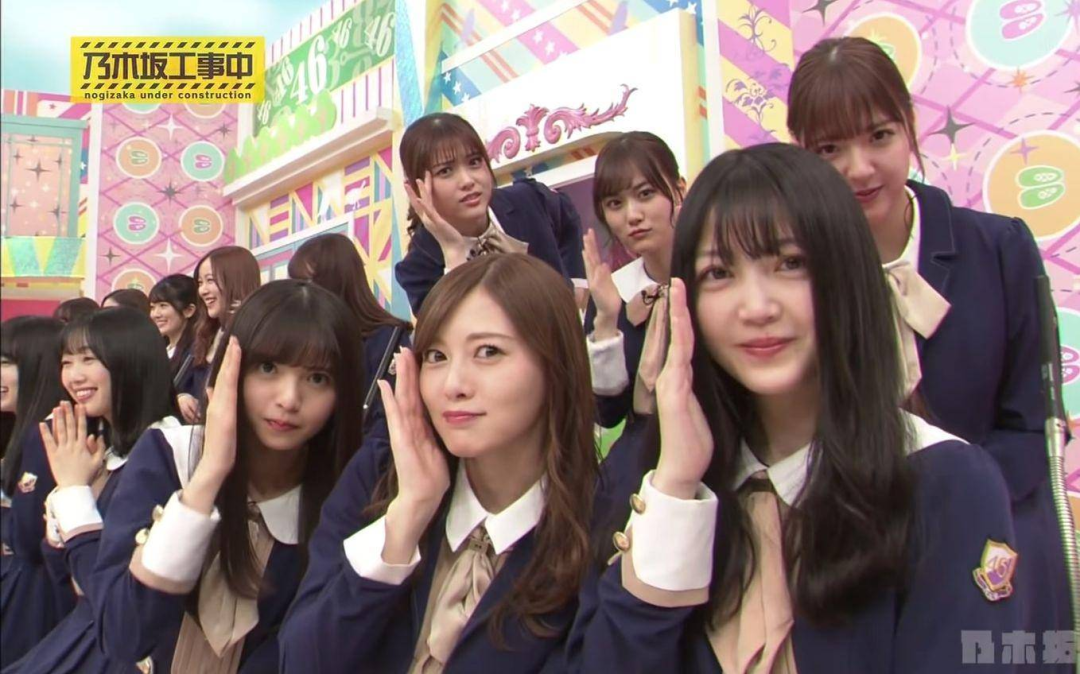
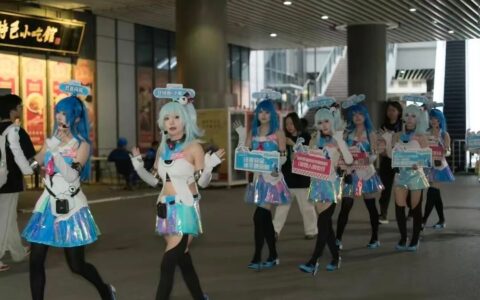
A very typical example of the "Saka-dō" style
It can be said that the production logic brought about by commercialization, the ongoing tension between individual will and the commercial system, and the emotional relationship between fans and the object of their gaze—one that is both intimate and distant—are all condensed into the concept of “idol.”
Since all creative work draws from real life, it’s not enough to simply show how dazzling a character is on stage; we must also let the audience see the struggles, sacrifices, and choices behind that brilliance.
This logic actually underlies many works of anime and manga culture.
Take, for example, the 1982 anime *Macross*: As the first “space diva” in anime history, Lin Mingmei essentially established the archetype for nearly all subsequent space diva characters—that of a bridge that connects hearts and fosters communication.
Lin Mingmei’s journey from an ordinary girl with dreams of becoming a singer to an idol on the galactic stage largely mirrors the core narrative structure of process-driven storytelling in idol culture.At the same time, *Macross* does not shy away from the costs of idol status. While Lin Mingmei gains the spotlight of the masses, she loses her ordinary daily life and genuine personal relationships; her status as an idol grants her power, but it also imposes constraints on her individual freedom.
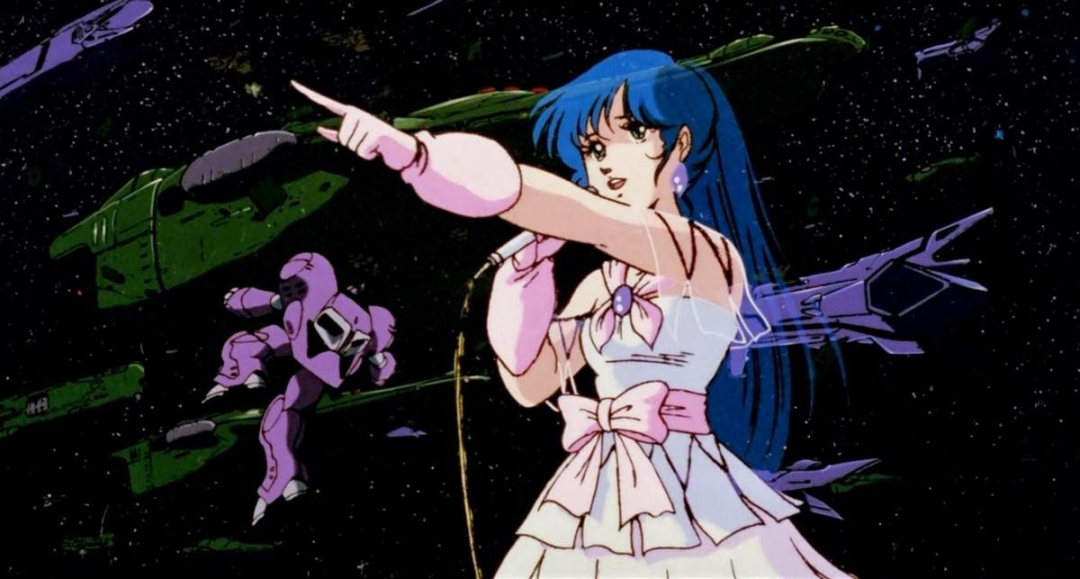
Even more noteworthy is that *Macross* took a very bold approach by endowing Lin Mingmei’s singing with a functional significance that transcended mere entertainment; it became a key force in bridging the gap between different civilizations and turning the tide of battle, elevating the value of the idol to the level of ensuring the survival of a civilization.
For more than forty years since then, the *Macross* series has continued to explore this theme in depth. After it demonstrated that the anime, manga, and game (ACG) industry could integrate idol narratives in a unique and differentiated way, approaches to this genre within the ACG industry began to diverge significantly.
For example, at a time when the real-world idol industry was placing increasing emphasis on the role of the producer, *The Idolmaster* made the collaborative relationship between producers and idols its core concept;When school idol culture emerged and the barriers to entry for idols became lower and more democratized, *Love Live!* focused on separating the commercial system from the idol narrative, leaving only pure passion and friendship as the driving forces—thus transforming the identity of an idol into a vehicle for storytelling about youth.
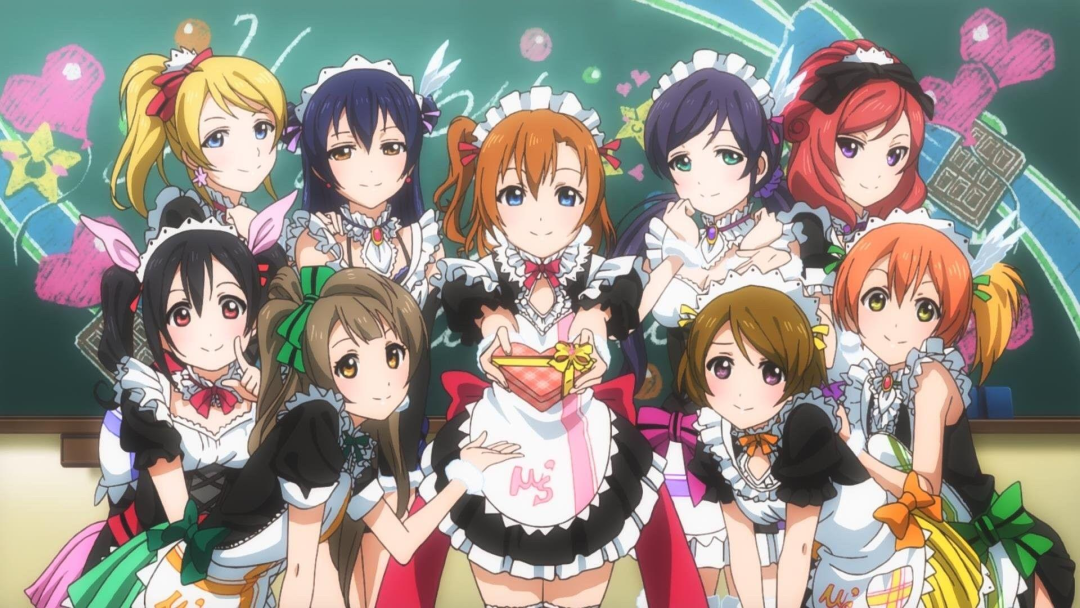
Whether it’s Lin Mingmei or Hoshino Ai, the anime and manga industry has been continuously refining its portrayal of idol themes. The success of these works demonstrates the resilience of the “idol” as a cultural symbol—one capable of carrying narrative possibilities far beyond its literal meaning.
So, when a mobile game decides to take the idol genre seriously, what should it focus on?
I think it’s all about the commercial system and the self, the manufactured persona and the real individual, the spotlight on stage and the price paid behind the scenes—these are the elements that get to the very heart of what it means to be an idol.
Today, *Arknights: The End* launched the second half of the “Journey to the Abyss” update, and Li Nuo—the idol of Tower Guard 2—made her official debut. After experiencing her story, I found that Eagle’s Corner’s handling of Li Nuo’s narrative gave me that authentic “idol” feel, while also showcasing her unique personality.
02
"The End" Style Idol
The story of Lino follows the timeline of the "Toward the Abyss" version's main storyline.
After the crisis involving the massive fissure in the Northern Restricted Zone had been resolved, the administrator learned that the Huan Ta Chamber of Commerce, to which Li Nuo belonged, was about to arrive in Valley No. 4 for a charity performance. Upon arriving at the venue, however, they realized something was wrong: Li Nuo, the popular idol who was the star of the show, had gone missing.
Upon investigating, the administrator discovered that Lino had slipped away on her own because she didn't want to continue being the guild's puppet.
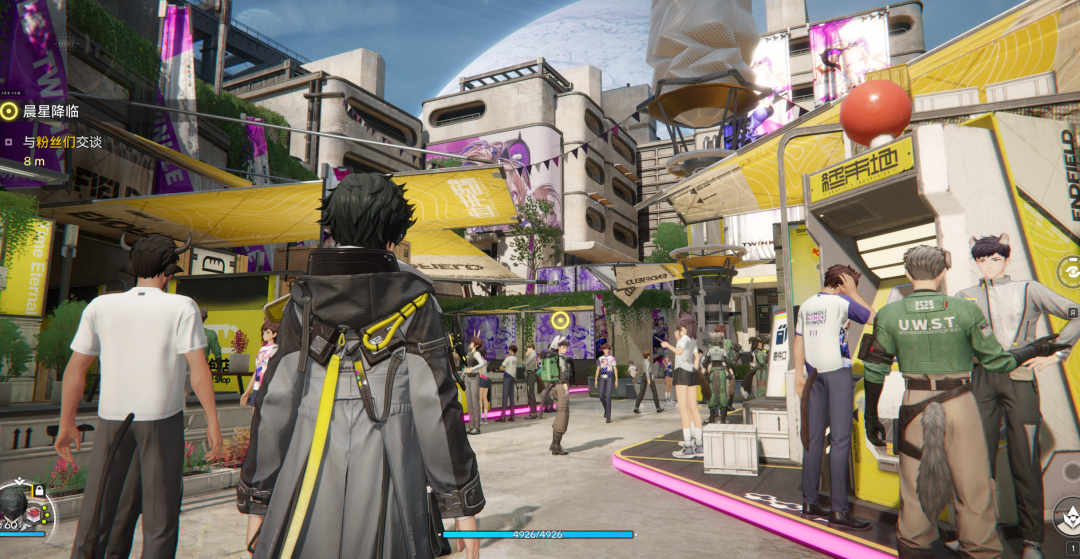
So-called "charity performances" are, to put it bluntly, just a way for the Chamber of Commerce to use her influence as an idol to raise funds and recruit workers. In the Chamber’s line of thinking, an idol is first and foremost an asset; Li Nuo’s stage presence is a corporate resource, and her personal wishes are not a factor in their decision-making.
So, Li Nuo rejected this prearranged script. She devised her own escape route to break free from the Chamber of Commerce’s control, and she already had a clear plan in mind: to hold a charity concert that was truly her own—one that didn’t serve the Chamber of Commerce’s interests.
The administrator was drawn into it by her, and a story about the preparations for the concert began to unfold.
 |  |
Throughout this process, Lino reveals a richly layered personality.Knowing that the administrator was suffering from amnesia, she pretended to have had a prior relationship with the former administrator in order to secure his help. This devilishly cunning trait adds a lively dimension to the character and allows viewers to sense the idol’s almost instinctive social acumen in interpersonal dynamics.

At the same time, when facing her fans, Li Nuo was willing to go head-to-head with the Chamber of Commerce and put herself in danger just to show her appreciation for their support. No one asked her to do this; what drove her was her most basic understanding of what it means to be an idol, as well as her determination not to let her fans down.
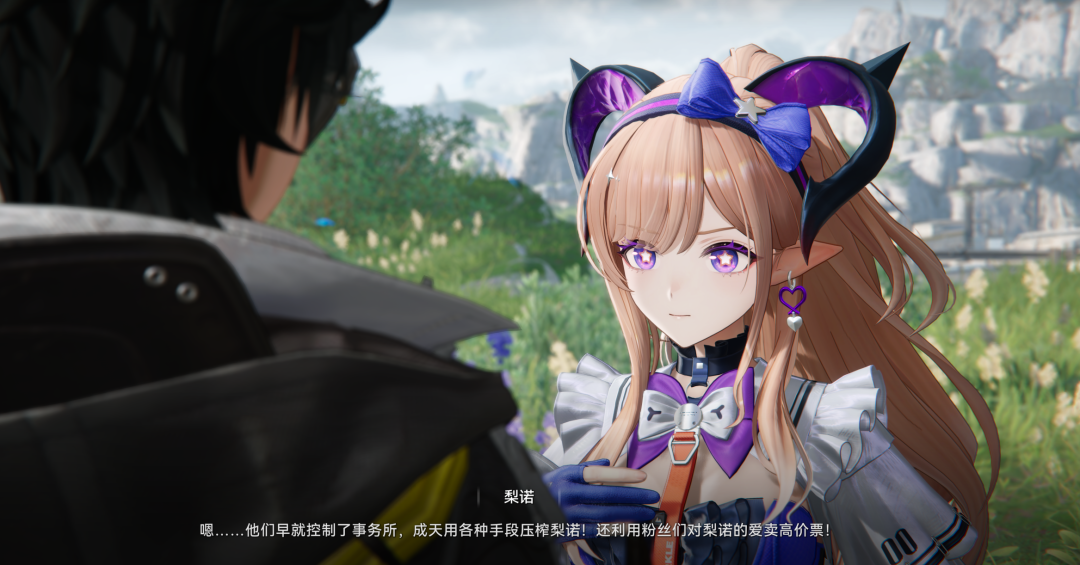
This blend of cunning and sincerity, shrewdness and passion, lends Li Nuo a depth that far surpasses the typical idol archetype. She possesses the professional awareness expected of an idol and understands the rules of the game behind this identity; at the same time, she has the independent judgment to know what she truly wants to protect.
Li Nuo ultimately answered one question through her actions: What is the essence of an idol?
Her answer was: to fight for the person who loves her and to take action to bring a smile to others’ faces.
In terms of the visual presentation that complements the story, Eagle角 made extensive use of comic-style panel layouts and theatrical visual design in the cutscenes featuring Li Nuo, presenting the emotional peaks of the idol narrative in a manner that is highly conscious of the conventions of anime and manga.
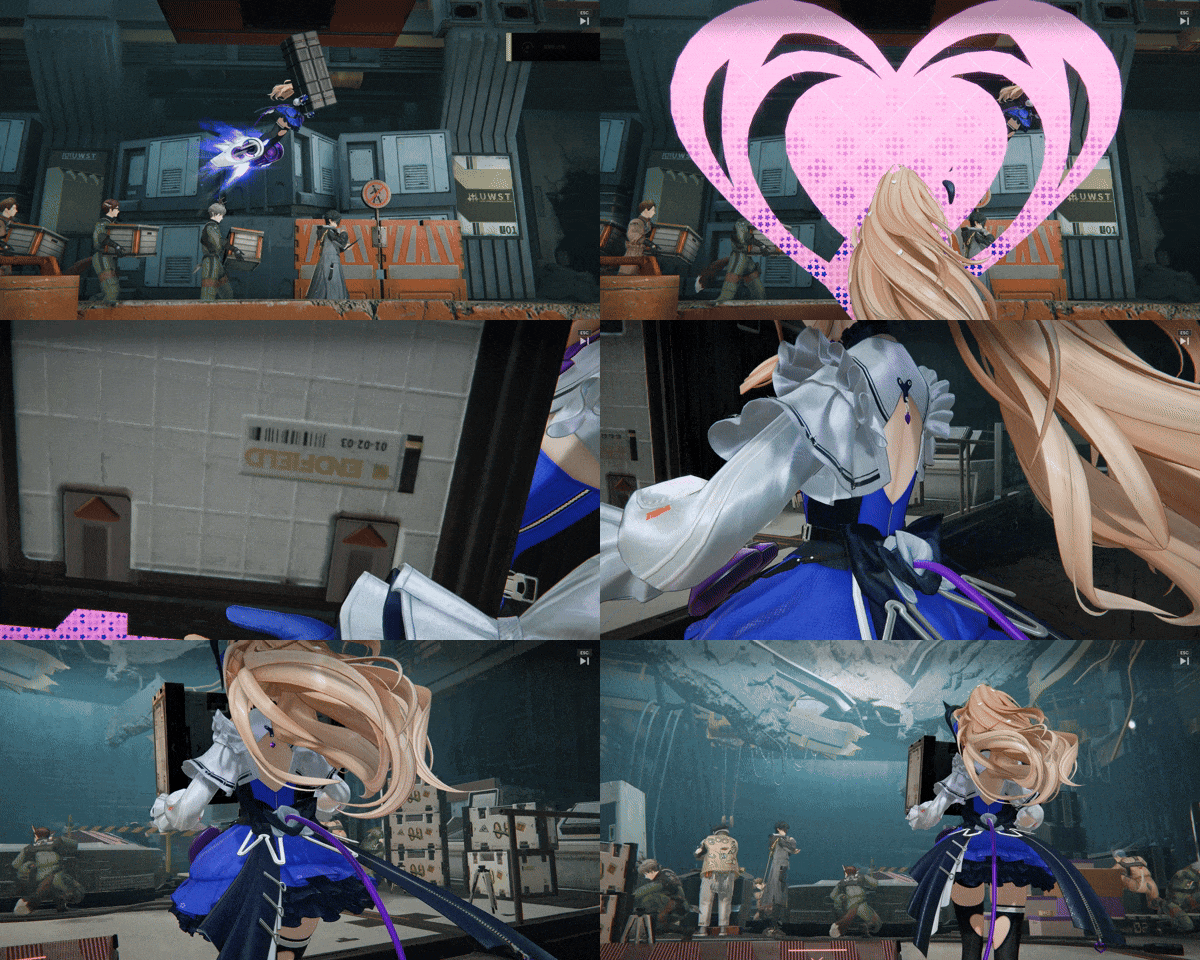
For example, the emoticons in the cutscenes, Lino’s comic-style “thought bubbles,” and the special effects, among other things.
"The End of the World" uses highly anime-inspired visual imagery to tell a story about idol culture itself and its characters; in a sense, form and content resonate with one another here.
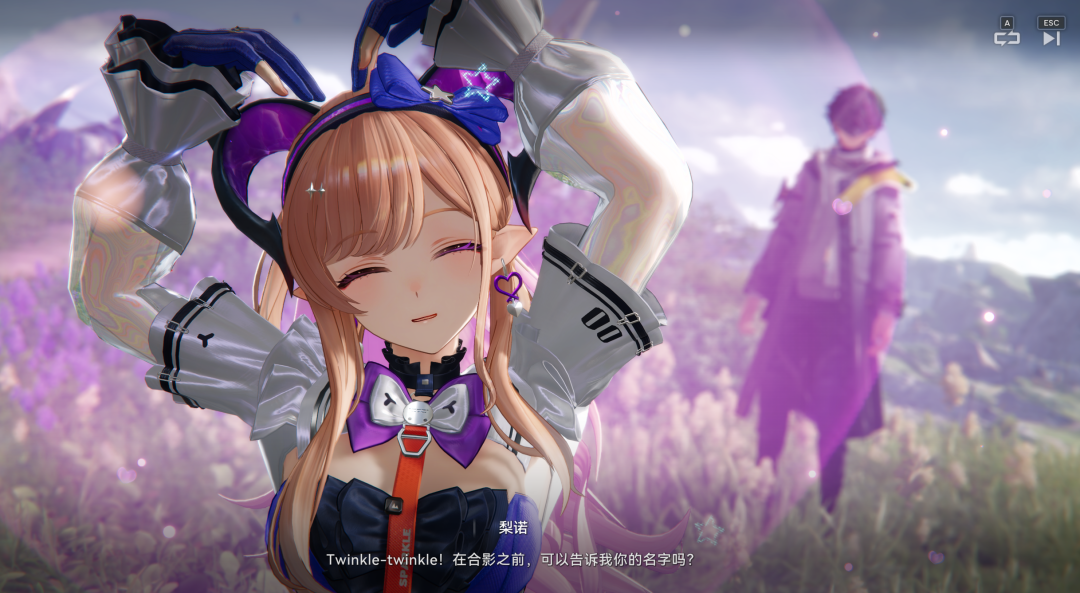
In his book *AKB48*, American anthropologist Patrick W. Galbraith offered a more practical definition of an idol. He argues that idols should engage in media interactions across platforms, environments, and venues, and rely on this multimedia interaction to construct their own identities.
If we take another look at it through Galbraith’s definition, we’ll find that Lino’s very presence in the game is, in itself, a form of cross-media storytelling.
Story text, cutscenes, and comic storyboards—these different forms complement one another to ultimately form a comprehensive network of character understanding. In other words, the logic behind *The End*—where idols construct their identities through multimedia interaction—is reimagined within the convergent medium of the video game.
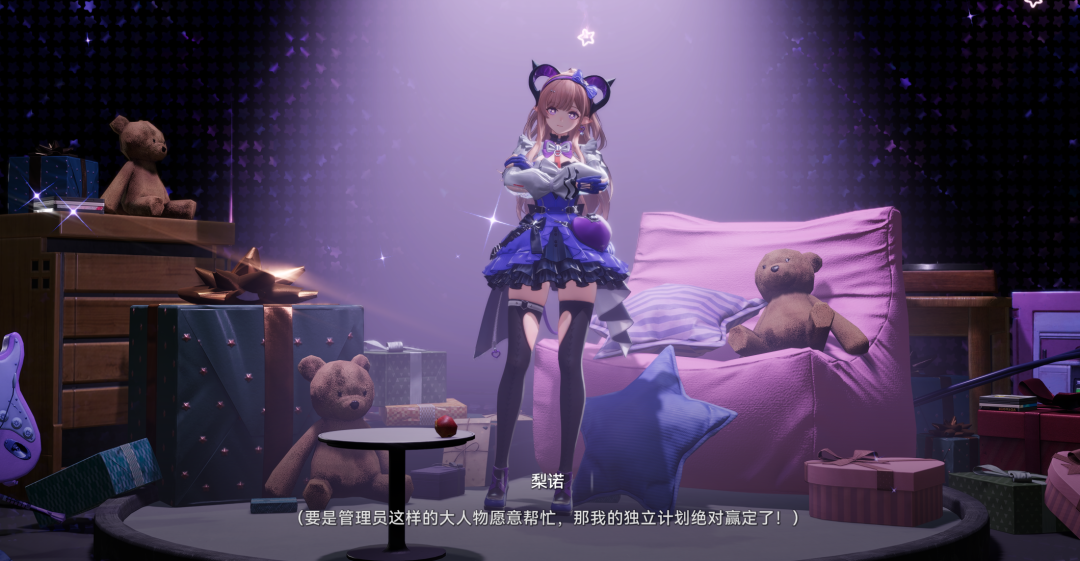
This represents a form of maturity in which the role is also central to business and industrialization.
In fact, as you may have noticed, the “Journey to the Abyss” version of The Endlands exhibits characteristics of “gradual maturity” in many aspects.
In terms of narrative, the first half of this installment carries a considerable narrative burden, explaining the origins of Li Zhiyan’s self-destructive personality, tying back to Zhuang Fangyi’s past “return to her roots,” and even laying the groundwork for the Administrator’s background.Character arcs, the mounting tension of the journey to the Northern Lands, and the narrative pressure to seal the Great Rift run throughout the entire story, creating an overall atmosphere that is both somber and intense.

Following this intense plot arc, the second half of the “Xiang Yuanxing” version transitions into an idol subplot with a completely different style—one that combines entertainment and cultural charm. The transition between serious science fiction and lighthearted interludes is natural and seamless, creating a well-balanced emotional arc within the version itself.
Maturity in storytelling is not only reflected in the ability to tell a single story well, but also in the ability to consistently and reliably tell different kinds of stories without compromising the overall consistency of tone.
Thanks to this continuity, “The Land of the End” has been able to develop its characters effectively across multiple version cycles. Take Li Zhiyan as an example: as early as the previous two versions—specifically the “Spring Dawn” phase—the groundwork for her character development was laid, revealing her self-destructive tendencies,However, the final arc—which completes her character development—has been reserved for the current version. “End of the Earth” does not aim to complete a character’s full development within the limited scope of a single version cycle.
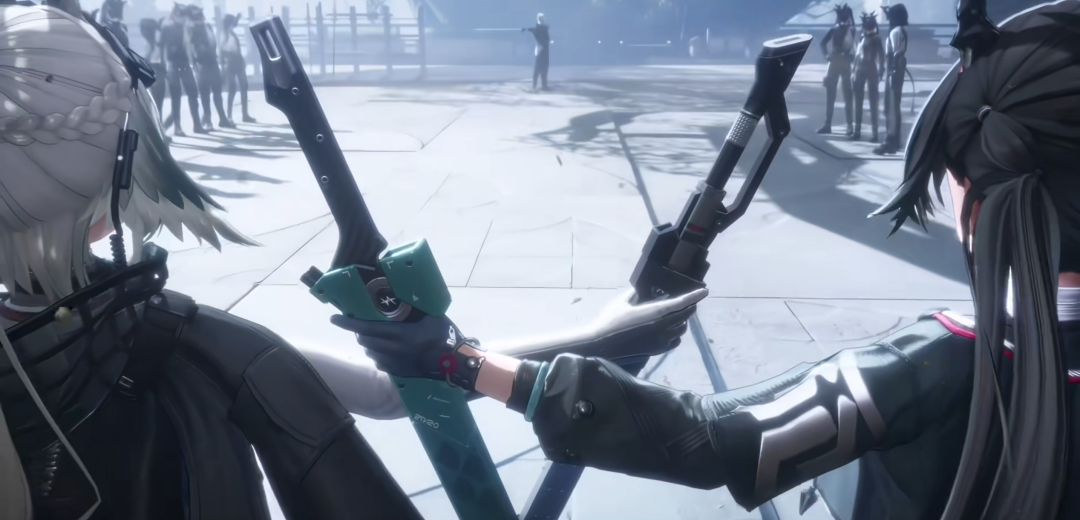
For anime-style products, the fragmented pace of version updates can easily lead to disjointed character narratives or superficial storytelling, which is largely due to a lack of narrative coherence.However, *The End of the World* has demonstrated the ability to build upon the groundwork laid in previous versions and, within a single update, clearly present a complete narrative arc for a character—from their debut to the conclusion of their story arc—allowing players to develop a thorough understanding of and emotional connection to the character within a limited engagement period.
Furthermore, the normalization of in-game cutscenes—that is, an increase in their proportion, a reduction in static dialogue sequences, and a higher frequency of alternating between CG and in-game rendered cutscenes—has been on the rise with each version update.
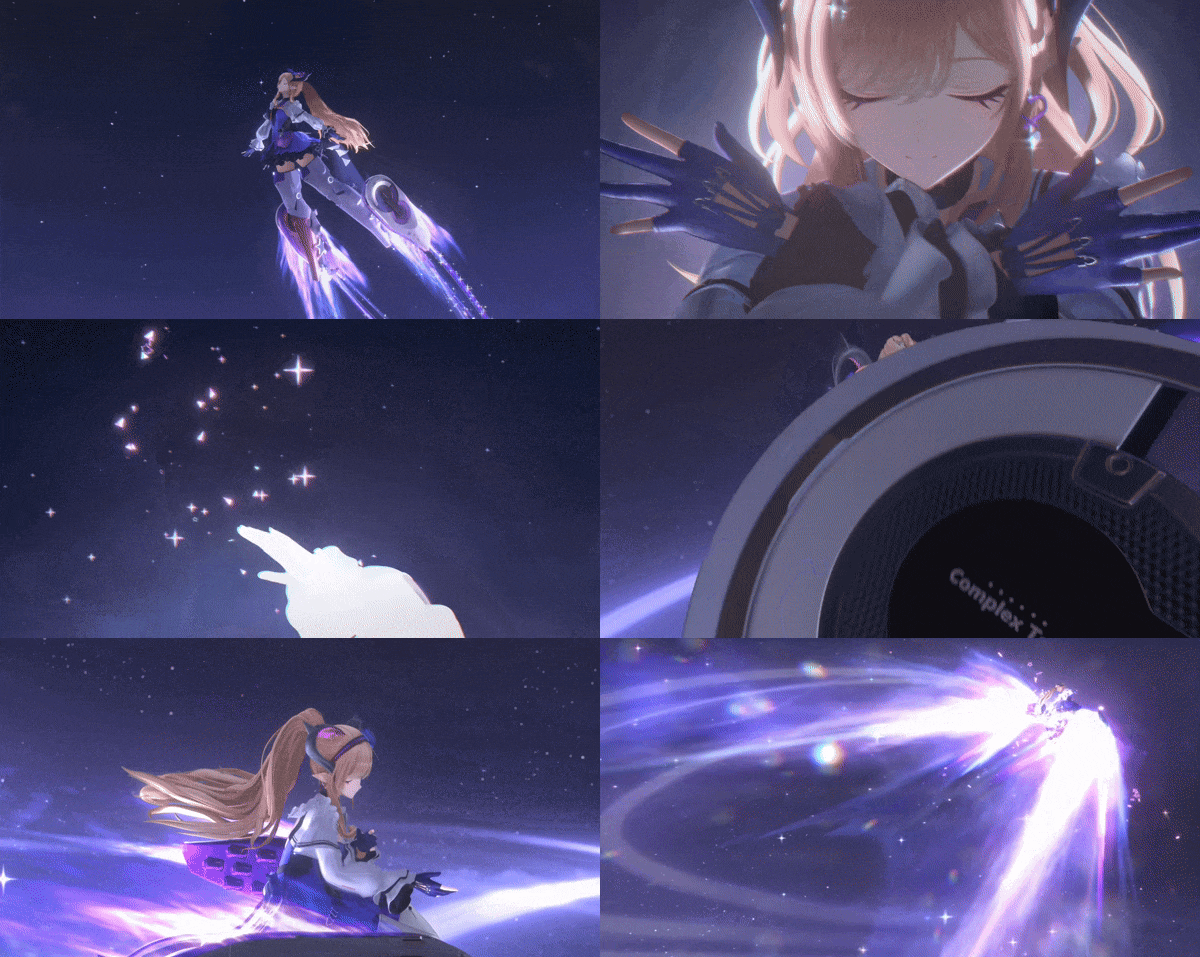
In terms of gameplay, after several iterations, seasonal combat modes such as “Crisis Contracts” and “Echoes of War” provide ongoing strategic challenges and clear objectives. The core gameplay has become even more defined, and a variety of replayable modes now serve as the primary drivers of high-frequency play in *The Endland*.
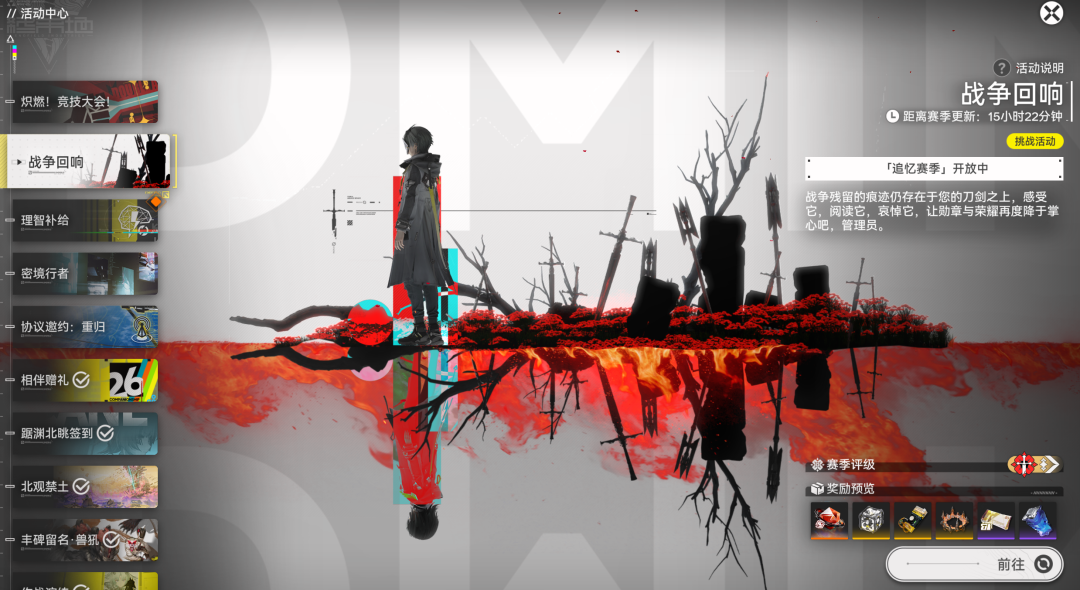
Map exploration offers a different, more leisurely experience, providing immersion and management feedback outside of combat.
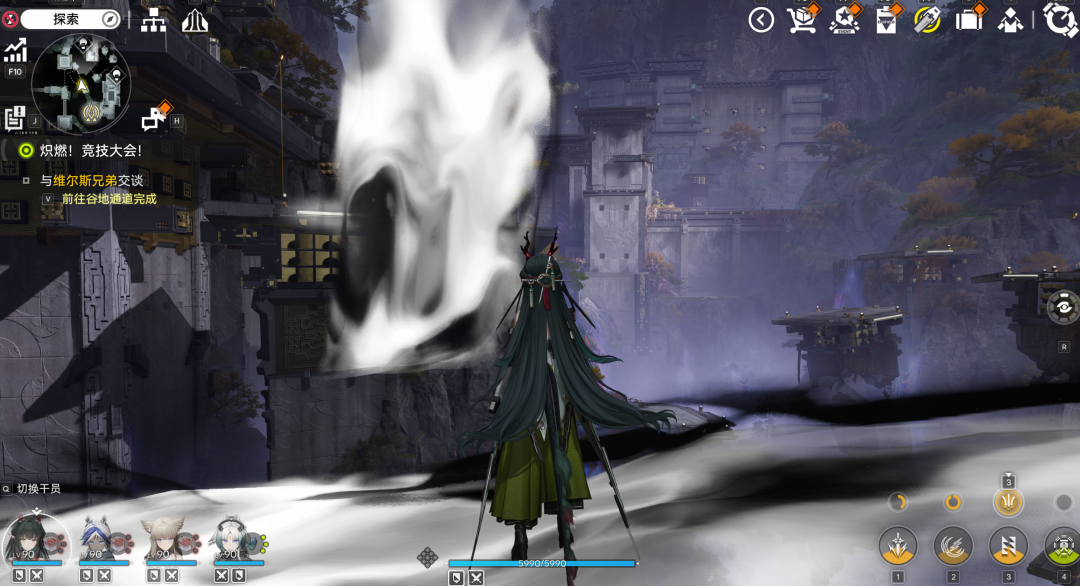
The interlocking relationship between these two axes—in terms of resource flow and character development—ensures that the overall gameplay experience is sustained through the synergy between the systems.
For a product still in its early stages, the initial versions serve to establish the concept and test the approach; what truly puts the product's capabilities to the test is its ability to transition smoothly from proof of concept to systematic and stable delivery.
The state of the Endland at this halfway-through-the-year milestone is signaling that this transition is steadily coming to fruition.
Conclusion
Looking back, approaching the gaming experience in "The End of the World" through the lens of idol culture gave me some unexpected insights.
I realized that at the core of Eagle Corner’s approach to and experimentation with *The Endlands* is the trade-off of using its own distinctive style and meticulous handling of anime culture to achieve brand recognition.
Today, the mobile gaming market remains crowded, and packing in features has become a must. At the same time, players’ aesthetic expectations continue to rise, making it increasingly difficult to gain a competitive edge through polished production values alone. In this climate, what truly sets a product apart from the homogenized competition may well be some of the more “subtle” elements.
For example, the approach to content arrangement, the depth of understanding of specific cultural themes, and the ability to translate that understanding into concrete character development and narrative experiences—are all capabilities that Eagle角 possesses. Applying them to 3D projects and achieving full integration inevitably requires a process; judging from the performance of “Toward the Abyss,” this process is beginning to yield results.
Finally, there’s actually another rather interesting isomorphism that I’d like to mention briefly.
A long-term anime or manga product—or, rather, a content product—faces a situation not unlike that of an idol: it, too, is caught between the commercial system and creative vision; it, too, must strive to maintain its distinct identity amid an assembly-line-style release schedule; and it, too, must constantly navigate the tension between a predetermined commercial narrative and the creator’s artistic expression.
To some extent, the fans’ perspective aligns with that of the idol’s audience, and just as good idols are remembered because the audience sees a certain authenticity on stage—such as real struggles, real choices, and genuine growth.
The same principle applies to good anime and manga products.
原创文章,作者:游茶妹儿,禁止转载:https://youxichaguan.com/en/archives/208820