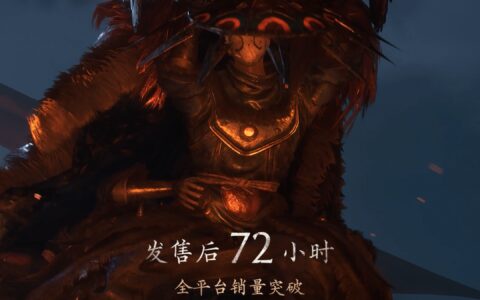
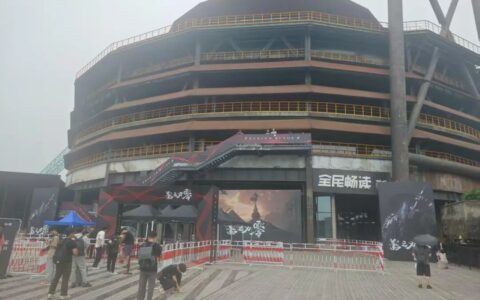
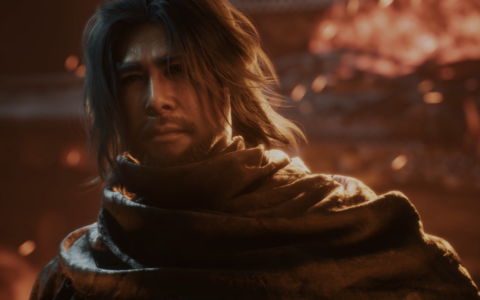
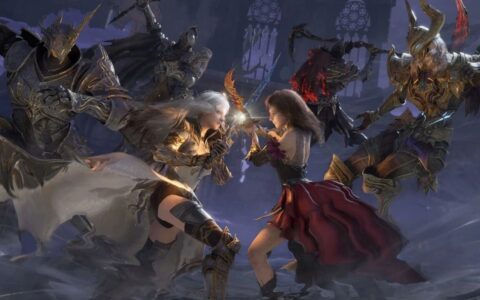
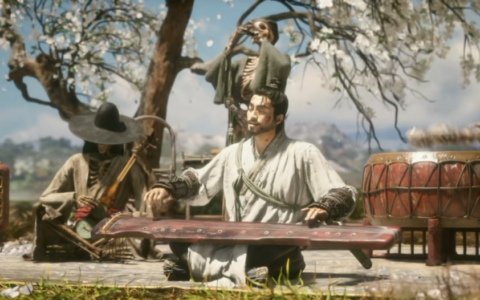
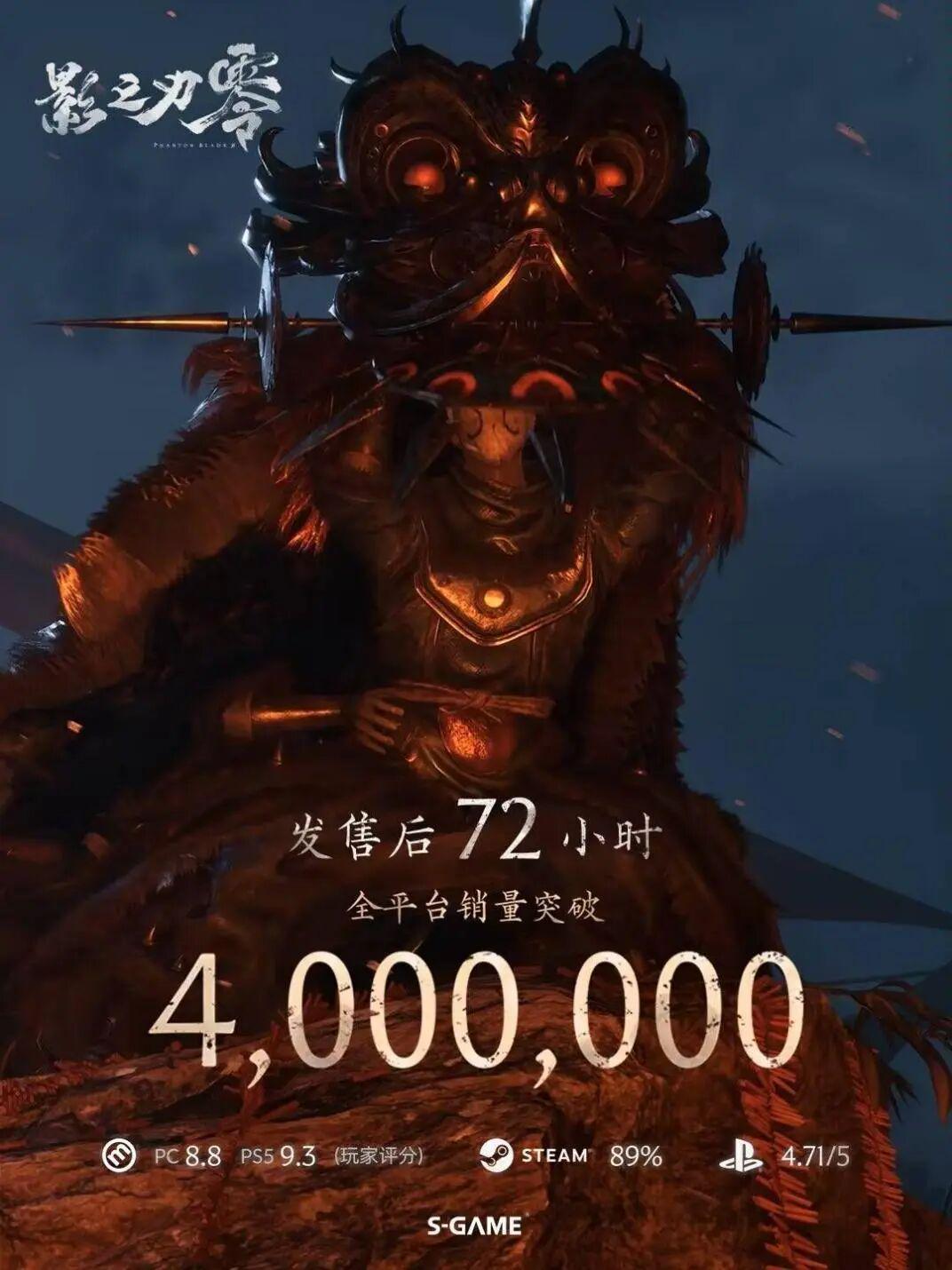
Yesterday, the Chinese-developed AAA title *Blade & Soul Zero* released its latest sales figures: just 72 hours after its launch, the game had already sold over 4 million copies.Based on the standard edition price of 268 yuan, total revenue has easily exceeded 1 billion yuan. Without a doubt, *Shadow Blade Zero* is this year’s biggest hit among domestic AAA titles.
To be honest, ever since it officially went on sale on the 29th, my social media feed has been flooded with all kinds of praise and reviews for *Shadow Blade Zero*:things like “I’m going to become a Shadow Blade Zero pro,” “Starting today, I’ll be engaging in martial arts exchanges with international superstar Donnie Yen,” and “Master Ye isn’t all that—I can take on ten of him.”
On Bilibili, the most popular video has to be “Shadow Blade Zero: Modern Warfare.” With all that rapid-fire action from pistols and submachine guns, it perfectly illustrates the saying, “Sir, times have changed—gunplay is an art in its own right.”
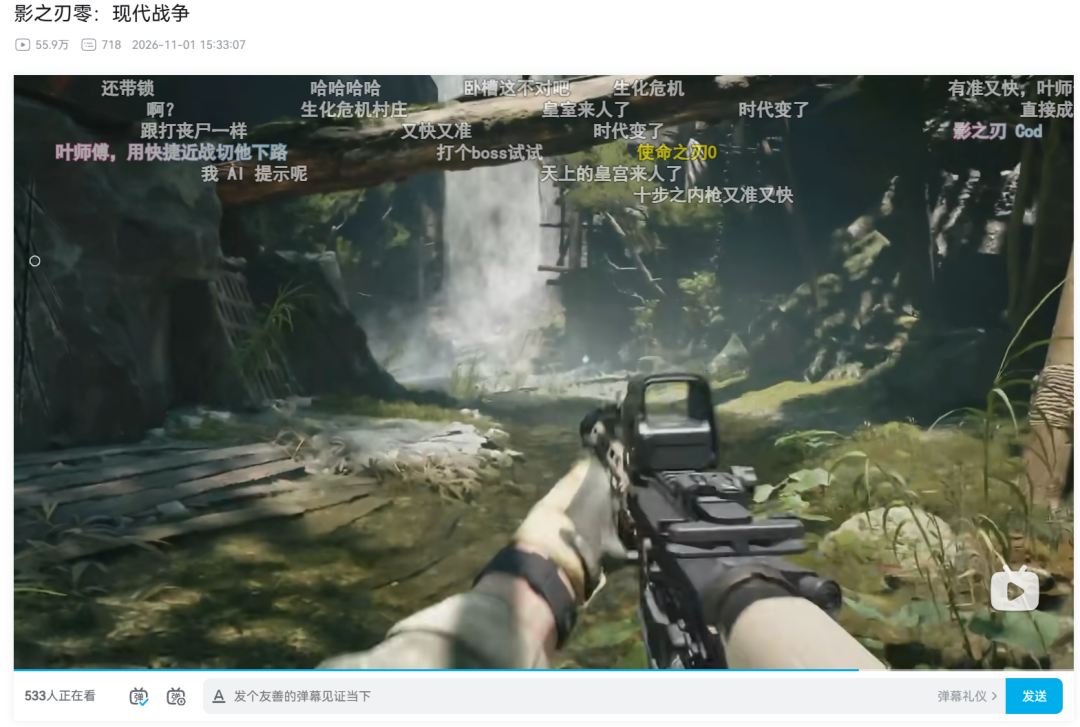
The explosive action was on par with the Wind Spirit Moon Shadow Sect descending to earth. One player sharply remarked, “Wait until Donnie Yen switches to the Kane character—then you’ll be upset all over again.”

Amid this massive, nationwide celebration—a throwback to the days when the Black Monkey “appeared”—and with millions of players eagerly anticipating its release, *Shadow Blade Zero* has truly lived up to its reputation as the village’s second college student.
Of course, I don’t want to go on and on with another round of hyperbole today—after all, you’ve probably had your fill of the review barrage from the past few days. Based on my experience of grinding through 40 hours of gameplay over the last few days to unlock every achievement on the highest difficulty, I’d like to stay as objective and neutral as possible and talk about some things that traditional media might “censor”—after all, I love telling it like it is.
First, I need to set the record straight and make my stance on this game clear:*Shadow Blade Zero* is a “masterpiece” with incredibly solid content and a palpable sense of sincerity. At least from my perspective, it’s truly a AAA title on par with *Black Monkey*—not, as many players believe, far inferior to it.
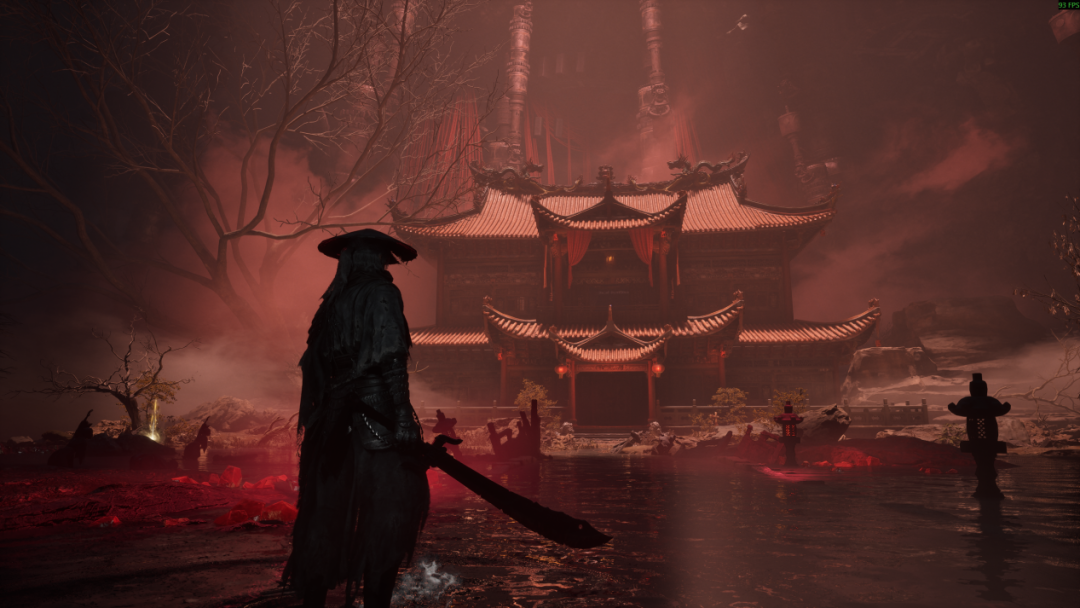
In my experience playing the game, the map and level design in *Shadow Blade Zero* are clearly superior to that of *Black Monkey*. I’d like to give a special shout-out to Pang Zhen—he’s absolutely top-notch. That’s seriously impressive.
Tooth grinding
The problem, however, is that the combat experience—which had previously been heavily touted—has been criticized by a small number of overseas players, and I also found it somewhat lacking.I’m not referring to the weapon collision sound effects or the haptic feedback—on the contrary, these are areas where *Shadow Blade Zero* excels and serve as definite pluses. However, beyond that, the impact of attacks, the stat design, the core combat mechanics, and the sense of repetition in the mid-to-late game all stand out as rather disappointing flaws.
In the context of an ARPG, the elements mentioned above actually represent only a portion of the core experience. However, for *Blade & Soul Zero*, which is known for its fast-paced combat, the drawbacks resulting from the absence of these core systems have diminished the positive impression built up in the early stages—in other words, it’s just a hair’s breadth away from perfection.A particularly noticeable trend is that, although overseas players make up less than 15% of the Steam user base, their reviews—aside from negative comments about the game’s optimization—contain a significant amount of negative feedback regarding the combat experience described above.

That said, I don’t think we can really blame *Shadow Blade Zero* for not trying hard enough. While chatting with a game industry professional, he said something that struck me as quite reasonable.
He said, “Compared to aspects like art, graphics, and storyline—which can be significantly improved simply by throwing money at them—systems such as combat feedback, stats, and combat logic require long-term development and fine-tuning, making it very difficult to catch up in a short period of time.Just think about the incredibly excessive amount of content in *Shadow Blade Zero*—I don’t think Lingyoufang didn’t want to do better; they really did their best.”
The road to developing domestic AAA games is long and arduous, but it is precisely because of pioneers like Black Monkey and Shadow Blade Zero that domestic games now have real hope. (The following content contains minor spoilers.)
01
As usual, I’ll start by talking about the aspects of *Shadow Blade Zero* that really impressed me.
If I were to rank them by how impressive they are, it would be: art > map design > storyline. I feel that the art in *Shadow Blade Zero* stands out as truly unique and unparalleled among all wuxia games.
Why do I say this? In most traditional wuxia games of the past, the preference for realistic art styles and themes somewhat limited the scope for artistic expression. You’ll find that most wuxia games strive for a nearly identical wuxia style, which actually results in their individual characteristics not standing out clearly enough.
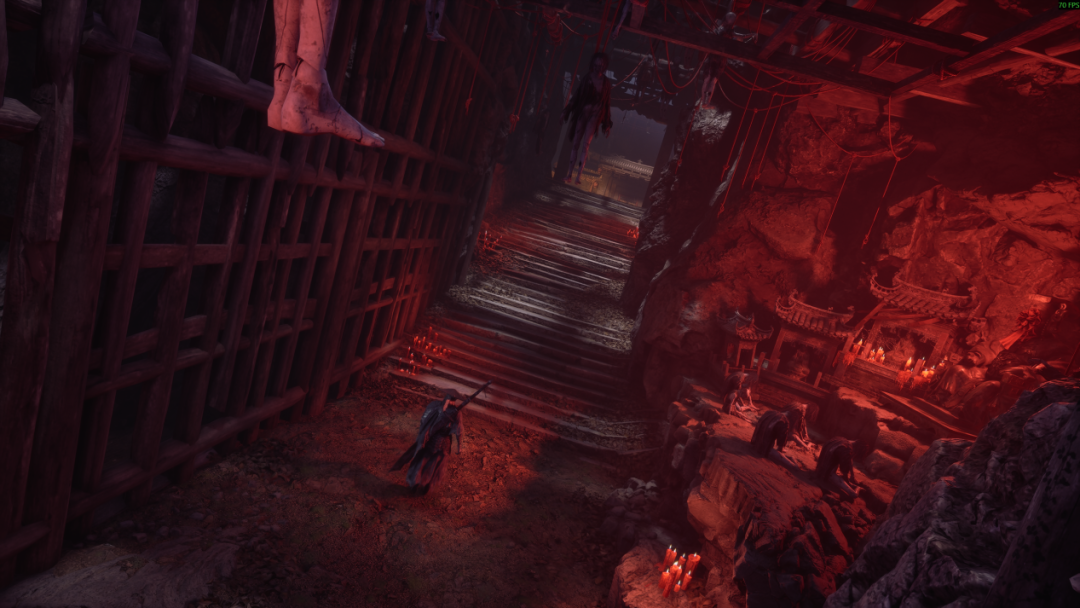
And the “punk wuxia” style that had been touted earlier did indeed become the biggest breakthrough in *Shadow Blade Zero*’s visual presentation—for example, the towering, steam-billowing steel behemoth known as the “Kill Tower,” which stands out prominently in the Chapter 1 map,and the various Chinese-style murals and figurines in Lu Family Village on the Chapter 3 map. This sense of novelty and aesthetic elevation reached its full potential in Chapter 4, set in Pang Town.
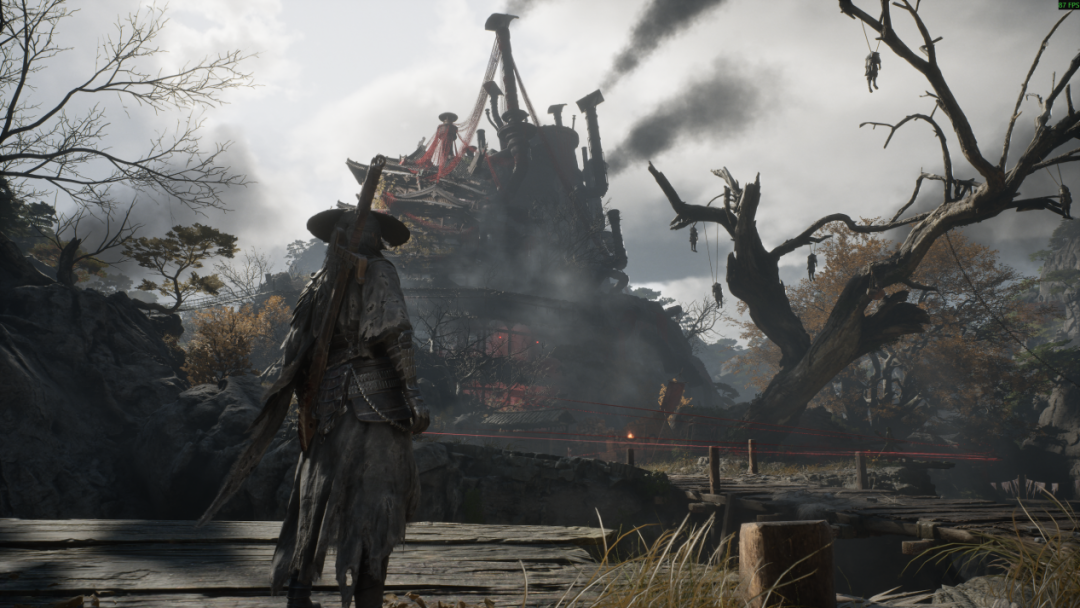
Pang Town is positioned as a fairly typical traditional wuxia town, but the introduction of fantasy-inspired cyberpunk elements gives this classical wuxia town an intriguing atmosphere.You can experience the quiet charm of an ancient town with its old, quaint houses, where rain drips silently from the eaves in the misty drizzle. You can also see the menacing Steel Beast Tower, a colossal structure of cold steel standing tall by the harbor.
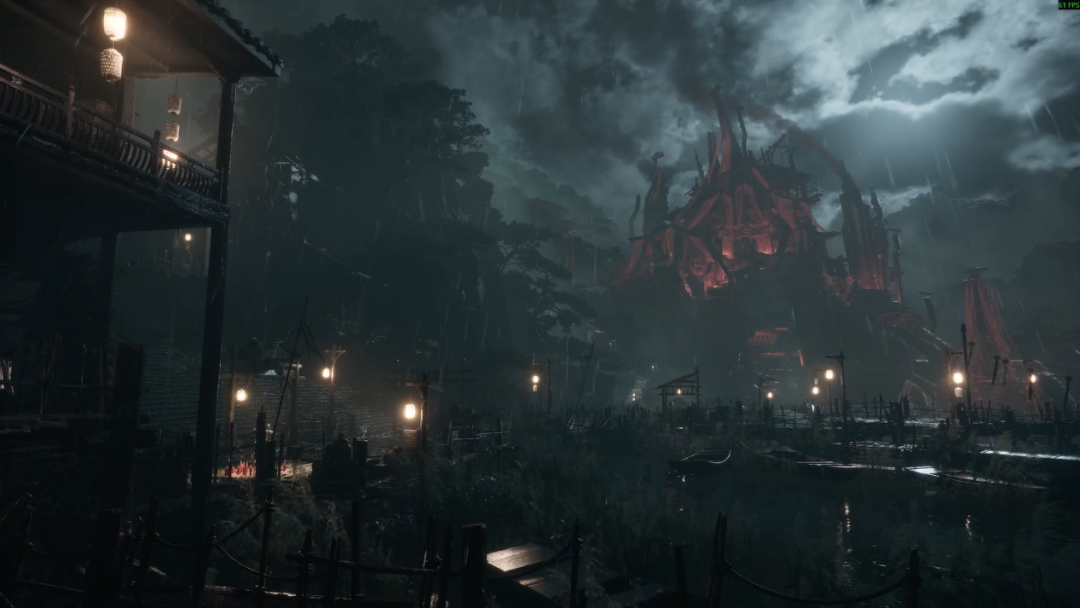
Thanks to the groundwork laid by the previous maps, this clash between traditional and modern art exudes a unique charm without feeling jarring. This is also why Pangzhen leaves such a lasting impression on me—it is a creation born from the romantic framework of the wuxia concept in *Shadow Blade Zero*.
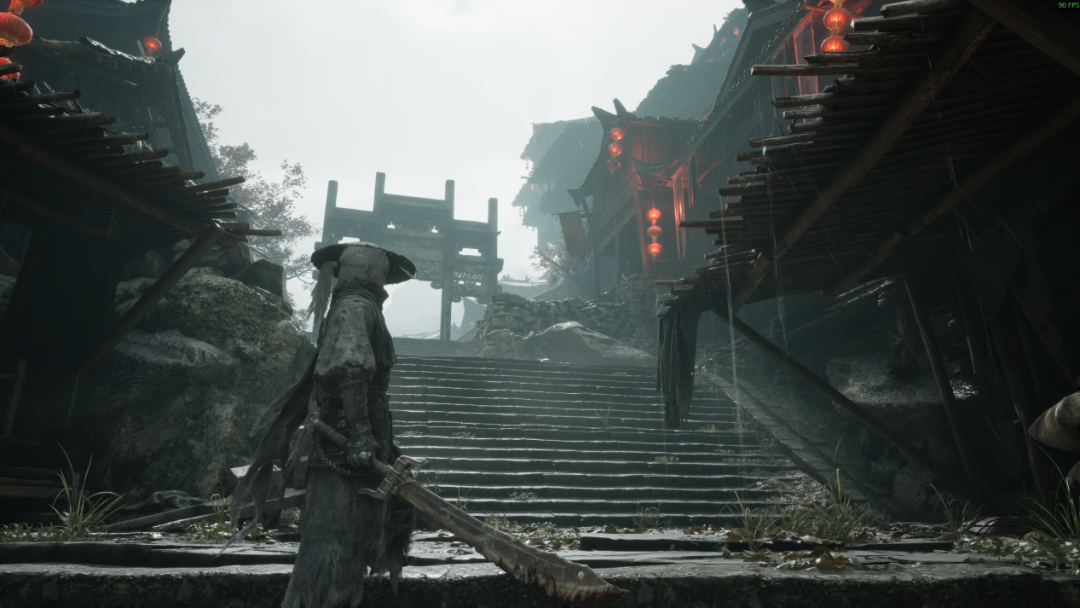
As for the enemy designs—from eerie, faceless monsters to various bosses with mechanical bodies, charlatans wearing Nuo opera masks, and all manner of puppets entangled in threads—traditional culture has been infused with new life through the lens of cyberpunk fantasy.Tradition doesn’t have to be labeled as “outdated”—*Shadow Blade Zero* makes it even more trendy.
Speaking of Pang Town, one cannot help but mention its unimaginable “size.” Although I had heard about it long before, it wasn’t until I had actually spent more than 12 hours exploring it—and discovered that I had only covered 65 percent of the area—that I felt a sense of inexplicable dread.
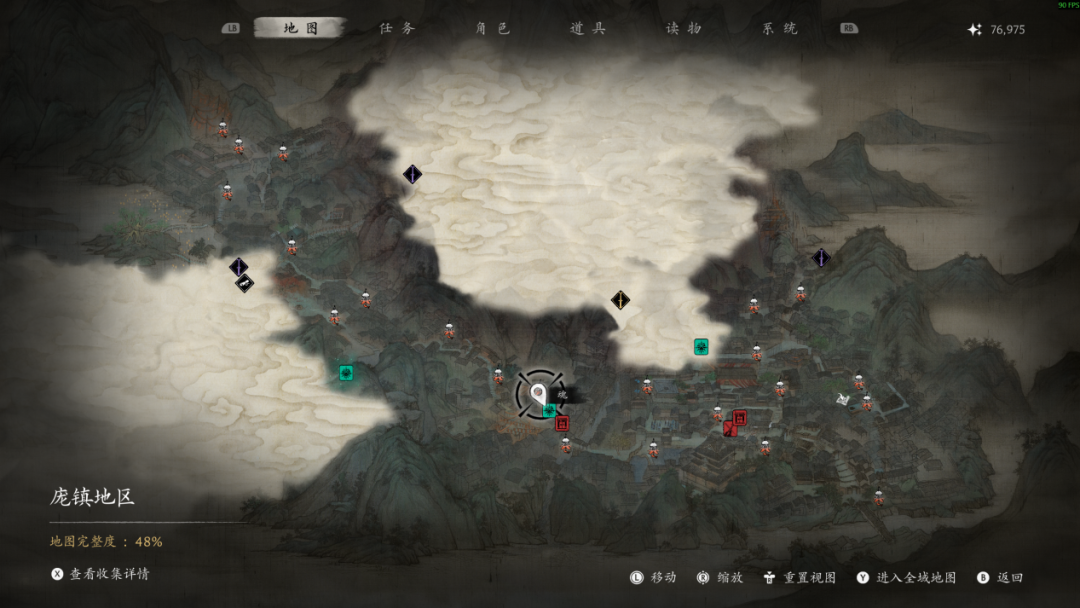
This sense of scale isn't based on a "void"; on the contrary, you can really feel that Shadow Blade Zero has taken a real-life small town and placed it, in its entirety, directly into the game.
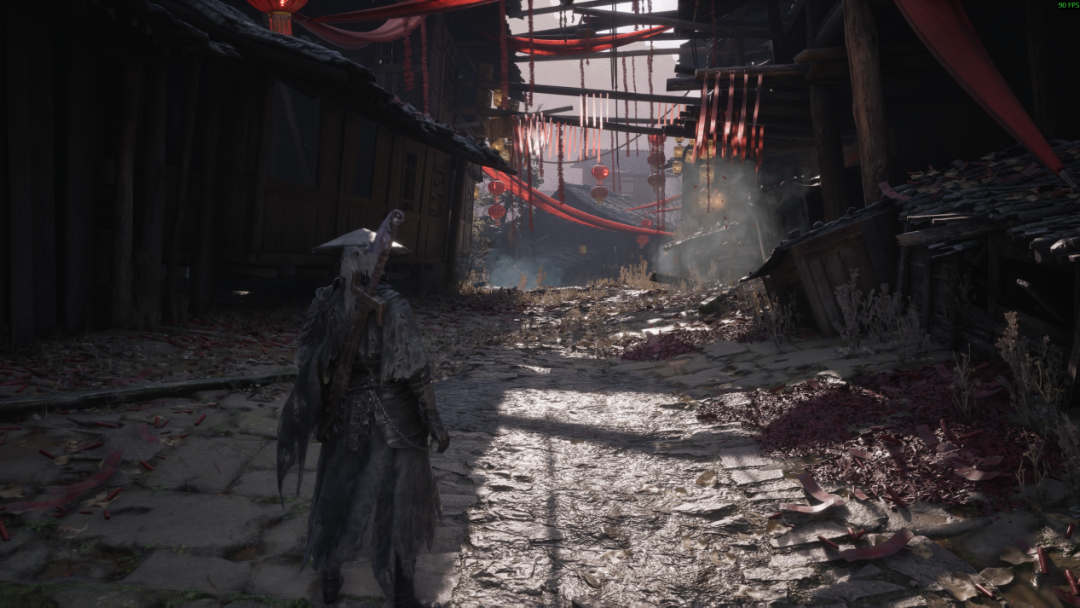
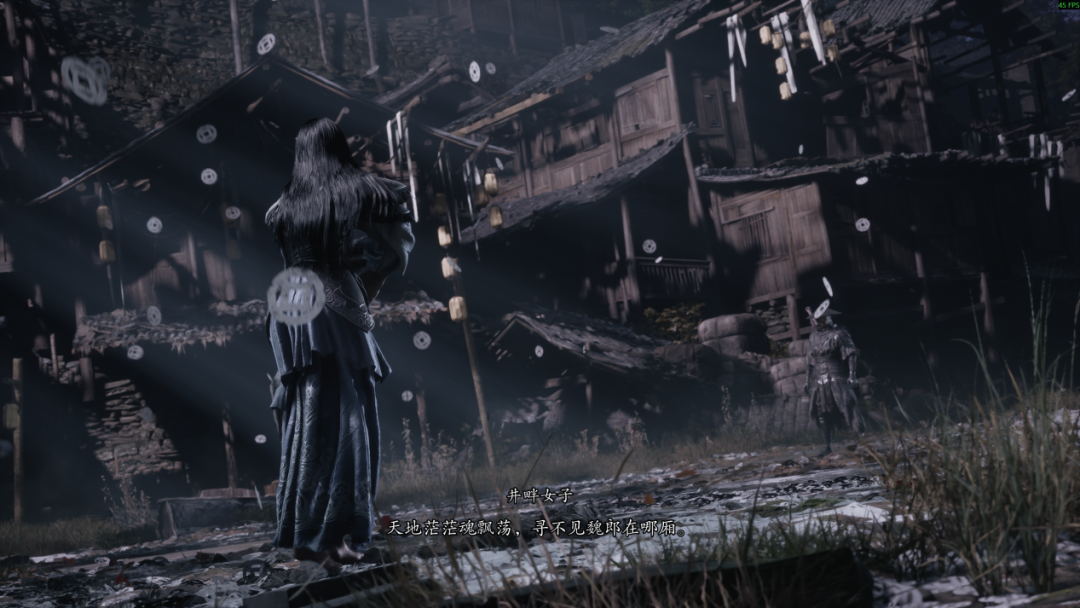
Whether it’s the design of the houses with their striking variations in elevation, the arrangement of pots, jars, and other odds and ends along the roadside, or the sense of history conveyed by the cracks in the steps and the mud on the roads,Pang Town offers an incredibly immersive experience—it’s as if you’re truly in a remote town far from the hustle and bustle. You can even sense the local customs and traditions through the town’s topography and the interior decor of its houses.
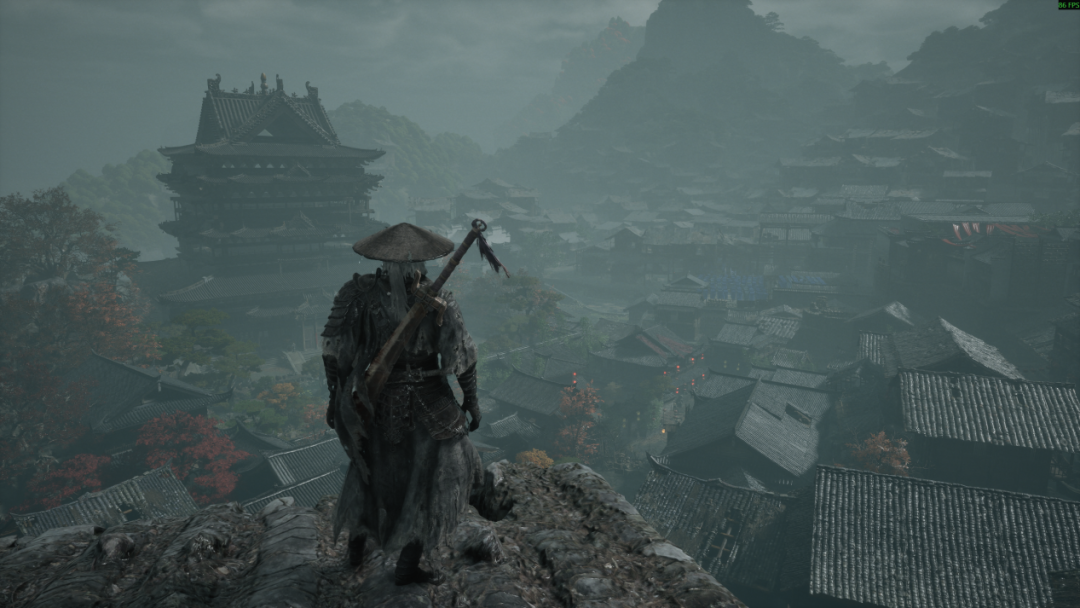
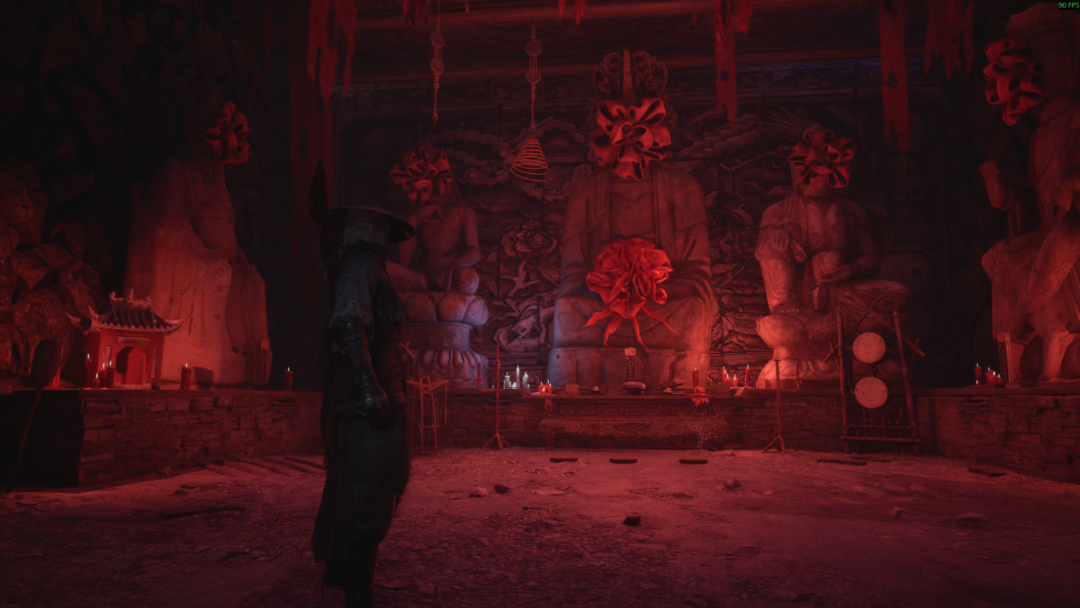
Even more terrifying is that the entire town of Pang masterfully blends a variety of styles—from the eerie, drizzling rain on the front streets to the eerie festivity on the back streets, and finally to the indescribable Chinese-style dread in the courtyard at the climax.All these distinct styles are woven together within a single map, yet they blend together miraculously, delivering an unparalleled audiovisual experience.
Finally, there’s the storyline—the core element that has always allowed me to become fully immersed in the game. The overall structure of *Shadow Blade Zero*’s storyline is still rooted in the broad framework of the martial arts world, with its constant intrigues and the complexities of human nature, but the cyberpunk fantasy elements allow it to explore a much broader range of possibilities.
Of course, since this involves spoilers, I don’t want to go into too much detail—I’ll just mention two points: First, the non-linear narrative, combined with the vast amount of text and flashbacks, brings the entire martial arts world to life. Especially when the various storylines converge toward the end and the truth is finally revealed, it still delivers a truly exhilarating sense of satisfaction.
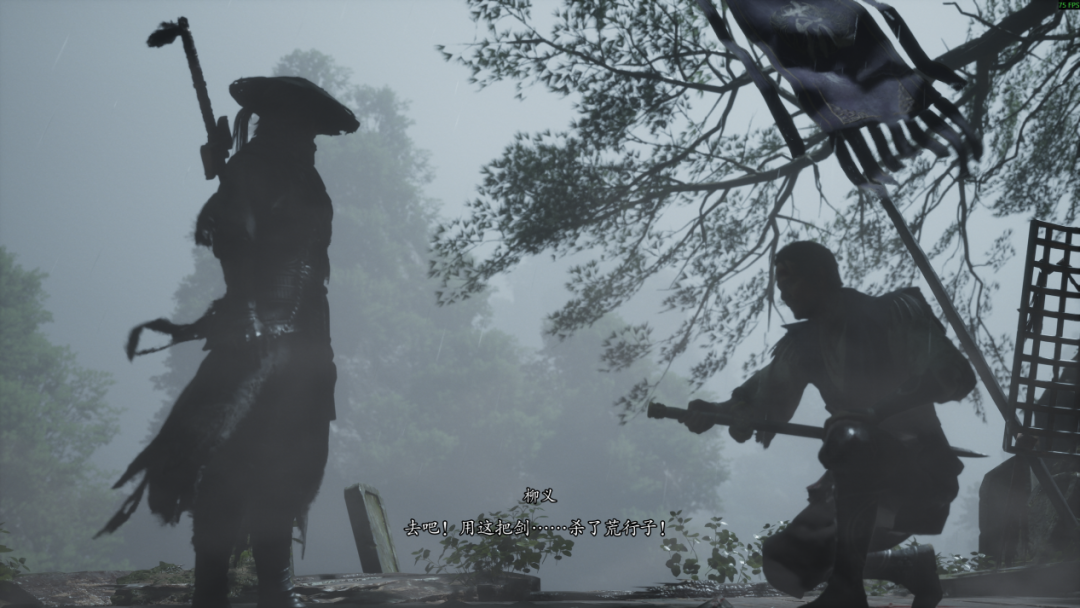
On the other hand, aside from the main characters’ storylines, the subplots and the ordinary stories of minor characters moved me in ways I can’t quite explain—including Yu’er, who appears toward the end,the old coachman who escorted the protagonist at the beginning, and the various heroes who sacrificed themselves for their ideals and emotions—(I’d especially like to mention Xiao Cui’s complete side story, which truly embodies what it means to be loyal, capable, and courageous)—all of which fully demonstrate the way of the knight-errant in *Shadow Blade Zero*.
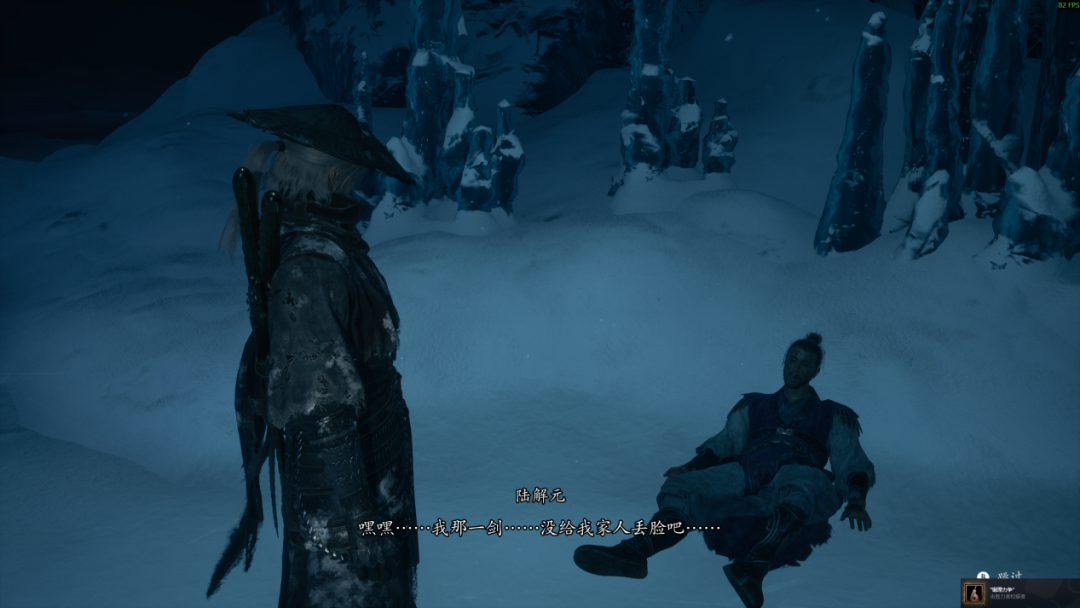
In fact, almost every minor character in the story is given a final outcome and a place to call home, and it is precisely these subtle character arcs that come together to create this vivid and lifelike world of the underworld.
All I can say is that when it comes to world-building, *Shadow Blade Zero* is still the gold standard.
02
At this point, some of you might be thinking, “Here we go again—just another self-promotional piece.” But don’t worry; I’ll now go through the “major flaws” of *Shadow Blade Zero* one by one.
As I mentioned earlier, some players have pointed out that for a game whose core feature is combat, the fact that “the combat experience is lacking, but everything else is great” is actually a bit too “humorous.”I’d like to elaborate a bit further. The combat experience here primarily centers on several key issues: the lack of impact in attacks, overly repetitive combat in the mid-to-late game, an overemphasis on numerical stats that undermines the skill-based elements, and a core combat logic design that feels somewhat nonsensical.
However, in terms of boss design, combat moves, haptic feedback, and hit sounds, *Shadow Blade Zero* actually performs quite well, which to some extent mitigates some of the negative feedback mentioned above.
First of all, the lack of impact in combat has sparked quite a heated debate among international players, but my view is that it varies from person to person. The combat feedback in *Shadow Blade Zero* is primarily driven by vibration,camera shake, and the flow of different moves. One noticeable aspect is that with weapons requiring a charge-up, you can clearly feel the impact; however, with weapons like the longsword or dual blades, the enemy’s hit reaction and the sense of the blade striking the enemy aren’t very pronounced during normal attacks or heavy attacks.
Especially during the series of battles against the wooden puppets in the final courtyard, you can clearly feel like you’re slashing at air or plastic. But for most players who aren’t into action games, this sensation is gradually overshadowed by the flashy moves and corresponding vibration feedback.This is why overseas players have had some complaints about it, though I don’t think it’s a very serious issue.
Second, the combat in the latter half of the mid-game becomes overly repetitive—an issue I hardly noticed at all after completing the first two chapters. It only became particularly noticeable later on, after I’d cleared Meigu Lake, the Zhengdao Camp, and the hidden map of Jialong Mountain, and then returned to Ximeng Manor.
The two most critical issues are that there are too few weapon moves and the variety of enemies is too limited. I know many players will point out that the game features nearly 30 weapons, each with its own unique playstyle.But in action games, practicality often trumps flashiness; players only consider switching to a different weapon system to find alternative solutions when their current weapon proves ineffective against an enemy.
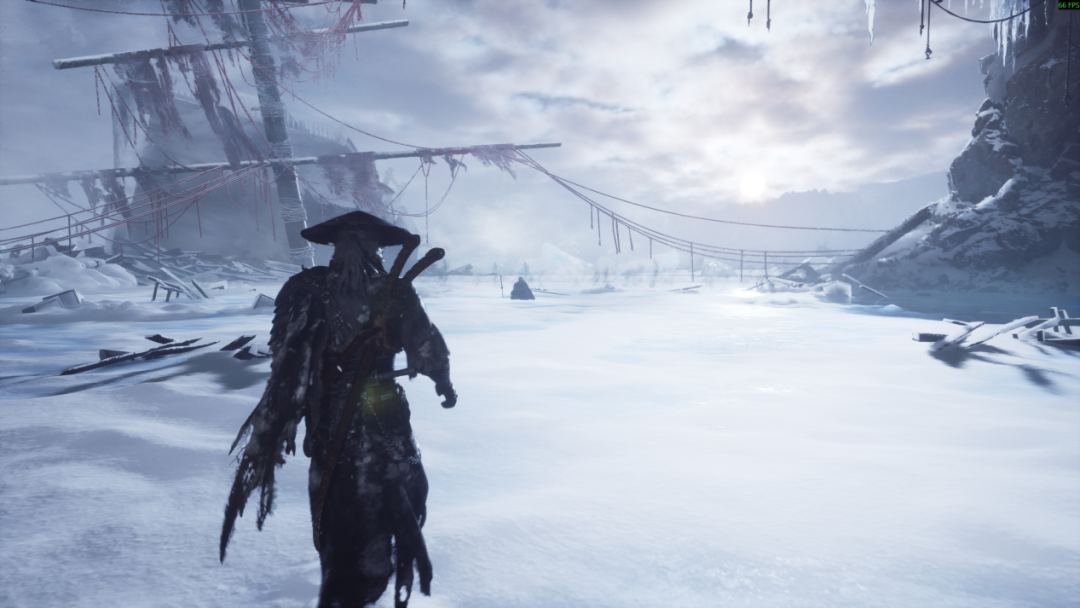
The problem, however, is that the limited variety of enemies makes this approach to defeating them overly repetitive; in fact, almost no new enemy mechanics are introduced later in the game, resulting in the early-game strategies being reused over and over again.
However, in most action games, this repetitive experience is typically kept within a relatively short and manageable timeframe. Yet, the sheer volume of content in *Shadow Blade* inadvertently prolongs this repetitive and tedious experience.This is especially true in Dream Mansion. Players have already endured a great many homogeneous battles across various maps, yet even in this near-final map, you’ll still see the standard enemy lineup—two puppets or two charlatans—persist almost throughout the entire level. By the end, I couldn’t help but quip, “Oh, it’s the same old crew showing up for work again.”” I just wanted to finish this map as quickly as possible and move on to the next level.
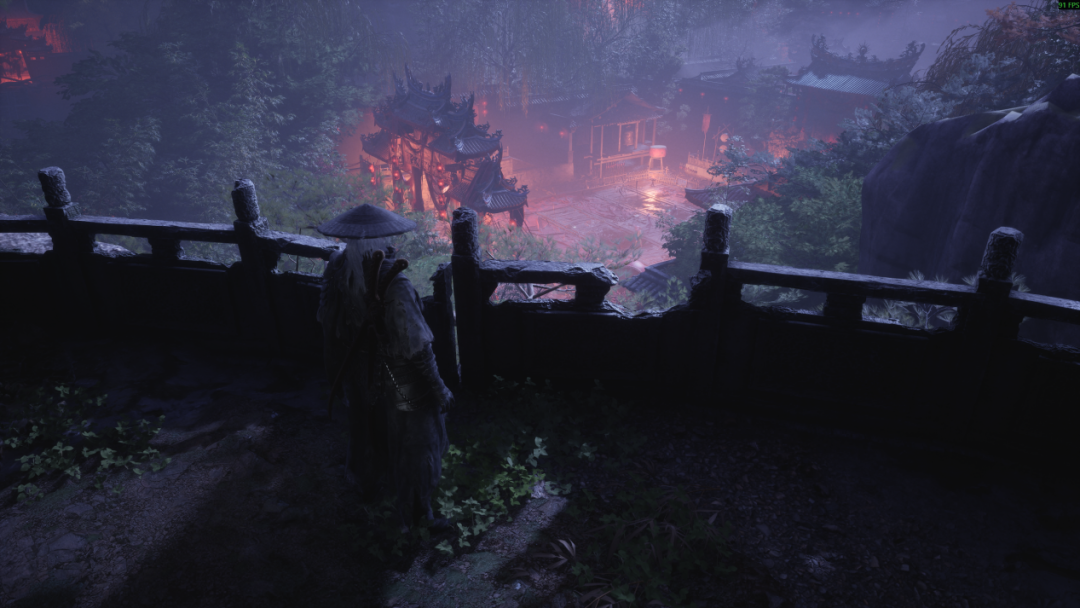
Finally, there are issues with the game’s stats and core combat mechanics, but I don’t think they’re major problems—just a bit of a letdown. The problem with the stats is that the progression system is overly exaggerated. For example, Master Yip and Sanlian, who beat me up a thousand times over in the early game, can take down a kid in a single round by the mid-to-late game—as if to say, “So you’re the one they call Ip Man?”
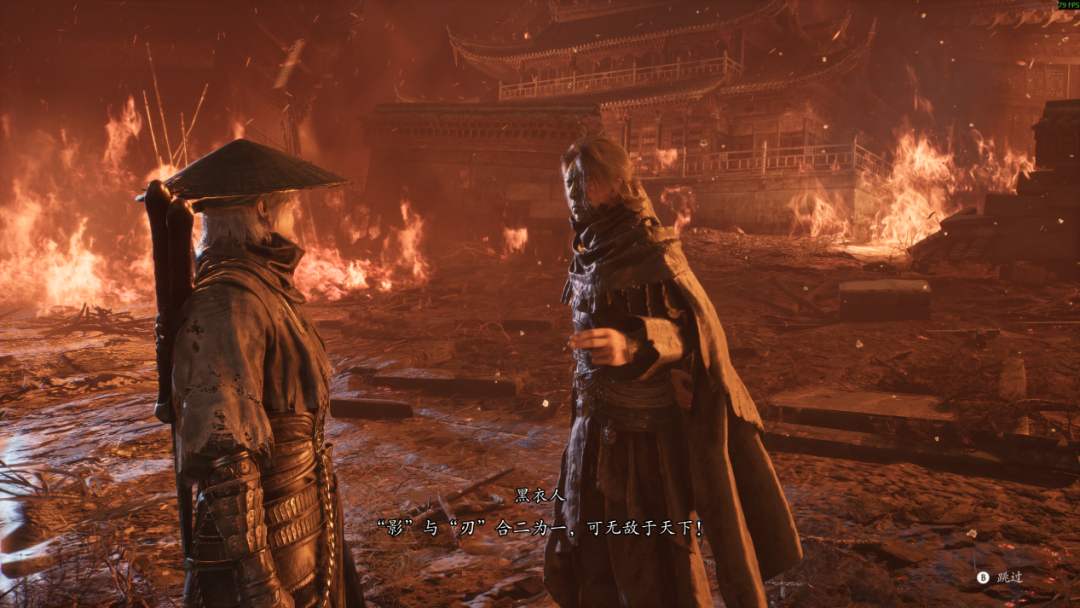
At least in my opinion, *Shadow Blade Zero* isn’t a typical ARPG; it has put a tremendous amount of effort into its action mechanics. However, the reality is that high-level stats can overwhelm any skill-based gameplay—even on the highest “God-tier” difficulty—which makes many bosses virtually devoid of any challenge.
In traditional action games, stat boosts are merely intended to give players more room for error, thereby creating more opportunities for strategic gameplay. In *Shadow Blade*, however, this strategic interplay of action and controls is completely overshadowed by absurdly high stats—such as health as thick as an ox and strength capable of hurling bricks—which somewhat dims the game’s action-oriented brilliance,which is a bit of a shame.
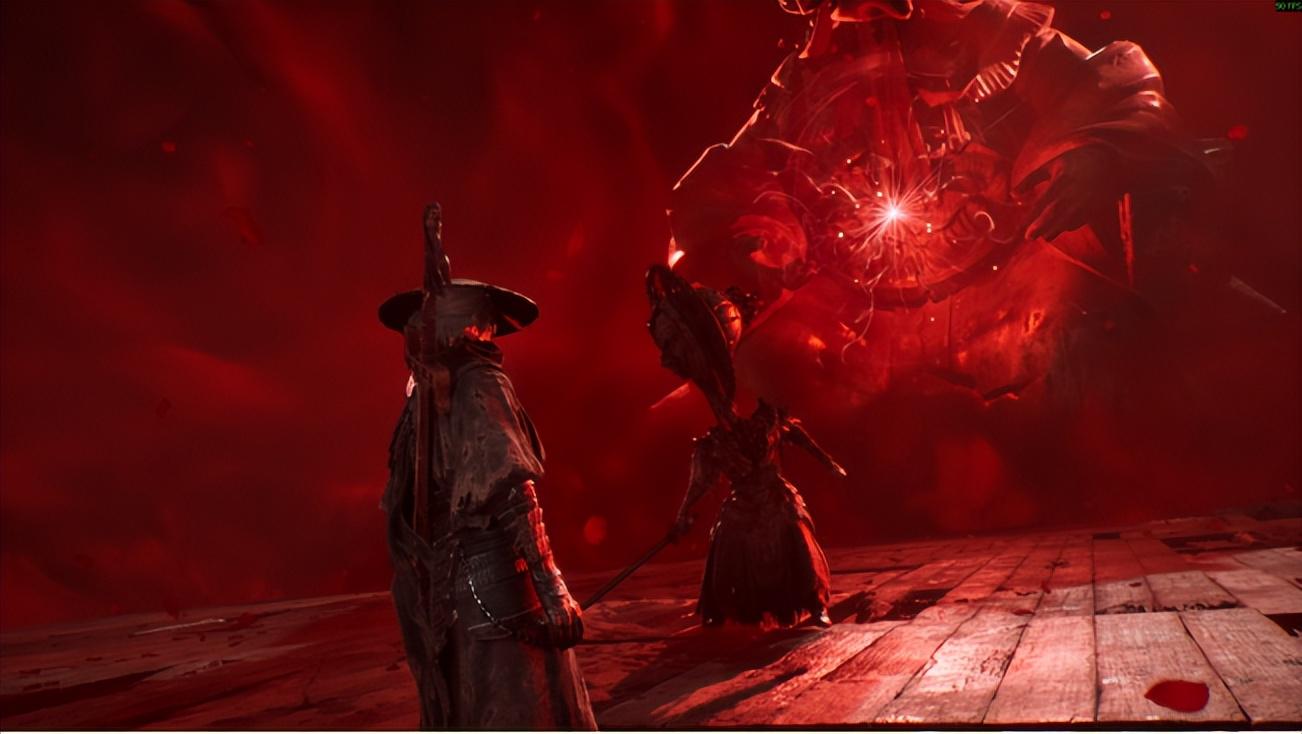
The “combat logic” mentioned by the latter refers to the fact that the combat mechanics for Red Light and Blue Light are a bit too “traditional.” Especially after the addition of Black Light moves, the overall feel is more like a rock-paper-scissors option was forced into the system.After dealing with the Red Light and Blue Light attacks, players simply dodge behind the enemy to create space for damage, and there isn’t a strict distinction in the overall benefits. When the reward for dodging is substantial enough, the attack mechanics of the Red Light, Blue Light, and Black Light actually become a mindless solution (no need to strategize—just dodge and you’re done).
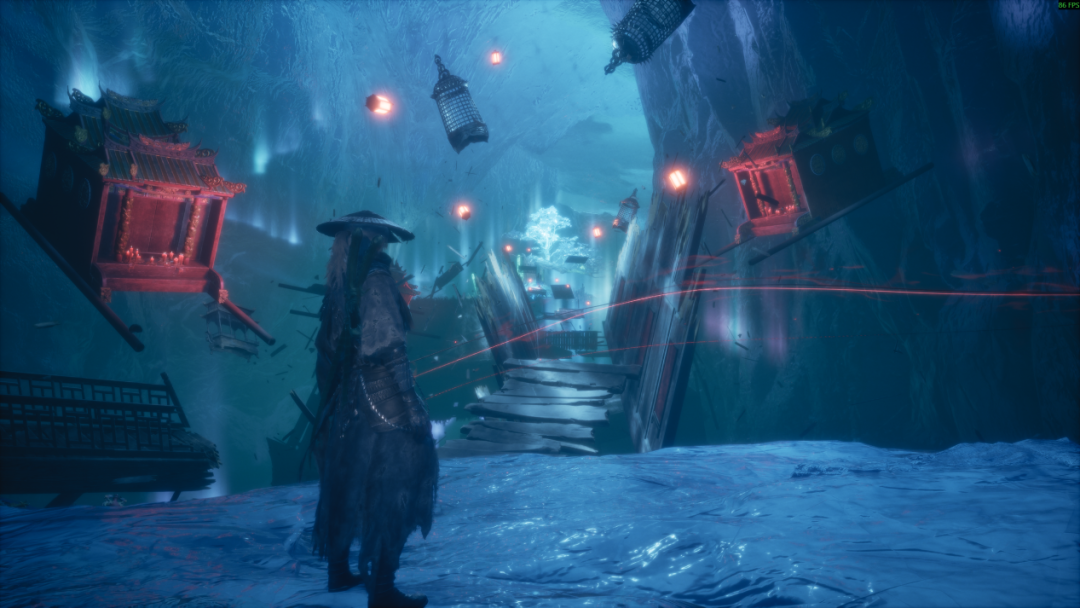
Especially in many boss battles, this combat logic can virtually destroy the normal strategic experience of the fight, turning it into a nearly uniform set of actions.Coupled with the overpowered numerical bonuses, it feels like a case of “a flurry of random punches defeating a master fighter”—players end up winning without really knowing how, all under the guise of “it just looks good, so that’s all that matters.”
That said, as I mentioned earlier, none of the issues mentioned above are particularly serious; they’re more a matter of personal regret and my own somewhat subjective, humble opinion. In fact, in many combat-related aspects, *Shadow Blade Zero* exceeded my expectations.For example, in multiplayer combat, special moves like drawing a circle to break out of a trap and kicking opponents with both legs are truly stunning and quintessentially wuxia. Another example is the lion dance boss in Pangzhen, which is a perfect blend of traditional culture and modern wuxia, delivering a deeply memorable and highly interactive combat experience.
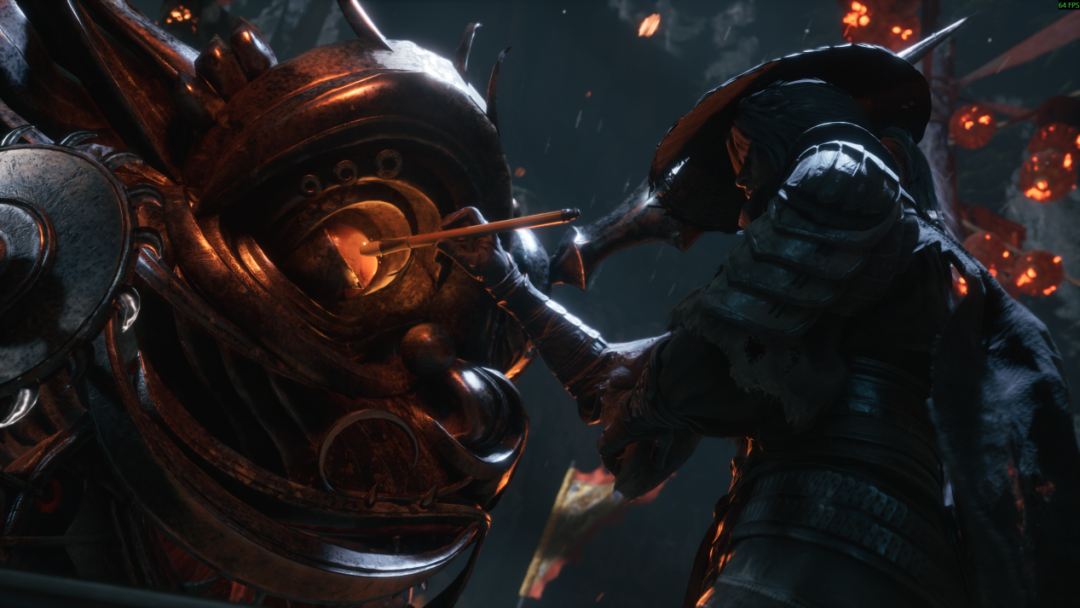
This brings us back to the opening statement: Shadow Blade Zero really did his best—it’s not that he didn’t want to do better, but that he had reached his limit. This makes us even more eager to see what surprises the next installment will bring.
Conclusion
It hasn’t been easy for domestic AAA games to get where they are today. Especially in the past, we witnessed the emergence of so many outstanding developers, the release of stunning titles, and countless memorable moments that left us wanting more. But what we see now is the unchecked takeovers by major studios, the neglect of classic IPs,and all manner of veteran studios either going bankrupt, dissolving, or fading into obscurity—while a deluge of remakes, reboots, HD editions, and enhanced editions breathe new life into old games.
There was a time when we might have fantasized that the AAA single-player market would regain its former glory, that we’d see the emergence of legendary IPs that would go down in history, and that more talented developers would rise to prominence,and more gaming moments that would stay with us for a lifetime. But reality has slapped each of us in the face: capital points to a pile of trash and screams frantically, “You’re only fit to play these shoddy, mass-produced commodities.”
Games are moving further and further away from art and closer and closer to being treated as commodities.
Interestingly, I used to have an inexplicable sense of unease about the domestic AAA game market, fearing that—like many glorious moments in the past—it would be nothing more than a fleeting phenomenon. It wasn’t until the stunning debut of *Black Monkey* and the significant strides made by *Shadow Blade Zero* that I realized, compared to the chaotic state of the overseas market, the domestic scene is actually looking very promising.
I admit that the quality of domestic games may still fall short of top-tier overseas titles, but what’s even more evident is that the day when they truly catch up is not far off.
原创文章,作者:游茶妹儿,禁止转载:https://youxichaguan.com/en/archives/222216