What's the story behind this new game that had over 500 streamers broadcasting simultaneously during its first beta test?
On July 8, *Ghost Shadows: Hidden Blades*, a Chinese-style supernatural action-adventure game developed by NetEase, made its debut.The first promotional video quickly went viral on Bilibili, surpassing 10 million views in a short period of time. Its unique selling points—first-person perspective, Chinese-style subtle horror, and close-quarters combat—drew a massive wave of players to check it out.
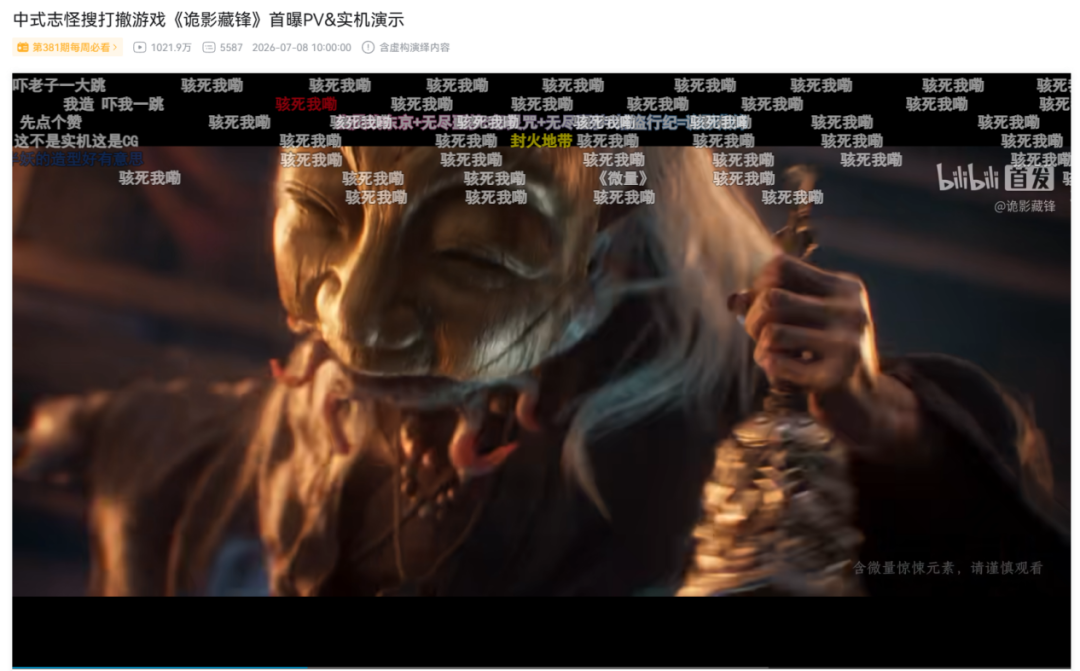
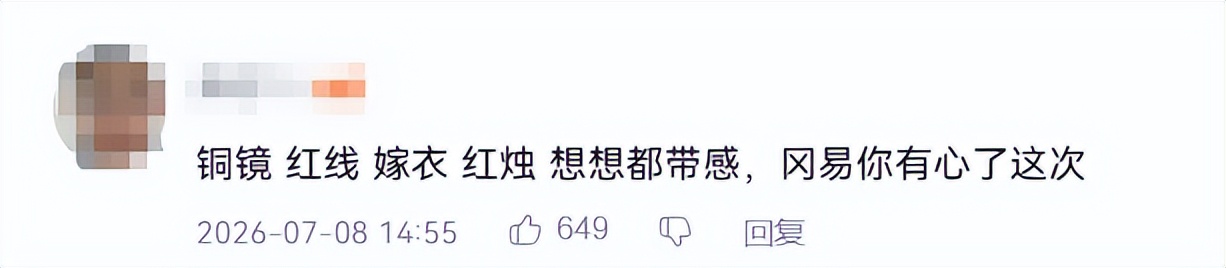
As you can see, the PV is flooded with comments like “There are still pros out there,” “That scared the crap out of me,” and “Brace yourself,” while in the comments section, players from all walks of life make no secret of their enthusiasm for Chinese horror themes. One player quipped: ““Finally, someone cares about us Chinese horror fans—hahaha!”; others are already itching to play, shouting, “A bronze mirror, a red thread, a wedding gown, red candles—just thinking about it gives me chills. NetEase, you’ve really outdone yourselves this time,” eager to jump on board right away.

For a new game that had never been officially revealed before, this isn’t exactly a typical start. And when it comes to the “search, fight, and escape” genre in Chinese horror, players’ expectations are quite straightforward: “I want to play it right now, immediately, this very moment.”
Just yesterday (August 7), less than a month after the release of its first promotional video, *Ghostly Shadows: Hidden Blades* launched its first limited-access beta test. Judging by the gameplay experience, the “Chinese supernatural” theme is more than just a gimmick—the in-game environments, monsters, and even quest design are all deeply intertwined with this core theme. While the first-person perspective took some getting used to at first, once you’re fully immersed, you’ll find that it’s a perfect match for the game’s subtle Chinese horror elements, taking the sense of immersion to the absolute max.
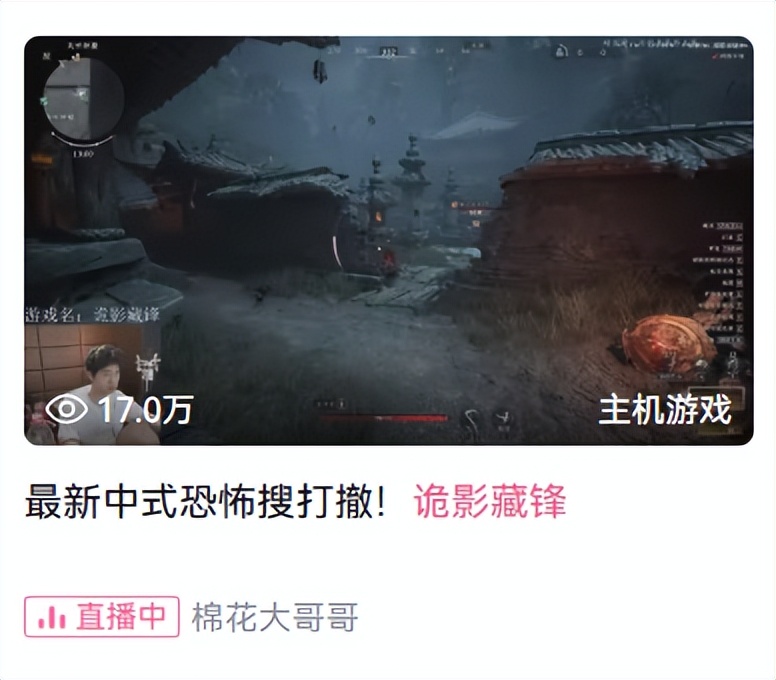
In the live-streaming sections of major platforms, *Shadow Blade* has also become a huge hit. On the day of the first beta test, more than 500 streamers were live-streaming the game, including top streamers like Cotton Big Brother. Fueled by a variety of unexpected live-streaming moments, viewership in the streams continued to rise.
The "search-and-shoot" genre has reached a point where competition is off the charts. Ever since *Escape from Tarkov* set the standard, a series of subsequent titles have pushed the FPS formula to its limits. It’s become nearly impossible for newcomers to squeeze out even a shred of originality in terms of weapons, maps, or economic systems, and players’ fatigue with the formula is practically written all over their faces.That’s precisely why NetEase’s move is so intriguing: rather than diving headfirst into the main FPS fray, the company has charted a new course, infusing the genre with an unexpected twist—a blend of “Chinese supernatural elements and first-person combat with traditional Chinese weapons”—that no one saw coming.
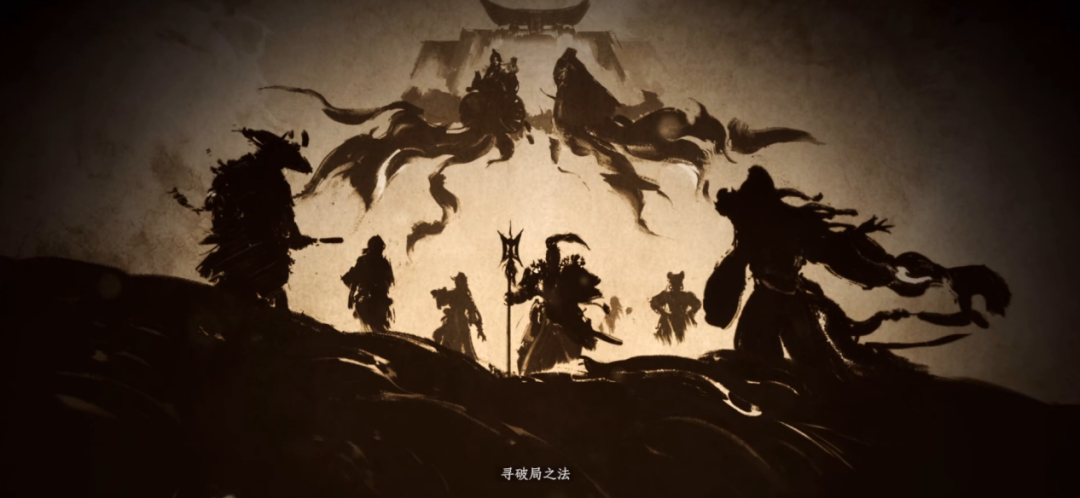
The theme has been proven by the market, and the combat system has been refined in-house over many years; only this combination of "Chinese-style supernatural adventure, exploration, combat, and escape" currently has no rival.
01
What Does "Mysterious" Mean?
When the external environment is framed within the context of "Chinese-style micro-horror," the tension and excitement of "search, attack, and retreat" no longer stem solely from people or combat, but are embodied in every second of exploration—all because of the "mystery."
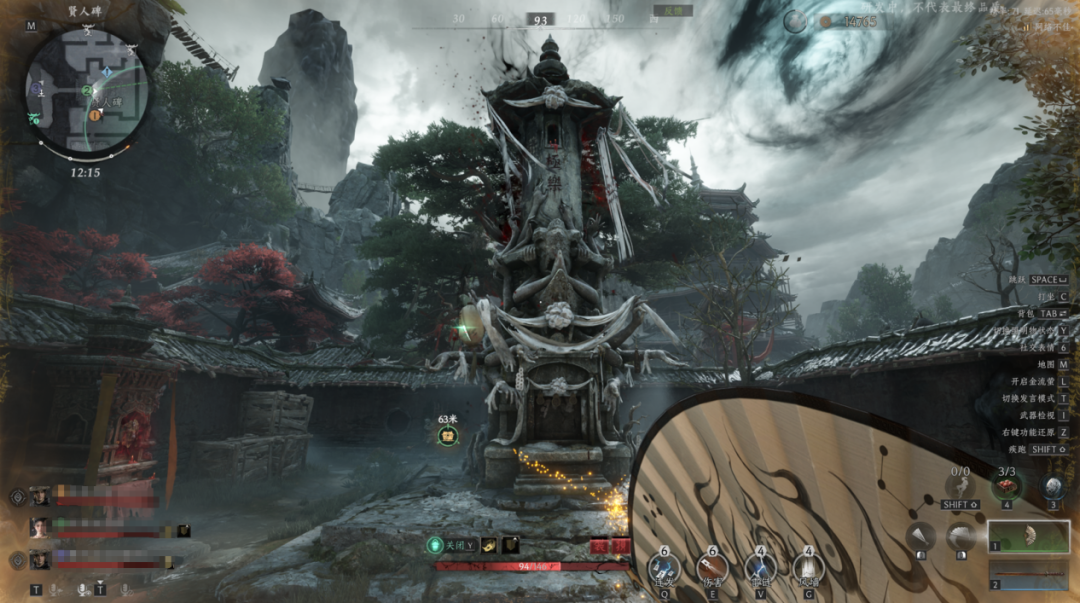
That’s probably my most immediate impression of *Hidden Blade*.
Why is that? In traditional "search, fight, and retreat" games, players' attention is primarily focused on combat with other players and looting treasures; the external environment does not pose a direct threat to them. Running to resource points to loot and then retreating safely—that is the basic flow of an entire match.
However, in *Shadow of the Hidden Blade*, simply running near a resource point is enough to make the whole experience thrilling. Along the way, you might encounter ghostly hands reaching out from walls, poisonous mushrooms exploding by the roadside, puppet fruits on trees that suddenly start howling, and even paper lanterns that seem to float up behind you out of nowhere.
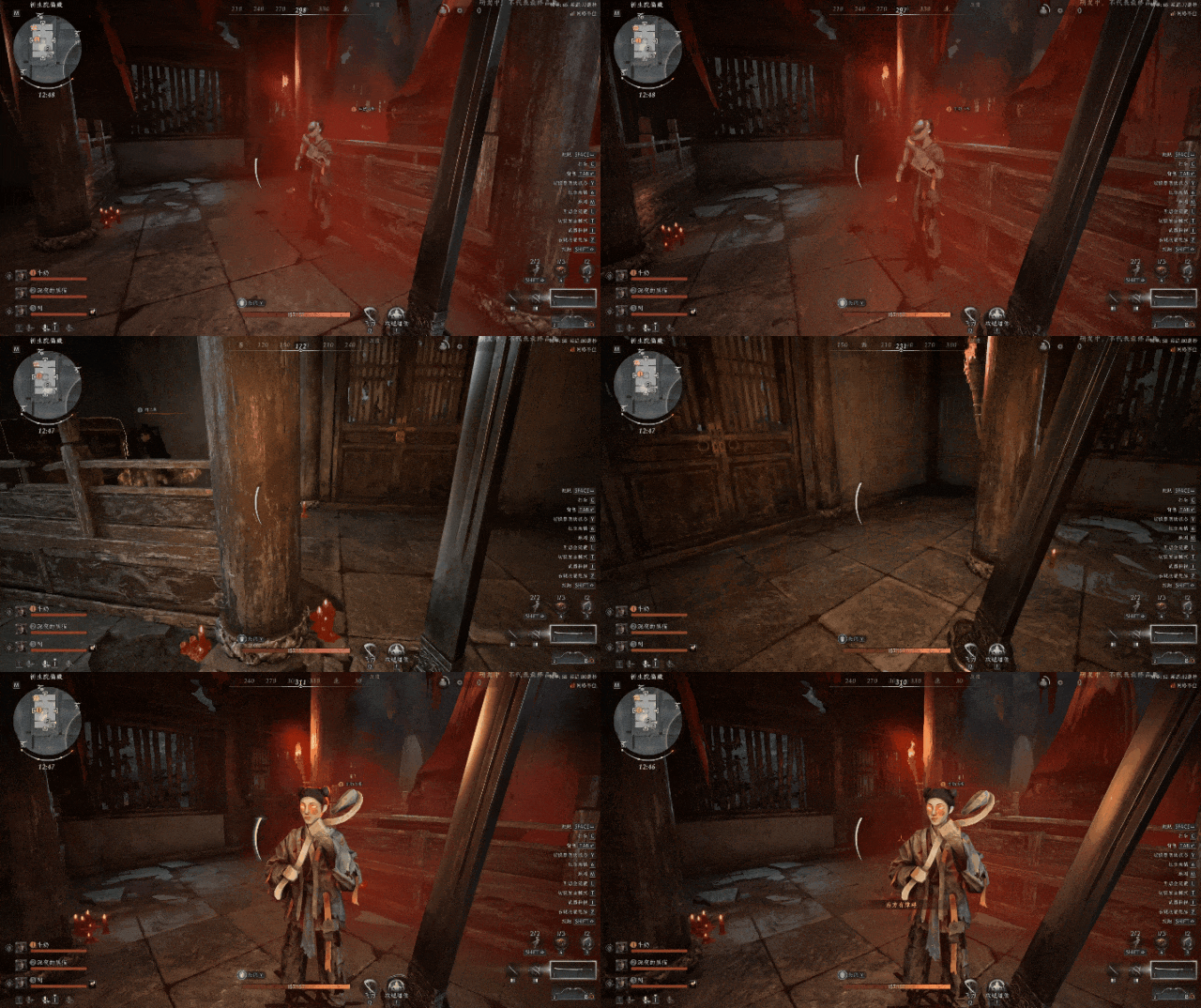
They may not seem capable of inflicting much physical harm on you, but they’re all masters at dealing psychological damage (causing your SAN to plummet).
After finally finding a treasure chest and looting it, you realize, “How is it possible that the evacuation point spawned right on the path we just came from?” As you continue exploring, you never know when a new “surprise” might pop up; when you retreat, you have to endure another “face-to-face encounter” all over again.
Of course, if these “dynamic” design elements are merely standard techniques in horror games, then it is the “static” scene design that likely truly highlights the inherent “power” of Chinese horror.
The good news: It's just a beat-'em-up game; the bad news: NetEase is a veteran at creating "Chinese-style horror." All I can say is that the first map, "Paradise Temple," is already terrifyingly intense.
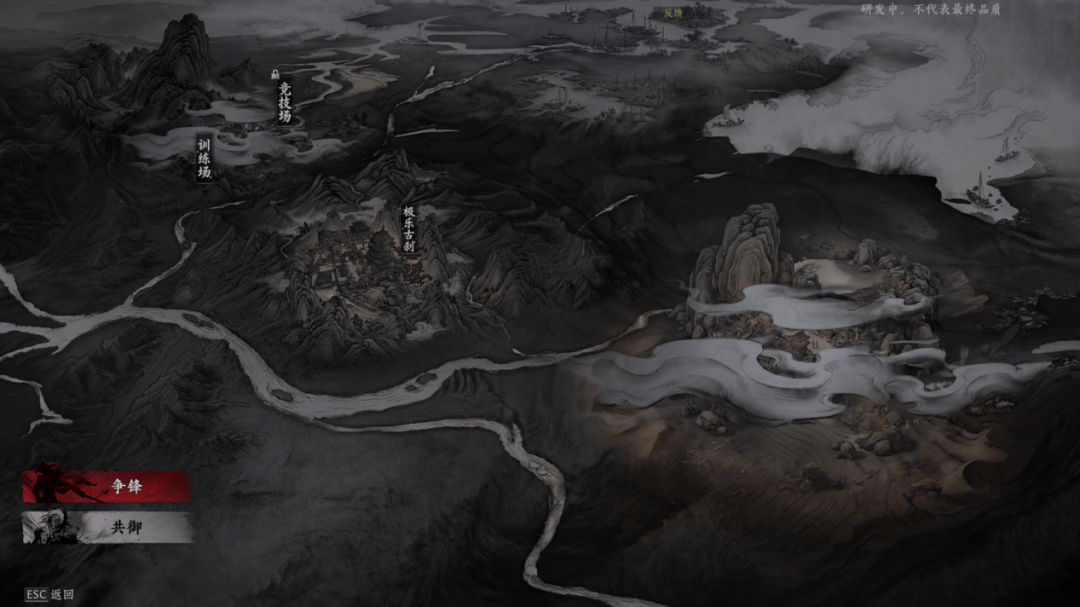
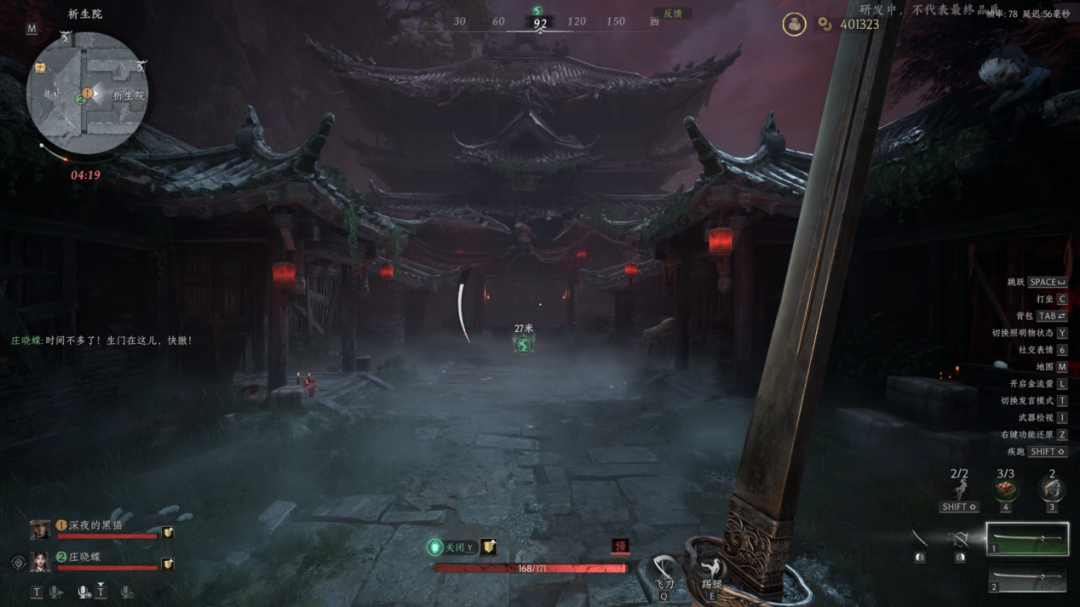
Thanks to the UE5 engine, the visuals in *Shadow of the Blade* don’t simply aim for the most realistic look possible; instead, the developers have put a great deal of effort into the lighting and shadows. It’s precisely those rustic, dilapidated settings and the dim, shadowy atmosphere that make the game feel incredibly “sinister.”
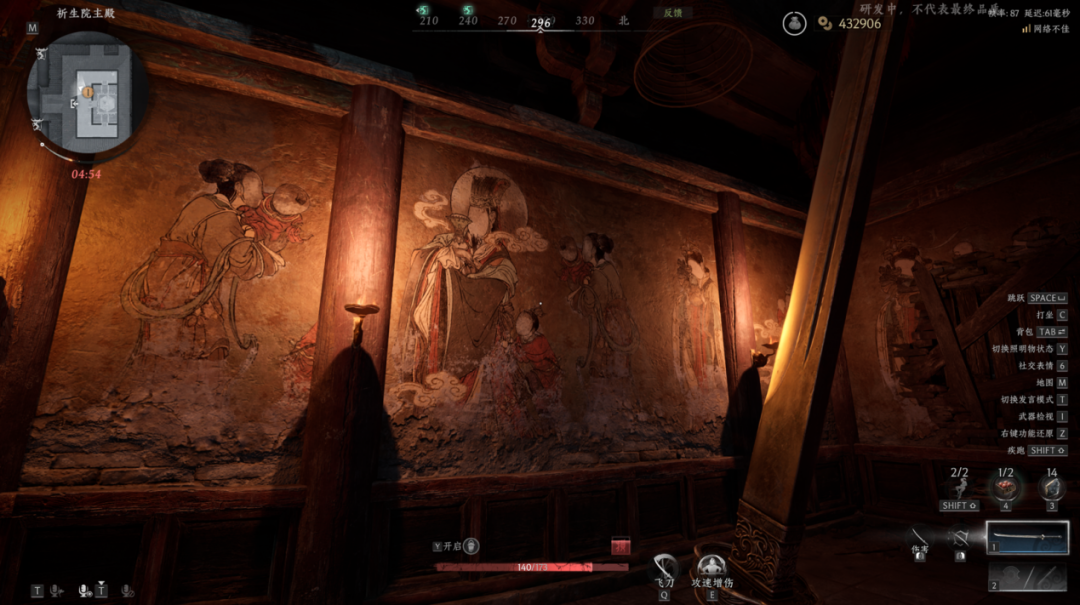
A dilapidated temple on a rainy night, an arm-shaped stone niche, and a tower soaring into the clouds in the distance—this quintessential Chinese aesthetic is merely an appetizer.
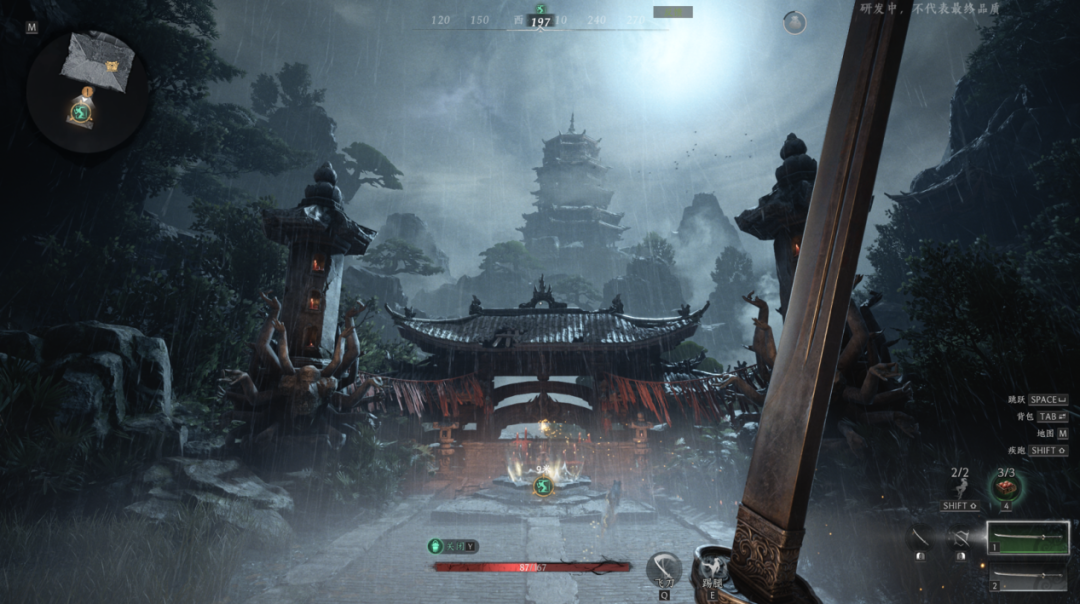
As I walked toward Qisheng Monastery, the door opened to reveal a standing paper doll of a little girl—a real “shock to the system.”Turning around, a long, deathly silent corridor stretches out before you. On the left hangs a row of puppets dressed in theatrical costumes; red paper scattered on the floor and tattered red cloth draped over them combine to form an “eerie” composition that instantly sends a chill down your spine.And scenes like this are practically everywhere in *Hidden Shadows*.
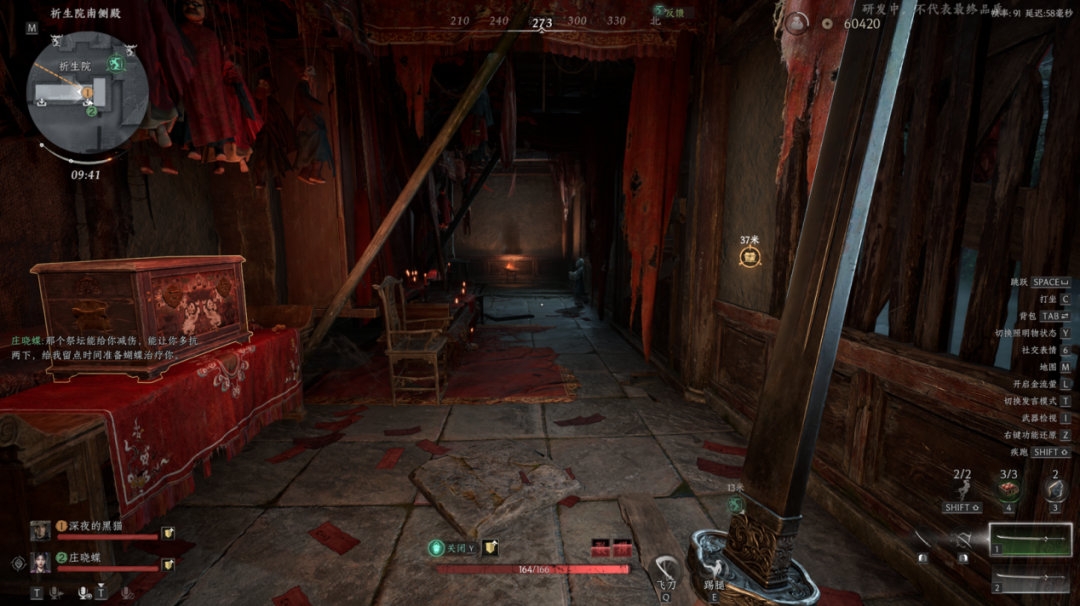
Whether it’s the statue in the hall, half-concealed by tattered red cloth, or the unknown underground chamber on either side, lined with all manner of masks—compared to the predictable dangers of “movement,” it is this static visual impact that evokes a deeper sense of fear in players.
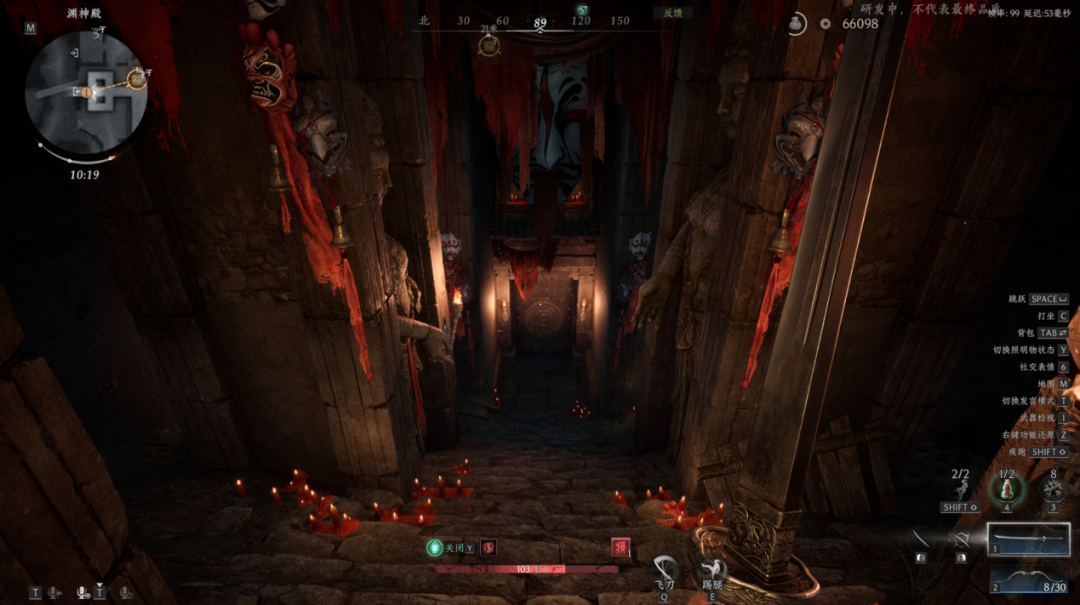
For other developers, “mild horror” may be little more than a gimmick to grab attention. But for NetEase, this precise grasp of the Chinese-style “mild horror” atmosphere is precisely where the company excels.
In traditional explore-fight-retreat games, quests usually involve nothing more than running around and fighting monsters—they’re designed to be quick and to the point. But *Hidden Shadows* takes a different approach.The very first quest I encountered, “The Rite of Life: Forging a Bond,” actually had me arranging a marriage for a doll. Players must help the bride find her “perfect match” within a limited time frame.
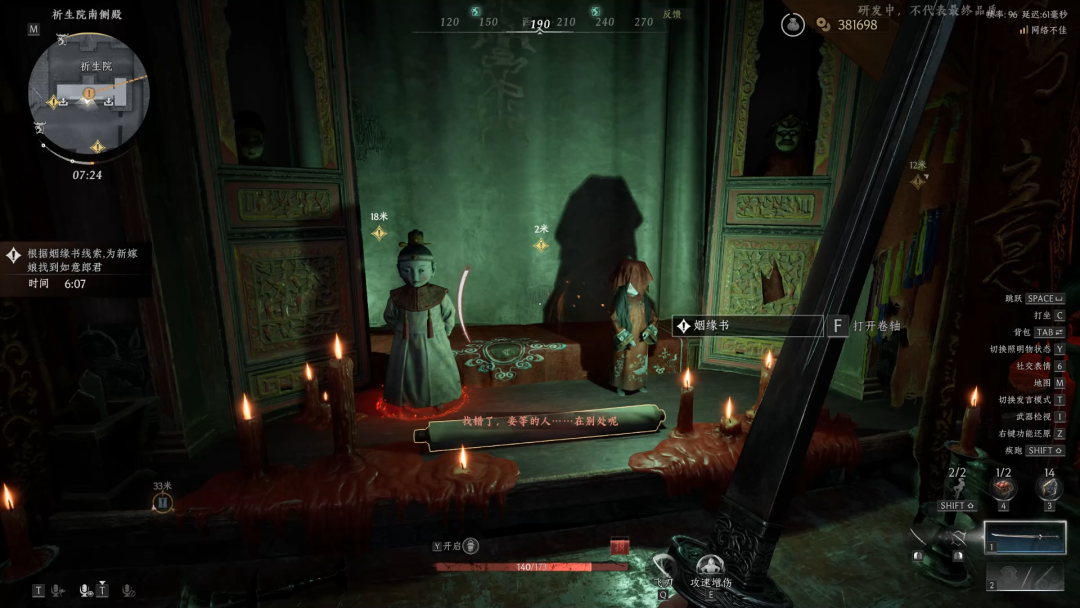
"If you want me to find the groom, just let me go about it in peace." Just as I was about to hand in the groom’s doll to complete my task, a mournful female voice suddenly rang in my ears, accompanied by a heart-wrenching operatic melody that sent a chill down my spine and gave me goosebumps all over.Although there was no immediate threat, that bone-chilling cold made my subsequent exploration feel fraught with danger—because you simply couldn’t predict where these “surprises” might be lurking.
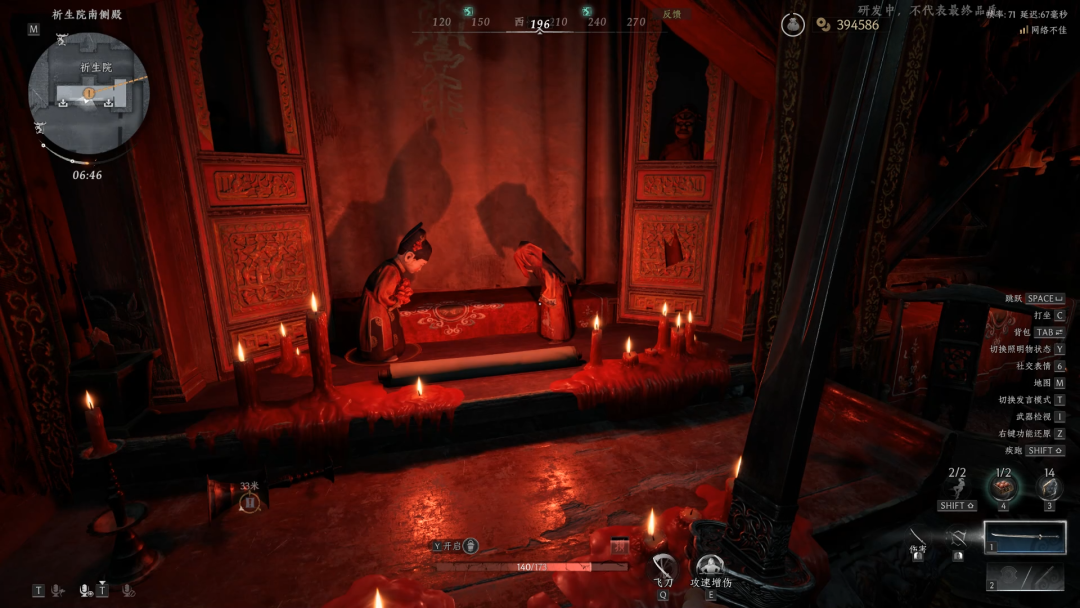
Today, there are already quite a few successful examples of “micro-horror” games on the market, but as the first “Chinese-style supernatural” search-and-escape game,I still believe *Ghost Shadows, Hidden Blades* can capitalize on this genre’s popularity, because no other game understands better how to seamlessly blend the sense of the unknown in Chinese-style micro-horror with the tension of a search-and-escape game.
02
What Does “Getting High” Mean?
To be honest, first-person combat was the part I was most skeptical about, but after playing a few rounds, I actually found myself getting a little “hooked.” Far from being a weak point, it turned out to be surprisingly exhilarating.
The combat in *Shadow Blade* centers on battles using traditional Chinese weapons. In the current first beta version, four characters are available, each representing a different class and role—tank, support, melee, and ranged damage dealer—covering virtually the entire spectrum of mainstream classes.
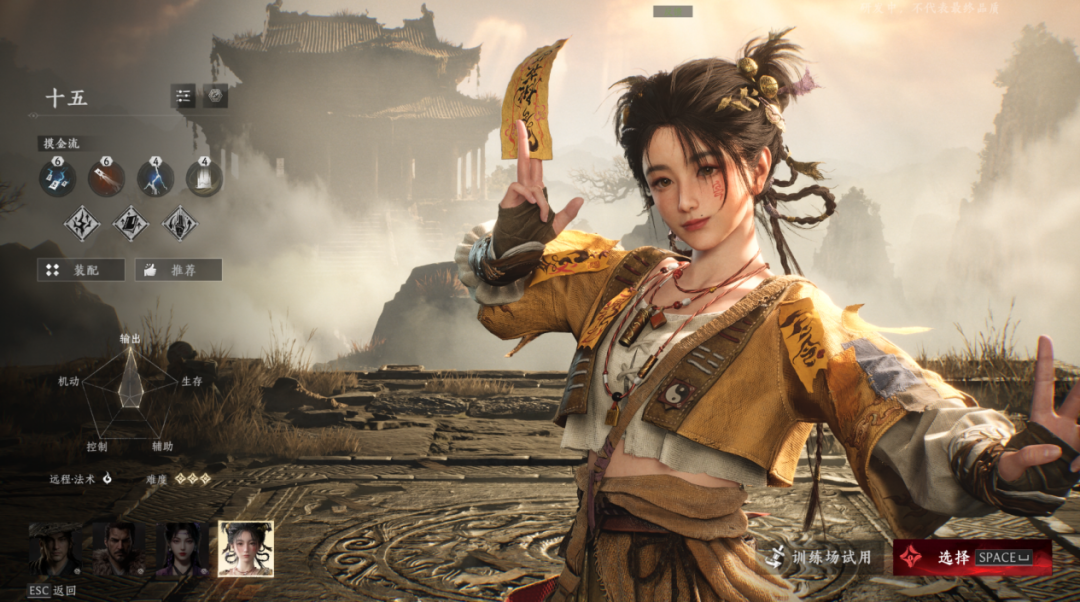
Take the "Heavy Melee" class as an example: players can carry two weapons at a time. The long sword focuses primarily on melee attacks and can also block perfectly, delivering a satisfying sense of impact. The short sword, on the other hand, completely forgoes defensive mechanics in favor of charged heavy attacks. Different weapons have different animation sets, which also represent different combat approaches.
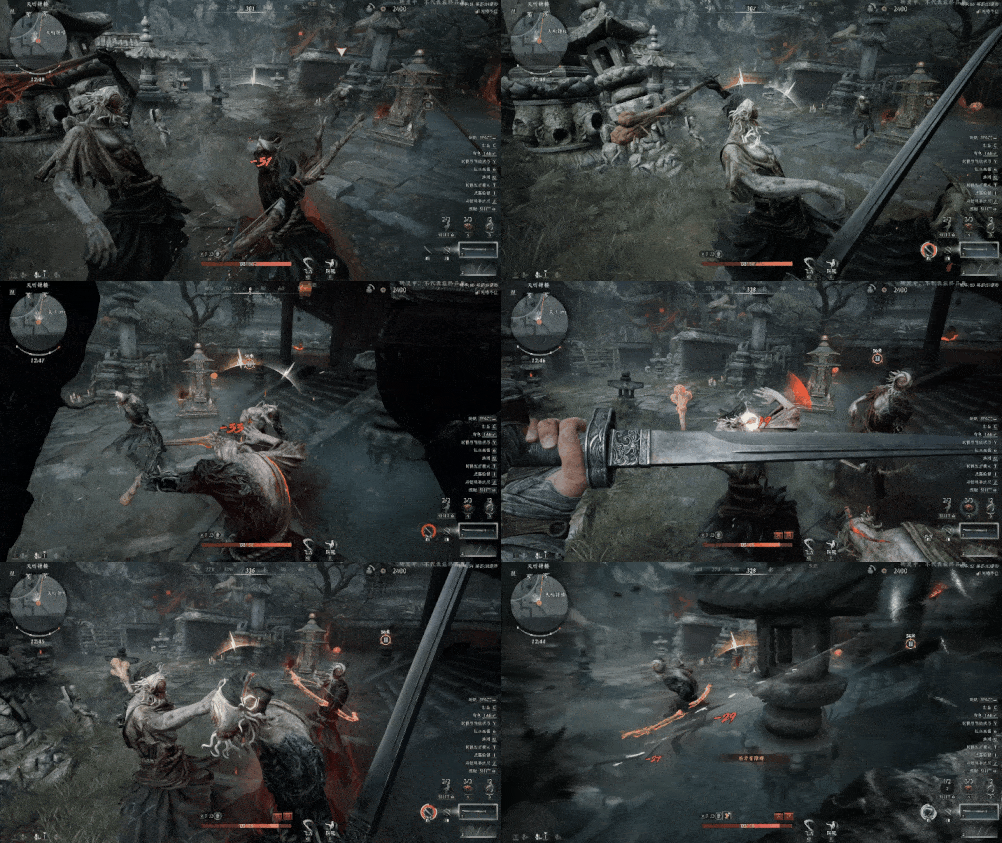
Each class can also choose 2 active skills and 3 passive skills. For example, Shen Zhongwei can throw flying swords and move quickly, while Wei Cangyan, a tank, can transform into a human tank and clear a path by hiding inside a metal sphere.The Level 15 Spellcaster can also wield a variety of spells—including lightning, fire, and wind—to adapt to different battle situations, employing a range of tactical options such as single-target attacks, area-of-effect (AOE) attacks, or defensive maneuvers.
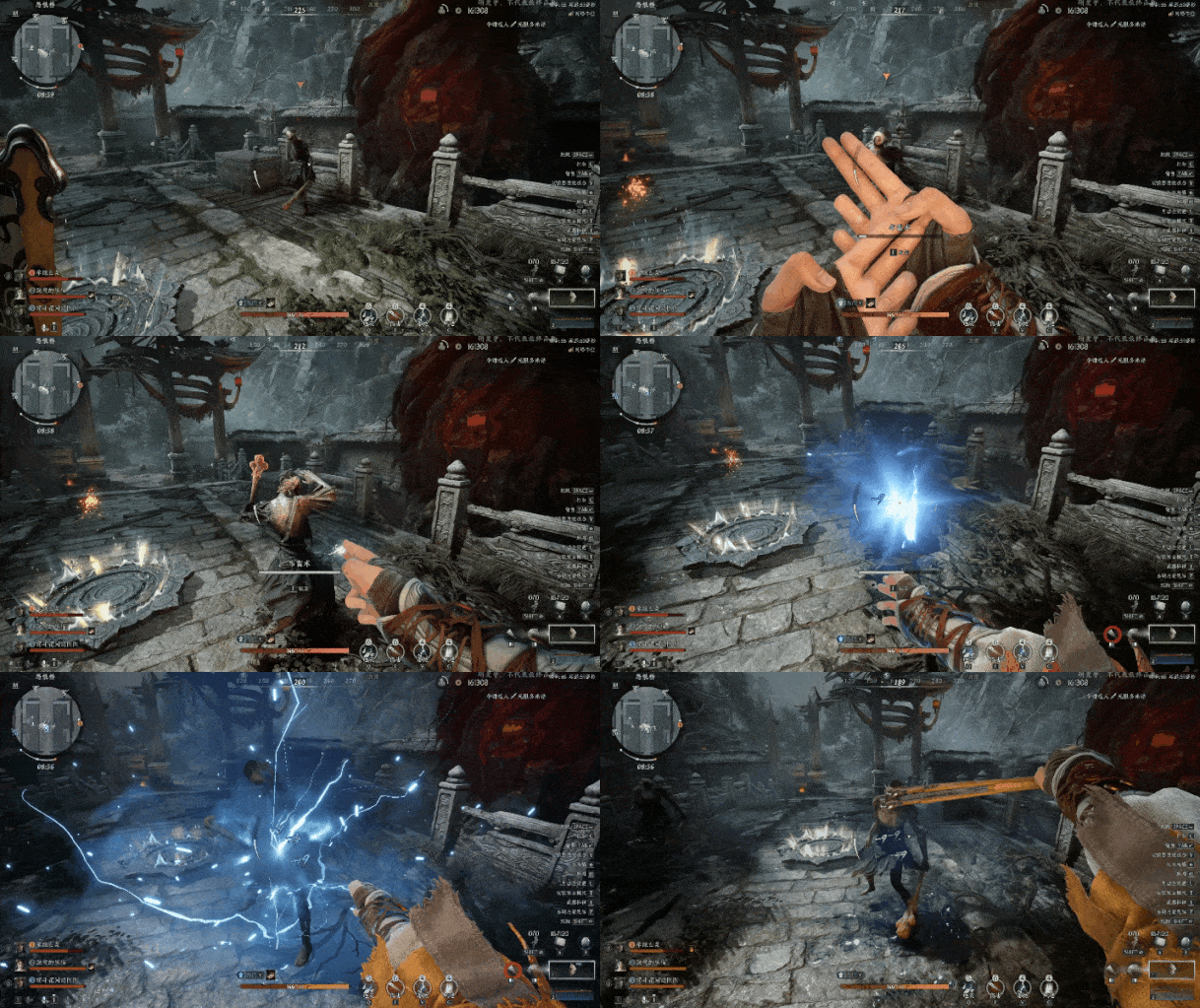
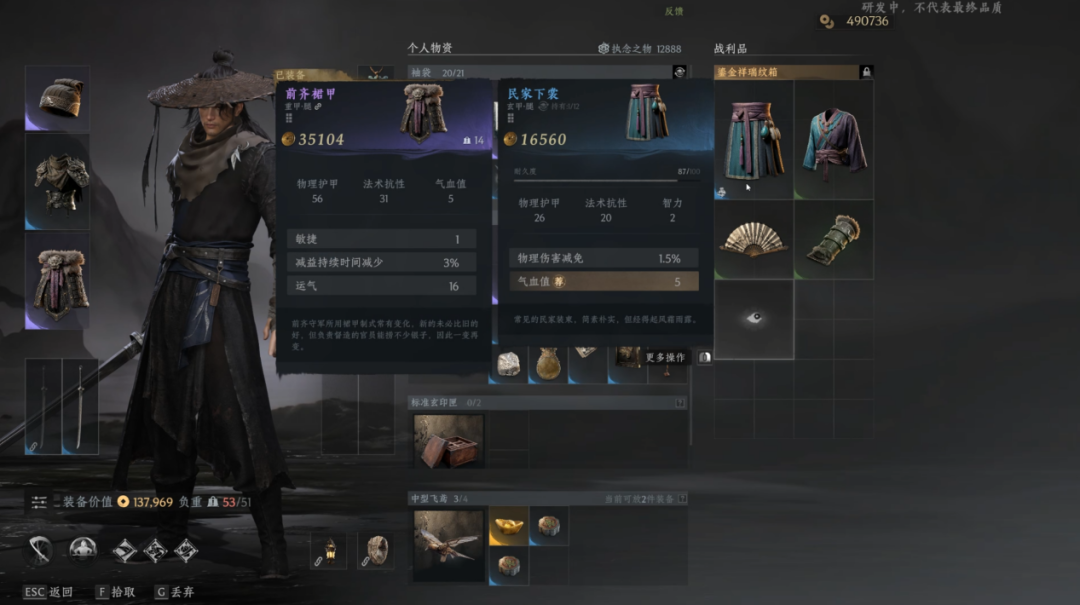
In this test version, each character has up to 3 active skills and 6 passive skills. The learning curve for character development is relatively low, while the various affixes in the equipment system provide ample strategic flexibility for gear builds.Unlike the uniform stat distribution of firearms in the “Shoot, Search, Fight, Retreat” genre, each class in *Hidden Blade* has its own priority stats to match different roles. By focusing on and stacking a specific stat, players can gain a certain advantage in combat.
In addition, different types of gear have different weights, which are closely tied to the weight-carrying system. The lighter the player’s load, the smoother the controls feel in terms of dodge intervals, charge times, and attack speed; conversely, a heavier load may slow down the pace of play to some extent.
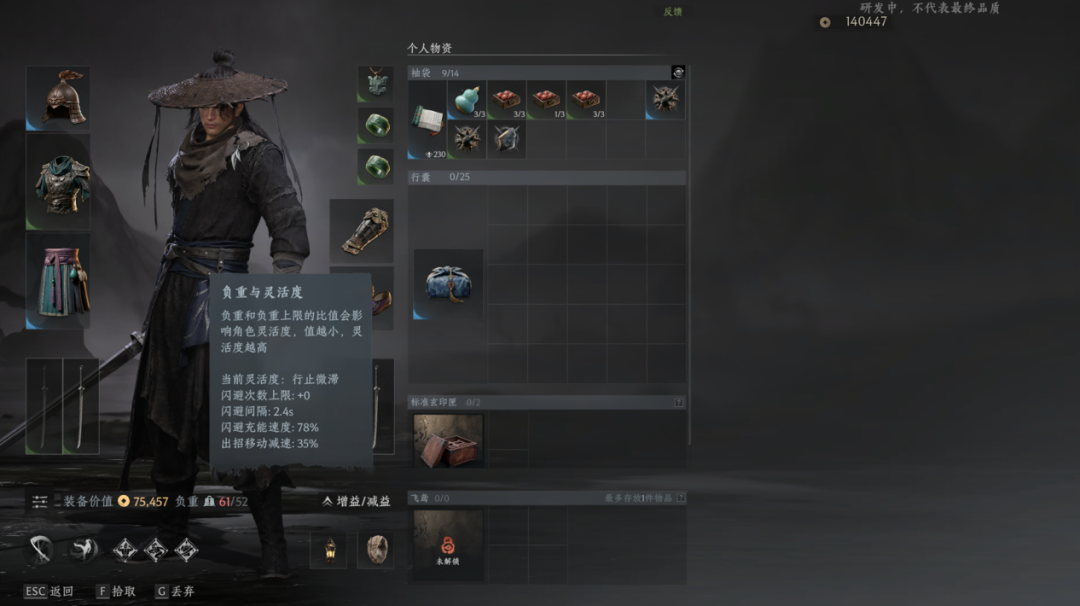
This means that when choosing gear, it’s not necessarily the case that the higher the tier, the better; instead, players must carefully select attributes and types based on their character’s traits. This creates a sense of satisfaction similar to that found in “grind-based” games. Players’ excitement is no longer limited to landing a “big red” drop—unlocking “top-tier” gear also delivers the thrill of turning a profit.
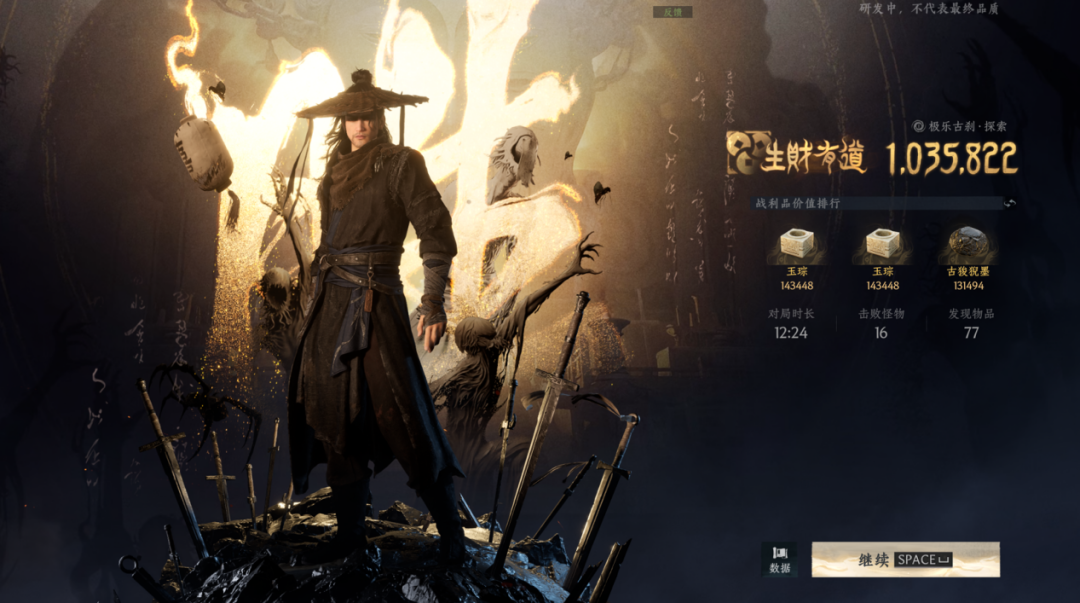
The first-person combat experience also reveals the development team’s many thoughtful touches.
On one hand, every time a player swings their sword, an arrow appears indicating the direction of the swing, and the three diagonal, horizontal, and vertical swings form a movement pattern resembling the number “4.”At first, I didn’t grasp the ingenuity of this mechanic. It wasn’t until I used a horizontal slash to hit two monsters standing side by side that I realized this arrow allows players to anticipate enemy movements and, depending on the battle situation, attack multiple enemies at once.
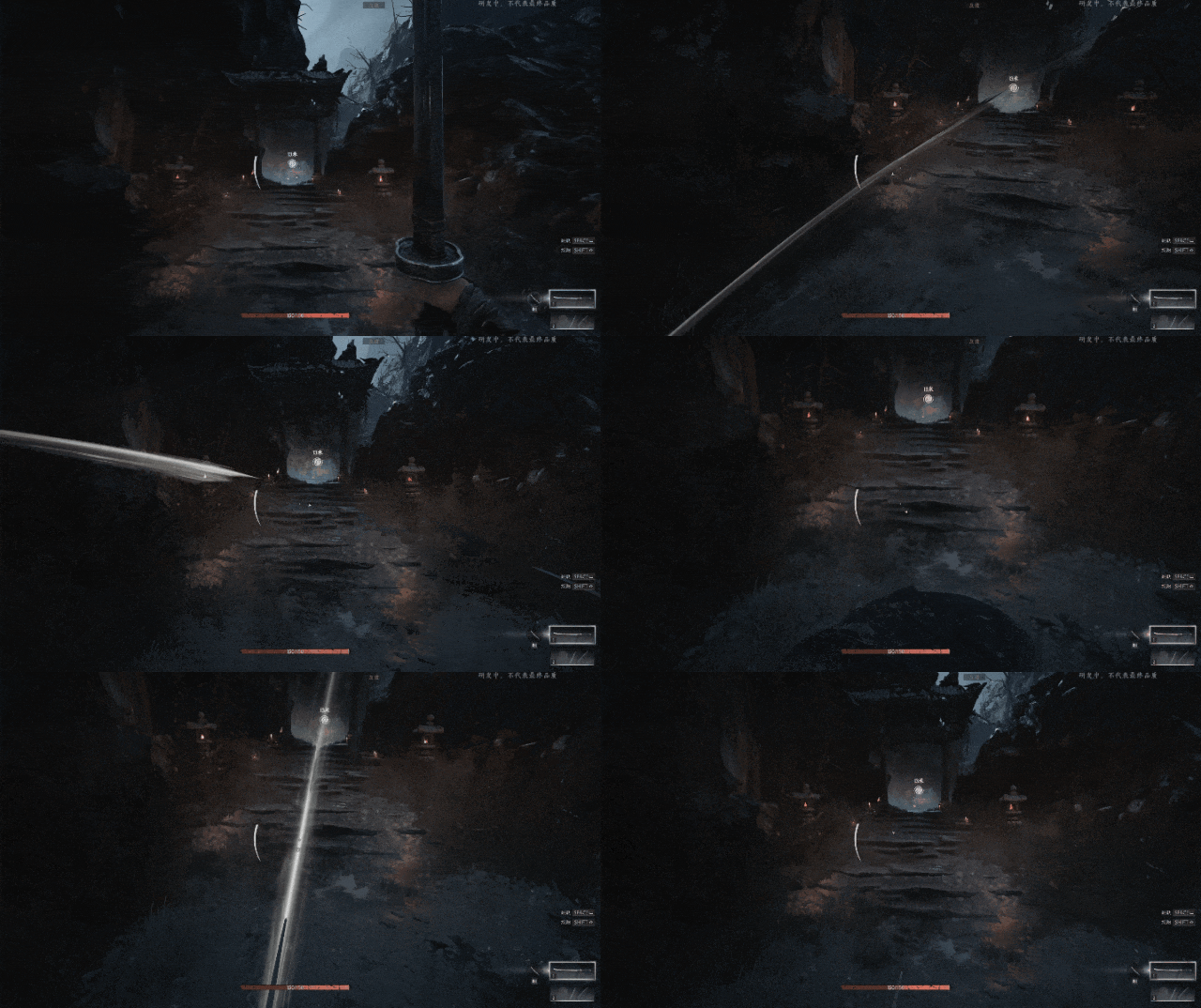
On the other hand, when an enemy enters the player’s attack range, a red glow appears at the enemy’s location; in the game, damage varies depending on the enemy’s position. In a first-person melee game, precise positioning is crucial—whether for landing critical hits or dodging damage—and this design significantly enhances the combat experience.
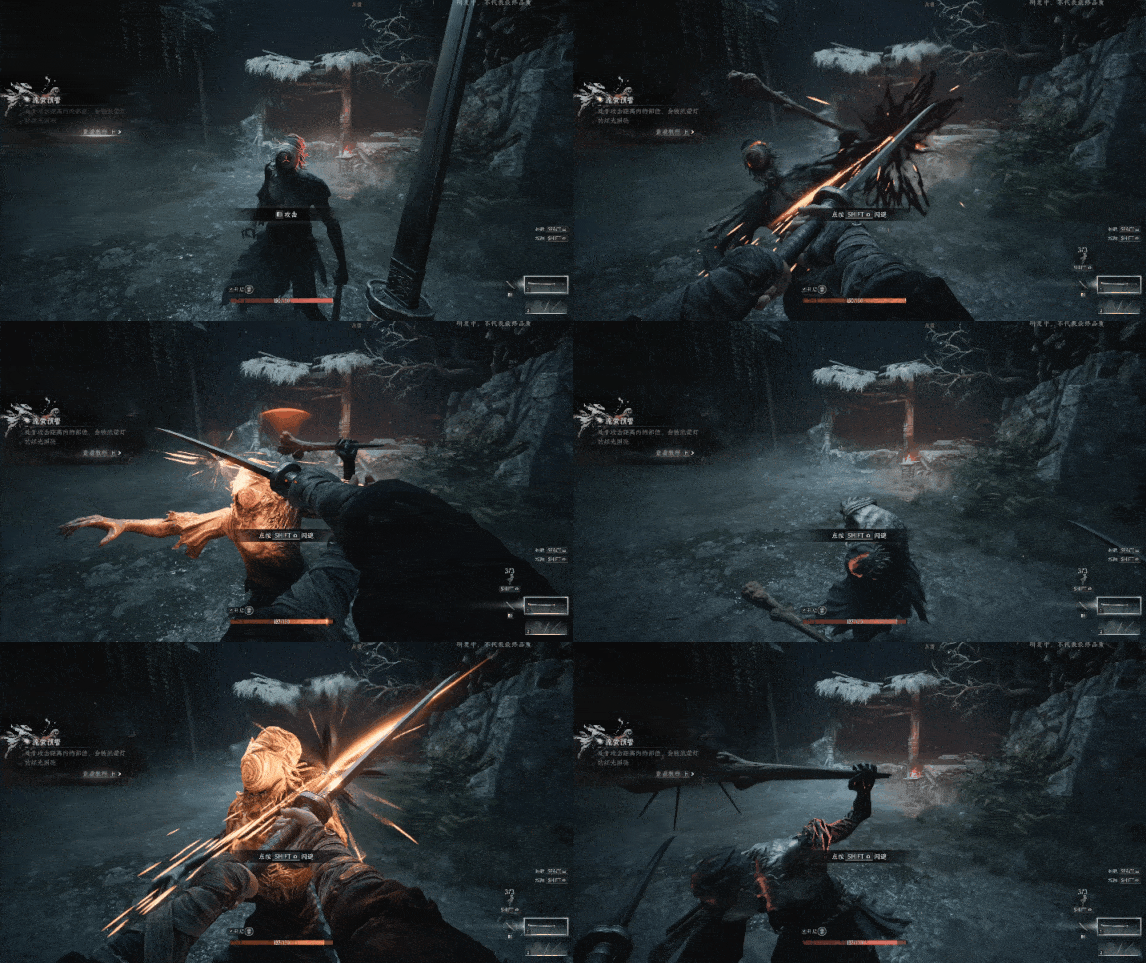
I have to say that while the first-person perspective is somewhat limited, the natural sense of immersion—whether when attacking, dodging, or using skills—takes the combat experience to a whole new level.This is especially true for the satisfying feel of melee combat, the strategic interplay of skills in multiplayer PvP, or squad-based boss hunts—this focused perspective creates a sense of being right in the thick of the battle, making it incredibly addictive.
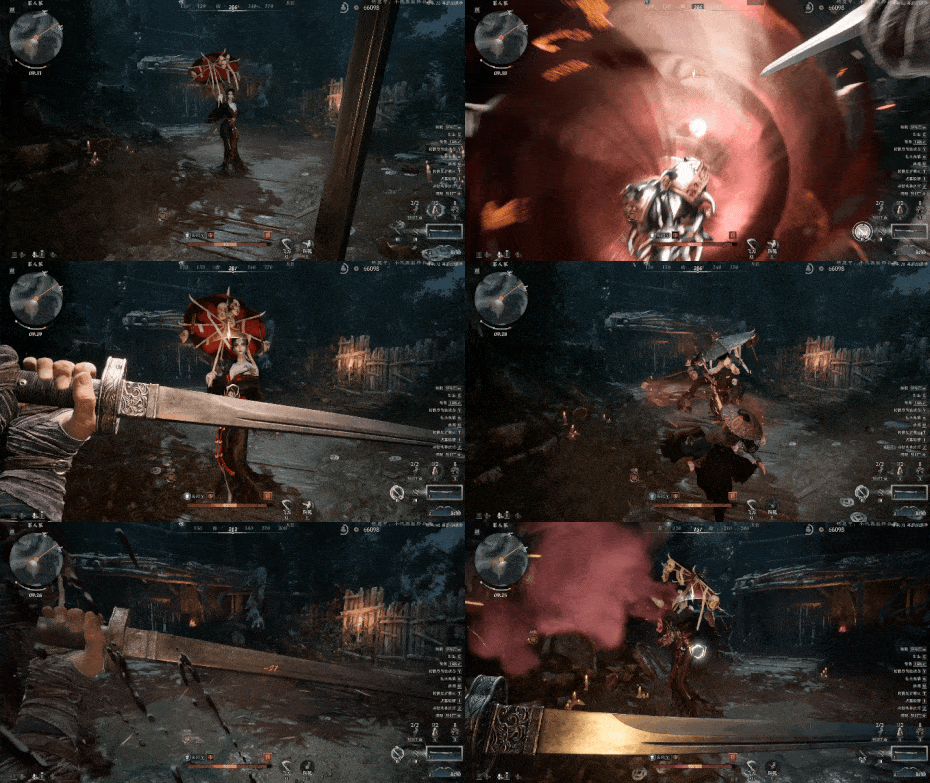
Now that we’ve covered combat, let’s talk about the enemy design in the game. A total of 17 enemy types were included in this test. In addition to ordinary monsters and the “Underworld” paper dolls that ambush you from behind, there are three elite enemies and one boss—all of which are quite interesting.
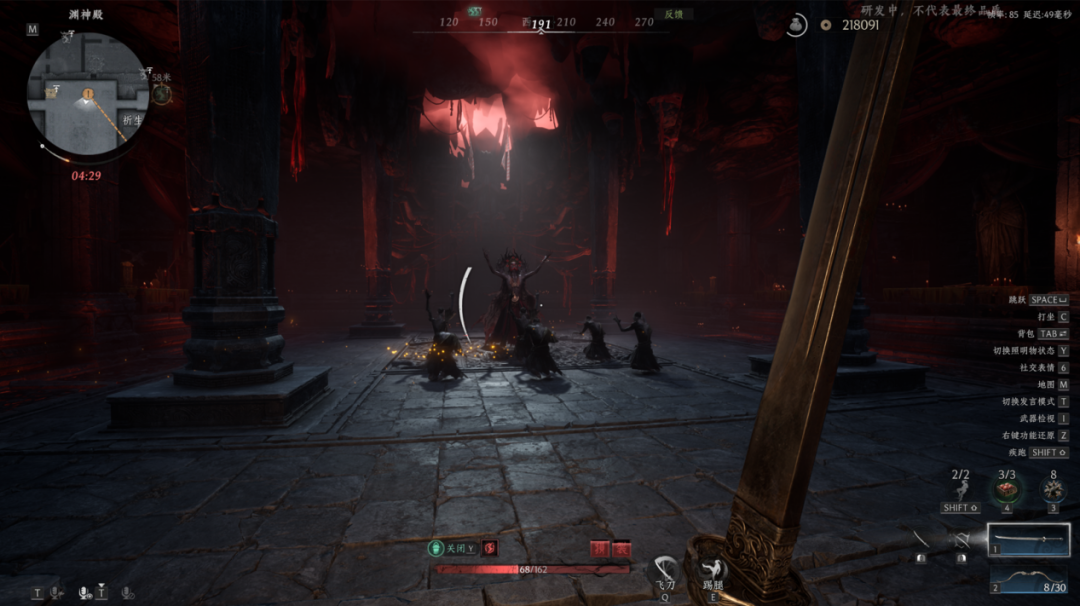
The most famous of these is undoubtedly Jiangzi, who, after appearing in the PV, was met with a chorus of players shouting, “Turn him back!”When I first saw him, I thought he was just an NPC on the side of the road. Little did I know that after he vanished with a flash, he’d immediately follow up with an “elbow strike.” And after getting slathered in poison, I even got to experience a “face-to-face” caress.
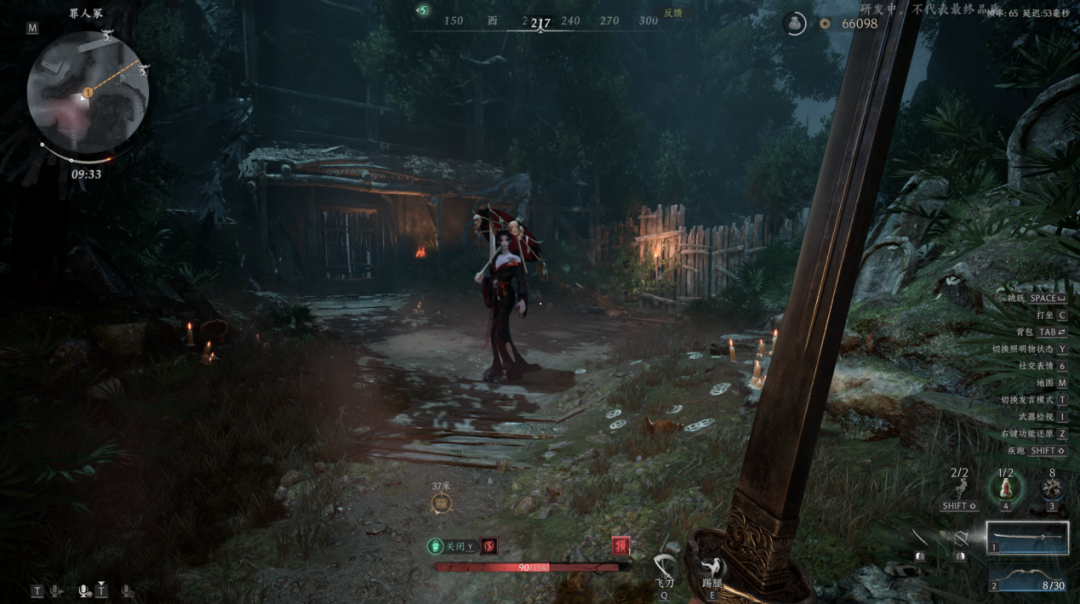
No wonder NetEase is so good at creating “Chinese-style horror.” After defeating Jiangzi, players can obtain the key she carries to unlock a hidden quest and visit her mansion, where they can not only admire her stunning figure once again but also witness what a bed covered in human skin looks like.and there’s even a “thoughtfully” placed document nearby that clearly details the origin of each piece of human skin.
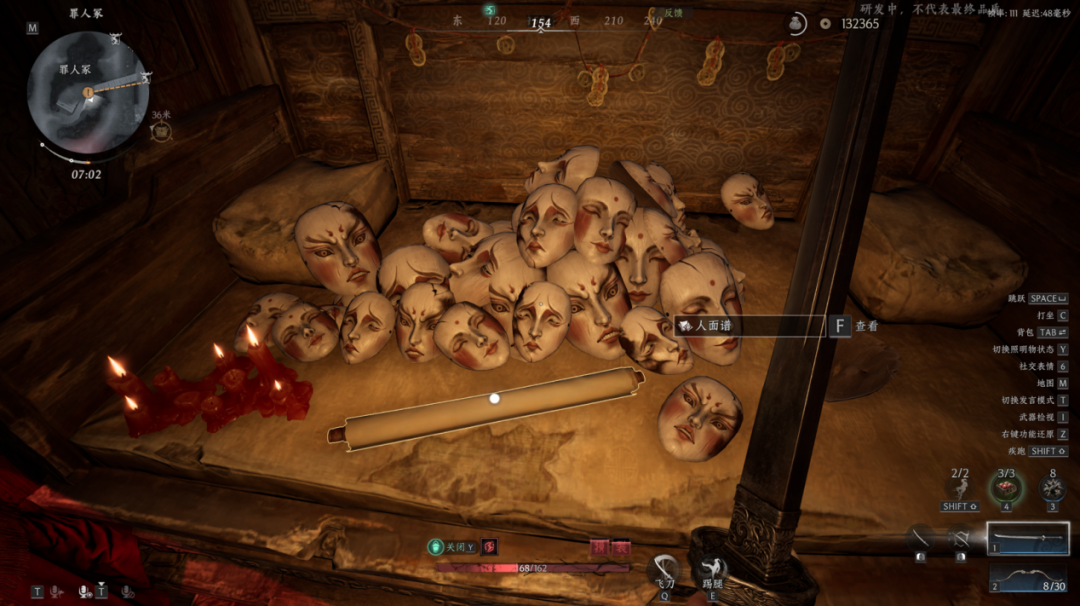
If you ask me, I’d rather not take that treasure chest!
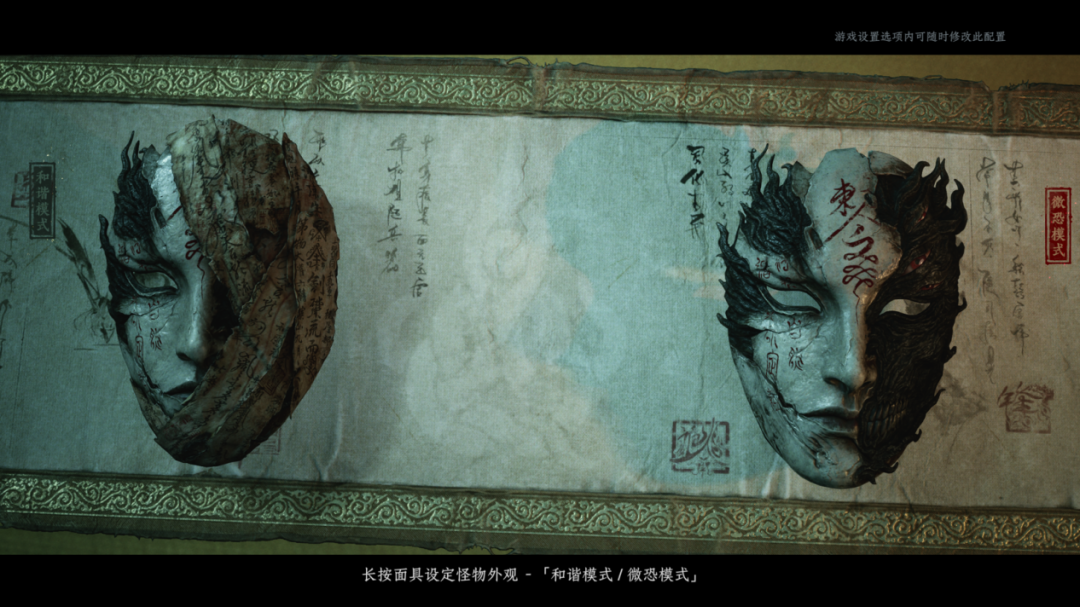
Of course, if you’re really not a fan of subtle horror, *Hidden Shadows* thoughtfully offers a “tamed” mode as an option. But I have to say, while this mode tones down the monsters’ appearances, it can’t tone down the underlying Chinese horror atmosphere.
Overall, the combination of first-person perspective and combat with traditional Chinese weapons may seem completely unrelated to the "search, strike, and retreat" strategy, but the way it amplifies the sense of immersion and tension has actually become its best flavor enhancer.Especially after the field of view narrows, the ever-present sense of danger adds a unique flavor to the experience of *Hidden Blades*.
03
Let Search, Type, and Delete Be "Great" Again
After the first beta test of *Shadow Blade* went live, I noticed that among the player community, the most discussed topics weren’t just the game’s graphics and gameplay—many players were also flooding the comment sections with requests for access to the beta.
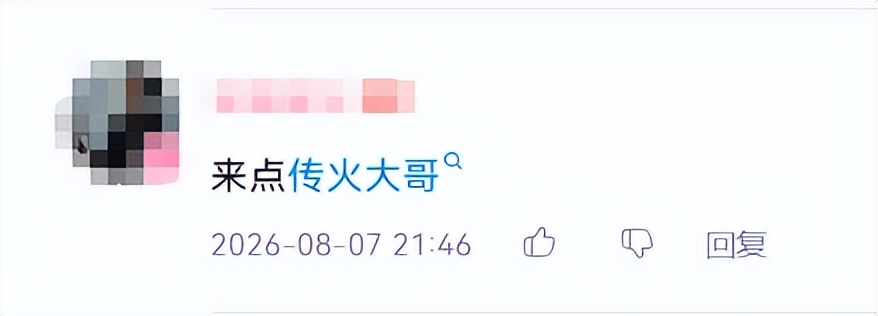
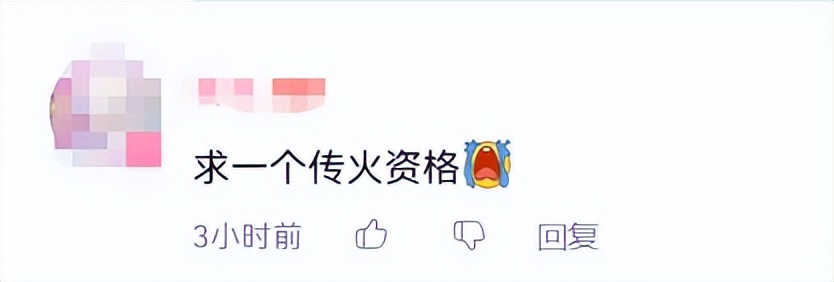
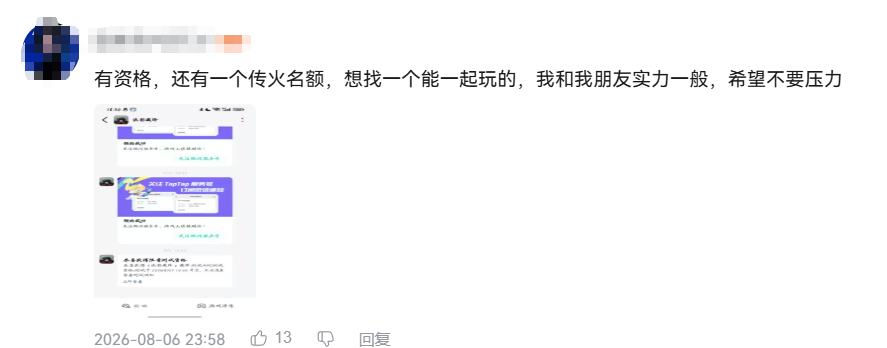
Many players who’ve secured beta access are recruiting teammates in the comments section—some because they’re nervous and need a partner to play with, while others are newbies looking for an experienced player to guide them.This enthusiasm from players indirectly reflects the strong appeal of *Hidden Shadows* in terms of its theme and gameplay—a truly rare feat for a rising star in the search-and-fight-and-escape genre.
Overseas, the game has also attracted a great deal of attention from players. Although the PV has not yet been localized into English and the official announcement has not been made, quite a few YouTube creators with a significant following have already voluntarily reposted the first-look PV and actively encouraged players to add the game to their Steam wishlists.
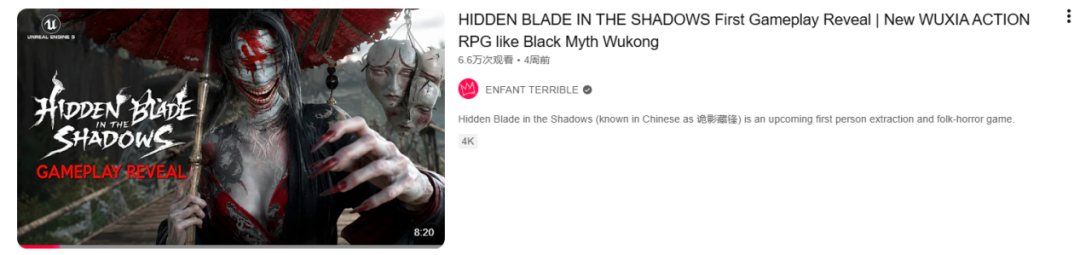
Even more interestingly, some players took on the role of “China cheerleaders” in the comments section, saying, “Chinese games are taking the market by storm. As a martial arts enthusiast, I fully support this—go ahead and take my money!”

Another gaming blogger, GJX, even took the initiative to post his own reaction video on Bilibili, saying he was completely blown away: “It’s truly unlike anything else—it’s incredibly exciting.”
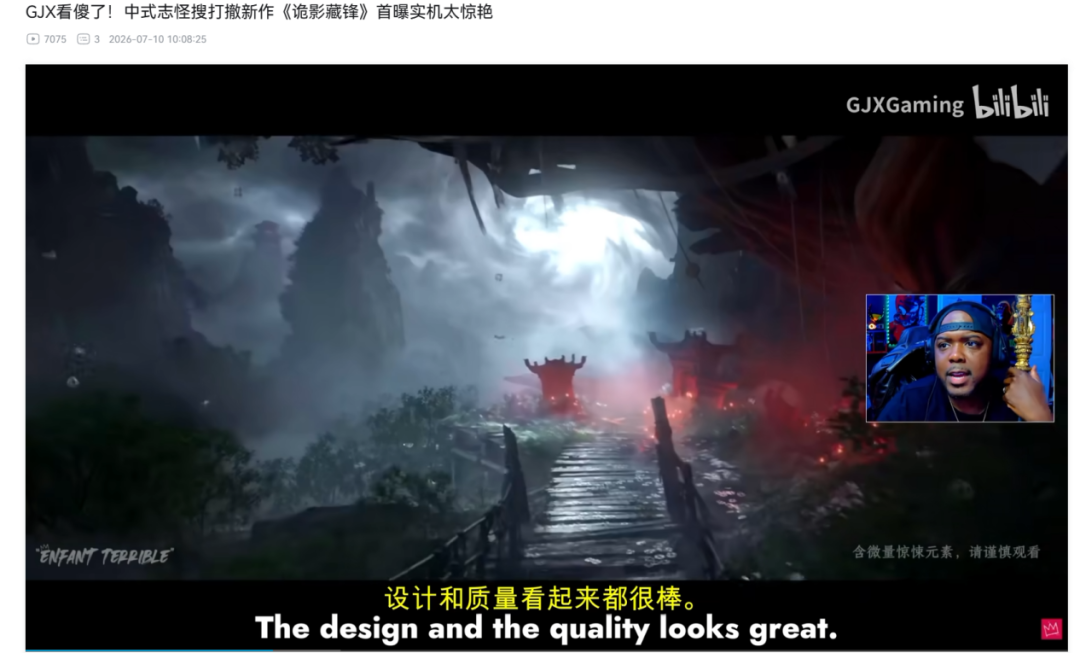
In my view, the search, display, and retargeting market is already a red ocean, and the intensely competitive environment has deterred most companies from entering it. Just like the "battle royale" genre back in the day, the only way to carve out a new market niche is to pursue a differentiated strategy in a specific segment.
NetEase LeiHuo clearly understands this well—it already had a track record of considerable success in this area.With this foundation, *Shadow of the Hidden Blade*—whether in its novel “Chinese supernatural” theme or its bold innovation of “first-person Chinese weapon combat”—feels more like a long-planned, well-prepared endeavor rather than a mere trial-and-error experiment.
"Shadow Blade" will undoubtedly become the defining title in the "Chinese-style supernatural adventure" genre, firmly establishing itself in this niche market. Judging by current market and player feedback, this first step has been taken quite solidly.
原创文章,作者:游茶妹儿,禁止转载:https://youxichaguan.com/en/archives/208824