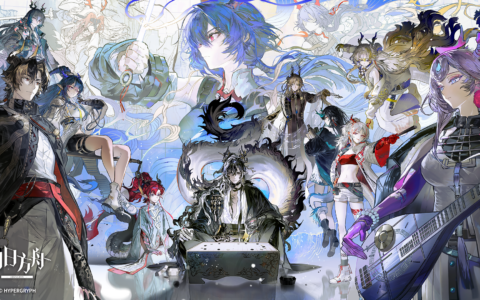
If you turned an online game into a one-time-purchase single-player game, would it be worth it?
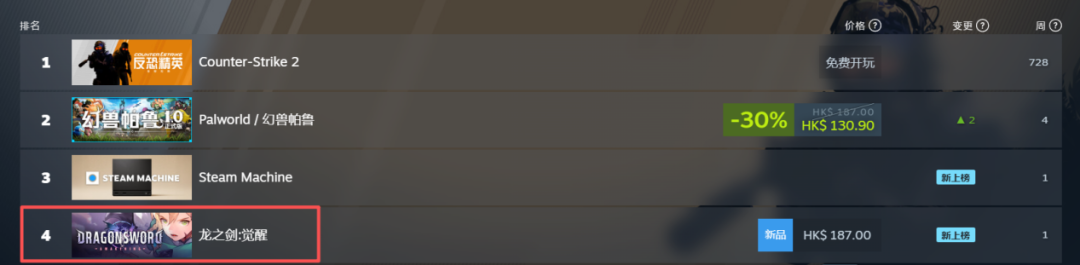
Just today (July 23), the anime-style ARPG *Dragon Sword: Awakening*, developed by South Korean studio Hound13, officially launched on Steam. It quickly climbed to the top 3 on the global best-sellers chart and has earned an 83% “Very Positive” rating.
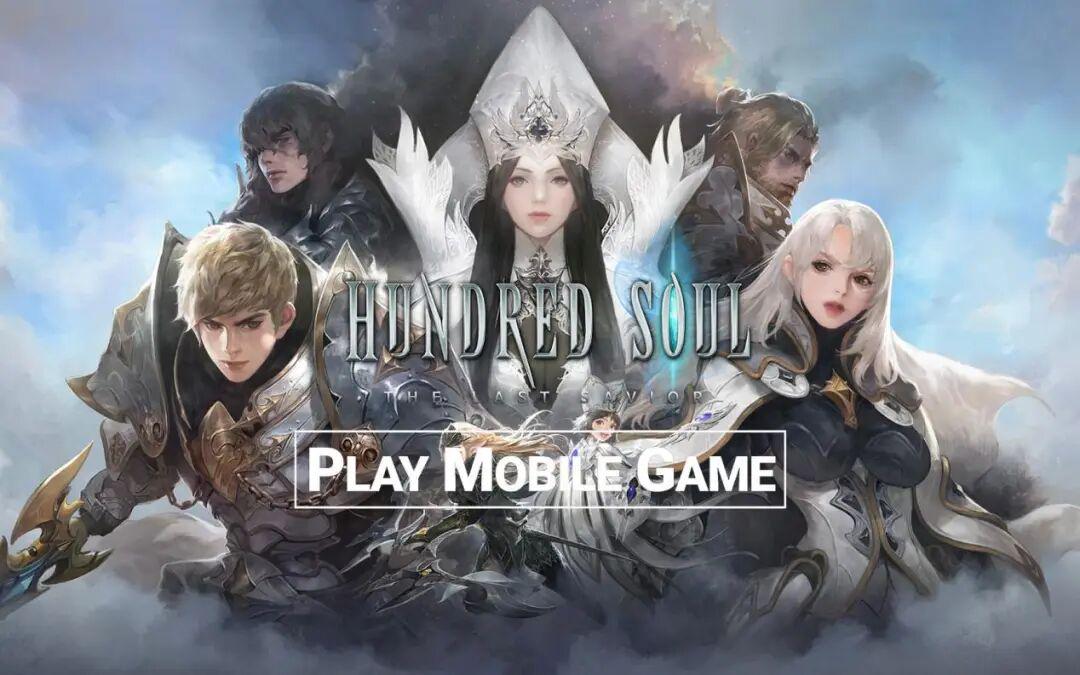
Of course, Hound13 is no unknown entity either. Its founder, Park Jeong-sik, was previously the executive producer of *Dragon Nest*. After leaving his former employer, Eyedentity Games, he founded Hound13 in September 2014 alongside key members of the *Light of Dungeons* team.Subsequently, in 2019, its first title, *Battle of a Hundred Souls*, was officially launched in South Korea and received a positive response from players.
In 2021, Garena invested 20 billion won to support the development of *Sword of the Dragon*.
Subsequently, between 2023 and 2024, the South Korean publisher Webzen invested a total of 30 billion won and secured the distribution rights for *Sword of the Dragon*.
However, the good times didn’t last long. In November 2025, *Dragon Sword* was originally scheduled to launch much earlier, but the publisher, Webzen, chose to postpone the release to avoid clashing with the launch window of *Aion 2*.As a result, in January of this year, *Dragon Sword*—a free-to-play gacha mobile game—officially launched in South Korea, only to clash head-on with the Chinese mobile game *Arknights: Endland*. Ultimately, its commercial performance fell short of expectations.
Subsequently, a rift developed between the two parties over the payment of the margin.Hound13 alleged that Webzen failed to pay the minimum margin as stipulated in the contract, paying only 60% (and sources revealed that Webzen also proposed acquiring management control of Hound13 at face value as a condition for additional investment), while Webzen countered thatHound13 unilaterally terminated the contract without prior notice.
On February 13, Hound13 officially issued a notice of contract termination, and the game’s payment channels were cut off, resulting in zero revenue. Although reports indicate that Webzen eventually paid the remaining security deposit in an attempt to mend relations, trust between the two parties ultimately broke down.
Subsequently, Hound13 immediately carried out massive layoffs, slashing its workforce from 160 to 50 employees, reclaimed the publishing rights, and planned to transition *Dragon Sword* from an online game to a one-time purchase model within two to three months in a last-ditch effort to save the company.
Originally, the development team believed that, in the best-case scenario, if *Dragon Sword: Awakening* could launch once it reached 100,000 wishlist entries, it would ensure the team’s survival.However, no one could have anticipated that the demo released during the New Game Festival would generate such immense interest among players—not only did it become the most-played title, but its wishlist count also skyrocketed to 400,000 within a month.
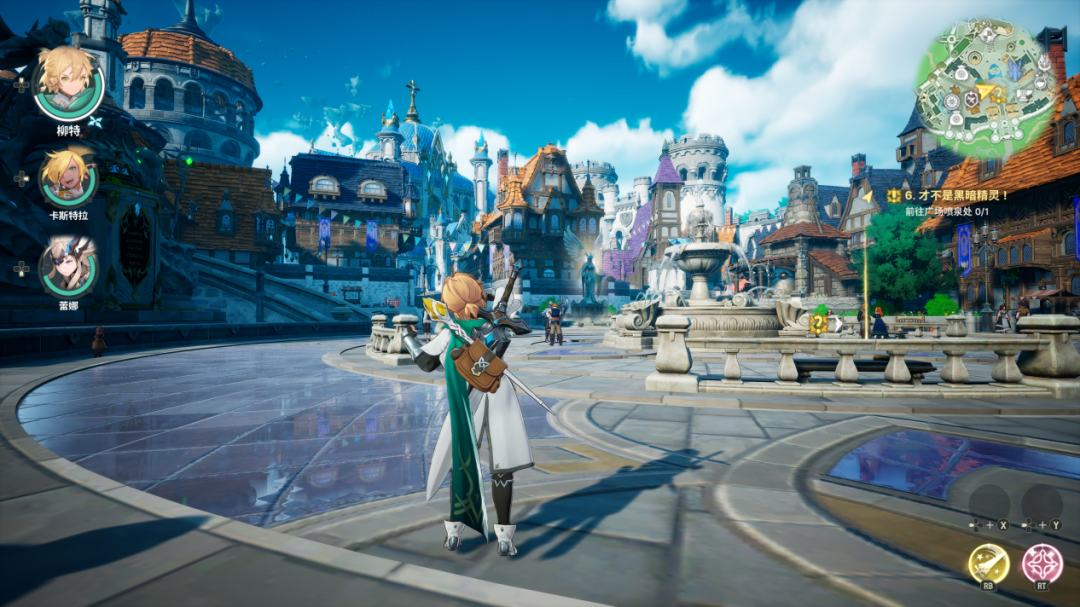
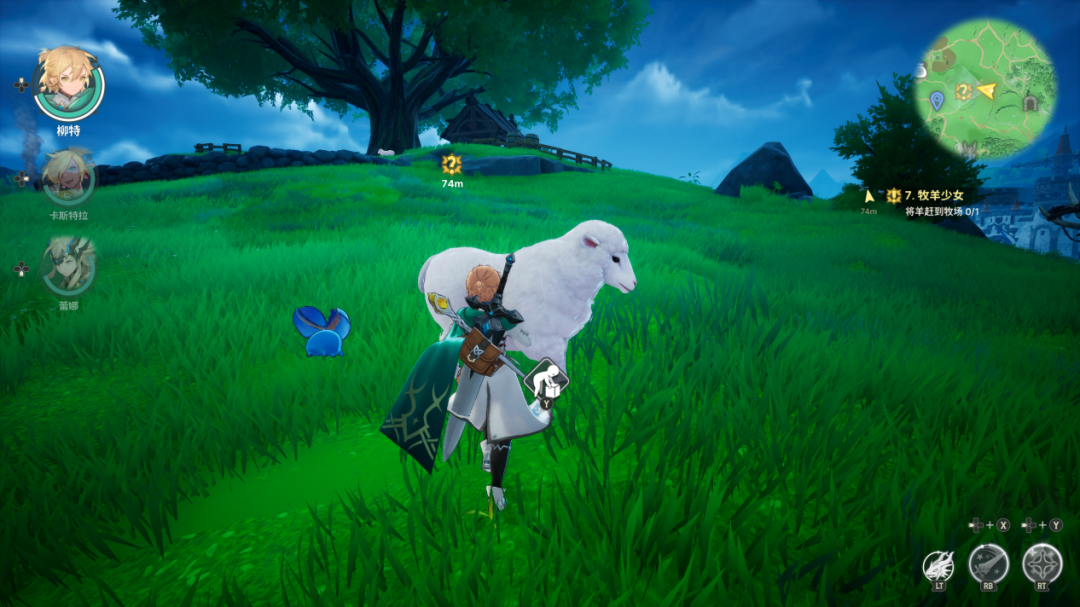
Some people might wonder: Would anyone actually play a game like this? However, after giving it a try, my biggest impression of *Dragon Sword: Awakening* is that it’s a “cracked” online game disguised as a mobile game.
Compared to *Red Desert*, which abandoned its original direction and shifted course at the last minute to ensure that all content was geared toward a single-player experience,*Dragon Sword: Awakening* seems to have made a “tough decision” instead: it simply made all the originally monetized content available for free, while retaining every aspect of the original game’s gameplay and design framework without exception, emphasizing an authentic experience.
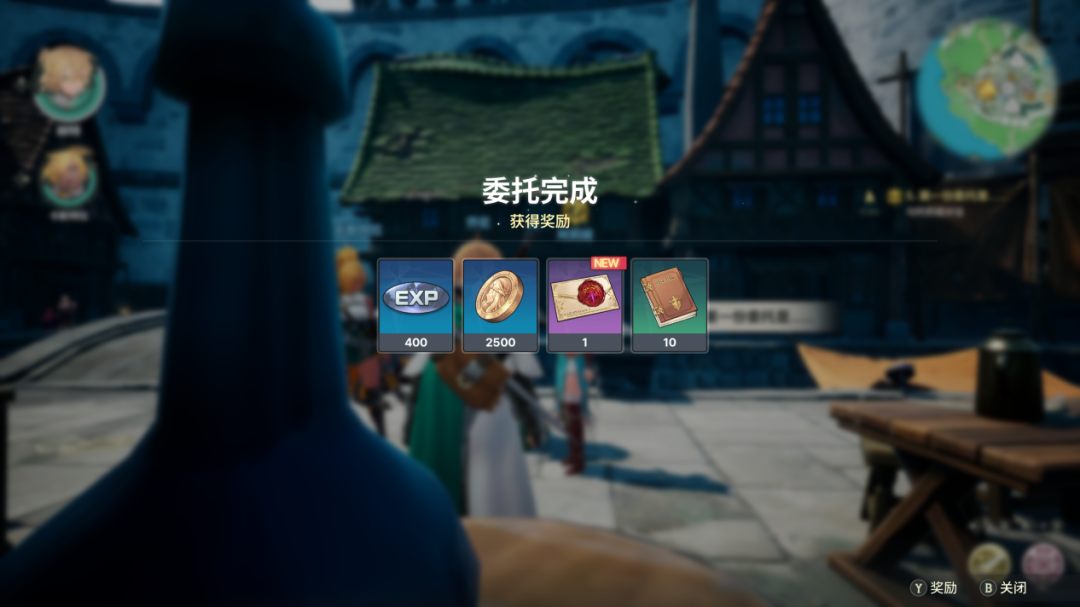
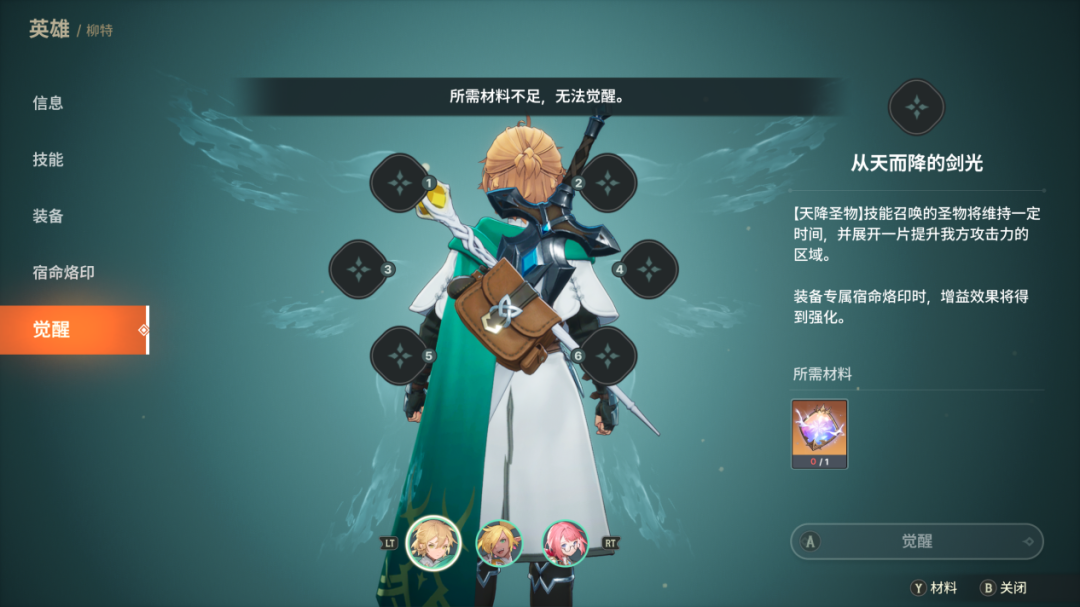
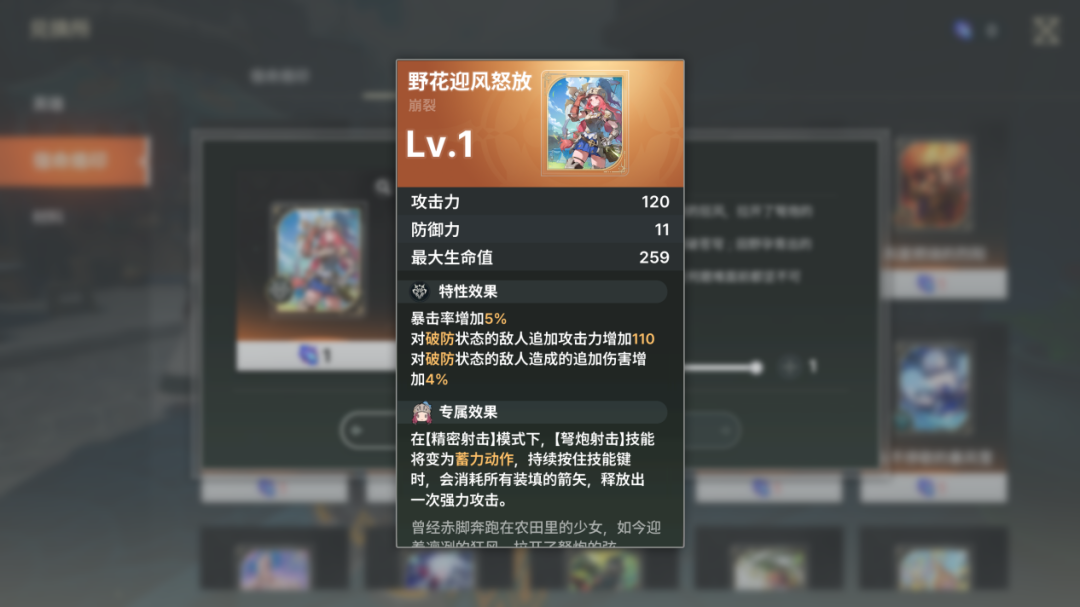
Whether it’s the rewards that suddenly pop up after completing a quest—which feel extremely out of place—or the various experience books needed to level up your character, or even character awakenings and destiny imprints, you’ll instantly recognize a strong sense of “deja vu.”
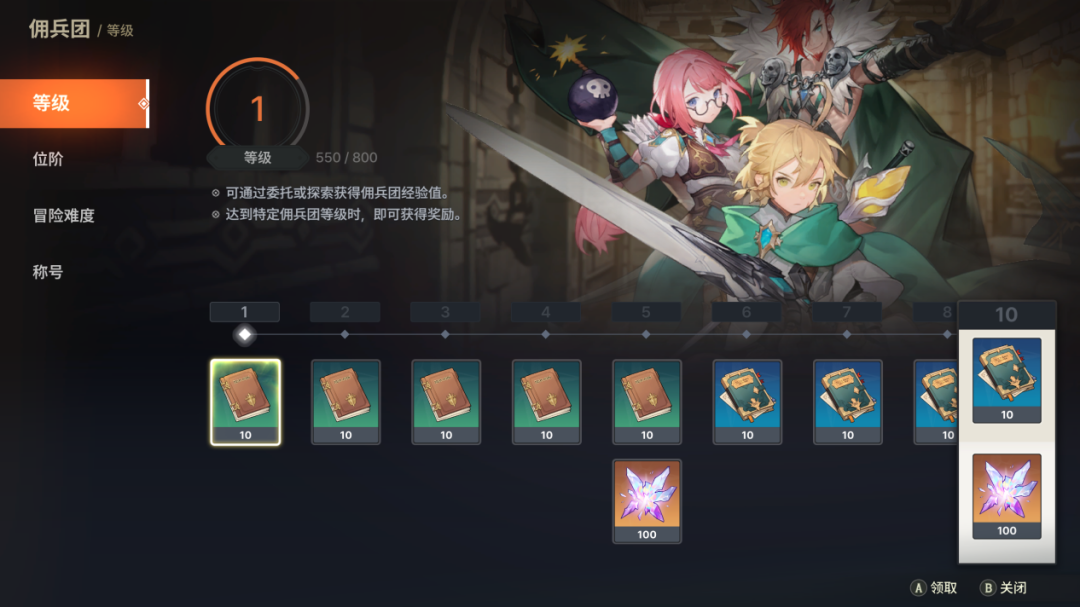
Even the "pass" from the traditional entertainment app hasn't been completely removed, so every time I open it, I find myself instinctively looking for the top-up option.
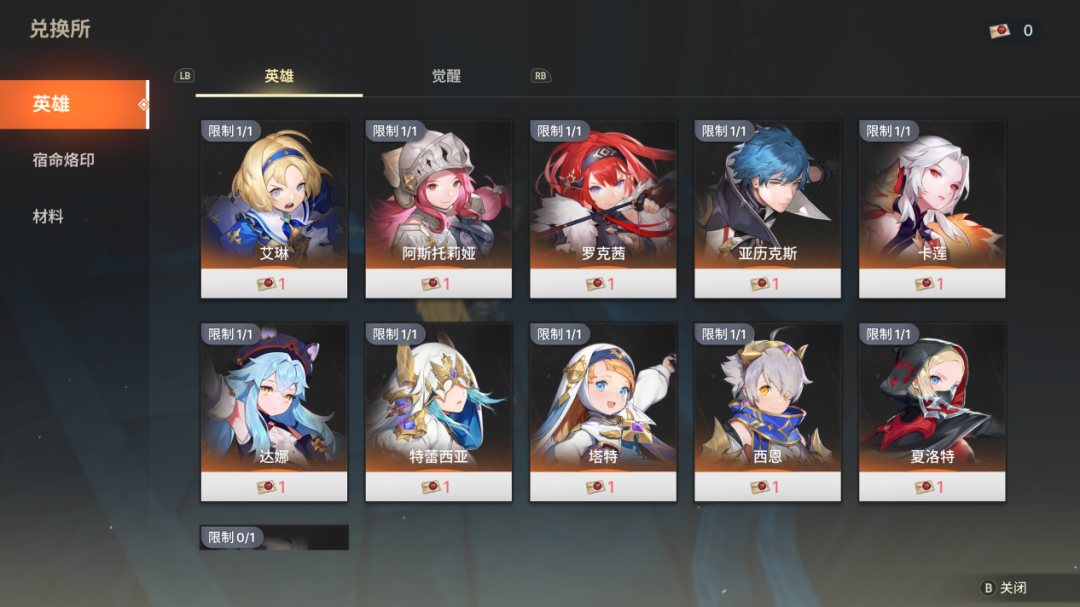
On the bright side, though, this is, after all, a single-player game with a one-time purchase model—though you could certainly call it a “cracked version.” Rare characters and awakening materials that previously required in-game purchases are now all available in the Exchange; you can obtain them freely through various gameplay activities or by progressing through the main story. It’s all about “what you see is what you get.”
It may be difficult to completely eliminate the typical traits of online games in a short period of time, but in terms of gameplay, *Dragon Sword: Awakening* still has its own unique charm and represents the consistently solid performance we’ve come to expect from Korean developers.
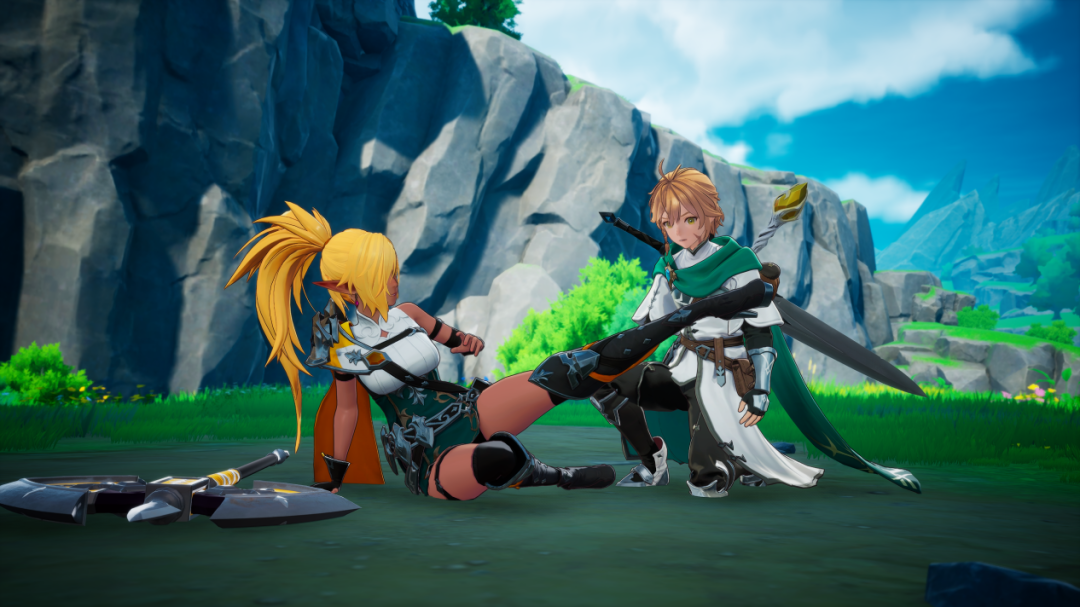
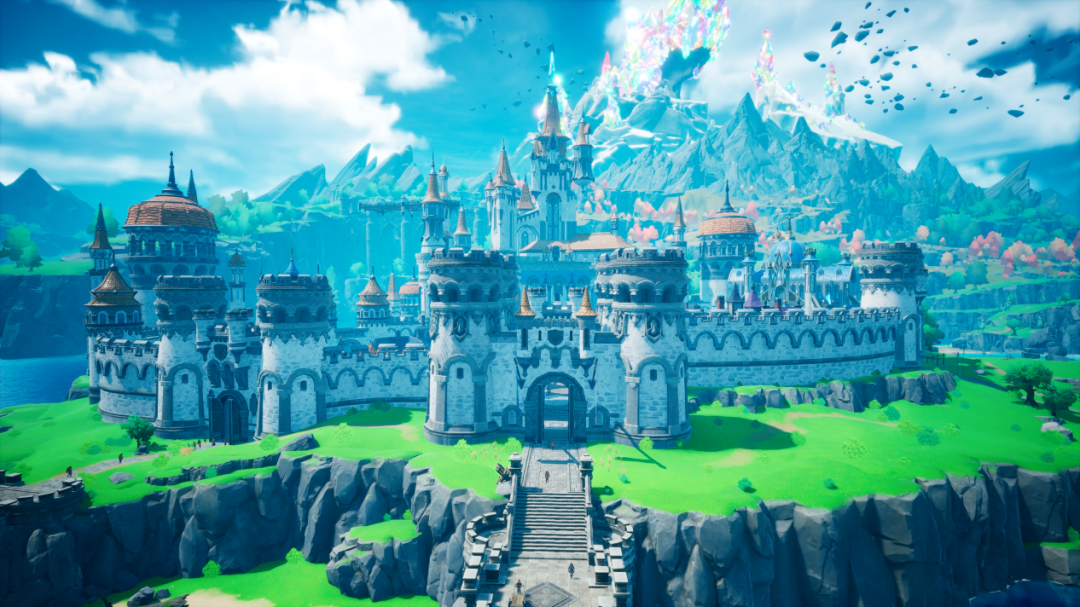
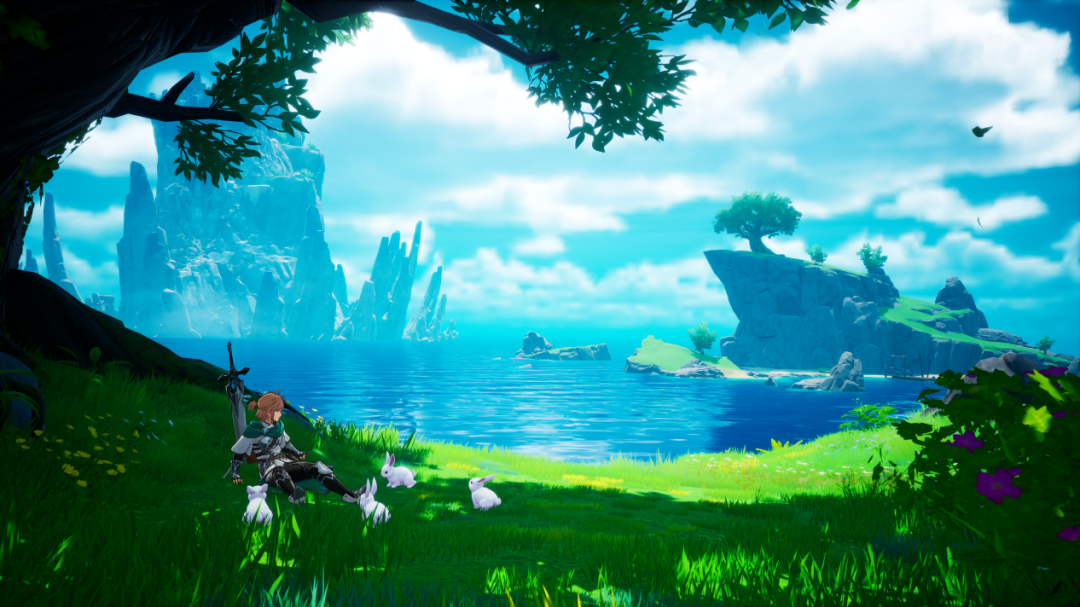
Needless to say, the open-world environment built with the UE5 engine provides a solid visual foundation. While the art style of the second game is somewhat formulaic, *Dragon Sword: Awakening* stands out for its distant scenery and character models.
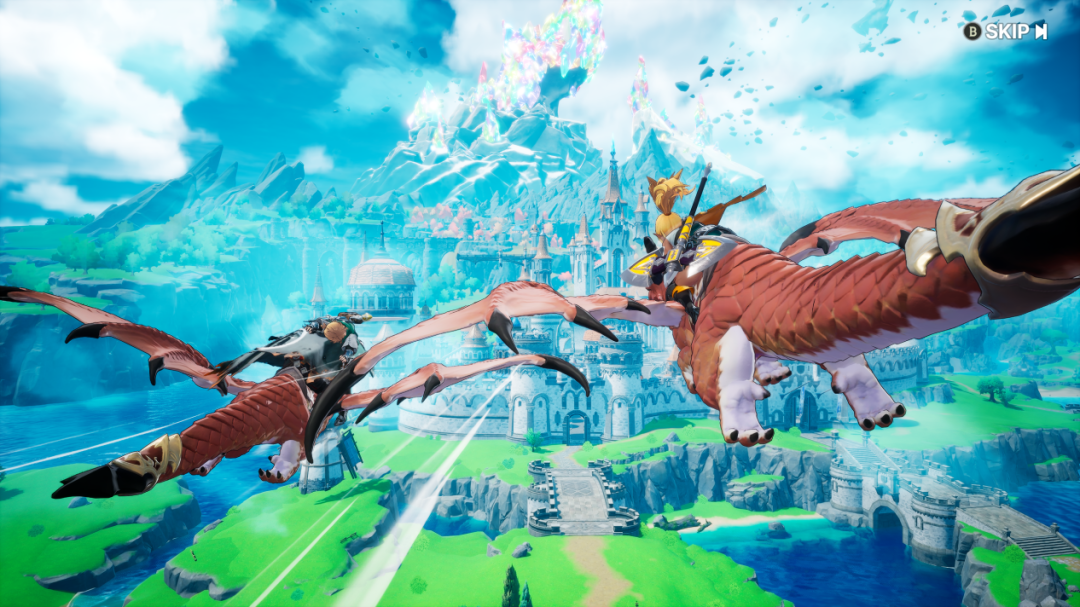
Some of the character designs are quite endearing, but considering the diverse tastes of players in the second game, the lineup—including lolis, tsundere, intellectual types, saintly maidens, queens, and knights—covers the main target audience.
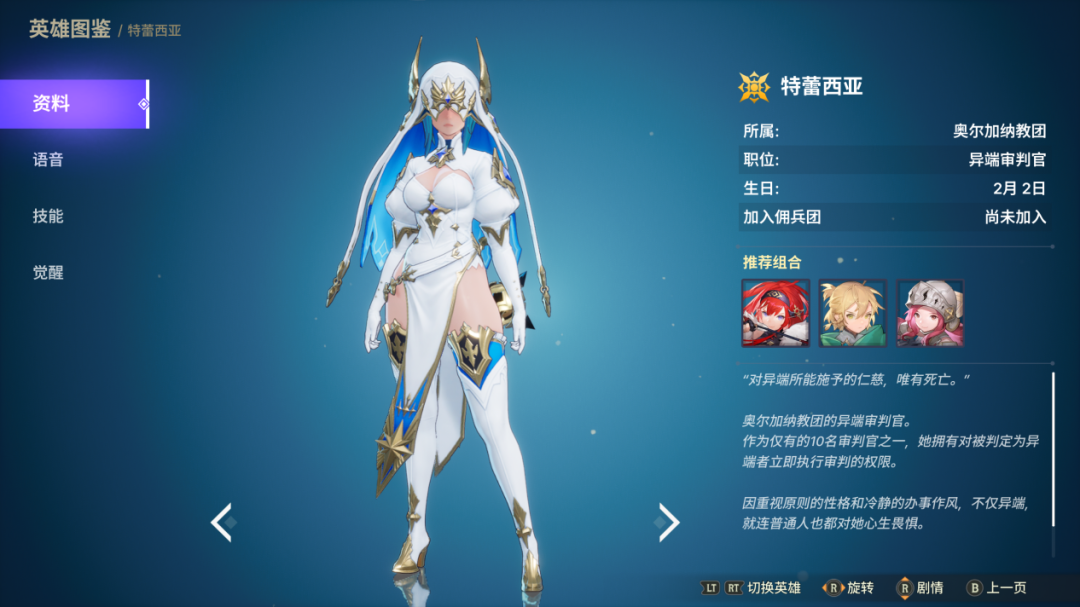
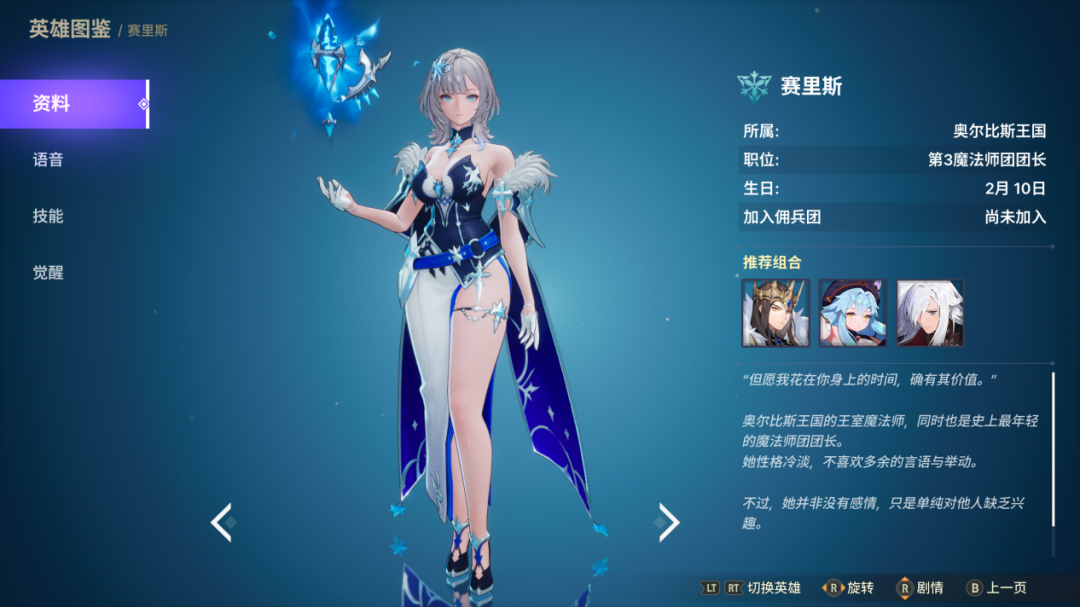
Of course, aside from the usual strengths of a mobile game, what surprised me most about *Dragon Sword: Awakening* was actually its combat system—which is becoming increasingly homogeneous these days.
From the very beginning of development, Hound13 founder Park Jeong-sik was determined to craft a combat experience similar to that of *Valley of Dragons*, with a focus on impactful hits and fluid, responsive controls.Thanks to the experience gained from *Battle of a Hundred Souls*, *Dragon Sword: Awakening* received widespread acclaim from players for its combat following its release. Players recognized that it carried forward the essence of its predecessor and stood out significantly from traditional 2D games on the market.
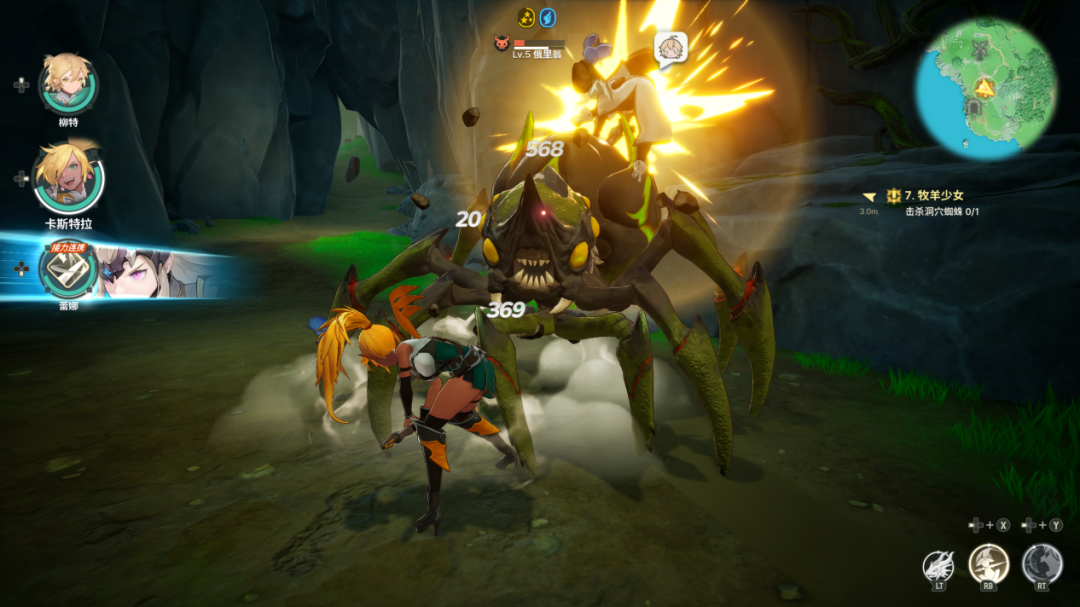
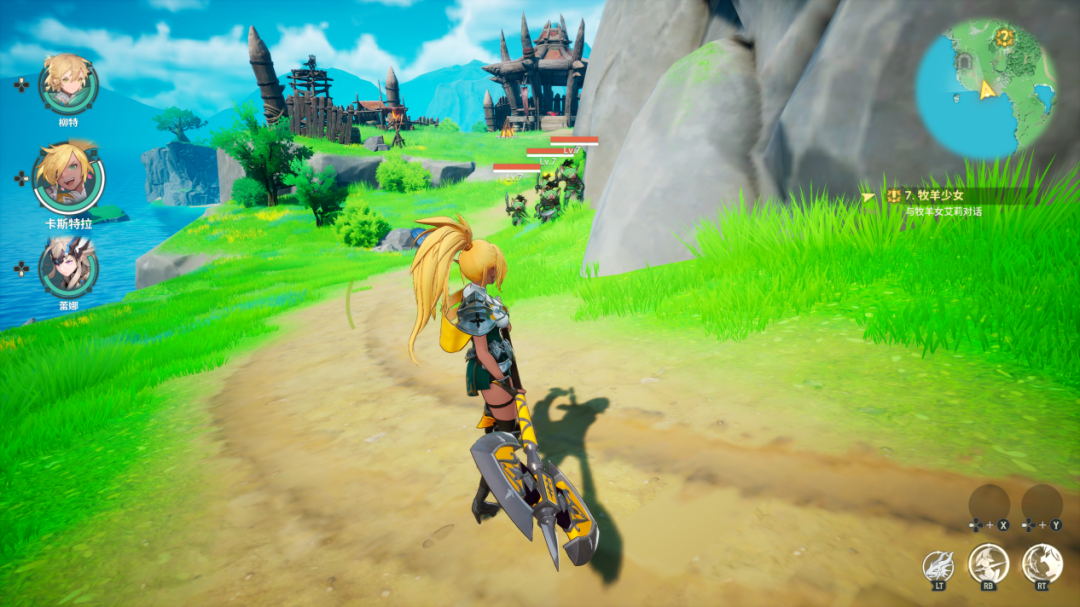
Overall, combat in *Dragon Sword: Awakening* is primarily squad-based; players can assign three characters to a squad and switch between them at any time. When a new character enters the fray, they perform a single attack, ensuring the continuity of combos.
In addition to basic attacks, each character triggers a brand-new animation sequence when attacking after jumping or dodging, which can be used freely during combos.
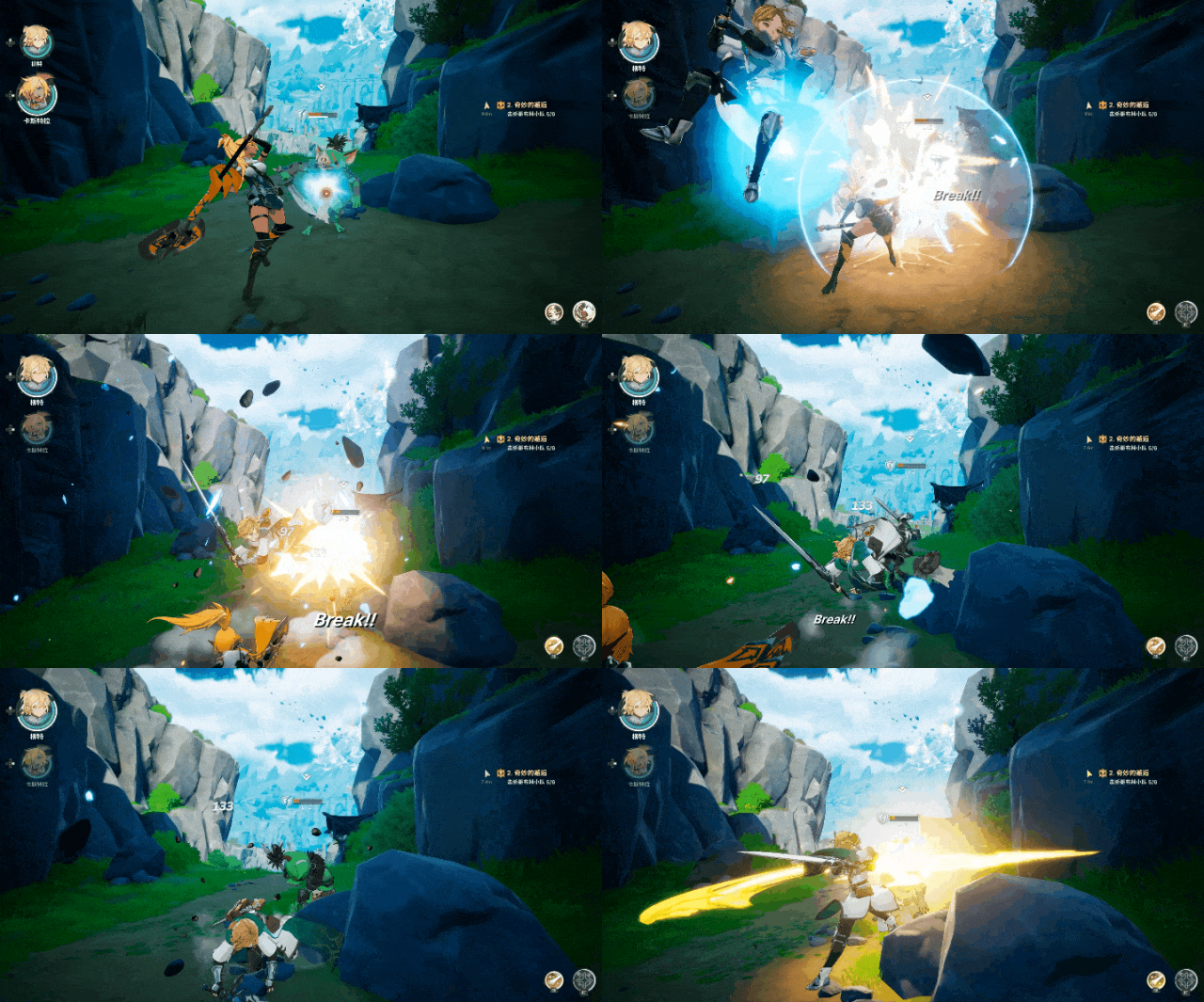
At first glance, *Dragon Sword: Awakening* doesn’t seem much different from traditional 2D games. I used to think so too, but as I played further, I realized that a lot of effort had indeed gone into the game’s pacing and controls.
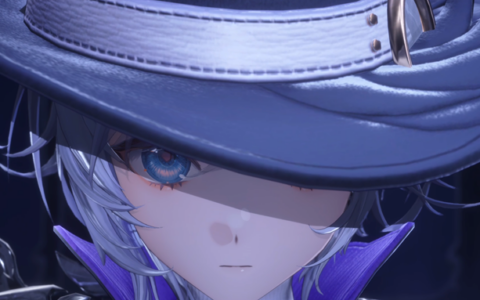
On the one hand, each character has their own unique status effect skill that deals special damage. For example, the protagonist’s skill applies a suppression effect, the dark-skinned older sister applies a stun, and the girl with the magical eyes applies a burn effect. When facing different enemies, these status effects play a strategic role in defeating them.
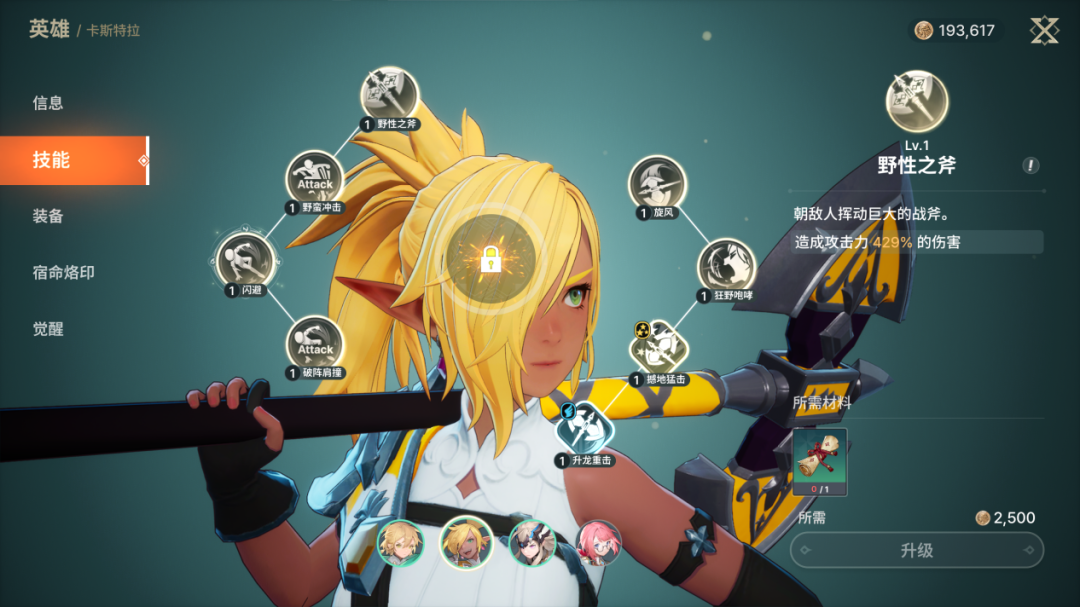
On the other hand, in addition to their two active skills, each character also has two follow-up skills. However, unlike active skills—which can be cast as soon as their cooldown ends—follow-up skills can be cast immediately once an enemy is in a specific special state.This means that not only can players actively choose which character to field, but when enemies are in specific special states, players can also use follow-up skills to switch to a specific character at any time, further increasing damage output.
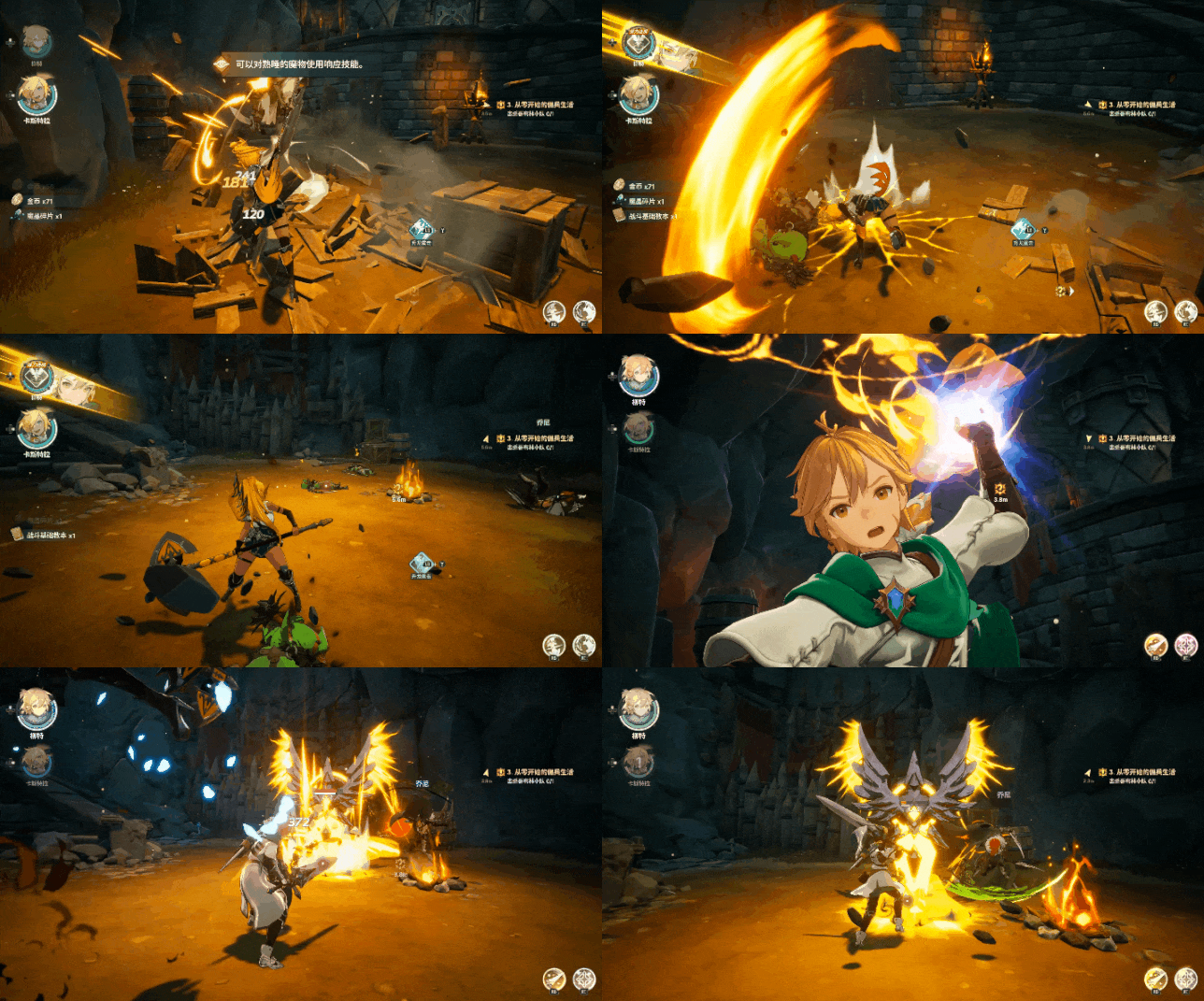
Even for the same character, the combinations between skills are much more varied—you won’t be stuck just auto-attacking while waiting for cooldowns to finish. And when the status effects of three characters interact with one another, you can pull off some truly spectacular combos in a short amount of time.

To be honest, as a player who doesn’t play many second-hand games, I didn’t really understand at first why an online “single-player” game like this would be so wildly popular among Steam players. But when I thought about it carefully, it actually makes perfect sense.
Priced at 98 yuan, it’s only slightly more expensive than indie games and far less expensive than most 2A titles on the market. Compared to indie games, however, *Dragon Sword: Awakening* offers a certain level of quality and reliability in both gameplay and graphics.Furthermore, after years of development, the Steam user base has long since expanded beyond being a gathering place for hardcore single-player gamers. As the platform’s appeal has broadened, the identities and demographics of its users have become increasingly diverse. Given that the platform has seen peak concurrent player counts of over 40 million, it’s actually not too difficult to find a group of players on Steam who are open to the framework of online games.
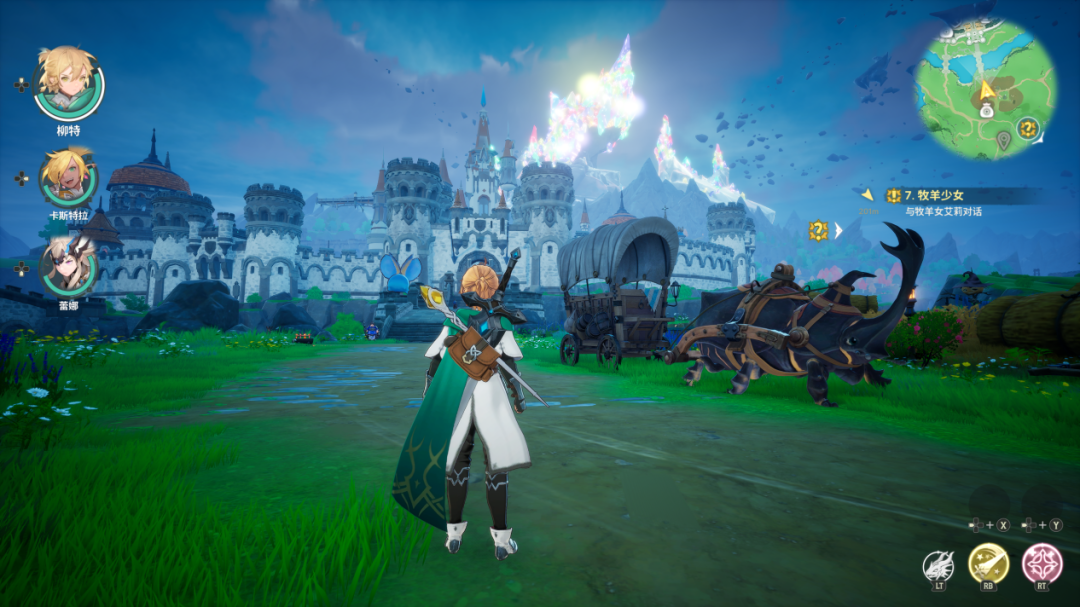
In my view, the huge success of *Dragon Sword: Awakening* has pointed many online game developers in a new direction. At a time when online games are shutting down and player rights are not being protected, switching to a single-player, one-time purchase model at least gives core fans something to look forward to.
Countless examples also illustrate a simple truth: truly good products will ultimately gain the support of players.
However, *Dragon Sword: Awakening* still faces legal risks. On April 21 of this year, Webzen filed a petition with the court seeking to prohibit Hound13 from independently publishing the game, which means that *Dragon Sword: Awakening* was launched without explicit court approval.
According to reports, Hound13 is also developing a dark fantasy AAA action RPG codenamed "Project M," built using Unreal Engine 4. This could be their next move—provided, of course, that they manage to survive their current predicament.
原创文章,作者:游茶妹儿,禁止转载:https://youxichaguan.com/en/archives/208451