If you were to ask which game genre has seen the most project approvals, the widest adoption, and the highest proportion of hit titles over the past two years, I’m sure everyone already has an answer in mind.
That's right, that's "search, strike, retreat."
In 2025, Souda Che experienced a major boom. The commercial success of titles such as *Operation Delta* and *Escape from Yakov* propelled Souda Che to unparalleled prominence, and the phrase “Just ask Souda Che” became a widely popular meme in the industry last year.

So, what exactly is the appeal of this genre defined by *Escape from Tarkov*?
If we consider the three components—search, battle, and withdrawal—search provides the thrill of acquiring resources and a random experience akin to drawing cards; battle offers interaction and real-time feedback; and withdrawal represents a sense of certainty regarding monetization and rewards, thereby ensuring the significance of both search and battle.
You’ll find that the “search-strike-retreat” cycle directly taps into the “gather-hunt-run” instincts embedded in our primal human nature,At the same time, its strong risk-management characteristics—the constant tug-of-war between our innate aversion to loss and the allure of leveraged returns where a small investment can yield a large payoff—make the “Search-Strike-Retreat” framework inherently stimulating on both a sensory and emotional level.
With the right gameplay adjustments, it was almost impossible for "Search, Attack, Retreat" not to take off at that point.
However, you may have noticed that even though quite a few “search-play-withdraw” products have been launched over the past year, there has been a “search-play-withdraw” vacuum in the anime and manga genre.
The reason is actually not hard to understand, because previously, it was widely believed within the industry that "search-type" games ran counter to the preferences of anime and manga fans.
The gameplay experience that 2D game players are more familiar with is character-driven, focusing on narrative, cinematic presentation, and clear numerical progression, whereas the “search-and-fight” genre—with its emphasis on high-pressure decision-making, fragility, and a sense of insecurity—is quite different in tone from what 2D game players expect.
To put it bluntly, "Search, Attack, Retreat" is too gameplay-heavy, while casual gamers are more interested in content.
However, following the outstanding commercial success of Version 3.1, *Zero Zone* launched a new search-and-fight-and-retreat mode last week on August 5—"Labyrinth of the Mysterious: The Bagel Plan" (hereinafter referred to as "The Bagel Plan").Unlike the previous lightweight search-and-fight-and-retreat modes featuring Bumb as the protagonist, this is less a traditional “version event” for the game and more of a permanent gameplay feature on par with “Geomancy,” “Crisis,” and the roguelike weekly dungeon “Zero Void.”
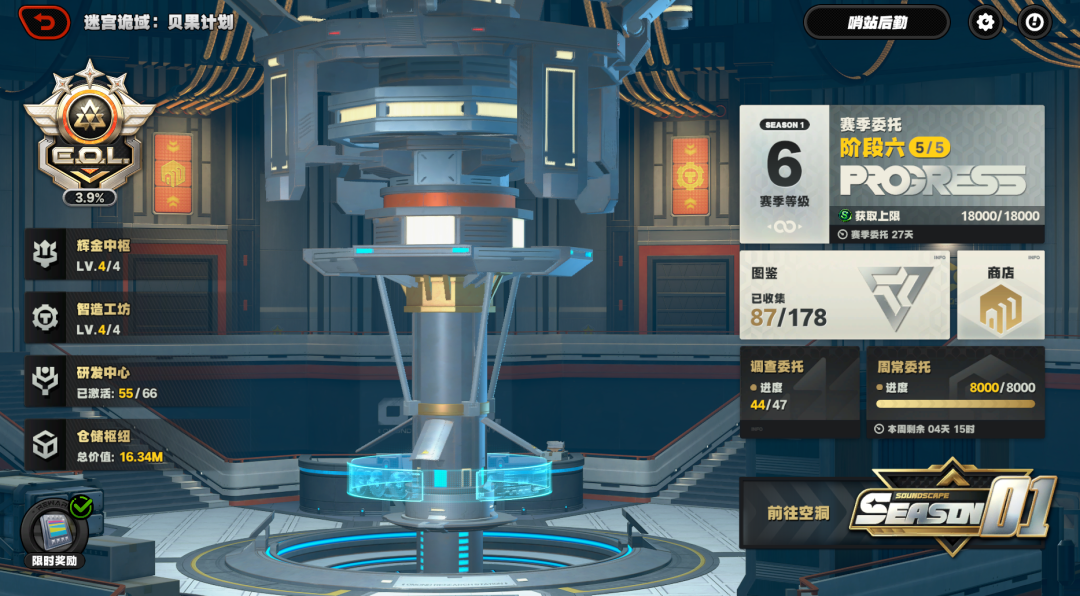
Furthermore, the season-based system, mid-lane matches that often last half an hour, relatively complex and lengthy progression paths, a brand-new combat design, and high-pressure, high-risk gameplay during matches all pushed “Project Bagel” beyond the safety threshold for second-tier game content. As a result, when it first launched, it sparked some controversy within the community, with criticisms such as “weak protection” and “too soft.”
However, as of today, with most players having unlocked the high difficulty mode and the "Bagel Project" now fully open, the game has seen a slight turnaround in its reception,


Perhaps because *Zero Zone* isn’t a “traditional” anime-style game to begin with—it has always had distinct high-speed action game elements—the players who have stuck with it to this day are more open to its gameplay than they would be with typical anime-style titles.
After playing intensively for just under a week, my conclusion is that while the “Bagel Project” isn’t without its flaws, it has indeed established a gameplay framework that captures the essence of “search, attack, and retreat.” What’s even more impressive is that its integration with *Zone Zero* itself points to a bright future.
The key point is that the “Bagel Project” addresses the issue of a “reason to play” that was previously lacking in *Zone Zero*. The high replayability offered by the “search, attack, and retreat” model finally provides a permanent stage to showcase *Zone Zero*’s high-quality art, character models, and action-adventure design.
The end result is a series of elements that have virtually no parallels in previous mobile games—I’d rather call it “Absolute Game-Changer.”
01
“Fight to the End” Is Different
Before we officially break down the “Search-Fight-Retreat” strategy, I’d like to clarify one premise: the core of “Search-Fight-Retreat” lies in maintaining a well-balanced pressure curve. If the pressure is too low—resulting in monotonous searching, easy fighting, and haphazard retreats—the gameplay becomes extremely tedious;Conversely, if the pressure is too high—resulting in a frantic, haphazard search followed by being taken down in just a couple of hits—players will only feel frustrated, and the emotional cycle will fail to take hold.
Over the past few years, the traditional "Search-Fight-Retreat" gameplay has established a mature design paradigm. In combat, it centers on a short TTK, with PvP threats providing constant environmental pressure;Economically, resources acquired during a match are carried out via retreat and converted into gear between matches, with virtually no in-game progression; in terms of penalties, a single death in a match results in a total loss, amplifying emotional intensity.
Based on this, “Absolute Strike Retreat”—a game that combines anime, action, and PVE elements—actually faces four challenges: 1. What kind of “E” should replace PVP as a source of tension?2. How to reestablish a sense of vulnerability for players within an anime-style framework featuring powerful characters and combat designed for a thrilling experience (in shooter games, player characters are essentially mobile corpses, whereas in character-centric anime games, the characters themselves lack a sense of vulnerability);3. How to ensure the coexistence of the anime-style progression system and the in-game economy; 4. To what extent should the penalty mechanisms be implemented.
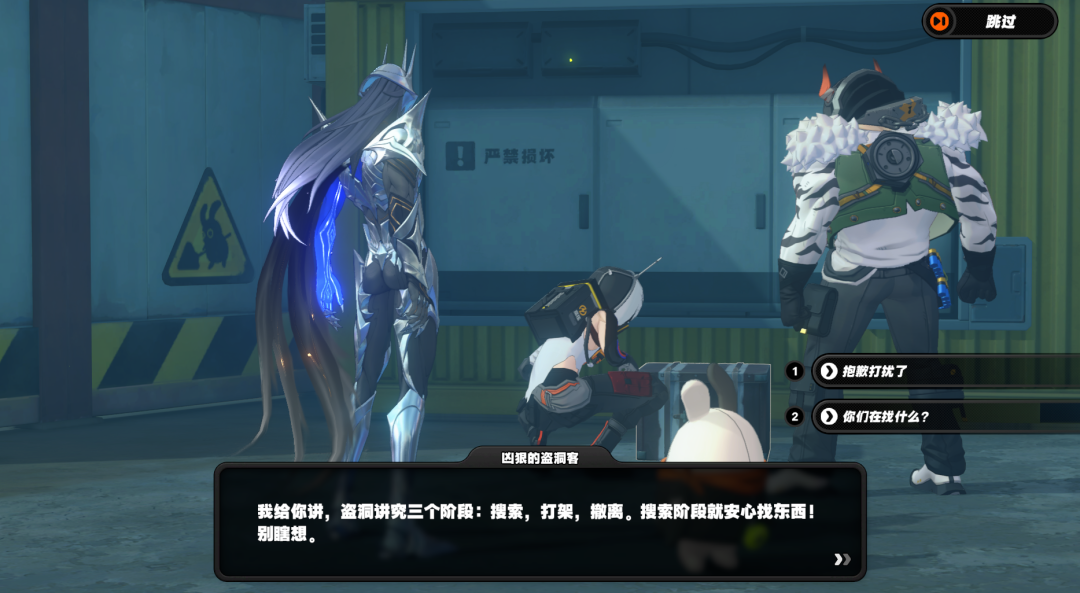
Now that we’ve identified these challenges, let’s take a look at exactly how “Absolute Withdrawal” works.
Let's start with the most fundamental source of stress.
"Jue Da Che" features a design with three scales on this level, each nested within the other.
The two primary factors are the toxic noise field and the erosion value. The former can be understood as the "toxic zone," while the latter accumulates over time and as the battle progresses; once it reaches a threshold, it reduces the character's maximum health. Together, these two factors form an irreversible, overarching pressure curve.
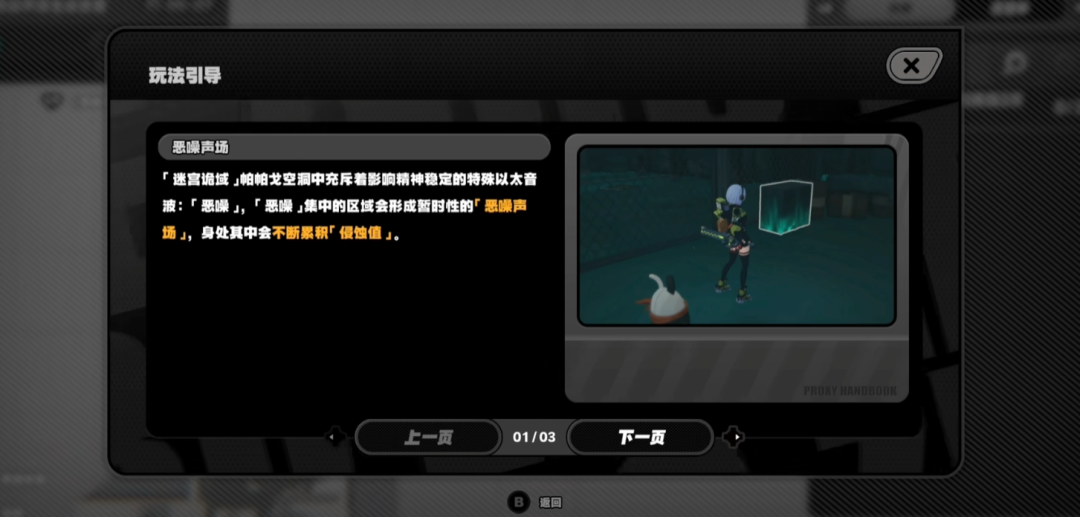
The longer you stay on the map and the more mistakes you make in combat, the less room you have for error when it comes to searching and dealing with unexpected situations.
The mid-tier boss is the special enemy, the Hound·Ulidim. This massive dog is a classic “chasing boss,” similar to the Tyrant from *Resident Evil 4*. It cannot be defeated by conventional means, deals extremely high damage, and rapidly accumulates Corrosion points. Its appearance frequency is directly tied to the value of the loot you’ve collected—the more you find, the more often it appears.
The “Shoot, Search, Attack, Retreat” mechanic is designed to use the Big Dog to make the connection between the relatively hidden value of loot and the associated risks in the “shoot, search, attack, retreat” sequence more explicit.This is a clever PVE-oriented approach, as PVE inherently reduces in-game risks significantly and makes memorizing maps possible. However, no matter how skilled a player is or how familiar they are with the routes, the threat of an unavoidable “Big Dog” instantly heightens the excitement of the entire gameplay experience.
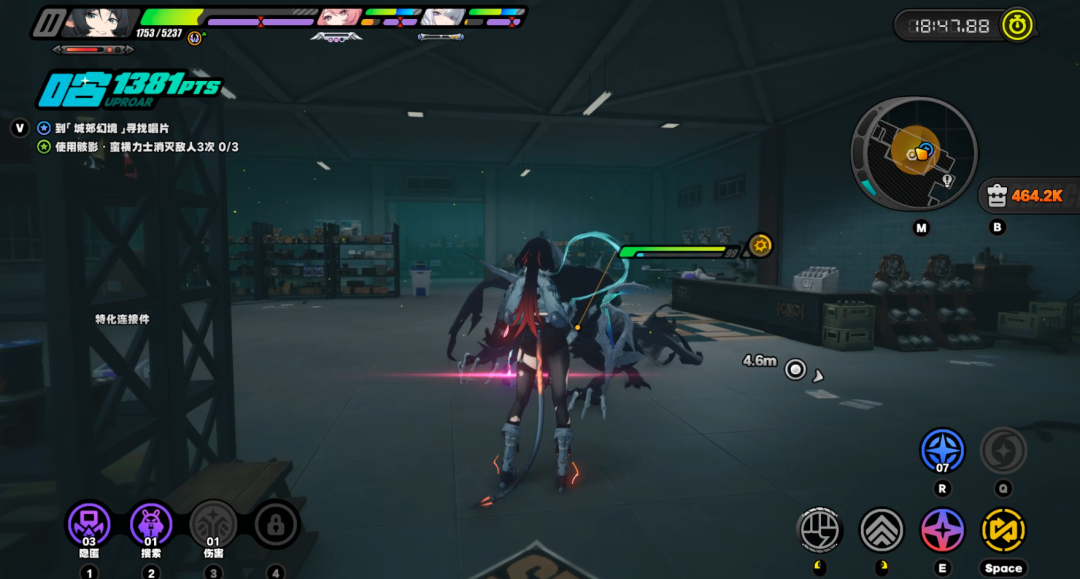
However, the development team didn't leave players with no choice but to passively endure attacks from the big dog.
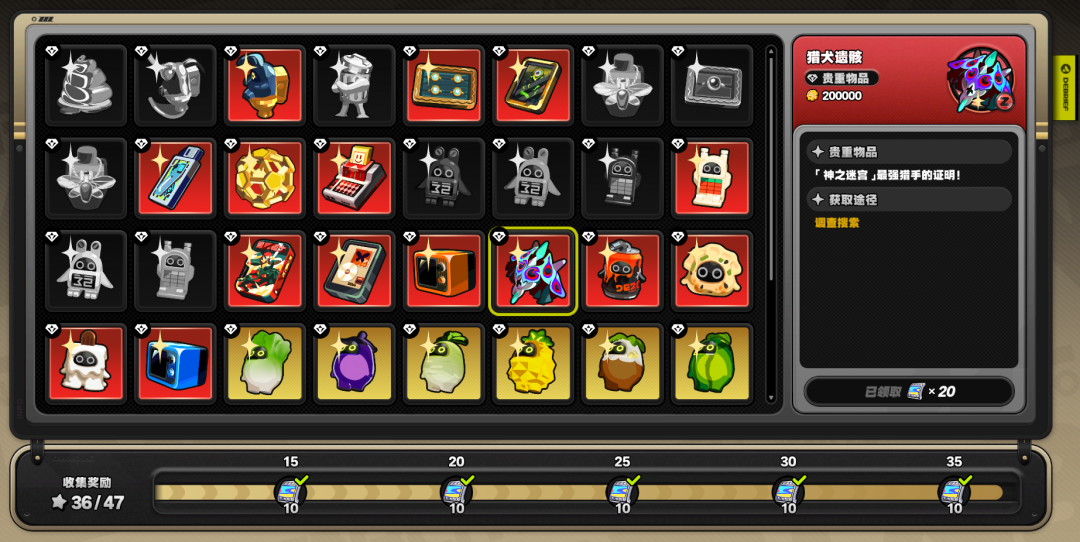
Large dogs can also be killed.
"Absolute Strike: Retreat" introduces a brand-new Skeleton Shadow system. Centered on the concept of "transforming into a skeleton," this system is part of the equipment system. As carryable tactical items, players can equip a certain number of them per match, with each type of Skeleton Shadow offering different functions, such as stealth, shield-breaking, and pulling enemies.
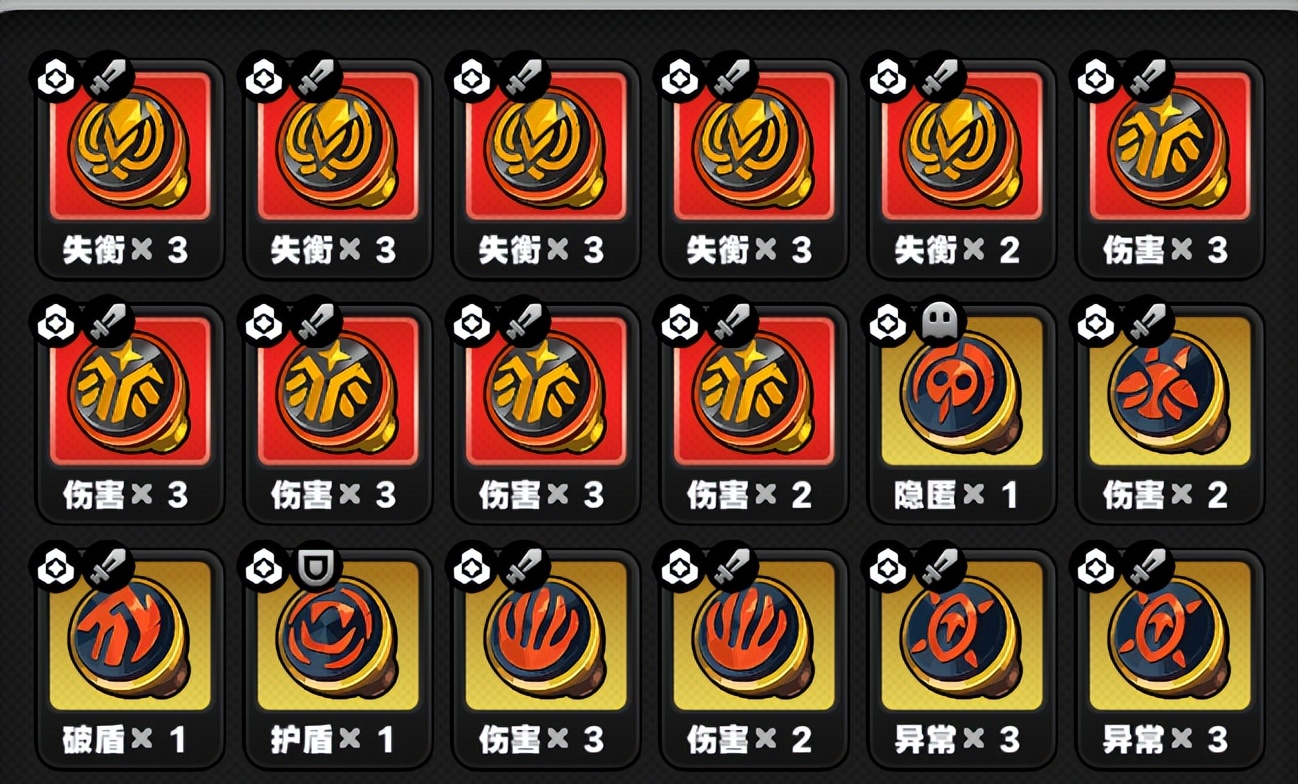
This additional ability is, in fact, a safety mechanism built into the "All-Out Attack and Retreat" strategy; its functionality can significantly reduce the difficulty of the "All-Out Attack and Retreat" strategy.
Take the Thracian Skeleton as an example: its shield-breaking ability can quickly shatter the Malicious Roar Shield when facing the Big Dog, knocking it back—essentially serving as a way to “skip class.”

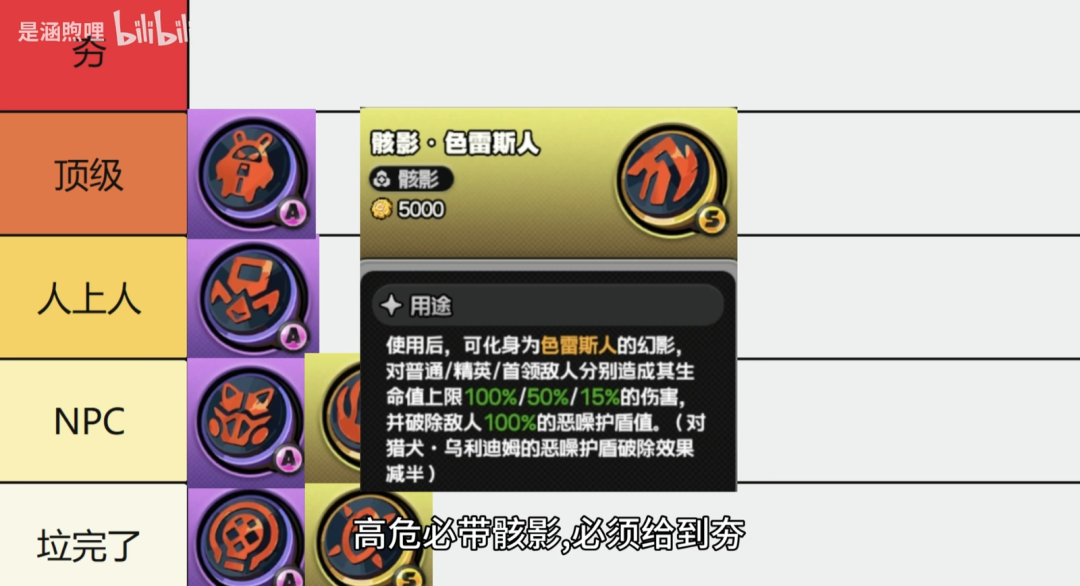
Image source: Bilibili @Shihanxuli
The smallest unit of stress is the “attack, dodge, retreat” search action itself. In the “Bagel Plan,” opening chests requires a loading bar, and high-level chests also require passing a QTE. During the loading bar, the character is exposed and unable to fight—this is a fairly standard design.
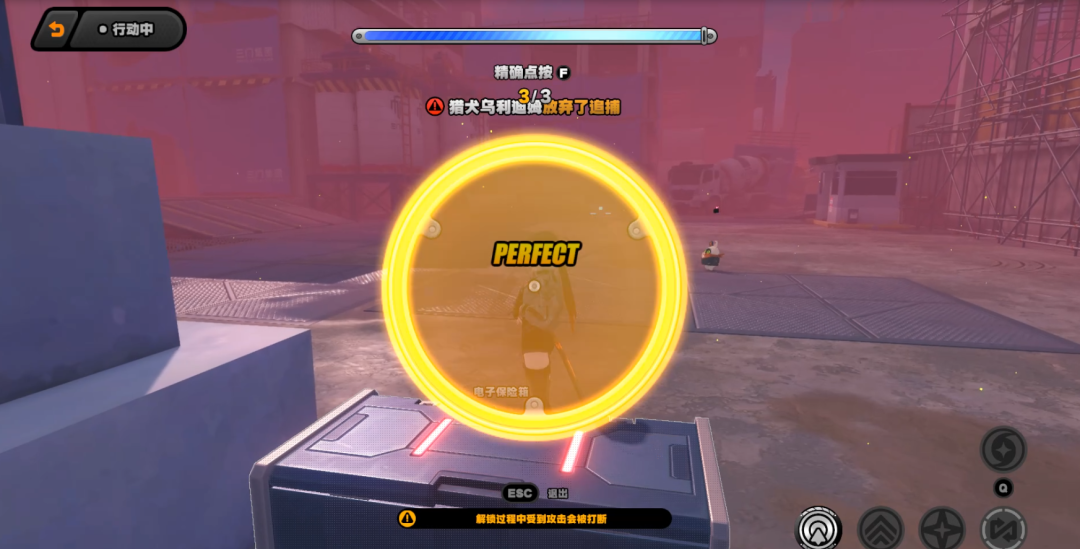
When combined with certain Skeleton Shadows—such as those that remove monster aggro, hide players, or the “Golden Bumb” Skeleton Shadow that cancels QTEs for opening chests and item search loading bars—you can pull off the “run-and-stab” tactic in the “Strike-and-Retreat” strategy, allowing even the “Rat-Style” playstyle in traditional “Search-Strike-Retreat” gameplay to be a blast.

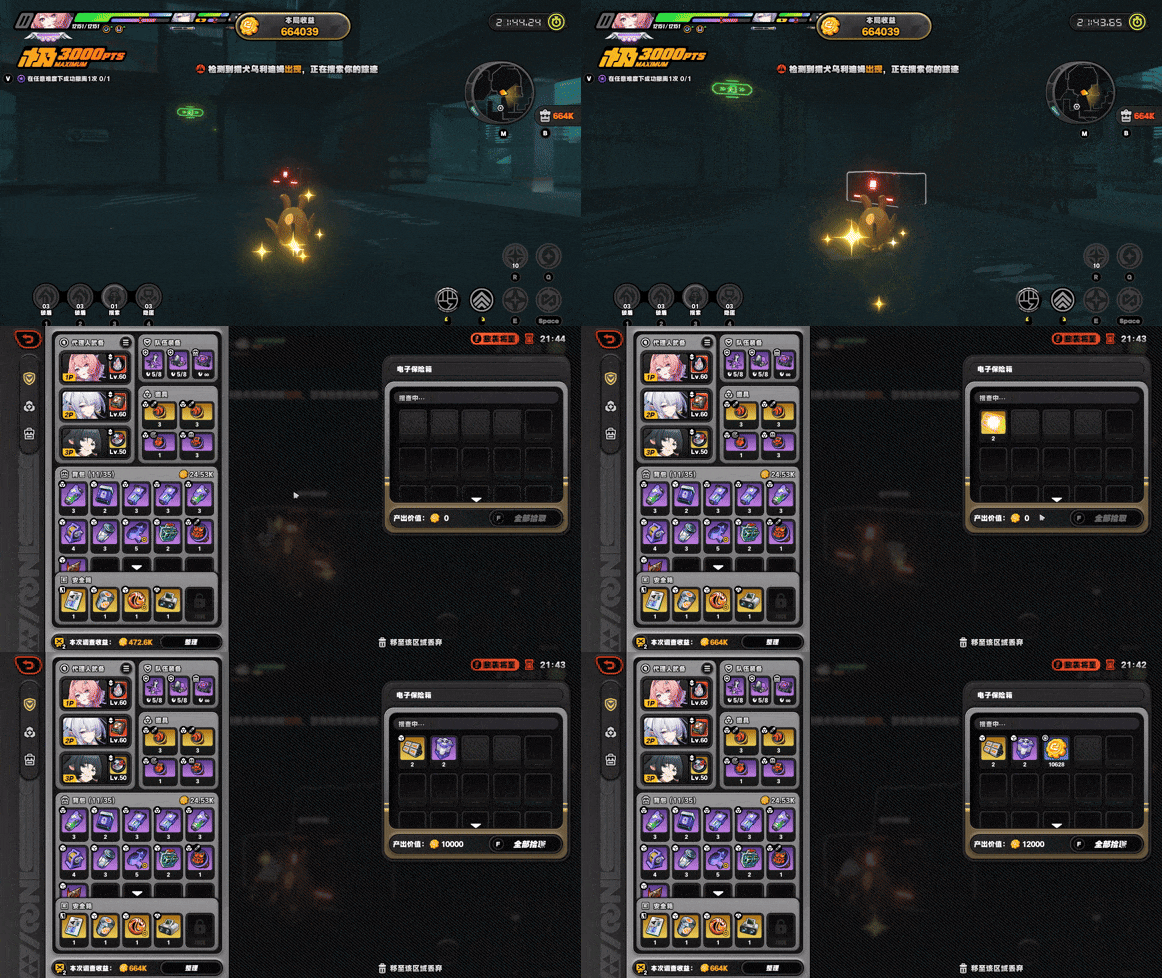
Therefore, essentially, the depth of a player’s understanding of the Skeleton Shadow system directly determines the efficiency of in-game pressure management and the difficulty of completing the level. This closed-loop system of applying and relieving pressure is the most distinctive design feature that sets “Attack-Search-Retreat” apart from traditional “Search-Attack-Retreat” gameplay in terms of player experience.
As for the second and third questions, they are actually two sides of the same coin in the “Fight, Hold, or Withdraw” strategy.
For example, restoring the sense of vulnerability,in addition to the reduced maximum HP caused by stressors and the increased monster stats and aggression that come with higher difficulty levels, “Absolute Strike & Retreat” also cuts off the inheritance of stats from the main character’s “Outside” form. Aside from the attributes of the Shadow Projector and Sound Engine, the “Outside” Drive Disk—including the Sound Engine—as well as the character’s main form and skill levels are not active in this game mode.
A character's combat stats are primarily determined by the weapons and armor collected and crafted during the game; there is a significant difference in stats between characters with and without these items.
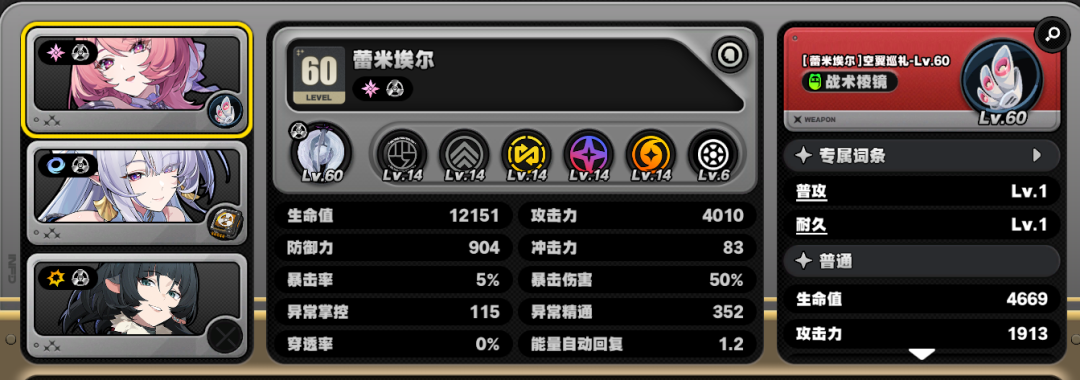
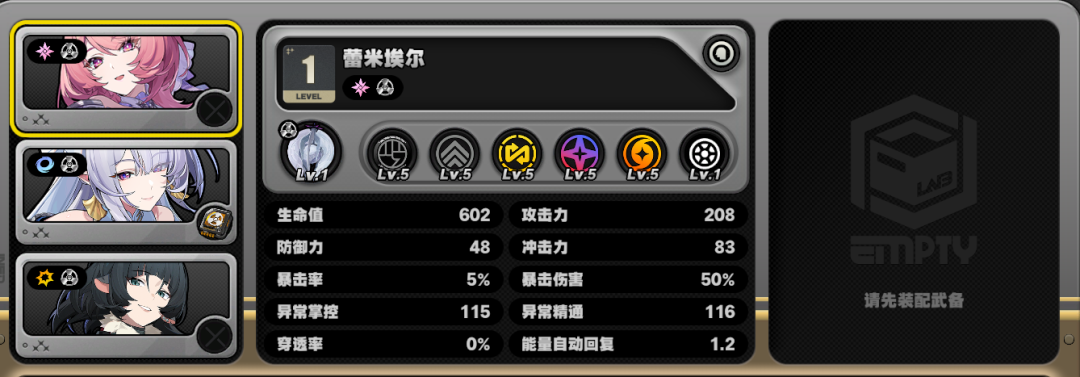
This is because the core experiences required for "search, attack, and retreat"—such as the sense of urgency created by short TTK, the flow experienced during searches, and the tension when a character is in a vulnerable state—do not naturally exist within *Zero Zone*’s original combat framework.
Therefore, the process of rebuilding the combat system has become a prerequisite for recreating these experiences. Players enter the game without the numerical advantages of their base characters, starting from a relatively weak position. Through the accumulation of “search, fight, and retreat,” they develop their characters from the outside, gradually growing stronger as they gain experience—and it is only through this process that “search, fight, and retreat” can truly take hold.

This seemingly “disjointed” design is actually *Zero Zone*’s answer to the question of “how can character progression and the in-game economy system of searching, fighting, and retreating coexist?”Imagine if a character’s main game progression data were directly carried over into the in-game session: a fully leveled High Shadow character would dominate the moment they entered the battlefield, rendering the in-game economy system for searching, fighting, and retreating completely unnecessary. In that case, what would be the point of searching and retreating?
Therefore, this approach—which retains the core action game mechanics of dodging, parrying, combos, and character-switching transitions, while maintaining the carryover of stats and restructuring the in-game economy through the equipment system—is already a reasonably sound choice for a 2D action game that blends action, search, and escape elements.
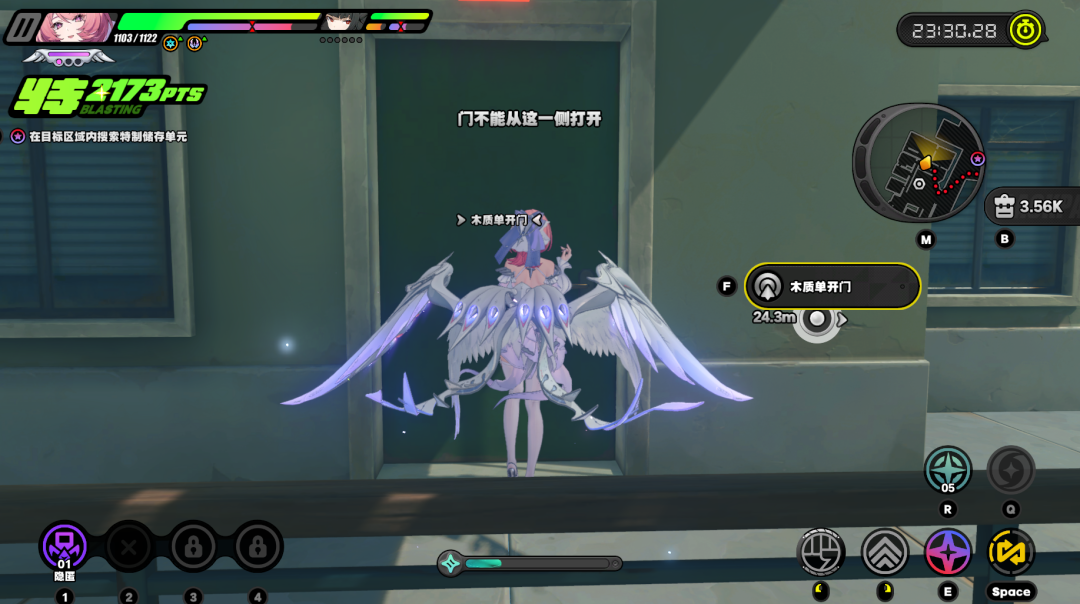
In terms of combat rhythm, “Strike, Block, Retreat” also introduces the “Alter Form” system. This additional ability, based on Peloise, grants players three distinct effects—parry, powerful slash, and dash—and is tied to equipping the “Alter Form Blade.”The additional abilities provided by these three blades offer a fresh and exciting twist to “Absolute Strike and Retreat” combat, setting it apart from the base game.
For example, when the "Noise Shield" on an elite monster is activated, it provides significant damage reduction. At this point, when the monster unleashes a special blue-and-purple attack, players can switch to Pelois to block or parry the attack, significantly depleting the shield’s health.Once the shield is depleted, Pelois’s QTE slash is triggered, dealing a considerable amount of burst damage.
Furthermore, when monsters are not on high alert, Peloise can enter the fog of war, lock onto a target, and perform a stealthy critical strike, providing players with a “stealth-assassination” approach to non-confrontational combat or a way to engage enemies.
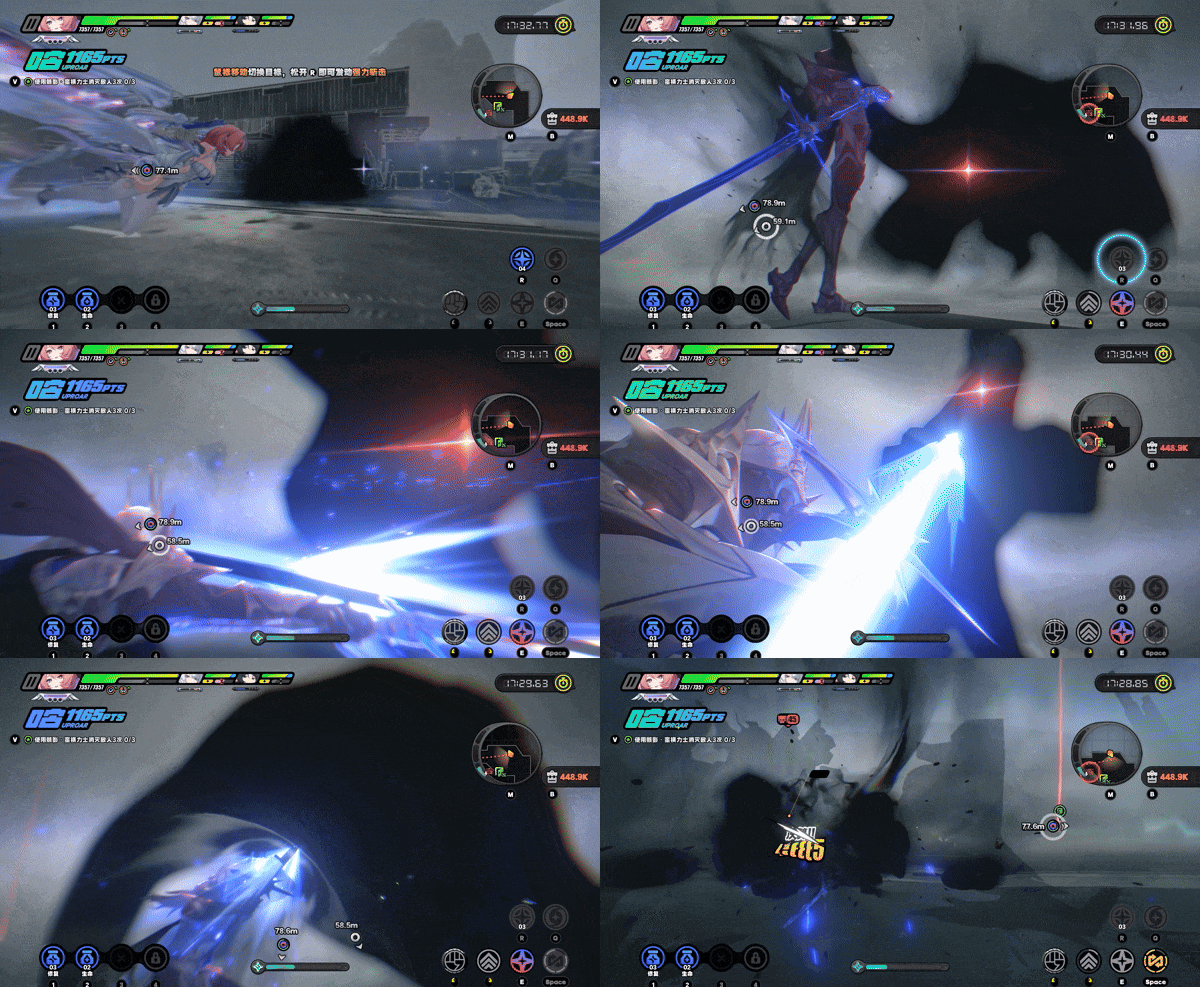
The mechanics of the "Alien Abilities" and "Skeletal Shadows" demonstrate that the Bagel Project did not simply port the action combat from "Absolute Zero" into "Search, Fight, Retreat" as-is, but rather integrated and adapted it to the "Outsider" character development system.
You can still enjoy the signature action-packed gameplay of *Zero Zone*, but when facing high-pressure combat scenarios and elite monsters—especially the Big Dog—the equipment itself, including the Alien Blade andSkeleton Shadows—are themselves means to an end. The solution to “retreat” is no longer purely about timing your zone entry or numerical boosts; it requires strategic decision-making. Which Skeleton Shadows to equip, which skills to use, and how many remain are all factors that must be considered.
This shift in pacing moves combat in "all-out retreat" scenarios away from the traditional "number-crunching" model found in 2D games, transforming it into a comprehensive decision-making process that involves equipment selection, Skeleton Shadow combinations, and tactical judgment.
As for the last part—that is, the question of how far the punishment mechanism should go—
The core gameplay mechanic is a layered design. In non-high-risk difficulty modes, each round features a "remnant soul" system similar to that found in Souls-like games. If all player characters die, Bumb will preserve most of your resources, allowing you to retrieve your items near the point of death when you restart.
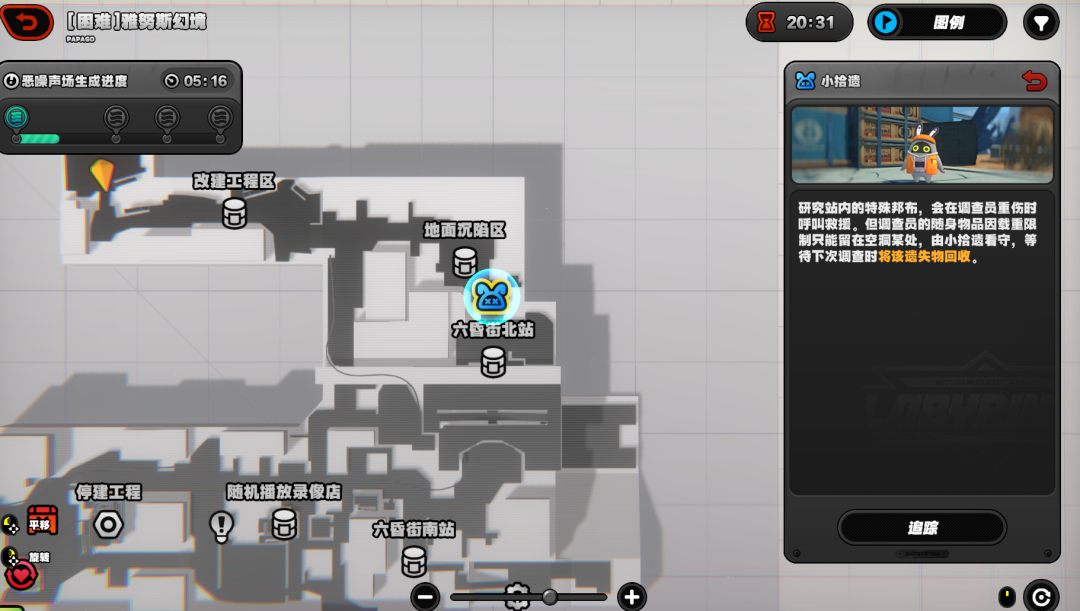
For anime and manga fans, this is practically a necessary compromise; otherwise, the frustration of losing everything in a single play would be enough to drive away a large number of players. However, the cost of this safety net is that the emotional peak of withdrawal is dampened—players know the worst-case scenario isn’t that bad, so the pressure to make decisions naturally lessens as well.
Similarly, traditional “search, fight, and retreat” maps generally feature a scattered layout consisting of large open areas dotted with multiple points of interest; maps like Customs in Tarkov and the various maps in Delta all follow this logic. The advantage is a high degree of freedom, but the trade-off is the cost of getting lost and a lack of sense of direction during the learning curve.
Instead of the large open areas commonly found in traditional search-and-destroy maps, "Absolute Search and Destroy" employs a theoretical ring-shaped map structure, with resources arranged in a circular pattern around the players' spawn point; the map's connectivity allows players to circle back to the starting point from the opposite direction.
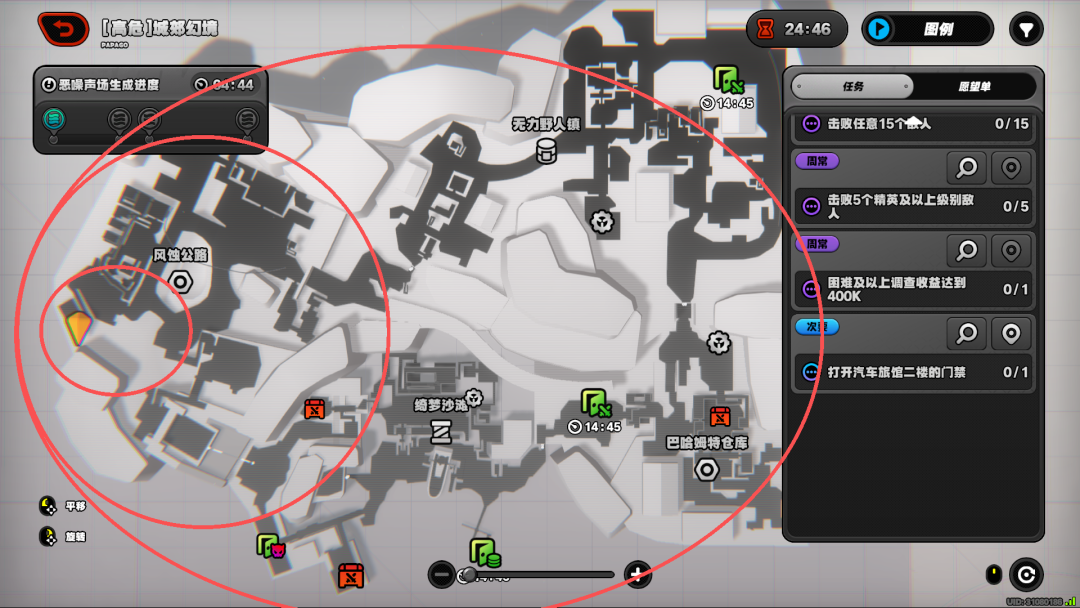
That's so "bagel"
While this approach sacrifices some of the uncertainty inherent in exploration, it offers a lower cognitive barrier and a clearer decision-making framework in return.
Both represent a typical trade-off in the category-mapping process.
However, under the "High-Risk, High-Reward" mode, a failed evacuation still results in a total loss, so players seeking a challenge can still push their skills to the limit.
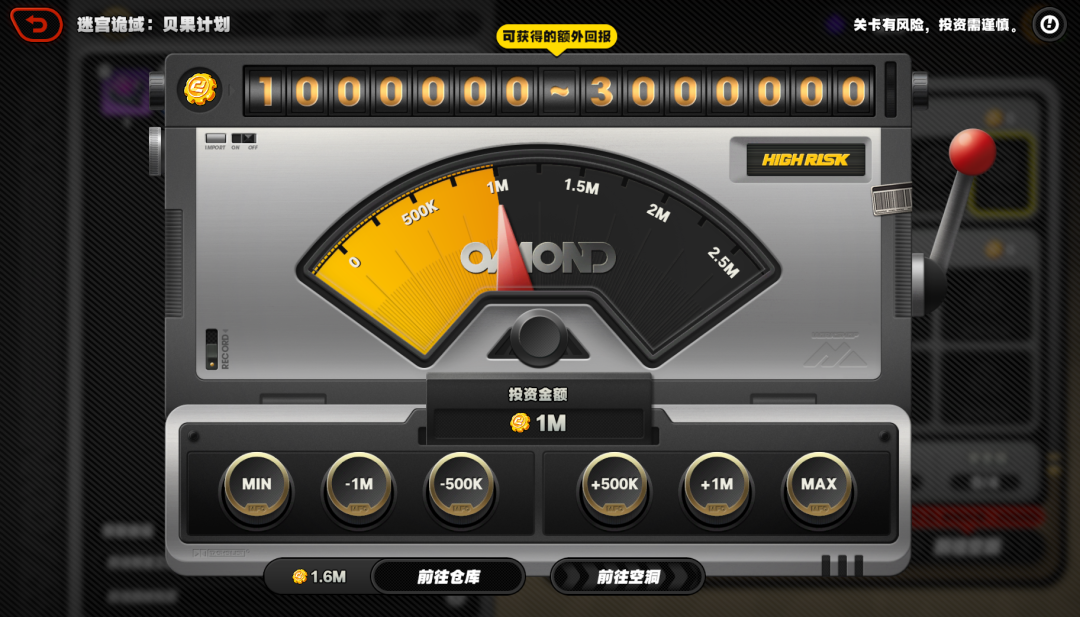
Judging by the results, the position that Jue Da Che has found in this trade-off is acceptable.
Overall, the Bagel Project—as a Version 1.0 experiment in the “search, attack, and retreat” mechanic—features a complete framework and is largely integrated with the core ACT system of “Absolute Zone Zero.” In particular, it demonstrates a clear direction in terms of stress management and system design philosophy.
Of course, there’s definitely plenty of room for improvement in the current experience—for example, the feel of movement, getting stuck on steps due to the lack of a jump mechanic, the smoothness of inventory management, and mobile UI interactions—all of which are areas we can look forward to seeing optimized in the future.
02
A Visible Path
As I mentioned earlier, *Zero Zone* is a game with a clear evolutionary trajectory, and there is a traceable connection between each of its gameplay experiments.
In fact, if you play through the entire game, you’ll find that “Fight, Escape, and Retreat” isn’t a concept that appeared out of thin air in Version 3.1; many of its design elements can be traced back to earlier versions. For example, the “Noise” system is a variation of the “Filth Breath” system, and the overworld is an evolution of the previously hollow, boxed-in environments.
The previous “Soda Che” event in the Kingdom of Bangbu essentially served as an early validation of the “Bagel Project”; the *Absolute Zero* development team has consistently used relatively lightweight content to test players’ acceptance of different gameplay mechanics and gauge their emotional responses.Therefore, it wasn’t until the “Bagel Project” that “Search, Fight, and Retreat” was truly introduced as a complete, permanent system—marking the first official attempt to bring it to the forefront with its own independent progression system and equipment cycle.
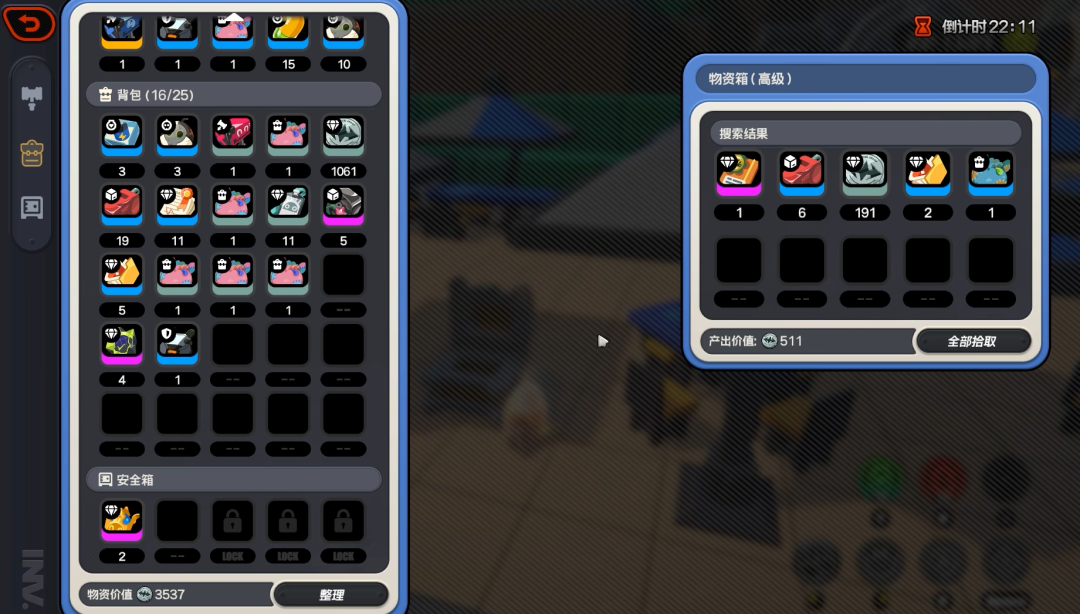
UI Design for the "Search and Clear" Feature in Bangbu
Even on a narrative level, after two years of hearing stories about the legendary rope-maker, players have only recently come to realize that the hollow concept and the “search-fight-retreat” logic are essentially the same as an agent entering a dangerous area, carrying out a mission, gathering resources, dealing with threats, and then withdrawing—aren’t they?


Questioning Vivian, Understanding Vivian, Becoming Vivian
Furthermore, the introduction of Pelois has also left room for the development of elements like alien techniques. You’ll find that *Zero Zone* doesn’t sacrifice narrative plausibility when introducing new gameplay systems, so players never feel like they’re being pulled out of the story. As the game evolves through updates, it continues to add credibility to the world of New Aelido.
All of this demonstrates that *Zero Zone* has consistently maintained a clear sense of direction in its exploration of gameplay and storytelling; each attempt serves to accumulate experience and data for the next. This incremental validation process is, in itself, a defining feature of *Zero Zone*.
However, Version 3.1 offers much more than just "Search, Attack, and Retreat." If we focus solely on "Search, Attack, and Retreat" when evaluating the entire update, we risk overlooking the fact that *Absolute Zero* has consistently delivered high-quality content in the areas where it excels.
3.1 I’m sure I don’t need to say much more about how Remiel is portrayed in the main storyline. Her design concept has already been discussed in detail in previous behind-the-scenes features, and you’ll get a clear sense of it in this behind-the-scenes interview. This team truly loves their characters.

When it comes to cooking skills, I think they’re the real “Zero Zone” non-cooks. However, what I’d like to briefly touch on is how *Zero Zone* portrays the relationship between Remiel and the protagonist—namely, their “accomplice relationship.”
What makes this relationship unique is that it is inherently exclusive; no third party can enter it besides the two of them. The way it stirs emotions is entirely different from that of redemption and companionship.Redemption evokes sympathy and a sense of accomplishment; companionship evokes a sense of security; whereas complicity evokes tension, a secret thrill, and an extremely intense sense of connection.
There is a consensus in literary creation that once a bond of complicity is successfully established, the reader’s emotional investment in the character far exceeds that of other types of emotional bonds. This is because “complicity” intertwines trust, secrets, and risk, making it more complex—and more enduring—than mere fondness or admiration.
This may be the deeper reason why Remi has taken the internet by storm.
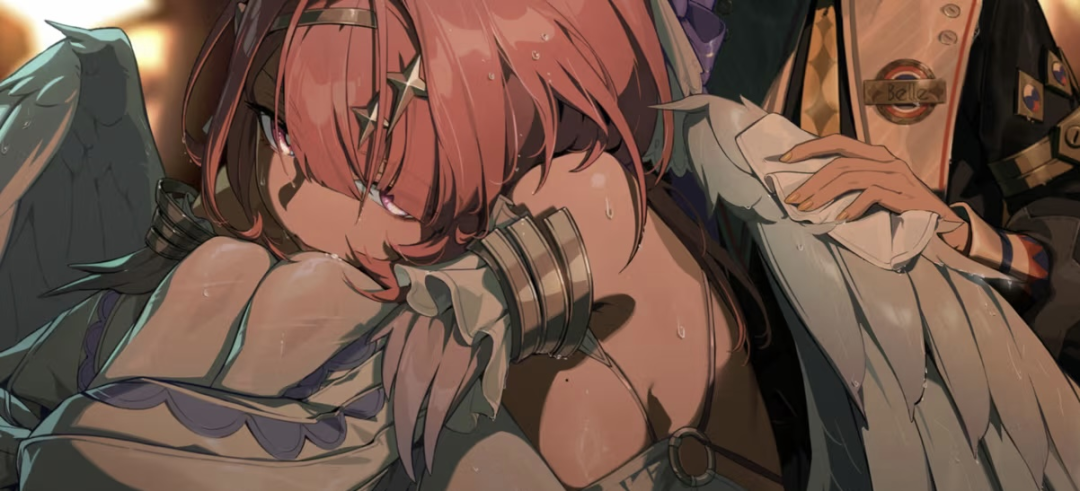
The evolution of the cinematic sequences is also worth mentioning. Remiel’s aerial combat QTE in Version 3.1 is one of the standout moments in this version’s action sequences. The camera work, action choreography, and impact feedback throughout the entire sequence are all of a very high standard, clearly demonstrating that the development team put a great deal of effort into enhancing the cinematic experience.
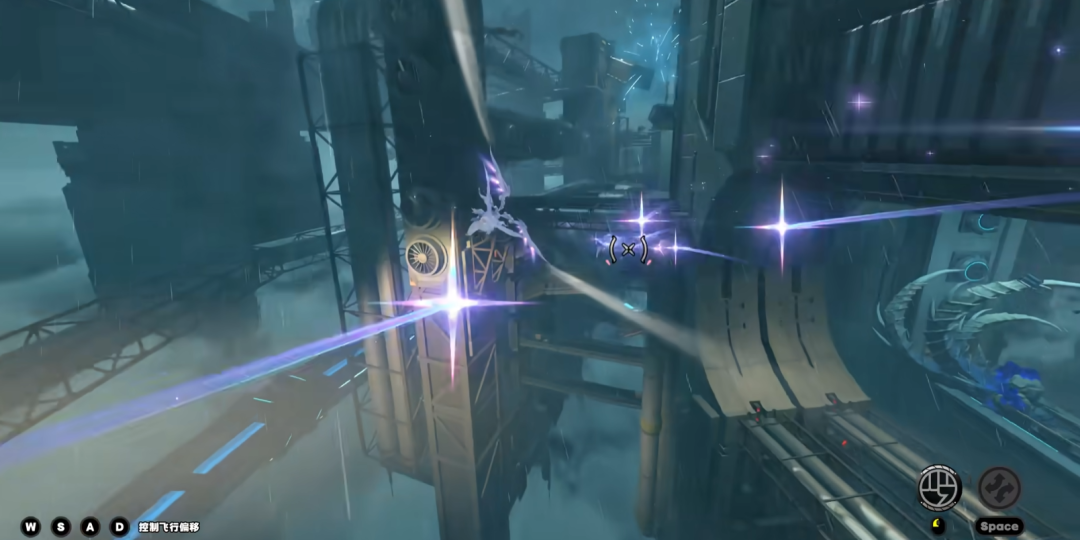
In Version 3.1, whether it’s the narrative density of the main story or Remiel’s combat sequences, it’s clear that while the development team devoted significant resources to “Extreme Combat,” the original content quality remains uncompromised.
In addition, *Zero Zone* is likely one of the mobile games currently featuring the highest “employment rate” for returning characters.
The decline in character value is a common phenomenon in mobile games. As new characters are introduced with increasingly powerful stats and mechanics, the utility of older characters is naturally diminished—a result of the genre’s inherent economic model. The standard industry approach to addressing this is to enhance stats or adapt new mechanics, which generally involves making adjustments within the existing system.
*Zero Zone* takes a slightly different approach to this issue. While it also incorporates elements such as the flexibility offered by the ACT system, *Zero Zone* uses its mechanical design to consciously explore opportunities for synergy between new and existing characters.
For example, Remiel’s ability to amplify anomaly effects and her need for rapid anomaly generation has breathed new life into veteran characters like Jian—who can deal critical hits with anomaly effects right from the start—and Bernice, who has a fast accumulation rate. Even early-game characters like Grace have returned to the forefront of players’ main lineups thanks to the synergy created by team compositions.
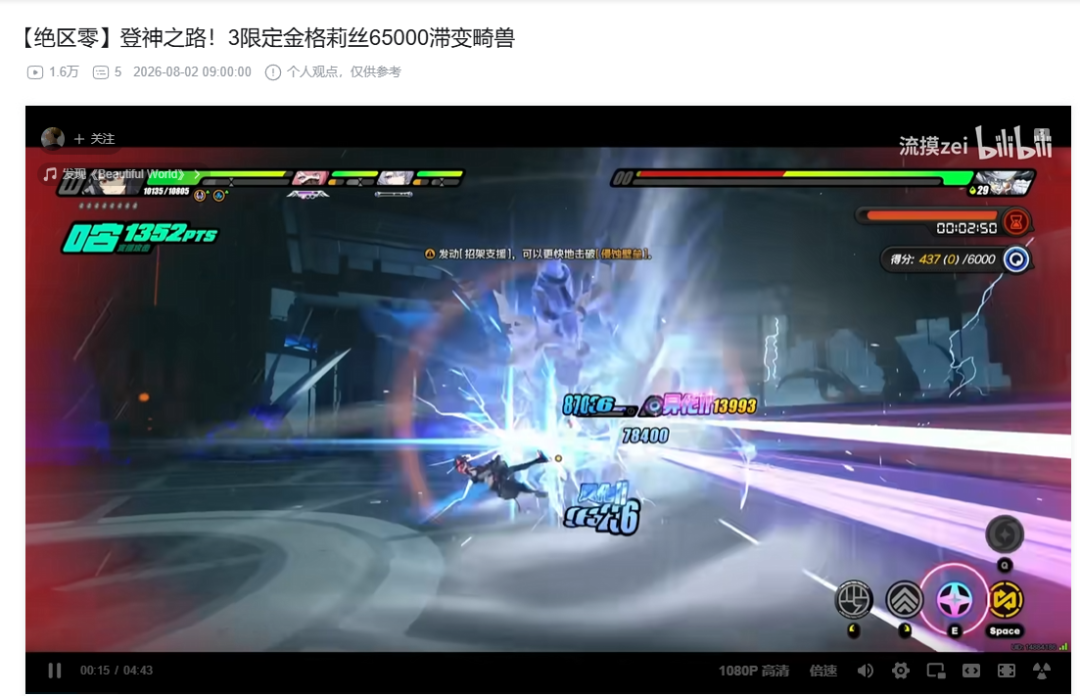
Currently, the introduction of new characters in *Zero Zone* has served as a catalyst for revitalizing older characters. As a result of this design approach, despite two years of operation and a continuously expanding character roster, the early characters have not been retired en masse; instead, the number of active characters in the roster has continued to grow as new versions are released.
In a sense, “Fight to the End” is also a product of this line of thinking.
As a major permanent game mode, the increased survival pressure under high-risk conditions has created opportunities for defensive classes to shine, while exclusive gear and the unique mechanics that interact with the "Shadow of Bones" have also opened up new playstyles for different characters.
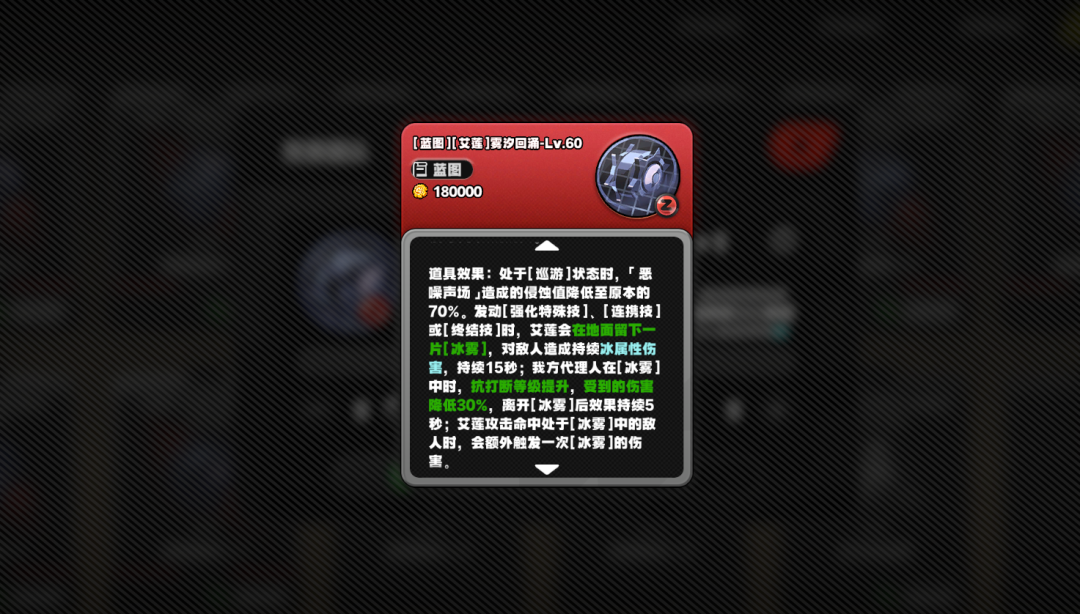
For example, Elaine's equipment effect reduces the Corrosion value by 70%.
Following this approach, there will be even more opportunities to develop the characters further—such as faction bonds, as many players have mentioned, and “Search, Attack, Retreat” mechanics tailored to each character’s backstory, among other things.This is the depth that gameplay brings; the “Search, Fight, Retreat” framework offers truly vast scope for creativity. From this perspective, the integration of “Search, Fight, Retreat” with 2D games can indeed unlock even deeper potential for characters—which is a positive development from both a commercial and a player’s perspective.

The several points mentioned in this section—whether it’s progressive verification, breakthroughs in the characterization of Remiel, optimizations to gameplay, or even the handling of the character ecosystem—may superficially fall under the three categories of gameplay,characters, and systems, they reflect a deeper philosophy: with every update, *Zero Zone* strives to create positive synergies between its systems and drive progress, rather than simply piling on content in isolation.
The challenge with this approach is that it requires the development team to maintain a comprehensive understanding of the existing system at all times when designing new content; the introduction of any new mechanic must take into account its relationship with the existing framework. This is no easy task, but *Zone Zero* has already begun to take shape.
Conclusion
Finally, let’s return to the topic of “fight to the end.”
In my view, the key issue with “Absolute Draw and Withdraw” right now is actually its relatively low level of motivation. While the gameplay itself is highly motivating for those who really love it, casual players have previously been accustomed to a “gacha resource-driven” playstyle,and while “Absolute Strike and Retreat” does allow players to earn gacha resources through searches in high-difficulty modes, the difficulty barrier and low drop rates remain significant obstacles.
Furthermore, the in-game currency used in the internal circulation system offers only a limited range of rewards beyond character development within the game. Once your gear is fully upgraded and you’ve redeemed all the protagonist’s shadow images, there are few remaining uses for it.
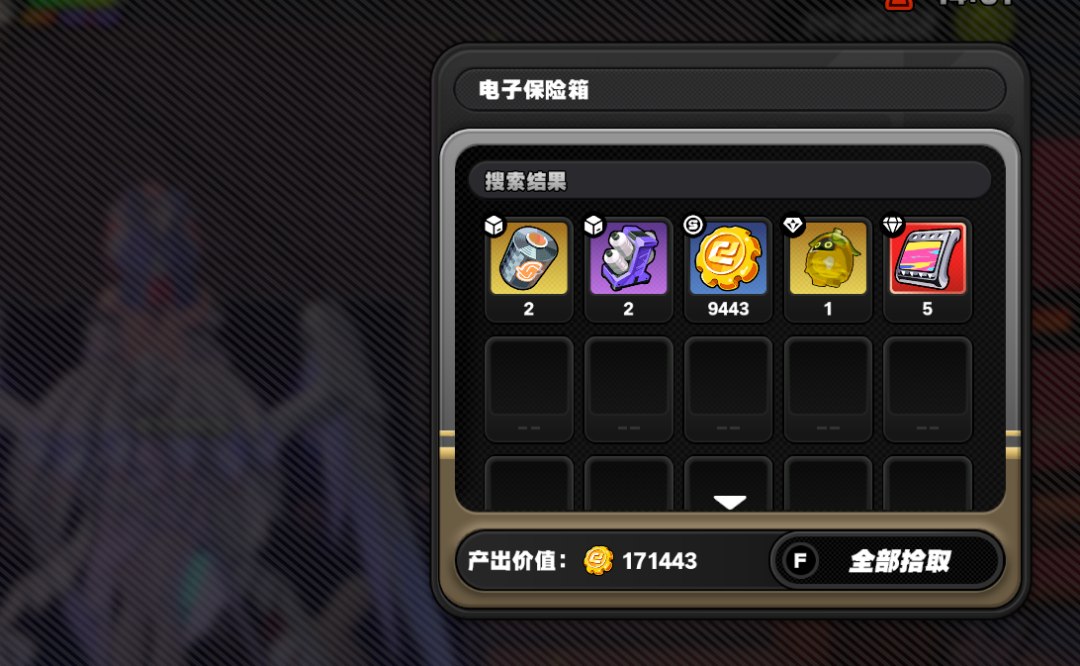
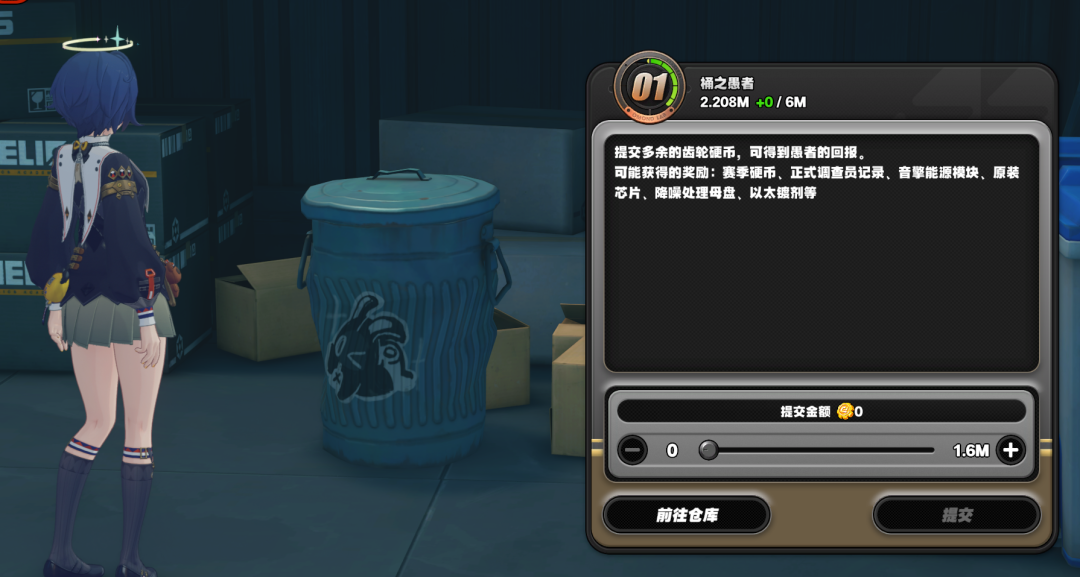
Feeding the bucket is basically the only way to spend resources in the late game.
However, the “Zero Zone” redemption list now includes a variety of items, such as Agent actions and customizable appearance parts. These fashion items may serve as the driving force behind future rewards in the “Bagel Project.”
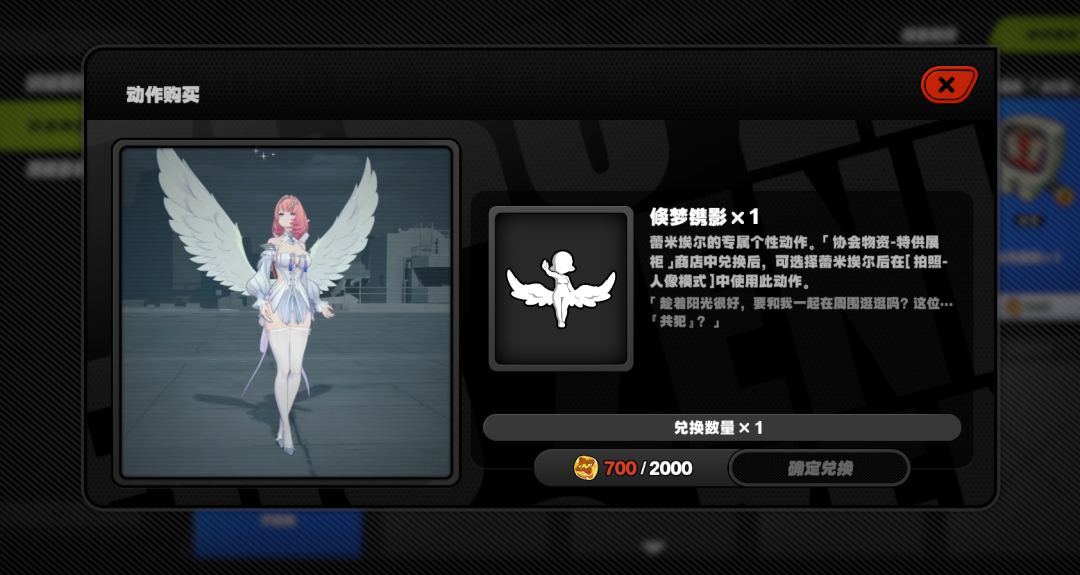
Aside from that, “Absolute Strike and Retreat” offers plenty of room for imagination—for example, the maps are currently mostly “replicas” of local maps,and character progression outside of matches is somewhat restrained, limited to earning season experience and mechanics centered around shield and corruption values. However, there are also progression elements—such as adding the Pelois parkour track to the map—that can change the way players navigate the map.
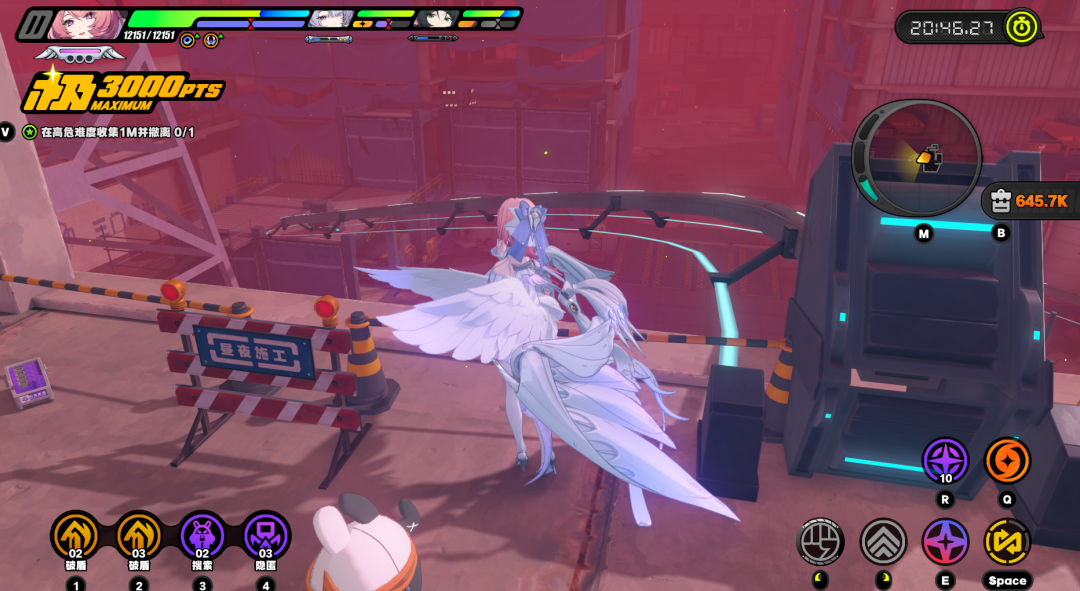
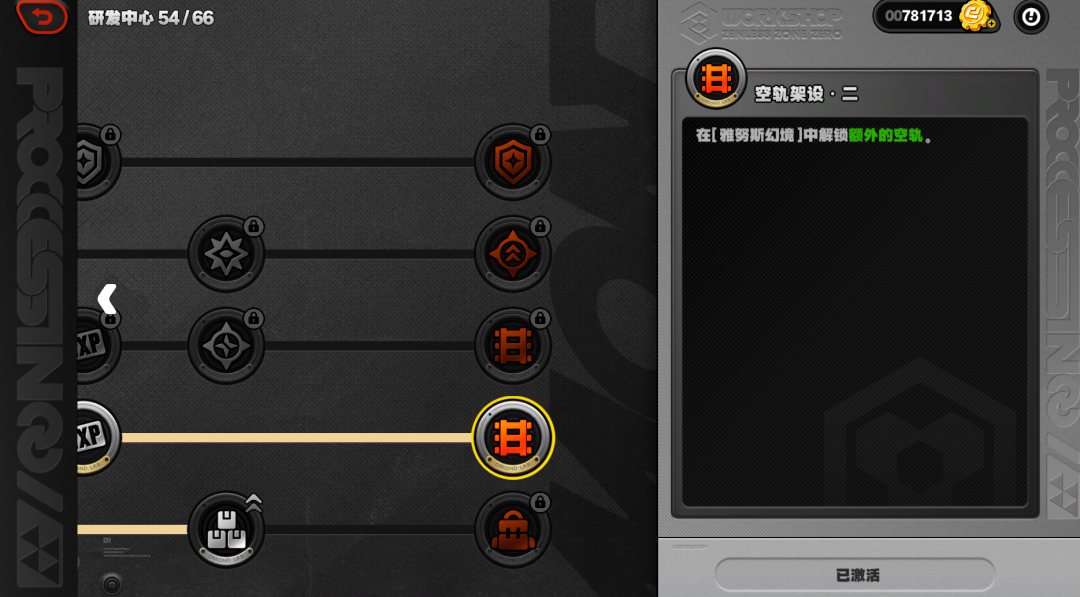
Moving forward, if the developers can continue to refine these three areas—map design, character progression outside of matches, and optimization of gameplay drivers—this anime-style blend of search, combat, and retreat mechanics truly has great potential.
Looking at it this way, Version 3.1 is indeed the “ACE version” mentioned by *Zone Zero* producer Zhenyu. In addition to its rich content, the “Fight, Retreat” mechanic also shows that *Zone Zero* has not yet reduced the size of the safe zone.
Originally, it could have easily chosen to continue with safe, uncontroversial game updates—such as the inconsequential 4399—but instead, it opted for the “Bagel Project,” turning “Search & Strike”—a game that didn’t quite fit the second-tier game aesthetic—into a permanent feature and investing a massive amount of development resources into it.
This restlessness is perhaps the most distinctive trait of this product—and it’s also a kind of obsession the project team has held all along: to create something with an edge.
In my view, the withdrawal is just the beginning.
As a permanent feature, it has ample time to iterate, fine-tune, and find a more precise balance between search-and-destroy gameplay and 2D action games, ultimately evolving into something even more like “Absolute Zero” than it is now.
原创文章,作者:游茶妹儿,禁止转载:https://youxichaguan.com/en/archives/219452