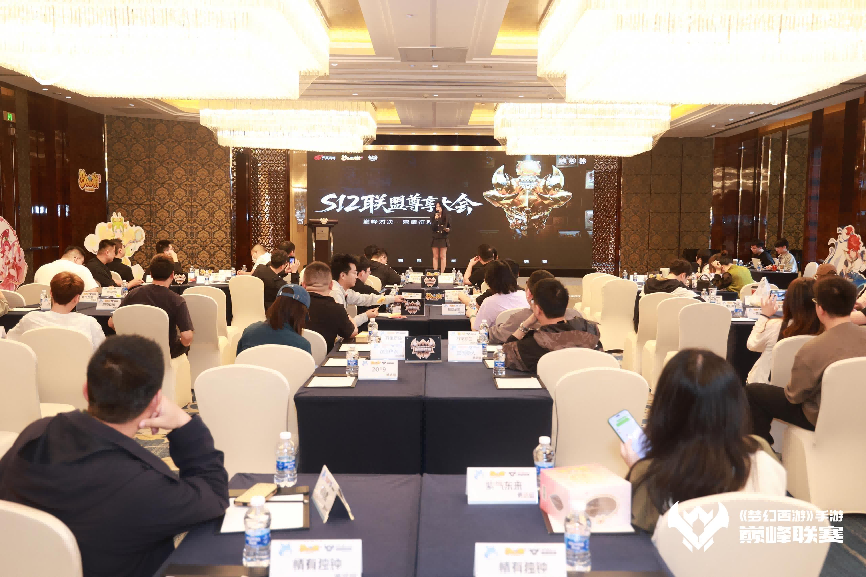
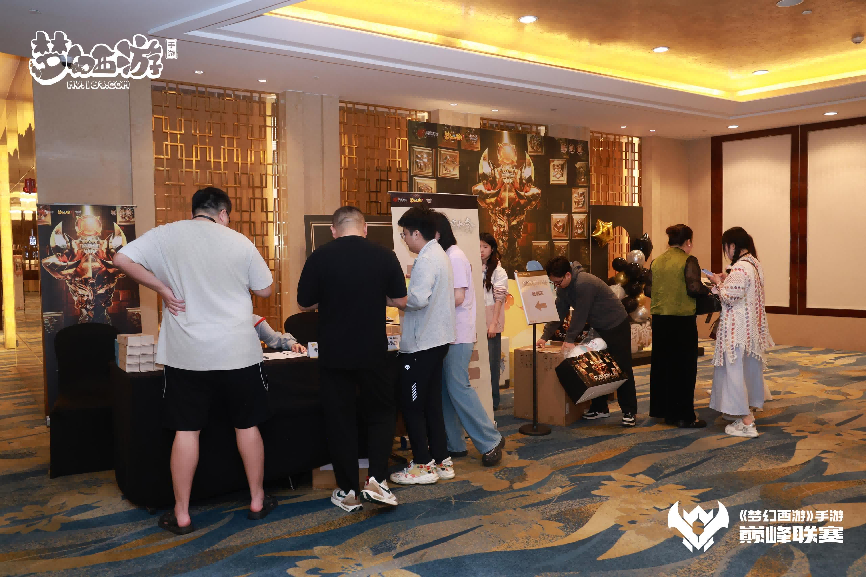
On April 11, the “Fantasy Westward Journey” Mobile Game Peak League Season 12 Alliance Exclusive Conference was held in Chongqing, bringing together players from servers across the country who had traveled from all corners of the nation to the “Mountain City.”Some attendees told our reporter that many of them are not only longtime players of *Fantasy Westward Journey* Mobile but have also participated in multiple Alliance Conferences in person, having forged a deep and lasting bond with the Peak League over the years.
Click to enter a description of the image (up to 30 characters)
Since its inception in 2020, the *Fantasy Westward Journey* Mobile Peak League has undergone six years of development across twelve seasons.The tournament’s lifespan alone is longer than that of most gaming products. In an era where industry trends change in the blink of an eye, this enduring success over the years not only demonstrates the vitality of the ecosystem but also serves as a “strategic depth” that solidifies the game’s development.
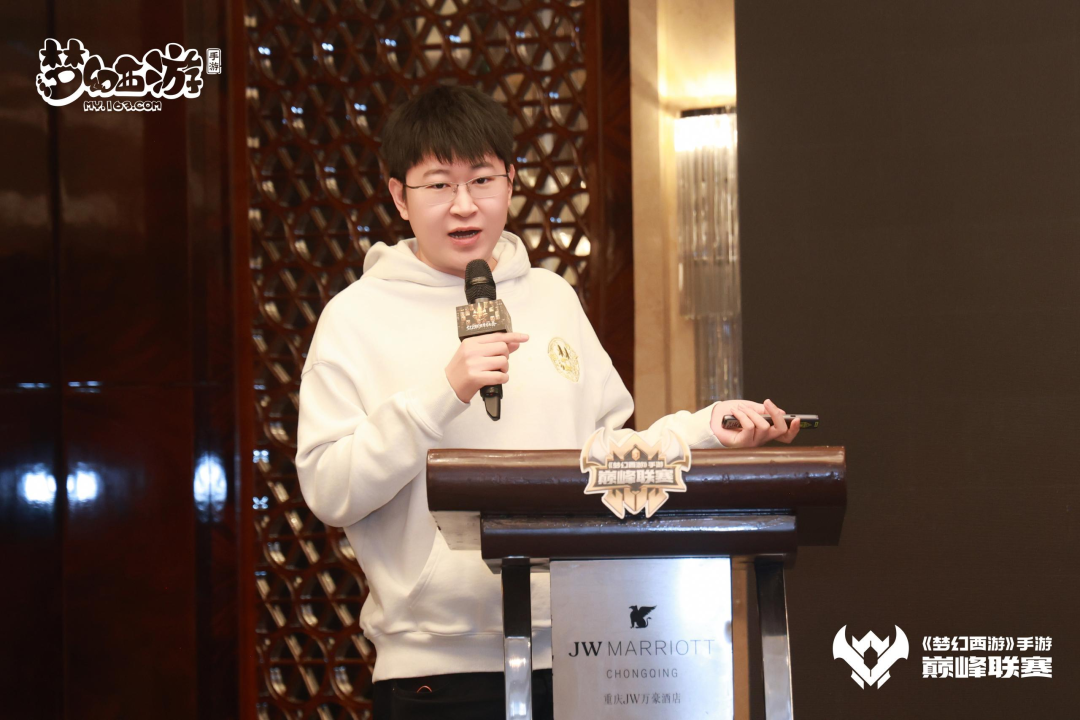
As Xiao Sen, a game designer for *Fantasy Westward Journey* Mobile, told Teahouse, over the past six years, they have been making sweeping improvements to the Peak League’s competition format.Today, they have developed a competitive system that combines high entertainment value with engaging gameplay, capable of sustaining player interest over the long term. In the MMO esports industry—a category widely recognized as “difficult to navigate”—the *Fantasy Westward Journey* Mobile Peak League has been established as a benchmark tournament brand.
Click to enter a description of the image (up to 30 characters)
More importantly, once the format of the tournament is set, the tournament team is free to think more creatively, approaching the challenge from perspectives such as the content ecosystem and the tournament ecosystem to continuously expand and redefine the boundaries of MMO esports—and a series of related official announcements have also set the tone for this S12 League Conference.
Reignite the Passion and “Empower” Competitors with Honor
Why is it “difficult” to organize MMO esports tournaments? On the one hand, the *2025 China Esports Industry Report* shows that role-playing games account for only 7.1% of the major esports titles in China.With few tournaments in this category and even fewer best practices to draw upon, organizers can only gain experience through a process of trial and error. On the other hand, in terms of the games’ inherent characteristics, compared to genres with high daily active users (DAU)—such as MOBA and FPS—that aim for mass appeal, MMO tournaments are more niche and place higher demands on the ability to engage players.
Over the past six years, the “Fantasy Westward Journey” Mobile Game Peak League has continuously refined its competition format to maximize the excitement of the tournament.Game designer Xiao Sen told Teahouse that as the season progressed, the tournament’s scale expanded from the initial 12 teams to a total of 36 teams across three divisions—Elite, Valiant, and Divine—thereby broadening opportunities for player participation;To address the issue of a relatively flat pace in the tournament, they introduced a “perfect record point multiplier” mechanism, making every match more crucial; added a playoff system to the regular season to keep the suspense of advancement alive until the very last moment; and introduced the “God of War Possession” mechanism, which uses numerical boosts to further amplify the thrill of watching the postseason…A series of tiered adjustments like these has gradually made the Peak League one of the major annual events that Dream Mobile players follow most closely.
Click to enter a description of the image (up to 30 characters)
Now that the tournament format has matured and the event has entered a stable phase, how should the Peak League adjust its development priorities? Planner Xiao Sen believes that the core concept of this S12 season is “Empowering Honor”—amplifying each participant’s sense of honor through a series of official initiatives.
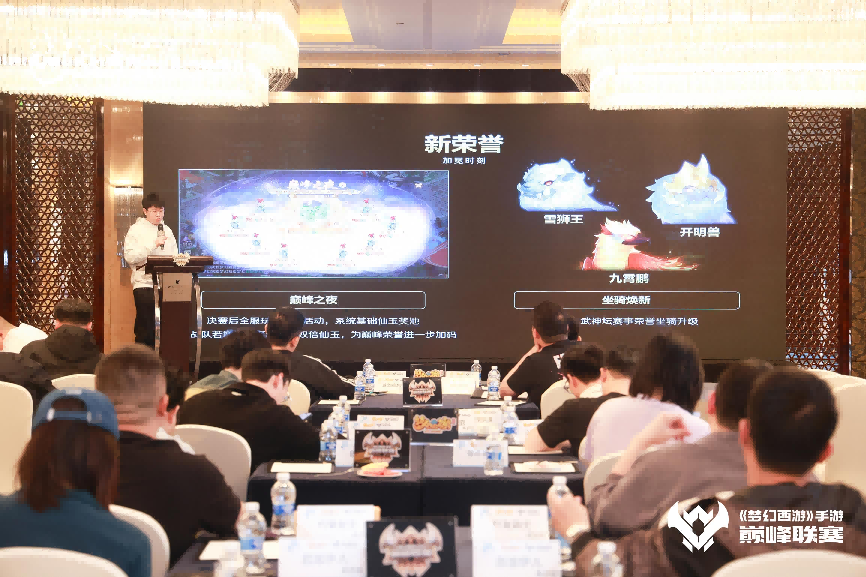
For example, this year, the Peak League significantly ramped up the rewards for the championship title. Following the finals, the tournament team launched a brand-new “Peak Night” event, featuring a generous official prize pool and offering a festive celebration where players from all servers could participate in a raffle.
Click to enter a description of the image (up to 30 characters)
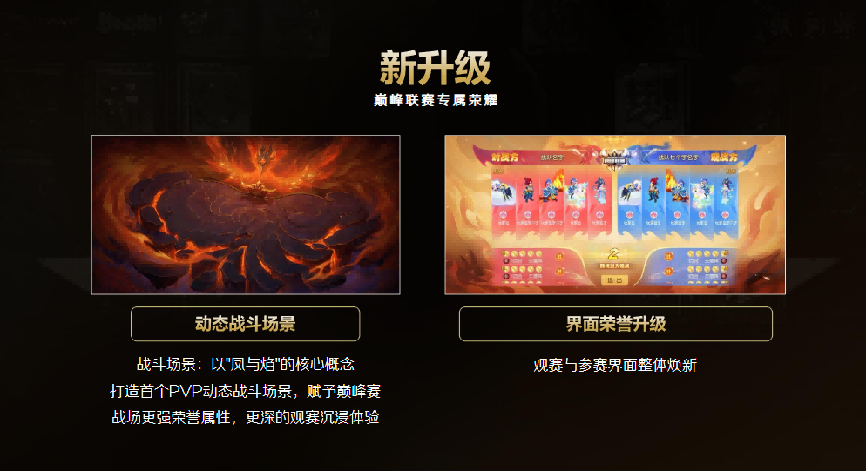
At the same time, the teams that take first and second place in the Shenwei Group this year will also enjoy the additional honor of naming rights for the new dual-line server—the new dual-line server to be launched after the finals,will be named after this year’s first- and second-place teams, respectively. The growth of these servers will continuously boost the “War God” cultivation progress for the first- and second-place servers, and the side with the higher final growth value will earn the naming rights for the dual-line new server.Additionally, once members of the champion and runner-up servers join the new server, they will inherit exclusive cosmetic outfits from the Peak League as a unique team honor, further reinforcing the visible expression of their tournament achievements.
Click to enter a description of the image (up to 30 characters)
Xiao Sen told the Teahouse Editor that after twelve seasons, many players have already gained extensive competition experience; some players may have won the championship four or five times by now and no longer have much desire for further honors, while others may have come to expect that winning the championship will be difficult for them.
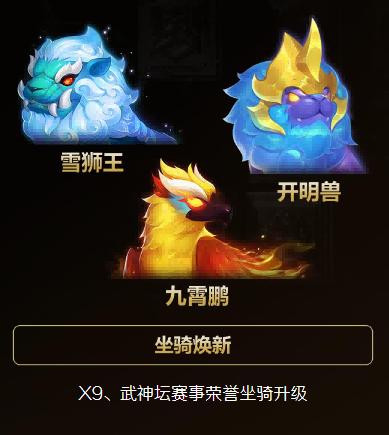
However, they still hope that every player will continue to push themselves forward and surpass their previous achievements. Therefore, they want not only the winning team to enjoy greater glory, but also for all other participating players to gain a sense of honor from the tournament. As a result, honorary mounts earned from events such as X9 and the Wushentan Tournament will also receive a comprehensive upgrade at the end of this season.
Click to enter a description of the image (up to 30 characters)
Their approach is clear: design the event around the “people” participating in it, providing tangible incentives to players at every ranking level as well as spectators across the entire server; and, when the event reaches a stage of stable growth, introduce unexpected initiatives to inject a steady stream of vitality into it.
Of course, the tournament organizers are also keeping a close eye on the competition format itself, making improvements based on player feedback. For example, Xiao Sen noted that, in response to player feedback following the last Peak League, they now allow competitors to freely adjust their “God of War” abilities during the playoffs, opening up greater tactical flexibility.This year, the tournament team has also created a brand-new dynamic battle scene called “Phoenix and Flames” and revamped a range of tournament infrastructure, including the spectator and participant interfaces… Through these comprehensive upgrades, they aim to ensure an optimal experience for both players and spectators.
From Tournaments to Ecosystems: Making MMO Esports More Diverse
After Xiao Sen outlined a series of changes related to the tournament, Guo Yuxiang, Senior Director of Operations at NetEase Games, also took the stage at the event. He began by officially announcing that the upcoming Season 13 of the *Fantasy Westward Journey* Mobile Peak League would be held in Shanghai, at the Yangtze River Delta International Esports Culture Center in Qingpu.This is a brand-new esports center that NetEase Games built last year specifically for esports tournaments.

Click to enter a description of the image (up to 30 characters)
Guo Yuxiang then outlined a series of upgrades to the “Fantasy Westward Journey” mobile game’s Peak League Season 12 focused on the tournament ecosystem. During last year’s Season 10, Guo Yuxiang had already publicly stated that expanding the Peak League’s influence and integrating its ecosystem matrix were their primary priorities at the time.They keenly recognized the importance of a supporting ecosystem for the development of a tournament. As early as Season 7, for example, they established the “Commander Academy,” a talent development system for the Peak League. By this season, the Commander Academy had supplied the league with a record-high 33 talents, spanning 17 teams.
As this work has progressed, they have introduced another series of major ecosystem upgrades this year.
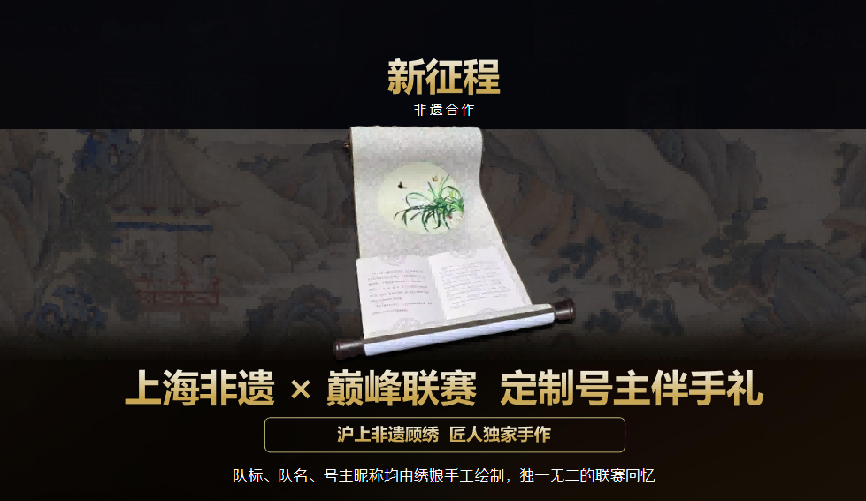
First, the league will integrate with local culture, blending the traditional culture of the host city with modern gaming products to create a unique regional flair.Next year, the Peak League will collaborate with Gu Embroidery, a Shanghai-based national-level intangible cultural heritage, where master embroiderers will handcraft personalized gifts for each participating player. The team logos, names, and nicknames featured on these gifts will all be specially customized.
Click to enter a description of the image (up to 30 characters)
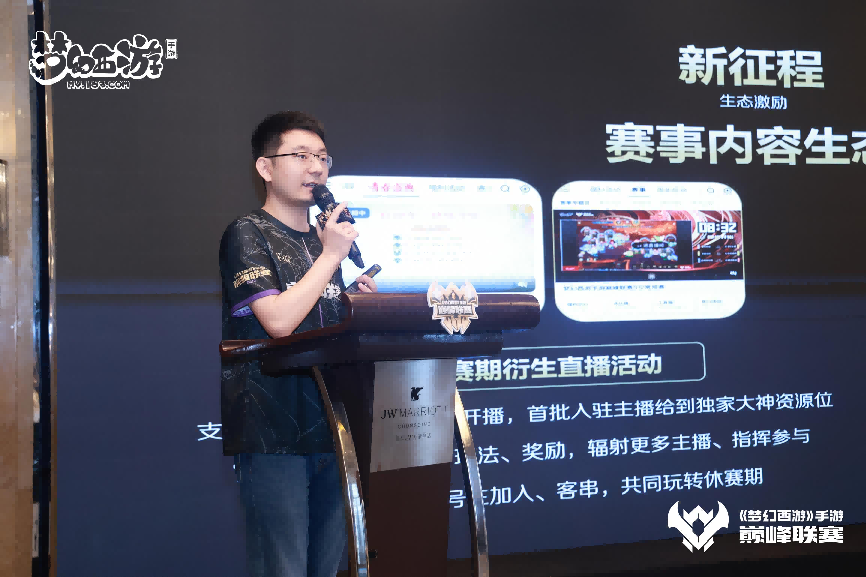
At the same time, it integrates with emerging technologies to foster the vigorous development of the event content ecosystem. Amid the “National Lobster-Rearing” craze, the *Fantasy Westward Journey* mobile game team has also actively leveraged AI technology to empower players’ creativity.On the spectator side, the organizers use AI to distill the highlights of tournaments, increasing the reach of tournament content; simultaneously, the project team provides content creators with an AI素材库 and content production pipeline through the NetEase Da Shen app. Combined with the newly launched special incentives and upgraded official exposure resources, this makes it possible for amateur creators and ordinary players to produce viral content.
Click to enter a description of the image (up to 30 characters)
From tournaments to ecosystems—this is a natural evolution of goals. Taking the “people-centered” mindset one step further, the interactions and exchanges among countless individuals give rise to an ecosystem.Drawing an analogy with the traditional esports sector, beyond the tournaments themselves, the UGC content ecosystem and player community discussions that stem from them are key to ensuring the tournaments’ enduring popularity. At its core, this approach uses authentic interpersonal interaction to enhance the sense of fulfillment for all participants.
Just as Producer Xiao Sen told me, when comparing the Peak League’s esports ecosystem to other MMOs, it has already grown to a substantial size, but there is still significant room for growth in terms of its ecosystem.They’re also experimenting with a variety of initiatives. In events like “Peak Night,” players can participate in raffles and see the rosters of the champion teams; through these efforts, they hope to raise the profile of each team’s members among the general player base.
This not only allows champion players to gain a greater sense of honor through public recognition, but also—much like other major esports tournaments with high DAU—gradually helps build players’ personal brands, thereby fostering a “fan economy.” This, in turn, gives the entire community ecosystem stronger intrinsic cohesion, propelling it toward a flywheel effect and generating spontaneous momentum to break through niche boundaries.
Conclusion
After six years of development, the “Fantasy Westward Journey” Mobile Peak League has proven that it’s not just about whether MMO esports can succeed—it’s also demonstrated that this genre, widely regarded as challenging to develop, can continue to evolve and constantly raise the bar. This, perhaps, is its most difficult-to-replicate benchmark value.
After witnessing the players’ fervent enthusiasm firsthand, we at the Teahouse have even more reason to believe that the *Fantasy Westward Journey* Mobile Peak League will continue to push the boundaries of “e-sports+” diversity and, through the powerful combination of tournaments and ecosystem development, keep writing new chapters in the history of MMO e-sports.
原创文章,作者:游茶妹儿,禁止转载:https://youxichaguan.com/en/archives/216204