On June 19, *Ni Shui Han: New World* released its final official trailer ahead of launch.
This trailer features an intriguing tagline: “A new answer for MMOs and open worlds.” Almost at the same time, a more straightforward meme began circulating in the gaming community: “The test server has been running for three years—this time, the official launch is finally here.”
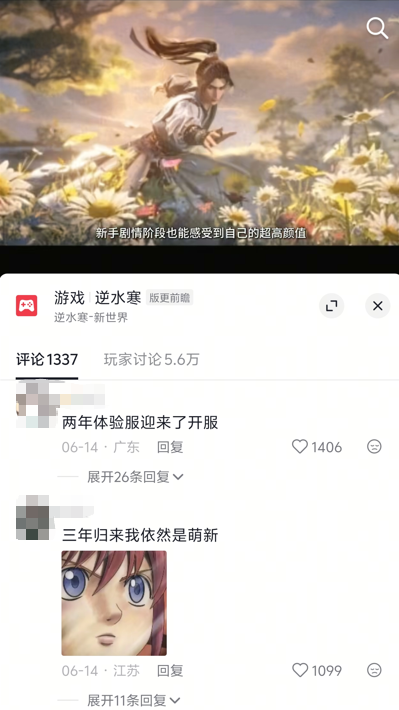
This meme reflects, to some extent, the players’ perception. In the public’s mind, a “server launch” often marks the most critical milestone for a new game; therefore, following this logic, to them, the scale of this “New World” update doesn’t feel like a typical version update, but rather more like a reboot of the game.
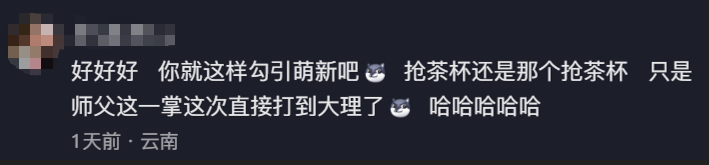
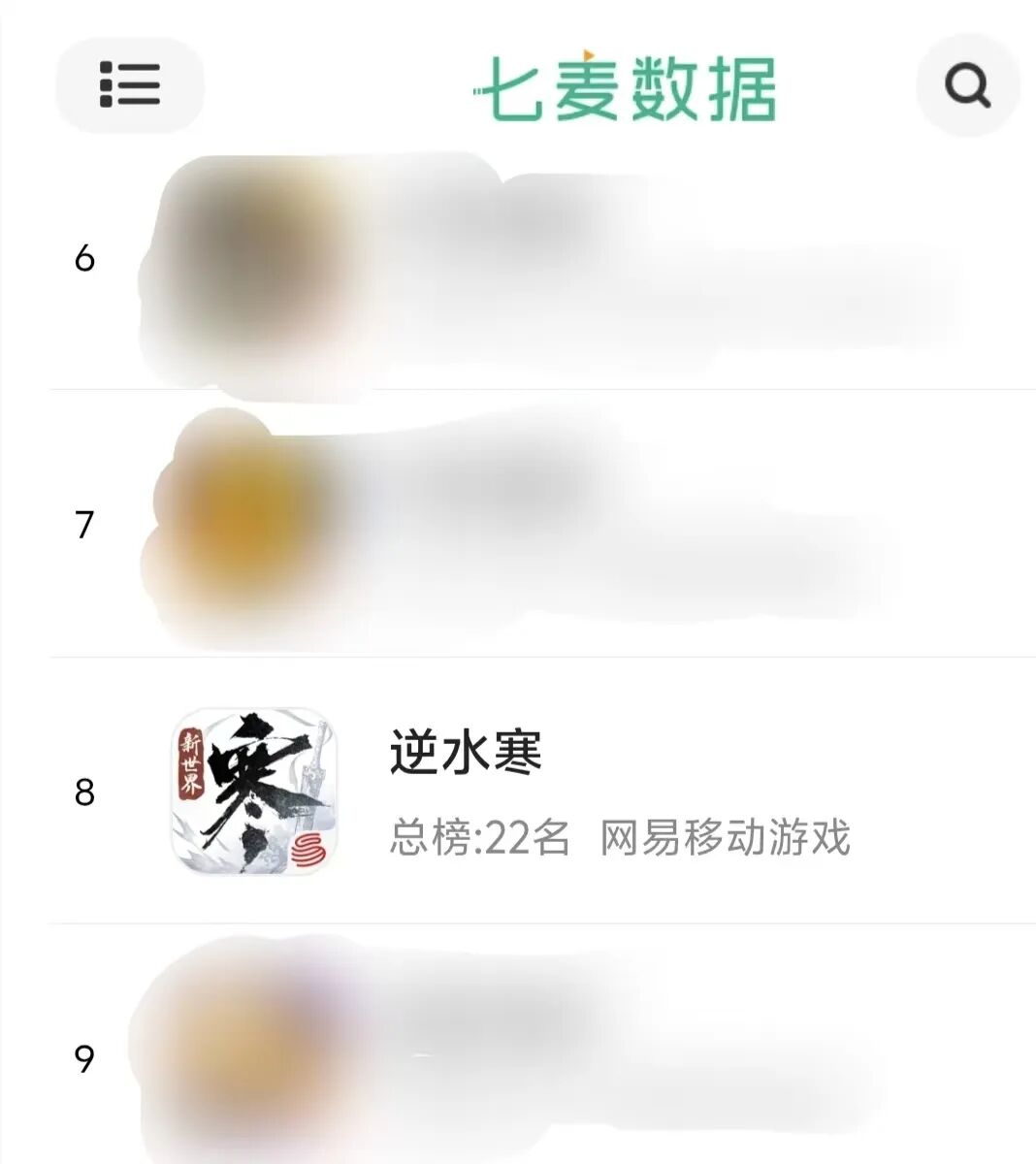
The data certainly backs this up. On the day *Ni Shui Han: New World* launched, it immediately reached No. 8 on the best-seller chart and trended on multiple platforms.At the same time, the number of new and returning players surged, and the game entered the top 5 on the free app charts. There may even be a second or third wave of popularity… It’s no wonder that many returning players remarked upon their return: “The last time an MMO was launched with such a grand scale was three years ago, and now that I look at it, it’s still ‘Ni Zi.’”
For any MMO that has been in operation for three years, a relaunch means dismantling the existing gameplay framework, rebuilding the underlying gameplay logic from the ground up, and introducing innovative features based on that foundation. Therefore, many people may wonder, “Why is *Niushuihan: New World* doing this?” It’s not as if it lacks a player base to draw upon.Since its launch, the *Ni Shui Han* mobile game has remained a top-tier title in the MMO category and is a regular in the Top 10 of the best-seller charts during major version updates. Therefore, the argument that the development of *New World* was driven by a need for “self-rescue” simply doesn’t hold water.
However, from the R&D team’s perspective, this assessment seems to be the exact opposite: it is precisely because so much content has been crammed in over the past three years that it is all the more necessary to pause at a certain point and rebuild the foundation. As can be seen, among the 12 core changes, there are not only new additions but also many system-level “rewrites.”The underlying lighting system for graphics has been rewritten; the currency structure of the economic system has been rewritten; the attributes of the character progression system have been rewritten; and the combat action framework has also been rewritten.
There is a logic behind this decision that is easily overlooked: for an MMO that has been in operation for three years, the crux of the issue isn’t “whether there is enough new content,” but rather “whether new players are willing to join and whether existing players still want to stick around.”
01
A New Start in the World of Martial Arts
For a product that has been on the market for three years, any immediately noticeable improvement must come from the visual appeal of the game’s graphics.
In *Ni Shui Han: New World*, the developers aim to create a game that is “stunning at first glance, where everything is a delight.”
Skin modeling, facial details, and hair texture will all see significant improvements. In particular, the character customization system will achieve a breakthrough in skeletal structure, and the all-new ultra-high-precision facial model will allow players to seamlessly achieve cinematic-quality beauty. The “body type optimization” that many players have long anticipated will also be implemented first on select outfits.
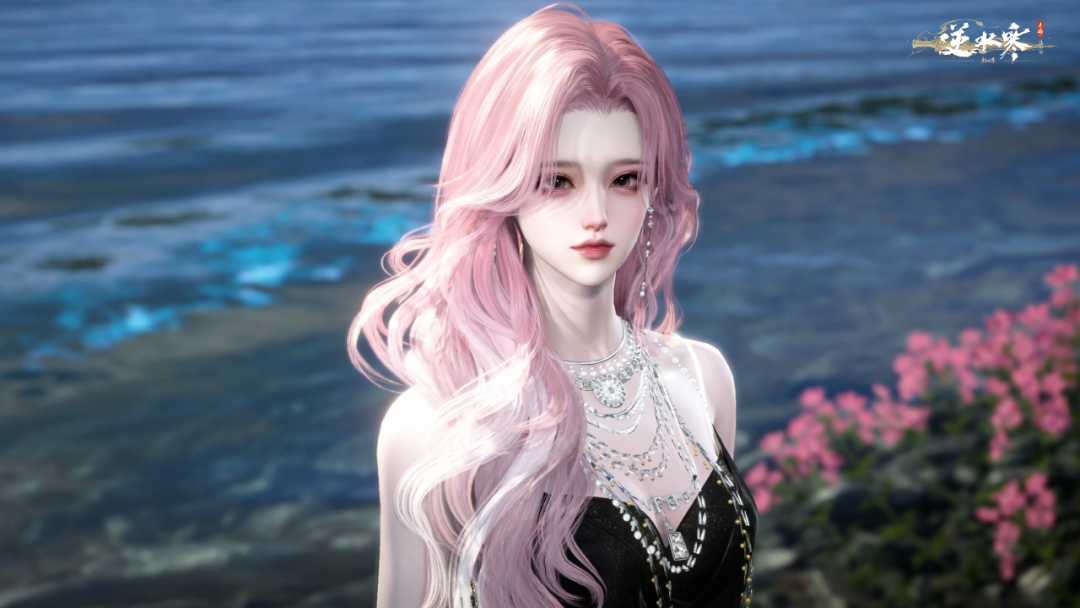
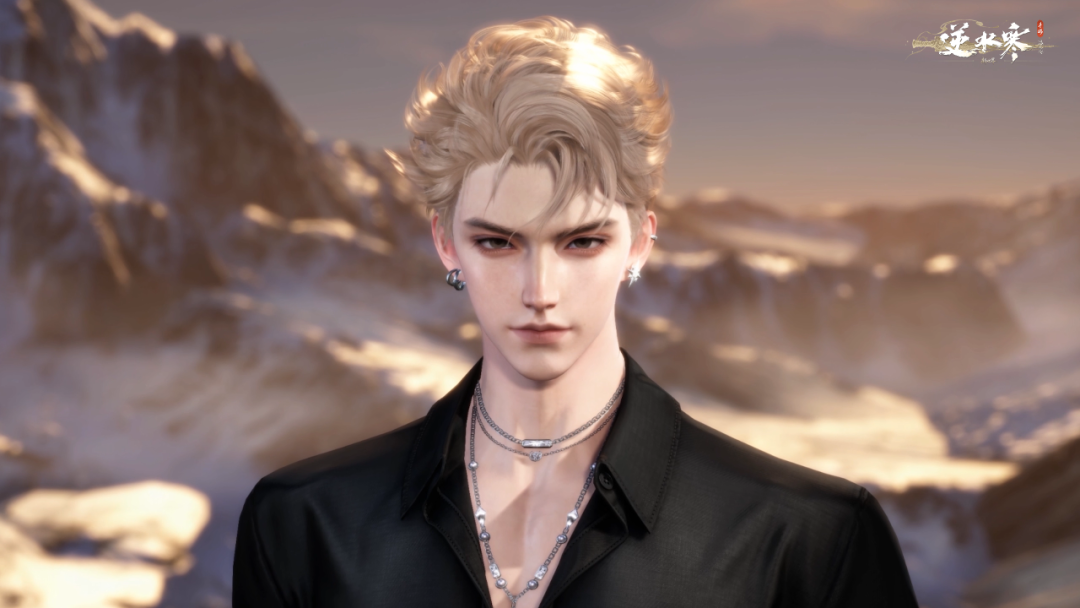
In addition, the textures and movement of fabrics and hair will become even more dynamic and airy, especially for certain special materials—such as mermaid scales—whose texture, luster, and depth will create an even more unique feel.

Of course, this stunning visual style will also be featured in the new map, “Dali,” which the developers have dubbed “The Place Where the Wind Blows.”
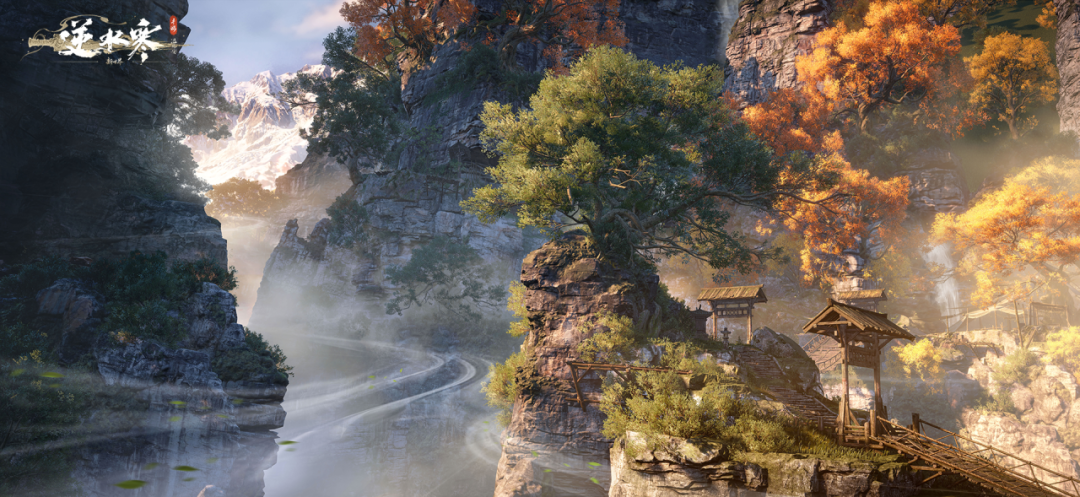
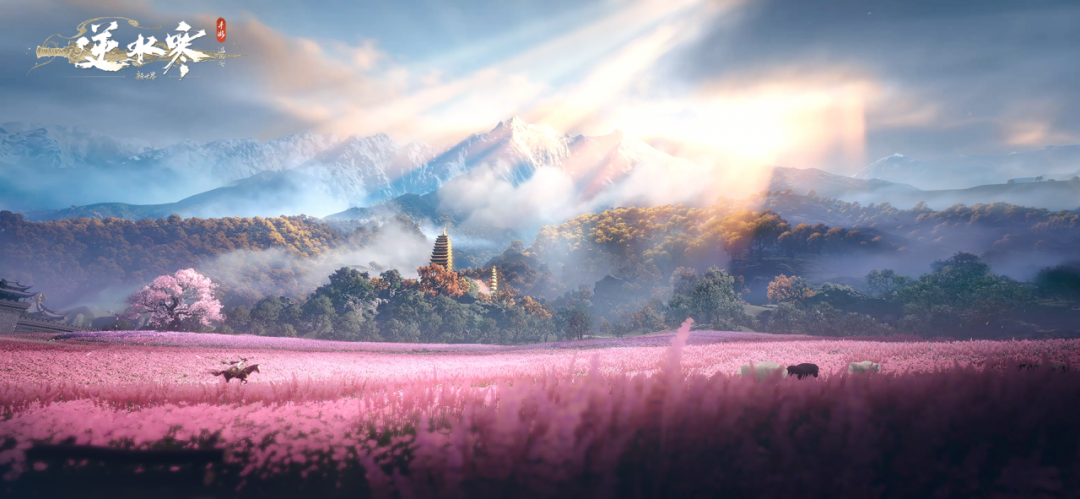
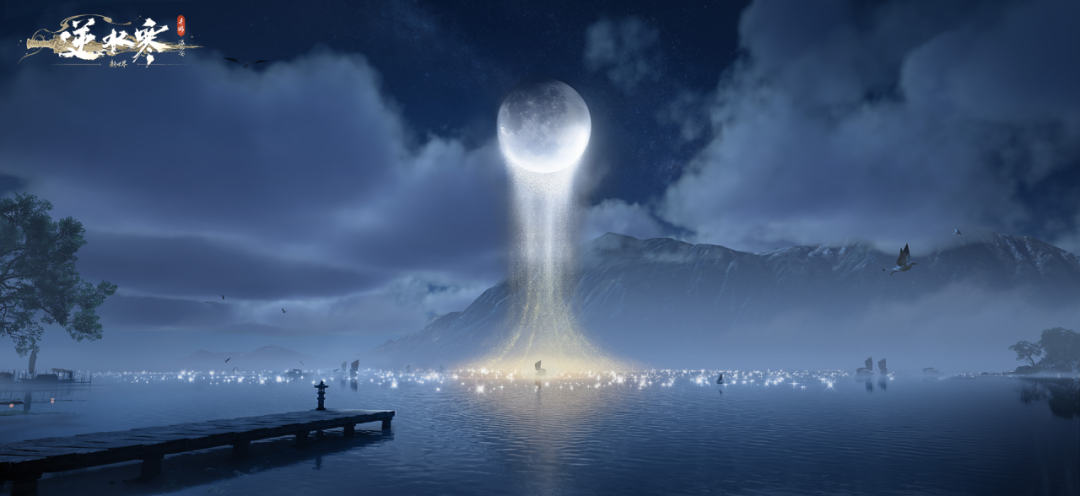
Whether it’s Erhai Lake, shimmering with pearlescent light as the moon rises, the vast and majestic Cangshan Mountains, or the ancient towns steeped in romance and poetic charm, Dali captivates at first glance with its beauty and simplicity. Many players have exclaimed: “Is this really the *Ni Shui Han* mobile game? Where on earth have they taken me?”
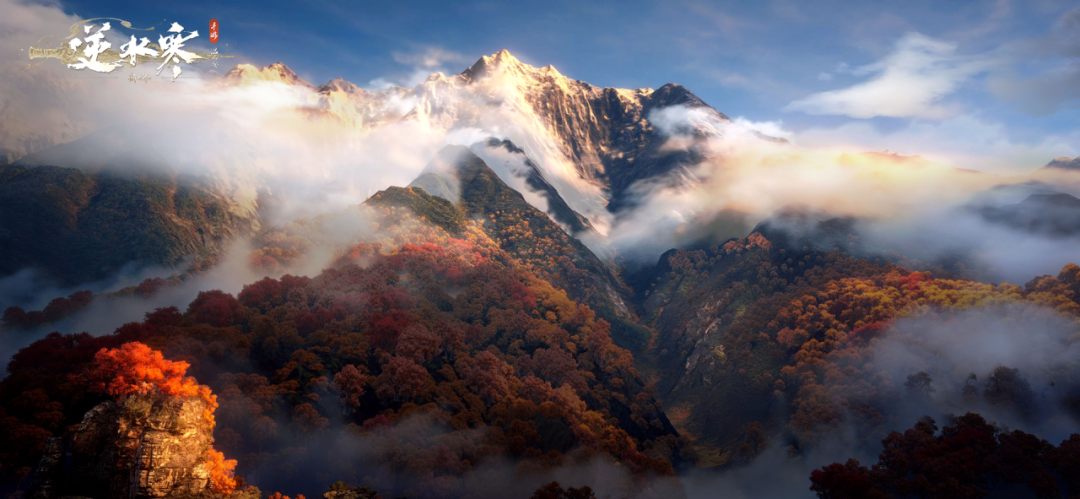
The winds of Xiaguan, the flowers of Shangguan, the snow on Cangshan Mountain, and the moon over Erhai Lake—thanks to the guidance of Mr. Qian Wenzhong, Guofeng’s aesthetics consultant, Dali not only showcases breathtaking scenery but has also become a form of “healing aesthetics.”
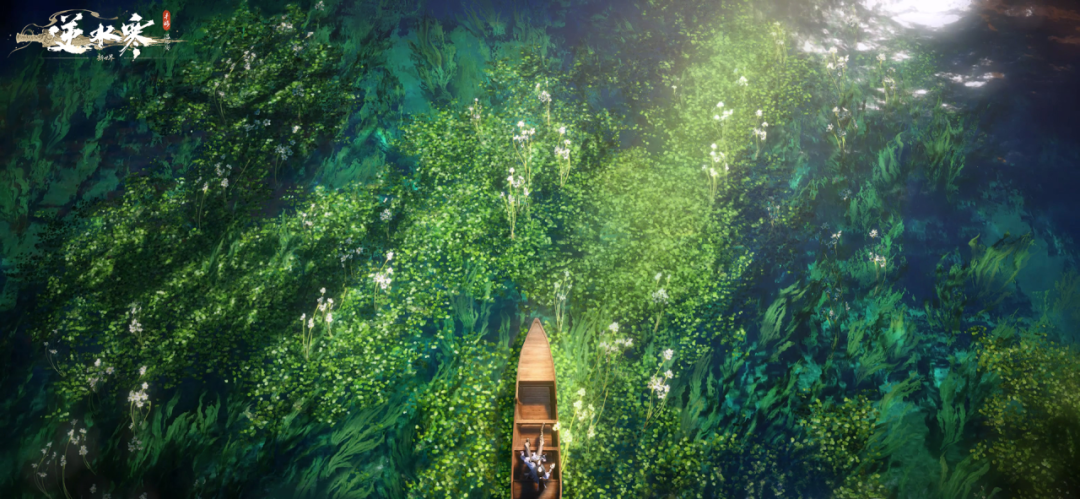
In addition to its stunning scenery, this new map will also introduce some brand-new gameplay features, such as the unique local atmosphere of Dali. Players can try their hand at tie-dyeing, admire the “roof cats,” join in the Torch Festival celebrations, and even test their limits by eating mushrooms or encountering mischievous little creatures.

It’s worth noting that players will encounter one another anonymously on the new map and gradually uncover each other’s real names through interaction. In my view, this mechanism not only provides an exceptional sense of immersion but may also aim to address some of the existing social challenges in MMOs. In an MMO that’s been running for three years, veteran players have already formed their own cliques,newcomers are faced with a world where “most people know each other.” Dali’s anonymous design, however, gives everyone a chance to get to know one another anew. You don’t need a social history or a guild label—just walk to the shores of Erhai Lake, and you’ll naturally run into others.
The improved graphics provide a visual treat, while the plot twists keep every player immersed in the game on the edge of their seats.
First is a complete overhaul of the newbie village. Rather than simply adding a tutorial, new players take on the role of the “heir to a max-level character” and, through a prequel storyline, return to the starting point of the Sheng Village Massacre.Cinematic-quality sequences form the narrative experience of the tutorial, while the origin story of the Chengying Sword unveils memories from twenty years ago, providing players with clues to their origins and the martial arts world.
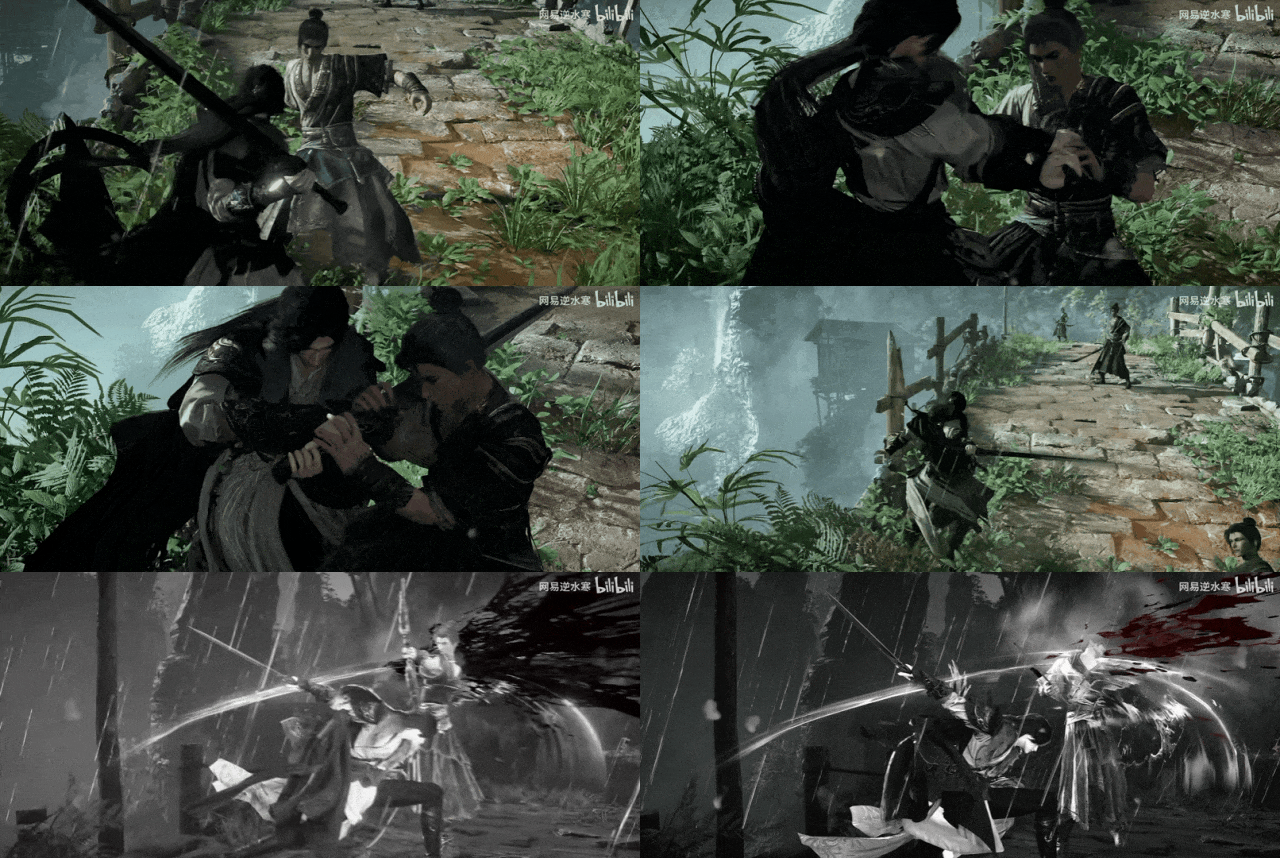
In addition, the existing plot will unfold through three parallel storylines, weaving together an invisible web.The “Dunhuang Finale” ties up the subplots laid out over the past three years; the “Dali Mystery” begins with a locked-room murder case and branches out into the ancient Tea-Horse Road of Southwest China; and the “Prequel: Origins” unravels the martial arts world’s history from twenty years ago through the origins of the Chengying Sword.
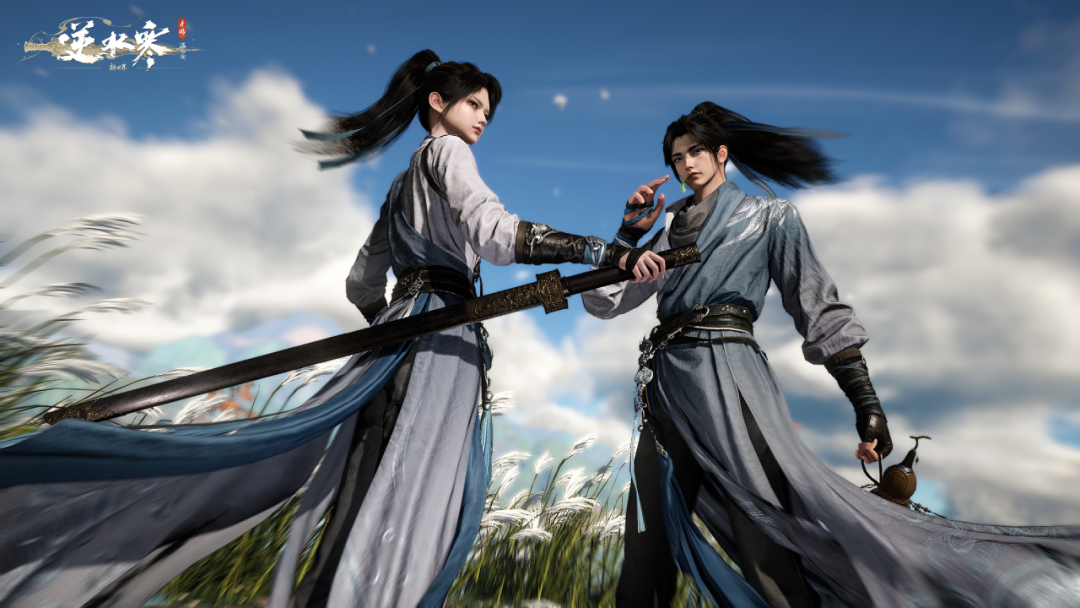
From this perspective, whether it’s the visuals, gameplay, or storyline, these changes point not merely to “more content,” but to a “new experience.” New players won’t have to catch up on three years’ worth of backstory to be instantly captivated, while veteran players can rediscover the thrill they felt when they first encountered this world. This new world offers everyone the chance to experience the martial arts realm anew, as if they were “newcomers” once again.
02
Redefining the Meaning of "Play"
If new content addresses the question of “Is it worth joining?”, then a system-level rewrite addresses a deeper question: Is it worth staying?
From the very first day of its launch, the mobile game *Ni Shui Han* has played the “Different Paths, Same Destination” card, with all gameplay features designed to prioritize similar reward weights.This logic has proven effective over the past three years, but the longer the game operates, the more likely it is to fall into a trap: “Different Paths, Same Goal” ensures that “no matter what you play, you’ll get rewards,” but it doesn’t solve the problem of “no matter what you play, you’ll get valuable rewards.”Veteran players will tell you that the truly valuable items come from just a few fixed acquisition paths, while other gameplay modes are merely icing on the cake.
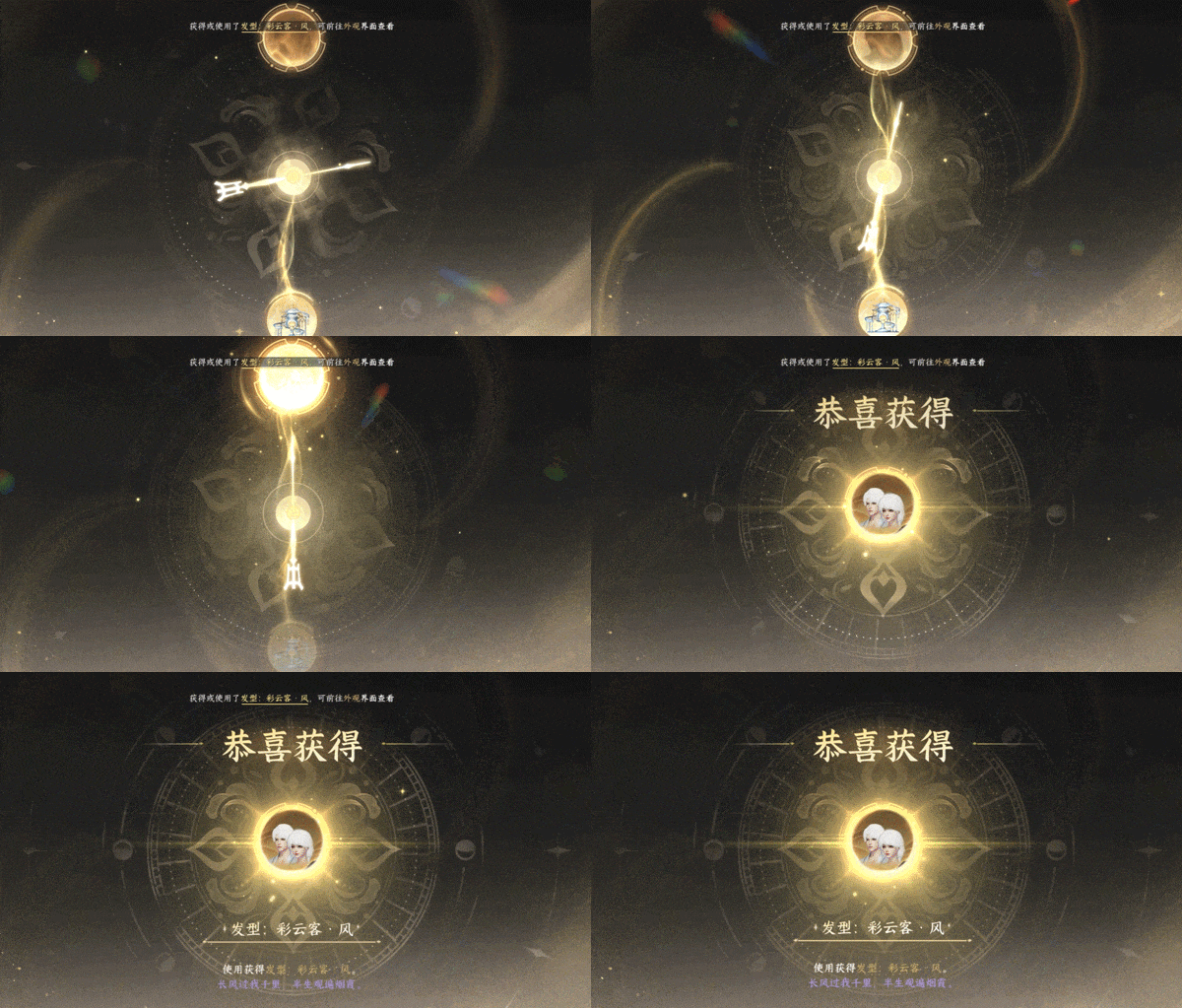
In New World, the development team has introduced a new concept: “Everything Yields Gold.” Simply put, whether you’re experiencing the storyline, exploring maps, encountering quests big and small, growing crops, fishing, or even just gathering resources, you can find “treasures” and exchange them for various rewards, such as rare hairstyles, powerful skills, and fashion items and mounts.
Without increasing the grind, these items also add an extra element of surprise and reward for players as they venture through the martial arts world.In addition, different rare items provide various buffs: some increase guild dividends and vitality recovery, while others help reduce the grind and workload—for example, after completing the fifth slot in the Weekly Treasure Vault Dungeon, there’s a chance to unlock all slots at once. There are also purely entertaining features, such as the +1 function for chat repeats, which triples the effect,an epic buff to the “Repeat” feature.

At the same time, the various independent currencies that had accumulated over the years were unified under the name "Jiaozi," so players no longer need to figure out the exchange rates between different currencies—all earnings are pooled into a single pool.
The advantage of this approach is that, for veteran players, it means they don’t have to complete a set “reward list” every week. For new players, it means they can receive surprises on par with those earned by top players without having to keep up with the main group’s progress.
In contrast, the simplification of the progression system and its fundamental overhaul have clearly gone much further.
Multiple character development systems—including Crafting, Traits, Cultivation Points, and Socketings—and related attribute entries have been completely removed. The number of development stages has been reduced from 9 to 5, and the number of attribute ranges has been reduced from 5 to 3.Internal energy elements have been locked to ensure 100% accuracy, and random elements have been significantly removed. In the words of the developers: “It has become the ancestral method.”

This is not only a nationwide effort to reduce the burden on players, but also an official attempt to address the most pressing structural issues facing an MMO that has been in operation for three years. The convoluted and complex stats and attributes have led to extreme progression fatigue; only by overhauling certain structures can the game return to the joy of progression and rich gameplay.
The core combat system is another manifestation of this same philosophy. On one hand, in the New World, players will be able to found their own martial arts sects and be directly appointed as sect leaders.They’ll claim “seaview villa” territories, master unique martial arts techniques, recruit their ideal disciples, and lead their followers to grow stronger and expand their influence. At the same time, through a collaboration with the Chinese Wuxia Literature Society, players will co-create a new chapter in the martial arts world by “founding their own sects.”
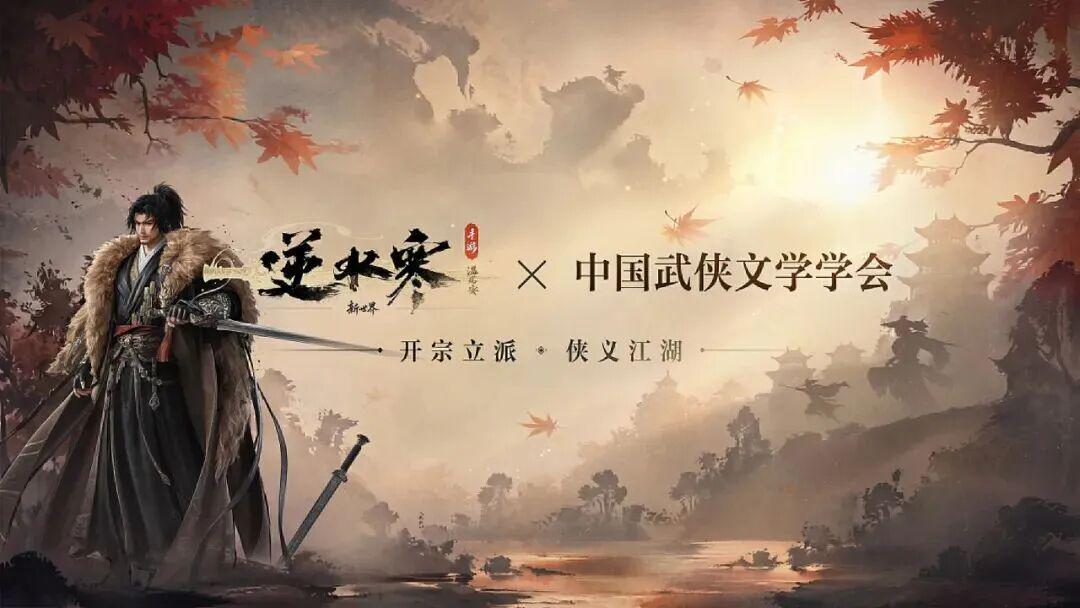
Many players have even come up with names for their sects already; names like “Hehuan Sect,” “Wugen Sect,” and “Niutou Palace” have been on the table for quite some time.
On the other hand, the Shadowblade—which has long accompanied the player—has also awakened. Not only has it been granted various forms, such as a longbow, dual blades, a sharp blade, and an umbrella, but it has also introduced a series of new core combat mechanics, including perfect blocks, precise dodges, and combo follow-ups.

The Many Variations of the Chengying Weapon
Simply put, the Shadow-Binding Weapons function more as a core mechanic woven into the underlying layers of the existing combat system. The core skill, “Shadow-Binding Pursuit,” activates the current weapon’s Shadow-Binding Pursuit ability after any Shadow-Binding martial art is cast. For example, the longbow offers area-of-effect damage and high movement speed, while the dual blades provide dash damage and agile positioning.

Chengying's Double-Blade Pursuit
In PVE dungeons, players can also team up with allies to unleash powerful “Co-op Follow-Up Attacks” by blocking and executing precise dodges. This breaks away from the static combat experience of traditional MMOs and maximizes the thrill of gameplay through a wealth of fast-paced action feedback.
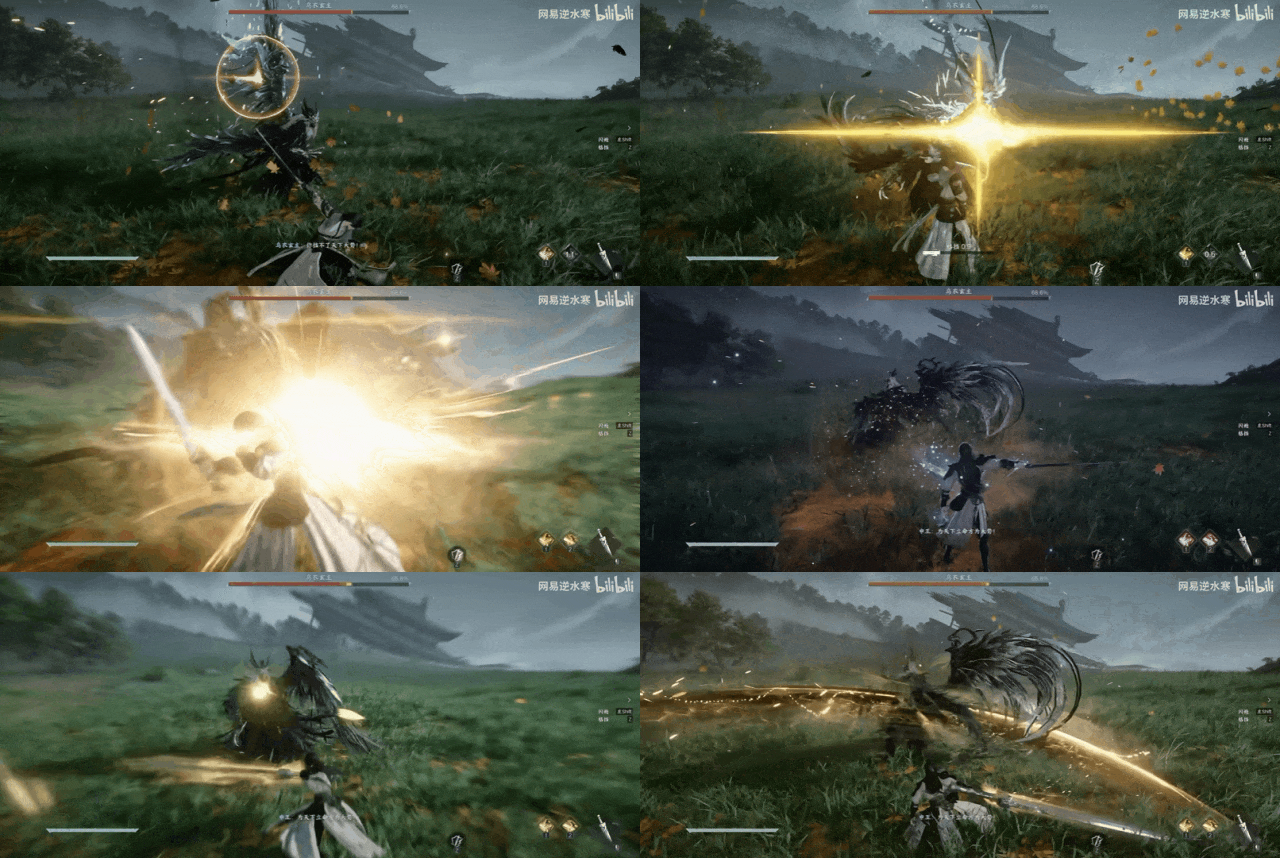
In addition, some existing martial arts and skills from the martial world—such as "Sword Shattering the Heavens" and "Ten Thousand Blades Converging on the Peak"—can be transformed into "Chengying Martial Arts" through the "Chengying Breakthrough," thereby gaining even greater power.

The "Sword Shatters the Heavens" Martial Arts Style of Cheng Ying
It’s clear that the radical overhaul of the core combat system is primarily aimed at restoring the gameplay experience to its original vision of being “easy to pick up, fun to play, and deeply engaging.” The rich skill system adds greater strategic depth, while the freedom to customize builds allows players to discover their own unique surprises as they play.
03
Three years of accumulation—but what it can’t build is emotion.
To be honest, all of the above—whether it’s the innovation in content or the system-level overhaul—could easily be replicated by any competitor. After all, the development capabilities of domestic games are no longer an insurmountable barrier.But beneath this surface lie the fond memories and emotional connections that players have built up over time through the game—these cannot be replicated and are difficult to replace.
To give a simple example, in May 2026, the mobile game *Ni Shui Han* launched a limited-time event called “The Return of the Demon Lord.”The official storyline was straightforward: the classic boss, Muye Yiyan, marched south from Guanshan and the Song-Liao border to the Bixue Camp, conquering cities and territories along the way, culminating in a final showdown in Bianjing.
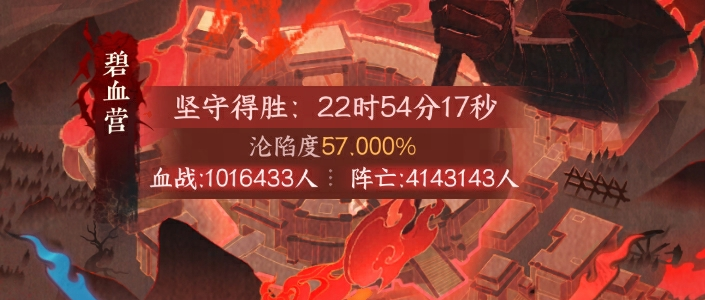
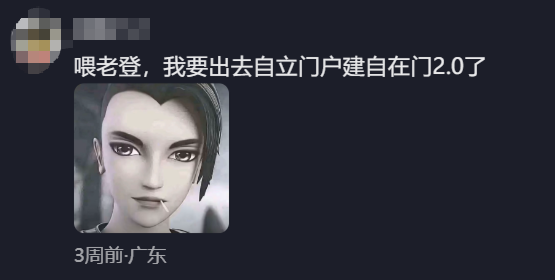
It was originally just a standard casual gameplay feature, but when players reached the Crimson Blood Camp stage, they refused to go along with it. Crimson Blood Camp is the birthplace of the Blood River and Iron Robe sects; for players of this game, it’s not just a map—it’s a source of deep emotional attachment they simply cannot let go of.
Even the well-known online fiction author Tiancan Tudou publicly stated on social media that he is a longtime player of “Blood River” and has been writing “feel-good” novels for over a decade, so he cannot accept a plot that forces the protagonist to suffer.

One stone sent ripples across the water; the World Channel, which had previously been filled with banter, was now flooded with messages declaring, “We’ll fight to the death and never retreat.”By the evening of May 7, the number of defenders in the Crimson Blood Camp had surpassed 1 million. Alt characters donated materials, pets served as messengers, and even newbies whose combat power wasn’t high enough were cheering everyone on in the Teapot Channel.
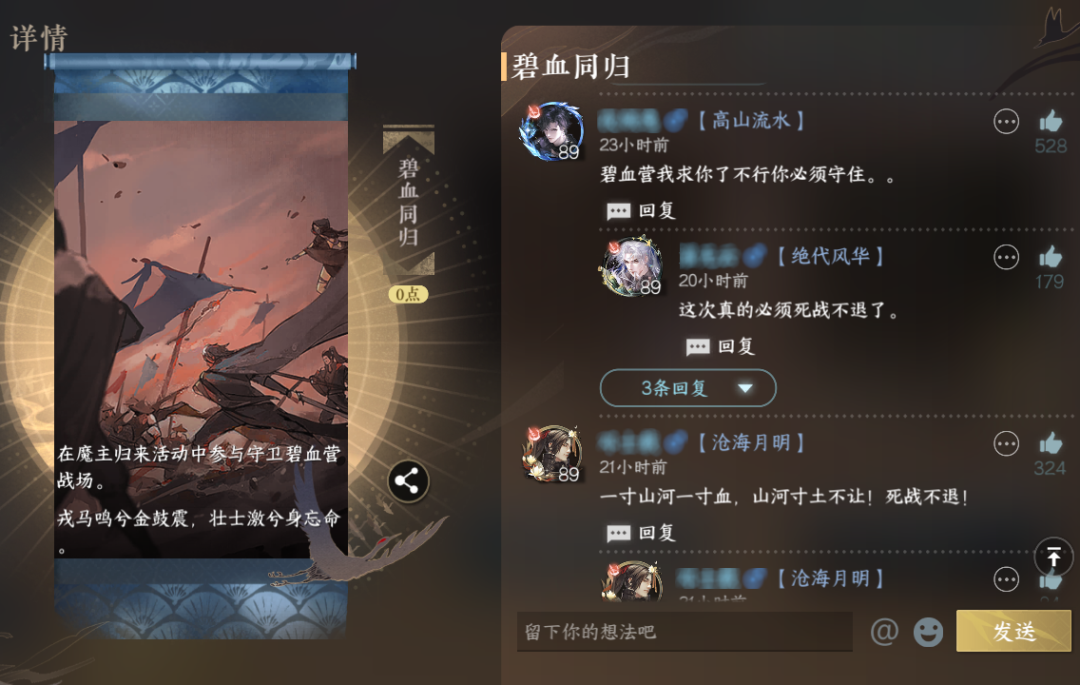
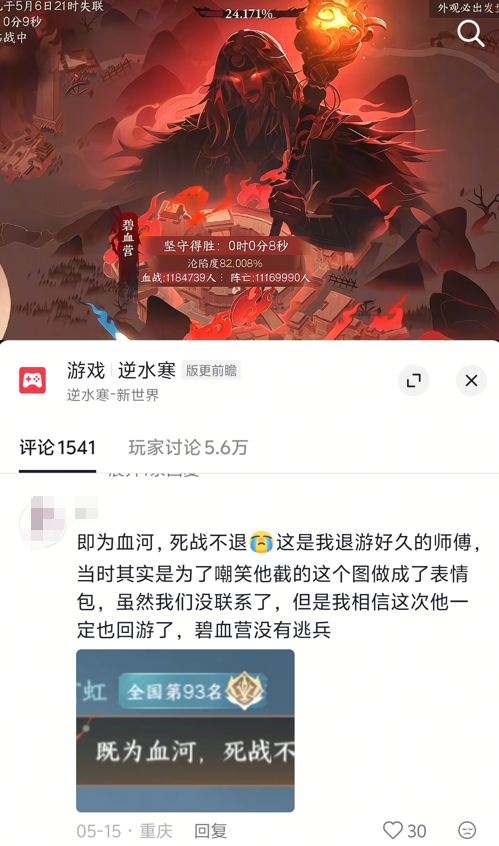
The 48-hour defense created a miracle that even the officials had never anticipated. Ultimately, 3.145 million players participated in the Battle of the Crimson Blood Camp, with a peak concurrent user count of 1.17 million and over 10 million casualties.Overnight, the developers scrapped the original script for the decisive battle in Bianjing and issued an announcement acknowledging that “any pre-determined scenarios or trajectories now seem utterly inadequate.”
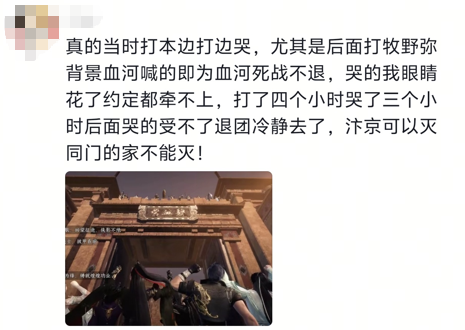
One player who participated said, “I was literally crying while playing—especially toward the end, when I was fighting Makino Ya and shouting, ‘Let there be a river of blood; we’ll fight to the death and never retreat.’ Bianjing may fall, but the home of our fellow disciples must not be destroyed.”
Another player put it even more bluntly: “My mentor quit the game a long time ago. Even though we haven’t been in touch for ages, I’m sure he’s come back this time too—because there are no deserters in the Blue Blood Camp.”
There’s no doubt that this isn’t the kind of event that can be created through operational planning alone.Any competing game developer could replicate a “Blood Camp” map, a “Mu Ye Yi” boss, or a set of defense mechanics, but they could never replicate the collective memory of 3.14 million players defending the same territory for 48 hours straight—simply because, in this virtual world, they, too, have things they cannot let go of.
In fact, this expression of emotion isn’t limited to the activities mentioned above; on various social video platforms, you can see countless players of the *Ni Shui Han* mobile game generously showcasing their “talents.”
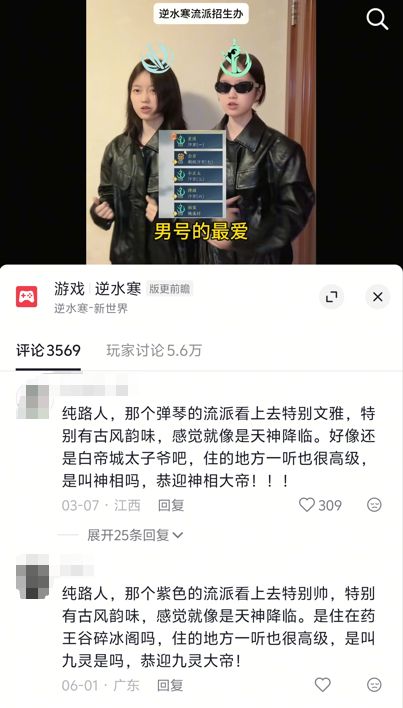
For example, there was once a new player who asked which faction was best to play, and the comments section was instantly flooded with members of the “recruitment teams” from every major faction—all posing as “random passersby”—who spared no effort to recruit new members for their own factions.
The related UGC ecosystem is truly thriving. There are countless “Ni Shui Han” skits, and short comedy videos featuring in-game references—filmed using actual in-game footage—have consistently maintained high view counts across the web. Meanwhile, posts showcasing in-game skins and character models continue to enjoy steady popularity on Bilibili and Douyin.
When *Ni Shui Han: New World* was first unveiled, the developers stated that their goal was to “become the ‘second life’ where players can come to rest when they’re tired, find a place to hide when they’re weary, and drop by to explore when they have free time over the next decade.”
For an MMO to make it to its fourth year, while its graphics may be surpassed and its content emulated, the highlighted names in the guild list, the inside jokes that bring a knowing smile on social media, and that motto—“Since we’re the Blood River, we’ll fight to the death and never retreat”—are solid assets that no company can easily replicate.Because this isn’t just product content—it’s three years’ worth of emotional investment.
Conclusion
Let’s return to the question we started with: Why did the *Ni Shui Han* mobile game choose to proactively dismantle and rebuild itself three years later? It wasn’t because it hadn’t done well enough before—quite the opposite. It was precisely because it had accumulated enough that it dared to break away from the existing framework.Three years ago, it could have been anyone’s gateway to the martial arts world; three years later, it aims to become a home for many. The name “New World” does not signify abandoning the past, but rather allowing the past to be reopened, embraced, and continued.
For a long-running MMO, the novelty and excitement generated by a constant stream of new content will gradually fade, but sustaining players’ emotional investment is a model that never reaches a saturation point. *Nishuihan: New World* has clearly chosen to take the more difficult path.For a mature product, it might be difficult to make such a decision after three years of operation. But for the *Ni Shui Han* mobile game, it is precisely because those three years of companionship with players have been distilled into countless emotional moments that it has ultimately become the greatest source of confidence in creating the “New World.”
原创文章,作者:游茶妹儿,禁止转载:https://youxichaguan.com/en/archives/208069