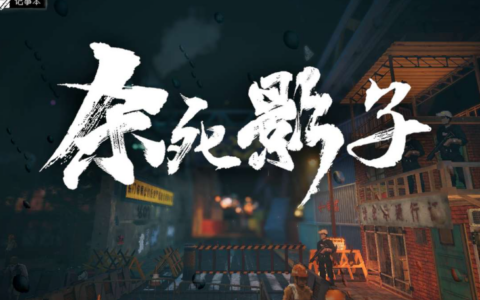
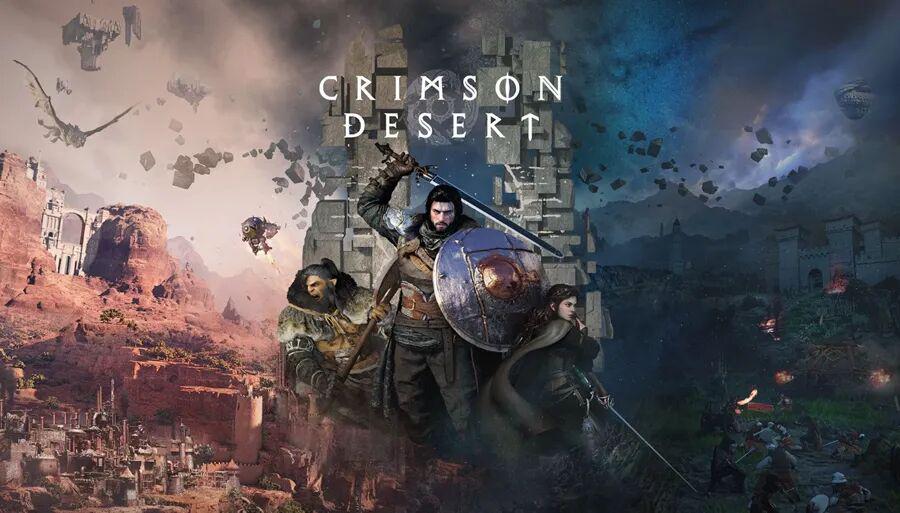
According to a report by the South Korean media outlet *The Chosun Ilbo*, two well-known South Korean game developers, Krafton (PUBG) and Pearl Abyss (*Black Desert*), paid more than 100 billion won (approximately 493 million yuan) in Steam fees during the first half of this year.
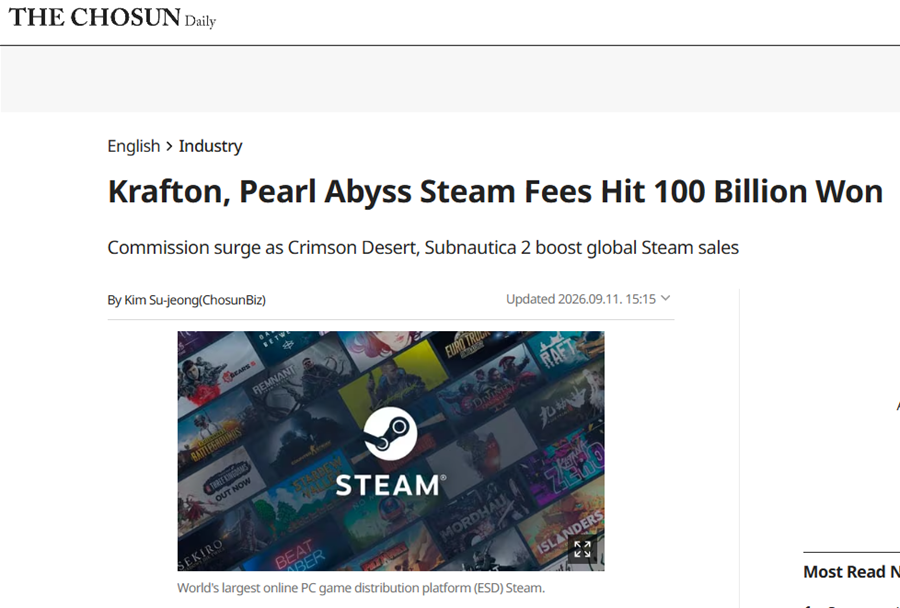
According to data from Alinea Analytics cited by *The Chosun Ilbo*, *Red Desert* (Pearl Abyss) generated approximately $190 million in cumulative revenue in the first half of the year, while *Subnautica 2* (Krafton) generated $134 million.Based on Steam’s revenue-sharing ratio, these two games alone would have to pay Steam 100 billion won in royalties.
The financial reports also confirm the sharp rise in commission expenses. In the first half of the year, Krafton’s commission expenses rose 254.6% year-over-year, while Pearl Abyss’s commission expenses increased by 179.0%. The bulk of these commission expenses consists of revenue shares paid to various distribution channels.
The sharp rise in transaction fees points to one obvious fact: Korean developers’ single-player games are selling like hotcakes.
I remember that the developers from our neighboring country, who were just as good at making F2P games as we are, suddenly all flocked to Steam to make a fortune. How did that happen?
01
South Korean online games were once the pioneering products in China
More than 20 years ago, South Korean games dominated China’s internet cafes.
Back then, if you walked into any internet café in China, you’d see an entire row of screens, most of which were displaying Korean online games—people were either playing *Legend* or *Audition*. Game cards were in such high demand at one point that, according to reports, many distributors had to carry sacks to stock up on *Legend* game cards.
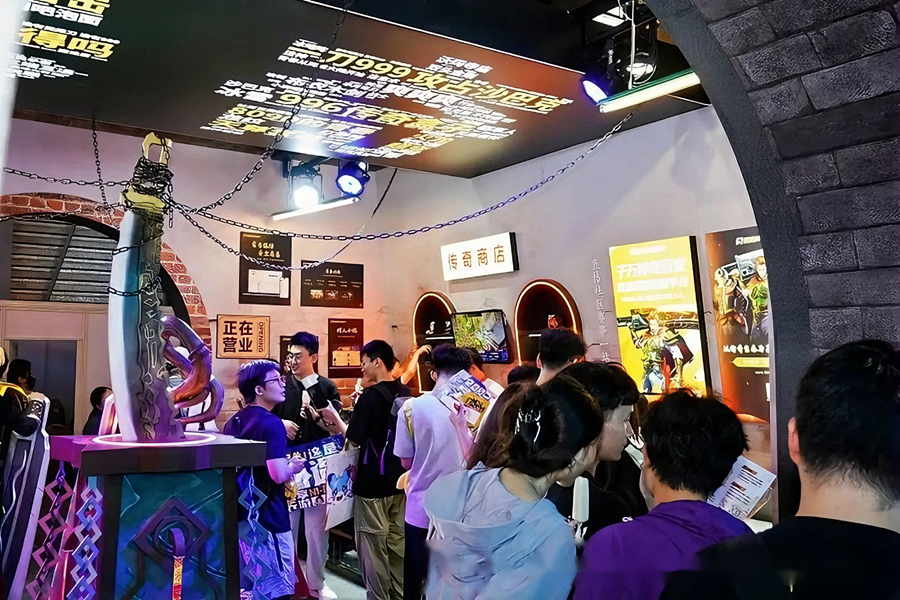
The Legend Box booth at CJ is still bustling with people
Before *World of Warcraft* launched, Korean online games accounted for about 40 percent of the domestic market. Established game companies such as Shanda, Century Tiancheng, and Jiuyou all got their start by licensing Korean games. The four major portal sites—regardless of whether they had a gaming background—all held several Korean online games in their portfolios.
However, as the domestic gaming market grew, the cost of licensing Korean online games rose accordingly, and domestic developers became increasingly dissatisfied with having to cede most of their profits to Korean companies, leading to growing tensions between the two sides. Chinese developers began to model their games after those of Korean companies, gradually developing their own in-house development capabilities.
It can be said that South Korean game developers, as pioneers, serve as mentors to their Chinese counterparts.
But teachers can’t remain teachers forever. Backed by a vast domestic market, Chinese manufacturers—having accumulated capital and technology—have begun to expand overseas to capture global markets.
02
Genshin Impact Has Made Korean Game Developers Realize They’re in Big Trouble
As early as 2018, *Girls’ Frontline* successfully topped the App Store’s top-grossing chart in South Korea, marking a milestone in the history of Chinese games going global. The following year, *Rise of Kingdoms* launched in South Korea and held the top spot on Google Play’s top-grossing chart for 20 consecutive days, while other Chinese games, such as *Miracle Sword*, also consistently ranked among the top titles on the chart.
At that time, Korean manufacturers were marveling at the dramatic rise in Chinese manufacturers’ R&D capabilities, but they had not yet fully realized that an even greater shock was on the horizon.
In September 2020, *Genshin Impact* launched simultaneously worldwide, generating $245 million in mobile revenue in its first month, topping the global mobile game revenue charts and becoming a phenomenon that year.
What surprised Korean industry professionals was not only the quality of *Genshin Impact*, but also the development team’s ability to produce a high-quality update in just 42 days. This formidable capacity for industrial-scale content production left Korean studios in awe.
In early 2026, Kim Hyung-tae of Shift Up said at a presidential briefing that about 80 percent of the company’s revenue comes from overseas, and that every product must compete head-on with Chinese developers.For projects of the same scale, Shift Up has only 150 developers, while Chinese companies can deploy teams of over 1,000 people. His strategy is to ensure developers become proficient in using AI to compensate for this numerical disadvantage.
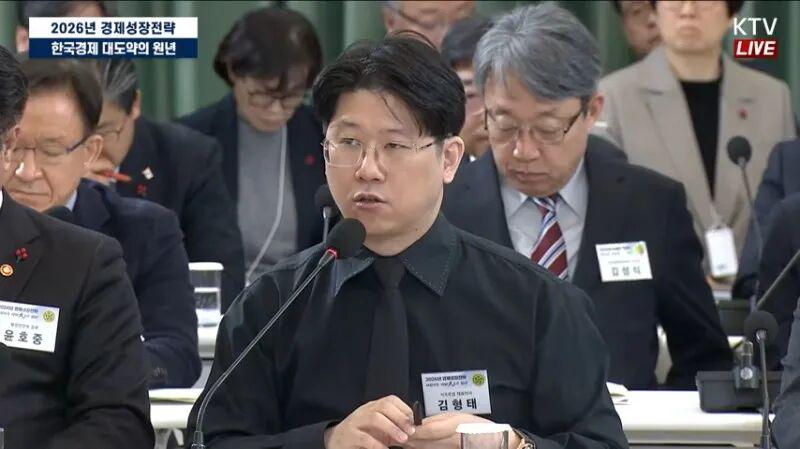
Kim Hyung-tae Speaks at the Presidential Briefing
In fact, *Genshin Impact* has long instilled a deep sense of crisis in the minds of South Korean game developers.
The head of a South Korean company’s China division once told Game Teahouse that after the success of *Genshin Impact*, South Korean developers realized it had become very difficult to compete with China in the mobile gaming market, so they turned to Steam to seek new opportunities.
On the other hand, when *Black Myth: Wukong* released its first trailer in 2020, it sparked a wave of reflection and discussion within South Korea’s developer community: Has the industry become too accustomed to making a quick buck through gacha mechanics, to the point where it no longer has the patience to develop single-player games?
On one hand, they face direct competition from Chinese mobile games; on the other, they’re spurred on by Chinese AAA titles. Single-player games and Steam have thus become new outlets for Korean developers’ global expansion—clearly a rational choice.
03
Which Korean companies are developing single-player games?
Shifting the focus of R&D from mobile games to single-player, one-time-purchase games not only presents a higher technical barrier but also requires a shift in creative thinking.
No one has been more proactive than these three South Korean companies: Pearl Abyss, Neowiz, and Shift Up.
Pearl Abyss poured eight years into *Red Desert*, which sold 6 million copies in its first 83 days on the market, setting the record for the fastest-selling single-player game in South Korea. Riding the momentum, *Red Desert*’s DLC and Nintendo Switch 2 version are both on the way.
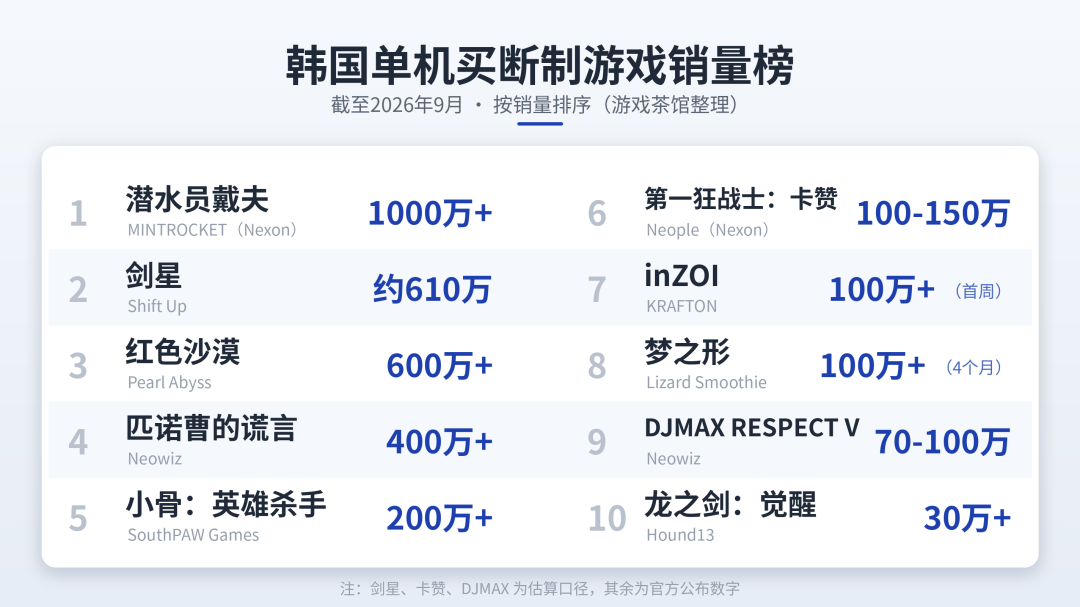
Neowiz’s *Pinocchio’s Lies* has sold approximately 4 million copies, with 90 percent of its revenue coming from Europe and the U.S., and work on the sequel is already in full swing.Neowiz isn’t content with just developing its own games; by incubating small independent teams, it has also released a series of critically acclaimed indie gems such as *Little Bone*, *Dodge Assassin*, and *Shape of Dreams*. It has also invested in BLANK., a Polish studio founded by former CDPR employees.
Kim Hyung-tae’s Shift Up has also achieved success in the single-player game sector. According to third-party data, *Sword Star* has sold approximately 6.1 million copies, and *Blood Rain*, a new title set in the same universe, is scheduled for release in 2027.
The South Korean government also supports game developers’ efforts to explore Steam.
In 2025, the Korea Creative Content Agency (KOCCA) allocated 21.9 billion won (approximately $16 million) to its game content production support program, covering 76 projects; console and PC cross-platform projects are eligible for funding for three consecutive years.Complementing these efforts are 12 Global Game Centers and the G-STAR exhibition, which are dedicated to expanding into key overseas markets.
This scene seems somewhat familiar. In 1999, the South Korean government helped launch the first generation of the online gaming industry. More than two decades later, it is once again pouring money into a new sector right from the starting line.
Other major studios are also testing the waters. Krafton has launched *inZOI* and *Subnautica*; Nexon has released *Kazan*, a new game based on the *DNF* IP, for mature markets, and has *The Traveler Yu Zhi* in the pipeline; Wemade’s *Project TAL* is regarded as the “Korean version of *Black Myth*”; while NC and Kakao’s *Cinder City* and *Chrono Odyssey*, though still rooted in MMORPGs, have both shifted to a buy-to-play model and are available on Steam.
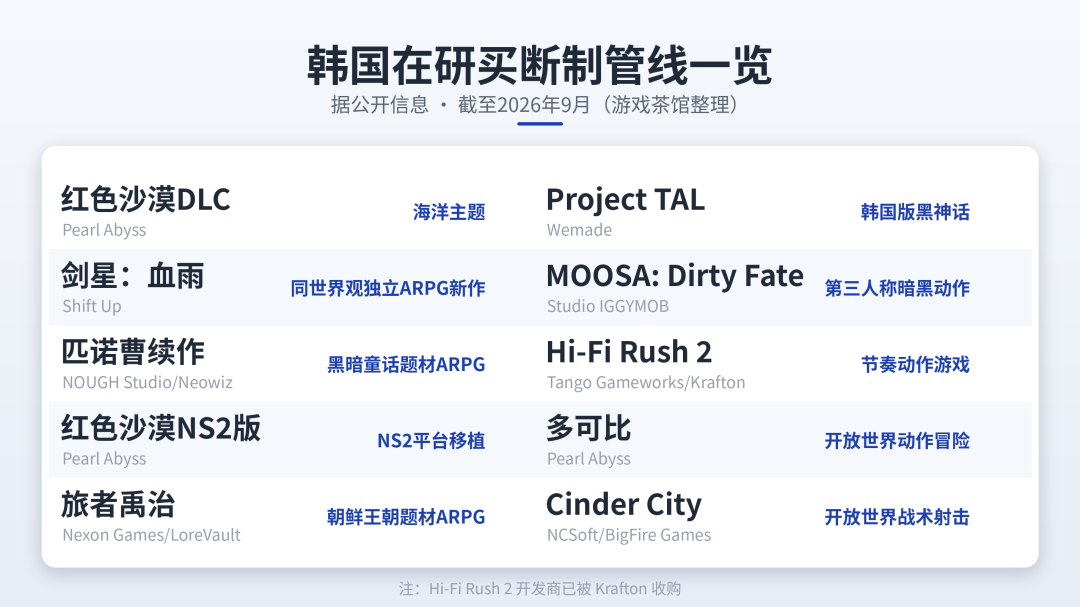
But don’t jump to the conclusion that a “collective shift” is underway. Whether it’s Neowiz, which has actively embraced single-player games, or the much larger Nexon, mobile games remain their biggest cash cow. For these established companies, new multiplatform online games continue to be a key focus in their product portfolios.
Exploring the single-player game market is never a smooth ride.
Sales of *Kazan* fell short of Nexon’s expectations, leading to a subsequent restructuring of the team; NC axed the long-announced AAA single-player title *Project M*, and *Tactan* didn’t make the cut either; Smilegate simply shut down its AAA studio in Barcelona…
Therefore, Korean game developers are attempting to steer clear of the intense competition in the Chinese mobile gaming market and view the single-player game market as a new growth opportunity; this is a more accurate description of the current state of their transformation.
04
China-South Korea Competition and Cooperation in the New Era
Korean companies seeking opportunities in new markets have turned around to find that they still cannot avoid competing with up-and-coming Chinese developers.
When it comes to expanding into overseas markets, Korean studios have gone further.Ninety percent of the revenue for *Pinocchio’s Lies* comes from Europe and the U.S., while *Red Desert* was aimed at the global market from the very beginning. Chinese single-player games naturally rely more heavily on the domestic market; Chinese players account for 57.8% of *Black Myth: Wukong*’s Steam player base (according to Alinea data).
When it comes to getting a head start, Korean developers still have the first-mover advantage.With titles like *Little Bones* (2021), *Diver Dave* (2023), and *Pinocchio’s Lies* (2023), Korean developers have long mastered the art of global distribution on Steam, building a diverse portfolio spanning action, survival, life simulation, and rhythm games—all organized into a well-structured lineup.
China’s AAA games are still in their early stages of development; currently, *Black Myth: Wukong* dominates the market, while more games with the potential to become blockbusters are on the way.
However, single-player games do not compete with each other for players’ time, so there is no direct competition between them.
The Chinese market remains a region of great importance to South Korean developers. Chinese players account for more than half of the user base for the PC version of *Sword Star*; the Chinese mobile version of *Dave the Diver* has sold 1 million copies; and 34% of the reviews for *Dragon Sword* are in Simplified Chinese. All of this demonstrates that the South Korean gaming industry cannot do without the Chinese market.
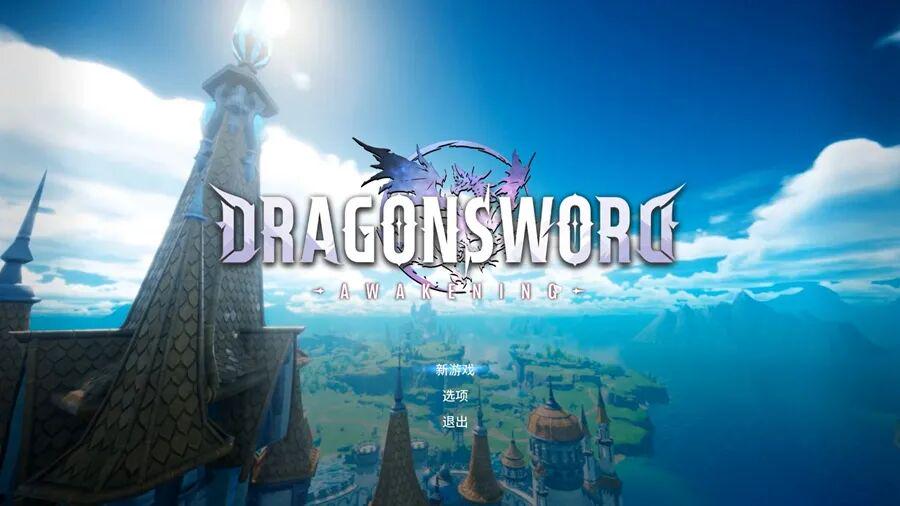
“Sword of the Dragon” Was Suddenly Changed from an MMO to a Single-Player Game
Following the path paved by *Black Myth: Wukong*, Korean game studios are preparing to retrace those steps in their own way.
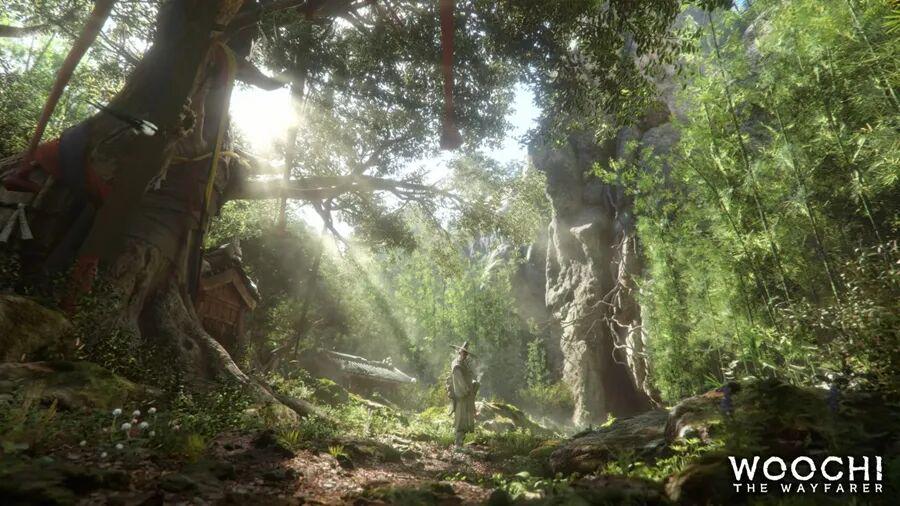
*Traveler Yu Zhi*, *Project TAL*, and *MOOSA*—three ARPGs set in the Joseon Dynasty—have all been greenlit in quick succession, following the “local culture + AAA” model that we’ve already proven successful.
Exchanges between Chinese and South Korean game developers have become more frequent.Kim Hyung-tae visited Feng Ji and Liang Qiwei during his trip to China and liked *Return to Tang* and *The Knot of Origin* on social media. The creative team behind *Pinocchio’s Lies* also came to China to interact with players face-to-face. Not to mention, capital ties have long existed between Chinese and South Korean game developers.
Competition and cooperation will likely be the dominant theme for game developers in both countries going forward.
05
The shelf life is shorter than you might think
More than two decades ago, Chinese internet cafes were dominated by Korean games; more than two decades later, Chinese games are making inroads around the world, squeezing out Korean games from the market. The two sides have effectively swapped positions.
Over the past two decades, Korean manufacturers have offered two lessons to their Chinese counterparts.
First, the shelf life of a competitive edge is shorter than one might imagine. South Korean online games were once exported worldwide, only to be squeezed from both sides by *World of Warcraft* and games developed in-house in China; and at the height of the mobile gaming boom, *Genshin Impact* broke through their defenses head-on. At every stage, South Korea served as a pioneer, yet its lead was quickly eroded each time.
This suggests that the next “Genshin Impact moment” could emerge in any sector or direction, including the single-player game development track that South Korean developers are quietly building up.
Second, government support is essential. South Korea’s support for the gaming industry has never been limited to taking action only after the industry had already taken off. Following the implementation of the “Basic Act on the Promotion of Cultural Industries” in 1999, it took more than two decades to establish a comprehensive system—including funding mechanisms and support for global expansion—which has laid the foundation for the South Korean gaming industry as we know it today.In 2025, the Korea Creative Content Agency will further support projects spanning PC and console platforms.
As for whether the Korean studios’ “retreat” marks the end of the road or is merely a temporary stop, it remains to be seen whether their new slate of projects can produce another *Red Desert*—or even a hit that surpasses it.
原创文章,作者:游茶妹儿,禁止转载:https://youxichaguan.com/en/archives/208617