
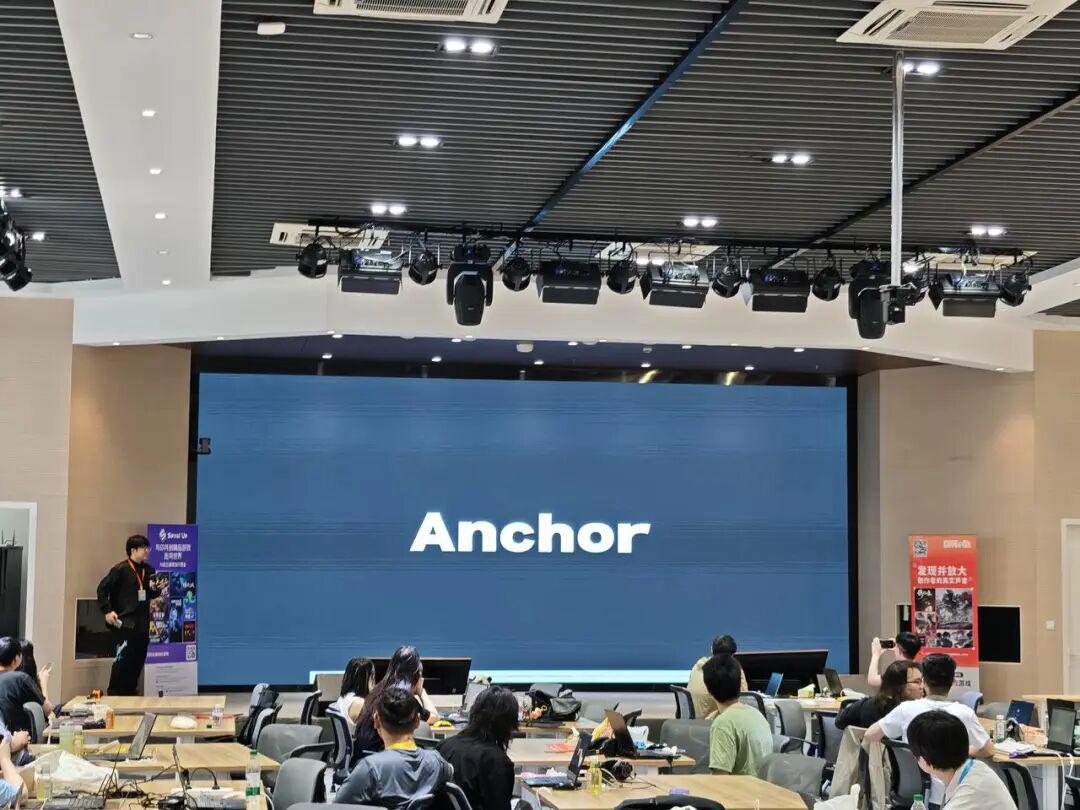
In 2002, a group of developers crammed into a red barn in Oakland, California, using 16 top-of-the-line computers sponsored by Intel to try to prove that the graphics cards of the time could handle 100,000 moving characters on a single screen.This event was the first official Game Jam. Over the course of four days, these enthusiastic tech geeks produced 12 rough-around-the-edges but dynamic prototypes, ranging from a game where you crushed crowds with a bowling ball to an unconventional creation that explicitly stated in the code, “Maximum of five Jesus clones.”
From that point on, rough, raw, yet hardcore became the inherent essence of Game Jams.In the early days, participants were almost exclusively experienced veterans. To them, Game Jams were a breath of fresh air that bypassed the layers of approval in the commercial production pipeline—a workshop where a few obsessives could test out their bizarre ideas against one another, much like the artists and geeks of the 1980s.Doug Church, who contributed to the design of titles such as *System Shock* and *Thief*, succinctly described the event as a spark of progress where “you don’t have to overthink it—just start hammering away at the keyboard and see the results.”
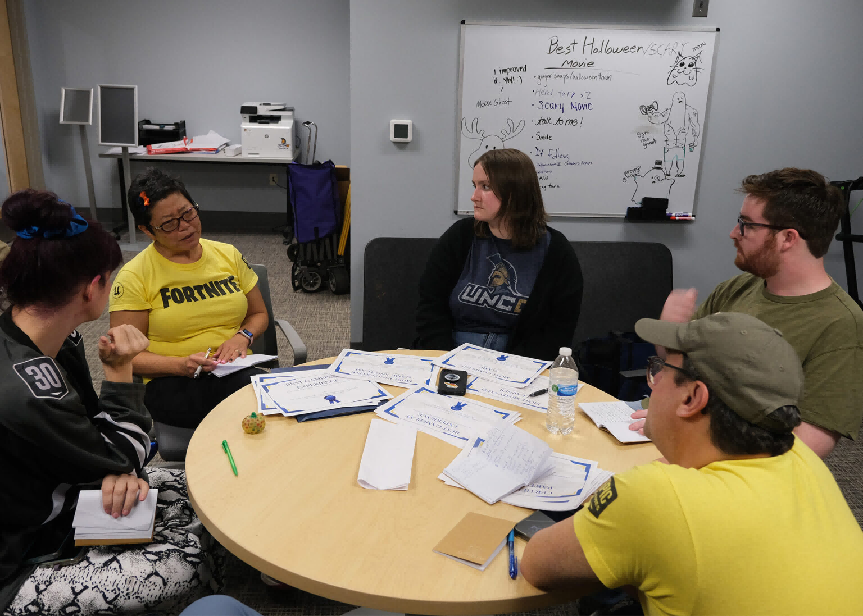
It can be said that the core of Game Jams at this stage lies in the friendly competition and validation among experienced developers, as well as rapid testing of game development within major companies.
Over the next two decades, game jams proliferated and rapidly diversified in format.The online Ludum Dare has always remained free; Notch, the creator of *Minecraft*, participated in seven consecutive editions. Meanwhile, the Global Game Jam standardized and promoted this model, expanding from 23 locations in 2009 to a global scale, with a single event receiving nearly 80,000 submissions at its peak.
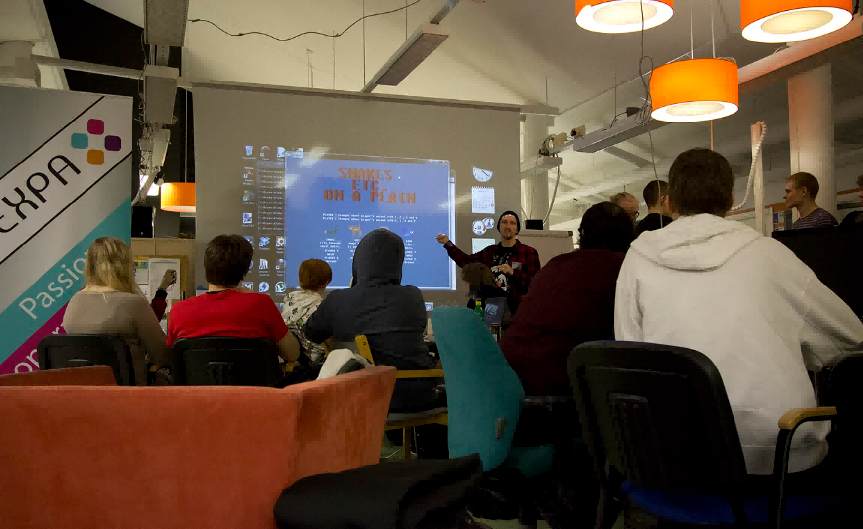
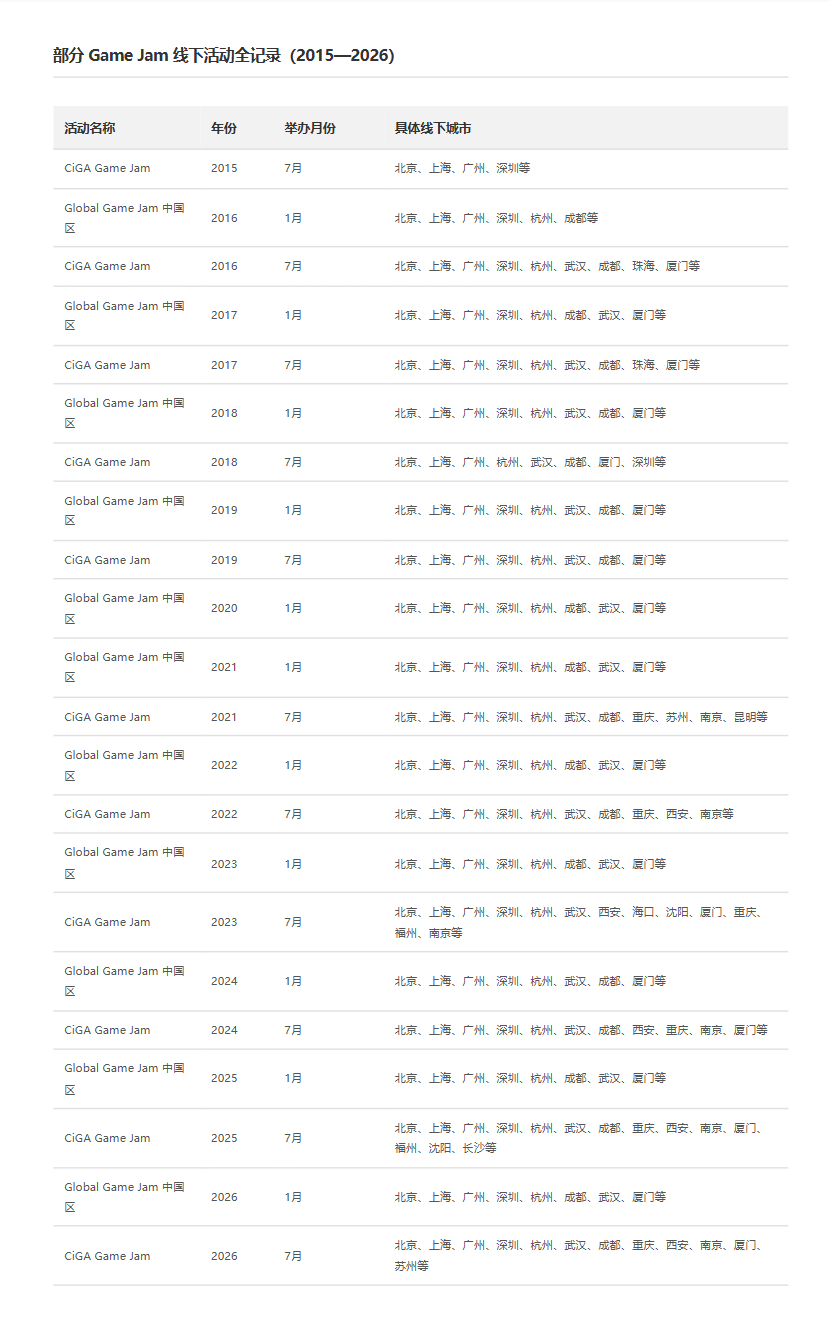
In China, although Game Jams got off to a late start, they have flourished across the country over the past decade or so. In January 2011, Yedao was the first to join the Global Game Jam, and CiGA subsequently expanded its network of host locations;Major companies such as Tencent and NetEase hold internal competitions year-round, serving as training grounds for cross-departmental collaboration; meanwhile, commercial competitions like TapTap’s “Spotlight” link game creation with distribution.
As the scope of Game Jams has expanded, the barrier to entry has dropped significantly. In the early days, Game Jams were almost exclusively for seasoned game developers, but now, not only are there an increasing number of Game Jam sites and events, but a large number of college students and independent game developers have also joined in. Many of them participate with a focus on practical benefits:Some participate for hands-on course experience, while others aim to build up their portfolios or polish their resumes.
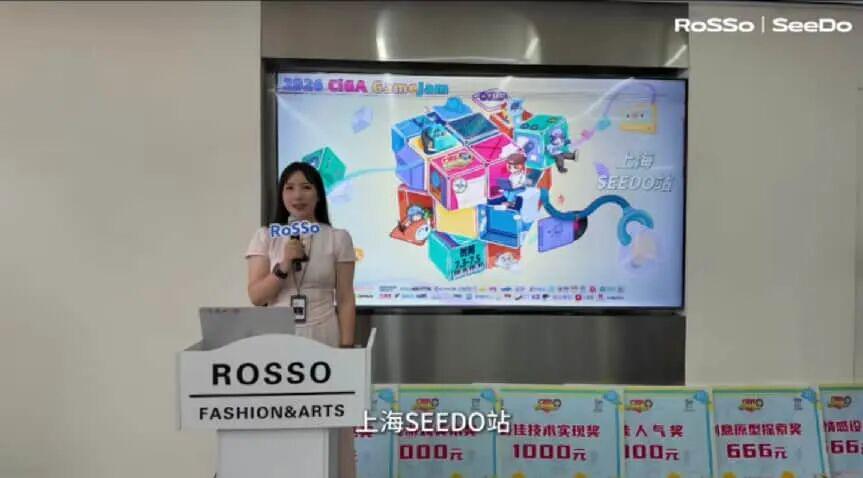
(In the image, Rosso is an agency specializing in industrial interaction study abroad programs.)
Teahouse noted that at the GiGA Game Jam, which concluded earlier this month, quite a few venues were hosted by study abroad agencies—this is just a snapshot of how the community is expanding. Today, many younger, less experienced participants choose to make Game Jams their first step into game development.
As Game Jams shift from niche events to mainstream ones, how will their experience, process, and value to the industry change?
With these questions in mind, this episode of “Teahouse” invited several participants and observers from various stages of the CiGA Game Jam to share their insights on the matter based on their own experiences.
▍Sherry, Director of Single-Player Game Publishing at Yedao: Our site doesn’t have judges or rankings. The rule is simple: play each other’s games. You play mine, I’ll give you a sticker; trade those stickers for voting rights. The more you play, the more votes you get, and in the end, you vote for the games you’ve actually played and enjoyed.We won’t interfere with the results; our main goal is to convey a philosophy—you can’t develop games in isolation; you have to play other people’s games.
Our biggest feature right now is this peer-review mechanism. There’s no on-site HR recruitment, no resume editing, and no prizes—just a certificate upon completion, which simply acknowledges that you came, finished the challenge, and did a great job.Overall, we hope to maintain an atmosphere where everyone can play games in person, try out others’ games, and interact with one another. If the event becomes too utilitarian or goal-oriented—with people coming solely to build their portfolios—it loses its true spirit. So we try to encourage a more pure approach: just come to play and have fun.
But that doesn’t mean Game Jams have no connection to commercialization. We have plenty of internal examples. *Transcendence Hospital* was born out of an internal Game Jam in late 2014 and launched in 2016; *A Perfect Day* was greenlit during an internal Game Jam in 2016 and released on Steam in 2020.*A Hundred Scenes of Jiangnan*, a title many of you are familiar with, was also incubated during an internal Game Jam in 2018. At the time, the art was still quite rough, but the core elements—isometric perspective, simulation management, and the Jiangnan water town setting—had already been established. After receiving positive feedback during internal testing, the project gradually moved toward commercialization and has now been in operation for six years.
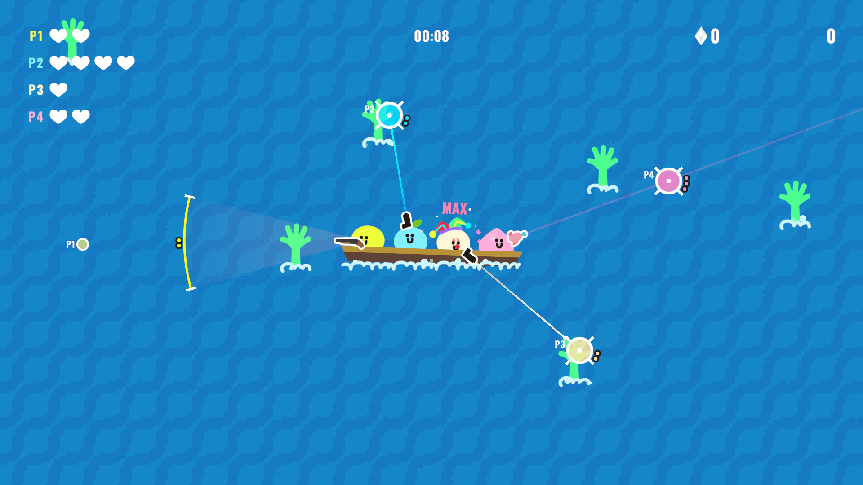
But as an interviewer myself, I’ve seen plenty of cases where people just pile up their resumes for the sake of it. I only interview for publishing roles, and I often come across those who just churn out the same old routines over and over—many people finish a project and then just leave it there, without optimizing or iterating on it. This situation exists, and it’s quite common. But even so, I still think you should participate in a Game Jam.No matter what role you’re in, you can experience the entire production process in a very short time: project initiation, development, launch, and finally, presenting your game in front of an audience. In the industry, you might spend months or even years stuck on a single phase of a project, without ever getting a sense of the big picture.Creation isn’t just about competing on creativity; there are many engineering and practical aspects that require you to gain experience through repeated hands-on practice. A short-term event like a Game Jam forces you to do more, work faster, and try out different approaches.
The shift in game genres over the past few years has been quite noticeable. Back when I used to participate in Game Jams, there was a game called *Gene Tailor* that I still remember to this day. The gameplay involved finding alien NPCs, cutting out specific traits from them, and then piecing together whatever you wanted.The mechanics were really quirky—you couldn’t fit it into any existing genre category. Game Jams used to frequently produce these kinds of unclassifiable games, but they’re less common now.
Part of the reason lies in the tools. Since AI tools have become widespread, there’s been a noticeable increase in click-based games. In the past, Game Jams often produced games with particularly bizarre mechanics that couldn’t be defined by existing genres, but now people are accustomed to defining the genre first—they’ll say right off the bat, “I want to make a roguelike, a text-based puzzle game, a mystery game, or a ‘Survivor’-style game.”Social media is also playing a role. Many people post development diaries on Xiaohongshu before their games are even finished, so naturally they’re more inclined to create visually eye-catching content. Additionally, many players of the new generation grew up playing anime-style games, so their aesthetic preferences have a much stronger anime influence than in the past.
The format of the event itself hasn't really changed much; what has changed are the tools and people's aesthetic preferences. This isn't just an issue with Game Jams—the entire indie game scene is moving in this direction, and Game Jams simply bring this shift to light.
▍Lao Hei, Solo Travel Creator Abroad:
The last time I participated in the Global Game Jam, I formed a team on the spot with a few college students. They had signed up on their own, and some had even traveled from out of town just for the event. When we talked, I could tell they were simply passionate about making games—there was no sense that they were just going through the motions. At least in my experience, I haven’t come across any students who were there purely to pad their resumes.
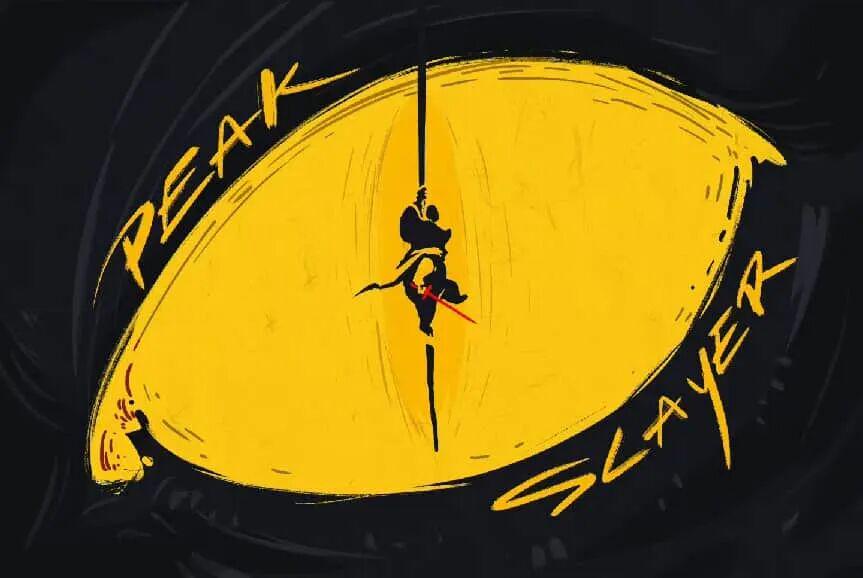
For me, the core value of a Game Jam comes down to two things: validating ideas and brainstorming. When I work on something alone, I tend to fall into the trap of perfectionism—I’m always trying to polish the part I’m working on over and over again. But when there’s a strict 48-hour deadline, it forces you to come up with a working prototype.If it turns out to be fun, I can keep working on it; if not, I’ve only invested a weekend—which isn’t that much time. That’s why I prefer shorter events—48 to 72 hours is ideal, since I have a day job to attend to.
At the last CIGA offline event hosted by Yedao, the overall atmosphere was great. Although the voting results shouldn’t be taken too seriously, the requirement to play each other’s games really enhanced the sense of interaction throughout the event, which reminded me a lot of my favorite online event, Ludum Dare.
Voting in Ludum Dare is organized by category—art, music, overall atmosphere, adherence to the theme, and gameplay—with separate scores for each, followed by an overall ranking. The recommendation algorithm works similarly: when you play someone else’s game, the system pushes your own game higher in the rankings, and when others see it, they’ll come play yours.Through this back-and-forth process, the final voting results are usually quite objective.

When it comes to portfolios and applications, my own experience was a bit different. When I went abroad to study game design, I didn’t rely on Game Jams at all to enhance my application materials—I found all the opportunities on my own.Overseas schools still place the greatest emphasis on portfolios. Even for a game designer who’s just started college, it’s perfectly acceptable to submit just a detailed design document for an interview—you don’t necessarily need a complete project created in collaboration with artists and programmers.
When I look for game designers to collaborate with, I have one minimum requirement: they must know how to code. I believe that if an indie game designer never touches code at all, they probably aren’t truly committed to making indie games. This standard may also have caused me to inadvertently avoid some people who were just looking to build up their portfolios.
The Swedish studio Landfall operates in a Game Jam-style format; many of its projects take a similar form, though with slightly longer cycles—some are long-term sprints lasting three or four months, while one previous feature was developed during a one-month Game Jam.I think the Game Jam approach is indeed very useful for developing these small-scale games, but only if you have a solid foundation to build on: when developing 3D games, if you already have some ready-made shaders, rendering solutions, and simple models that can be directly reused, you don’t have to start from scratch every time—you can focus all your energy on validating the gameplay.A similar benefit comes from having a body of engine-related code.
▍Yumi, Former Animation Director at a Major Studio
I participate in Game Jams mainly to challenge myself—I always feel like I could improve. Another reason is to expand my network; at these events, I get to meet people in the game industry—whether they’re professionals or industry veterans—and through conversations with them, I learn a lot about real-world experiences in the field.
At the end of the day, what I really love is the format itself. It brings together a group of people who are truly passionate about game design, making you feel like you’ve found kindred spirits. When brainstorming with teammates, inspiration just clicks into place as we talk. Taking the time to check out other teams and see how they approach things is also a great way to learn from one another.
Over the past few years, I’ve noticed that the number of people attending in-person events has clearly increased, and they’re getting younger—I’ve even run into high school students. Another change is that fewer people drop out midway than before. A few years ago, it was common for all the seats to be filled on the first day, only to have nearly half of them empty by the last day. Now, even if some people leave early, those who remain still stick it out until the end.
When forming a team, my usual approach is to watch the problem video repeatedly, distill key points on my own, and then share my thoughts aloud. We discuss it as a group, with everyone sharing their ideas. The project lead then consolidates these into a single direction, finalizes the plan that everyone is most interested in and capable of executing, and assigns tasks.In this process, the project manager’s ability to make decisions is absolutely crucial. If you end up with someone who just listens to others and can’t make up their own mind, things will get really painful down the line. Once, two project managers pulled an all-nighter on the first night, and when I arrived the next day to check in, they still hadn’t decided how to design the level—the whole process can only be described as a disaster.
The ideas are too complex; even experienced professionals might not be able to handle them, whereas some recent graduates or current students can do a great job right off the bat.I feel this still comes down to passion and the desire to express oneself. Some veterans in the workplace no longer feel the urge to express themselves—they have only a tiny bit of passion left, and their whole demeanor feels like they’re just going through the motions. They’re accustomed to judging problems based on project experience; it’s hard to tell what they’re trying to convey, and there’s little sign of innovation.
At the Hangzhou stop, Sphinx had the largest crowd; there were indeed a lot of students there because educational institutions were involved. But I still believe that the ability to create something truly expressive comes from passion and love for what you do.Work experience can be built up over time, but knowing what you want to do is what matters most. That’s why, wherever enthusiasts gather, I make it a point to expand my network as much as possible. Listening to others’ ideas has a huge impact and provides great inspiration—working in isolation is too limiting. I’m naturally an introvert, but I always make an effort to talk to people in person; the experience is so much better than online.
Another thing that surprised me was AI. I had thought that AI was about to take over Game Jams, but it turned out that many artists were still drawing stroke by stroke, and it didn't seem like programmers were using AI on a large scale either—there were still plenty of people doing things by hand.
▍Morning: Newcomers to the Indie Game Scene
I participated in a Game Jam partly because I simply enjoy making games, and partly because I wanted to meet people in different roles. In the past, I used to work on my own, so I was really curious to find out how people in fields like art, design, and music—as opposed to programming—understand games.
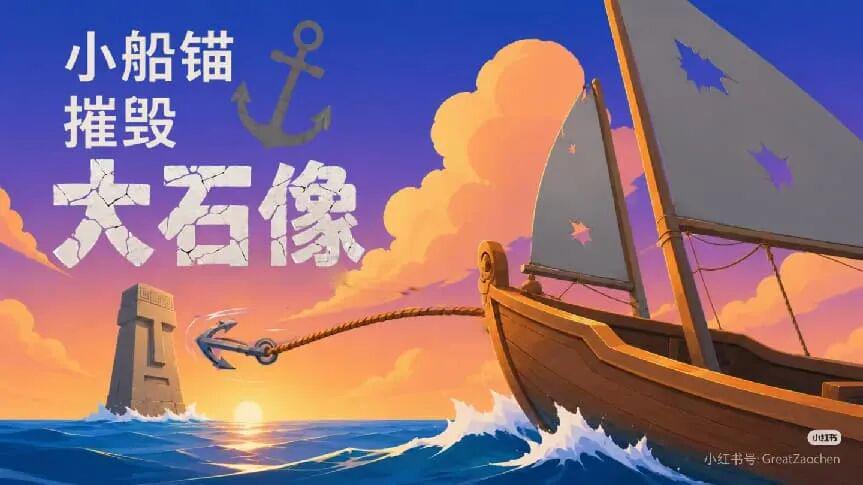
This time, our team consisted of just three people, plus one sound designer who participated remotely, so from start to finish, we had only one priority: to finish the game. After receiving the challenge, we strictly limited our discussion time to two hours to finalize the core gameplay and theme.
During the brainstorming phase, we don’t worry about production difficulty—we throw out every idea first, then come back to evaluate them against our capabilities during the screening process. We use the Unreal Engine, which gives us an edge in physics and graphics rendering, but since we don’t have any artists on the team, we immediately rule out any proposals that rely heavily on art or animation.We ultimately settled on the concept of sailing a boat and dropping an anchor, which struck a balance between what we could actually do and what was interesting.
There wasn’t much communication during the collaboration; we relied mostly on document exchanges. The planners wrote the requirements, and the programmers and sound designers followed them. Whenever we encountered something technically difficult to implement, we cut it immediately and didn’t dwell on it.We originally planned to create a wave skill for the enemy, but controlling the waves was too difficult to implement in the code, so we scaled it back to simply increasing the wave height. Therefore, the top priority is completion—we can’t let the project veer off course.
In terms of how this experience has influenced me, from a programming perspective, it allowed me to explore a genre I’d never worked with before, learn a lot of new things, and open up a new direction for my future game development. But the most direct inspiration actually came from observing how other teams approached their work. Our entry point was leveraging the engine’s strengths, but there was a team of four programmers next to us who started half a day later than us yet achieved an incredibly high level of completion;Other teams focused on staffing and production methods, resulting in completely different processes and vastly different end products. That on-site comparison and exchange of ideas was far more stimulating than just working in isolation. I also met some people with whom I’ve stayed in touch—we’re still chatting to this day.
When it comes to Game Jams, I’ve always felt that they aren’t commercial events—whether you’re an industry veteran or just a casual enthusiast, everyone has their own approach.At the one I attended, someone brought their 10-year-old child to participate. What they created was rough around the edges, but still fun. For veterans, it might be a chance to test out a gameplay concept; for newcomers, it might be an opportunity to get a feel for the industry; and even if someone uses it to boost their resume, that’s something the participant wants for themselves.For me, this experience confirmed one thing: Game Jams are a lot of fun, and they provide a reason to push yourself out of your comfort zone and engage with the wider world. The fact that every game enthusiast can get what they want out of it—that’s probably what it’s really all about.
▍FS Study Abroad Portfolio Coaching
We don’t actually require participants to turn the Game Jam into a portfolio piece. Students come to participate mainly to put the skills they’ve learned to the test in a time-limited environment.In regular classes, assignments are broken down into step-by-step instructions, but at the Game Jam, students receive a challenge on the spot and must submit a playable game within two days. It’s only under this kind of pressure that you can tell whether they’ve truly mastered the skills or are all talk and no action.
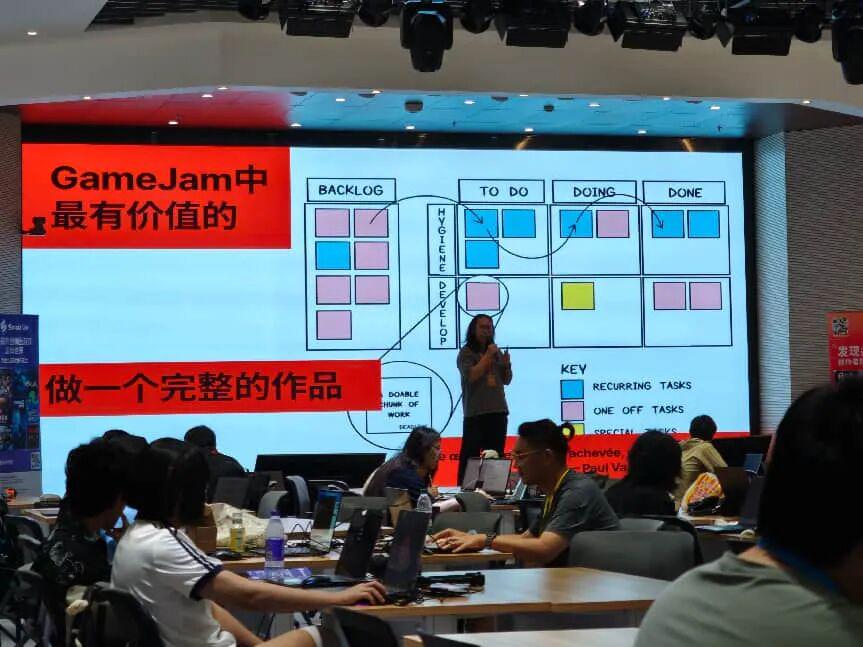
(Opening Speech at the CiGA Game Jam Shanghai Yedao Event)
The most fundamental aspect of the game industry is meeting deadlines. Schools often lack this kind of training—where students must deliver work by a set time—which can also help students determine whether they’re truly passionate about making games. Once they’ve had this experience, whether they go on to compete in contests or team up with others to develop games, they’ll at least know how to manage their schedule and won’t fall apart right from the start.
It’s only natural for veterans to work faster; development experience is earned through the grind of projects, so their pace is naturally different. That’s why we always say: don’t keep fixating on how strong other teams are. Just finishing the project is a victory in itself—treat awards as nothing more than a pleasant surprise.In the transition from student to game developer, a crucial hurdle is developing a “completion mindset”—you must clearly understand what you can and cannot do, and keep your expectations and project schedule in check. This ability in itself represents significant progress.
However, whether the experience is good or bad depends largely on whether there are experienced members on the team to guide the newcomers. Complete beginners who have to figure things out on their own tend to waste a lot of time choosing topics and dividing up tasks, which can eventually sap their enthusiasm. If there are people who have participated in several previous editions to offer some guidance on the direction to take, the overall experience goes much more smoothly.
Many students have said that the greatest takeaway wasn’t necessarily the final project they submitted, but rather the social atmosphere and experience—the late-night, open conversations with others on the first and second days, as well as the final pitch session, where they systematically observed how experienced creators break down problems and articulate their design thinking. These experiences will be directly beneficial whether they join a team or work on their own projects in the future.
▍Bulbasaur, Former Game Designer at a Major Studio
My personal take is a bit of a counterpoint to that—don’t force yourself to keep participating in Game Jams. I occasionally scroll through Xiaohongshu and see some posts venting frustrations; I’ve also seen quite a few students in the comments section struggling with the decision, saying they’ve already participated in several events and aren’t sure if they should keep spending time on them.
I have a somewhat negative view of the value of Game Jams as a way to break into the industry. It’s not that the events themselves are bad, but many people treat them as a “hard currency” on their resumes—something that’s actually a bit overrated. Many Game Jam projects aren’t very polished, which is understandable,time is limited, and most teams are rushing to finish. When we screen resumes and see a long list of Game Jam projects, only to find they’re all unfinished when we click through, we actually worry that your project portfolio isn’t solid or well-rounded enough. Written tests and interviews assess your ability to break down specific problems—not how many competitions you’ve participated in.
But what really convinced me that Game Jams aren’t suitable for beginners is the work style and atmosphere these events foster—for example, pulling all-nighters. For beginners, the most important thing is definitely to first get a handle on all the stages of game development; otherwise, the quality of their decisions will be quite low. Moreover, the social value of these events may be overestimated—the leaders of truly important projects already have packed daily schedules,and they simply don’t have the energy to participate in a high-intensity, short-term competition on the weekend. That’s why you’ll notice that those deeply entrenched in the industry are actually rarely seen at Game Jams.
For students looking to break into the industry, my advice is simple: participating once or twice is enough to see if you truly enjoy making games. Once you’ve confirmed your direction, focus your time and energy on areas that demonstrate depth—if you’re interviewing for a game designer role, write a comprehensive design document; if you’re interviewing for a programmer role, polish a project that showcases the depth of your technical skills.At this stage, learning to use AI tools to boost your productivity as soon as possible is far more practical than participating in yet another Game Jam.
Epilogue
Over the past twelve years, starting with just a few cities and now spanning the entire country, offline Game Jams have naturally become a festival of their own for China’s game developers and have fostered a unique developer culture.These high-pressure, short-time creative challenges not only trace the evolution of design philosophies and aesthetic tastes but also encapsulate countless stories of late-night instant noodles, last-minute team-ups, and code crashes followed by restarts—serving as the birthplace of many friendships and career beginnings.
You might just find a spot for yourself at one of these in-person events—they’re sure to bring back memories of your Game Jam experiences. Feel free to leave a comment below with the year and city where you participated, and share your ideas, challenges, and achievements from back then.
原创文章,作者:游茶妹儿,禁止转载:https://youxichaguan.com/en/archives/208463