The future of the industry—which people are eager to see—may have become a little clearer.
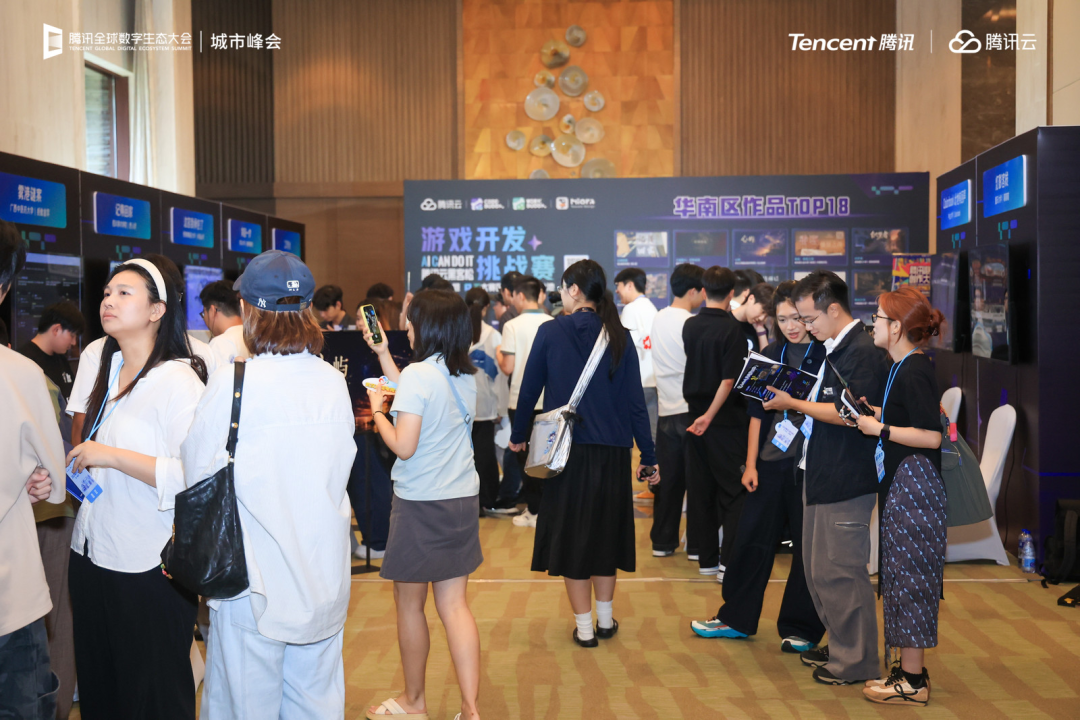
On July 2, Tea House took part in an in-person AI game showcase in Wuhan. The event featured 18 entries that had advanced from the South China regional round of the Tencent Cloud Hackathon and Tencent Game Creation Contest.These projects stood out among 1,232 participating teams and more than 200 AI-created games, and they underwent a new round of judging during this roadshow. Ultimately, the top three winners will join outstanding entries from the other four regional divisions to compete in the grand finale.
The developers of these 18 products share many common traits: almost all of them worked in teams of two to three people, using AI tools to complete the core development of their games under extreme time constraints—sometimes as short as a few days. The core team members are, on average, freshmen or sophomores in college, and a significant number of them have no professional background in programming or game development.By traditional industry standards, they are among the least experienced in the field, yet the final works they produced are on par with the early demos of many commercial products.
That day, as I talked with this group of young developers and reflected on their development experiences, I could sense a “generation gap” from time to time:To a large extent, their creative thinking is native to the AI era—they’ve grown up during the explosive evolution of large AI models in recent years, and their professional knowledge has practically developed alongside these models. Even their teachers at school offer courses on Vibe Coding and AI-assisted creation.Even when faced with the same development challenge, their creative instincts differed sharply from those of previous generations. For them, AI has already become a natural extension of their paintbrushes and keyboards.
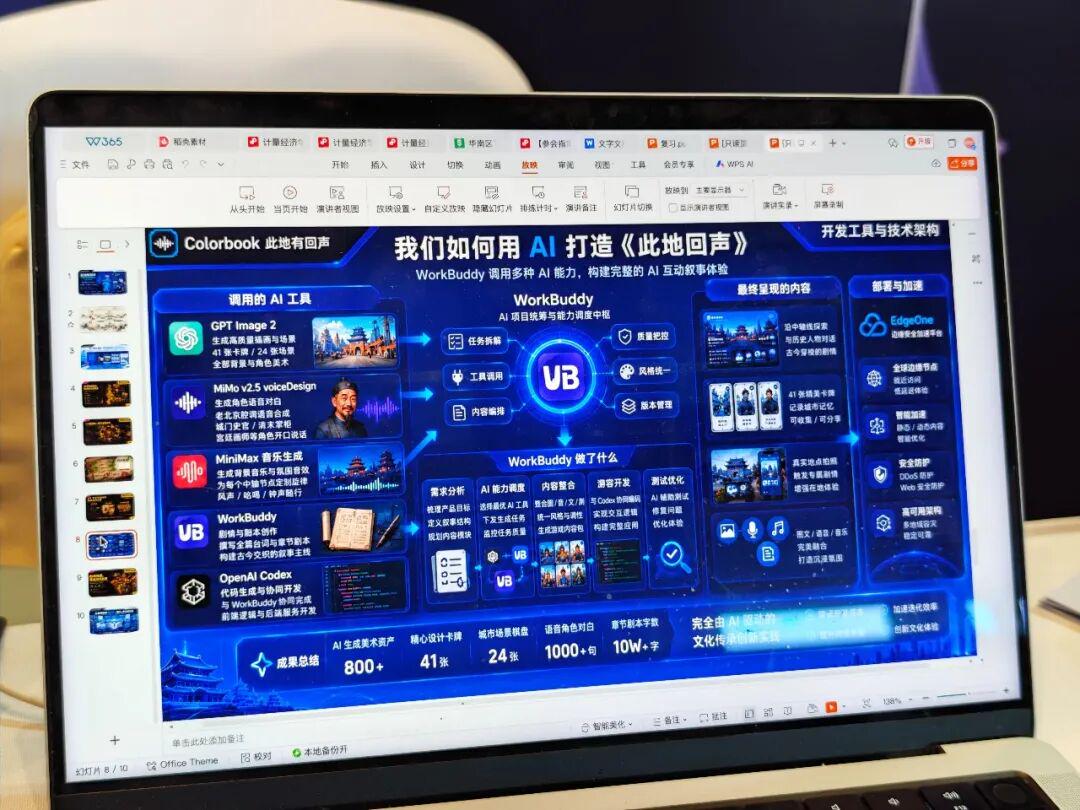
That is precisely why, when they participate in events like the Tencent Cloud Hackathon, they are able to seamlessly leverage CodeBuddy’s powerful multi-agent collaboration capabilities and WorkBuddy’s vertical-specific agent clusters to produce highly polished projects.
This is also what I see as the biggest highlight of this competition: the lightweight, time-limited development model of a hackathon naturally serves as a preview of the evolving commercialization pipeline. While the projects themselves may exceed expectations, they still represent changes that are, in fact, within expectations; what deserves even more attention is the creative approach and way of thinking demonstrated by the people behind these projects as they navigate the changes of the AI era.
01
An Insurmountable Obstacle Becomes a Path
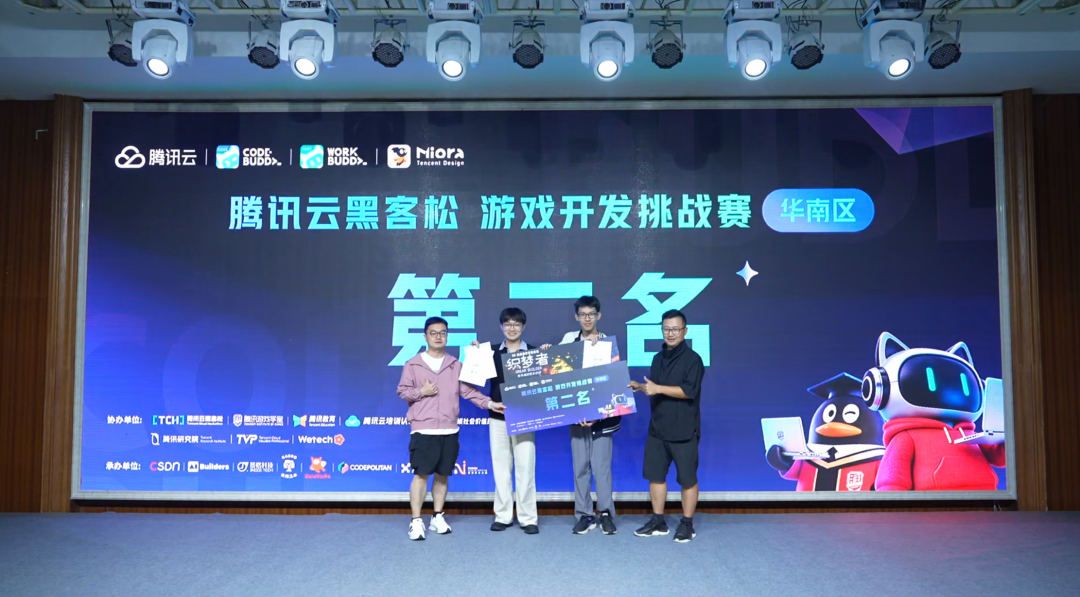
At the conclusion of the day-long roadshow, based on audience votes and the judges’ feedback, the three works *Remember to Go Home*, *The Dreamweaver*, and *Fanke: Sea of Silver Letters* took the stage that evening as the first-, second-, and third-place winners, respectively.
As it happens, the third-place winner, *Stranger: Sea of Silver Letters*, was the first game I sat down to play in depth after entering the venue that day. Its retro art style is cohesive and inviting, making it hard to miss.The core creative team consists of two sophomore female students—one majoring in computer science and the other with a background in design. They told me that their initial inspiration came from the recently popular movie *Love Letter to Grandma*, and they wanted to portray the heart-wrenching experiences of a migrant worker struggling to make a living in Southeast Asia.
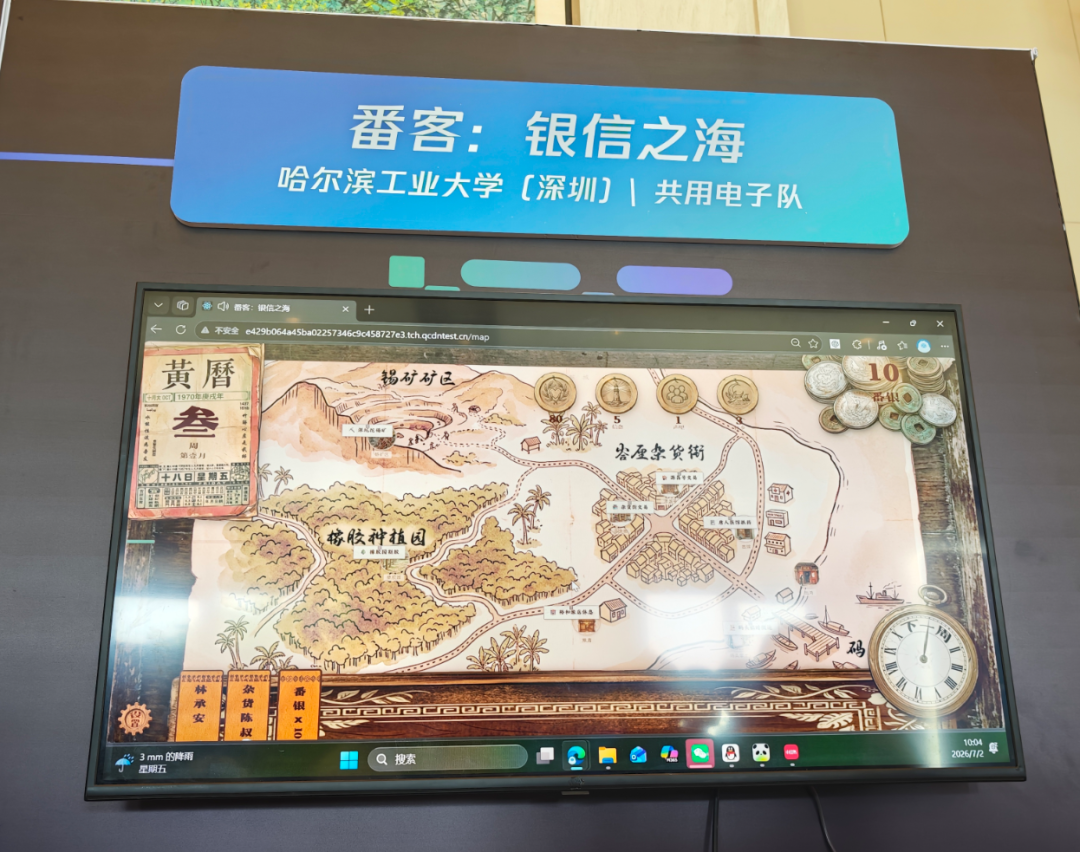
The gameplay draws inspiration from the card system in *The Sultan’s Game*; the protagonist completes events and takes on odd jobs at various locations to earn silver. Time progresses on a weekly basis, and as the player advances, more NPCs and special events are unlocked. Every eight weeks, the player can send letters and money home, echoing the culture of overseas remittances during the “South Seas” era.Sending and receiving family letters is powered by a large AI model that generates content in real time based on semantic analysis. Completing events yields various numerical bonuses, which must be strategically managed to trigger special events that determine branching storylines, creating a network of intersecting story arcs.According to the current plan, a full playthrough consists of 48 weeks. Depending on the key decision points in the gameplay, the game will use the large language model to generate a narrative recap of the current playthrough upon completion of a full cycle, further enhancing the element of real-time AI-generated content.
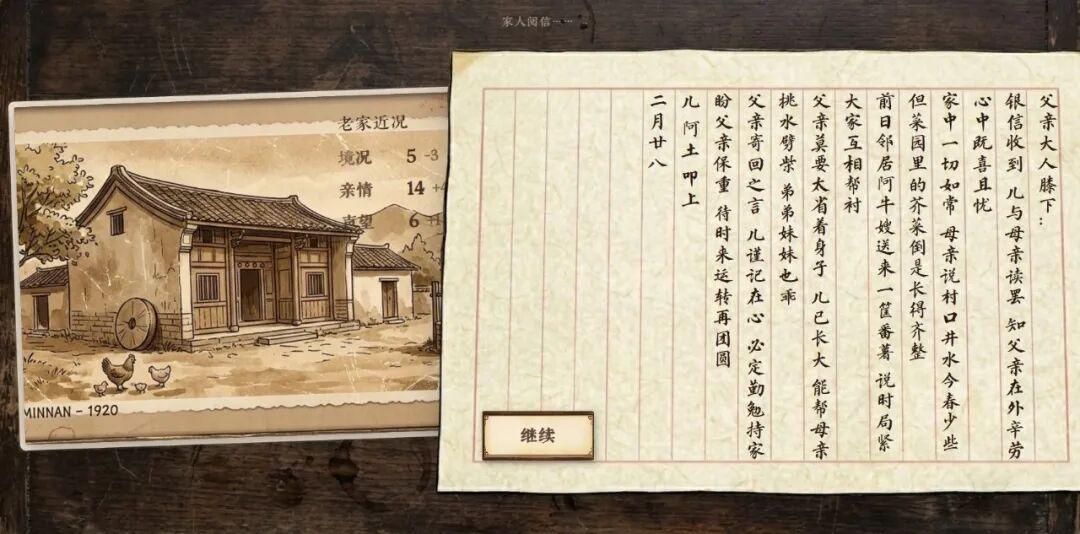
"Fanke: Sea of Silver Letters" already feels very complete at this stage, but its framework is still quite complex. I tentatively asked how long it took to build such a program framework. The woman in charge of the code replied without hesitation, "Three days during the Dragon Boat Festival holiday." It was surprisingly quick.
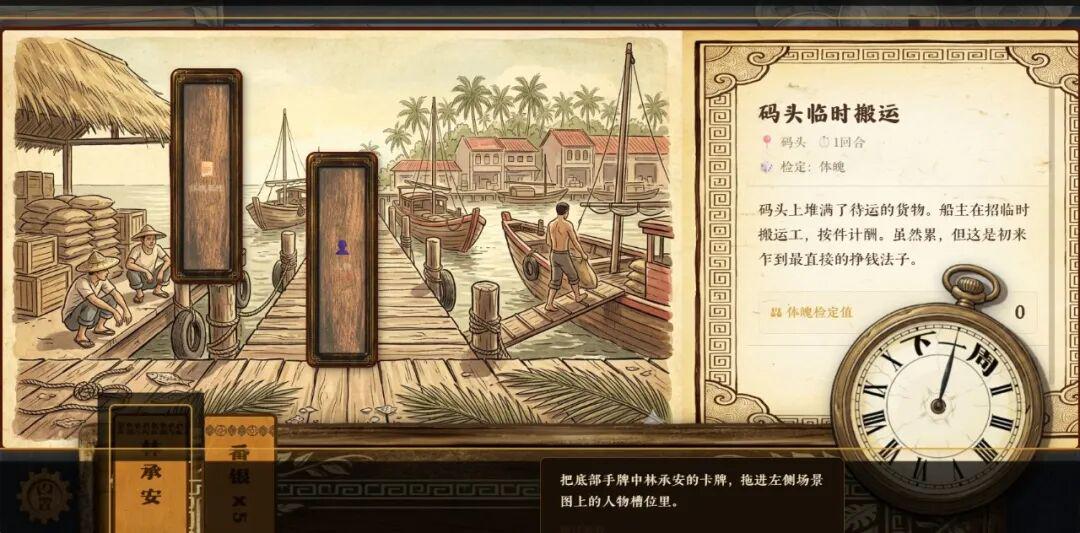
They had previously developed small practice projects using Unity, but this time, with the active involvement of Tencent Cloud’s development tool CodeBuddy, the process of bringing the entire system to life was completely different: In the past, they would spend a lot of time writing a design document and then discuss it with their teammates based on the written text;This time, they started with the initial concept of “Journey to the South Seas,” gradually clarifying their vague ideas through discussions with the AI to generate a rough demo that aligned everyone’s understanding.Subsequently, based on the discussed demo content, they had CodeBuddy refine and generate a complete project proposal, systematically clarifying the operational logic of various modules—such as the numerical system, UI, and card effect resolution—one by one, and generating an executable code architecture.
The same applies to the overall planning of the art assets: After CodeBuddy gained an understanding of the project as a whole, the team members in charge of art instructed it to automatically generate a directory index for each module, specifying the number, type, and placement of assets required, and to draft prompt text for each one. “It took about a day to set up the framework; the rest of the work basically involved the AI generating images in bulk, followed by manual revisions.”
You’ll find that they’ve essentially completely overhauled the game production workflow—in this new process, human creators serve as the creative brain and command center, while AI handles the most “daunting” part, namely the efficient execution of specific plans, creating a new division of labor in development.
This kind of deep reflection on the R&D workflow is also evident in the runner-up, *The Dreamweaver*.
What amazed me about this team is that, even though it’s made up of first-year engineering students, they approach their work like an AI startup—essentially a one-person company—by deeply analyzing the current limits of large AI models and then adjusting their division of labor and collaboration methods accordingly.When they began development, they didn’t rush to fill in content; instead, they first set up a production pipeline—using CodeBuddy to integrate with Godot—and built a workflow capable of mass-producing 2D gameplay mechanics, with the flexibility to refine and modify each module.
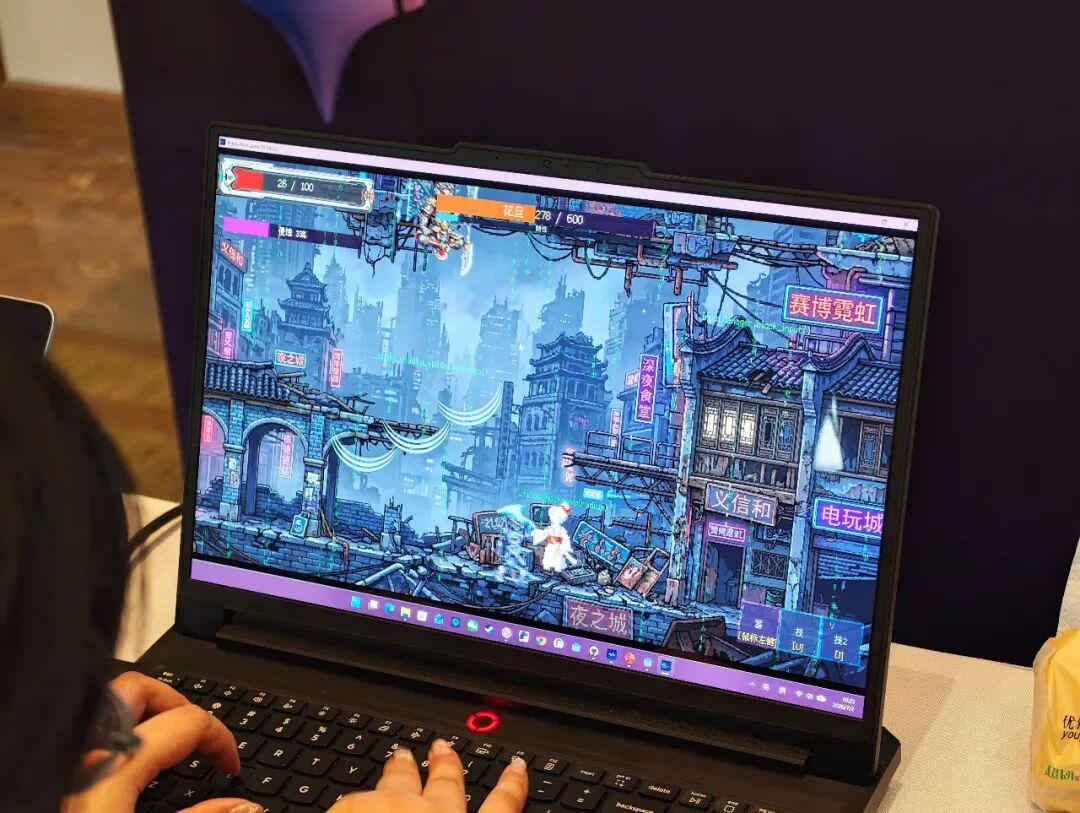
The gameplay of *The Dreamweaver* is easy to grasp; it’s a 2D side-scrolling action-adventure game. The protagonist features a comprehensive action system that includes dodging, charging attacks, and special skills, and levels alternate between the real and virtual worlds.What makes it unique is how this content is created. Unlike traditional projects—where roles are clearly divided (designers write documents, 2D artists draw storyboards, and programmers assemble the elements)—a single person can handle the design and debugging of an entire system or level.
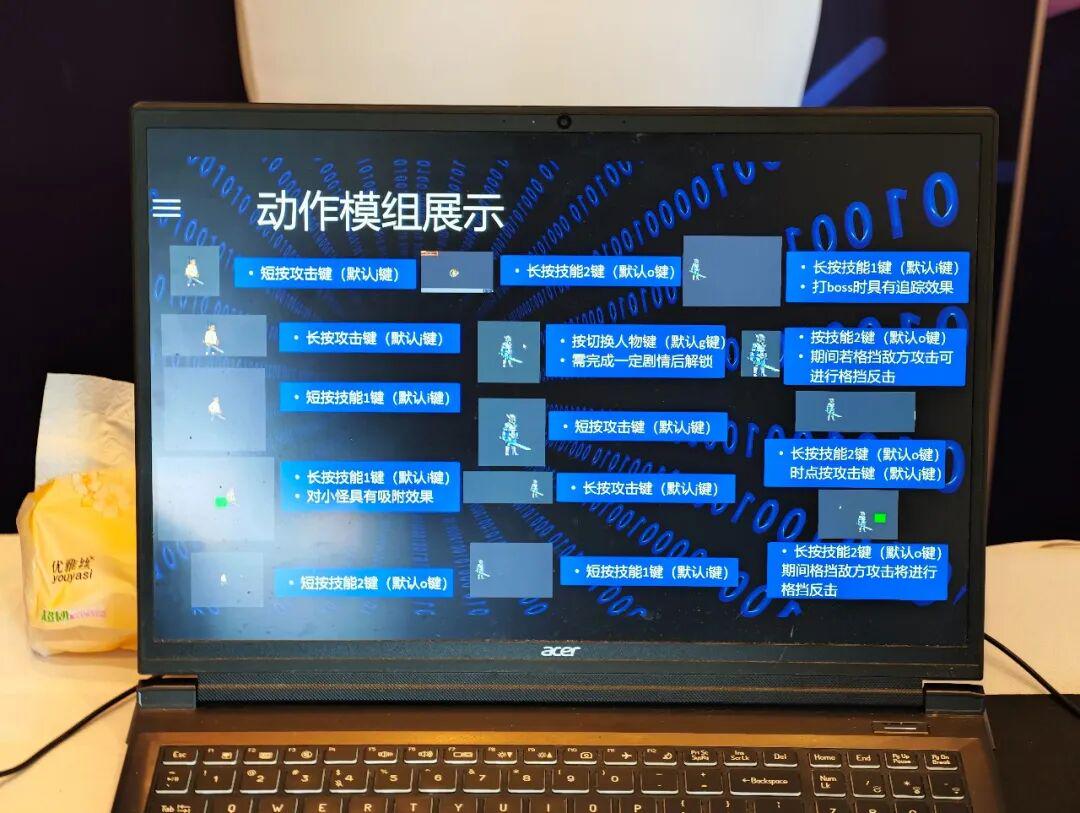
The key to achieving this lies in how they used AI capabilities to bridge the gap between pixel art and actual game logic, making “what you see is what you get” editing possible.For example, when creating a player system, they first define the base player class, then extend the presentation layer on top of it. After validating the skill logic using consistent assets, they use AI tools to generate animation sequence frames.This way, if there are any issues with the timing or other details of the animation, there is no longer a need to repeatedly open the editor to align each frame; simply instructing the AI allows for seamless adjustments to the effects.
The ingenuity lies in the architectural design: they believed that simply relying on black-box AI generation and trial-and-error would ultimately severely compromise the system’s maintainability. They chose to break down the game’s elements into multiple systems—such as players, enemies, and levels—and then integrate them within the engine, ensuring that each component is intuitive and editable.
With the help of AI, this approach is not difficult to implement. Several team members noted that, aside from a few manual operations within the editor, they hadn’t written a single line of code; as long as the system architecture was properly designed, AI tools like CodeBuddy could handle the rest for them.
"Remember to Go Home," which took first place in the South China region, earned unanimous praise from the professional judges that day largely due to its highly innovative gameplay and appealing presentation. The lead students, who are majoring in Industrial Design at the Sichuan Fine Arts Institute, hope to use this game to raise public awareness of Alzheimer's disease.
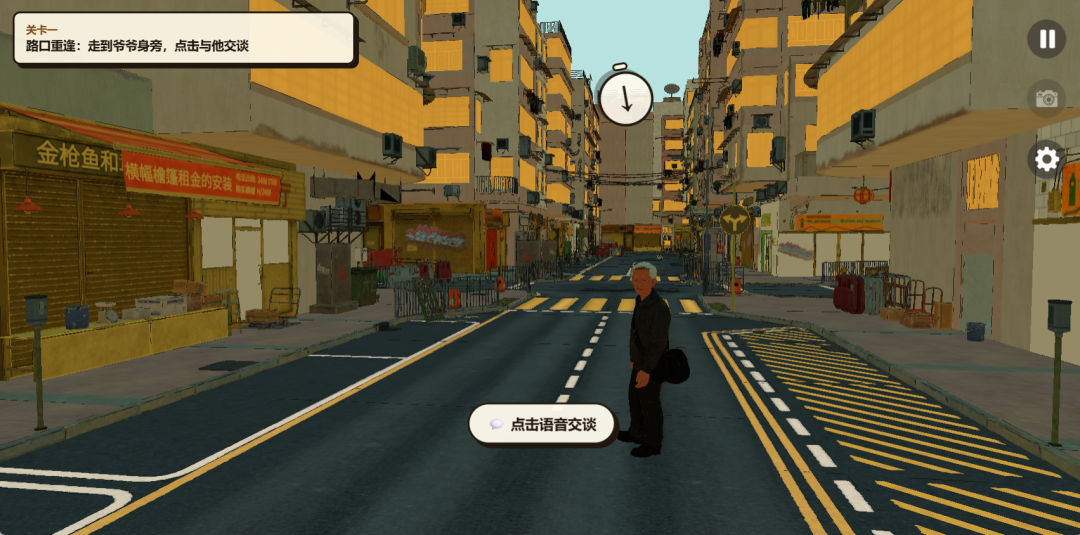
In *Remember to Come Home*, players take on the role of the granddaughter of an elderly man with Alzheimer’s disease, helping him find various items within a 3D map. The game incorporates gyroscope-based gait monitoring technology, integrating the player’s real-world movements into the game’s narrative, allowing players to more deeply cherish the warmth they feel while assisting the elderly man.Every dialogue choice the player makes with the elderly man during their journey is ultimately reflected in the letter he sends to the player at the game’s conclusion.
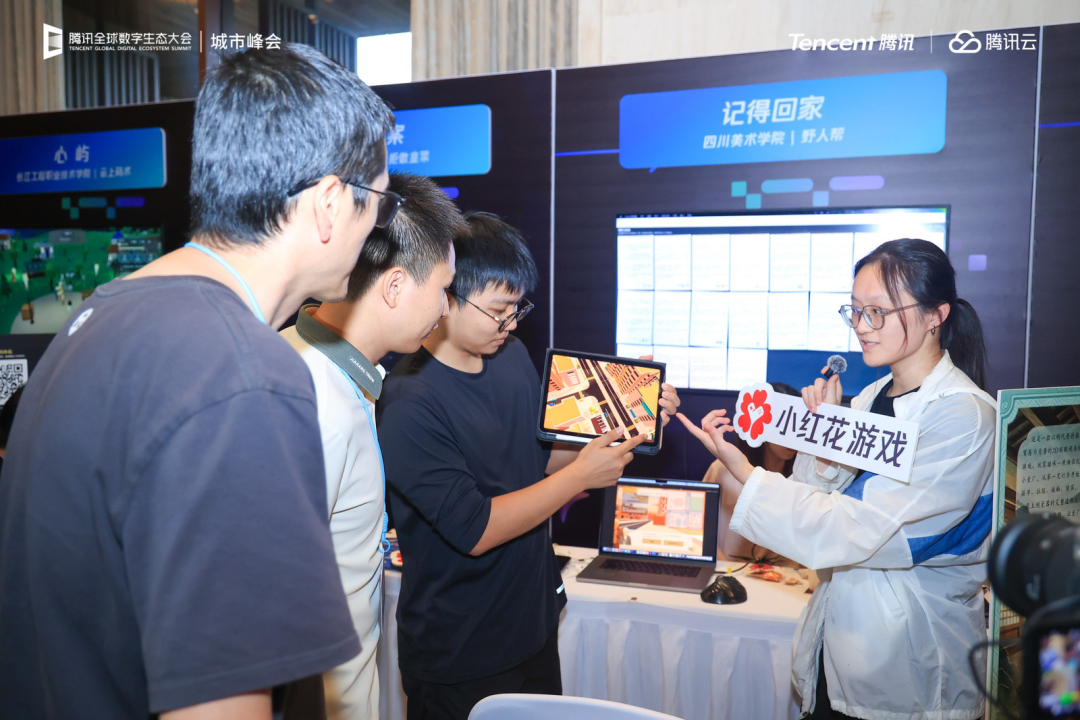
None of the students had a background in game development, so it was difficult to quickly master all the skills required for game development within the short timeframe of the hackathon.However, they made up for this by actively applying AI—they used CodeBuddy combined with Unity MCP to handle level design, leveraged Tencent’s Hunyuan large language model to generate the protagonist’s 3D model, and then utilized various large language model tools to complete the game’s logic coding, cross-platform adaptation, and more.
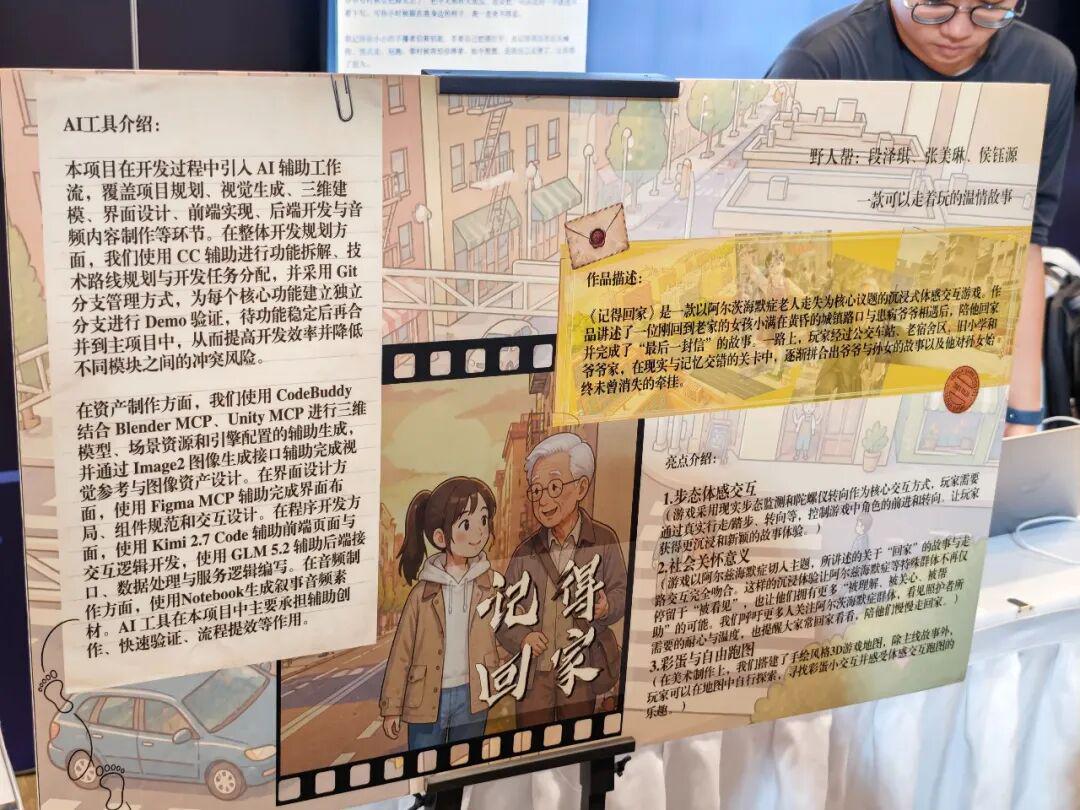
They joked as they gradually overcame obstacles to build the final product. Their method was actually quite simple: “When you don’t know how to solve a problem, just ask the AI.”
These top three games—with their three distinct gameplay styles and approaches—actually follow the same path: they begin with a concept or idea that may still be rough and vague—such as “traveling to Southeast Asia” or “helping people with Alzheimer’s”; and they culminate in a highly polished title with a complete gameplay loop and a substantial amount of content.
However, in the past, the path from the initial idea to the final product was blocked by layer upon layer of barriers known as “technology,” “functional requirements,” and “development timelines.” Even senior developers at major tech companies wouldn’t dare claim they could easily overcome this insurmountable obstacle.
And AI has paved the way. As one developer at the event put it: “With the help of AI, programmers can spread the wings of art, and artists can spread the wings of programming.” Anyone can use AI to weave their own wings and soar over peaks that once seemed unconquerable.
02
Creativity is gaining new avenues
As a result, this event gave me a lot to think about. The true value of AI lies not merely in enabling an individual to work faster and better, but in making the creation of a complete game possible for the majority of people—something that was once impossible.Consequently, it’s not hard to see that AI’s impact on the gaming industry goes beyond simply lowering costs, improving development efficiency, or achieving the currently unrealistic goal of “creating a hit with a single phrase.” Rather, by eliminating the barriers to game development, it opens up new opportunities for the industry through the participation of a broader and more diverse group of people.
This reminds me of a hackathon Anthropic hosted this past April.The top winners weren’t just computer experts—an electrical engineer built an AI app to diagnose circuit board faults, a carpenter created an AI app to teach people how to paint walls, and a doctor developed a virtual clinic for medical students to practice in… AI has given these professionals the opportunity to bring their domain-specific expertise into the digital world.
This opportunity also exists in the gaming industry.
At this hackathon, the three games that advanced to the next round were by no means the only highlights of the event.For example, three students from Jingdezhen Ceramic University, who started game development with virtually no prior experience, created a simulation game themed around the Imperial Kiln, allowing players to experience the enduring charm of porcelain through activities such as firing kilns and applying glaze.There was also a female student from Sichuan University who worked solo to create a game titled *A Dream of the Pear Garden* in just three days. Her goal was to use the game to popularize the charm of Peking Opera culture—after she proposed this idea, CodeBuddy helped her design a simulation experience featuring four core gameplay elements, seamlessly integrating Peking Opera knowledge into the game.
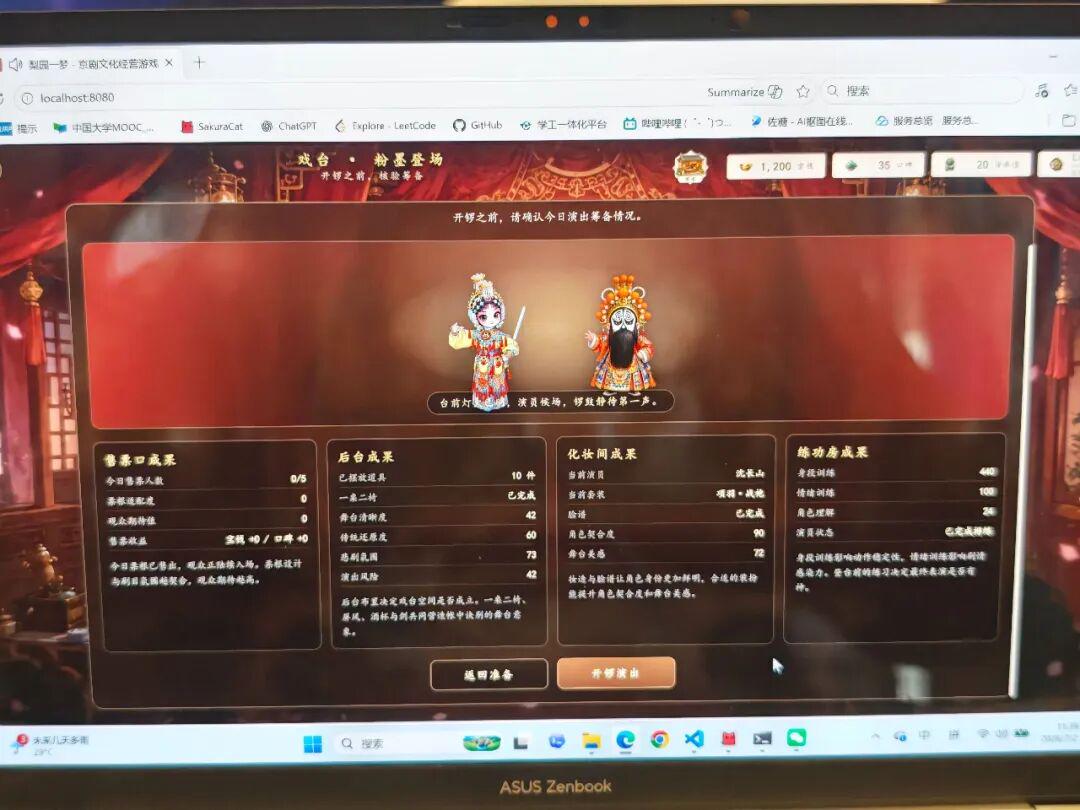
"A Dream of the Opera World"
I’ve heard similar remarks from my classmates many times: “I never thought I’d be able to make games, too.” Many of my classmates come from academic backgrounds in literature, business administration, finance, and other fields; just two or three years ago, people wouldn’t have thought these majors had much in common with game development.
This observation is quite revealing. It illustrates how AI is lowering the psychological barrier to game creation and reshaping the entry points into the gaming industry.Over the past few years, many in the industry have lamented that creativity has waned, themes have narrowed, and it has become increasingly difficult to find new growth opportunities. But perhaps the problem isn’t merely a lack of creativity; rather, it’s that many people with fresh experiences lack the ability to turn those experiences into games.
Meanwhile, themes such as rural nostalgia, professional knowledge, and social issues—which offer richer layers of expression—not only have the potential to reach a broader audience through games as a highly viral medium, but they may also hold the key to games breaking out of their niche. Pushing games to explore entirely new frontiers of possibility—this is the true revolution that AI may bring to the gaming industry.
Following this line of thinking, the future path for “games + AI” will gradually become clearer. On the one hand, the journey from concept to finished product can be further shortened. The industry needs not only more powerful general-purpose large models, but also specialized tools that are more closely aligned with the game production process.
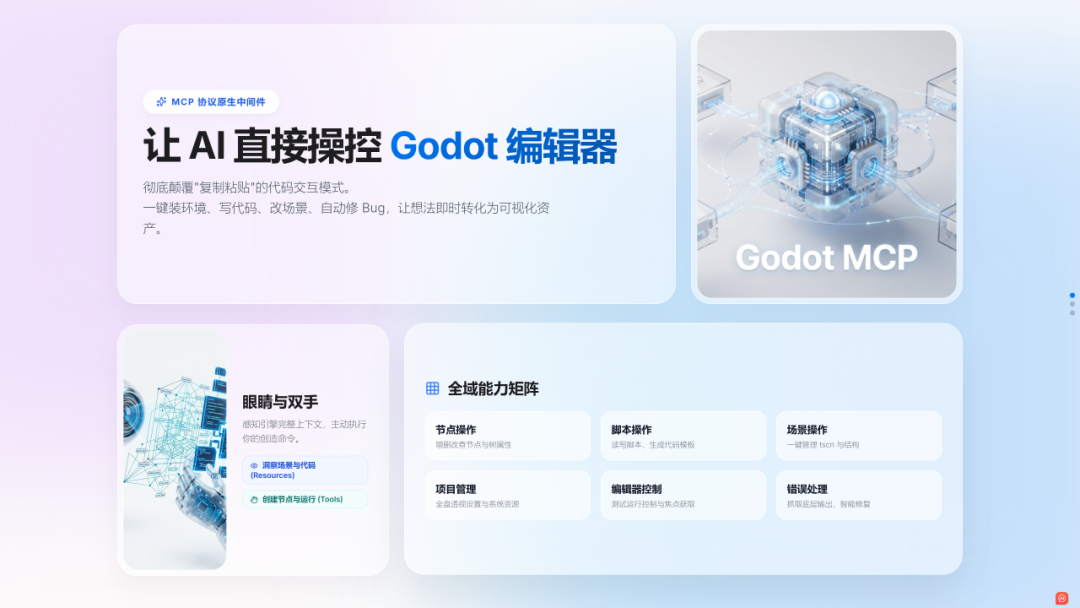
In this regard, Tencent Cloud’s agent applications are already leading the way. For example, WorkBuddy comes equipped with agents and agent clusters—such as “Game Narrative Specialists” and “Engine Experts”—that specialize in various game-specific skills. At this event, 18 top developers told me that they used WorkBuddy to create a complete world-building framework for their games, with excellent results.
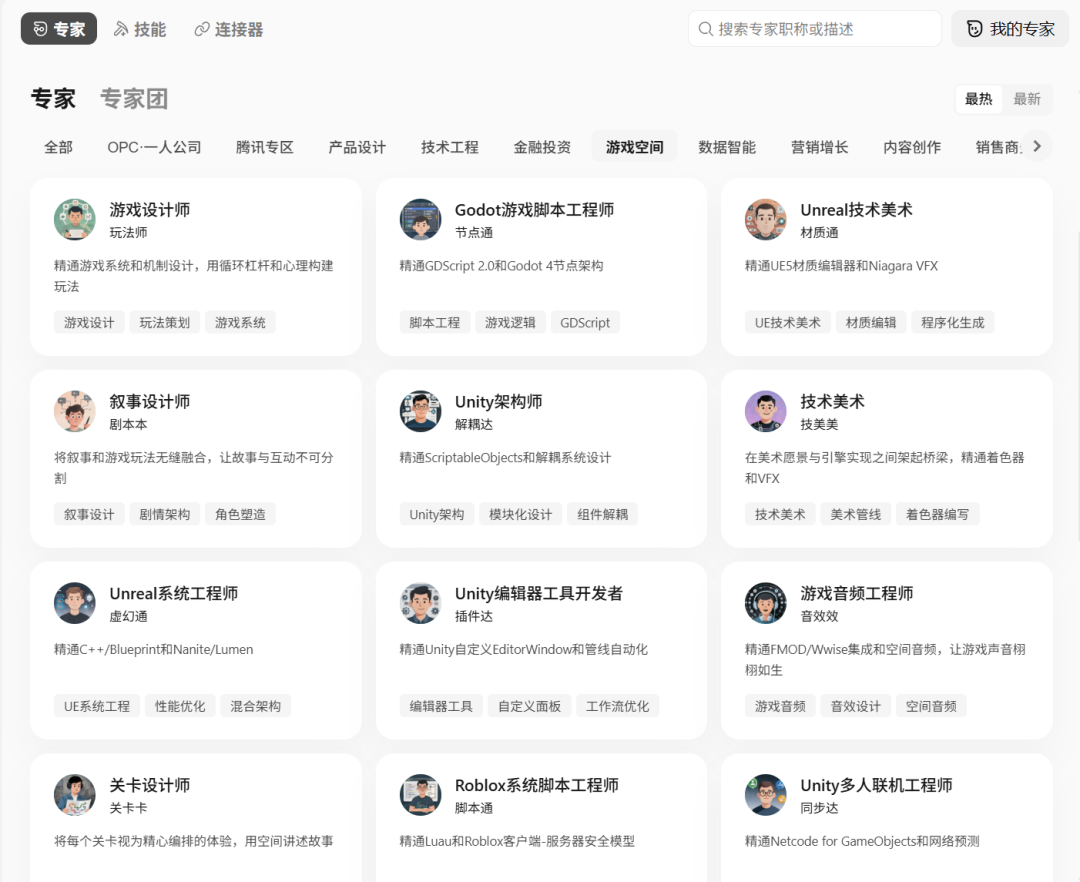
In CodeBuddy’s official store, you can also find a variety of game-related plugins released by Tencent. For example, using Godot MCP, developers can use the engine to perform tasks such as one-click environment deployment, writing code, generating assets, and modifying scenes.As a Chinese-language application, CodeBuddy better understands the needs of domestic developers. These plugins and other “Harness” capabilities have been thoroughly validated through real-world projects and are already very close to a complete AI workspace built around the game development process.
This includes the human aspect—in recent years, many professionals have felt lost in the face of AI’s rapid growth, and the fear that “AI will replace jobs” has been a source of anxiety in the industry for several years.But as it stands today, AI cannot provide creators with inspiration; it functions more like an amplifier. What it truly amplifies is still what people bring to the table: the clearer the input, the more solid the knowledge, and the more consistent the aesthetic sensibility—the greater the value of what is ultimately amplified.
However, as tools mature, they will in turn reshape the skill sets of people. In the past, professionals needed to master specific roles: planners drafted documents, designers created assets, and programmers built systems.In the age of AI, the most important skills may shift to: the ability to formulate clear questions; the ability to break down vague ideas into actionable modules; the ability to evaluate the quality of AI-generated output; the ability to establish a maintainable workflow; and the ability to preserve one’s own aesthetic sensibilities and style amid a sea of automatically generated content.
Conclusion
This South China Hackathon is more like a fresh snapshot of the evolving landscape of AI game creation.
Since the beginning of this year, we have seen Tencent gradually increasing its investment in AI gaming exploration: this year’s Tencent Game Competition underwent a comprehensive upgrade centered on the AI track, and Tencent has also publicly supported exploratory developer events such as the AttraX Hackathon;Now, through this competition, Tencent Cloud is opening up enterprise-level resources—such as CodeBuddy, WorkBuddy, and the Hunyuan large language model—to participants, enabling young creators to truly apply these tools in real-time game development.
What this reveals is Tencent’s effort to move AI beyond conceptual discussions and integrate it into actual creative workflows. This is the direction that gives us the most hope. Today’s gaming industry is not lacking in grand visions for AI; what it truly needs are more concrete experiments that allow various possibilities to emerge naturally through practice, so that the gaming industry’s “DeepSeek moment” can arrive sooner.
(Click “Read More” to learn more about the Tencent Cloud Hackathon’s schedule, rules, and how to participate—and easily embark on your journey of innovation.)

原创文章,作者:游茶妹儿,禁止转载:https://youxichaguan.com/en/archives/208083