Some industry insiders describe young people entering the field today as “big sharks throwing amateur punches,” and at the time, I didn’t quite understand what that meant.
It wasn’t until I spent three days touring the exhibition at “Dingfuzhuang GDC” and talking with five or six student teams that I began to understand.The work produced by these students—who haven’t even graduated yet—is already more polished than many projects created by professionals with several years of experience. This easily leaves industry veterans with mixed feelings: on the one hand, they see a promising future for this “new generation” with their keen aesthetic sense and strong execution skills; on the other hand, they can’t help but feel a sense of anxiety about being swept up in the competition.
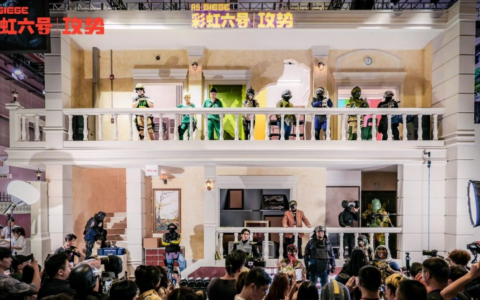
“Dingfuzhuang GDC” is the industry nickname for the joint graduation exhibition of the School of Animation and Digital Arts at the Communication University of China. Every June, many developers, publishers, and investors make a special trip from all over the country to Dingfuzhuang on Beijing’s East Fifth Ring Road just to see this exhibition;Companies such as Tencent and miHoYo also regard it as a key venue for campus recruitment presentations and talent acquisition. A producer at a major tech company told me, “The Communication University of China’s graduation exhibition is by far the most worthwhile to see among domestic university game graduation exhibitions—there’s no question about it.”

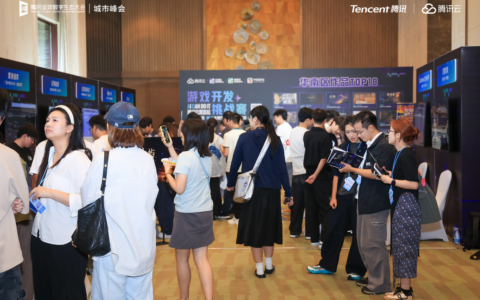
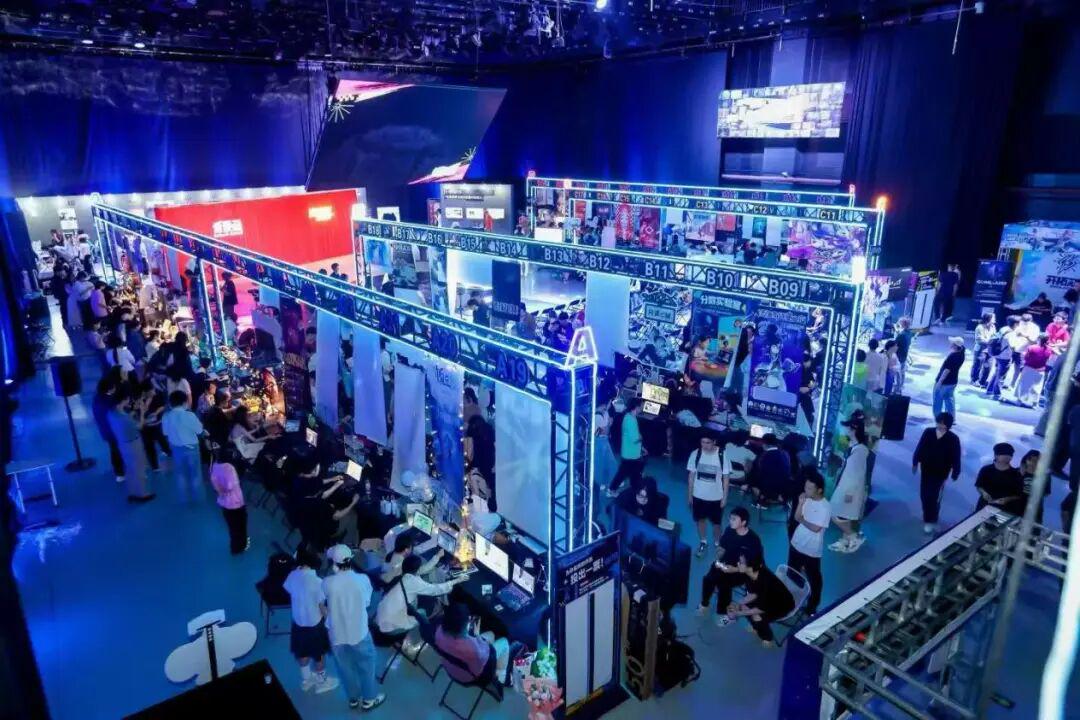
This year’s graduation project exhibition featured 100 video games and 30 comics and digital media works; the number of games alone was comparable to a full-scale indie game exhibition.Stepping into the 4K Studio in Building 2 at the Communication University of China, the place was bustling with people. Some would strike up conversations with developers after trying out a game, while in the corners, you could occasionally spot people crouched on the floor fixing bugs.
Due to development time and resource constraints, these demos are still a long way from being released, but during those few minutes spent playing them at the booth, it was hard to believe I was playing “student projects.”
From time to time, industry heavyweights could be spotted among the visitors. For example, a representative from *Operation Delta* sat at a booth for quite a while before getting up and eagerly approaching the developers to chat; Chen Xinghan, who had been invited to give a lecture, also lingered for a long time at a student’s booth.
01
The “Monsters” at the Exhibition
Of the 100 game projects on display, about 30 percent were created by senior students; these projects were generally of very high quality and occupied the center of the exhibition area, while the rest were mostly from teams of underclassmen.
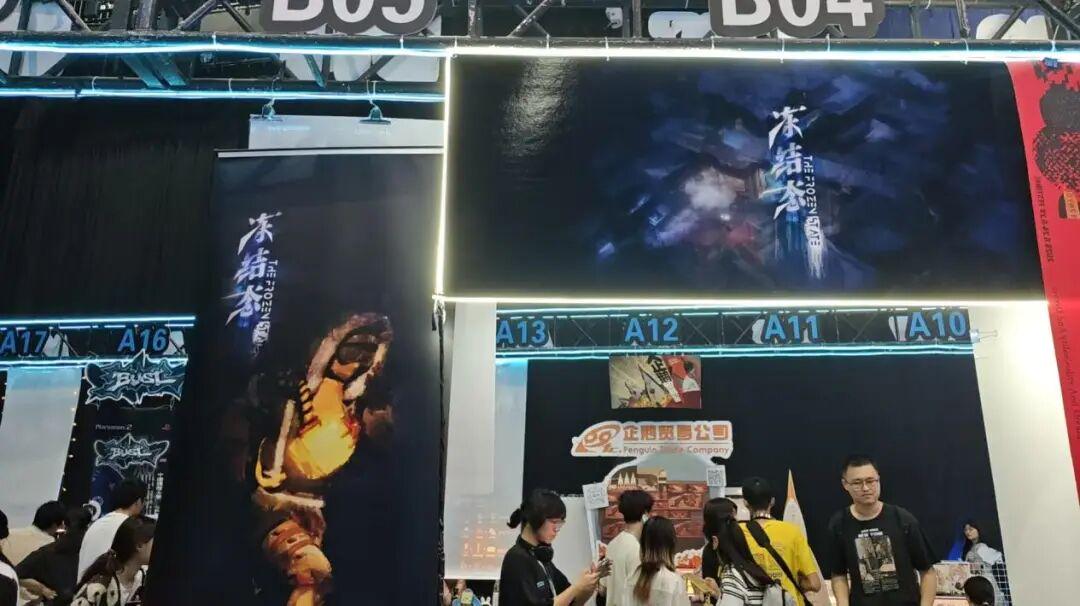
"Frozen State" is the kind of game that immediately draws you in. After playing for just a few minutes, you’ll notice that its atmosphere and tone are quite reminiscent of "Disco Elysium"—with a rich, oil-painting-like visual style, a story driven by atmosphere, and player decisions that lead to different plot branches.
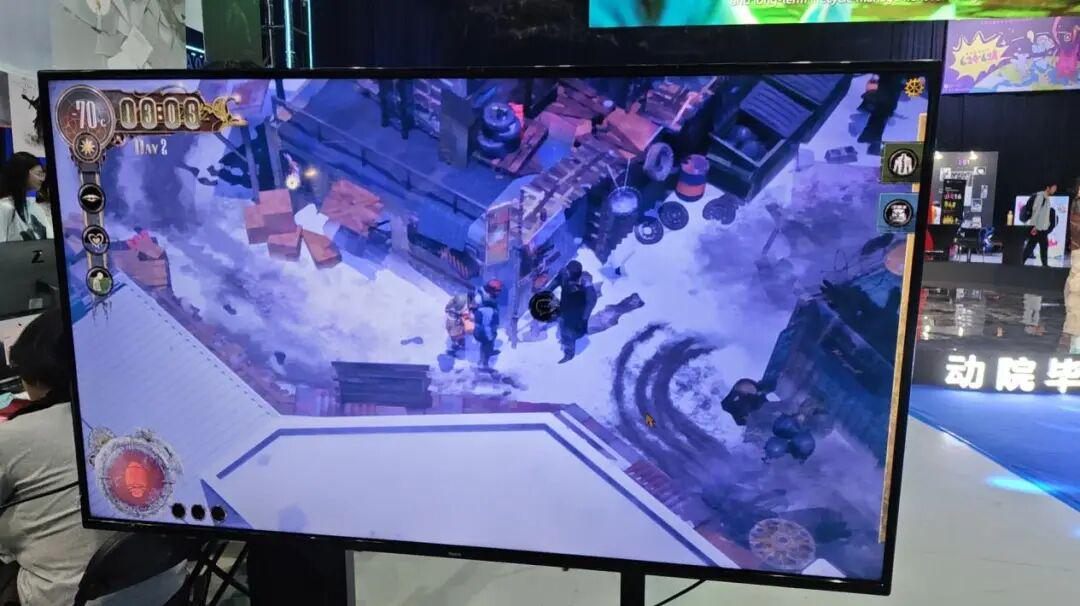
CRPGs of this kind, which emphasize immersion in a unique worldview, place extremely high demands on both aesthetics and execution. The demo showcased at the graduation exhibition was impressively polished, offering over an hour of gameplay.The lead developer told me that *Frozen State* is planned to be 700,000–800,000 Chinese characters in total, with the main storyline accounting for about 200,000–300,000 characters. A speedrun would take over ten hours, while a complete playthrough including all side quests would take approximately 20–30 hours; the prologue alone, which has been completed so far, contains over 50,000 characters of text.
The 10-person team behind this project initially consisted of six artists and no programmers.In art exam majors like game design and fine arts at the Communication University of China, there are few male students to begin with. The core of this team came from the men’s dormitory—they practically swept up nearly all the few male students in the art class. Later, one artist switched to become a technical artist, and another programmer was brought in. The high proportion of artists largely explains why the visual presentation reached such a high standard.
To improve production efficiency, they developed a workflow that combines AI with hand-drawn art: for example, to capture the authentic feel of everyday life, they used small shops in a real-life clothing market as the backdrop for their scenes, generated a base image with AI, and then manually outlined the figures and removed blemishes.The lead artist told me that, in the past, creating a character model by hand took half a month to a month. With AI-generated models combined with manual adjustments, the process can be completed in as little as a day. However, images generated entirely by AI are easily recognizable at a glance, so they only let the AI handle a small portion of the work, relying on manual adjustments for the majority.
"Frozen State" excels in expressiveness and immersive storytelling. Another senior project, "No Dice Allowed in the Captain's Cabin," takes a different approach by focusing heavily on gameplay.
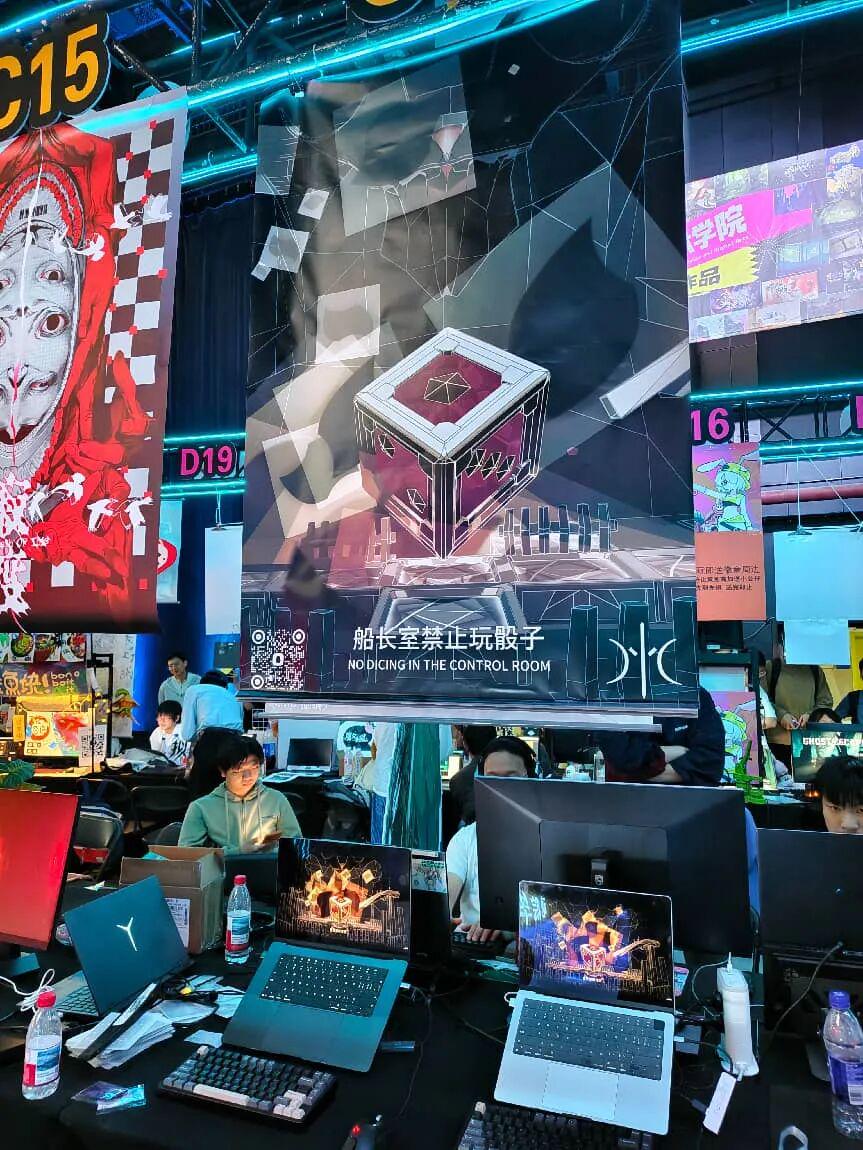
This is a puzzle game that combines dice rolling with deck-building. Dice, tiles, and barriers—paired with cards—form the core of the gameplay; just a few simple systems underpin the entire experience, making it difficult to find a direct counterpart in previous games. From gameplay and art to programming, the game was almost entirely created by a single lead developer with a technical background.The art is simple, featuring a tasteful minimalist style, while the gameplay is quite challenging.
This design was a finalist for the Best Gameplay Design Award at CUSGA (China University Students Game Development and Creation Competition).During a presentation at CUSGA, the lead designer discussed his design philosophy, which he calls “letting the game design itself”: rather than cramming content into the game, he listens to the system’s own needs and matches it with the most appropriate mechanics—a good design must solve several problems at once while also reinforcing the core system.
It’s understandable that a senior’s project might be more polished, but *Penguin Trading Company*, created by a few sophomores, really did surprise me.
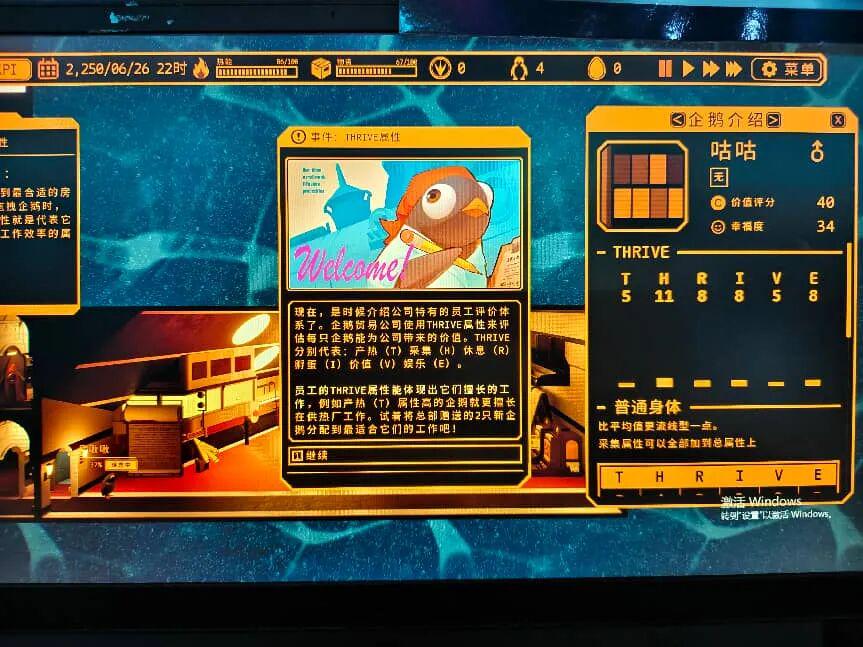
At first glance, this game resembles *Fallout Shelter*, but it lacks tower defense and combat; the focus is entirely on management: Players take on the role of the owner of a penguin trading company, with a staff made up entirely of penguins. They must ensure the penguins produce efficiently, reproduce, and then sell them for profit.This is what’s known as “trading.” Penguins lose happiness while working, and if their happiness drops to zero, they become depressed and die—right at their workstations—which has a certain touch of dark humor to it.
The game also features a “eugenics” system. The development team created 47 penguins with distinct physical traits, each composed of five body parts: eyes, beak, body, feet, and wings. Offspring inherit their parents’ traits, and players must breed stronger employees through successive generations.
From its gameplay mechanics to its visual design, the game exudes a level of maturity you wouldn't expect from a sophomore in college.
02
Communication University of China’s “Formula”
Why are today's students so talented? I discussed this question with the teachers and students in attendance.
The school’s program offerings and curriculum played a significant role. The Game Design Department at the Communication University of China is broadly divided into three tracks—game design, programming, and art—and is well-equipped with all the necessary resources. Starting in the second semester of freshman year, students in these three tracks are randomly assigned to groups by instructors, and students from different tracks are required to work together on projects.By the start of the sophomore year, after a period of adjustment, everyone had a clear sense of who worked well together and who excelled in which areas, so the authority to form teams was largely returned to the students.
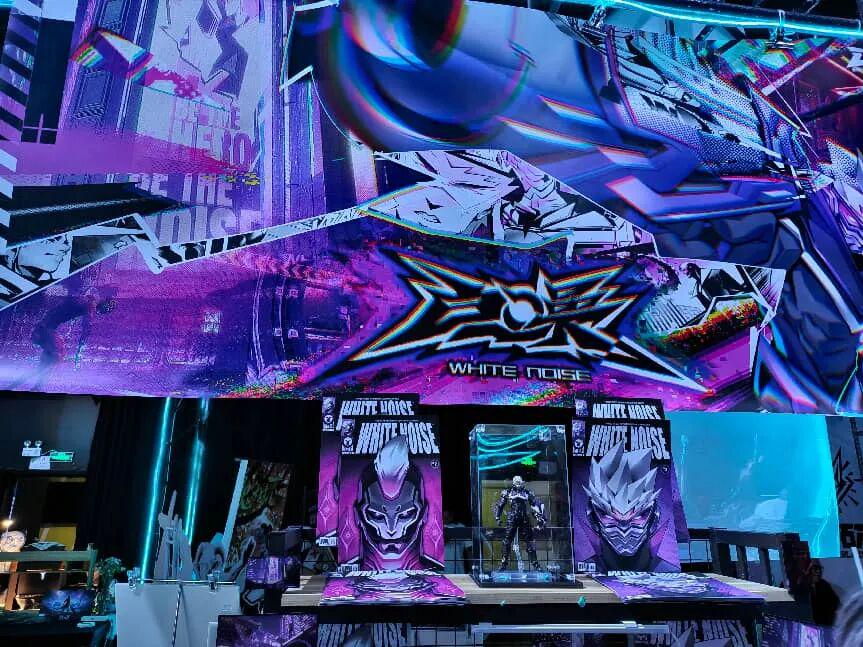
In freshman year, teams are formed randomly; by sophomore year, the selection process is complete. By the time juniors actually start working on major projects, a team ready for action has gradually taken shape. During this process, some students have developed full-stack skills and are able to handle an entire project on their own.
For most students, forming a team is just the beginning; what matters more is the process of building team chemistry, learning through trial and error, and gaining experience.
The producer of *Penguin Trading Company* told me that the project’s development was by no means smooth sailing. They first went through a three-month white-box phase, followed by two months of trial and error to help the art team get familiar with the engine and streamline the 3D import process.
“Those two months were really a constant process of trial and error—it was pretty frustrating,” said the producer. In this eight-person team, the producer wore many hats: “Producer, project manager, technical assistant—whatever was needed, I stepped in.” Since none of the team members had experience with game engines or importing 3D models, the initial design proposal was nearly rejected because it was so difficult to implement.It wasn’t until several months later, when they had accumulated enough assets and refined their toolchain and workflow, that development efficiency improved significantly.
During development, the team encountered some very specific engineering challenges. For example, when using version control, there was an incident where a file was accidentally deleted and then uploaded, causing the project to fail to compile; conflicts also frequently arose when multiple people edited files simultaneously. The producer spent a great deal of time researching UGit’s locking features and implemented a custom, automatic exclusive lock within the engine.“After this solution went live, we never had another file conflict,” he said. Many commercial teams only learn from their mistakes when dealing with version control issues, but he was fortunate enough to have already worked through them during his sophomore year.
Game design is a practice-oriented major, and the curriculum at the Communication University of China is also geared toward project-based learning: there are more major-specific courses in the first and second years, while theory courses drop sharply in the third and fourth years, allowing students to devote almost all their time to projects in the Game Creation course.“We basically spend all our time outside of class working on projects,” a sophomore told me. His project team spends five or six hours a day on their project.
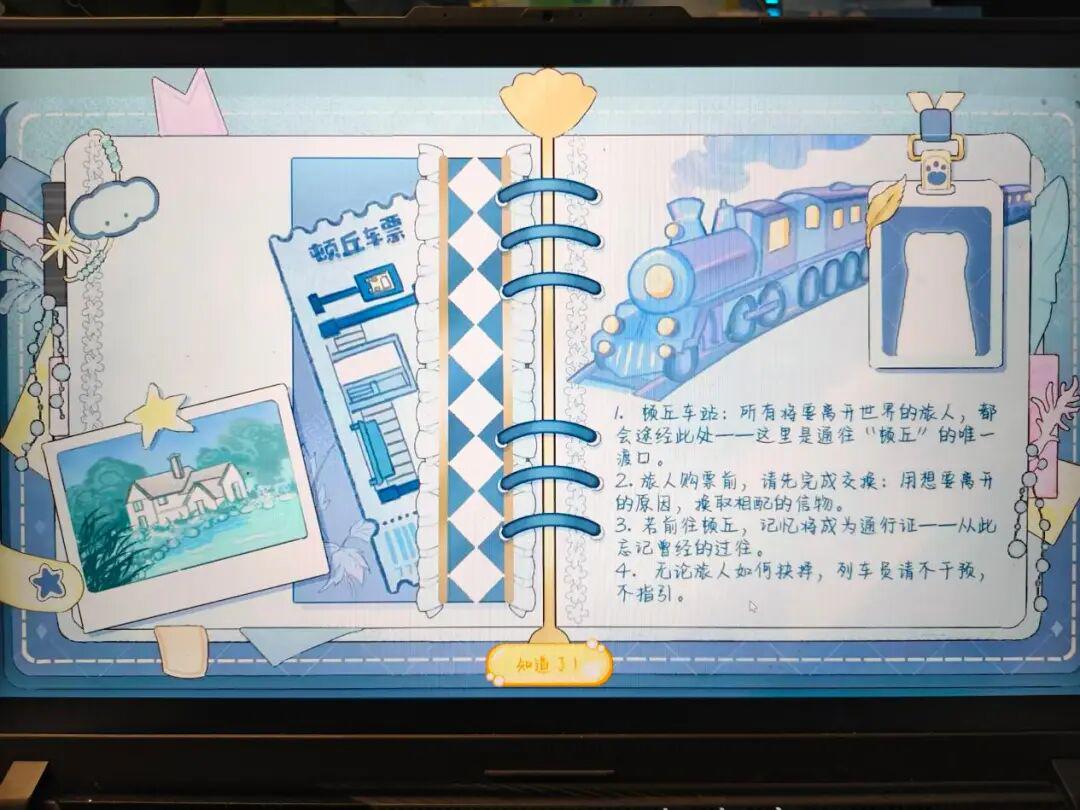
The game design course is carefully structured: in the early stages, students engage in hands-on practice with small game development projects similar to Game Jams to familiarize themselves with the process; in the later stages, they are given free rein to complete a full-scale project. The project cycle for the game design course in the sophomore year lasts about three months, while the senior year capstone projects can take up to a year to complete.From freshman year through graduation, a student typically completes four or five large-scale projects. Combined with coursework assignments and small demos created during Game Jams, the total number of projects completed exceeds ten.
In other words, by the time a graduate of the Communication University of China steps through the company’s doors, they’ve already gone through four or five full project cycles—from team formation to delivery. Meanwhile, many professionals with several years of experience may have only completed one or two projects from start to finish.
03
From Dingfuzhuang to the Market
The Game Design Department at the Communication University of China graduates fewer than 200 students each year, and their paths after graduation generally fall into three categories: employment, further education, and entrepreneurship.
Direct employment accounts for a significant portion of this; game companies come to Dingfuzhuang not only to attend the exhibition but also to recruit talent.
The lead artist of *Frozen State* told me that most of his team members have found new positions; two of them joined Tencent, and two went to Lingyoufang to work on *Shadow Blade Zero*.The developer of *No Dice Allowed in the Captain’s Cabin* previously interned at Tencent for a year and has now joined a top-tier project as a level designer; he plans to continue working on this project—which he has been refining for three years—in his spare time.
Most students start interning early on, and it’s not uncommon for them to have three or four internships at major tech companies before graduation. For example, the producer of *Penguin Trading Company* began interning at Tencent during the summer after his freshman year and applied the project management methods he learned to his own project. This July, both he and the team’s lead artist will begin their next internship at Tencent.
There are also teams that secured investment and launched startups immediately after graduation. For example, “Raccoon Coin Pusher,” which launched in the first half of the year, had two members on its development team who were 2024 graduates of the Communication University of China. After graduation, they were incubated by Eagle Corner’s Kaituo Xin program; the project was refined for an entire year, and since its launch, total sales have exceeded 500,000 copies;An earlier title, *Daughter of the Volcano*, also originated from a student’s final project and surpassed one million copies in sales in 2023.
At this year’s expo, some participants came in with a determination to start a business right from the start. *Pela*, a Metroidvania-style game, was created by four junior college students who spent three months developing a complete box-garden level featuring boss battles—one that nearly replicated the gameplay feel and some of the level design of *Hollow Knight*.The lead developer told me that they had set their sights on this genre from their very first day of college. They’ve mapped out a timeline for the project on an annual basis, planning to refine it gradually as a small team on a modest scale.
While a few projects at the exhibition have already secured investor support, many others are caught in a dilemma. For example, *Frozen State* has attracted considerable attention from investors and publishers, but continuing development is no easy task: some team members are working full-time, while others are pursuing higher education, making it difficult to devote their full energy to the project the way they did when they were still in school.The lead artist of *Frozen State* has estimated that full-time development would take two to three years; with part-time work, it’s anyone’s guess. For now, they can only update the project gradually in their spare time.
Pursuing higher education is a middle ground: it allows you to study and conduct research more, while also providing a buffer—you don’t have to rush into the workforce, so you can devote your time and energy to your own projects. Two members of the *Frozen State* team chose to pursue graduate studies.
These paths aren’t necessarily at odds with one another. Between the demo and the official launch lie industrialized processes, business decisions, and market experience—things that can’t be fully learned in school. Launching a startup right after graduation is a very risky move. For most people, it’s actually more practical to first join a large company or a mature project team to gain experience and build up the capital needed to start a business.“I want to learn through hands-on experience; that will force us to learn a lot. Don’t get stuck in one place—get out and see more of the world.” This is how the producer of *Penguin Trading Company* plans for his future.
There’s a long road ahead—from a demo with some standout features to a complete project, and finally to a commercial product ready for release that can stand up to scrutiny from players and the market. Most of the people at the expo have only just completed the very first small step of that journey, but even at this early stage, they’ve shown enough to make us want to see what comes next.
原创文章,作者:游茶妹儿,禁止转载:https://youxichaguan.com/en/archives/208081