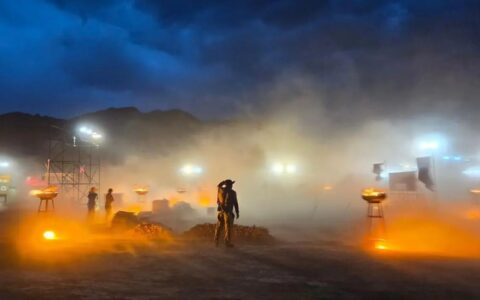
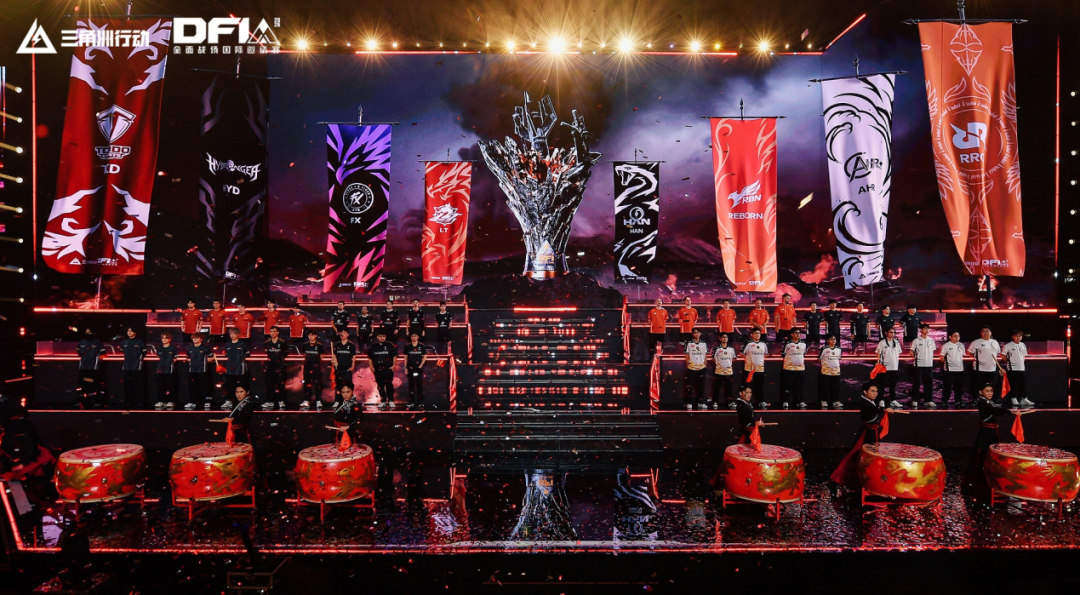
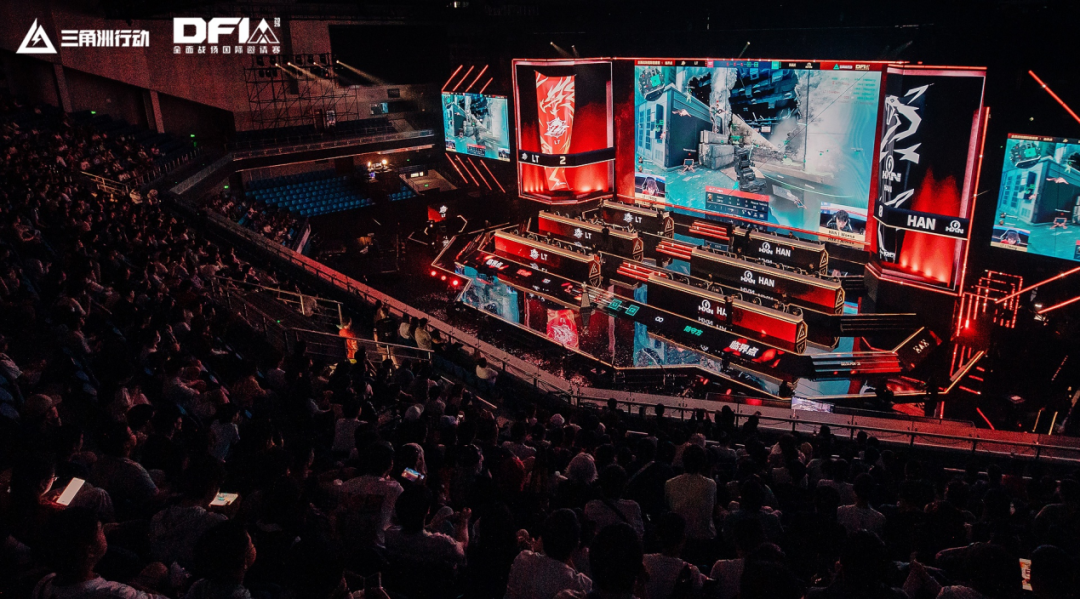
June 21, shortly after 7 p.m., at the Hongshan Gymnasium in Wuhan.
As the last tank exploded, the entire venue erupted in a deafening roar of cheers and applause. The Chinese mainland team LT defeated the South Korean team Han with a decisive 3-1 victory, claiming the global championship title at the 2026 Operation Delta All-Out Battlefield International Invitational.
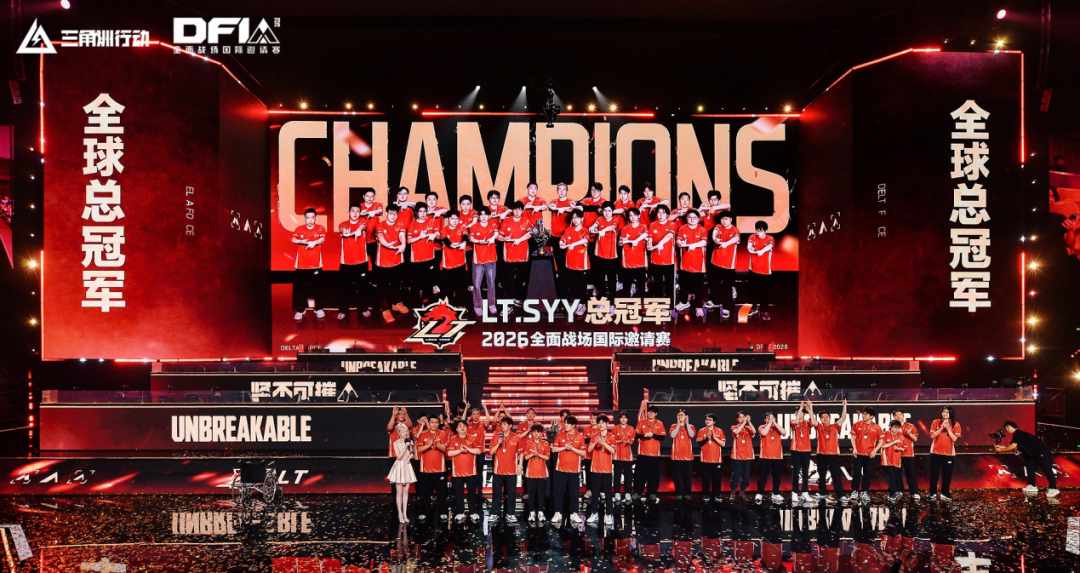
The players on stage were having a blast, and naturally, the audience in the stands was enjoying the show just as much.This Grand Final was packed with nonstop action from start to finish, delivering plenty of standout moments. For instance, right from the start, the LT squad demonstrated formidable air superiority. Engaging in aerial dogfights, they took on two opponents at once, virtually eliminating all aerial threats—and even went so far as to block the enemy’s spawn point, turning the airspace into their own private airfield.
After the switch between offense and defense, Team LT continued to demonstrate strong map control, particularly during the intense battle for the final two BC points. Relying on hidden beacons they had set up in advance, they pulled off an extreme base swap and, taking the enemy by surprise, wiped out their remaining forces—a truly masterful move.
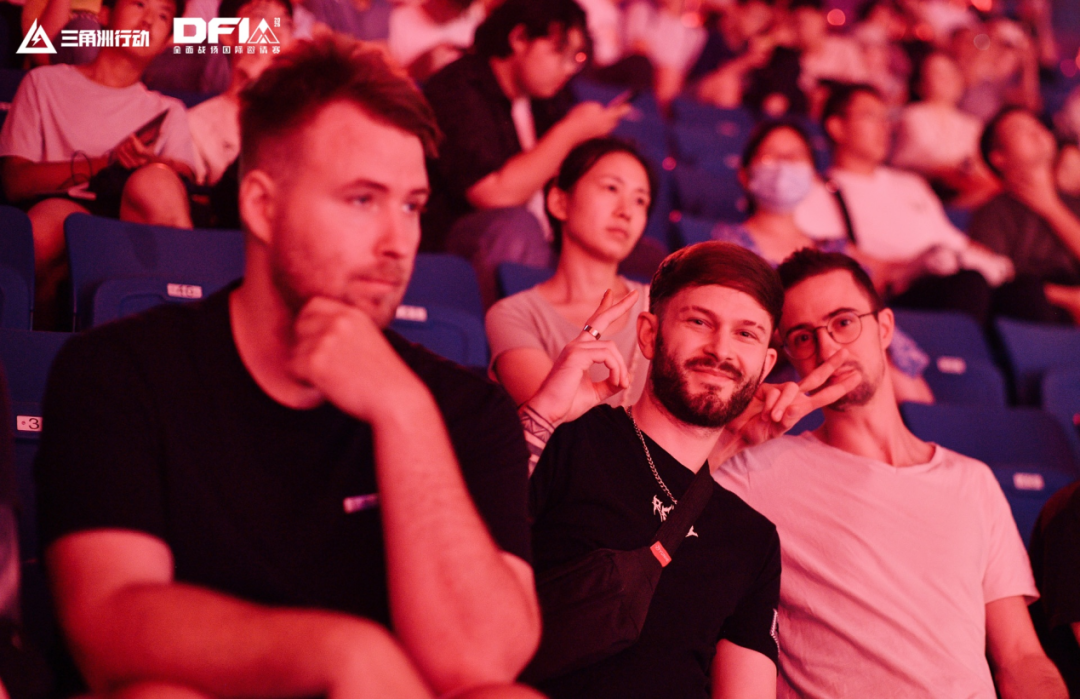
Although LT held a 2-0 lead after the first two sets, what impressed me most was that after LT lost the third set, a young man sitting next to me suddenly stood up and shouted, “Go LT!”and immediately, the entire arena erupted in deafening cheers and chants of encouragement. In the end, fueled by the audience’s waves of cheers, LT launched one final counterattack and ultimately clinched the championship.

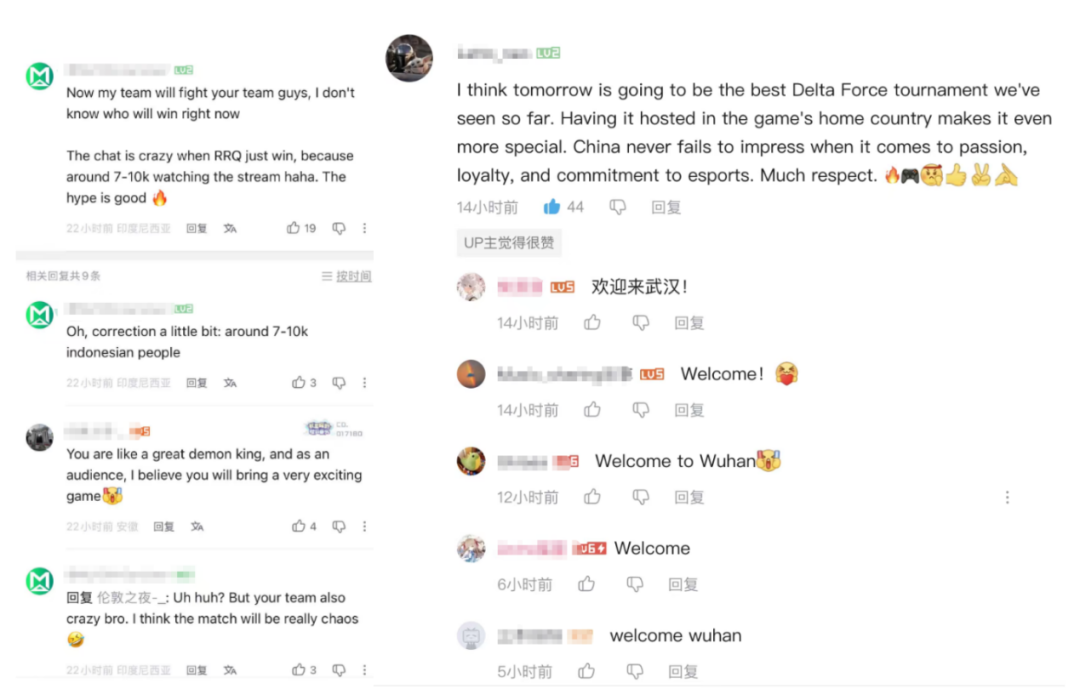
It’s worth noting that this year’s Delta Force International Invitational attracted eight top-tier teams from around the world, drawing significant attention and discussion not only domestically but also overseas. One international player commented on Bilibili, saying, “I think this is the most exciting Delta Force esports tournament yet. China never disappoints when it comes to its dedication and passion for esports.”
Another Indonesian player also cheered on his team, RRQ: “When RRQ won, the chat exploded. I’d guess there were at least 7,000 to 10,000 Indonesian players watching the match.”
In the public eye, discussions about *Operation Delta* have long centered on its 50 million DAU, its status as a regular on the top-selling charts, and its role as one of Tencent’s emerging long-running hits.However, when people talk about *Operation Delta*, they often focus more on the “Battle Zone” mode (i.e., the “Search, Attack, and Retreat” mode), which is particularly popular in China. In these discussions, one aspect has been severely underestimated.
Less than two years after the game’s launch, the second edition of the Operation Delta Full-Scale Battlefield International Invitational has already been held. Not only has the game’s gameplay garnered attention from overseas players, but a tournament ecosystem has also been established across multiple international servers, allowing players to advance directly from local qualifiers to the international tournament: independent online qualifiers have been launched in the Americas;in Europe and the Middle East, qualifiers are operated through in-depth partnerships with third-party organizations; in the Pan-Pacific region, six representative teams compete for three spots in the global tournament; and in Indonesia and Vietnam, regular domestic leagues have been successfully established, continuously fostering a thriving competitive ecosystem in these regions.
Riding on the wave of steadily rising overseas popularity for these products, a global esports landscape built around Chinese-developed FPS games is rapidly taking shape and gaining traction.
01
From Shanghai to Wuhan: A Map of Global Competitions
The starting point for validating the esports and international potential of *Operation Delta*’s All-Out Battlefield mode is the Hero Asian Champions League (ACL) × *Operation Delta* International Showdown, set to take place in Shanghai in May 2025.The event was relatively small in scale at the time, with a total prize pool of $100,000. Four teams from China, Japan, South Korea, and Thailand participated in a 20v20 format.Interestingly, at that time, no club had yet formed a full-fledged "All-Out Battle" team, so the participating players were temporarily assembled from other clubs. In the end, the Chinese server’s representative team swept through the tournament with an undefeated record to claim the championship.
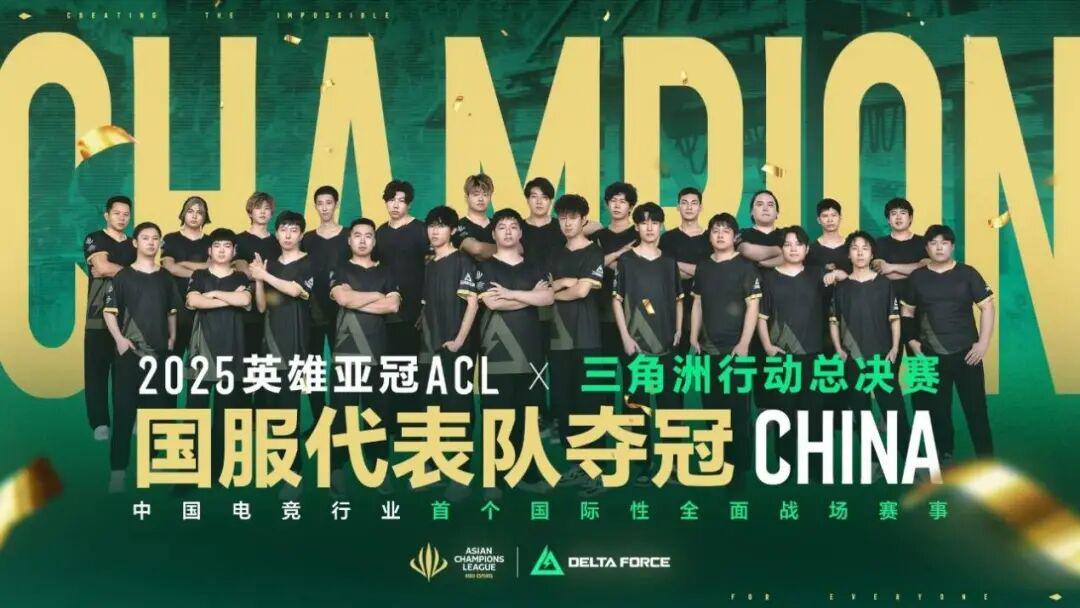
For the industry, the greatest significance of the *Operation Delta* International Tournament lies not in the results, but in the fact that it demonstrated two things for the first time: that the large-scale battlefield mode can be adapted for esports—and on an international scale—and that overseas clubs and players are willing to form teams to compete in it.
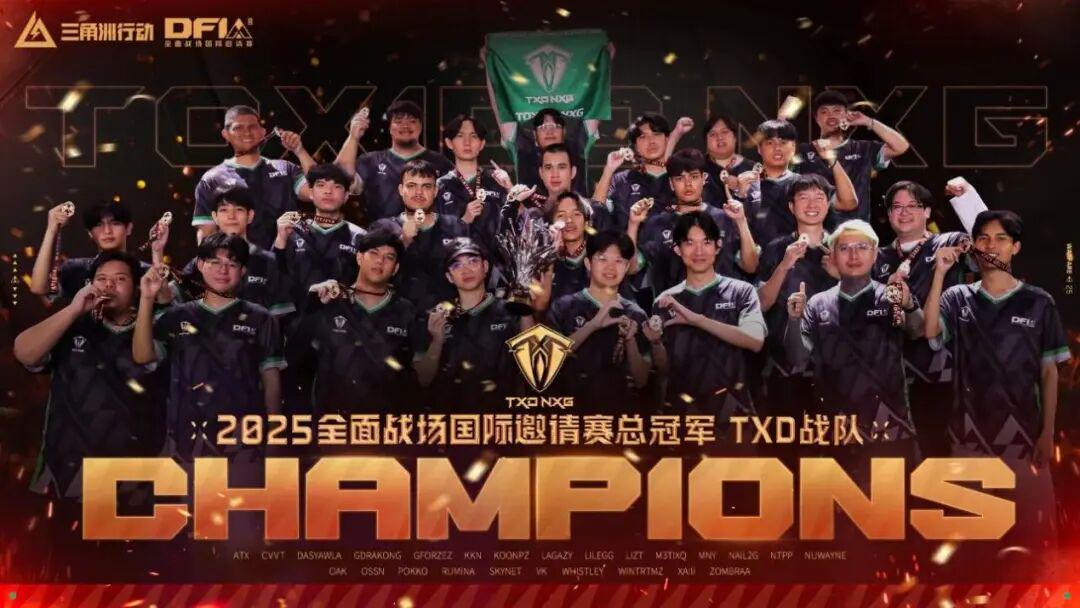
Seven months later, in December 2025, the inaugural Operation Delta All-Out Battlefield International Invitational took place in Hanoi, Vietnam. Eight teams from around the world gathered there to compete for a $200,000 prize pool, with Thailand’s TXD ultimately claiming the inaugural championship.According to data from Esports Charts, a global professional esports viewership analytics organization, excluding domestic platforms, the inaugural All-Out Battle International Invitational reached a peak audience of 33,000 on overseas platforms alone, with a total viewing time exceeding 305,000 hours.For a game that had been on the market for only one year at the time and was hosting its first global offline tournament overseas, these figures exceeded general expectations.
In June 2026, the second Delta Operation All-Out Battlefield International Invitational was held in Wuhan, China.This time, the eight participating teams included familiar faces such as the defending champions TXD from Thailand and RRQ from Indonesia, as well as the North American team FX—backed by IG and boasting 3.8 million followers—which made its debut at the tournament. Together, they competed for the 3 million yuan prize pool.
From the four Asian teams competing in the Shanghai Heroes AFC Champions League (ACL) International Showdown in May 2025, to the eight top teams from around the world gathering at the inaugural International Invitational in Hanoi in December, and on to the 2026 Wuhan International Invitational, which expanded the tournament’s reach to the Americas,*Operation Delta* has completed the full rollout of its global esports tournament system in just one year.
At this point, some might question whether the International Invitational is just “Tencent inviting teams to participate”—and wonder how prestigious it really is. In fact, all eight teams have fought their way through multiple rounds of regional qualifiers. While it may appear to be an invitational tournament, it is actually a qualifying process that represents the highest level of competition in each region.
Taking the EMEA (Europe, the Middle East, and Africa) region as an example, the EMEA Qualifier kicked off online this past May, with six teams competing for the sole spot at the Wuhan International Invitational. The event was co-organized by Aftershock Media Group, a leading esports organization in Europe and the Americas, and featured full English commentary throughout.In the end, Team RBN advanced with an undefeated record, claiming the entire $10,000 prize pool and a direct spot at the Wuhan International Invitational.
The Pan-Pacific region has a more established competition structure; the Pan-Pacific Warfare Cup was held this past April, with six teams from Southeast Asia and Taiwan, China competing, and the top three teams earning spots in the Wuhan International Invitational.
The tournament was co-organized by Garena and broadcast in its entirety by an Indonesian commentary team. Garena is the most established regional tournament organizer in Southeast Asia, boasting a well-developed system of resources for localizing events. In the end, Indonesia’s RRQ defeated Thailand’s TXD 2-1 in the finals to claim the championship.It is worth noting that RRQ is not a sudden dark horse; they had previously won back-to-back DFNC S1 and S2 titles, establishing themselves as a top-tier team incubated within Indonesia’s domestic esports ecosystem. TXD is equally formidable, having claimed the championship title at the inaugural Operation Delta All-Out War International Invitational in Hanoi.The fact that these two teams, both with a rich history of achievements, faced off in the Pan-Pacific Finals speaks volumes about the steadily rising competitive level of regional tournaments.
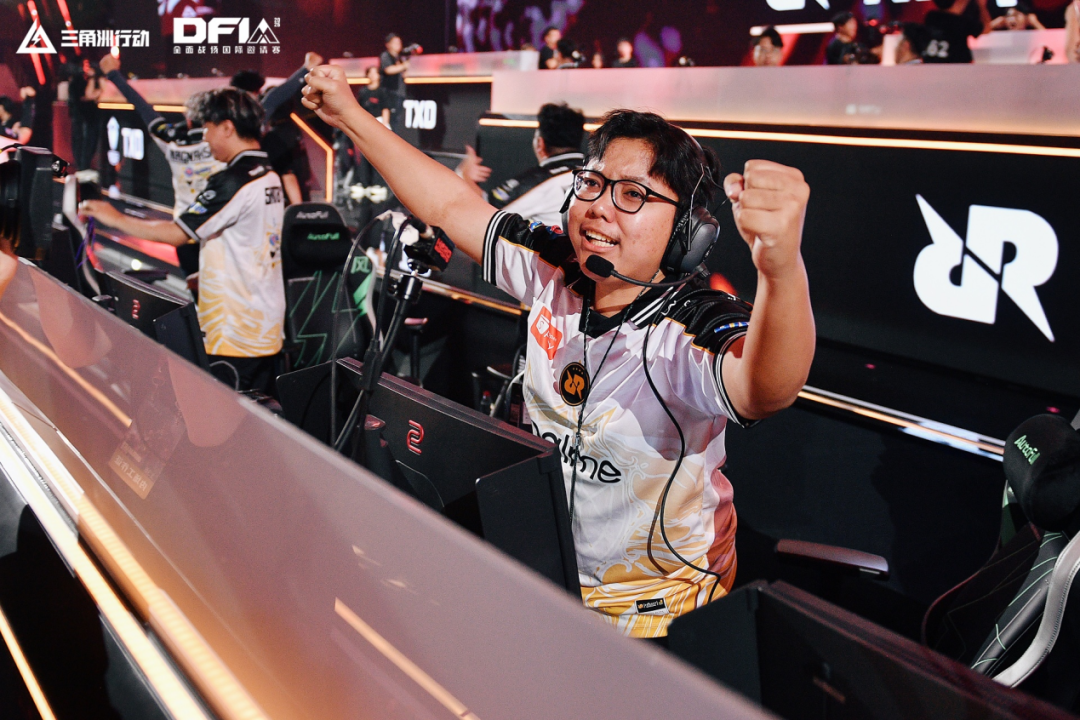
In just one year, the All-Out Battlefield tournament series has made a leap from small-scale trials in Asia to rapid expansion across Asia, Europe, Africa, and the Americas, marking a significant expansion in the scope of the tournament.The implementation of independent regional qualifier systems and the deep cultivation of localized esports ecosystems have also demonstrated that this 20v20 All-Out Battle esports model can adapt to the competitive landscapes of diverse global markets. *Operation Delta* has achieved significant milestones in its global esports landscape.
02
Taking Root Overseas: Not Expansion, but Self-Sustaining Operations
Even more noteworthy than the regional qualifiers is the independent operational logic of the overseas esports ecosystem. In fact, the tournament systems for *Operation Delta* in several key overseas regions are no longer merely “branches of headquarters,” but have begun to take deep root in their local environments.
Vietnam can be considered one of the earliest examples. As early as five months before the inaugural International Invitational for “Comprehensive Battlefield” was held in Hanoi, Vietnam had already launched its own independent local league. Although it was small in scale, with only four teams participating, the direction was clear: the local competitive ecosystem was being cultivated in parallel, rather than waiting until an international tournament arrived to begin preparations.Subsequently, the local team RLF won the November Vietnam National Ultimate Tournament (DFUT), securing a spot in the Hanoi International Invitational, where they ultimately advanced to the semifinals.From this perspective, the three-tier structure of “local league—regional qualifiers—global finals”—a standard model for traditional esports—began to take shape overseas as early as the game’s first year of release.
Indonesia’s esports ecosystem offers another perspective: the local esports market for *Operation Delta* has already begun to develop a path toward self-sustainability.
From a macro perspective, the Indonesian National Championship (DFNC), for example, has followed a striking growth trajectory over the course of a year.During Season 1, only eight teams competed. However, according to reports, the final match reached a peak viewership of over 70,000, topping the trending charts on YouTube and TikTok in Indonesia. Ultimately, RRQ claimed the championship and was selected to represent Indonesia at the inaugural Total Battle International Invitational in Hanoi.
In Season 2, the tournament’s scale was significantly expanded, with the number of teams growing from 8 to 15. The qualification process also shifted from a purely invitation-based system to two open selection channels: the “Open Series” and the “Campus Series.” The former is open to all players, while the latter is aimed at college students, giving grassroots players their first-ever pathway from open tryouts all the way to the international championship.
At the same time, third-party commercial tournaments have begun to emerge in Indonesia. The ROG Community Tournament, organized by ASUS ROG, held its first season in June 2026, with 24 teams participating. This indicates that commercial brands are beginning to view *Operation Delta* esports tournaments as a marketing channel worth investing in, rather than relying solely on official support.
Looking at it more closely, the process—from the formation of a dedicated team to recognition on local social media and the resulting creation of a communication chain—effectively completes a cycle in which a system transitions from being established to becoming self-sustaining.
Why is that? For one thing, RRQ is one of Indonesia’s top, long-established esports organizations, with a roster spanning ten popular titles, including PUBG Mobile and Honor of Kings.On August 30 of last year, the club officially announced the formation of its *Operation Delta* division, RRQ 7SINS, dedicated exclusively to competitive *Operation Delta* tournaments, clearly demonstrating the level of importance it places on *Operation Delta* esports.
The RRQ club even told me, “No other esports game features 20-player matches. During last year’s ACL International Invitational, we saw the game’s enormous potential as an esports title, and we believe its uniqueness will open up significant market opportunities, since there are virtually no direct competitors.”
On the other hand, after RRQ won the Pan-Pacific Championship in June of this year, numerous well-known Indonesian social news portals—similar to Sohu and Sina—began vying to cover the story. Among them, the Indonesian general news portal detik featured the story as its front-page headline.VIVA.co.id’s headline was even more direct: “Siap Guncang Wuhan (Ready to Shake Up Wuhan).” The widespread coverage on social media also indicates that public interest in the tournament has extended far beyond the gaming community.
In addition, the sponsors of the RRQ team in this tournament are quite interesting.Right in the center of their chests is the Chinese smartphone brand realme, while the side features the well-known computer brand ROG. The sponsors on the back are all Indonesian companies from sectors such as digital infrastructure, snacks, and health technology. This, to some extent, demonstrates that Delta’s influence in esports has attracted attention from various industries, providing it with a steady stream of support.

In fact, during an interview last December, the *Operation Delta* operations team revealed that the game’s esports tournaments had seen significant growth in influence overseas: following the ACL International Invitational, downloads of the game in South Korea rose markedly;following the local qualifiers in Indonesia, the local market saw a significant increase in new and returning users. Additionally, the overseas viewership for events related to the 2025 *Operation Delta* All-Out Battlefield International Invitational has already exceeded 20 million.
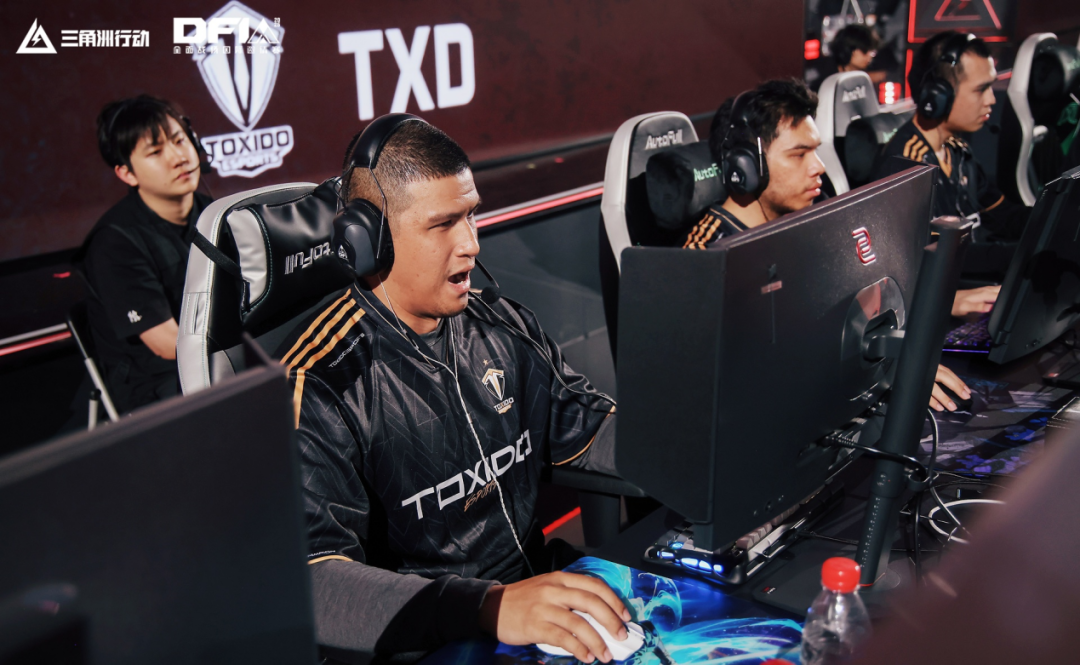
In an interview, Thailand’s TXD Club also stated: “Winning the first championship last year gave us a big morale boost and definitely attracted many new players. Operation Delta has a unique charm and a solid foundation that captures players’ interest right from the start. As long as the tournament continues to be held, we are extremely optimistic about its future.”
In other words, esports tournaments have become one of the most reliable engines of sustained overseas growth for *Operation Delta*, and as the tournaments’ influence continues to grow, the synergistic effect between the two will become increasingly evident.
03
The One-of-a-Kind 20v20: From a First-of-Its-Kind Event to a Regularly Held Tournament
If building influence overseas represents “breadth,” then the uniqueness of comprehensive esports tournaments represents “depth.”
Before *Operation Delta*, the mainstream format for global professional FPS esports was 5v5. From *Counter-Strike* to *CrossFire*, and from *Rainbow Six Siege* to *Valorant*, almost all matches were squad-level competitions.Attempts at large-scale battle modes have been made—for example, the *Battlefield* series features 32v32 matches—but they have never managed to establish professional esports competitions. The reason is simple: the more players there are, the harder it is to set competitive standards, the more difficult it is to ensure a compelling viewing experience, and the more complex it becomes to produce OB broadcasts.
"Operation Delta" appears to have chosen a unique path that no one has ventured down before, but the cost is that there are no precedents to draw upon, so the team must feel their way forward.
A full-scale 20v20 battlefield features 40 players, 10 squads, land, sea, and air vehicles, and multiple front lines all at once.During the match, you’ll see both the coordinated maneuvers of 20-player teams—executing flanking maneuvers, encircling enemy positions to cut off reinforcements, and executing thrilling infantry-tank coordination—as well as moments of individual heroism and impressive 4-player squad coordination.
For example, in the finals of this year’s Operation Delta International Invitational, South Korea’s Han team even experimented with an unconventional strategy: they had an engineer stand on an armed helicopter, repairing it while fighting—truly a seamless integration of man and machine.Later, the mainland Chinese team LT used a single guided shot to force three enemy vehicles to retreat, after which three ground-based armed vehicles launched a coordinated attack and wiped out the enemy. Team Han immediately countered to turn the tide of the battle. This back-and-forth exchange of tactical maneuvers made for a truly thrilling spectacle.
From a content perspective, this multi-tiered combat structure offers a new dimension of entertainment that traditional 5v5 matches struggle to provide, but it also presents unprecedented challenges for tournament organizers. Compared to the fixed camera angles and limited engagement scenarios of traditional FPS games, large-scale battlefield tournaments must make trade-offs amid simultaneous battles on multiple fronts.Last year’s ACL Delta International Showdown already highlighted this issue: while viewers could “see” the matches, they found it difficult to “understand” them.
Since the inaugural Delta Operation International Invitational in Hanoi, the tournament organizers have continuously optimized the OB system to enhance the viewing experience for audiences. For example, a new vehicle information panel was added to display the real-time status of both teams’ tanks and aircraft; when a player enters a vehicle, the OB feed switches to a first-person perspective, heightening the sense of immersion;The use of an 8-camera OB setup, combined with drone shots, captures exciting moments more comprehensively from multiple angles—including close-ups, medium shots, and wide shots—or provides a bird’s-eye view of team tactics. This system was not developed overnight but is the result of multiple iterations and adjustments, all aimed at evolving the viewing experience from “understandable” to “thrilling.”
To give a few simple examples, during this final match, the OB cameras captured numerous thrilling moments—such as when an LT player was accidentally crushed to death by a vehicle falling from the sky, creating a bizarre and hard-to-watch scene.Furthermore, during the match, the fighter jets from both teams—unable to land a hit on each other—were forced to keep soaring up and down in a “duet in the sky,” adding a surprising dose of fun to the intense competition.
At the same time, the tournament’s selection process and the formation of participating teams underwent a standardized upgrade. Last year, the Chinese national team still had a distinctly ad hoc feel to it, with players being officially matched and seconded.From another perspective, this also highlighted the dilemma that, although esports tournaments have been advancing, the normalization and standardization of the events, as well as supporting infrastructure such as team formation and support, still require time to mature and be refined.
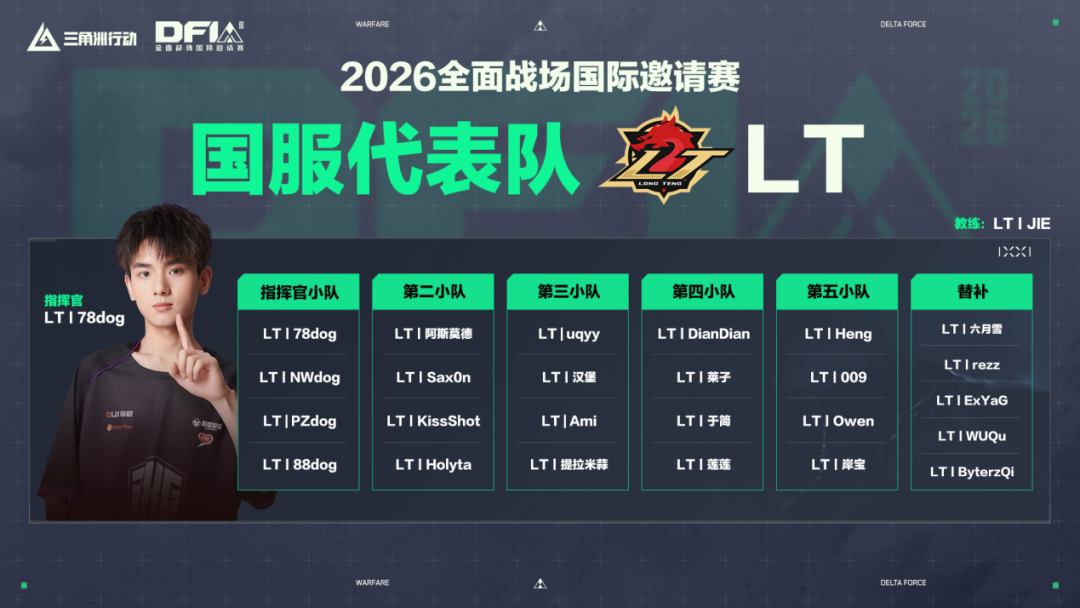
This year, the Chinese server qualifiers became fully open: any eligible player can form a team and register on their own. Each team must have a minimum of 20 and a maximum of 25 members, and all members must have reached the “Battlefield Dominator” tier in the “Echo” season’s King of the Hill mode.After a rigorous selection process involving Swiss rounds and a double-elimination bracket, LT emerged as the sole winner from among 21 top teams, securing the only direct ticket to the All-Out Battlefield International Invitational in Wuhan.
The overseas regions mentioned above are also moving forward with this process in parallel. To put it simply, for the first time, the competition has a standardized entry point that is “predictable, accessible, and repeatable.”
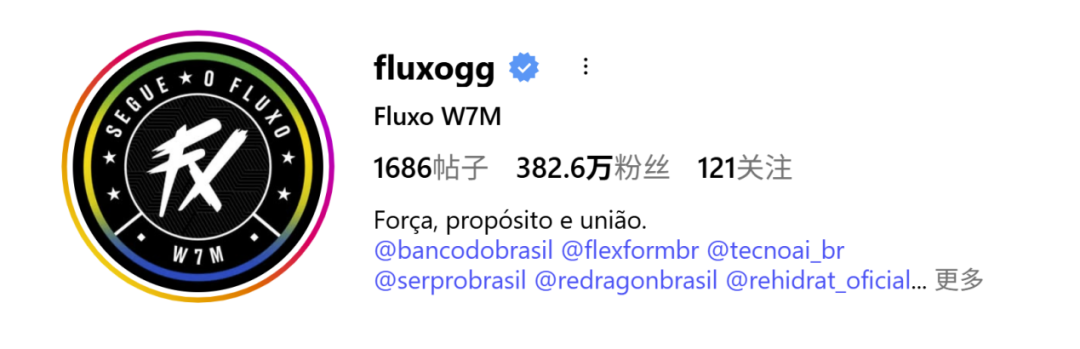
Another noteworthy change comes from the clubs. At last year’s International Invitational, most teams were ad-hoc groups, essentially continuing the organizer-driven participation model. This year, however, the situation has changed significantly. On the Chinese server, White Shark established a dedicated division for *All-Out War*, while LT specifically strengthened its roster;Overseas, RRQ has established a permanent *Operation Delta* All-Out Battle roster in its home country of Indonesia, while FX from the Americas not only boasts 3.8 million followers on Instagram but has also publicly stated that its club is bullish on the esports influence and future of *Operation Delta* and will continue to participate in related tournaments.
From the clubs’ perspective, their willingness to proactively invest in building their teams indicates that they see the long-term value of the tournament and are willing to commit to it. From the tournament’s perspective, the transition from organizers inviting teams to participate to clubs independently preparing for the event and actively competing for qualification spots marks a pivotal turning point in the evolution of esports tournaments from short-term events into a fully-fledged industry ecosystem.
Conclusion
From the “one-time validation” at the inaugural event in Hanoi to the “systematic reuse” at the second event in Wuhan, *Operation Delta* has carved out its own path in transforming the all-out battlefield into an esports competition.The 20v20 large-scale battlefield genre—once widely regarded by the industry as “difficult to turn into an esports title”—has seen *Operation Delta* successfully establish a complete set of rules, spanning from regional tournaments to global championships.
In my view, the product’s core user base of 50 million DAU provides the most fundamental guarantee of traffic for the *Operation Delta* esports tournaments. But what truly allows this tournament system to stand on its own is the layer upon layer of solid “roots” built upon the product’s foundation.
On the one hand, with independent qualifying leagues in various regions around the world, overseas clubs building their own teams, third-party commercial brands actively entering the market, and overseas media vying to cover tournament news, the sector has gradually shifted from relying on initial official funding to becoming self-sustaining;On the other hand, the shift from “one-time validation” to “systematic reuse” in esports tournaments represents a solid step toward transforming esports investments into long-term assets and laying the groundwork for the normalization and standardization of future tournaments.
As we can see, Delta’s competitive landscape is becoming increasingly comprehensive. Following the conclusion of the major World Championship, the Fenghuo Series is also set to undergo an upgrade. During the recently concluded “Fission” season preview livestream, officials revealed that the 2026 Fenghuo World Championship, scheduled for the end of this year, will welcome challengers from around the globe.At the same time, overseas Fenghuo professional tournaments are set to begin. Well-known global powerhouses such as Team Liquid, Fnatic, Evil Geniuses, FaZe Clan, Gen.G, Alliance, and LEVIATAN will join the “Operation Delta Overseas Club Partnership Program.”The domestic Fenghuo Pro League Summer Split will also officially kick off on August 5, with 24 professional teams continuing to compete for the Summer Split championship title and a spot in the Fenghuo World Cup.
As the esports influence of *Operation Delta* continues to grow and its tournament and team systems continue to mature and improve, the event is poised to become one of the premier tournaments with international influence.
原创文章,作者:游茶妹儿,禁止转载:https://youxichaguan.com/en/archives/208030