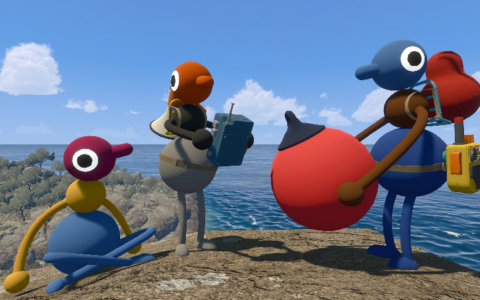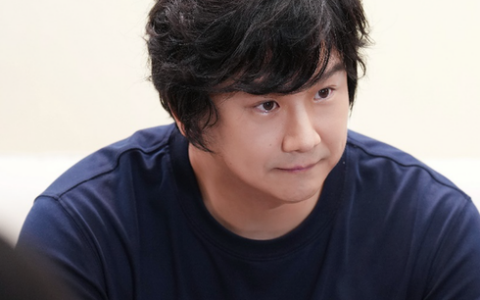
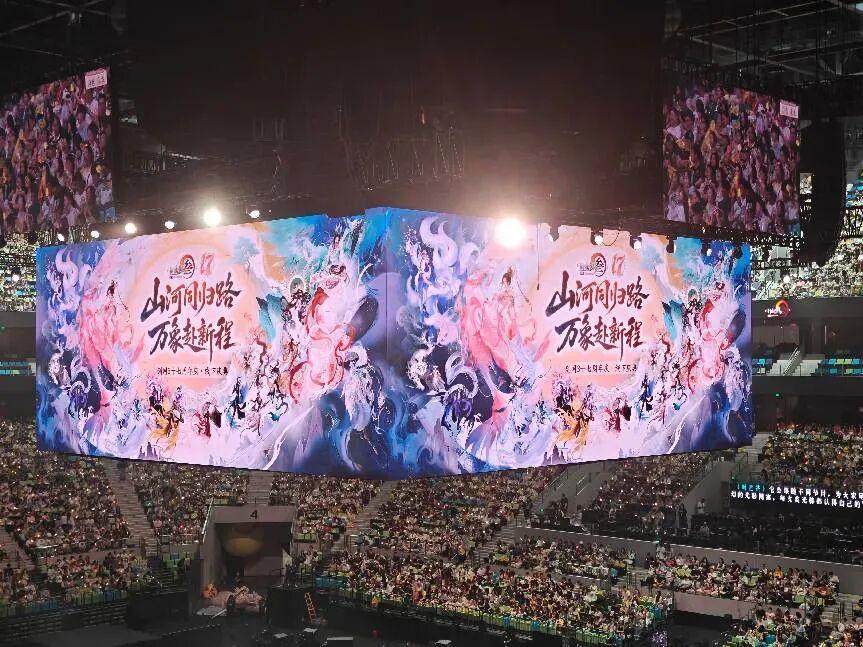
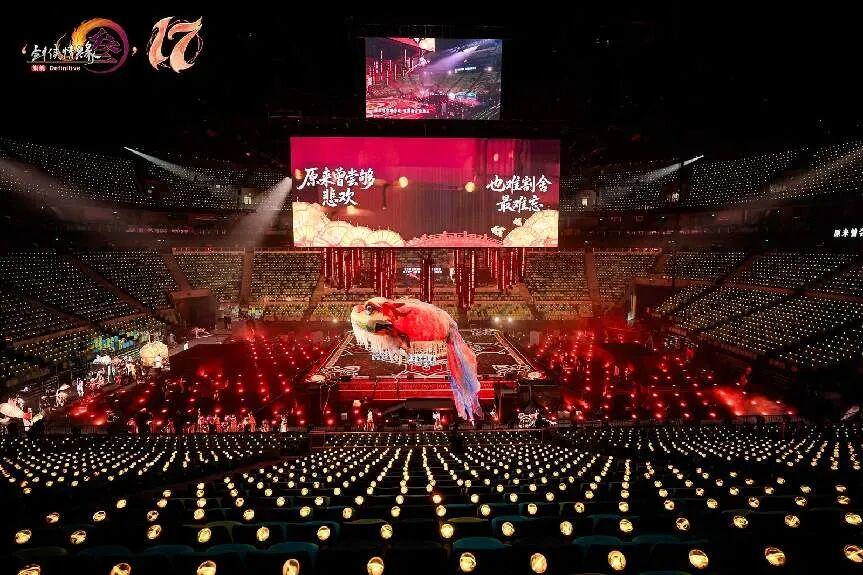
From the initial 100-person venue to an arena that seats 18,000; from a single-stage setup to a four-stage setup—still, it’s not enough to contain all the players’ enthusiasm.
This summer, countless *Jian Wang 3* players were heartbroken after failing to secure tickets for the in-person Anniversary Celebration Gala. On August 28, when this classic MMO—which has been running for 17 years—finally celebrated its anniversary, a massive celebration spanning both online and offline platforms kicked off.
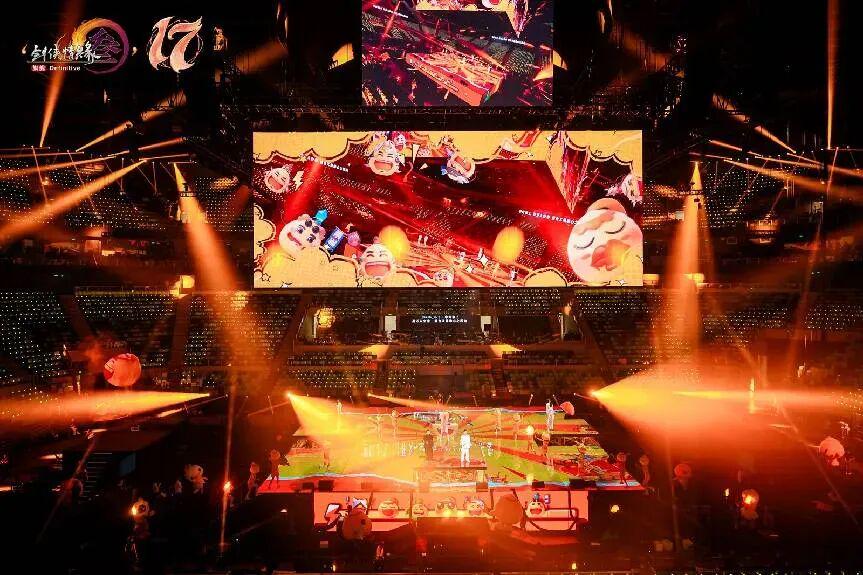
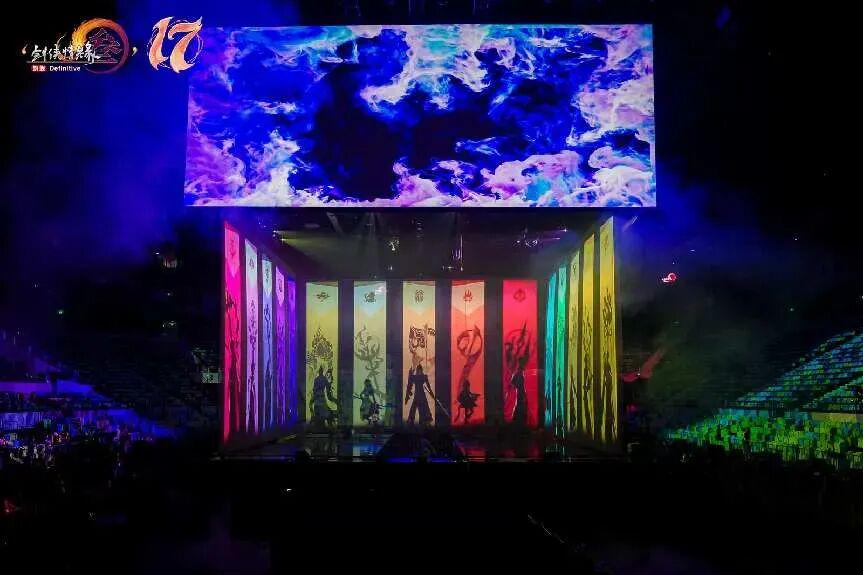
For this year’s 17th-anniversary celebration, the main venue was held at the Guangzhou Greater Bay Area Culture and Sports Center, featuring an immersive night of festivities, while simultaneous events took place in Zhuhai, Shanghai, Hangzhou, Chengdu, Xi’an, and Changchun.
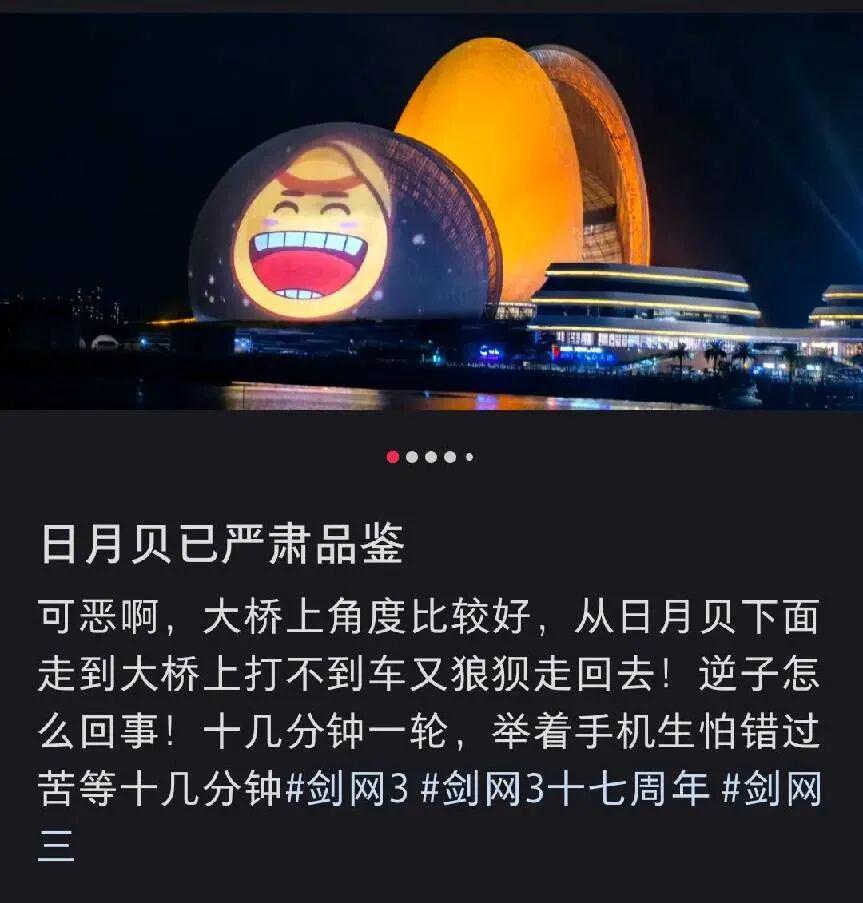
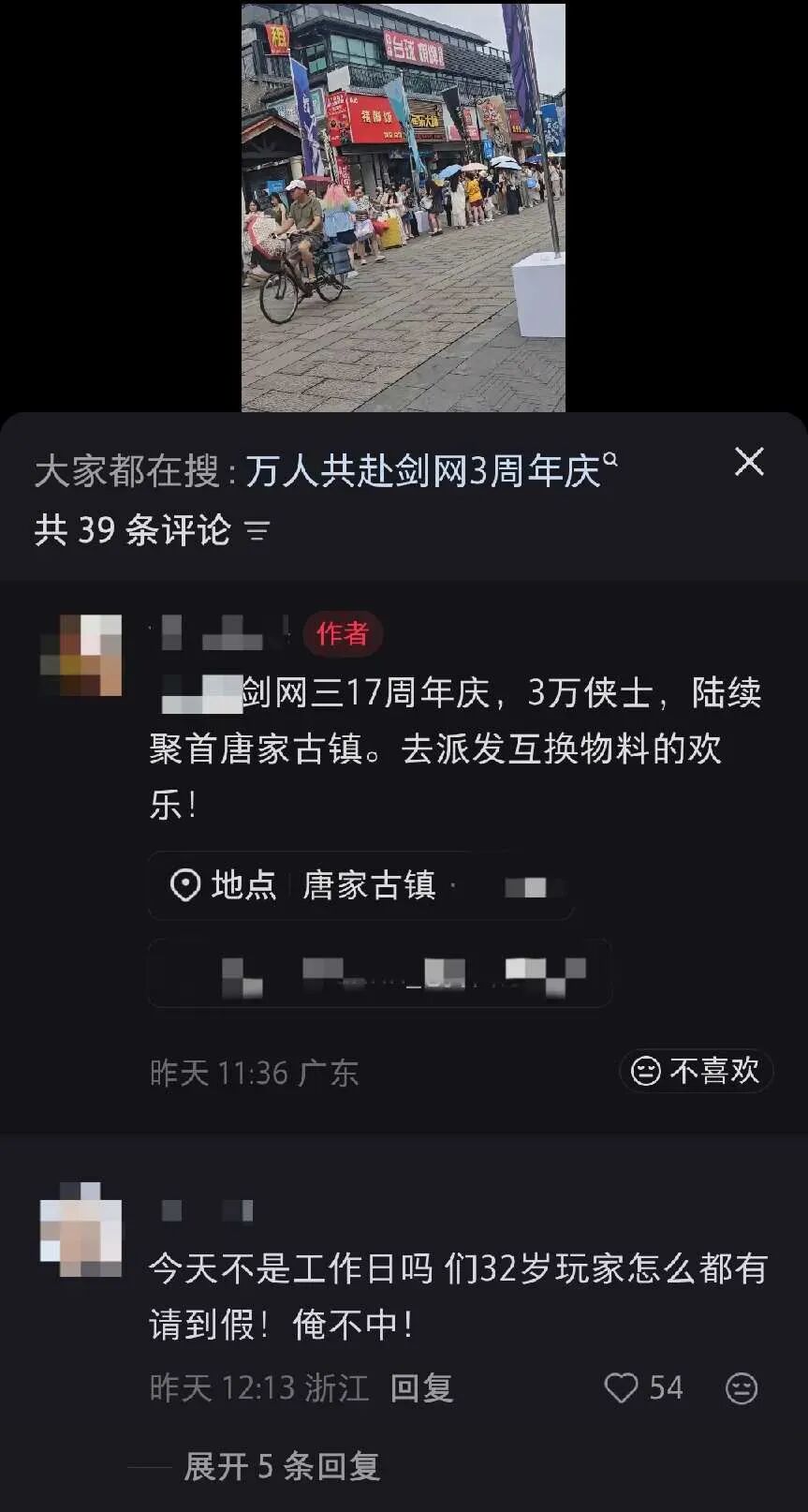
Zhuhai is home to Xishanju, the developer of *Jian Wang 3*. Although the anniversary celebration fell on a weekday, long lines had already formed in the local Tangjia Ancient Town starting in the morning. Someone posted a video of the scene online, and viewers who came across it marveled in the comments section: “Do 32-year-olds really not have to go to work?”
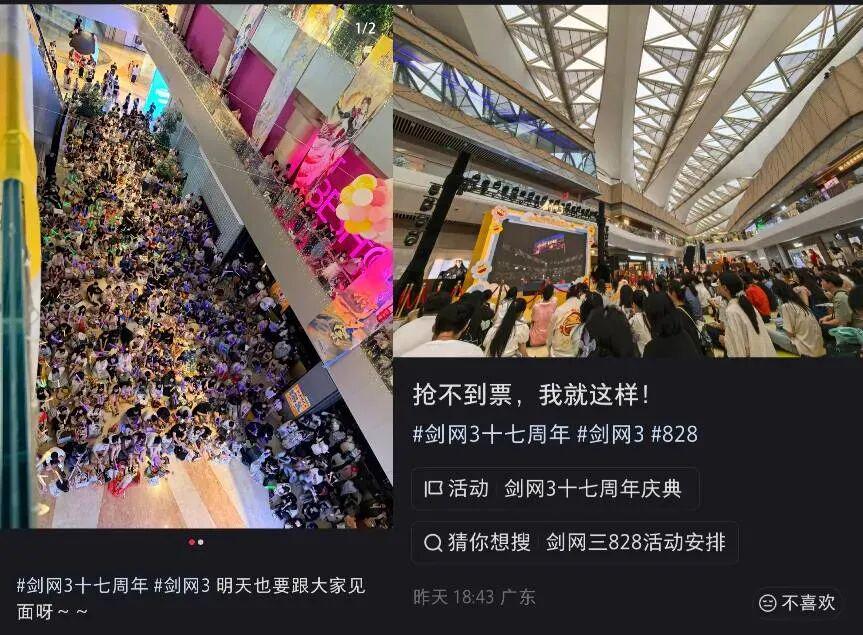
By the afternoon, traffic had already backed up outside the Guangzhou Greater Bay Area Culture and Sports Center.In the crowd, I spotted a player with a cast on his leg and a crutch, making his way step by step toward the venue. Players who hadn’t managed to get tickets gathered at shopping malls participating in the multi-city event, staring at the big screens as they watched live-streamed clips online—virtually every anniversary celebration event was packed with people.
For 17 years, *Jian Wang 3* has accompanied players as they’ve grown from their youth into adulthood.In-game friends and acquaintances have become real-life friends, or even lifelong partners; or perhaps they’ve grown apart, yet they can still carve out a little free time amid their busy lives to gather together and share in this three-hour celebration.
For a game developer, 2017 represents a long-term challenge of balancing the new and the old: How can it preserve the emotional connection with its veteran players while continuing to drive new growth? In the current gaming market environment, what new vitality can *Jian Wang 3* still bring to the table?
At the 17th-anniversary celebration press conference, they provided the answer.
Xianyu, the producer of the *Jian Wang 3* series, announced a series of future plans, two of which reveal the long-term operational ambitions for this classic MMO.
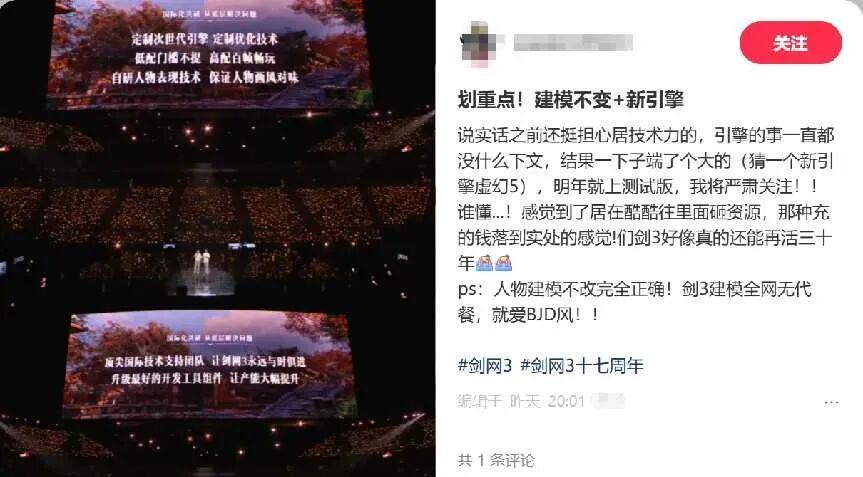
First, *Jian Wang 3* 2.0 will begin offline testing in 2027. This is a project involving a comprehensive upgrade of the game’s underlying systems—in collaboration with internationally renowned game development teams, it aims to comprehensively enhance the game’s art, gameplay, visuals, and overall presentation while retaining its original style.
Second, the new expansion, *Jian Wang 3: Forging the World of Mortals*, is set to launch on October 29, ushering in a brand-new Chapter 50 and aiming to address the issue of “stat inflation” caused by the accumulation of multiple versions.

Two announcements drew waves of cheers at the press conference, and players immediately took to social media: “Who says *Jian Wang 3* is getting old? It’s getting younger and younger.”
It’s truly amazing that a classic MMO that’s been running for 17 years still has such ambition. But how will this ambition be realized, and what is the team’s specific vision? Following the press conference, Producer Xianyu addressed these questions one by one.
The following is a summary of the group interview:
01
Original Aspiration
Q: Why is this year’s anniversary celebration the largest one yet?
Xianyu: Actually, the reason is quite simple. In the past, whenever the anniversary event went live, player enthusiasm was always very high, and the venue expanded year after year. If we had continued with the single-sided stage format this year, it would have been difficult to accommodate the size of the crowd, so we adopted a four-sided stage for the first time. Ultimately, we just want to invite more heroes to join us in person and celebrate this birthday together.
Q: The anniversary event had a very emotional tone. Does this mean you’ll place greater emphasis on long-time players and returning players in the future?
Xianyu: The anniversary celebration is, first and foremost, a gathering to celebrate our birthday with old friends. Seventeen years of shared experiences are hard to sum up in just a few words, so this year’s launch event and performance will place greater emphasis on companionship, character bonds, and shared memories. At the same time, we certainly hope to welcome more new players into this world.For new players, what truly draws them in is the quality of the product itself—better graphics, more sophisticated technology, more engaging gameplay, and a lower learning curve. We hope to cherish the emotional connection we’ve built with our veteran players while, at the same time, continuously improving the quality of our product to attract new players as well.
Q: How should we interpret the concept of “the original spirit of MMOs” as described in *Jian Wang 3*? Over the past 17 years, what has changed, and what has remained the same?
Xianyu: To us, the “true spirit of MMOs” begins and ends with the players. An MMO isn’t just about gameplay, stats, and updates—what matters most are the relationships players build here, the emotions they invest, and the memories forged through years of shared experiences.Over the past 17 years, technology, gameplay, and players’ time habits have been constantly evolving, and we’ve had to continually adapt our approach and the product experience; but what has remained unchanged is our commitment to our players and our shared passion for this virtual world. Today, when we revisit our “original vision,” it’s not to return to the past, but to preserve these most important elements in a way that better suits the present.

Q: Xishanju has always taken a very conservative stance on AI trends in the industry. How do you view the controversy surrounding the use of AI in stage design and interlude animations?
Xianyu: We have our own story—a script we created with passion—and even tonight, as we’re immersed in it, we can still feel its soul.However, during the production process for the stage design elements, we couldn’t find a single supplier who still used traditional hand-kneading techniques. Whether it’s the Spring Festival Gala or other TV programs, AI has become the dominant trend across the entire entertainment industry—not to mention the special effects in this production, such as “magical sky changes,” “mirrored spaces,” and “world destruction,” which are particularly challenging to achieve.The unfortunate reality is that no one was willing to take on the job. In the end, we still wanted to preserve the story’s integrity and keep this dream intact.
Furthermore, throughout the production process, we insisted on using our own models and our own database to ensure full copyright protection. In fact, because of this requirement, the cutscenes feature characters in the traditional *Jian Wang 3* character customization style, rather than the CG style that is already well-established and polished on the market. It can be said that the final result was a compromise.
Of course, this doesn’t conflict with our support for fan content, and we remain grateful to the players who create it. We’re also aware that now that AI has become a hot trend on social media platforms, there may be policy and traffic preferences in this area. Therefore, in the second half of the year, we’ll further increase our support for fan content creation—for example, by offering targeted procurement and promotion to creators of original “hand-crafted” content.
Q: *Jian Wang 3* has been in operation for 17 years. What is the most important lesson you’ve learned about long-term operation?
Xianyu: The most important thing is to keep players in mind and be willing to make a sustained commitment to the product. Long-term operations will inevitably face challenges, but what matters is whether the team is willing to address them head-on and allocate resources to resolve them when players genuinely care about a particular issue or experience. At the same time, it’s essential to cherish the player relationships, community culture, and content that have already been built up.A product’s longevity depends not on a single viral moment, but on continuous innovation, consistent responsiveness, and the trust built with players over the long term.
Q: How do you view the value of fan culture to the long-term IP of *Jian Wang 3*? Will the developers and players move toward a closer partnership?
Xianyu: Fan creations are incredibly important to *Jian Wang 3*. While the developers can provide the game’s core content, players use their own interpretations and creative expressions to further expand this martial arts world. Often, the impact of a single fan-created work is something the developers simply cannot replicate; it helps introduce more people to the characters, sects, and the IP as a whole.
That’s why we’ll continue to support the player-created content ecosystem. To us, players aren’t just consumers of content—they’re actively enriching the world of *Jian Wang 3* themselves, and this is a key reason why the IP has remained vibrant over the long term.
Q: Why have you continued to incorporate historic architecture, intangible cultural heritage, and public welfare projects into the development of the *Jian Wang 3* IP in recent years?
Xianyu: *Jian Wang 3* is a game deeply rooted in Chinese history and wuxia culture. As the game world continues to expand, we’ve come to realize that authentic ancient architecture, historical records, and traditional culture can help us build a more grounded and well-documented martial arts world.Collaborating with professional cultural institutions not only provides our development team with more accurate and comprehensive resources to refine our game’s world-building and content presentation, but it also allows the game to serve as a gateway for young people to discover traditional culture, bringing ancient architecture and cultural elements—which were once relatively distant from the general public—into a broader public consciousness. For us, this is a mutually beneficial and entirely natural endeavor.
Q: What do you value most when selecting IP collaborations for *Jian Wang 3*?
Xianyu: The most direct criterion is still whether players like it or not.When selecting partners, we pay close attention to player feedback and acceptance. If players aren’t interested in a particular IP, or if we feel the partnership isn’t a good fit, we won’t force the collaboration just for the sake of it. For *Jian Wang 3*, collaborations must ultimately serve the players—they should genuinely find them fun and something to look forward to—rather than simply adding another name to a list of partners.
02
Changes
Q: As *Jian Wang 3* undertakes a systematic review of its core ecosystem, which areas will be prioritized? What is the biggest challenge?
Xianyu: The most important thing this time isn’t to make any single gameplay mechanic more complex on its own, but to re-examine the connections between progression, combat, social interaction, and player organizations, so that different ecosystems—such as PVE, PVP, and PVX—can function more seamlessly.The biggest challenge lies in the fact that *Jian Wang 3* has 17 years of accumulated content and established player habits; many systems are deeply rooted in real-time experiences, relationships, and emotional investment. Therefore, we will proceed with greater caution, fully listening to feedback from different types of core players, and gradually optimizing the game while respecting its existing legacy—rather than making changes just for the sake of change.
Q: How will you address the issue of older, less-played game modes and barriers to entry in the future?
Xianyu: After all these years of operating *Jian Wang 3*, we’ve certainly accumulated a wealth of gameplay features. In the past, when developing content, we’d sometimes see something that was fun or popular and want to add it to the game. But as time has gone on, we’ve come to realize more and more that gameplay features ultimately need to be considered within the context of the entire ecosystem.
Moving forward, we will continue to review this content. We will streamline or even adjust elements that are repetitive and offer little value to the player experience; meanwhile, gameplay features that players truly enjoy and that have long-term value will be retained and optimized. Ultimately, our goal is for players to be able to enjoy a more relaxed experience in this martial arts world, rather than being burdened by a large amount of scattered content.
Q: How can technological upgrades prevent visual homogenization?
Xianyu: I don’t think technical tools themselves directly lead to visual homogenization. Even with the same technology and the same engine, it’s possible to create completely different visual styles. What truly determines a product’s distinctiveness is the team’s own aesthetic direction, its content assets, and the investment it makes in resource production. Technology is ultimately just a tool; the key lies in what we want to create with it.
Q: Why did you choose to “go back to Level 50” after 17 years of operation? Isn’t this a bit of a risk?
Xianyu: Level 50 isn’t just a simple nostalgic return—it’s a new starting line. After years of updates, the leveling, equipment, and stats systems have naturally become increasingly complex, and the growth gap between players has gradually widened.We hope to use this opportunity to systematically overhaul the entire progression system, allowing both new and veteran players to continue advancing within a clearer and fairer framework. For us, this is more like a necessary and proactive structural upgrade in the course of long-term operations; the goal is not to return to the past, but to create a healthier environment for future growth.
Q: Why are you implementing adjustments to the PVE, PVP, PVX, and social systems all at once this time? What is the most important factor for a healthy MMO ecosystem?
Xianyu: In the past, we’ve made many improvements to individual aspects of the game, but we’ve come to realize more and more that simply making a single gameplay element stand out isn’t enough to solve the problems of the entire MMO ecosystem. PVE team dynamics, PVP faction histories, and PVX lifestyle and self-expression should all be interconnected within the same world.In the future, we’ll continue to focus on building a solid foundation for the ecosystem, ensuring that players of all types can find their place. A stable economy and resource cycle form the bedrock, and on top of that, it’s even more important that relationships, identities, honor, and shared memories among players continue to deepen over time.
Q: Users’ time is becoming increasingly fragmented, yet MMOs rely on long-term relationships and immersive experiences. How does *Jian Wang 3* plan to balance casual and hardcore gameplay?
Xianyu: Casual and hardcore elements actually complement each other. Casual content is more like players’ daily lives in this world—socializing, collecting, customizing appearances, and self-expression; hardcore content, on the other hand, offers progression, challenges, and long-term goals.We aim to reduce elements that are truly time-consuming but offer little experiential value—such as unnecessary waiting and repetitive tasks—so players can spend their time on the content they truly want to play.
I once used a metaphor internally: everyday life is like a comfortable “Earth,” but when we look up, we should still be able to see the “stars and the vast ocean” that are worth pursuing. If we have only goals, we’ll become exhausted; if we have no goals, the world will lose its allure. We hope that both can coexist.
Q: How do you view the relationship between “reducing academic pressure” and long-term engagement?
Xianyu: Playtime isn’t the only metric we prioritize. Rather than having players’ days filled with a barrage of repetitive daily quests, we’d much rather they spend their limited time on content that’s truly fun, rewarding, and memorable.Even if players only immerse themselves in the game for a short period during a season, as long as that experience is good enough and memorable enough, they’ll still be willing to return for the next season. For *Jian Wang 3*, healthy long-term operation isn’t about constantly “keeping” players in the game, but rather ensuring that every time they return, they have an experience worth staying for.
03
The Future
Q: Compared to the current version, what is the most significant upgrade in *Jian Wang 3* 2.0? Why did you choose to make such a large-scale investment in the underlying infrastructure at this stage?
Xianyu: "Jian Wang 3" 2.0 is not merely a graphical upgrade, but a systematic evolution encompassing the technical foundation, rendering performance, R&D toolchain, and content production efficiency.While improvements in visual presentation are the most immediately apparent to players, from a development perspective, the upgrades to underlying tools and production workflows are even more crucial—only with a more advanced foundation can future gameplay, environments, and content expression have greater scope.We hope to lay a solid foundation in advance for the next long-term phase of *JX3*, ensuring that this martial arts world retains the capacity for continuous evolution in the future.
Q: Now that new factions are no longer the primary driver of annual growth, where will *Jian Wang 3*’s future appeal come from?
Xianyu: Our experience over the past few years has made it increasingly clear to us that new sects aren’t the only content capable of driving new player growth and bringing back former players. Players also have deep needs regarding existing sects, storylines, gameplay quality, social interactions, and the overall world experience.As the number of sects increases, new sects will also bring higher long-term maintenance costs in terms of balance and world-building. Therefore, we’d rather deepen and refine existing content—through in-depth development of established sects, new storylines, new maps, upgrades to the core ecosystem, and improved technical presentation—to create a diverse and stable long-term appeal, rather than relying on a single type of content for growth.
Q: After the level and stat systems are overhauled, how will the team address the potential impact on the overall game ecosystem and balance?
Xianyu: These adjustments to the leveling and stat systems are not aimed at a specific type of player or a single short-term issue; rather, the core objective is to support the long-term sustainability of the entire game ecosystem. As for specific stats and balance, we will continue to make adjustments based on actual gameplay experience and data. Rather than focusing on any single stat, we are more concerned with whether this system can operate in a healthy and sustainable manner over the long term.
Q: How will aligning with the international R&D system impact *Jian Wang 3* in the future?
Xianyu: A key part of this collaboration is the upgrade of our underlying R&D tools and production methods.We have been continuously developing new tools and processes ourselves, and in the future, we plan to integrate these capabilities with mature external technology systems to improve overall R&D efficiency. Ultimately, our goal is to enable the team to produce content more efficiently, allowing them to focus more of their energy on visual presentation, gameplay, and the world experience itself. As for the specific technologies we will adopt and how the collaboration will proceed, we will provide more detailed updates at a later, more appropriate stage.
Q: From a producer’s perspective, what would you most like to accomplish in *Jian Wang 3* over the next three years?
Xianyu: I’ve always wanted to bring players’ characters—and this world—truly “to life.”Many players have spent years with their characters; these characters have long since become more than just units to control—they’re emotional bridges connecting players to the game world. As new technologies continue to evolve, we’re also exploring their future potential in areas such as character interaction and NPC performance. Of course, all of this is still in the exploratory phase, and we hope to gradually find applications that are truly suited to *Jian Wang 3* in the future.
Q: As we mark the 17th anniversary, how do you view the future direction of *Jian Wang 3* over the next decade?
Xianyu: For many players, *JX3* has become more than just a game—it’s like a companion that has been with them for over a decade. We’ve been talking a lot about our 30th anniversary, but to truly go further, we must first solidify our technical and R&D foundations so that our core capabilities can keep pace with industry developments.Building on this foundation, we also hope to further explore the possibilities of characters, NPCs, and the entire game ecosystem, making this martial arts world more vibrant and complete. The next decade is a long journey, but the work we’re doing now is the first step toward a more sustainable future.
原创文章,作者:游茶妹儿,禁止转载:https://youxichaguan.com/en/archives/219860