They say you can’t get struck by lightning twice—six years after creating *Untitled Goose Game*, the same group of “genius developers” has recently released a new game called *Big Walk*, and it’s a hit again.
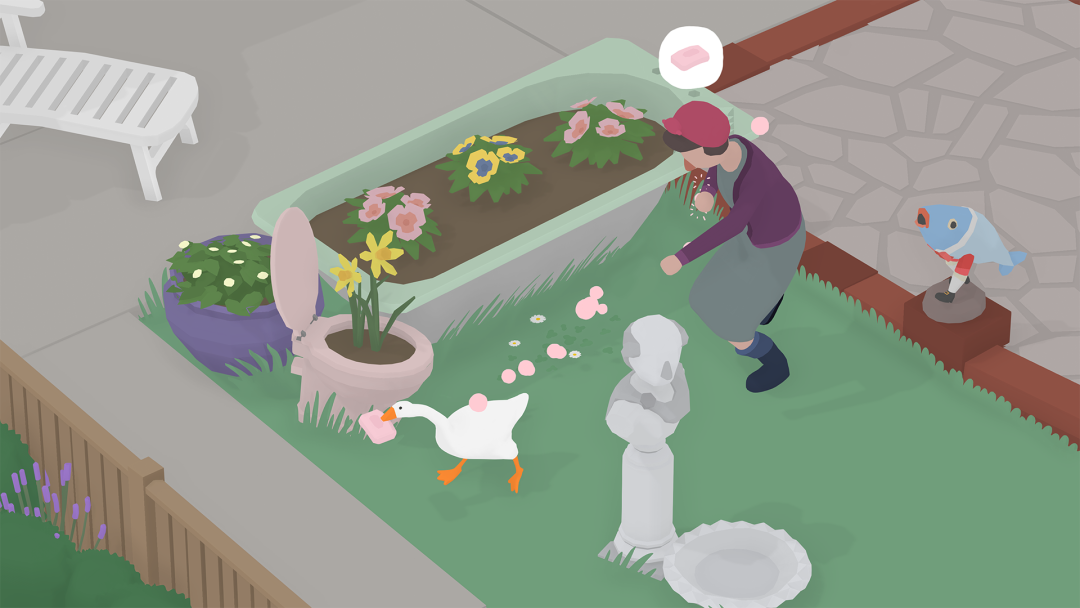
House House的上一部作品《Untitled Goose Game》
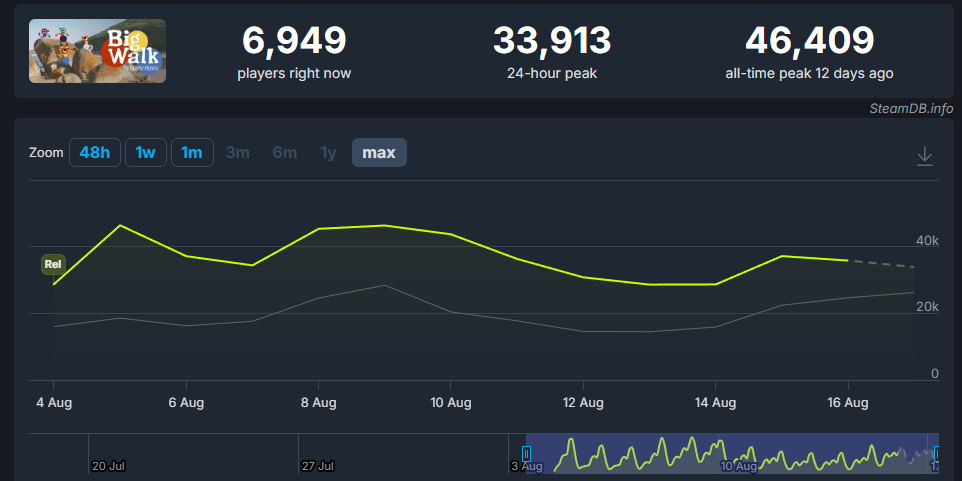
Since its launch on August 4, *Big Walk*, developed by the Australian indie studio House House, has reached a peak of 46,000 concurrent players on Steam and briefly ranked No. 2 on the global best-seller list.On its sixth day after launch, House House officially announced that the game had sold over 1 million copies; according to estimates from third-party platforms such as Gamalytic, *Big Walk*’s cumulative revenue on Steam alone has exceeded 100 million RMB, and even after half a month since launch, its daily concurrent player count remains quite stable.
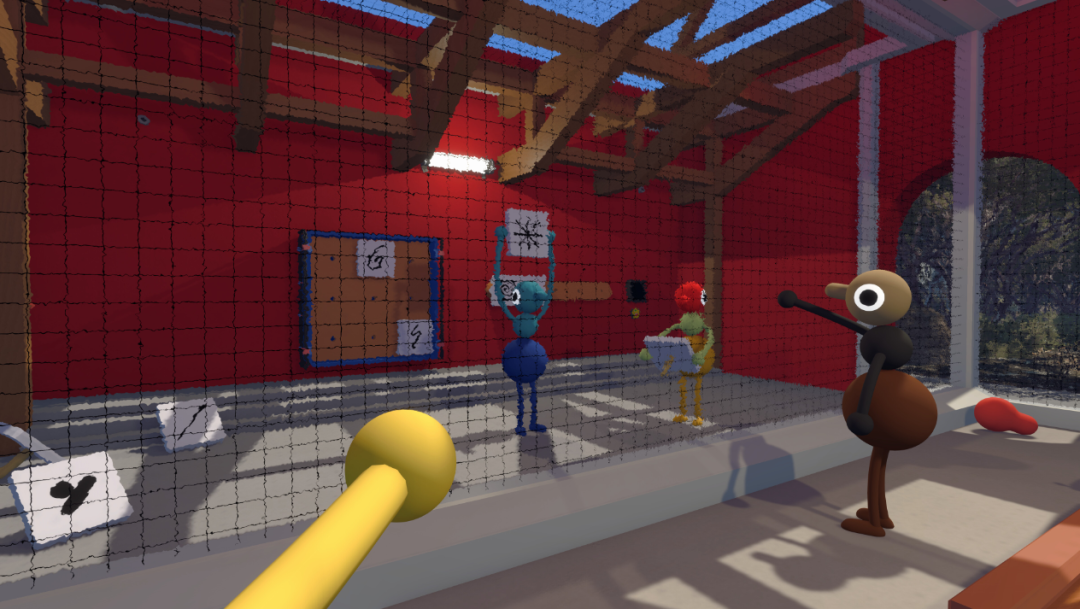
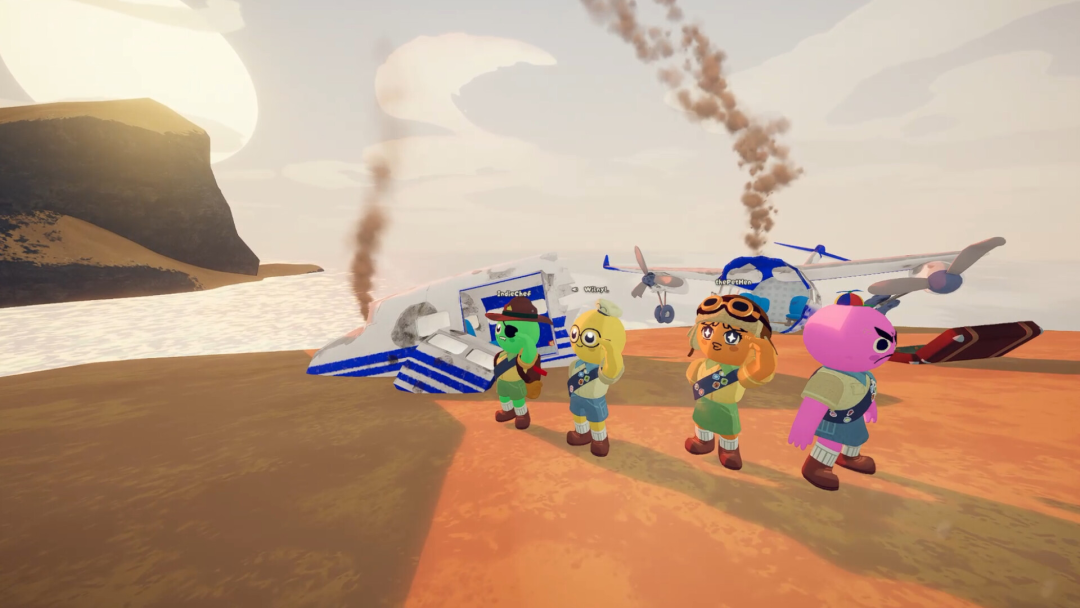
The game’s “vibe” feels pretty familiar, too—the main characters are bird-like creatures made up of spheres and sticks, the art style is simple, and the gameplay focuses on a party-style, multiplayer cooperative experience with a few friends.If you’ve spent enough time on Steam, just one look at the visuals will probably give you a pretty good idea: Is this yet another “Friendslop game” making a splash?
Although, strictly speaking, the experience of *Big Walk* is slightly different from other "friendship-ending" games, I still have to say that this genre has been truly amazing in recent years.
First, there was *Lethal Company*, which launched in 2023 and sold over 10 million copies; then came *Meccha Chameleon*, which recently sparked a nationwide drawing craze and was officially announced to have sold 20 million copies in just two months.During this period, there was also a string of hit titles such as *PEAK*, *Content Warning*, *Chained Together*, *RV There Yet*, *REPO*, *Dig for Gold*, and *Super Battle Golf*… In less than three years, there have been so many masterpieces selling in the millions—or even tens of millions—that you can’t count them on just two hands.From light horror and golf to mountain climbing and doodling, games across a wide range of genres have gone viral in their own unique ways. And almost all of them were developed by small teams of just a few people—or even solo developers—yet they routinely rake in tens of millions or even hundreds of millions of yuan, truly exemplifying the concept of “punching above their weight.”
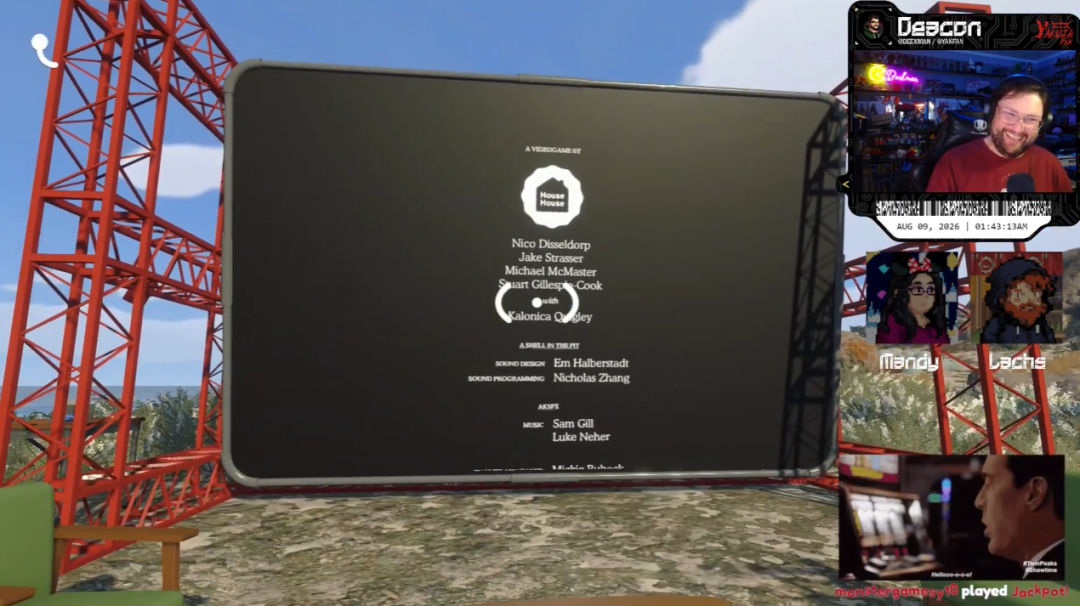
According to the development team, the main developers of *Big Walk* consist of only four core members and one collaborator.
It’s actually quite intriguing: with so many similar products already on the market, how has *Big Walk* managed to ride this wave? The gaming industry often says that small and medium-sized games have struggled to break through in recent years, so why does this genre keep producing hit after hit?
01
From “Online Meeting Rooms” to Strolling Through an Open World
But after actually trying out *Big Walk*, it’s actually easy to see why it became so popular.
For example, its exceptional quality is immediately apparent. Although the character art is simple, *Big Walk* actually features a fully realized open world modeled after a national park in Australia—where the developers are based—complete with forests, coastlines, ridges, and even the play of light and shadow throughout the day and night. The overall scenery is quite pleasant.
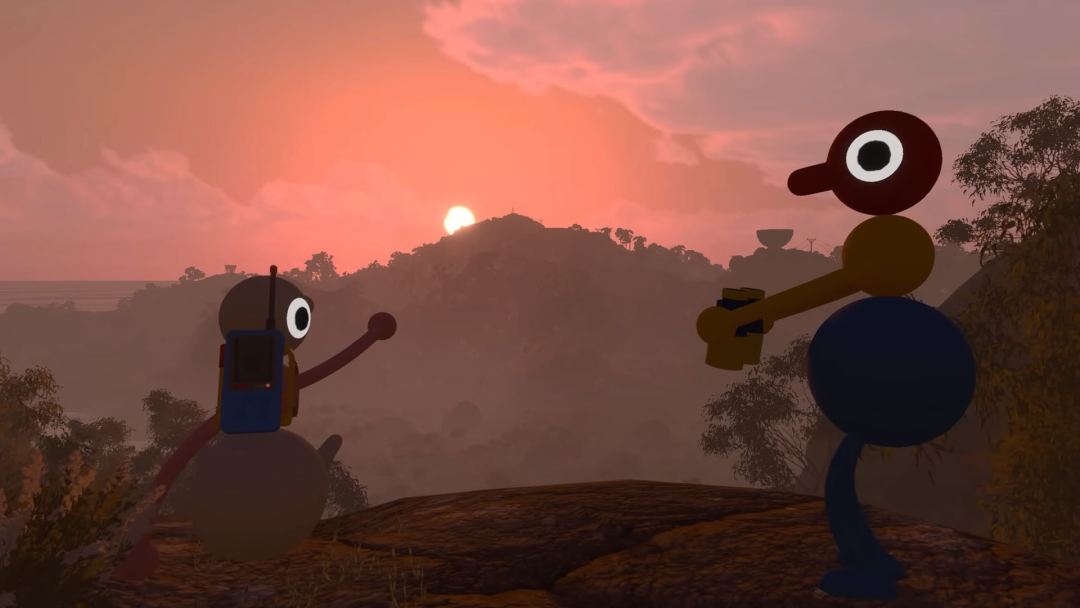
Many people compare *Big Walk* to a multiplayer cooperative version of *The Witness* or *The Legend of Zelda: Breath of the Wild*, and that’s actually quite accurate.Like the former, the game features a variety of large-scale, environmental puzzles scattered throughout the world; by progressing through four main colored towers, players gradually unlock the map, transportation, and new areas to explore, until they finally reach the final black tower.
The difference is that these exploration and puzzle-solving elements almost exclusively revolve around collaboration among players.
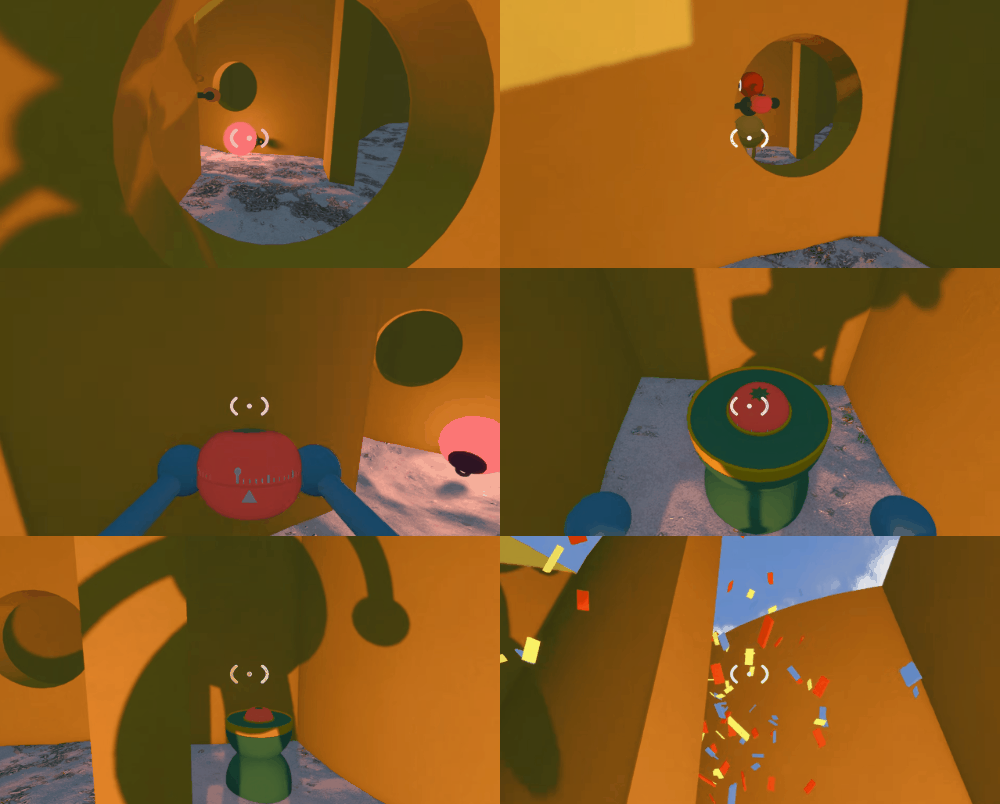
For example, in a maze in the tutorial level, players are split into different paths once they enter. On one side, players can see patterns on the wall, while on the other, they are presented with a jigsaw puzzle. Players on both sides can see each other through small holes in the wall and communicate via voice chat to put the puzzle together.
For example, early in the game there is a yellow maze; once two players enter, they are split onto different paths. One player can retrieve a timer that is counting down, while the other is responsible for receiving it and delivering it to the mechanism. Since neither player can see the other’s entire path, they must constantly confirm their positions and pass the timer back and forth through small holes in the wall.
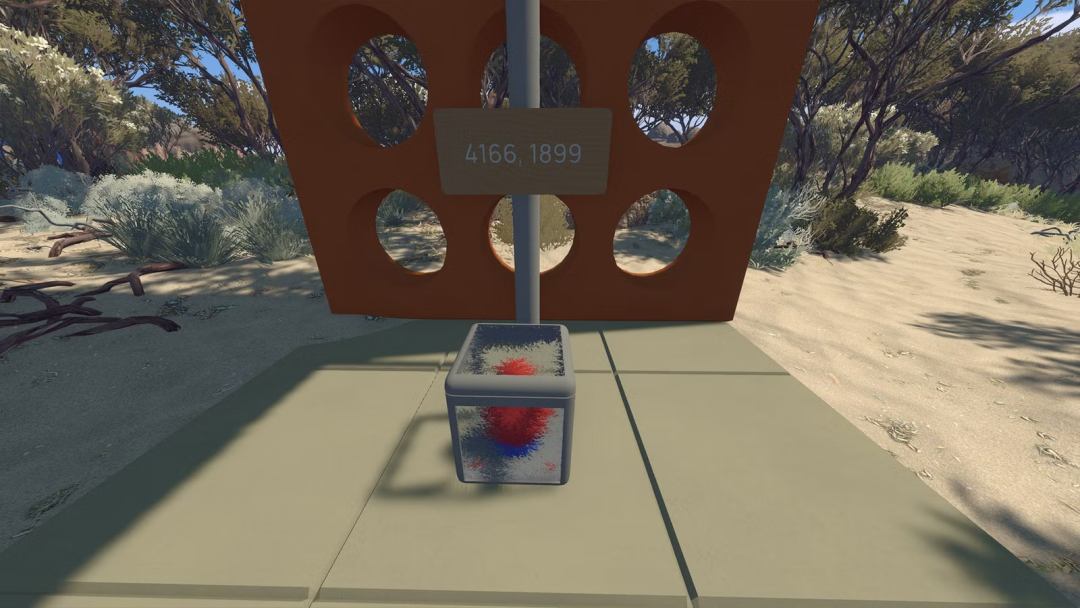
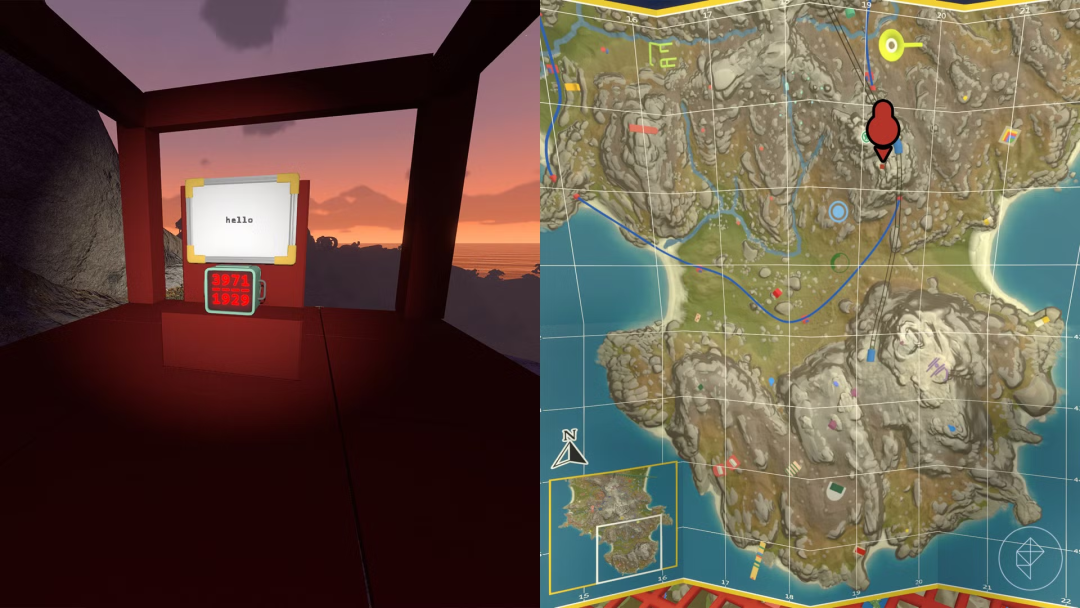
Or, for example, you might come across a set of numbers—"4166 / 1899"—while walking around. At first, you might not understand what they mean, but once you get a map and a GPS later on, you’ll realize they’re coordinates on the island.To solve this puzzle, one player wears a locator and moves around, though they cannot see the specific coordinates; the other player can see the coordinates changing and must constantly give directions like “go forward” or “step back to the left.” Once the hidden button is found, one player must stay in place to trigger the mechanism, while the other returns to a distant location to claim the reward.
Neither of these puzzles is particularly complex on its own, but they effectively illustrate the design philosophy behind *Big Walk*: constantly creating information gaps, spatial challenges, and the need for teamwork, thereby making “how to communicate with friends” an integral part of the gameplay. The game features a wide variety of puzzles, ranging from immediate interactions indoors to puzzles that span hundreds of meters across the terrain.
In particular, they’ve also implemented a distance-based audio system. The farther apart players are, the fainter their voices become; beyond a certain distance, they become completely inaudible. Sound propagation is also affected by walls and terrain—shouting loudly causes the sound to echo through the valley.This might seem like an added inconvenience, but it actually forces players to rely once again on in-game tools—such as hand signals, laser pointers, whiteboards, and signal flares—when they need to reunite after getting separated or work together to solve puzzles. It’s a bit like being transported back to a time before cell phones and modern communication were invented, when “communication basically relied on shouting, and travel basically relied on walking.”. Many of the game’s most interesting social moments spring from this very dynamic.

Based on these examples, it’s clear that *Big Walk* actually differs quite a bit from other “friendship-ruining” games in terms of pacing and flow. For instance, *Deadly Corporation* relies more on the “Brainrot” cultural trope—which went viral in short videos—and its mildly horror-like atmosphere to create comedic effects;while *Chained Together* relies on its physics system and tight teamwork to generate hilarious moments that emerge from mistakes and chaos. In contrast, *Big Walk* has a slower pace, more breathing room, and doesn’t deliberately aim for a high density of jokes.
But at their core, they are actually very similar—both serve players’ real-life social relationships by providing a virtual space where they can play with their close friends.
In particular, *Big Walk* strikes a particularly clever balance when it comes to the social atmosphere. It doesn’t set the puzzle difficulty or the learning curve too high, so you’re not so absorbed that you can’t take a break; at the same time, there’s always something to do and something to talk about, so the conversation never lulls.
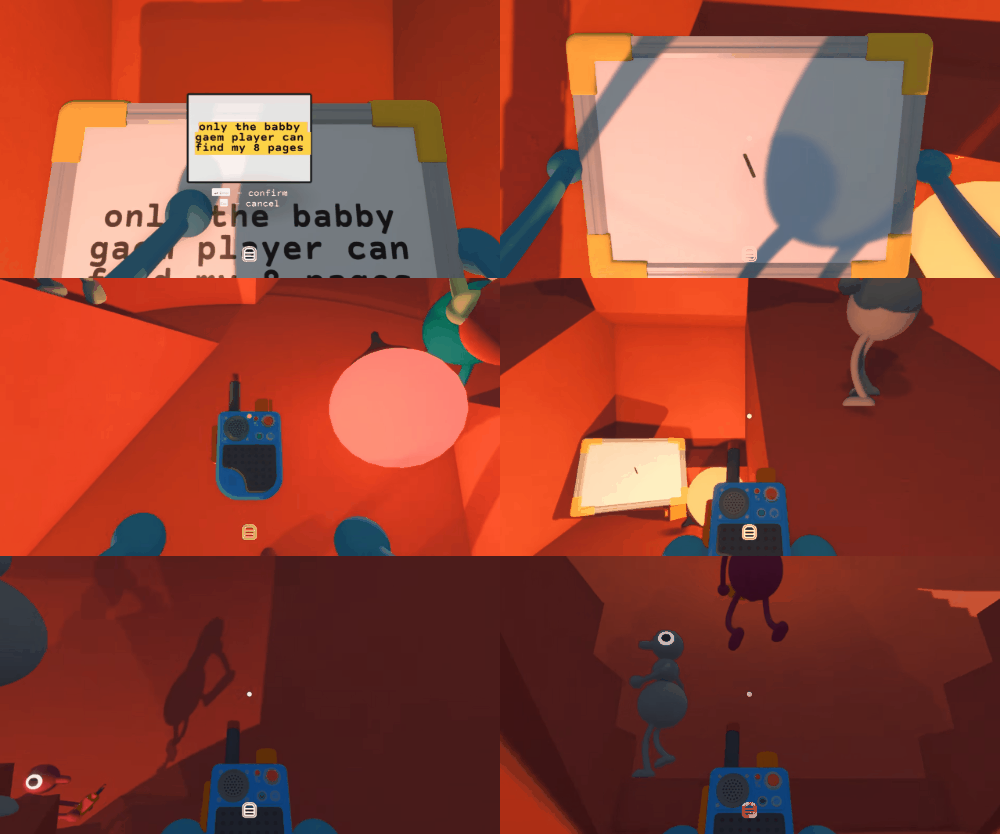
There are quite a few items in the game, but players can only carry a limited number at a time; on top of that, the puzzles often create information gaps, so you have to communicate to decide who takes the walkie-talkie, who handles the map, and who triggers the mechanisms.Combined with moderately challenging puzzles and a series of satisfying “aha moments,” players are easily motivated to keep moving forward. The distances between many puzzles are intentionally spaced out, giving you time to take in the scenery as you explore the map—and chat with friends about what’s been going on in their lives.
Overall, *Big Walk* is a bit like a giant chat room, except it’s packed with entertaining activities and constantly provides you and your friends with new topics to talk about.
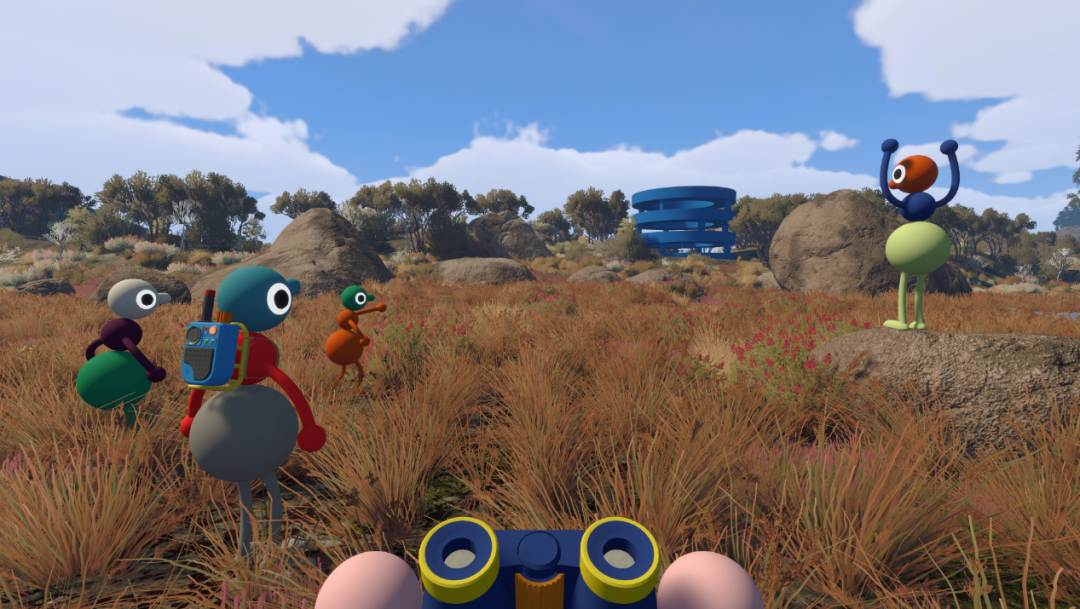
Actually, that’s exactly how the idea for the game came about.
In an interview before its launch, House House mentioned that they drew inspiration from the pandemic. At that time, people were in quarantine at home and unable to meet in person; many even moved their birthday parties to Zoom.The developers felt this was too restrictive, so they created a virtual space for online meetings that would allow people to interact face-to-face in an open environment—and before they knew it, this online chat room had become the precursor to *Big Walk*.
There’s also an interesting detail. The developers have specifically tailored the puzzles for different group sizes—whether two, three, or four or more players—and the game supports up to twelve players simultaneously. As a result, groups of any size can enjoy a relatively complete cooperative experience in *Big Walk*, which must have required a significant investment of effort in design and testing.Given this level of attention to detail, it’s easy to see just how deeply *Big Walk* has explored the concept of a “friendship simulator.”
Overall, this game has indeed struck a delicate balance: it combines the creative mechanics and high-quality content of traditional puzzle games like *The Witness* with a lighthearted experience tailored to social gatherings. This positioning allows it to hit the sweet spot for both traditional single-player gamers and casual party gamers.
02
The Last Chance for Small and Medium-Sized Teams?
Once you understand the unique gameplay features of *Big Walk*, the next question naturally arises: With so many multiplayer cooperative games based on real-life friendships having enjoyed sustained popularity in the past, how much longer will this trend last, and is there still room for new entrants in the market?
I’ve also spoken with quite a few indie game developers, and one of the biggest concerns they’ve shared in recent years is market space. As soon as a popular genre starts to gain traction, it quickly attracts a lot of attention, and by the time you’ve actually finished developing your product, the window of opportunity has often already narrowed.
It’s quite a coincidence, though: just a few days before *Big Walk* launched, Chris Zukowski, an analyst specializing in indie game publishing in the U.S., happened to publish a research report titled “Is the ‘Friendship-Ruining Game’ Genre Saturated?”—his answer to that question was a resounding “No,” and he also offered two rather interesting observations.
First, the entire “friendship-ending” market is actually still on the rise.
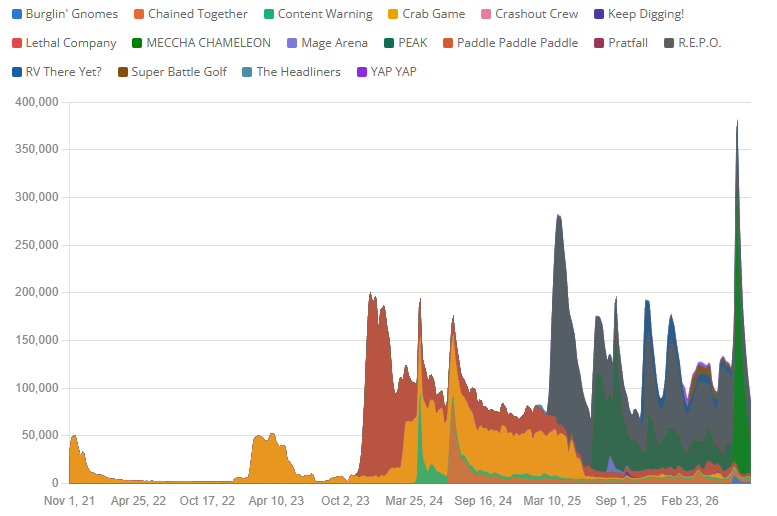
Trends in Concurrent Users for "Friendship-Ending" Games in Recent Years
Chris compiled the peak concurrent user numbers for major “friend-ruining” hit games over the past few years and found that—from the early *Deadly Corporation* to the later *REPO*, and on to the recent *Doodle Hide and Seek*—whenever a game seemed to have “hit its peak,”a new game would inevitably emerge to push the ceiling for the entire genre even higher.
In other words, at least based on the current data, this market is still far from reaching its saturation point.
Chris's second point is that the spending habits of consumers in this category are quite different from those in many traditional categories.
Overall, more and more game genres are moving toward a “long tail” and “evergreen” model, but in the end, it’s often just a handful of top-tier titles that benefit the most.Established games continue to capture new users thanks to years of accumulated content, community, and brand recognition, while a new indie title may still need to rely on launching an early access (EA) version with incomplete features to recoup development costs. It will inevitably become increasingly difficult to directly challenge the top-tier titles.
For example, simulation and building games have always been popular, but it’s long-standing titles like *Minecraft* and *Terraria* that continue to account for a large share of sales; in the roguelike card game genre, there’s *Slay the Spire*; and in the open-world genre, there’s *GTA* and *Red Dead Redemption*.Once many genres reach maturity, they tend to gradually evolve into a “top-tier monopoly” landscape where the winners take all.
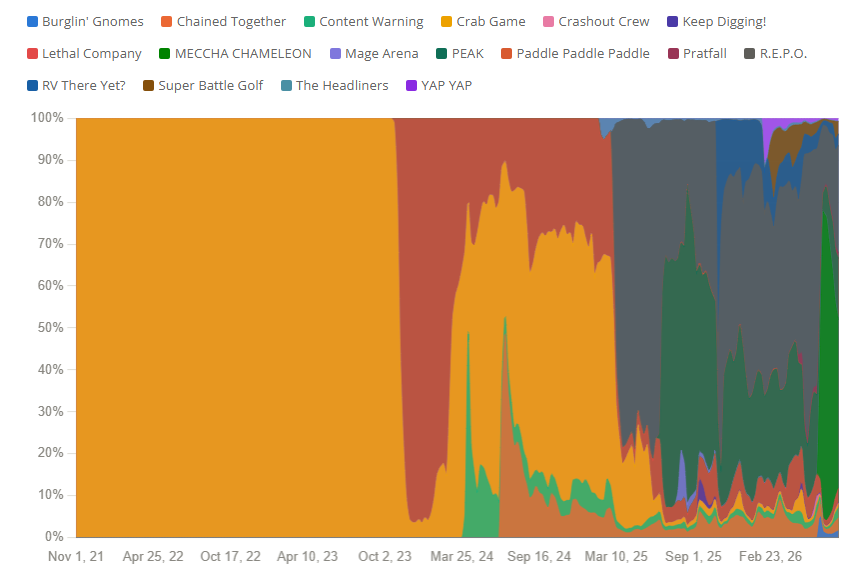
Trends in the Share of Online Players for "Friendship-Ending" Games in Recent Years
But the “friendship-ending” genre is different. When players game with friends, they naturally need to constantly find new topics of conversation and new experiences; and since trends on social media come and go quickly, these types of products are inherently more prone to “rolling consumption.”According to Chris’s statistics, many breakout hits in the “play-with-friends” category have followed a similar trajectory: upon launch, they quickly capture nearly half of the category’s active players, only to drop rapidly to around 10% a few months later, making way for the next product.
It’s a bit like chewing gum—once the flavor wears off, players will actively seek out the next one. This also explains why, even though this category has only been truly popular for less than three years, it has already produced more than ten products that have sold in the millions—or even tens of millions—of copies.Although the potential for long-term success is relatively limited, the category itself is vast enough that even revenue generated from a single “one-hit wonder” represents an astronomical sum for small teams.
Furthermore, from the perspective of traditional game development, “friendship-ending” games are one of the few genres today that still offer a clear potential for “low cost, high return.”
In terms of distribution, these games typically rely less on established channels and large-scale user acquisition campaigns; their success depends more on whether the gameplay itself can be quickly understood, whether it generates engaging content, and whether streamers and players will spread the word organically. From a development perspective, players often place greater emphasis on the core gameplay mechanics and social interaction, and are more tolerant of lower production standards, lower graphical fidelity, and even a certain degree of roughness.
For example, Nick Kaman, one of the core creators of *PEAK*, mentioned at this year’s GDC that the game started out as nothing more than a practice project the team worked on during downtime, and it took only a few months from concept to release; *Deadly Corporation* was developed by a single person;*Content Warning* also started out as nothing more than a Game Jam prototype, which was later completed by a team of five in a very short time.
"PEAK," a game centered around mountain climbing
There are countless examples like this. Making a “funny” game does indeed involve far fewer strict cost barriers than making a “visually appealing” game.
Therefore, based on the market data and R&D trends discussed earlier, the “Friendship-Ending” genre is likely to remain a gateway for small and medium-sized teams and independent developers. In today’s Steam market, opportunities like this—where there is sustained demand and the field hasn’t been completely dominated by high-end content—are becoming increasingly rare.
But does this mean that this category has a low barrier to entry and is easy to break into? I’m afraid it’s not quite that simple.
If you look back at the history of these breakout hits, you’ll see the “one minute on stage, ten years of practice behind the scenes” that lies behind them—Zeekerss, the developer of *Deadly Corporation*, had been making games for over a decade before the game went viral;Semiwork, the studio behind *REPO*, had previously spent six years developing *Voidigo* and poured all the profits from that game into their next project. Nick Kaman, the producer of *PEAK*, joked lightheartedly that the process of developing the game’s mechanics was “like throwing rocks at a wall—purely a matter of luck,”and the entire game took only a few months to make—but that said, the two studios behind it, Aggro Crab and Landfall, are actually seasoned indie veterans who had spent many years honing their skills in finding inspiration at game jams and developing physics-based gameplay.
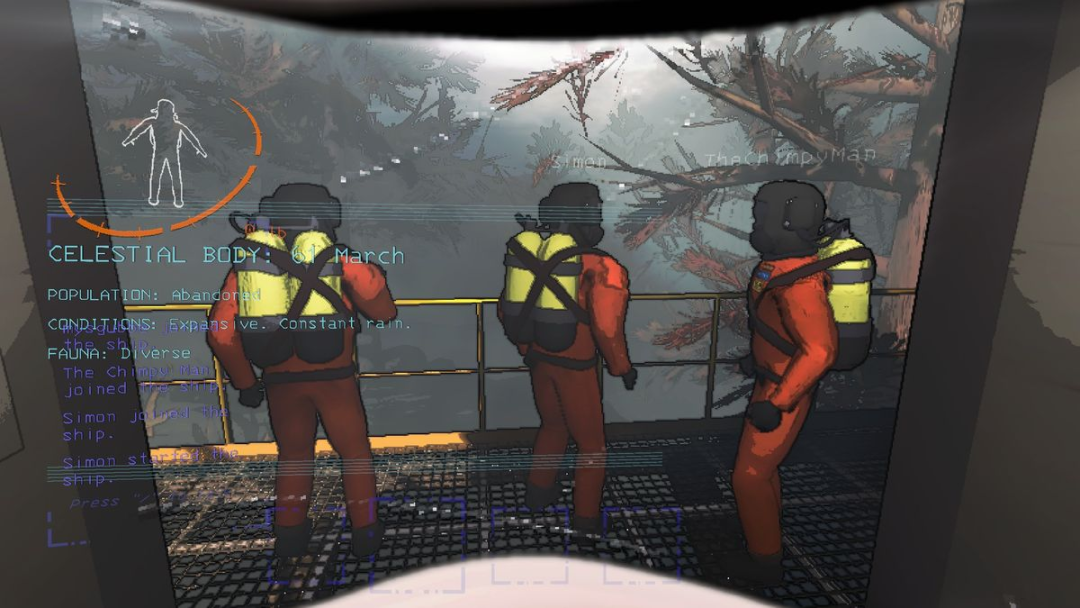
Deadly Company
The success story of this genre is actually quite similar to that of other genres: it requires years of sitting on the sidelines, a willingness to go all in, or years of deep exploration—there are almost no overnight sensations where a developer, fresh out of the gate, casually creates a game and hits the jackpot.
Even the developers at House House—who had already proven their game design prowess with *Untitled Goose Simulator*—couldn’t shake their concerns while working on *Big Walk*. After all, the game took a full six years to develop, and the lead developer admitted before its release: “You can’t expect a miracle to happen again.“With such a long development cycle, you naturally hope that this investment wasn’t in vain.”
But they also acknowledge that they’ve been lucky—the success of *Untitled Goose Simulator*, with its millions of copies sold, provided a safety net that gave the team enough time and funding to remain open-minded and experiment at a leisurely pace. If they’d had to strictly plan the budget and timeline from the very beginning, *Big Walk* would likely have turned out very differently.
Conclusion
Therefore, *Big Walk*’s resurgence serves as a powerful illustration: Youjin Games does indeed still have a small team that can make a big impact with limited resources. There is still plenty of room for creativity around the concept of “virtual socializing with real-life friends”—an opportunity that is becoming increasingly rare in today’s Steam market.
But the phrase “low-cost hit product” has never seemed so simple—the opportunity is right before our eyes, yet there’s often a long road ahead.
原创文章,作者:游茶妹儿,禁止转载:https://youxichaguan.com/en/archives/219512