In May of this year, the development team behind *Deep Sea Adventure 2* tackled a rather challenging question: With the original game having sold over 10 million copies worldwide, how could a sequel achieve that level of success again?
Their results included a satisfaction rate of over 90 percent, first-day sales exceeding one million, and first-week sales surpassing four million. But behind these achievements lay far more uncertainty and trial and error than the outside world could have imagined.
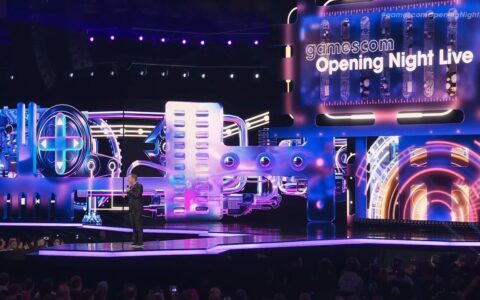
Established IPs naturally attract more attention early on, but they also come with more complex expectations from players: they must retain the essence of the original while introducing enough new content, all while ensuring quality and commercial success.During this year’s Gamescom, Anthony Gallegos, Creative Director of *Subnautica 2*, reflected on a set of “sequel principles” the team had developed for the follow-up during a developer panel: what must be carried over, what is worth improving, and where to focus their limited innovation.
This line of reasoning is actually more broadly applicable than simply “how to make a sequel.” As Anthony pointed out, in a sense, all game developers are creating “sequels.” Even original works inherit mechanics and draw inspiration from similar titles, then evolve through new designs.Titles he has worked on—such as *Diablo*, *Torchlight*, and *Marvel Heroes*—are prime examples: though they all fall under the loot-based RPG genre, each has its own distinct characteristics, and all draw on the legacy of predecessors like *Diablo II*.
Therefore, this post-mortem discussion of *Subnautica 2* actually addresses a more general issue in game development: when creators build upon proven, successful practices within a genre, what should they keep, and what should they change?
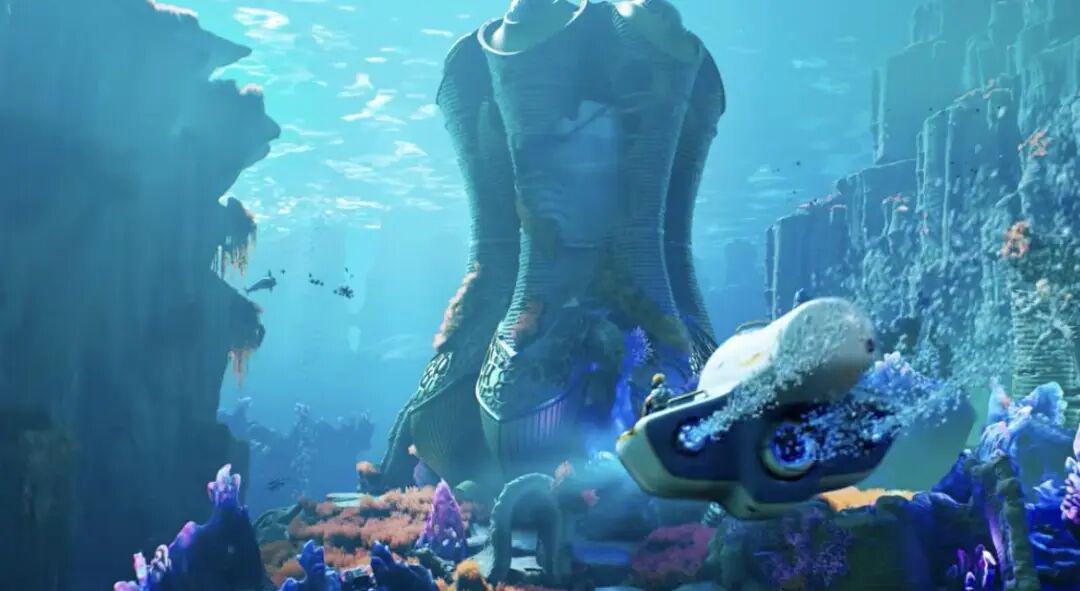
The following is a transcript of the presentation, which has been edited and organized.
01
Before *Subnautica*
Today, I’d like to talk to you all about game sequels. This is something I’ve devoted a significant amount of effort to exploring throughout my career.I believe that, in many ways, we’re all developers working on sequels. All the games we’re currently developing are, to some extent, sequels. While intellectual property may be defined differently, as developers and enthusiasts, we’re constantly learning, practicing, drawing inspiration, and iterating on our ideas based on the content we encounter.
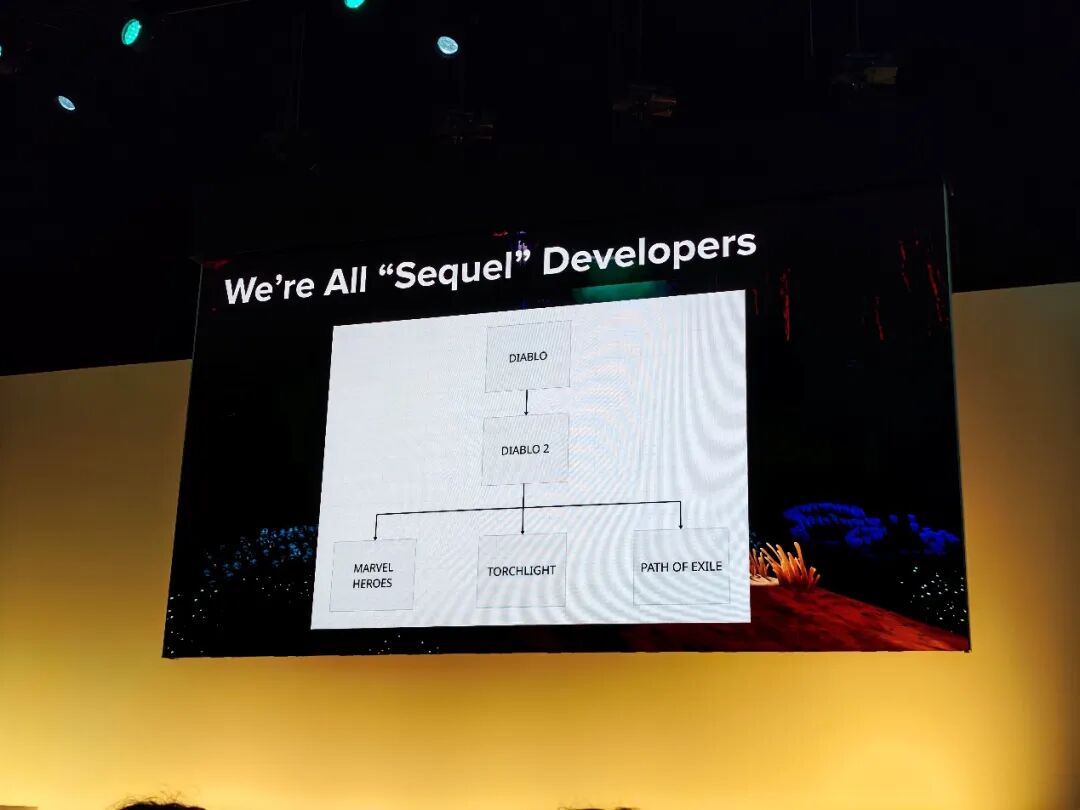
I tend to refer to these types of games as “cousin games.” They aren’t sequels, but if you pay close attention, you can clearly see their influence. Some might call them “spiritual sequels.”I mention this because these games are closely tied to my career. You can even see that this influence extends not only to directly related titles I’ve worked on, such as *Torchlight* and *Diablo*, but also to development teams behind games like *Path of Exile*, which have been deeply influenced by them.
For example, I once worked on the game *Marvel Heroes*; unfortunately, almost no one played it, but it was actually really great—and it was an original creation.Although this game was a brand-new title, in many ways it could be considered a true sequel to *Diablo II*, featuring all the classic action-RPG mechanics of Blizzard’s renowned IP. This is actually not surprising, as roughly half of the Blizzard team was involved in the project as core members at the time.
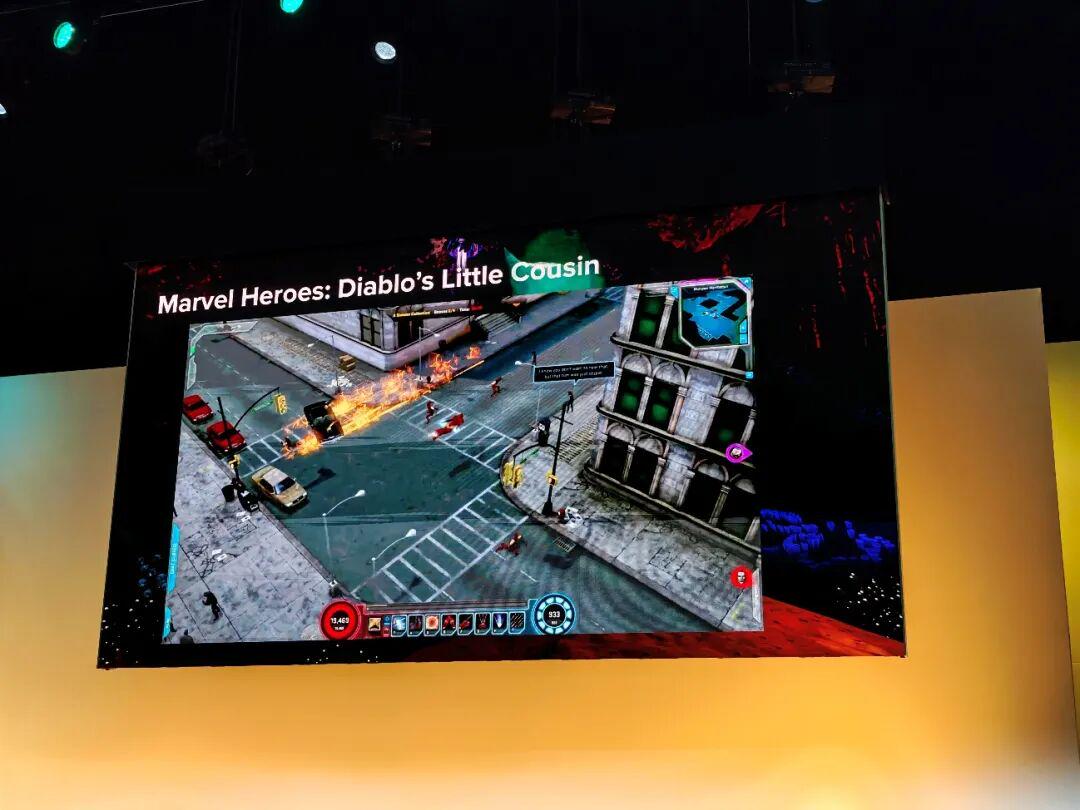
So someone like David Brevik—who was the lead designer and creator of *Diablo*, as well as the head of that team—basically copied all of his health bars, skill bars, and other such designs directly from *Diablo*. And that was exactly the task we were given: to create a Marvel version of *Diablo*.
But over time, the game changed completely. It’s a service-based game that has been running for several years. And in fact, as a younger generation of developers began taking on more leadership roles, we all started adjusting the game’s direction to appeal to a broader audience.
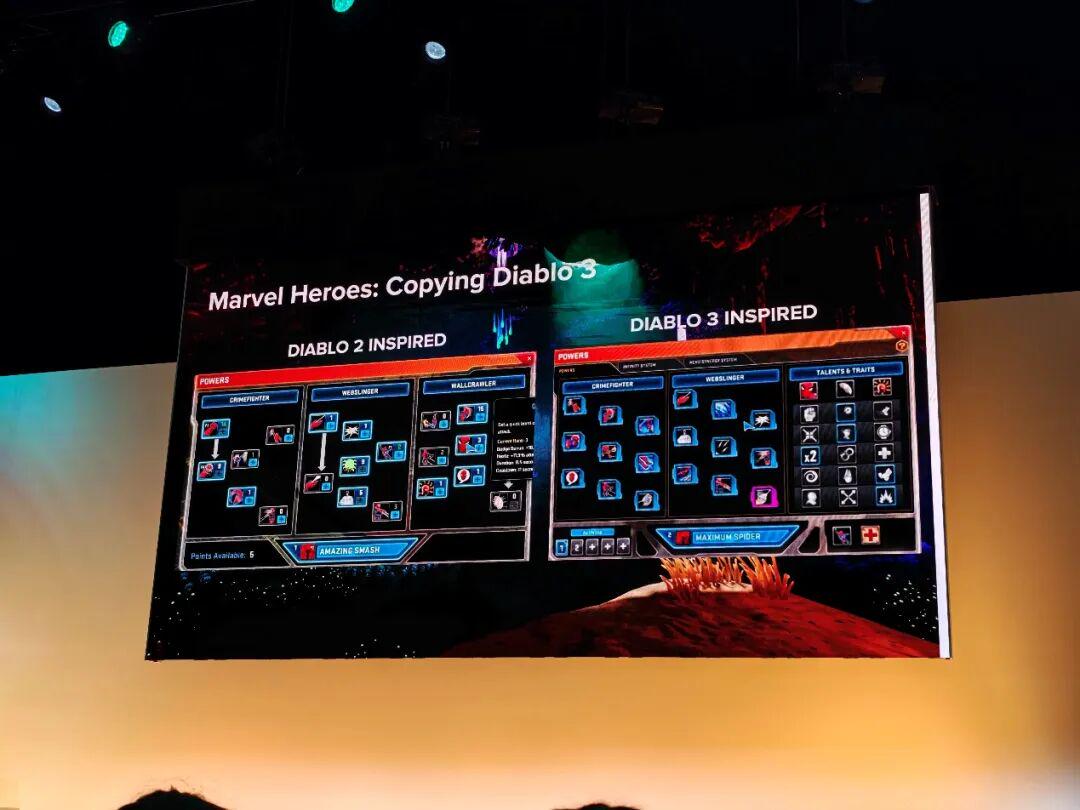
Throughout this process, we drew heavily on the gameplay mechanics of *Diablo III*. So, as you can see, the interface on the left actually resembles the skill tree design from *Diablo II*. Later, as the veteran *Diablo II* player base gradually dwindled, we set out to adjust the game to appeal to a broader audience.We drew inspiration directly from *Diablo III*. I bring this up because I don’t feel the slightest bit embarrassed about it—it’s only natural to draw inspiration and ideas from other games, and I still do that to this day. The same goes for *Subnautica*.
02
Distinguishing Between Sequels and Spin-offs
"Deep Sea Adventure 2: Alien Waters" is an underwater survival adventure game set on a brand-new alien world. In this game, players can build their own bases, craft various tools, adapt to the environment, and survive underwater.People often refer to it as a survival game, but internally, we tend to position it more as an exploration game that just happens to include some survival elements. Today, I’d like to talk to you all about topics related to the sequel.
I believe that the best designers, artists, and programmers all draw inspiration from the things they see in everyday life—especially from various games—and then adapt and apply that inspiration to meet their own needs. This is exactly how sequel development works in practice; it’s just that, in the case of a direct sequel, there are a few additional steps involved.
So what exactly counts as a sequel? At least when it comes to reaching a consensus, defining what is and isn’t a sequel is no easy task.Does a game automatically qualify as a sequel simply because it’s listed as a sequentially numbered entry in a series? Take *Subnautica: Below Zero*, for example—even though there are some negative reviews of it online, I still think it’s a great game.Moreover, it meets many of the criteria I believe most of us would agree a sequel should have. As a brand-new entry in the franchise, it features a completely new story setting, including new environments, unlockable content, and gameplay systems.
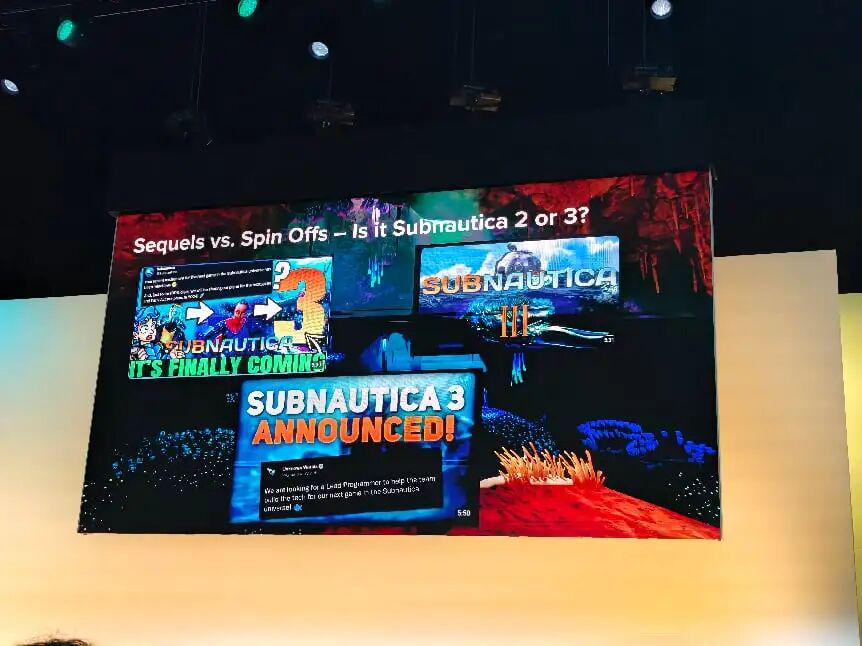
That said, as far as we’re concerned, we’ve never regarded *Subnautica: Below Zero* as a sequel. This is because it was originally just an expansion for *Subnautica*—a standalone spin-off—and was never intended to be a standalone product from the start.Moreover, I think the main reason is that, although it qualifies as a full-fledged game in its own right, most of its setting, narrative framework, and game engine are derived from other works. Therefore, ultimately, this game should be viewed as a spin-off of the original *Subnautica* rather than a direct sequel.
I think many players would agree with this view, because *Below Zero* isn’t any larger in scale than its predecessor, nor does it offer players a brand-new world to explore. It introduces players to a brand-new, original area on the planet, but fundamentally, it bears far too many similarities to the original game.
I have to admit that even when we were first conceptualizing what is now *Subnautica 2*, we had heated debates over whether the game should be called *Subnautica 2* or *Subnautica 3*—and at the time, I personally referred to it as *Subnautica 3*.If you search online, you’ll find that players are clearly discussing *Subnautica 3* rather than *Subnautica 2*. But in the end, the publisher decided to title this game *Subnautica 2*, while *Below Zero* was designated as a spin-off.
We sat down and carefully sorted through our ideas, clarifying the core elements of both the sequel and the spin-off. This discussion was very productive, and I believe it also highlights the general risks we currently face.
We own this IP, so technically speaking, we could create almost any kind of content and call it *Subnautica*; but after *Below Zero*, what players were really hoping for wasn’t another spin-off or a smaller-scale game—they were waiting for a return to the main storyline.And we needed to figure out what this “return” actually meant—both for us and for them.
03
The “One-Third Rule” and “Sequel Syndrome”
So, we’ve derived a formula to help us determine the composition of *Subnautica 2*’s content. We call it the “one-third” rule.
One-third of the content in *Subnautica 2* will remain unchanged, so players should clearly recognize the influence of the original game and feel a sense of familiarity, as if coming home;Another third of *Deep Sea Adventure*’s content will be optimized—a comprehensive overhaul of both mechanics and visuals that will give the game a feel more in line with modern standards; at the same time, one-third of the content will be entirely new, and this is precisely the aspect we’ve found most challenging to manage.
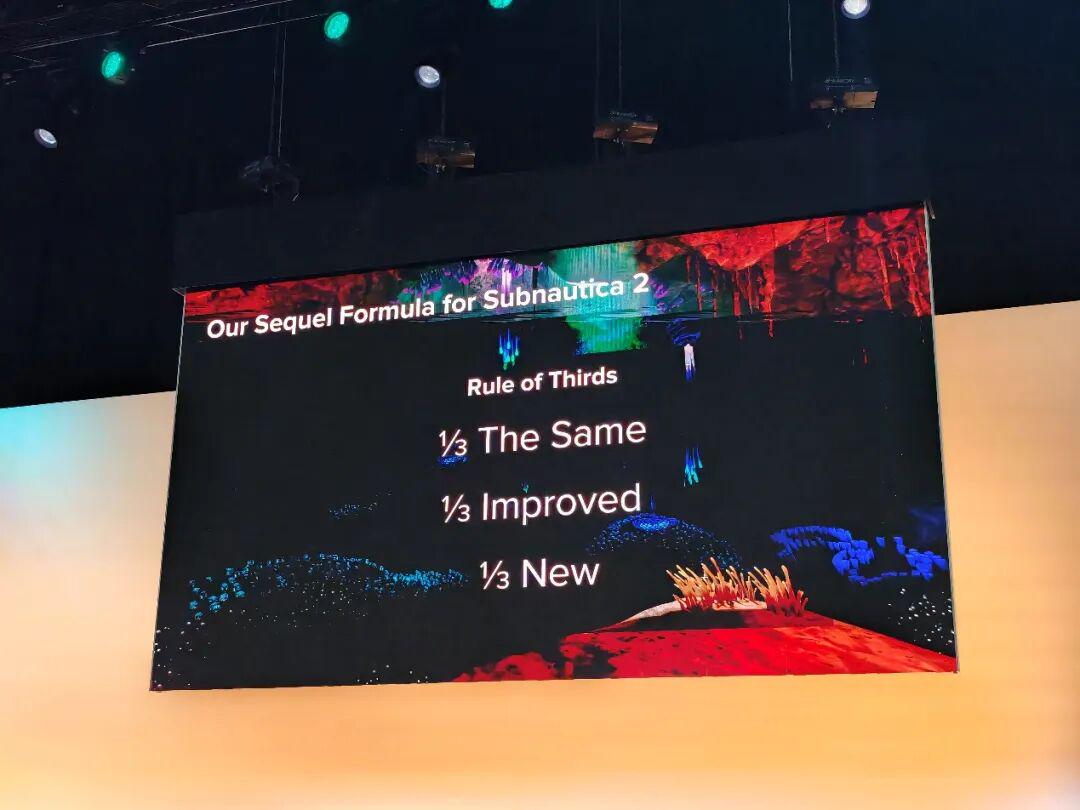
To put it simply, this principle doesn’t actually involve any math at all. It’s just a solid framework—especially for us—but I can’t say with absolute certainty that if we follow this plan, the game we end up with will definitely be a good fit for the *Deep Sea* series.It’s really just a practical model we’ve discovered that helps us evaluate the game at various fixed points to ensure it has the feel of a sequel, without getting bogged down in whether we’ve strictly achieved a larger scale or more innovative content. That’s it.
We believe this is the foundation upon which *Subnautica* was built, and its core lies in determining which aspects of the game to focus on refining, as well as identifying which of these three major areas still poses a significant challenge.
We came up with this three-part framework almost immediately. Using this framework, we’ve identified the core elements of the *Deep Sea Adventure* series, including gameplay on the water, item crafting, and base building, as well as core survival mechanics such as food, water, and oxygen, and a complete, playthroughable storyline.
Right from the start, we asked ourselves what we expected from this sequel and how it would fit into the structure of these three parts. However, I think this may have been a rather significant mistake, because as a result, the team later fell victim to what I call “sequel syndrome.”
I believe “sequel syndrome” is a problem where conflicting interests pull the game in too many different directions. This can make it really hard to stay the course. Sequel syndrome stems from three competing demands: creating something different, making it bigger, while still maintaining a sense of familiarity.This often leads teams to place extra emphasis on certain aspects while paying less attention to others.
We used to hang out on Discord a lot, and people would ask, “Will Peeping Fish be coming back? Will Death Leviathan be coming back?” And we always have to keep in mind that players want to see that classic content—we even seriously considered resetting the game’s setting to the same planet;We also realize that some of our initial ideas for the new game might have been too outlandish, and fans would likely have had a hard time accepting them. This alone took up a significant amount of the team’s energy.
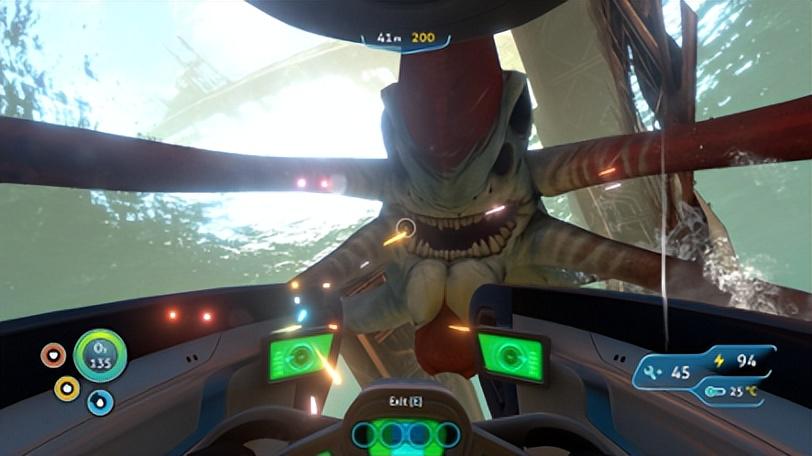
Leviathan, the Grim Reaper
While we were in the early stages of developing this game, we were also learning the Unreal Engine. All previous games in the *Deep Sea* series were developed using the Unity engine.Since we had to learn Unreal Engine while also moving the project forward, the team members familiar with your Coral environment provided a solid option for the team—a space where everyone could develop the project and practice their Unreal Engine skills.
Every time we make a sequel, there are always people who ask us to make the world even bigger. We all know that the scale of the game needs to expand further, but at the time, we hadn’t really figured out what that actually meant.Of course, it’s easy to narrowly interpret “bigger” as playtime corresponding to map size—we even considered reimagining the series as a live-service game.This was a direction we explored early in the project—not to turn it into a service-based game, but to find a gameplay framework that would allow *Subnautica* to function as an endlessly playable game, without even needing a complete story-driven campaign.
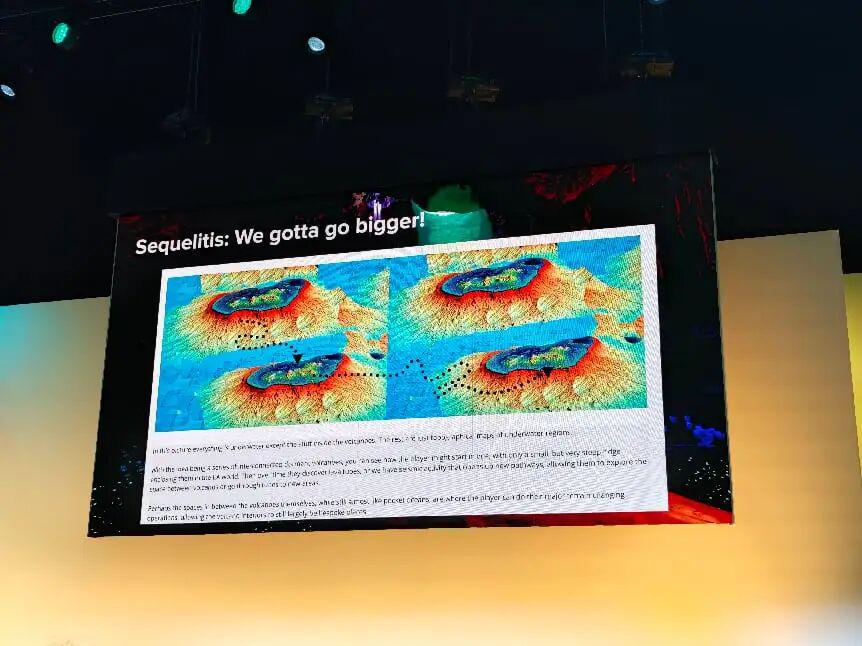
On top of that, there’s a drive to make disruptive changes—a force that often comes from team members who have long been responsible for developing the series and have grown weary of it.By the time we were creating *Subnautica: Below Zero*, this group had been in the industry for nearly twelve years, and this time we had complete freedom to use any aspect of the IP we wanted, without having to worry about any parts we didn’t need.If we’d wanted to, we could have even scrapped all story-related content entirely. There were absolutely no rules at the time, since we were the only stakeholders—which allowed us to pivot in a new direction very early on.You can see the freedom to experiment with the IP in these early concepts—flying vehicles, ground bases, and more land-based areas. Some of these elements were already introduced in *Below Zero* and did indeed receive quite harsh criticism; all of them strayed significantly from the core premise of the original *Deep Sea* game.
We initially came up with an idea that really got us excited.We threw ourselves into it with everything we had. It was as if the entire team was diving headfirst into the project. At first, we wondered how this would shape the game’s direction, but we eventually realized it simply wouldn’t work—or that it would completely derail the core experience the game was meant to deliver.I think this situation could have been avoided. We really should have spent more time delving into the game’s core essence—starting with identifying that common core element I mentioned earlier. But trying out these new ideas was just so exciting. Plus, we were still a new team that was just finding our footing.
04
Exploration and Trade-offs
Next, I’d like to take a look back at some of the early prototypes we created while exploring the “one-third new approach.” As far as I know, no one has ever seen these before. And I think it’s valuable to reflect on why we chose these approaches in the first place—and why, ultimately, they weren’t a good fit for this project.
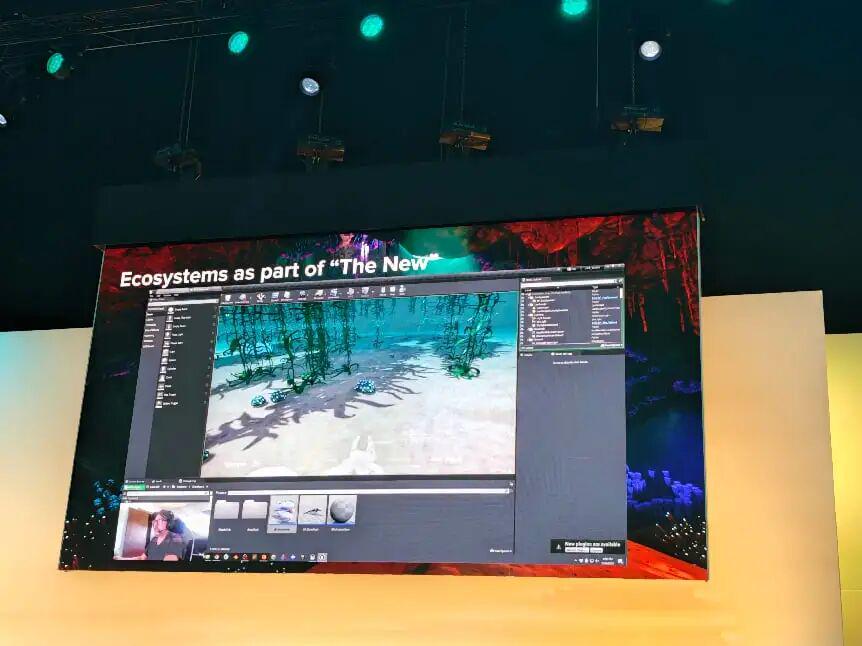
So, let’s start with the first one—this is a project we worked on very early on that centered around ecosystems. We explored the following concept: building and maintaining a fully simulated real-world ecosystem within the game, where players would manage various animal and plant populations.In this scenario, you can see a kelp forest. Once the kelp matures, it releases seeds, which then grow into more kelp forests. At the same time, there are sea urchins in the world that actively search for edible mature and juvenile kelp, and subsequently reproduce to produce more offspring.Subsequently, as sea urchins and kelp compete with one another for survival, the entire system enters a state of equilibrium. We later developed several versions of this project and even introduced predator characters specifically to control the populations of species that were growing too large. We all found the scene before us truly breathtaking and deeply inspiring.
In the early prototype versions, we realized we didn’t want to make a simulation game; instead, we wanted players to truly understand what was going on while playing. The only way to achieve this was to overlay numerous UI layers and use progress bars and charts to visually present the relevant information.We eventually clarified our direction: we wanted to create a game centered on repairing, healing, or harmonizing the environment—one that would allow players to genuinely feel that the world undergoes tangible changes as a result of their healing actions.
You can see this in the way the damaged roots in the world function: healing these roots will bring new life to the area.
I also think this prototype was very helpful in steering us toward simplifying our new product concept. It was truly a groundbreaking breakthrough for the series; although the prototype’s appearance was rather unremarkable, we had originally thought it would be a natural addition to the product line, but in the end, it didn’t quite come to fruition.
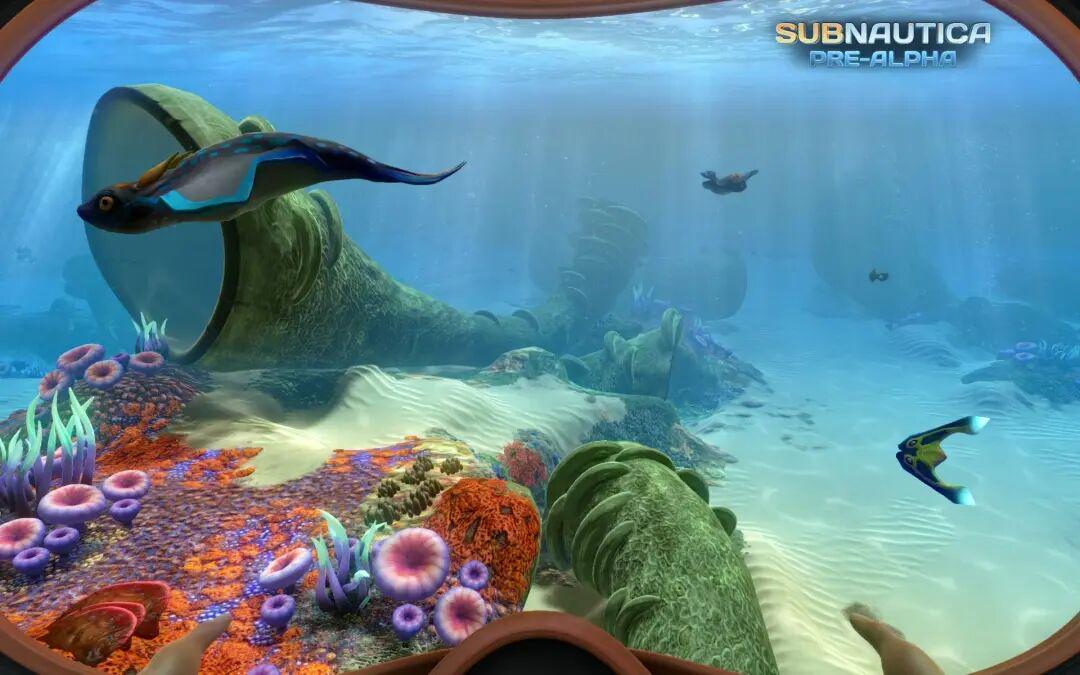
We also have another early prototype centered around the concept of “Void Expedition.” So this is the core idea behind cooperative gameplay set in the Void—something we hadn’t fully fleshed out before. We always hear fans say, “I want to go to the Void.”” In the first game, the Void was merely the edge of the world—there was nothing beyond it. To put it bluntly, it was essentially a slaughterhouse designed just for you. But they said that it was still the place they truly wanted to explore. So we took that to mean: they wanted us to fill that void and put enough content in there for them to explore.
Therefore, in these early prototype versions, we experimented with a design concept where the entire game revolved around expeditions into the Void.Someone once proposed the idea that it would be like a game you could play forever. So we began to wonder: Could players simply keep traveling to the Void to explore, return to base to rest and recuperate, then set off again on a new journey into the Void, only to return to base once more? But in the end, we concluded that this actually didn’t align with our core game vision.The Void and these expeditions might have their own merits, but we had strayed too far from our core focus. I think it’s a fantastic idea, but it’s simply not the foundation of the *Subnautica* series.
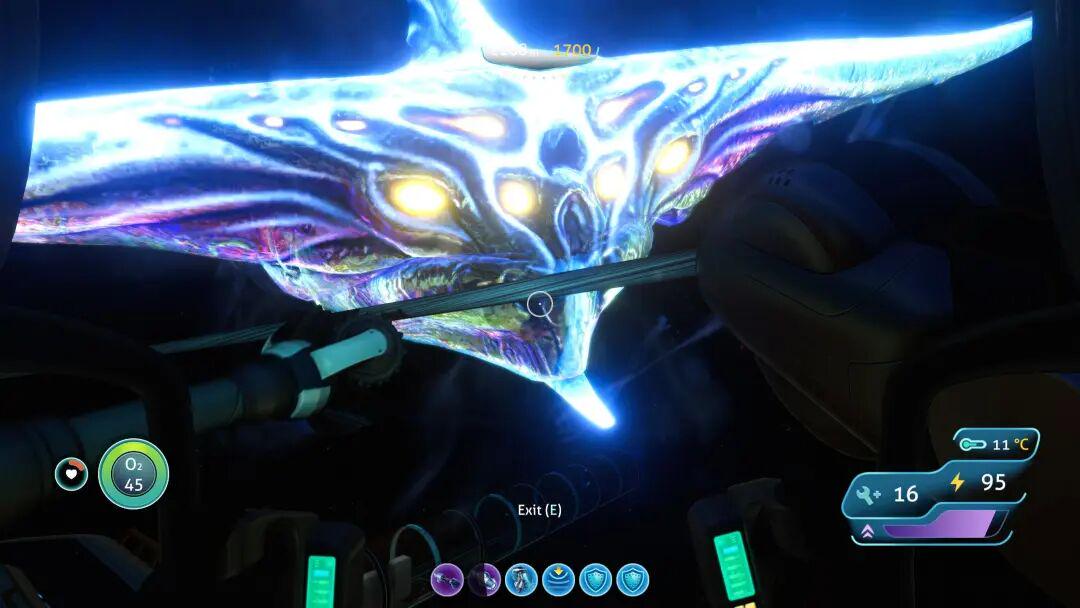
In some of our early exploratory work, we used a submersible like this—I think you may have seen it not long ago—but it couldn’t move.Speaking of this vehicle, the truth is that at the time, we hadn’t yet figured out how to create submarines that could move in coordination with players. In multiplayer mode, it’s quite challenging to synchronize a submarine’s movement with the players on board without letting them get separated or lose track of each other.What we actually did was have players pilot the submarine on a 2D map; when the submarine reached a designated position on that map, the system would load the corresponding area beneath it. And when you wanted to explore a brand-new area within a predefined part of the world, all players would then enter that map.Honestly, you might even catch me briefly lying in wait to ambush someone.
What really resonated with me in this presentation was that we’re exploring the core essence of *Subnautica* through a process of elimination.We established the foundational framework for the survival experience and then began prototyping new content—just like the journeys you’ve seen. Once we mapped out the various impacts this issue had across the entire game, it actually helped us further clarify our core direction and determine which elements absolutely had to remain unchanged.
I still feel that I’d rather spend a little more time first figuring out the right direction based on the core elements, and then supplementing that with new content. But this has definitely been a great way for our team to learn the Unreal Engine and stay passionate about making games together.We’ve invested a tremendous amount of time in prototyping and experimentation. I don’t think it’s been a waste of time. That’s how we developed new systems for the game adaptation, such as the creature mod, as well as many other features that were ultimately incorporated into the final game.
But ultimately, as we explored new content, we came to realize that many ideas that initially seemed highly disruptive were actually unnecessary distractions that would divert us from the core mission of creating a true sequel to *Subnautica*.And as we finalized many of these features one by one, a concern began to loom large: our final product would end up being too similar to what the fans had already created.
At the time, this was the most ordinary thing in the world. I would talk it over with Charlie, the studio’s creative director at the time, and he always said he felt this direction was too similar to our existing work—that players definitely wouldn’t buy into it because the end result would be virtually indistinguishable from our previous game. That brings me to the topic I’m about to discuss:how to strike just the right balance—at least that’s how we approached it back then—and our benchmark was none other than *Subnautica 1*; it served as our guiding light.
05
Focus on the previous installment; return to the main storyline
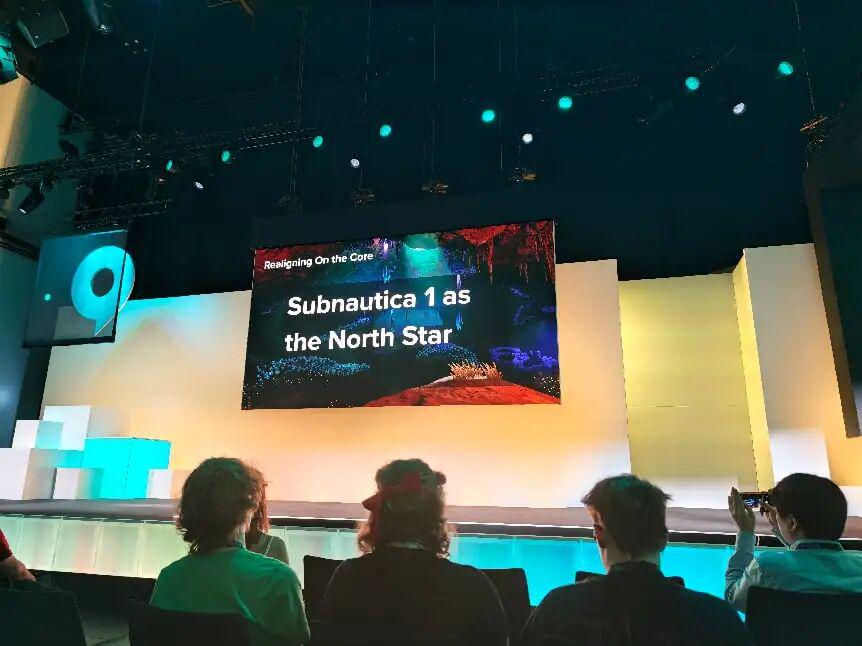
Ultimately, after creating multiple prototypes and experimenting with various radical approaches for *Subnautica 2*, we realized we needed to delve deeper into that “North Star” we’d long been familiar with.We’ve always known that our goal was to create a game that aligns much more closely with *Subnautica* than *Below Zero* does. But in our quest to explore and find that one-third of innovative content, we truly lost sight of keeping the team aligned on what we wanted to carry forward and refine.
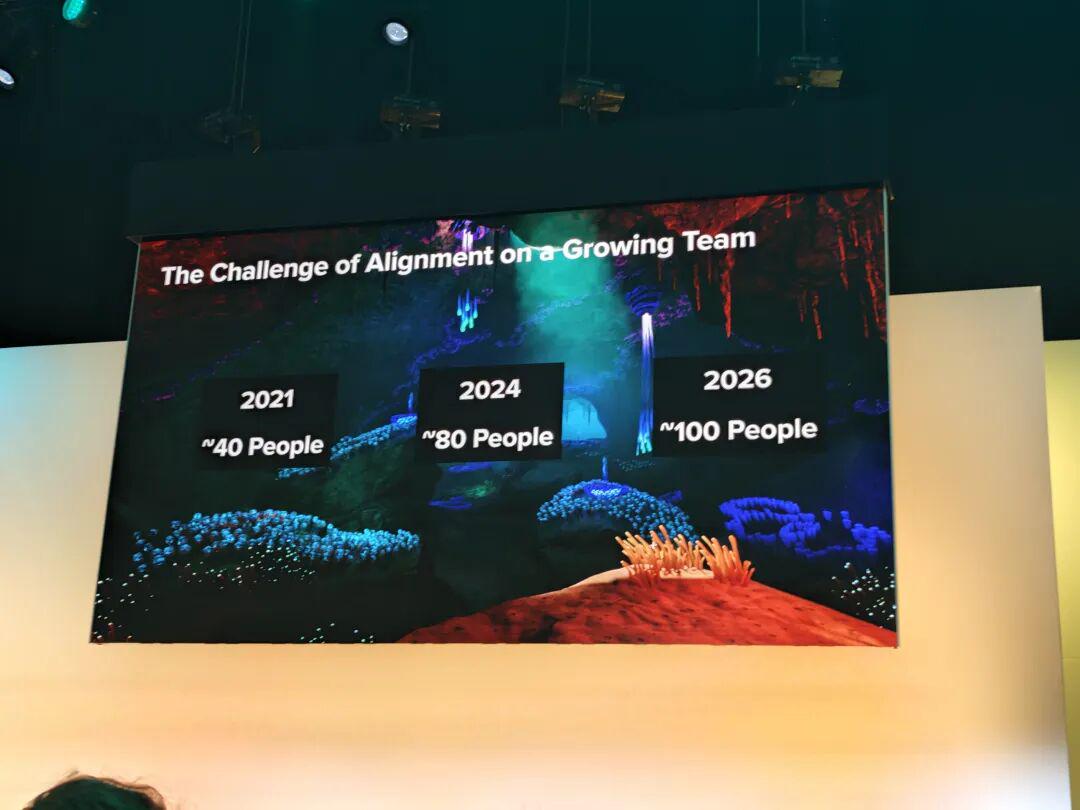
As it turned out, this task proved far more challenging than expected. We have the most outstanding team I’ve ever worked with, but the studio’s staff composition has indeed undergone significant changes as this project has progressed.Since I joined in 2021, our team size has remained at around 40 people. By the time this game reaches 2025, I expect our team to be around 70 people. Currently, however, we’re just shy of 100 people.
These individuals have varying levels of knowledge about *Deep Sea*—ranging from veteran employees who have been involved in development since the first game to newcomers who joined the studio just two months ago.This certainly made it harder for the entire team to reach a clear consensus on the game’s foundational modules, and everyone may have taken it for granted that team members knew how to build the core gameplay experience—after all, some of them had worked on similar projects 12 years ago.So I think at the time, everyone just assumed that we didn’t need to bother with secondary experiences and should instead focus our energy on innovation.
But given that we were constantly bringing in so many new people at the time, that line of reasoning simply didn’t hold water. So, once we stopped focusing on that one-third of new content and shifted our attention back to the familiar, tried-and-true elements of the game, the entire project finally started to get back on track.
This requires us to spend a significant amount of time specifically re-examining the content we’ve released in the past. For example, what should the balance be for large gas tanks? The first thing we do is open *Subnautica* or *Below Zero* and take a close look to figure out exactly how they handled it before.You might think this is obvious, but when you’re constantly bringing in new people like this, this kind of ability needs to be gradually cultivated within the team.
And sometimes, due to improvements in industry standards and operational guidelines—the so-called “one-third improvement”—we may ultimately part ways with older versions of the game. We often find ourselves having to rediscover what exactly makes *Subnautica* so unique. However, this process is certainly not without its challenges.In a team of this size, with a mix of new and veteran members, it’s quite common for people to zone out or get lost in memories of the past. When we asked some of our long-time team members about the full range of features that were once available in *Subnautica 1*, they were all quite surprised.It’s no easy task to keep track of every single detail regarding what should and shouldn’t be included in a game. I fully understand this, especially after all these years since we first started with the original *Subnautica*.
This problem can be solved—provided, of course, that we focus solely on honing our skills with the original game and examine it exclusively from the perspective of its strengths. So we began conducting regular playtests of our previous titles, at a frequency comparable to that of our regular playtests for *Deep Sea Voyage*.
We’ve also started listening to what our veteran employees have to say and learning about the decision-making process behind various decisions, rather than focusing solely on the final outcome. Furthermore, when it comes to balancing the air tanks, they’ve often been saying the same thing for a long time. Or a designer might say, “Okay, I’m going to try this new approach on the air tanks.”But if we ask the veteran employees, they’ll tell us, “We’ve tried that approach, and it didn’t work for various reasons.” This saves us time, since they’ve already learned the hard way.Honestly, if we’d done more research back then, we could have avoided those procedural issues they’d already tried and found didn’t work. But at the time—maybe I was just being foolish—I said I understood Charlie and thought we had it figured out. But in reality, we hadn’t figured it out at all.We should have spent more time seeking advice from our more experienced colleagues.
06
Consideration of Player Feedback
Speaking of getting our thoughts in order regarding the game we’re developing, there’s one more thing I’d like to mention: we fell into a trap—either by listening too much to our fans’ feedback, or at the very least, by failing to interpret their requests correctly.
For many on the team, this was their first Early Access project, and it was undoubtedly the first time they had successfully built such an enthusiastic and loyal audience.After the announcement, everything went very smoothly, especially during our tests with external partners. As the data came in, it was easy for us to overemphasize the opinions of a few parties—simply because those opinions happened to corroborate our own position. Due to the way the information was presented, these opinions were made to seem far more significant than they actually were.
I am well aware that we are very fortunate to have the audience we have today, but this can also become a trap. If we fail to carefully balance it against the core elements of the series—and if there is no clear, unified consensus within the organization regarding those core elements—it will undermine the quality of the game and lead to a significant diversion of resources.
Therefore, while fans and their feedback are crucial to success—and even more so for us—we also recognize that it is essential to evaluate that feedback daily against our core principles.
Game testers told us that they were confused at the time and had absolutely no idea what to do. The instinctive reaction to this would have been to design features like a quest log and flood the game world with all kinds of on-screen prompts, but we knew that this simply wasn’t the right solution for *Subnautica*.
"Deep Sea Adventure 1" is a game that achieved tremendous success with almost no guidance—or rather, with just the right amount of guidance. The developers allowed players to progress through the game in any order they chose, and all of this was deliberately designed.We have never wavered in our creative direction; we want to respect players’ existing understanding while driving the project forward—but we view this as a gradual, measured process.
My take on this is that sometimes you just have to throw players right into the game and challenge them in a way they might initially resist.Think about it: in user research for early-stage games, you’ve surely heard people say these games are too hard and suggest lowering the difficulty or providing more feedback. But I think if we actually made those changes, the game would completely lose its way.Similarly, when we receive this kind of feedback, we must listen to what’s being said and understand that it’s perfectly normal for people to feel frustrated and experience failure within reasonable limits.
This doesn’t mean we completely ignore fan feedback. The key is to fully understand the core of this IP series and distinguish between which elements can be flexibly adjusted to suit the current era and which must be strictly preserved to ensure that the core, distinctive experience remains intact.
So *Deep Sea* made us aware of this shift, and the process of refining *Deep Sea* helped us clarify the essence of the core experience.Playing *Subnautica* and speaking with the project’s veteran developers helped us refocus our direction: we needed to provide players with some guidance while also allowing them to explore and discover content on their own.Throughout the Early Access phase, this balancing act remained constant: our game does not feature a quest log; we’re willing to let you feel temporarily lost, all to give you the freedom to explore on your own terms.
07
A Decent Sequel
So, what makes a sequel worthy of the name? As we get closer to the original release date and refocus on staying true to the core experience of the original *Subnautica*, we’ve realized that the actual requirements for a “major upgrade” are far simpler than we had anticipated.
So for us, the heart of this new game is a brand-new world that players love—the world of *Subnautica 1*, which we love very much ourselves. But to truly make them feel right at home again—we know this is the experience players want from a sequel—we also want them to experience a whole new *Subnautica*.
Unlike some survival games, *Subnautica 2* is a fully finished game that you can complete and see the credits for.We had to focus on crafting a spectacular new story, and I believe our narrative team truly helped us achieve that. This new, self-contained storyline gives *Subnautica* a core identity all its own.
The last one is multiplayer mode, which used to be our most controversial feature. This is because, in the public’s perception, *Subnautica* is a game that emphasizes solitary immersion, yet after introducing the optional multiplayer mode, it actually became one of our standout features.We knew full well that this feature had to be optional, but we also understood at the time that this brand-new feature was crucial for us in making the game feel like a complete and fresh experience.
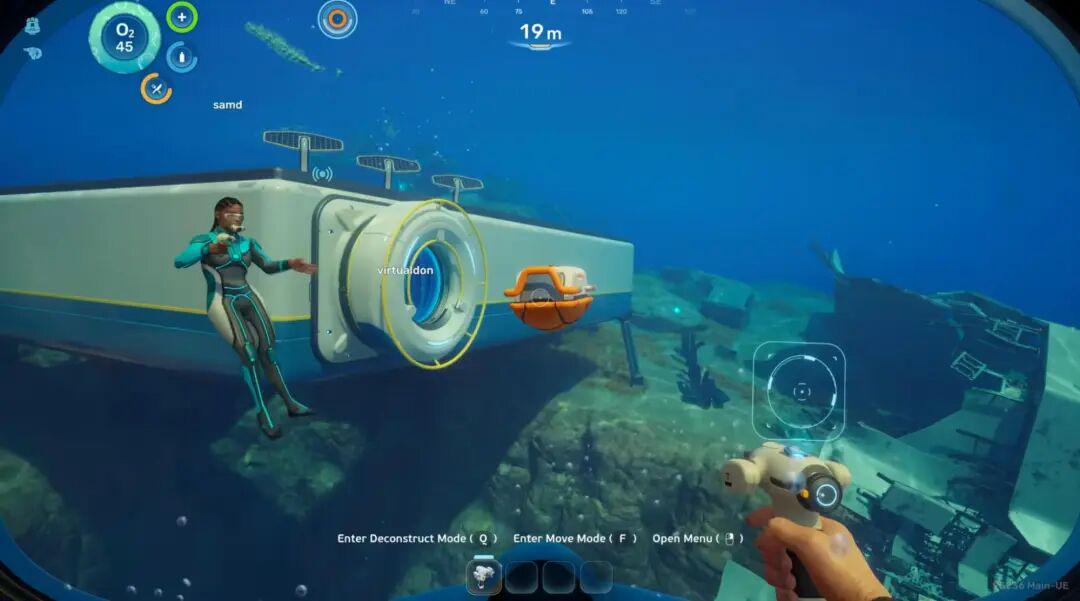
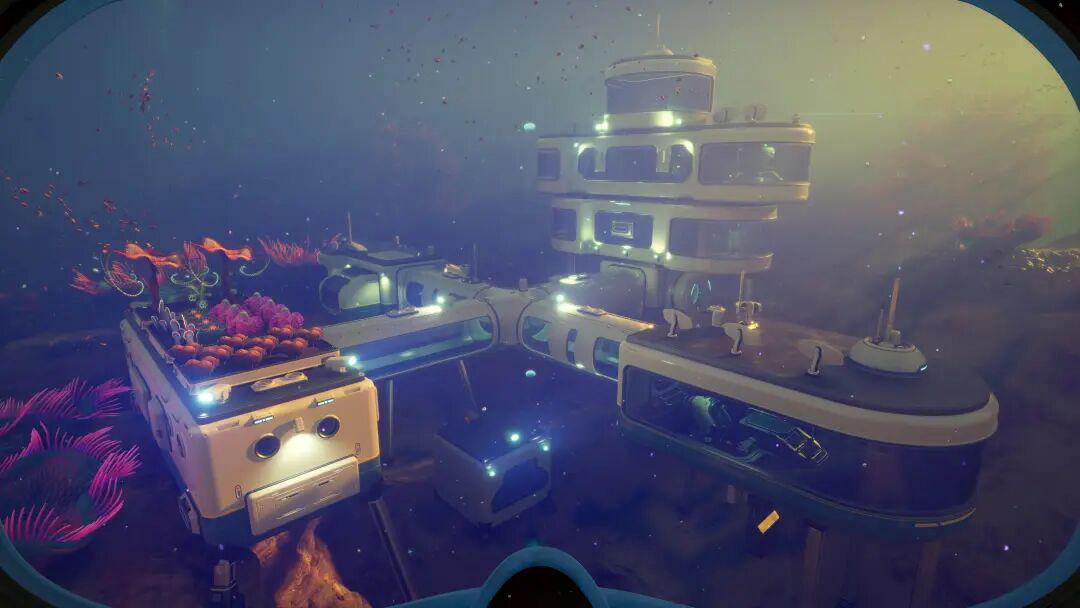
When it comes to optimization, there are of course visual improvements as well—after all, *Subnautica* was already a visually stunning game to begin with. I still think it looks great, but I recall that the game’s earliest Early Access version was released back in 2014. So, it’s starting to show its age.And I think the final result in *Subnautica 2* is truly stunning. So we know that simply having our existing art team create an entirely new world in *Subnautica 2* will already deliver a significant improvement in the overall experience.
It’s really been ten years since *Subnautica* was released. The gaming industry has changed, and there are now many similar games on the market; playing these titles can provide us with a wealth of insights and inspiration. And that is how the cycle of life in sequel development continues.
I believe another feature that was improved—and has now become a cornerstone of *Deep Sea*—is our base-building system. I still consider this to be the game’s most standout core feature, representing a significant, all-around upgrade compared to previous versions.This is crucial for us because, although many players are drawn to the game’s survival mechanics, a significant portion of our audience plays exclusively in Creative Mode—which came as a surprise to me when I saw the data. This is a classic example of a game system where:We began by conducting in-depth research into the immersive experience of our core players, then explored clever optimization strategies to enhance it. This is also an excellent example of how, in our game design, we prioritize the player experience over realism. We’ve always understood that, for this series, prioritizing fun over realism is the best choice.
Conclusion
Although we’ve said a lot, I believe the most profound lesson here is actually quite simple. We started with the “one-third” principle: one-third reused existing content, one-third was proven content, and one-third was brand-new content. I still strongly believe in this model to this day.During the development of this game, we mistakenly believed we already had a clear understanding of the logical sequence and had reached a consensus on it, but instead, we immediately poured all our energy into creating brand-new content—at the time, there was an excessive emphasis on differentiation, treating it as the core defining feature of our sequel, while overlooking the fact that content familiar to the audience is the foundation.
By “optimization,” we mean enhancing the user experience while preserving designs that allow players to truly feel as though they are making difficult and unique discoveries.By “all-new,” we mean replacing core elements such as the game world and storyline, rather than requiring our game’s underlying architecture to support entirely different game mechanics like ecosystems or permanent systems. For us, sometimes the clearest source of inspiration is simply going back to play those old games and figuring out why those design decisions worked in the first place.So, if there’s one thing I hope you’ll take away from our experience, it’s this: before you start thinking about what new content a sequel needs, first figure out what content you can do without.
原创文章,作者:游茶妹儿,禁止转载:https://youxichaguan.com/en/archives/219800