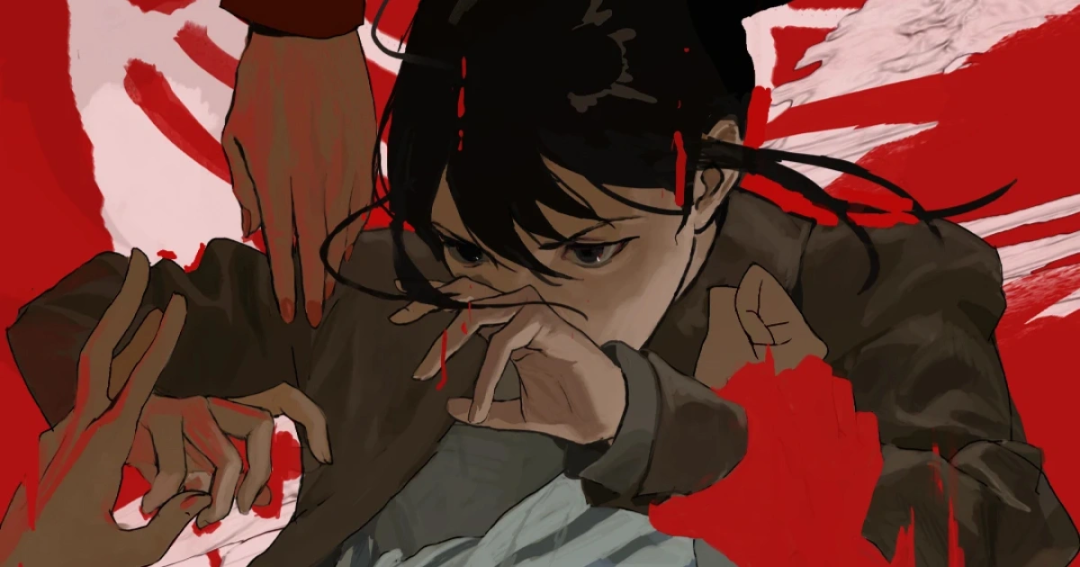
In the ceaseless flow of city life, there are many unspoken rules—they exist by default and through the way people observe one another. Among these, physical posture is the most common; people refer to it as “appearance and demeanor.”Right now, my neck is stretched forward, maintaining a slightly hunched posture. In the unconsciously rhythmic flow of daily life, this seems to have become the long-accepted physical posture while working—and it has also led to my cervical spine condition.
As it happens, on April 2, the Shangguan production team released a game with the same name as my condition: *Cervical Spondylosis*. (Who says that’s not a coincidence?)
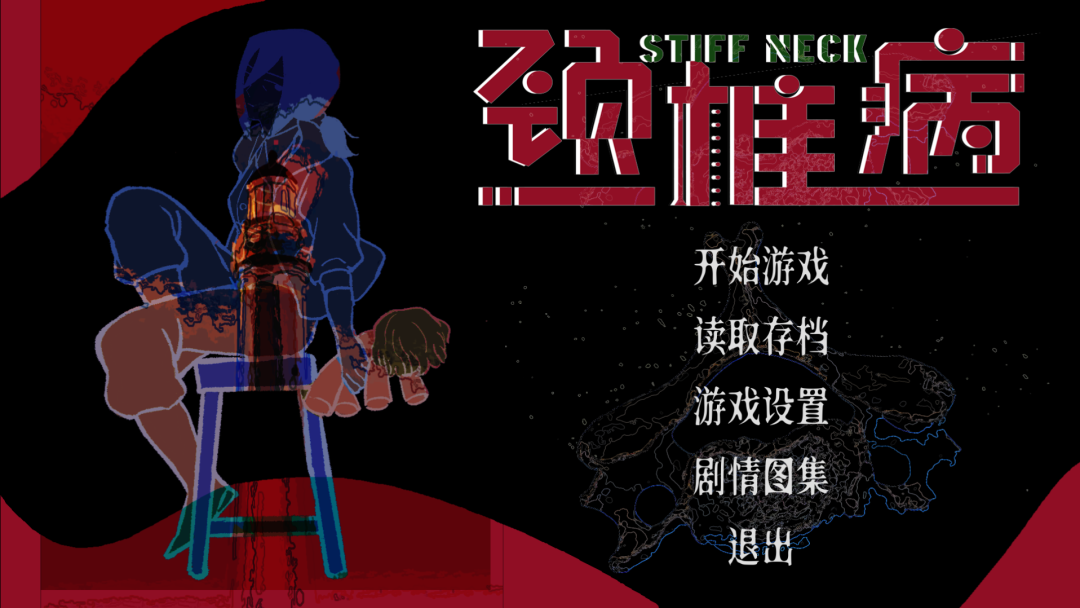
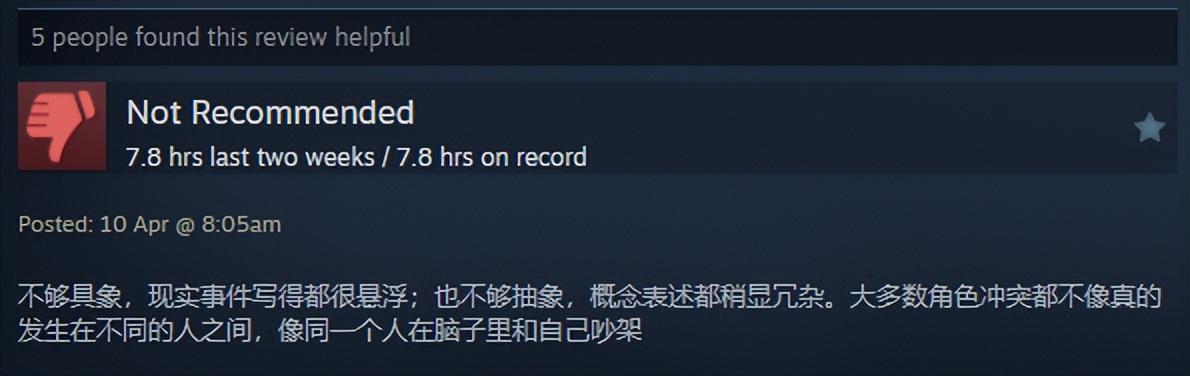
"Cervical Spondylosis," a multi-end visual novel, currently holds a 87.4% approval rating and is generally well-received.Interestingly, this is a game featuring LGBTQ+ elements. According to conventional wisdom, LGBTQ+ games are often seen as politically correct, and many “predecessors” in overseas markets have failed precisely because of this. In this game, however, players’ attention has not been drawn to the LGBTQ+ theme—a topic often considered a “minefield.”In my view, this stems from the development team’s handling of these elements. Rather than simply reducing them to symbols—turning them into superficial embellishments—they’ve integrated them into the game’s narrative and character design, weaving them organically into character development and relational dynamics. As a result, the game avoids the jarring disconnect found in other titles and feels remarkably natural.
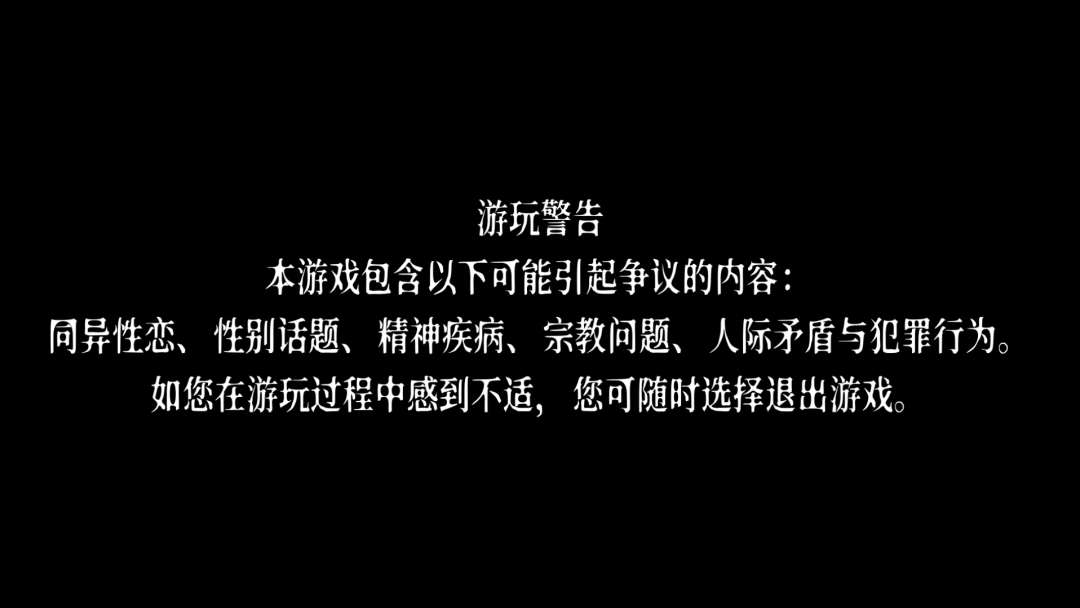
Of course, with a game like this, the player base will inevitably have differing opinions. Many players appreciate the game’s rich storyline, character development, and atmosphere, noting that while the narrative pace is subtle, it possesses a complex depth. On the other hand, some players have commented that the game’s text is too stream-of-consciousness, and for players who prefer a “what you see is what you get” experience, this approach may feel a bit challenging.
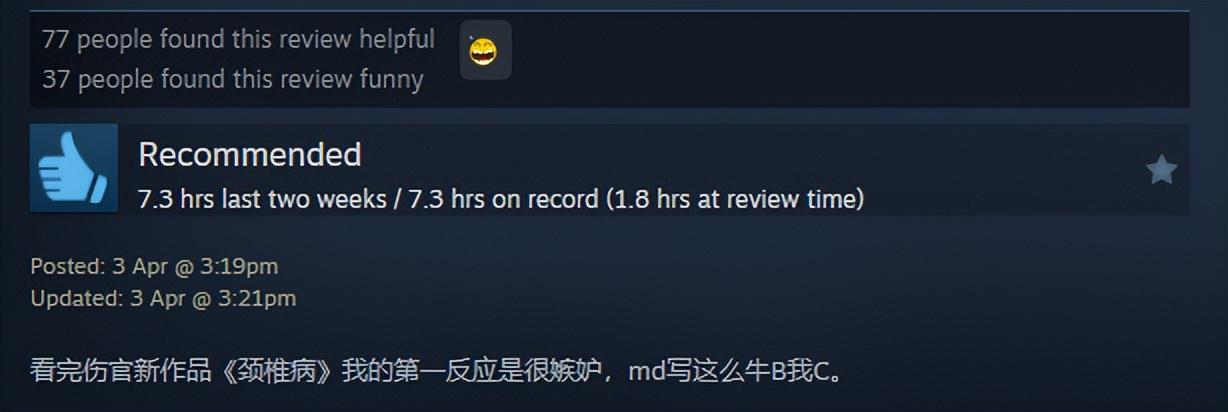
It’s worth noting that the Shangguan Production Team, a domestic indie game studio, previously released *Fire of the Cave Stone* (April 2024), which earned a 94% approval rating. In that previous title, the team demonstrated impressive narrative skills through two distinct character storylines.Both titles excel in their depiction of psychological conflict, subtle stream-of-consciousness storytelling, and the intertextual deductive fun of multiple playthroughs, through which they have established a unique approach to game narrative.Players’ interest in the Shangguan Production Team stems not only from the excellent storytelling showcased in their previous work but also from their bold creative approach, which dares to explore religion, moral gray areas, and non-traditional romantic relationships.
01
How Does Cervical Spondylosis Cause a Dull Ache?
*Cervical Spondylosis* is a visual novel-style game. In terms of scale, the game features tens of thousands of characters of text and offers a total of seven endings. Typically, games with multiple playthroughs can turn the gaming experience into a chore, but a well-crafted structure allows the loose ends to gradually weave themselves into a wondrous tapestry across different paths.Like its predecessor, this title transforms multiple playthroughs from repetitive labor into a structured reading experience; players who enjoyed the previous game will still find the same joy of intertextual deduction in this installment.
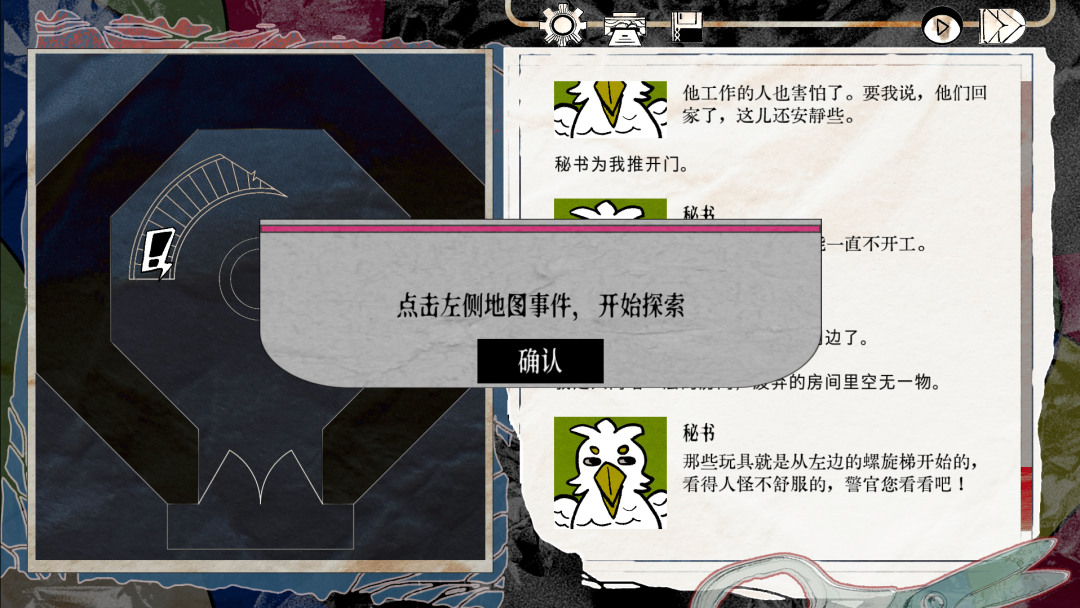
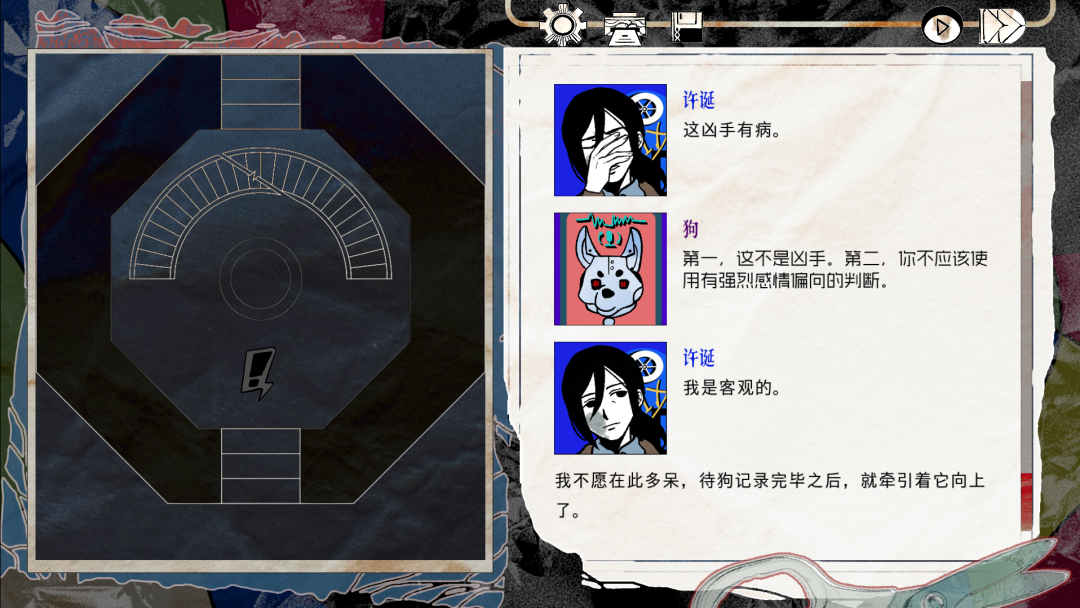
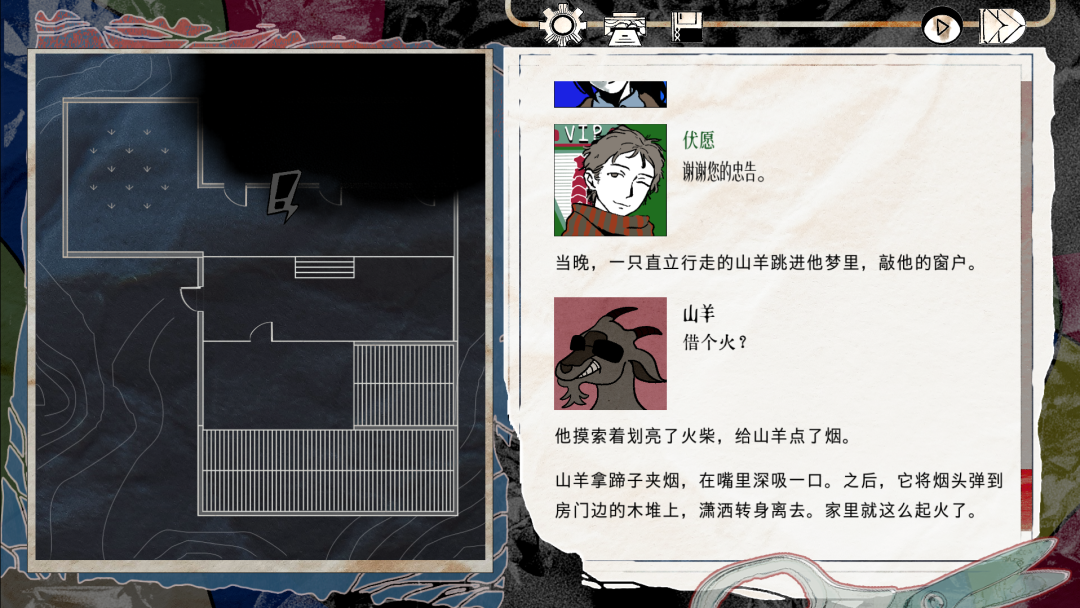
In terms of the interface and overall visual design, the game’s interface splits the screen in half, with illustrations on the left and text on the right.The illustrations on the left have undergone special processing, presenting a layered, abstract composition of colors that faintly evokes the look of inkblot tests. In certain scenes, the left side displays a mini-map, allowing players to tap specific locations to trigger corresponding dialogue or text.
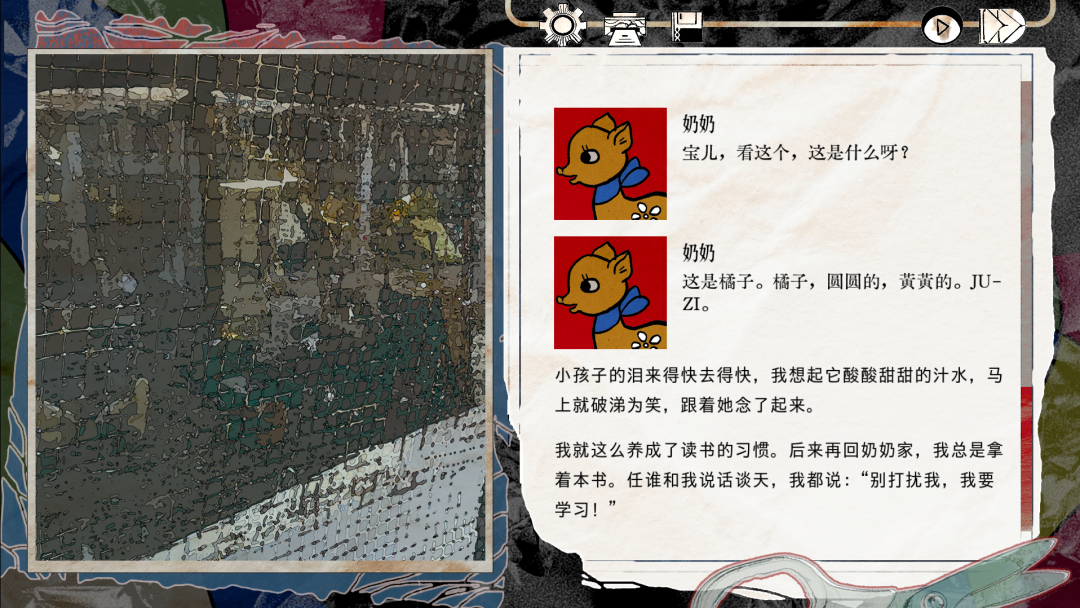
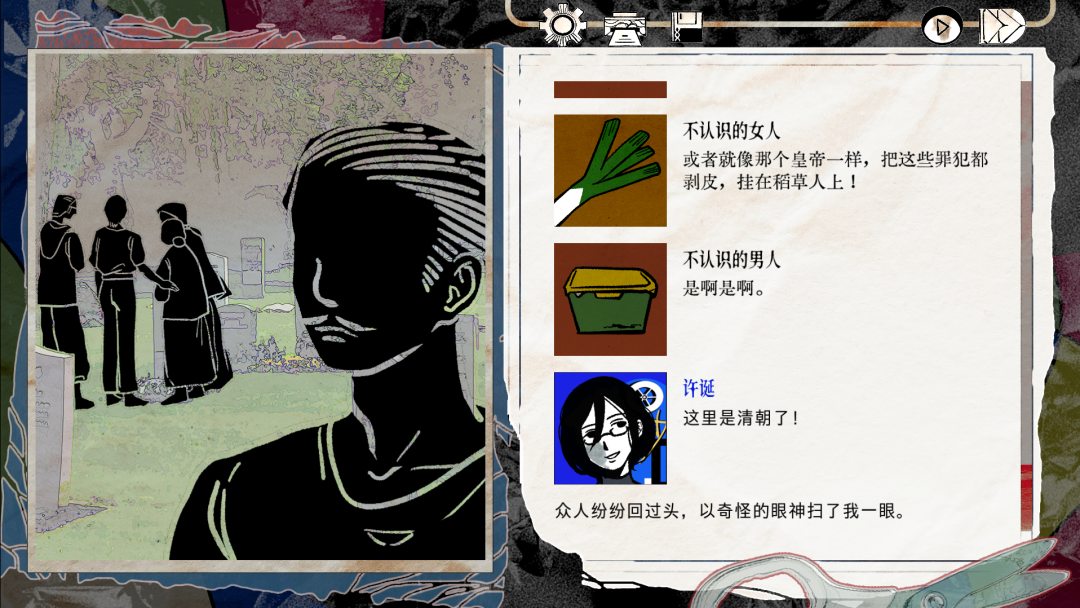
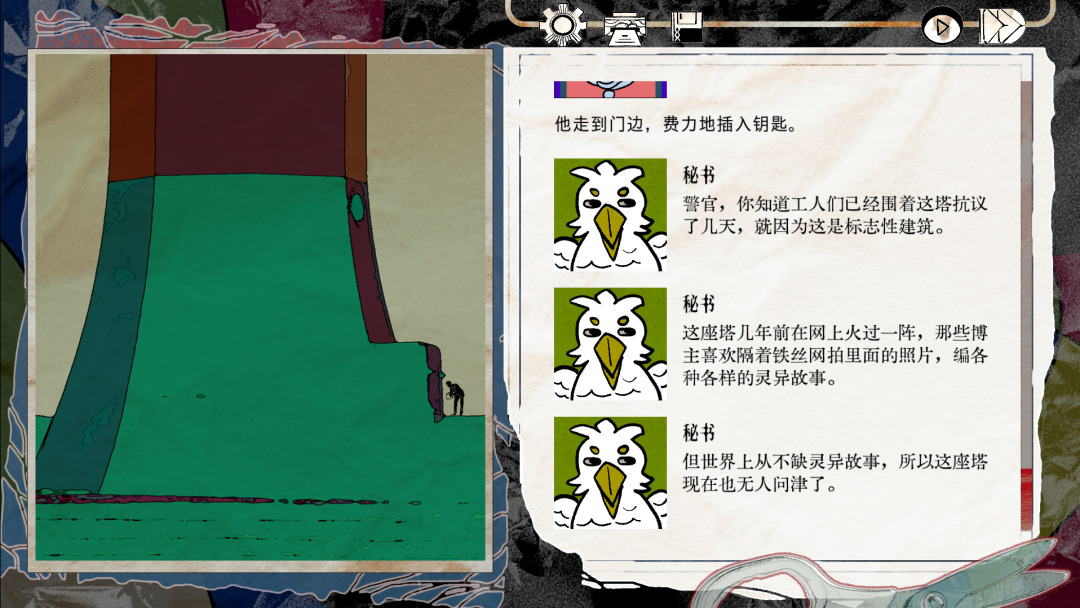
When exploring the factory tower, you’ll need to click your way through each floor to search for clues and proceed to the next level. The right-hand side of the screen displays text, character dialogue, and narrative descriptions; each character has their own unique avatar.While the main characters use portraits of themselves, most other characters are represented by animals—symbolizing their animalistic nature hidden beneath their social facades—and some background characters are represented by common objects (such as green onions or storage boxes).
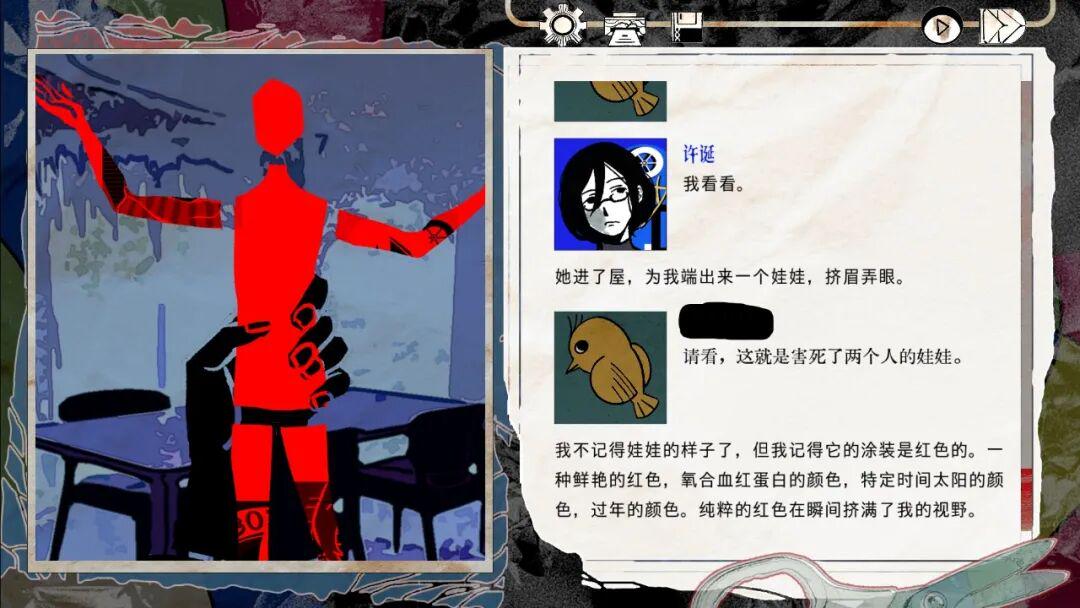
In one scene, a character’s child confides the hidden truth behind the case to the player when no one else is around.The child’s avatar is a sparrow glancing back over its shoulder, while on the left is a high-saturation image. As the child reveals the shocking information, accompanied by the music, a suffocating atmosphere builds between the alternating text and images.
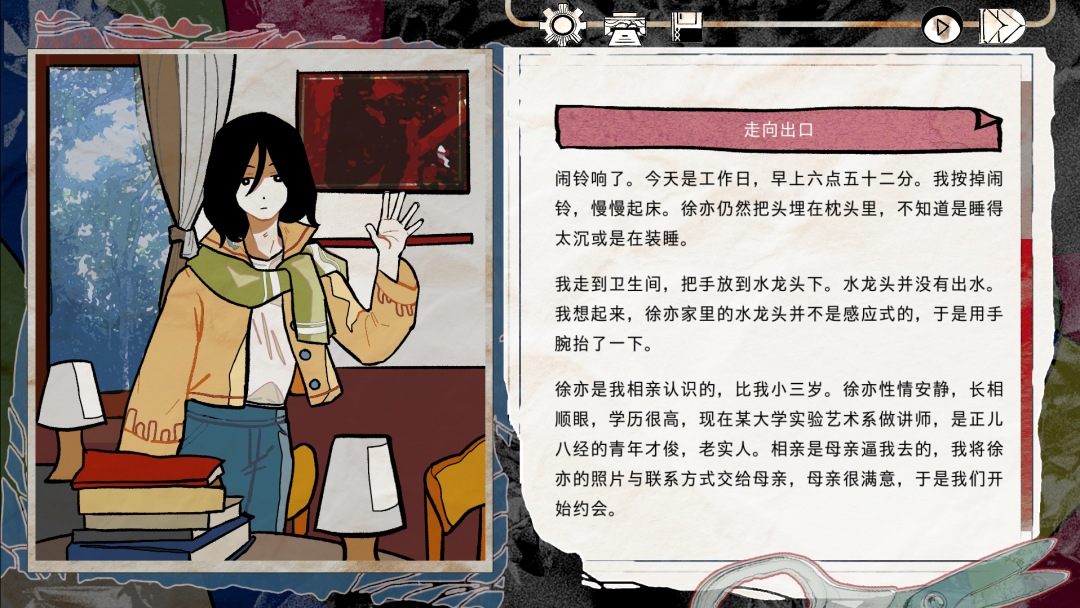
The game's story revolves around Xu Dan. In the underground passage scene at the beginning of the game, players make choices that lead them into different timelines. The exit corresponds to the present, while the emergency exit takes players into her past memories with Shi Fengchun; there is also a hidden option that becomes available after multiple playthroughs.
The present-day story centers primarily on the toy factory incident. Case files indicate that several dolls were cut open and their remains scattered throughout the factory’s tower, which is shrouded in urban legends. Factory workers, protesting over wage issues, have also been staging frequent strikes and demonstrations around that tower.These two seemingly unrelated events ultimately converge around the tower. As the protagonist, Xu Dan, conducts her investigation and goes about her daily life centered on this case, she interacts with various characters through the choices she makes. As a result, her path continually branches off into different life trajectories, allowing her to explore and immerse herself in the ways these characters perceive the world.
For example, the crime scene in the game appears multiple times across different character storylines, and the interpretations offered by different characters present two completely opposite perspectives.The main storyline can be broadly divided into four threads: Xu Yi’s compliance, Fu Yuan’s struggle, Gu Shufen’s scheming, and Shi Fengchun’s escape. As these threads continually intertwine, they piece together the complete picture of the story.
Through the multi-playthrough gameplay offered by *Cervical Spondylosis*, players shape the entire experience into a story that “could only be lived through by me” based on their chosen sequence of play, as well as their judgments and deductions regarding characters and situations.Compared to similar games, *Cervical Spondylosis* differs from visual novels that emphasize a sense of control. Its choices do not offer the kind of control that “can change everything at will,” but rather allow players to “reorganize scattered story fragments.” A story revealed on one character’s route may only reveal its true nature when explored through another character’s perspective.Players will quickly discover that their decisions cannot truly free the characters from their original lives, but through different choices and developments, their perceptions and understanding of these characters will evolve.
The multi-playthrough and split-screen structures already allow players to sense an inescapable order, while the content of *Cervical Spondylosis* further anchors this order to the body. One of the evolutionary costs of humans maintaining an upright posture is cervical spondylosis, and the price paid to maintain this upright posture within the social structure is a stripping away of our animal nature.Cervical spondylosis is commonly regarded as a condition prevalent among white-collar workers; prolonged desk work seems to be a natural cause of this ailment. Yet in the game, Ms. Wang and other workers also suffer from this condition. It is, in fact, more like a layer of skin sewn onto the body—a condition invisible to the naked eye, detectable only by the patient themselves or through physical contact.Perhaps this “Hou Qun syndrome” is merely a fad—a fad because it is so widespread, because everyone has it (Sidan Kang).
02
Four Skins Peeled from the Character
Visual novel-style games can be understood as a gamified version of the traditional reading experience. Text that would normally just be read from start to finish is now governed by a set of rules. As players repeatedly tap and make choices, the entire experience is akin to selectively reading, revisiting, and filling in the gaps of a novel.*Cervical Spondylosis* leverages the characteristics of this structure, allowing players only limited insight into what the characters have experienced. It is only through repeatedly exploring different story paths that players come to fully grasp the game’s worldview.The design—which requires repeated playthroughs to reveal the full picture—makes the act of reading itself an integral part of the experience. In this game, the visual novel format evolves from a mere storytelling method into an integral part of the game’s thematic expression. Through repeated choices, players adapt to the game’s worldview and gradually come to understand the pressures faced by the various characters.
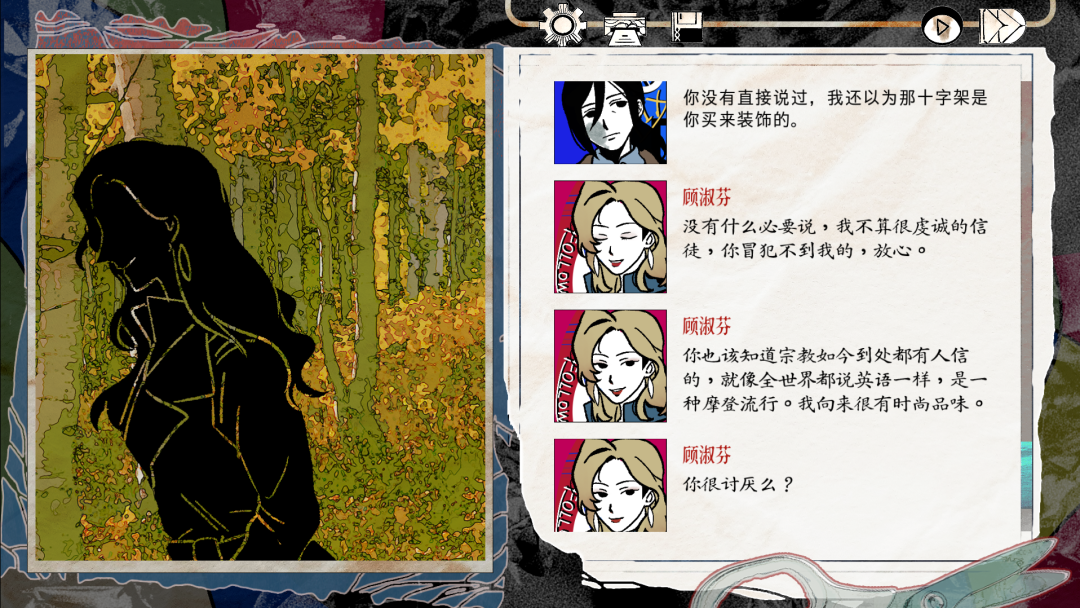
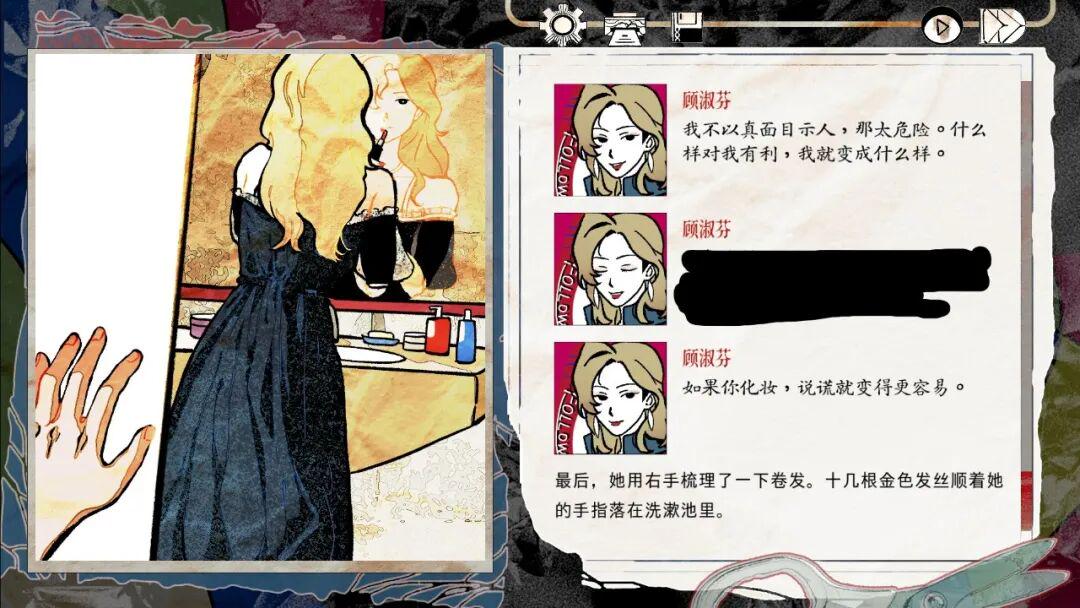
The four main storylines correspond to the characters’ different ways of integrating into society, as well as four relationships that develop half-heartedly. Xu Yi is trapped in a cycle where, once she reaches a certain age, she’s expected to get a job; once she has a job, she’s expected to get married; and once she’s married, she’s expected to have children.Fu Yuan, on the other hand, did not originally have such a smooth-sailing life. She knows that everyone goes to school, lives in high-rises, maintains politeness, and treats others with kindness. Even though she resents it all, she must squeeze herself into this social order just to get by.Gu Shufen, on the other hand, understands exactly what this society expects of people, and she knows how others judge, trust, or reject someone based on these superficial appearances. So she exploits this system and people’s reliance on order to achieve her own goals. We sometimes call this “refined selfishness.”
Xu Dan’s professional role is that of a guardian of order in the secular sense, while Xu Yi, as a creator, is the one who conforms to that order within that society.At the wedding, Xu Yi attempted, through an extreme outburst, to pierce the skin of everyday life with absurdity. Xu Dan’s first instinct, however, was to uphold order—that layer of skin facing the secular world that had long provided her with a sense of security.
As one of the most idealized figures—a young and talented man—Xu Yi bore the weight of immense social expectations. Xu Yi took the stage wearing Xu Dan’s wedding dress, something people believed he should not have done.The skin, as the first boundary of the psyche, serves both as a barrier and a vessel for the self, while the social persona is a second layer of skin. For Xu Yi, the degree he demanded for himself, the department chair’s favor, and that so-called seminal paper all belonged to this fragile layer.Later, Xu Yi took off the wedding dress by the seaside—a moment Xu Dan described as a snake shedding its skin. Xu Yi was left with a naked body that no longer held any social value, much like the red doll that appears in the game.However, society’s immune system could not tolerate such a worthless body, and ultimately Xu Yi ended up in a psychiatric hospital—a place filled with people who had shed their skins—while the order outside the hospital remained pristine.
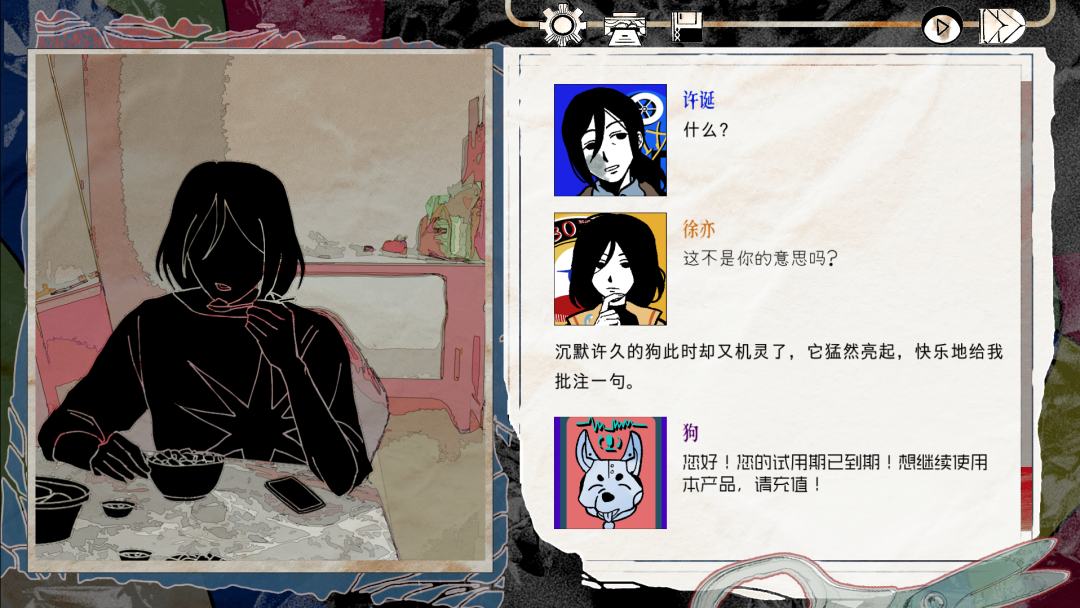
Afterward, Xu Dan returned to her mother’s kitchen and, beneath the spinning ceiling fan, rolled out perfectly round dumpling wrappers. Xu Dan’s only wish was to be an ordinary, law-abiding person—a desire that was, in essence, a desperate attempt to patch up that thin layer of skin.To ensure her body could continue to serve a social purpose, Xu Dan’s regular cervical massages had come to resemble routine maintenance on a robot. However, when she experienced a hallucination by the seaside—seeing characters like Shi Fengchun, Fu Yuan, and Gu Shufen appear one after another to mock her life—that thin veneer cracked.
Unlike Xu Dan and others, who conformed to societal expectations, Shi Fengchun did not follow them. She did not get into a prestigious university, did not have a steady job, and did not choose her path in life based on anyone else’s expectations. She is also the only major character in the game to die.Perhaps in the game’s rigid world, only death—as the ultimate means—allows the characters to escape.
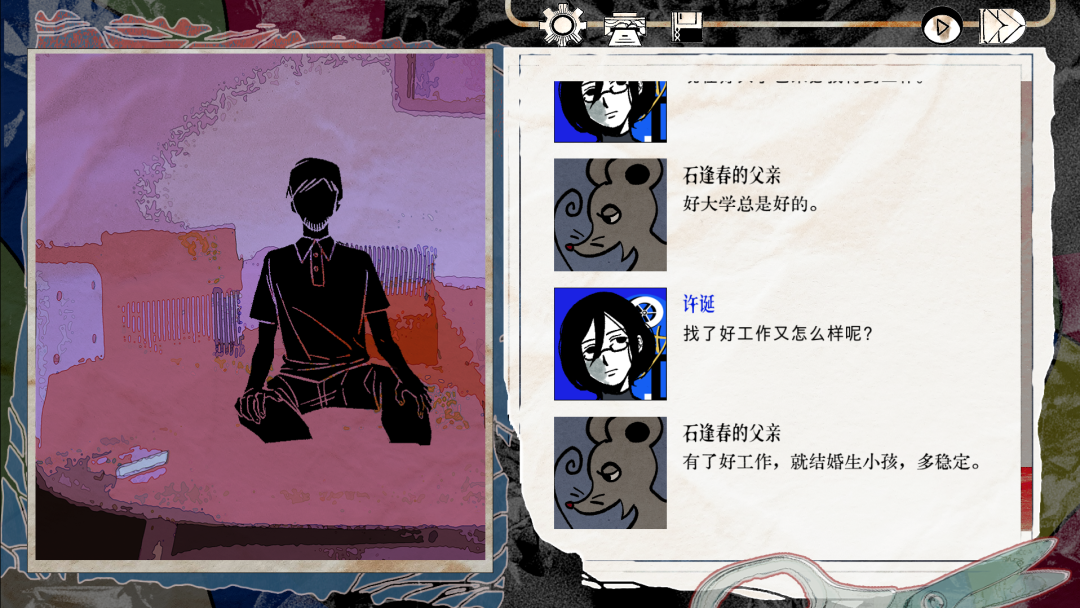

As society increasingly relies on people’s performance and achievements to judge whether someone is successful, everyone is expected to constantly manage themselves and keep improving.In the past, managing people largely involved prohibitions—telling them what not to do—but now it has shifted to encouragement, urging everyone to do more and do better. It seems as though a person can—and should—achieve anything; they’ve placed the whip in our hands. On the surface, this appears to offer far more freedom than before, but in reality, this sense of limitless possibility only leads people to constantly pile more pressure on themselves.When a person’s worth can be reduced to the number of citations in a paper, the number of “likes” on social media, or even the amount of wedding gift money received, people are demoted from subjects of existence to objects to be managed. That is why some say that in today’s society, there are no longer criminals or madmen—only people with depression and failures.
In *Cervical Spondylosis*, this logic is presented in a more subtle way. Although the characters are not without the urge to escape reality, they ultimately end up spontaneously maintaining what is considered the “normal” order.
Conclusion
Video games grant players a second life. In *Cervical Spondylosis*, no matter how many times the cycle repeats, players can never escape the order that each character is bound by; each time seems to be a repetition of a different kind of stagnation.The game’s line—“As long as you don’t pry too deeply and get regular massages, cervical spondylosis will never flare up”—suggests that as long as you maintain that superficial facade, life can go on forever.Beneath the skin peeled away by the skin-flaying killer lies neither an innocent heart nor romantic freedom, but rather crimson muscles, ugly desires, shameful hatred, and the relationships between people—relationships built on exploitation, dependence, and role-playing.
That religious language—which seems absurd precisely because of its eclectic nature—not only adds an air of mystery but also provides the characters with a way to make sense of their suffering, while simultaneously cloaking real-world violence in a new layer of sacredness.Do Ms. Wang and her grandmother truly understand the tenets of their faith? Perhaps not. They may simply have had to rely on religion’s inexplicability to cloak their suffering, making it temporarily bearable.
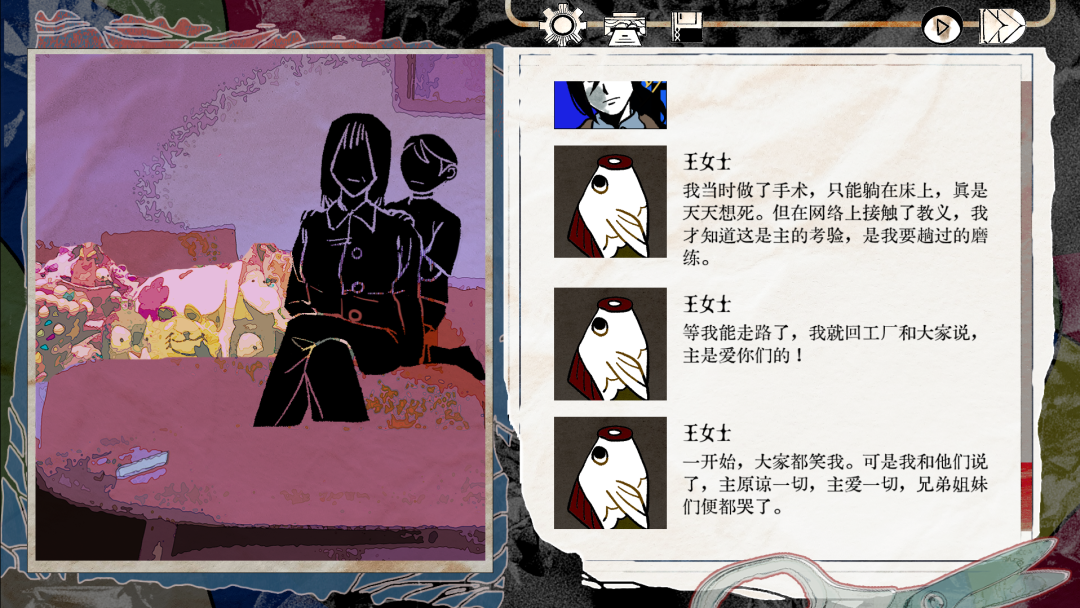
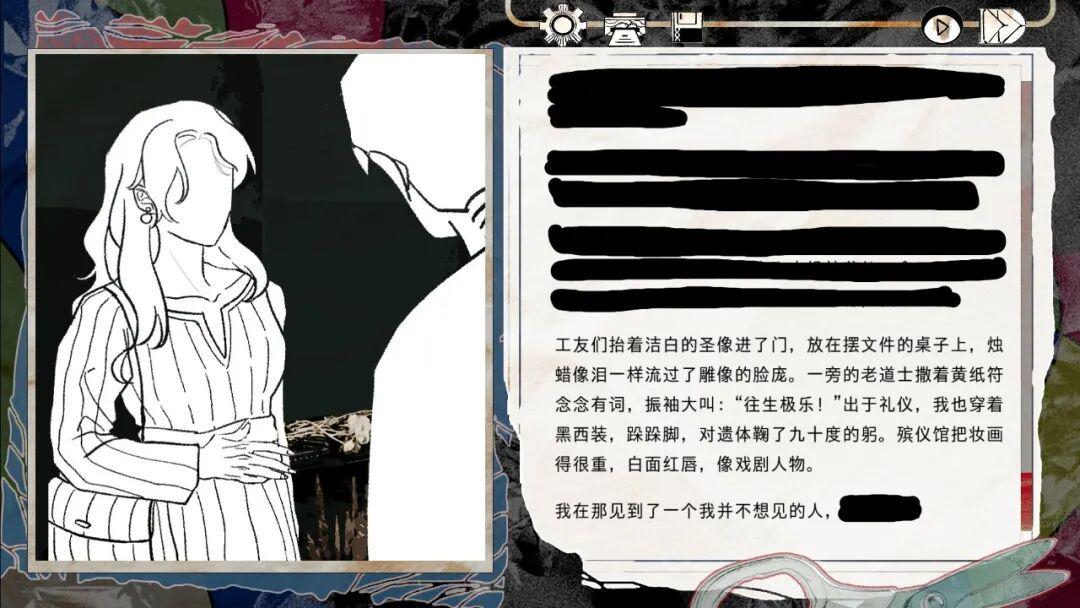
While *Fire in the Cave* explores the themes of desire and fate through witchcraft rituals, *Cervical Spondylosis* shifts this structure to a social context, focusing on social norms.The game continues the development team’s unique narrative design while incorporating a new split-screen visual style, allowing players to uncover hidden conflicts and hints across multiple scenes. Through similarly intertwining plotlines, it gradually unravels complex themes layer by layer.
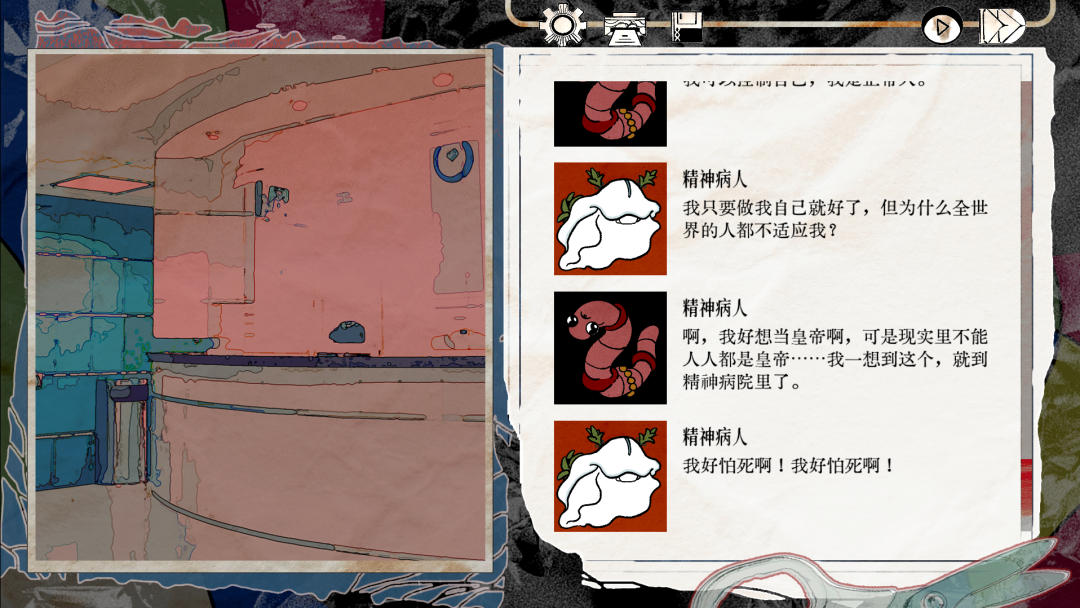
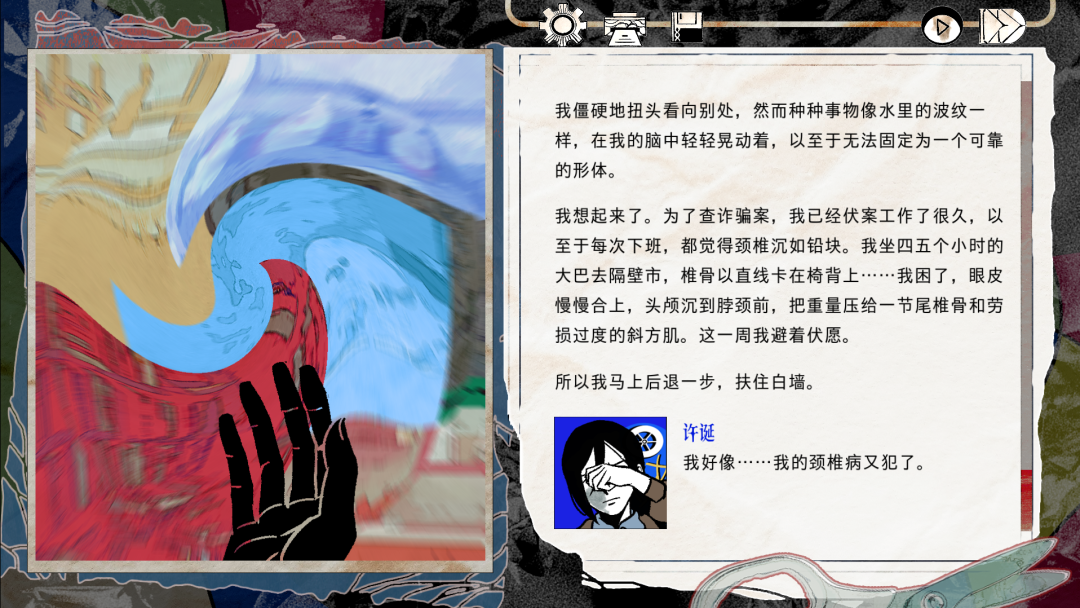
How an era becomes ingrained in a person’s body is not always a natural, conscious process of self-formation. It is in the course of adapting to this era that we have gradually developed this ailing cervical spine.
We have traded the health of our cervical spines for the elegance of walking upright, and we have traded the suppression of our animal nature for the accolades of society, able to see only the narrow path ahead that our stiff necks allow us to see.Even if we all suffer from the cervical spondylosis of our times, even if our vision is forever limited to those few inches of screen or a few city blocks, we can at least carve out a little time for ourselves amid the endless struggle of pushing a boulder up a mountain.In that moment, we are not workers, not students, not someone’s child or spouse—we are simply a weary, breathing, aging animal.
原创文章,作者:游茶妹儿,禁止转载:https://youxichaguan.com/en/archives/216228