In recent years, with the widespread adoption of “loot boxes” (similar to “card draws,” where players use real money to purchase a “treasure chest, gift pack, capsule toy, or mystery box”) in mobile and console games,Upon opening, they contain randomly generated items), this monetization model—which requires players to spend real money on random rewards—has become highly controversial.
Many European countries and the European Union are gradually tightening regulations on these mechanisms, particularly with regard to school-age children, to prevent them from leading to gambling addiction, excessive spending, and mental health issues.Recently, new regulations from PEGI (Pan-European Game Information) have further reinforced this trend, aiming to curb the proliferation of “loot box” spending among European elementary and secondary school students.
According to a report by Games Industry, PEGI plans to set the default age rating for games featuring paid random items to 16+. In March 2026, PEGI announced that, starting in June, games containing paid random items (such as loot boxes, card draws, card packs, and gacha systems) would automatically receive a PEGI 16 rating.This change applies across Europe, including the United Kingdom, meaning that children aged 15 and under in many countries that use the PEGI rating system will not be able to legally purchase or easily access such games.
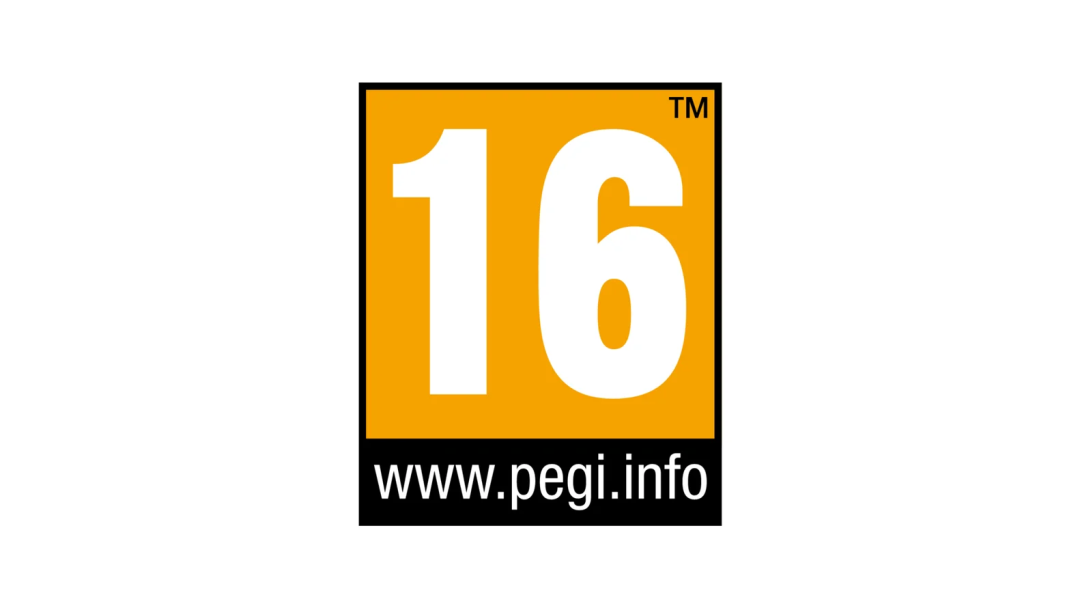
PEGI has also tightened its ratings for other mechanics; for example, games that include NFTs or blockchain elements may be directly rated 18+. This adjustment is seen as a response to “gambling-like mechanics” and is intended to help parents and platforms protect minors through age restrictions.
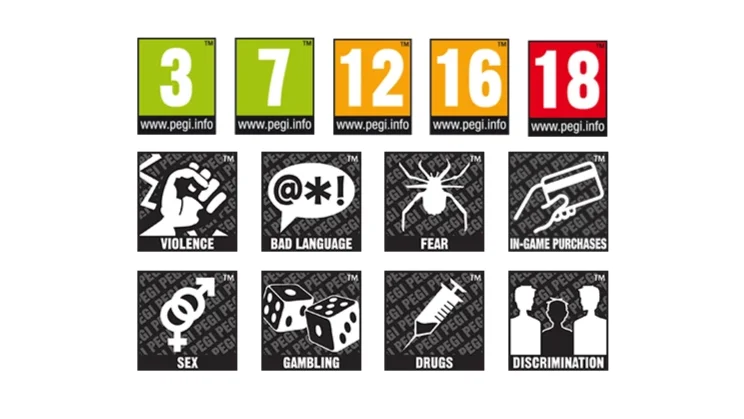
In addition to its eight content descriptors, PEGI uses five age ratings. Image source: PEGI
In fact, as early as 2018, the Belgian Gaming Commission ruled that paid “loot boxes” violated gambling laws, requiring game companies to remove such mechanisms or face fines or even imprisonment (with harsher penalties when minors are involved).The Netherlands has taken a similar stance, leading many major game developers to ban paid loot boxes in these countries and retain only free-to-play options.In 2024, Spain introduced a bill to protect minors in the digital environment, prohibiting players under 18 from accessing “loot boxes” and requiring game companies to improve transparency (such as disclosing odds of winning) and allow adult players to set spending limits.
At the EU level, Members of the European Parliament (MEPs) pushed for the “Digital Fairness Act” last year, proposing a comprehensive ban on “loot boxes,” “dark patterns,” and addictive mechanics targeting minors, as well as restrictions on targeted advertising and in-game monetization tactics aimed at children.According to statistics, more than 80% of 11- to 14-year-olds in the EU play video games, a figure that has placed significant pressure on regulators.

It is worth noting that gambling—and even gambling in video games—has actually been a common phenomenon for quite some time, but why have elementary and middle school students now become the primary focus of protective measures?
In July 2020, a research report initiated by the European Parliament’s Committee on the Internal Market and Consumer Protection (IMCO) on “Loot Boxes in Online Games and Their Impact on Consumers, Especially Young Consumers” indicated that the randomness of “loot box openings” and the “near-miss” design are similar to slot machines,which can easily lead minors to develop a habit of repeatedly spending money on in-game purchases. Researchers and regulatory bodies believe this poses a greater risk to children whose brains are still developing and may lead to more serious problem gambling behavior in the future.
At the same time, minors have limited legal capacity and are prone to spending their New Year’s red envelope money or secretly using family members’ bank cards to make in-game purchases without their parents’ full knowledge. Belgium’s Minister of Justice has emphasized that the combination of gaming and gambling is “extremely dangerous to mental health.” Furthermore, many games do not clearly disclose the odds of winning and use tactics such as limited-time offers and social pressure to induce spending. EU consumer protection regulations require compliance with disclosure obligations and prohibit directly encouraging children to make purchases.
Faced with this situation, the European gaming industry has responded in part through self-regulation (such as UKie’s requirement for parental consent for purchases), but research shows that enforcement has not been as effective as expected, as many companies have chosen to remove certain features or raise age restrictions in countries with stricter regulations rather than completely abandon this high-revenue model.
To strike a balance between the healthy development of society and the economic interests of the gaming industry, the new PEGI regulations have opted for a approach that does not impose a complete ban but instead uses ratings to effectively restrict minors’ access to games. If the “Digital Fairness Act” is passed in the future, it may lead to more uniform and stringent standards at the EU level.
This change serves as a reminder that child protection in the digital age still requires attention, and that gaming and entertainment should not come at the expense of minors’ health. As similar discussions spread globally, this issue warrants continued attention. China may also draw regulatory insights from these developments.
(This article is based on publicly available information from the BBC, the European Parliament, PEGI, and relevant regulatory reports, and is provided for reference only.)
原创文章,作者:游茶妹儿,禁止转载:https://youxichaguan.com/en/archives/217033