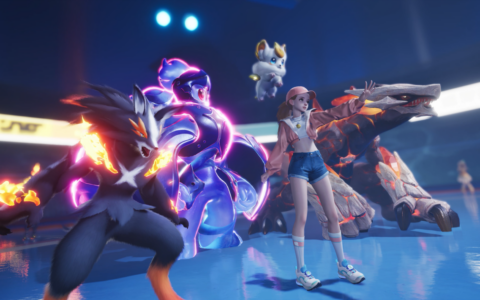
Recently, Teahouse learned that in mid-to-late July, the Tokyo leg of the PlayStation Partner Connect 2025 (hereinafter referred to as PSPC) tour came to a close.In addition to established AAA publishers such as Capcom, Square Enix, and Bandai, many of Sony’s partners in China—including teams from miHoYo, Paper Games, and Kuro—also participated in the event.
For readers who may not be familiar with PSPC, please allow us to briefly explain the nature of this in-person event:
PSPC is an in-person touring exchange event organized by Sony, held multiple times a year in various locations around the world. Its purpose is to deepen connections between Sony and its global partners (including but not limited to developers and publishers), as well as among the partners themselves. Typically, participation is limited to industry insiders; it is rarely open to the public and is considered a closed-door industry event.
Due to its closed-door nature, there is very little public information available about PSPC; details can largely only be gleaned from participants’ social media posts.
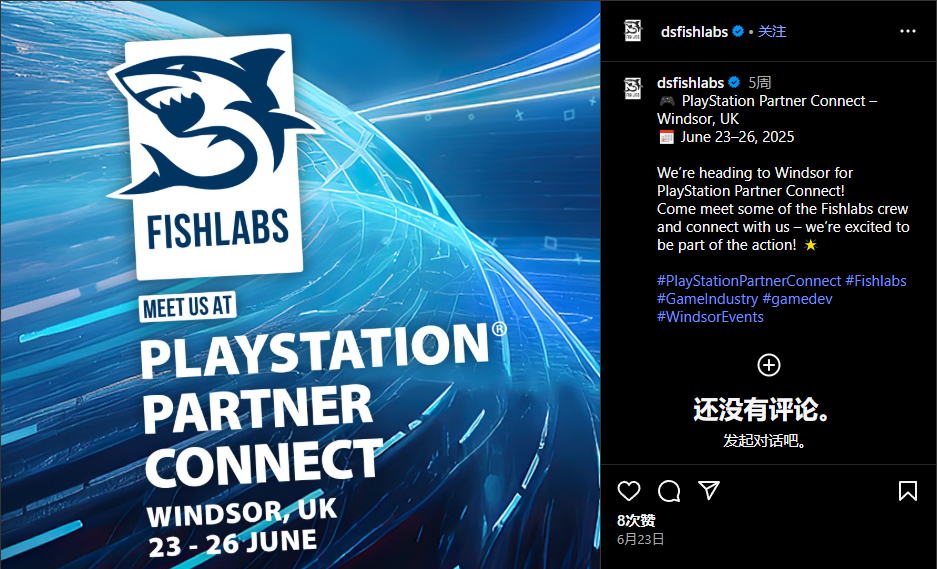
The image shows a post on Fishlabs’ Instagram—the developer of *Galaxy on Fire*—which only revealed the date of the PSPC 2025 event in the UK.
Judging from these social media posts, the PSPC has gradually become an annual fixture around 23.Prior to this year’s event in Tokyo, it had already been successfully held in at least two locations: California, USA, and Windsor, UK. Furthermore, many posts indicate that, in addition to serving as a platform for knowledge exchange, PSPC often features presentation sessions similar to those at GDC—though, of course, virtually no content from these sessions has ever been leaked.
This time, miHoYo will take the stage as the first Chinese developer to present a technical talk at PSPC.
After verifying the information from multiple sources, the Tea House has confirmed that the PSPC Asia stage has traditionally been dominated by teams from console giants like Capcom and Square Enix; miHoYo is indeed the “first ever.” This has immediately piqued the Tea House’s curiosity.
Curiosity aside, however, figuring out how to overcome geographical and regulatory constraints to lift the veil on the PSPC’s tightly guarded secrets remains a challenge we must face.
However, as the saying goes, nothing in this world is impossible if you’re willing to give it a shot.
After making inquiries from various sources, the Tea House finally dug up some specific details about miHoYo’s trip to the PSPC.
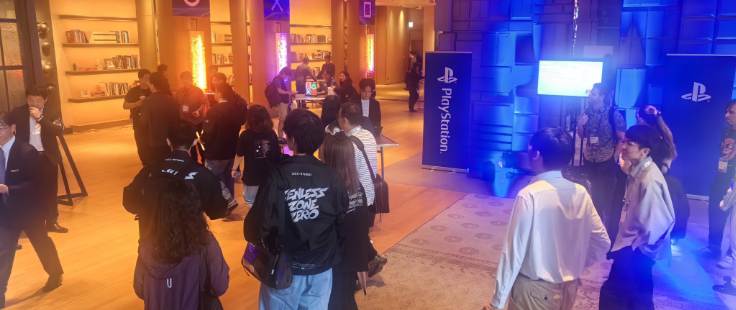
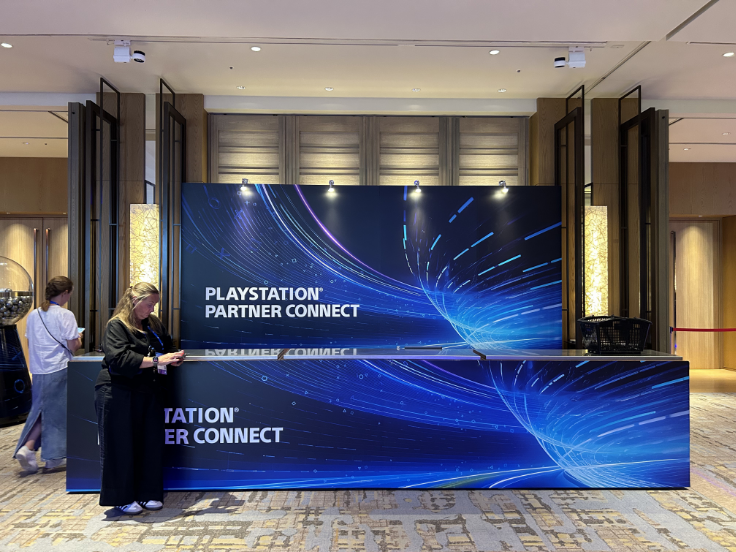
On-site footage captured by the Tea House’s sources
Several attendees told the Tea House that at the PSPC 2025 venue, it was the *Zero Zone* project team that represented miHoYo in delivering a technical presentation to global developers.
What caught the Tea House by surprise was that the “Zero Zone” presentation didn’t focus on “anime-style” content design—a field in which miHoYo typically excels—but rather on “controller adaptation,” a niche topic involving hardware-software interaction.
01
What is there to share about *Zero Zone*’s controller technology?
In the past, Mihoyo’s reputation didn’t seem to involve hardware-related aspects, but in reality, this doesn’t mean the company lacks hardware capabilities. For example, to support cloud gaming, Mihoyo independently developed hardware such as the “MiLO” server BMC board and power conversion boards, laying a solid foundation for its proprietary cloud servers on the hardware side.
This goes some way toward demonstrating the company’s technical capabilities in the hardware realm.
As for *Zero District*, since its launch, the awards it has won and the industry attention it has received have largely focused on its design—whether in art or combat mechanics—both of which have been widely praised by the industry and players alike.
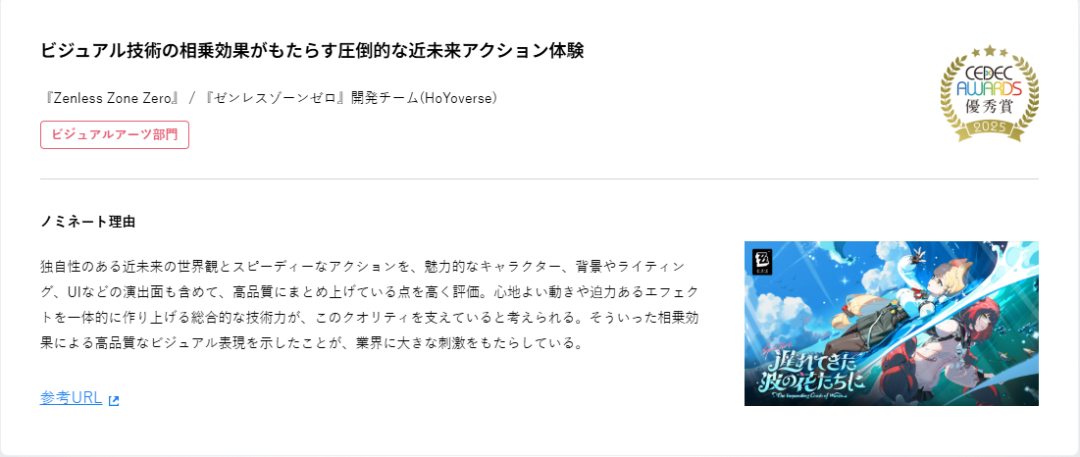
Recently, *Zero Zone* won the CEDEC Excellence Award in the Visual Arts category for the visual experience delivered by its design.
The sensory experience created by the “excessive” amount of assets resulting from these outstanding designs is undoubtedly *Zero Zone*’s absolute strength. However, much like miHoYo’s less-noticed hardware R&D capabilities, *Zero Zone* is equally outstanding in many “invisible” areas.
“Controller support” is one such area.
Take Sony’s own DualSense controller (hereinafter referred to as the DS controller) as an example. As a cross-platform game,*Zero Zone* achieves full compatibility with the DS controller across all platforms. Beyond the PS platform, players can seamlessly connect the DS controller to play on PC, mobile, and even the cloud version of *Zero Zone*. Notably, on mobile devices, the game achieves native compatibility without requiring additional button mapping or third-party software.
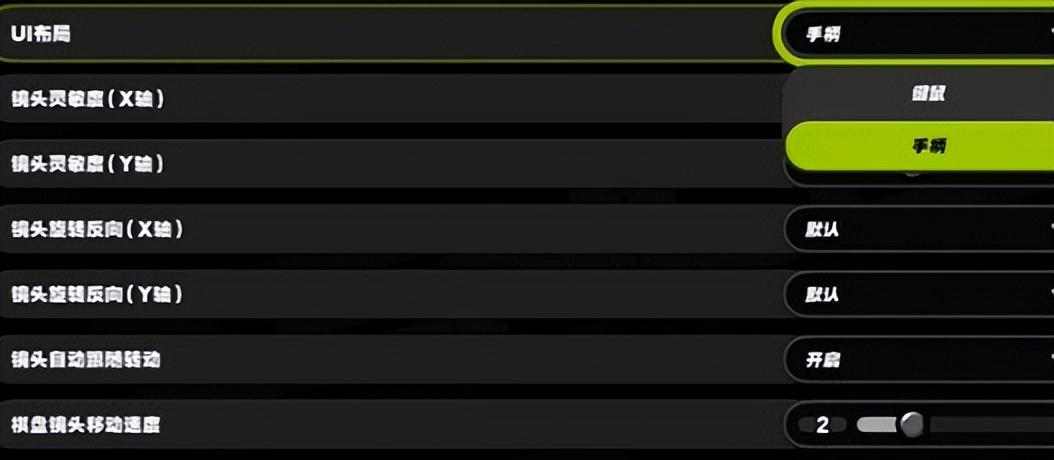
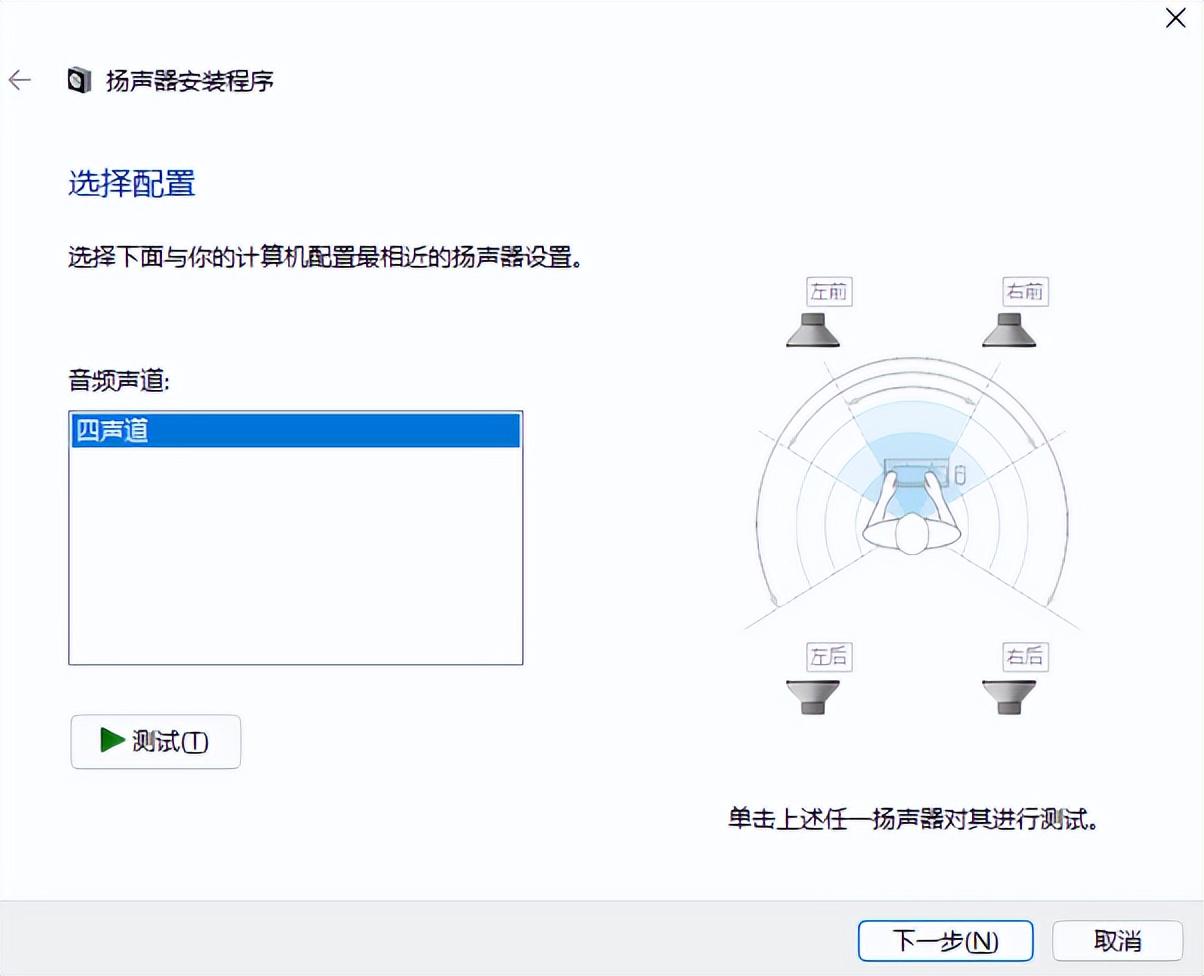
On PC, when connected via a wired connection and with 4-channel output properly configured, *Zero Zone* delivers an experience nearly identical to the PS platform through finely tuned haptic feedback.
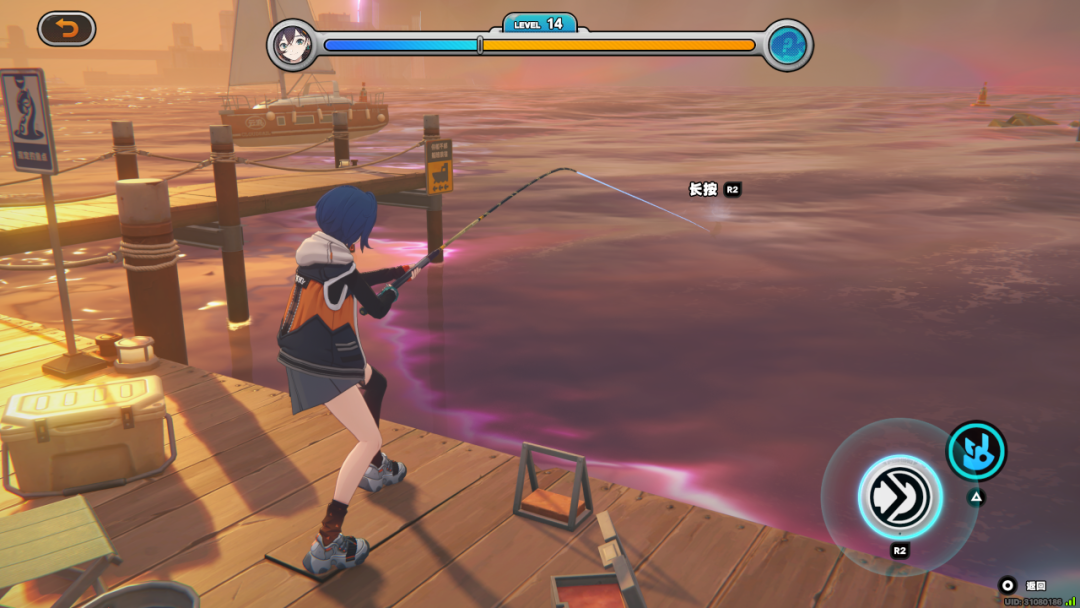
In the fishing gameplay, as players cast or reel in their fishing rods, *Zero Zone* activates the DS controller’s adaptive triggers, providing noticeable changes in shoulder button resistance based on the progress of the fishing phase.This is a signature feature of the DS controller, and it garnered widespread praise from players as soon as it was introduced alongside the 1.5 fishing gameplay update.


Needless to say, the blade-parrying and hit feedback that enhance the combat experience are top-notch;when Rin and Tetsu break down the Corrupted Breath, the DS controller also provides progressive vibration based on the breakdown process; even when Senior Sister Tachibana Fufu plays with the “cat scratcher,” players can feel delicate vibration feedback—just like a cat scratching the palm of their hand—while holding the controller.
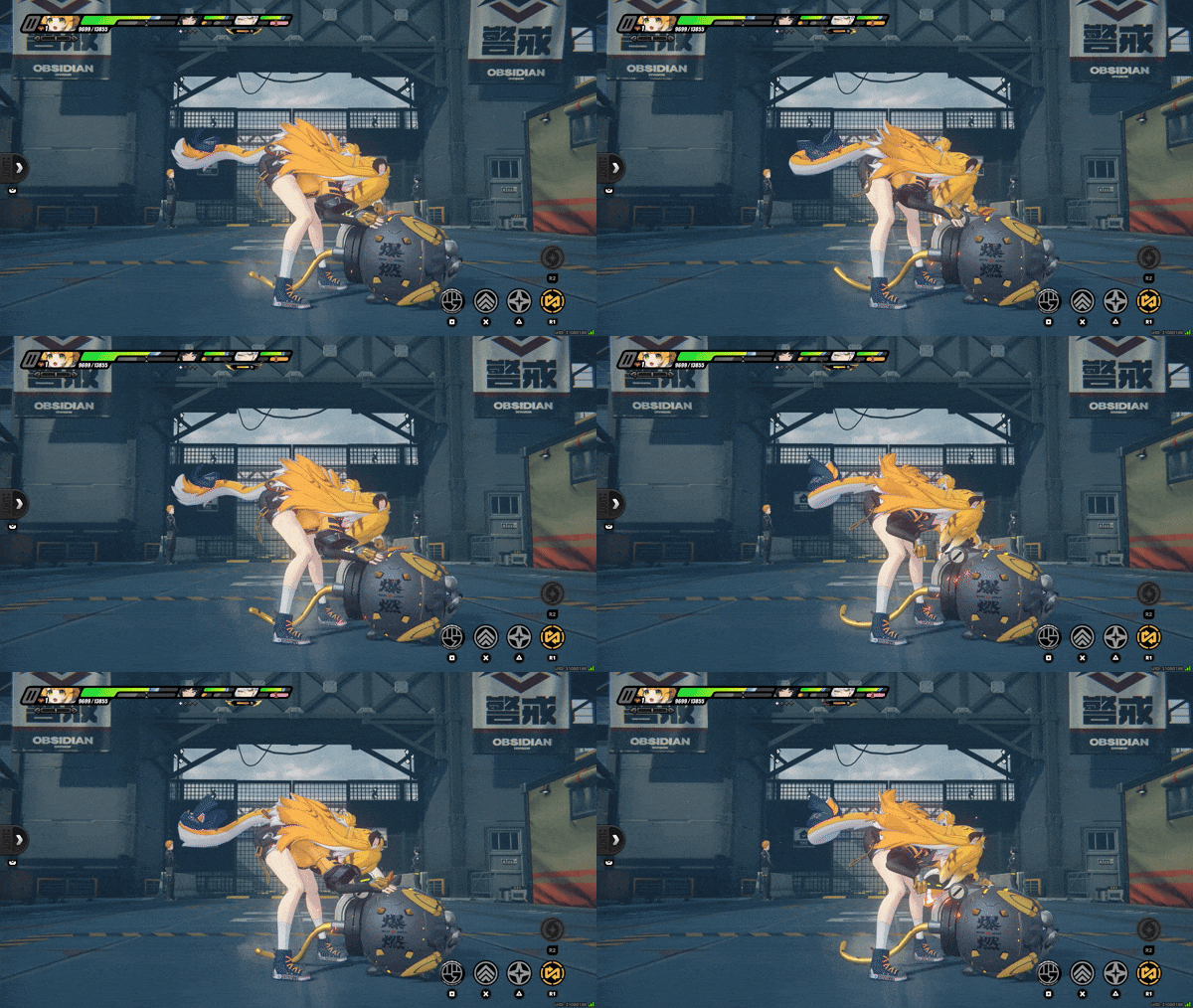
We recommend holding the controller to experience the sensation of a kitten’s gentle scratches.
The sense of human-machine interaction created by the fusion of this tactile sensation with other senses undeniably enhances the gaming experience.
Therefore, the DS controller support in *Zero Zone* not only enables cross-platform play but also fully leverages the DS controller’s hardware capabilities to deliver a refined, immersive gameplay experience—truly making the most of its potential.
In addition to the DS controller, *Zone Zero* is also compatible with mainstream controllers operating under other protocol frameworks; products such as the Xbox and Gai Shi Xiao Ji support multi-platform compatibility and seamless hot-swapping between controllers, keyboards, and mice.
However, since the DS controller’s vibration functionality is widely recognized as being in a different league compared to other controllers, using the DS controller is the top choice for the best *Zone Zero* experience.
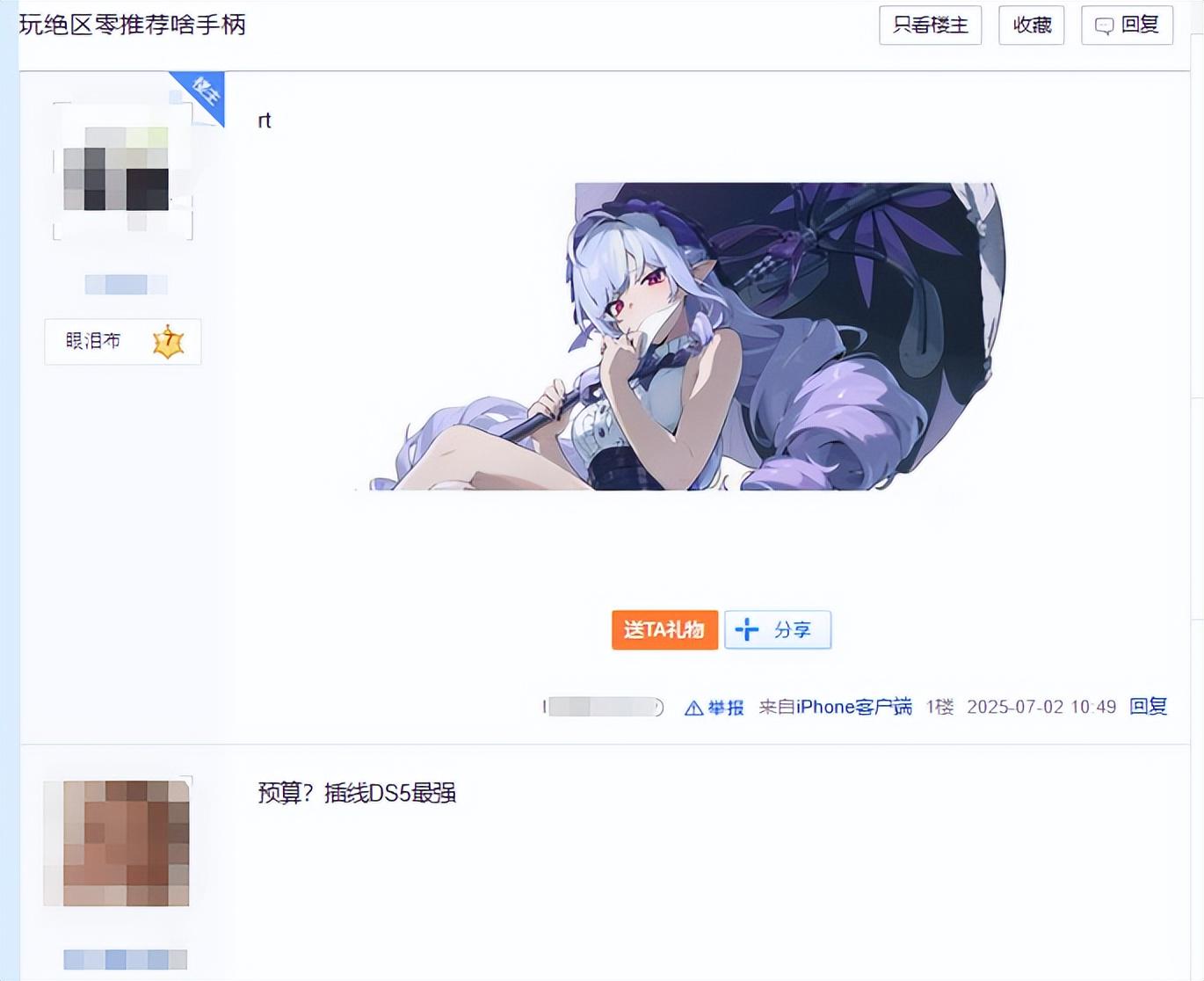
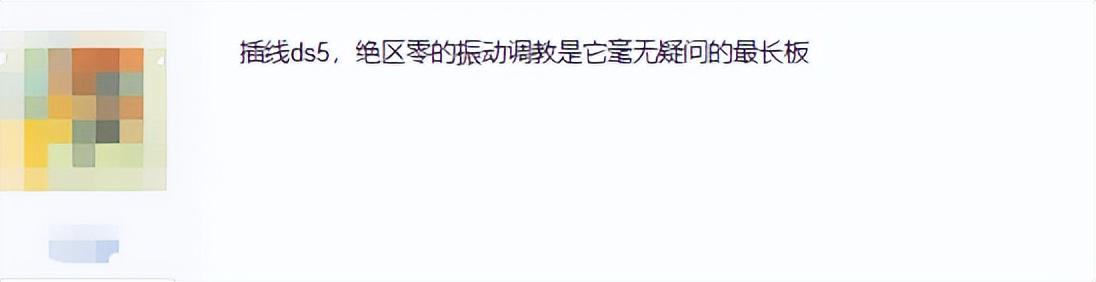
The DS controller is by far the most highly recommended choice among the player community.
From this perspective, *Zero Zone*’s controller support indeed demonstrates a high level of technical proficiency, and it holds significant value—particularly for the field of cross-platform gaming. This may also be one of the reasons why Sony—which has gradually begun exploring cross-platform capabilities in recent years—invited *Zero Zone* to share its insights.
Similarly, after cross-referencing statements from sources, Cha Guan has largely reconstructed the details of this *Zero Zone* presentation.
02
Problems and Solutions
During the presentation, the *Zero Zone* project team first pointed out that for games like *Zero Zone*—which launch simultaneously on consoles, PCs, and mobile devices and are released globally—there are three universal challenges that must be addressed to achieve effective controller support: platform characteristics, player needs, and localization issues.
Differences in platform characteristics refer to variations in objective hardware conditions. The *No Man’s Land Zero* development team defines this as “significant disparities in the physical properties of display and input devices.” Due to differences in hardware performance and control methods across consoles, PCs, and mobile devices, controllers may not adapt well to PC or mobile environments, and players may not accept this due to their established habits.
Differences in player needs stem from the fact that players on different platforms often find themselves in different gaming scenarios and have varying requirements. In addition to hardcore action-adventure (ACT) players with advanced skills, the game must also cater to those using a controller for the first time. The issue of usability cannot be overlooked.
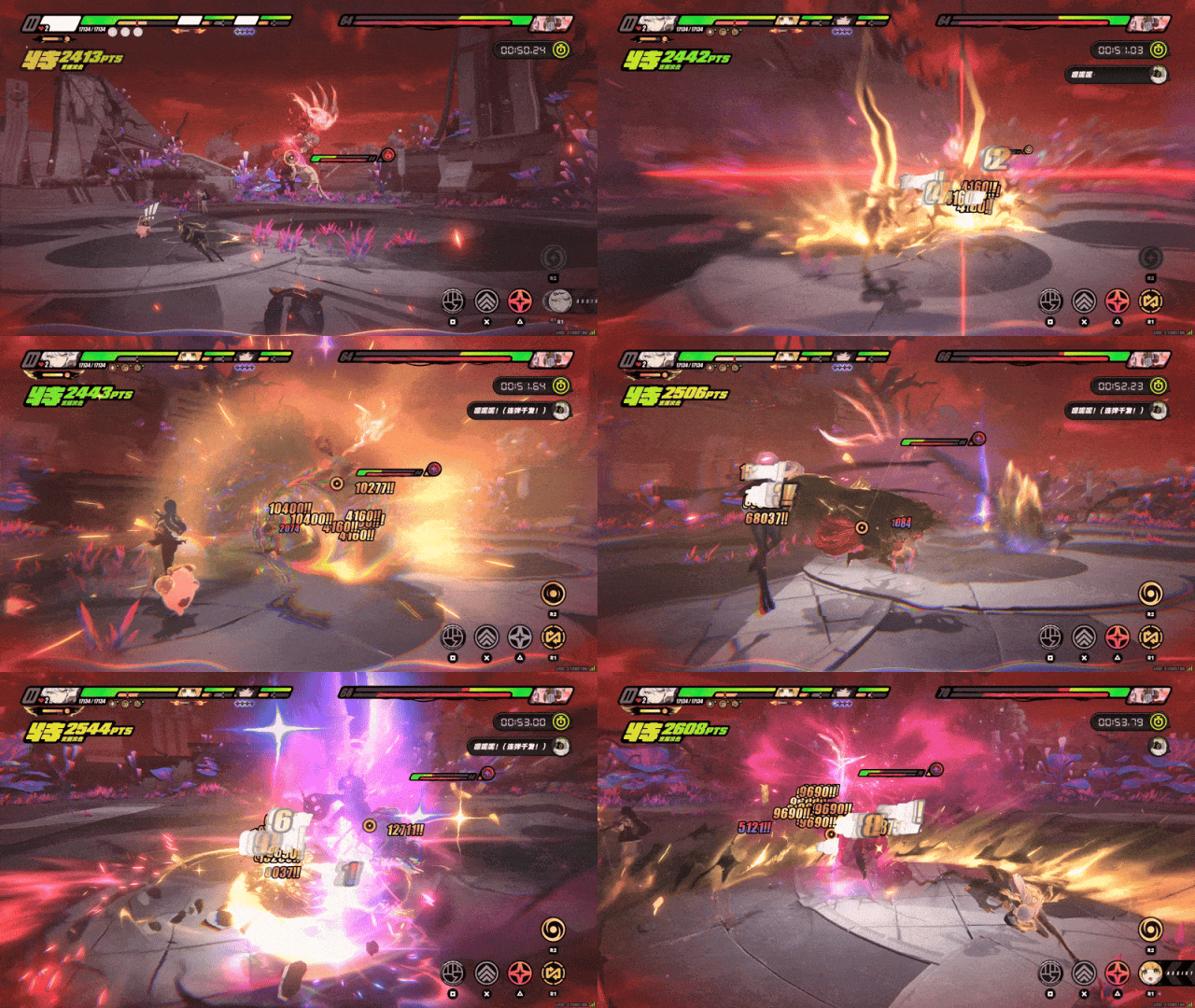
Localization issues arise from the fact that, under global distribution conditions, the UI space required for game versions in different languages varies—for example, in terms of character length and word boundaries. German and French characters, for instance, are typically 20% to 50% longer than English ones, while Japanese and Korean require adherence to specific grammatical rules when wrapping text.
Therefore, the design of the controller’s control logic must possess a certain degree of “universality”—at the very least, it must not change due to UI layout variations caused by language differences.
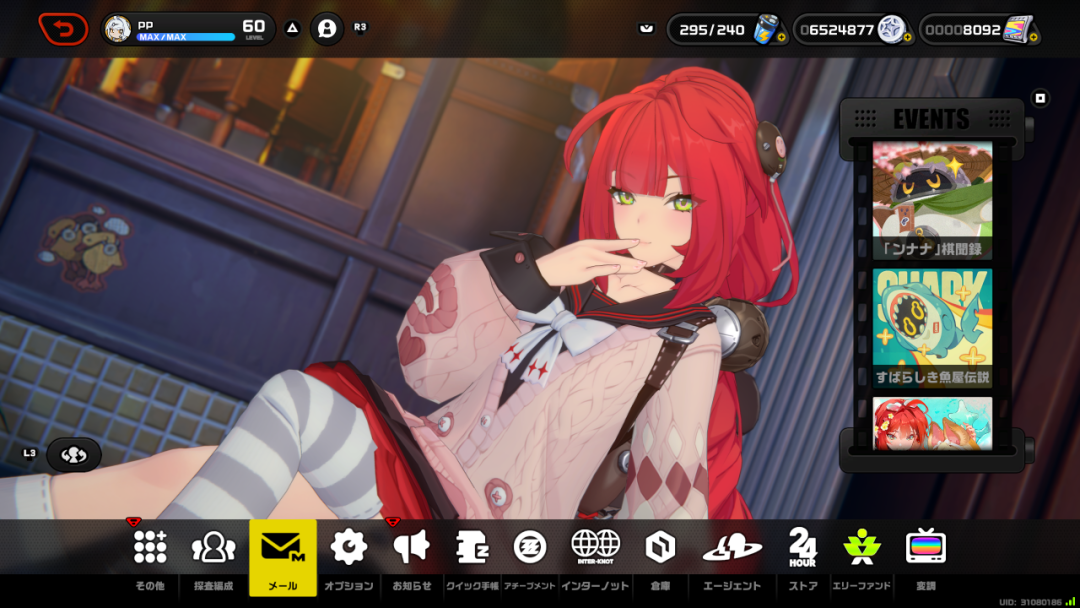
Additionally, *Zero Zone* itself faces significant constraints due to a strict 42-day release cycle, which keeps the development team’s workload extremely heavy. Unlike traditional console games, the team lacks sufficient time for polishing. How to ensure controller adaptation keeps pace with updates within this limited timeframe and boost efficiency is another critical consideration for *Zero Zone*.
The three general issues and one game-specific issue mentioned above can be categorized into two groups: UI adaptation and development efficiency fall under product-side issues, while platform characteristics and player needs fall under user-side issues.
So, how did *Zero Zone* tackle these challenges?
First, regarding workflow, the *Zone Zero* project team explained at PSPC that they built a series of cross-platform script components based on Unity’s MonoBehaviour. These components can be attached to any UI node and precisely record the controller parameters for a specific UI component across different platform layouts.
Using this cross-platform toolkit, the team can accurately capture UI differences across platforms. By organizing code into components for maximum reuse, they significantly reduced the workload involved in writing temporary logic variables, leading to a substantial boost in efficiency.
As a result, the development efficiency challenges, controller operation logic consistency issues, and technical challenges associated with cross-platform adaptation for *Zero Zone* have all been resolved.

As for how to minimize the sense of unfamiliarity with controllers across different platforms while meeting the gameplay needs of various player types,*Zero Zone*’s solution was to approach product design and UI/UX from the player’s perspective as much as possible. For example, the team considered which button layouts best align with the operational habits of most players and how to lower the learning curve. Through these methods, they optimized the user experience for a diverse audience.

Beyond problem-solving, the development team also revealed the core strength of *Zero Zone*’s controller technology on the PSPC—specifically, the underlying logic behind its precise vibration calibration.
It turns out that in controller tuning, *Zero Zone* specifically targeted “sensory fusion,” using a combination of visual, auditory, and tactile elements to comprehensively enhance the player’s gaming experience.
First, *Zero Zone* meticulously stratified the controller’s vibration calibration into distinct layers:
The first is the foundational layer, characterized by continuous, subtle vibrations in the game environment and during story sequences, designed to introduce players to the concept of vibration. The second is the event layer, featuring instantaneous vibrations triggered by specific frequency ranges and intensities—such as when skills are cast or attacks land—to enhance the sense of impact.Finally, there is the detail layer: custom mid-to-high-frequency vibrations designed to enrich the interactive experience during both routine gameplay and special mechanics.
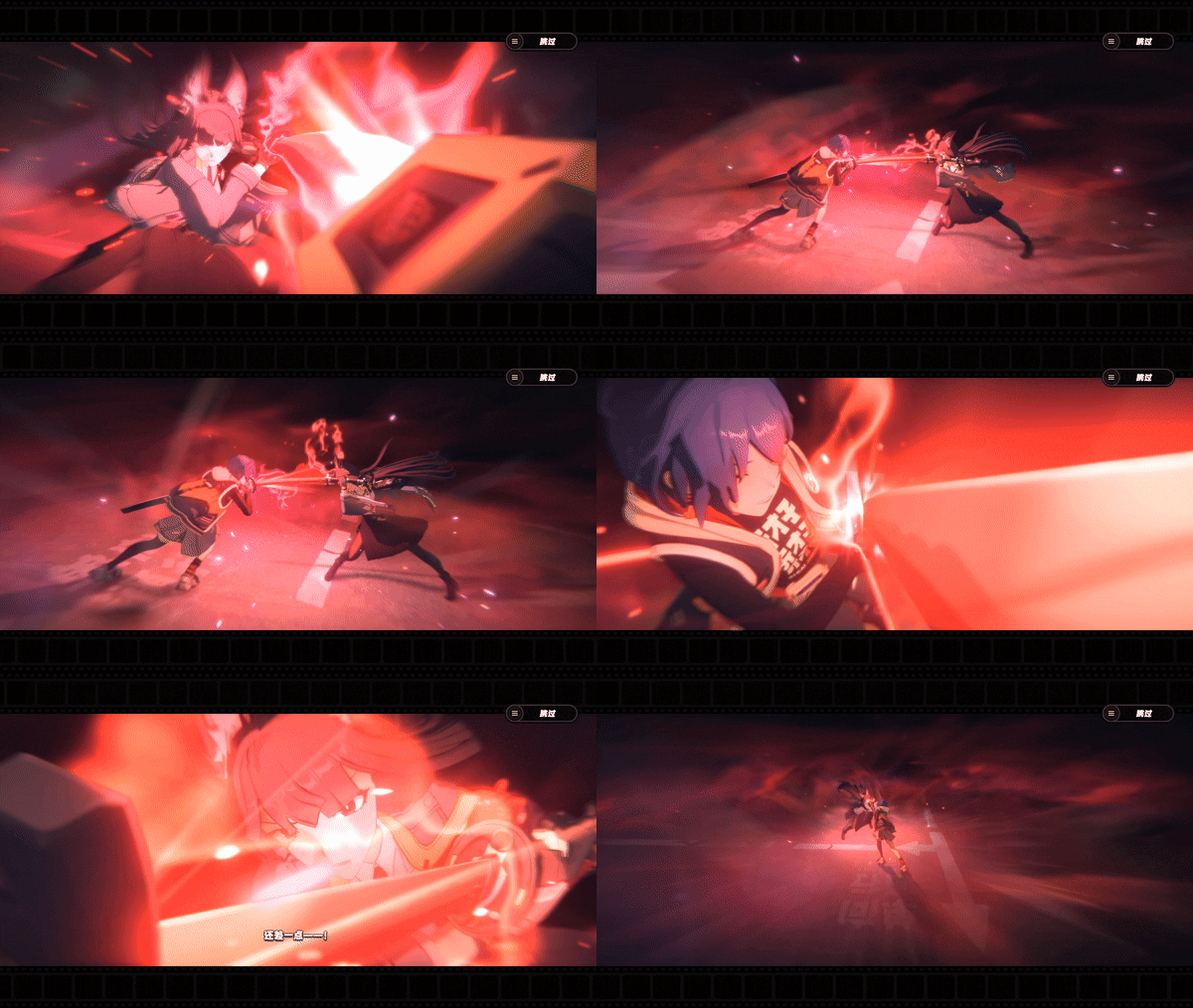
In combat interactions, taking Yuecheng Liu—a fan-favorite character from the Teahouse—as an example, the controller delivers immediate, powerful haptic feedback during her thrust, parry, and five-stage block sequences. This experience, where audiovisual elements intertwine with controller vibrations, significantly amplifies the exhilarating combat of *Absolute Zero*,a sense of interaction that a keyboard and mouse simply cannot match.
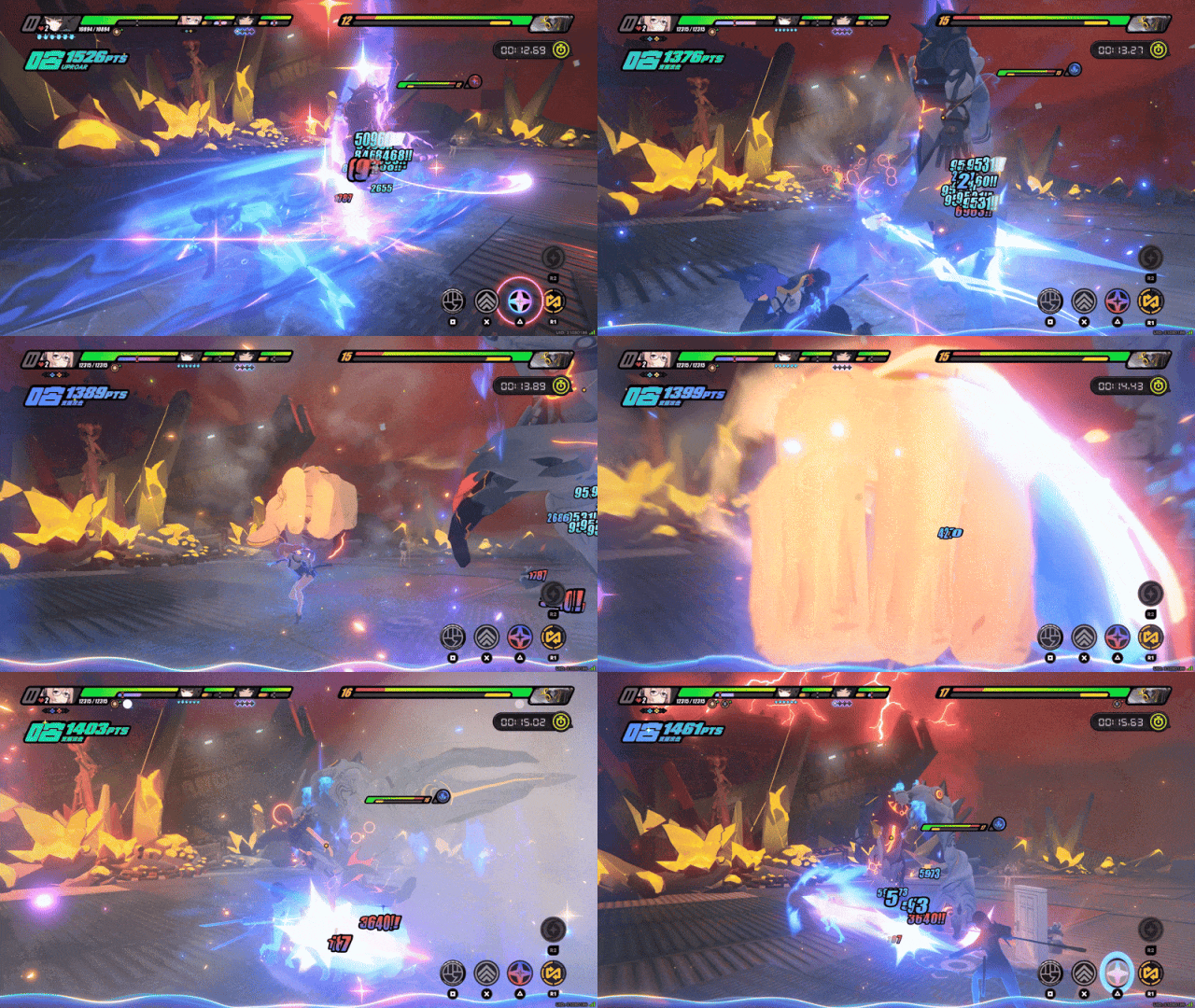
Under a three-tiered classification system, *Zero Zone* also synchronizes vibration with on-screen visuals. Through meticulous tuning, the vibrations align with the game’s visuals and audio, producing directional changes and decay.
When a character enters the screen from off-screen, the controller’s vibration signals follow the character’s movements; if the character moves from left to right, the controller’s vibration will also perform a rapid displacement in the same direction.For example, in Agent 11’s side story “Spy in the Cave,” as Agent 11’s roaring fire blade sweeps across the screen, the controller transmits a lateral vibration in sync with the visuals. Such haptic feedback consistently enhances the player’s sense of deep interaction, delivering an immersive experience.

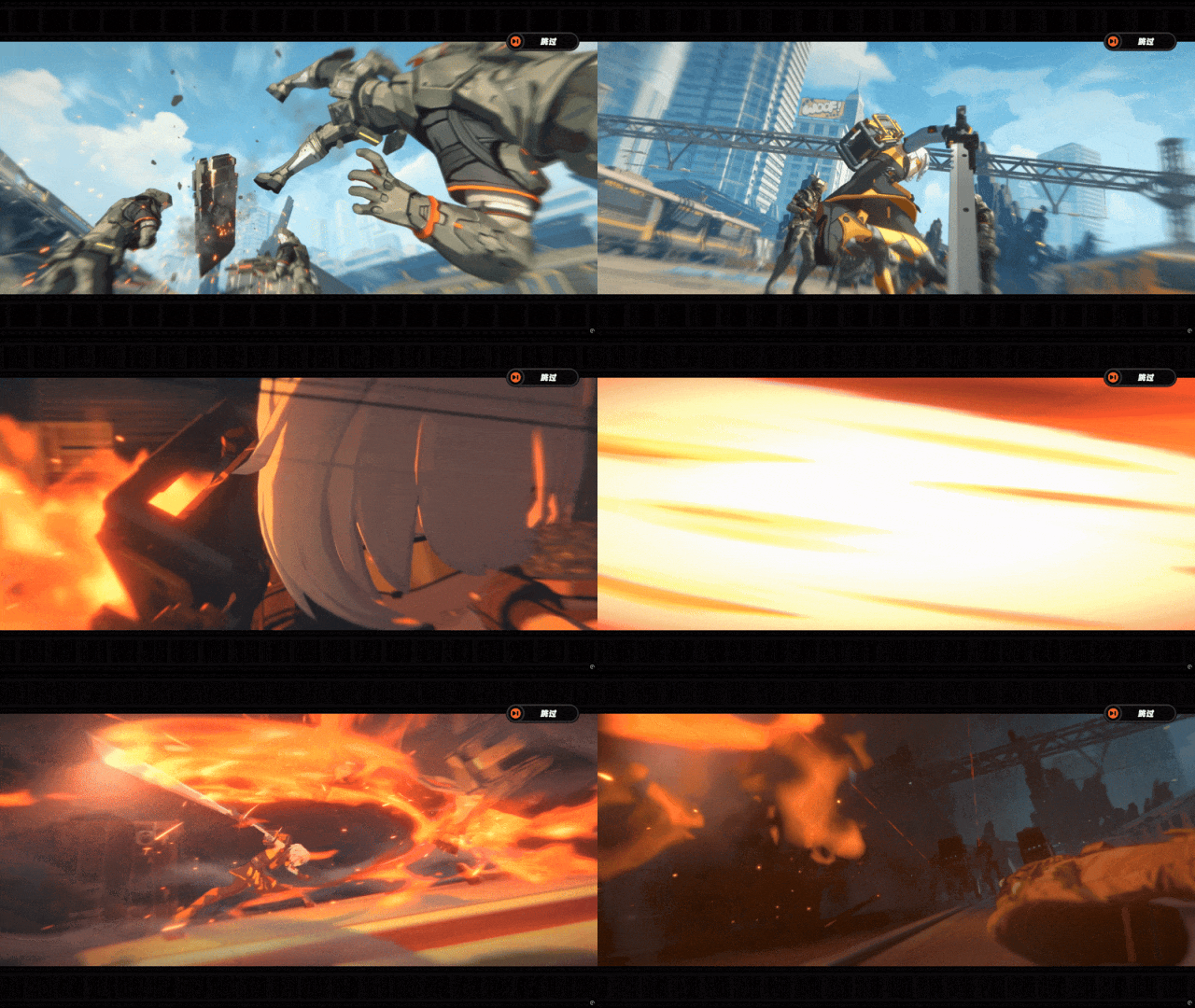
This makes controller vibration the third form of expression in *Zero Zone*, centered on tactile feedback, in addition to its audio and visual elements.
Consequently, *Zero Zone* deliberately integrates controller vibration with the storyline to evoke emotions through haptic feedback.
For example, in Version 1.4, players must help Aya Hoshimi sheathe the out-of-control demon sword.*Zero Zone* uses gradually intensifying low-frequency vibrations to convey the tense atmosphere of the moment. The vibrations progressively increase as the blade is sheathed and finally subside once the scabbard is closed, thereby fostering a deep sense of player involvement in the storyline.
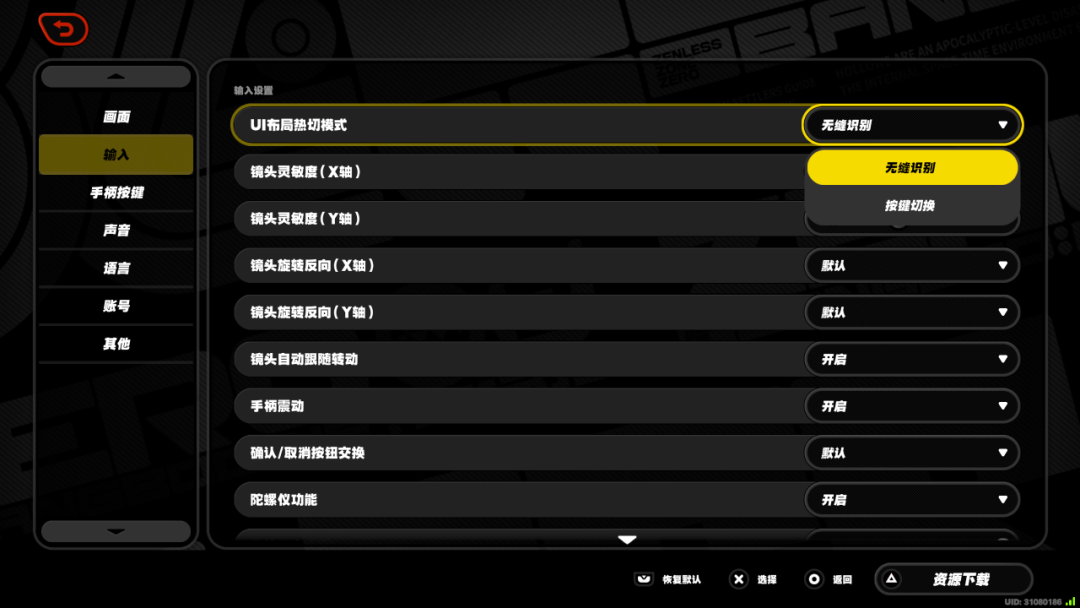
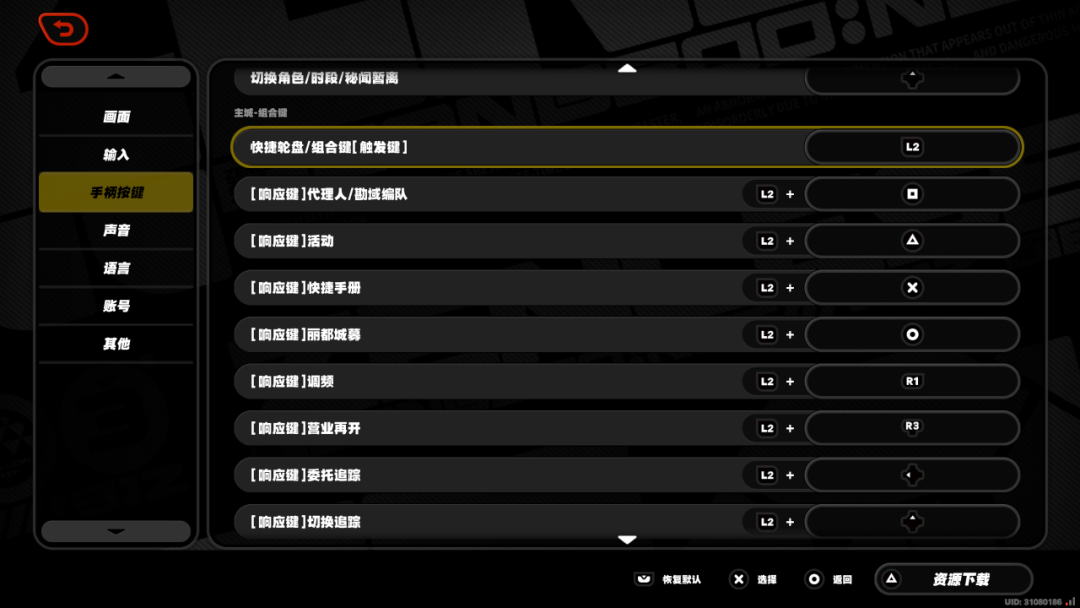
In this way, by “focusing on a single aspect” of the user experience—combined with features added since version 2.0, such as customizable key bindings and hotkeys for keyboard and mouse—the user-side issues with controller compatibility in *Zero* have been easily resolved.
After compiling this analysis, we truly feel that *Zone Zero* has, through technical breakthroughs and a thorough examination of the haptic feedback capabilities of controllers,truly perfected *Zero Zone*’s controller support, turning it into a powerful complement to the game’s visual strengths. This has enhanced the game’s overall immersion and expressiveness, ultimately establishing a technical lead in delivering an exceptional player experience: currently, no non-console game has emerged that can rival *Zero Zone*’s controller performance.
A source specifically told the Teahouse that after discussing the key technical aspects, the *Zone Zero* project team noted: “When it comes to controller optimization—and indeed, game development as a whole—there is no such thing as a flawless plan or a one-size-fits-all methodology. Things evolve with the times, and the genuine needs of players are what matter most.”
So you see, this “win-win” between a technological moat and player experience truly represents the perfect synergy between *Zone Zero*’s development capabilities and its player-centric mindset.
It’s fair to say that in the PSPC presentation, *Zone Zero* was completely transparent—the in-game experience directly corresponds to the underlying technology, with nothing held back.The project team meticulously dissected every detail—from how they set up the controller adaptation workflow to key considerations and the pitfalls they’d encountered—laying bare the entire process from start to finish.
Admittedly, some might think, “Hey, aren’t the audience members all console veterans? Aren’t they more skilled with controllers than *Zero Zone* players?”That’s true, but as mentioned in the first section of the “Tea House” series, when it comes to cross-platform adaptation, these major console companies may not have as much experience as miHoYo. Even setting that aside, the many domestic developers participating in PSPC will undoubtedly gain some insights from *Zero Zone*’s presentation, helping them avoid some detours when adapting for controllers in the future.
Of course, *Zero Zone* didn’t achieve all these technical solutions and ideas for controller adaptation overnight.
03
Constant dripping wears away the stone—it’s not something achieved overnight
At the PSPC, the *Zero Zone* project team also shared the full story behind the development of their controller adaptation technology.
Teahouse learned that the project team stated the controller development plan for *Zero Zone* was not a top-down process, but rather evolved from the bottom up. The entire *Zero Zone* team was originally incubated within miHoYo; the team is young, and the overall atmosphere is very egalitarian.
Work on controller support began during the demo phase of *Zero District*. At that time, the team unanimously agreed that the game’s intense action and visually stunning presentation made it ideal for play on large screens and with a controller, so development of the controller features began right then.
This goes some way toward explaining why *Zero Zone* featured such a mature controller implementation and refined haptic feedback when it launched in July 2024.
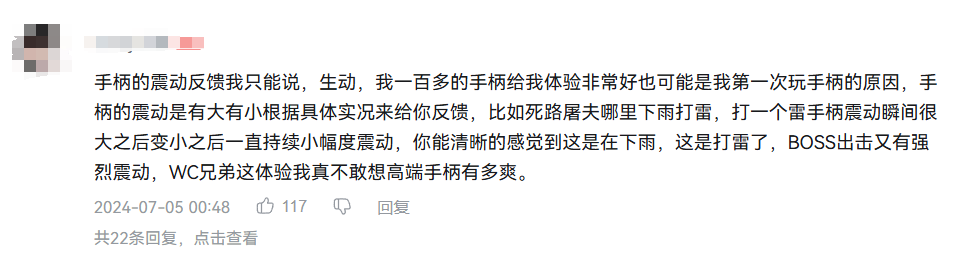
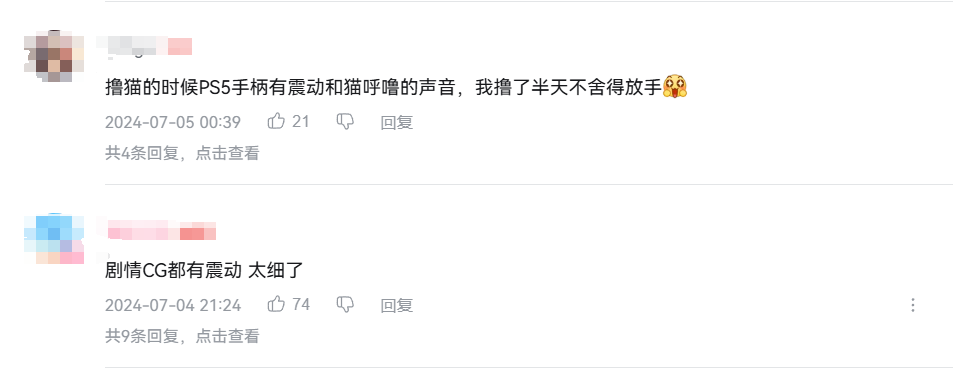
Player comments from the open beta
Teahouse remembers it very clearly: during the open beta, when I connected the DS controller and stepped out of the video store on Sixth Street for the first time, the sound of the door moving was perfectly synchronized with the haptic feedback from the DS controller—a sensation that felt just like pushing a real door open. It even made Teahouse momentarily feel as if I were actually gripping a doorknob.
This experience is one of the reasons why I never drifted away from *Zero Zone*.
In fact, in my view, *Zero Zone*’s controller technology has drawn heavily on lessons learned from *Genshin Impact* and *Honkai: Star Rail*. Whether it’s adjusting button mapping logic or optimizing performance, the insights from both titles are clearly reflected in *Zero Zone*.
The evolution of controller technology also indirectly reflects that these three titles—*Genshin Impact*, *Honkai: Star Rail*, and *Zero Zone*—truly bear traces of miHoYo’s technical evolution.
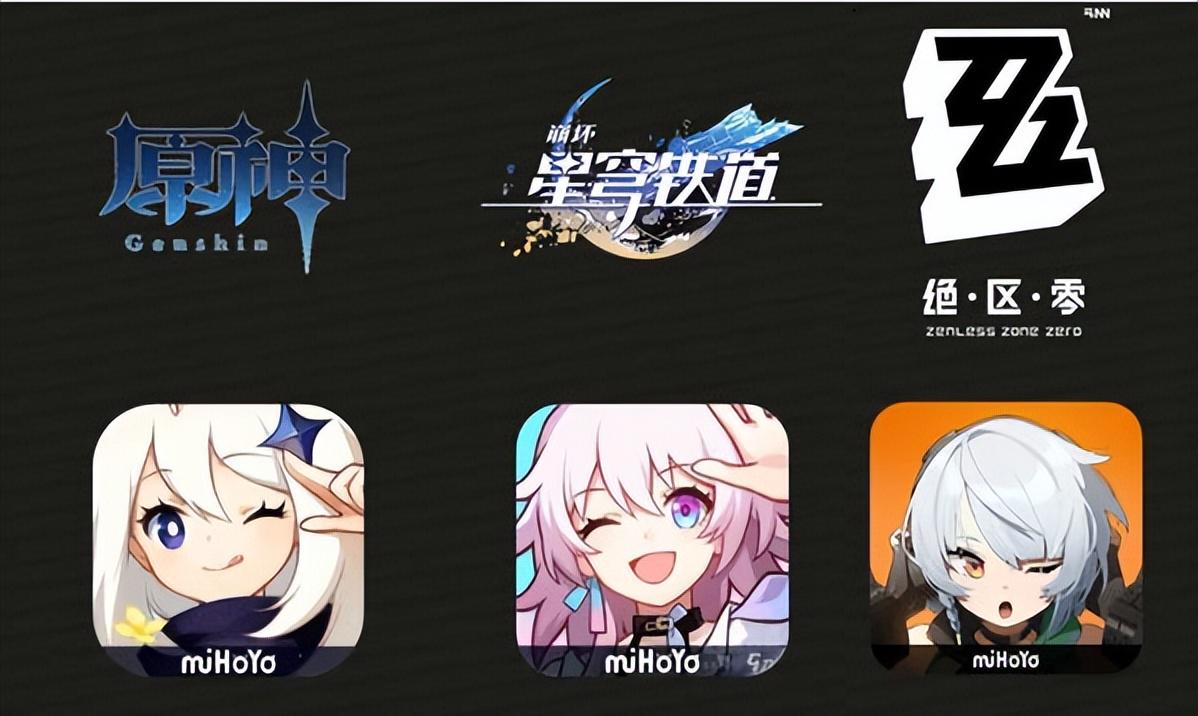
This is likely why the *Zero Zone* development team expressed gratitude to their “two older sisters” at the end of their PSPC presentation. They stated: “The entire cross-platform controller development framework for *Zero Zone* benefited from the experience shared by the *Genshin Impact* team and was further optimized and iterated upon based on that foundation.At the same time, the *Honkai: Star Rail* team also provided a wealth of experience. Finally, the *Zero* controller developers would like to thank both development teams.”
Indeed, had it not been for *Genshin Impact* and *Honkai: Star Rail* paving the way, the implementation of *Zero Zone*’s controller technology would likely have encountered far more setbacks. The example of *Zero Zone* also proves that the development of any hardware technology ultimately relies on practical application, gradually “forging a path” through trial and error.
The *Zone Zero* project team has also shared the insights they gained from their controller technology R&D. After collating this information, the Tea House has summarized it into the following three points:
1. Make tools as standardized and configurable as possible
2. Always aim to systematically solve a category of problems, rather than just a single problem—sharpening the axe doesn’t delay the woodcutting
3. Assign specialized tasks to specialists—only through collaboration can the entire pipeline operate efficiently
To some extent, these three methodological approaches also reflect the underlying logic behind *Zero Zone*’s operations over the past year or so. Indeed, the game has been gradually solving a specific set of problems, making adjustments and optimizations with each version update.
As of today’s Version 2.1, following the grid-based exploration and combat systems, *Zero Zone*’s main narrative has reached a high point, and the game is visibly improving. It’s easy to imagine that the team behind *Zero Zone* is undoubtedly busy yet organized, moving forward at their own steady pace.



Many people outside the company have been closely watching *Zero Zone*’s status within miHoYo, and this PSPC presentation has, to some extent, shed light on the matter:As an internally incubated project, it is young enough and innovative enough to secure resources for experimenting with and validating ideas. The development journey of *Zero Zone* likely mirrors the evolution of its controller technology—a bottom-up process of sprouting and growing.
Whether it’s the iterative development of controller technology, the burst of productivity from the *Zero Zone* team, or the passion they exude, all of these embody what Producer Li Zhenyu once said: “The only way to survive is to create content the right way and make it the best it can be.”
It is clear that the *No Man’s Land Zero* team has consistently been thinking creatively and devising ways to refine the technology, then feeding those improvements back into the gameplay experience. As a result, the controller integration in *No Man’s Land Zero* has truly become a key element in shaping the immersive experience—rather than merely a functional add-on.
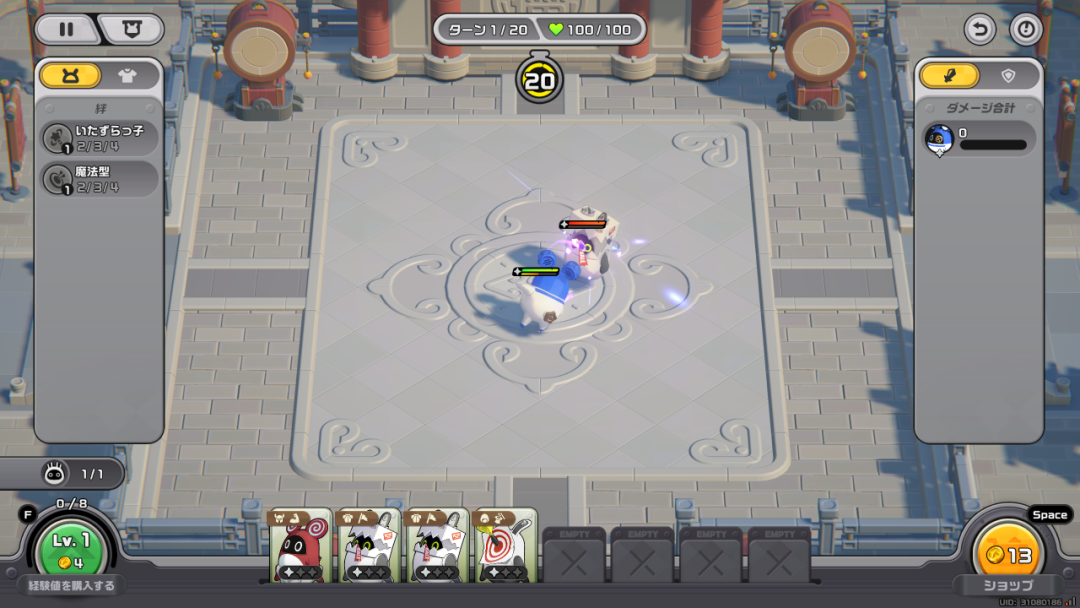
The constant stream of new side activities, each taking center stage in turn, serves as the best proof of this.
Teahouse has never believed Mihoyo should be viewed through an overly commercial or utilitarian lens, because from start to finish, this indie game developer has never abandoned its idealistic vision—*Zero Zone* is proof of that.
Through *Zero Zone*, we’ve truly come to understand what it means for technology to be a tool for achieving goals—and what emerges from this is Mihoyo’s ultimate objective: to create a game world that stirs the heart.
And this goal will likely be realized one day, just as Alice’s father said in the Version 2.1 main story—the event that shaped Yuzha’s entire life: “The river will surely reach the sea.”
原创文章,作者:茶馆小二,禁止转载:https://youxichaguan.com/en/archives/210035