When it comes to popular games based on the Three Kingdoms era, many people’s first thought might be “The Struggle for Supremacy”—with its political intrigue, nationwide wars, and the unification of China. This is also why, over the past few years, the SLG genre has practically become synonymous with Three Kingdoms-themed games.
But the depth of the Three Kingdoms narrative has never been confined to the realm of the imperial court and the battlefield alone: the warlords who set Luoyang ablaze, the assassins lurking in the shadows, and the strategists plotting from behind the scenes—the reason this theme has been retold time and again for over a thousand years is precisely because it features the most extensive and multidimensional cast of characters in the entire Chinese cultural tradition.
SLG games excel at depicting the macro-level "dynamic," but if you zoom out to a strategic map, you’ll discover that behind countless pivotal, epic transformations are specific "people" living through turbulent times.
On July 30, *Three Kingdoms: Phoenix Blaze*, a Three Kingdoms-themed strategy game developed in-house by Bilibili, officially entered its beta testing phase.At first, I thought it was just another SLG game capitalizing on the popularity of the IP, but after actually playing it, I found that its core turn-based tactical RPG gameplay surprisingly complements the *Fire Phoenix Blazes Across the Land* Three Kingdoms IP.
This work is adapted from *Fire Phoenix Blazes Across the Plains*, a series by Hong Kong comic artist Chen Mou that has been serialized for over 25 years. With more than 80 volumes published, it is hailed as “the world’s longest-running Three Kingdoms-themed comic series”;The two seasons of the animated series, co-produced by Bilibili and DreamSky, have accumulated over 200 million views on Bilibili and earned an exceptionally high rating of 9.7, propelling this IP from the realm of Hong Kong comics into the mainstream.

You might wonder why a Hong Kong comic series spanning 25 years still has such enduring appeal—and the answer lies precisely in the fact that it offers a unique perspective on the Three Kingdoms.Traditional Three Kingdoms narratives mostly trace characters backward from the outcome, distilling history into a causal chain of “the victor writes the history,” with various characters serving merely as symbols along that chain. However, *Fire Phoenix Blazes Across the Plains* chooses to take the opposite approach;It strips away the preconceptions of “outcomes” and turns its lens on individuals in a time of chaos, allowing the characters’ motivations and decisions to ultimately shape the course of history. It is precisely this narrative approach—moving “from people to history”—that breathes new life into every familiar historical figure.
This unconventional view of history also makes turn-based strategy games the ideal medium.Tactical board games are among the few genres that treat “decision-making” itself as the core source of fun; every move a player makes and every strategy they employ alters the course of the battle in real time. This aligns perfectly with the core concept of *Fire Phoenix: Blazing the Wilderness*, where “outcomes are shaped by the characters’ decisions and motivations.”Whether for existing IP fans or new players drawn to the ensemble cast of the Three Kingdoms, this “deploying troops on paper” strategic experience holds immense appeal. Coupled with the innovatively designed “Military Advisor” mechanic and box-garden-style exploration levels, the game’s audience has been further expanded.
From its discerning choice of IP to its innovative gameplay design and precise audience targeting, *Three Kingdoms: Phoenix Blaze* isn’t simply slapping a turn-based strategy shell onto the Three Kingdoms IP—it’s earnestly considering one question: How can this IP develop the gameplay it truly deserves?
01
The best adaptation is one that doesn't make unnecessary changes.
Some say, “The best adaptation is one that doesn’t tamper with the original.”” Judging by the overall experience, the development team behind *Three Kingdoms: Phoenix Blaze* has truly mastered the art of staying true to the original. The core objective of the gaming experience lies not merely in a superficial “faithful recreation,” but in a deeper, more nuanced essence—allowing each character, as an individual, to collectively shape the course of history.
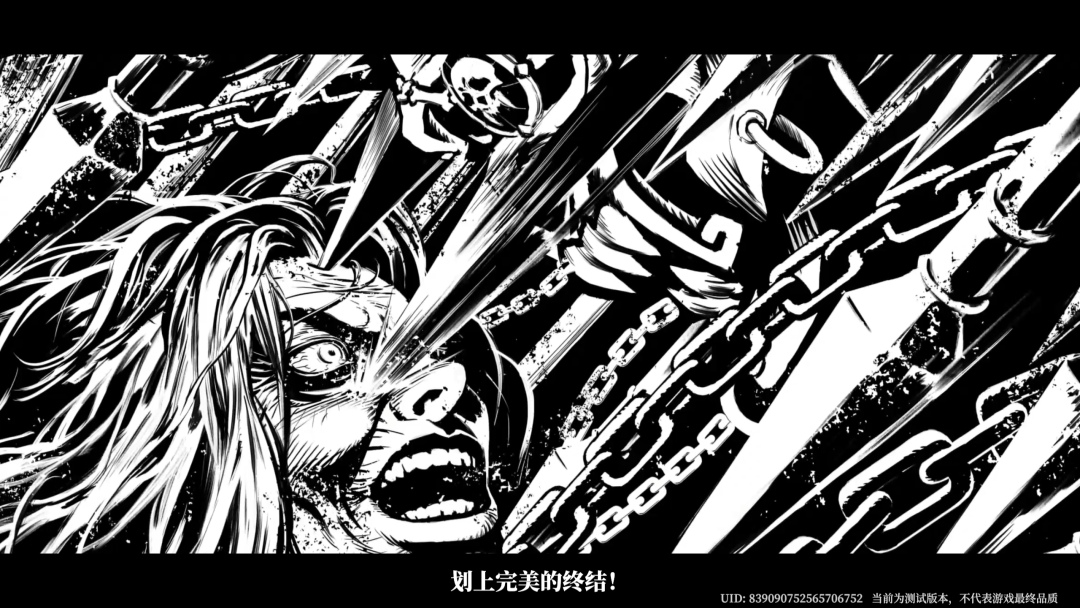
The game opens with a spectacular revenge scene: Liao Yuanhuo, clad in armor, assassinates Sima Yi on a high platform,iconic scenes from the original work—such as the "Fire Phoenix" emerging from the world, her body pierced by spears—are all faithfully recreated. The nearly exact-to-scale reenactment of these plot sequences leaves a lasting impression at first glance.This is not the opening act of a grand historical epic, but rather the collision of the fates of two individuals in a time of chaos. Subsequently, through the dual perspectives of Sima Yi and Liao Yuanhuo—interwoven with shifts between dreams and reality—the game gradually unfolds the strategic struggle among the warring factions vying for power.

The visual style also centers on “people.” The overall visual style of *Three Kingdoms: Phoenix Blaze* features a bold, ink-wash texture that carries forward the essence of the original work’s dark, traditional Chinese aesthetic, while the scenes themselves have a realistic feel.In particular, certain scenes feature light reflections off water stains on the ground, shifting shadows of characters cast on the ground, the fluttering of flags and grass, and particle effects depicting light streaming through windows. The high-quality rendering of these numerous details is truly commendable, significantly elevating the overall visual experience.

In addition to the numerous cutscenes, the development team has incorporated black-and-white line art that captures the essence of the comic, effectively showcasing the grand, epic visuals of large-scale scenes.
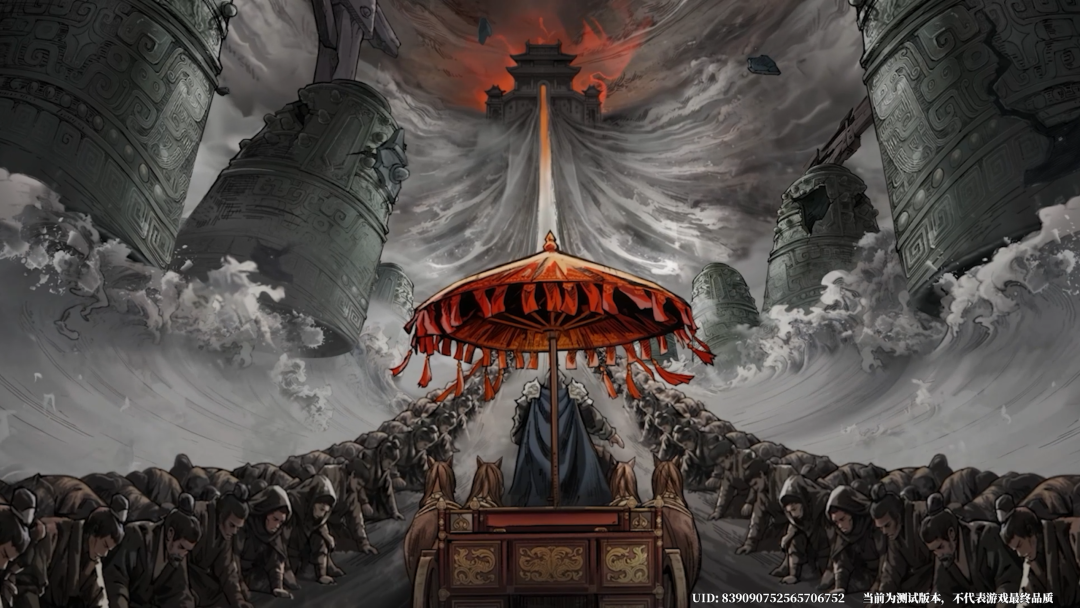
For example, the scene where Dong Zhuo, holding the Emperor hostage, enters Luoyang—with the chariot running over the court officials—features a comic-style cutscene that rivals the original work,The intense drama conveyed by the black-and-white line art, paired with the highly impactful panel layout, allowed even me—a player who had never read the original work—to immediately feel an inexplicable sense of awe and chill.
This unique design is evident throughout the game, allowing players to relive the distinctive charm of the original anime while immersing themselves even more deeply in the sweeping historical landscape depicted in *Three Kingdoms: Phoenix Blaze* through an extraordinary visual experience.
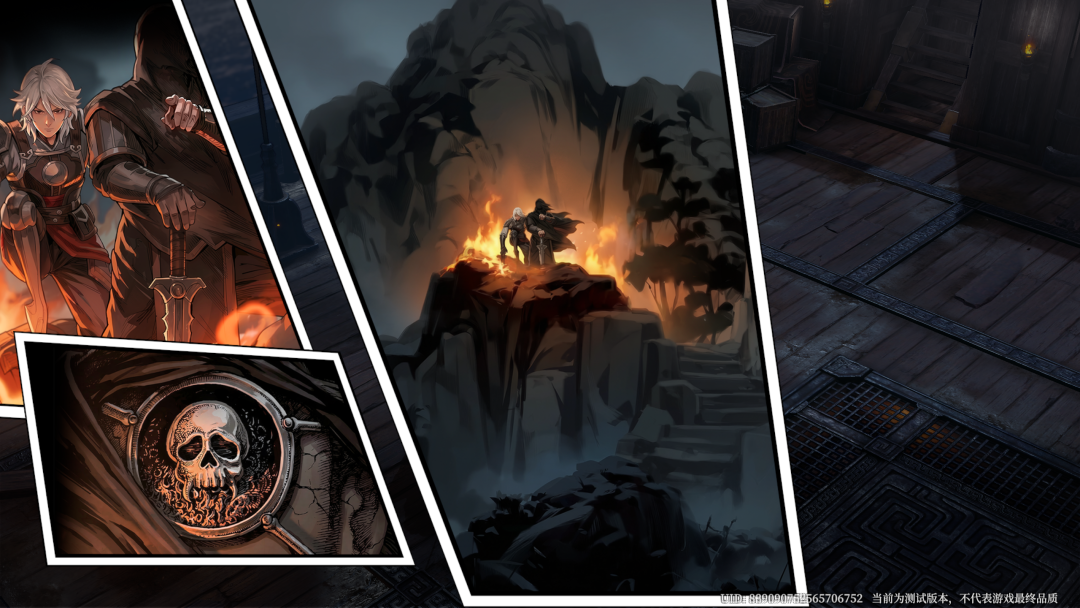
The adaptation of the plot also follows this approach; *The Three Kingdoms: Fire Phoenix Blazes Across the Land* faithfully recreates many classic scenes from the original work. For example, in the opening scene where Xu Lin is assassinated, the protagonist Zhao Huo throws himself into the trap by “pretending the enemy is his father,”executing a masterful chain of counter-plots that showcases strategic ingenuity to the fullest; later, during the rescue of Sima Lang, multiple factions engage in open and covert struggles, and this ever-shifting, unpredictable situation sets the tone for the entire work;This leads to the first major climax: a gathering of generals at the city gates that ties together numerous previously hidden plot threads. Key figures such as Sima Yi, Pang Tong, and the Reclining Dragon all make their appearances, and the decisions made by each character converge here, ultimately propelling the situation toward a major battle.
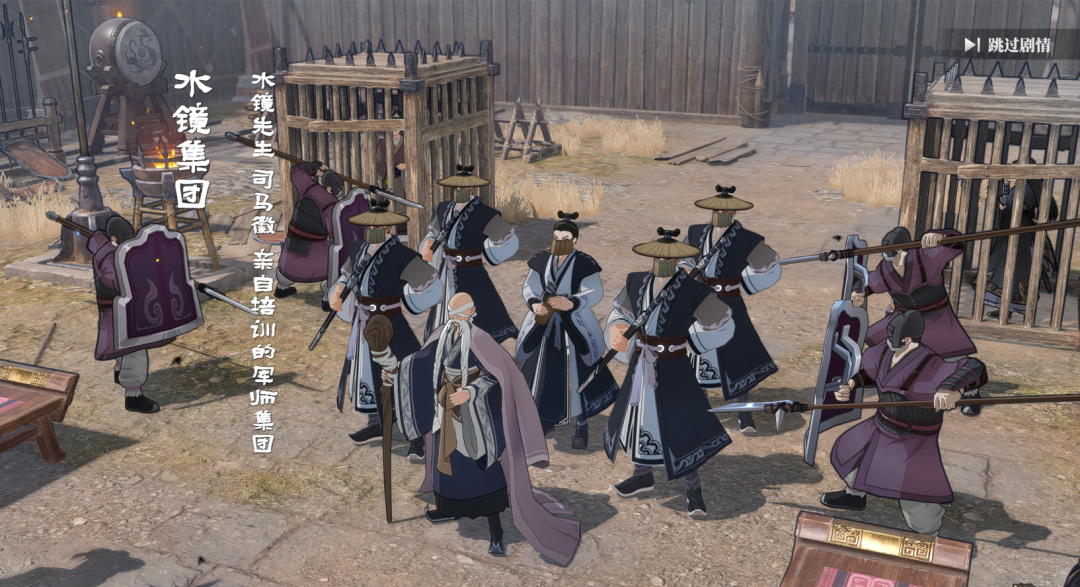
Beyond the storyline, the character designs in this work are also tailored to the tastes of the core audience. Setting it apart from the current mainstream anime art style, each character—while retaining their original distinctiveness—features bold, thick outlines and dynamic poses, creating a unique, rugged style that leans more toward retro comics.
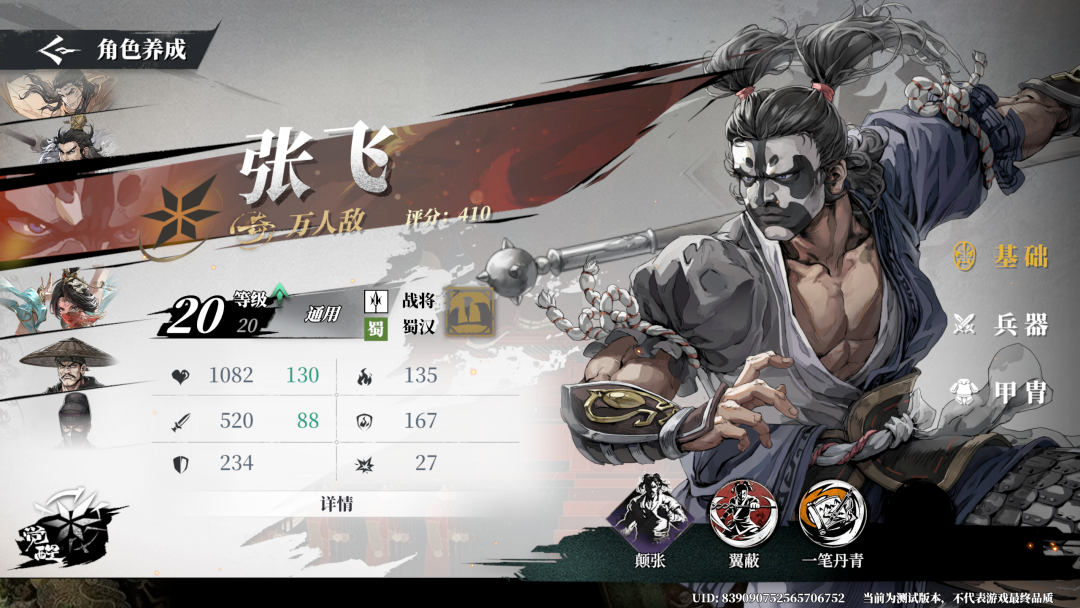
You can see Zhang Fei with a theatrical mask and twin pigtails, as well as Lü Bu—who breaks away from traditional depictions—wearing a headband with his long hair flowing down his shoulders, and even Dong Zhuo, with his massive physique andexuding an air of dominance. These character designs—both familiar and unfamiliar—subtly amplify the individual significance of each character within the game.
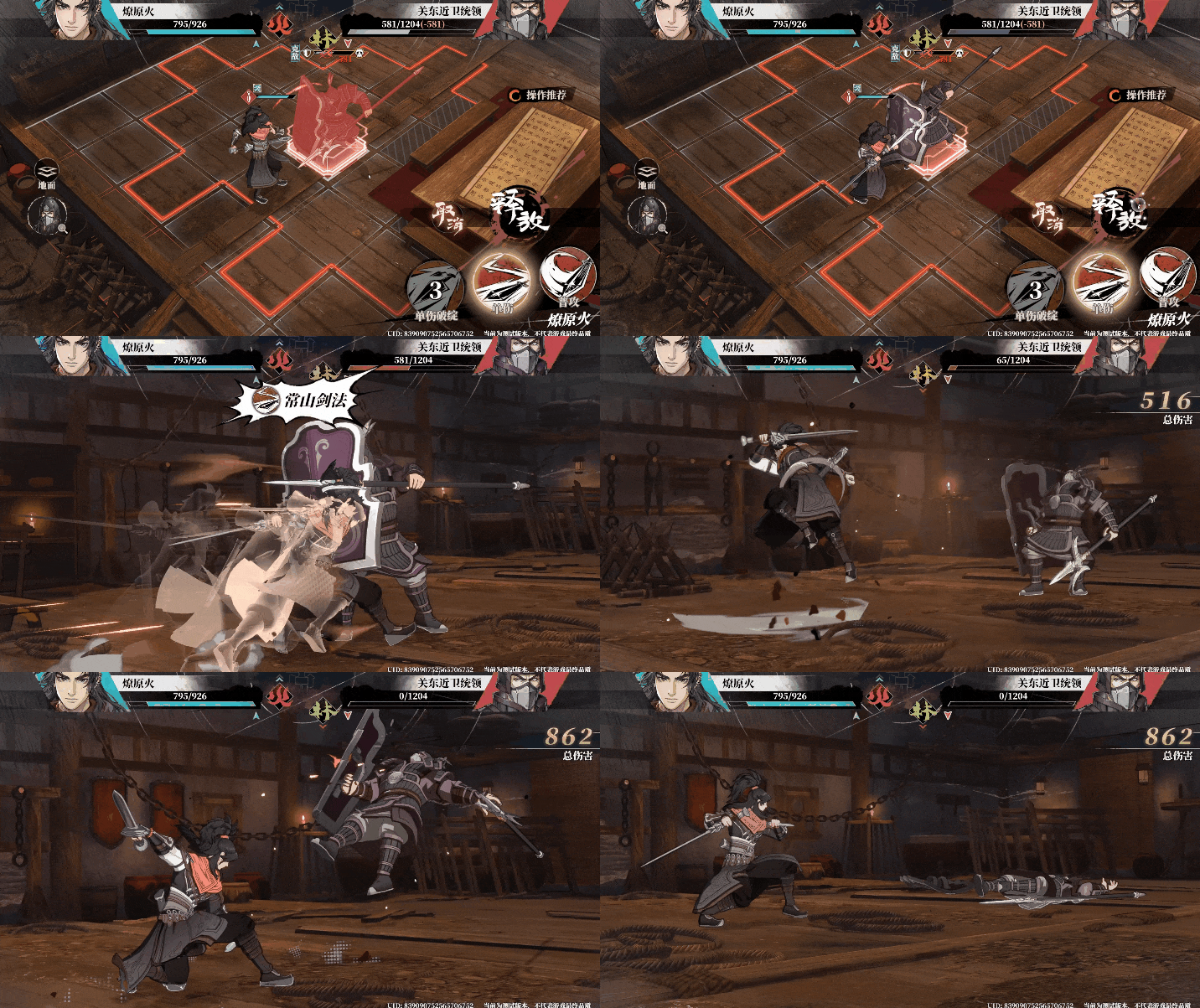
In addition, the fluid camera work during the characters’ ultimate moves and the comic-style close-ups in the cutscenes create a striking contrast between motion and stillness that has a particularly powerful visual and emotional impact, bringing a refreshing sense of novelty.
02
Excelling Through Innovation—More Than Just Strategy Games
In the minds of most players, turn-based strategy games are considered a niche genre; the slow-paced combat and brain-teasing strategic planning often deter many people before they even give them a try.At first, I also had this preconceived bias toward *Three Kingdoms: Phoenix Blaze*, but after actually giving it a try, I think the general public may eventually overcome some of their preconceptions about turn-based strategy games.
In my opinion, the greatest strength of *Three Kingdoms: Phoenix Blaze* lies in its “innovation—it’s more than just a turn-based strategy game.”
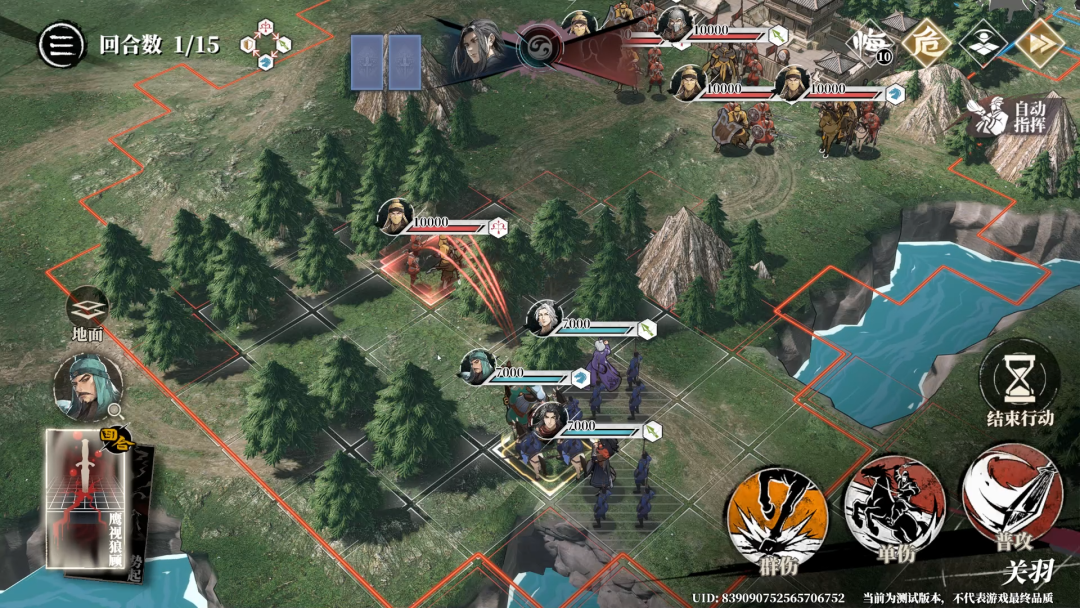
Let’s start by talking about the core tactical combat mechanics. In the game, all characters are divided into four elements—“Wind, Fire, Mountain, and Forest”—and each element has a natural advantage over the others.
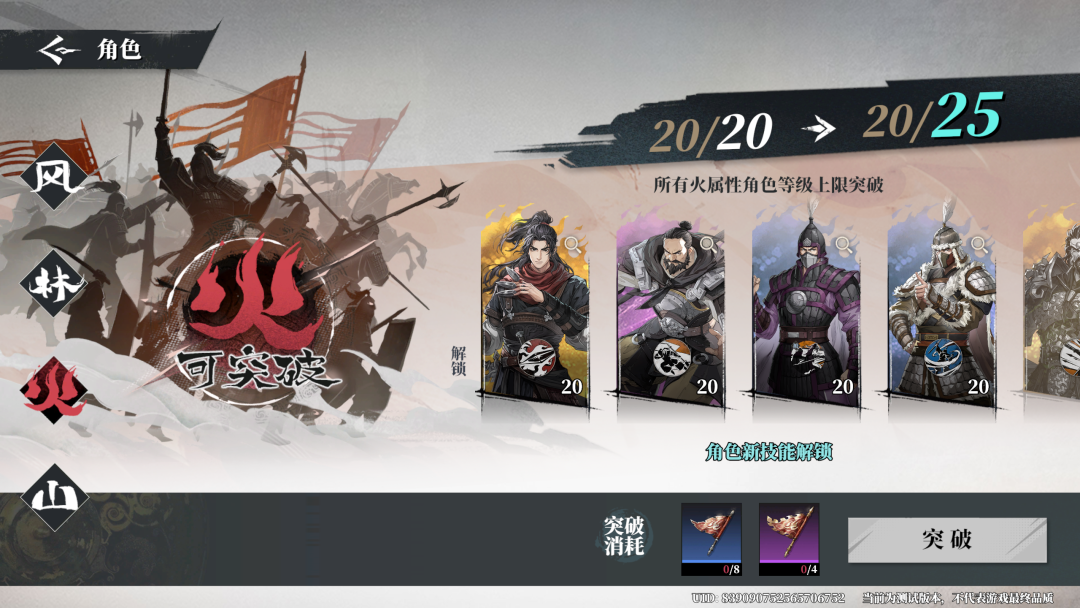
Unlike traditional turn-based games, which require each character to level up individually, *Three Kingdoms: Phoenix Blaze* innovatively adopts a zodiac-based leveling system, significantly lowering the barrier to character progression.Under the “Resonance” system, players need only level up a single zodiac sign to simultaneously level up all characters belonging to that sign, thereby unlocking more character skills. The leveling of weapons and armor also follows this same logic.Consequently, when selecting a lineup, players simply need to find characters with complementary attributes within the desired zodiac sign to easily assemble a variety of targeted formations.
The character skill design is also quite interesting. As one of the main characters, Sima Yi’s core skills revolve around chess, and his “Puppet Master” talent perfectly captures the mystery of his identity;Needless to say, the protagonist Lyao Yuanhuo showcases an assassin’s agility with his throwing darts, while his Changshan Sword Style practically screams “hidden identity” from the start.Most intriguing is Lü Bu’s passive skill, “Not Human,” which lays bare his game-breaking mechanics, while his talent, “Lü Bu Among Men,” serves as the ultimate tribute to his abilities.
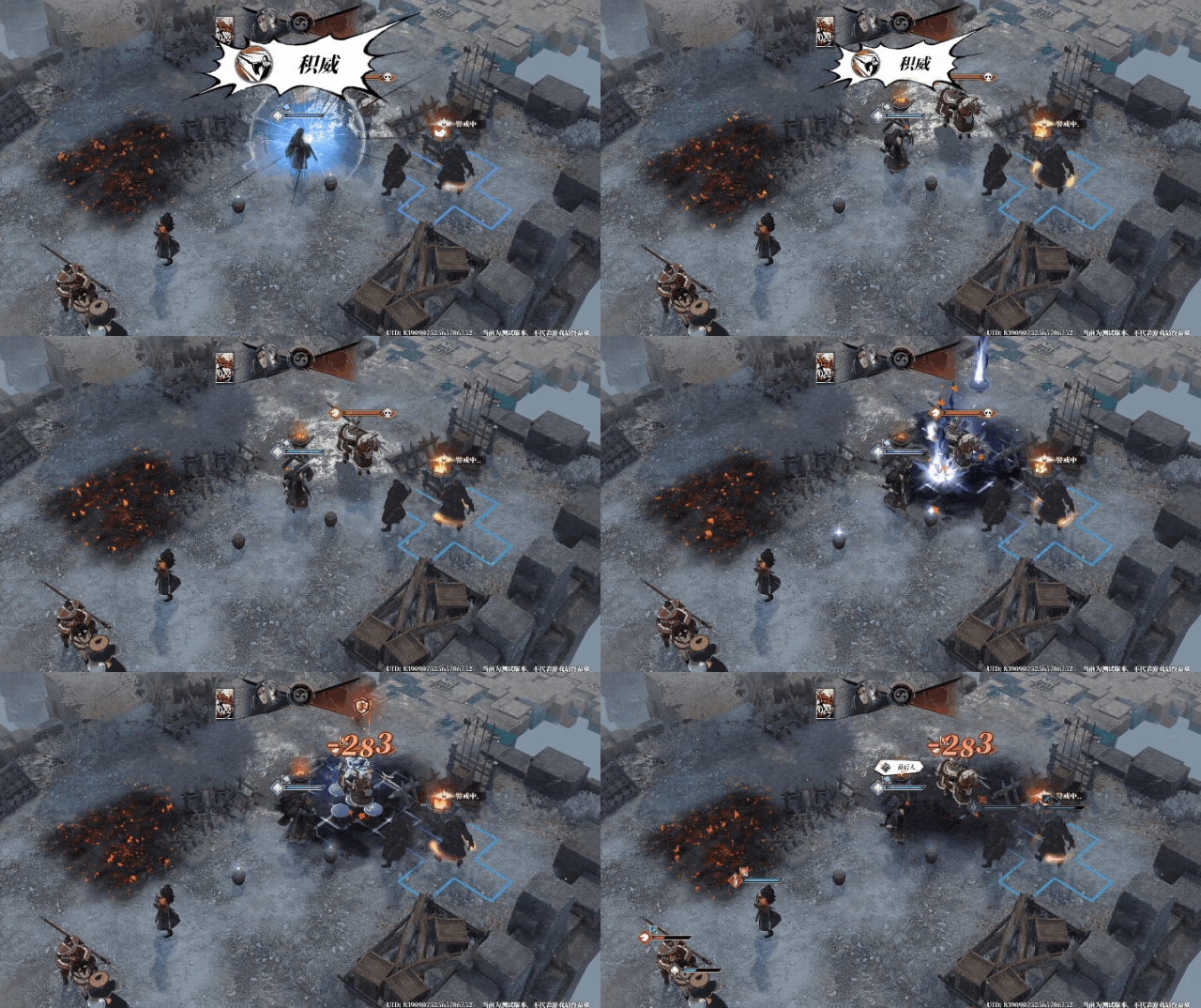
In terms of gameplay, in addition to traditional combat, this title combines battlefield simulations with turn-based strategy, delivering the immersive experience of “deploying troops on paper.” Numerous interesting mechanics also make the combat process highly strategic.For example, the environment features destructible objects and interactive items. Players can knock over crates to crush enemies directly or create new paths to block advancing foes. Knocking over trap fire pits in the environment can deal area-of-effect damage, dropped enemy weapons can be thrown at a distance, and players can even use environmental items to directly restore health.
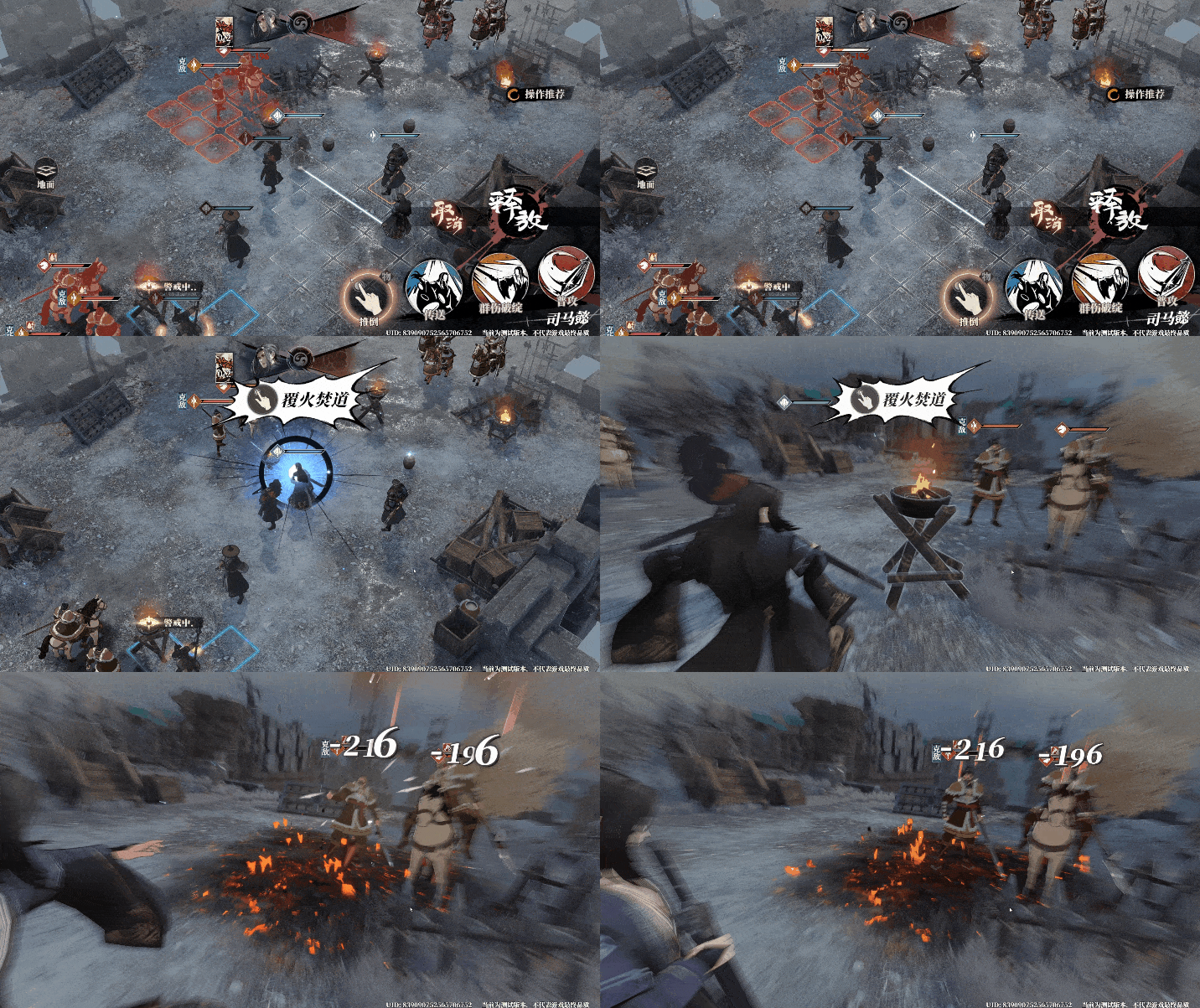
Taken on its own, this design might not seem like much, but when combined with the various objectives across different levels, it opens up a wide range of gameplay possibilities. In addition to the standard objective of eliminating all enemies, the game introduces a variety of new objectives, such as guarding a granary, escaping an area, and protecting a character.
In one level in particular, players must fend off enemy forces attacking from all directions while ensuring they don’t set foot in the granary. Aside from the positioning of each character, the key to victory lies in how the crates surrounding the area are utilized—deciding when to push them, whether to crush the enemies or block their path,This clash of wits and strategy is vividly demonstrated through the management of personnel and resources.
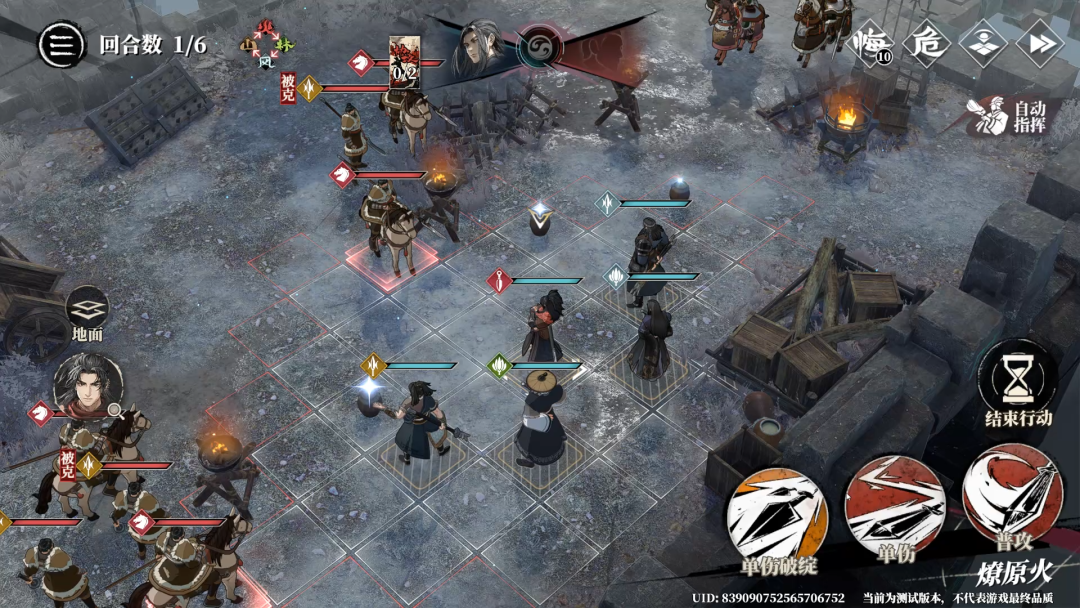
In addition, the introduction of the Strategist system has taken strategic maneuvering outside of battle to a whole new level. In *Three Kingdoms: Phoenix Blaze*, players can select a special character to serve as their Strategist, and each Strategist can choose three Strategy Cards.Strategy cards come in two types: “Strategy Bags,” which can be actively deployed, and “Military Orders,” which are automatically triggered upon achieving specific objectives. When a strategy card is triggered, each strategist also provides various additional bonus effects.
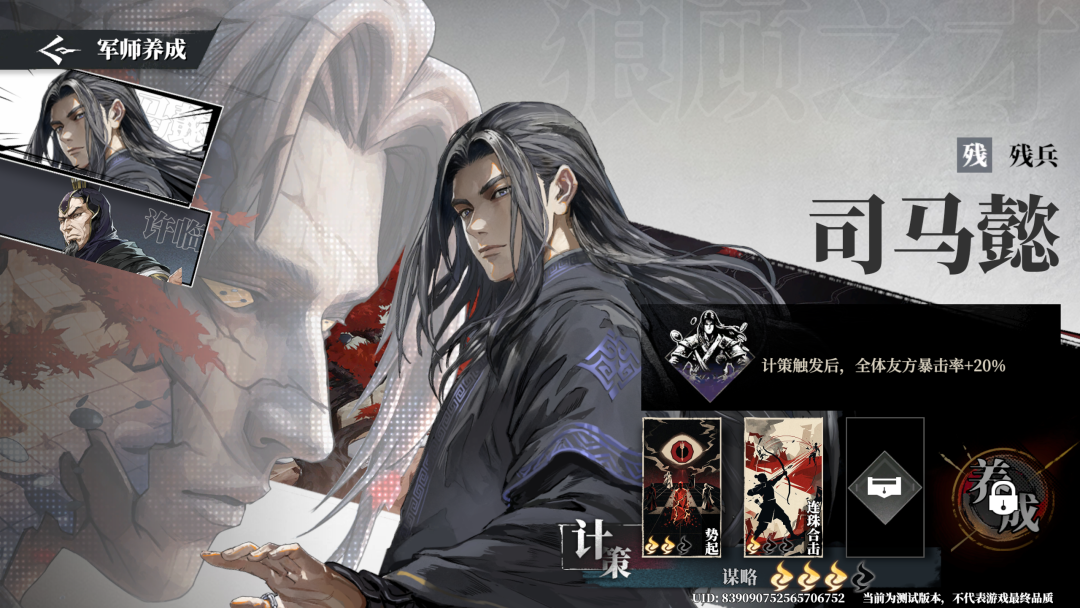
For example, the “Rising Momentum” tactic allows the next attack to apply an “Opening” effect to the target, increasing critical damage. When combined with Sima Yi’s Strategist Skill, which boosts the critical hit rate, every attack can land as a critical hit, yielding exceptional results.
While staying true to the original work’s character and style, strategies are not merely about numerical bonuses—they’re about calculating the dynamics of the battlefield. In the game, both sides are assisted by military strategists, which means that before entering battle, players must tailor their formations to counter the enemy’s attributes, deployment, and even strategies, using these tactics to gain the maximum advantage and turn the tide of battle.
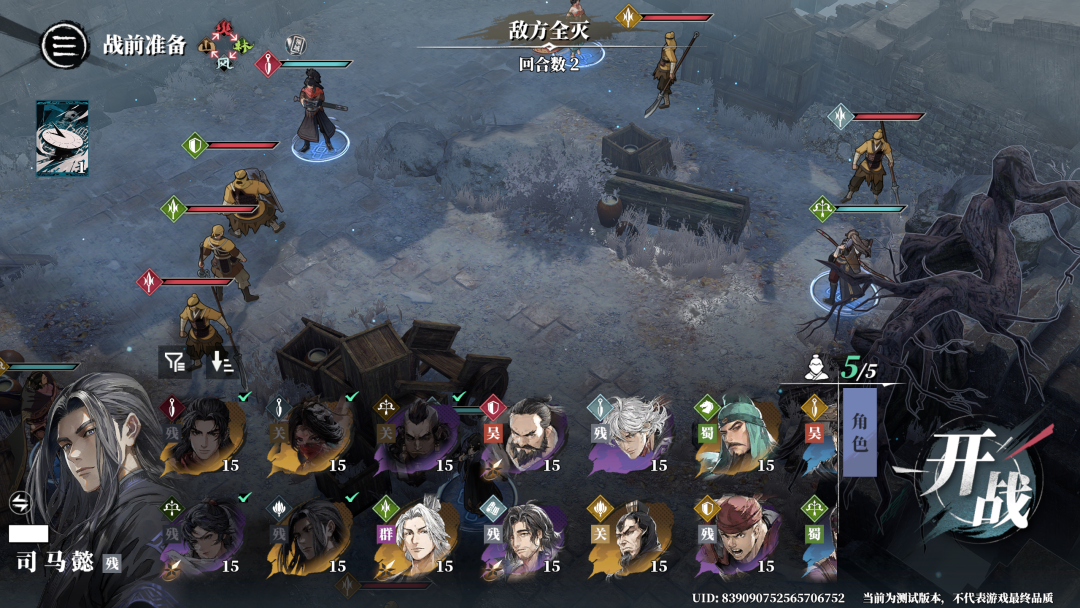
Of course, in addition to its innovative and refined turn-based strategy gameplay, *Three Kingdoms: Phoenix Blaze* also offers a wealth of "box garden" levels to explore. These levels not only enrich the story and characters but also allow players to directly alter the course of battle based on clues and items they collect.
For example, in one of the levels, players must repel enemy forces attacking from all directions. By exploring the area to find crates and oil cans and strategically selecting the best positions based on the terrain, they can gain the upper hand in the subsequent turn-based combat.
Some levels also feature fun mini-games, such as puzzles and stealth assassinations. By evading patrols and using grappling hooks to take out enemies, you can even complete these levels without engaging in turn-based combat.

It’s clear that while *Three Kingdoms: Phoenix Blaze* focuses on turn-based strategy gameplay, it has put a great deal of effort into other aspects as well.I was particularly impressed by Chapter 4 of this test, “The First of the Eight Wonders.” It can be described as the culmination of sandbox exploration, cinematic storytelling, stealth assassination, and tactical turn-based combat. Within a single large-scale level, I experienced nearly all the joys of these gameplay elements, which significantly changed my perspective on this game.
03
Little Touches Beyond the Gameplay
For many turn-based strategy gamers, the various side activities involving grinding for resources can feel like a repetitive and tedious chore. Frankly, *Three Kingdoms: Phoenix Blaze* finds it difficult to completely do away with this “traditional staple,” but a number of clever design touches have significantly improved the experience.
To give a simple example, the "Domain of Thought" levels where players acquire strategy cards are particularly engaging. By leveraging different strategy traits, these levels test players’ understanding of positioning, skills, and terrain, fully showcasing the joy of strategic gameplay.
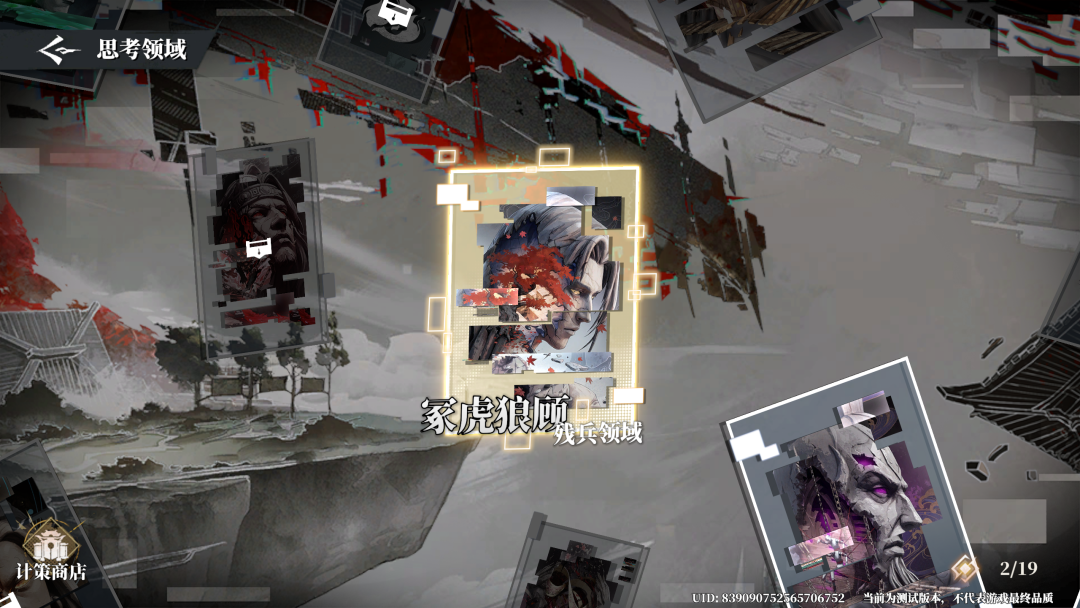
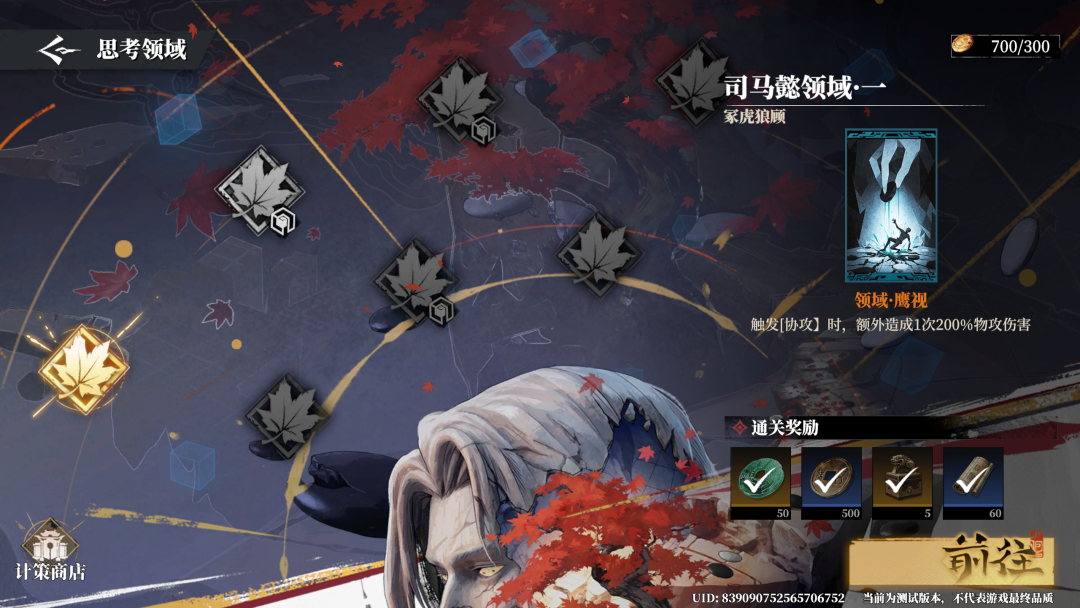
These strategies are not merely cookie-cutter numerical templates; they bear the distinct imprint of each strategist’s personality. For example, Strategist Sima Yi’s strategy card, “Eagle’s Gaze,” deals a massive burst of damage after triggering a “Coordinated Attack” (where players can assist in an attack after an ally initiates combat).Based on past experience, fragile classes like archers should typically be positioned in the back row to “play it safe” while dealing damage. However, thanks to the bonuses provided by strategy cards, players need to constantly adjust the archers’ positioning to trigger “Cooperative Attack” as often as possible, thereby dealing significant additional damage.
Strategist Xu Lin’s strategy card, “Deadly Zone,” is even more intriguing: players can freely designate an area where stepping on it results in instant death, and once set, the only thing left to do is “wait to die.”At first, no matter how I set it up, I was always helpless against enemies closing in from both sides. It wasn’t until I placed two “Dead Zones” next to two opposing terrain types—creating a completely enclosed area—that I realized: with the right positioning, I could even send the enemy to their deaths without lifting a finger.
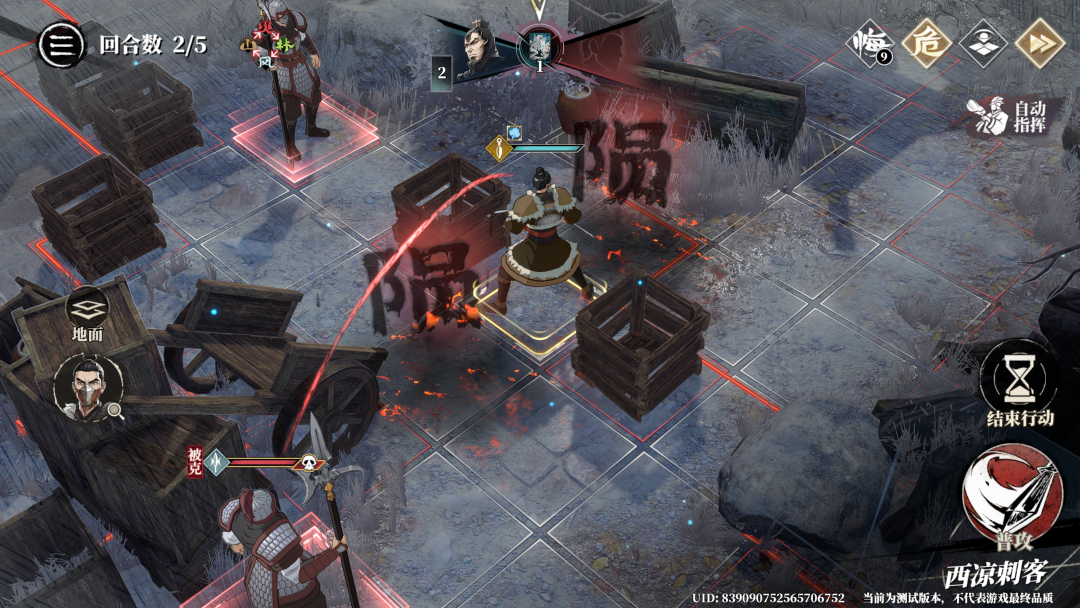
More importantly, this isn’t just a puzzle-solving-style challenge; the strategic insights and practical battlefield experience players gain from it can be immediately applied in various real-world scenarios. This not only significantly lowers the learning curve but also greatly satisfies players’ sense of accomplishment when devising strategies.
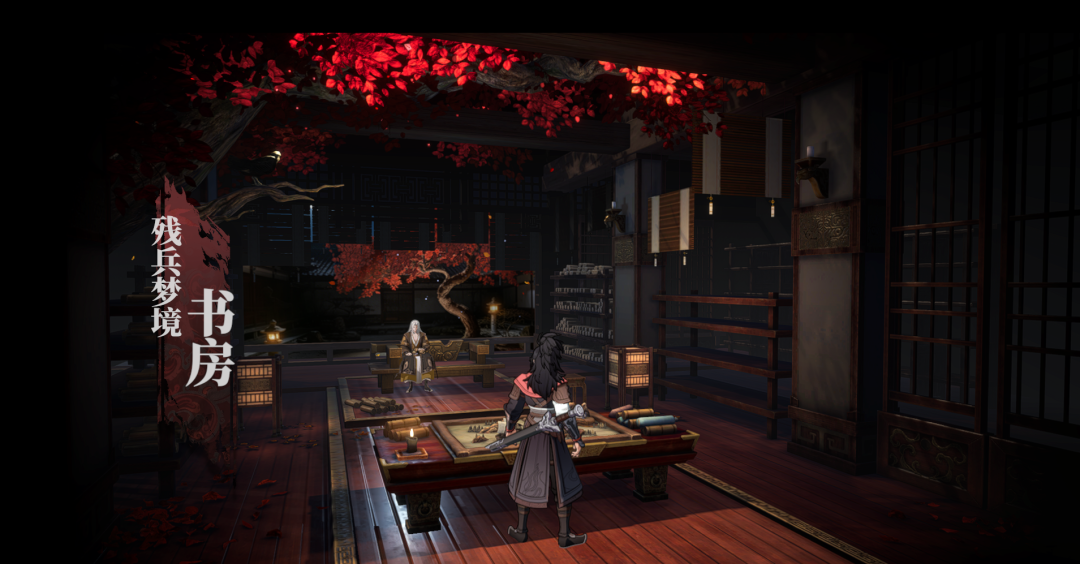
If the “Thinking Realm” embodies the principle that “decisions shape outcomes” in terms of gameplay, then “Dream Prophecies” continues to expand upon the historical worldview of *Fire Phoenix Blazes Across the Plains* from a narrative perspective.The “Dream Prophecies” storyline, which runs parallel to the main plot, uses dreams to reveal a different side of various characters not seen in the original work. While staying true to the original’s tone and style, it also left me with a “slight” sense of awe.
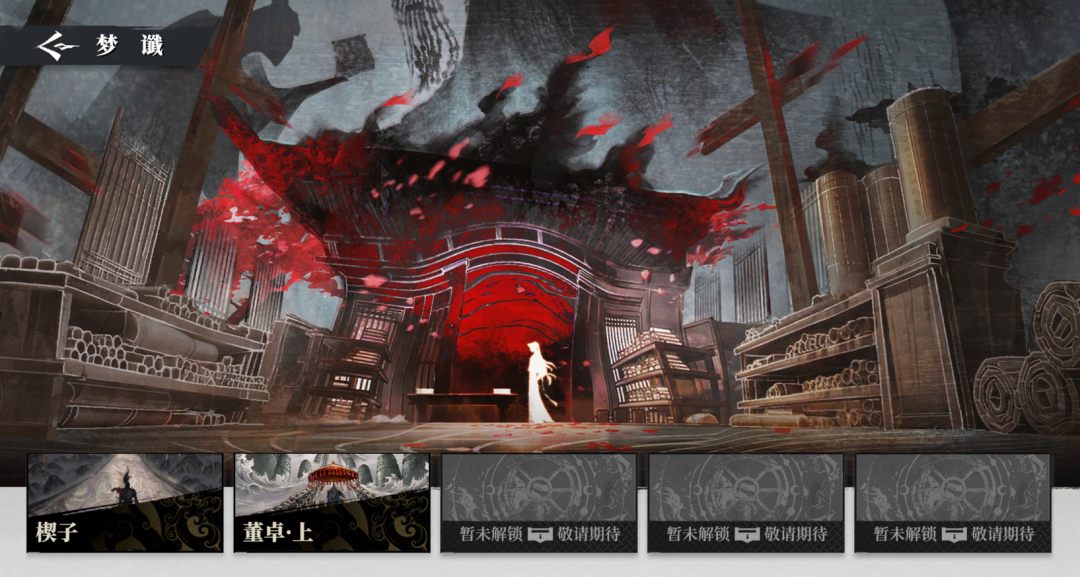
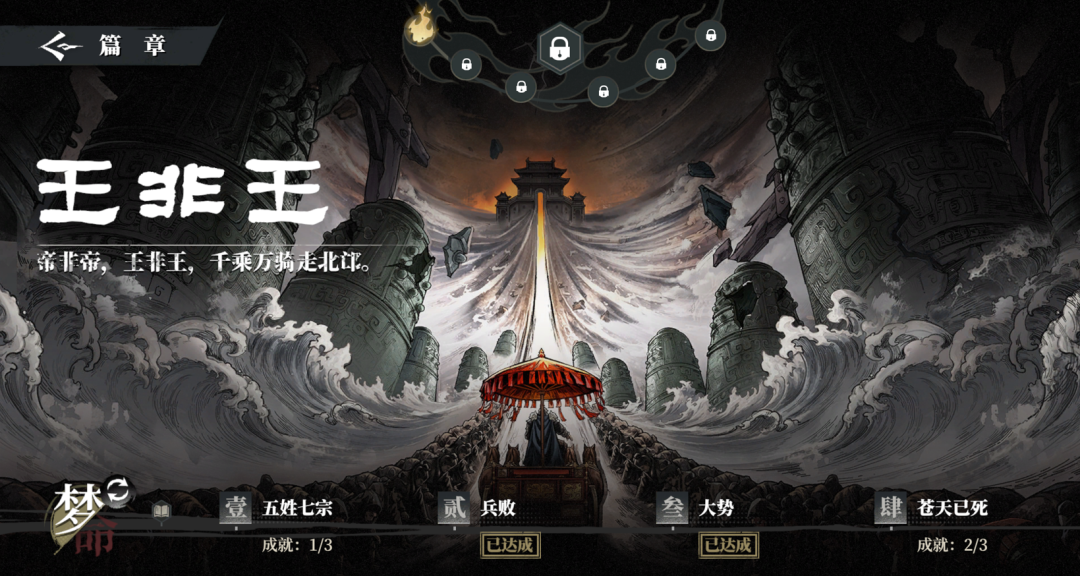
The first chapter, “The King Who Is Not a King,” portrays Dong Zhuo from his own perspective as a complex character who is both brilliant and strategic yet cunning and treacherous. He is capable of groveling and flattering the eunuchs, yet can also ruthlessly eliminate anyone the moment they no longer serve his purposes.In my mind, Dong Zhuo has always been more of a symbol of a昏庸无度的暴君, but in the “Dreams and Prophecies” chapter, the portrayal of Dong Zhuo—a man skilled in military strategy, brave, and resourceful—revealed a side of him I had never seen before.This isn’t about retroactively defining who he was based on the outcome of his downfall, but rather observing how, step by step, his decisions ultimately led him to his historical fate.
In addition, the gameplay in some levels—which resembles the combat mechanics in *Romance of the Three Kingdoms*—is quite innovative. Not only has a new system of unit counters been redesigned, but many hidden mechanics have also been added, such as archers hiding in the woods to keep watch, setting cities on fire to draw the enemy’s attention, and then flanking them for a surprise attack.
Overall, the development team has put a great deal of effort into both staying true to the original work and boldly innovating, which has greatly enhanced the game’s overall experience. While the turn-based strategy elements may remain the same, the game’s mechanics and narrative core are seamlessly integrated under the theme of “from individuals to history,” giving it the confidence to stand out from the crowd of traditional turn-based strategy games.
Conclusion
For Bilibili’s in-house development team, the success of *Escape from Yakof* unexpectedly opened up a new path; the strategy of “avoiding competition with top-tier titles over trending topics and instead differentiating themselves by focusing on genres they excel in” has also proven effective.
Therefore, the release of *Three Kingdoms: Phoenix Blaze* seems to highlight a key point: games based on the Three Kingdoms theme aren’t limited to just the SLG genre, and the ceiling of a genre isn’t necessarily the same as the ceiling of the theme itself.Tactical RPGs may seem niche, but when gameplay innovation and the core of the IP mesh perfectly, that very niche status can become a moat that’s not so easy to replicate.
原创文章,作者:游茶妹儿,禁止转载:https://youxichaguan.com/en/archives/208485