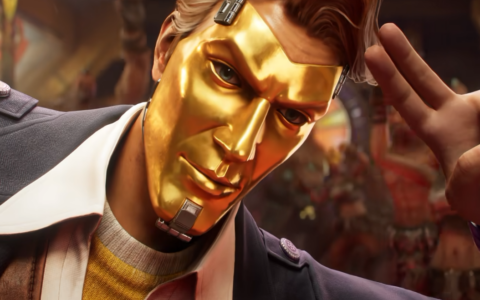
In the second half of the year, Tencent’s long-term strategy in the domestic large-scale single-player game sector finally began to bear fruit.
Released in late October, *Shadow Blade Zero* is undoubtedly the biggest dark horse among this year’s single-player game lineup; it surpassed 1 million wishlists on Steam within just half a month of its launch, clearly demonstrating its unparalleled popularity;In mid-August, the long-awaited *Tide of Annihilation* will also hold its first offline beta test. As an original IP game fully backed by Tencent, *Tide of Annihilation* has demonstrated exceptional quality, and many players have high hopes for it.
Of course, it’s still too early to review these two major titles, so we won’t go into them here. However, just last weekend, the Teahouse was invited to a hands-on demo of the new “Gu Jian Qi Tan” game and had a chance to chat with the project lead, Xue Ling.
Xue Ling told me, “Development of the new ‘Gu Jian’ game was first initiated in 2021. At that time, the team was still quite small and was primarily focused on technical validation and preliminary work. It wasn’t until 2024, when we officially secured investment from Tencent, that the team began to gradually expand and the project moved forward in earnest.The game is currently in the middle of development, and the purpose of this offline test is to break down the completed content into gameplay segments and, through timely feedback from players, help the game progress more steadily.”
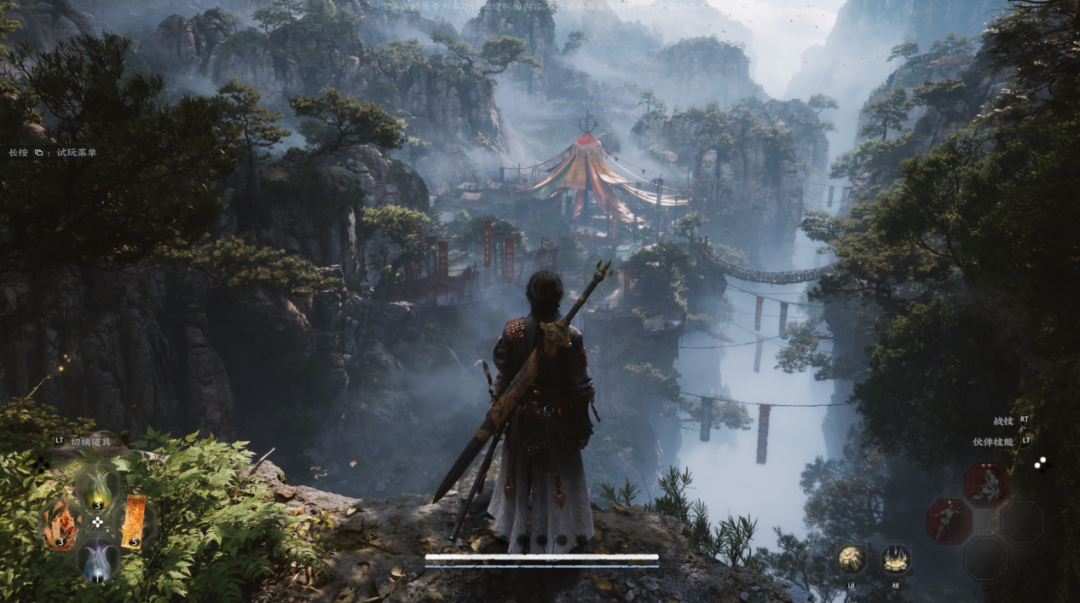
To be honest, after *Gu Jian* debuted its first in-game footage at the Summer Game Festival this past June, the general public reaction was largely negative. Whether in terms of combat feedback or visual presentation, *Gu Jian* seemed like a product that couldn’t keep up with the times, exuding a sense of being stretched too thin and unable to live up to its potential.
However, after actually trying it out, I found that *Gu Jian* is quite solid in many areas, including combat, game systems, and visual presentation; the sense of powerlessness I felt during the hands-on demo was mostly due to the demo itself.This demo featured five levels; aside from the Kongkongzi map, which included some box-garden-style exploration, the remaining four were all dedicated boss challenges.
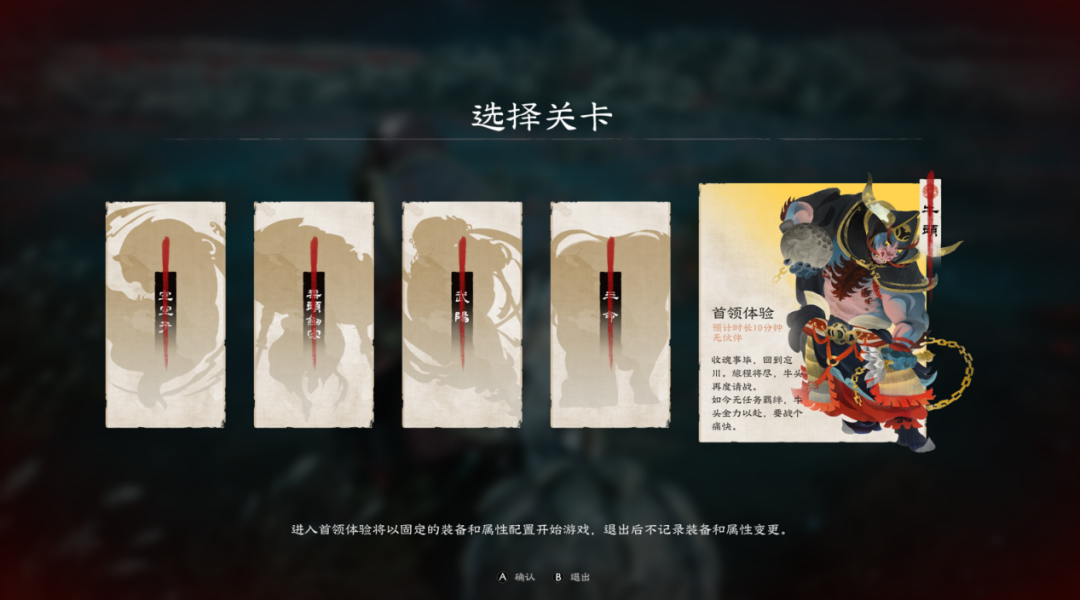
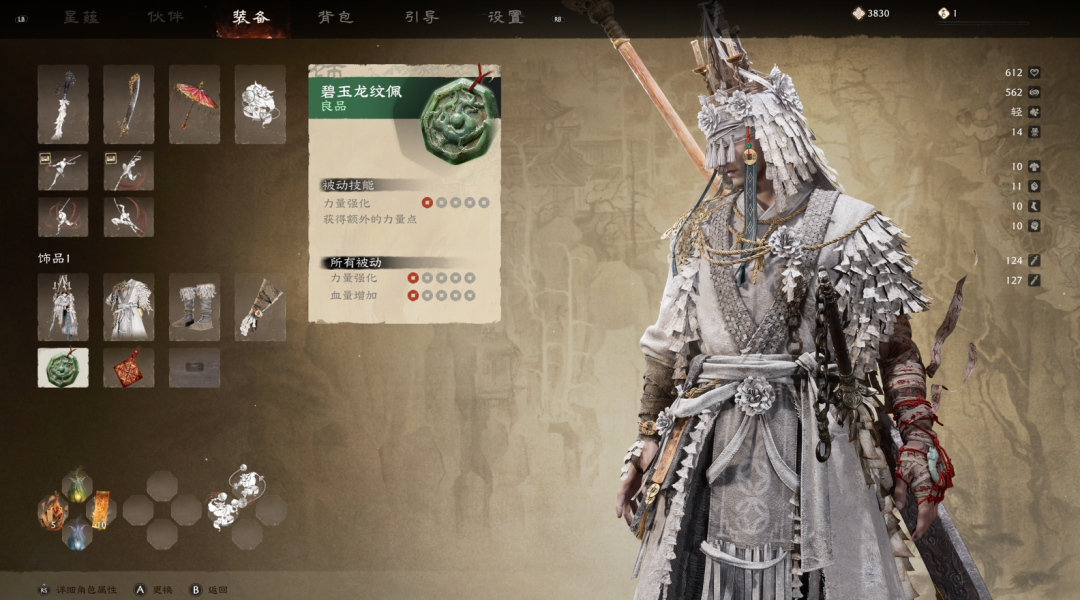
The demo levels feature specific gear for players to try out and unlock various systems, including basic gear, skills, magical artifacts, and companions. After completing the first four levels, the hidden boss Minotaur is unlocked for advanced players to challenge, significantly ramping up the combat pace and difficulty.
Of course, based solely on the current demo, it’s hard for me to say for certain what the final quality of *Gu Jian* will be like. However, as I mentioned earlier, the game’s current strengths lie in its solid foundation, which gives the impression of a well-crafted, steady development process.Given the massive fan base of the *Gu Jian* IP and the fact that there’s still plenty of time before release, combined with the extensive feedback from this demo, the game’s future looks very promising.
01
What have they done to me? Is this even *Gu Jian* anymore?
The *Gu Jian Qi Tan* series has a tradition of each installment introducing significant innovations based on its predecessor. From the turn-based RPG of the original *Gu Jian 1*, to the real-time combat of *Gu Jian 2*, and on to the action-oriented ARPG of *Gu Jian 3*, the series has virtually spanned the entire history of modern Chinese RPGs.
Eight years ago, *Swords and Fairy Tales 3* was hailed as the “pride of Chinese gaming,” but eight years later, the domestic market for large-scale single-player games has undergone a dramatic transformation. Whether the new installment in the *Swords and Fairy Tales* series can undergo a complete transformation and truly become a major Chinese title that keeps pace with current trends has become its biggest challenge.
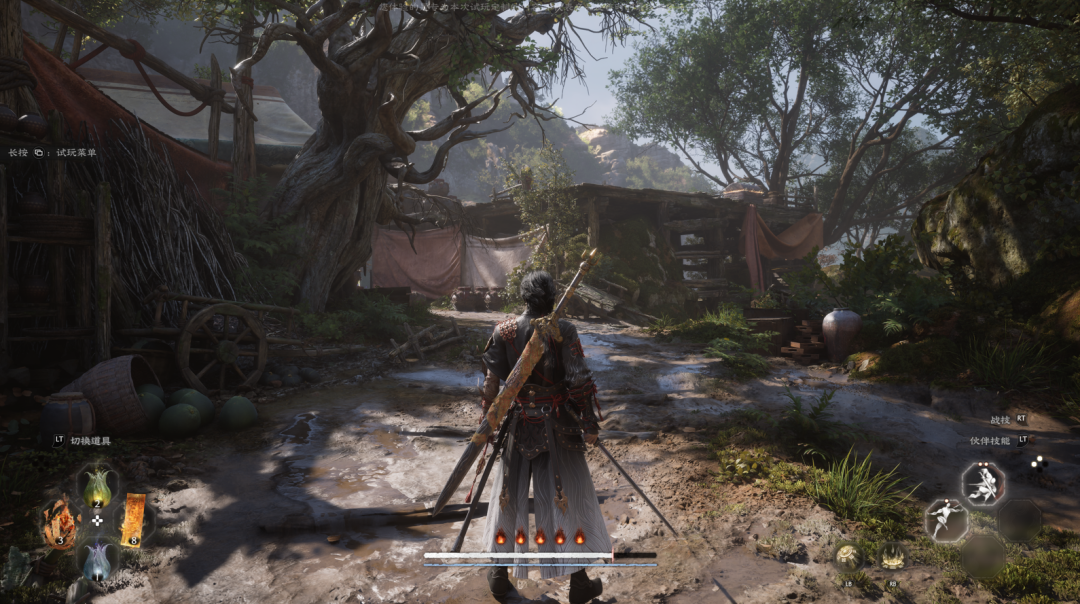
Fortunately, this demo has clearly given *Gu Jian* the greatest confidence.
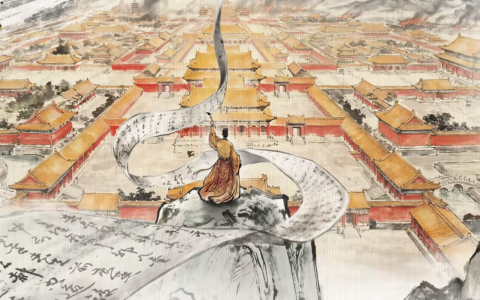
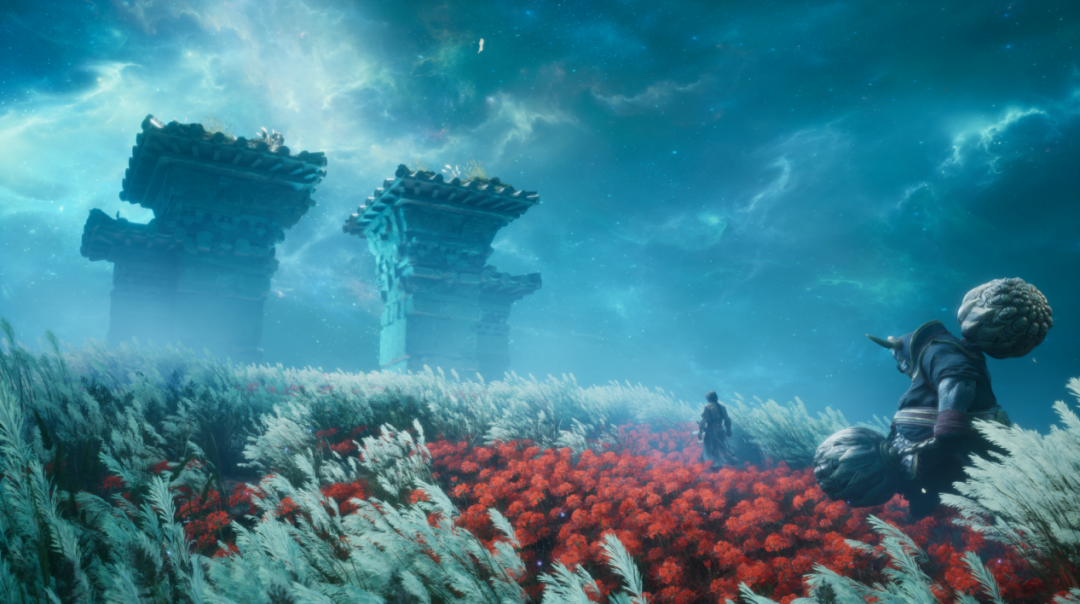
Thanks to the powerful rendering capabilities of the UE5 engine, *Gu Jian* delivers impressive visuals.The Wangchuan River sparkles with starlight, and the reeds sway in the breeze, creating a sense of ethereal tranquility; meanwhile, in the domain of the boss Sanming, beneath a thousand-year-old ginkgo tree, the clash of swords and blades mingles with swirling fallen leaves, exuding a distinctly Chinese freehand brushwork aesthetic.
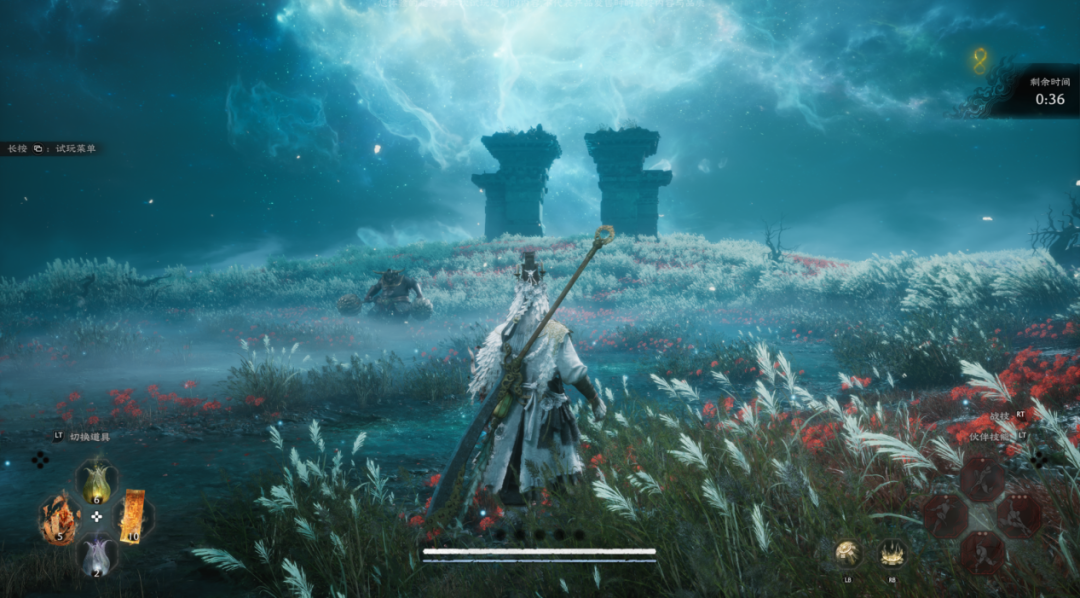
Thanks to the game’s central theme of “supernatural tales,” the design of several bosses clearly captures that “authentic vibe.”
Among them, “Teapot Brother” Wu Yang left the deepest impression on me; he’s also arguably the most distinctive boss design. With a short-spouted teapot on his head and a long-spouted teapot handle in his hand, he’s clearly not a “serious” character at first glance.
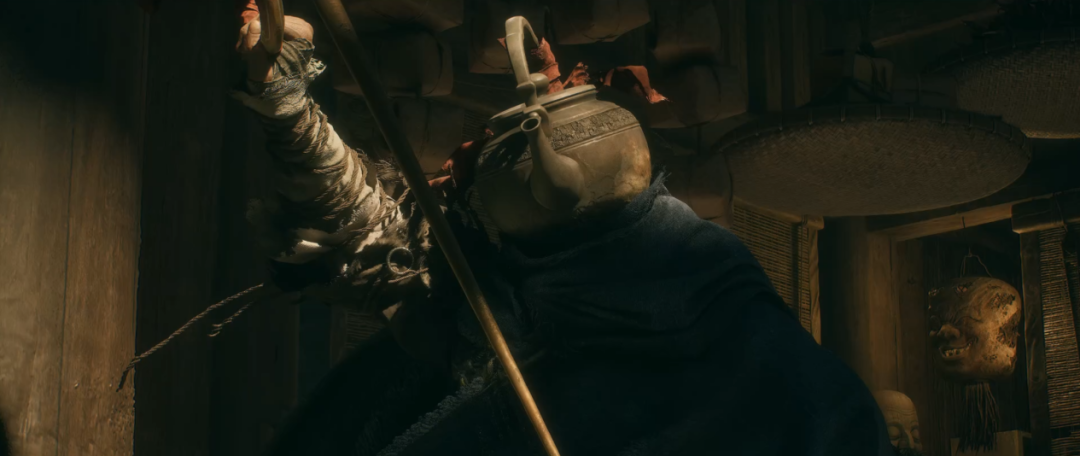
Right at the start of the level, a breathtaking “sparring” cutscene unfolds, with every move and every twist and turn showcasing the charm of Chinese kung fu.

Up close, the teapot’s body can be used as a hammer—for blocking or striking; from a distance, the spout can serve as a sword—for stabbing or slashing. Even the scalding hot water inside the teapot can be used as a means of long-range attack, truly taking the teapot’s potential to the extreme.
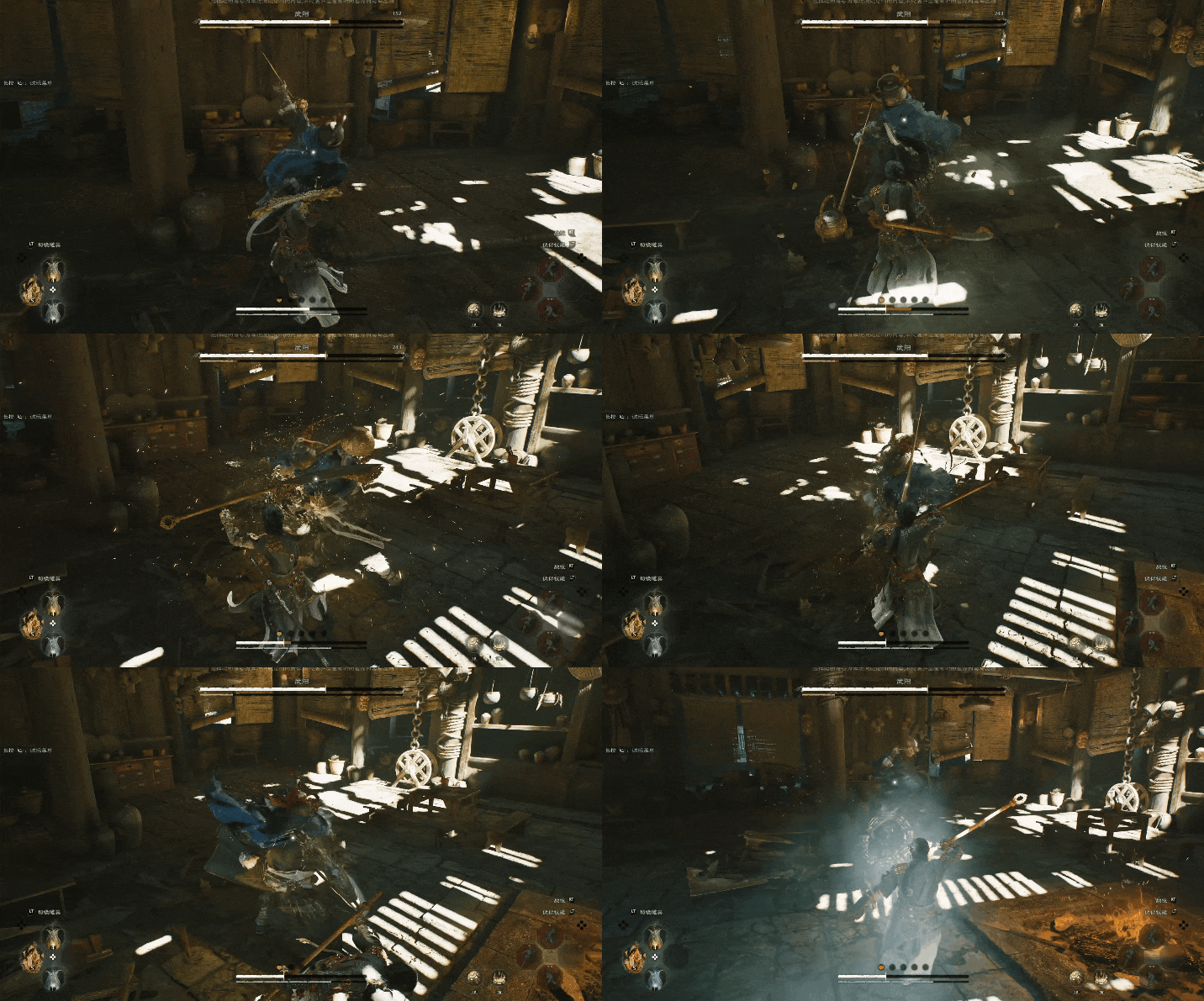
Xue Ling explained that internally, everyone refers to Wu Yang as “Teapot Brother,” and the choreography was inspired by the famous “Kung Fu Tea” tradition of Ba-Shu culture; as a result, all the moves and techniques revolve around the teapot.
There’s no need to go into detail about Kongkongzi, who we’ve seen before—it’s just a piece of cloth shaped like a human, inspired by ancient magic tricks. The other boss, the Three-Lives Cat Demon, is also quite interesting. When it first appeared, I thought it was “Hakimi,” but after transforming, it immediately turned into a cat-like big brother, and its cat-style punch left me completely incapacitated.

Now that we’ve covered the bosses, let’s talk about the game’s core combat system. Compared to the previous installment, the overall framework of the combat mechanics hasn’t changed much—you still build up skill points by attacking and spend them to unleash various skills and deal damage. However, the combination of various new systems significantly enhances the combat experience and adds to the fun.
First, this demo features three types of weapons: long swords, greatswords, and long daggers. Players can carry two primary weapons, which correspond to light and heavy basic attacks. Even within the same weapon category, different weapons have distinct animation sets, resulting in noticeable differences in attack moves and the feel of combat.
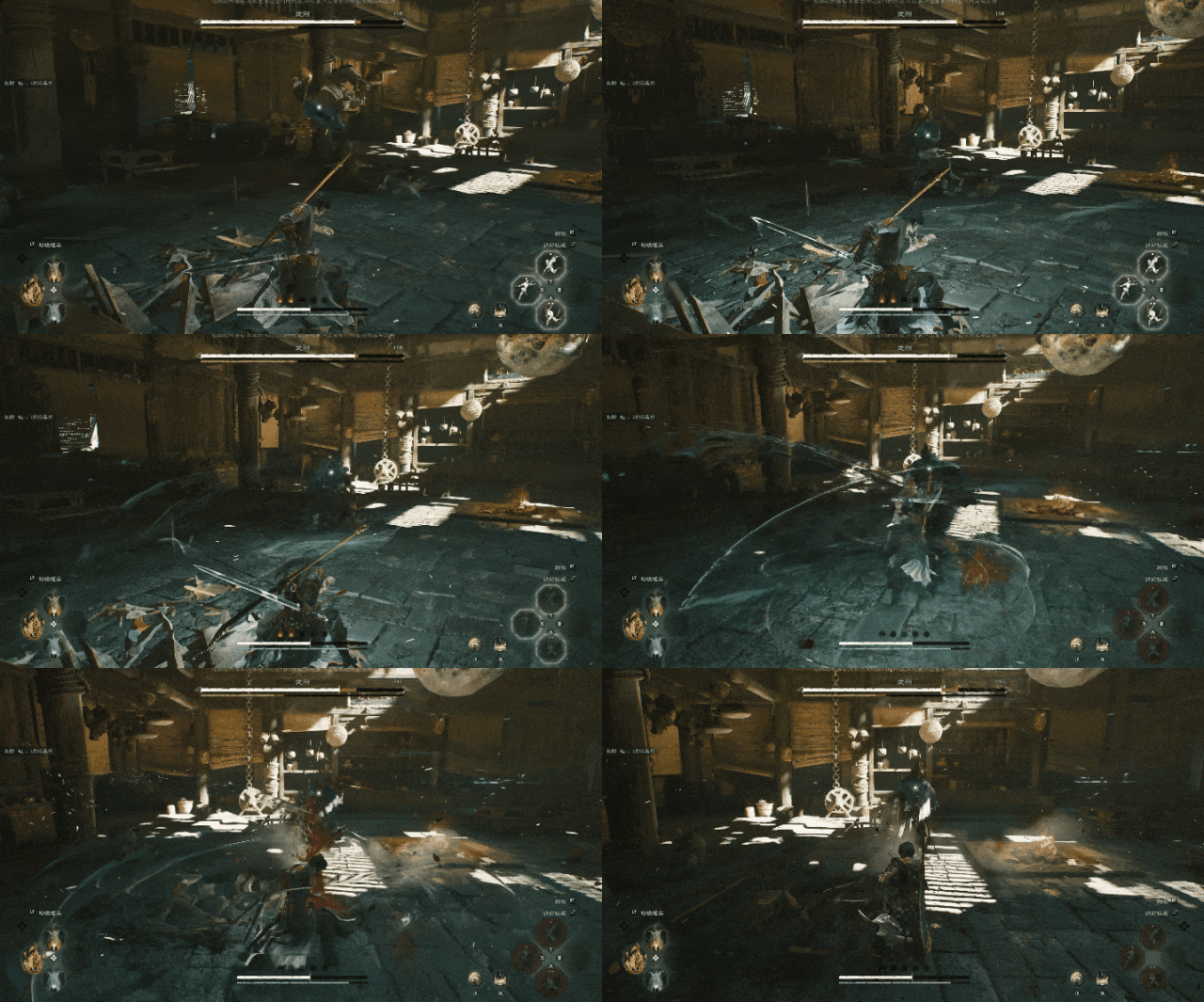
In addition to their unique skills, each weapon can be equipped with an additional skill (which can be obtained while exploring the map). It’s worth noting that these additional skills are tied to specific weapon types and consume varying amounts of skill points. For example, the longsword has a unique skill that automatically counters an attack when struck, which is exceptionally effective against boss skills that can be interrupted.
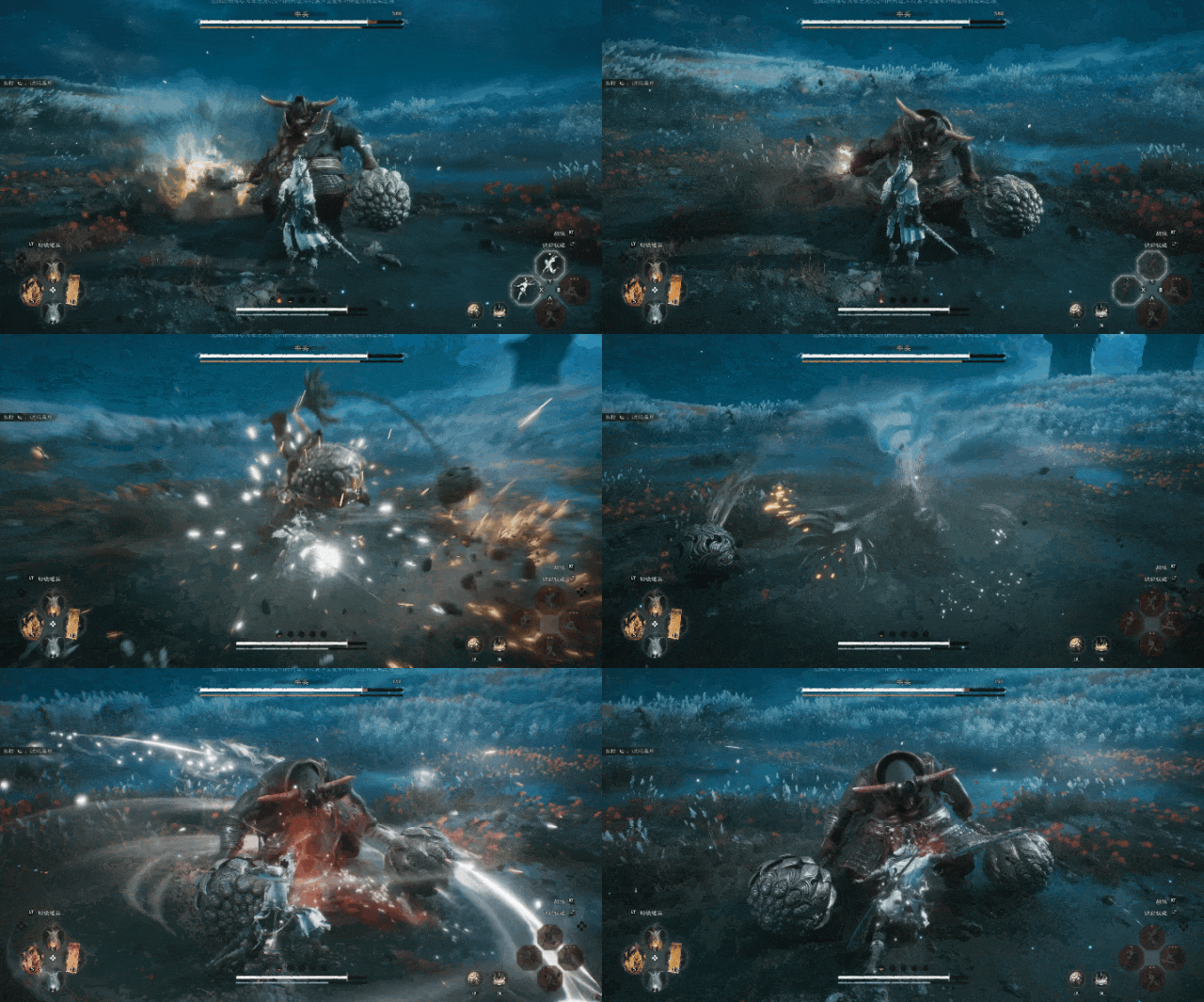
Second, the magical artifact system is arguably one of the game’s core features, corresponding to the spell system found in traditional RPGs. Each artifact has two skills, and casting them consumes the spell gauge. However, in this test version of *Gu Jian*, in addition to offensive spells, defensive spells have also been added—effectively turning standard defense into an optional skill.
To give a few simple examples, the Heaven and Earth Mirror can not only unleash wide-area damage skills but also block all attacks from the front; when performing a precise block, it can even reduce the enemy’s tenacity without consuming mana.
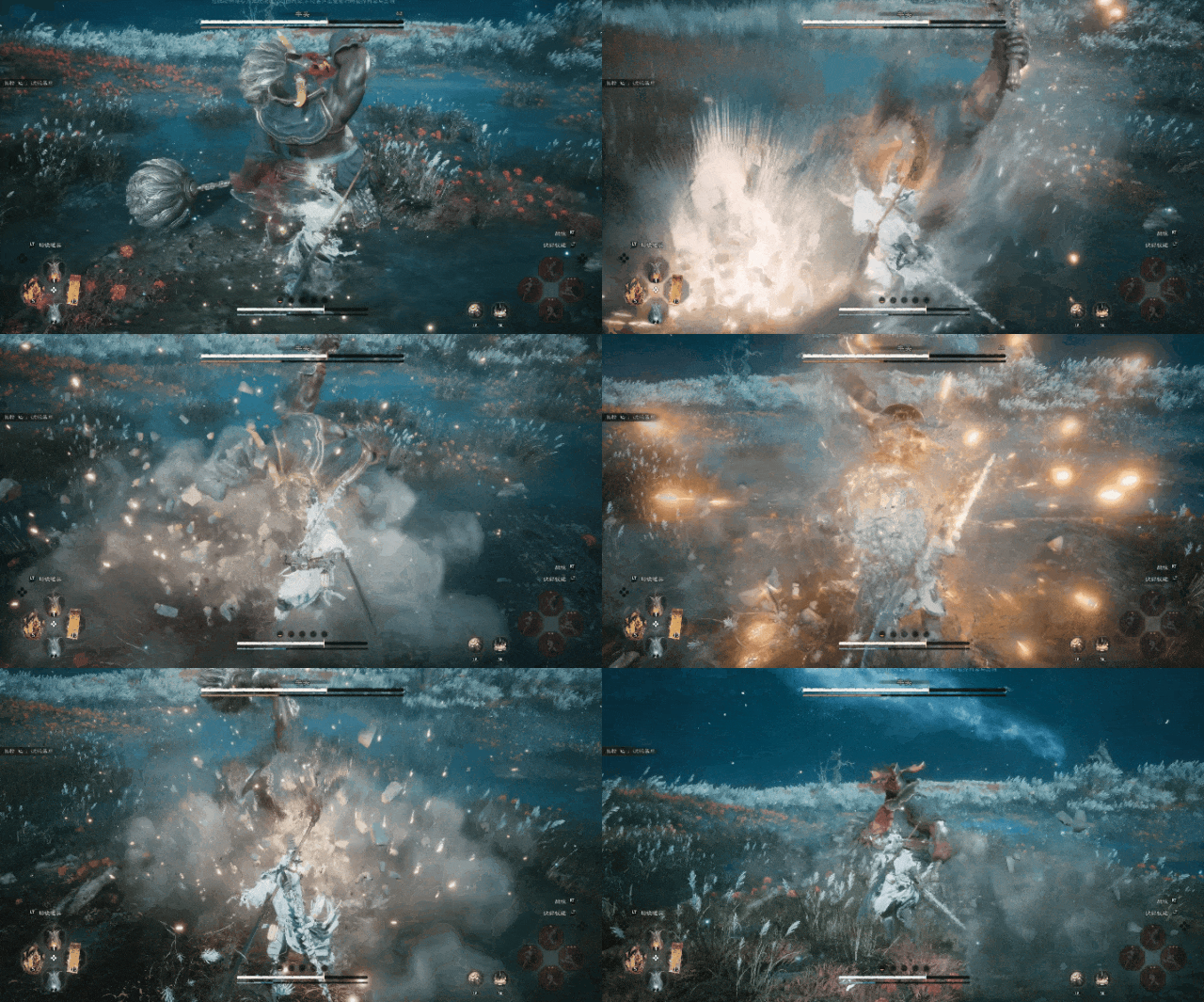
The Li Huo Umbrella, on the other hand, greatly enhances defensive capabilities, providing all-around protection through continuous mana consumption while also dealing fire damage.
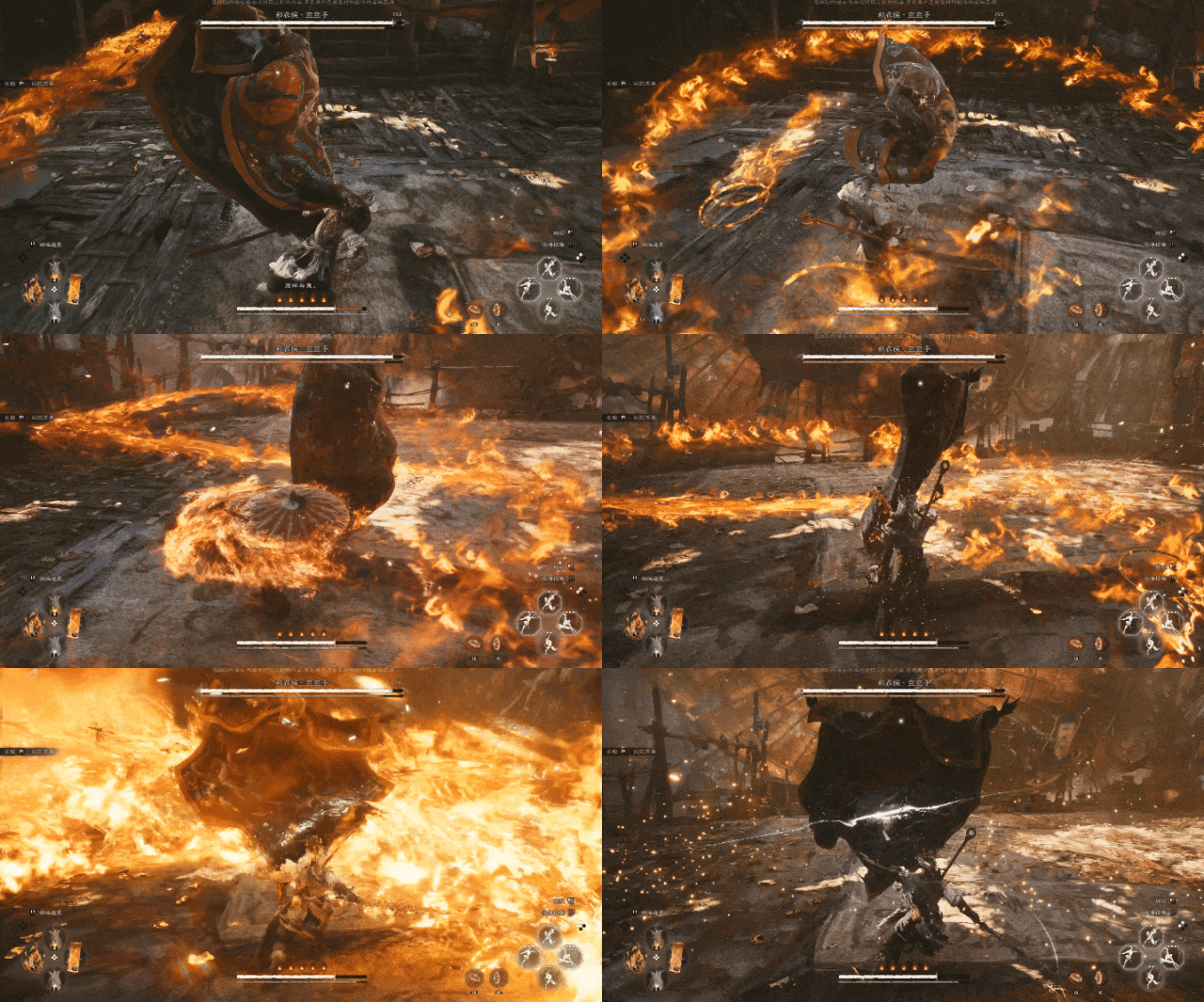
The Thunder Summoning Banner allows players to dodge attacks using Flash and infuses light weapons with the Thunder element, transforming them into Thunder Slashes that alter their attack patterns.
Looking at this, some savvy players may have already realized that *Gu Jian* offers a variety of options to suit different player preferences. You can either play it safe by minimizing damage through defense, or go all-in on offense, firmly believing in the truth that "brute force works wonders."

Compared to the parry mechanics in "Souls-like" games,*Gu Jian*’s defense system is closer to the logic of traditional RPGs: spending mana allows you to avoid taking damage, while a more precise “perfect block” provides positive feedback without consuming any resources. For RPG players, this essentially functions as a resource management system, while for players who prefer action-oriented gameplay, it delivers the thrill of “parrying” attacks.
In addition, the companion system in this game has undergone a significant evolution. Unlike in the previous installment, where it was merely a simple skill, it now resembles the “Ashes” summoned in *Elden Ring*—not only do companions fight alongside the player on the battlefield for a period of time, but they also coordinate in real time to unleash corresponding skills (much to the delight of players who prefer to watch from the back row).

When facing various boss battles, special strategies may also come into play. For example, you can use Old Ox’s “Hell on His Back” to counter Kongkongzi’s fire breath, or when searching for the true form among the three bowls, have Old Ox perform a single charge to “clear the screen in one go.”Even after clearing the boss’s tenacity bar, they’ll launch a combined attack infused with “friendship and bonds.”
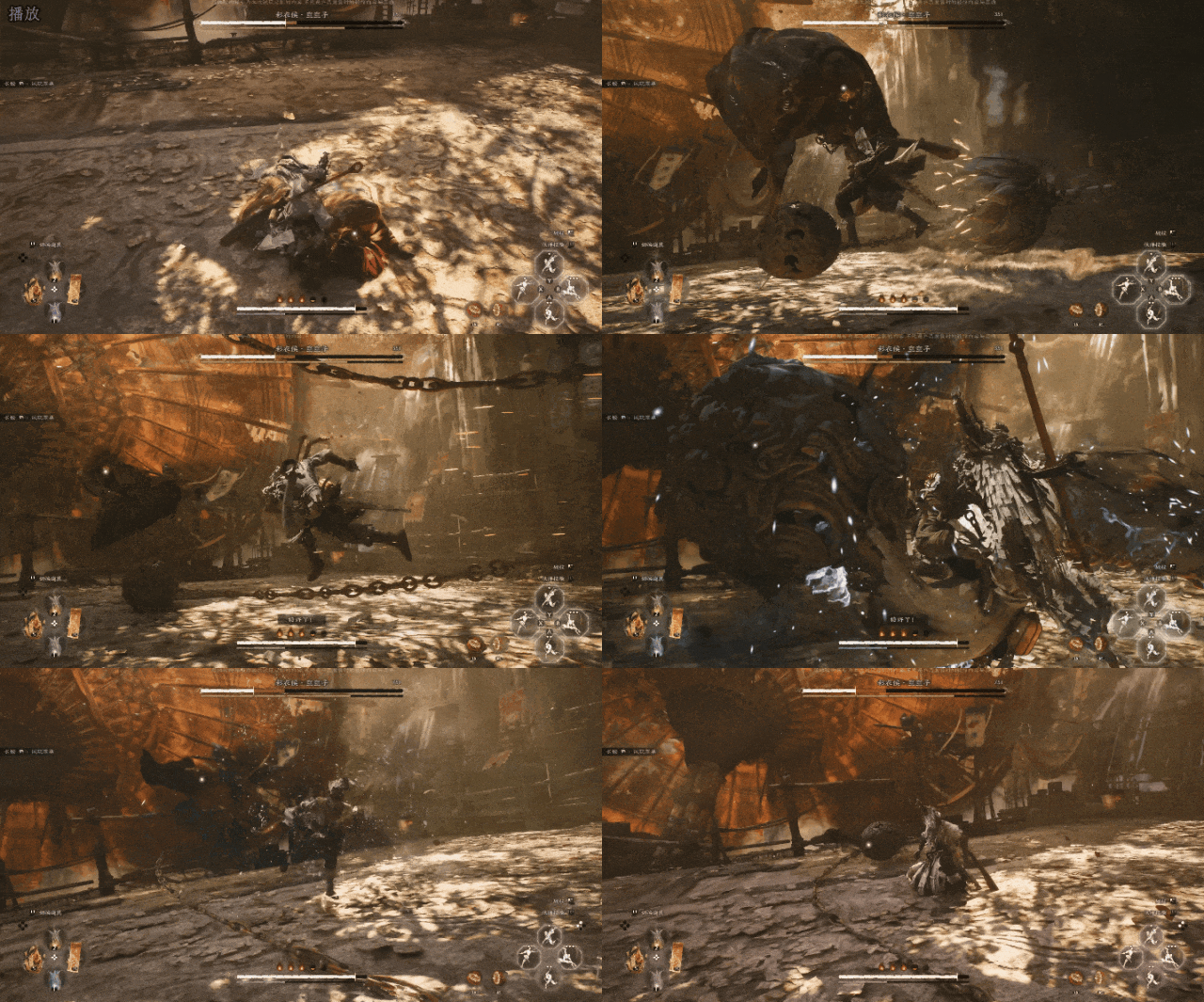
Finally, I’d like to briefly touch on the “sandbox-style” level exploration. Players progress through the game using “Keystones” as save points; after reviving or resting, the enemies along the path will respawn, though there are no penalties for dying.In addition to items, players can explore various locations on the map to obtain a variety of progression items, such as weapon skills, equipment, and health potions. Given the relatively abundant resources and the absence of stamina limits, the game differs significantly from traditional Souls-like titles in terms of both difficulty and gameplay experience, leaning more toward mainstream ARPGs like *Black Myth: Wukong*.
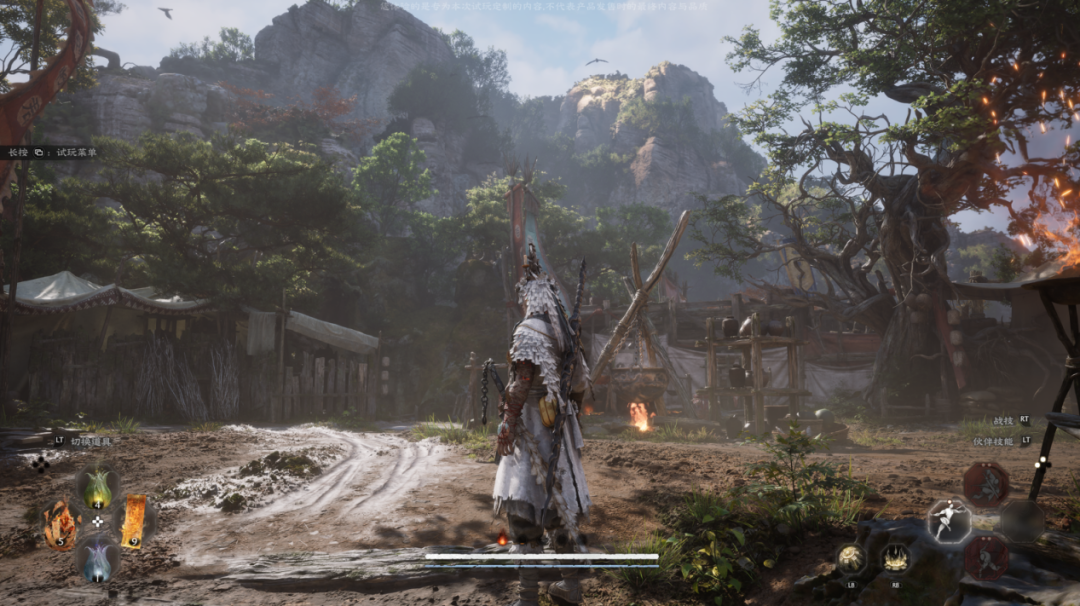
Overall, this demo was full of surprises, but there were also some minor disappointments. For example, the core “Stellar Essence” system and the companion cultivation system are not yet available; as for equipment, only three sets of common gear were showcased, which seemed more like a statistical supplement rather than a fully integrated system;The first “box garden”-style exploration level blocked off many paths and wasn’t fully unveiled, so the overall experience can only be described as average. All the design elements seemed to serve character progression and story sequences, while combat and exploration left much to be desired.
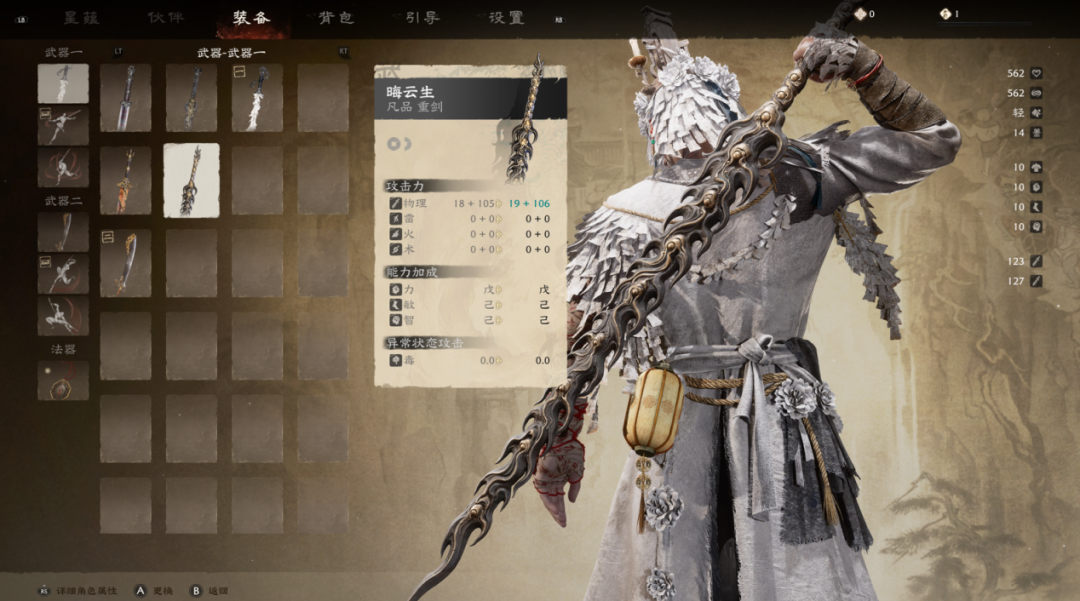
In terms of combat, although the game features perfect dodges and precise blocks, the invincibility frames during a dodge are short, making it difficult to handle a boss’s combo attacks. Furthermore, since the development team likely wanted to lean more toward the ARPG genre, there is no system that allows dodging to cancel an attack, which often leads to awkward situations where you end up “taking the hit” after a normal attack.
However, in my view, this *Gu Jian* demo at least addresses one key issue: Candle Dragon has created a game that matches the quality of major mainstream titles, rather than simply coasting on the *Gu Jian* IP.Given that the demo was limited in length, not much of the narrative cinematics—which the *Gu Jian* series prides itself on—were revealed. With such a solid foundation already in place, *Gu Jian* should deliver even more surprises in the future.
02
"Tales of the Strange and Supernatural"—that's exactly what I want to convey.
The “solid” quality evident in *Gu Jian* isn’t limited to this demo; it’s also reflected in the development team’s philosophy.
Project lead Xue Ling said that the team only began expanding last year—exactly one year ago—and they want to turn the content they’ve already completed into a series of gameplay snippets so players can try them out and provide feedback.
He said, “Currently, the demo focuses primarily on the combat experience. As we develop the entire game, we hope to first establish a solid foundation—including graphics quality, action feedback, and combat feel—so that players will be interested in the story you want to tell.”
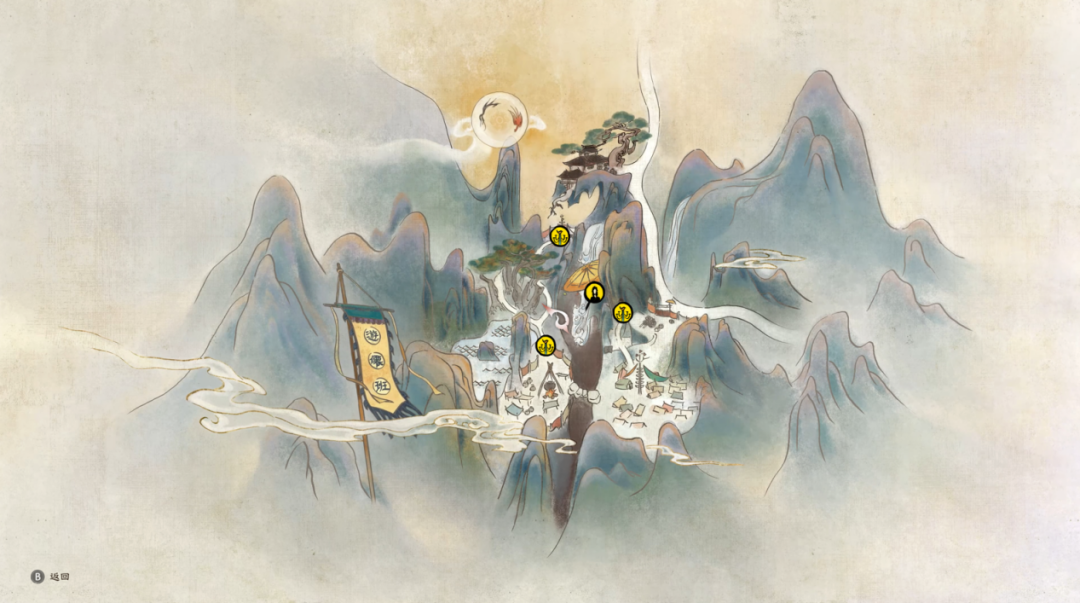
Game Map
Regarding the gameplay demo released during the Summer Game Festival, player feedback wasn’t exactly as hoped, and he explained that he had been quite torn while working on the boss “Color-Clothed Hou·Kongkongzi” at the time.On the one hand, its design was inspired by intangible cultural heritage crafts, so the development team conducted extensive artistic research—for example, the embroidery and layered craftsmanship on the fabric, with every stitch meticulously carved in bit by bit.
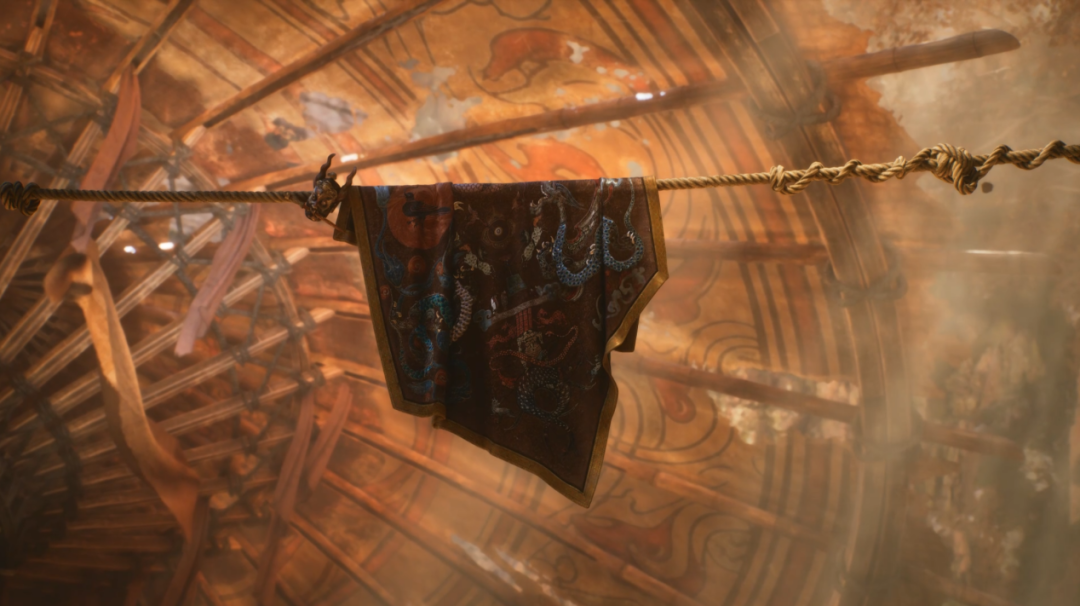
On the other hand, there are very few cases in the industry where a piece of cloth is treated as a “boss”—and there’s a reason for that: it’s just too difficult to pull off.Achieving the right sense of impact for a piece of cloth is indeed difficult, especially when it comes to motion capture—how to convey the fabric’s softness and fluidity while incorporating the magical transformations. The team had to specially invite a master of the traditional “Gu Cai” magic art, a designated inheritor of intangible cultural heritage, to provide guidance. Afterward, they created a transparent figure inside the cloth to hold it up and fine-tuned the animation effects to finalize the design.
After receiving feedback from many players, the development team added more features to Kong Kongzi that enhance the sense of impact, such as scratches left on her clothing when struck and even strands of fabric flying off. Based on hands-on gameplay, the combat feedback and sense of impact have indeed improved significantly.
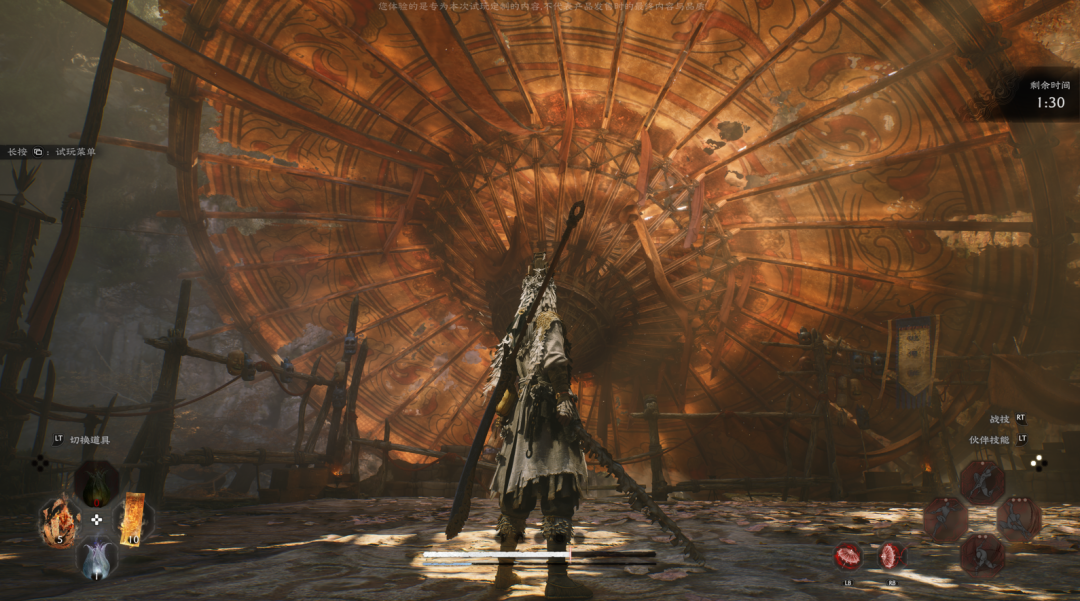
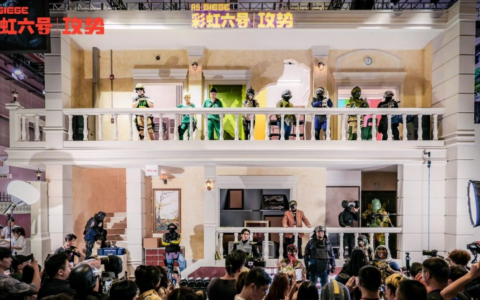
The massive paper umbrella backdrop at the BOSS venue
In his view, in terms of cost-effectiveness, creating this boss is quite “unprofitable,” but for them, this is something they want to stick with in their production—specifically, to infuse the boss design with the essence of supernatural folklore.
This dedication is also evident in the character “Hu Ge” mentioned above. The origin of the name “Wuyang” is quite significant: it comes from a line in Wang Bao’s *Tong Yue* from the Western Han Dynasty: “All the tea-brewing utensils are ready; go to Wuyang to buy tea.”Wuyang was a renowned tea-producing region in the ancient Ba-Shu area, and this is also one of the earliest recorded references to tea. All of Hu Ge’s movement designs draw inspiration from Sichuan Gongfu tea; by drawing on his experience of Gongfu tea culture and infusing it with the supernatural elements of *Ancient Sword*, he has successfully blended the two.
Ultimately, as the core theme of this game, “supernatural tales” represent the distinctive flavor that the development team has consistently upheld.Xue Ling gave an example: players who have played *Swords of the Ancient* 1 should have a vivid memory of the Wangchuan scene, which appeared in the first trailer for the *Swords of the Ancient* series. Wangchuan is the place that connects the Realm of Souls and the Wangchuan Grasslands; it belongs to the Underworld.
However, the world as envisioned by the development team isn’t a gloomy one; instead, it’s composed of elements like reeds and red spider lilies—evoking a sense of beauty, romance, and solitude.This is the “River of Oblivion” atmosphere from the Chinese-style *Ancient Sword Legend* that they aim to convey. Their interpretation of life and death is not one of opposition, nor will it make players feel terrified or creeped out; instead, it will evoke a unique emotional response in them.
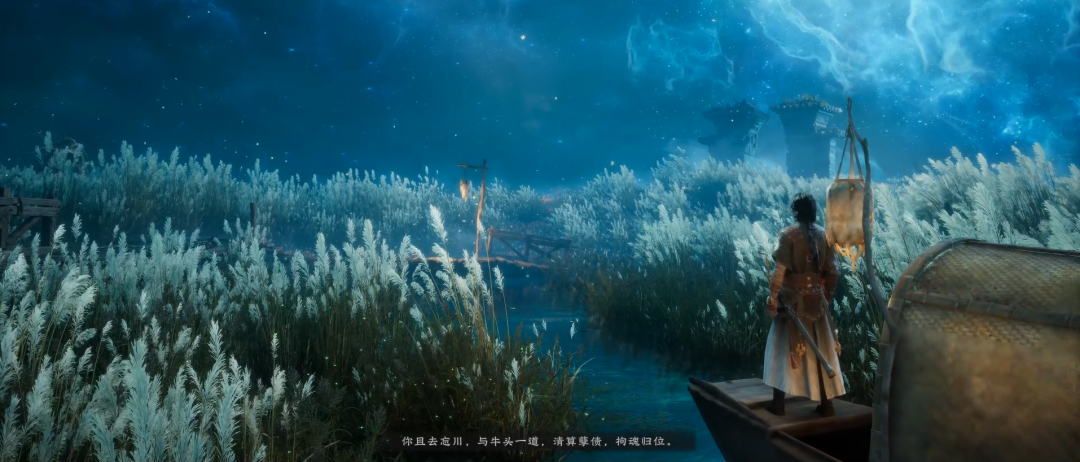
He concluded by saying, “The *Gu Jian* series has been around for many years now, and each installment tells a completely new story while also shedding light on different facets of the *Gu Jian* universe. In this game, we’ll take on the role of a judge of the Underworld, traveling to the human realm to settle karmic debts, gather wandering spirits, and resolve lingering attachments.The theme we wish to explore isn’t the heavy concept of ‘life and death’ itself, but rather the hope that, through the adventures we encounter—with all the people and events along the way—there may be many regrets and even remorse. Yet only by truly walking this path can one understand what it is they truly seek.This holds true within the game, and in our work as developers, we also hope the team will trust the path we’ve found and walk it with determination.”
03
Place a bet? I'll take them all.
Looking at *Gu Jian* on its own, it might be hard to gauge Tencent’s stance, but if you look back at the market for major domestic single-player games over the past few years, you’ll find that Tencent’s influence is evident everywhere.
In the middle of this year, Tencent increased its stake in Game Science, the developer of *Black Myth: Wukong*, to 24 percent, becoming the second-largest shareholder after producer Feng Ji. The upcoming *Shadow Blade Zero* is no exception;according to an interview with producer Liang Qiwei, the plan was originally to develop a relatively small-scale product using self-raised funds; it wasn’t until they secured investment from Tencent that the project ultimately expanded into a more ambitious, large-scale title.Needless to say, *Tide of Annihilation* was almost entirely handled by Tencent—from investment and recruitment to team building and resource support. With a 95% stake, the studio can practically be considered a Tencent subsidiary.
Looking further down the list at some slightly smaller-scale 2A titles, NetEase ShengTang—the parent company of *Gu Jian*—was acquired by Tencent in early 2024, and *Fenghuo yu Chuiyan*, which previously went viral on Bilibili, has also recently received investment from Tencent.
Last year, Ma Xiaoyi, Senior Vice President of Tencent, expressed an interesting viewpoint in an interview: in his view, creating a long-lasting GaaS product may also require “taking it one chapter at a time.”So, taking a long-term view, if we treat a buy-to-play single-player game as a vertical slice for validating art, gameplay, and story, then there is every reason to support teams in developing single-player titles.
From this perspective, standalone games sold as one-time purchases may not be the ultimate goal for Tencent, but rather a necessary stage or process in its development.
This is especially true given that the peak concurrent user count on Steam has long surpassed 40 million, and with reports that *Black Monkey* has sold 30 million copies—half of which were overseas—which essentially defines the upper limit of the user market.The domestic market for large-scale single-player games remains a blue ocean, yet most of the top domestic game developers still find it difficult to enter this space and continue to linger on the sidelines. Consequently, the handful of large-scale domestic single-player games that dare to take on the challenge naturally become the best breakthrough opportunity.In my view, this approach bears some resemblance to the “arms race” of expanding overseas networks in years past. Given that establishing teams overseas has yielded poor results and new domestic forces are emerging rapidly, seizing the initiative is also Tencent’s consistent modus operandi.
Of course, in addition to internal factors, external competition is also a major factor. NetEase’s self-developed single-player game *Return to Tang* stole the show at the recent Summer Game Festival, and it was recently reported that Paper Games is suspected to be developing a potential AAA title overseas.Furthermore, many overseas companies are keeping a close eye on Chinese games. According to the information I’ve gathered, KRAFTON (the parent company of *PUBG*), Parcel (the developer of *Stellaris*), and the Japanese company Sega have all expressed interest, while the Singapore-based company CGL has already secured exclusive publishing rights for several*Showa American Story*, *The Resisters*, and *Monkey Sword*, among others, and secured exclusive publishing rights.
It’s not hard to see that, to a greater or lesser extent, major studios are behind most of the large-scale single-player games currently available in China. Therefore, the most likely reason is not that developers can pick and choose at will, but rather that there aren’t many options left.
However, this is by no means a bad thing for the development of large-scale domestic single-player games. The influx of investment indicates that capital is optimistic about the sector. Compared to early indie games, as well as 2A and even 3A titles, what’s most lacking is funding and personnel; allocating more resources to this area will help bring more products to market. Let’s just hope that the long-awaited golden age of domestic single-player games is no longer far off.
原创文章,作者:游茶妹儿,禁止转载:https://youxichaguan.com/en/archives/208373