After nearly two years of operation, *Absolute Zero* has officially launched Version 3.0 today.
If you're a longtime reader, you probably know that ever since the open beta began, I've written an article about this game nearly every few updates. Aside from covering the most important content in each update, these articles all boil down to one thing: *Zero Zone* is evolving.
Whether it’s the “grid-based movement” that began to fade into obscurity starting with version 1.4, the shift away from “level-based” design toward open-world maps in version 2.0, the systematic enhancements to veteran characters—as exemplified by Potential Silhouettes—in version 2.5, or, of course, the ongoing maintenance that has been a constant feature of the player experience throughout.
I've always believed that the cumulative changes across each version are making *Zone Zero* better and better.

However, today I suddenly realized something: over the past two years, my observations have been based on specific versions and have been rather fragmented. This has led me to be somewhat “blinded by my own involvement”—aside from noting “changes,” I haven’t been able to figure out the answer to the question, “What do the changes in *Zone Zero* actually mean?”
So, with this major 3.0 update for *Zero Zone*, I’d like to try connecting the dots to sketch out the overall shape of this “transformation” that has been unfolding over the past two years.
01
From the City of Bamboo
Since we’re going to talk about this, let’s start with the latest developments.
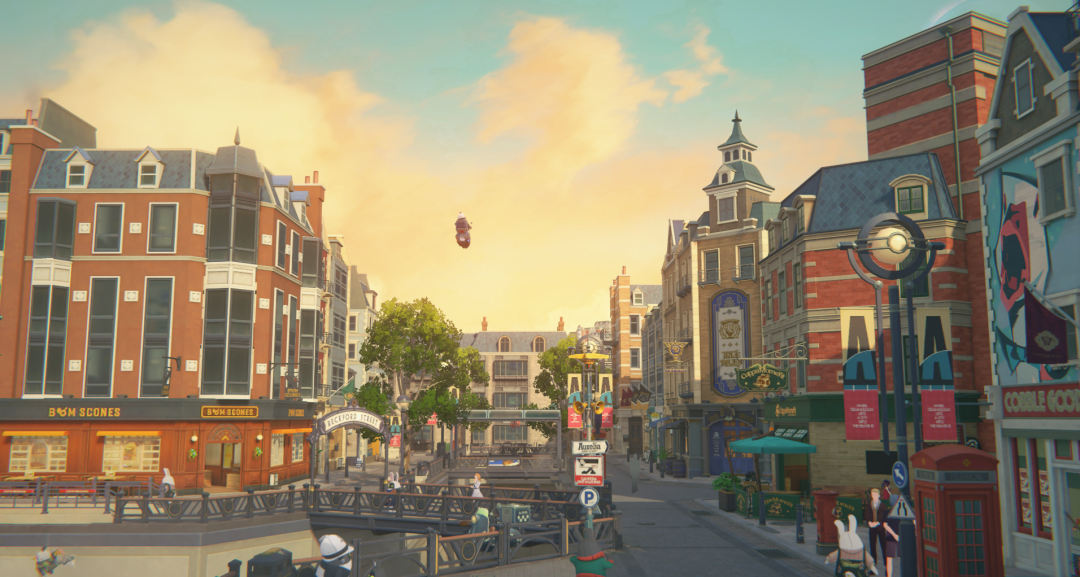
In "Zero Zone 3.0," the story shifts from the traditional Chinese-style setting of "Weifei Di" to "Roskellifa," the "City of Bangbu."
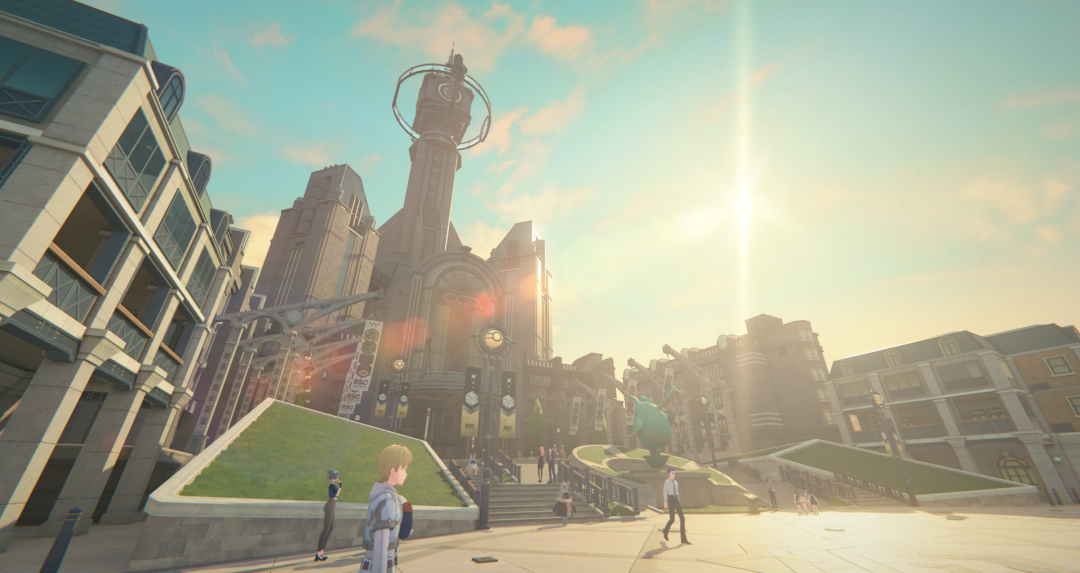
In terms of urban design, “Ross Kelly Law” upholds the consistent aesthetic standards of “Zone Zero,”with the overall design drawing inspiration from steampunk and retrofuturism. Floating vintage cars and flying Bumbos weave through the skyscrapers of Ross Kellyfa, while Victorian-style wrought-iron streetlamps coexist in the same scene with orbital transport vehicles.
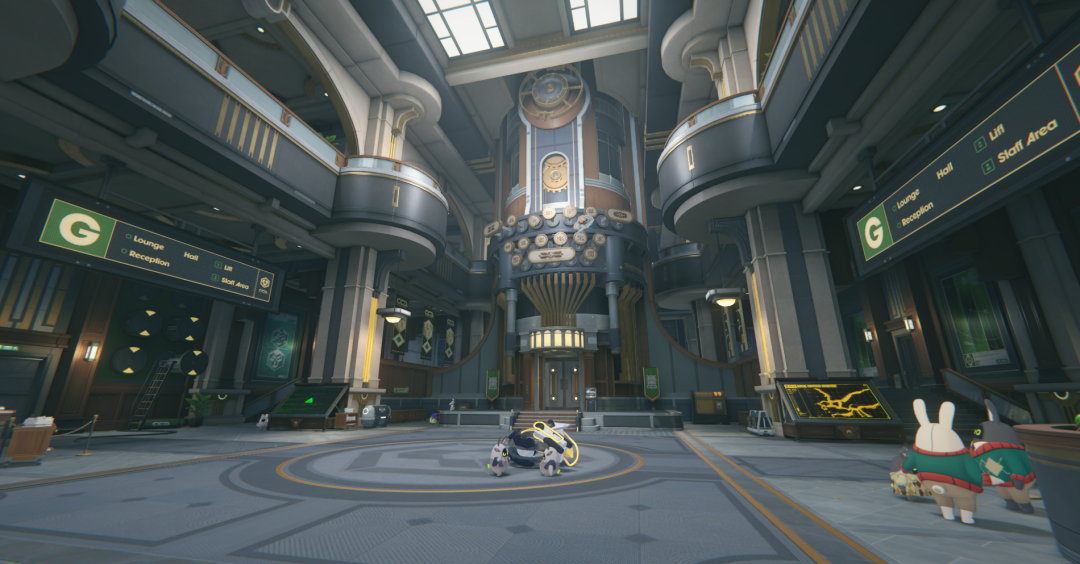
Through the extensive use of soaring ceilings and symmetrical structures, combined with arrayed computing modules and pistons on massive structures, *Zone Zero* directly translates the operational dynamics of industrial machinery into a spatial design language. As a result, even in interior scenes, the Ross-Kelly aesthetic remains consistent throughout.
Rated as "Solid"
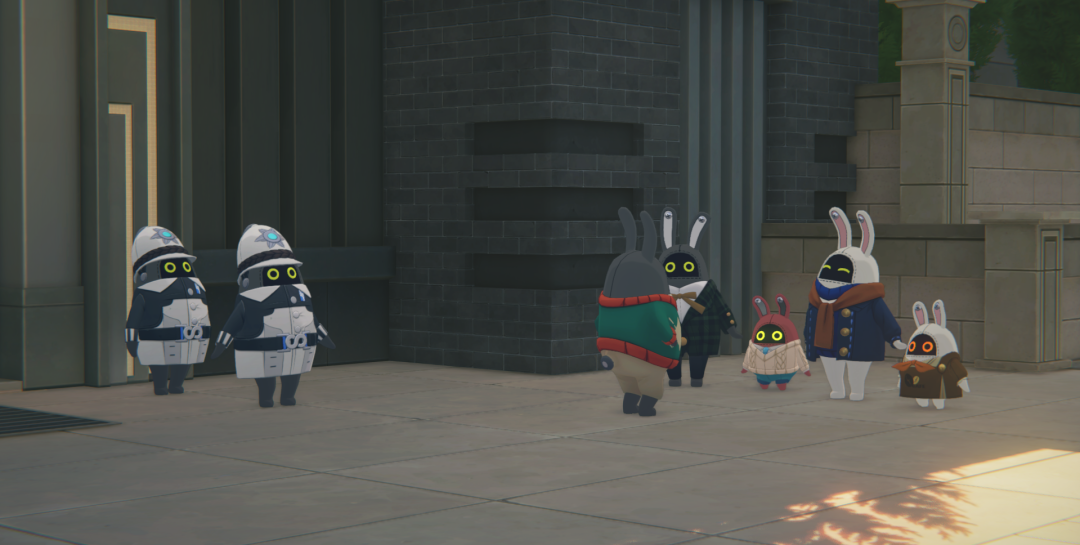
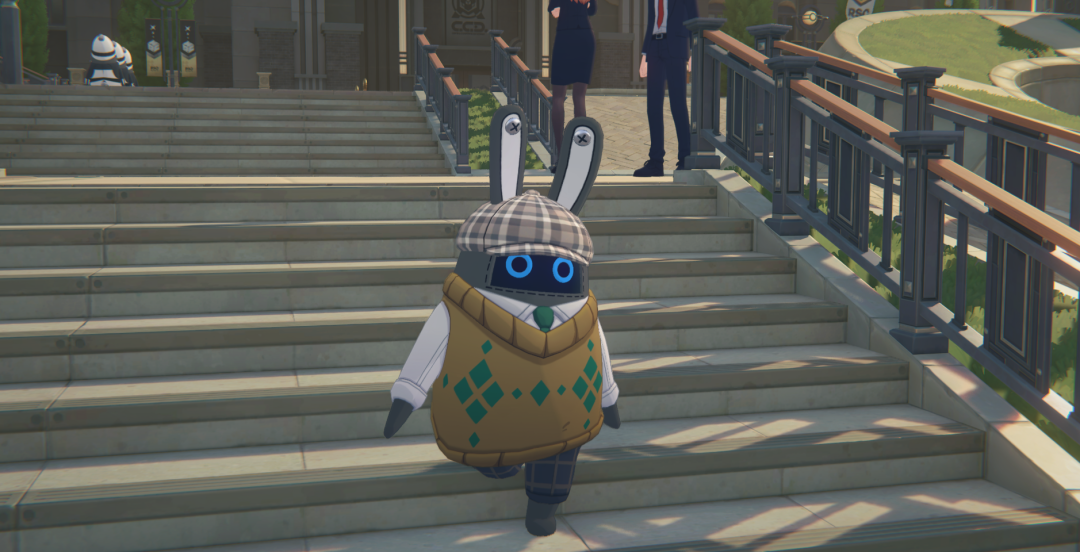
This floating city-state, founded by the first-generation Kyu-Kari Wan-Zhou,is set as a secret, secluded special zone from the era of Old Elido. It is also a city where humans and Bumb live in deep coexistence—one might even say it is dominated by the Bumb. As a result, *Forbidden Zone Zero* incorporates a wealth of scenes depicting Bumb daily life, to the point where simply observing the Bumb took up a significant amount of my time.
Unlike the Janus District and Weifidi, where players must rely almost entirely on their own two feet to get around, the Roskellifa—composed of multiple tiers of staggered floating islands—features floating buses as a form of public transportation. Combined with the newly added day-night cycle and weather effects, the main city experience in *Zero Zone* is now completely different from previous versions.
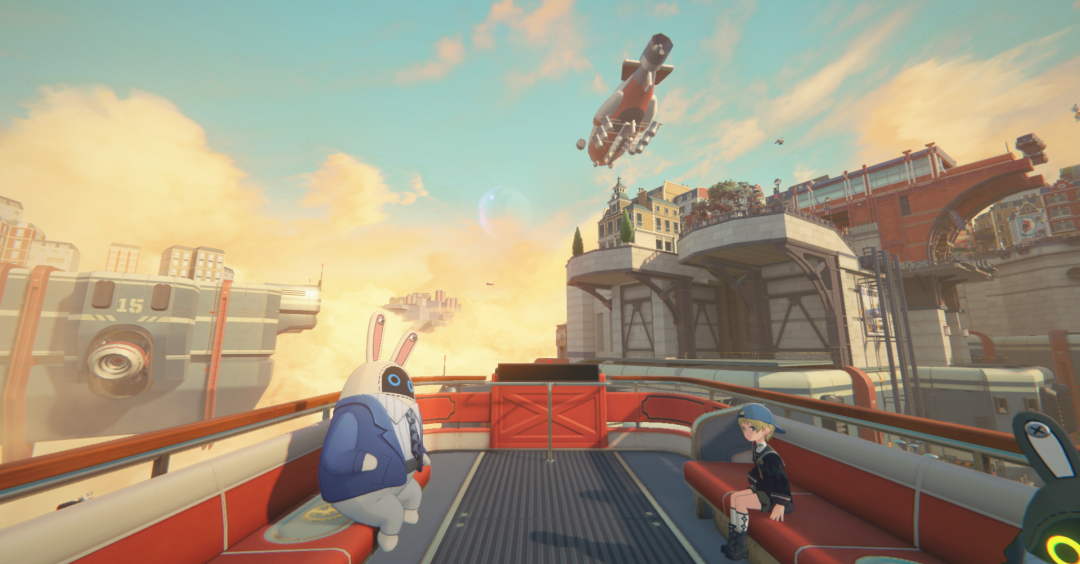
However, compared to the updates to the main city, the truly crucial change is something else that was accomplished in Version 3.0 at the design level.
That’s when Phaethon attained his battle form—Peloios.
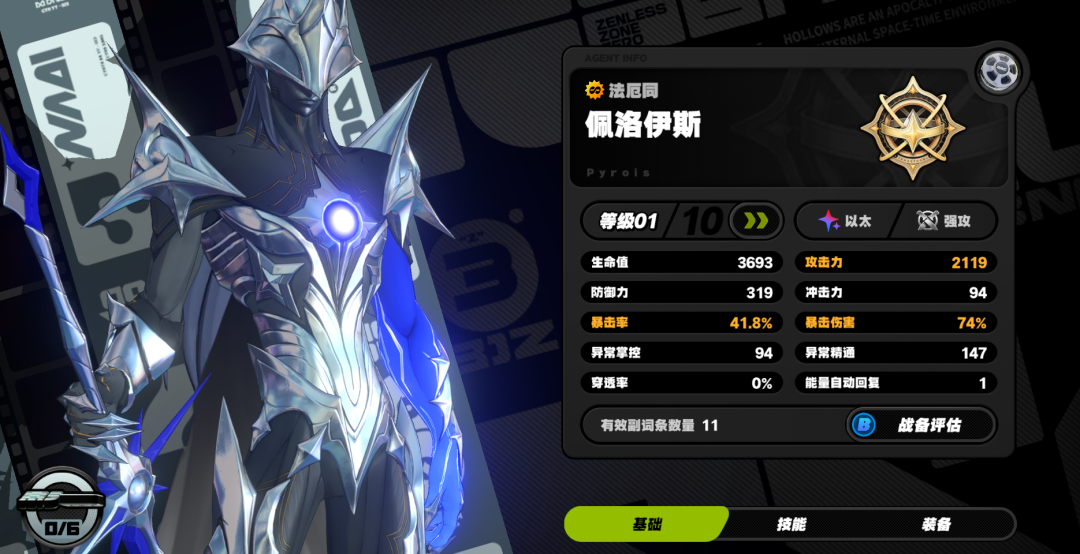
As the player character's ethereal counterpart, Pelois also unlocks the player's ability to fight and explore within the void.
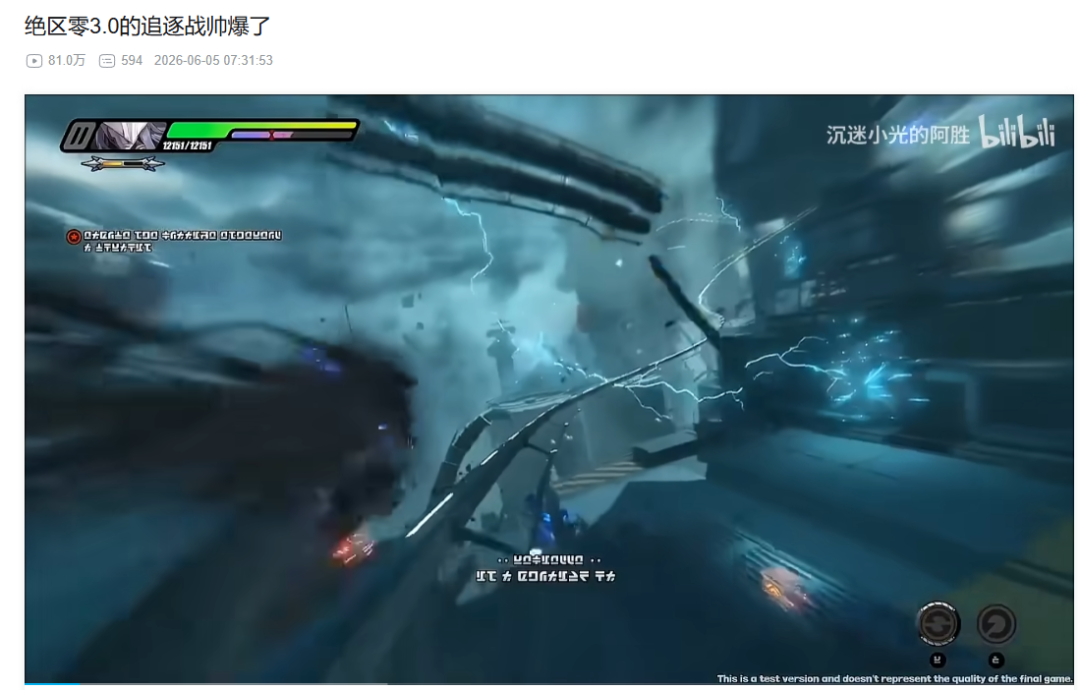
Before the 3.0 release, the "Phaethon" run had already gained some traction.
I’ve repeatedly raised a question in my previous articles: after the grid-based exit mechanic was removed from *Zero Zone*, the gameplay and prominence of the protagonist siblings—as rope-makers—have actually diminished.
Although *Zero* previously had “Ies” serve as an avatar to fulfill some narrative functions, and in Version 2.0—through the apprenticeship ritual with Xuan—allowed the player character to acquire the ability to enter the Void in physical form to participate in puzzle-solving and other activities, it has provided the protagonist with new ways to engage with the story.
However, these elements ultimately fail to fully convey the player's importance, because the core gameplay of *Zero Zone*—its action combat—does not allow for the protagonist to play a role.
With the arrival of Peloise, the worldview, narrative, and gameplay finally came together seamlessly, and the Rope-Maker’s identity found a tangible embodiment within the gameplay.To avoid spoilers, I won’t go into too much detail here. Suffice it to say that in terms of narrative, Version 3.0 not only ensures that returning characters are no longer “unrecognizable,” but also elevates the player’s importance to a whole new level.
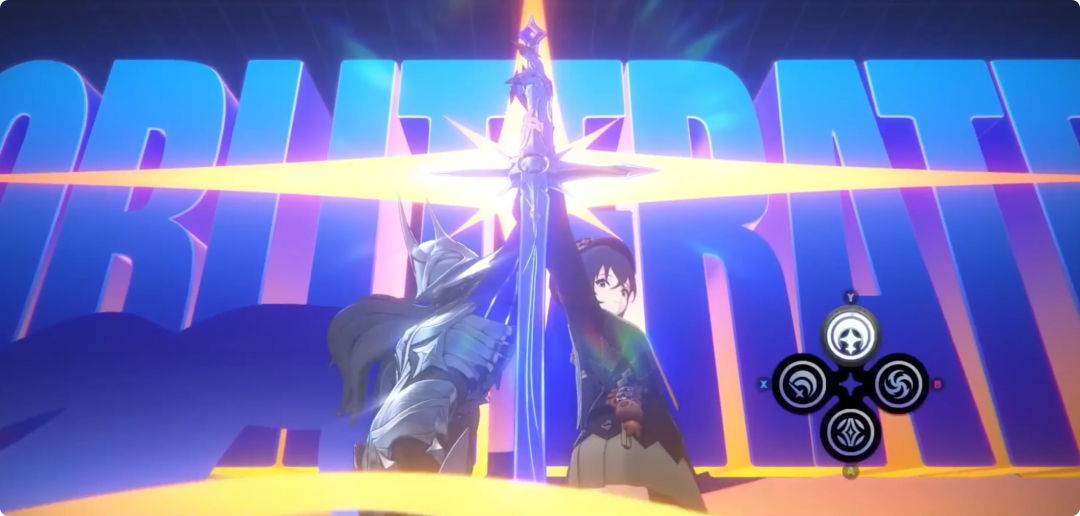
The pile was so huge, it made me cry.
Beyond the content, as I mentioned at the beginning, refining the “player experience” is something *Zero Zone* has consistently focused on. For example, to accommodate new players joining the game with the 3.0 update, as well as returning players drawn back by the return of Vellina andRope Master’s combat form, *Zero Zone Zero* has not only distributed 1,600 Film but also launched an “Early Access” feature, allowing players who haven’t completed the prerequisite storylines to jump straight into the 3.0 main storyline.

In addition, on the visual front, Version 3.0 simultaneously introduces ray tracing effects and NVIDIA DLSS frame generation technology, resulting in improved lighting and smoother performance, as well as optimizations across various aspects of the game, including character progression and core gameplay mechanics.
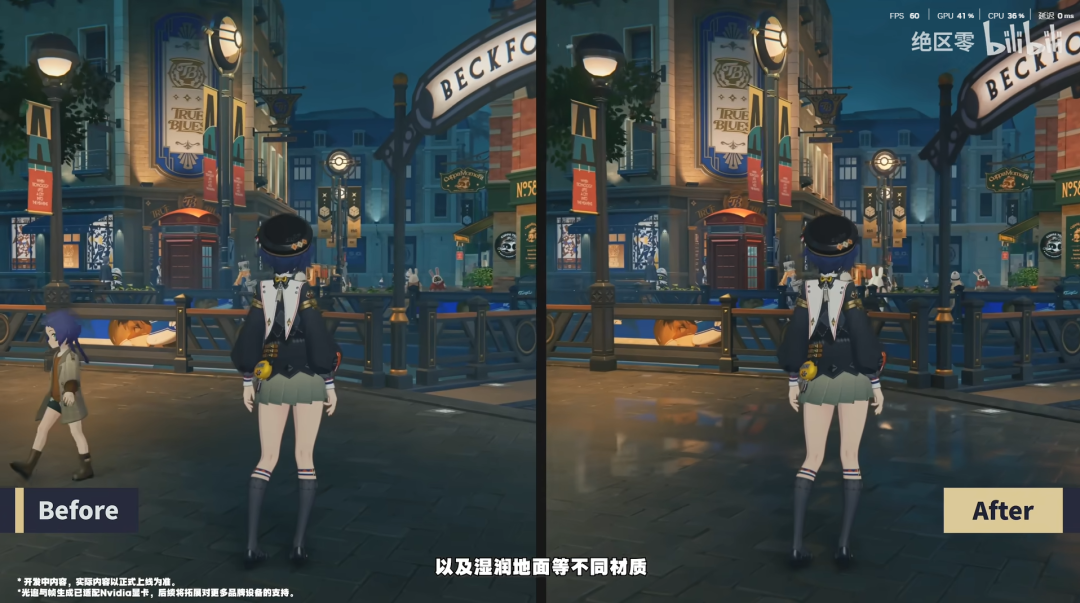
If we look solely at Version 3.0, it’s already an update that, in terms of information density and content volume, is on par with a major update since *Zone Zero* launched.
So, based on version 3.0, how can we answer the question posed at the beginning?
02
The Third Path
If we look at the big picture over the past two years, *Zero Zone 3.0* actually demonstrates a completely different level of product quality.
In the past, the product quality of content-driven games like "Er You" was measured by a relatively narrow set of criteria—primarily the volume of content produced during a version cycle, such as the number of new characters introduced in a version, the number of hours of main story content, and the variety of event gameplay.
"Zero Zone 3.0" made me rethink the concept of "product appeal" in content products, and I realized that this standard doesn't quite fit "Zero Zone."
Taking Peloise as an example, what does it mean to introduce a combat mode into a game that has been in operation for nearly two years?
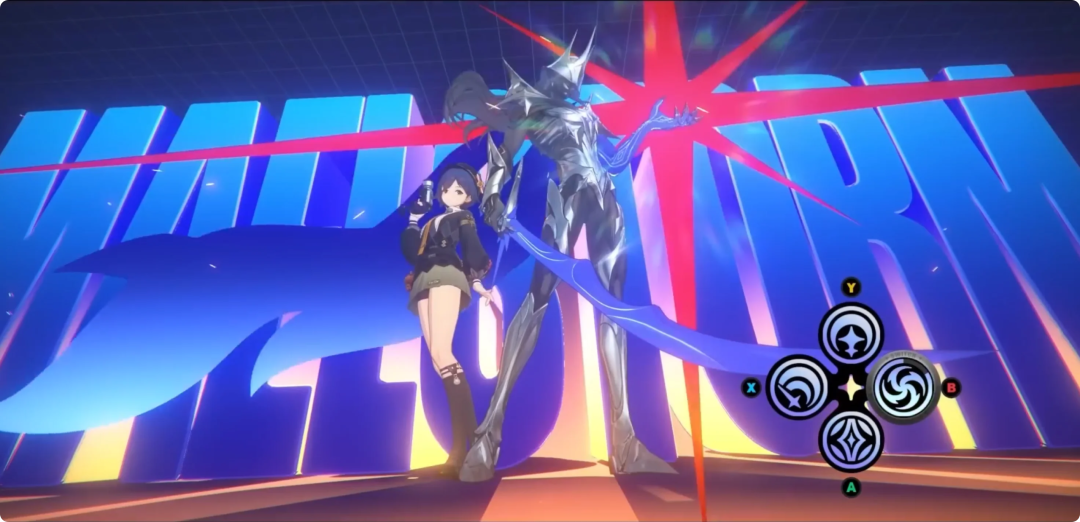
In addition to the engagement and coupling issues I mentioned above, from a pipeline perspective, this means that level encounter logic needs to be reworked, the difficulty curve needs to be adapted to new variables, the narrative needs to be adjusted accordingly, and the design flexibility of the existing roster of characters needs to be reevaluated.
So, this suggests that by the time they began phasing out the “grid-based movement” system, the *Zone Zero* project team had already mapped out a development plan spanning several years. Keep in mind that version 1.4 was released nearly a year and a half ago, and Peloise was simply one part of the plan that came to fruition.
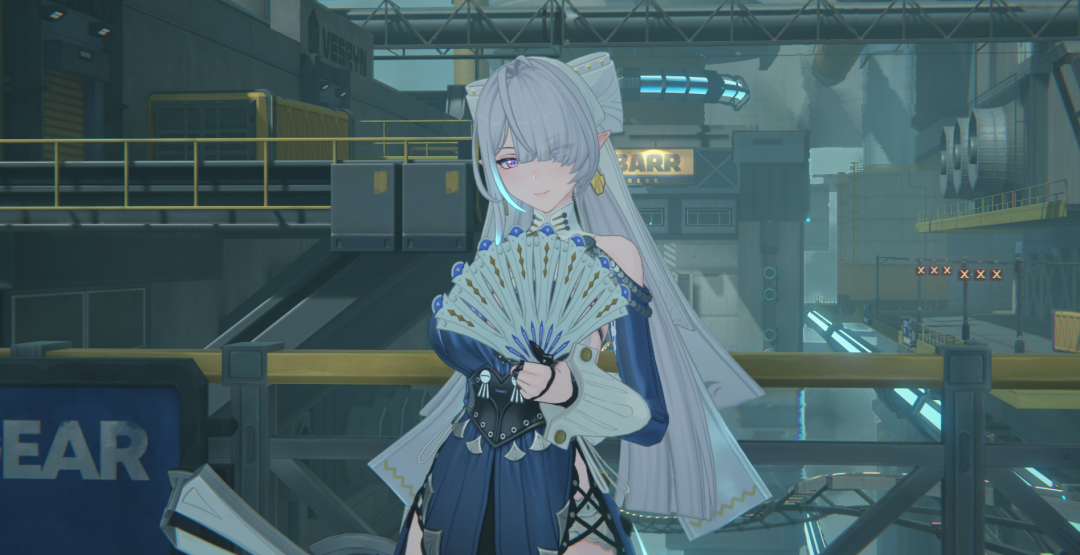
The same logic is evident in the phasing out of the “Grid Walk” gameplay. After the server launched, Grid Walk underwent a process of gradual weakening, functional decomposition, and was ultimately fully replaced by “Box Garden” exploration. The entire phase-out process spanned several versions, proceeding at a smooth pace and consistently supported by new content.
Most importantly, *Zero Zone* has consistently maintained a relatively steady release pace; even during transitional updates, it has ensured that two new characters are introduced with each update. Take Version 3.0, for example: *Zero Zone* simultaneously delivered an entirely new large-scale map, a complete main story chapter, new characters, and a host of optimizations.
This refers to the ability to deliver in parallel beyond the evaluation criterion of speed—that is, having multiple tracks operating simultaneously without blocking one another, while maintaining stable end-output. In summary, it is the ability to quickly pivot project pipelines and coordinate them with long-term planning.
It is precisely because these two elements combine to form a unique “product strength” that the development pipeline for *Zone Zero* possesses sufficient flexibility and redundancy, allowing it to drive changes to the underlying architecture without slowing down either the content or technology production lines.
Basically, *Zero Zone* is all about Pelois racing along the tracks and jumping around.
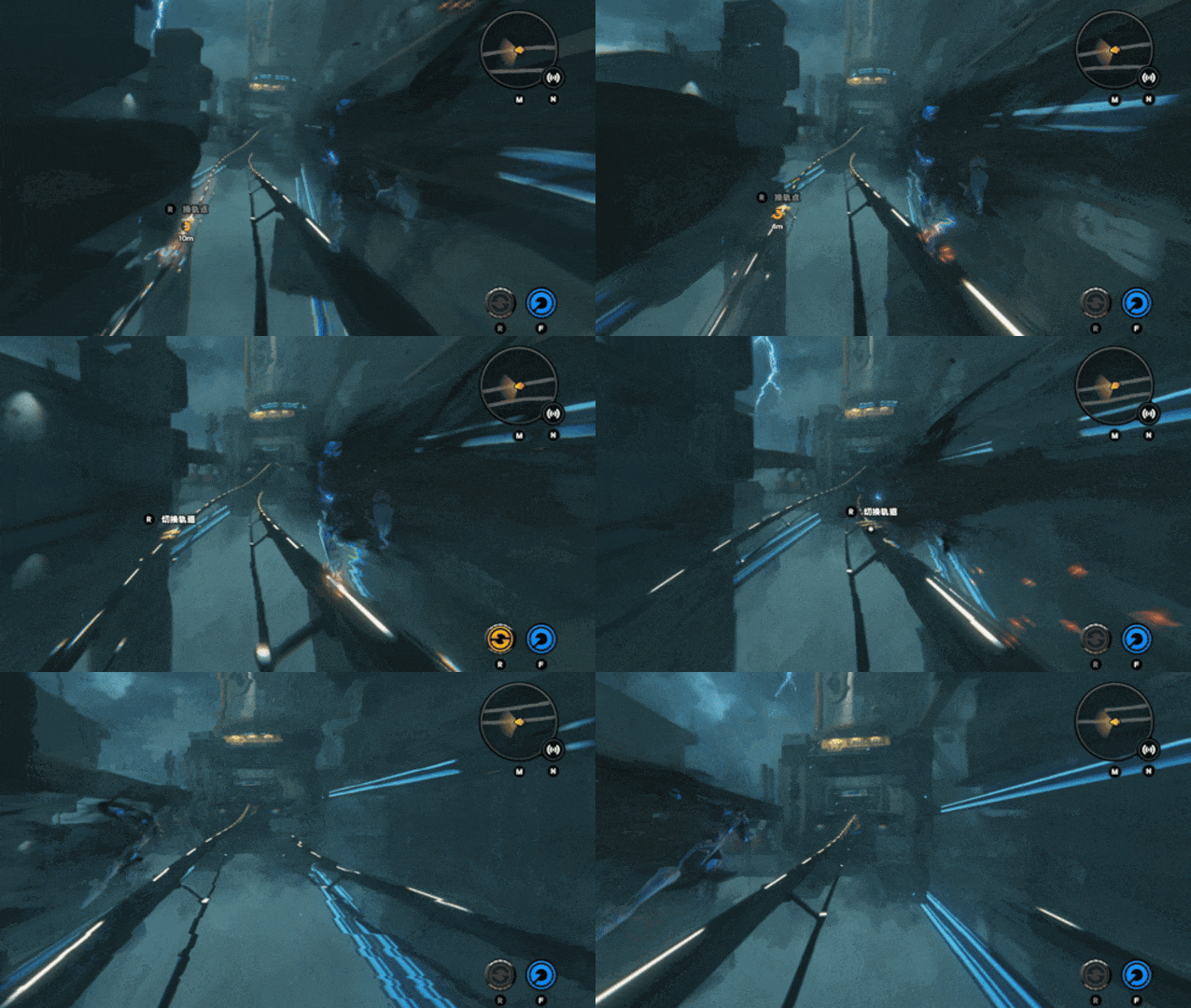
So, why do I think the discussion about “product strength” is meaningful for the industry?
As you are probably aware, when faced with the need for structural adjustments at the design level, most content-based products currently in operation typically have only two options: either maintain the status quo to manage risk, or resolve the issue once and for all through a large-scale overhaul.The latter usually involves a hiatus or a prolonged gap in updates, trapping many products in a dilemma where “fixing old problems means no new content, and releasing new content means being plagued by old issues.”
In my view, *Zone Zero* offers a solution: using the depth structure of the pipelines to enable both treatment and growth to occur simultaneously.
This is the third path.

However, the process of building this path did indeed involve some trial-and-error costs in the early stages, and the continuity of the player experience was slightly affected during the iterative development of *No Man’s Land Zero*.
However, looking at the results, this trial-and-error process ultimately helped the team identify clearer design anchors and left room for integrating key variables like Pellois later on. In other words, the costs of early adjustments have been transformed into flexibility for future iterations.
Over the past two years, one of the labels the community has most often applied to *Zero Zone* is “listening to feedback.” This is actually not hard to understand—many of the “changes” I mentioned earlier were indeed based on player feedback, and I’ve used that term myself. But looking back now, I can’t help but feel it’s a bit too simplistic.
Taking advice is a responsive, superficial approach that addresses issues related to user comfort, whereas the changes *Zero Zone* has undergone over the past two years have been at the pipeline-level framework.
Conclusion
With that said, the answer to the question about connecting the dots in my introduction should now be fairly clear.
The content updates in Version 3.0 have shown me a *Zero Zone* with a more cohesive narrative, gameplay, and world-building; the technical optimizations in Version 3.0 have shown me a *Zero Zone* that continues to push the limits of visual expression;The iterative improvements to the player experience in Version 3.0 have shown me a *Zero Zone* that consistently addresses player pain points as key update objectives.
The simultaneous arrival of these three elements underscores the underlying theme of *Zone Zero*’s continuous evolution over the past two years—a journey from its early, unpolished stages toward maturity: initial fine-tuning, mid-phase expansion, and Version 3.0, which marks the beginning of consistent, stable output.

It’s worth noting that *Zero Zone* launched on Steam today. Shortly after its store page went live, the number of wishlists quickly surpassed 300,000—clear evidence of the game’s global recognition.
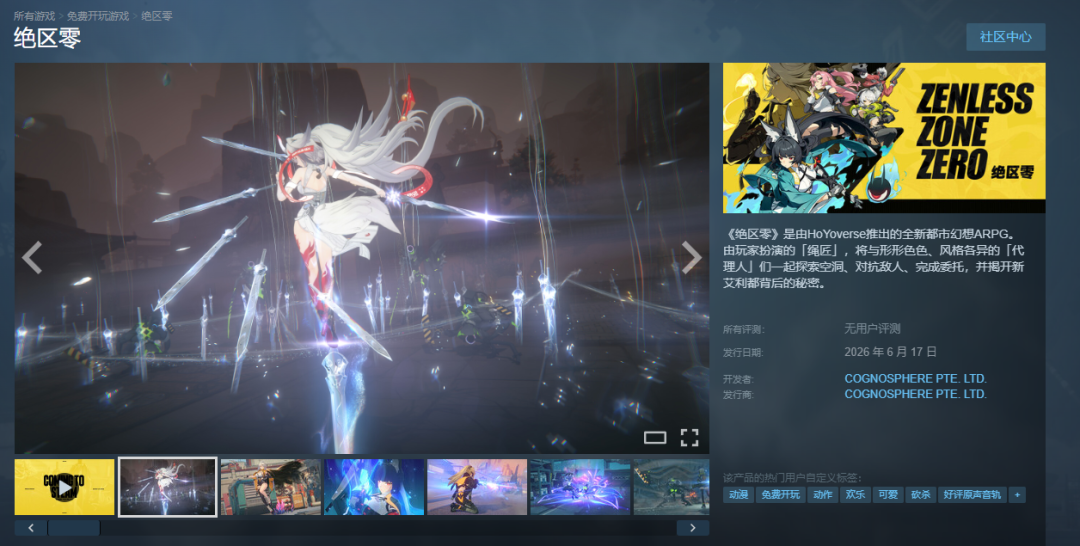
Beyond the commercial realm, from mobile and PC to consoles and Steam, *Zero Zone* has covered every type of mainstream gaming platform available today.
For an anime-style game centered around action-adventure (ACT) gameplay, maintaining a consistent content experience and technical standard across multiple platforms places extremely high demands on the standardization of the development pipeline and the efficiency of porting.I’ve previously analyzed the haptic technology in *Zero Zone* on more than one occasion, and given that this is a matter of core technical prowess, I’m sure there’s no need to elaborate further.
So, rather than saying that Version 3.0 gave me a reason to keep playing, it’s more accurate to say that the constant “changes” I’ve witnessed throughout *Zero Zone*’s journey are the real key reason.
原创文章,作者:游茶妹儿,禁止转载:https://youxichaguan.com/en/archives/207853