
Priced at 298 yuan, this game sold over 1.5 million copies on its release day, jumping to fifth place on the best-seller chart and firmly claiming the top spot on the wish list chart, where it remains to this day.This title, bearing the “007” name, has captured the attention of numerous players with its strong performance and has garnered over 25,000 positive reviews.In the week leading up to its release, the equally pricey *LEGO Batman* had just won over many players, and shortly thereafter, 007 once again successfully opened the wallets of the same—or a different—group of players.
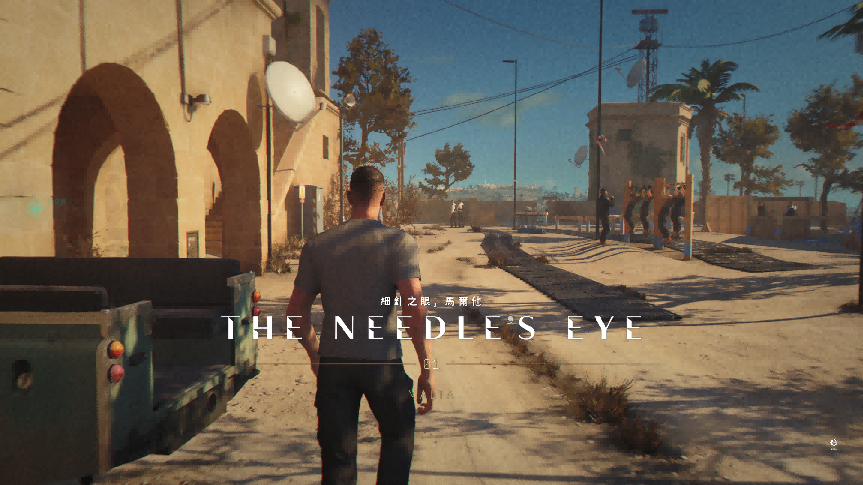
If I recall correctly, the last 007-related game released was *007 Legends* in 2012. However, that title was a complete disaster both critically and commercially, and even directly led to the demise of its developer, Eurocom.This time, the task has fallen to IO Interactive, a studio renowned for its open-world stealth and assassination gameplay. Naturally, some players are comparing the new title to the studio’s classic *Hitman 47* series, trying to spot the differences.
This game largely retains some of the key elements that IOI does best, while incorporating the unique charm of 007.Compared to Agent 47—who is aloof, taciturn, and swift in action—007 has a full head of hair, is no longer taciturn, is no longer cold and ruthless, and no longer vanishes into thin air after completing a mission with precision. So, just how many similarities does this title actually share with the Hitman 47 series?Faced with the challenge of creating a similar genre while still distinguishing itself, what trade-offs and choices did IOI make to better align with the classic 007 spy narrative? This game offers us plenty of insights into these questions.
01
A new suit for 007
*007: The Beginning* is a third-person spy action-adventure game that tells the story of James Bond’s early years. At this point, he had not yet become the agent we know as “007,” but was merely a naval aviator.During a secret evacuation mission, the plane he was aboard was accidentally shot down, and he became the sole survivor. Subsequently, MI6 recruited him into the newly launched “Agent 00 Program,” which aimed to revolutionize global intelligence operations by incorporating the “human factor.”
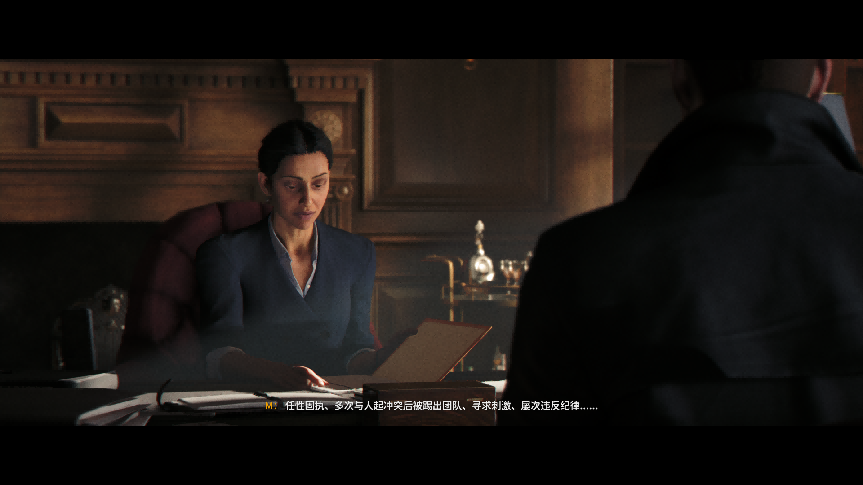

This narrative approach cleverly sidesteps a common pitfall in film adaptations: Should players emulate Sean Connery or Daniel Craig? Once a specific on-screen Bond becomes the benchmark, the challenge of recreating classic scenes becomes inevitable.Instead, IOI chose to take Bond back to his roots, presenting a younger version of the character. He possesses both ability and charm, yet is not without a touch of recklessness. Not yet fully accustomed to the rules of the spy game, the flexibility and spirit of adventure he displays are precisely why MI6 chose him.
Compared to pure gameplay, this title places greater emphasis on a cinematic experience, which is clearly reflected in the pacing and presentation of the story. The game’s narrative revolves around themes such as deception and trust, artificial intelligence, and power struggles within intelligence agencies.Players will encounter scenes common to spy-themed works, such as car chases, massive explosions, intense hand-to-hand combat on airplanes, and thrilling aerial stunts, offering an adventure that balances visual spectacle with gameplay.

A variety of gameplay styles coexist harmoniously in the character of 007, and IOI has executed these designs in a very natural and fluid manner. In terms of gameplay, players can choose to go stealth or engage in all-out combat; they can use a poison dart gun to make guards back off, or simply knock out enemies with their fists.
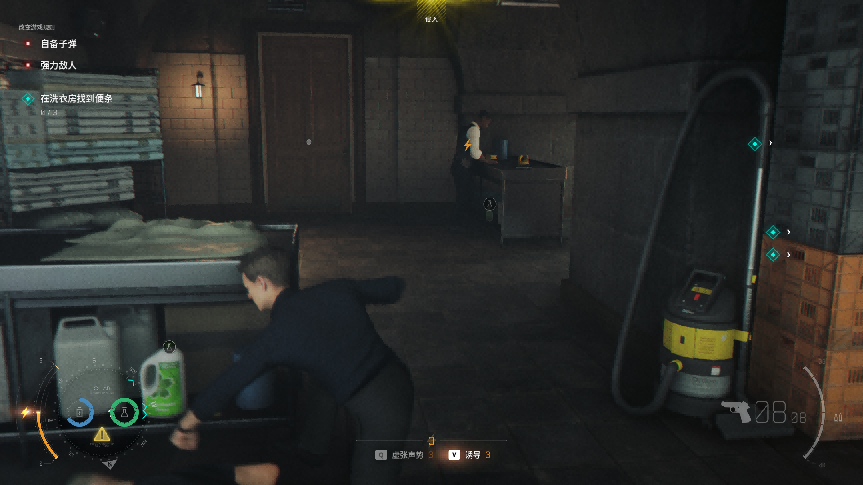
*007: A New Beginning* differs significantly from the *Hitman 47* series in terms of stealth design. While *Hitman 47*’s stealth style emphasizes meticulousness and precision, *007* takes a more forgiving approach to stealth.In *Hitman 47*, a minor mistake—such as misjudging an enemy’s patrol route or accidentally giving yourself away—can quickly escalate into an unmanageable situation, with the worst-case scenario being that all enemies turn hostile.In *007*, stealth has more of a social engineering aspect; even if 007 is spotted, he can often use clever rhetoric to convince enemies that his actions are justified.In the game, players often see 007 blending into the crowd, using his personal charm, information advantage, and appropriate disguises to turn the situation to his advantage. What’s even more interesting is that once he’s successfully persuaded an enemy, they might choose to turn a blind eye even if the player causes chaos or destruction right in front of them.
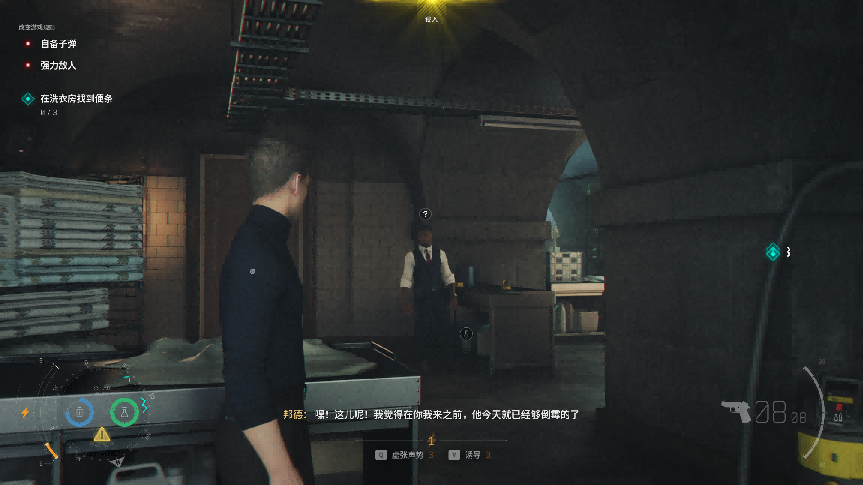
Agent 47’s stealth is more like the art of precisely manipulating the butterfly effect: by skillfully using various tools, he gradually guides enemies to change their behavior, ultimately completing the assassination with elegance. James Bond, on the other hand, offers players greater leeway—even if the process is a bit rough around the edges, they can still achieve the ultimate goal.If a mistake is made along the way and the player is spotted by enemies, they can simply go head-to-head, resolving the situation through an exhilarating fight, then resume stealth after taking down all enemies—without running the risk of triggering a full-scale alarm like 47 does.Therefore, by comparison, 47 is like a precise and sharp scalpel—he must handle situations with stealth, speed, and precision—while 007 is more like a Swiss Army knife, allowing players to choose more flexible and relaxed methods to complete missions.
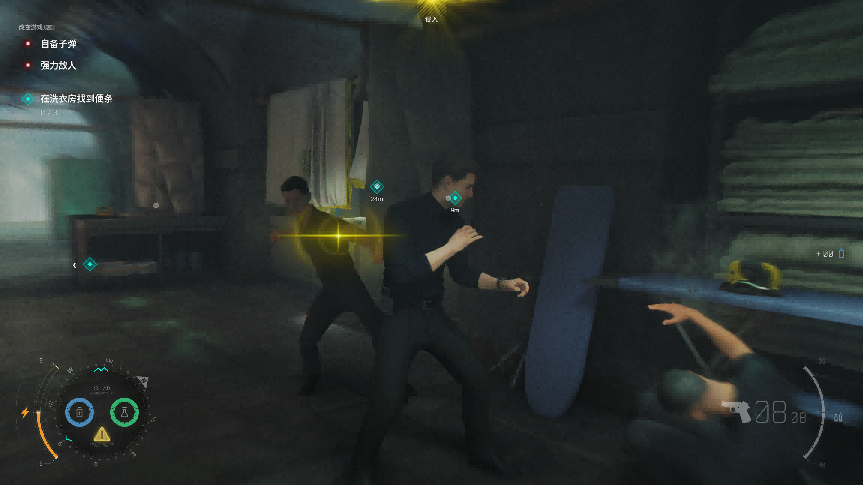
The combat, however, is surprisingly good—perhaps thanks to the fact that its lead designer is none other than Adam Vincent, the man behind the combat mechanics in the Batman: Arkham series, who has taken the previously somewhat lackluster combat in 47 and elevated it to a much more exciting level.There are handguns, long guns, silencers, armored enemies, destructible cover, and even full-scale firefights triggered by the “License to Kill.”By combining environmental props with agent gadgets, players can pull off some incredibly stylish moves: first, use an agent gadget to destroy the environment and take out enemies, then use another to distract them, before emerging from the smoke like a specter to execute them both.This style undoubtedly aligns more closely with most players’ expectations of the 007 persona—combining formidable combat skills with a sense of drama and heroism.
One thing that must be mentioned is that many players have complained that the checkpoint settings in the auto-save system are not reasonable.When a player’s character dies due to a mistake, they sometimes have to rewind to a checkpoint from much earlier in the game to start over, which has been a source of frustration for some players. If a free-save feature were added to the game, it would not only allow players to control the game’s progression at their own pace but also provide more flexibility for exploring different choices and paths.
02
IOI, as a tailor
As an enduring IP, 007 has not only made a huge impact in the worlds of film and literature but has also developed a unique model of industrial collaboration over the years. For IOI, securing the 007 license is just the beginning; the real challenge lies in striking a balance between staying true to the classics and embracing innovation.If the team chooses to directly recreate movie plotlines, the execution might be highly polished, but the story would ultimately belong neither to IOI nor fully to the players. If they avoid this route, they’ll need to invest more time and effort into meticulously refining the script—though they could draw on some of Hitman 47’s narrative techniques and adapt them accordingly.In any case, every generation of 007 has its own distinctive cultural symbols. If Bond’s character had remained unchanged over time, this IP would have long since become obsolete.

From the rugged Connery Bond of the Cold War era, to the Brosnan Bond with his 1990s action-movie style, to the Craig Bond—imbued with realism and a sense of pain, reflecting the backdrop of the war on terror—each generation of the agent has showcased a distinct personality and style.Hakan Abrak, head of IOI Studios, admitted in an interview that they are confident in the 007 IP: “Bond is undoubtedly one of the world’s top IPs, and it has been more than a decade since a new game based on this IP was released. For us, this is both an opportunity and a challenge…We hope this will be more than just a game—we want it to become a ‘Bond universe’ that belongs to the players.”
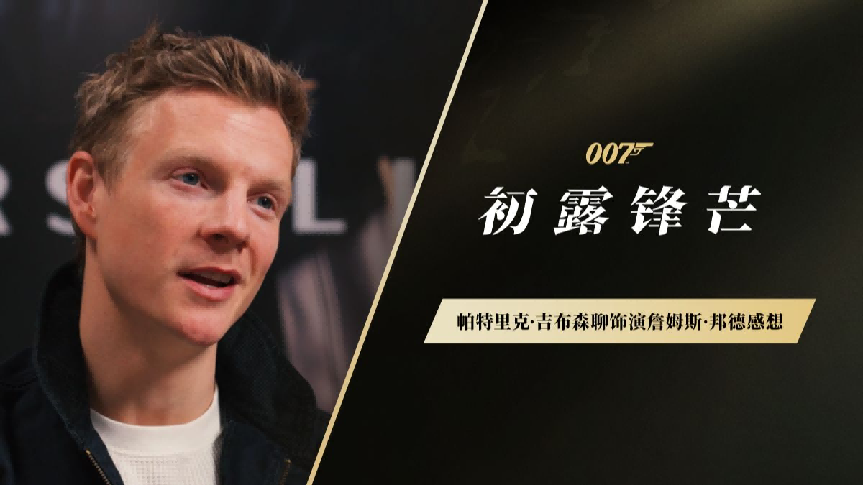
As mentioned earlier, IOI chose to craft an original story featuring a young Bond from scratch. This not only successfully avoided the risk of being constrained by the image of a specific film actor but also allowed Patrick Gibson’s portrayal of Bond to develop a unique performance style, thereby preventing frame-by-frame comparisons with the film versions.Furthermore, this premise allows ample room for the game’s pacing to evolve—the young Bond has not yet fully matured and does not yet have full access to his capabilities, enabling gameplay elements such as gear, combat, and rule design to unfold gradually, creating a rich and sustained experience for players as the character grows.Compared to a one-off film adaptation, an original story offers greater long-term development potential. This not only provides IOI with greater commercial returns but also gives the team the opportunity to delve deeper into and explore the many possibilities of the 007 character.
When players learned that IOI had secured the rights to develop a 007 game, their first reaction was naturally to anticipate a dynamic, open-world experience akin to the *Hitman* series, and to wonder what kind of sparks would fly from placing 007 within such a design framework.However, having 007 constantly change disguises and remain silent would obviously feel a bit awkward, so IOI has emphasized the large-scale spectacle elements—familiar to audiences from spy movies—as well as narrative techniques like cinematic cutscenes.
The reason many IP-based games fall short of expectations is likely because developers haven’t truly understood the core appeal of the IP itself; an IP is far more than just a library of assets. Characters are treated as mere entities with descriptions, while props and scenes are treated as superficial decorations. Ultimately, players are left with nothing more than a hollow shell of the IP.The key to adapting a well-established IP lies in finding a way that not only earns the trust of the rights holders but also integrates seamlessly into the game design to ensure long-term commercial sustainability.The strength of *007: A New Beginning* lies in the fact that, while maintaining visual consistency, it isn’t confined to the script of any single film; it makes judicious use of the core characteristics of the Bond brand to provide maximum flexibility for the game system.Cinematic storytelling helps establish Bond’s identity, while gadgets and stealth gameplay immerse players in the experience of being a secret agent. Meanwhile, close-quarters combat and interspersed action sequences showcase Bond’s unparalleled agility and flexibility. This multi-layered approach breathes new life into 007.
Items such as suits, firearms, watches, gadgets, vehicles, classic mission outfits, theme music, and Deluxe Edition bonus content all hold a certain appeal to paying players.However, this also carries a risk—while it allows players to shape their own vision of 007’s appearance and attracts attention through classic symbols, it must not come across as overly tacky.After all, Agent 007 embodies a sense of sophistication and elegance; if the in-game store becomes overrun with an overly tacky or commercialized atmosphere, it could negatively impact the player experience.
03
From Assassination Sandbox to Spy Action
There is no doubt that IOI has become highly proficient in developing the Hitman series, but this could also become a potential hindrance.The massive success of the Hitman series stems from a highly refined game architecture: complex and ingenious level design, meticulously crafted target profiles, realistic NPC behavior chains, diverse disguise options, environmental interaction mechanics, and an interwoven mission narrative.Through these rich systems, players observe the workings of a virtual society and then seek the optimal moment to intervene and disrupt it. This system-driven stealth mechanic has long been an unparalleled benchmark in the gaming industry.
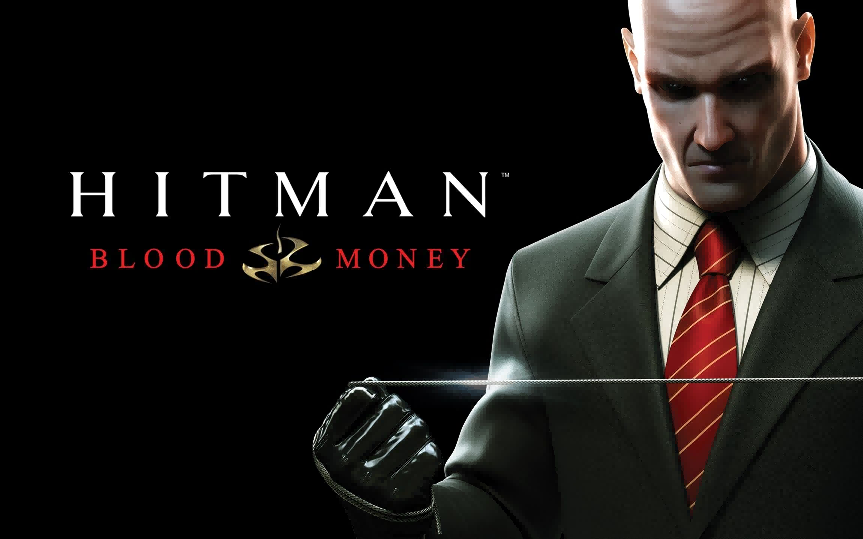
However, when a team is long defined by its signature title, new works often struggle to escape the shadow of the past. Whether it’s players, the media, or even the team itself, everyone may unconsciously judge new content based on the standard of “whether it’s similar enough to *Hitman*.”Therefore, the crucial decision made by Hakan Abrak and IOI was not “Can we continue to deliver stealth gameplay?” but rather “Do we dare to break away from the stealth formula we’ve mastered for so long?” *007: The First Strike* provides the answer: yes, we dare.Although this latest installment still carries forward some of the essence of Hitman 47, it has achieved a breakthrough in the combination and application of these elements. Whereas these designs once served to solve assassination puzzles, they are now used to tell a cinematic story of how the young James Bond grows into Agent 007.
This reconstruction-based approach to innovation can be termed “constructive innovation,” which involves retaining most of the original components while endowing them with new functions and meanings.Here, stealth is not merely about approaching a target, but also involves showcasing Bond’s social charm; gadgets are no longer just tools for assassination, but key clues that reinforce Q Branch’s presence; and mission variables are no longer limited to increasing difficulty, but serve the TacSim (tactical simulation) elements and the need to expand subsequent content.
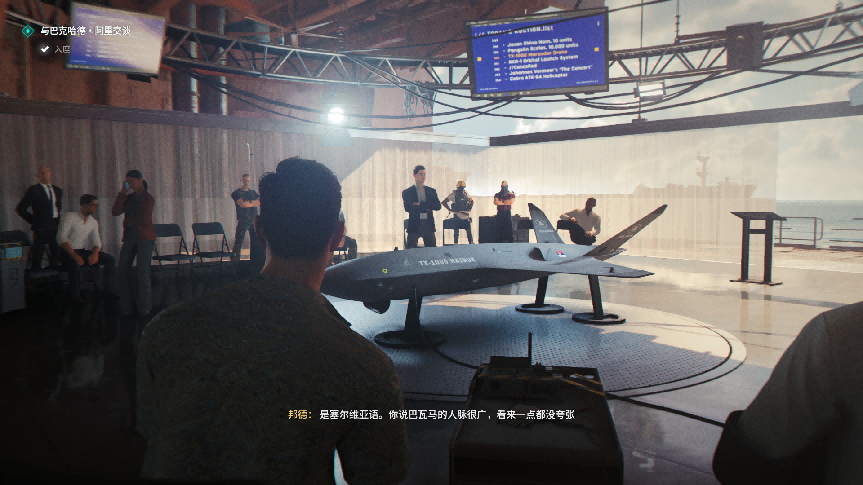
Of course, compared to innovations in gameplay structure, technical innovations—such as the driving system, cinematic sequences, motion capture, and melee feedback—can be addressed by bringing in specialized talent, while the greater challenge lies in the process of redefining the studio’s identity.For IOI, they need to recognize that the framework of *Hitman* cannot be directly applied to the *007* project, and then consider how to innovate while maintaining their own strengths.To their credit, IOI did not simply replicate the “Bond-style 47” formula in this experiment, nor did they turn 007 into a run-of-the-mill shooter; instead, they rebalanced the emphasis on various aspects of the game.
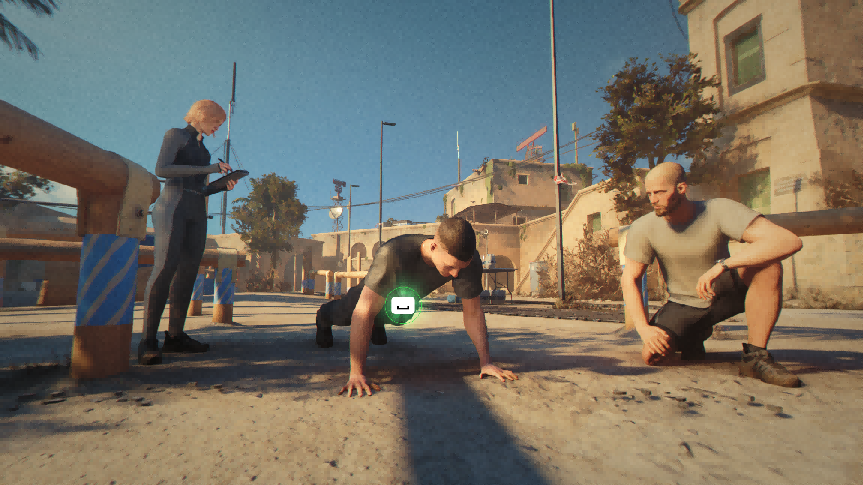
An excessive focus on cinematic elements may dilute IOI’s strengths in sandbox depth. If the game features too many QTEs, chase sequences, and linear cutscenes, hardcore stealth players may feel they lack the freedom to play as they see fit. After all, in a true stealth assassination scenario, players expect the joy of discovering their own paths.Excessive dynamic cutscenes may diminish players’ sense of accomplishment. While solving problems through systematic thinking may not be as visually striking as direct action sequences, an overemphasis on action can undermine the experience of autonomous decision-making provided by the system, depriving players of a unique sense of satisfaction.Furthermore, if the combat rules are not set up properly, they can actually have a negative impact. For example, if the “license to kill” triggers too easily, players may be tempted to fire their weapons frequently, neglecting more strategic approaches; conversely, if the threshold for triggering it is too high, it will limit players’ freedom to experiment with various forms of combat.
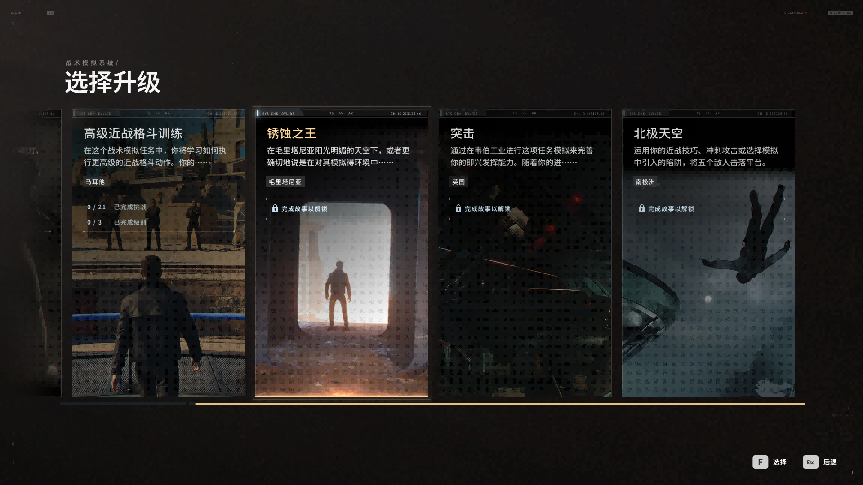
This also offers insight into IOI’s thinking regarding the single-player business model. One of the challenges facing traditional linear action-adventure games is that their high development costs are difficult to justify given how quickly the content is consumed: the entire main story can often be completed in just over a dozen hours, and players’ enthusiasm wanes rapidly once they finish the game.Although additional content such as DLC, deluxe editions, skins, and outfits can be sold separately, without the support of replayability, these items easily become mere garnishes alongside the main course.
Since the launch of the new “Hitman” trilogy, IOI has been exploring new avenues in replayability and system design, and the TacSim mode in this 007 title is a continuation and deepening of those efforts.While the cinematic main story aims to provide most players with an immersive James Bond movie experience, TacSim offers hardcore players who are passionate about studying game mechanics a platform to unleash their creativity and challenge themselves. Elements such as challenge modes, scoring systems, restricted conditions, leaderboards, and the unlocking of weapons and outfits are skillfully integrated into this framework.For example, completing missions using only specific items, remaining undetected, employing non-lethal tactics, or executing time-limited evacuations—or even adjusting enemy distribution and mission objectives—all allow existing scene resources to be reused multiple times without requiring a complete remake of the game.
Conclusion
For a veteran game studio like IOI, sticking to established patterns is clearly insufficient to keep pace with the ever-changing market. In recent years, their traditional gameplay has gradually failed to meet the needs of modern players, but the arrival of the 007 project has provided IOI with a new turning point.This not only provided the studio with a breakthrough but also demonstrated its ability to successfully channel years of accumulated experience into a new direction. The character of Bond, with his spirit of innovation and adventure, has also infused IOI’s titles with a fresh, contemporary vitality.
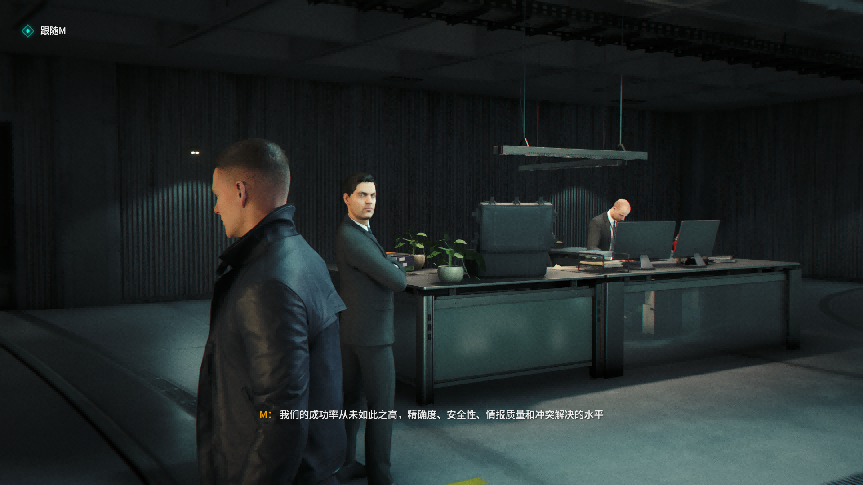
Although many players may still be hoping for IOI to release a brand-new open-world title or continue the story of Agent 47, this collaboration has demonstrated IOI’s potential in cinematic narrative games and earned widespread recognition.The legend of 007 will continue, whether or not IOI is at the helm. It remains to be seen whether IOI can continue to exert its influence in future 007 stories—the next chapters of this classic IP—while transforming this experience into a driving force for its own growth.
In *007: From Scratch*, the new Bond is learning how to become Agent 007, while IOI is also learning how to break free from being defined solely by the *Killer* series. This current endeavor feels more like the first step toward opening that door.Naturally, beyond that door lie more opportunities, but also greater challenges.
原创文章,作者:gallonwang,禁止转载:https://youxichaguan.com/en/archives/200141