Introduction
Over the past three years, leading domestic gaming companies have organized more than 240 charitable events each year; by 2025, more than half of these charitable projects will have been ongoing for at least three years.
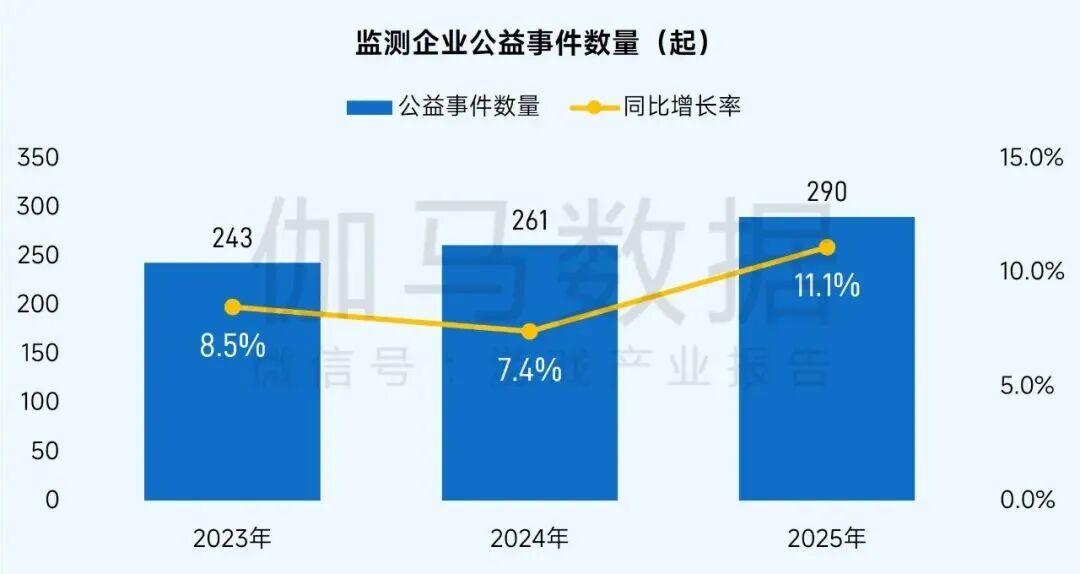
Source: Gamma Data (CNG)
At a time when ESG has become a must for large corporations, game companies are ahead of the curve in their commitment to philanthropy. However, when it comes to philanthropy, game companies and other businesses are not starting from the same “point.”
In the early days when video games first entered the mainstream of popular entertainment, they were accompanied not only by commercial growth but also by ongoing social controversy. Concerns about games being a waste of time, addiction, and neglect of studies… As a result, for a long time, the gaming industry has been actively addressing one question: Beyond entertainment, what else can it contribute to society?
Today, gaming companies’ charitable initiatives are both frequent and impactful.Setting aside the fact that leading companies like Tencent have long ranked among the top tier of Chinese enterprises in terms of charitable and public welfare contributions, an industry survey conducted in 2025 revealed that 71% of the gaming companies surveyed had carried out public welfare projects closely integrated with their core businesses over the past three years, and more than 80% of gamers had encountered or participated in in-game public welfare initiatives.
From exploring the path of philanthropy amid controversy to proactively leveraging industry strengths to diversify philanthropic approaches, the philanthropic journey of game companies has always resonated with the history of the industry’s development. It chronicles how the gaming industry has come to understand itself—and how society has come to reinterpret it.
01
Early Explorations in Philanthropy: Taking the First Step Amid Controversy
In 2007, the feature article “The System,” published in *Southern Weekly*, won the Knight International Journalism Award. This piece, which has gone down in the history of Chinese journalism, not only set a benchmark for Chinese-language nonfiction writing but also documented a landmark critique of the gaming industry by the mainstream media.
"Even though it was all virtual, Lü Yang once firmly believed she had found a golden path leading to glory and her dreams. However, as she poured more and more money into it, Lü Yang—like so many others—discovered that what money actually built was a road to servitude."
This was the public discourse surrounding video games during the first decade of the 21st century. The label of “electronic heroin,” societal anxiety over internet addiction among teenagers, and frequent regulatory pressure formed the initial context for video game companies’ philanthropic efforts.
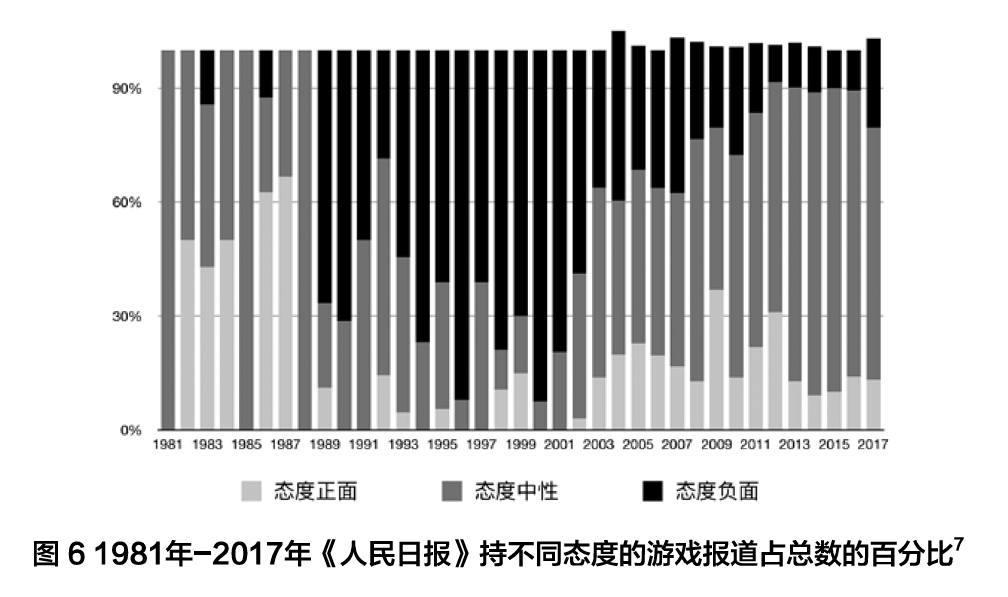
Source: From “Electronic Heroin” to “Made in China”: Discourse Shifts in *People’s Daily* Game Coverage (1981–2017)
A paper published in *International Journalism* analyzed the content of *People’s Daily* reports on video games from 1981 to 2017.Beginning with the first negative report on the domestic gaming phenomenon in 1989—which noted that primary and secondary school students’ obsession with video game consoles might “affect their academic performance and physical health”—the number of reports expressing negative attitudes increased year by year, peaking in 2000.
With the dawn of the new millennium, online games replaced arcade machines and home video game consoles as the most prevalent form of gaming. The triad of “Internet cafes—online games—Internet addiction” became deeply associated with “stigma” and emerged as a cultural phenomenon of that era.
Against this backdrop, the ways in which game companies give back to society remain relatively limited. For one thing, there are few models to draw upon; for another, they must also address the controversies that accompany their rapid growth.
Therefore, the most common forms of corporate social responsibility at that time were, first, to demonstrate “self-discipline,” showing regulators and the public that the company acted responsibly.
In August 2005, seven leading online game companies—Shanda, NetEase, The9, Guangtong, Kingsoft, Sina, and Sohu—issued the “Beijing Declaration,” pledging to “protect the well-being of minors and create a healthy online gaming environment,” and signed a memorandum of understanding regarding the development and implementation of the “Online Game Anti-Addiction System.”In October of the same year, the system was first piloted in 11 of the most popular games, including *Legend*, *World of Warcraft*, and *Fantasy Westward Journey*.
Some companies have also taken a more proactive approach to fulfilling their social responsibilities. For example, in 2009, Giant Network launched *Green Journey* and proposed the “Four Standards for Green Online Games,” explicitly rejecting internet addiction. Strictly speaking, these self-regulatory measures do not qualify as public welfare initiatives, but they did have altruistic effects at the time and thus became one of the origins of public welfare in the gaming industry.
Second, corporate charitable donations are considered a more typical and traditional form of philanthropic activity.
A 2005 report in the Guangming Daily noted that over a two-year period, Shanda Networks had donated more than 15 million yuan to the Project Hope, the Youth Fund, and initiatives to preserve the cultural industries of endangered ethnic groups.At the time, Chairman Chen Tianqiao made the following remarks: “As a socially responsible enterprise—and one with genuine influence—you should let others get to know you through your actions, and inspire more people and more companies to pay attention to pressing social issues and those in need, and to take concrete steps to support the development of society.”
Source: Tencent Games Official Website
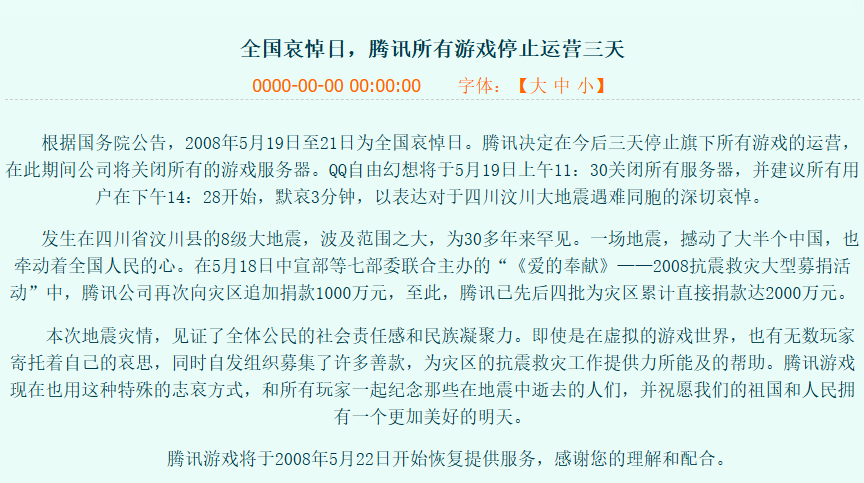
Following the 2008 Wenchuan earthquake, several domestic online game companies suspended service as a sign of mourning.In terms of donations, Tencent contributed 20 million, Giant Network 13 million, NetEase 12 million, and Shanda 10 million; companies also organized various forms of fundraising and disaster relief activities.
While companies’ original intention to give back to society is beyond reproach, it is not hard to see that, at this time, gaming and philanthropy have been separated into two distinct contexts. Gaming is responsible for growth, while philanthropy is tasked with giving back—and there is little connection between the two.
As a result, early charitable initiatives conveyed the message that “game companies can do good,” but struggled to answer the question of “what value do games themselves hold for young people and society?” However, as the gaming industry has rapidly evolved and its status has risen, charitable efforts have gradually taken on a wider variety of forms.
02
Industrial Growth, Enhanced Philanthropy
A study of gaming-related reports in the *People’s Daily* found that prior to 2007, the dominant narrative centered on “harm to youth”; however, between 2012 and 2015, such reports virtually disappeared, and were replaced by the frequent appearance of two other sets of keywords: “industry and economy” and “new forms of entertainment.”
The 14th ChinaJoy revealed a set of data showing that in 2015, China’s gaming market generated annual revenue of 140.7 billion yuan—4.35 times that of 2010—with an average annual growth rate as high as 34.2 percent.In the same year, sales revenue from games independently developed in China reached 98.67 billion yuan, accounting for 70.1 percent of the total market.
If we take a broader view of the timeline, the data for leading companies becomes even more telling. The second decade of the 21st century marked the golden age of the mobile internet, and the industry witnessed an explosive growth in mobile gaming.Tencent’s net profit attributable to shareholders surged from 10.203 billion in 2011 to 159.847 billion in 2020; NetEase, whose business is even more heavily weighted toward gaming, saw its net profit rise from 3.2 billion in 2011 to 12.063 billion in 2020.
By that time, the gaming industry had already become a sector with enormous economic scale and social influence.As a form of entertainment enjoyed by the masses, it has dispelled the stereotype that “gaming is a waste of time”; with games themselves becoming more meticulously crafted and their regulatory frameworks more robust, the industry has broken free from the stigma of being “electronic opium” and is now truly regarded as a mainstream cultural industry.
Gaming philanthropy has thus evolved from a one-time act of charity into a project that companies intend to manage on a long-term basis.
As a result, foundations emerged, driving the organization and scaling up of philanthropic efforts.
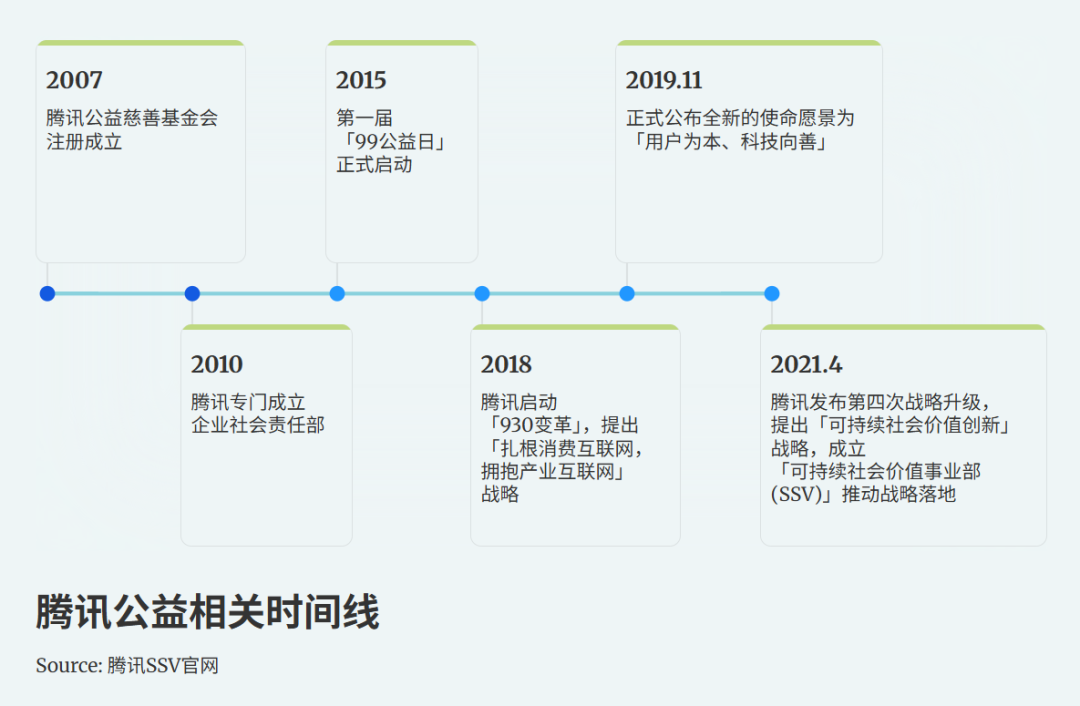
In 2007, China’s first public welfare foundation initiated by an internet company was established by Tencent and registered with the Ministry of Civil Affairs. The company donated an initial endowment of 20 million and pledged to make ongoing annual donations based on a certain percentage of its profits.From 2007 to 2023, the Tencent Foundation received more than 15.2 billion in donations from Tencent Group and its employees.
In terms of scale, when Tencent’s “99 Charity Day” was launched for the first time in 2015, it attracted 2.05 million participants who made donations totaling 127.9 million yuan. Both the amount raised and the number of participants set new records for online fundraising in China at the time.
In 2013, the Perfect World Employee Charity Fund was officially established, focusing on “social welfare, disaster relief, youth education and development, and corporate social responsibility.” Since then, it has carried out a variety of charitable projects, including poverty alleviation, support for orphans and people with disabilities, disaster relief, and efforts to combat the pandemic.
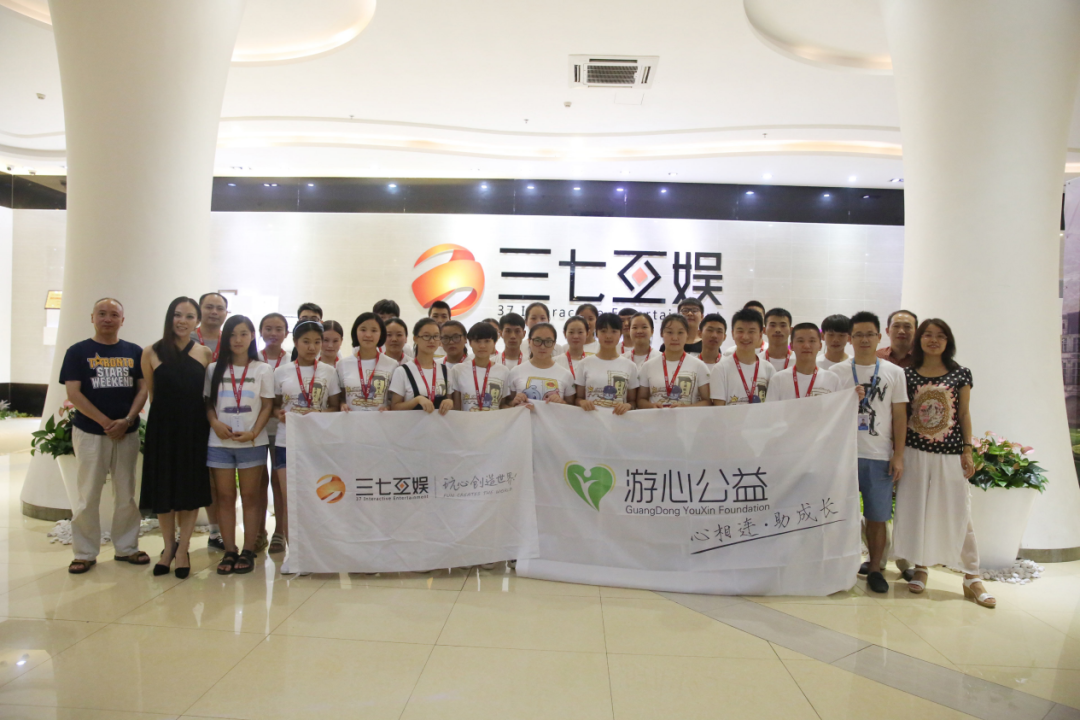
In 2014, the Giant Charity Foundation was registered with the Ministry of Civil Affairs. Initiated by Giant Network, it carries out public welfare and charitable activities such as poverty alleviation and educational support. That same year, 37 Interactive Entertainment established the Guangdong Youxin Public Welfare Foundation, which focuses on “the balanced development of high school education and the cultivation of young talent.”
Moving forward, we can see a project continuing to operate for many years.
By the time it released its first Corporate Social Responsibility Report in 2017, 37 Interactive Entertainment had already donated a total of more than 4.5 million yuan to the Youxin Foundation,providing support to more than 250 impoverished veterans of the War of Resistance to improve their quality of life in their later years, and launching educational assistance initiatives in high schools across multiple remote and impoverished regions to help 466 high school students from disadvantaged backgrounds alleviate their families’ financial burdens so they could devote themselves fully to their studies.
Source: Youxin Public Welfare Official Website
From June 2014 through the reporting period, the company organized and completed a total of 25 charitable activities, with 454 employee participants contributing a cumulative total of 2,340 volunteer hours. In 2017, the foundation was recognized as a “charitable organization”; in 2024, it was rated 4A in the Guangdong Province-wide evaluation of social organizations.
Expanding from disaster relief to education, poverty alleviation, and culture, the initiative has gradually brought together a diverse range of stakeholders—including employees, users, and nonprofit organizations. The gaming philanthropy sector has gradually developed a sustainable organizational system.
Since 2019, People's Daily Online has been publishing annual research reports on corporate social responsibility in the gaming industry. The first report, titled *2018–2019 Corporate Social Responsibility Report for the Gaming Industry*, provided a comprehensive assessment of gaming companies’ initiative and actual achievements in fulfilling their social responsibilities.
In addition to recognizing ten outstanding companies—including Perfect World, Tencent, NetEase, Kingsoft, and 37 Interactive Entertainment—the report specifically noted that the gaming industry’s philanthropic efforts have achieved two milestones.
First, we give back to society through a variety of public welfare activities, such as participating in poverty alleviation, healthcare, education, environmental protection, and disaster relief efforts.
Second, compared to traditional gaming-related charitable initiatives—such as in-person donations and teaching support programs—which lack a strong connection to the games themselves and therefore have limited sustainability, gaming companies have, in recent years, leveraged their unique strengths to introduce new charitable models. These models are designed to encourage greater user participation in charitable causes, foster a culture of philanthropy, and enhance users’ sense of social responsibility.
This report introduces a more pioneering perspective on public welfare. At this stage, the social responsibilities that game companies—as “ordinary businesses”—can shoulder have become increasingly clear, and their influence cannot be overlooked. But the question that deserves further exploration is: As a unique product and medium, what else can games contribute to public welfare?
03
Exploring the Unique Value of Charitable Gaming
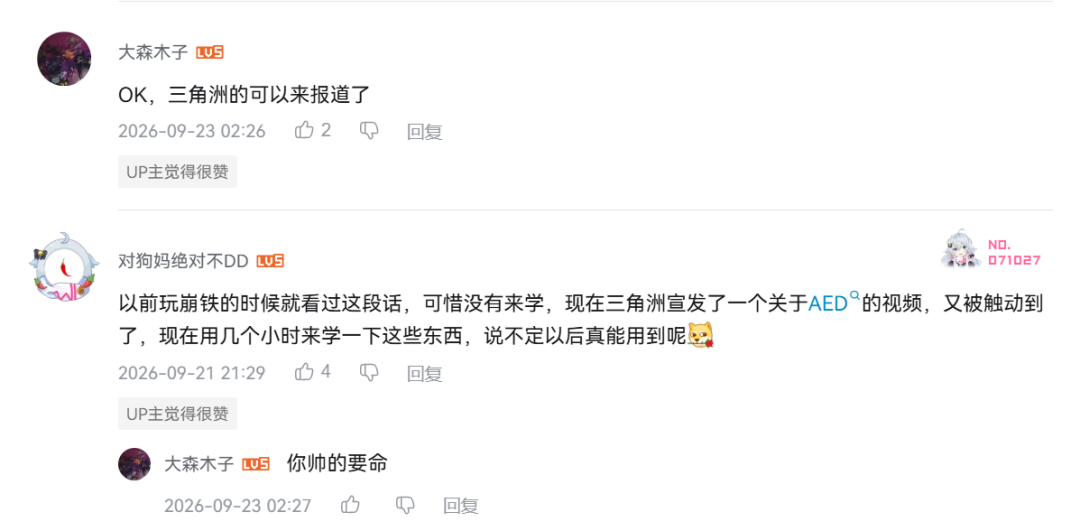
“Delta members, report for duty”—this is a new comment that appeared under an AED instructional video on Bilibili.To mark the second anniversary of *Operation Delta*, the official team launched a public awareness campaign on first aid three days ago. Since then, more than 550,000 players have registered as first-aid volunteers, and the AED locations marked and reported by players now cover 383 cities. Players aren’t entirely unfamiliar with AEDs, as they serve as the crucial in-game item known as the “Big Red.”
Source: Bilibili creator @Xing Yisheng the Defiant
This perfectly highlights two unique advantages that games, as an interactive medium, offer for charitable causes. First is their extraordinary ability to foster community cohesion, which makes it easy to mobilize tens of thousands of players to focus on a single issue. Second is their inherent narrative context, which transforms charitable concepts from something that is merely “promoted” into something that is “experienced.”
How strong can the “agency” be among a group of gamers who share common interests, have a strong sense of identity, and maintain long-term interaction?
Since 2021, *Sky: Children of the Light*, a game published by NetEase, has partnered with the Blue Ribbon Organization on numerous marine conservation initiatives, including beach cleanups and public awareness campaigns, which have taken place in multiple cities across the country. The game has transformed marine conservation—a public issue that was once relatively unfamiliar—into a hands-on initiative in which a large number of players actively participate.
This is just the official initiative; the “self-motivation” of gamers should not be underestimated either. In 2023, miHoYo’s *Genshin Impact* introduced the character Dihya, and the promotional video featured a story about her helping children in desert regions.Although miHoYo did not officially launch a fundraising campaign, players who were moved by the story spontaneously donated to the “Project Hope” initiative in Dihya’s name, with over 90,000 netizens contributing approximately 2.4 million yuan within five days.
In July of this year, Liaoning experienced extreme rainfall. Players of Jinshan’s *Jian Wang 3* quickly organized through online gaming communities and WeChat groups, and within a single day, they gathered donated supplies from various sources at a designated location.Online players placed orders through e-commerce platforms, while on-site volunteers—divided by gender—handled the loading and unloading of supplies, sorted them, and compiled inventory lists. It was clearly a well-established model of community collaboration.

Source: Shenyang.com
According to the “2025 Gaming Philanthropy+ Research Report,” among active gamers who have been exposed to gaming philanthropy initiatives, 86.1% have actually participated, and 77% have made it a habit to participate annually. Feedback from participants frequently mentions “experiencing positive emotions” and “a sense of self-efficacy.”
When traditional companies engage in philanthropy, they typically require repeated mobilization and organization at multiple levels; however, once a gaming community is moved by a particular charitable cause, it can almost spontaneously handle mobilization, outreach, organization, and participation.
The culture of participation and community-building capabilities fostered by games are, by their very nature, relatively scarce resources for public welfare. Moreover, subtly conveying public welfare ideals through storytelling and interaction is where games truly shine.
These types of activities can be collectively referred to as “in-game philanthropy.” Their most obvious benefit is that the barrier to entry is low, which addresses the challenge of “knowing is easy, but doing is hard.” Purchasing in-game items and participating in promotional events can both be designed as direct or indirect ways to contribute to charitable causes.
In July of this year, *Honkai: Star Rail* launched a charitable initiative in partnership with the China Children and Teenagers’ Foundation, introducing an interactive charity mission within the game.Players can use a virtual commemorative item to participate in real-world charitable activities and will receive a drawing created by children from the beneficiary region the very next day. The project leader explained the core concept as follows: players do not need to leave the game environment, which “lowers the barrier to charitable participation and allows acts of kindness to occur naturally in everyday life.”

Source: Xinhua News Agency
An even more ingenious approach is “narrative embedding,” which moves away from didactic preaching; the act of playing itself can become a form of civic engagement.
Genshin Impact’s sixth-anniversary special charity campaign, themed “The Sound-Collecting Post Office,” supports the “Charity Project for Children in Need.” Players can write back to children in Zhangjiajie via the in-game event page; whether answering their questions or offering comfort and encouragement, all interactions come from the heart and are filled with empathy.
Games that integrate such elements more deeply—such as *Peacekeeper Elite*—incorporate interactive public service content into their island-themed maps, where players can view public service billboards and collect marine debris. For the game’s primary audience—young people—this is undoubtedly an accessible way to engage with public service initiatives.
In 2025, the domestic gaming market generated actual sales revenue of 350.789 billion yuan, a year-over-year increase of 7.68%; the user base reached 683 million, a year-over-year increase of 1.35%.Both figures reached all-time highs. Today, gaming has become a digital cultural experience shared by hundreds of millions of people, and the technological and artistic value embodied in it is gaining broader recognition.
Consequently, society’s expectations for it have risen even higher. This has prompted today’s gaming philanthropy to delve even deeper.
Conclusion
Today, through their long-standing philanthropic efforts, game companies are fulfilling their social responsibilities, meeting public expectations, and promoting a renewed understanding of video games in society.
And when it fully harnesses its user base, content, and product capabilities, the public issues that games can address,
Opening up new spaces.
The 2025 Game For Good Jam 48-Hour Game Development Challenge used “sensory deprivation” as its creative theme. Most participants were college students and independent developers, and their entries focused on the challenges faced by various groups, including those with visual impairments, hearing impairments, aphasia, and Alzheimer’s disease.This highlights one aspect of how games can demonstrate human compassion, allowing players to briefly experience the circumstances of vulnerable groups and truly practice “empathy.”
Tencent’s “Little Red Flower” gaming division has very clearly positioned itself as a gaming brand focused on social value.Award-winning titles such as *Room 301, Building 6* were originally public welfare games focused on Alzheimer’s disease. Later, Tencent further developed gamified cognitive training into *Tencent Brain Training*, which obtained a medical device registration certificate in 2025.
This also suggests that, in addition to public awareness campaigns, games may also become part of social infrastructure and play a role in “healthcare and wellness.”
The path of social responsibility taken by domestic video games has transcended the boundaries of “entertainment products,” yielding public value far beyond expectations. Perhaps this is the true allure of the “ninth art”: it not only allows people to temporarily escape reality but also enables them to reengage with reality while holding onto hope.
原创文章,作者:游茶妹儿,禁止转载:https://youxichaguan.com/en/archives/221672