April 16, 2026, Shenzhen—As economic cooperation in the Asia-Pacific region continues to deepen and the global industrial chain undergoes rapid restructuring, enterprises in the Greater Bay Area—which combine innovative vitality with the advantages of a comprehensive supply chain—are accelerating their expansion into high-potential emerging overseas markets.Today, the third Yandex Ads China Conference (Yandex Ads Conference 2026) was successfully held in Shenzhen.With the support of the Shenzhen International Chamber of Commerce and the Shenzhen Smart Terminal Industry Association, Yandex Ads concurrently hosted a roundtable discussion titled “Insights and Opportunities: Greater Bay Area Enterprises Setting Sail for the Russian-Speaking Region,” bringing together representatives from the Shenzhen Council for the Promotion of International Trade, the Shenzhen International Chamber of Commerce,the Shenzhen Smart Terminal Industry Association, and representatives from experienced companies expanding overseas to jointly explore new opportunities and pathways for Greater Bay Area enterprises to tap into the Russian-speaking market.

“Insights and Opportunities—Greater Bay Area Enterprises Set Sail for Russian-Speaking Markets” Roundtable Discussion
Tang Jin, Deputy Director of the Shenzhen Council for the Promotion of International Trade, stated that the Russian-speaking region has become an important cooperative market along the “Belt and Road” route and is also one of the most reliable growth markets for Greater Bay Area enterprises in their global expansion.As Greater Bay Area enterprises expand overseas, they are transitioning from traditional trade to a new phase focused on brand and technology exports. The Russian-speaking regions boast a vast and young consumer base, along with rapidly improving digital economy infrastructure, offering vast opportunities for China’s competitive sectors such as smart devices, mobile games, consumer electronics, and new energy vehicles.
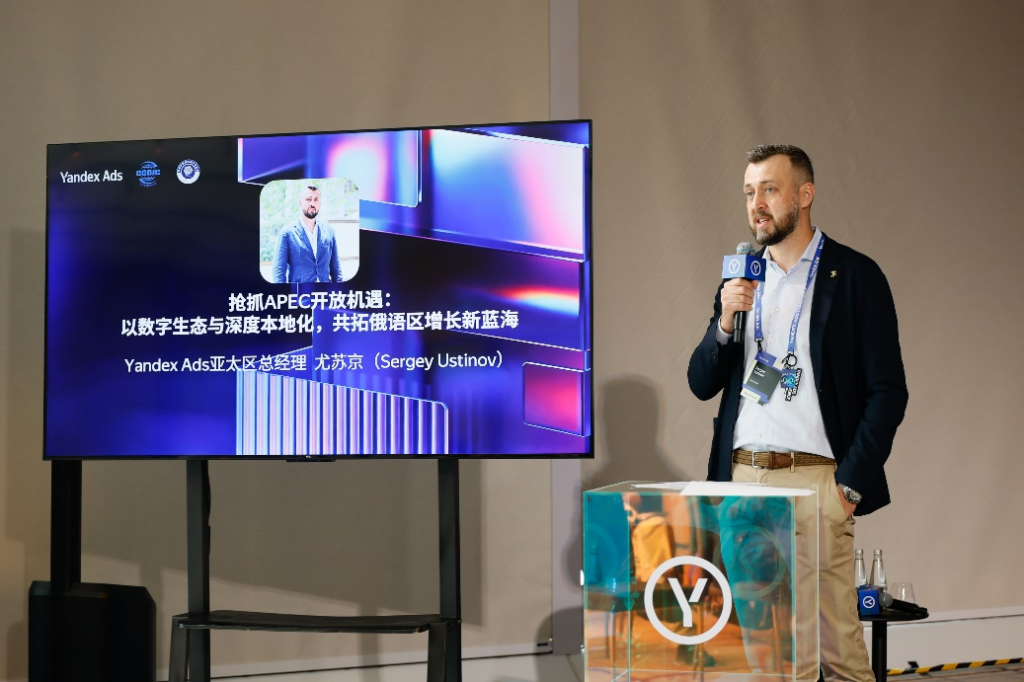
Sergey Ustinov, General Manager of Yandex Ads for the Asia-Pacific Region
Sergey Ustinov, General Manager of Yandex Ads for the Asia-Pacific region, shared a set of data in his presentation:According to authoritative research from the Russian Advertising Industry Analysis Center, 85% of Chinese companies operating in Russia plan to continue expanding their presence over the next 1–2 years; 81% view increased investment in marketing and advertising as key to success; and 72% plan to launch new products tailored specifically for the Russian market.“These figures clearly demonstrate that Chinese companies in the Russian-speaking region are shifting from simply exporting products to establishing a strong brand presence, and from volume-driven trade to deep localization,” said Ustinov.
Strategic Window of Opportunity: Russian-Speaking Regions Emerge as a New Hub for the Greater Bay Area’s Global Expansion
Amid the global trend of companies expanding overseas, the Russian-speaking market is emerging as a strategically valuable destination due to its unique scale and resilience.During the roundtable discussion, the panelists reached a shared understanding and consensus: the Russian-speaking region is emerging as one of the strategic markets with the greatest growth potential and the highest degree of certainty in the Greater Bay Area enterprises’ global expansion plans, offering structural opportunities particularly for those enterprises in the Greater Bay Area that excel in “technology and manufacturing.”
You Sujing shared the latest insights from the Yandex Ads platform, stating: “Over the past year, we have witnessed significant growth from Chinese advertisers. On the Yandex Ads platform, Chinese advertisers’ ad budgets increased by 111% year-over-year, while the number of advertisers grew by 30%. Gaming, utilities, media, lifestyle services, and subscription-based apps have become the most active categories for global expansion.These figures clearly demonstrate that the Russian-speaking region has evolved from a ‘traffic market’ into a ‘revenue market’ with high monetization potential. Yandex Ads’ end-to-end capabilities—ranging from market insights and ad placement to traffic monetization and technical support—are helping an increasing number of Chinese developers achieve scalable growth in this market.”
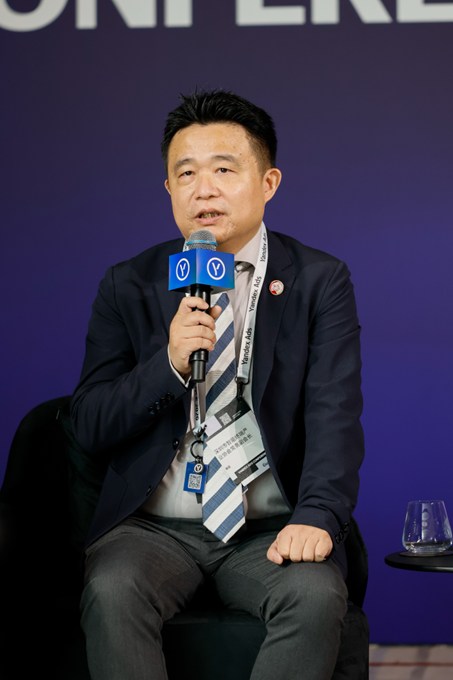
Wu Zheng, Executive Vice President of the Shenzhen Smart Device Industry Association
The Russian-speaking market features strong user willingness to pay, mature infrastructure, and a less competitive environment compared to first-tier markets, providing a valuable window of opportunity for Chinese tech companies seeking incremental growth.Wu Zheng, Executive Vice President of the Shenzhen Smart Terminal Industry Association, stated that the Greater Bay Area’s competitive industries—such as smart terminals and consumer electronics—are highly aligned with the market demands of the Russian-speaking region. Companies must base their strategies on local user preferences and channel characteristics, ensuring product adaptation and a differentiated market approach, in order to truly establish a seamless pathway from product development to market penetration.
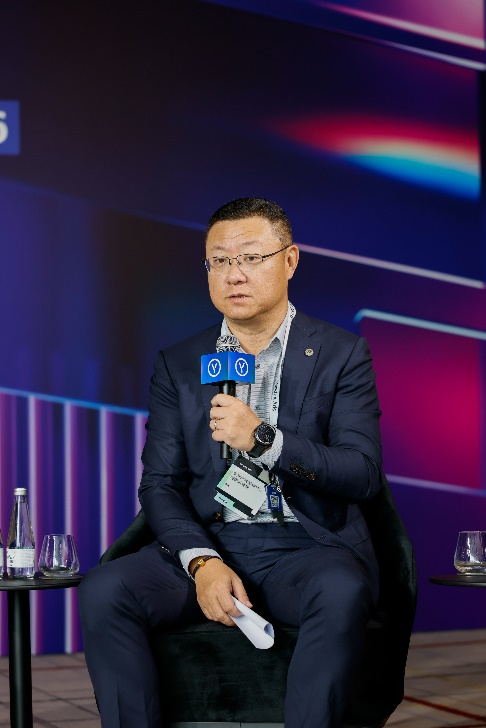
Li Qing, Deputy General Manager of Ping An Property & Casualty Insurance (China) Shenzhen Branch
Li Qing, Deputy General Manager of Ping An Property & Casualty Insurance’s Shenzhen Branch, stated that as Chinese companies deepen their presence in Russian-speaking markets, they are effectively building a more resilient overland logistics and trade network that bypasses traditional maritime routes. This upgrade to the “corridor economy” lays a solid foundation for the companies’ stable, long-term, and sustainable development in the future.
Opportunities and Challenges: Localization Capabilities Are the Key to Success
Opportunities come hand in hand with challenges, and the panelists emphasized that true localization goes far beyond mere language translation. Wu Zheng noted that the product category preferences, channel rules, and competitive landscape in the Russian-speaking market differ significantly from those in European and American markets; companies in the Greater Bay Area must therefore adopt targeted product positioning and brand communication strategies to build sustainable competitiveness.
You Sujing pointed out that gaming, e-commerce, automobiles, and home appliances are currently the most active sectors for Chinese companies expanding into Russian-speaking markets, with gaming companies performing particularly well. The experiences of many companies expanding overseas show that the ability to adapt to local culture, align with user habits, and ensure compliance with local regulations is key to success in these markets.
“Many companies underestimate the importance of cultural adaptation and differences in user habits,” said You Sujing, citing an example: “For instance, in the Central Asian market, using only Russian-language advertisements while neglecting local languages can lead to a significant drop in communication efficiency. The dynamic changes in the regulatory environment also require constant attention.”

Xie Yuanfu, Chairman of Shenzhen Jinfeng Digital Communications Co., Ltd.
Xie Yuanfu, Chairman of Shenzhen Jinfeng Digital Communications Co., Ltd., noted that building an integrated marketing system that combines offline channels with an online ecosystem is crucial, while local talent and compliance support are currently the main challenges.
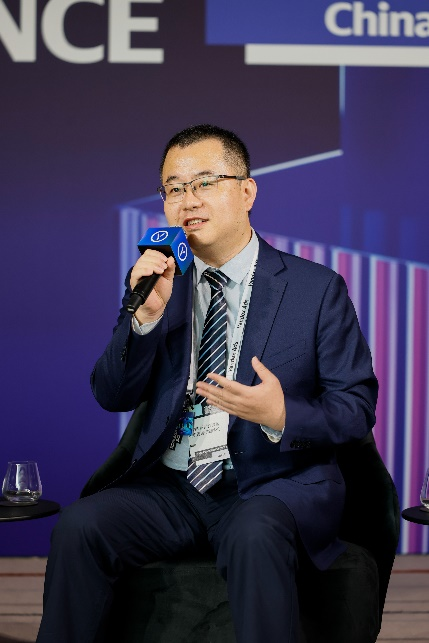
Xue Yuanpeng, Deputy Director of the Trade and Investment Promotion Department of the Shenzhen Council for the Promotion of International Trade
Xue Yuanpeng, Deputy Director of the Trade and Investment Promotion Department at the Shenzhen Council for the Promotion of International Trade, suggested that companies expanding into Russian-speaking regions should strengthen proactive risk management, focusing on market access, compliance, and cross-border resource coordination, while steadily advancing market expansion and localization efforts.
Ecosystem Empowerment: An Integrated Platform Solves Growth Challenges
The Russian-speaking market holds enormous potential and is currently on an upward trajectory, offering a rare growth opportunity for well-prepared companies. So, how can companies in the Greater Bay Area leverage deeply localized operations to transform their technological capabilities and product innovations into sustainable growth momentum in the Russian-speaking market?
In the face of localization complexities and efficiency challenges, the value of an integrated digital ecosystem becomes increasingly apparent.You Sujing explained that the digital lives of users in Russian-speaking regions are highly concentrated within local ecosystems. As a super platform covering search, maps, e-commerce, entertainment, and other scenarios, Yandex reaches 97% of Russian internet users, providing Chinese brands with the ability to engage and communicate with users across touchpoints and throughout the entire customer journey.
The Yandex Ads China Conference is a growth initiative tailored by Yandex Ads to help Chinese companies expand their presence in the Russian-speaking market: Not only did the event feature the major release of the *2026 In-Depth Research Report on the Russian Mobile Market*, which analyzes market opportunities from multiple dimensions—including user characteristics, category opportunities, and monetization pathways—but it also introduced a full-ecosystem solution tailored for Chinese developers. By breaking down language barriers with a fully localized Chinese operating system across all platforms and reducing technical integration costs with the newly launched Yandex Mobile Ads SDK 8, it provides developers in core categories—such as gaming—with a one-stop growth solution covering everything from user acquisition to monetization, and from technical infrastructure to localized operations.
Data shows that total revenue from mobile apps in Russia grew by 28% year-over-year in 2025, demonstrating strong commercialization potential. Russia has developed a high-quality mobile ecosystem characterized by “stable download volumes and rapid revenue growth.”Xue Yuanpeng, Deputy Director of the Trade and Investment Promotion Department at the Shenzhen Council for the Promotion of International Trade, stated that enterprises in the Greater Bay Area should fully leverage industrial synergy and policy support, actively partner with locally rooted digital partners such as Yandex Ads, and build their brands with a long-term perspective to achieve the transition from “going global” to “taking root” in the local market.
原创文章,作者:游茶会,禁止转载:https://youxichaguan.com/en/archives/216252