If one were to look for a “2D” stronghold on the global map today, East Asia would undoubtedly be the undisputed “highest fortress” of the global 2D world. Although, in a broad sense, the 2D culture originated in Japan, with the rise in recent years of cultural products—most notably Chinese 2D games—the global anime and manga landscape has gradually shifted toward a China-Japan bipolar structure.
As the saying goes, Tokyo is the aging ancestral home, while Shanghai is the rising metropolis.
In any case, East Asia ranks among the world’s top tier in terms of the production and consumption of anime and manga culture.
Today, anime-style games have long dominated the charts in app stores, and from art workflows to long-term operations, the industry has already established a well-defined, industrialized workflow for “how to create anime-style games.”
However, as more and more works are churned out by the mature anime and manga industry, there is one issue we often overlook amid all this prosperity: Is the “anime and manga” world really still the same as it used to be?
Once upon a time, a certain type of work—which relied on the artist’s personal touch and was difficult to standardize or replicate, such as works that emphasized the creator’s expression, focused intently on character development, and insisted on a hand-drawn aesthetic—gradually fell out of favor. These works emerged during the golden age of Japan’s ACGN boom,The handcrafted styles of *Slayers* and *Cardcaptor Sakura* defined many people’s first impressions of the “anime and manga” world.
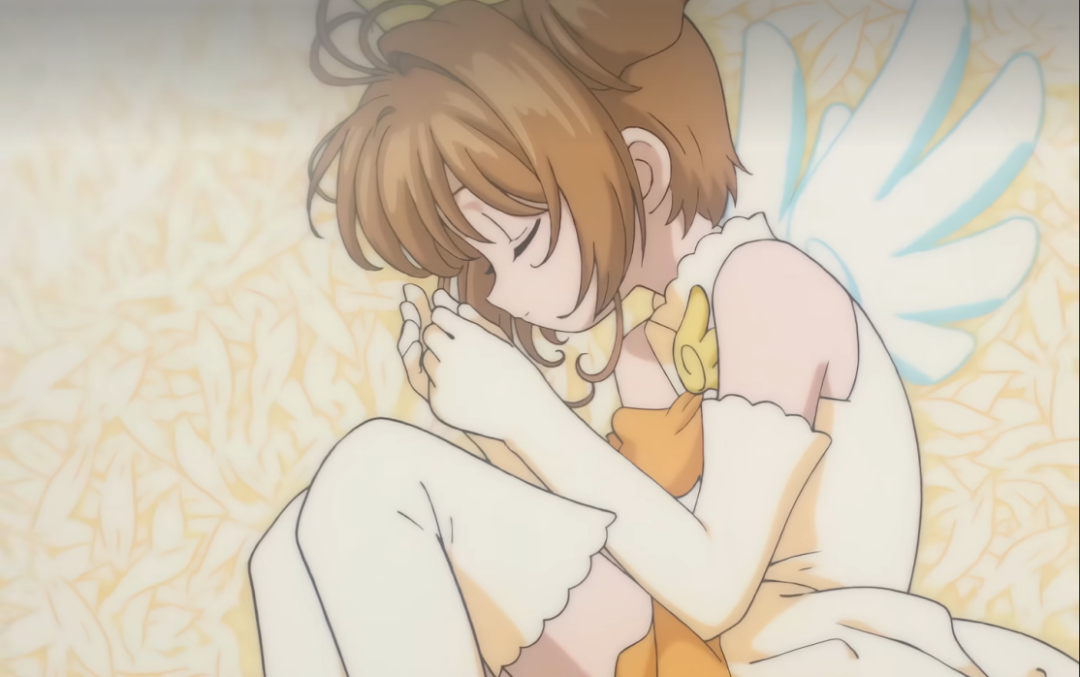
Cardcaptor Sakura OP2 Restored Image
Today, however, such modern works featuring period-specific imagery are, if not extremely rare, certainly not very common.
And it was right at that moment that an indie game that had been released not long ago caught the Teahouse’s attention.
Its art style evokes works such as *Touhou Project*, the OVA series that were all the rage in the 1990s, and even ELF's early *Dragon Knight*; visually, the strong Showa-era aesthetic instantly captivated the teahouse.
This indie game is *Hell Maiden* (hereinafter referred to as *Hell Maiden*).
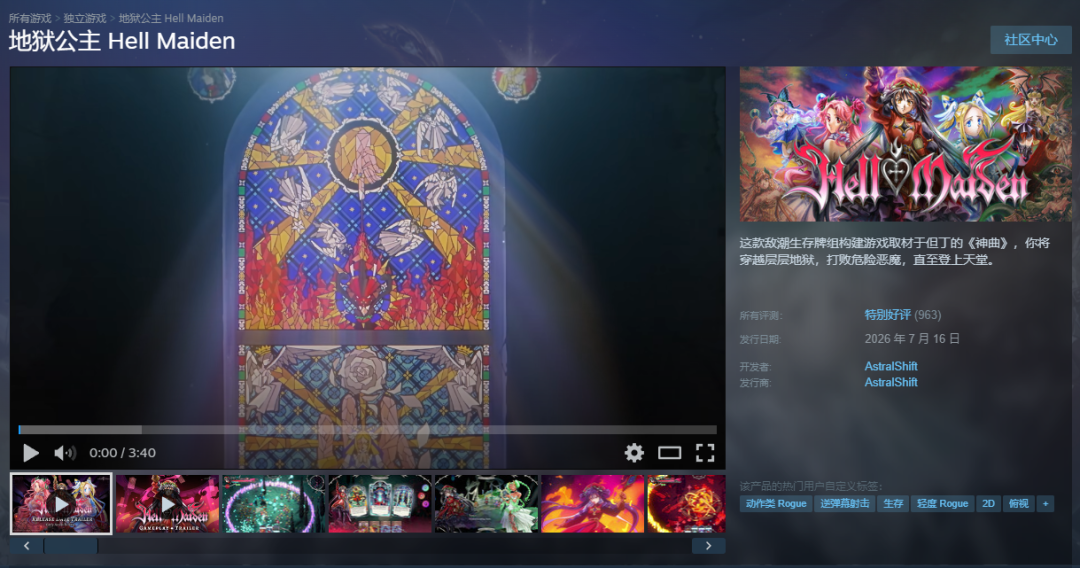
"Princess of Hell" Steam Page
Out of sheer editorial curiosity, the Teahouse did a little digging into the team behind *Hell Maiden*. Just as the Teahouse was assuming this was a product from some Chinese or Japanese indie game studio, the location of its developer, AstralShift, came as a huge surprise.
Portugal.
In the teahouse’s recollection, Portugal lies at the westernmost tip of the Eurasian continent. Five hundred years ago, the poet Camões inscribed a line in his epic *The Lusiads*—a line that was later carved onto a stone monument: “Here the land ends, and the sea begins.”
This land, once known as “the End of the World,” faces the endless winds and waves of the Atlantic Ocean. It served as the starting point for Prince Henry’s fleet, Vasco da Gama’s voyage, and Magellan’s circumnavigation of the globe. The Portuguese were the first seafarers to conquer the oceans.
We can describe Portugal as a country steeped in history, or introduce it as one of the best modern travel destinations, but no matter how you look at it, this country has absolutely nothing to do with the “anime and manga world.”
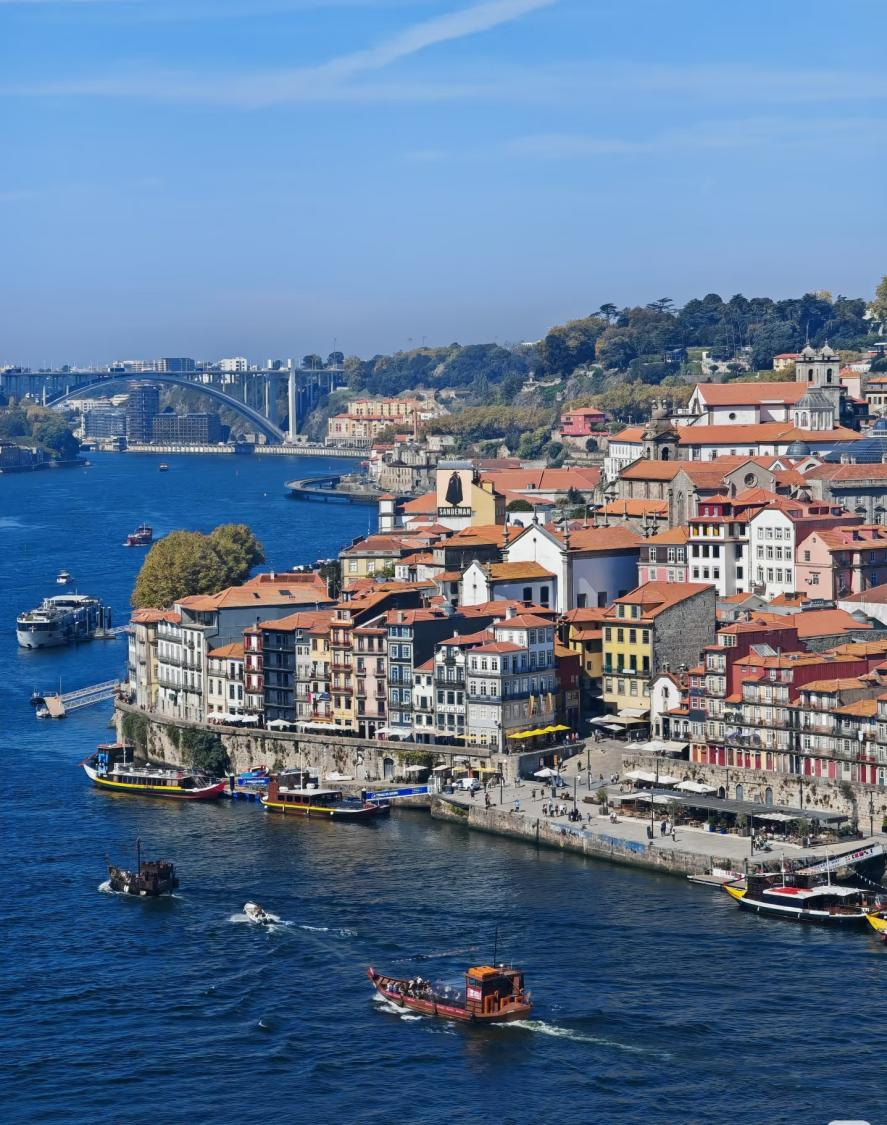
The Portuguese Coast
Furthermore, Portugal has a population of just 10 million, and the local game development community is pitifully small. Who is AstralShift, anyway? And how did they manage to create *Princess of Hell*, a game of such high quality?
With these questions in mind, the teahouse reached out to AstralShift, located on the other side of the globe, and had a chat with them.
After talking with them, the teahouse came to realize that in this day and age, when industrialization is already the norm, AstralShift is not only a microcosm of a generation of Portuguese people who grew up under the influence of classic anime and manga, but also a group of “traditionalist” developers who still insist on crafting their work by hand, stroke by stroke.
Interestingly, in Southern Europe—the cradle of Dante and the Renaissance—the games they create are, in essence, a renaissance of their own: they breathe new life into a style that was on the verge of fading into obscurity, bringing it back to life in a new era.
01
How does this traditional handmade treat taste?
Before we begin, many people may feel that the concept of “traditional handicrafts” is largely a marketing ploy, because reality shows us that handmade products aren’t necessarily superior to mass-produced industrial goods—and often, it’s nothing more than a gimmick.
But after experiencing *Princess of Hell* in depth, this time the Teahouse has to say, “She’s different.”
Before drawing any conclusions, let’s take a look at what kind of game this is.
Based on Dante’s *Divine Comedy*, *Princess of Hell* is an anime-style survival roguelike. As Teahouse knows, you might be a bit tired of hearing about survival games by now—and indeed,in the 2026 gaming market, survival-style games are truly a case of oversupply. To stand out from the crowd, a game absolutely needs to have a unique selling point.
The visual artistry is where *Princess of Hell* truly shines. To draw a comparison, its art is like the “eggplant stew” in *Dream of the Red Chamber*—as Grandma Liu put it, a dish simmered with a dozen or so chickens. Even though it’s made from eggplant, it’s still an extraordinary delicacy.
The moment you launch the game and see the opening animation for the first time, you’ll be struck by its awe-inspiring, dreamlike quality—the characters’ slender silhouettes evoke the visual style of early Japanese OVAs.
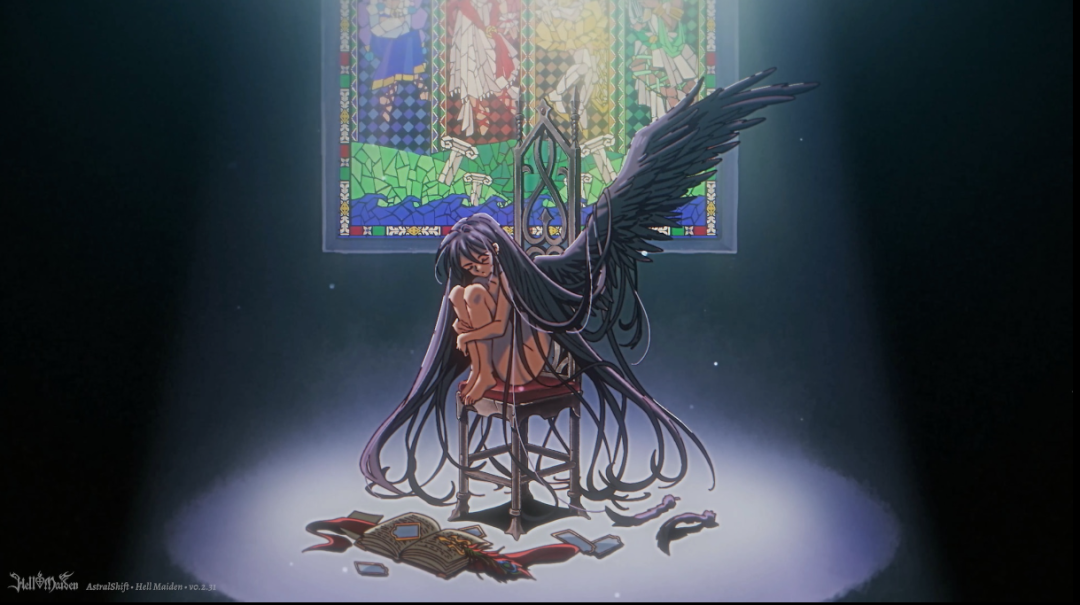
A Broken Yet Sacred Opening
In addition, the music performed by the renowned band mili further enhances the epic feel of this *Divine Comedy*-themed game, making players realize, “You really have to sit down to play this game.”
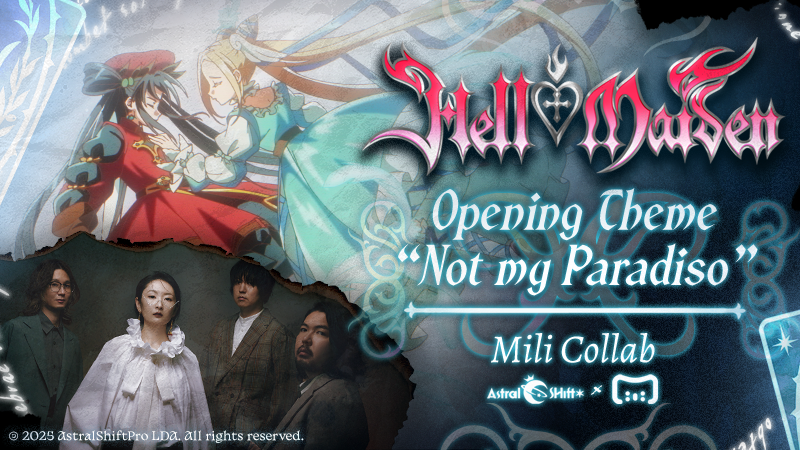
In an interview, the production team described their illustrators and animators as “extremely talented”—and that is indeed the case.
In the game, activating a ultimate ability triggers an animation, and these animations vary depending on which Spirit Prison poet the protagonist draws power from.
These animations have a distinct "magical girl transformation" vibe reminiscent of classic anime, and they pay homage to many iconic scenes; plus, the slightly over-the-top incantations when activating ultimate abilities and the screen-filling special effects that follow are sure to make you exclaim, "This is so anime!"
They say that AstralShift’s artistic style shares the same roots as the *Touhou Project*. *Hell Princess*’s all-female cast, bullet-hell elements, character designs, the atmosphere of its world, and even its approach to the soundtrack are sure to bring a smile to the faces of players familiar with this doujin series.
The studio's Creative and Art Director actually got his start by drawing fan art for the "Touhou Project," and his signature art style was developed during that process.
Behind the impressive audiovisual quality lies a carefully considered choice of game genre.
Many people don’t understand why such a meticulously crafted game would opt for a “survival-style” gameplay mode, which is somewhat clichéd. When asked about this in an interview, the development team explained that they chose the survival-style approach to lower the learning curve for players, allowing them to better immerse themselves in the game’s world and character development. But clearly, there’s more to it than that.
A "Survivor-style" progression system effectively supports the game’s strategic depth and replay value, ensuring that the game never devolves into a mere "pretty face" with little substance.Furthermore, unlike many indie games that follow a “play the level, then watch the cutscene” structure, *Princess of Hell* does not separate narrative from gameplay; as a result, its exquisite audiovisual presentation blends naturally into the survival-style gameplay system.
Survival-style games are generally divided into two parts: roguelike progression and wave-based survival. *Princess of Hell* also offers its own unique take on these two elements.
Let's start with the Meat Dove's growth.
First is the game’s unique Spirit Card system, which presents characters from *The Divine Comedy* in a tarot-style design on exquisitely crafted cards. Combined with a two-in-one progression system, gameplay revolves around three core actions: collecting, stacking, and combining.
Throughout the game, players continuously acquire new cards, each of which corresponds to a weapon, a buff, or an ability; identical cards can be stacked to enhance their effects; and different cards can be combined to trigger transformative chain reactions.
Furthermore, their goal is to ensure that every playstyle is viable and rewarding, while absolute numerical balance takes a back seat. This is to curb power inflation as new Spirit Cards are continuously added and to keep older abilities relevant.
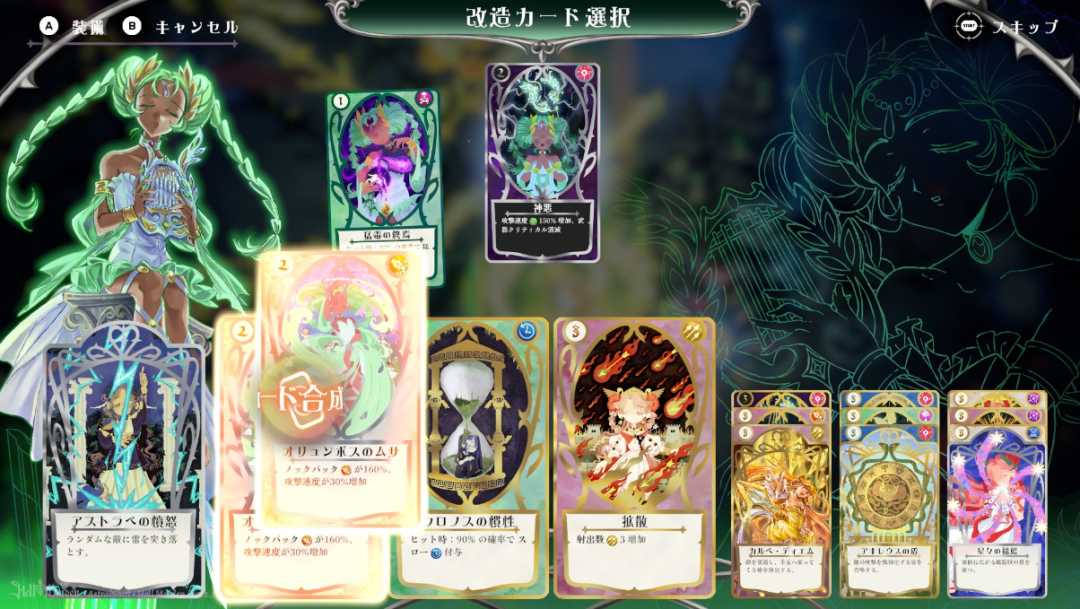
Spirit Card Drawing and Synthesis
The concept is sound, but as it stands, *Princess of Hell* hasn't quite managed to fully realize that vision yet.
Interestingly, the imbalance in *Princess of Hell* runs counter to that of most similar games: rather than having spirit cards that are absurdly powerful, some cards are simply too weak.It’s important to note that in card-drawing and deck-building games, the damage caused by weak cards is often hidden; overly restrained stat design actually amplifies the negative effects of randomness.
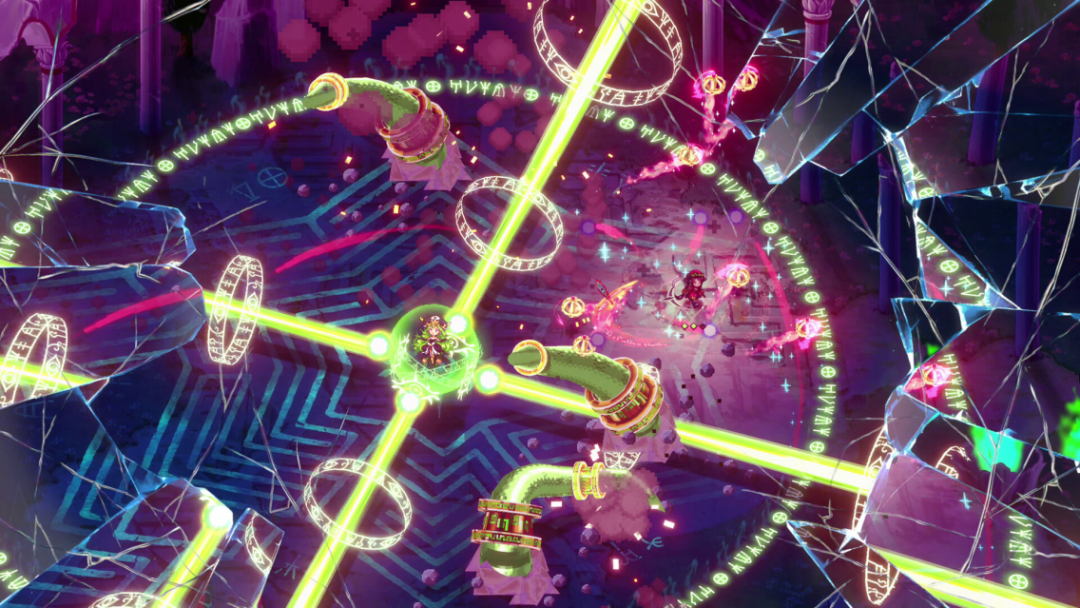
A significant portion of the vampire-style deck's player base isn't made up of competitive players; they're in it for the thrill of sweeping the board once their deck is fully built, not to endure the grind of practice.
Beyond its design, the gameplay experience in *Princess of Hell* still needs some polishing.Currently, the mechanics of some monsters are not yet well-designed, particularly the elite enemies on the second floor, which not only become significantly stronger but are also quite frustrating to deal with. Dante’s dash also frequently gets stuck, and in a game where positioning is everything, movement is practically the player’s only means of control—the reliability of this control should be a top priority.
However, these issues primarily highlight shortcomings in experience design and fine-tuning rather than a fundamental misstep in the game’s core direction. *Princess of Hell* already possesses the two most essential elements of a survival-style game: rewarding feedback that keeps players engaged, and enemy waves that are clearly defined and satisfying to fight.
Earning rewards is a key source of satisfaction in this genre of games. The original *Vampire Survivors* used slot-machine-style animations to excite players, while *Hell Princess* relies on its unique card art and exquisite illustrations to give each new card acquisition a sense of ritual.The audiovisual presentation of enemy waves is also quite solid. Even when a large number of monsters appear simultaneously, the visuals and hit sounds manage to remain “busy yet not chaotic”—effectively creating a lively atmosphere without completely sacrificing the clarity of combat information.
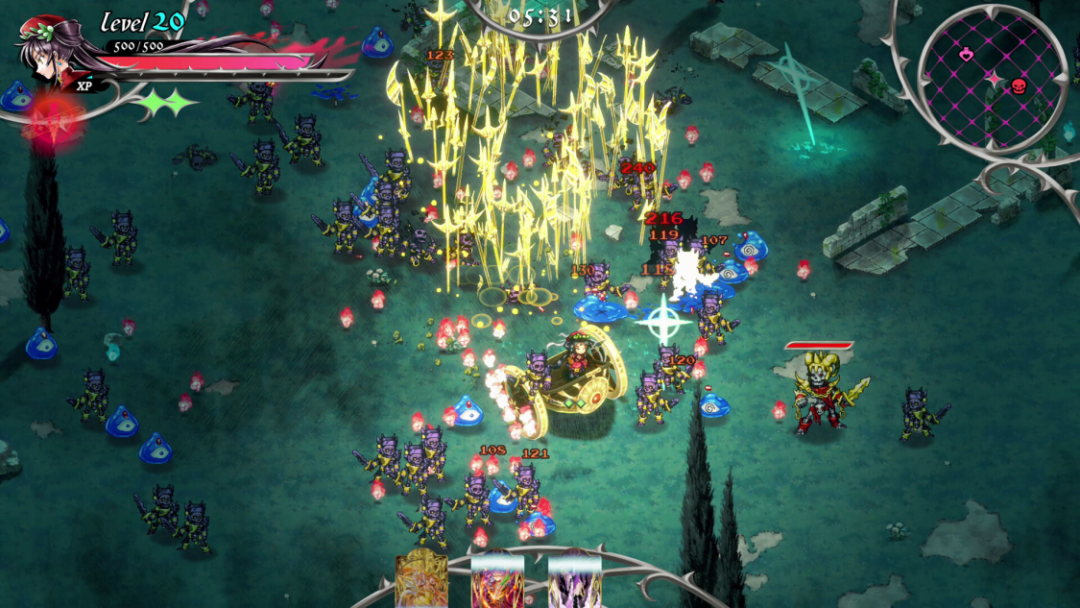
Fortunately, AstralShift is well aware of its current shortcomings and is willing to work hard to learn and make adjustments.The team told Teahouse that this is their first attempt at this genre, and they lack experience in many areas—which is why they chose an Early Access release model to better gather player feedback. Less than a week after launch, the game has already received five patch updates. Noting frequent player feedback about the sudden increase in monster difficulty on the second level, the team immediately prioritized implementing some balance adjustments.
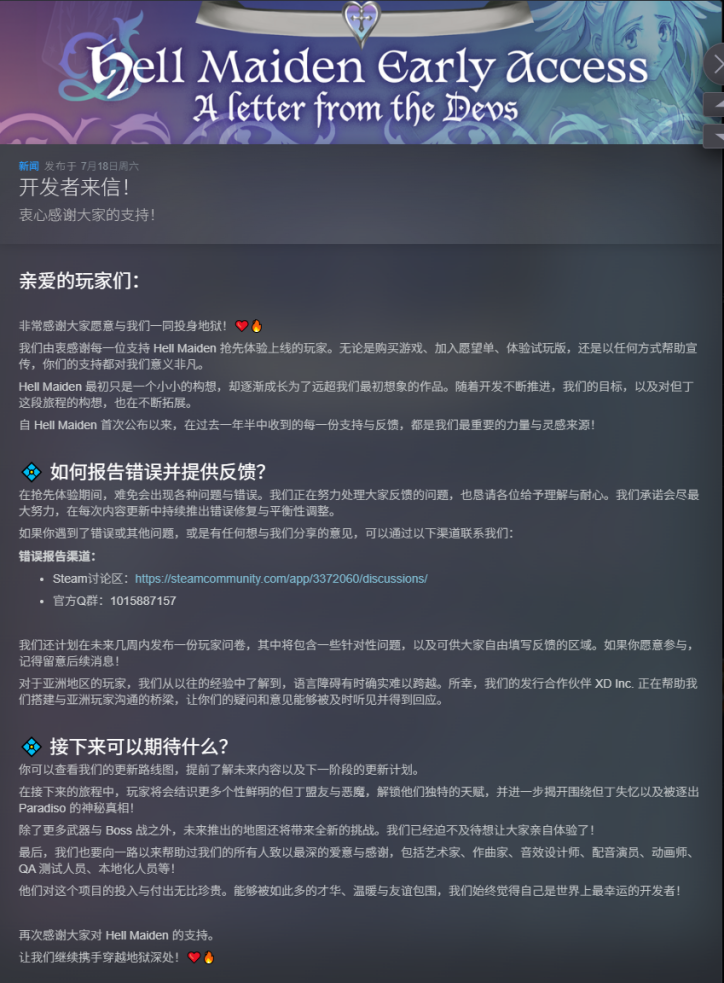
In areas where it excels—such as storytelling—*Princess of Hell* does a very good job;It seamlessly integrates the story, narrative, and game mechanics of *The Divine Comedy*. In Dante’s original work, Purgatory is the first circle of Hell, inhabited by ancient sages who lived virtuous lives but cannot enter Paradise because they were not baptized before death—names like Homer, Ovid, and Lucan are among them.
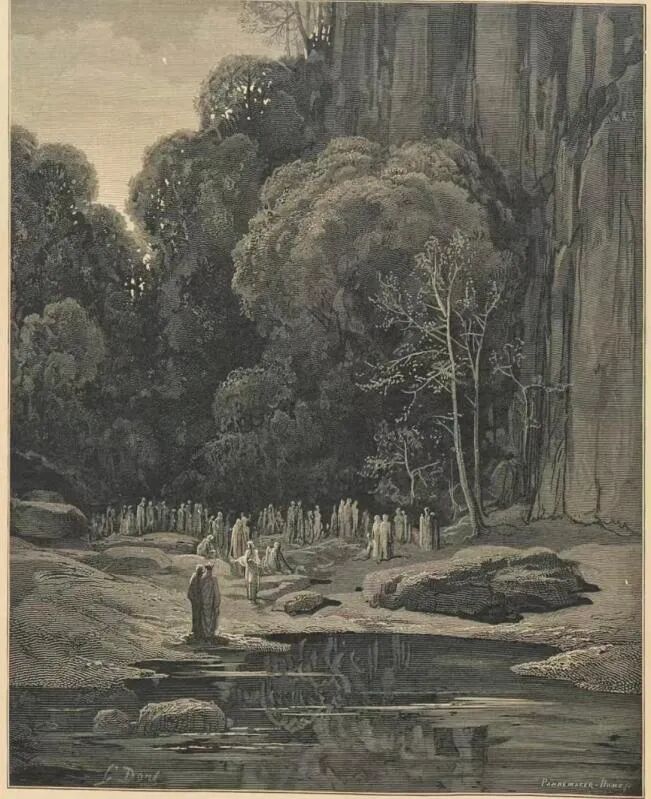
Gustave Doré’s Illustrations for *The Divine Comedy*
AstralShift has fully incorporated this concept into gameplay; throughout their journey, players can rescue these poets one by one and recruit them as companions, and in return, they will bestow blessings and weapons upon the players.
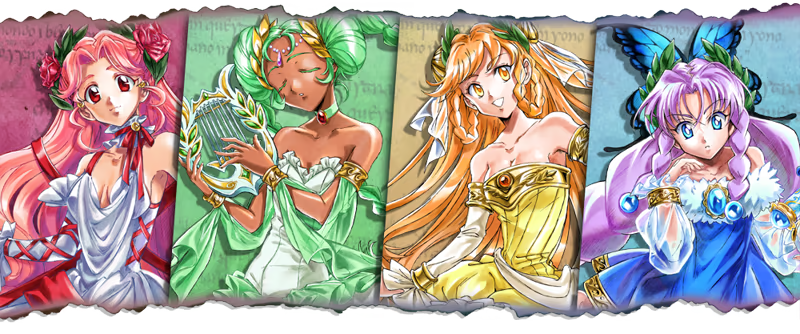
This skill tree is independent of random Tarot draws and is unlocked by advancing the story and exploring the map, thus shouldering the dual responsibilities of narrative and deck-building.
AstralShift said that because everything in the game is hand-crafted—such as skill animations that last about 30 to 40 seconds—it takes about two months to complete them, from storyboarding to the final cut.

Dante's Skill Animations
By today's standards, this creative approach seems somewhat "inefficient." But it is precisely for this reason that it conveys a sense of scarcity.
As a game crafted with "traditional craftsmanship" and made with genuine care, its retro anime-style art and homage to a bygone era inherently showcase distinct cultural characteristics.
Teahouse thought that this was enough to prove the significance of *Princess of Hell*.
However, when it comes to anime culture and game development, the story behind *Hell Princess*’s production team, AstralShift, is no simple one either.
02
Reviving a Creative Tradition
Back in our college days, AstralShift wasn’t originally a commercial studio, but rather a club-like group of friends who would spend their free time huddled around computers, using RPG Maker to create the games they loved.
Works such as *Ib* and *The Witch's House* had a profound influence on them and inspired them to create a game that would both preserve that unique atmosphere and be truly their own.
And so, the team’s debut title, *Pocket Mirror*, was born.
In 2016, this free-to-play RPG Maker game garnered an unexpectedly positive response from the indie gaming community, leading AstralShift to realize for the first time that games emphasizing atmosphere, narrative, and character development could still find their audience.
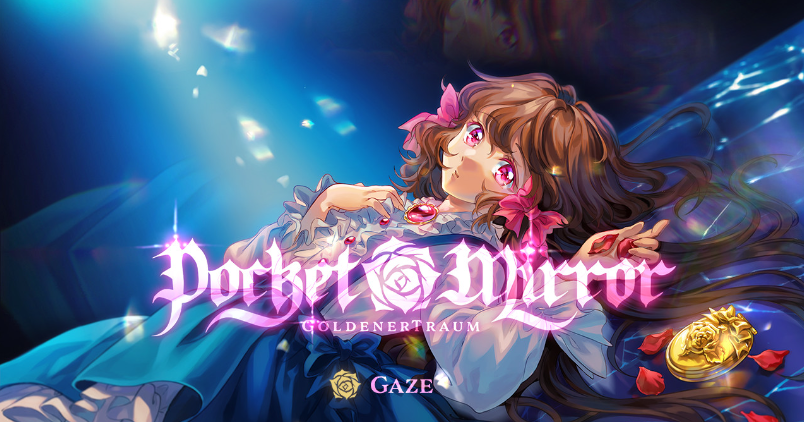
Pocket Mirror (Makeup Mirror—Golden Dream)
The real turning point that led the team toward professionalism, however, came a few years later.During the pandemic, they turned *Little Goody Two Shoes*—a prequel to *Pocket Mirror* they’d been developing for some time—into a short clip that wasn’t even a demo, and used it to secure a publishing partnership. As a result, AstralShift gradually evolved from a hobbyist group into a true independent game studio.
They say that the creative environment in Portugal itself has also been quietly nurturing the team.
Since the country is small, the developer community is naturally small as well; almost everyone knows one another, which has fostered a close-knit and supportive atmosphere. Fellow developers are often the first to see their work and the first to offer honest feedback; this open and trusting relationship allows them to learn from one another and grow together.
It was also from that point on that the team finally had its own kitchen.
However, from the team’s perspective, the biggest change over the years has not been in size, but in experience.
They learned how to organize the production process, how to communicate their ideas to team members, and how to continuously refine their game design based on player feedback. At the same time, however, they emphasized that one thing has never changed.
“From the very beginning, our goal has always been to create games with a distinct artistic identity that are memorable and unafraid to take risks.”
This statement may sound simple, but it almost perfectly sums up AstralShift’s creative journey over the next decade.
From *Pocket Mirror* to *Little Goody Two Shoes* and now *Hell Maiden*, they have continually experimented with different themes and styles, hoping their work will reflect the members’ diverse and eclectic tastes.
The creation of *Hell Maiden* was thus somewhat a matter of chance. After completing *Little Goody Two Shoes*, the team’s creative director, Kira, drew several original character designs of Dante and Beatrice as a personal exercise.
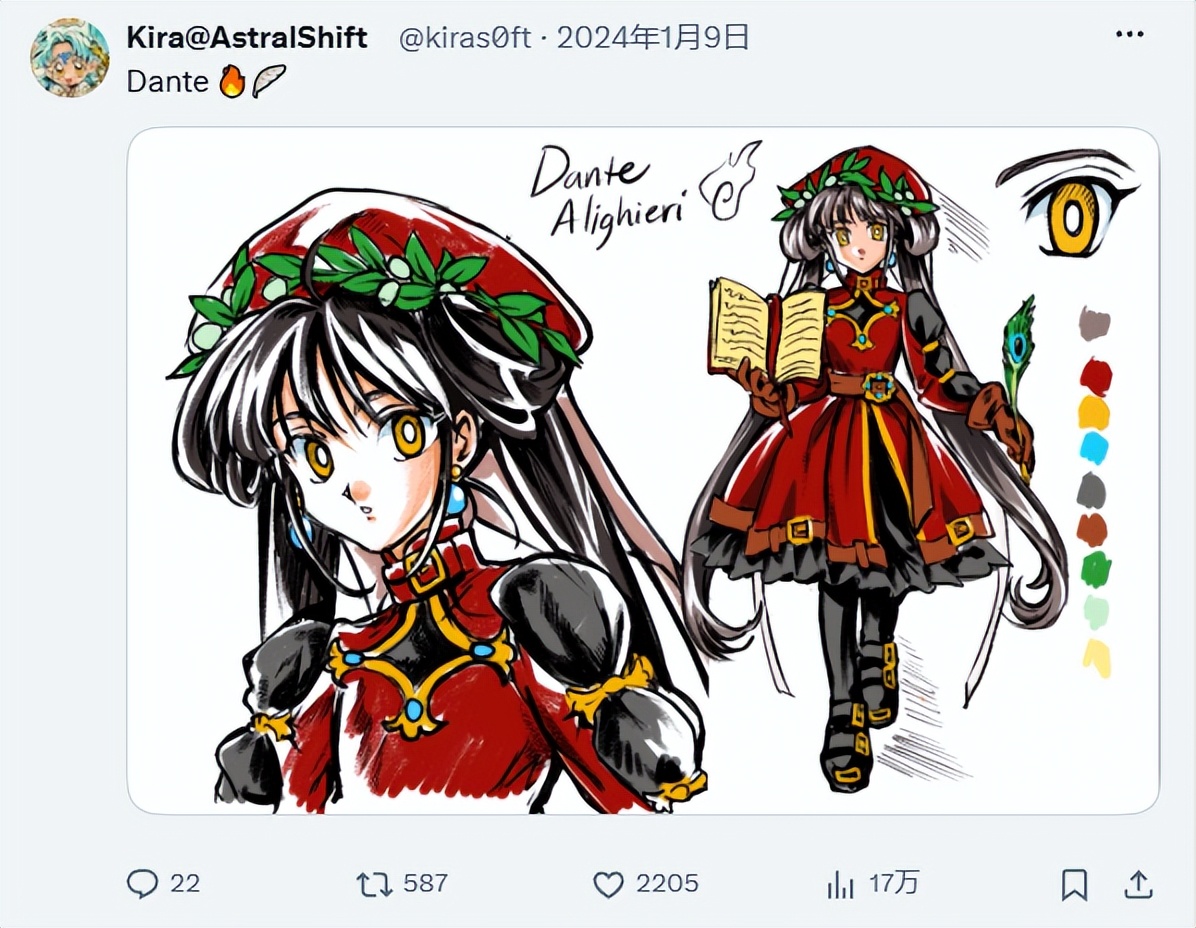
Dante's Design Sketches from the Game
When the team decided to make a bullet-hell Roguelite for their next project and began sifting through the concepts they’d accumulated over the years, these designs immediately stood out.
They realized that the structure of Hell in *The Divine Comedy*, with its concentric circles, was a perfect fit for the stage-based levels they had envisioned. In the team’s own words, it was the moment when all the pieces fell into place—a moment of inspiration that felt almost “divine.”
However, no matter how the themes and gameplay have evolved, AstralShift has never abandoned the creative approach that first drew them to game development. In a sense, what they’ve remained committed to isn’t a specific game genre, but rather a creative tradition that’s becoming increasingly rare.
Whether it’s the symbol-laden dreams in *Pocket Mirror*, the reinterpretation of European fairy tales in *Little Goody Two Shoes*, or *Hell Maiden*’s transformation of the Inferno from Dante’s *Divine Comedy* into a fantastical world steeped in a young girl’s imagination, young girls remain at the heart of the stories, and fantasy is always the underlying tone of these worlds.
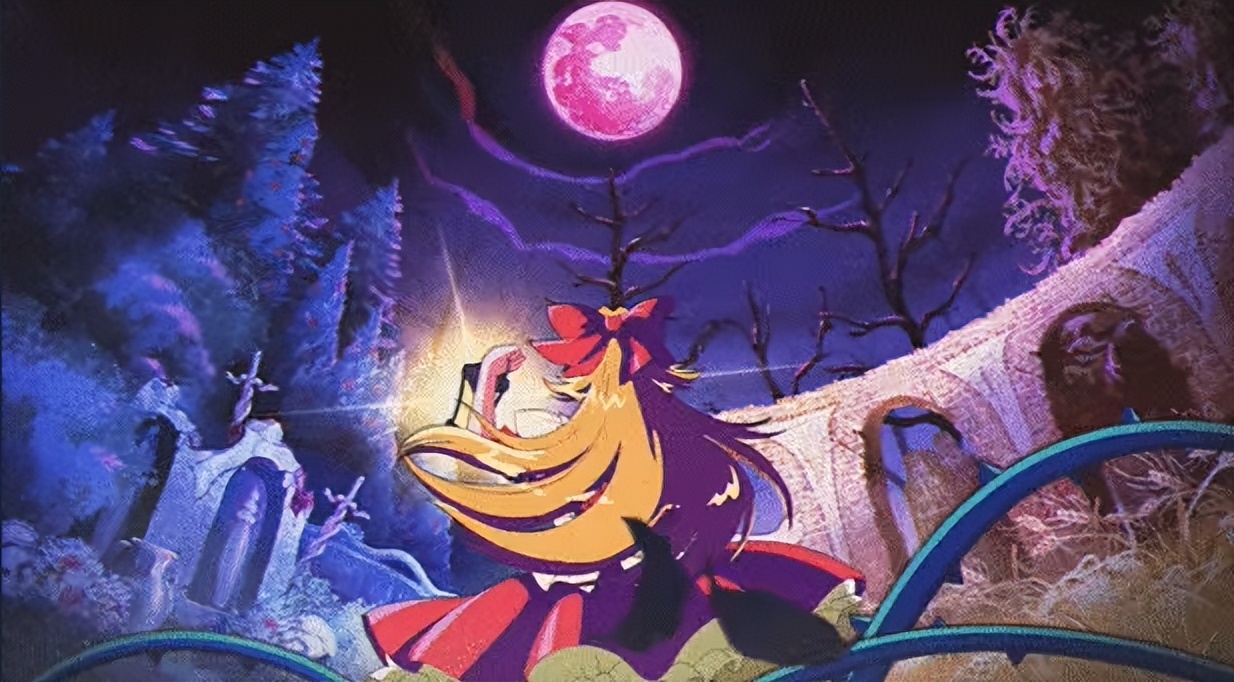
Little Goody Two Shoes
Interestingly, subsequent research actually reinforced the decision to reverse the characters' genders: in academic discussions about Homer’s true identity, there has long been a hypothesis that “Homer may have been multiple people—or even a woman”—which lent a certain resonance to what had initially been a somewhat tongue-in-cheek adaptation.
This consistency isn't the result of a deliberate brand-building effort, but rather a reflection of AstralShift's passion for the anime and manga culture of that era.
AstralShift has always had a preference for female protagonists and female ensembles in the anime and manga world, and enjoys telling stories that are distinctly anime and manga in style. Tracing this preference back to its roots, it stems directly from the shōjo tradition that shaped them as they grew up:From *Sailor Moon* to *Cardcaptor Sakura*, the magical girl series of that era created a multitude of strong female protagonists, shaping their entire aesthetic sensibility.
In their view, this stylized approach has become an integral part of the studio’s identity—to some extent, even surpassing commercial considerations.
For example, Chinese players once described *Princess of Hell* as "a survival-style game with the art style of *Code Geass: Lelouch of the Rebellion*," and the team took this as a great compliment.
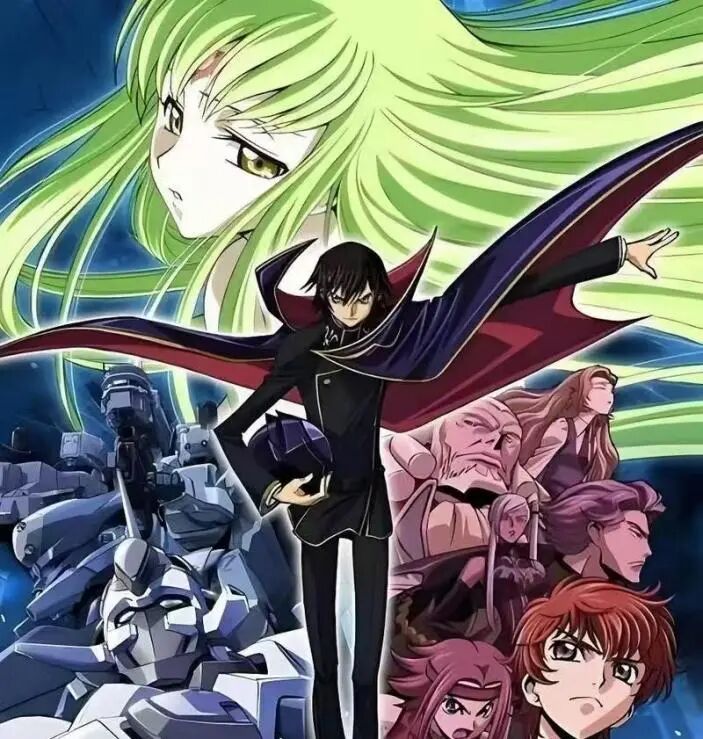
Lelouch of the Rebellion
The reason is that they are devoted fans of CLAMP; Kira spent years studying the illustrations of this Japanese female manga artist duo and developed his own style in the process.From CLAMP’s *Cardcaptor Sakura* to the character designs for *Code Geass: Lelouch of the Rebellion*, those slender, elegant character silhouettes have become a visual hallmark shared by many creators on the team.
“We’ve always felt that AstralShift shouldn’t be a studio limited to a single game genre,” they added. “As players and creators, we enjoy a wide variety of games, and we hope our own work can retain this freedom to continually experiment.”
“The real challenge isn’t learning new gameplay mechanics, but ensuring that no matter what genre we create, players can still recognize at a glance that it’s an AstralShift game.”
In their view, a studio’s style is never defined by gameplay. What truly defines AstralShift’s identity is its character design, art style, world-building, and the overall atmosphere created by its works.
What they want players to remember is the experience itself.
This creative approach also shaped the final form of *Princess of Hell*. While it features the progression loops, bullet-hell combat, and deck-building mechanics typical of survival games, it is not these market-proven gameplay elements that truly drive the entire project.
What really drives development is another question: If AstralShift were to make a different kind of game, would it still be able to retain its unique AstralShift essence?
The answer is clearly yes.
*Princess of Hell* continues to embody the studio’s most distinctive creative style. The young female protagonist still serves as the vehicle for expressing the game’s worldview; gothic fantasy remains a central theme throughout the visual design; and the music, art, text, and UI are not treated as separate components, but rather work together to create a unified emotional experience.
In other words, AstralShift changes the game’s “shell,” but the game’s “soul” remains intact.
Perhaps this is what truly sets them apart: their understanding of the "2D" world involves using new media in this new era to allow an old creative language to continue to evolve.
03
A work that only AstralShift could create
In recent years, AI-assisted creation has gradually made its way into the gaming industry, with many teams beginning to experiment with generative tools to produce concept art, illustrations, and even character portraits in order to improve development efficiency.
AstralShift, however, provided a very clear answer: they do not use AI, nor do they plan to in the future. In an interview, they revealed that all spirit card illustrations, character concepts, and art design in the game are created by real artists; Creative Director Kira personally draws the sketches and collaborates with artists to complete the final pieces.
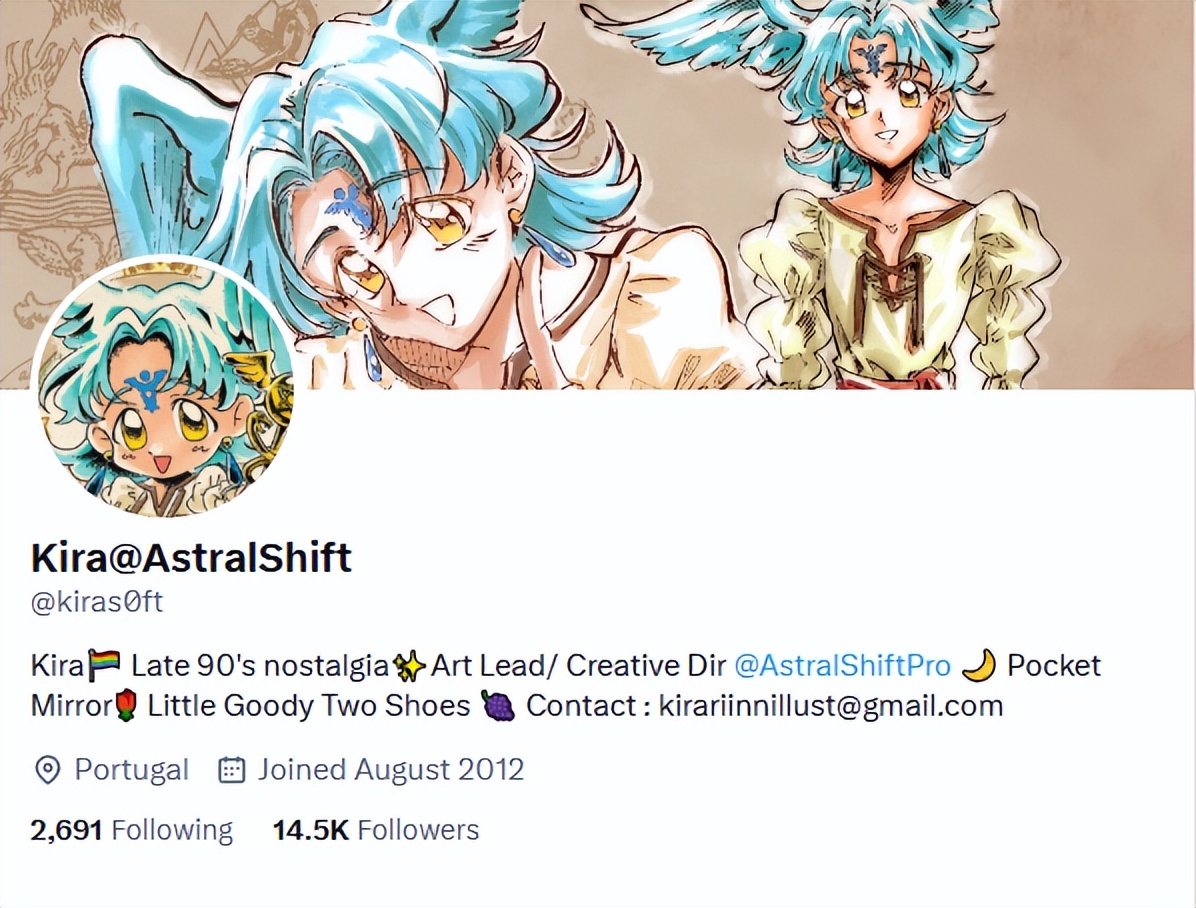
Creative Director Kira's Homepage
In their view, this isn't just a matter of the production process.
Every illustration and every spirit card is part of character development. If we were to leave all of this work entirely to automated tools, the project would certainly come together faster, but it would lose the unique touch that truly belongs to the creators. For a relatively small independent team, this commitment means more time and higher costs.
However, AstralShift does not prioritize "efficiency."
During the interview, when asked why they chose the Early Access model instead of releasing the full version as soon as possible, they said something that left a deep impression on Teahouse. Because the team is so small, they don’t have the capacity to scale up development as quickly as larger studios can.Rather than sacrificing quality to meet deadlines, they prefer to take their time and polish the game to their satisfaction before releasing it to players.
Early Access is more than just a business model. They hope to use player feedback to continuously adjust the game's balance and add new content, allowing *Princess of Hell* to evolve throughout the development process.
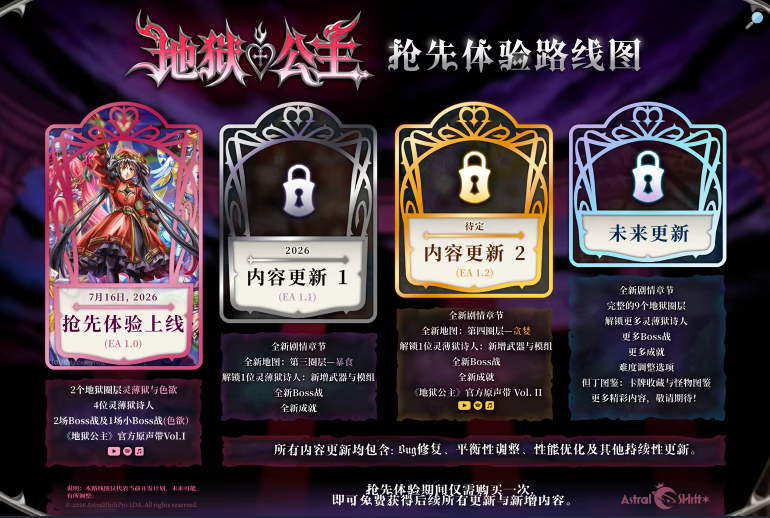
The game's currently announced Early Access roadmap
This attitude is, in fact, consistent with the creative approach they have followed throughout their careers.
From the early days when a few college friends created *Pocket Mirror* in their spare time to the development of *Hell Maiden* today, AstralShift has never prioritized the fastest development speed.
They believe something else even more strongly: that a truly memorable work isn’t simply cobbled together through an industrial process. It stems from the collective expression of the characters, art, music, animation, script, and all the creators involved.
Today’s gaming industry is more mature than ever before. With an increasing number of established development processes, the bar for what constitutes a high-quality game has been raised. At the same time, however, creative expressions that cannot be standardized or mass-produced have become all the more valuable.
If industrialization addresses the question of “how to make a game faster,” then AstralShift has always been more concerned with another question:
“How can we make players remember that this is a work that only AstralShift could have created?”
This statement may be the aspect of *Hell Maiden* that deserves the most attention from the industry. While there are countless heroes out there, this small studio from Portugal wants to prove that it made its mark.
AstralShift hasn't deliberately positioned itself as a "heir"; they have simply continued to embrace the anime-inspired style that has accompanied their growth. At the same time, however, they haven't tried to become a Japanese studio, nor have they attempted to replicate any classic title.
As European creators, they have consistently sought to use the language of anime and manga to reinterpret the Grimm’s Fairy Tales and *The Divine Comedy*, drawing on the creative traditions of Japanese animation, shōjo manga, and indie games to tell their own stories.
Perhaps this is precisely what makes anime culture so vibrant.
As for whether this counts as a “legacy” or “tradition,” the teahouse doesn’t think it matters—as long as there are still people carrying on the tradition, that’s enough.
原创文章,作者:游茶妹儿,禁止转载:https://youxichaguan.com/en/archives/208812