Over the past two months, the domestic hardcore SLG scene has undergone significant changes.
First, Bilibili’s *Three Kingdoms: The Way of the King* (hereinafter referred to as *Three Kingdoms*) launched its first paid beta test on July 9, bringing “unique card packs” into the spotlight of geo-strategic SLG games and further reducing players’ initial investment costs.Subsequently, in August, *Romance of the Three Kingdoms: Strategic Edition* (hereinafter referred to as “Three Kingdoms: Strategic Edition”) also tested a brand-new S-Season gameplay mode (on the “Unlimited Enjoyment” server): S0 featured a “buy one, get one free” offer for orange-tier generals, while S1 similarly adopted “no-duplicate card packs,” along with combat loot drops and character development accelerators.It seems neither game will rest until they’ve driven the price floor for geo-strategic SLGs as low as possible.
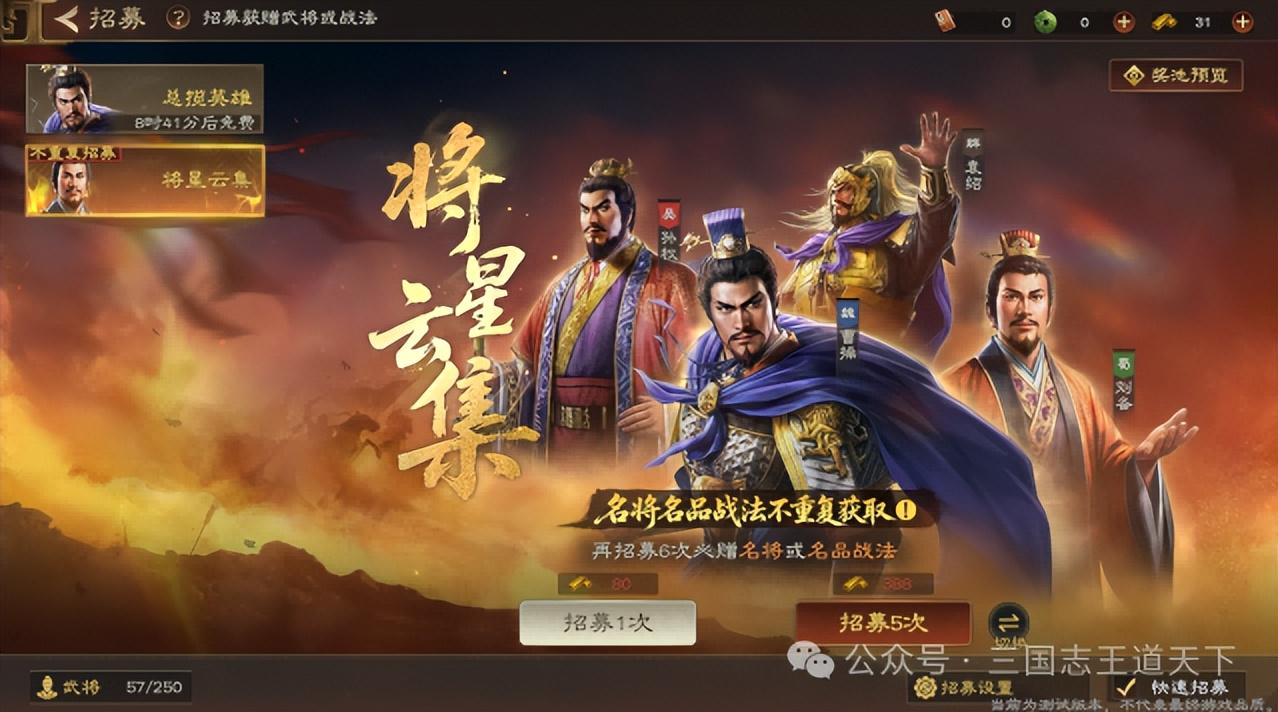
“Three Kings”‘s “No Duplicate Card Packs” Feature Breaks the Unwritten Rule of “Locked Core” in SLG Games
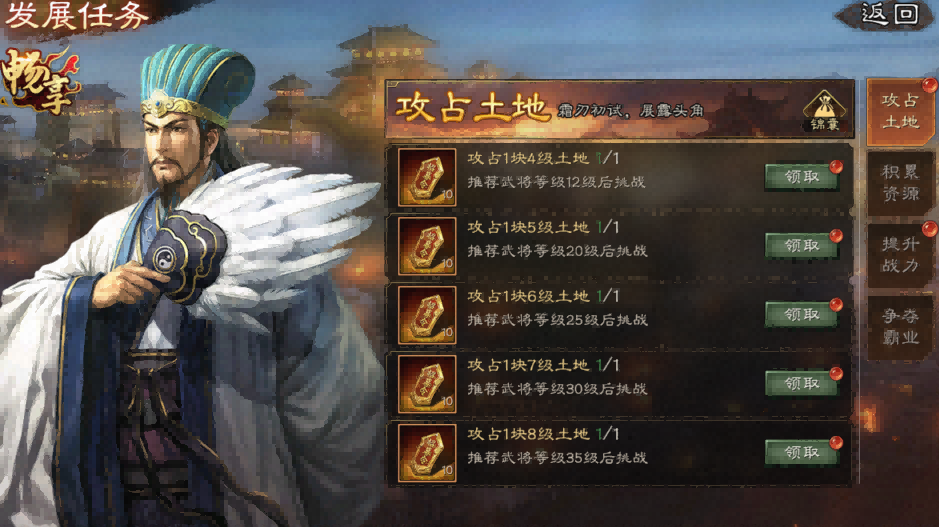
Three Battles: All-New S Season—S0 Is Giving Away Unlimited Recruitment Orders!
In fact, this isn’t the first time this has happened. As early as the beginning of 2025, *Shuitu Zhibin* (hereinafter referred to as *Shuitu*) launched a “Youth Server” that adopted a one-time purchase model for card draws. Players only needed to use the in-season currency, “copper coins,” to purchase the corresponding card packs, which then allowed them to draw the corresponding generals an unlimited number of times in subsequent seasons.
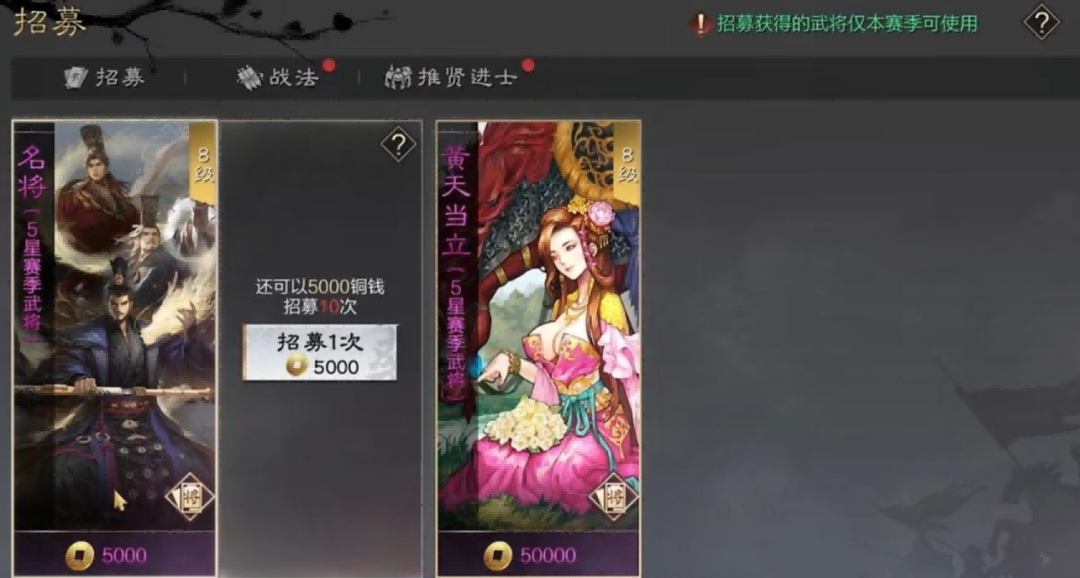
“Shutu: Youth” Server—Card Draws Cost Copper Coins
Whether it’s the “Changxiang” server in *Three Kingdoms War* or the “Youth” server in *Shuitu*, both are products of the “reduced time commitment and in-game spending” trend. However, this time, the momentum of “breaking through the price floor” has finally taken hold in *Three Kingdoms War*. As a result, the three major players in the SLG genre have now fully embraced the trend of “reduced time commitment and in-game spending.”
Taking this head-to-head showdown between the Three Wars and the Three Kings as a starting point, I’d like to take a brief look at how players of geopolitical strategy SLG games have changed over the past two years.
01
When it comes to team rosters, it’s no longer just about individual teams.
Over the past two years, SLG games have sprung up like mushrooms after rain,”X+SLG” games, which focus on gameplay fusion and in-depth character development, have attracted a significant number of casual SLG players; RTS-style games emphasizing real-time troop movement have also drawn a group of young SLG players who prioritize gameplay mechanics and alliance-based social interaction; and highly strategic titles that explore in-depth team composition and command-based troop movement continue to appeal to a substantial number of hardcore SLG players who seek strategic depth.
Of course, the characteristics of each product are not mutually exclusive; it is possible to incorporate multiple features. Therefore, analyzing users from the perspective of subcategories is, to some extent, somewhat untenable. Given this premise, I believe that when discussing changes in user behavior, we must return to the evolving core experience of SLG games and observe these changes through differences in product design.
Strategy is one of the core experiences of the SLG genre. Within the SLG genre, the strategic experience consists of three layers that build upon one another; changes made at one layer directly impact the strategic experience at subsequent layers.
The first layer is team composition, which is also the most fundamental layer; it directly distinguishes between different mainstream SLG genres, such as the difference between geopolitical strategy games and COK- or ROK-like games.The key lies in numerical balance and a cyclical counter-system. While *COK* and *ROK*-style games place greater emphasis on numerical progression—where there is a single “optimal” team composition—geopolitical strategy games focus on a longer-term operational cycle. In terms of gameplay experience, they prioritize strategic depth and numerical balance, requiring the elimination of a single “optimal” solution. To determine the winner,geopolitical strategy games introduced the concept of a cyclical counter-system (simply put, A counters B, B counters C, and C counters A). This means players must dynamically adjust their lineups based on the battlefield environment.
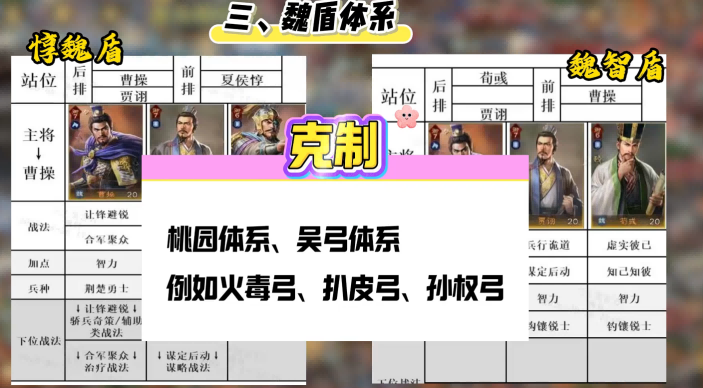
The Three Kings have the most complex counter-relationships of any faction in the first season of any SLG game.
The counter-cycle is essentially an infinite game, closely integrated with the seasonal operations of this geopolitical strategy SLG. As new generals and tactics are introduced in subsequent seasons, the counter-cycle undergoes entirely new changes, and the strategies players need to explore become completely different—making it one of the core sources of fun in the new season.
However, as the number of geo-strategy games increases, users gain more experience with similar titles, and the trend toward “reduced pay-to-win” allows players to build more comprehensive rosters, players are no longer limited to optimizing a single team composition. Instead, they consider overall counter-relationships from a broader perspective. At this point, discussions surrounding the “counter cycle” will also evolve.
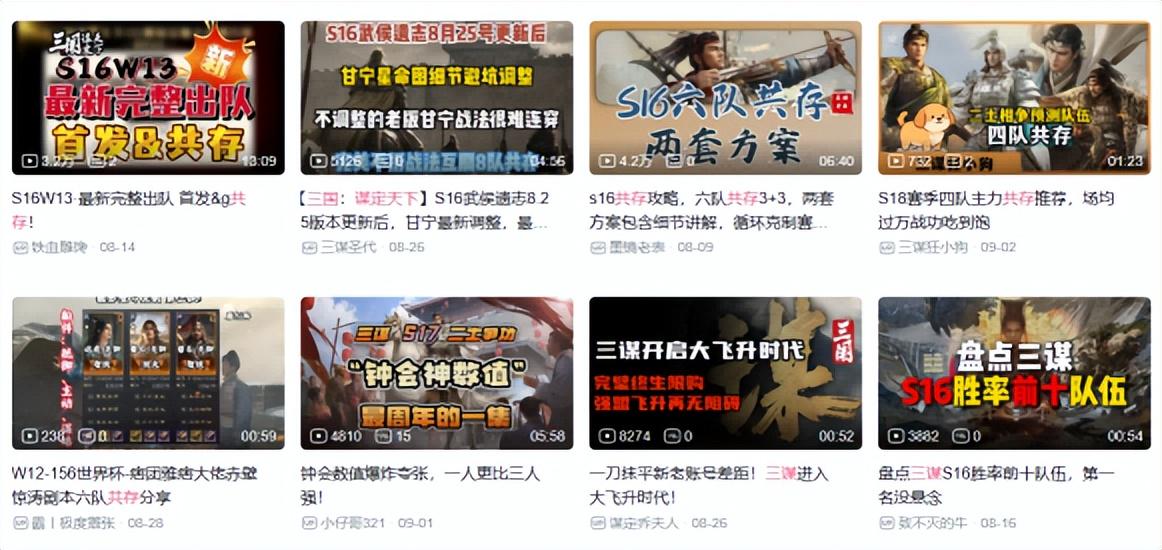
Player discussions are no longer limited to individual lineups; instead, they focus on team synergy in order to achieve a higher win rate by exploiting counter-relationships.
Let me give an example of a very common phenomenon: more and more geo-strategy SLG games are now incorporating a “general inheritance” feature, allowing players to change their lineups more frequently and at a lower cost—all to accommodate these shifts in player behavior.
The advantage is that it can further unlock the gameplay potential of the “cycle of restraint” to boost user retention; the disadvantage is also clear: players will exhaust the season’s overall strategy at a faster rate, placing higher demands on the design of future seasonal content and, consequently, increasing operational costs.
A prime example of this is *Three Kingdoms: Strategize for Supremacy* (hereinafter referred to as *Three Strategies*), which is also the first SLG game to incorporate a low-cost general inheritance system.In the short term—during the first six months after the game’s launch—its core experience differed from traditional geo-strategy games by accelerating the “reshuffle” of lineups from once per season to once a week. Complemented by the “Martial Arts Tournament,” a PvP mode that emphasizes strategic lineup understanding, discussions about lineups within the player community far exceeded those of similar titles, thereby fostering higher user retention.
Within six months of its launch, player discussions about team compositions in “Three Strategies” were significantly more active than in similar games.
In the long term, Sanmou continues to explore seasonal gameplay and seek new pillars of gameplay—such as “The Struggle for the Throne” and GvE—to expand the breadth of permanent content and deepen the seasonal gameplay experience, thereby addressing the issue of seasonal strategic content being consumed too quickly.
From this perspective, the solution proposed by Three Kings is quite interesting:by transforming the turn-based combat foundation of traditional geopolitical strategy SLGs into a “tactical grid-based” system and incorporating terrain elements to generate more emergent strategies. The goal is to make this counter-cycle more complex, creating longer and more intricate counter-relationships, so that each season offers deeper strategic content for players to explore.
It is evident that the first-tier strategy primarily influences macro-level changes.For example, the collective trend toward “reducing pay-to-win” in the SLG genre is a necessary shift that occurred once players’ understanding of the genre reached a certain level—players are no longer satisfied with simply optimizing a single lineup or passively accepting changes in the battlefield environment; instead, they seek better improvements by leveraging the counter-cycle dynamics.This shift relies on the extent to which players have built up their lineups, and “reducing pay-to-win” is not the end goal, but rather one of the means to meet the core demands of this segment of players.
02
This battle feels a bit abstract—will it be as thrilling as an RTS?
If you follow the SLG genre, you may have noticed that many new geopolitical strategy SLG titles released last year—such as *The Wilderness of the Nine Herds* and *Three Kingdoms: Heroes of the Nine Provinces*—have attempted to incorporate real-time movement mechanics from RTS games.
In my view, this is because combat in geopolitical strategy SLG games is actually quite abstract. It consists of two aspects: the first is the positioning game between the player’s and enemy forces before they clash, which requires some player input;the second is the formation-based confrontation after the clash, which involves the calculation of various stats and the stacking of mechanic effects—requiring players to plan their compositions before battle. Furthermore, combat information isn’t displayed as straightforward metrics like health, attack, or defense, but rather as abstract combinations of troop types, generals, and battle tactics.To understand the details of a battle, players must not only review their actions but also analyze the classic “battle report” feature found in SLG games.
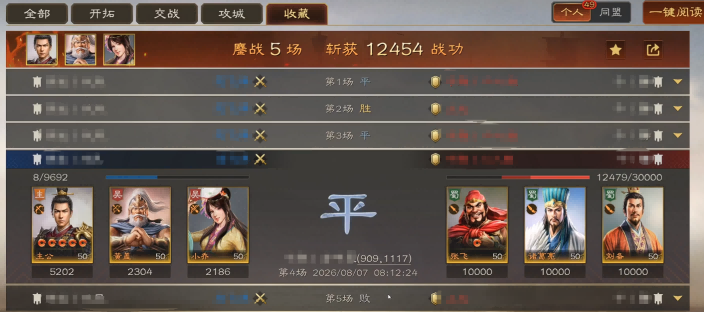
Reading battle reports is an essential part of almost every geopolitical strategy game.
Among these, the player’s movement and positioning during combat constitute one of the second layers of strategy in SLGs. It involves more than just movement; it also encompasses all exploitable environmental elements—such as terrain and fortifications—which serve as a crucial bridge between abstract combat and the player’s actual actions.
In my view, the root of the abstract nature of geopolitical strategy SLG games lies in their “battle arena” combat mode: no matter how many troops you deploy to a tile defended by an enemy, the battle report will still reflect a 1v1 battle.
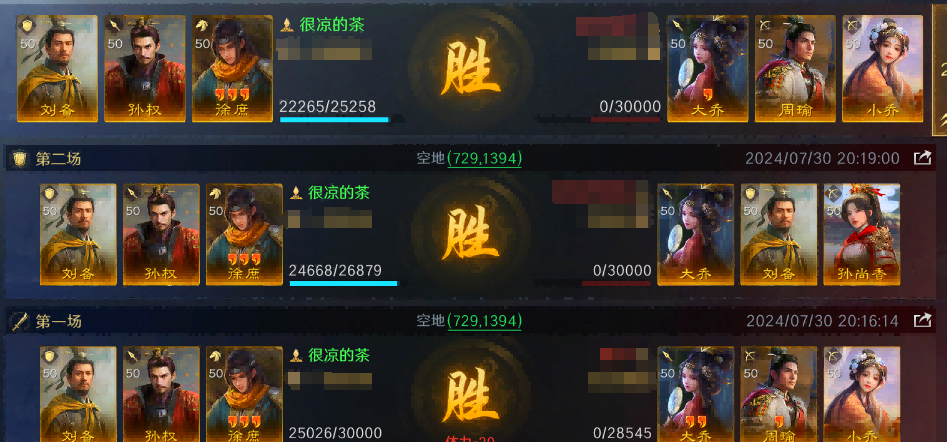
No matter how many teams are involved in the battle, the final outcome is always 1v1.
The flanking maneuvers, pincer movements, and other tactics players might imagine using on a sandbox battlefield actually have little noticeable effect under the “Arena” battle rules. These rules provide the underdog with absolute protection; even if the opponent has a larger force, they are still required to engage in one-on-one duels with a high degree of sportsmanship.
Under these rules, in many geo-strategic SLGs, the second layer of strategy can be simply summarized as “numbers” and “exploiting weaknesses.””Number of units” is easy to understand: even if the opponent’s lineup is extremely strong, you can still wear them down through sheer numbers in a 1v1 scenario. Furthermore, many geopolitical strategy SLGs incorporate a “low-troop penalty,” where a player’s unit count drops below a certain threshold, significantly reducing the effectiveness of their stats.
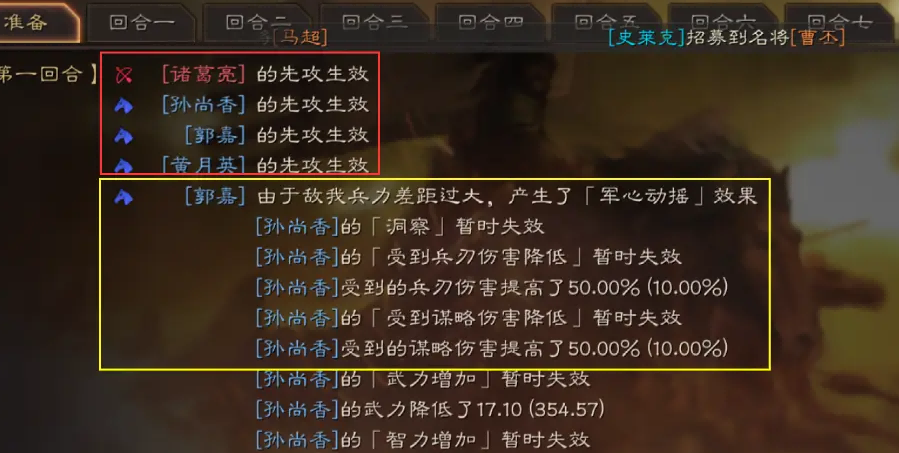
For example, in Three Kingdoms PvP, when there is a significant disparity in troop strength between the two sides, the “Morale Plummets” effect is triggered.
“Countering” is also easy to understand—it simply means identifying a composition that counters the enemy and launching a precise attack against it. The purpose of fortifications is not merely to hinder enemy forces, but to use the intelligence gathered through them to understand the opponent’s composition, disperse the enemy, prevent them from concentrating their attacks, and achieve the effect of defeating them one by one.
This combat mode essentially follows the principle of “planning ahead,” requiring players to strategize in advance and then perform simple actions based on information provided by the enemy. Although the controls are simple, the strategy is far from straightforward.This is particularly true in heavily strategy-focused geopolitical SLGs like *Three Kingdoms: Rule the Land* and *Three Kings*, where troop movements consume stamina. The core strategic fun lies in figuring out how to “kill multiple birds with one stone”—ensuring you maintain a tactical advantage while using the stamina mechanic to thwart your opponents—which forms the second layer of strategic depth.
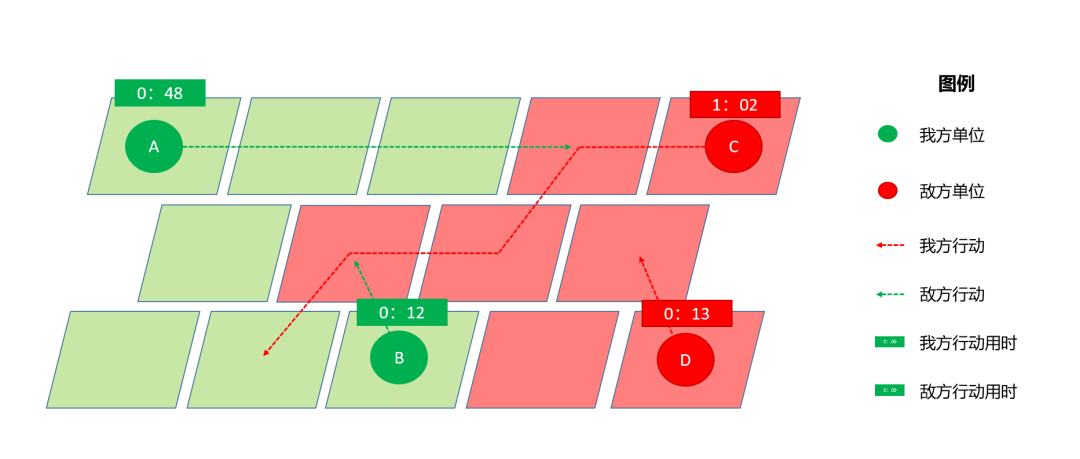
In geopolitical strategy SLG games, players can pull off many high-stakes, split-second maneuvers by carefully observing march times and routes.
However, it is precisely this “abstraction” that holds back the potential of a large number of new SLG players. For this reason, an SLG like “San Mou,” which is aimed at younger users,the game has eliminated the stamina system, giving players the freedom to experiment through trial and error. It even includes a feature that allows players to freely change the direction of their troops while on the move, making the experience increasingly similar to the troop movement mechanics found in RTS games.
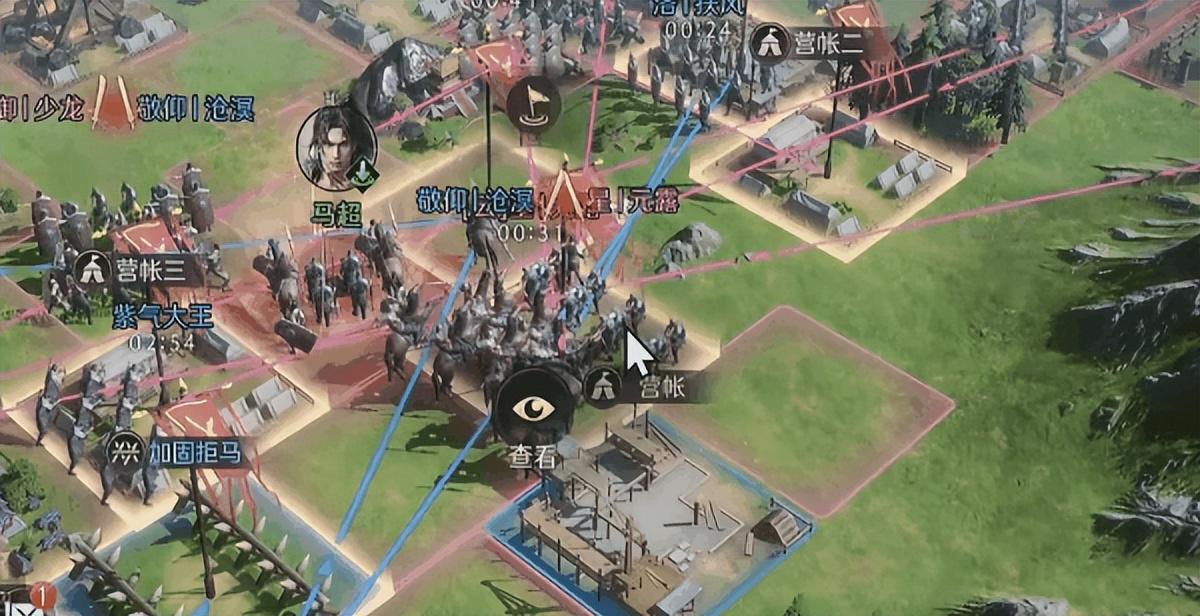
Games such as *The Wilderness of the Nine Tribes* and *Three Kingdoms: Heroes of the Nine Provinces* have broken away from the “arena-style” format by introducing a system where multiple teams can attack a single enemy team. This has completely transformed combat into an RTS-style mode, making it more intuitive, offering greater flexibility in gameplay, and resulting in a faster pace and more entertaining experience.
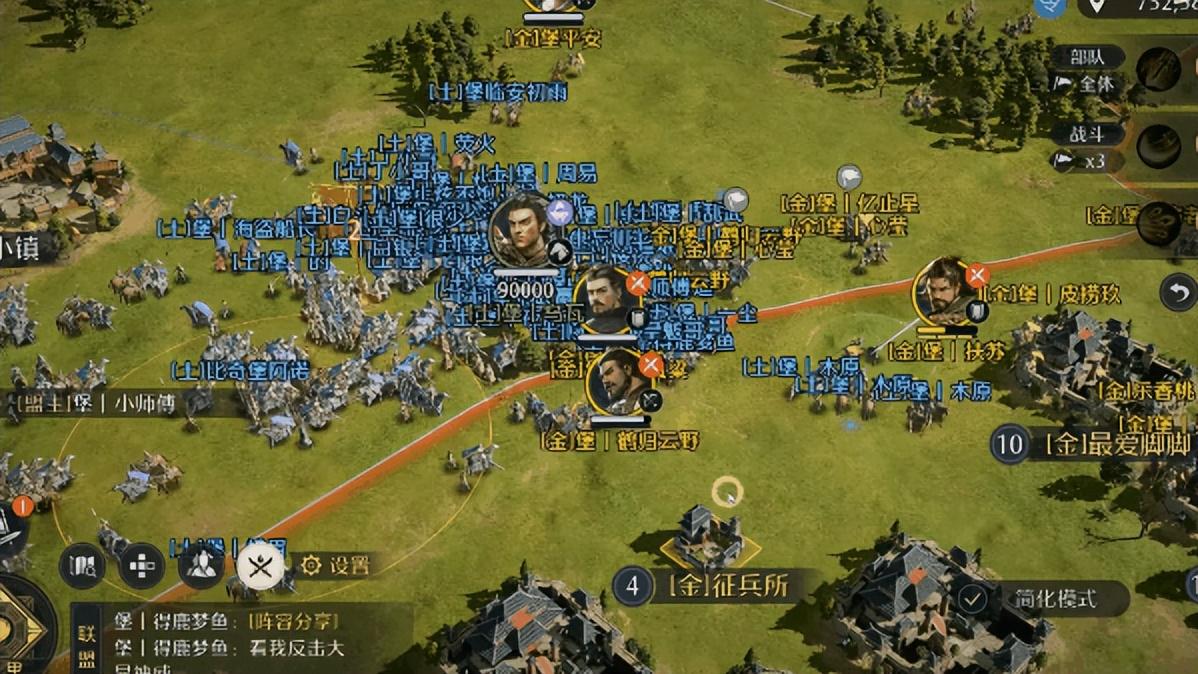
However, it’s not easy to make a complete shift to an RTS combat mode based on a geopolitical strategy framework.In geo-strategy games, everything from the team composition framework to seasonal gameplay is designed to maintain a balance between offense and defense, whereas the RTS combat mode allows for the separation of offensive and defensive roles, enabling a “warrior-mage-healer” role-based design. Whether it’s the sandbox maps during the season, the players’ progression pace, or even the framework for team composition, everything needs to be redesigned from scratch.
Another challenge is that the RTS combat mode has a faster pace.On maps of the same size and with the same number of players, battles that would normally take a month to complete in a standard geopolitical strategy game might take only half a month—or even less—in RTS combat mode. Without additional permanent gameplay features to alleviate the pressure of content consumption, the “downtime” for this type of geopolitical strategy SLG would be significantly longer than that of traditional geopolitical strategy SLGs.
In my view, the RTS combat mode still holds great potential for geo-strategy SLG games.As the number of younger and casual players in the SLG community grows, geo-strategy SLGs still need more intermediate game types to bridge the gap. RTS combat not only delivers a more exhilarating experience but also aligns better with players’ intuitive expectations, effectively lowering the learning curve for geo-strategy SLGs.
However, developers are still debating how to truly resolve the compatibility issues between RTS combat and geopolitical strategy SLGs.In my view, perhaps the solution lies in stepping outside the content framework of geopolitical strategy games, retaining their core principle of fairness in long-term operations, and using a broader content design framework to implement social tiering (similar to the MMO model) to accommodate a wider range of user preferences. This approach might prove viable. Of course, this is merely my speculation; the reality is undoubtedly far more complex than what I have described.
03
In a big alliance, you get all kinds of people—might as well just do our own thing.
At this point, geopolitical strategy SLG games are still missing the most crucial layer of strategy—alliance strategy—which is essential for bringing the social elements of SLG games to life.
The biggest difference between *Geostrategy* and games like *COK* and *ROK*, aside from the fairness mentioned in the first section, lies in the social dynamics.In geo-strategy SLGs, it’s very difficult for a high-spending player to take on an entire alliance single-handedly. The social aspect emphasizes division of labor and collaboration: some players specialize in clearing paths, others in combat, some in demolishing cities, and still others in command…Consequently, geo-strategy games do not focus solely on a player’s combat power but place greater emphasis on their contribution to the alliance.
The career system introduced by Sanmou makes the underlying structure of division of labor and collaboration explicit and uses this system to reinforce players’ social roles.
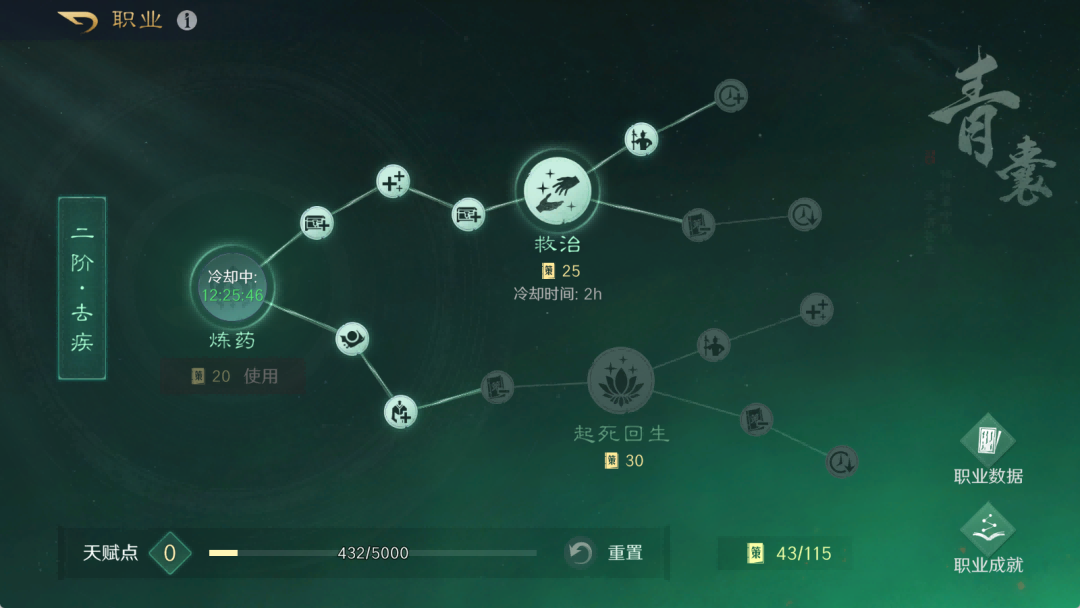
The benefits of this division of labor and collaboration are very clear: it forges even stronger bonds between alliance members. In fact, many players believe that in geopolitical strategy SLG games, by the end, it really all comes down to social interaction. While game content will eventually run out and strategies will eventually reach their limits, the relationships between alliance members remain unchanged.
However, the drawbacks are also very obvious: it relies on player engagement. In this collaborative setup, if even one player is missing, the overall effectiveness is greatly diminished.To give a very simple example: after high-level players have cleared out the enemy forces, the central path to the enemy town is wide open. If there is a shortage of siege engines (specifically designed to reduce the durability of city defenses) at this point, the efficiency of the assault is greatly reduced, giving the enemy room to flank and increasing the number of variables.
This also explains a phenomenon: in many geopolitical strategy games, the final outcome often hinges not on how much players spend, but on the activity level of their allies. This is the core of the third layer of strategy in geopolitical SLG games—collaboration among players can create a “1+1 is greater than 2” effect.
It is precisely because of player engagement that “reducing grind” has become one of the trends in geo-strategic SLGs today. Features such as siege rallies and automatic pathfinding are all designed to minimize tedious early-game preparations while preserving the highlights of player collaboration.
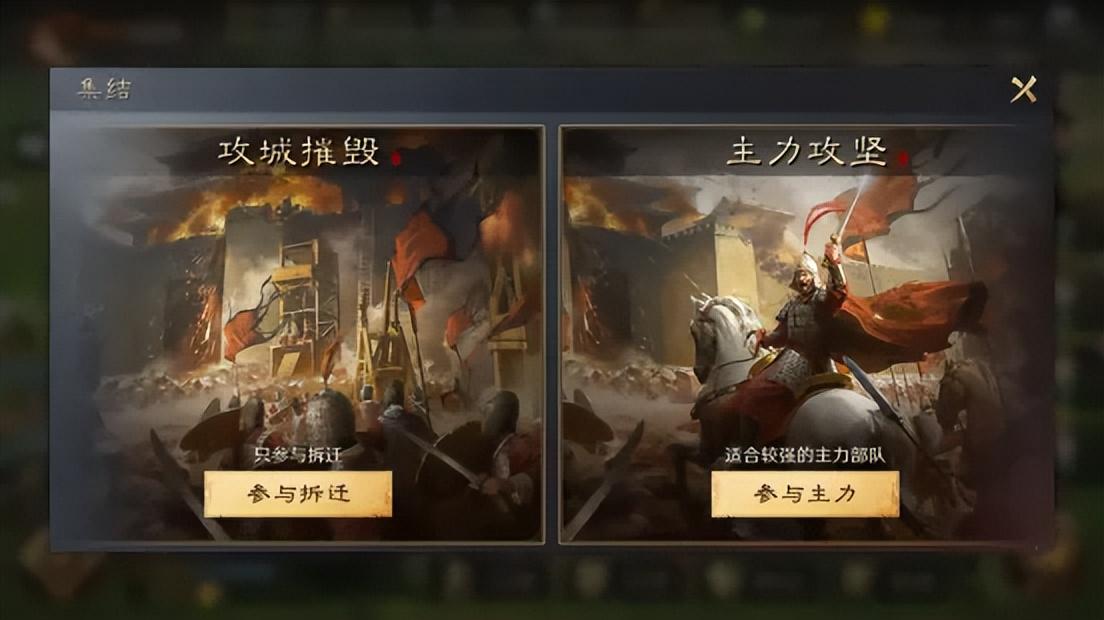
The Siege Rally is one of the classic ways to reduce the grind.
However, even if the game mode remains the same, factors such as the maximum number of alliance members and the transfer and matching of players between alliances at the start of each new season can lead to changes in the core gameplay experience.
For example, in early geopolitical strategy SLG games, because there were few titles and many players, developers preferred to create larger alliances, allowing players to continuously recruit new members over the course of several seasons and eventually grow into top-tier alliances. When several top-tier alliances were matched together, the term “aircraft carrier zone” was coined.
However, this design—which brings all top players together to compete, driving both activity and spending—is gradually leading to a divide in an era where player attention has become increasingly valuable.Some players enjoy high-intensity combat and are willing to stay in the “aircraft carrier” servers to keep fighting, while others cannot tolerate prolonged, high-intensity combat and actively choose smaller servers to maintain a moderate level of competition. Still others opt for a more laid-back lifestyle, focusing primarily on PvE content and becoming “landlords.”
Game developers have also begun to adapt to this player segmentation. For example, *Shuitu* implemented this segmentation early on, allowing players who enjoy high-intensity combat to “become outlaws.”Players who prefer a more laid-back experience can join the “Taoyuan Army” and earn seasonal rewards through PvE… The game even divides seasons into three categories—Preparation, Rally, and Conquest—with each level offering progressively greater challenges. Players can choose to remain at the previous level to maintain their current level of competition.
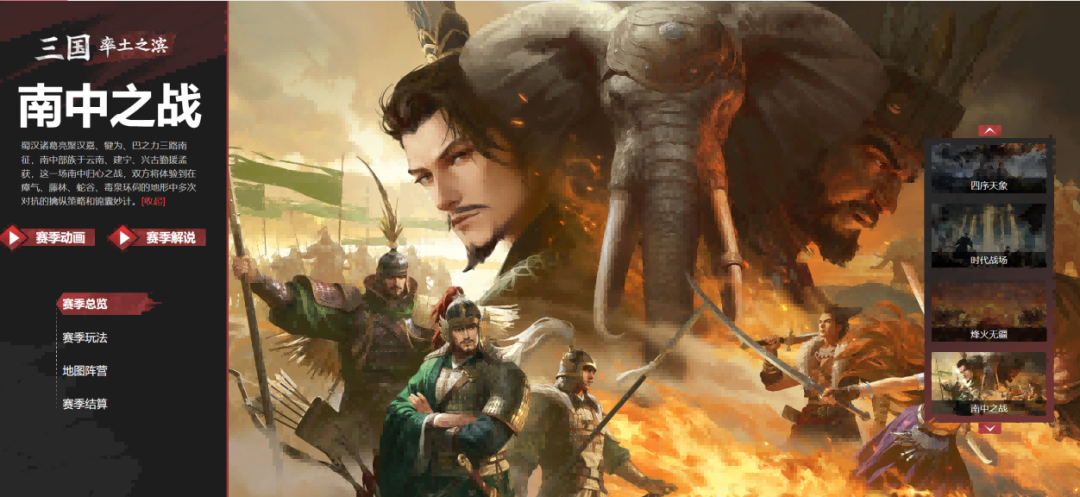
Sanmou, however, proposed an alternative solution: strictly limiting the number of alliance members to prevent the formation of “aircraft carrier zones,” while using the seasonal matchmaking system to distribute players from different alliances across different servers.The advantage of this design is, of course, that it ensures a certain level of activity in every server, preventing some servers from becoming too quiet due to alliance mergers and allowing each server to maintain a diverse player ecosystem.
Today, this approach of accommodating player segmentation has become widespread in various geopolitical strategy SLGs. For example, in “Three Kingdoms,” players spontaneously divide into groups based on the intensity of competition, such as the “Aircraft Carrier Zone,” “Elite Green Zone,” and “Suburban Zone,”The developers have responded to player requests by introducing cross-zone and large-scale cross-zone features, making it easier for players to gather alliance members.
The same is true for Three Kings, which introduced the “Roving Army” gameplay mode during Season 2 of the second beta test—a system where battles fuel further battles—to cater to players who enjoy high-intensity combat.
Overall, today’s geopolitical strategy SLG games have long been exploring a diverse range of approaches to building their player communities. There is no one-size-fits-all solution; developers must make dynamic adjustments based on their own user base. Today, this has become an essential part of the refined operations of major SLG games.
04
I spent a fortune on that card, and now I’m worried it won’t be worth anything.
After reviewing the three-tier strategy of SLG games, I’d like to return to the head-to-head showdown between “Three Wars” and “Three Kings” to analyze which types of players make up their core user bases.However, considering that the comparison itself inherently represents a certain stance—essentially labeling one as good and the other as bad—which is a rather offensive act, I will conclude this article by discussing the changes in the player base resulting from this head-to-head showdown between the two.
First, let me mention a trend I’ve observed: players are increasingly raising the issue of “account retention value.” This isn’t limited to just these two games. Three months ago, “Three Kingdoms: Strategy” launched its official trading platform, “Three Kingdoms: Strategy Trading House,” which not only makes account transactions safer but also addresses how to help players maintain the value of their accounts.

Let’s start with the changes. In the past, there were a large number of players willing to spend real money on geopolitical strategy SLG games.
This is related to the characteristics of the geo-strategy SLG genre. With a focus on relative balance, the game can, on the one hand, offer a longer-term experience, and on the other hand, changes in numerical values (redness) and mechanics (new lineups) can also lead to higher revenue.However, players’ inherent desire to grow stronger does not change with the game itself (a heavy spender in one game is highly likely to be a potential heavy spender in others as well). This is why geo-strategy SLGs generate higher ARPPU than traditional SLGs.
However, this “unwritten rule” has gradually been broken in recent years. In my view, there are two reasons for this. First, as more and more SLG games have emerged, the sense of rarity in the player experience has diminished. Players are willing to pay a premium for a more unique experience, but once that rarity is lost, the value drops significantly.Second, the emergence of an increasing number of niche geo-strategy SLG titles—such as “San Mou” and “Jiu Mu”—has led to a fragmentation of the player base.
A deeper reason may lie in users’ perception of a product’s value.The core players in geo-strategy games are mostly high-spending users born in the 1970s, 1980s, and 1990s who experienced the era of free-trade MMORPGs. Having been shaped by an era when players could still engage in real-money trading (RMT) within games, these paying users place greater emphasis on the retention of value for in-game items and accounts (a prime example being *Fantasy Westward Journey*).
Given the scarcity of early-generation geopolitical strategy SLG titles, this demand could be sustained. For example, around 2020, a “Wangdao” account from “Three Kingdoms” with the “He Shi Bi” ID could fetch a sky-high price of 100,000 RMB. Although investing in a “Full Red” account requires a significant upfront cost, selling the account can recoup more than half of that investment.
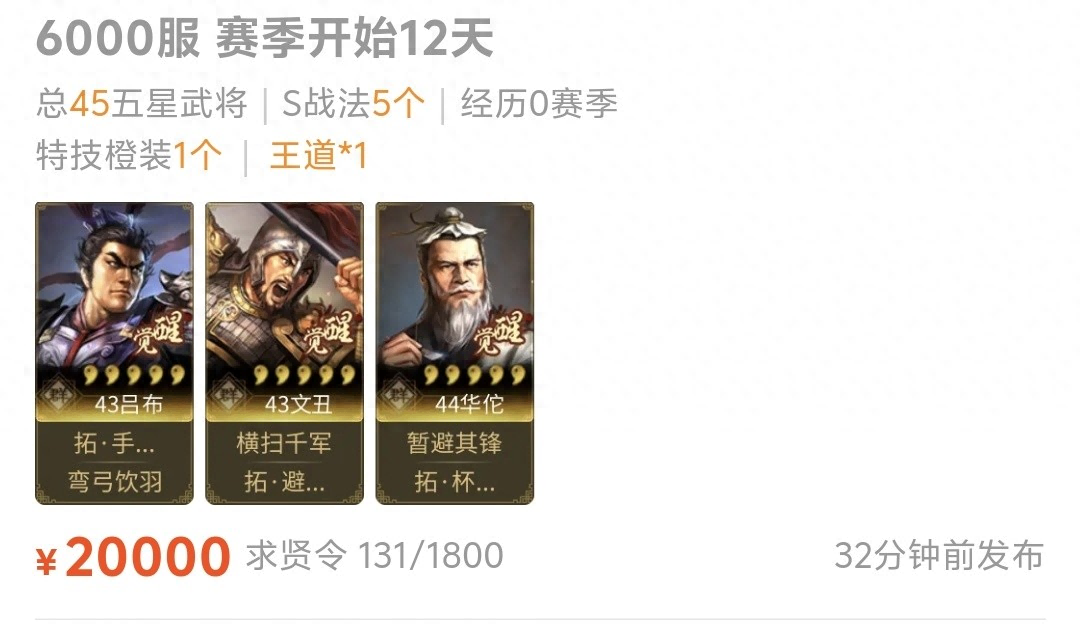
Currently, the price of “Wangdao” accounts in the new zone has dropped to around 20,000 yuan, but this is still considered a high price in the SLG genre.
Once this barrier was broken, what was revealed was essentially a conflict between players’ perceptions of payment and the SLG monetization model—in other words, a conflict between user perceptions of traditional free-to-play MMORPGs and the gacha monetization model. To retain existing players and attract new ones, price cuts were inevitable.
However, lowering prices will only further exacerbate this phenomenon. The moment “price cut” is mentioned, veteran players immediately think of “account value retention”—since the developers can simply announce a price cut whenever they want, who’s to say my account won’t lose even more value one day?
The developers have actually already taken this into account. Both approaches aim to reduce the initial investment required of players; for example, the non-duplicate card packs in “Three Kings” are designed to eliminate the “core lock” mechanic;In “Three Kingdoms War,” the S0 season of the Enjoy Server offers a large number of free gacha items, and the S1 season features duplicate-free card packs—all designed to lower the cost for players returning to the game. In a sense, the new S0 season of “Three Kingdoms War” even has a nostalgic feel to it.
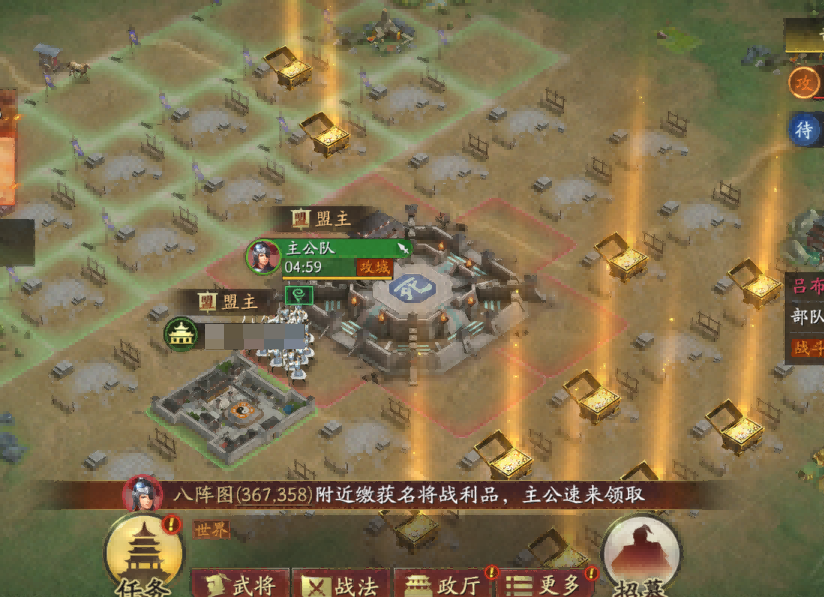
This also means that developers have begun to adapt to players’ perceptions of in-game purchases, because in the eyes of players, aside from high-red-tier core units, the items in SLG games that truly retain their value are undoubtedly the latest generals and battle tactics.
This is also why “Three Kingdoms War” launched the Han faction at the beginning of the year—the goal was to create more room for new generals. However, a new faction also brings certain issues; players may perceive it as the game introducing more “pay-to-win traps.” That said, “Three Kingdoms War” struck a good balance by including some existing generals in the new faction, so players don’t have to draw all of them from scratch.
Another point is the use of official price controls on trading platforms to prevent a race to the bottom, which could give players the impression that the game’s items “lose their value.” Examples include Sanmou’s official trading platform, “Three Kingdoms Strategy Trading House,” and Shatu’s “Treasure Hall.” Sanwang also needs such an official trading platform to stabilize account prices.However, establishing a trading platform is not something that can be achieved overnight.For instance, in the short term, official price controls conflict with players’ need to sell accounts to recoup their investment. Players cannot quickly sell their accounts at significantly reduced prices to recoup their investment, leading to a backlog of accounts. This requires the development team to work over the long term to introduce more engaging seasons and gameplay features, gradually attracting existing players back and drawing in new players to reduce the backlog of accounts.
Even when “Three Kingdoms” and “Three Kings” started incorporating animated character portraits and enhancing their art, it was to make players feel that their investment was more worthwhile—rather than just spending money on a bunch of stats and mechanics, along with a static character portrait.

Artwork of the Three Kings and Zhuge Liang
In addition, I believe that if we were to further increase trading freedom—by using the auction house to set price benchmarks for equipment, items, and even generals and battle tactics—the developers could control prices when necessary. In this scenario, player accounts would have auction house prices as a value benchmark, which would naturally improve their value retention.Another example is stimulating player demand by introducing new permanent game modes—such as designing new permanent modes tailored to different team-building strategies—which could also indirectly increase the value of each player’s account.
Conclusion
From a macro perspective, the existence of this phenomenon essentially reflects the stagnation of the geopolitical strategy SLG genre. It is difficult to achieve disruptive innovation in terms of gameplay mechanics and the core player experience. As a large number of titles flood the market, a natural cycle of over-competition emerges, leading to a devaluation of the investments made by both developers and players.
However, “lowering the pay-to-win threshold” remains a positive development for new players. In the long run, it tangibly expands the reach of geo-strategy SLG games and opens up more possibilities for the future of the SLG genre.
As mentioned earlier, reducing in-app purchases has never been the goal, but rather a means to an end; it has simply shifted the competition from the “depth of spending” to the “speed of content consumption,” and in this new race, there is currently no clear winner.
原创文章,作者:游茶妹儿,禁止转载:https://youxichaguan.com/en/archives/208573