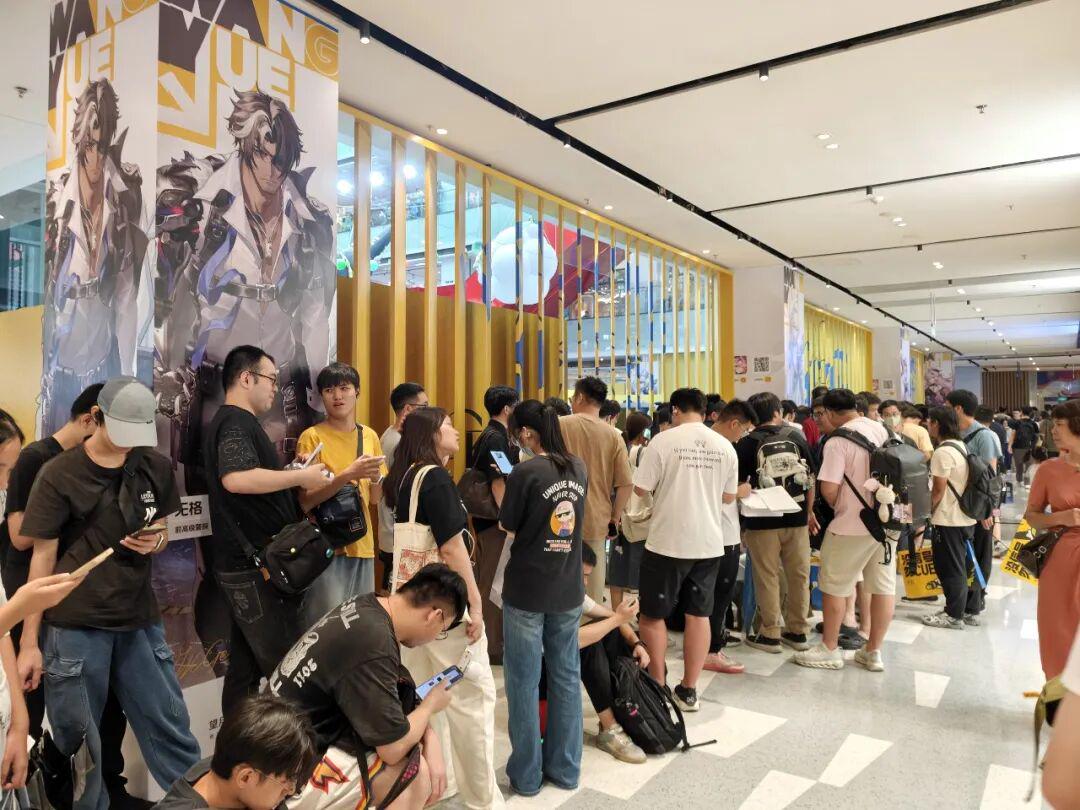
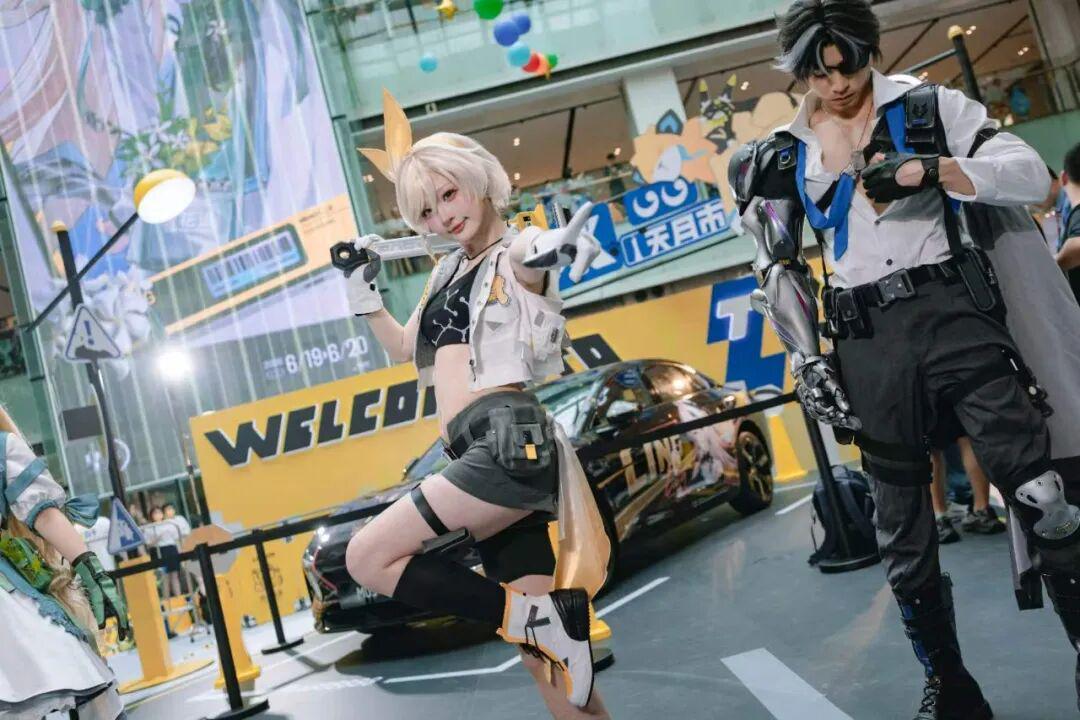
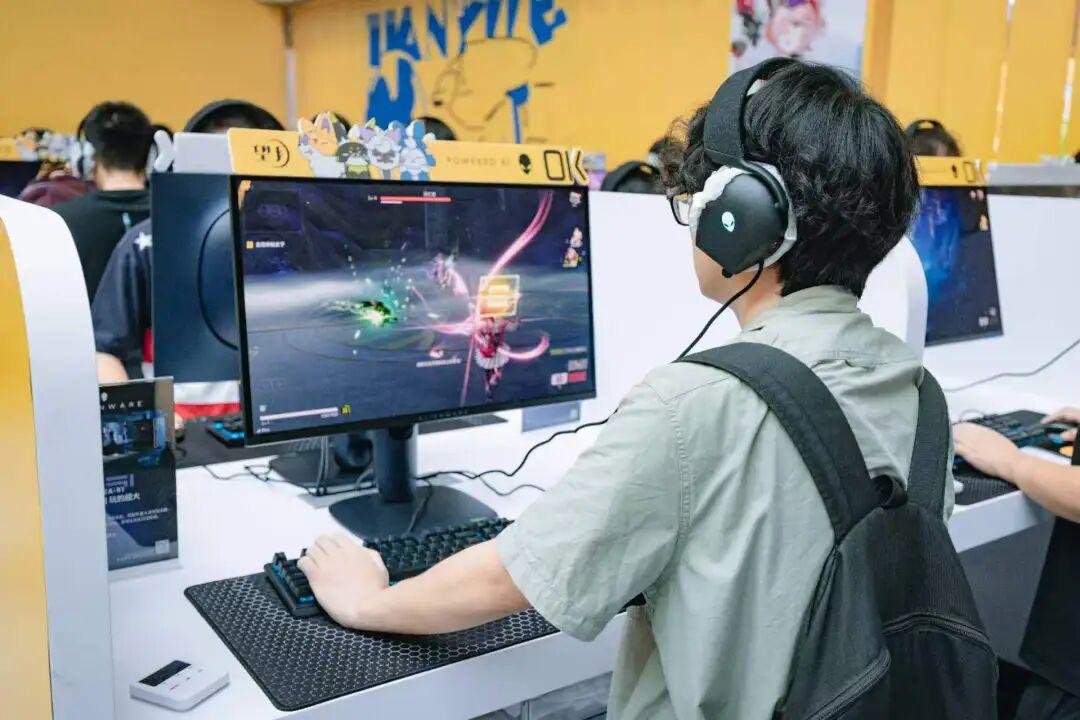
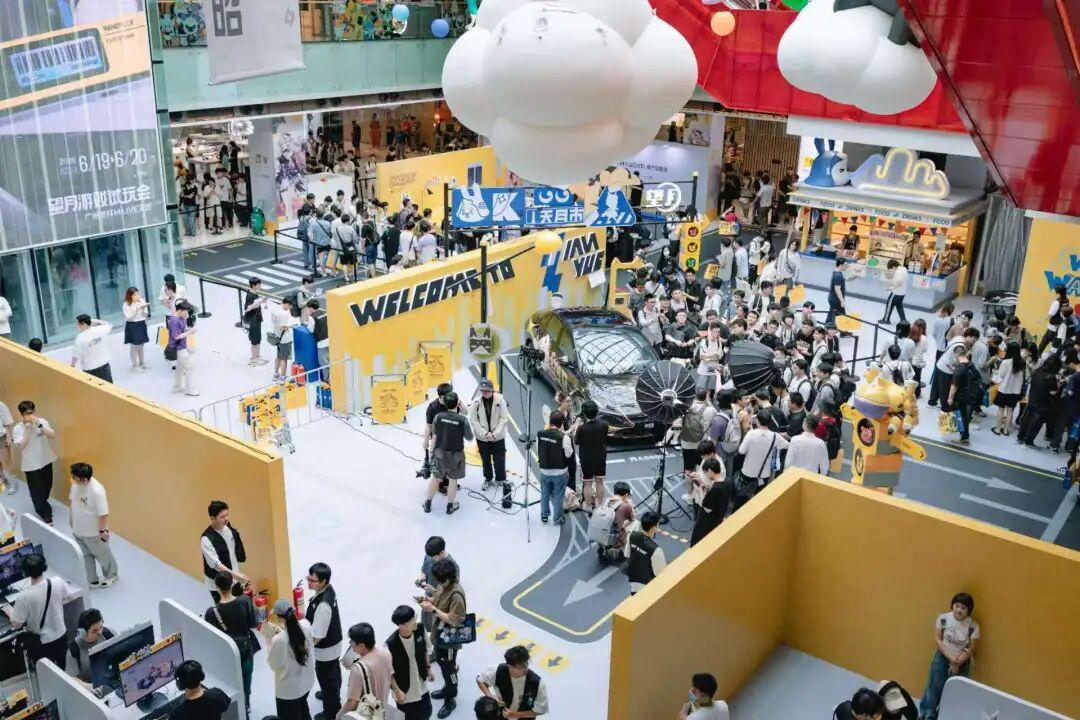
On June 19, which coincided with the Dragon Boat Festival, *Wangyue*, a game currently in development by Shiyue Network, held an in-person hands-on event at Meilin M·LIVE Tian Di in Guangzhou’s Tianhe District.
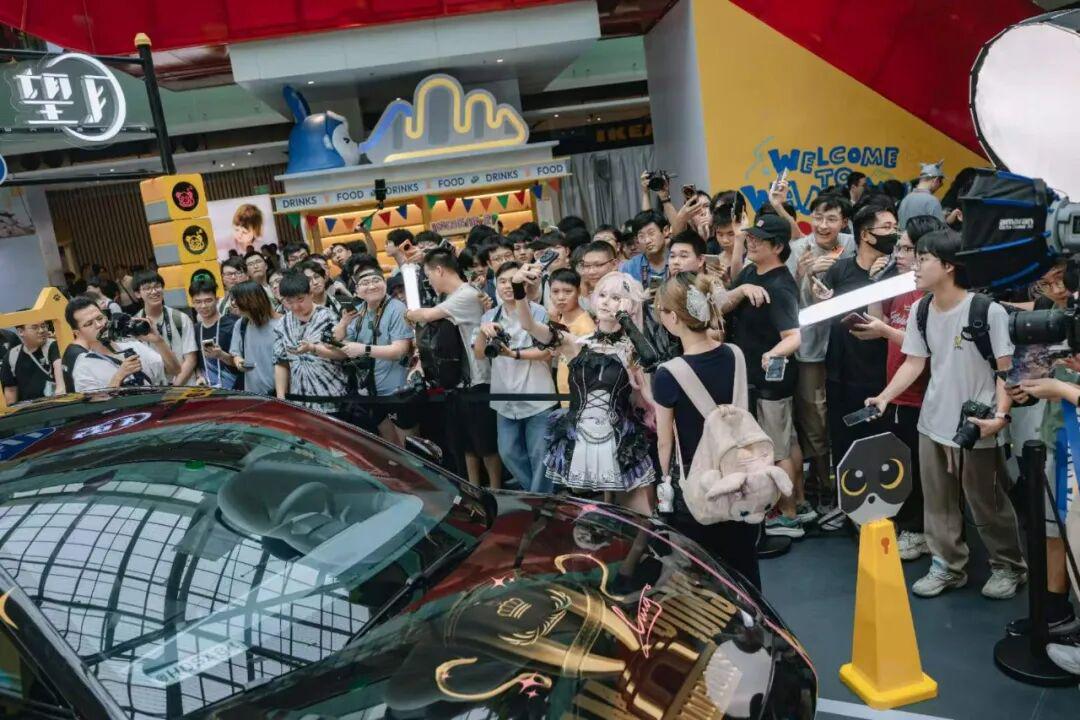
I have to say, I was genuinely surprised when I arrived at the venue—there were far more players there to try out the game than I had expected. The main lobby of Meilin Tian Di was packed shoulder to shoulder,with the line for the trial running all the way around the entire lobby. There were even quite a few players who hadn’t secured a trial slot but had come to the venue anyway to watch, take photos, and discuss the game from outside the trial area.
The reason this spontaneous gathering took me by surprise is mainly that *Moonlight* has actually been somewhat quiet over the past two years, with very little activity—the last public beta test took place nearly a year ago. However, this lively scene at least clearly demonstrates that *Moonlight* still enjoys a fairly high level of recognition among the local gaming community in Guangzhou.
Getting back to the game, the media demo lasted about an hour and was divided into two parts: a complete main story cutscene and urban exploration.
Overall, although the demo is still in its early stages, I could still sense that the *Wangyue* team has a somewhat unique approach to urban open-world design.
Afterward, a conversation with the production team largely confirmed some of my thoughts, and I also got a sense of the vision Shiyue has for *Moonlit View*—one that may be completely different from the content-driven products currently on the market.
01
Since we’re talking about what’s different, I might as well start by sharing what I’ve been playing myself.
The story segment of the demo begins with the protagonist undertaking a certain “assignment.” Since the narrative structure is somewhat fragmented, I won’t go into too much detail here. What I want to emphasize is the “texture” that *Moonlight* conveys through the story segment of the demo.
The narrative takes place in an underwater fishing village. Over the course of roughly 20 minutes, “Poetic Joy” incorporates spectacular visuals and a wealth of cinematographic techniques—such as shifts between over-the-shoulder and first-person perspectives, as well as QTE cutscenes—all designed to guide the player’s emotions and enhance immersion. Even during static dialogue scenes,the coordination between camera cuts, character movement, and the rhythm of the dialogue is quite impressive.
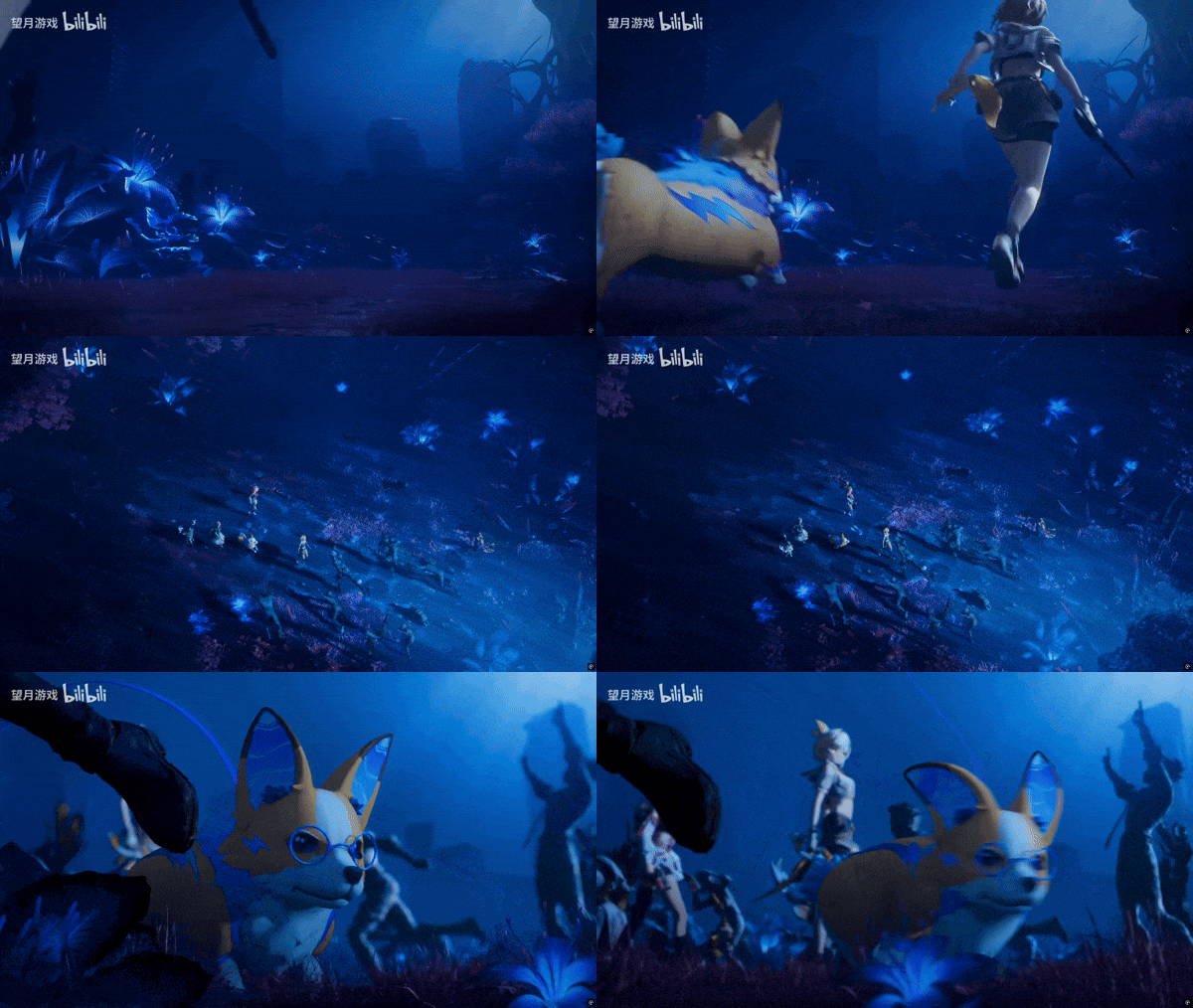
“Mature”—those are the two words that best describe my overall impression of the entire performance. Since I didn’t play the first beta, my impression of Shiyue is still stuck in the *Eternal Azure Planet* era. But based on the *Gazing at the Moon* demo storyline, I have to say I was honestly a bit surprised by how well they’ve refined the performance.
In subsequent discussions, the *Wang Yue* development team candidly mentioned that they had no prior experience developing content-driven products and were essentially starting from scratch. For this reason, they invested a significant amount of time and resources into building a comprehensive production pipeline.
This explains why the performance, from start to finish, exudes a sense of industrial-level consistency—with no fluctuations in quality—such as the two mid-performance interruptions by minor bosses and the scene changes,as well as the particularly viral “calf execution” move against the boss—all maintained a consistent level of quality. In other words, this performance relies on procedural execution rather than the peak performance of a single skilled player or a specific performance team.
This is undoubtedly a positive sign.
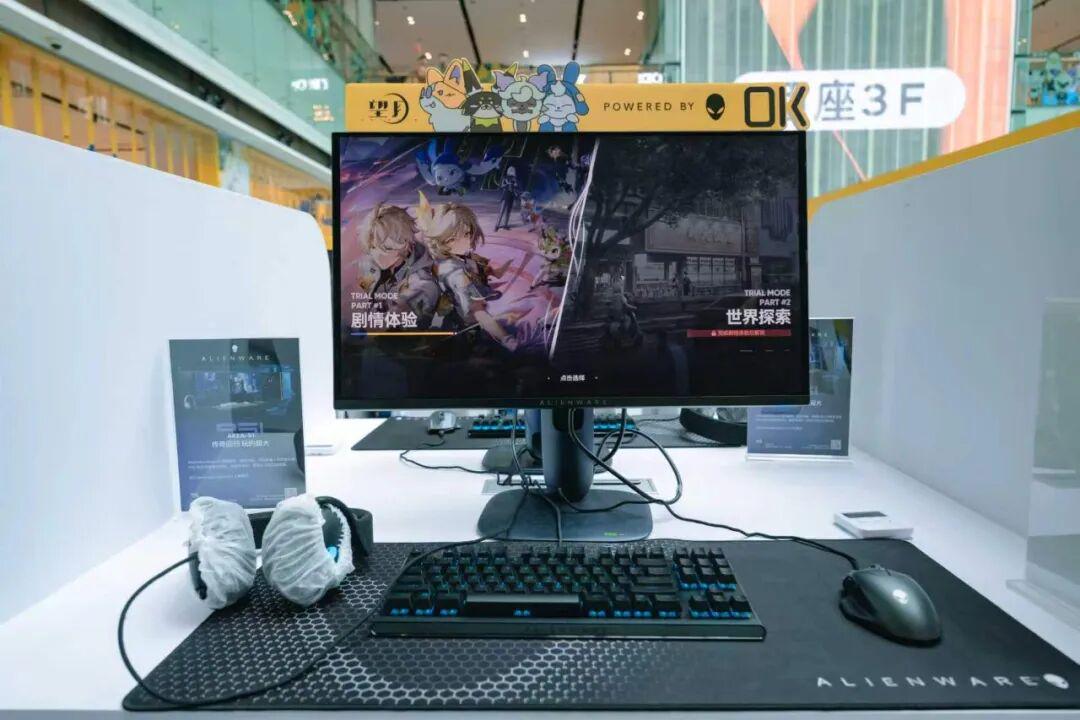
By the way, my experience with the combat actually stems mainly from this cutscene—because, to be honest, the demo’s urban exploration offered limited opportunities for combat.
The combat in *Moonlight* still follows a multi-character turn-based framework. The characters have a wide range of abilities, and the dodge mechanics are designed with a high degree of tolerance. Among the four playable characters, most of their basic skills consist of a complete set of animation sequences, resulting in a game with plenty of action.
Furthermore, the boss encounters incorporate some original ideas from the development team. For example, the “puppet master” element in the final story boss battle creates the sensation of a two-boss fight within a single boss encounter. The variety of fast and slow attacks, as well as beyond-line-of-sight assaults, demonstrates the game’s substantial depth of ARPG-style design.
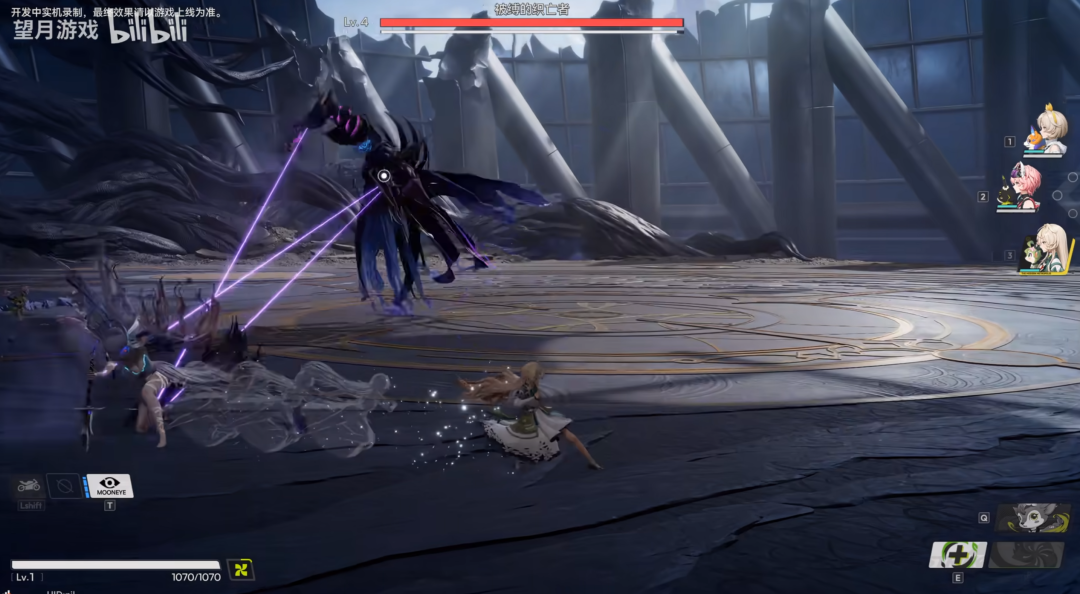
However, the true highlight of *Moonlight*’s combat system lies in the Moon Spirits (combat partners). By fulfilling specific conditions for different characters, players can trigger a Moon Spirit combo, which significantly increases the accumulation of resilience points.
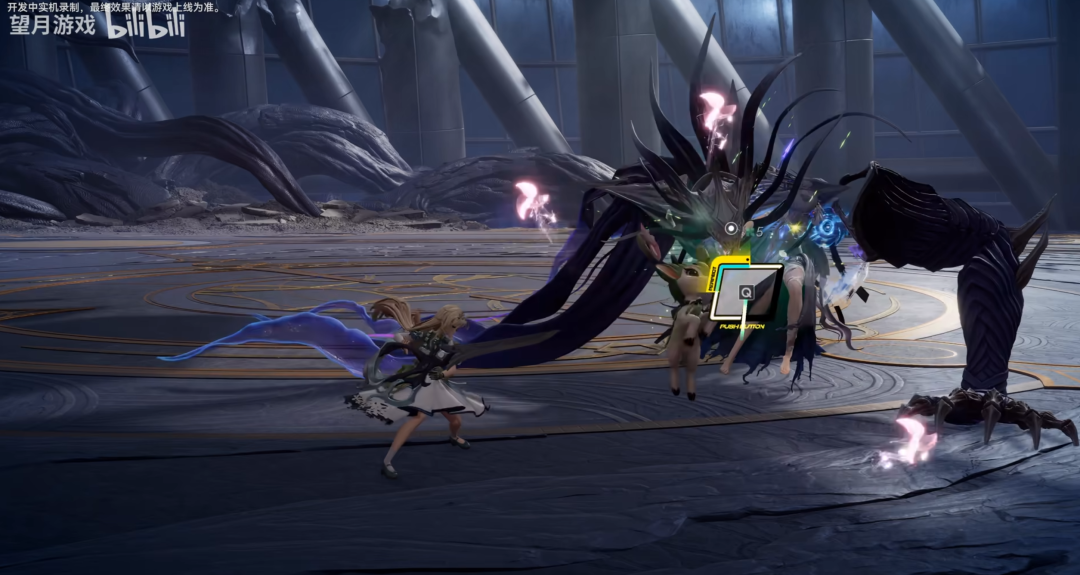
The *Moon Gazing* team told me that there are currently nearly 80 Moon Spirits in development, and each one can create a unique dynamic with different characters.
They said, “Breaking resilience is the foundation, but it can’t stop there.” They repeatedly used the term “multiplicative relationship,” meaning that in the future design of *Moon Gazing*, the combination of Moon Spirits and characters should produce a synergy where the whole is greater than the sum of its parts, rather than a simple stacking of numerical values.
Of course, that’s a story for another time.
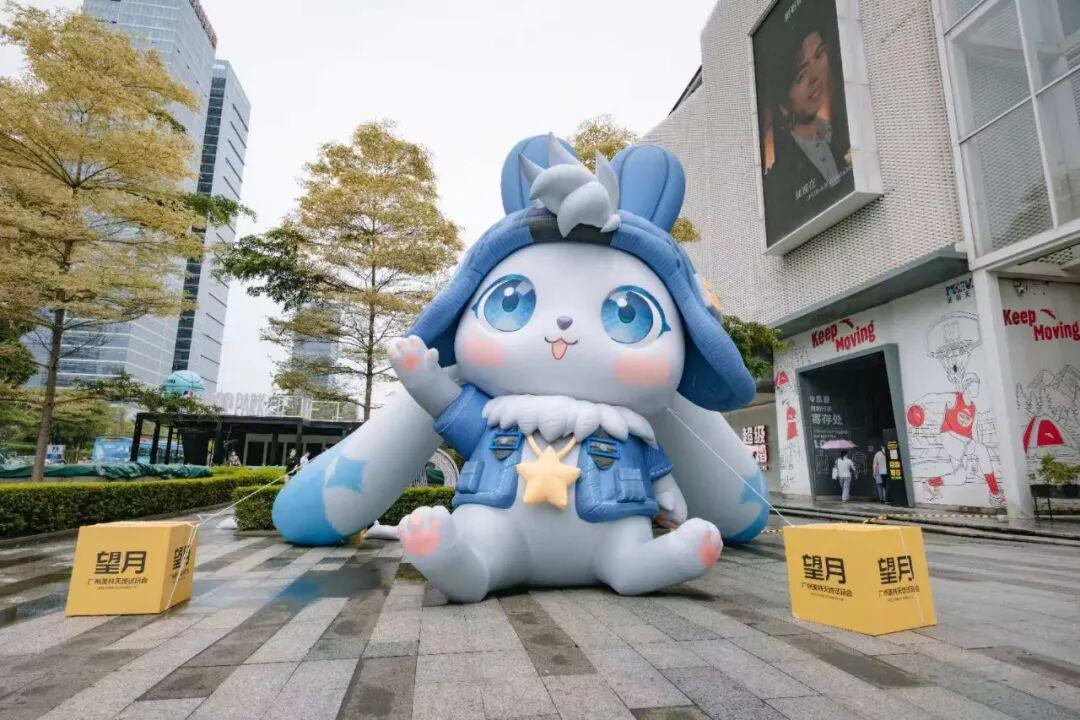
Returning to the open-world section, to be frank, the interactive elements in this demo version are still fairly limited. Many POIs are currently in the “stay tuned” phase and are essentially inaccessible, but at a conceptual level, the design intent behind *Moonlight* is clear: the developers aim to build an “urban forest” where moon spirits and humans coexist.
As you walk through the streets of this city modeled after Guangzhou, you’ll see Moon Spirits working by the roadside, moving among the buildings, and even driving. Moon Spirits follow their own behavioral logic; unlike the vast majority of products featuring mythical beasts, they exist in this city as “citizens” rather than “monsters.”
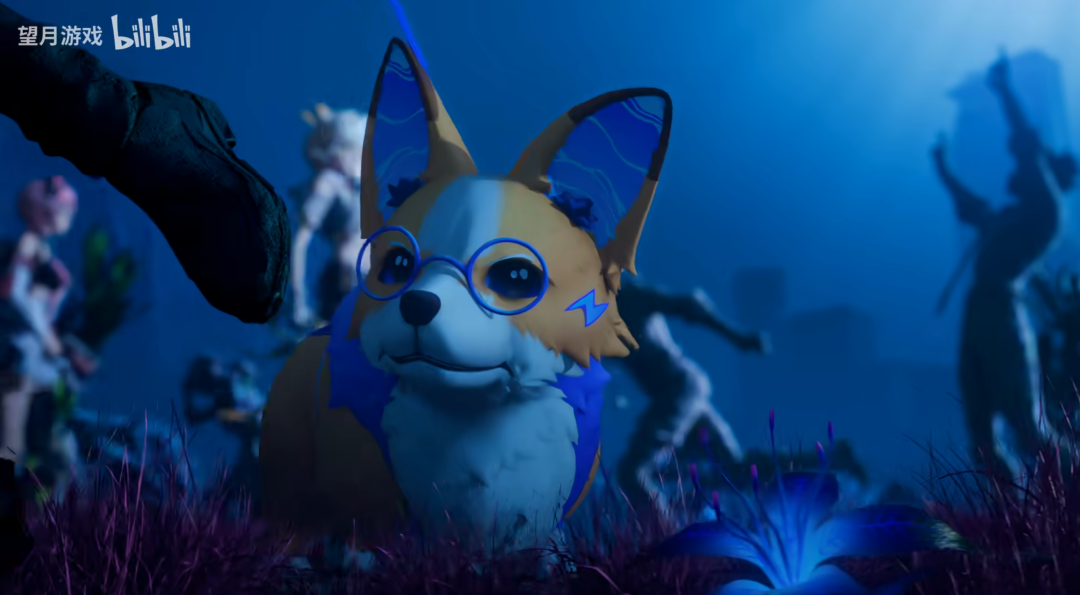
The origin of this concept was also explained to some extent during our discussion. The team recalled that during the first beta test, the Moon Spirits were still designed as traditional, captureable creatures, but they realized that “it would feel completely out of place if a Moon Spirit were just going about its business and suddenly got captured.”
Ultimately, the solution they found was the “Lunar Eye” system, which allows players to use their abilities to collect, combine, and study the “inner voices” of the Moon Spirits, gradually building a relationship with them. It also enables players to identify Moon Spirits corrupted by “Chaos”—only such Moon Spirits can be “contained” and turned into the player’s combat power.It can be said that this system transforms the very act of “understanding the Moon Spirits” into a dynamic gameplay experience.
"Moon Gazing" states: "If we approach this using the traditional logic of pet mechanics, the fact that Yue Ling can’t be captured directly would become a disadvantage. So I’ll have to design the system around that and turn it into an advantage."
This distinction is actually crucial; it means that, from its very conception, the Moon Spirit system in *Moon Gazing* has taken a different path from the pet-catching gameplay found on the market, and this path naturally aligns with the urban setting.
Yueling has her own life and her own role in the city; the relationship between players and Yueling is one of mutual understanding rather than a one-sided, subordinate relationship based on conquest.
So, as you may have noticed, *Moon Gazing* has its own unique logic when it comes to the game’s mechanics—such as combat and the concept of Moon Spirits. Similarly, the developers also have their own perspective on the “urban” dimension, which is actually the most crucial element defining the game.
02
While playing the demo, what really impressed me about the city in *Moonlit* was the cultural atmosphere unique to the Cantonese-speaking region.
This was already evident as early as the first beta test. In the current version of “Wangyue,” the city’s streets are still lined with arcades. When you consider the scale of the streets and alleys and the way the NPCs dress—all these details combined—I can clearly sense not only that this is a modern metropolis but also a profound sense of contemporary Guangdong.
During their discussions, the team summarized this design goal with an internal term: a sense of connection.
“To put it simply, it’s something that feels very familiar.” The *Moonlight* team further broke down their interpretation of the keyword “China”: “We’re not just preserving tradition; we’ve broken the term down into ‘here and now.’ ‘Here’ refers to a sense of familiarity, and ‘now’ refers to contemporaneity.”
This explains why *Moonlight* chose Guangzhou as its specific urban setting.
Their reasoning is this: if you abstract the urban symbols from all over the country into a single city, “it’s not concrete enough—only concrete things create a sense of connection.”
In practical terms, they have also made a conscious distinction between “landmarks” and “common elements.” Landmarks such as the Canton Tower and the Liede Bridge—which are known to everyone—are specific, but elements like sidewalks, alleys, and the vibrant atmosphere of everyday life are found in every Chinese city.
“Landmark is easy to make—you just have to throw resources at it. But finding those common elements and weaving them into the game—that’s where the real thought goes into it,” said Wang Yue.
This approach also extended to the design of the Moon Spirits. In *Gazing at the Moon*, each Moon Spirit is a fusion of an “animal form + cultural element.” For example, “Electric Woof” was inspired by the image of a Corgi wagging its tail, which evoked the image of an electric motor, eventually taking the form of a power bank;“Night-Illuminating Sunflower” clearly draws inspiration from elements of a searchlight or studio lighting.
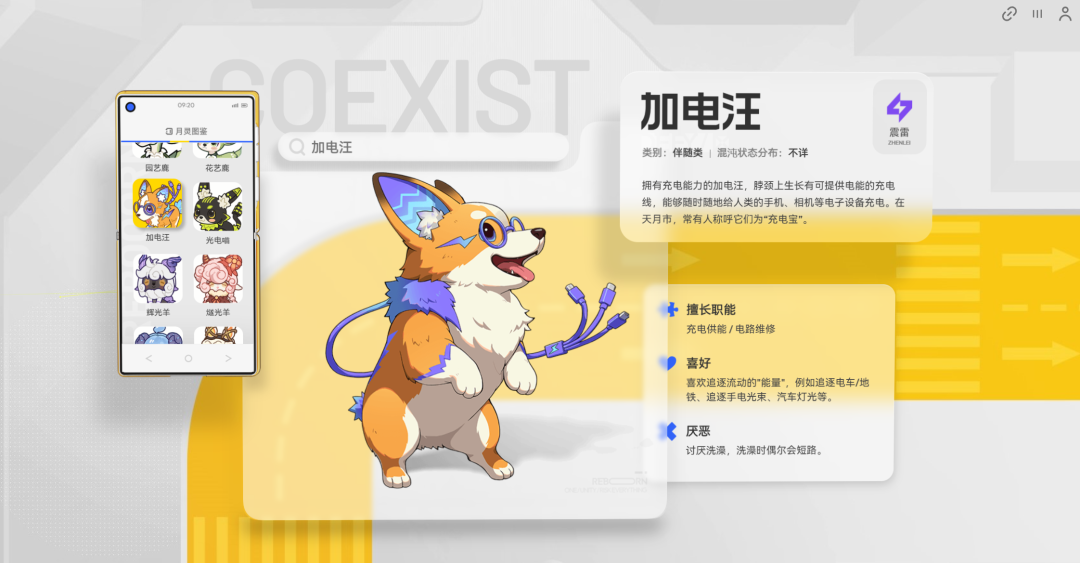
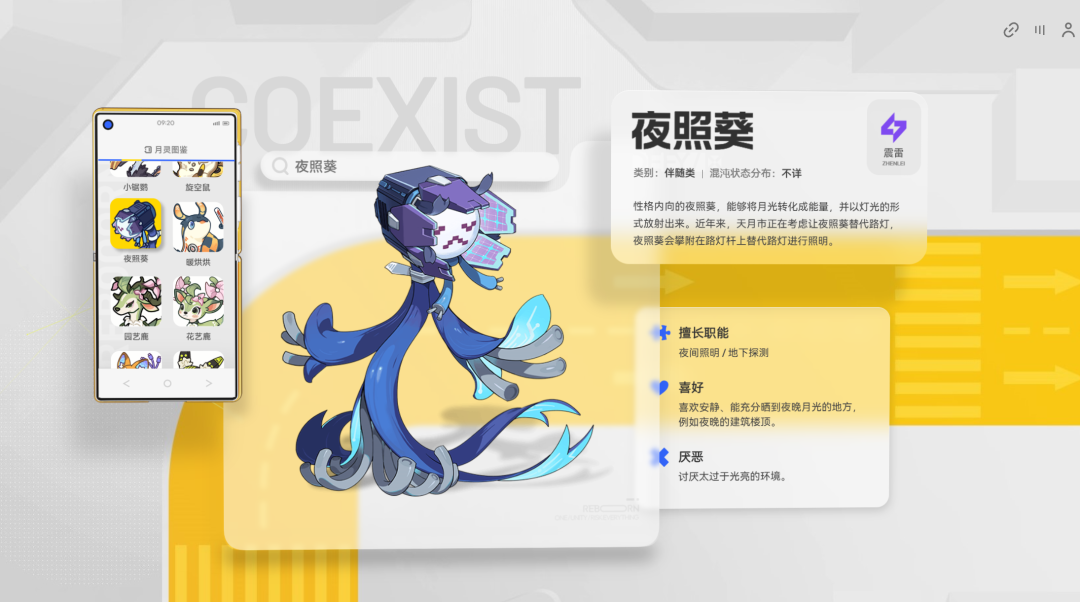
*Moon Gazing* summarizes this design approach as follows: “Allowing users to recognize not only the animals’ attributes but also their cultural attributes.”” When players see the Moon Spirits, they can likely make meaningful associations between their abilities and real-world objects. This source of creative inspiration stems precisely from the “sense of connection” inherent in *Wang Yue*’s city-building—a feeling of familiarity and warmth that *Wang Yue* has successfully reinterpreted.”
They believe that this is what makes *Moonlit Night* unique.
The most crucial character in the second game was designed according to this same logic.
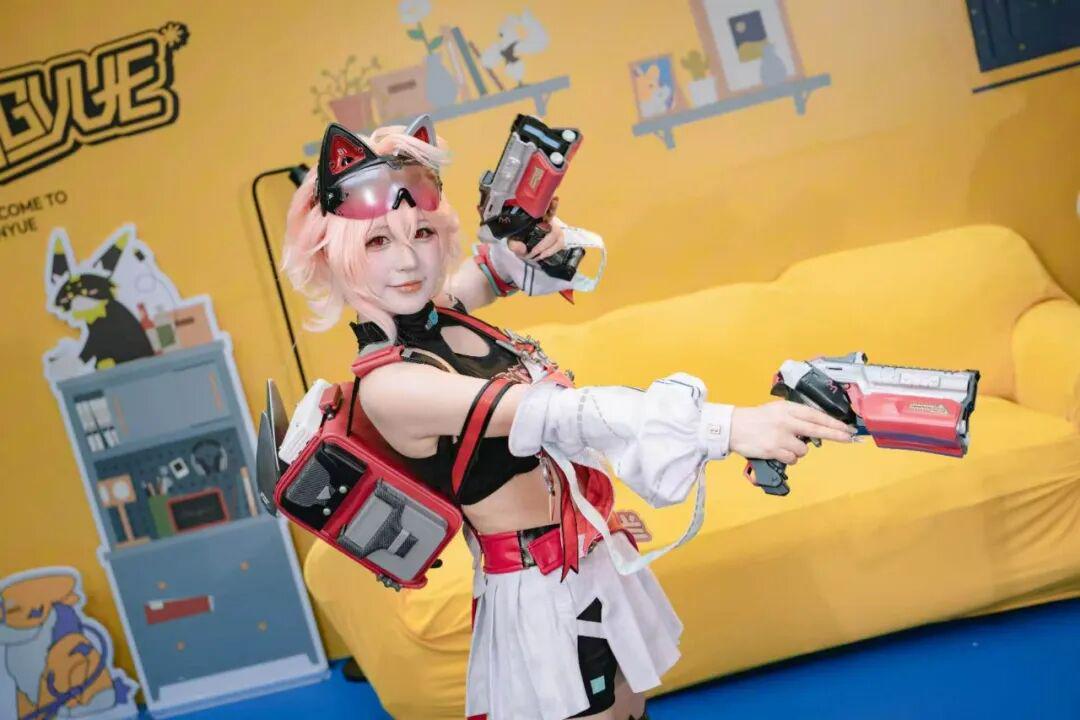
The characters in *Moonlight* are all based on specific “urban professions” as the foundation of their design. For example, Ling Beijing’s design was inspired by a tennis player, and his attack moves are modeled after the actual swing of a tennis racket; while the weapon used by the deliveryman Lai Lai appears to be a gun, it is actually a barcode scanner with an attack module attached to the front.
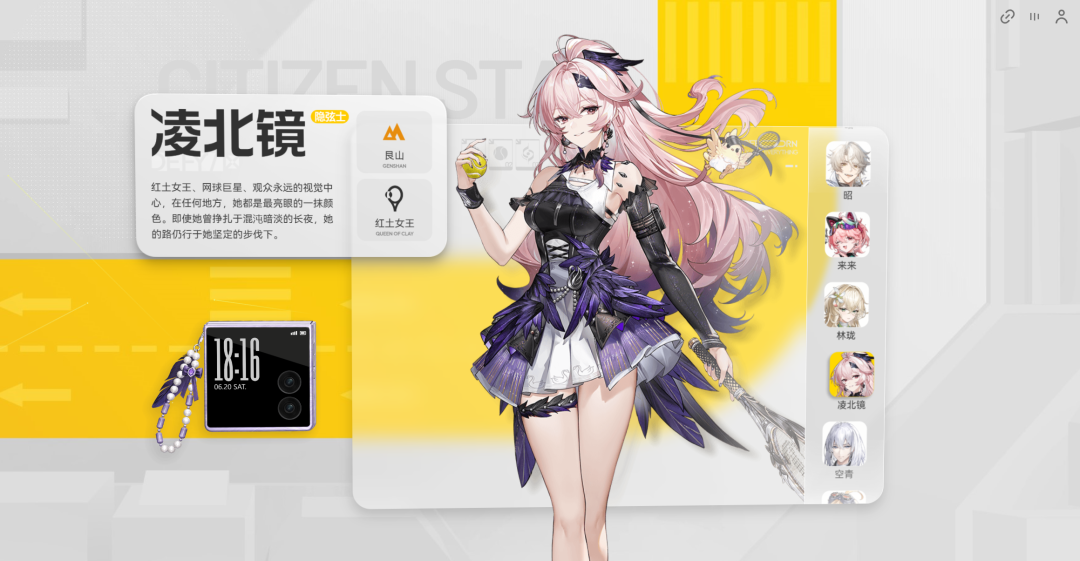
In *Moonlit Night*’s view, this approach to character design deeply roots each character in the context of urban life, allowing the show’s distinctive identity to emerge naturally.
After discussing its distinctive features, when asked about the current size of the *Moonlight* team, the project team responded that the total number of people working on *Moonlight* remains at around 600 and has stabilized. Internally, all development pipelines have been established, and development is proceeding steadily.
Looking back at this product, it was first unveiled in 2023, underwent its first beta test in 2025, and subsequently went through extensive iterations. The team expanded from 300 to over 600 people, and hundreds of millions were invested. To outsiders, this process seems somewhat lengthy, and, no matter how you look at it, it carries a certain sense of “scrapping the old and starting over.”
During their conversation, they also mentioned that *Moonlight* itself might indeed be a bit “slow,” but perhaps that’s not necessarily a bad thing.
The *Moonlight* team extended this logic to their understanding of the concept of an “open world” itself, stating, “Whether it’s an open world or an urban open world, it’s not a category—it’s just a form.”
They drew a parallel with the idle game boom of 2017 and 2018, noting that at the time, the market viewed idle games as a distinct genre, but in hindsight, it appears to be merely a design style.
“So for *Wangyue*, the urban open world is a means of expressing the product, not its defining characteristic. The essence of *Wangyue* lies in the symbiotic relationships between the systems behind the phrase ‘Moon Spirit City.’ This irreplaceable quality means we need to refine it further, so slowing down is actually a good thing.”
As for the “rebuild,” they also offered a unique insider’s perspective: “Actually, in a sense, we never intended to scrap the project and start over. After the first beta test, we realized that the three keywords—‘China,’ ‘Yueling,’ and ‘Metropolis’—had resonated with users, but we hadn’t allowed them to reach their full potential.So we kept iterating and refining it… Until around October 2025, when we suddenly realized that the product we had in our hands was practically indistinguishable from a complete remake.”
In my view, this description actually reflects a process in which understanding of the product is gradually becoming clearer.
As they said, the three keywords—China, Yueling, and the city—have been present from the very beginning, but what has changed is the depth of the *Gazing at the Moon* team’s understanding of the relationships between them.
A sense of connection, multiplicative relationships, and “here and now”—these concepts, which recur frequently in our communications, are precisely the result of this shift. They represent the methodological framework that the team has gradually refined through feedback from the first round of testing, ongoing engagement with the market, and continuous internal iteration.
Judging from today’s gameplay footage, this methodology has already begun to take shape in the actual gaming experience.
Rendering pipelines, content populating, and fine-tuning across systems—these tasks will certainly take time. During our discussion, the team candidly admitted, “The current state is not the final one—it’s not even the state we’ll be in for the next round of testing.”
But the direction of *Moon Gazing* is clear: Shiyue knows what she wants to do, understands what makes her unique, and knows why the various systems are combined in their current configuration.
For a product that has undergone a major shift in direction, this sense of certainty is, in itself, the most significant development.
When asked about the launch date, the *Moonlight* team gave a measured response, saying, “The launch date will depend on the product’s level of completion and our assessment of the market. We hope that when the product is released, it will truly offer players a new experience and new value.”
Conclusion
As I left Meilin Plaza, dusk had already fallen in Guangzhou in June.
An old man was packing up his stall by the roadside; the lights under the arcades came on one by one; and the air was filled with the scent of roasted meats and herbal tea. This feeling had a subtle resonance with the one I’d experienced an hour earlier as I walked through the streets of Nangang District in the game.
I think this is probably what the *Moonlight* team meant by “a sense of connection.”
After this hands-on session, I think I can say that, in a nutshell, *Moonlight* currently has a clear vision of what the product should become and is making steady progress toward that goal.
Whether it’s the symbiotic relationship between the Moon Spirit and the city, cultural expressions anchored in “here and now,” or even the multiplicative logic between systems, these elements are already clearly evident in this demo—even though they still have a ways to go before reaching their final form.
For a product with a team of more than 600 people—or, to put it another way, for a developer previously known for its user acquisition efforts—"finding the right direction" is in itself a crucial step when venturing into a new genre.
原创文章,作者:游茶妹儿,禁止转载:https://youxichaguan.com/en/archives/208026