To create long-lasting hit games, how should mini-game developers adjust their approaches to distribution and monetization? At the mini-game session of the 2026 WeChat Marketing Ecosystem Partner Conference on the 29th, Changsha Zhise Network shared its hands-on experience using its hit game *Arrows Can Turn* as an example.
In its presentation, Zhise Network stated that the key to success in the era of long-term growth lies in refined operations: first, identifying the distinct characteristics of users across different traffic channels; then, refining the product experience and adjusting monetization strategies accordingly to achieve balanced growth in user retention and LTV.

The full transcript of the presentation is as follows: Hello, fellow developers. I’m honored to have been invited here to share my hands-on experience with *Arrows Can Turn*. I hope the insights gained from developing this product will provide you with some useful guidance.
First, let me briefly introduce our company. Changsha Zhise Network was founded in 2014 and has been deeply involved in the casual gaming sector for nearly a decade, building end-to-end capabilities that integrate R&D, publishing, and operations. We currently have a cumulative user base of 500 million, spanning multiple genres including puzzle, match-three, and simulation games.The company continues to explore product diversification while focusing on long-term game operations.
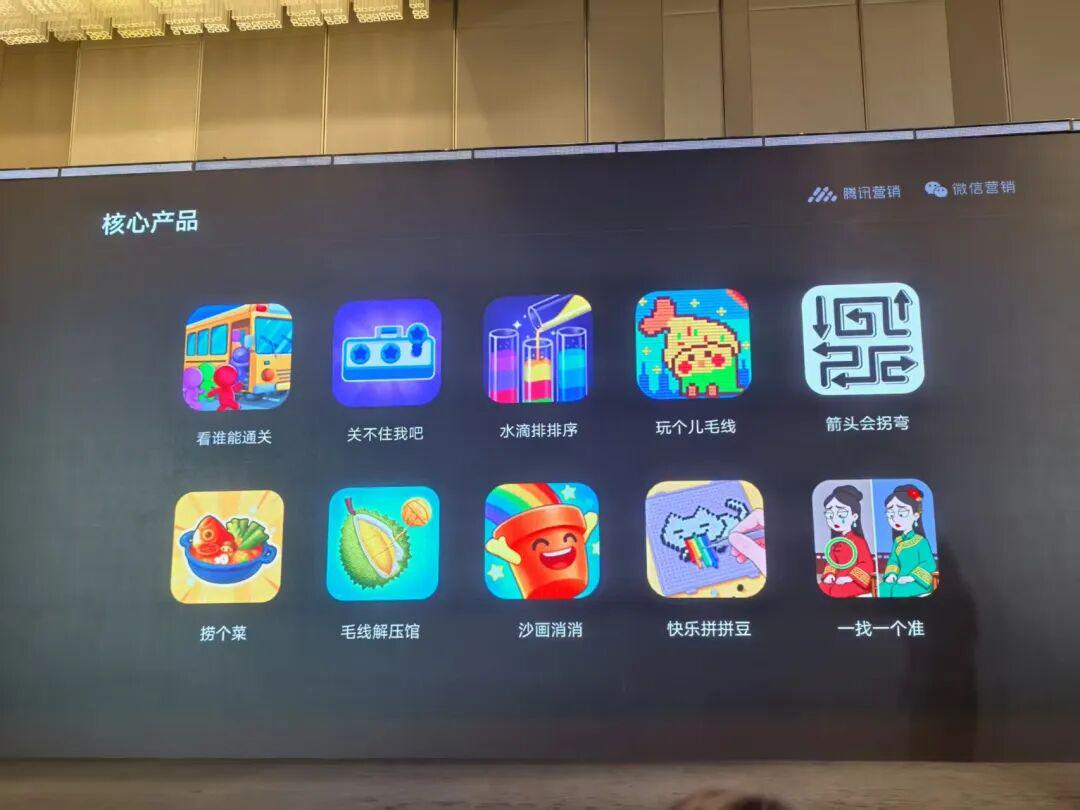
Today, drawing on the release and commercialization of *Arrows Can Turn*, we’ll discuss how to tailor your product to the audience.
Why should we adapt to the flow? We’ll explore this from three perspectives. First, we need to look at the long term.Currently, the average playtime for mini-game users continues to increase. We cannot focus solely on users’ short-term behavioral data; we must also examine their performance over longer periods, such as 30-, 60-, and 90-day retention rates and 30-, 60-, and 90-day monetization metrics. Only by prioritizing long-term retention and monetization quality can we effectively meet current market demands.
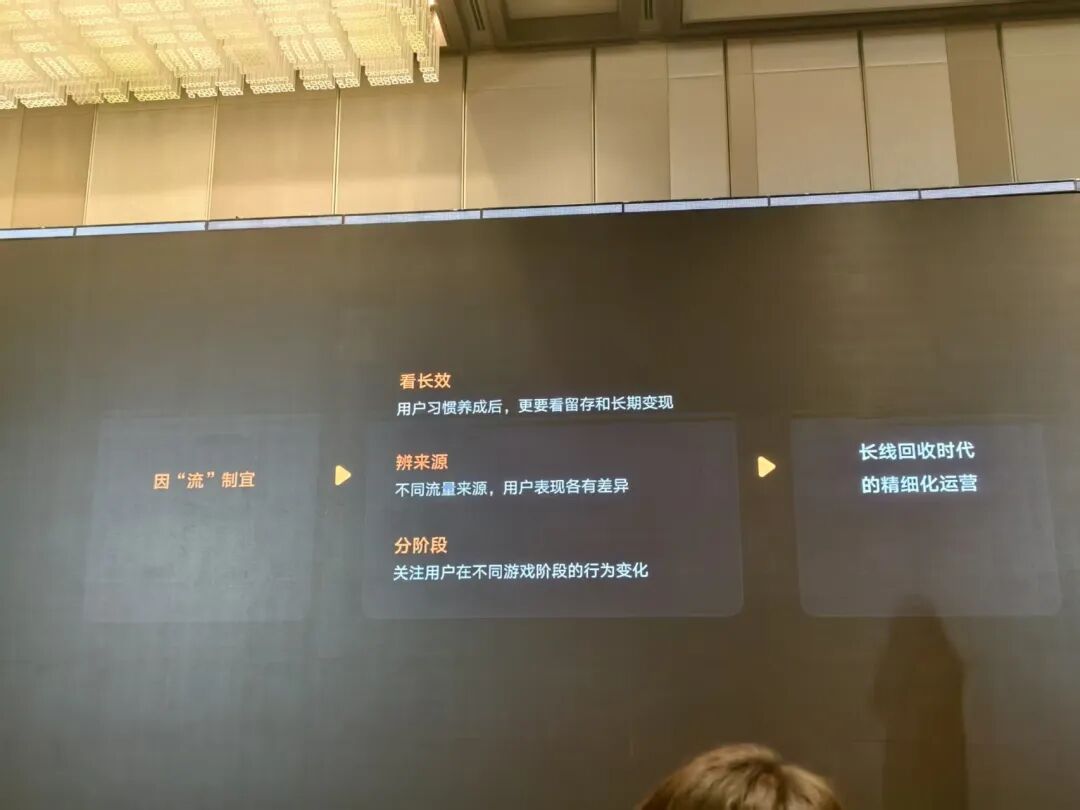
Second, identify the source. Users from different channels share common characteristics but also differ based on the specific promotional features of each platform. We need to consider both user demographics and product performance to accurately interpret the product’s actual data.
Third is a phased approach. Once users enter the game, their behavior and needs change as they progress through different stages of gameplay. We need to identify the factors that drive users’ interest in the game and encourage them to stay engaged, and set corresponding operational goals for each stage.
Overall, daily active users for mini-games continue to rise, the range of available products is constantly expanding, and users’ expectations for product quality are also increasing. At the same time, the platform’s introduction of the “180-Day Advertising Credit” program provides support for developers’ long-term monetization efforts. Therefore, in this era of long-term monetization, refined operations are essential for fully unlocking the value of traffic.
My presentation will be divided into two parts: The first part will focus on “Differences by Traffic Source,” breaking down the varying performance of users from different sources and analyzing differences in product data; the second part will focus on “Tailored Strategies,” providing targeted monetization approaches based on the behavioral characteristics of different users.
First, in this section, we will primarily discuss three types of content: images, short videos, and live streams.
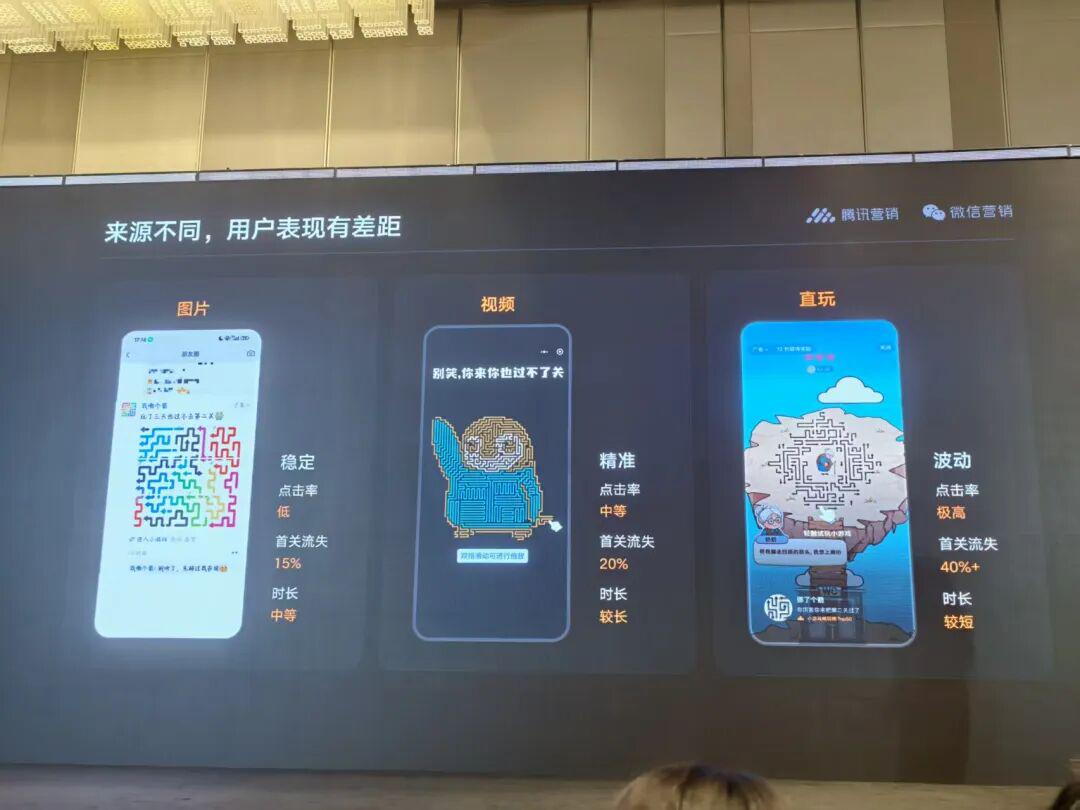
Let’s start with image creatives. They can be placed in a variety of ad slots, including Moments and Official Accounts, with Moments being the primary focus. Moments offers broad reach and includes a large number of non-gaming users, with a highly diverse user base. Compared to video creatives, images can visually showcase gameplay, and when combined with the “Play Now” feature, they allow users to try the game right away.
Its appeal is relatively weak, and its click-through rate is on the low side. However, since these users have been pre-screened, accidental clicks are rare, and the first-day churn rate is even lower, staying within 15%. Data analysis shows that user retention via the Moments channel is stable, with minimal fluctuations over multiple days; we have therefore categorized this user segment as “stable.”
The second type of content is video.Videos provide a visual representation of the game’s gameplay, accompanied by audio feedback, which helps users understand how to play. As a result, they generate higher click-through rates, and their first-day churn rate is similar to or slightly higher than that of the Moments channel. Since users gain an understanding of the gameplay before entering the game via video, they are more receptive to the game’s subsequent, more challenging levels. This leads to longer play sessions, and user metrics more closely align with those of the game’s core user base.
Next, let’s look at the demo format, which allows users to directly experience the gameplay or enter the game’s first level. This format draws in a large number of users who are merely curious about the gameplay, resulting in a relatively higher first-day churn rate.A large number of users who only dip their toes into the game drive down first-day session duration and second-day retention, but a portion of users are still willing to stay long-term and generate revenue, resulting in significant fluctuations in the overall data.
We also conducted tests using different versions of these three types of content.
The first is a minimalist version featuring only three arrows, designed for users on the Moments channel. We hope that through simple guidance and a gentle pace, we can help these users better understand the game mechanics. The second is a more complex version, primarily aimed at users on video and demo channels.The third is the story-driven version, which offers richer storytelling than the other two. We’ve incorporated a mini-story—for example, players must solve an arrow puzzle to help an elderly woman. This mini-goal brings the content to life and builds anticipation among users.
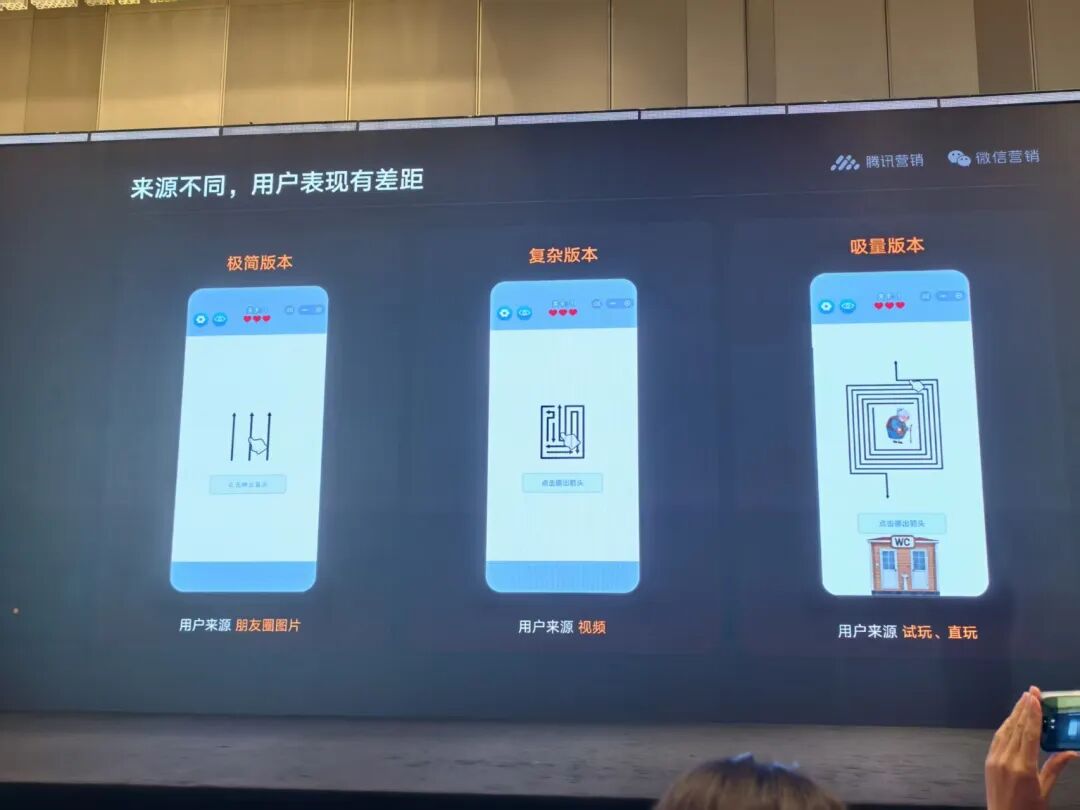
We designed these different onboarding scenarios to test the impact of the first user experience. There is no single "best" version; ultimately, the data will determine which one performs best.
Next, let’s talk about our approach to data analysis. The official commercial toolkit is an excellent resource that enables us to consolidate and analyze data across multiple channels and ad placements. Here are the four key metrics we focus on:
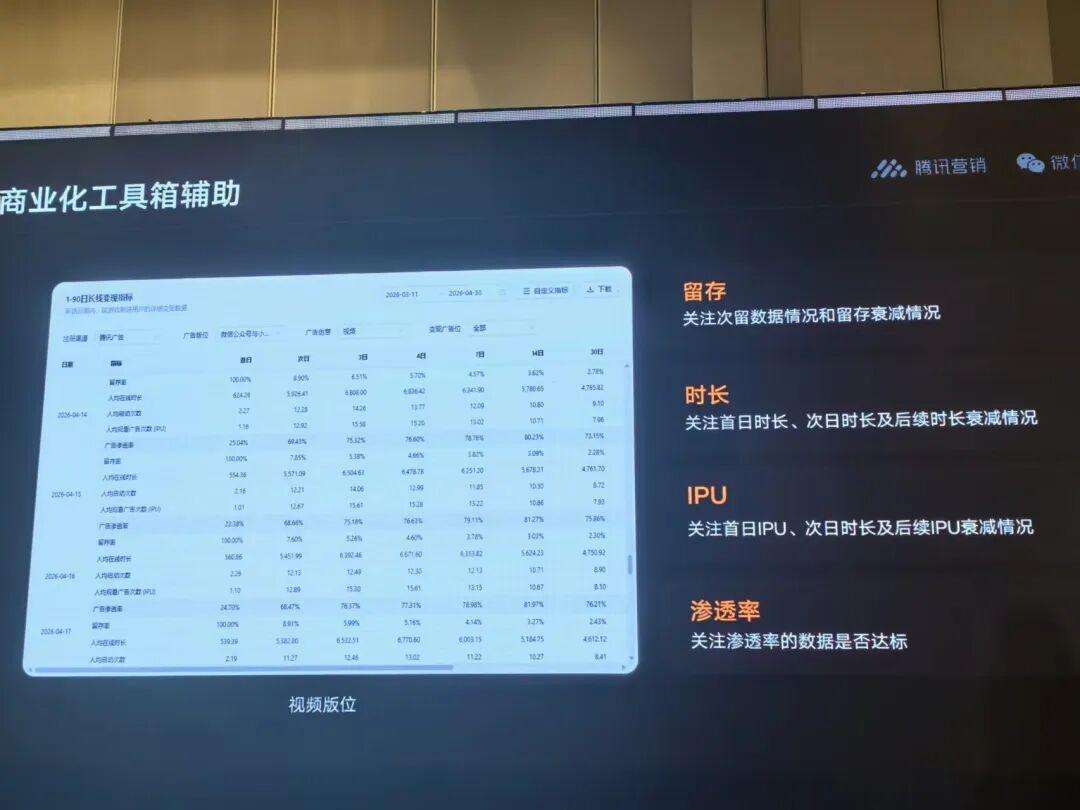
First is retention. We’ll start by verifying whether retention metrics meet our targets and tracking retention decline. If retention drops significantly, we’ll determine whether the difficulty level is set improperly or if the long-form content lacks appeal.
Second is session duration. As mentioned earlier, there are significant differences in first-day session duration across different ad placements. We also track changes in long-term session duration to determine whether users can remain in the game over the long term and to identify points where long-term session duration begins to decline.
Third is IPU. There is a significant difference in first-day IPU across different channels, so in addition to first-day performance, we will also continue to monitor trends in IPU over time.
Fourth is penetration rate, which measures users’ daily engagement with monetization features. A low penetration rate often indicates that the product lacks monetization capabilities.
Overall, identifying differences in traffic is only the first step. What’s more important is identifying issues from behavioral data once users have entered the game and are playing deeply, and then validating solutions through product iterations.
Next, we’ll move on to Part Two: Tailoring Approaches to Individuals, with a discussion based on real-world case studies.
The first case study focuses on optimizing session duration. Players who have experienced *Arrows Can Turn* will notice that the game’s levels are presented in an intuitive manner—a feature that stands out prominently. We considered how to tap into the monetization potential of this user base and which types of users would benefit most from these optimizations.
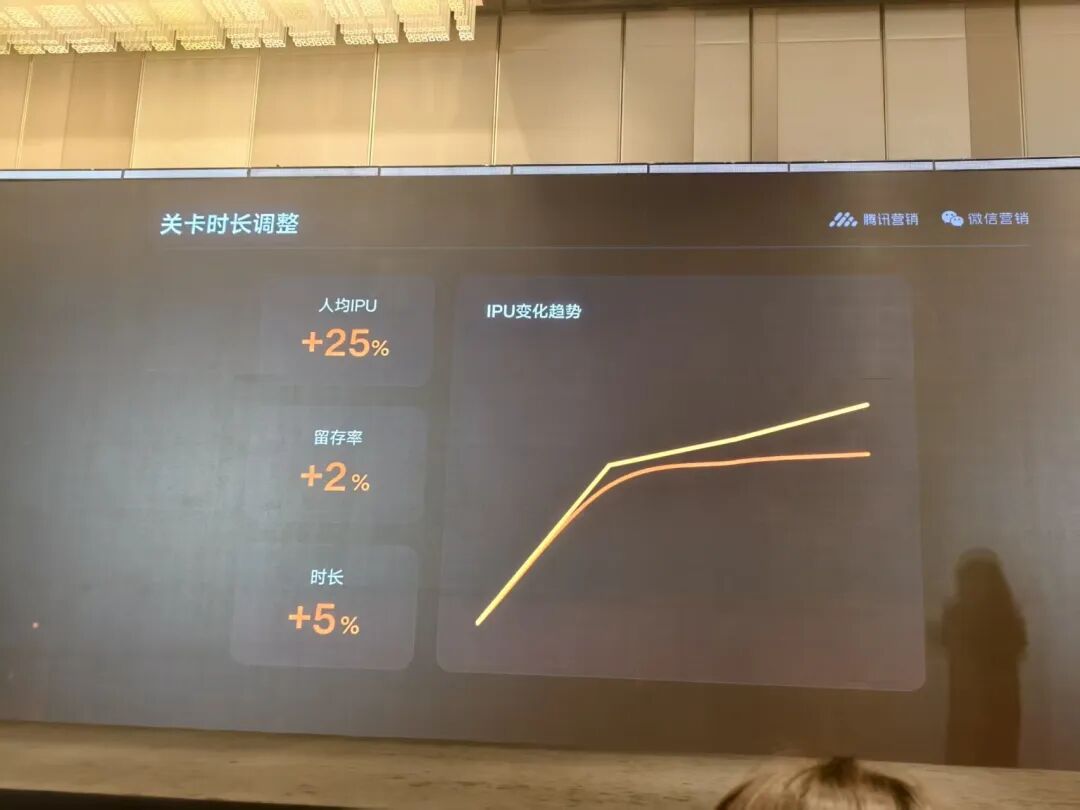
Data analysis revealed that a segment of users played at a slower pace and spent more time thinking, yet this group showed a strong willingness to contribute to IPU. Consequently, we adjusted the observation duration for these users. However, this change was not rolled out across the entire user base; since the observation duration for some levels was already very short, forcing an adjustment would have compromised the user experience, so we implemented only partial adjustments.Following the optimization, stable IPU increased by 25%, retention rose by 2%, and playtime increased by 5%. The results demonstrate that by appropriately raising the difficulty for certain users, they are willing to generate higher monetization value, and repeatedly challenging these levels can continuously stimulate their desire to conquer them.
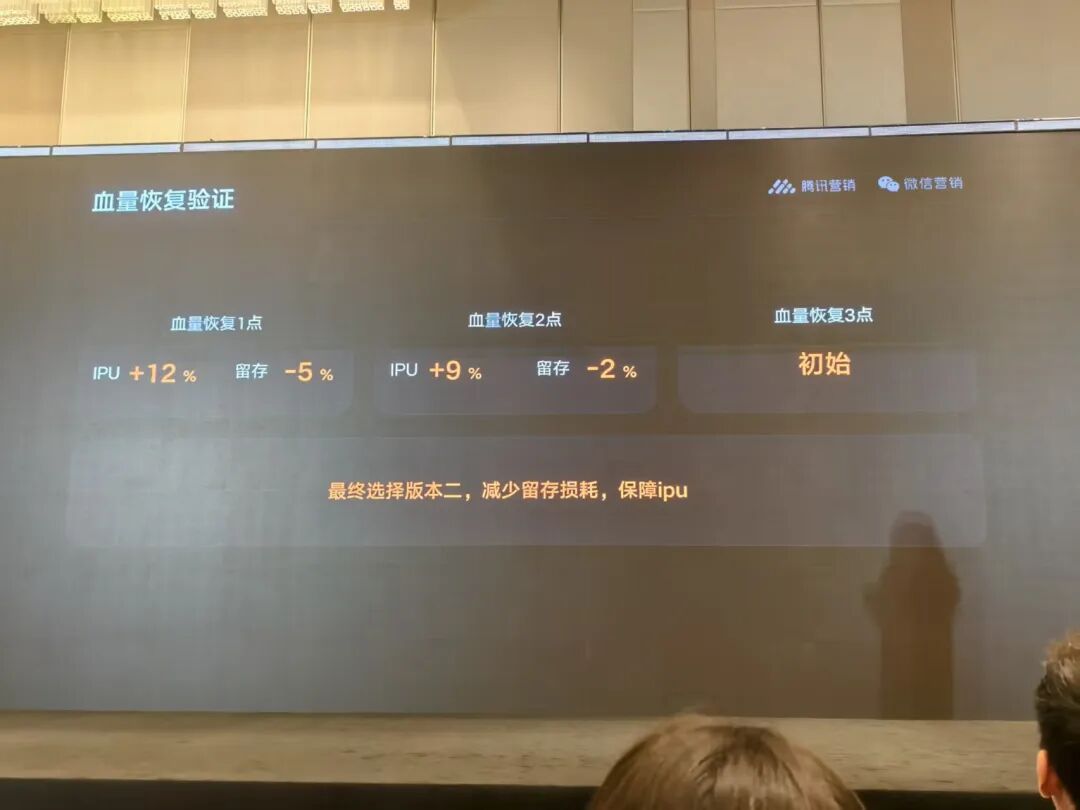
The second case study involved testing the health mechanism. In the initial version, players regained 3 health points upon each resurrection. We set up two additional control groups: one where players regained 2 health points upon resurrection, and another where they regained 1 health point.Under the 2-HP recovery scenario, IPU increased by 12% and retention decreased by 5%; under the 1-HP recovery scenario, IPU increased by 9% and retention decreased by 2%.
The key trade-off in this test lies in striking a balance between retention and monetization efficiency. A higher health recovery amount can reduce level difficulty, but it also limits the monetization potential of long-term users and weakens long-term monetization efficiency. After a comprehensive comparison, we chose the version that restores 2 health points, as it results in less retention loss and delivers the best long-term monetization returns.
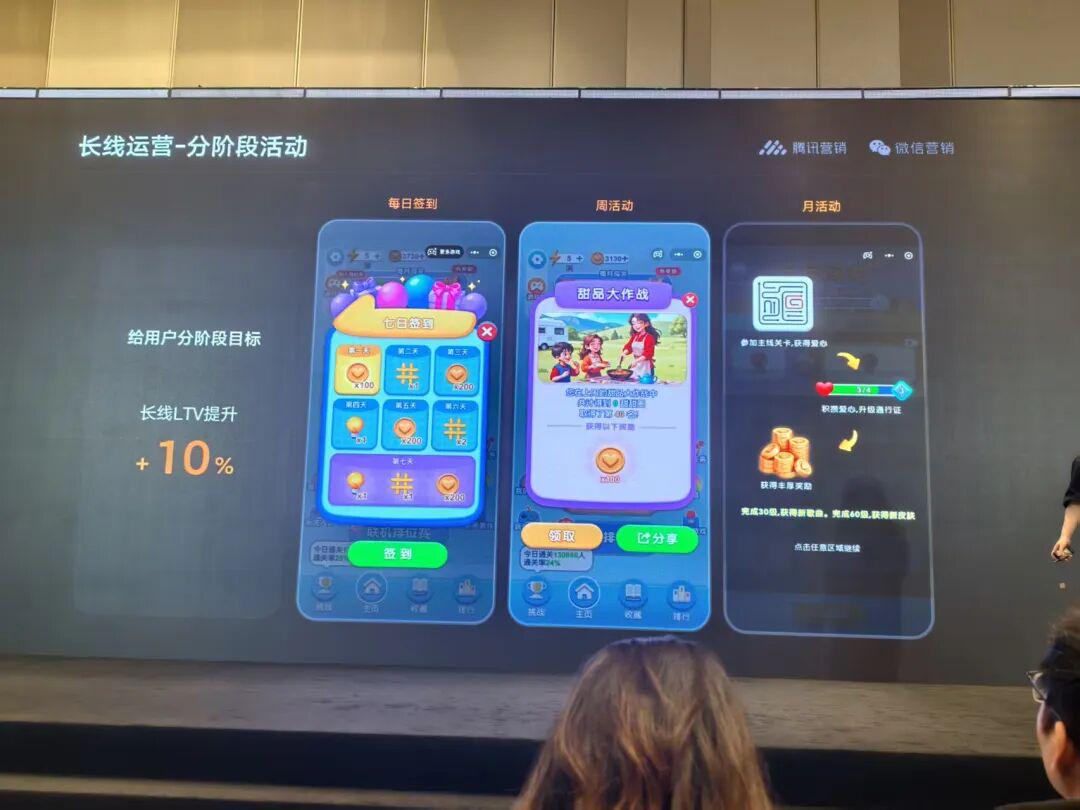
In addition to adjustments to the level mechanics, the core of long-term operation lies in boosting user engagement, enhancing retention, and extending the user lifecycle.To this end, we designed a rich suite of supplementary activities: monthly check-ins are used to solidify the daily active user base, keep the experience fresh for users, and incentivize them to continue clearing levels; progression-based activities offer high-tier rewards to drive engagement among core users and improve monetization efficiency for active users. After implementing this activity system, the product’s long-term LTV increased by 10%.
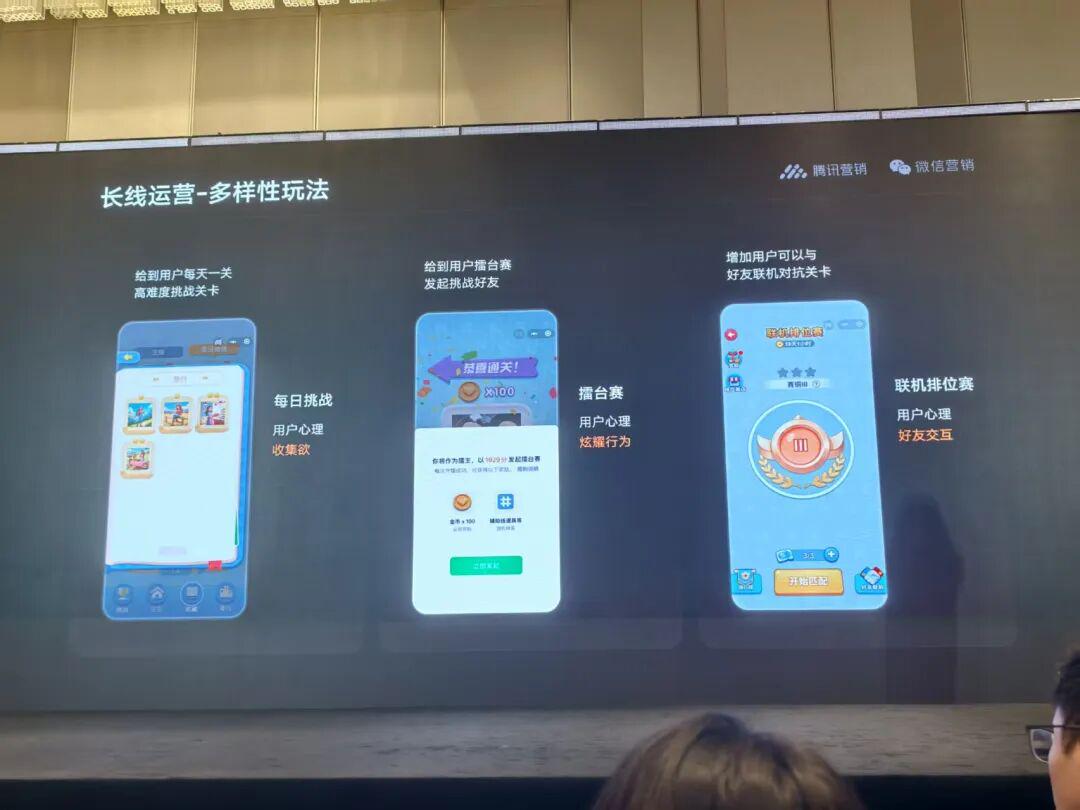
We’ve also observed that different users have varying needs within the game, so we’ve developed a variety of supplementary gameplay features. For example, the Daily Challenges are primarily aimed at core users who enjoy high-difficulty levels; compared to standard levels, these high-difficulty levels contribute more to IPU, which can effectively boost monetization efficiency.We have also launched a collection system to help core users develop the habit of logging in regularly.
The second activity is a challenge tournament, which capitalizes on users’ desire to show off their scores to friends, encouraging them to participate in challenges and sparking organic sharing. The third is a ranked mode, which satisfies users’ need for social interaction.We introduced a new ranking system, adding a competitive dimension to what was originally a single-player looping game. Based on the results, core users have responded positively, and it has also sparked lively discussion within the gaming community.
The growth of casual games cannot rely solely on user acquisition campaigns; user engagement is equally critical. The gaming community is an excellent platform for us to interact with users and foster their long-term engagement. It brings together a large number of core users, whose feedback helps us hear authentic voices and refine products that players are willing to keep playing.
We’ll use this space to share updates on new versions, publish game guides, and gather user feedback on gameplay in a timely manner. We’ll also host small interactive events on a regular basis to boost user engagement and immersion. Only by continuously paying attention to and optimizing the user experience can we create a game that users truly love.
Finally, I’d like to thank WeChat Marketing once again for providing this opportunity to share my insights. The core of product optimization always revolves around the user; there is no single “right” answer, and all decisions are ultimately based on user data and actual performance. I wish WeChat Mini Games continued success, and I hope all developers can create high-quality, hit games. Thank you, everyone!
原创文章,作者:游茶妹儿,禁止转载:https://youxichaguan.com/en/archives/222074