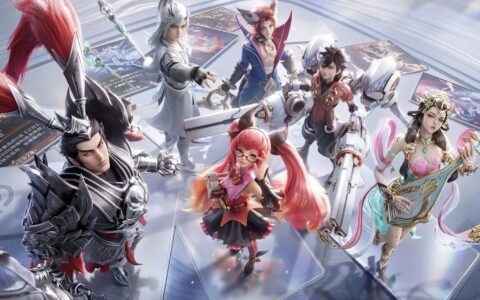
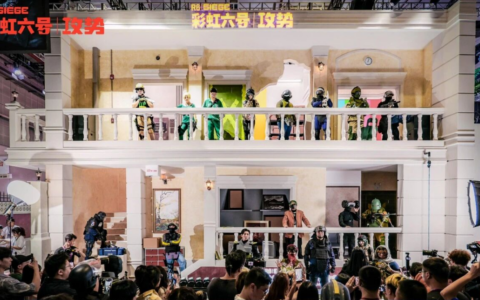
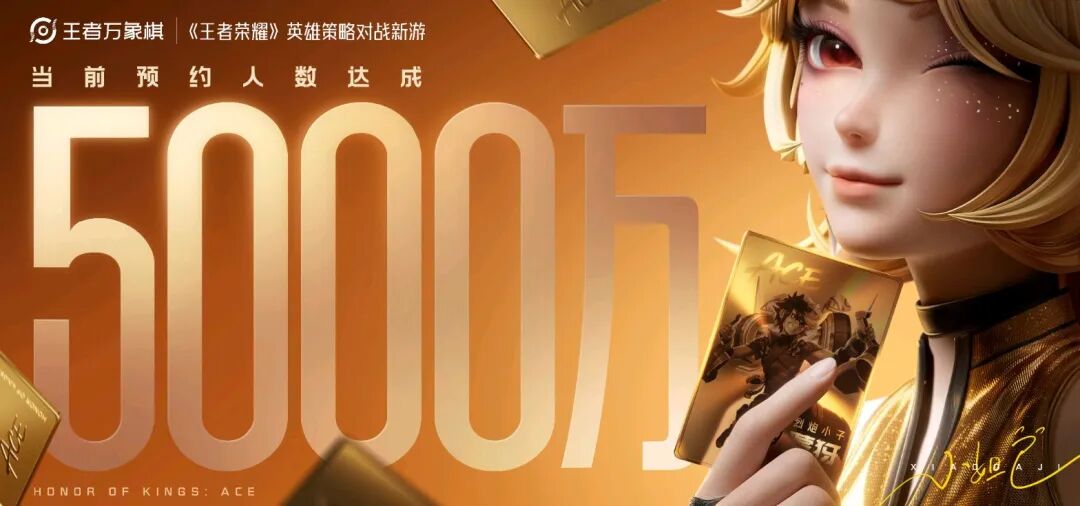
On August 7, *King of Glory: Multiverse Chess* held a pre-release announcement livestream across all platforms. After showcasing the game’s connection to the *King of Glory* IP and its product philosophy, the team not only revealed that pre-registrations had already exceeded 50 million but also had Producer Donny announce live that the open beta would begin in September.
First unveiled in late 2022, this game has finally set a release date after more than three years of silence. The day before the announcement, the test server received a major update, and the team continues to refine the game in hopes of meeting players’ expectations when it officially launches.
With the domestic auto-battler and other strategy game genres having already undergone multiple rounds of consolidation and the market now relatively saturated, the path ahead for *King’s Chess* is bound to be even more arduous. A steep learning curve, highly formulaic team compositions, and monotonous late-game progression feedback have become major challenges for strategy games.Players either quickly memorize the optimal strategies and lose interest, or are deterred by the steep learning curve required to navigate complex economic and synergy calculations. More crucially, strategy games inherently rely on individual decision-making, making it difficult to foster the strong social bonds that come naturally in MOBA games.
In this market environment, simply releasing another, more streamlined strategy game is unlikely to truly break the mold. For *King of Glory: Chess*, the challenge is even greater, as it must not only build on the massive user base of the *King of Glory* IP but also prove its uniqueness in the already highly competitive strategy game market.
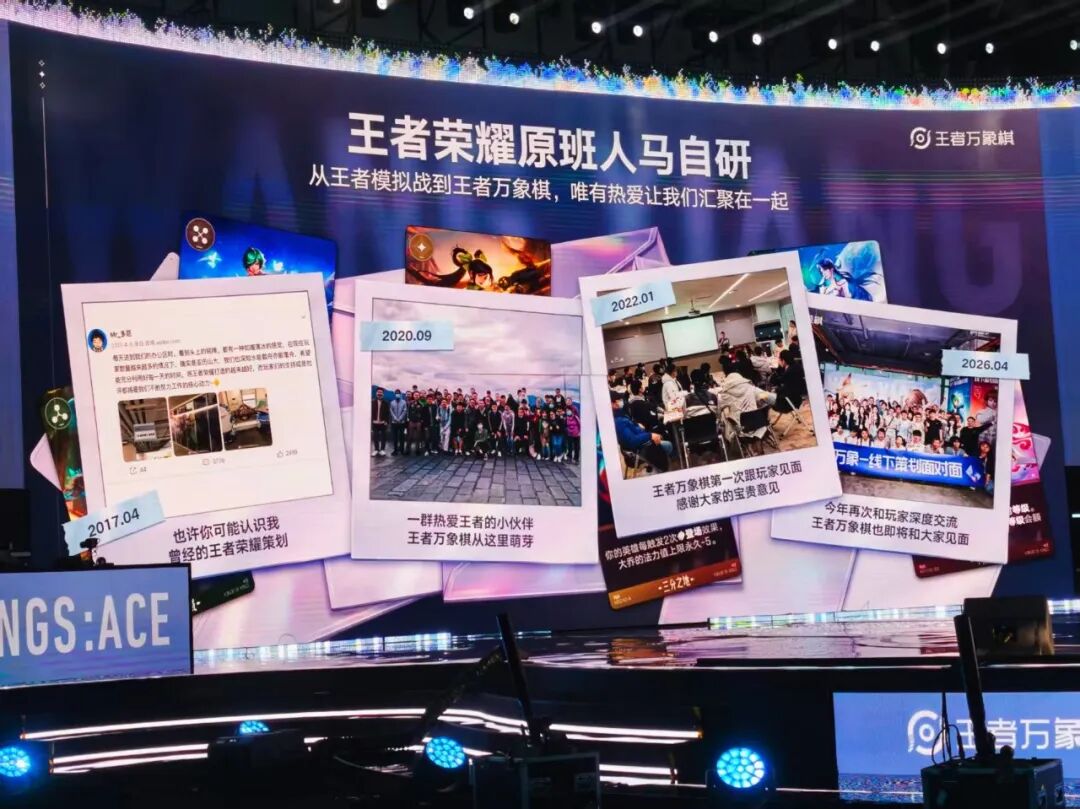
After the press conference, Tea House had the privilege of joining fellow media representatives for an in-depth conversation with Donny, the producer of *Honor of Kings: Chess*.Having previously served as a game designer for *Honor of Kings* and led the design of “Honor of Kings: Simulbattle,” he spoke with us in detail about how this title leverages the long-term experience gained from developing the *Honor of Kings* IP to bring familiar heroes and social elements into a new gameplay experience, as well as the trade-offs the team made during the development process to achieve this.
In the opinion of Tea House Jun,what *Honor of Kings: Multiverse Chess* truly aims to achieve is not simply creating another lightweight strategy game, nor is it merely catering to existing *Honor of Kings* IP fans. Rather, it has struck the right balance—leveraging the series’ strengths in social interaction and polish to lower the barrier to entry for strategy games, allowing a wider range of casual players to easily jump in and play.
01
Make Your Own Rules
At the launch event for *King of Chess*, one slogan was repeatedly emphasized—and it also serves as the core gameplay mechanic that sets the game apart from traditional auto-battlers: “First, farm! Second, level up! Third, blow the place up!”
"Refresh" means using energy at the shop each turn to refresh the card selection and find heroes that fit your team composition.
Energy gain per turn is relatively fixed during a match, and there are no interest mechanics or win/loss streaks; selling cards only yields a small amount of energy. With this design, players no longer have to worry about complex economic calculations and can focus more on which cards to draw and which hero to level up.
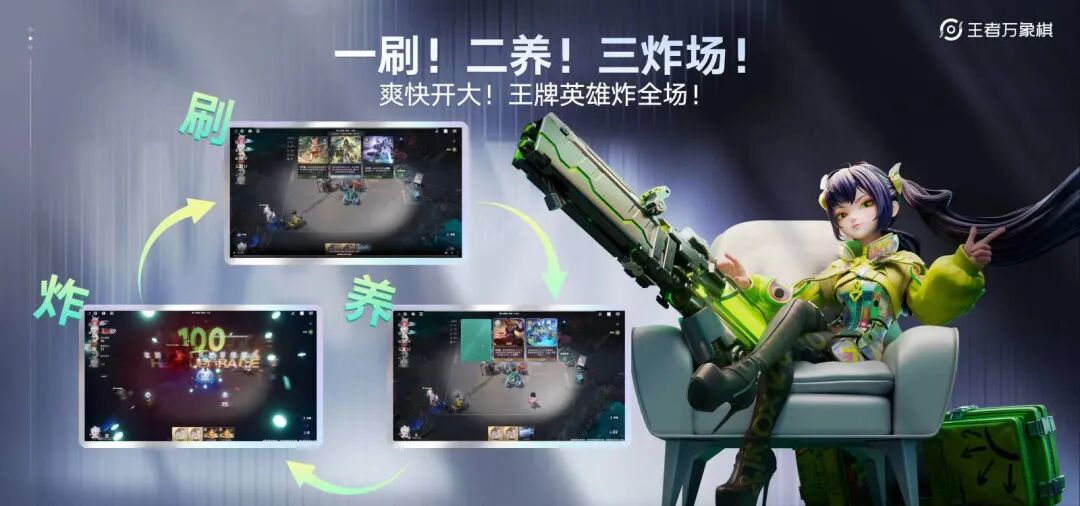
"Leveling 2" refers to the ability to boost a hero's level to absurdly high levels through various methods.
"King of Chess" uses a hero level system to replace the "three-in-one" star-upgrade mechanism. There are many ways to level up cards during a match; in addition to purchasing the same hero card, heroes from the same synergy lineup or those with exclusive traits can also provide a significant level boost to the team or an individual hero.You can easily develop a core hero early in the game; the enhancements to their abilities and stats are not only reflected in their in-game power but are also visually evident.
When talking about the level cap, Donny smiled as he recalled the exhaustive testing of different design options. “Originally, the heroes in the game had a level cap of 60. Back then, there wasn’t even a shop—it was a system where the dealer dealt the cards and players swapped them.Later, we realized that reaching level 60 would happen too quickly, so we raised it to 99. But players still hit the cap fast, so we went ahead and raised it to 999—and to our surprise, some players actually reached that level during testing.”
He explained that this tier system was actually the result of the team’s step-by-step debugging, testing, and trade-offs. Other features, such as Awakening and the mechanism for carrying over economic resources across turns, were also decisions made after collecting a substantial amount of data. While this process was not easy, it allowed the team to define the core gameplay and establish its own unique identity.
The final three "explosive" moments occur when a hero reaches a high level, at which point their skill effects and visual animations undergo a qualitative transformation, with both the visuals and combat feedback being taken to the next level.
Players can even turn *Kingdom Chess* into an exhilarating strategy game centered on hero development, clearly seeing the heroes they’ve nurtured grow stronger step by step and ultimately deliver spectacular performances—the positive feedback is undeniably intense.
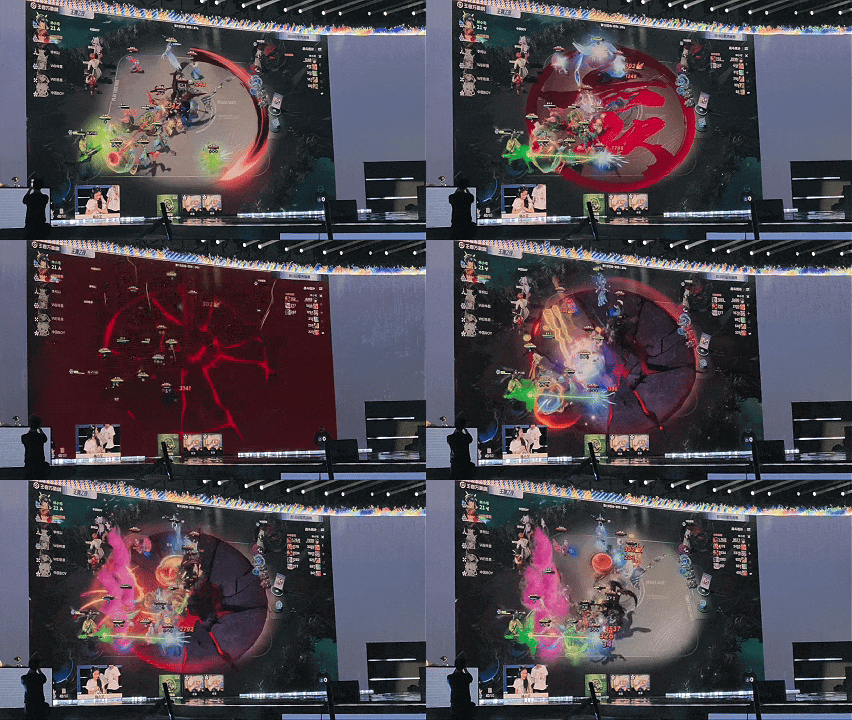
Looking at the design philosophy and gameplay framework of *King of Glory: Multiverse Chess*, it appears that the developers have built upon classic strategy gameplay by adding and subtracting elements to suit *King of Glory*—but this doesn’t mean the game’s core mechanics are simple.
At a specific round in each match, an auction is triggered (three times per match). All players participate in the bidding, and the player with the highest bid wins the corresponding card.Players using the same deck archetype are likely to target the same card, requiring them to quickly decide whether to call the bid to secure a key card or strategically fold to conserve energy for the next round. Every bid is an assessment of the current situation and an attempt to gauge opponents’ intentions.The auction mechanism also gives players who are falling behind a chance to bolster their deck, preventing early disadvantages from snowballing too quickly and keeping every match suspenseful.
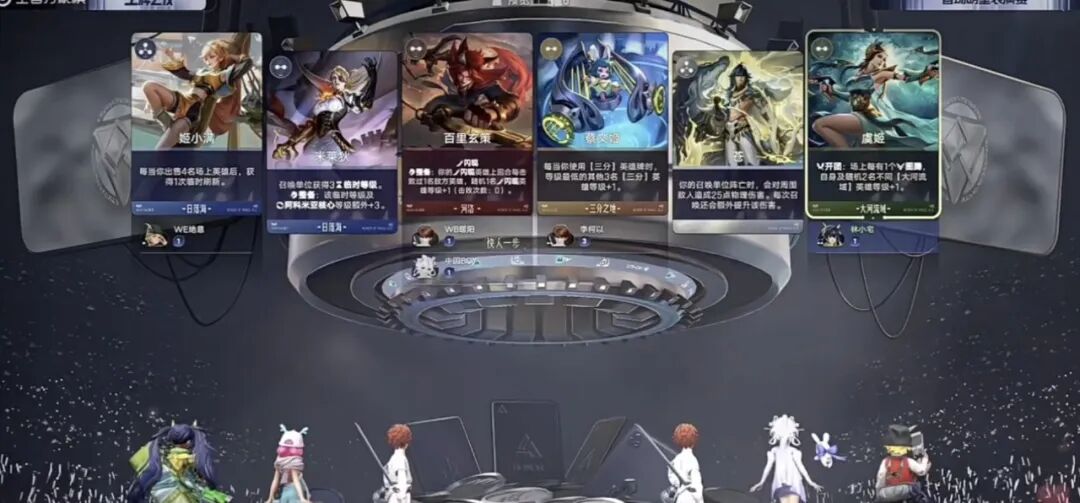
Although the game lowers the barrier to understanding economic calculations and hero leveling, it still retains sufficient strategic depth.The synergy between skill effects and the unique abilities of different heroes creates entirely different dynamics within a team composition, keeping the battle constantly in flux. Just like at the end of the exhibition match during the launch event, when Lin Xiaozhai used a “Transplant” card to drain half the level from the opponent’s highest-level hero in a crucial match, pulling off a stunning comeback.
It is precisely this balance—where the game is easy to pick up but challenging to master—that allows it to attract casual players by offering an immediate sense of satisfaction, while also providing plenty of strategic depth for players willing to delve deeper. Donny also mentioned in the interview that some team compositions in the game do require a certain level of reaction speed, and a very small number even demand extremely fast reflexes.
The team will categorize lineups into three tiers for monitoring: ensuring a certain proportion of “wheelchair-style” lineups so that most users can easily enjoy the game and climb the ranks, while also ensuring the existence of high-ceiling lineups that require a certain level of reaction speed.His goal is to create a situation where even a “casual” lineup can hold its own against high-skill, fast-play lineups under certain strategic choices, talent selections, and game situations. The benefits gained from fast reflexes will follow a law of diminishing returns: while they provide a significant boost to the lineup early on, the gains become increasingly smaller as the game progresses.This tiered design is precisely what demonstrates the game’s continued depth even after streamlining its mechanics.
02
You can learn with someone's guidance, or on your own.
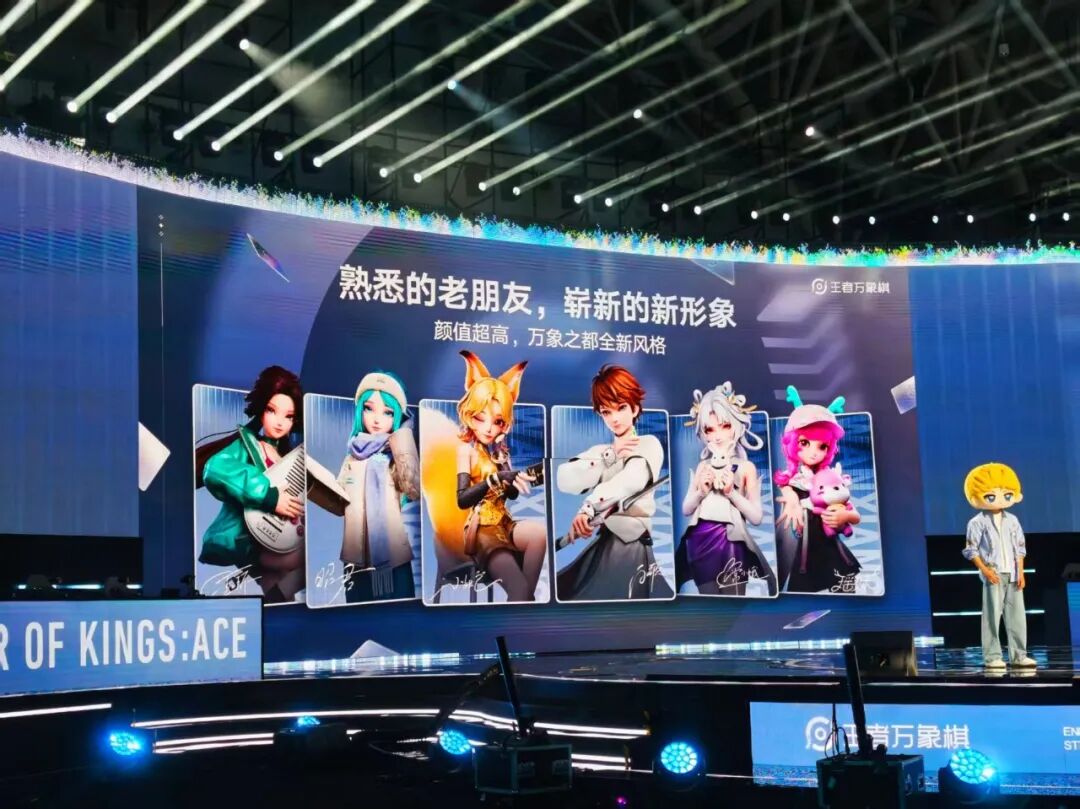
Social interaction and the new-player experience are among the key areas that *Honor of Kings: Chess* has focused on since its launch. However, before discussing the specific design details, there’s one inherent advantage worth mentioning first.In an interview, Donny candidly admitted that the project’s greatest strength is its association with the *Honor of Kings* IP. Players who have played *Honor of Kings* are familiar with each hero’s backstory and faction affiliation, which naturally reduces a significant portion of the learning curve.He assured us that players would never be confused about which faction each hero belongs to—the goal is simply for players to see the heroes they know and love battling in this new setting.
In other words, many players are already familiar with most of the characters before they even start playing the game.
Building on this, the developers introduced four core design features aimed at lowering the barrier to entry and enhancing social interaction: King Affinity Inheritance, Shared Ranked Points, AI Spirit Treasures, and 1-on-1 Private Coaching.
If you want to play with friends, the friendship levels you’ve built up over the years in *Honor of Kings* can be carried over to *Honor of Kings: Chess*. This means you won’t have to start from scratch building up your friendship levels in the new game—your best buddies and close friends from the Rift can seamlessly become your teammates on the chessboard.
When playing ranked matches as a team, after the match ends, all team members share the ranking points of the player with the highest rank on the team. Even if you’re a complete beginner, you don’t have to worry about holding your teammates back with a poor performance.This design significantly reduces the pressure of playing in a team, encourages experienced players to mentor newcomers, and preserves the core social experience of Honor of Kings’ “playing together” culture—where players rise and fall together in the rankings—allowing casual and competitive players to mix and play together more naturally.
Donny said that this design might have some side effects, but design is all about making trade-offs: Should we avoid those side effects, or provide new players with a less stressful environment where they can slowly learn and get familiar with the game? The team chose to prioritize the vast number of new players.
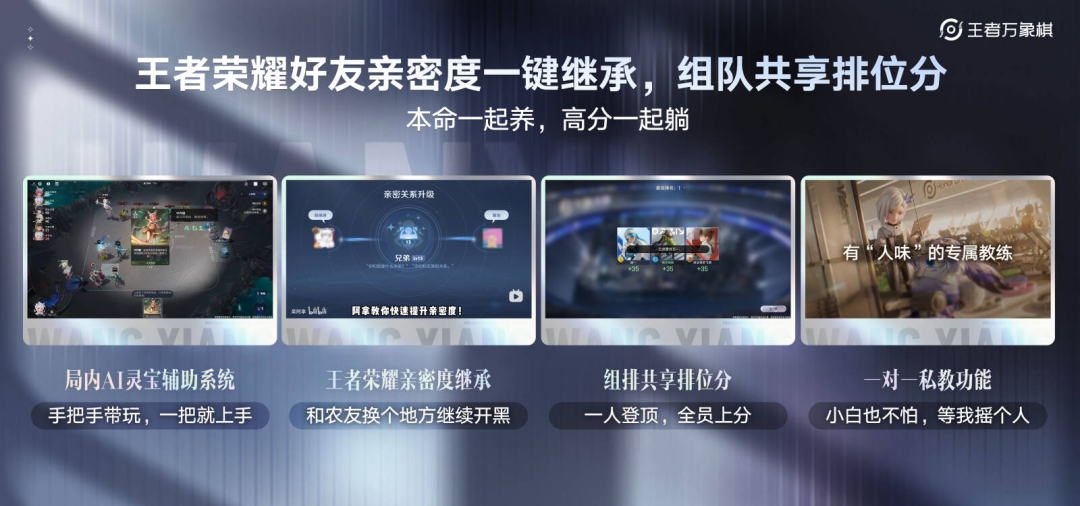
For solo players who prefer to figure things out on their own, the in-game AI Lingbao system helps new players smoothly navigate the beginner stage. During matches, it provides real-time purchase recommendations and strategic tips based on the player’s current lineup, hand, and game situation—acting as a companion who plays alongside them throughout the game—while also allowing them to gradually understand the game’s various systems along the way.
This approach directly addresses the biggest hurdle for new players in strategy games—not knowing how to play—by having the AI fill in the gaps. As players become more proficient and increasingly less reliant on Lingbao’s gameplay recommendations, the AI will prompt them with, “Do you no longer need my help?” At that point, all you need to do is disable Lingbao in the settings.By this point, players have often become capable of introducing newcomers to the game themselves, and the entire process is filled with a sense of autonomy.
The one-on-one private coaching feature allows players to invite a friend to be their personal coach. The coach can view a fully synchronized version of your game screen and guide you on what to select next and how to proceed, transforming the learning experience into a social activity. This creates a relaxed and enjoyable atmosphere for the learning process itself and enhances the fun of interacting with other players.
The goal of combining these four features is to enhance the experience for new players, strengthen the game’s social aspects, and attract a wider range of casual users to participate in matches—rather than having them turned off by complex rules right from the start.
Donny even emphasized that he hopes the experience for returning players in the future will be similar to that in *Honor of Kings*—where players can come back and play at any time, and it doesn’t matter if they’ve missed one, two, or even three seasons; they can still continue playing with their familiar lineup. “This is the baseline I think we need to maintain.” So, from his response, it’s clear that the team is truly doing everything possible to ensure a positive gaming experience for all players.
03
We're serious about long-term operations.
At the end of the press conference, *King’s Chess* also unveiled a comprehensive resource investment plan for its ecosystem. From player benefits to IP collaborations, and from cultural and tourism partnerships to support for the creator ecosystem, every step demonstrates the company’s commitment to long-term operation.
The first round of launch rewards has been announced; players can participate in events to receive free rewards such as *Honor of Kings* collaboration skins and game boards.This two-way reward system motivates *Honor of Kings* players to try the new game while allowing *Wanxiang Chess* players to bring their rewards back to the Rift, creating a natural flow of users between the two games. This ability to foster deep cross-product collaboration inherently helps build a more robust gaming ecosystem.
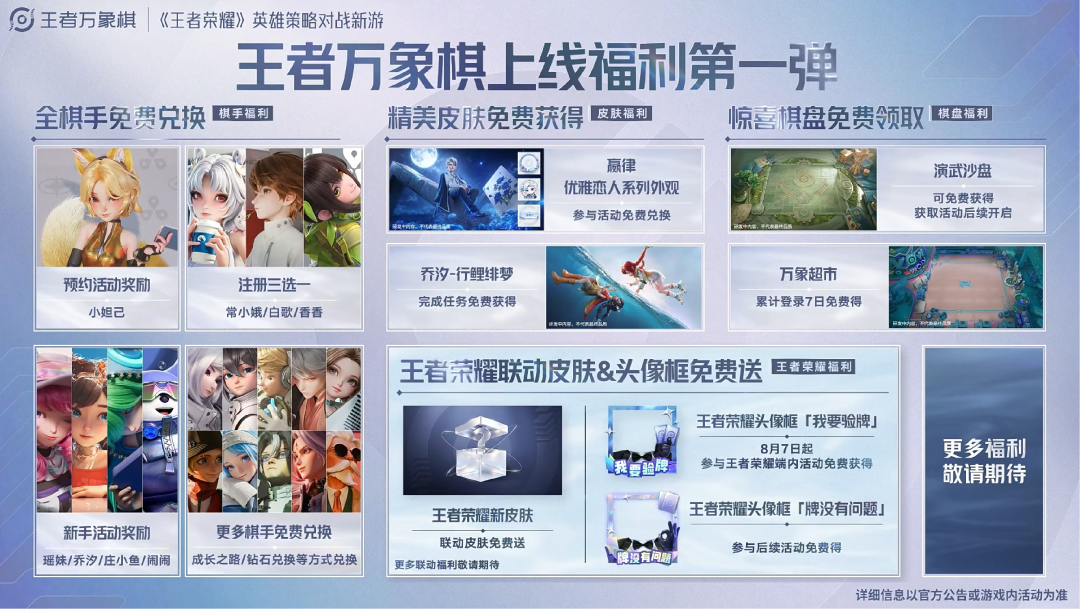
In terms of IP collaborations, *King of Chess* has officially announced a partnership with *Prosperous World*. It will subsequently team up with trendy IPs such as Line Dog and Zhanmeng Ruby, as well as form a cross-industry partnership with the Chengdu Shu Brocade Weaving Museum. More exciting IP collaborations are set to be announced in the future.
These collaborations and partnerships aim to attract users from different demographics to the game, using the familiarity of existing IP fanbases to lower the learning curve, while also providing material for community-driven fan creations and discussions.Backed by the *Honor of Kings* IP—whose user base has long transcended many different communities—collaborations for *Honor of Kings: Chess* serve not only as a means to attract new players but also transform the game into a new social hub for *Honor of Kings* players.
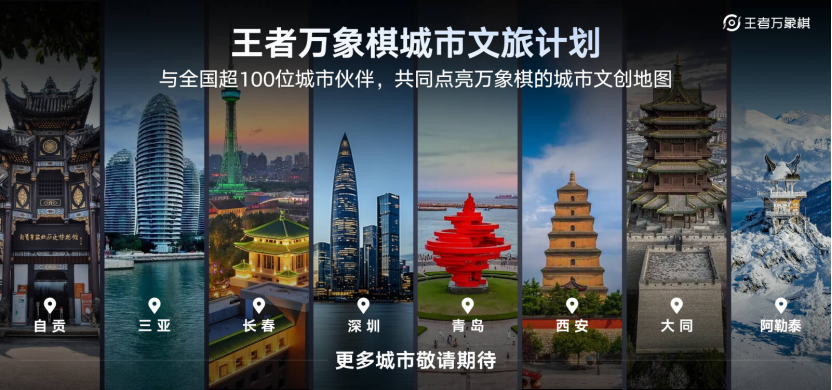
It is worth noting that *King’s Chess* has also announced the launch of a city cultural tourism initiative. In its first phase, the game has partnered with cities such as Qingdao, and in the future, it will collaborate with *Honor of Kings* and over 100 city cultural tourism partners to co-create experiences, extending the game from online matches to offline cultural settings—thereby increasing brand exposure and creating memorable emotional touchpoints.It also offers players the opportunity to meet in person, check in at locations, and participate in co-creation activities.
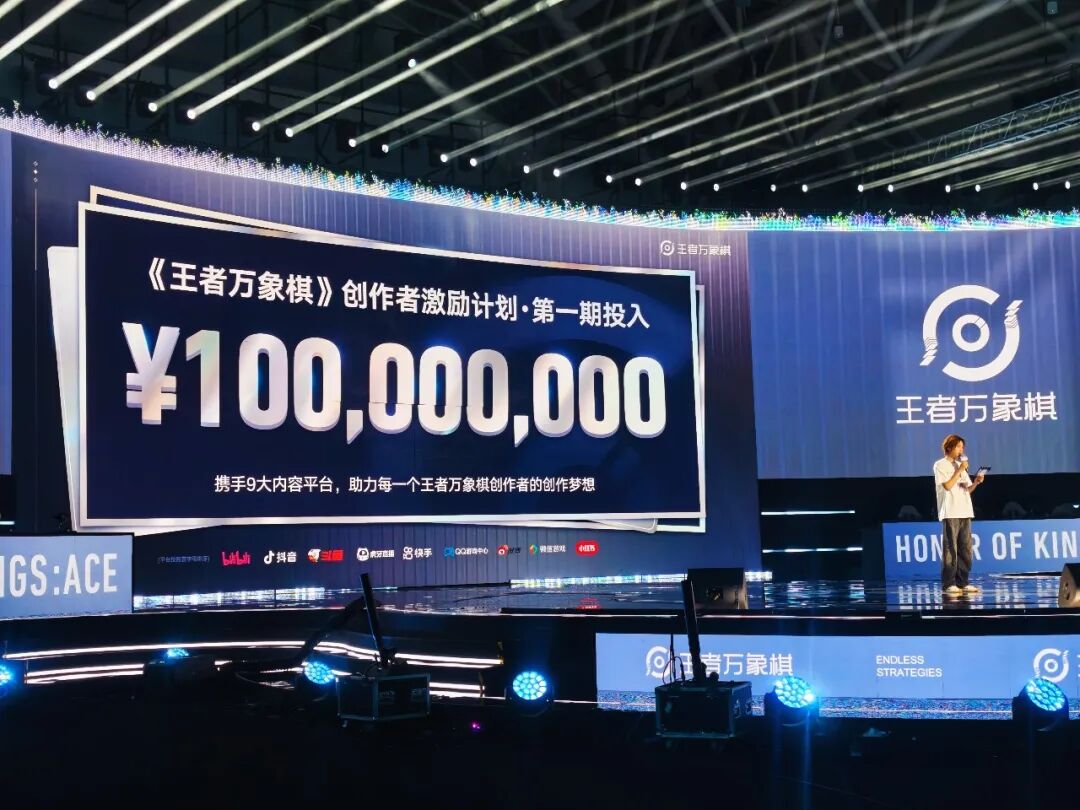
In terms of investment in the creator ecosystem, the official team behind *King’s Chess* will allocate 100 million yuan in ecosystem funding across nine major content platforms in the first phase. Concurrently, they will launch in-person training and mentoring programs led by over 1,000 top-tier mentors, partner with more than 100 leading MCN agencies, and continue to recruit over 10,000 game creators.From account incubation and viral content planning to content production, the program offers end-to-end support throughout the entire process.
This directly supports the content ecosystem and long-term retention of *King of Chess*. The wealth of guides, live streams, and fan-created content within the player community not only continuously lowers the learning curve for new users but also keeps discussions lively among veteran players. This core operational logic—where content creators drive community vitality—truly brings the game’s ecosystem to life.
Taken together, these moves signal that *King’s Universe Chess* is preparing for long-term operation and a robust content ecosystem. With pre-registrations already reaching 50 million—a figure that will continue to grow before the game’s September launch—the real challenge will shift from attracting users to play to keeping them engaged over the long term.Drawing on the experience gained from building the *Honor of Kings* IP, *Honor of Kings: Universal Chess* has chosen to leverage in-game rewards, cross-promotions, cultural tourism, and a content ecosystem to lay the groundwork for long-term development in advance—a strategy that will ultimately expand the influence of the *Honor of Kings* IP.
Conclusion
When asked about his current main goal, Donny replied matter-of-factly, “Get this project live, do the best we can with what the team is capable of, and leave no regrets.” Whether *King’s Chess: The Universe* can truly attract a broader audience of casual gamers and achieve healthy, long-term growth remains to be seen this September.
原创文章,作者:游茶妹儿,禁止转载:https://youxichaguan.com/en/archives/219500