Nostalgia has been a constant theme in the gaming industry in recent years.
People generally tend to be nostalgic, and with the help of memory—the best filter of all—the time spent playing games, filled with happy and carefree emotions, becomes even more precious.
So, when remakes of classic games and nostalgia servers for online games are released, bringing back memories of players’ youth, developers can also reap positive word-of-mouth and commercial returns.
Seen this way, nostalgia is, to some extent, a win-win situation for both developers and players.
Of course, this assumes that the developer isn’t simply capitalizing on nostalgia for marketing purposes. True nostalgia should allow players to genuinely reconnect with that joy and add a new sense of delight to it.
On July 12, during the 2026 League of Legends Mid-Season Invitational, Riot Games chose to unveil Classic Mode—essentially a “retro server”—through an exhibition match, signaling its imminent return to the Rift.
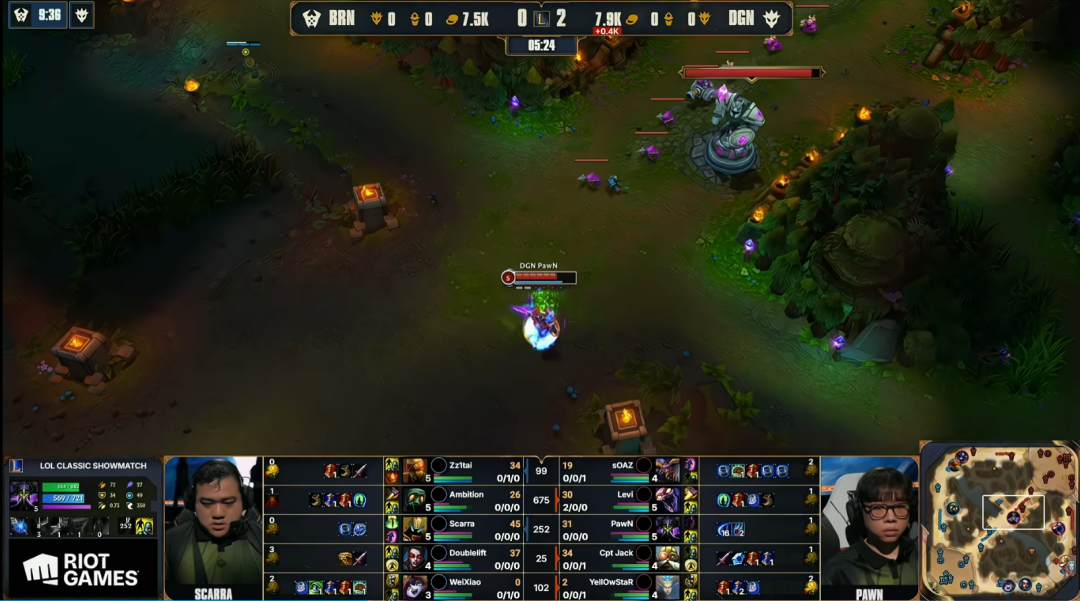
To be honest, when I saw the Rift with its retro textures, a Scorpion that could one-shot an opponent with just 33 Qs, and the abstract concept art for Amumu—it should have been a scene that brought tears to the eyes of old-school players,but for some reason, I found myself thinking of those old, patina-covered internet cafes—which are now a rare sight—and a group of people whose faces have long since faded from my memory.
It's a very strange feeling, as if you've seen your past self and suddenly realized that it was already ten years ago.
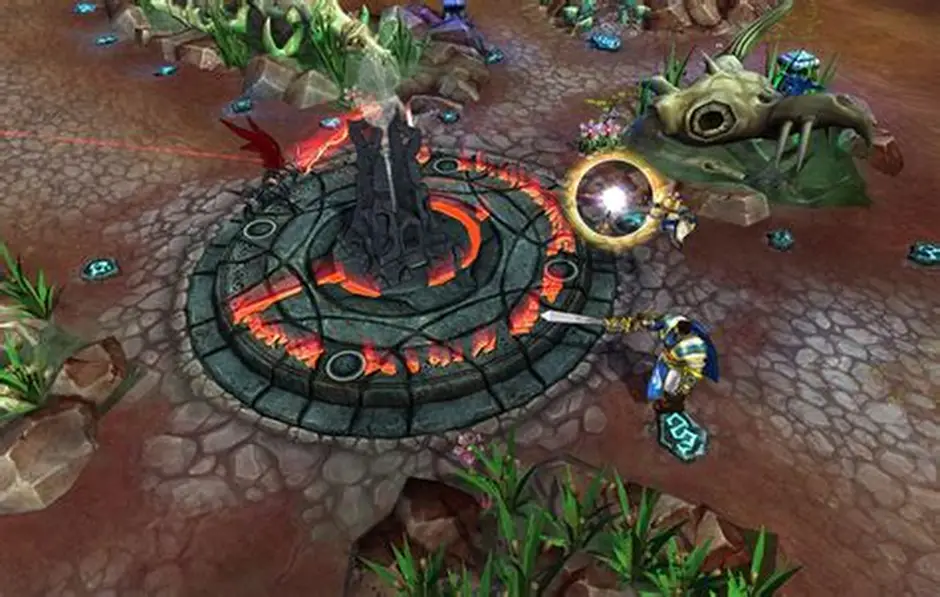
But in the exhibition match, this Rift—which I once knew so well—seemed slightly different from how I remembered it; for example, the Snowman and the Cookie had been visually redesigned.
This suggests that Riot isn't simply rolling back *League of Legends* to a previous version; the "Classic Mode," which has been officially announced to launch on July 30, includes quite a few new design elements.
Actually, one day in June, at the invitation of League of Legends, I attended an in-person media demo of Classic Mode and had a chat with the project team.
In the trial match, I used the "Steam Robot" to transform into the "Rice Cooker Robot." Although I didn't manage to lure many opponents, I still managed to control the Thunder and Lightning map thanks to the return of the "Banner of Command" item.
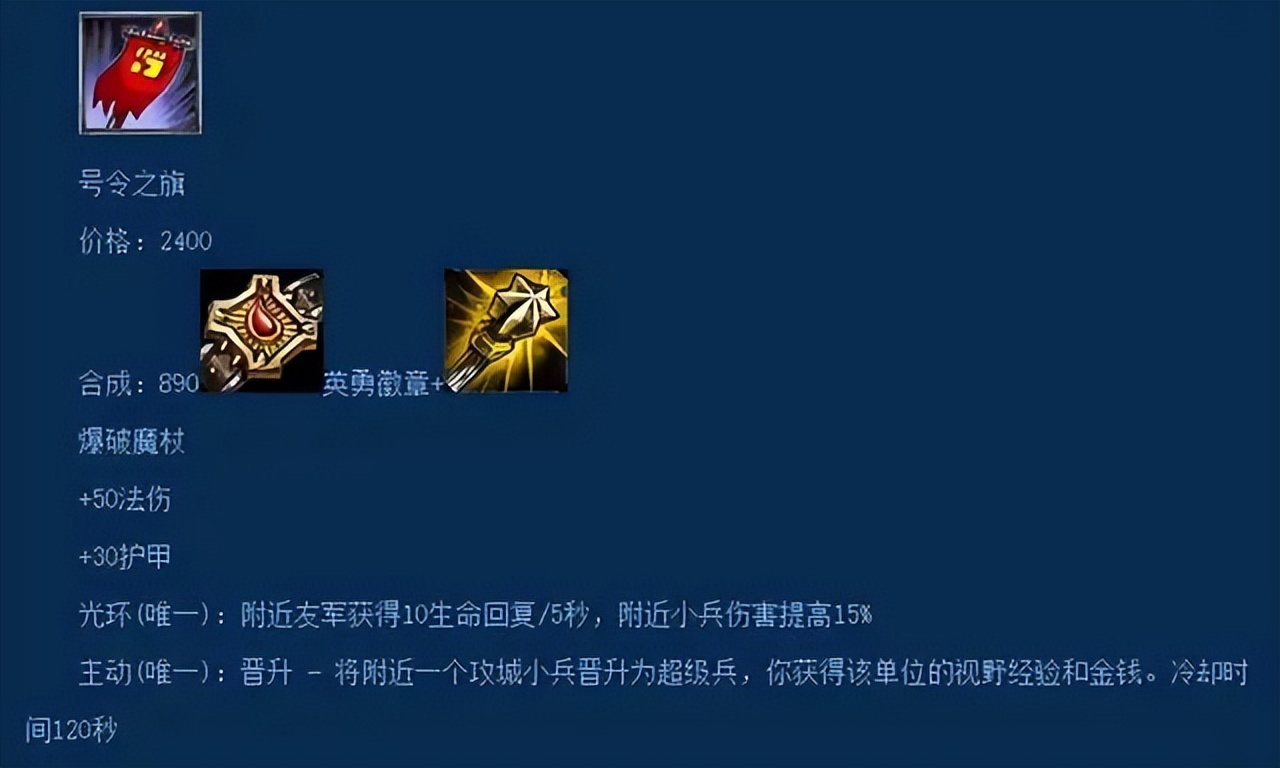
Veteran players should be very familiar with this item—its purpose is to upgrade a sports car into a “Plus” version. Although the Dragon buff didn’t originally provide lane-pushing capabilities, the Classic server has retained this design. When the two effects stack, you’ll find that the sports car becomes a powerful push tool.
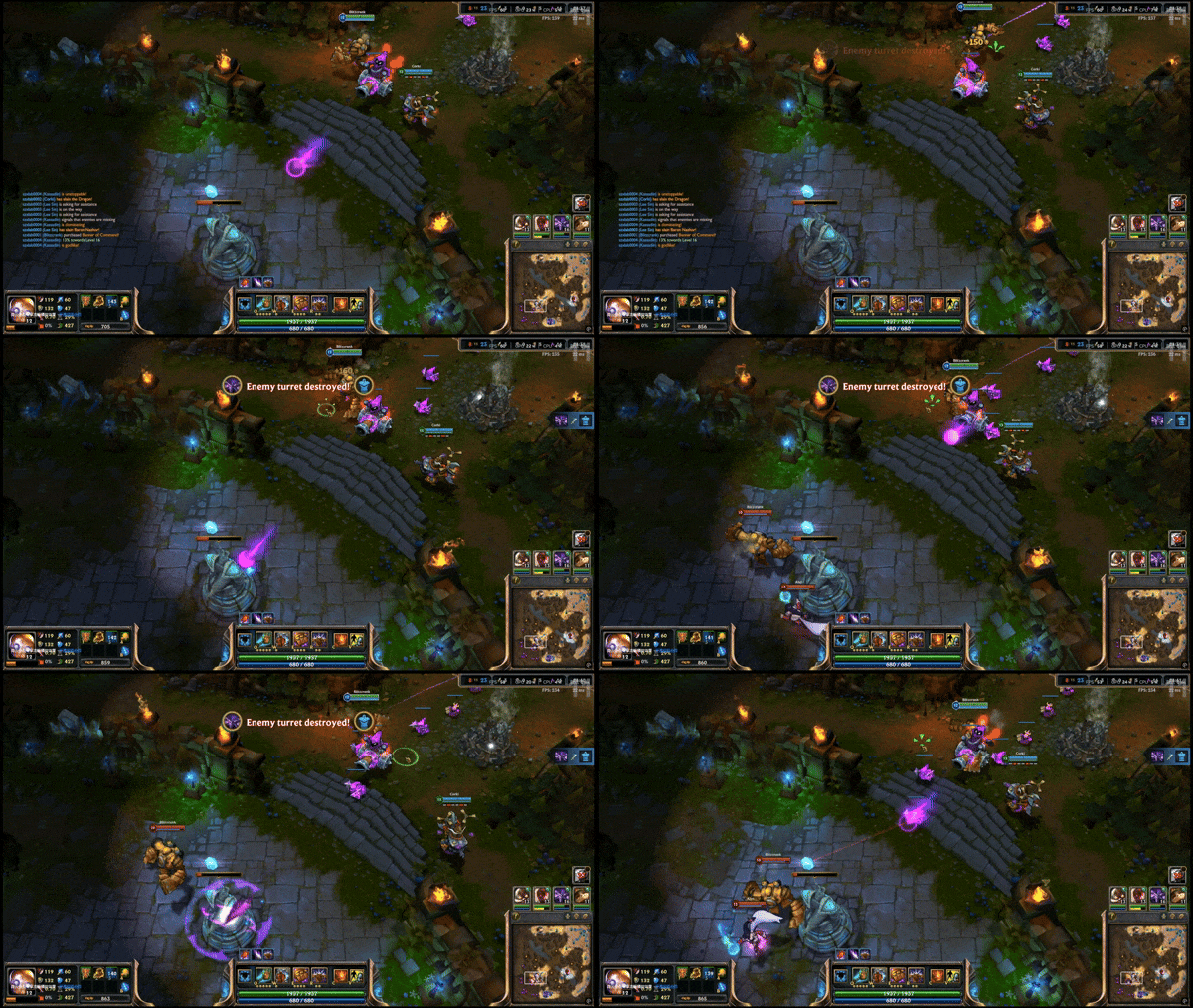
Beyond-Line-of-Sight Tower Destruction
To be honest, it’s precisely the chemistry created by the clash between these old items and modern mechanics that makes Classic Mode feel like more than just a trip down memory lane. This iteration of League of Legends’ Classic Mode exudes a sense of freshness—a blend of the old and the new—at every turn.
Today, League of Legends' Classic Mode officially launched. Based on my previous hands-on experience, I’ve gained some insight into Riot’s “two-pronged” approach—that is, recreating the feel of the “past” while firmly embracing the “modern” experience.
01
Bringing the “Past” Back to Life
To recreate the feelings of the past, you must, of course, start with visual memories.
Since its launch, *League of Legends* has undergone numerous iterations—not only in the visual design of its hundreds of champions, but also in the client itself. Therefore, recreating the original visuals is the first step in *League of Legends*’ Classic Mode’s journey to revisit the “past.”
With its familiar interface, classic hero portraits, and the long-missed equipment bar, Classic Mode has essentially recreated the original experience faithfully.
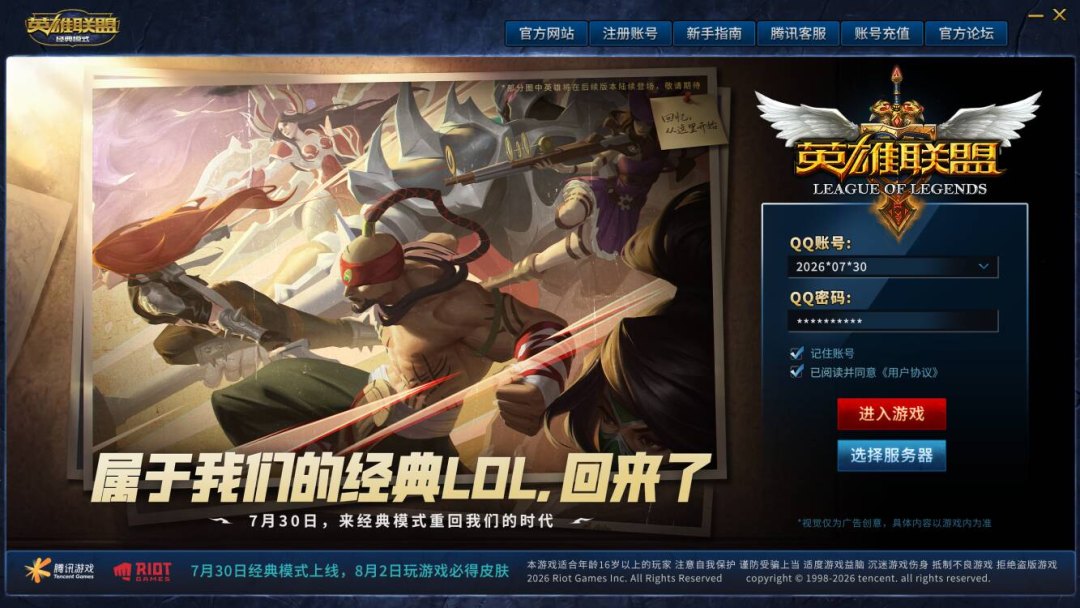
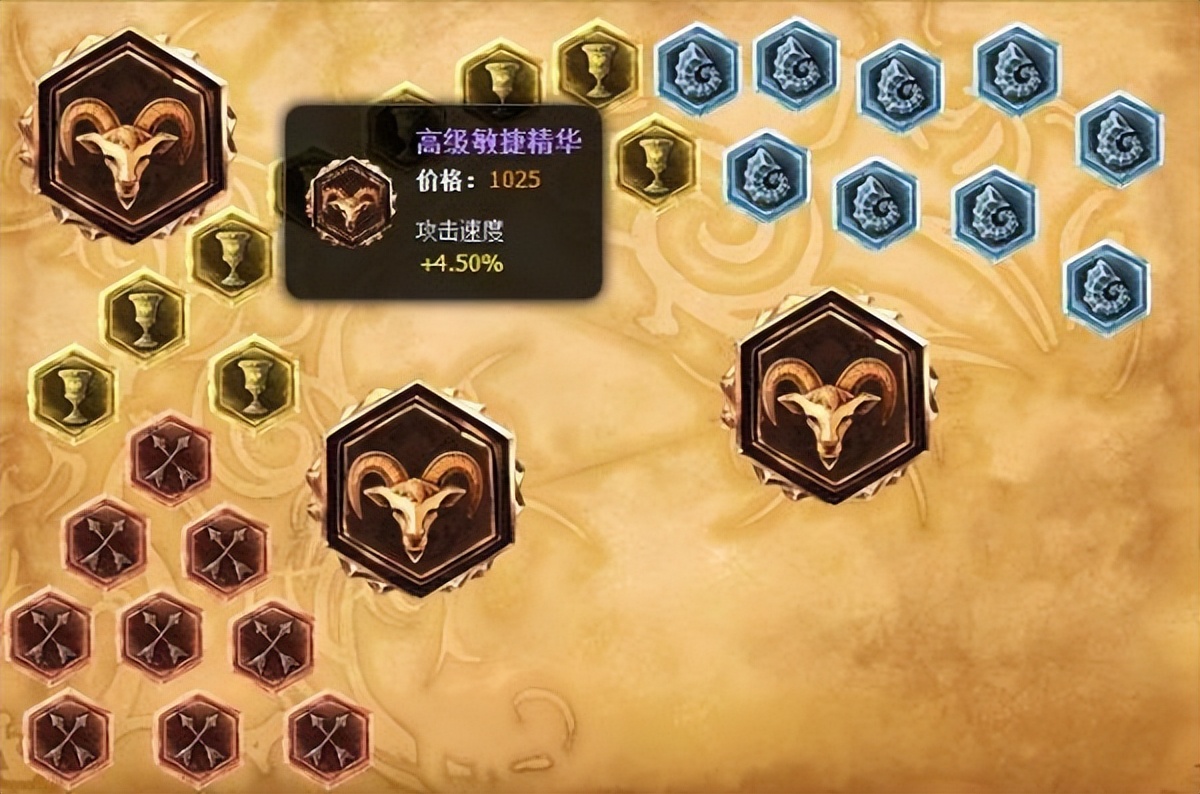
Plus, when I reopened the interface, I saw the old system from 17 years ago—where you had to manually set up your rune page and the old-style talent page before entering the queue, including red, yellow, and blue runes, Essences, War Zeal, Storm Rider’s Surge,Decree of the Thunderlord, plus a 21/0/9 build—to be honest, all I can say is, “It’s back—it’s all back!”
The map designers did their archaeological homework thoroughly, recreating the early-game terrain and neutral monsters of the Rift—including Baron Nashor, who looks more like a slug than a dragon; small dragons that grant gold to the entire team instead of a dragon buff; and the trio of red and blue buffs.
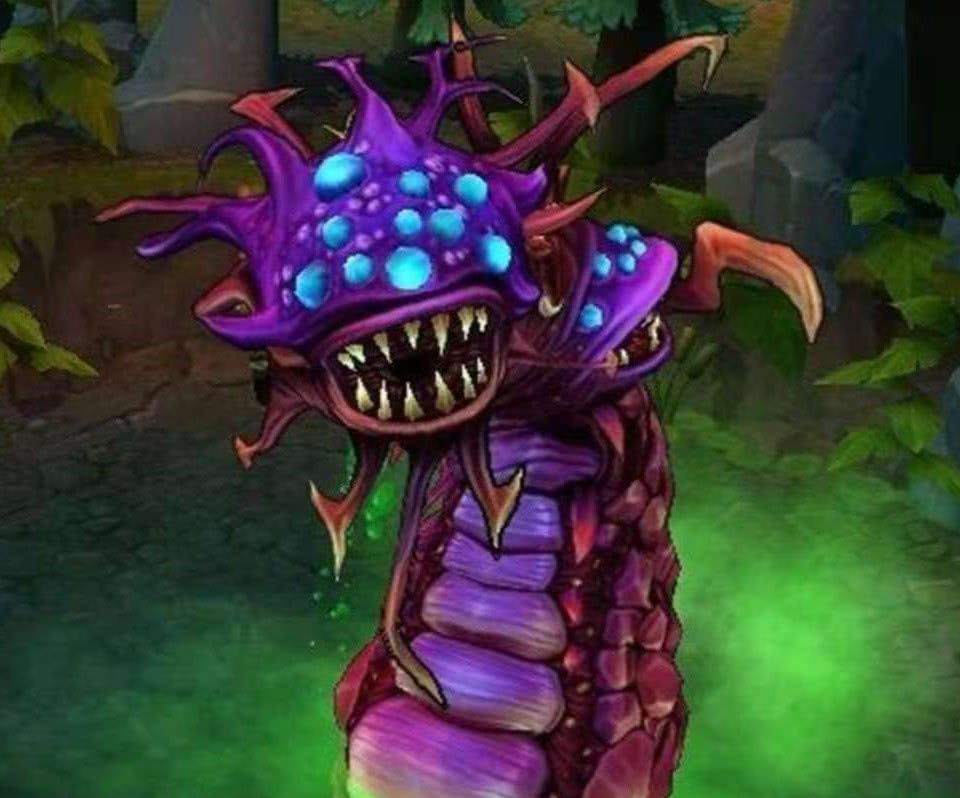
Classic Mode recreates a version of the game that roughly corresponds to the timeline between Season 3 and Season 4. The development team told me: “‘The version that received the most votes from players and is considered the most representative of that glorious era is the Season 3 World Championship version; what players can actually experience in Classic Mode is primarily the Season 3 World Championship version, followed by versions up to Season 1 of Season 4.’”
Why this range?
The project team explained that internally at Riot, Seasons 1 through 4 are collectively defined as “an era” because the Hextech Engine underwent a major update around that time, and it was only after that update that the map and graphics entered a more modern phase. Therefore, the selection of this time period is based both on the company’s internal definition of the “classic era” and on global player surveys.
I, too, got into the game right around the time of the S3 World Championship. In a sense, that year marked the beginning of *League of Legends* igniting the global esports scene; names like Faker, UZI, and Wuwukai—which would later become household names—first came to the world’s attention at that time.
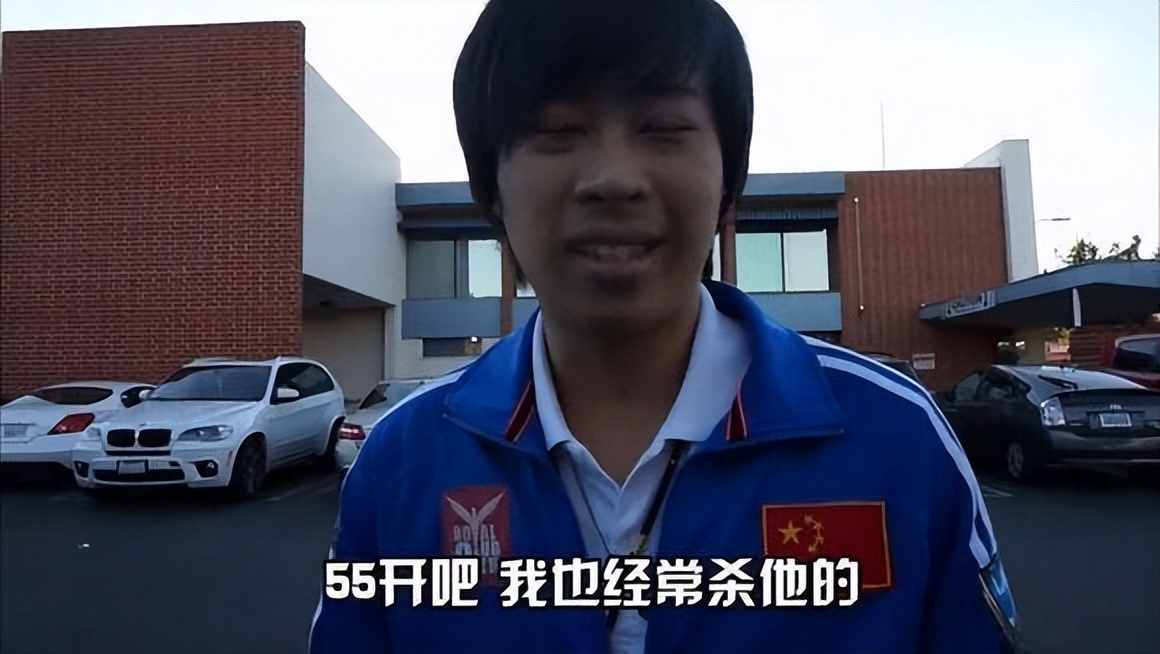
As for the champions, there are actually many more that won’t be launching alongside Classic Mode. The development team has admitted that champions with particularly difficult-to-rework skill sets will have to be brought back gradually at a later date. With that in mind, highly anticipated classic *League of Legends* champions like the original Gunner, Swordmaiden, and Blade Mistress should also make their return to the Rift someday.
I also learned that this time, Classic Mode is being led by Riot’s global studio in Sydney, and this team “wasn’t created entirely from scratch.” To do justice to this mode, which holds such sentimental value for players, they brought back many veteran designers who had left during Seasons 2 and 3 to contribute to the project,one of whom happened to be the designer responsible for that specific version back then and has now returned to lead Hextech and overall design.
The original version of Classic Mode was actually a demo that Riot put together on their own during an internal "hackathon." They said the veteran employees had a blast playing it, which is why it gradually evolved into the full-fledged mode we see today.
As for the “modern” elements interspersed within the recreation of the “past,”for example, regarding the Dragon buff I mentioned earlier—which strengthens the lane—the project team stated that they had tested several versions and found that while some players did want a more “authentic” retro experience, the majority of players felt that if it were too authentic, the time commitment would be too high for modern players.
It’s true that back then, the pace of *League of Legends* was slower; minion and jungle camp respawn times were longer than they are now, and there were no map resources like the Herald to speed up the game. A single match could take 40 to 50 minutes, or even over an hour, and Riot felt that this didn’t align with modern players’ gaming habits.
And this brings us right to what I was saying about the “modernity” of League of Legends’ Classic mode.
02
Connecting with "Now"
If nostalgia sets the emotional tone for a product or gameplay experience, then a key question for developers is how to ensure it doesn’t become “outdated.” After all, this is what truly determines whether a product or gameplay experience is more than just “cashing in on nostalgia.”
What sets "League of Legends" Classic Mode apart from "museum-style" retro content is primarily its commitment to modernity.
Nostalgia doesn't have to mean suffering—Riot Games understands this very well.
For example, the previous rune system—while I felt it had some elements of meta-game strategy—lacked depth, and design choices such as requiring in-game currency to purchase runes and unlocking slots as you leveled up were truly outdated for that era.
At the time, this was extremely grueling for new players, so Classic Mode incorporated a clever system to lighten the load. First, the system automatically provides two rune pages carefully curated by designers,saving players the time and effort of grinding. Furthermore, this system is tied to a pass similar to the Hextech Brawl Pass, where core content—such as rune pages and editing permissions—can be earned through gameplay. By playing Classic Mode, players can generally obtain more than 10 rune pages for free.
The current version’s matchmaking, in-map markers, skill pre-input, and even optional WASD movement have all been added to Classic Mode.
Furthermore, in light of the significant differences between S3 and the current version in terms of the jungle and support roles, the project team has confirmed that the Chinese server will provide tutorial content. They’ve even included a little Easter egg: they may invite familiar commentators and video creators from back in the day to return and reintroduce the Classic server to players. “Otherwise, players will be completely lost when they arrive, and losing them would have a huge impact on us.”.
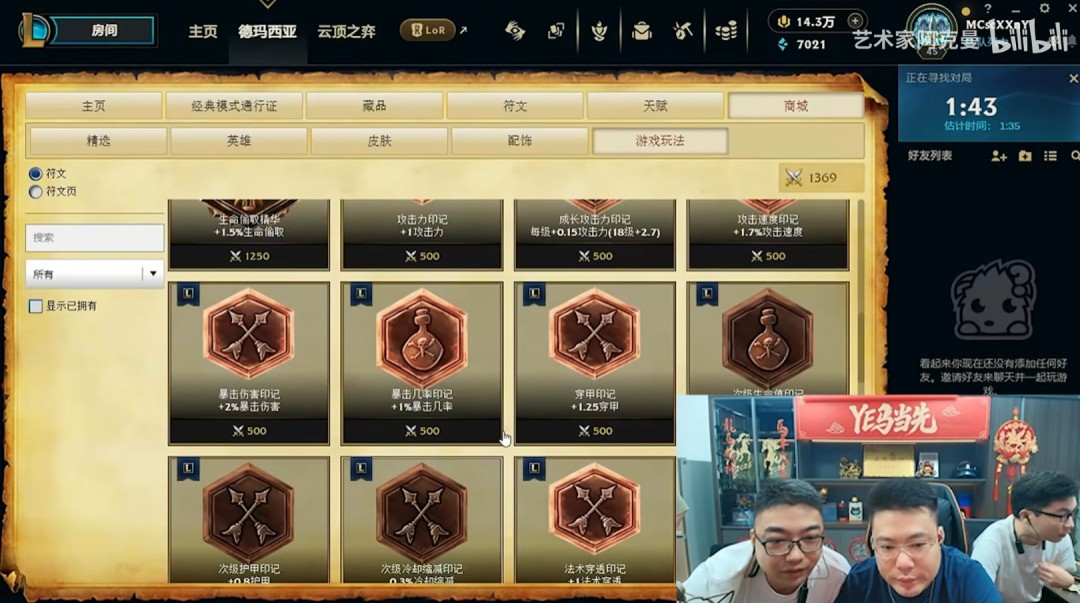
The Three Departments have already held a joint trial.
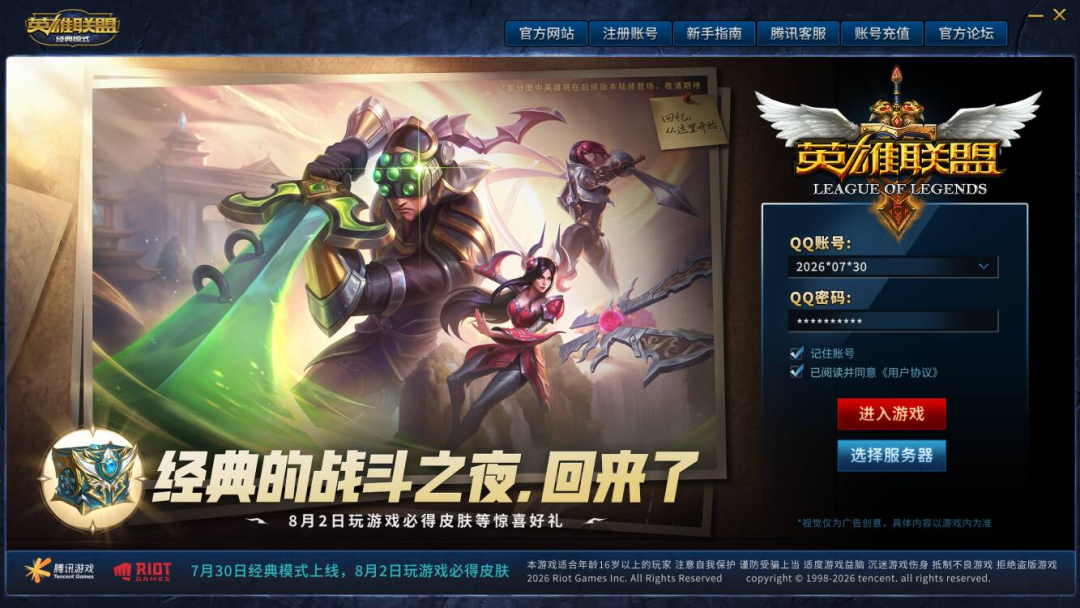
In terms of product design, Classic Mode wasn’t developed as a standalone client; instead, it was directly integrated into the existing League of Legends client. Just as you can access Teamfight Tactics by opening the client, there will be an entry point for Classic Mode in the existing client once it launches.
When asked about the toughest challenge in the entire project, the project team’s answer was straightforward: hero balance.
The logic is easy to understand: if the team is only maintaining the current version, all they have to worry about are a few overpowered heroes.
However, Classic Mode launched with 60 heroes all at once—each from different historical versions—so the entire meta had to be built almost from scratch, while also leaving room for heroes to be added later.
The project team admitted that the version we played in Shanghai that day wasn’t actually balanced; some heroes were even temporarily locked and unavailable for selection because they hadn’t been fine-tuned yet,and the game’s pace was constantly being adjusted. They also confirmed that the numerical structure of Classic Mode largely follows the original settings from Season 3, though many champions’ abilities have changed so much over the years that they need to be gradually restored to their original forms.
However, when it comes to balance, Riot has set a very clear tone: entertainment comes first, with less emphasis on competitiveness.
When it comes to those powerful champions that used to provide such an exhilarating gameplay experience—such as AP Yasuo, Q-Silence Kassadin, and Control-Dragon Iron Man—teams prefer to preserve their unique characteristics and the thrill they offer, rather than nerfing them to a bland, run-of-the-mill state based on modern standards.
After all, when it comes to Nostalgia Mode, the moments that really make veteran players smile are still scenes like the old Sejuani spamming QW to stack up AP, then using her W to instantly take down the ADC.
So, in reality, Classic Mode strikes a balance between “pure nostalgia” and “playability,” leaning more toward the latter. Riot has preserved the map and the era’s atmosphere, but has also smoothed out the most frustrating aspects.
At this point, some of you might be wondering: since there are plans for future updates, how do you decide which heroes will return first and which ones later?
Actually, the answer is a player vote.
The project team revealed that a voting portal will be opened shortly after Classic Mode goes live, and players will be able to request specific heroes, items, and even classic gameplay from a particular era.
Classic maps like Crystal Scar and Twisted Treeline, as well as designs like Garen as the main antagonist—which evoke strong nostalgic memories—will be considered for inclusion as long as there is enough demand. They also mentioned that, due to the massive player base in China, votes from Chinese players carry significant weight; content that Chinese players particularly want will be prioritized internally by Riot.
As for monetization—the issue that has drawn the most public attention—the project team has taken a surprisingly restrained approach. They say there won’t be any special designs; it will mainly consist of a collection of classic skins.
Many of these skins feature old designs that have not been seen since the heroes were reworked or their concept art was updated. They will be remade to match the original versions, preserving the classic concept art while making only minor updates to the visual effects. The team has completely remade them to faithfully recreate their original appearance, complete with the classic chromas exclusive to these classic skins.
The genius of League of Legends’ Classic Mode lies in the fact that it was never intended to be a sealed-off museum from the start. Riot has integrated it into the main client’s product structure, curated its content carefully, and established an update schedule driven by player votes. Taken together, these elements point to a single philosophy:to make nostalgia something that grows gradually and coexists with the present over the long term.
Conclusion
While writing this article, I often found myself wondering: What does the nostalgia surrounding *League of Legends* mean to players?
Later, I realized that after becoming deeply embedded in the esports scene, *League of Legends*’ updates have tended to lean toward the esports side. The main reason why previous champions were so talked about by players was that they “dominated a specific lane.”such as the “undefeatable AP Master Yi” or “unbeatable Irelia with Blade Waltz”—all of which, from a competitive standpoint, are highly unbalanced, overpowered champions.
However, for the majority of players, beyond the competitive aspect of *League of Legends*, the game is really more about finding enjoyment. As for the emotional resonance of Classic Mode, rather than attributing it to players’ nostalgia for a specific item, it’s more accurate to say they’re nostalgic for a time when everything was still simple.
Back then, when we played the game, there was no thought given to controlling the dragon, no attention to laning details or strategic gameplay—nobody really knew how to play. Most people would just pick a champion, head to a lane, last-hit minions, and fight.
Perhaps my fondness for the Classic mode stems from the fact that Riot has brought back memories of my carefree youth.
原创文章,作者:游茶妹儿,禁止转载:https://youxichaguan.com/en/archives/208477