Two years ago, I couldn’t understand why *Fantasy Beasts: Paru* suddenly became such a huge hit, and now, two years later, I’m even more baffled.
On July 10, version 1.0 of *Fantasy Beasts: Paru* officially launched.Considering that after the 2024 Paru craze subsided, the game’s peak concurrent users had consistently hovered between 30,000 and 50,000—even after two major updates—I had assumed the official release would merely serve to further boost the game’s popularity. To my surprise, however, it reached a peak of 860,000 concurrent users, which carries a certain sense of “expanding and strengthening to achieve new heights of glory.”
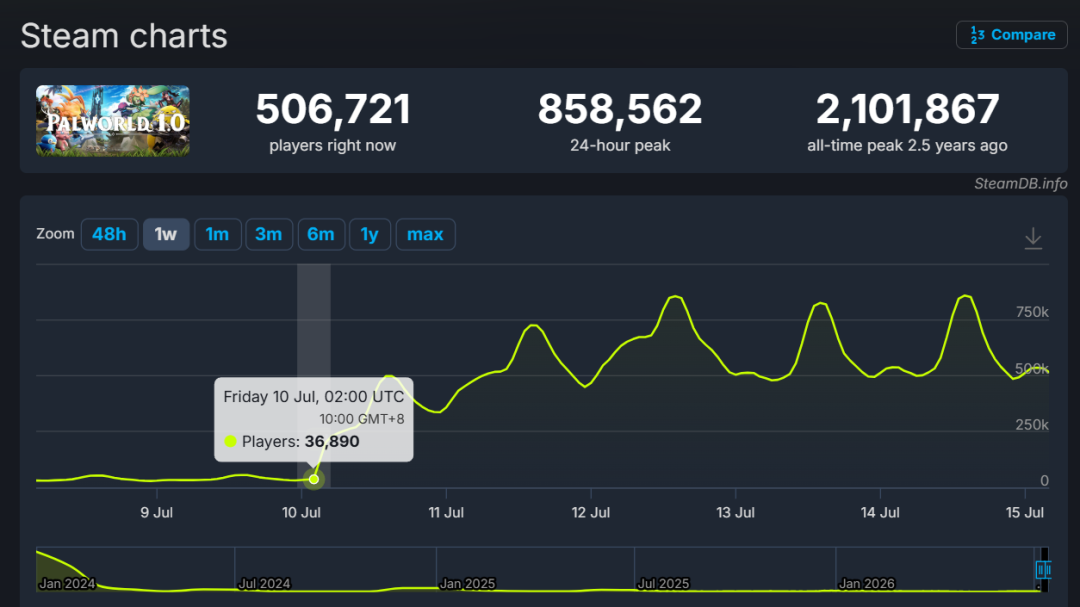
The surge in online players reflects more than just the enthusiasm of returning players; *Paru: Fantasy Beasts* also shot straight to third place on Steam’s global bestseller list, attracting a significant number of new players in the process. Meanwhile, developer Pocketpair officially announced on July 8 that *Paru: Fantasy Beasts* had surpassed 40 million total players.According to forecasts by the VGI platform, *Paloo*’s actual total sales on Steam are estimated to be around 24 million copies, with total revenue exceeding $550 million (approximately 3.72 billion RMB).

In the past, we often attributed the massive popularity of *Paloo* to two main factors. First, its Pokémon-style pet design quickly caught the attention of a large number of players, and given Game Freak’s inaction at the time, many players viewed supporting *Paloo* as a form of retaliation.
Of course, this overly aggressive “borrowing” eventually backfired: in September 2024, Nintendo and The Pokémon Company filed a patent infringement lawsuit against Pocketpair, seeking damages and the removal of the game from store shelves. However, with Pocketpair’s “precise adjustments” to the game’s content over the past two years,the release of the 1.0 official version appears to signal a premature victory of sorts.
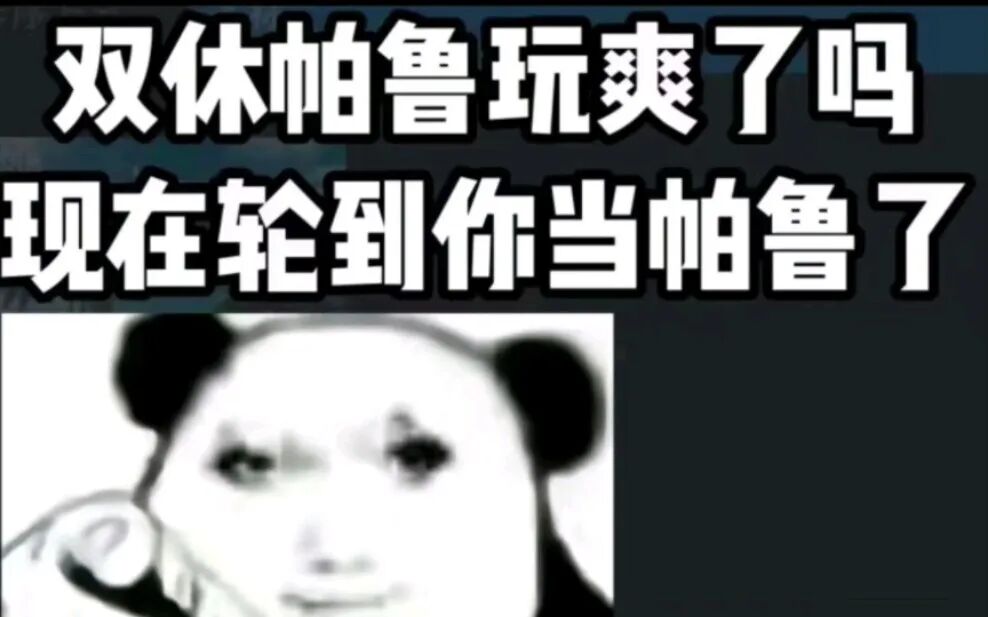
Second, the ruthless exploitation typical of capitalists adds a unique flavor to the game,especially the mutual understanding (and mutual harm) between the “cattle and horses” and the “cattle and horses” themselves, which resonated deeply with audiences. Memes like “If you don’t do it, there are plenty of Parus who will” went viral on social media, breaking through community barriers and reaching an extremely broad audience.
However, looking back now at the massive success of Version 1.0, it seems to have no direct connection to either of the two lines of reasoning mentioned above.However, prior to the launch on the 10th, Game8 conducted an exclusive interview with John “Bucky” Buckley, Pocketpair’s Head of Publishing and PR. Combined with the “we’re not short on cash” attitude previously displayed by Pocketpair’s founder, this seems to offer some insight into the matter.
First of all, in Bucky’s view, *Paru* is indeed a multiplayer game, but it is definitely not a service-based game designed for “Gaas.”While many similar products have opted for a “GaaS” model to pursue sustainable operations, *Phantom Beasts: Paru* has chosen a more pure one-time purchase model—a healthy cycle characterized by “delivering the complete content in a single purchase—players naturally move on after finishing the game—no anxiety over content depleting too quickly—and natural player return following the launch of major updates.”
He said, “Throughout the entire Early Access period, whenever the number of Paru players dropped and people started clamoring that Paru was doomed, I would remind everyone, ‘This isn’t a subscription-based game,’ and that it shouldn’t be designed to require new content every week or every month.Even if we were to stop further development immediately after the official release, players could still enjoy the game as it is, with its existing content and structure. Of course, this doesn’t mean we won’t release updates after the official release—it just means we’ll give more careful consideration to what our next steps should be.”
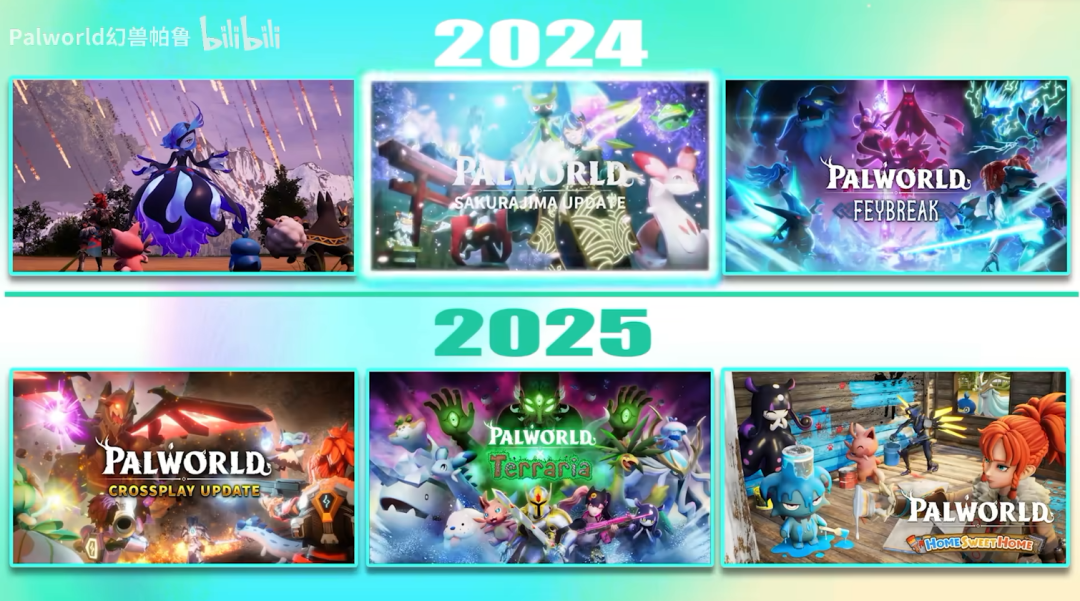
Without the pressure of monetization, everyone on the development team can focus more fully on game development. This is why Paru’s player count always rebounds with each update; in fact, when the full version launched, Pocketpair was even able to deliver at least twice as much update content as the Early Access version—with patch notes alone exceeding 30 pages.
At the same time, they also have enough energy to tackle another, even more challenging problem: “How to develop games in line with players’ expectations, and how to incorporate that feedback and make changes.”
He gave a simple example: “When dealing with different fans and different types of requests, you should aim to satisfy as many of them as possible.”In our first few major updates, we created a small area called ‘Sakurajima.’ Players who enjoy ‘hopping in and out’ really liked it. But for hardcore players, they found it rather lackluster—they could probably burn through that content in an hour, so it was essentially meaningless to them.”
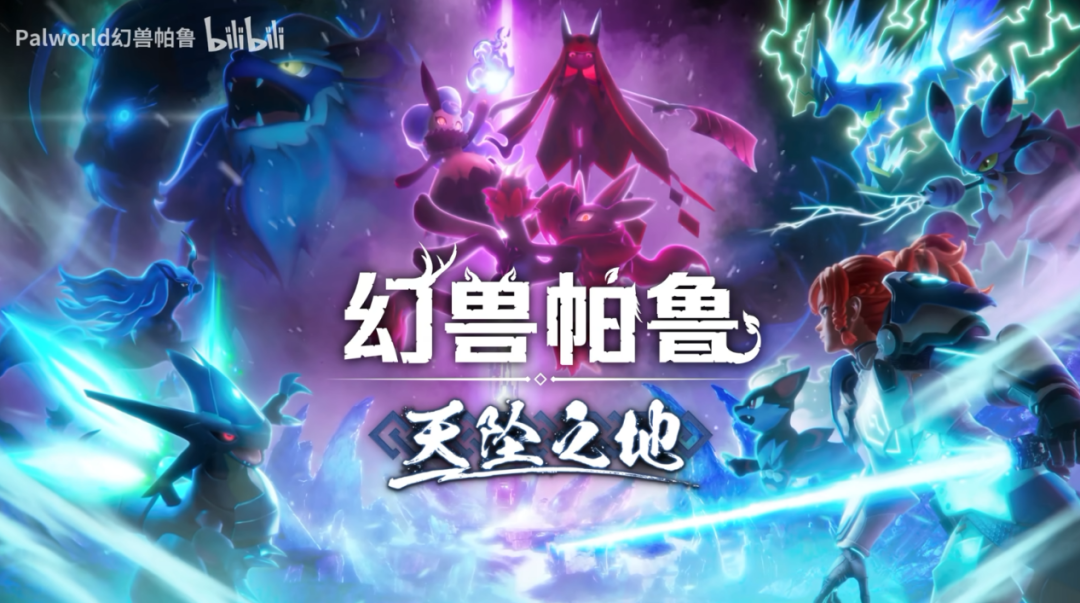
So when we were working on our first major winter update—*The Island That Fell from the Sky*—we really had to ask ourselves: How can we make this update appealing to both returning players and hardcore players?As it turned out, many players felt that adding an area where flying wasn’t allowed could be interesting. So we had to come up with a solution to prevent players from flying within that specific small area. This was something we had never considered before the Early Access launch, but since players wanted it, we set out to make it happen.”
Bucky concluded by saying that while the development team does need to listen to players, they must keep one thing in mind: no matter what changes they make, they should strive to ensure that both casual and hardcore players benefit from them.
Furthermore, the precise positioning of the Paru franchise (Super Stitch) allowed it to avoid direct competition with most major IPs and carve out a virtually unrivaled niche within a new market segment.For a long time, Paru was categorized as a pet-collecting game, but in fact, at the outset of development, the official positioning was “factory simulation game.”
“Paru’s initial idea was: What if there were a management game like *Satisfactory* that used a group of cute creatures instead of machines? Wouldn’t that be fun?“What if these little creatures weren’t just cookie-cutter workers, but unique individuals, and what if we added some collection elements? Wouldn’t that make it even more interesting?” From there, the concept naturally evolved into an open-world survival-building game. Although the initial concept has changed significantly, I believe the core idea—‘you and Paru building a factory together’—has remained consistent.”

However, it’s obvious that the videos circulating online—showing players mowing down the cute Paru with guns and then sending them to factories to be ruthlessly exploited—clearly capture the “game’s unique features” more succinctly. While these videos have helped Paru skyrocket in popularity, they’ve also led many people who haven’t played the game to form a misguided impression of it.
Bucky explained, “Players expected it to be a traditional pet-collecting game with a somewhat linear narrative, but we were actually making a survival-building game, so there was a conflict between the two. As a result, our first challenge was figuring out how to set ourselves apart and then build on that foundation.”
As for Paru’s future, Bucky didn’t provide a definitive answer. He said that the team is currently focusing on just one question: “What do players want from Paru that the current version of Paru may not be able to provide?”
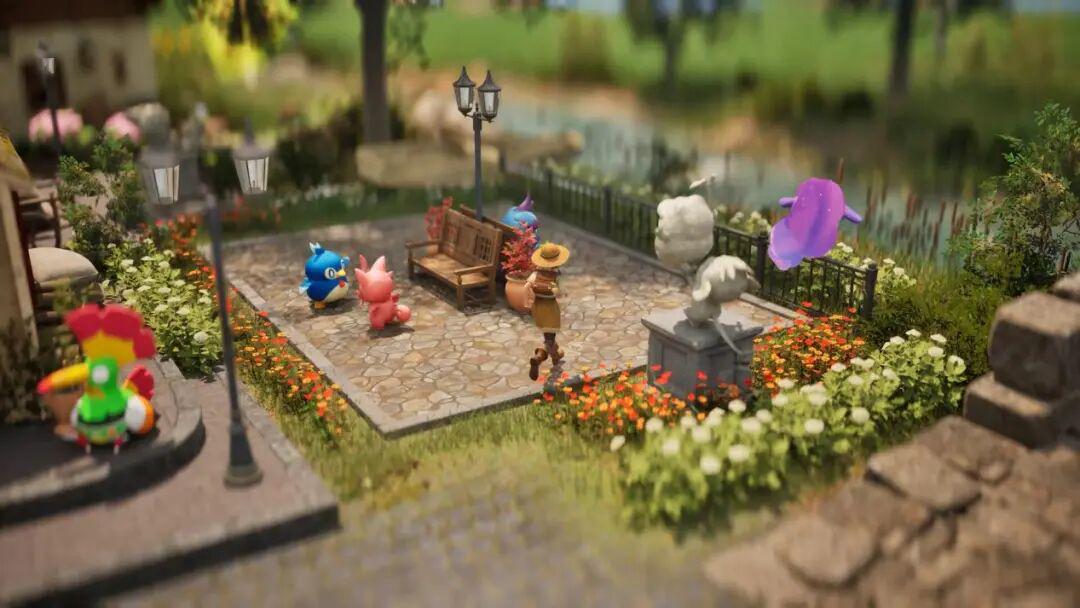
“We now have *Palfarm*—this project came about very naturally. Since many players just wanted a cozy version of Pal, and the main game couldn’t really provide that experience, we decided to create a standalone indie game.Another example is the visual novel *More Than Just Pals*, which started out as an April Fools’ Day prank, but since so many fans wanted to play it, we decided to make it into a real game.Later this month, we’ll also be launching a Palru OCG card game, and in addition to the Palru mobile game currently in development, we have several other small projects in the works. This IP will continue to grow.”
That concludes Game8’s interview with Bucky, but while I was gathering information, I discovered that Pocketpair has been doing much more than that during this period. During this year’s GDC, Bucky also gave an exclusive interview to GamesRadar+, where—in addition to discussing the content of Version 1.0—he revealed a very important plan.
“We have no interest in building an IP empire. We’re already a very successful studio, and we just want to keep doing more—funding the projects we want to do, as well as those we think other studios would like to do but need a little help getting off the ground.”
This means that Takuro Mizobe, the founder of Pocketpair, is in no hurry to expand simply to ride the wave. Mizobe had previously acknowledged that the revenue generated by *Paru* was far more than a studio of their size could handle (reportedly, the studio had only 60 employees at the time), which is why they chose to pursue a publishing model.
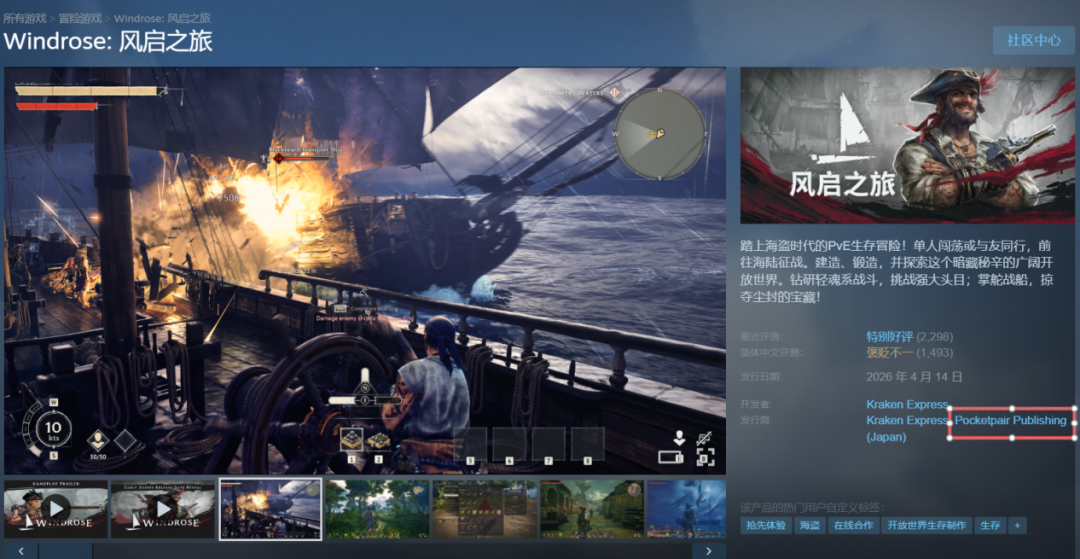
Pocketpair will provide funding and publishing support for other indie games and has offered a term that is extremely rare in the industry: it will cover all development costs, recoup its investment from any profits, and then allow the developers to keep all additional revenue.Consequently, during Paru’s time at EA, at least four games were published by Pocketpair, including the SOC hit *Journey of the Wind*, which previously sold 2 million copies—and all funding came entirely from Paru.
This also explains why, after Paru went viral, Pocketpair did not rush into IP expansion but instead worked feverishly to update content until the game was officially launched in full.On the one hand, as the studio’s lifeblood, Paru demanded their full and wholehearted dedication and effort; consequently, both the scale and frequency of its updates far surpassed those of any comparable product. On the other hand, using capital to support promising studios and products opened up new possibilities for Pocketpair, freeing them from the need to relentlessly milk a single IP.
From this perspective, while Paru’s success may have been fraught with uncertainties and various coincidences, throughout these two years of the EA period, everything Pocketpair did was marked by unwavering determination and conviction.
原创文章,作者:gallonwang,禁止转载:https://youxichaguan.com/en/archives/208357