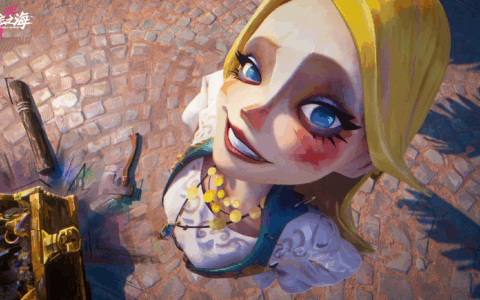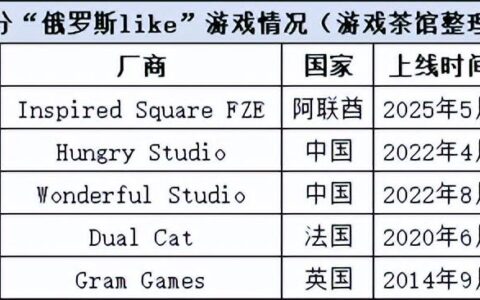
"Who Can Beat It?" has become a phenomenon in the 2025 casual gaming market.
Data shows that this game has consistently ranked in the top 10 of the mini-game charts and among the top titles on Douyin’s best-seller list. According to its developer, Youpin Technology, the project team behind *Who Can Beat It* is expected to receive millions in bonuses this year, and the company plans to expand its workforce to 300 employees.
This product has not only performed exceptionally well in the domestic market, but its international version has also gained significant momentum. Last December, the international version of *Cell Survivor* reached No. 13 on AppMagic’s “December 2025 China Mobile Game Overseas Growth Chart,” securing a strong foothold in the highly competitive global market.

The key breakthrough lies in the business model. The international version of *Who Can Beat It?* employs an in-app purchase model, a strategy that has also proven successful in the domestic market. The domestic in-app purchase version, *If You Don’t Believe It, Beat the Level*, launched late last year, stood out among numerous competing mobile games and reached as high as the top 100 on the iOS Top Grossing chart.
The success of the in-app purchase version of *If You Think You Can, Beat It!*, which successfully transitioned from an IAA model to an IAP model, demonstrates that Changsha Youpin Technology has achieved what most domestic IAA mini-game developers have failed to accomplish.
Over the past two years, the mini-games sector has shifted from rapid growth to a period of intense competition, with the battle for traffic and product homogenization becoming unavoidable challenges for the industry. Against this backdrop, how has *Who Can Beat It?* managed to stand out from the crowd?
In a conversation with Hou Tianle, CEO of Youpin Technology, we discovered that the success of this hit game stems not only from the developer’s keen insight into industry trends but also from the mutually beneficial ecosystem fostered by Douyin’s evolving incentive policies for mini-games.
01
Blockbuster mini-games catalyzed by the TikTok platform
Douyin was the turning point in Youpin Technology’s comeback.
In 2019, Youpin Technology capitalized on the boom in the mini-game market, launching titles such as *Play a Hammer* and *Desert Island Survival Simulator*, which helped the company build an initial reputation within the industry. However, with the implementation of the strictest-ever anti-addiction regulations for minors, the company’s growth hit a slump.
The turning point came in 2022. Hou Tianle, who had always kept a close eye on industry trends, took notice of Douyin’s “Douyin Publisher Program”—which had been in operation for a year—a program designed to systematically connect game developers with Douyin creators and promote a new distribution model where content serves as the channel. This official Douyin platform for game content marketing aims to build a bridge for two-way collaboration between game developers and Douyin creators.
He sensed the potential for a breakthrough and decided to take a chance.
Youpin Technology promptly launched *Tidying Tales*, a casual stress-relief game. Hou Tianle handed over publishing rights to TikTok influencers skilled in creating content for this genre, offering them a 30% revenue share. This seemingly bold move quickly proved effective: the first video related to the game garnered nearly 100 million views on TikTok, and daily active users surpassed 2 million on the very first day.

From content distribution to performance-based advertising, the continuous evolution of Douyin’s platform capabilities has profoundly shaped the growth trajectory of mini-game developers. The launch of *Who Can Beat It?* is taking place at a pivotal moment in this transformation.
In 2024, the mini-game industry entered a new phase of competition. Operating costs continued to rise, the supply of products surged, and market competition intensified significantly. Along with these changes, Douyin’s advertising strategy has also evolved—shifting from early-stage support that prioritized traffic volume to a results-driven approach that emphasizes the synergy between brand building and performance.
This shift is primarily reflected in the expansion of the metrics used to evaluate advertising campaigns. The focus of mini-game advertising evaluations has gradually shifted from short-term metrics—such as first-day ROI and 7-day ROI—to long-term performance, with a particular emphasis on 30-day ROI. At the same time, the platform dynamically matches high-quality traffic to products with strong ROI performance using data models, providing them with sustained traffic prioritization.
Hou Tianle observed that the product upgrades in Douyin’s advertising performance offerings place greater demands on game developers’ ability to generate long-term returns. Youpin Technology previously specialized in backpack tower defense games, which, while offering quick returns, had poor return multiples and struggled to align with Douyin’s new focus on “continuous optimization of brand and performance.”
These changes have also given rise to new opportunities. By the end of 2024, Hou Tianle noticed that in overseas markets, user acquisition creatives related to the “Dragon Slaying” gameplay were performing consistently well in terms of user acquisition.Many domestic IAA developers also began experimenting with breaking it down into standalone gameplay mechanics for testing. He concluded that this gameplay style had a substantial user base in China and the potential to establish an efficient monetization model within the current advertising environment, which prioritizes long-term ROI. Based on this assessment, *Who Can Defeat the Dragon?* was officially greenlit.
During the R&D phase, Youpin Technology began adapting its product to align with Douyin’s content ecosystem and performance-based advertising logic.
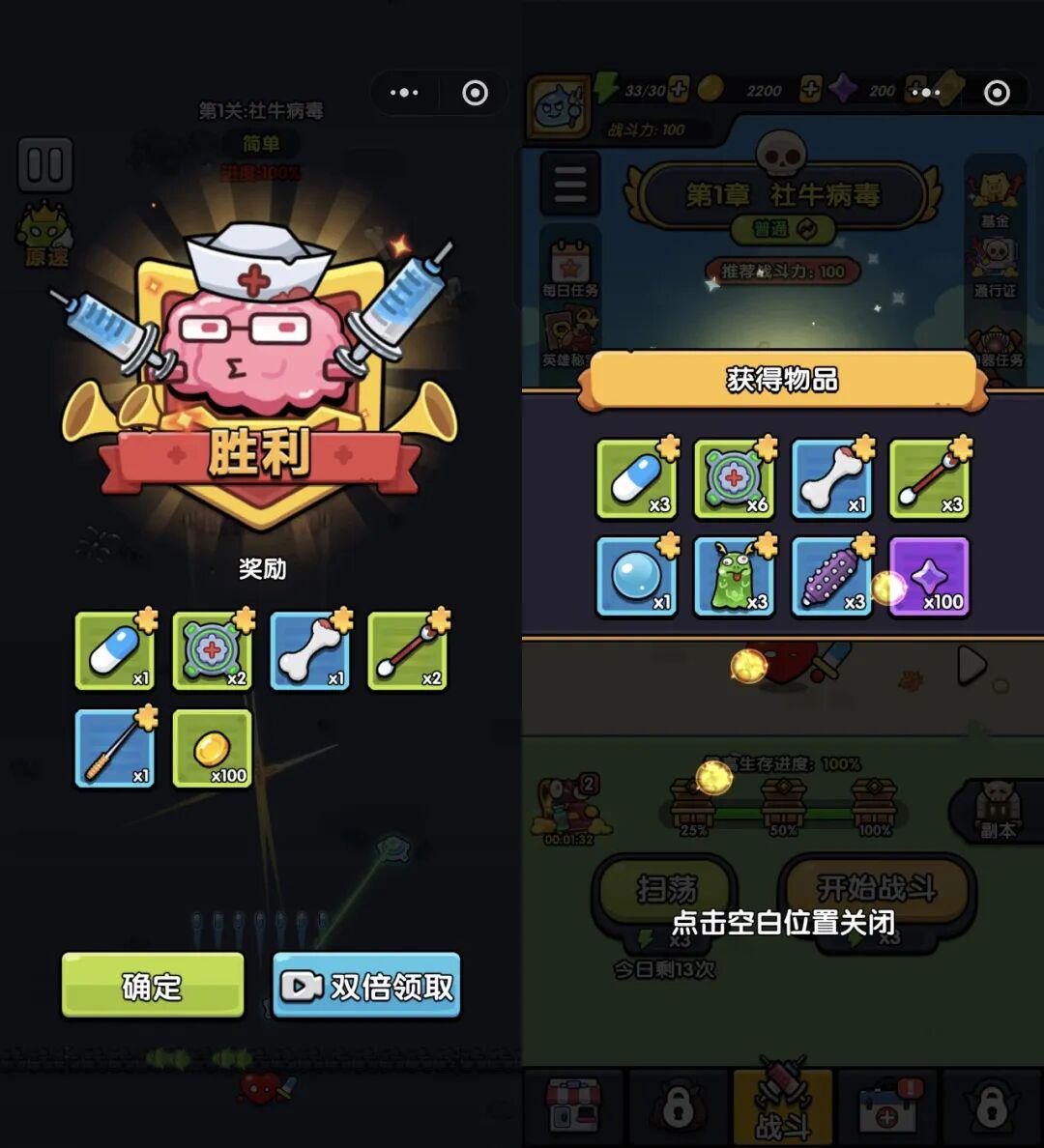
The core gameplay of *Who Can Beat It?* is as follows: a long dragon stretches across the screen, and players must continuously strike the "Great Dragon" to prevent it from invading their territory and ending the game. Along the way, players can knock treasure chests off the dragon's body to unlock various weapons and boost their combat power.

This game incorporates the roguelike elements characteristic of mini-games. When players attack parts of the "Great Dragon" marked with treasure chests, they trigger a "choose one of three" reward system that randomly unlocks new skills or enhances existing stats, thereby continuously boosting their combat power and creating a combat loop that fosters a strong sense of progression.
More importantly, the game’s design is deeply aligned with Douyin’s unique characteristics. The team designed the art style, skill effects, and character designs around trending topics on the platform, naturally incorporating popular internet memes from the past. This gives the game a strong “online vibe” and a down-to-earth feel, significantly lowering the cognitive barrier for players.
For example, the team designed the "Big Dragon" as a "viral" character embodying the collective memory of the public, while its weapons were transformed into medical items such as cotton swabs, pills, and scalpels. This design not only resonated with current social trends but also quickly fostered emotional connection and immersion among players.
The inclusion of these humorous elements doesn’t make the game more complicated; on the contrary, it makes the experience feel more lighthearted.
In terms of gameplay mechanics, *Who Can Beat It?* focuses on building strategic competition through weapon selection. While keeping the controls simple, it successfully creates a sustained sense of tension—when that giant dragon looms directly toward the screen, almost every player finds themselves holding their breath.
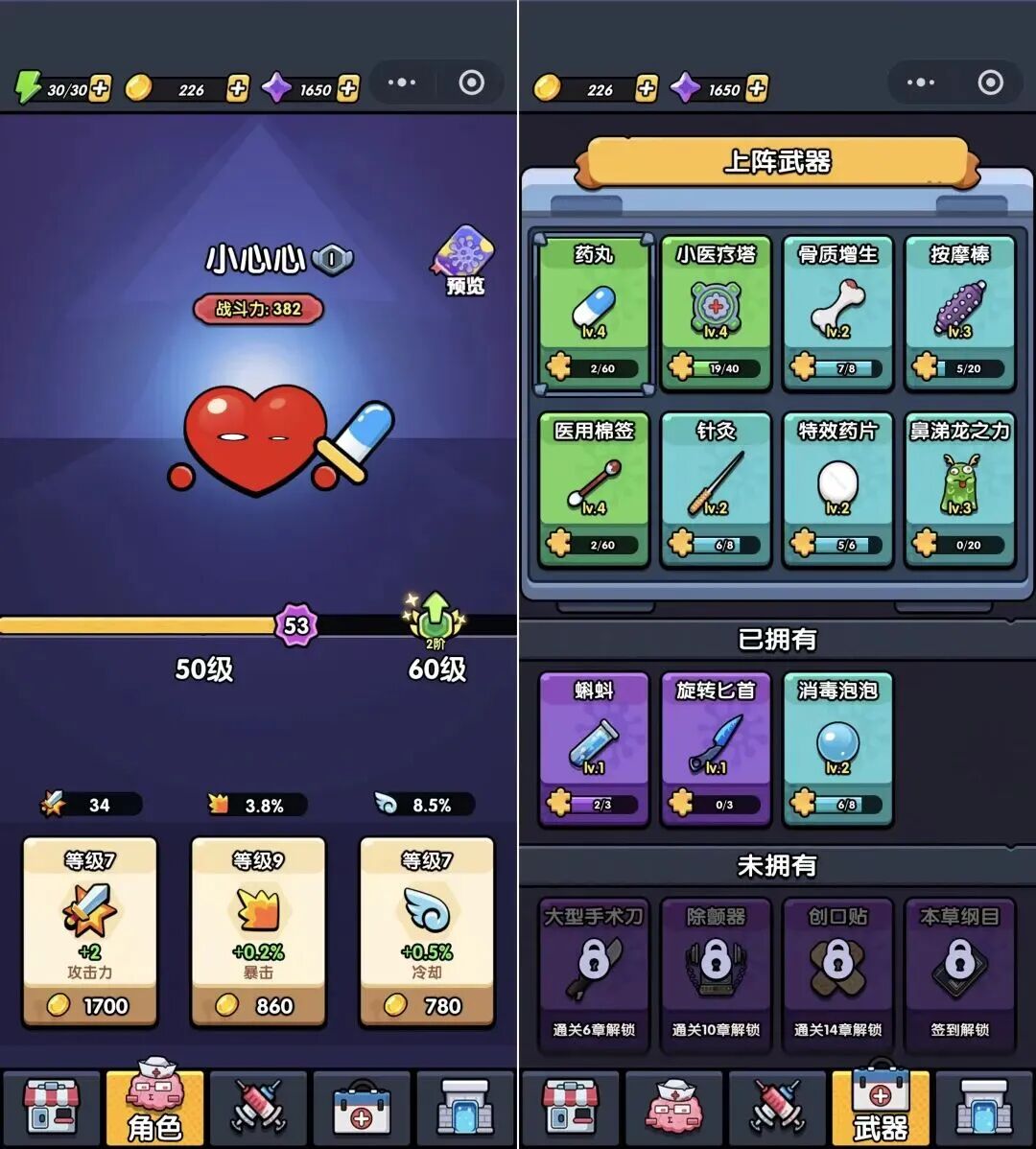
Thanks to its intuitive early-game mechanics and fast-paced gameplay, *Who Can Beat It?* has successfully attracted a large player base. However, what truly sets it apart from other “dragon-slaying” games is the long-term design philosophy that runs throughout the entire product.
Hou Tianle revealed that the team has designed distinct gameplay experiences for each level and developed a deep progression system, allowing players to experience fresh content and receive clear feedback on their progress at every stage. This design not only keeps each session short and interactive but also aligns perfectly with the pace of content consumption on short-video platforms, laying the groundwork for ongoing marketing and promotion.

In May 2025, *Who Can Beat It?* officially launched on Douyin. Shortly after its release, it quickly rose to the top of Douyin’s new mini-game charts and consistently ranked among the top titles in the casual competitive category, becoming one of the most recognizable hit products in the Douyin mini-game sector during the second half of 2025.
02
From IAA to IAP: A Mutual Journey for Platforms and Manufacturers
Not only did the IAA version achieve remarkable success, but the IAP version of *Who Can Beat It?* also marked a major breakthrough for Youpin Technology.
The international version of *Cell Survivor* and the domestic version *Come and Beat It*, which launched in late 2025, worked in tandem to drive the game’s global monthly revenue past 50 million yuan. As a result, Youpin Technology became one of the first domestic developers to successfully implement an IAP model based on IAA mini-games.
The key difference between the IAP version and the IAA version lies in their monetization models. The IAA version relies on inserting ad videos at key points to generate revenue, while the IAP version focuses on the sale of weapons and items—players can purchase more powerful weapons directly before entering a match, significantly increasing their chances of winning.
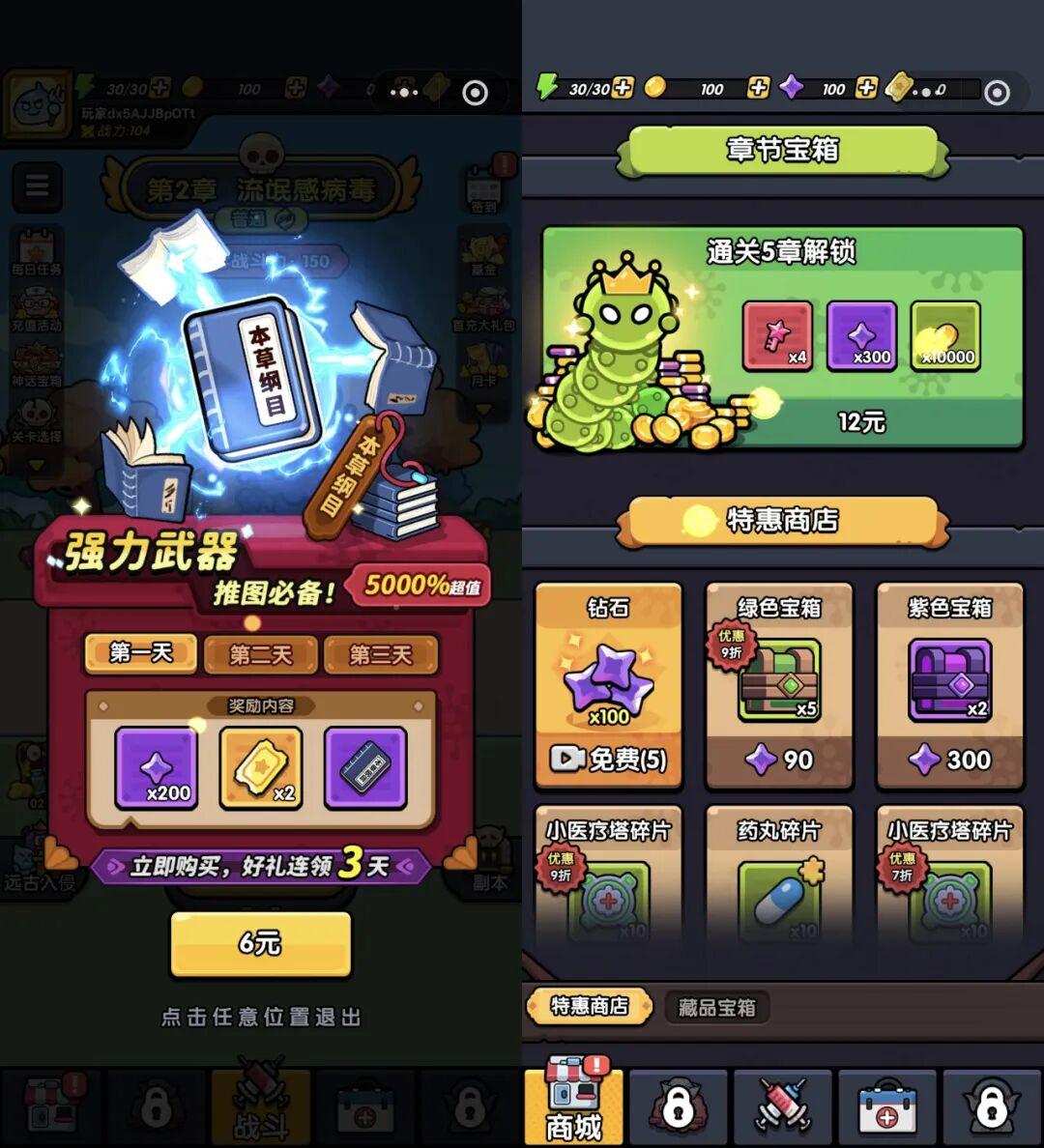
This transformation was not a coincidence, but rather an inevitable outcome resulting from the combined effects of Youpin Technology’s long-term product development and systematic support from the Douyin platform.
Hou Tianle admits that for most domestic IAA mini-game developers, switching to the IAP model presents a significant hurdle, primarily because they lag behind traditional major studios in terms of R&D capabilities, systematic development processes, and product understanding. Overcoming this challenge requires continuous accumulation of experience and investment of resources; it is not a decision to be taken lightly.
YouPin Technology’s successful transformation is attributable not only to the team’s accumulated experience through continuous trial and error in game design and monetization strategies, but also to the incentives and support provided by the Douyin platform at critical stages.
Earlier this year, the Douyin platform continued to roll out a series of incentive policies for mini-games, ramping up support in key areas such as ad incentives, cross-platform promotion, new game testing, and social engagement incentives. These measures have effectively reduced the initial costs and trial-and-error risks for developers experimenting with the IAP model, providing crucial support for teams like Youpin Technology to pursue long-term operations.


Incentives for mini-games as outlined in the "Q1 2026 IAP Incentive Policy for Douyin Mini-Games" released by Douyin Mini-Games and ByteDance
Take the "Mini-Game Content & Social Growth Incentives" policy as an example: it encourages developers to continuously expand user reach and spending through content distribution, with a maximum task reward of 100,000 yuan.

Mini-Game Content & Specific Measures for Social Growth Incentives
This policy completely transformed the way the company operated. Hou Tianle recalls that in the early days of promoting *Tales of Storage*, the team had to reach out to the key influencer “Transforming Digga Plays Games” on their own.
However, as the demand for content-rich mini-games and large-scale campaigns continues to grow, the traditional one-on-one collaboration model can no longer support sustained growth. Platforms have also begun to systematically enhance their capabilities.Today, ByteDance’s advertising platform has gradually established a systematic ecosystem for influencer partnerships. Through the ByteDance StarMap task console, the platform integrates promotional resources using a “CPA + CPS” revenue-sharing model, eliminating the need for developers to coordinate with influencers individually. At the same time, platform-initiated hashtag campaigns provide natural dissemination channels for games—when influencers post videos, they can choose whether to tag relevant hashtags, thereby generating large-scale content exposure.
An increasing number of influencers are voluntarily helping to spread mini-games by leveraging topics such as #MiniGameCreationContest launched by Douyin. Through its continuously expanding incentive programs, the Douyin platform is helping developers transform “content dissemination” from a one-off event into a predictable, replicable growth strategy.

On the Jumu Engine side, the platform’s role has evolved beyond that of a mere traffic tool provider to one of deep collaboration with brands. Focusing on product positioning, user demographics, and lifecycle rhythms, both parties engage in end-to-end collaboration spanning everything from version planning and content milestones to monetization strategies. Leveraging forward-looking data and operational expertise, the platform helps brands minimize trial-and-error costs at critical decision points, enabling great products to “avoid detours and go the distance.”
The success of *Who Can Beat It* stems not only from the perfect alignment between the game’s mechanics and the TikTok ecosystem, but also from Youpin Technology’s keen understanding of and swift response to the platform’s policies. Moreover, it has demonstrated, in practice, the industry value of TikTok’s policy direction of “prioritizing content, strengthening brands, and taking a long-term view.”
03
New Opportunities in the 2026 Casual Games Sector
In 2026, both Youpin Technology—which has successfully transformed itself—and other game developers will find themselves at a critical juncture.
Hou Tianle has observed that the logic behind user acquisition on major platforms is undergoing a fundamental shift: the demand for depth and differentiation in product content has significantly increased, and the IAA model—which previously relied on rapid replication and short-term traffic spikes—is no longer sustainable in today’s advertising landscape.
A series of policy updates on the Douyin platform have clearly signaled the industry trend: resources are increasingly being directed toward developers who possess the ability to produce high-quality content, prioritize long-term value, and are willing to collaborate with the platform to build a shared ecosystem.
Hou Tianle realized that even in the casual games market—which was once considered unimportant in terms of innovation and content marketing—the only way to gain a foothold and achieve sustained growth is through truly differentiated gameplay.
Specifically, to guide the industry toward high-quality and differentiated development, ByteDance has established an “Key Categories” incentive program that offers an additional 20% rebate to selected high-quality sub-categories. At the same time, through requirements related to creative assets and ad placement strategies, the program encourages brands to increase their investment in creative production and localized operations.
The platform’s core objective is not to drive short-term scale expansion, but to help developers establish stable advertising models and a foundation for long-term growth, paving the way for a more sustainable monetization strategy.
Given this trend, content capabilities are no longer merely a "bonus" but rather a "foundation" that companies must solidify. Douyin is constantly reinforcing this understanding: mini-games should not be viewed as "products separate from content," but rather as an integral part of the content ecosystem.
The ability to transform gameplay into shareable content, distill user behavior into highly relatable material, and swiftly incorporate data feedback into version updates—these three key capabilities directly determine whether a product can continue to benefit from the platform’s organic traffic and achieve healthy growth.
With a keen eye for industry shifts, Hou Tianle has charted a development roadmap for Youpin Technology through 2026 that aligns closely with platform strategies and industry trends: After leveraging the Douyin ecosystem to transition from IAA to hybrid monetization, the company will further increase its investment in the Douyin platform, expand into new products across more niche segments, and begin building its own portfolio of mini-game IPs, moving toward a more systematic and brand-oriented phase of development.
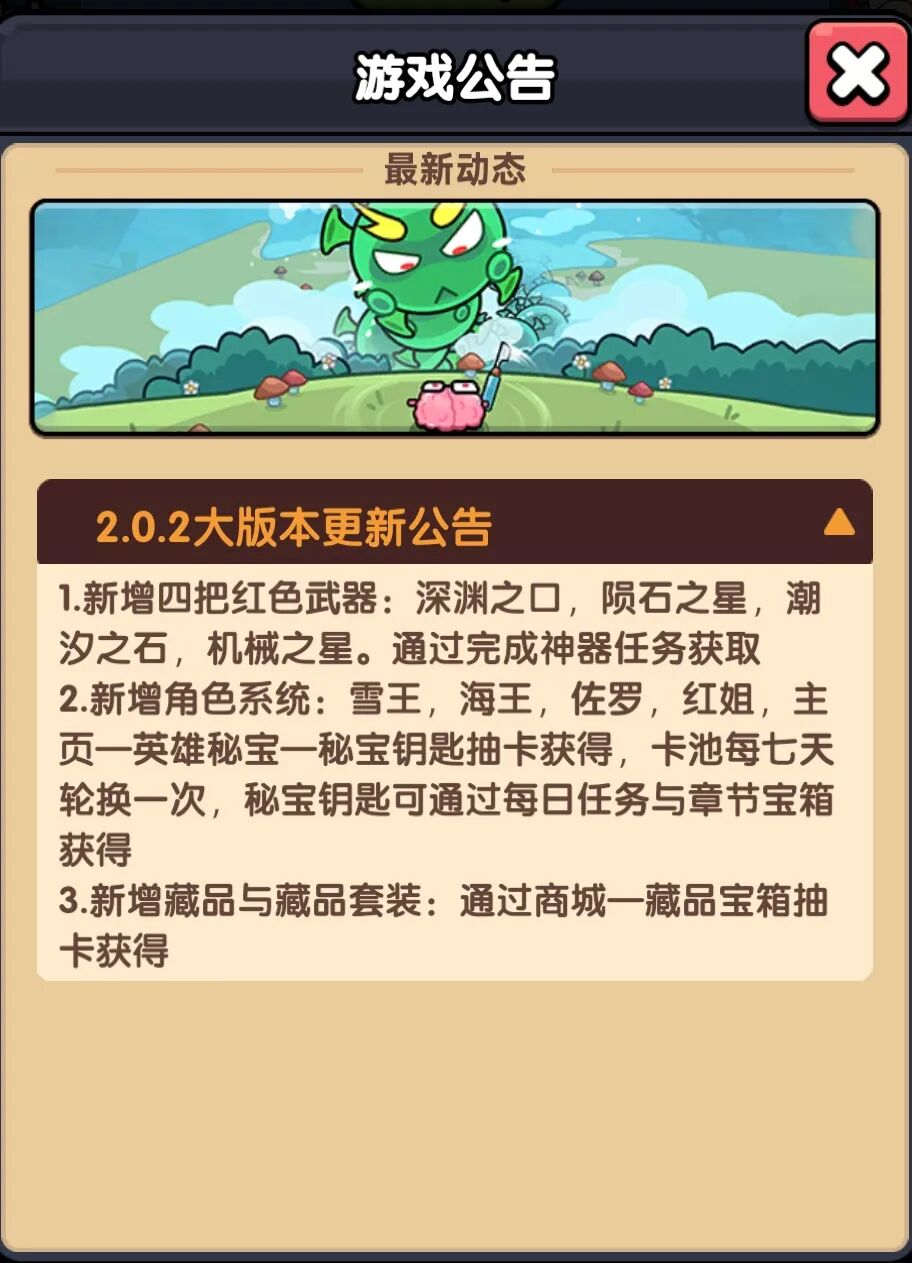
On the product side, *Challenge Me* will continue to receive updates. We will focus on enhancing and optimizing the social and monetization aspects of the content, such as introducing a "streamer + player" duo team-up mode, improving live-streaming effects and user interaction, and driving the game’s evolution from a simple gameplay experience to a shareable, watchable content platform.
At the corporate level, Youpin Technology will expand its team to 300 employees, systematically enhance the precision of its R&D and management efficiency, and build capacity to support the simultaneous development of multiple projects and the expansion of its IP portfolio.
Meanwhile, structural shifts in the industry are creating new opportunities for new entrants.Hou Tianle, who achieved counter-cyclical growth by keenly grasping platform policies, offered the following advice to those entering the market: If a team lacks the capability to develop long-term products, it should focus on content-driven social interaction and creative production, or even shift to a pure publisher role, leveraging the ecosystem rather than relying solely on user acquisition; for developers with a strong R&D foundation, they should fully capitalize on the platform’s support window for products featuring “high-quality assets, strong operations, and high compatibility” to achieve a differentiated breakthrough.
By 2026, the mini-games sector will have moved beyond its early, chaotic “quick-in, quick-out” phase and entered an era of deep cultivation characterized by long lifecycles, stable monetization models, and refined operations. The real opportunities will belong to teams that can consistently create content, continuously iterate on their products, and sustainably engage their users.
The success of *Who Can Beat It* is not an isolated case, but rather a microcosm of the maturity of Douyin’s mini-game ecosystem. From a policy shift focused on “infrastructure” to one centered on “quality content,” and from traffic support to capacity-building initiatives, Douyin is working alongside developers to drive high-quality growth in the mini-game sector through policy incentives, tool support, and collaborative ecosystem development.In the future, as the ecosystem continues to evolve, we can expect to see more innovative leaders like Youpin Technology emerge. Moreover, the symbiotic and mutually beneficial relationship between the platform and developers will unlock even greater commercial value for the mini-games sector.
原创文章,作者:游茶妹儿,禁止转载:https://youxichaguan.com/en/archives/195562