When Lingxi Interactive is mentioned, the industry’s first reaction is often to think of its deep expertise in the SLG sector. But what few people know is that in recent years, the company has also quietly made a strategic move in the PC buy-to-play market.
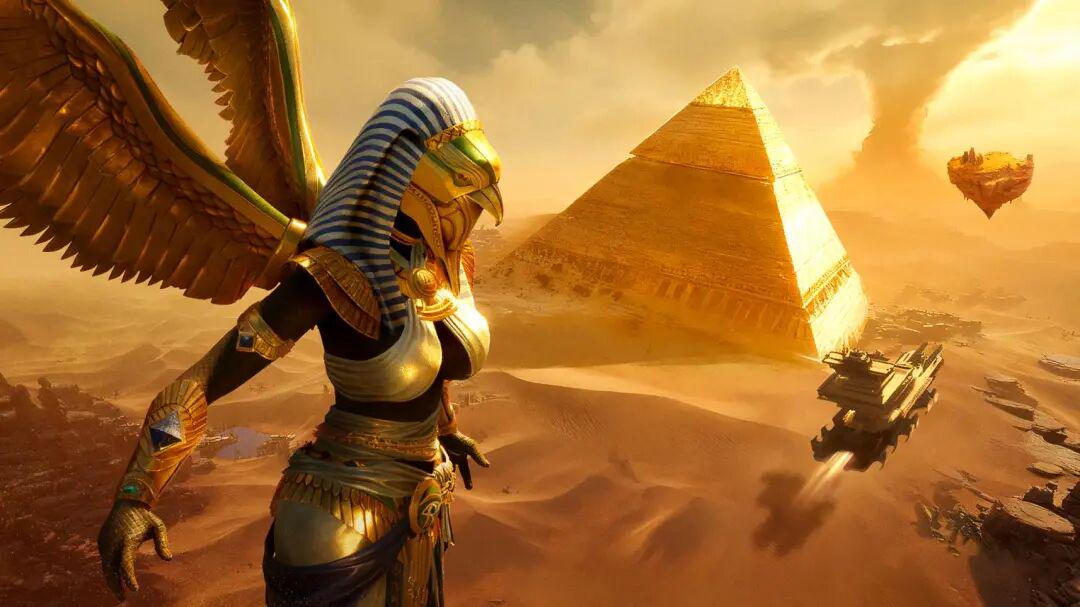
On April 10, the official release of *Soul Armor*, a Chinese-developed SOC game published by Lingxi, hit the market. Thanks to its exceptional quality and the strong word-of-mouth built up through numerous updates during the Early Access period, the game quickly climbed to No. 2 on Steam’s Global Best-Selling Chart (for buy-to-play titles only).
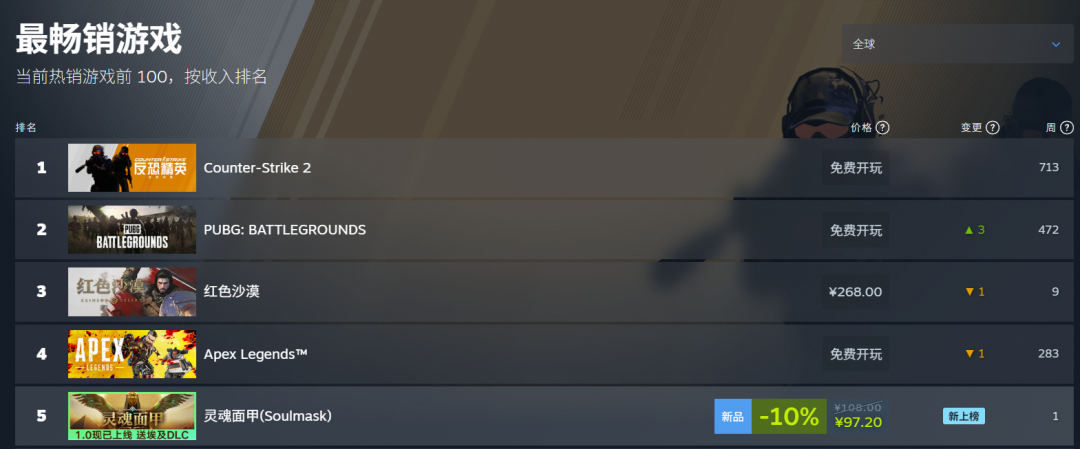
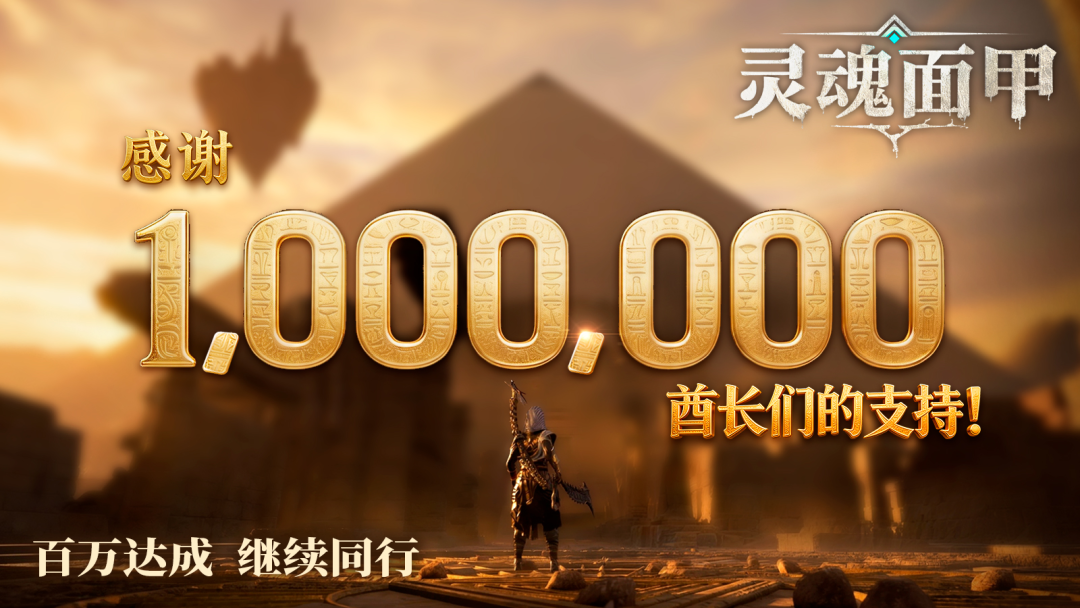
Shortly thereafter, the developers announced that the game had sold over 1 million copies. According to subsequent reports from Teahouse, overseas sales accounted for as much as 70% of *Soul Mask*’s total sales; therefore, based on a rough estimate using the game’s price, revenue from Steam alone has already surpassed 100 million yuan.
Taking this opportunity, Teahouse sat down with Yang Tuan, the producer of *Soul Armor*, and Xingchen, the game’s head of publishing, for an in-depth conversation. With *Paloo: Phantom Beasts* having taken the world by storm and strong competitors like *Kingdom of Mist* closing in, we asked how *Soul Armor* managed to carve out a niche in this crowded market through its unique armor mechanics, clan management features, and a wealth of updates.
01
A Complete Turnaround
Teahouse: What are the backgrounds of the core members of the R&D team? Have they been involved in game development before?
Yang Tuan: We are an experienced team; our core members generally have over a decade of professional experience. We started out developing PC MMOs, then moved on to mobile games, but overall we’ve focused more on MMOs with open-world settings. These days, we’re leaning more toward single-player and multiplayer games.
Teahouse: What was the initial inspiration behind the development of *Soul Armor*? Why did you choose to combine ancient civilizations with an open-world setting?
Yang Tuan: There are roughly three aspects.
First, it has to do with our experience. Our team has been working on large-scale MMO projects for over a decade. We’ve been thinking about how the MMO genre of RPGs could evolve, and when we came across SOC, we felt it offered a viable solution for MMOs—it provides a high degree of freedom, and its business model seems promising. So, shifting the team’s focus in this direction was a good choice.
Second, it’s my personal interest. I read books and research on the development of civilizations and the future of humanity. For a while, I was quite focused on these topics, so it made sense to create a game centered around this theme.
Third, when we launched the project, we decided to focus on Steam, so it will be better suited for international markets.
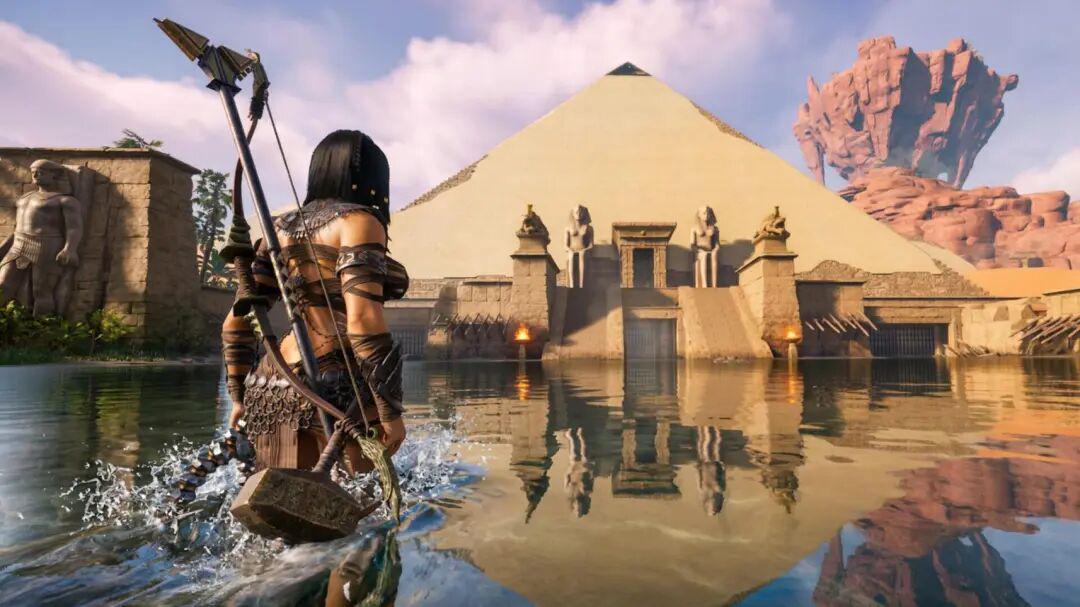
Combining these three elements gave rise to this IP and its direction. There’s actually another point here: during my long experience developing MMORPGs, I’ve always had a particular fondness for designs that emphasize horizontal progression. So, after incorporating all these aspects, we created the “Face Armor” system. The most important aspect of Face Armor is that the player’s character is not fixed—this is its core feature, and it was established right from the project’s inception.
Teahouse: Why did you decide right away to release on Steam? There are plenty of SOC-style online games out there now, and you’ve developed MMOs in the past—why did you think releasing on Steam would be a better choice?
Yang Tuan: Actually, our transition was quite drastic—we went straight from online games to single-player multiplayer. We’d already been considering a shift at the time, so we decided to just go ahead and make a game like this on Steam. Basically, my idea is that ever since the team started this transition, we’ve been moving in this direction. We want to create something more pure—content-driven products—and we certainly won’t be giving up on the SOC genre.As for whether there will be opportunities to expand to multiple platforms in the future, I don’t think we need to overthink it—we’ll just let things take their natural course and focus on doing this well first.
Teahouse: What are your thoughts on the development and changes in the SOC category?
Yang Tuan: Based on our own development experience, MMOs offer plenty of interactivity, but they don’t provide the same level of freedom as SOC. The most important thing about SOC is that it’s a truly open-world RPG—that’s its biggest draw.
The evolution of SOCs is actually quite clear. The earliest SOCs were relatively more hardcore, as their primary focus was "survival," which played a significant role. However, the trend in recent years has been quite clear—a gradual shift toward lightweight designs. This involves both the lightweighting of the SOC itself and the integration of SOCs with other technologies.
This shift toward a more user-friendly approach is evident in the fact that the "survival" aspect is gradually being de-emphasized. This is because the platform needs to cater to a broader user base; the user base for hardcore SOCs was never particularly large to begin with. The market is now expanding into new categories, broadening its reach. Accordingly, the level of guidance is also increasing—in the early days, hardcore SOCs offered virtually no guidance, providing only the most basic instructions and leaving users to figure things out on their own.
Another point is that the game’s progression gradually introduces more predictability. The original SOC offered greater freedom; once you entered, there were no instructions and no clear objectives—it was a bit like a sandbox game, where you’re given a world to explore on your own.
But now, more and more games are incorporating a strong sense of purpose, using mission guidance and thematic storylines to provide players with a main objective. Even the "open world" aspect isn't as rigid as it used to be; some games are starting to feel a bit like traditional level-based games. I think these changes are quite significant.
Teahouse: Are you aware that the SOC market is changing? Are you adapting to this shift, or are you sticking to your original creative vision?
Yang Tuan: I don’t think the two are necessarily at odds. At the core of what we do as game developers, we want more users to enjoy our game and this genre, and we also want to expand our market reach—there’s no question about that. But in doing so, there are two key points we need to keep in mind.
First, the core of the product must be exceptional. The differentiation in core features, key elements, and core experiences is the primary reason players choose to play, and it is the fundamental factor that sets your product apart from others. Second, accessibility is equally important. Usability and onboarding mechanisms determine whether players can seamlessly access the core experience.
These two factors are actually interrelated: if the core experience is good enough, players may overlook any shortcomings in usability; conversely, if the core experience is mediocre, smooth onboarding alone won’t be enough to retain users.
For us, these two areas represent long-term priorities for continuous improvement. First, we need to clearly define our focus—specifically, what the game’s core gameplay and experience are—and then continuously refine and strengthen these elements, rather than spreading our efforts evenly across all aspects. Second, we must continuously improve the early-game experience, provide effective onboarding, maintain communication with users, and meet their reasonable needs. The reason we emphasize the importance of building up expertise in a single genre is precisely based on this logic: maintaining ongoing engagement with this user base, continuously gathering feedback, and iterating to refine the product.
Teahouse: During the period from project inception to Early Access, as the game shifted from an MMO to a single-player, buy-to-play title, were there any challenges you found particularly difficult to adapt to or resolve?
Yang Tuan: Things have actually been going quite well lately; in fact, this has been our happiest time. We already had experience developing an unreleased product prior to this, so we were relatively well-prepared in terms of the overall structure and framework. More importantly, the team was finally able to start working on things we truly wanted to do, and the entire team demonstrated tremendous creativity and energy during this phase.All content and frameworks have been finalized; we simply need to expand upon and create content within this established worldview and thematic framework. This is a truly ideal creative phase. As for management or team integration issues, they do not pose an obstacle for us—the core team has over a decade of collaborative experience and works together seamlessly.
Teahouse: It’s been about two years since the Early Access launch until the official release. What have been the biggest achievements and the biggest challenges during that time?
Yang Tuan: To be honest, this is the first time our team has developed a game of this kind. Throughout the process, we’ve gained a deep understanding of the trend mentioned earlier—the shift in SOC games from hardcore to casual—which has been both a significant insight and a major challenge.
Initially, we assumed that since we had shifted from online games to single-player titles, there was no need to go overboard on certain aspects, such as the tutorial system. In MMO development, main and side quests are structured in a step-by-step progression, and players simply need to follow along; this is even more true for mobile games, which come equipped with features like auto-pathfinding. We felt that with a single-player game, there was no need for continuous guidance or auto-pathfinding, and we wanted to focus instead on shaping the game’s world and adding more intricate details.
However, after the game actually launched, players provided a great deal of feedback regarding usability and onboarding, with the issues being quite concentrated. As a result, we actually added the onboarding system as a retroactive measure: we specifically introduced a set of tutorial missions and continued to make adjustments to address usability issues. A significant portion of our work between the Early Access phase and the official launch focused on these kinds of adjustments.
Teahouse: Will your previous experience with MMOs be applied to this game?
Yang Tuan: We have indeed drawn on those experiences. This is mainly reflected in certain systems and gameplay mechanics. The MMOs we developed previously did not follow conventional approaches in the traditional sense; instead, we placed greater emphasis on designing gameplay from the perspective of world-building. Even after shifting to our current direction, this fundamental creative approach has remained unchanged. Furthermore, in areas such as combat systems, there are still some commonalities between large-scale PC MMOs and our current product, so we have adopted similar frameworks. The experience we’ve accumulated has certainly played a significant role.
02
The Ambition of a Single Piece of Armor
Teahouse: The Faceplate System is the heart and soul of the game, encompassing soul uploading, consciousness synchronization, and controlling your clan members. Where did the inspiration for these core mechanics come from? And how do they integrate with the SOC gameplay?
Yang Tuan: The design of the mask system is intrinsically linked to the theme. We wanted to create a product centered on the evolution of civilization. Through my extensive research and observations, I’ve gradually identified a pattern: throughout the history of civilization, the element of the mask has been a constant presence. Therefore, choosing this concept is a universal choice—everyone has a basic understanding of masks.
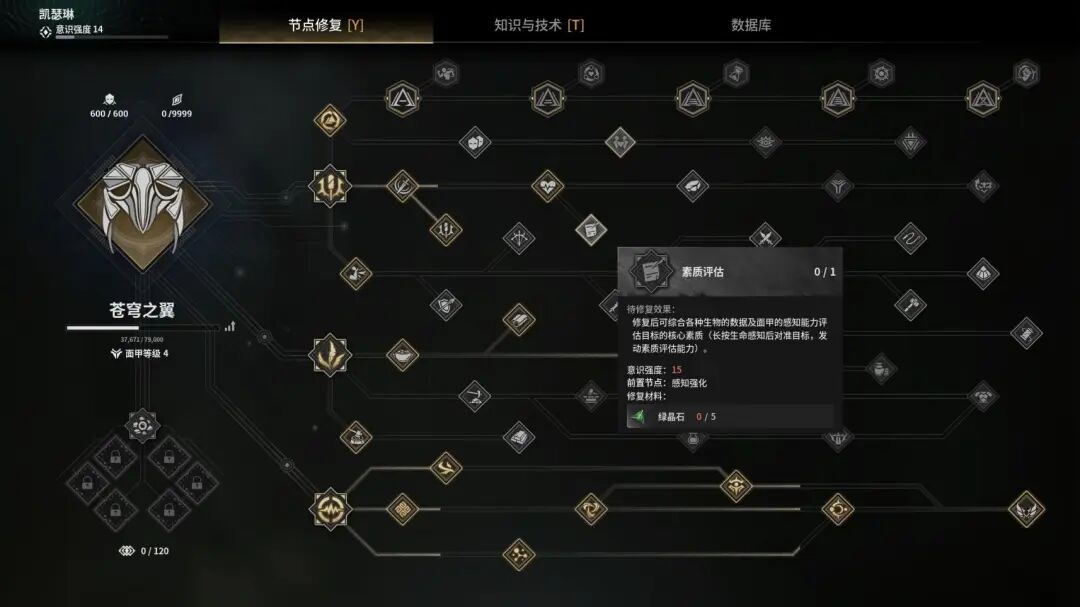
Secondly, I’ve always been particularly fixated on the concept of horizontal development. A previous project of mine already featured similar elements—namely, a non-fixed protagonist.Working on this theme now allows us to seamlessly integrate it with the faceplate system: using faceplates to achieve consciousness uploading, and then using them to control different physical bodies—this aligns perfectly with the overall theme and world-building. At the same time, the faceplates themselves serve as a core element for horizontal collection and progression—we’ve designed a mimicry system and multi-node upgrade mechanics for each faceplate, making them central to the game’s progression system.
The integration of Faceplates with SOC actually makes perfect sense: they are both part of the open-world exploration and collection mechanics, and can be upgraded after gathering materials, making them an organic part of the crafting system that fits seamlessly in every respect.
Teahouse: The "Faceplate" system is a rather unconventional concept, as players control the faceplate itself rather than a fixed protagonist. Do you think this design might be controversial? How do you address the issue of players lacking a sense of immersion?
Yang Tuan: First, there’s a fundamental concept—one with a somewhat philosophical undertone—that goes like this: When a person’s consciousness is able to detach from their original body and control other physical forms, what form will their worldview take? This is the core question I’m eager to explore, and I may well continue to pursue this line of thinking in future games. This is, first and foremost, a matter of thematic direction.
In actual development, this concept met with no resistance within the team; everyone generally considered it to be quite innovative and forward-thinking. Perhaps because the team had grown weary of the same old MMOs, this concept actually gained their approval.
However, once we actually began development, some issues did arise. In the early stages of the game, we designed the plot, story, and character customization features. Many players responded by saying, “I’ve already customized this face and really identified with this character, but now you’re telling me it’s just a starting body—and a particularly weak one at that—and that you’re going to guide me to switch bodies later on.” Indeed, quite a few players expressed this kind of dissatisfaction.
Of course, our solution is actually quite straightforward: we enhanced the attributes of the initial physical body so that it wouldn’t be easily discarded. At the same time, we added a feature that allows players to copy data from a stronger physical body onto their main character, which has essentially resolved the issue.What this experience taught me is that players can accept the concept of consciousness uploading and a non-fixed protagonist, but only on the condition that the sense of immersion with the initial character is not diminished. Players have a natural emotional bond with their “original self,” and this connection must be preserved.
Teahouse: The feature that lets players recruit clan members to form clans is quite interesting; it makes up for the lack of multiplayer experiences for solo players. How was this design conceived? What changes and innovations will be included in the official release?
Yang Tuan: From the Early Access phase through to the official release, this gameplay mechanic has essentially been designed as a core feature of the game. The game has two core elements: the faceplate system and the clan system.
The central theme of the game’s story is the formation of a tribe. The protagonist’s tribe has been destroyed by hostile forces, leaving him alone. To uncover the secrets behind the mask and uncover the truth about civilization, his own strength alone is far from enough. He must harness the mask’s special abilities to recruit tribe members, establish and develop his own clan, and rely on the collective power of the group to complete his quest. This core gameplay mechanic naturally stems from the game’s central theme.
This design has also been well-received by players—the mechanics of recruiting clan members, managing tribes, and organizing production have been widely embraced. It’s worth noting that while the later release of *Phantom Beasts: Paru* bore some similarities due to its similar theme, our clan and tribe management systems were core designs established from the very beginning of the project and were not inspired by others.
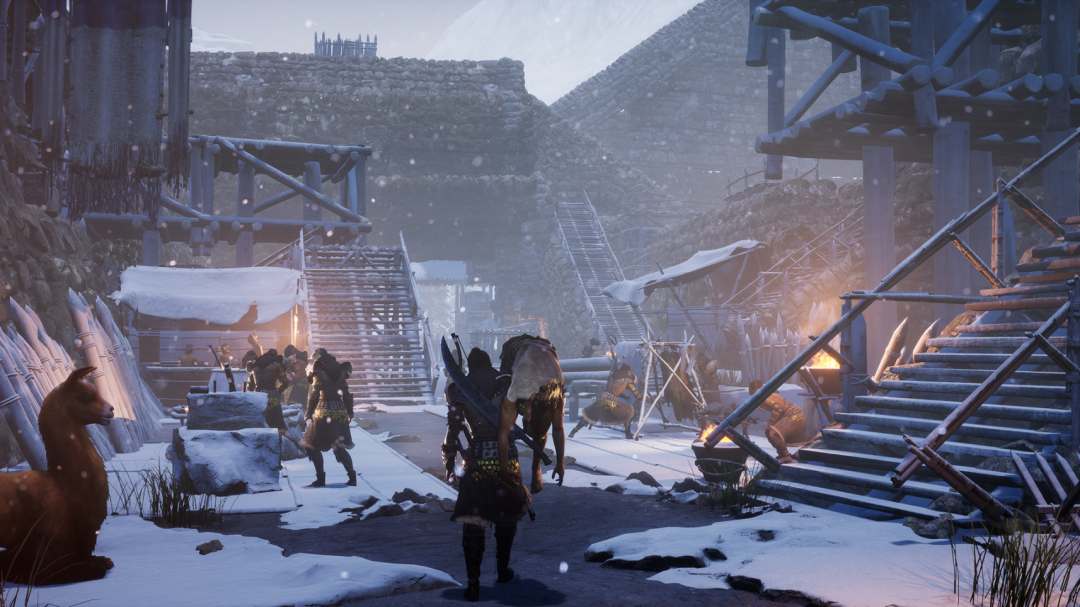
The Clan System is essentially a people-centric tribal management system—you must manage workshops and production, automate workflows, recruit suitable clan members, and assign tasks based on their talents, thereby ensuring the entire base operates efficiently and autonomously. The clan members feature a detailed division of labor and proficiency system, which lends the management aspect considerable depth.
Teahouse: When EA launched its games, there were two massive hits on the market at the time: *Paloo* and *Kingdom of Mist*. Did that have any impact on the release of your game? What allowed *Soul Mask* to stand out and attract players?
Yang Tuan: When discussing competitors and appeal, the most crucial factor remains whether a game possesses its own unique characteristics. The product logic of the Steam platform differs significantly from that of traditional MMORPGs.Traditional MMOs are time-intensive and highly exclusive—when two MMOs of the same genre launch simultaneously, players often have to choose between them. In contrast, as buy-to-play content products, Steam games typically offer gameplay experiences ranging from tens to hundreds of hours per title. Players can experience them one by one, much like consuming other forms of content, resulting in relatively weaker exclusivity.
Therefore, the key lies in whether the product has a distinctive core feature; as long as the content itself is compelling enough, it will be able to carve out its own niche in the market.The fact that players have played *Phantom Beasts Paru* or *Kingdom of Mist* does not prevent them from purchasing and experiencing your game. This is also a positive aspect of the Steam platform: even within the same genre, different products have distinct features and gameplay styles. Unless a single product can encompass every possible element, differentiation will always exist—not to mention that art styles and themes naturally serve as distinct differentiators. This is a hallmark of content-driven products.
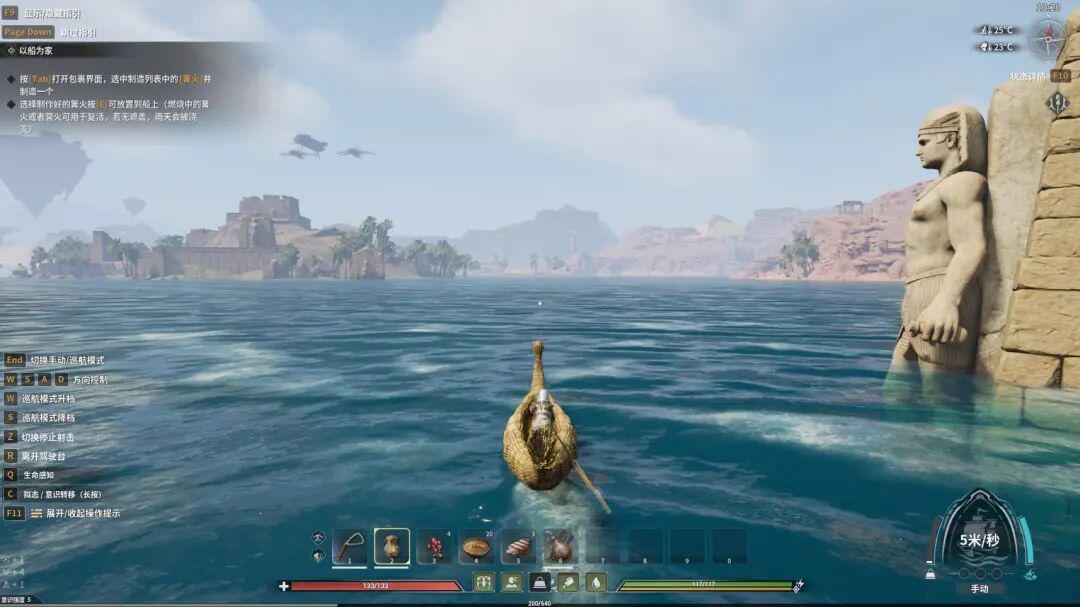
Teahouse: My initial impression is that Soul Armor feels reminiscent of early Ark and Conan Exiles, but there are too many system resources, the learning curve is steep, and it’s quite hardcore. Is it not very beginner-friendly? How do you view and address this issue?
Yang Tuan: Over the past two years since EA, our insights into system complexity and guidance have indeed been among our most significant takeaways.
One direction we’ve been pursuing is gradually introducing the core gameplay earlier in the game. However, the trade-off for this is increased system complexity in the early stages—players are exposed to more content right from the start. In a typical SOC, having players start by gathering stones and chopping down trees to gradually get the hang of things might feel lacking in uniqueness, but at least it allows for a step-by-step progression.By bringing the core gameplay forward, however, we face a challenge: how to help players quickly perceive the game’s uniqueness and appeal, given their limited patience.
Guidance and optimization involve two aspects: first, providing explicit guidance through tasks and tutorials; second, dividing the game into logical stages, encapsulating them layer by layer, and then presenting them to the player. A higher-level requirement is to integrate all of this into the gameplay flow in a natural way that aligns with the game’s world-building. Personally, I believe this work is not yet complete and requires ongoing refinement.
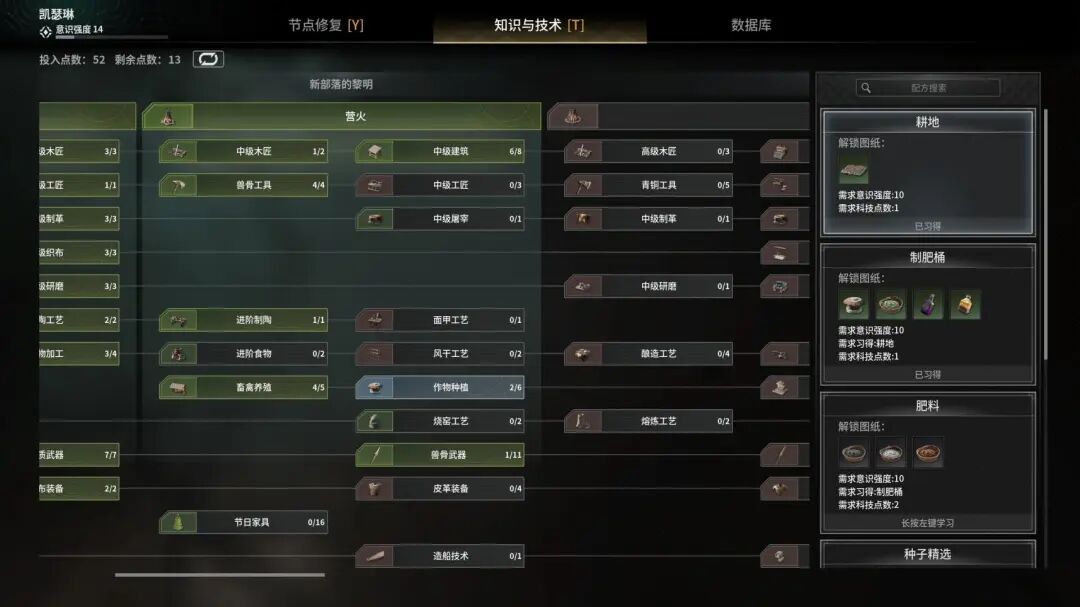
Teahouse: The Clan System already features numerous combinations of talents, specializations, and hobbies, and is equipped with automated management tools. The workload is enormous, yet the team consists of only 40 to 50 people. How do you resolve the conflict between this massive workload and limited capacity? How do you manage costs?
Yang Tuan: In our team’s day-to-day operations, the biggest bottleneck in production capacity has always been art assets. On the other hand, developing systemic features such as talents, specializations, and hobbies does not pose much of a challenge for us. This is partly because it draws on our previous experience developing MMOs, and partly because our team possesses the aptitude and capability to handle complex systems—an area in which we actually excel.
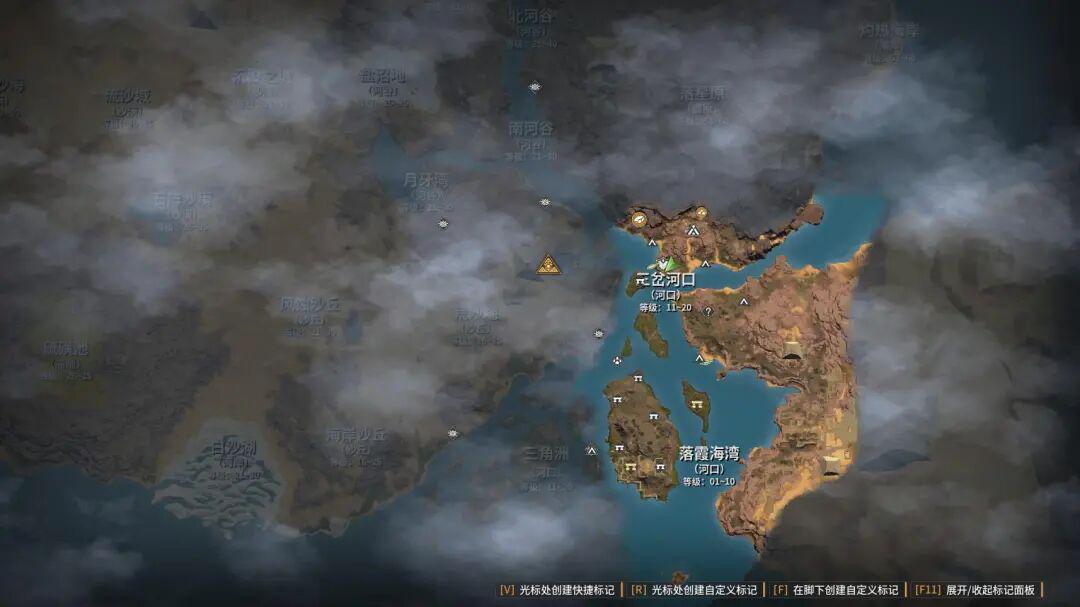
In terms of cost control, during the Early Access phase, the client was only 10 GB, and even an 8×8 map—covering 64 square kilometers—was kept to around 10 GB, meaning our overall cost control met our targets. This was made possible by the team’s long-term experience—we’ve developed PC games, mobile games, and even ventured into console games, so we’ve gained valuable insights into team management and cost control.For example, we incorporated a "generic" approach into our world-building design: resources can be reused across different factions within the same world, which is also logically sound within the setting. Cost control should be factored in from the top-level design phase—when the world-building itself includes structured and coherent content, resource management naturally becomes more manageable.
03
A Narrow Path to the Sea
Teahouse: As a game designed for long-term play, what are the key metrics the team has been focusing on most since the game’s launch? How well have they met expectations? Which metrics have served as the decisive factors in adjusting the product’s direction?
Xingchen: From the publishing team’s perspective, while sales figures are certainly an important metric we monitor, they are not the sole basis for our decision-making. We also pay close attention to indicators that reflect the health of the product—such as trends in player reviews, game features that consistently receive negative feedback, and the most pressing concerns expressed by players in regular tests and surveys. Ultimately, what matters most to us is the overall experience players have with the product.
For example, during the Early Access period, we encountered the issues mentioned earlier—such as the game’s hardcore difficulty, early-game guidance, and initial character roles—and received an approval rating of approximately 78%, placing it in the “Mostly Positive” category. The publishing team took this feedback very seriously and chose to focus on refining the experience during the Early Access phase, working alongside players to drive the game’s progress.To address this, we incorporated player feedback and released our first major update, "The Advance of the Helm," just one month after launch. This update added numerous teleportation points to alleviate map-running fatigue—a feature players vividly described as "having the subway right at your doorstep." At the same time, we rapidly revamped and strengthened the initial tribes.During the Early Access period, we maintained a nearly weekly update schedule, which is relatively rare in the SOC genre. Through a cumulative total of over 1,800 updates, we ultimately raised the approval rating to over 80%—the "Overwhelmingly Positive" range—by the end of Early Access, achieving our interim goals.
Teahouse: Overseas sales account for a significant portion of *Soul Armor*’s total sales. Does SOC have a natural advantage in the international market? What is the publisher’s overseas distribution strategy, and how does it differ from the domestic approach?
Xingchen: The proportion of overseas players in *Soul Armor* is indeed quite high. When it launched in early access in 2024, we made it onto the sales charts for Chinese games, ranking second in sales behind *Black Myth: Wukong*. Among all the titles on the list, our game had the lowest proportion of Simplified Chinese users—only about 20%—meaning that 80% of our players were from overseas, whereas other Chinese games typically have a Simplified Chinese user base of over 90%.
Upon analysis, there are two main reasons for this. First, the SOC genre has long enjoyed a large and stable user base overseas—prior to this, the best-selling titles in the open-world survival sandbox and building genres were mostly developed by overseas teams. Second, it relates to our early design choices: the Aztec civilization theme adopted during the EA phase felt somewhat unfamiliar and culturally distant to domestic players; some players even remarked, "I didn’t realize this was a Chinese game."
With this in mind, we have increased our focus on the domestic market following the Early Access launch. On the one hand, the domestic PC gaming landscape is undergoing positive changes—excellent titles such as *Black Myth: Wukong* are continuously emerging, and the number of domestic players is experiencing explosive growth. On the other hand, *Soul Mask* itself draws its creative inspiration from the Sanxingdui Golden Mask; ancient civilization themes inherently possess the dual attributes of cultural export and universal appeal.Last June, we launched the "Golden Legend" DLC, set in the Sanxingdui era, for the domestic market, making it available for free to all users. Following this move, our domestic approval rating rose to approximately 85%, and the proportion of domestic users increased from about 10% in the early stages to roughly 30%—a relatively high level within the SOC genre.
Regarding our overseas release strategy, our core philosophy is this: overseas players have much higher expectations for gameplay, game details, and the overall experience. Prior to official launch, we observed that while some products featured stunning trailers and impressive wishlist numbers, their performance plummeted rapidly after release—the trailers had raised expectations, but the actual experience failed to meet them.Consequently, we placed a strong emphasis on communicating with global players well before the Early Access (EA) launch. We conducted over ten playtest sessions, accumulating feedback from 300,000 players prior to launch, thereby continuously building reputation and trust. Our core philosophy is "mutual visibility with players"—we regularly address player concerns through developer diaries while creating player-focused stories, including interviews with volunteers and bloggers, to document our shared journey of growth with the community. This represents the direction of our targeted investments in overseas markets.
Teahouse: At the 2024 New Releases Festival, you released a demo with 40 hours of gameplay—whereas demos typically range from half an hour to two hours. This generous release strategy generated a lot of buzz. From a marketing perspective, how did the demo perform in terms of wishlist conversions? Were you concerned that releasing so much content might diminish the sense of novelty when the game launches?
Xingchen: As our first venture onto the Steam platform as a publishing team, this was indeed a decision we made after careful consideration.
Our core philosophy is that the SOC genre inherently requires a longer period of immersion. The experience emphasizes free exploration and fragmented storytelling, so if we only offer a half-hour or one-hour demo, players likely won’t have had a chance to experience the game’s true appeal."Soul Mask" is also a "slow-burner" title; the deeper you delve into it, the more you appreciate its depth. Therefore, we hope that by extending the demo duration, players will truly be able to experience the game’s rich and immersive content.
On the other hand, this is directly related to the depth of the game’s content—we knew even before launch that this was a game capable of supporting 500 hours of playtime, so releasing 40 hours of content in the demo does not constitute “over-exposure.” In fact, we have players who have logged over 6,400 hours, and the median playtime is also quite substantial, all of which attests to the game’s high replay value.
Judging by the actual results, player feedback has been positive, and media outlets both domestically and internationally have praised this release strategy—it is indeed rare to offer such an extended trial period in a demo, which has laid a solid foundation for the game’s reputation. The wishlist conversion rate met our expectations, and the volume was satisfactory.
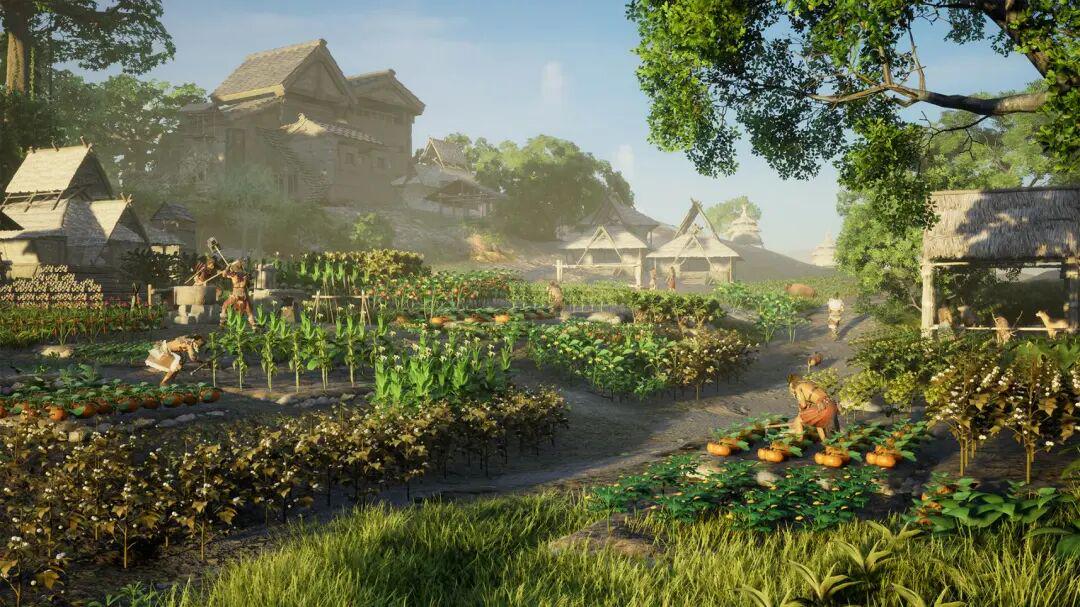
Teahouse: There were already quite a few free DLCs available before the official release, and now you’re offering paid DLCs for free for a limited time. Why are you doing this? What are your future plans or update schedules?
Xingchen: The decision to offer the first month free was based primarily on two considerations.
First, we want to reward the early supporters from the Early Access phase. Early Access is essentially an early access period, and the feedback and support players provide during this time are key drivers in helping us refine our product. Therefore, as we transition from Early Access to Version 1.0, we’ve specifically coordinated with Valve to express our gratitude to our long-time players by adding rewards directly to their accounts—without requiring them to take any action to claim them.
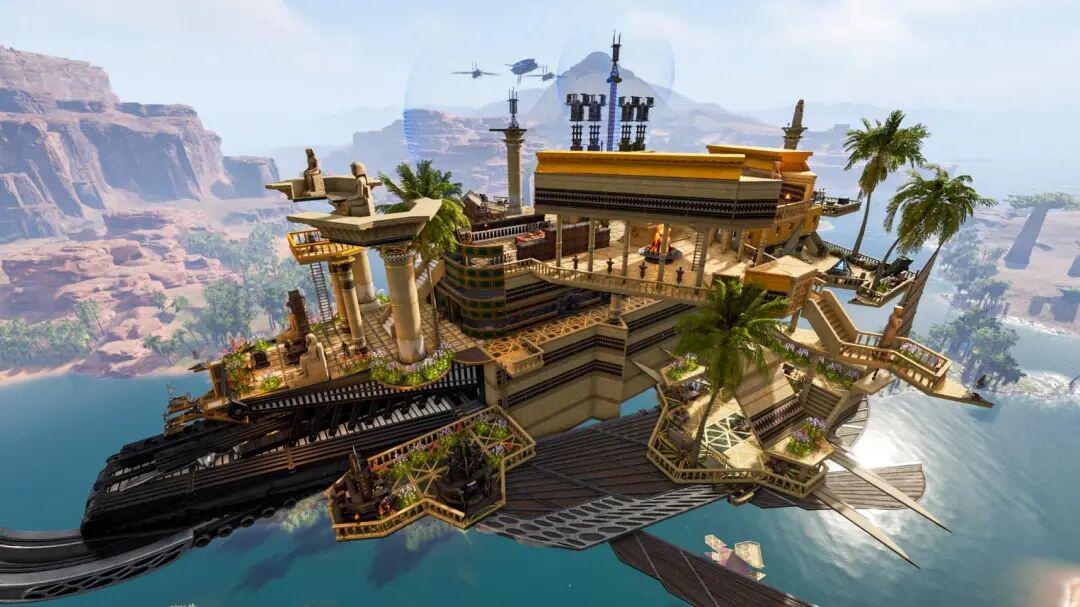
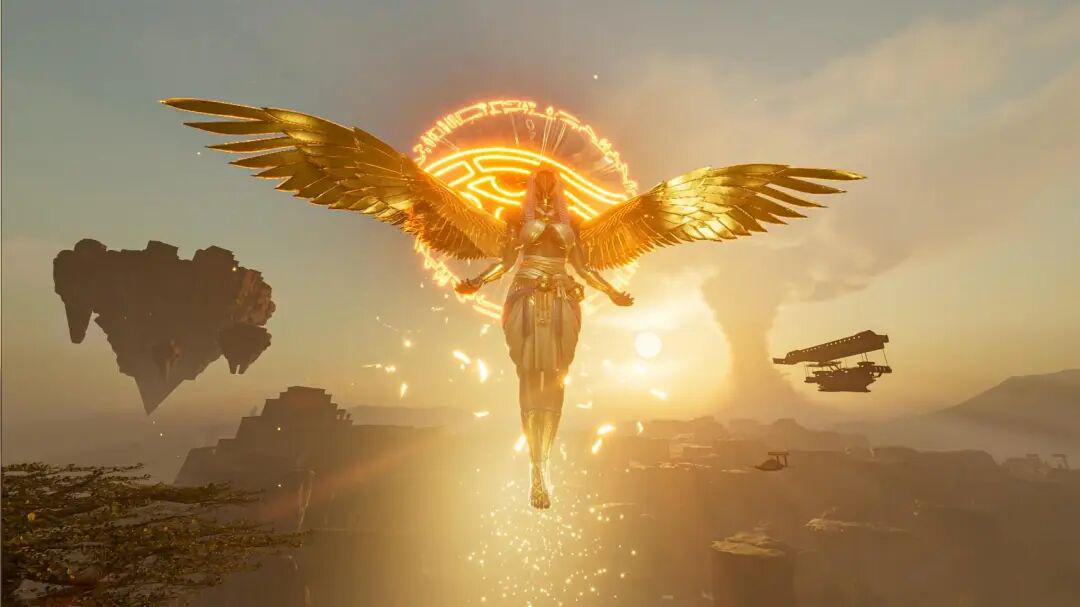
The second layer involves exploring new avenues for user growth. The "Floating Sands" DLC centers on an Egyptian theme, which is relatively more broad and accessible to a wider audience. It introduces new gameplay mechanics and content, making it more appealing to new players. By offering the first month for free and allowing players to jump right in from the start, we aim to lower the barrier to entry for new users, giving more players the opportunity to discover and experience the game.
Our future plans will focus on several key areas: First, we will continue to refine the game’s most core and distinctive systems, such as the combat mechanics and more diverse deck-building options; second, we will continue to improve the onboarding experience, UI, and usability for new players; and third, we will continue to develop new themed civilizations, new face masks, and additional cross-game content—these are the areas we will continue to prioritize moving forward.
Teahouse: How do you view the gradual growth of the SOC-plus-X model in recent years? In your opinion, how do you think the SOC market will develop in the future?
Yang Tuan: In my view, the development of SoCs is primarily moving in three directions: high-performance SoCs, lightweight SoCs, and "SoC plus X" solutions. All three of these directions have their place and room for growth; the key lies in their respective market positioning.
Hardcore SOC games are not at a dead end, but they need to stay true to their genre—choosing a theme that naturally aligns with the characteristics of SOC games and refining it to the utmost degree to deliver a distinctive and polished experience. By doing so, they can still achieve sustainable growth.
"SOC lightweighting" refers to adapting the SOC to cater to a broader user base and expand its market reach while retaining its core framework. Although the product form still falls within the traditional SOC category, significant effort is required at the user onboarding level. The ideal approach is to seamlessly integrate guidance into the game’s world-building, narrative, and the day-to-day operations of the game world, allowing more users to enter and immerse themselves in the experience without even noticing.
SOC Plus X is geared more toward non-Steam platforms and cross-platform development, and may even move beyond the traditional buy-to-play model. Its core concept lies in taking the freedom and flexibility of SOC and integrating it with specific game genres in the traditional sense. This direction may require exploration primarily by major game developers.
As for our team, I personally lean toward the second approach—continuing to focus on the SOC genre on the Steam platform while centering on the theme and world-building, and appropriately streamlining the survival and building elements based on actual needs, or even making innovative adjustments to the open-world aspects. In the future Steam market, the second scenario is more likely to occur, which is expected to give rise to more products of this type and holds the potential for explosive growth.
When it comes to content creation, the core remains the content itself. You need to thoroughly research the subject matter, imbue it with the appropriate meaning, and present it in a coherent and detailed manner. Throughout this process, you should continuously build up experience in terms of structure, system design, and practical application, and ultimately integrate these elements organically to create a content-driven game that is both more widely accepted and of higher quality.
Xingchen: From a publishing perspective, I’m more interested in the shifting player demands that this trend reflects. In the past, this genre was primarily focused on realistic, hardcore survival-building games, but today’s players are no longer satisfied with purely hardcore experiences; they’re looking for new themes, new gameplay systems, and new ways to express themselves.
This is a positive development for the gaming industry: as player needs become increasingly diverse, we have the opportunity to experiment and explore in new ways to create products that align with and meet these emerging needs.
Looking at the evolution of the future SOC market landscape, the outstanding market performance of products like *Phantom Beasts: Paru* in recent years has revealed a clear trend: optimizing the core gameplay experience and making it accessible to a broader audience will become increasingly important. We must continue to focus our efforts on better meeting the needs of a wide range of users. This includes areas that may not have received sufficient attention in the past, such as onboarding design, reducing the learning curve for complex gameplay mechanics, and fine-tuning the pacing in the early stages of the game.
Here’s a specific example: After announcing that we had reached one million sales, we launched “Casual Mode.”Based on our insights into players’ initial experiences with the game’s complexity, we collaborated closely with the development team to rapidly iterate and launch this mode. In Casual Mode, new players can enter the game with lower difficulty settings and use features like unlimited construction to quickly build their desired ships or blueprints. This significantly lowers the barrier to understanding the game’s systems, allowing players to experience the core fun of the game more quickly.This mode operates independently of the existing system, so it neither disrupts the progression path and pace that the development team has established nor affects the experience of existing hardcore players. Through this approach, we are attempting to use modular methods to adapt to the diverse experience needs of different players, and this is a direction we will continue to explore in the future.
原创文章,作者:游茶妹儿,禁止转载:https://youxichaguan.com/en/archives/195739