If there were a game that has managed to maintain an active community for 30 years and continues to draw generation after generation of players into its virtual world, people’s first thought might be of well-known titles like *World of Warcraft*, *League of Legends*, or *Honor of Kings*—and then they’d pause to wonder if those games have actually been around for 30 years.But what if I told you that this enduring game doesn’t rely on online social interaction—and is, in fact, a classic turn-based strategy game?
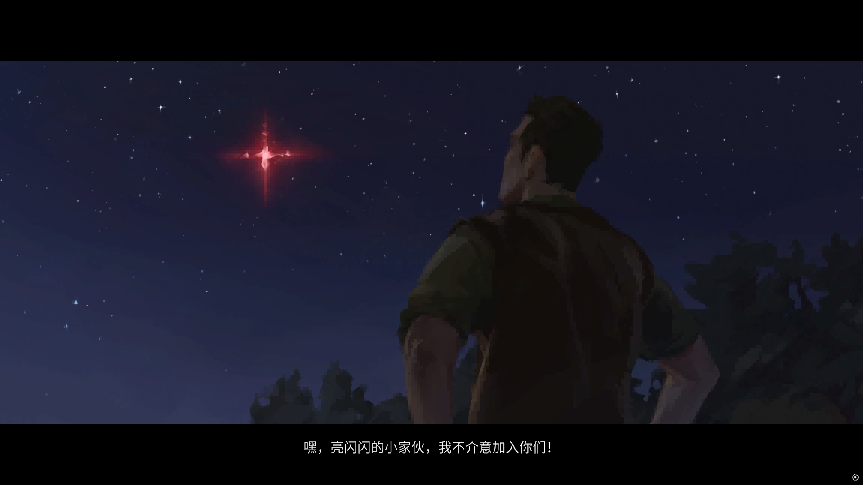
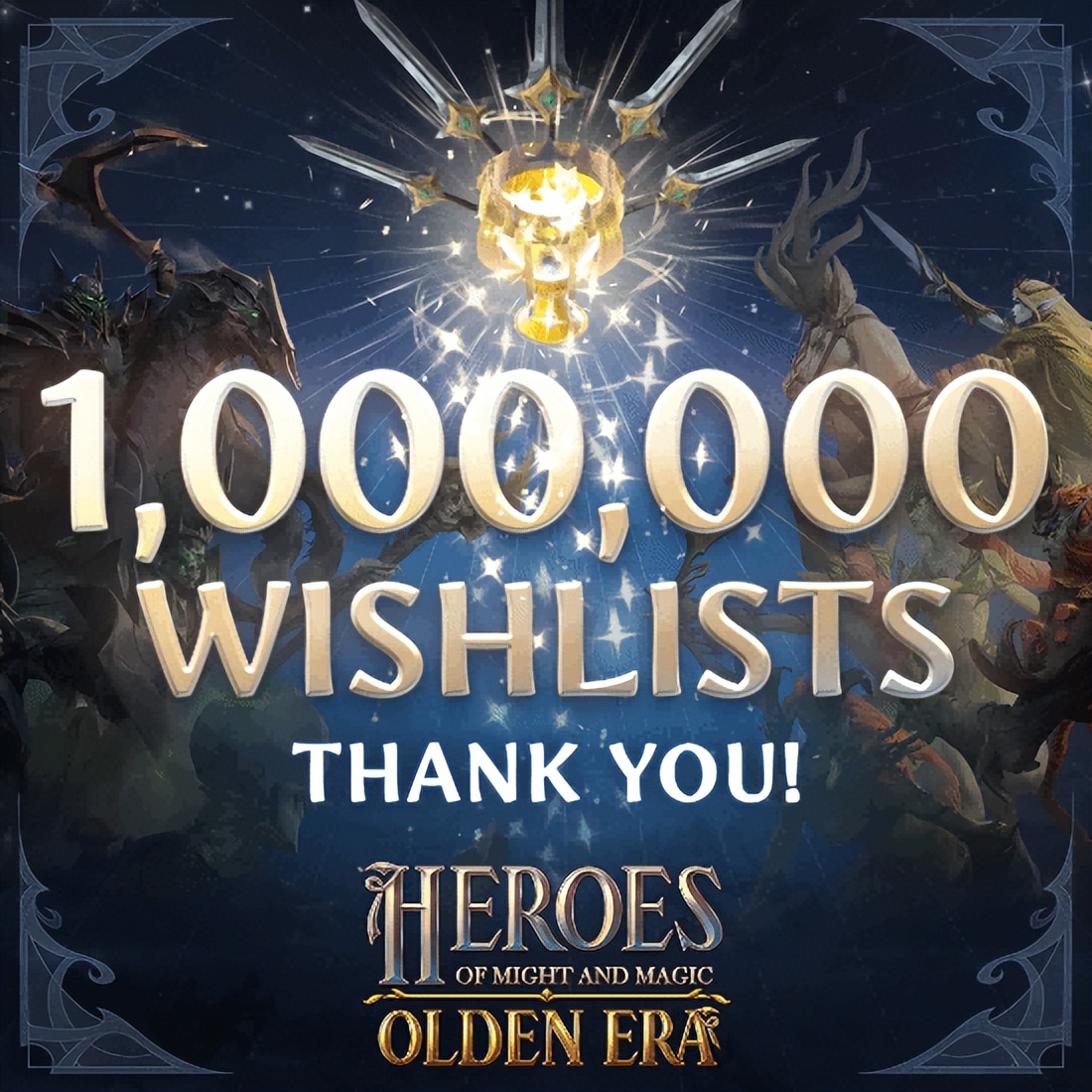
That game is *Might and Magic: Heroes – Age of Antiquity*, released this year. After its demo launched last October, it surpassed 1 million wishlist entries and reached a peak of 24,000 concurrent players.Currently, the game ranks 9th on Steam’s wishlist chart, flanked by other titles that are generating even more buzz online. While it may not be the first name that comes to mind in today’s gaming market, its standing and IP value are widely recognized by both players and the industry. Whenever the CRPG genre is mentioned, this towering monument is impossible to overlook.
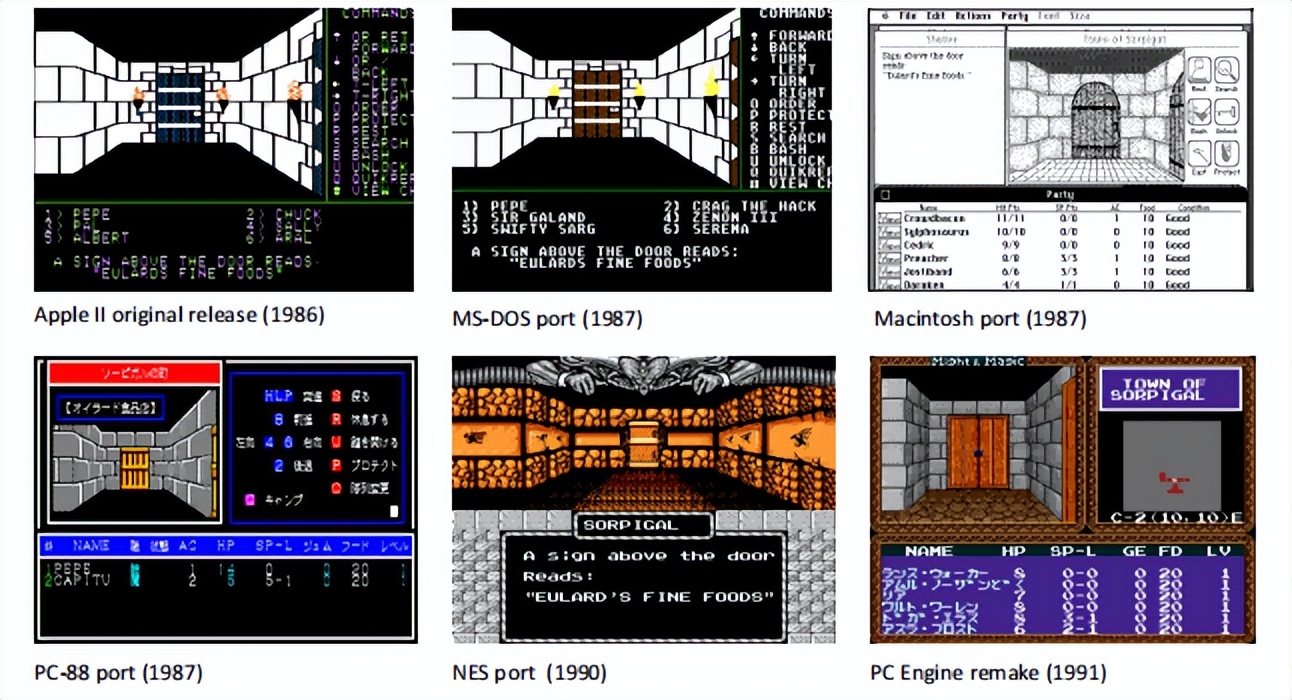
Launched in 1990, the Might and Magic series had sold 4.5 million copies by 2001—a truly staggering figure in an era when computers were far from ubiquitous. When you consider the entire franchise, its 40-year history serves as a testament to its enduring legacy.What surprised me even more was a 2025 report detailing the global player demographics for this IP, which revealed that young people under the age of 25 accounted for nearly half of the player base. The report also indicated that Chinese players were among the series’ primary players, alongside players from Eastern Europe.
This game, published by Ubisoft in collaboration with Hooded Horse and developed by Unfrozen, was not handed over to Tencent as part of Ubisoft’s recent partnership and acquisition efforts; instead, it has become one of the few titles Ubisoft retains under its own control. Additionally, for this installment, Unfrozen brought back the series’ spiritual leader—Jon Van Caneghem (hereinafter referred to as JVC), founder of New World Computing and legendary producer—to serve as creative consultant.This marks the first true sequel in the series since 2015. It is not only the first Might and Magic title JVC has worked on during his tenure at Ubisoft, but also his return to the series after a 20-year hiatus—a gesture of goodwill to players.
01
What's in store this time?
2025 marks the 30th anniversary of the Might and Magic series, and this sequel arrives just two years later—a decade after the last installment. This evergreen of the strategy game genre has taken ever deeper root over the years, while also sprouting a few new shoots in step with the changing times. This time, it takes players to the continent of Jadam within this universe to uncover the secrets behind an unquenchable fire.
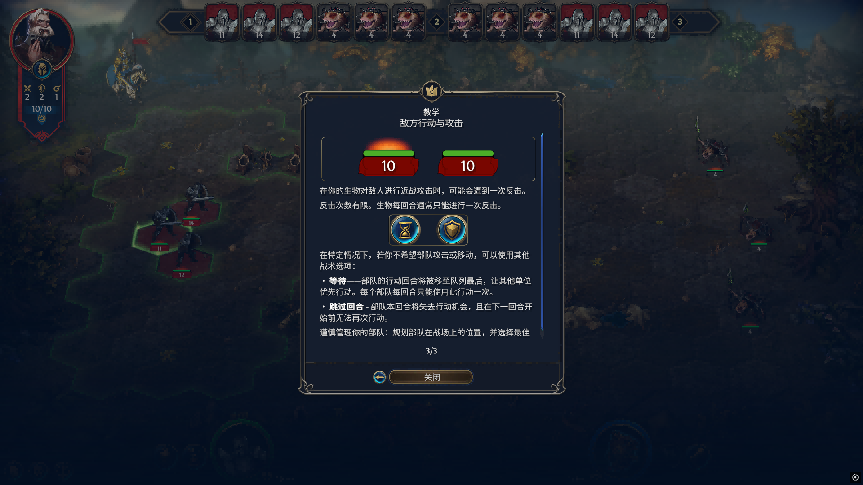
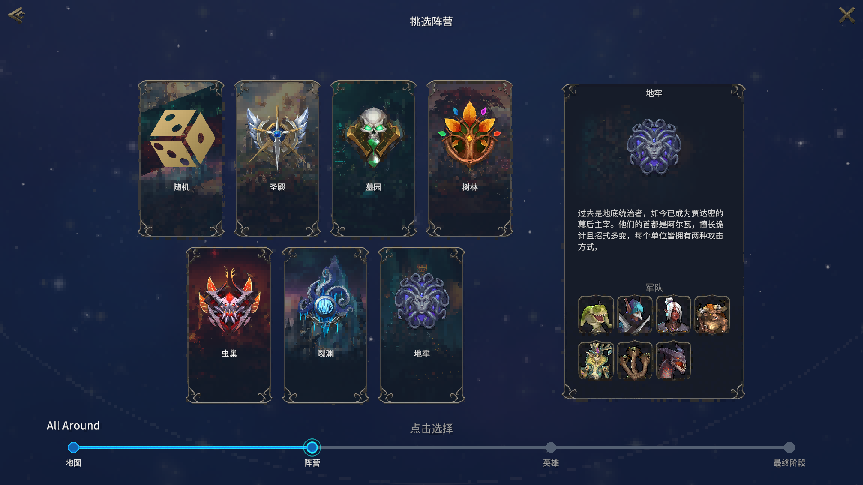
As a sequel to a classic turn-based strategy game, Unfrozen doesn’t make any drastic changes to its core gameplay.Players still take on the role of one or more heroes, moving across the map, recruiting armies, capturing resource points, and engaging in combat. The core gameplay retains the same framework as its predecessor, allowing veteran players to jump right in without any learning curve. For new players, the tutorial levels available in the main menu provide ample guidance, enabling them to grasp the game’s mechanics quickly.
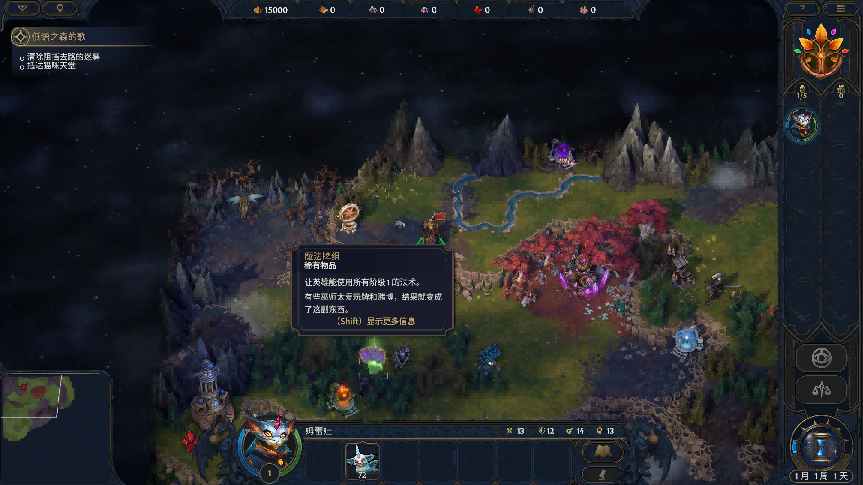
Visually, there aren’t many differences from the previous installment. One notable change is the inclusion of more pronounced RPG-style events and choices, designed to break away from the previously monotonous linear progression. In previous games in the series, the campaign was essentially a linear journey from point A to point B, with the focus on resource management and combat decisions. In *Might and Magic: Heroes – Age of Antiquity*, however, the map exploration segments now feature more interactive events.
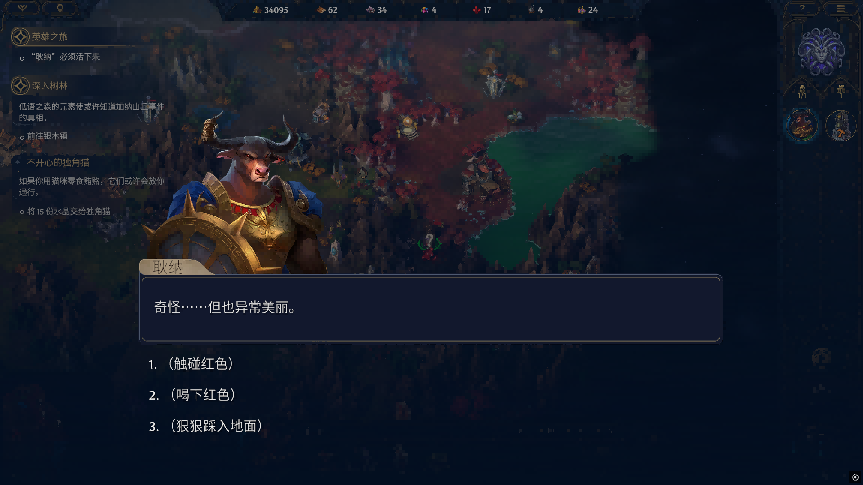
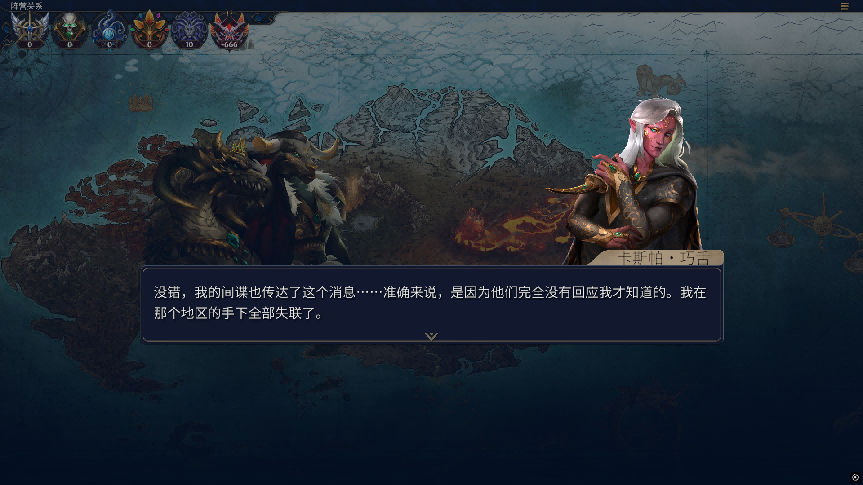
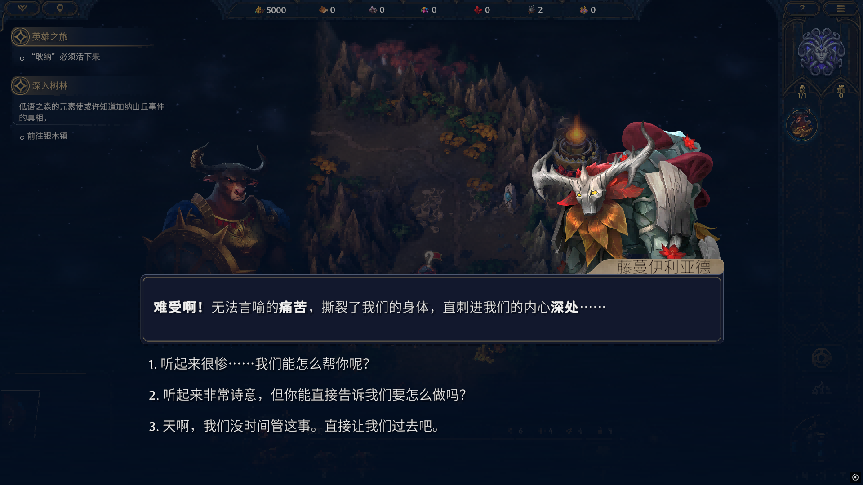
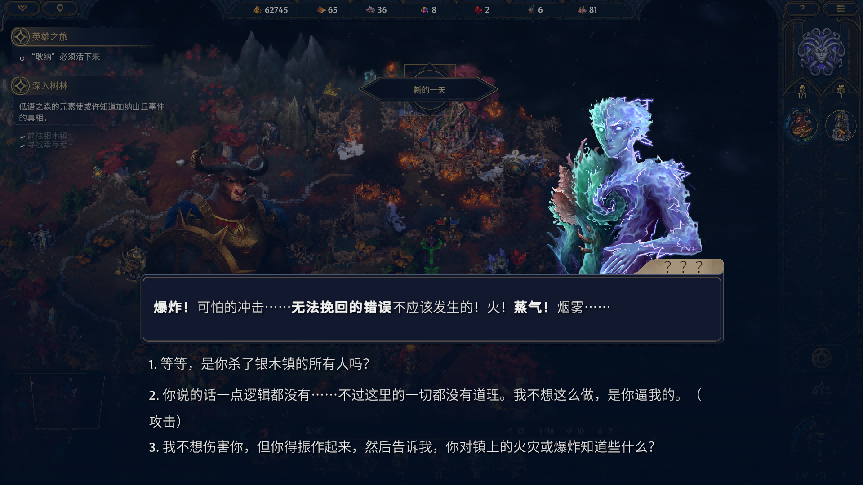
When facing enemies guarding artifacts and resource points, players must decide whether to engage in thrilling combat or outmaneuver them; whether to welcome new allies or make enemies; and sometimes, they can even try to persuade them using items in their possession or engage in strategic bargaining through trade—all of which present players with choices. As a result, the sequel offers a greater sense of immersion in its narrative presentation.In Campaign Mode, an interlude sequence plays after each completed campaign. The Three Great Powers will also engage in dialogue with the player’s character, during which they will discuss the game’s lore and the current events unfolding in the world alongside the player.
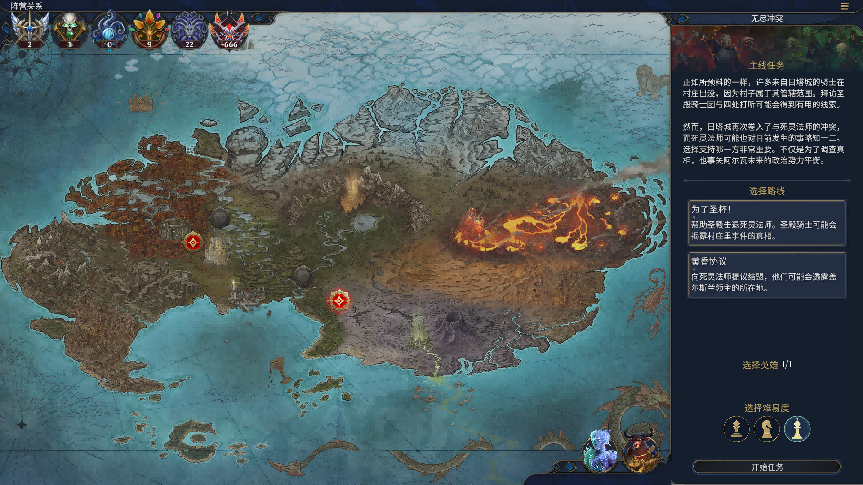
On the world map screen, players must select the next mission to undertake and the heroes to deploy. Some missions also require players to choose a faction; these decisions will influence the course of the story, relationships with other factions, and future developments. As a result, players will naturally need to complete the game multiple times to experience all the content and gameplay features.
In addition to enhancing the RPG feel through the choice system on a narrative level, the game has also made some more significant adjustments to the combat system. One key improvement is the more flexible enemy AI. The AI now adjusts its strategies based on the difficulty level, adapting its tactics more flexibly to the situation rather than simply engaging in a numbers game with the player or relying on purely utilitarian tactics.In certain situations, when it realizes it cannot defeat the player, it will even choose to kite the player to restrict their movements. In one battle, I was at a distance from the AI-controlled hero, making it difficult to close the gap for two turns. I watched as it kited me while capturing my resource points, and once it had developed sufficiently, it turned back to launch a fierce assault. Fortunately, I had the "Rewind" feature, which saved me from a total collapse.
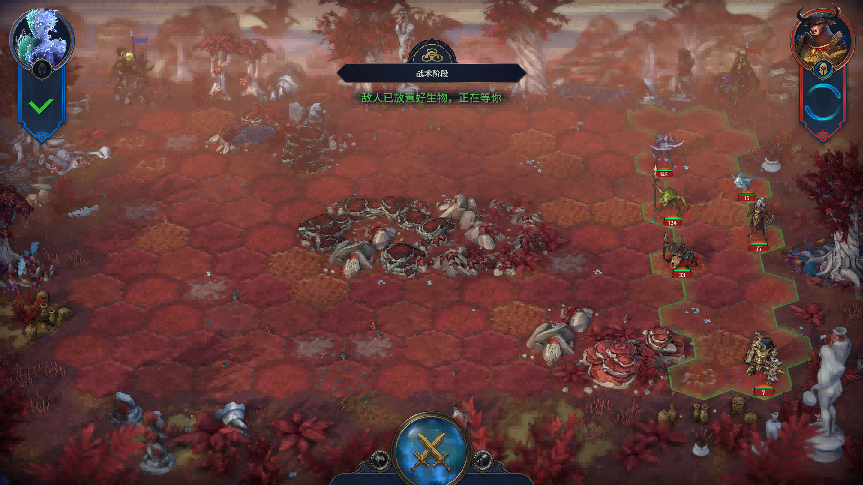
At the same time, units in the army can now use their unique abilities during combat, and players must choose the right moment to activate or use these abilities. In this regard, the game does not follow the design of *Heroes of Might and Magic IV*, where heroes directly entered the battlefield to fight.Back then, while the mechanics of heroes entering combat were certainly entertaining, they were less so for designers tasked with balancing the game (heroes were either too powerful or too fragile). Furthermore, when hero characters became too prominent, players’ attention was constantly diverted away from the entire army. As a result, strategic elements such as unit counters, positioning, and long-term management centered on attrition became somewhat sidelined.In past interviews, JVC has mentioned that he initially opposed having heroes enter the battlefield directly, precisely because he feared the gameplay would devolve into a form of individual heroism. For this reason, the upcoming sequel will return heroes to their role as commanders, shifting the focus of combat back to the overall strategy itself.
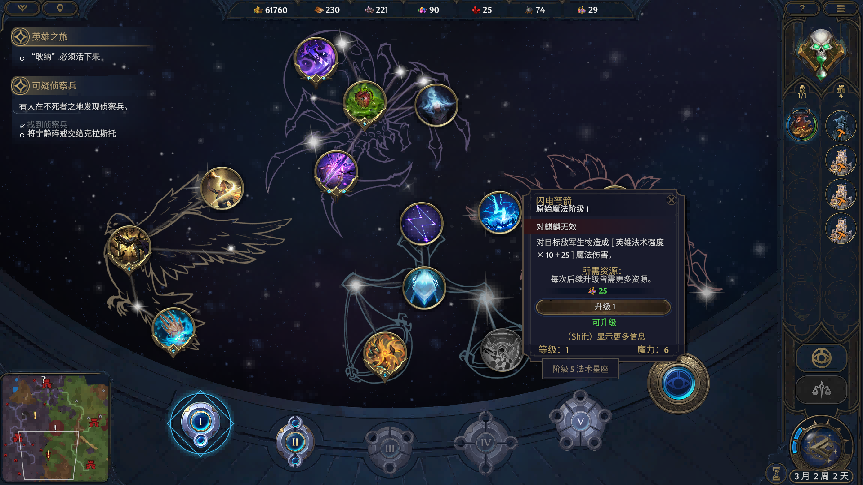
These combat optimizations allow the game to retain its classic framework while introducing more nuanced changes to tactical gameplay. As a result, the battle grid remains the familiar hexagonal grid players know, but the strategic approach has evolved. It preserves the original flavor while incorporating gameplay mechanics that better suit modern players’ preferences.Guided by this philosophy, JVC has returned to the world he helped create. Serving as a consultant alongside the development team at Unfrozen, he is collaborating to determine how this title can remain true to its roots while simultaneously transcending them.
02
When the lights come back on
After 2003, JVC came to be seen as a figure consigned to the early pages of the *Might and Magic* series’ history. Players might still remember him, though, since his name is invariably mentioned whenever this IP is discussed.As time slowly passed, when that once-spirited JVC reappeared, he had become just another middle-aged man—the kind you see everywhere in Silicon Valley. It wasn’t until he spoke about his departure that people realized it had actually been a matter of necessity.
Someone who created this IP and has been with it for decades—we often describe it as his own “child.” In 1983, JVC was working on it using an Apple II in his apartment, and later founded his own company, New World Computing. At its peak, the team numbered over a hundred people.
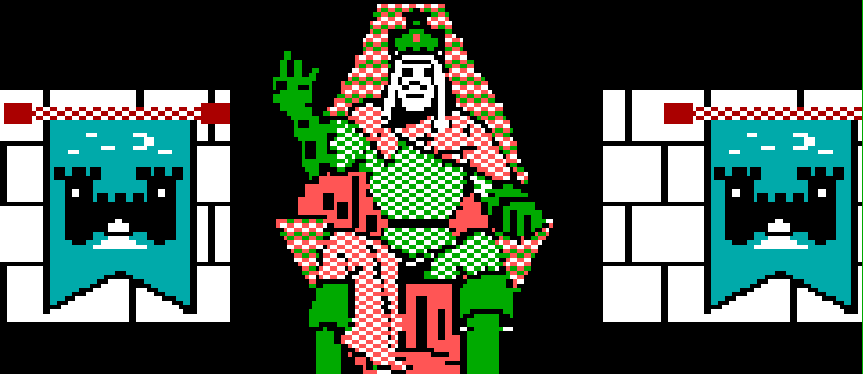
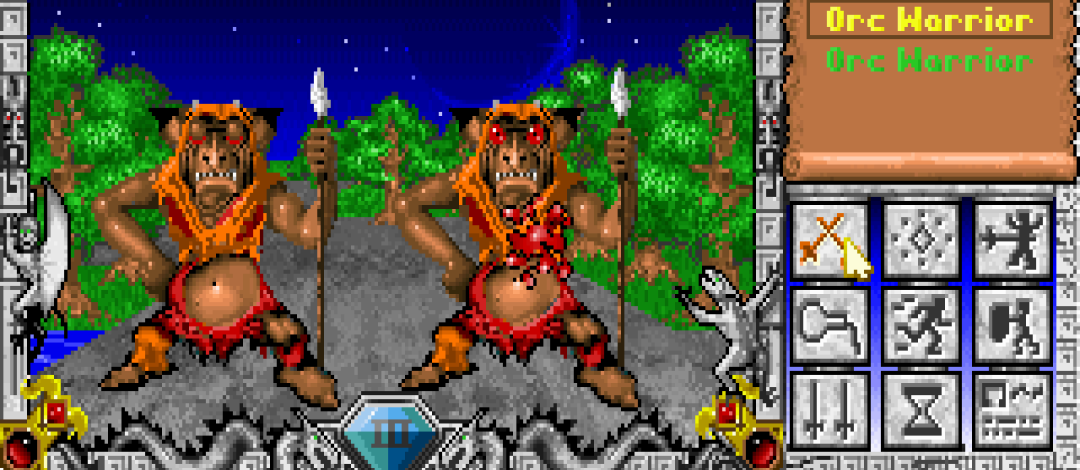
Later, in 1996, he sold the company to 3DO because he wanted to focus more on creation rather than having to juggle game development with running the business. He hoped to free himself from the burdens of administrative and managerial tasks so he could enjoy the joy of creating games; for a programmer like him, being constantly bogged down by administrative work was actually a form of torture.The relationship was indeed quite good at first. According to his own recollections, the collaboration was excellent in the early days; 3DO took on a lot of the administrative work, allowing him to create titles such as *Might and Magic: Heroes II* and *Might and Magic VI: The Decree of Heaven*.
But no matter what, there are always times when things take a turn for the worse, especially when life is going well—his company was gone.
3DO ran into financial trouble, and the situation gradually spiraled out of control; JVC could only watch as it all went under. During that time, he tried to save New World Computing, even though people approached him with offers, but his efforts ultimately failed.In 2003, 3DO went bankrupt, and New World Computing followed suit. He said that at that moment, he became the last person to close up shop—walking out of the office, turning off the power, and locking the door. And so, for a long time, JVC vanished from the universe he had created with his own hands.
Later, he moved into mobile gaming and tried his hand at various commercial projects, bouncing between different companies and products—working at NCSoft, Trion Worlds, and then EA. Although he was still making games, building a world from scratch and refining it, he felt deep down that it wasn’t his true calling. That carefree joy of his youth seemed to have been locked away along with it.He once admitted in an interview that his departure back then was largely out of desperation; his subsequent creative work had become nothing more than tasks on an assembly line, and the shadow of the company’s collapse continued to hang over him. The young man who once made games simply for the joy of playing them now felt a weariness unlike anything he had ever experienced.
Even when Ubisoft contacted him after acquiring the *Might and Magic* and *Might and Magic: Heroes* IPs, he didn’t return. At that time, he just wanted to be a detached observer, staying out of it and letting others take over; he wouldn’t have cared much even if new titles were released. Yet in an interview with JVC, he expressed gratitude for this, saying that if they hadn’t kept the series going, people probably wouldn’t be talking about a new *Might and Magic* today.
In fact, the players deserve a great deal of credit as well. During the series’ long hiatus, their spontaneous creative efforts kept the conversation alive. When the developers didn’t release expansions, the players created their own; when bugs appeared, they fixed them; and when the game felt unbalanced, they tweaked the stats. Countless mods have even made *Might and Magic: Heroes III* the de facto standard version in a sense. One can only imagine the sheer volume of fan-created content that has sustained the series for so many years.
Thanks to the series’ solid gameplay, which gives it a unique sense of rhythm, its pseudo-3D style has become both an iconic visual signature and a key factor in reducing system requirements. Enduring gameplay, visually appealing art, and a dedicated and passionate player community are the main reasons for the series’ enduring popularity.
It wasn’t until many years later that JVC finally let go and was able to look back calmly at the tree it had planted with its own hands all those years ago. It was precisely at this moment, by a stroke of luck, that Unfrozen Studio—a group of developers who had grown up playing JVC games—knocked on JVC’s door with a prototype of their own *Might and Magic* game.
Before taking on *Might and Magic: Heroes – Age of Antiquity*, Unfrozen was best known for *Iratus: Lord of Death*, released in 2020—a somewhat hardcore turn-based roguelike that sold over 500,000 copies.One of the reasons Unfrozen initially reached out to JVC was that they realized, while JVC had created the surface appearance of a *Might and Magic* game, they seemed unable to capture the essence of the series, and their repeated attempts to do so had prolonged the development cycle. Consequently, the Unfrozen team decided to visit JVC.
JVC first met with Denis Fedorov and his team, and then got to play a demo of the game’s prototype. After playing it, JVC was amazed by their prototype. He recalled how he had built up those systems and experiences one game at a time, whereas Unfrozen aimed to handle so many layers all at once within a single title. That gentle, humble man’s eyes once again sparkled with a longing for the fantasy world.
In his view, it’s already remarkable that anyone in this day and age is willing to put in the effort to recreate and further refine a game, especially considering this is practically their first time developing a title of this scale. But what truly struck a chord with JVC was seeing that Unfrozen had captured the original spirit of the series; he was heartened to see that, when creating the sequel, they prioritized playability over mere visual fidelity.So the two sides hit it off immediately, and that’s how the rest of the story unfolded.
In the announcement released upon his return, he said he was delighted to see that the world he had created all those years ago was still alive today and remained in the memories of so many people, and that he was also thrilled to be able to contribute to it once again. The door that JVC had locked during its low point has been unlocked by the passage of time, and Unfrozen has pushed it open, driven by a love for the *Might and Magic* series.
In January 2026, Unfrozen Studios officially announced that JVC had been invited to join *Might and Magic: Heroes – Age of Antiquity* as a creative consultant. At that point, the core of the game was already largely complete, and JVC’s primary role was to provide advisory input on game design, world-building, and other creative matters.JVC noted that when he created *Might and Magic*, there weren’t many ready-made solutions available on the market; he had to figure out many things on his own. On the technical side, he had to make trade-offs based on his personal capabilities, and there were compatibility issues with PCs of varying configurations, among other challenges. Now that technology has matured, the creators’ vision has become even more important.
A few years ago, everyone said turn-based strategy games were outdated, and the market was flooded with real-time titles. JVC believes it’s time for turn-based games to be taken seriously again, especially since the success of titles like *Baldur’s Gate 3* has led more and more players to embrace the genre once more. When *Might and Magic: Heroes – Age of Antiquity* made it into the top ten on the wishlist, JVC’s confidence grew even stronger.
The two teams’ efforts on this project were perfectly aligned; they took the completed core of the game and further optimized it based on player feedback. When discussing the game’s AI, JVC noted that programmers in the past always wanted to make AI like chess—the stronger and more precise, the better. When JVC faced off against such a precise and powerful AI, he took his hands off the keyboard: “'It just beats me to a pulp—it’s not fun at all.' What he wanted wasn’t an emotionless killing machine, but rather a partner like the ones you’d find playing board games in person—someone who could inject a bit of drama into the gameplay.”
He gave this concept a name: Fun AI. In his vision, computer AI should be more human-like—occasionally making mistakes, testing the waters, bluffing, and even mounting a last-ditch counterattack. He hopes that when players beat it, they’ll feel a sense of satisfaction and think, “Let’s play another round.”
Thanks to Unfrozen’s efforts, JVC’s vision has been better realized in this installment.And so, we see the AI of today—an AI with a touch of humanity. The significance of JVC’s return lies not in resurrecting the classic Might and Magic series unchanged, but in helping Unfrozen better understand the true joy of the series—namely, the understanding and thoughtfulness toward game details embodied by features like Fun AI. In an era where AI can defeat any human chess player, he taught machines how to fail like humans. What a stubborn player he is.
Conclusion
Personality tests have been popping up everywhere lately, many of which ask questions people have always wanted to be asked but never had the chance to answer. Here are a few examples: When you realize your original plan is unlikely to succeed, what do you do? When your ideals clash with reality, what do you do? A. Give in to reality for now and deal with it later; B. Take a different path to avoid getting stuck; C. Try your best to hold on to your core ideals; D. Adjust your approach to ultimately achieve your ideals.
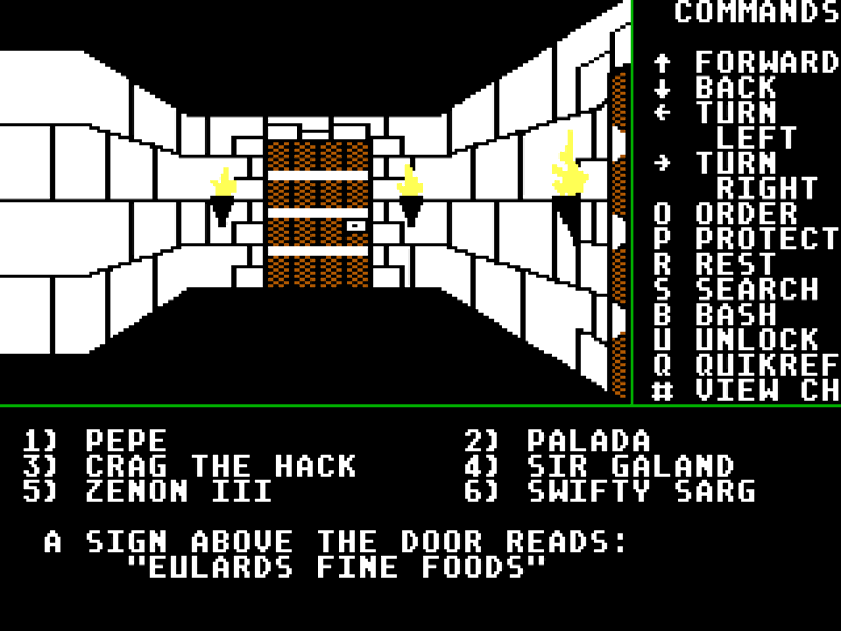
More than thirty years ago, unable to gather a group of friends to play board games, this young man simply sketched out his own world on a piece of paper. Later, the empire crumbled, the lights went out, 3DO went under, and New World fell apart. For more than two decades, he watched the tree he had planted with his own hands wither and flourish in someone else’s yard.
More than twenty years later, after traveling far and wide and weathering the industry’s turbulent changes, he finally found his way back to this tree. There, he saw a crowd of strangers gathered beneath it, people who still cared deeply for its branches and leaves.
When asked about his departure back then during the interview, JVC spoke in a matter-of-fact tone, without much sentimentality. To him, the moment he turned off the lights in his office in 2003—and even now—is nothing more than a compressed snapshot of time, stored on a USB drive that he left behind in a taxi.
As the screen lit up, he looked at the new game before him—the familiar hexagonal board, the units, and the story of that world.
“This is exactly what I wanted to see.” He looked around at his colleagues, his tone as cheerful as a child’s.
“This is what a magic gate should look like.”
原创文章,作者:游茶妹儿,禁止转载:https://youxichaguan.com/en/archives/195731